Normal Vowels Worksheets for Ages 5-7 - Page 3
71 filtered results
-
From - To
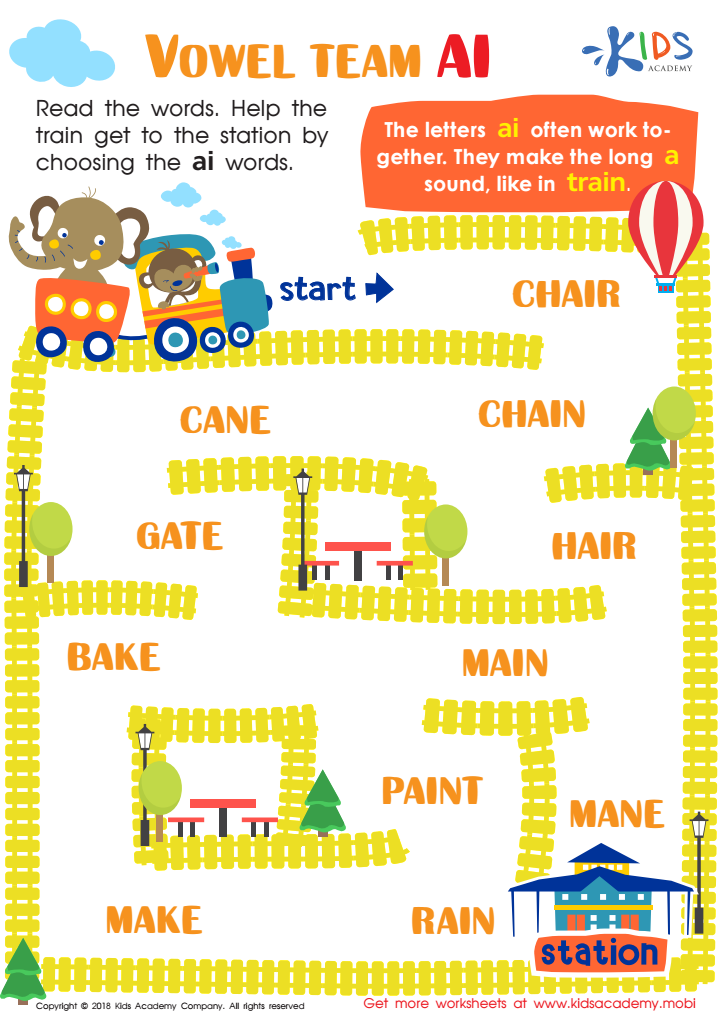
Vowel team ai Worksheet
 Assign to My Students
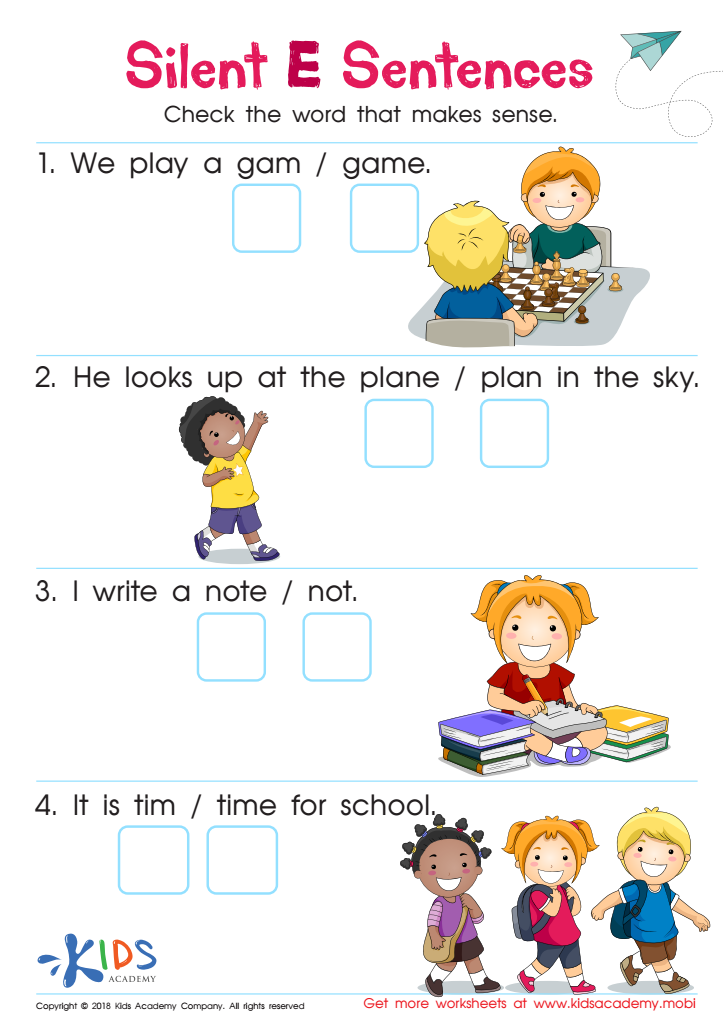
Silent E Sentences Worksheet
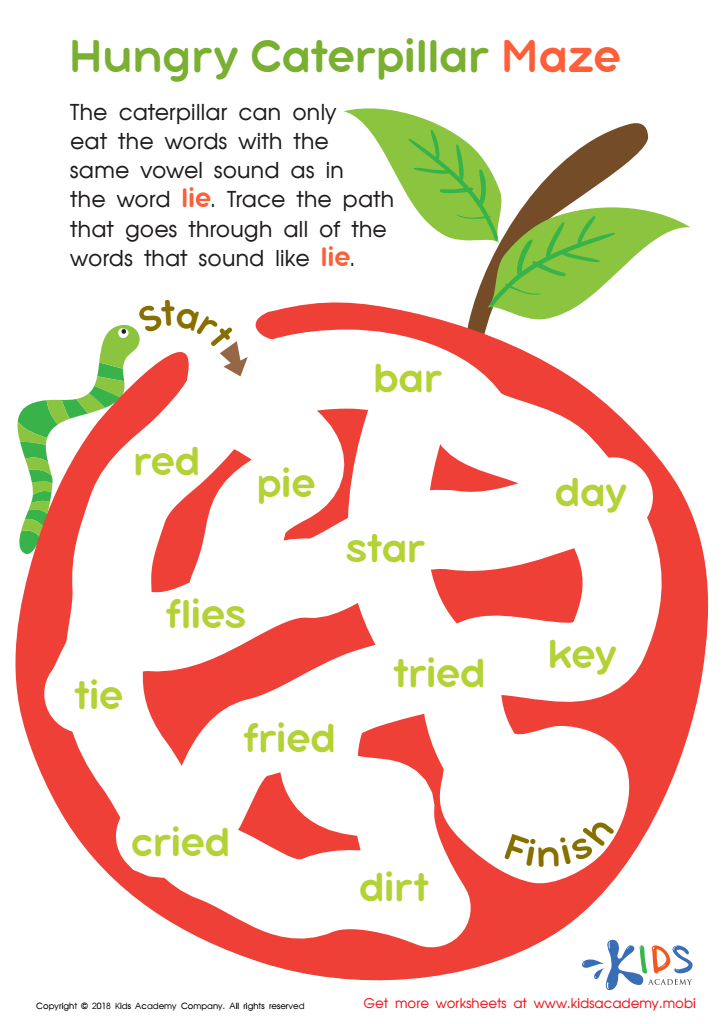
Hungry Caterpillar Maze Worksheet
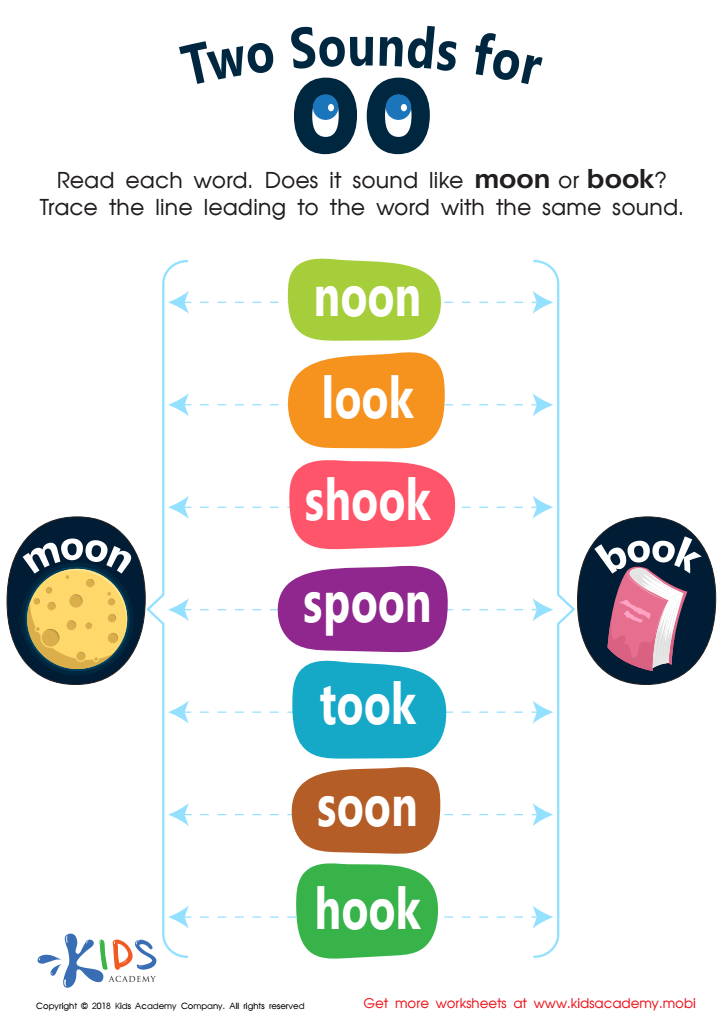
Two Sounds for OO Worksheet
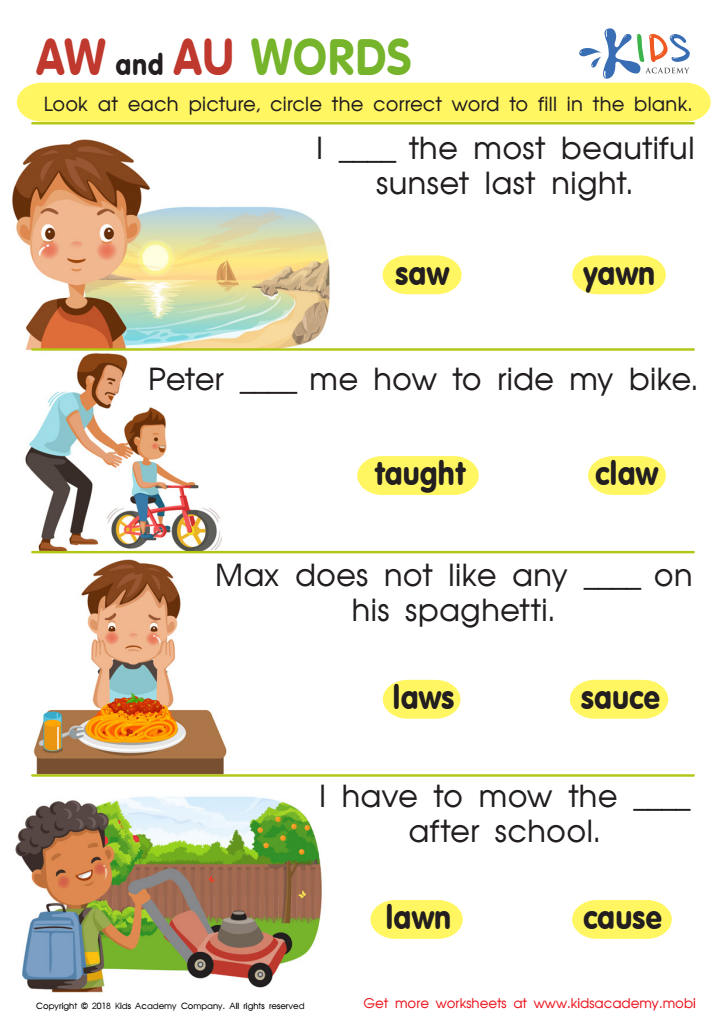
Reading: AW and AU Words Worksheet
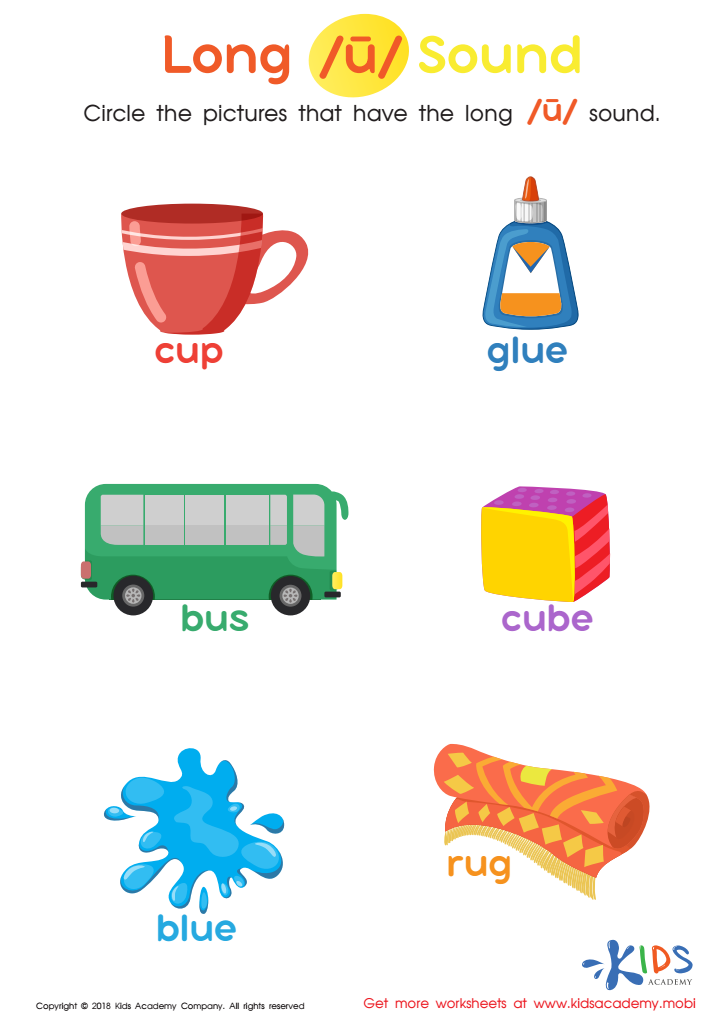
Long «u» Sound Worksheet
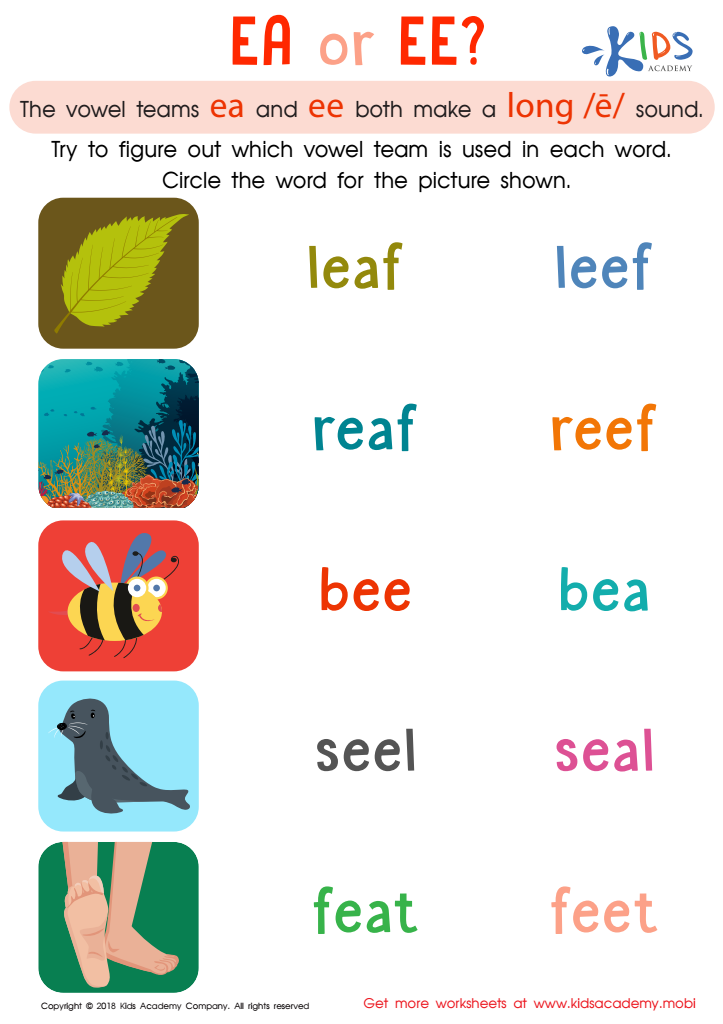
Reading: EA and EE Worksheet
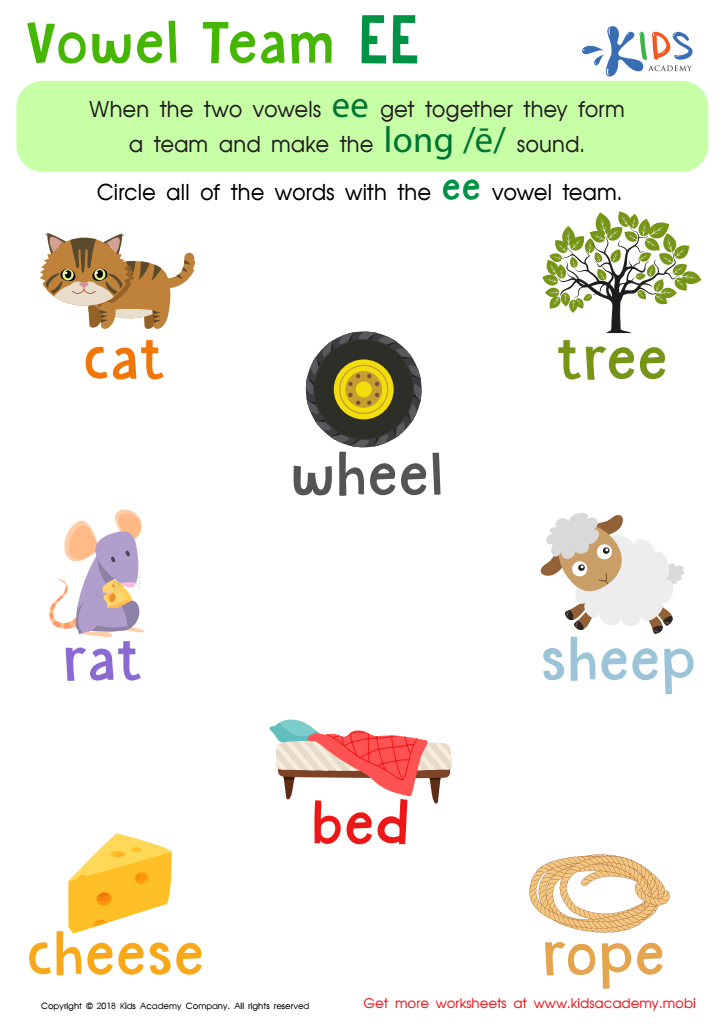
Reading: Vowel Team EE Worksheet
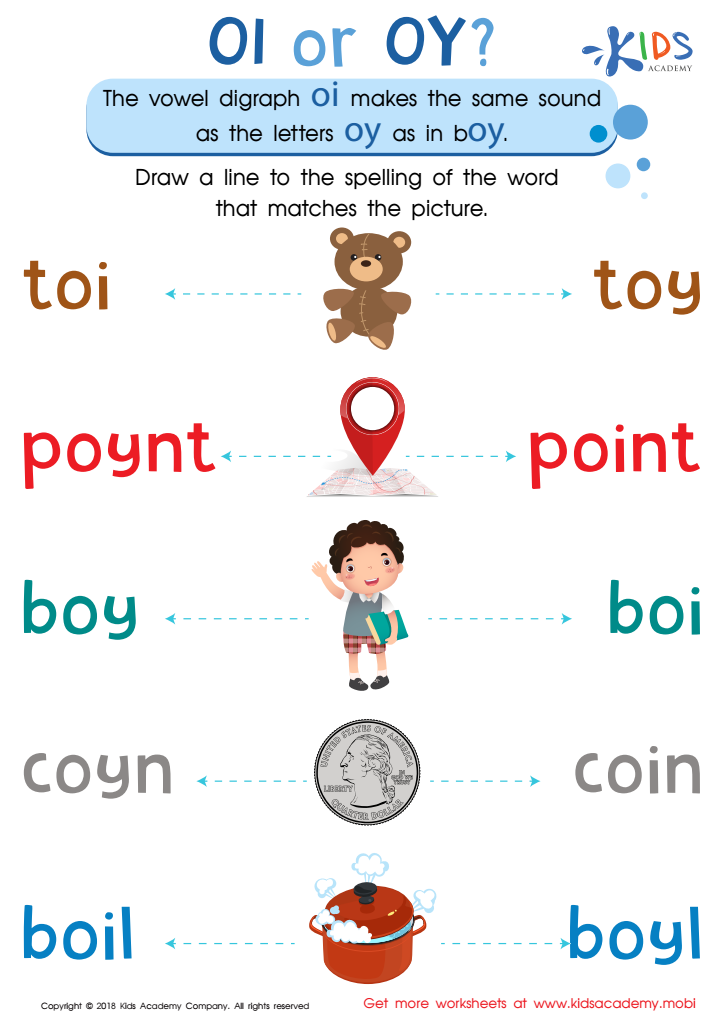
Reading: OI and OY Worksheet
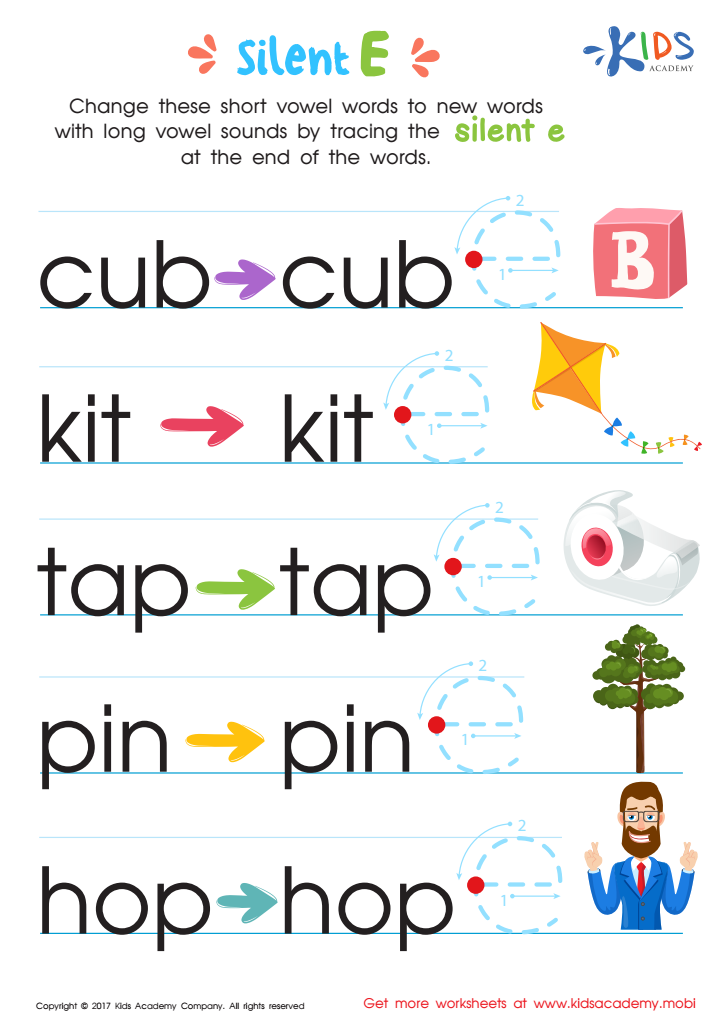
Silent E Words Worksheet
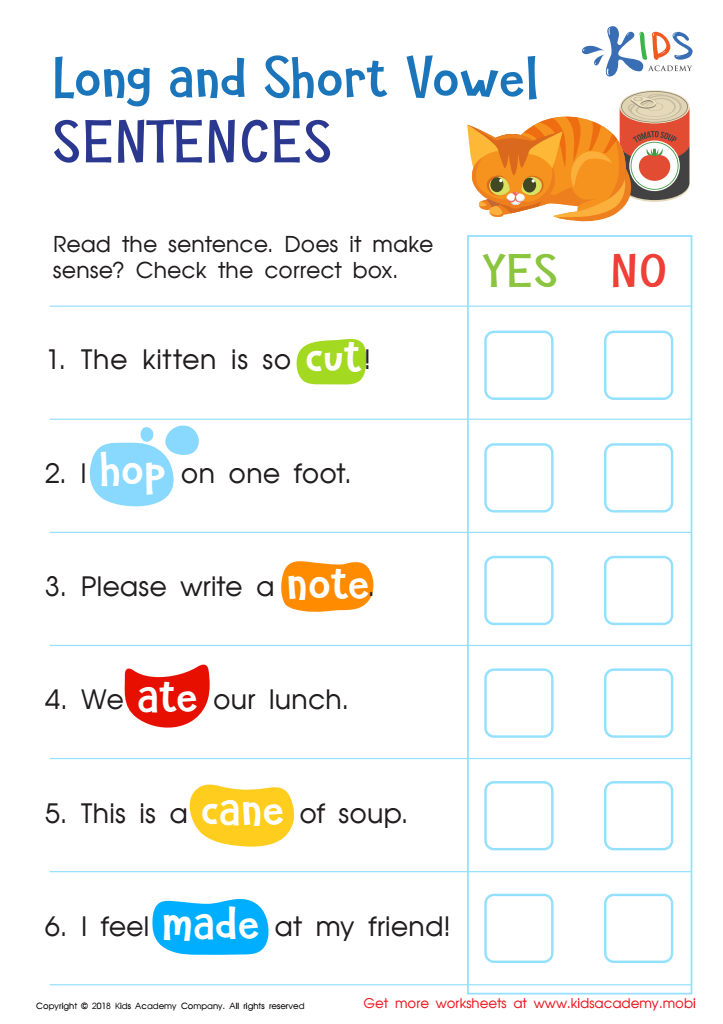
Long and Short Vowel Sentences: Assessment Worksheet
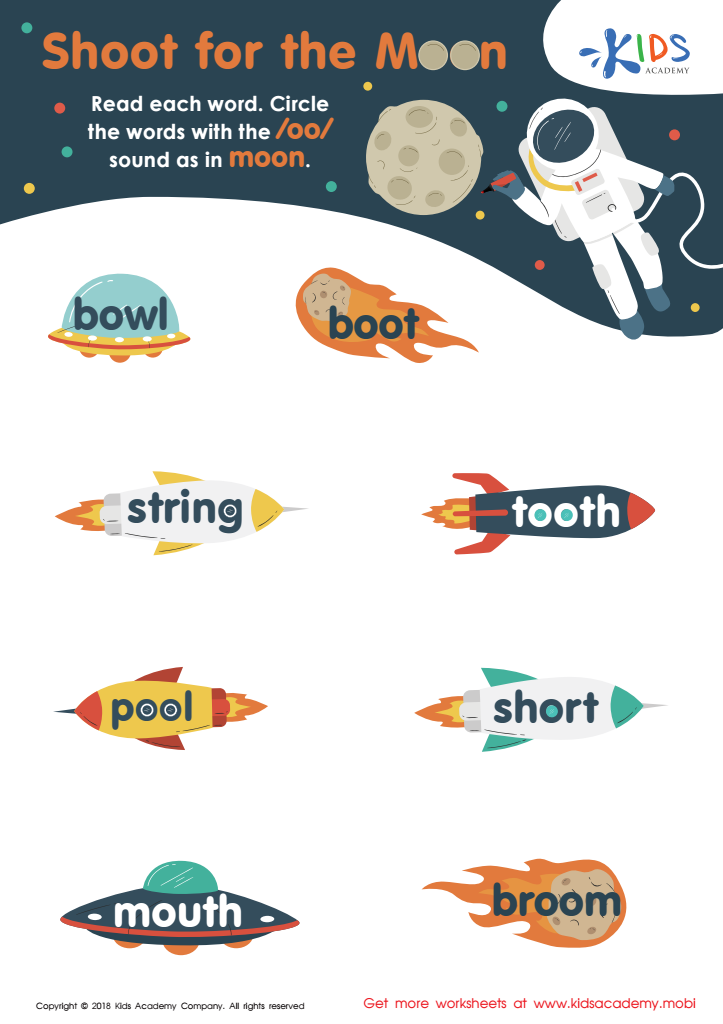
Reading: Shoot for the Moon Worksheet
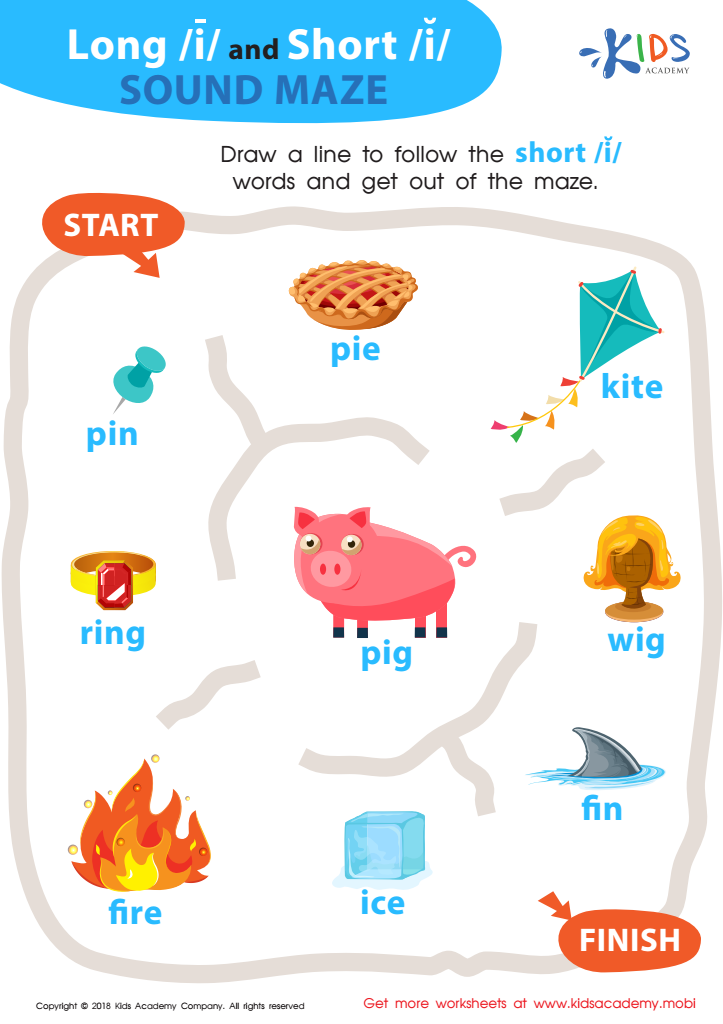
Reading: Long I and Short I Sound Maze Worksheet
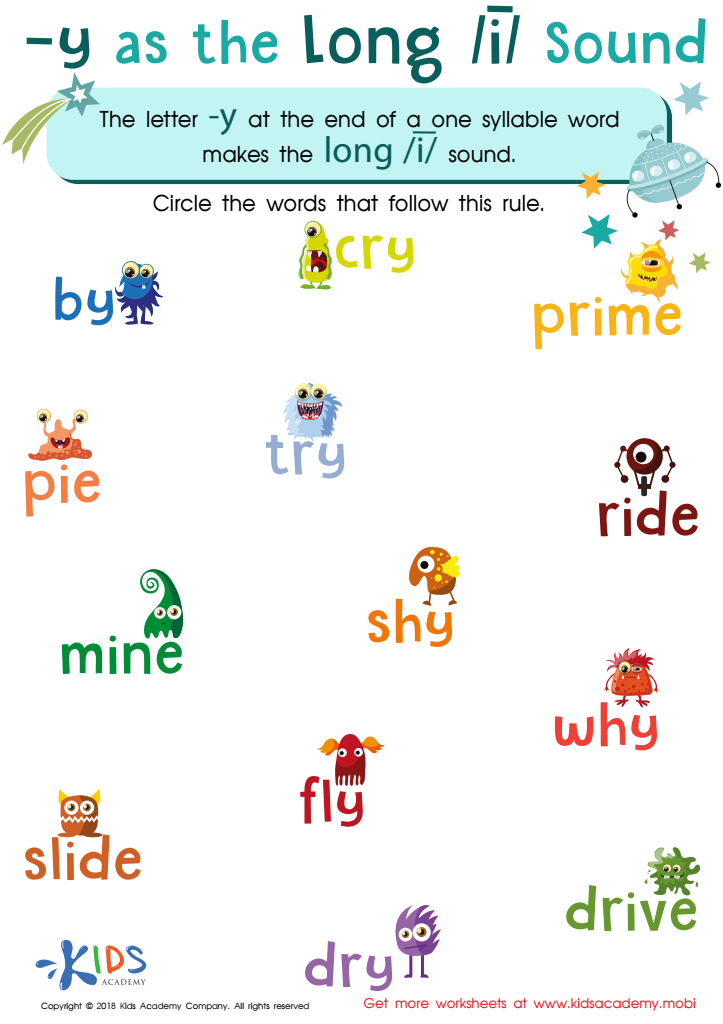
Reading: Y as Long I Worksheet
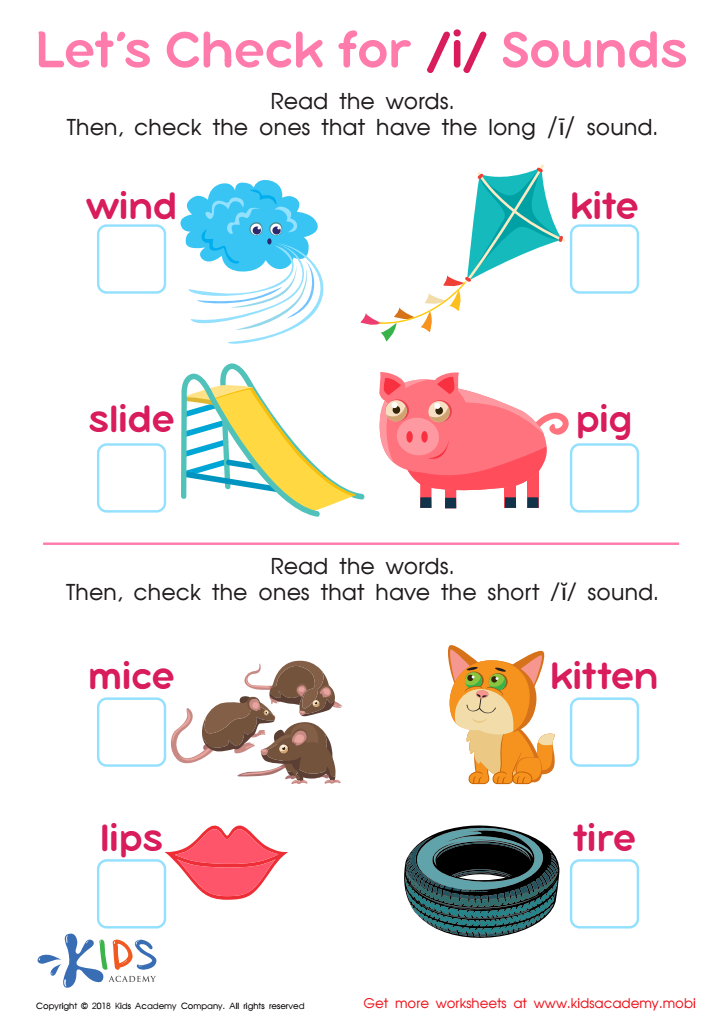
Let's Check for «i» Sounds Worksheet
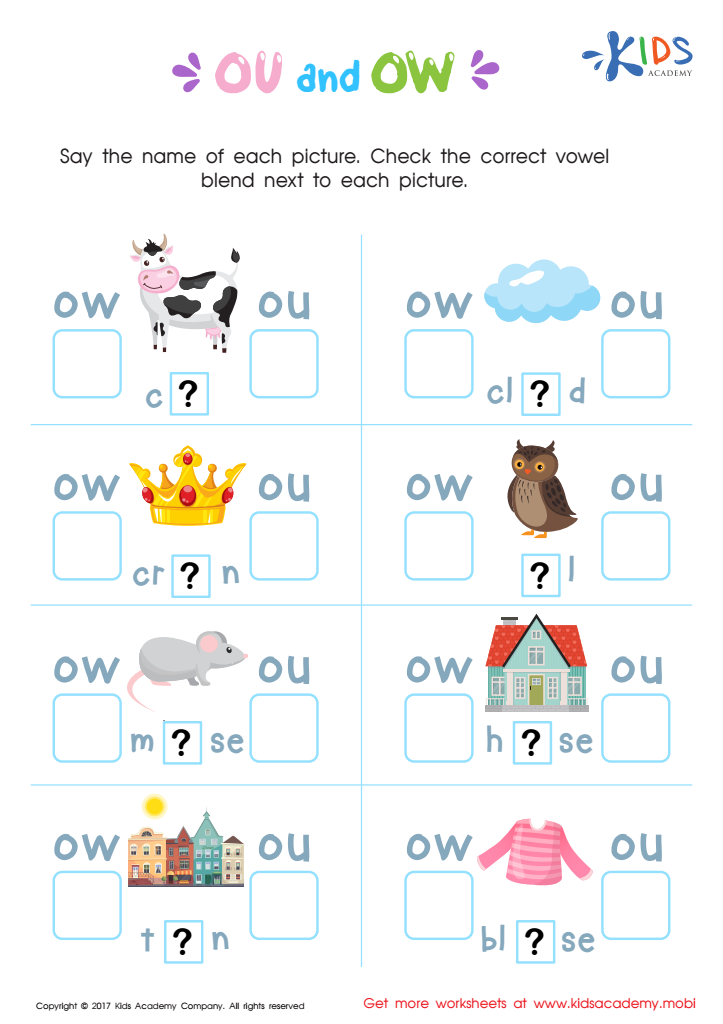
OU and OW Words Worksheet
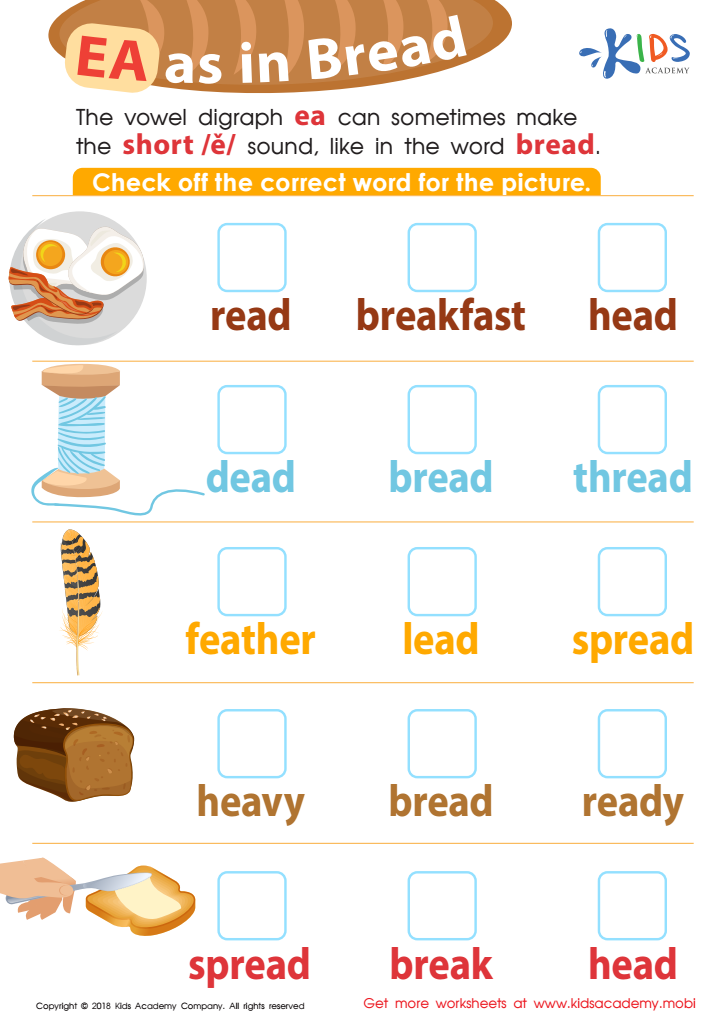
Reading: EA as in Bread Worksheet
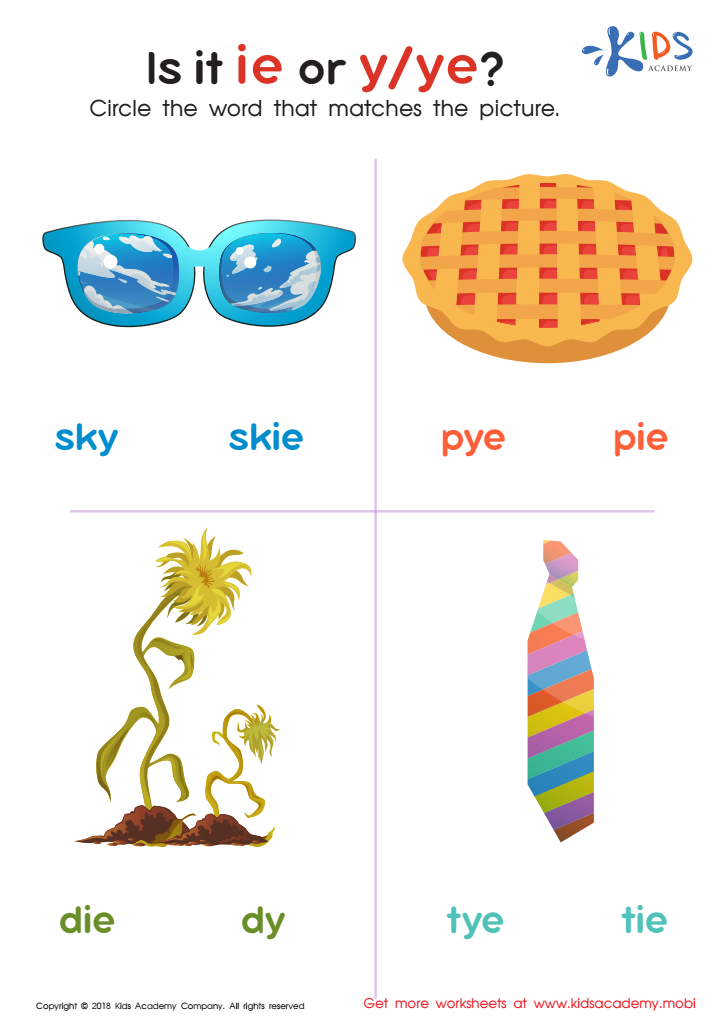
Is It IE or Y/Ye? Worksheet
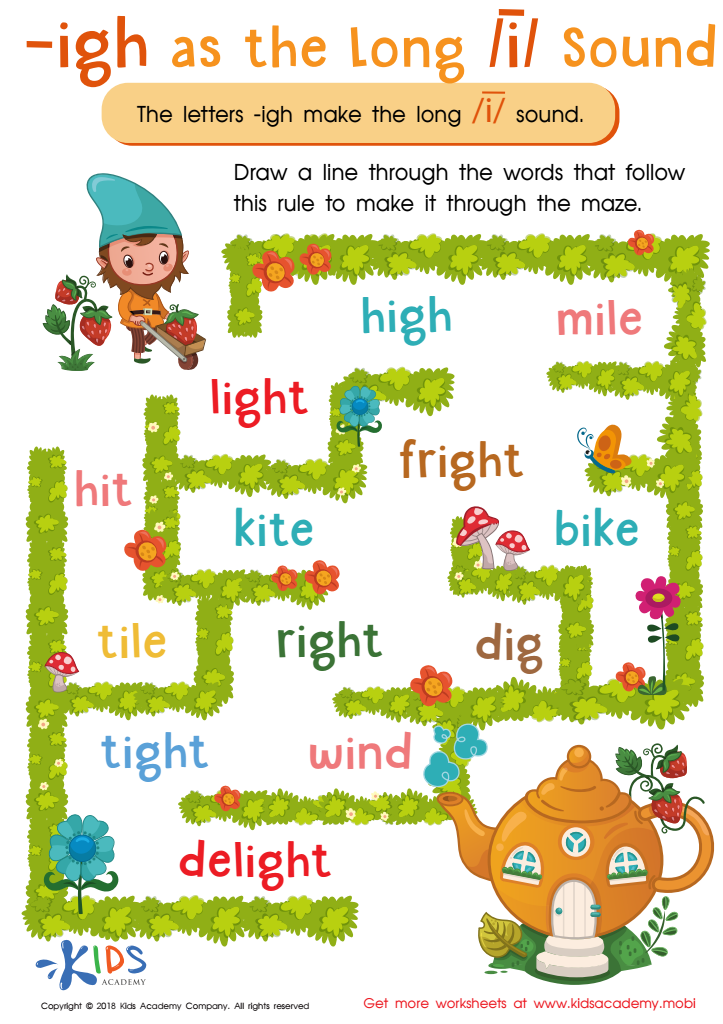
Reading: IGH as Long I Worksheet
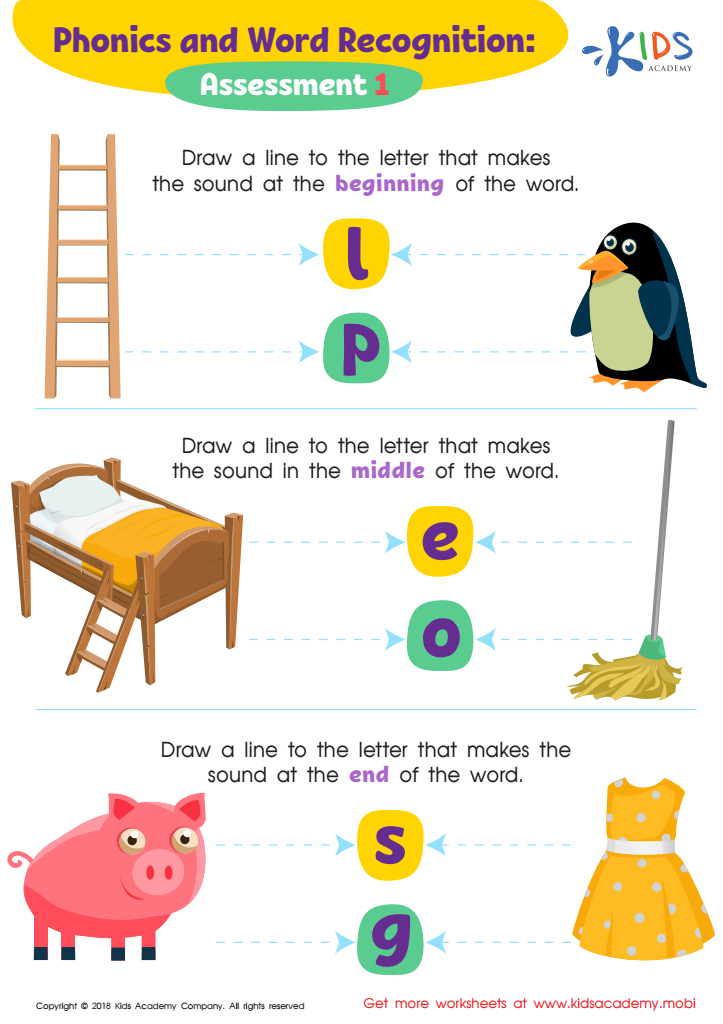
Phonics and Word Recognition: Assessment 1 ELA Worksheet
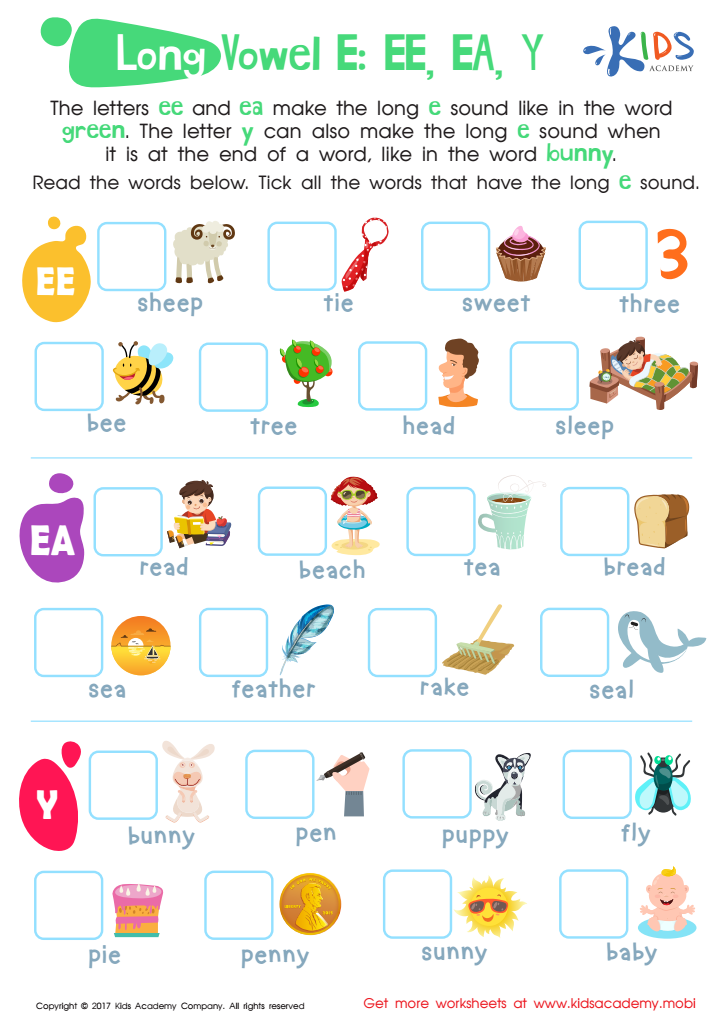
Long Vowel E Printable
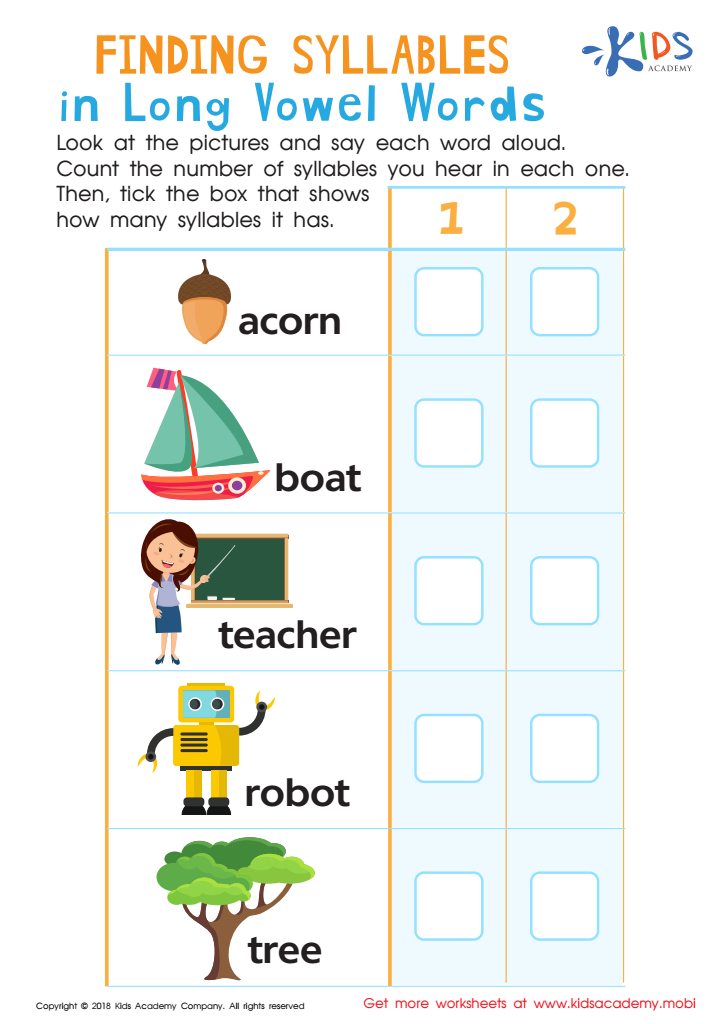
Finding Syllables in Long Vowel Words Worksheet





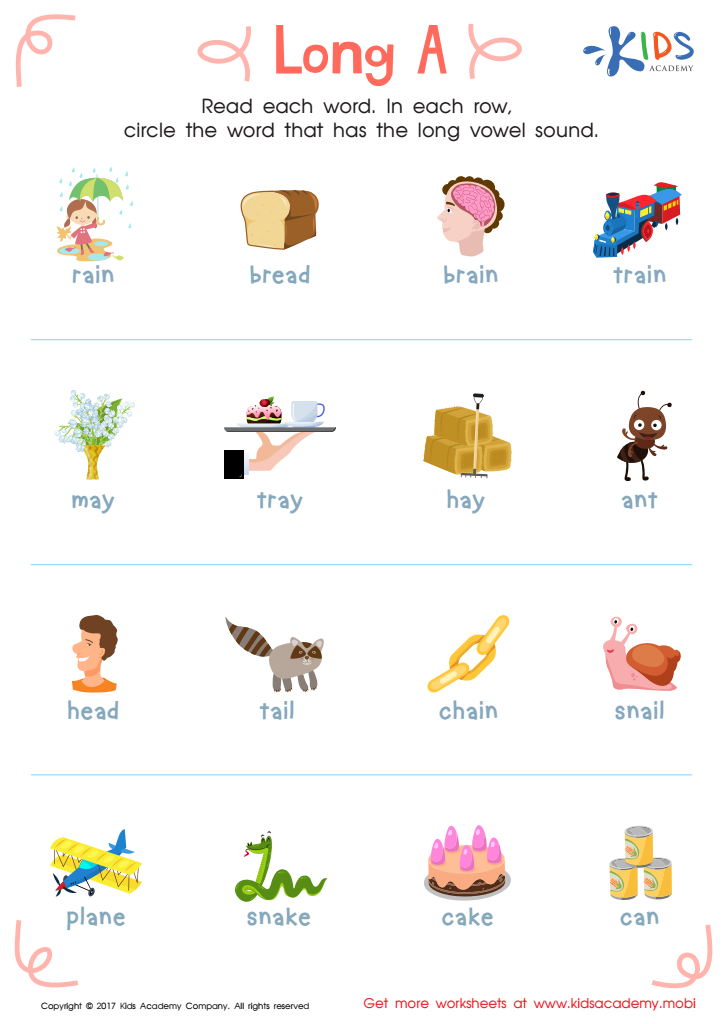
Understanding normal vowels is crucial for children ages 5-7 as they form the foundation of reading and writing skills. These young learners are at a pivotal stage in their language development, where they begin to grasp phonetics and develop phonemic awareness—essential skills for deciphering words. Normal vowels, the letters A, E, I, O, U, and sometimes Y, play a significant role in shaping the sounds of a language. Mastery of these vowels helps children recognize and articulate various word patterns, making it easier for them to read fluently.
Additionally, familiarizing students with normal vowels contributes to literacy confidence, which fosters a love for reading. It also aids in their ability to spell and communicate effectively, supporting their overall academic growth. Young learners who struggle with vowel sounds may face challenges in comprehension and expression, potentially leading to frustration.
By prioritizing vowel education, parents and teachers create a supportive learning environment that empowers children. Engaging activities and interactive lessons focused on vowels can make learning fun and impactful. In summary, normal vowels are not just letters; they are the keys that unlock the door to a lifetime of literacy and communication, making it imperative for caregivers to pay attention to this critical element of early education.