Normal Vowels Worksheets for Ages 5-8 - Page 3
73 filtered results
-
From - To
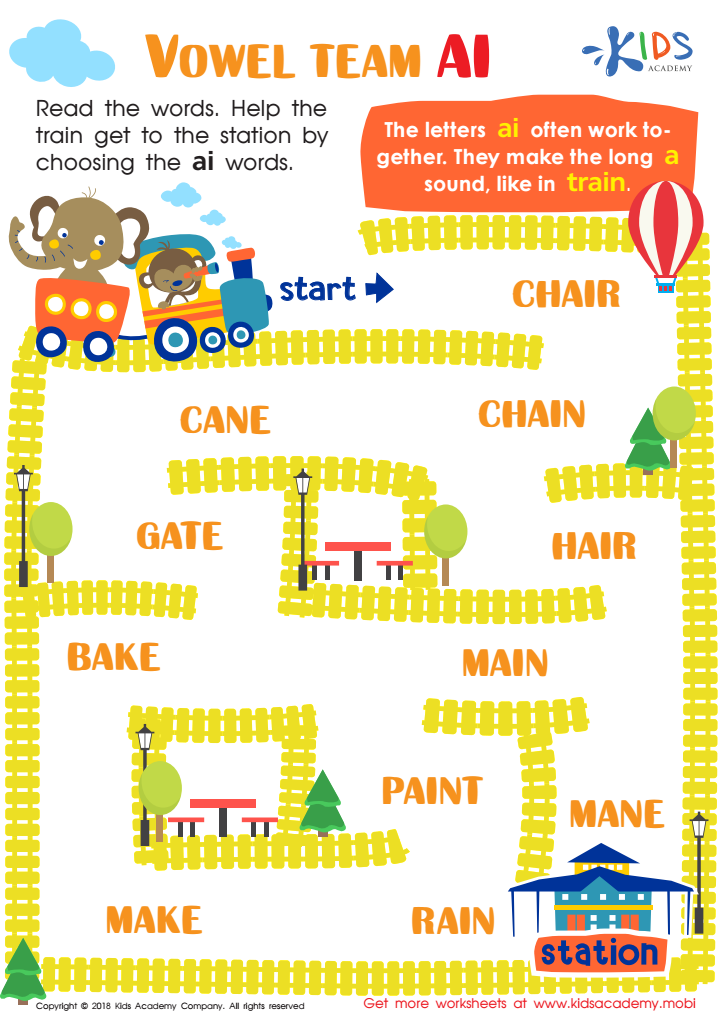
Vowel team ai Worksheet
 Assign to My Students
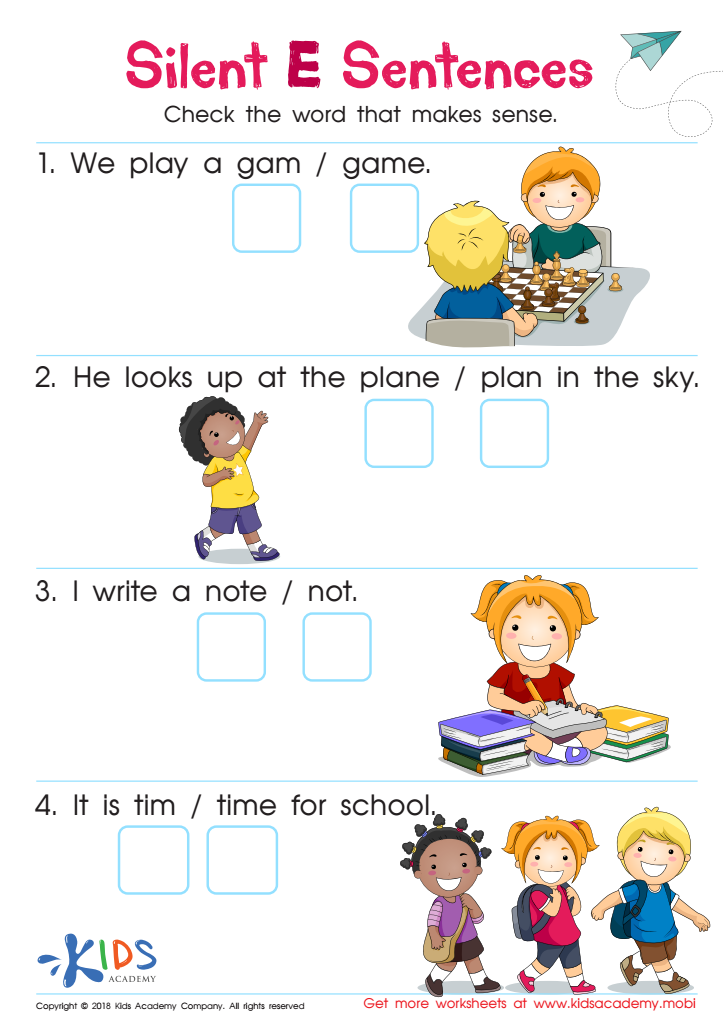
Silent E Sentences Worksheet
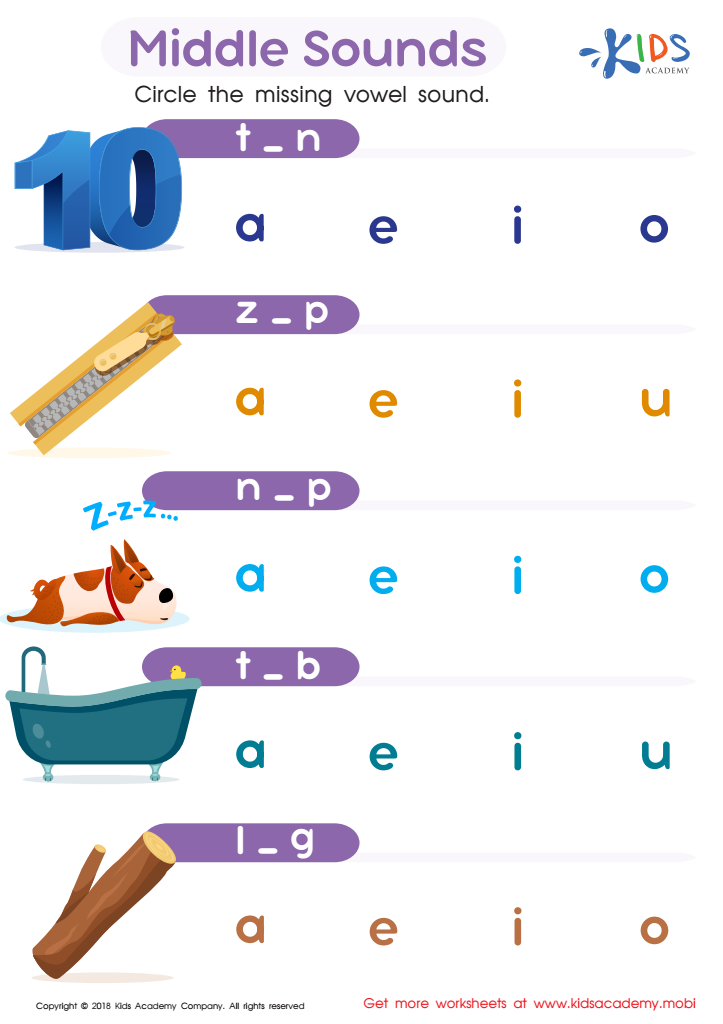
Middle Sounds Worksheet
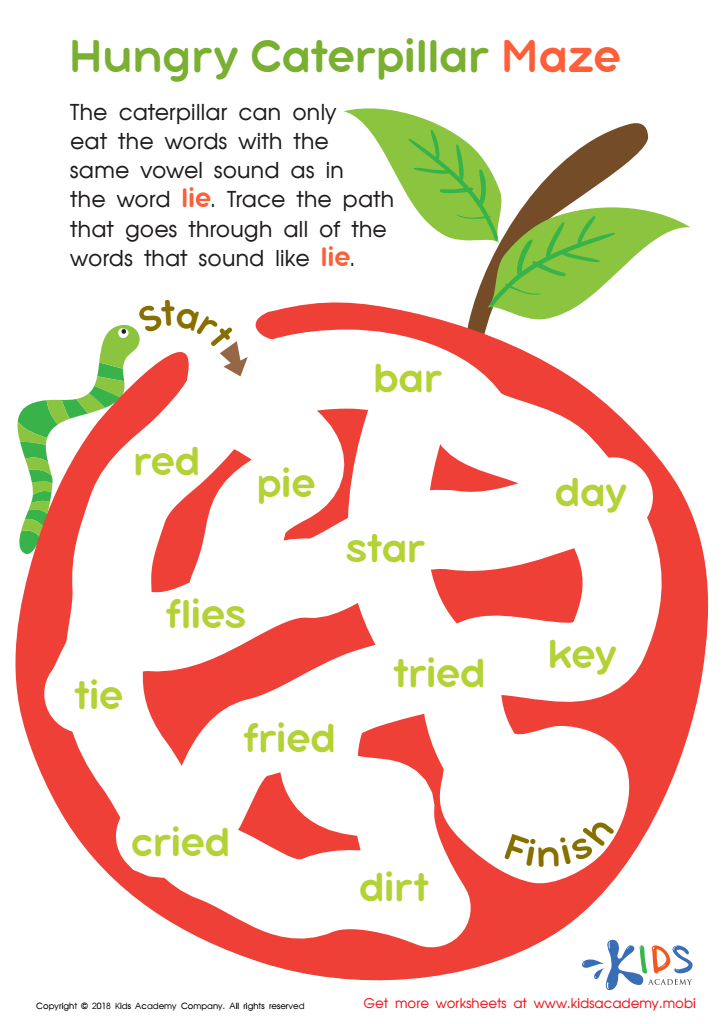
Hungry Caterpillar Maze Worksheet
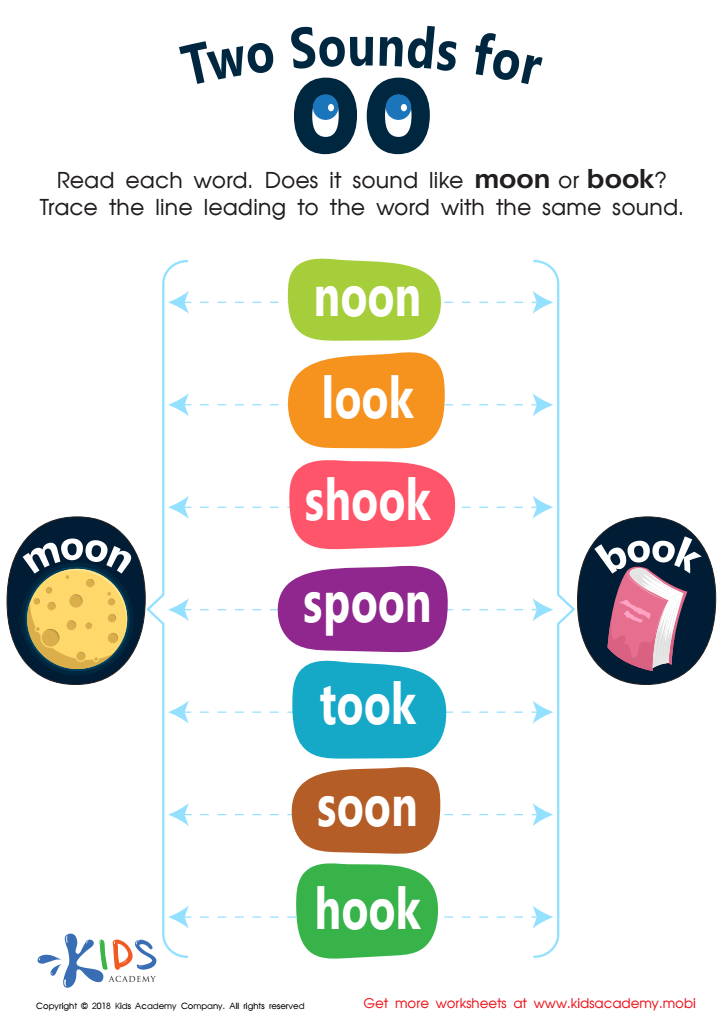
Two Sounds for OO Worksheet
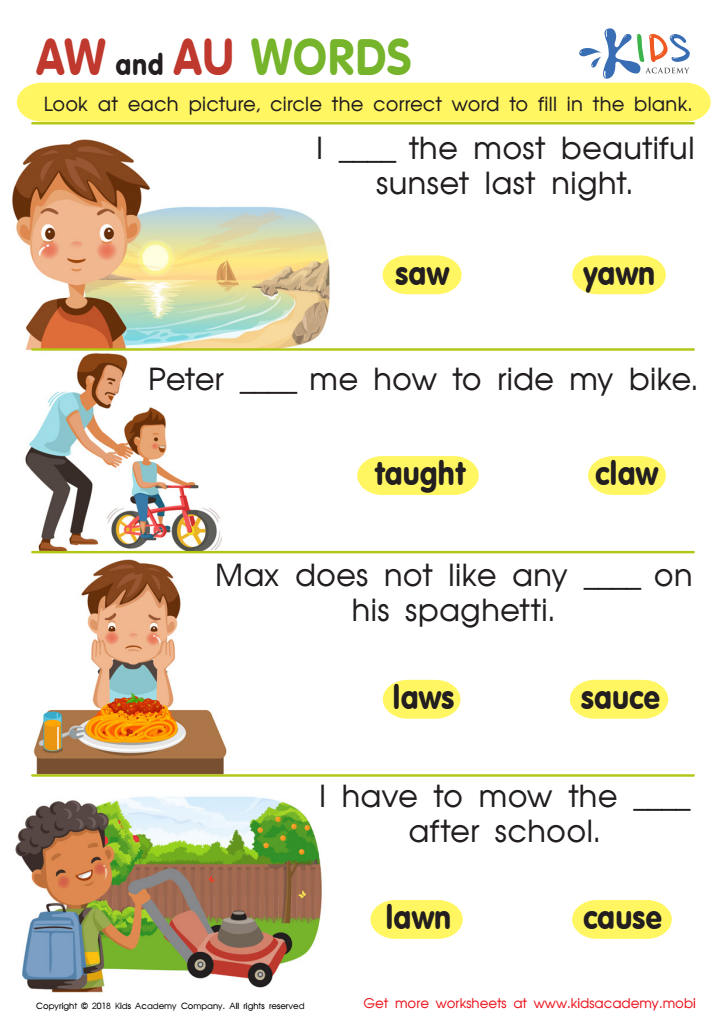
Reading: AW and AU Words Worksheet
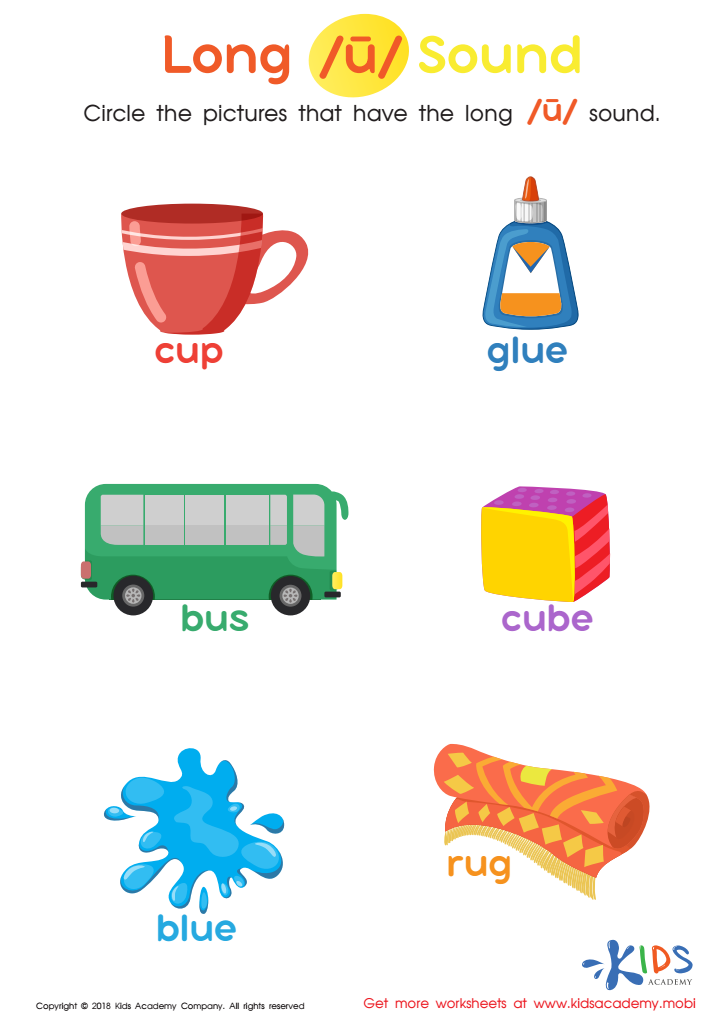
Long «u» Sound Worksheet
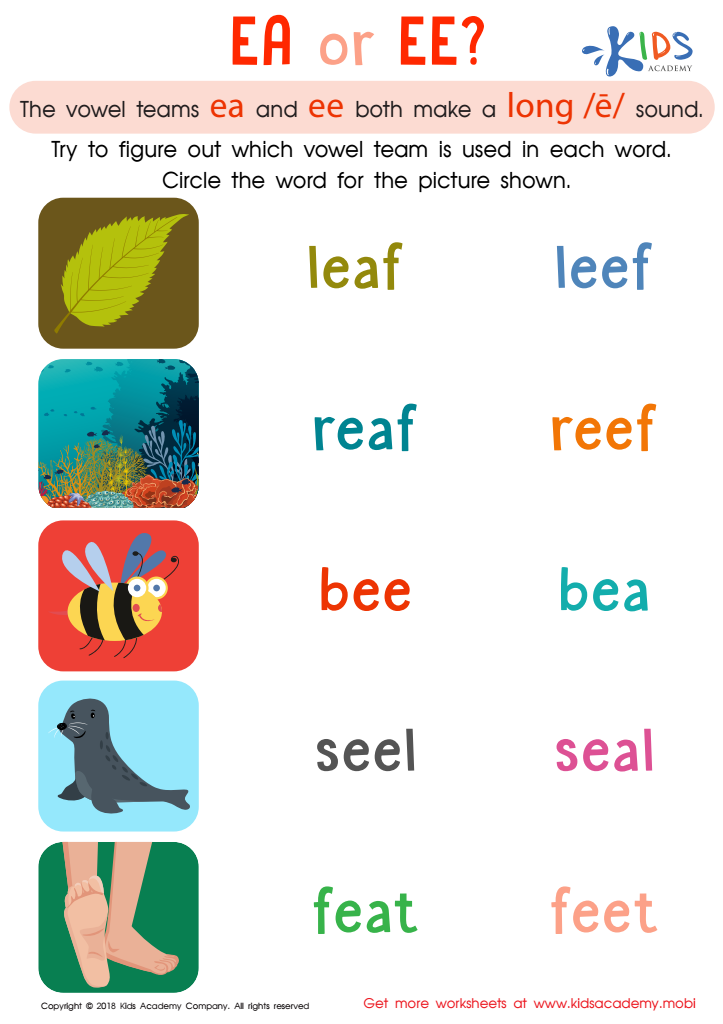
Reading: EA and EE Worksheet
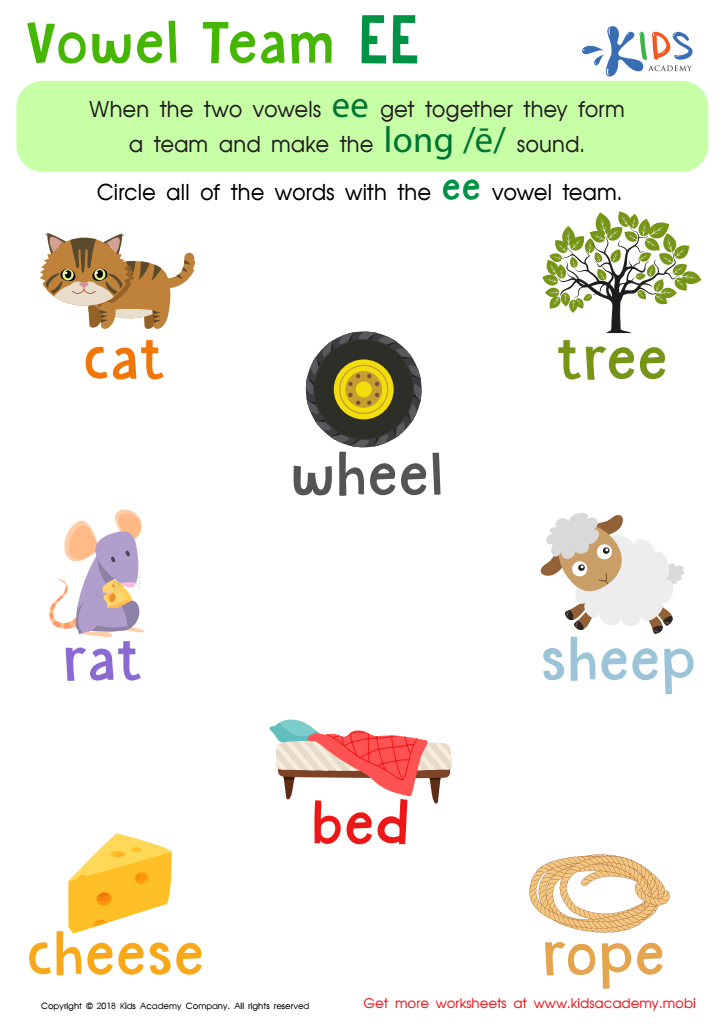
Reading: Vowel Team EE Worksheet
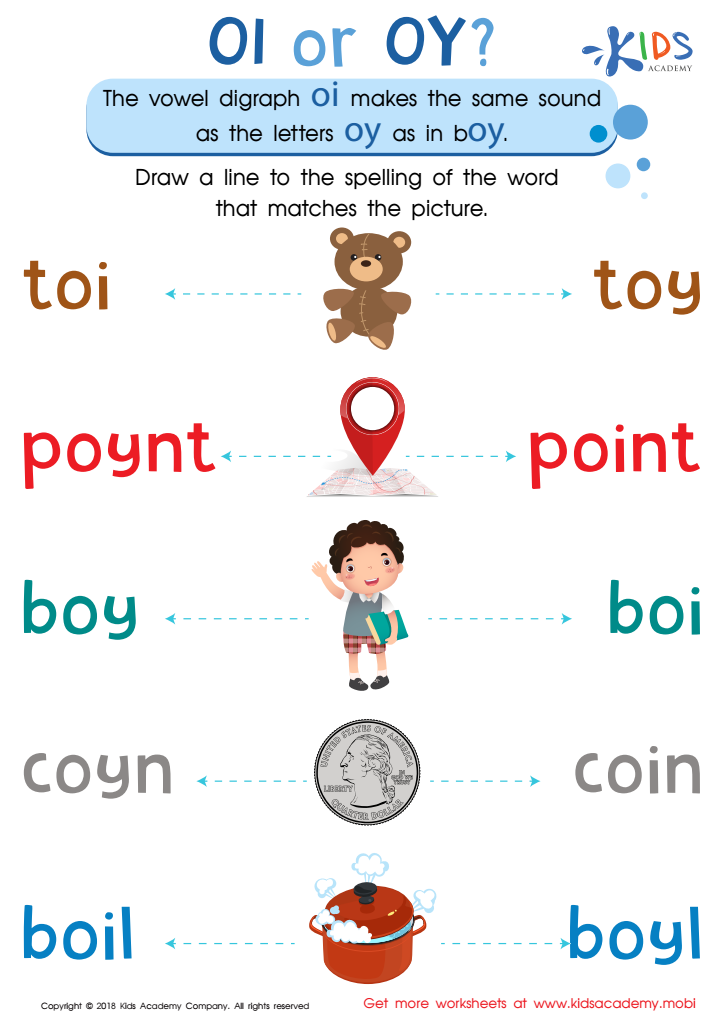
Reading: OI and OY Worksheet
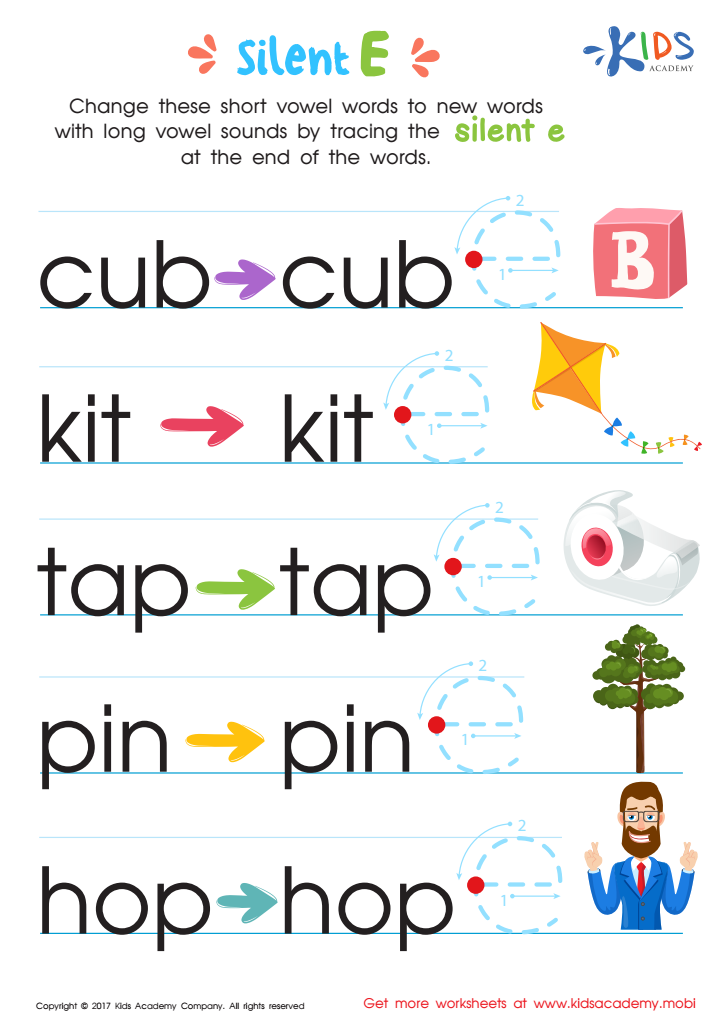
Silent E Words Worksheet
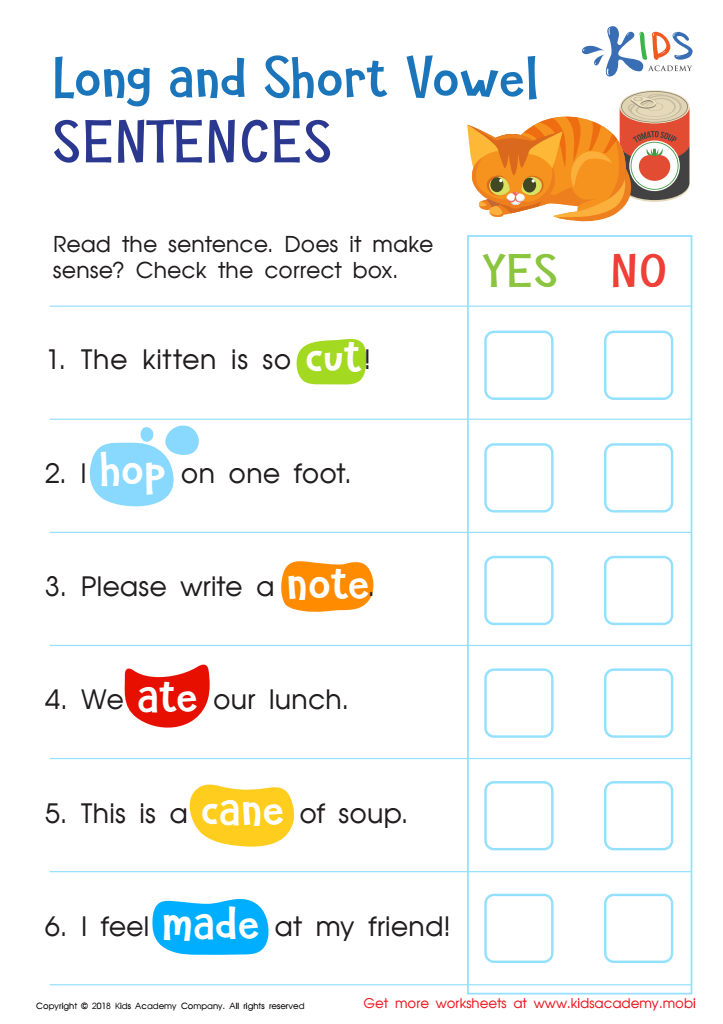
Long and Short Vowel Sentences: Assessment Worksheet
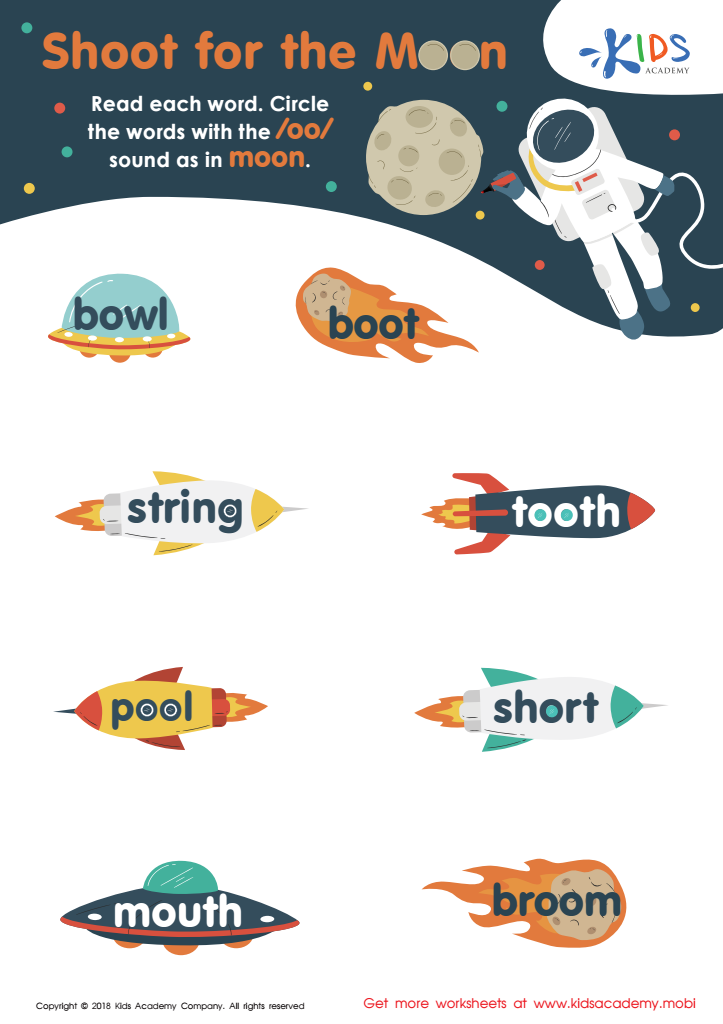
Reading: Shoot for the Moon Worksheet
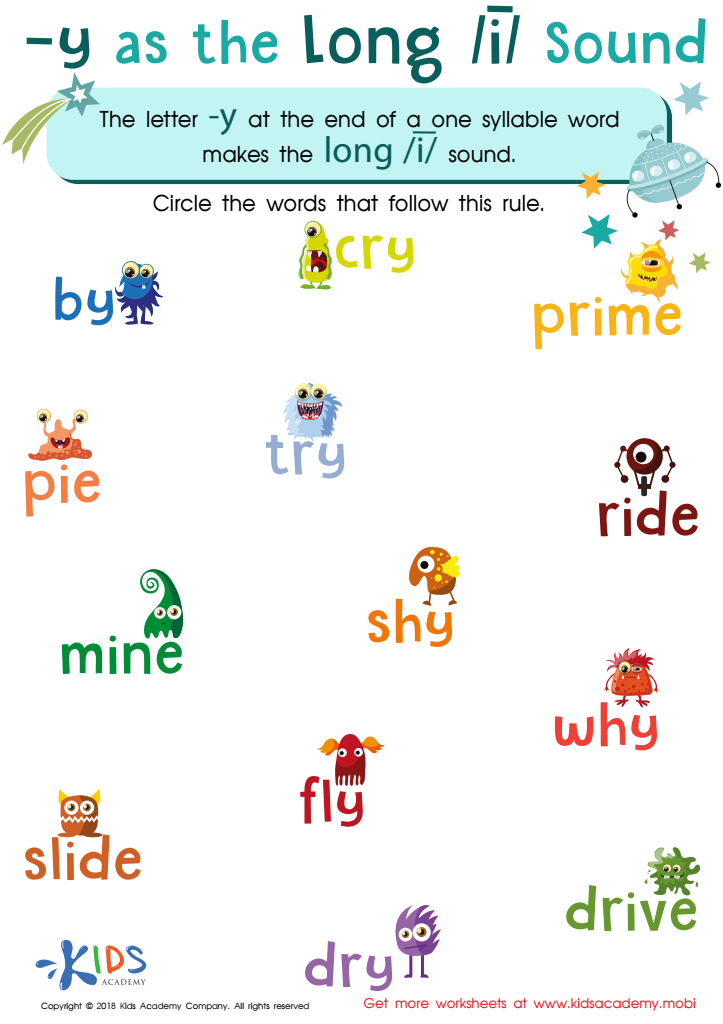
Reading: Y as Long I Worksheet
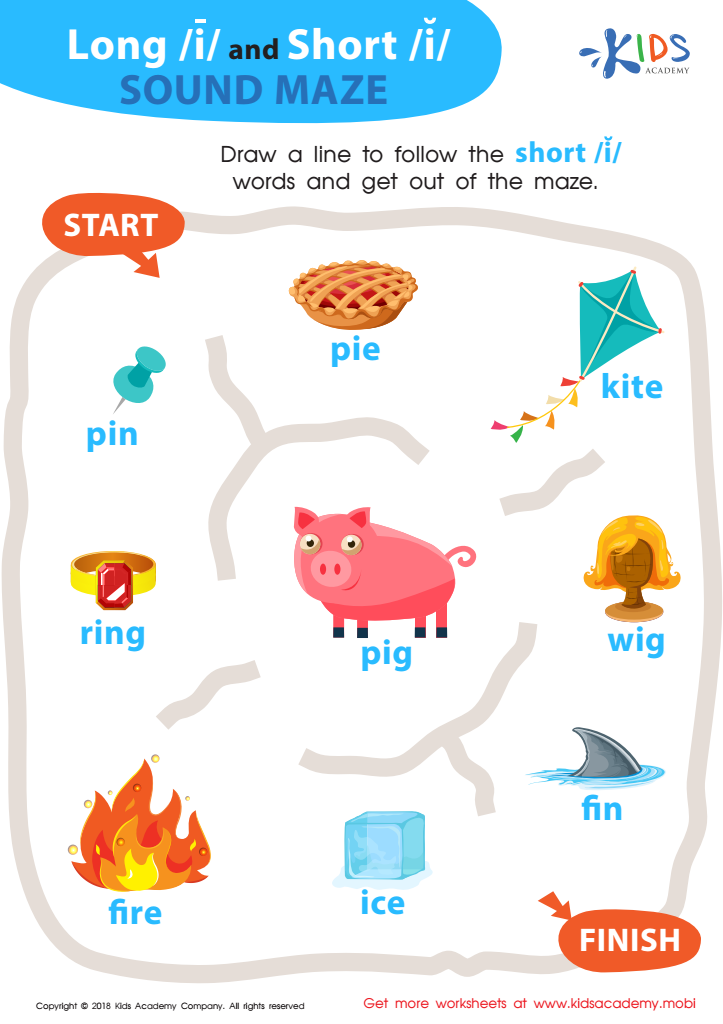
Reading: Long I and Short I Sound Maze Worksheet
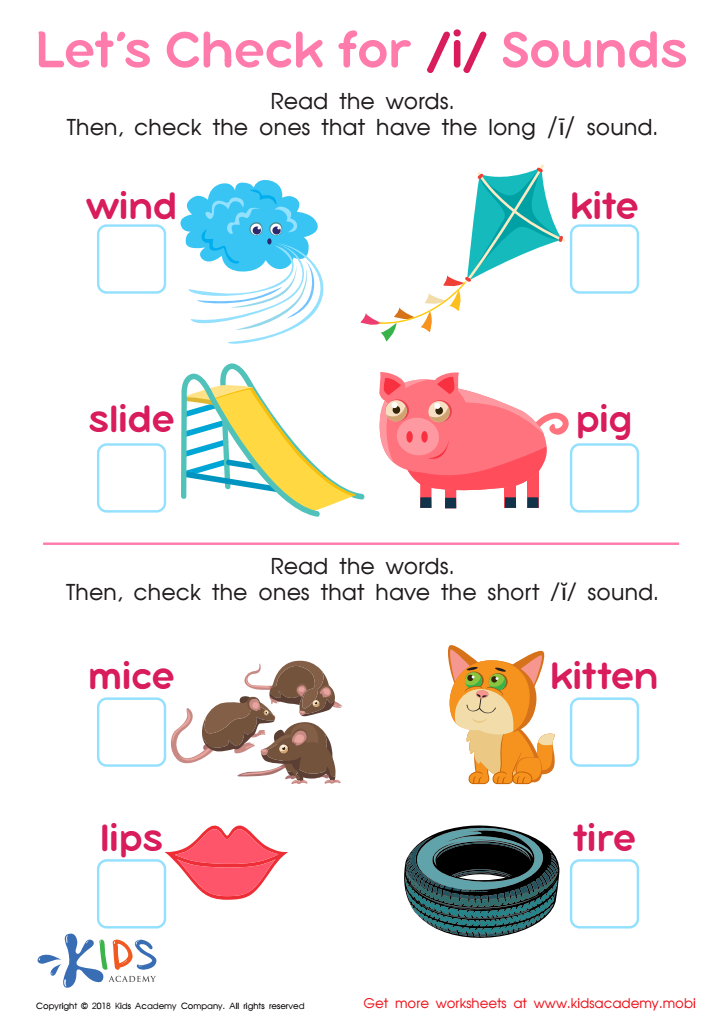
Let's Check for «i» Sounds Worksheet
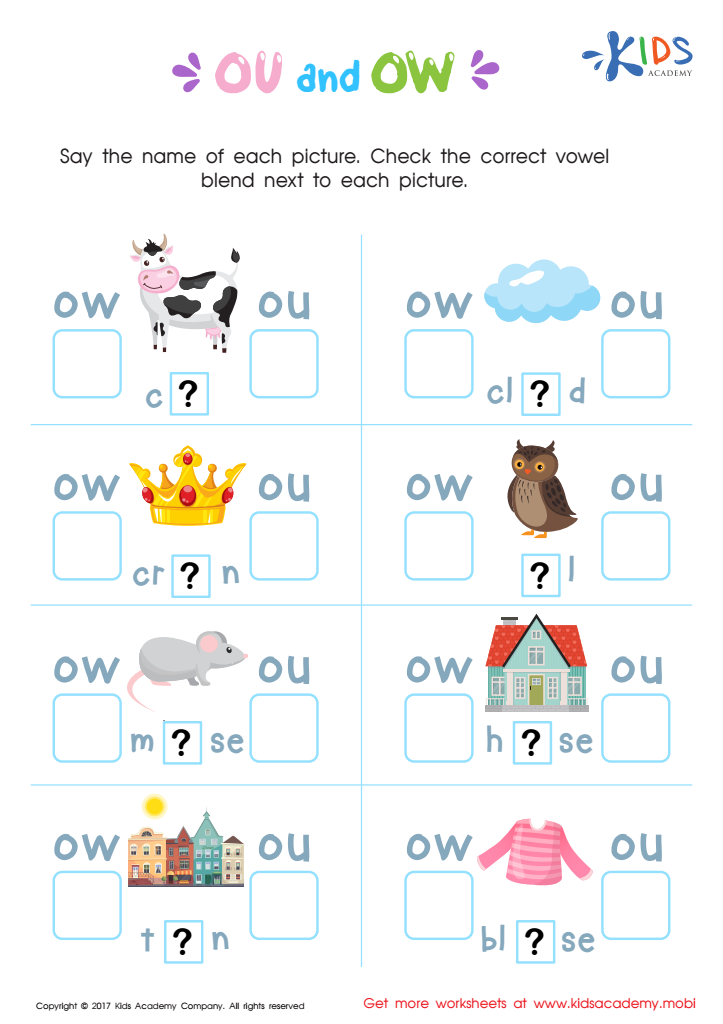
OU and OW Words Worksheet
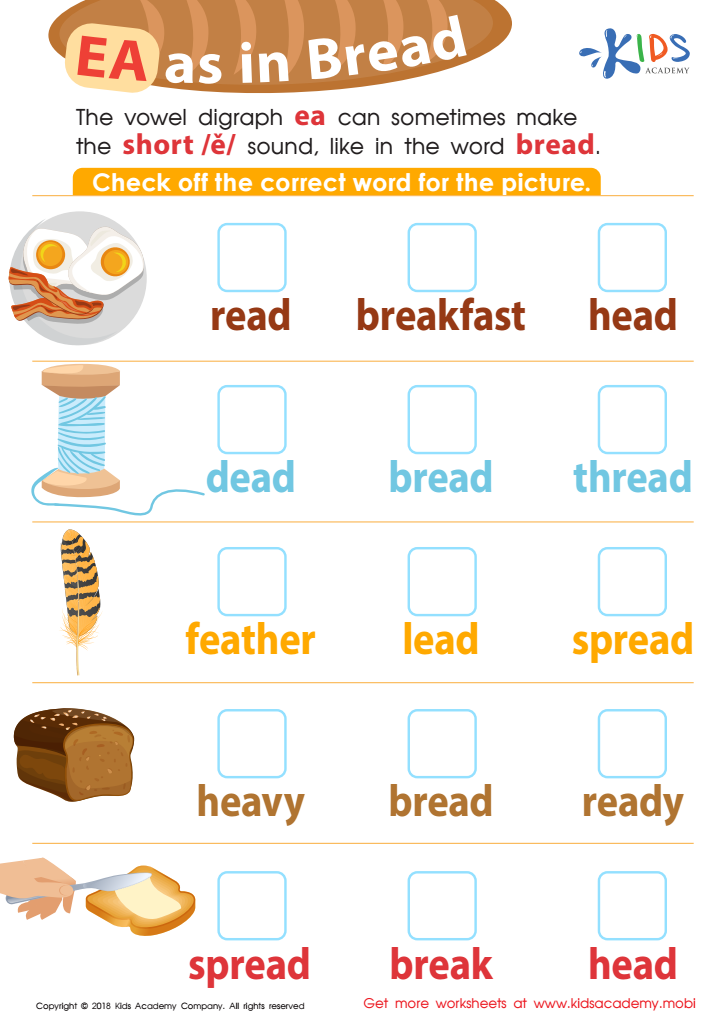
Reading: EA as in Bread Worksheet
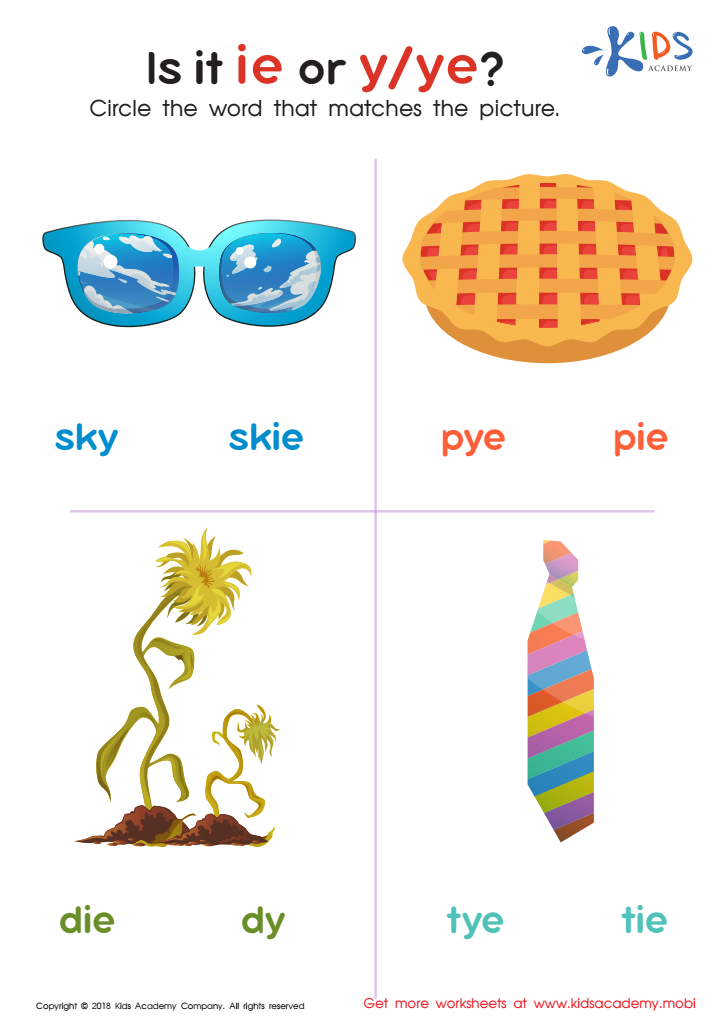
Is It IE or Y/Ye? Worksheet
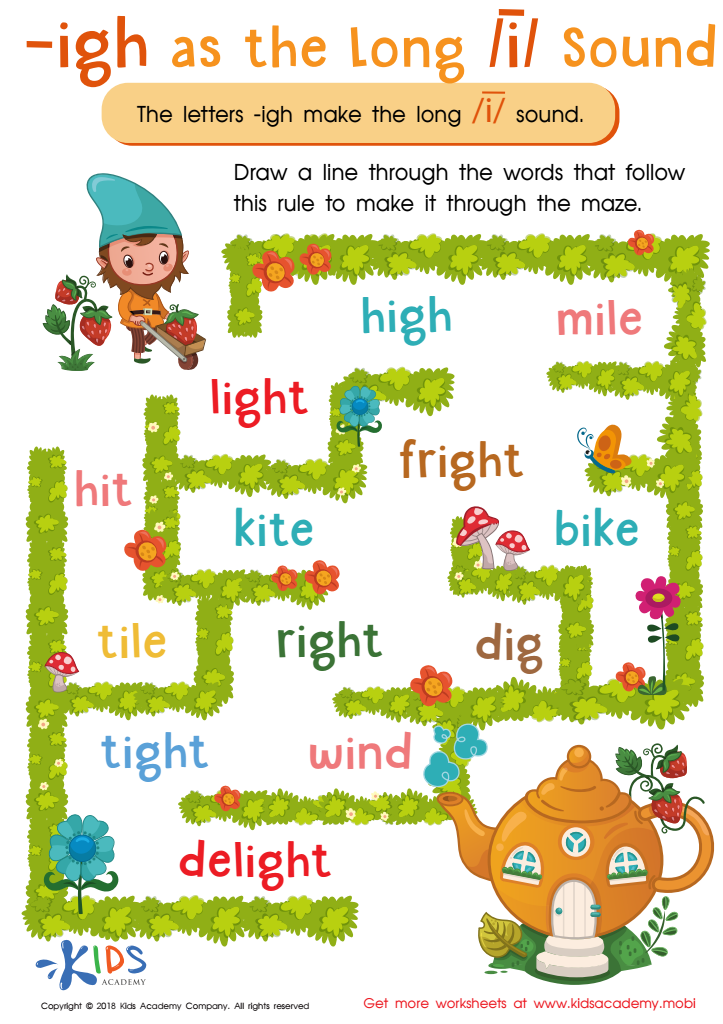
Reading: IGH as Long I Worksheet
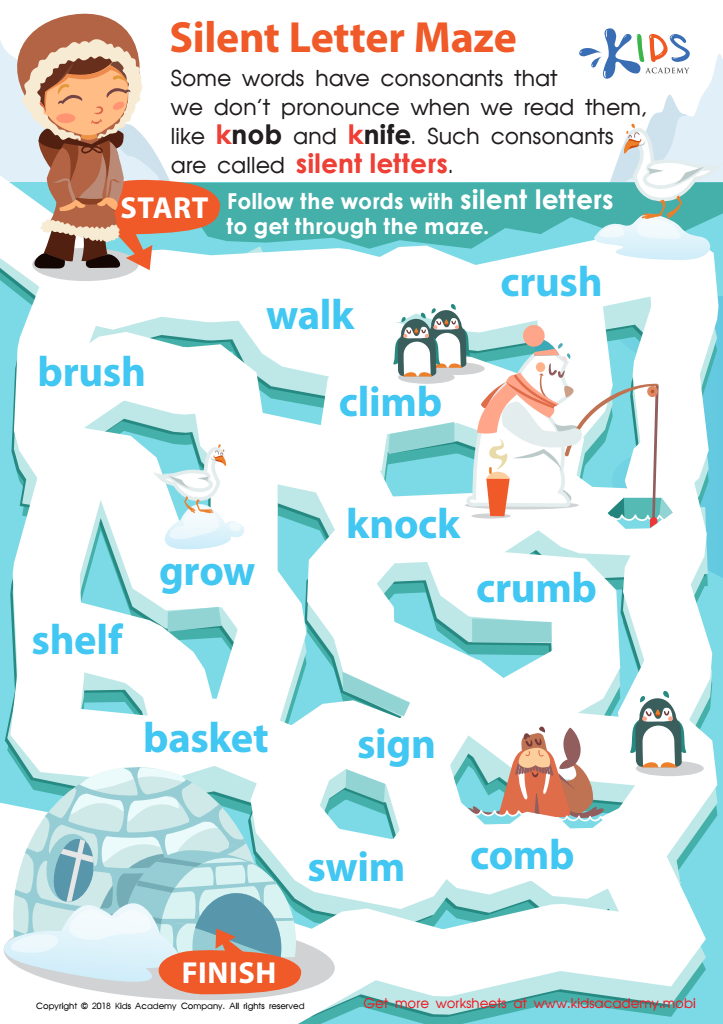
Silent Letter Maze Worksheet
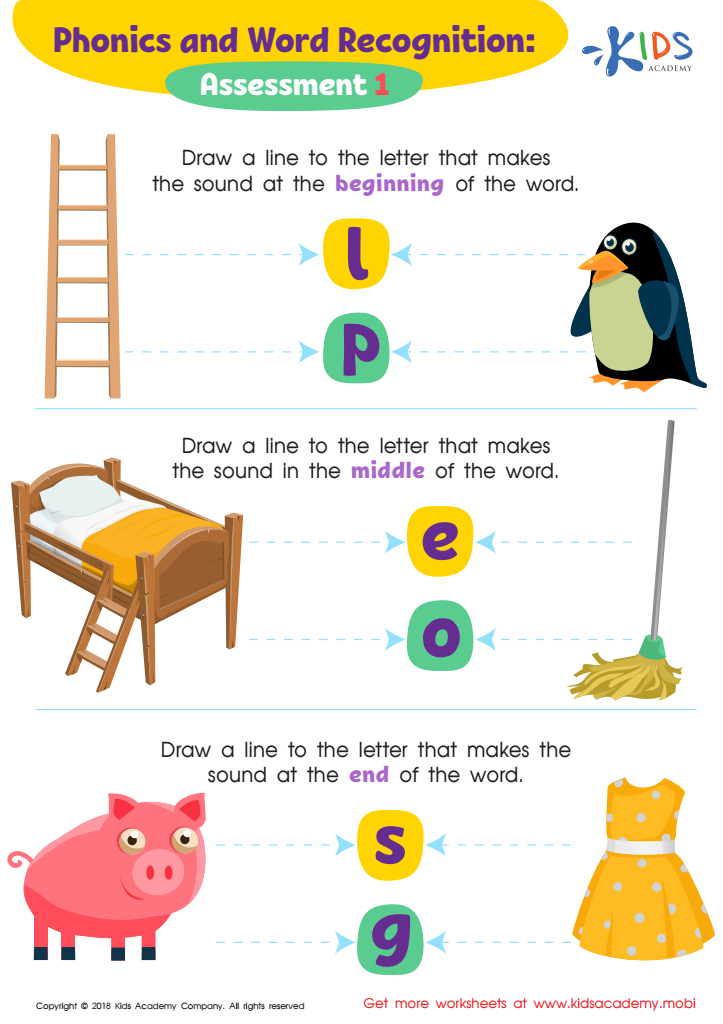
Phonics and Word Recognition: Assessment 1 ELA Worksheet
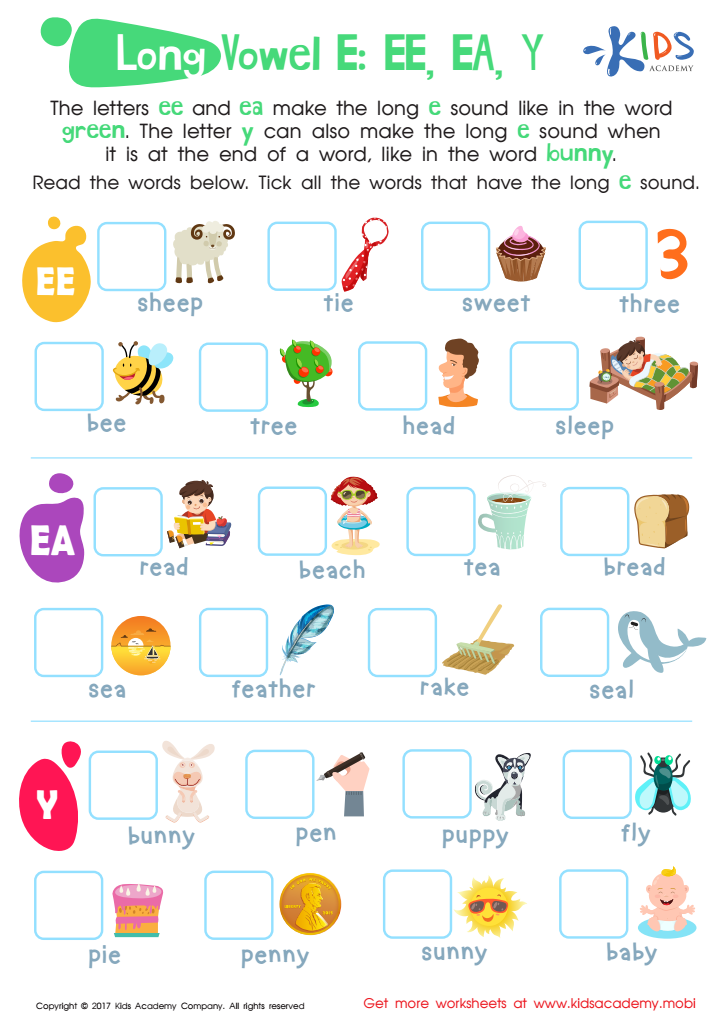
Long Vowel E Printable





Understanding normal vowels is essential for children aged 5-8 as it lays the foundation for their literacy skills. At this developmental stage, children are rapidly acquiring language and beginning to read and write. Vowels are the core sounds in words; they enable the pronunciation of syllables and, without them, words are incomplete. Mastery of vowel sounds aids in phonemic awareness, which is the ability to hear, identify, and manipulate phonemes. This awareness is crucial for decoding words and understanding their meanings.
When parents or teachers emphasize the correct use of normal vowels, they ensure that children develop clear articulation and pronunciation. This not only helps in reading fluency but also boosts spelling accuracy. Poor vowel recognition can lead to difficulties in reading, which may impact a child's confidence and interest in learning.
Interactive activities such as vowel sound games, reading aloud, and engaging in rhyming exercises can make learning vowels fun and effective. For teachers, incorporating vowel-focused lessons can tailor their instruction to meet early literacy benchmarks. For parents, reinforcing these skills at home creates a consistent learning environment. Essentially, caring about normal vowels helps pave the way for proficient reading, writing, and overall communication skills, which are fundamental for lifelong learning and success.