Normal Addition Worksheets for Ages 7-9 - Page 2
56 filtered results
-
From - To
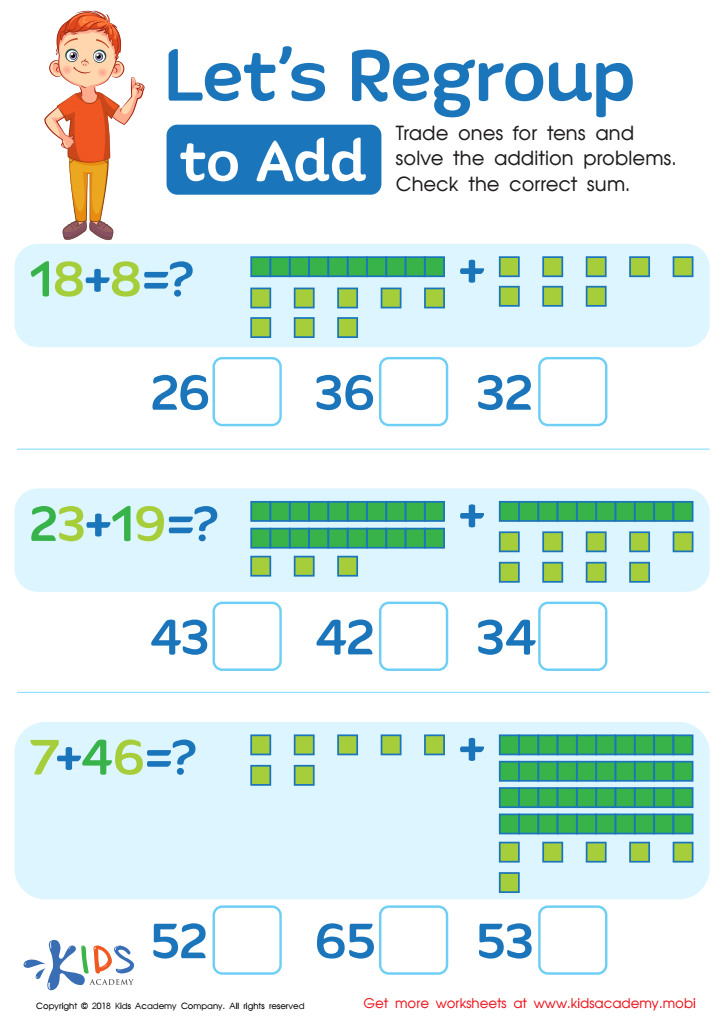
Let's Regroup to Add Worksheet
 Assign to My Students
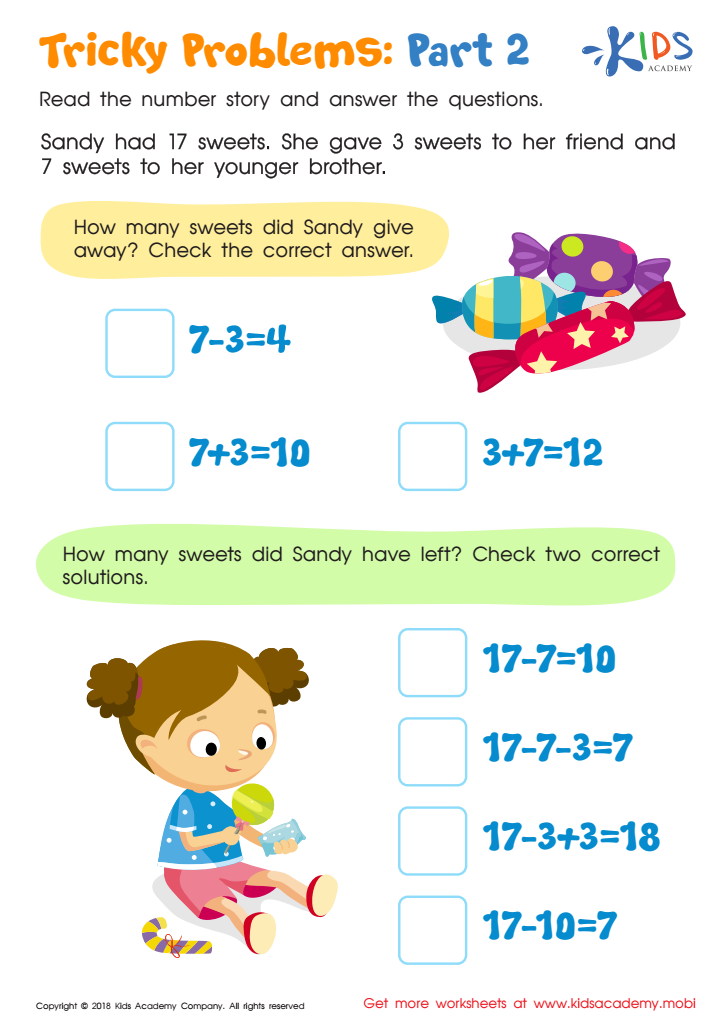
Tricky Problems Worksheet: Part 2
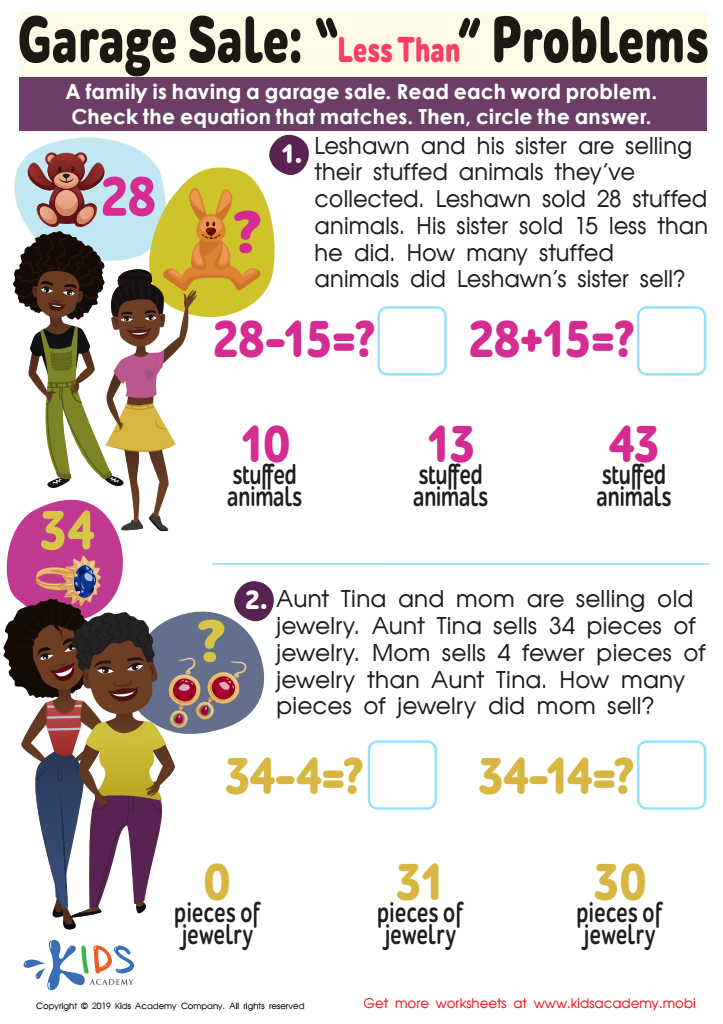
Garage Sale Less Than Worksheet
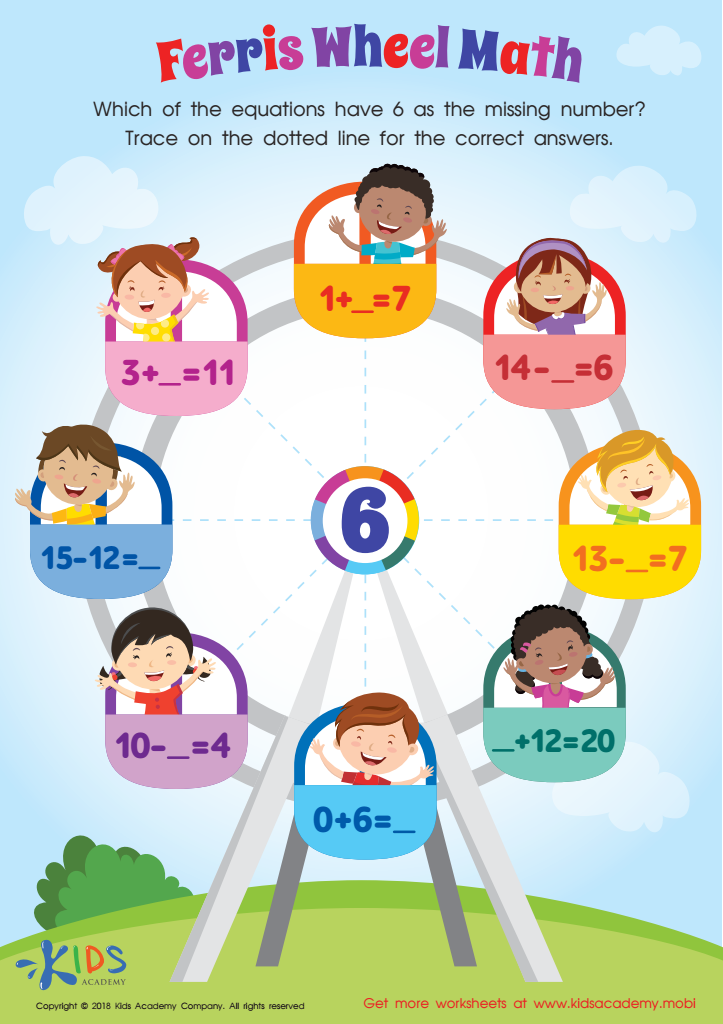
Missing Number: Ferris Wheel Math Worksheet
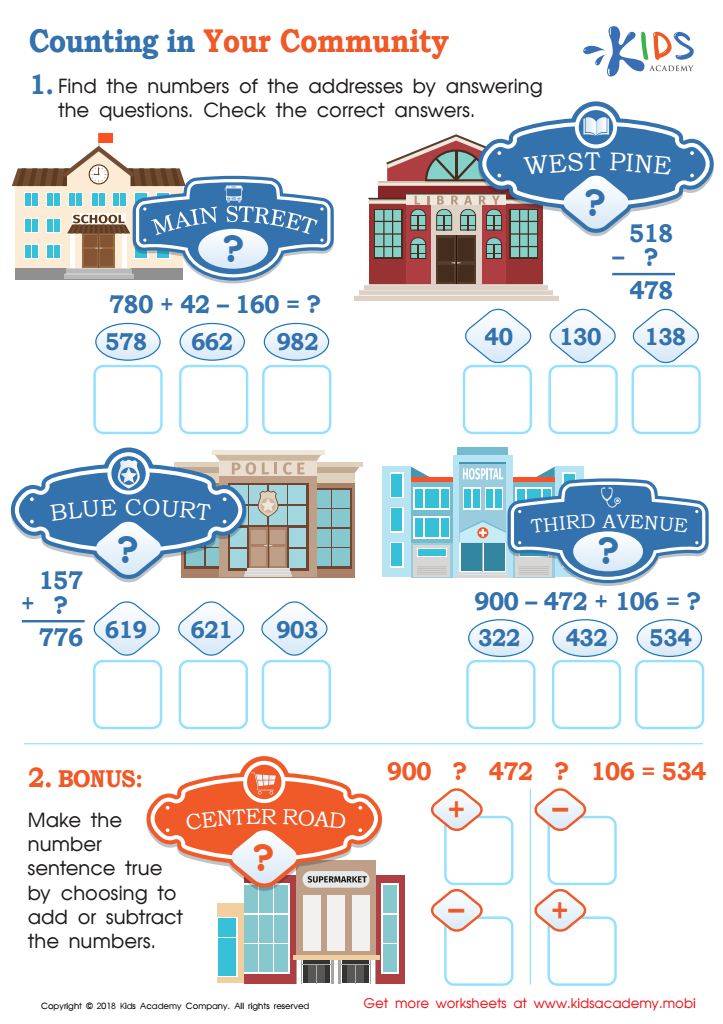
Counting in Your Community Worksheet
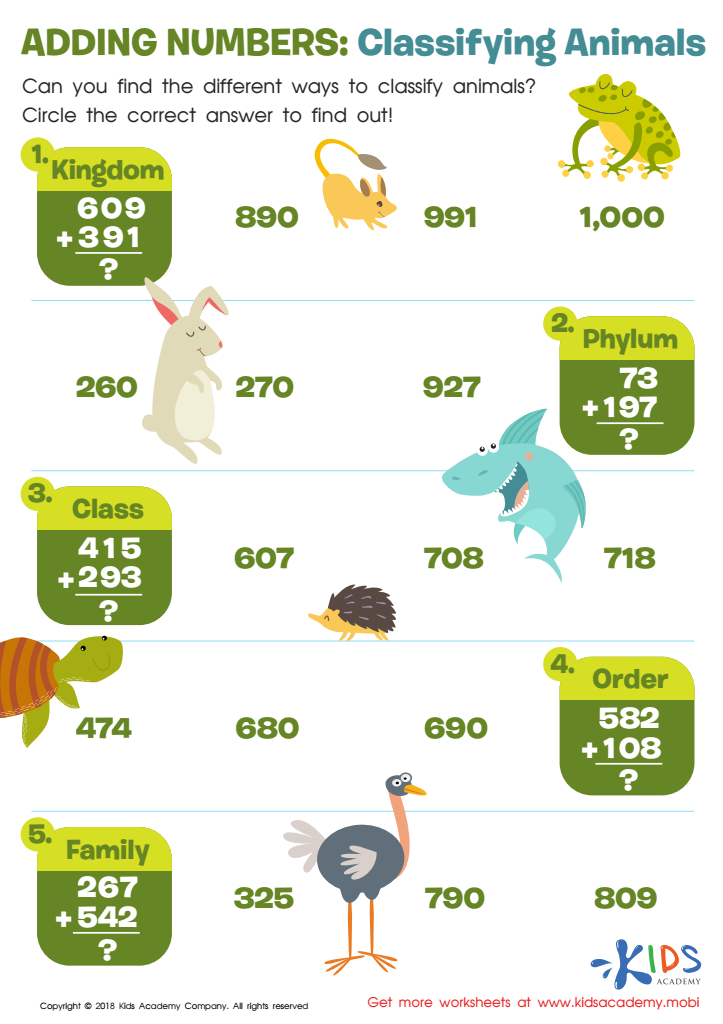
Adding Numbers: Classifying Animals Worksheet
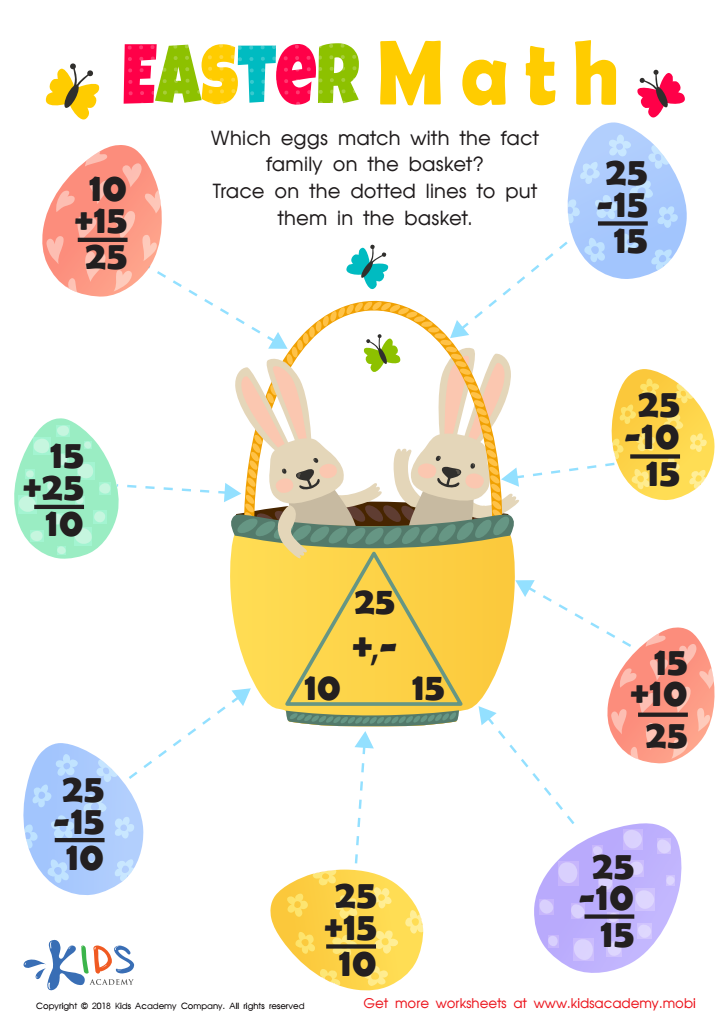
Fact Families: Easter Math Worksheet
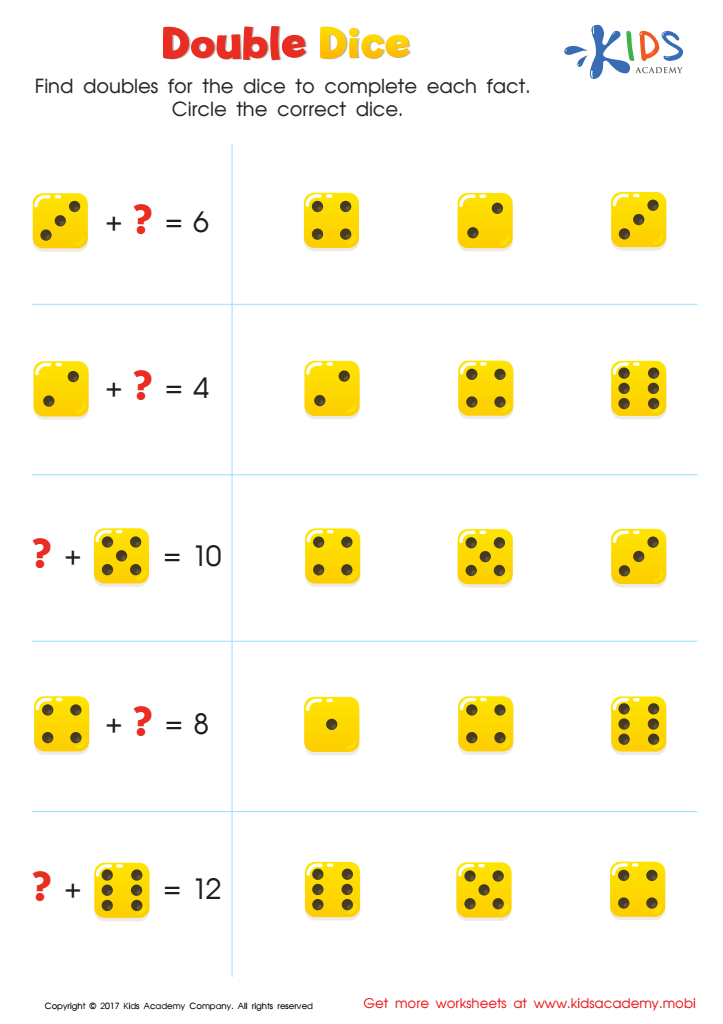
Addition Facts: Double Dice Worksheet
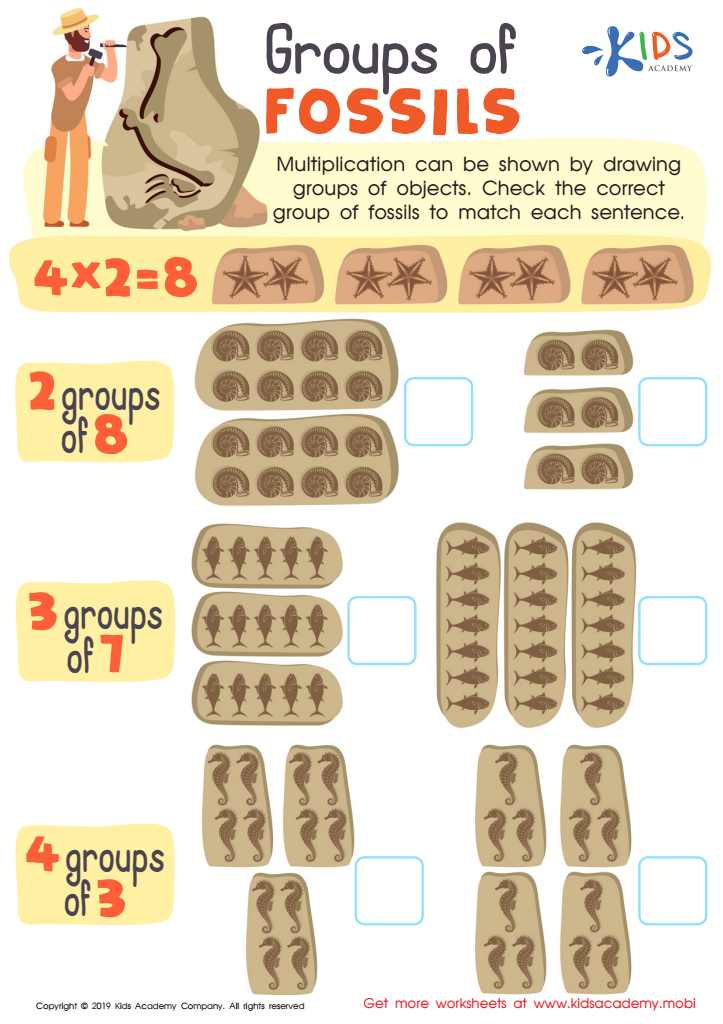
Groups of Fossils Worksheet
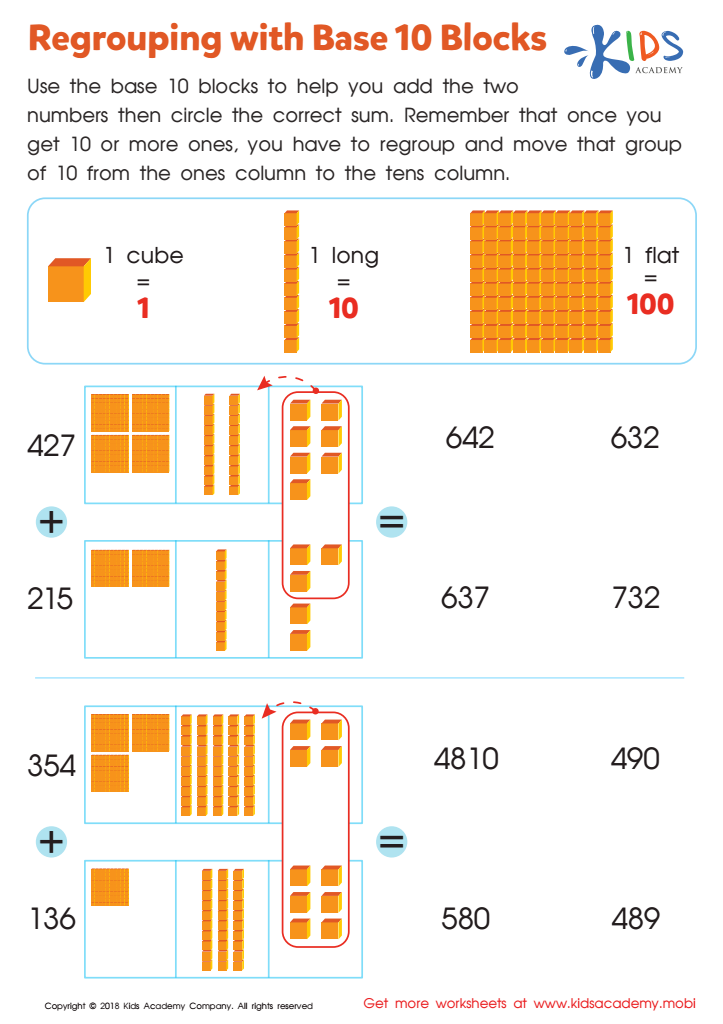
Regrouping with Base 10 Blocks Worksheet
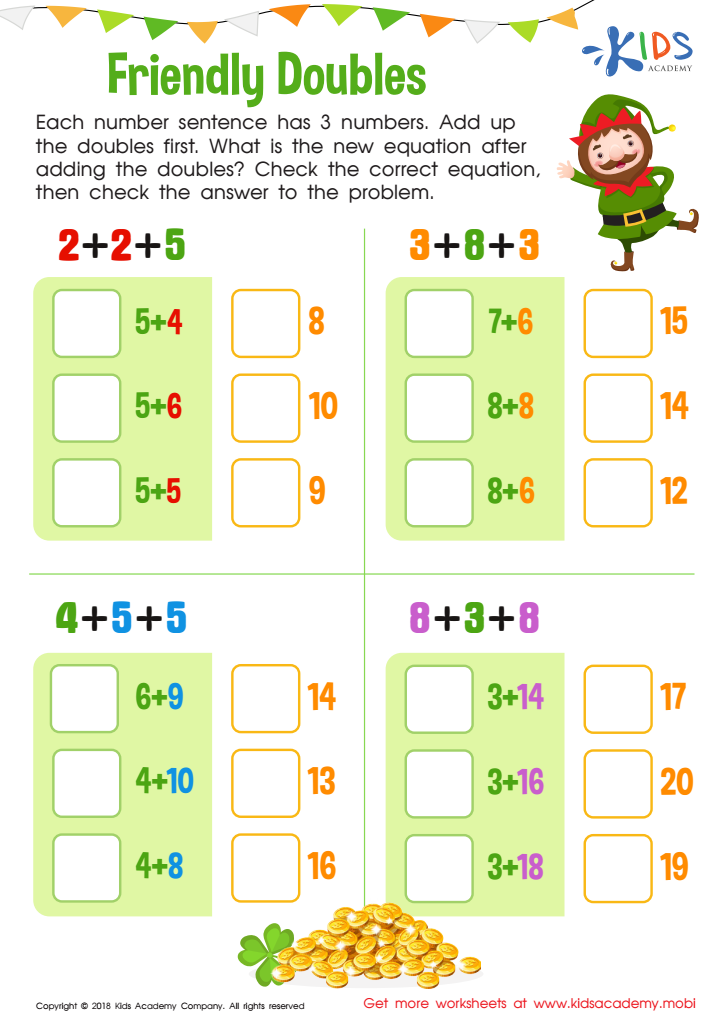
Friendly Doubles Worksheet
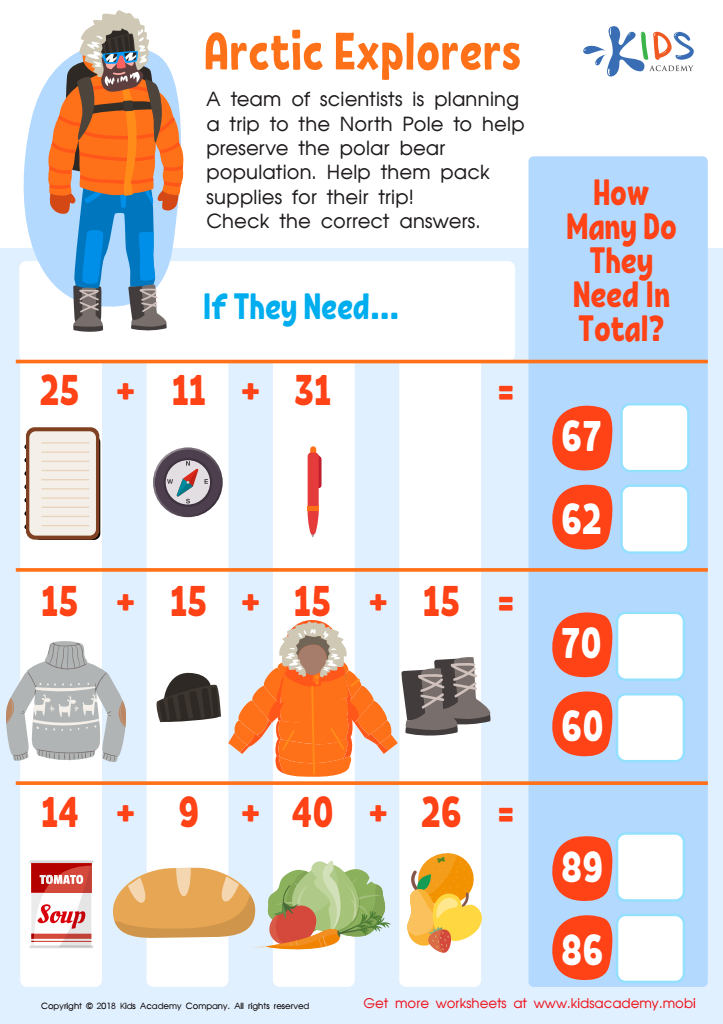
Arctic Explorers Worksheet
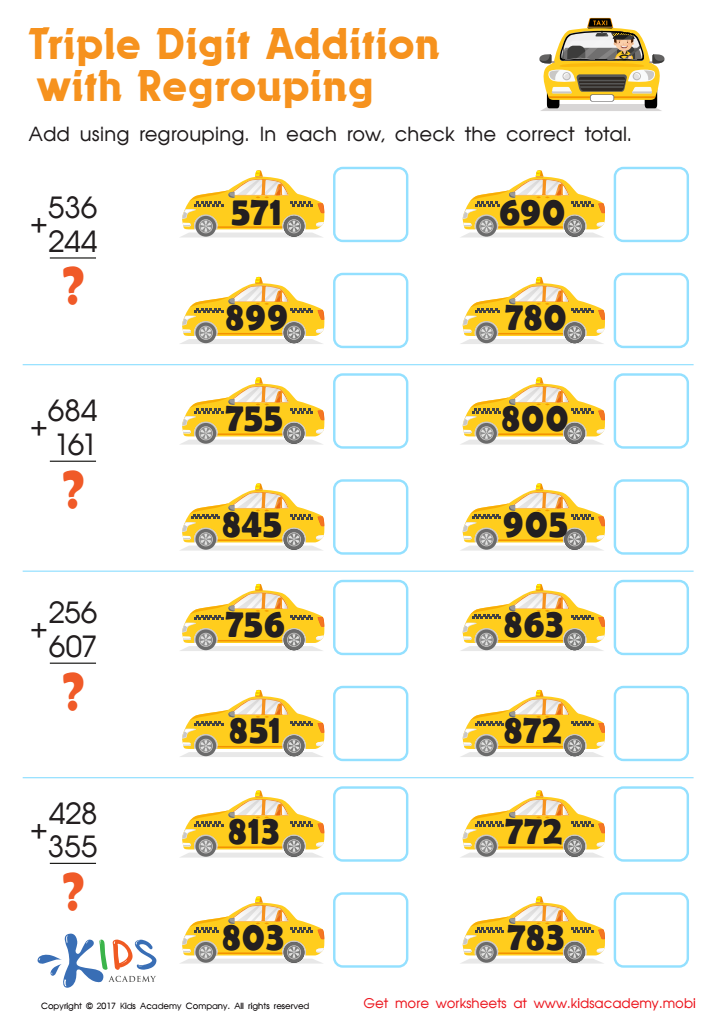
Triple Digit Addition with Regrouping Worksheet
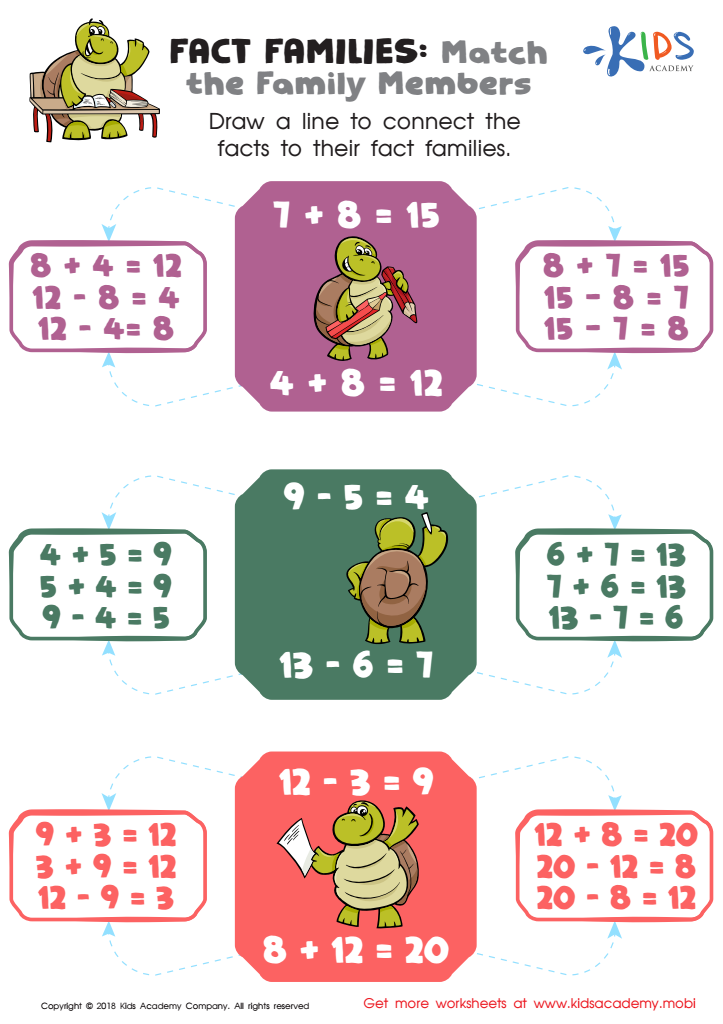
Fact Families: Match Family Members Worksheet
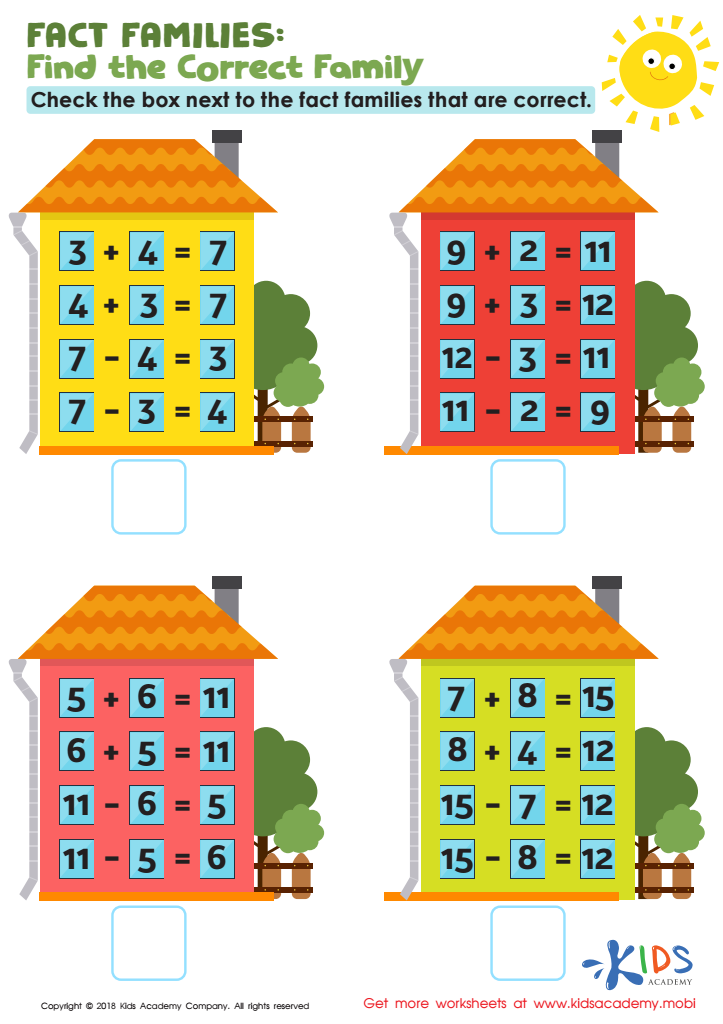
Fact Families: Find Correct Family Worksheet
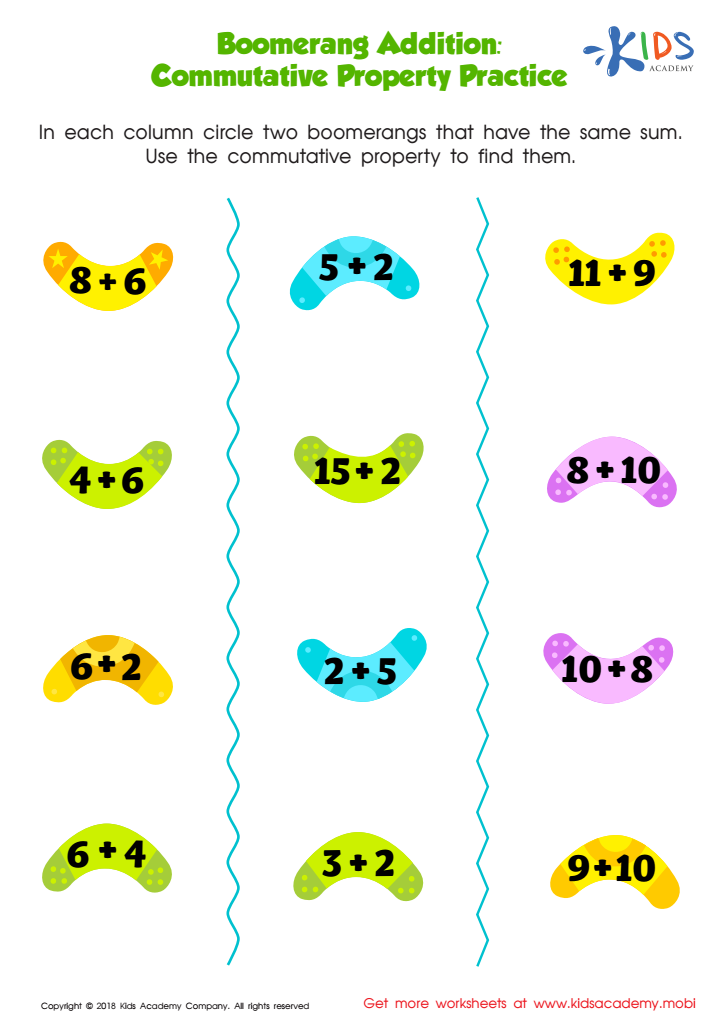
Boomerang Addition Worksheet
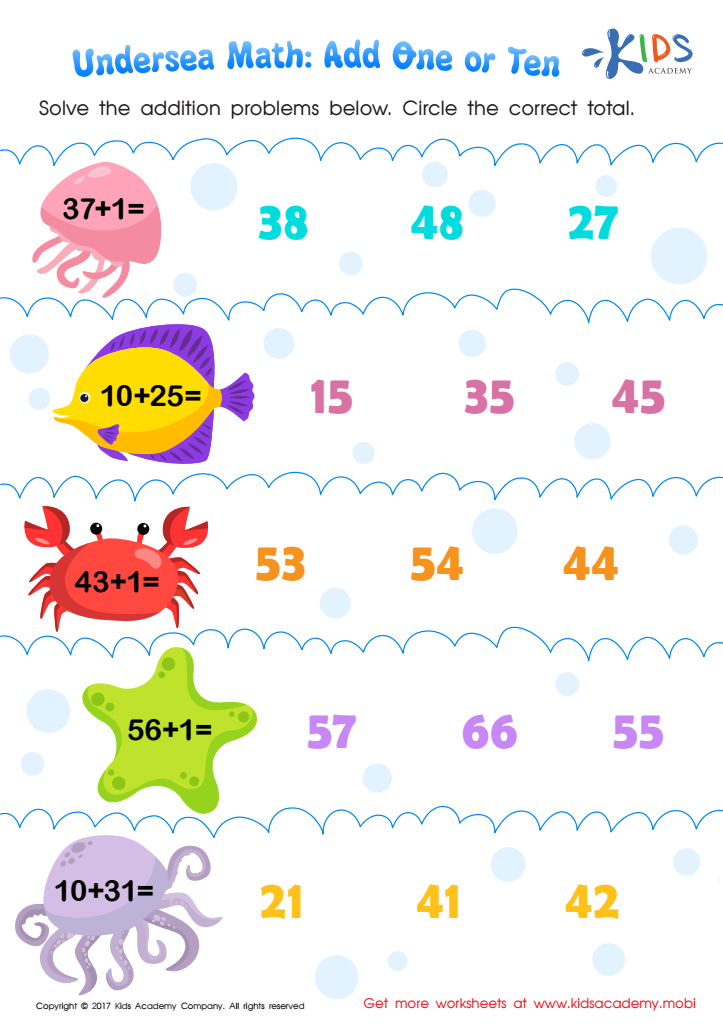
Undersea Math Worksheet
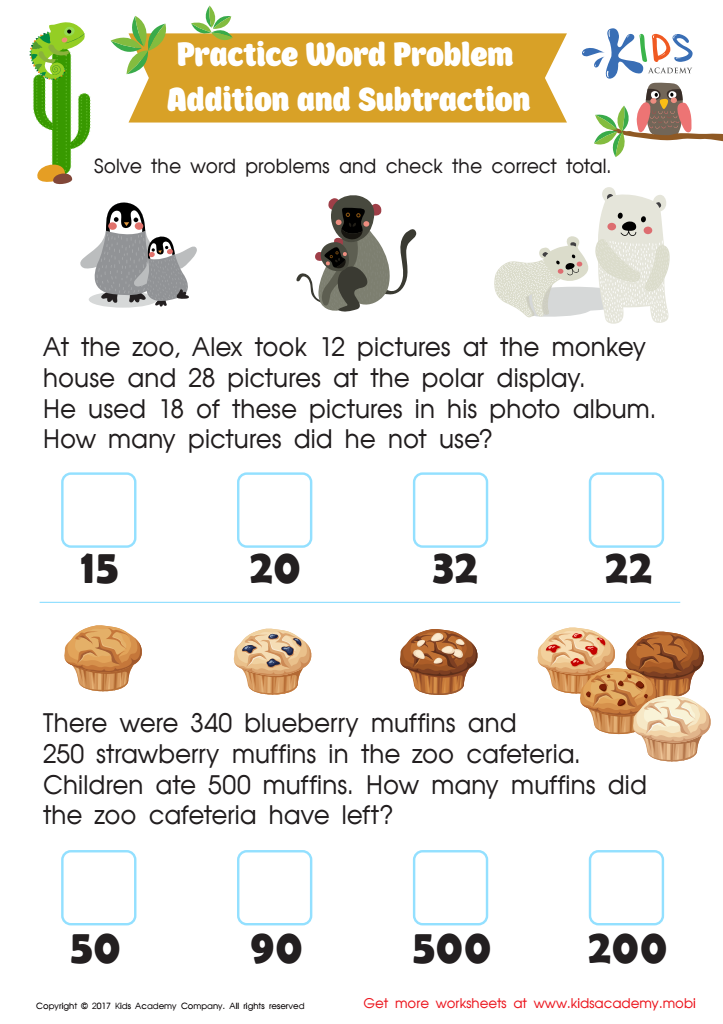
Addition and Subtraction: Word Problems Worksheet
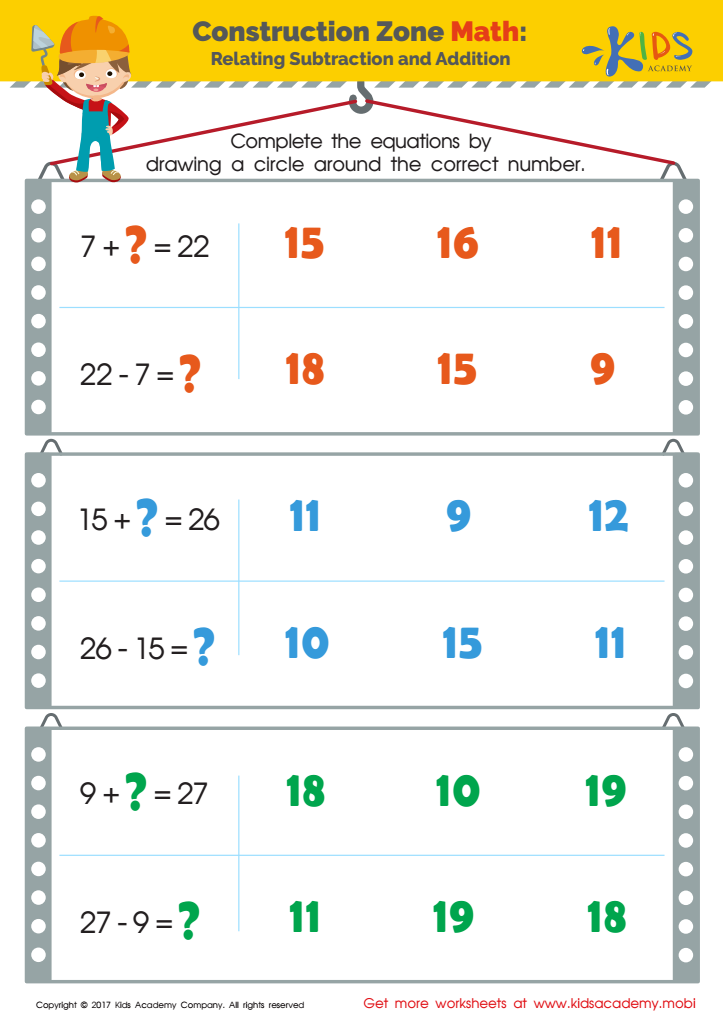
Related Addition and Subtraction Facts Worksheet
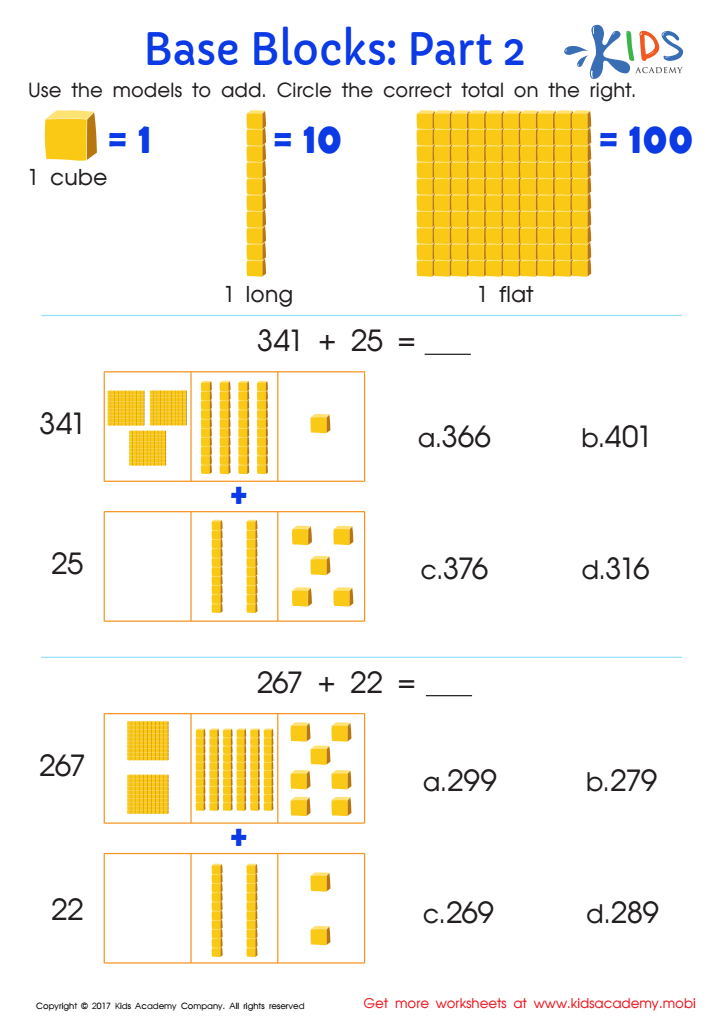
Base Ten Blocks Worksheet: Part 2
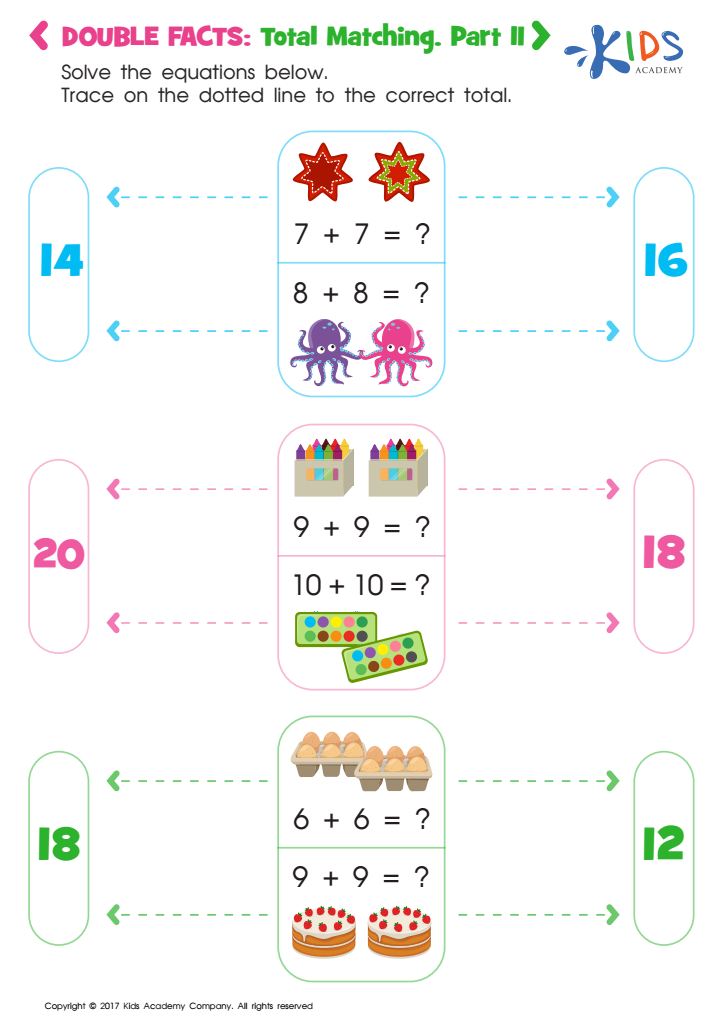
Double Facts: Total Matching 2 Worksheet
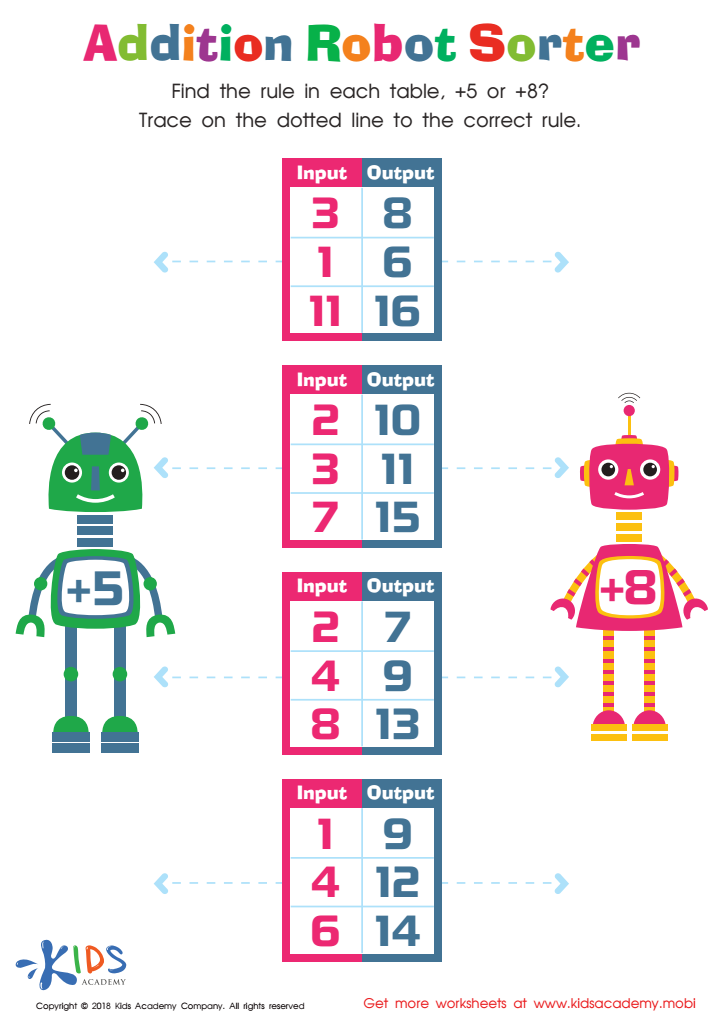
Addition Robot Sorter Worksheet
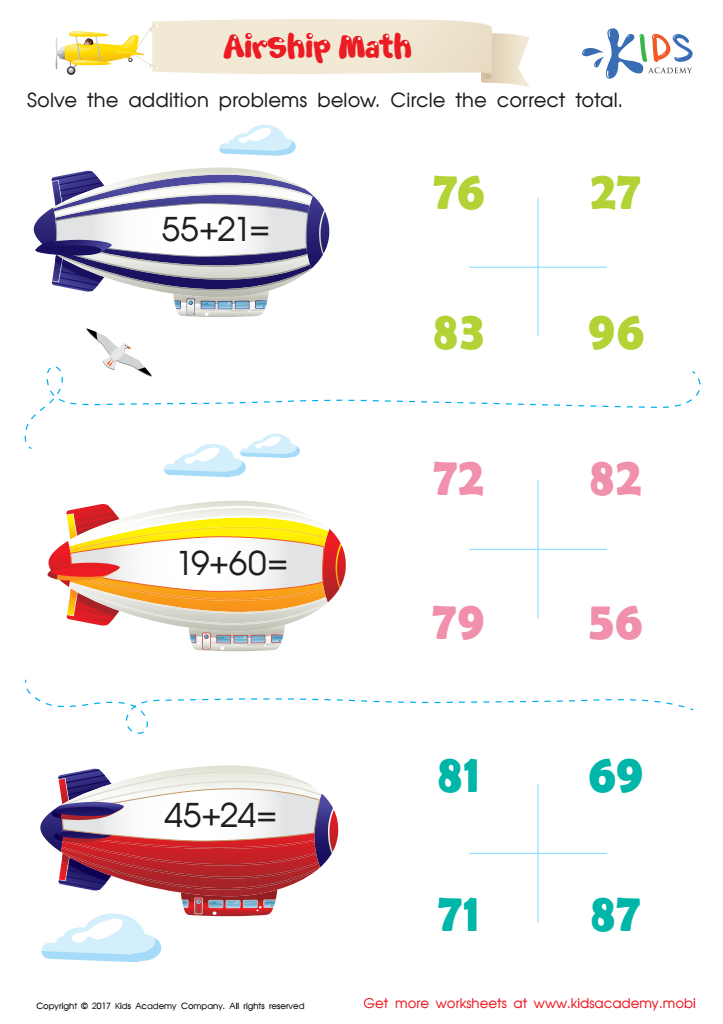
Airship Math Addition Printable
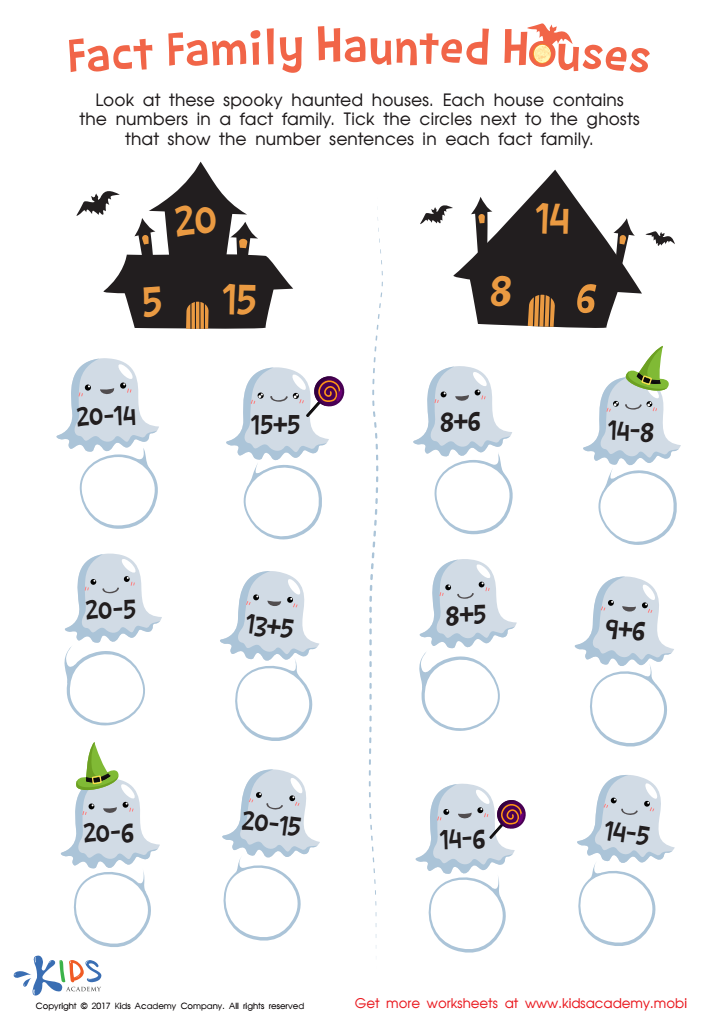








Normal addition, or simple addition, is a cornerstone of early mathematics education for children aged 7-9. Understanding this fundamental skill is crucial for several reasons. Firstly, addition is a building block for more complex mathematical concepts such as subtraction, multiplication, and division. Without a strong grasp of addition, students may struggle with these advanced topics, leading to difficulties in future math learning.
Secondly, addition helps in developing problem-solving and critical thinking skills. When children practice adding numbers, they learn to approach problems methodically and develop strategies for finding solutions. These skills are transferable beyond mathematics to everyday situations and other academic subjects.
Moreover, early success in addition can boost a child's confidence in math, setting a positive tone for their entire educational journey. Confidence in their math abilities encourages persistence and a positive attitude towards learning overall.
Parents and teachers should care about normal addition as it also enhances a child's ability to perform mental math, an essential everyday skill used in tasks like budgeting allowances, planning schedules, or even playing games.
In essence, proficiency in normal addition lays the foundation for academic success, boosts confidence, and cultivates essential life skills, making it an essential area of focus for children in the 7-9 age range.