Phonological Awareness worksheets for Grade 1 - Page 2
34 filtered results
-
From - To
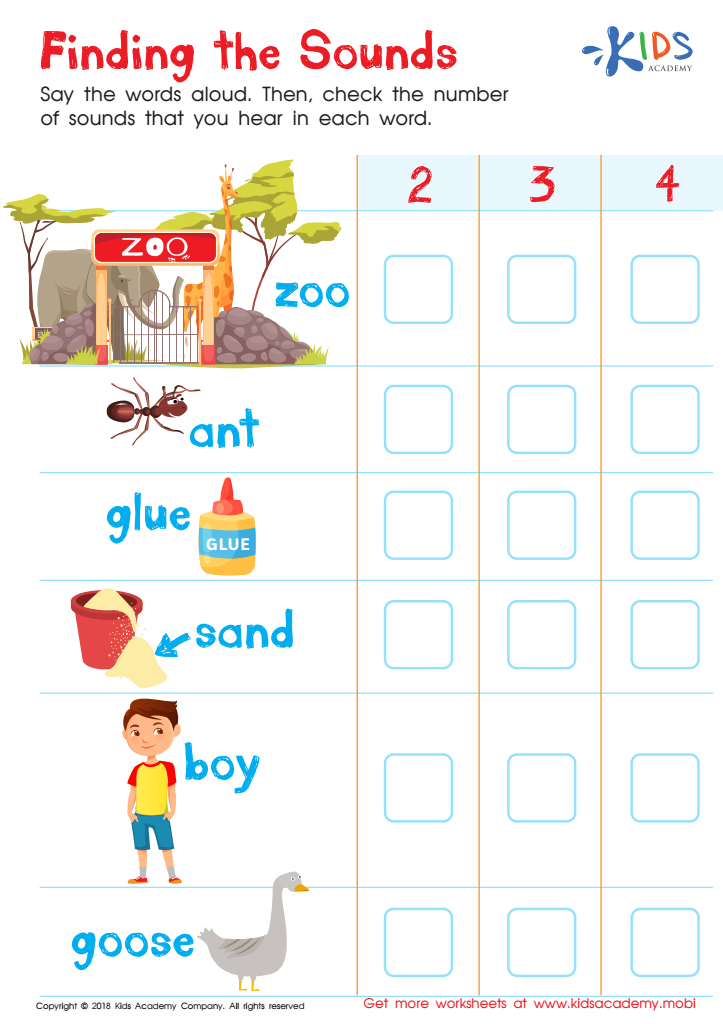
Finding the Sounds Worksheet
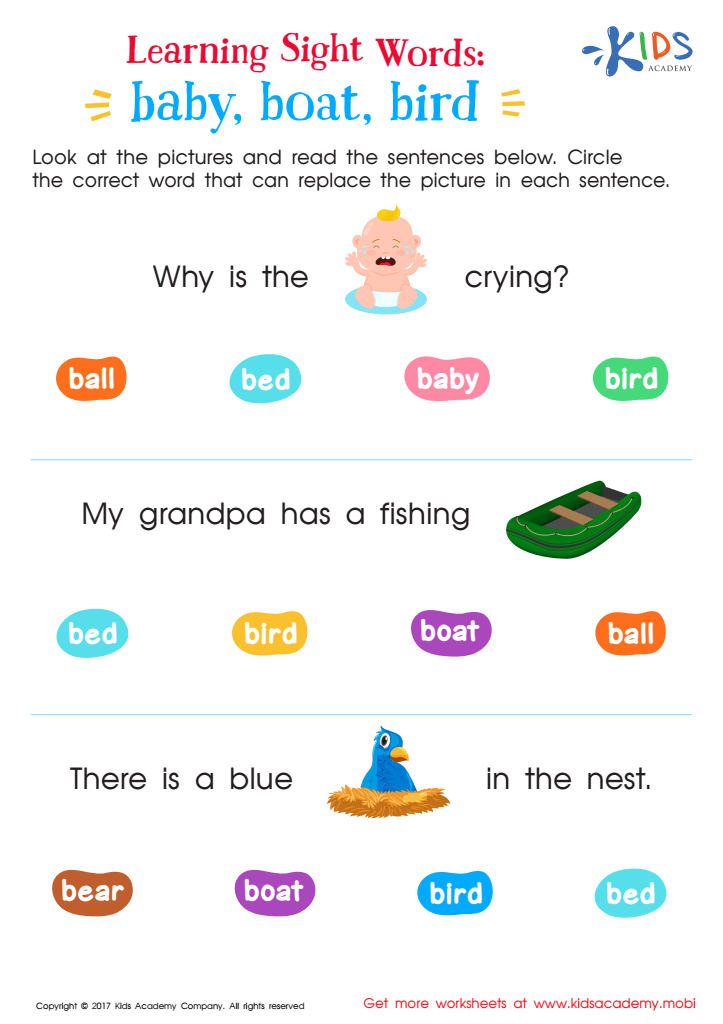
Baby, Boat, Bird Worksheet Sight Words Worksheet
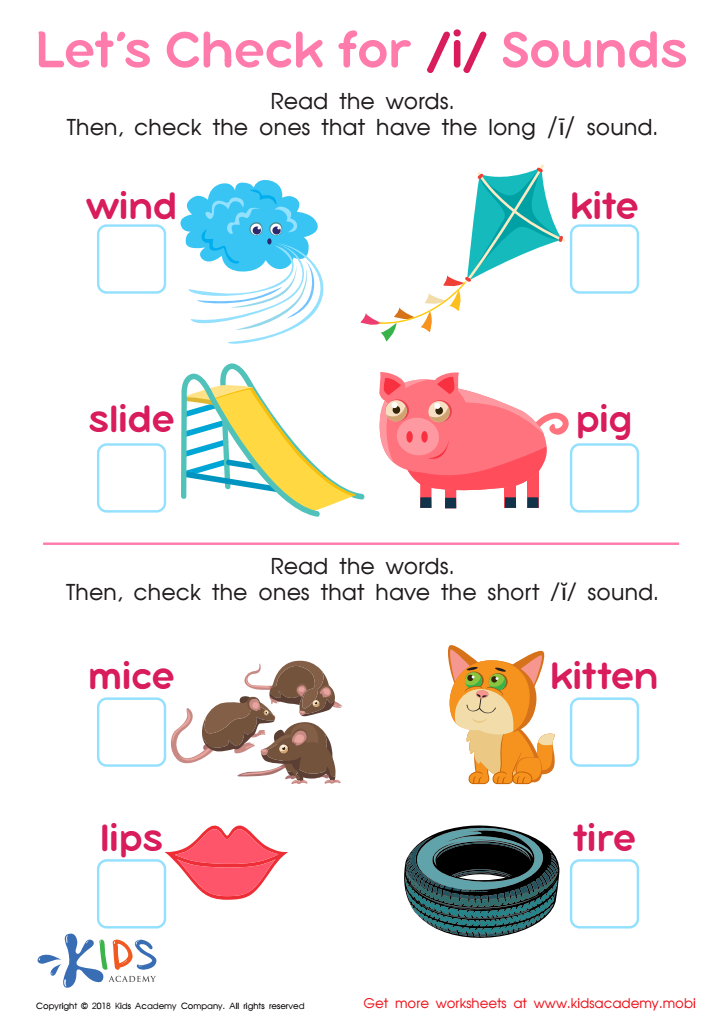
Let's Check for «i» Sounds Worksheet
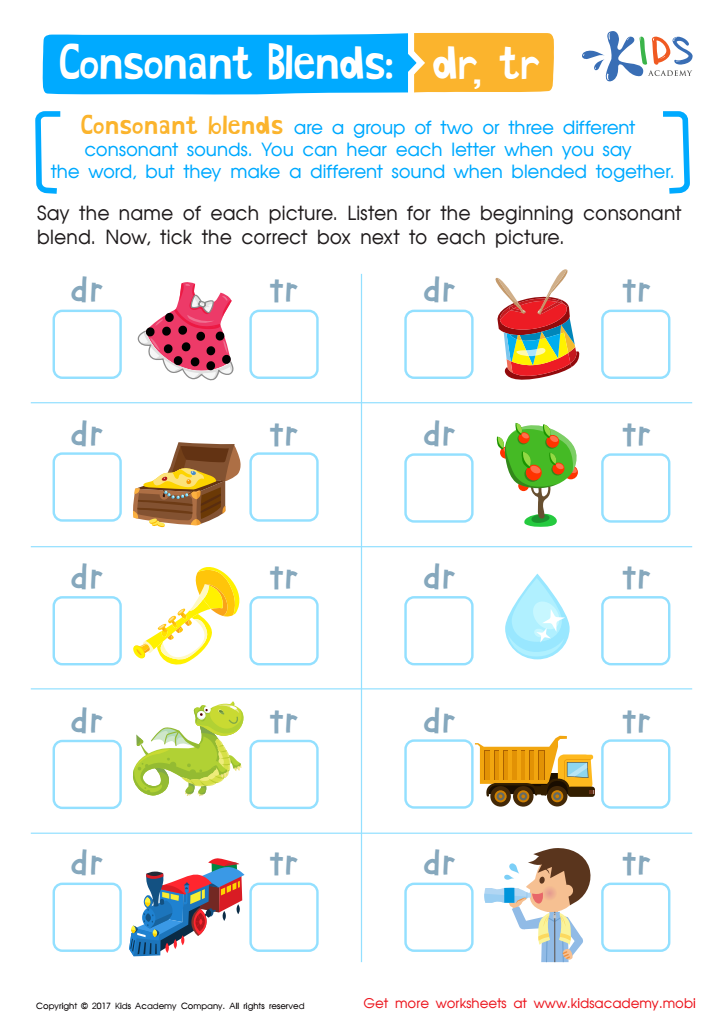
Consonant Blends: "Dr" and "Tr" Printable

Long and Short E Worksheet
 Assign to My Students
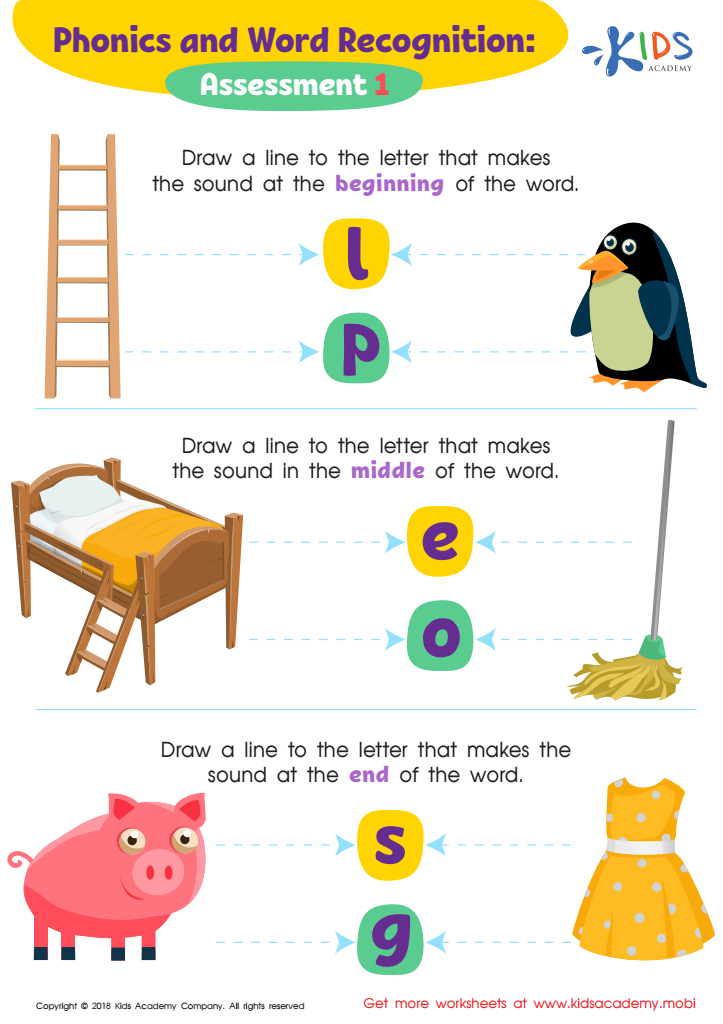
Phonics and Word Recognition: Assessment 1 ELA Worksheet
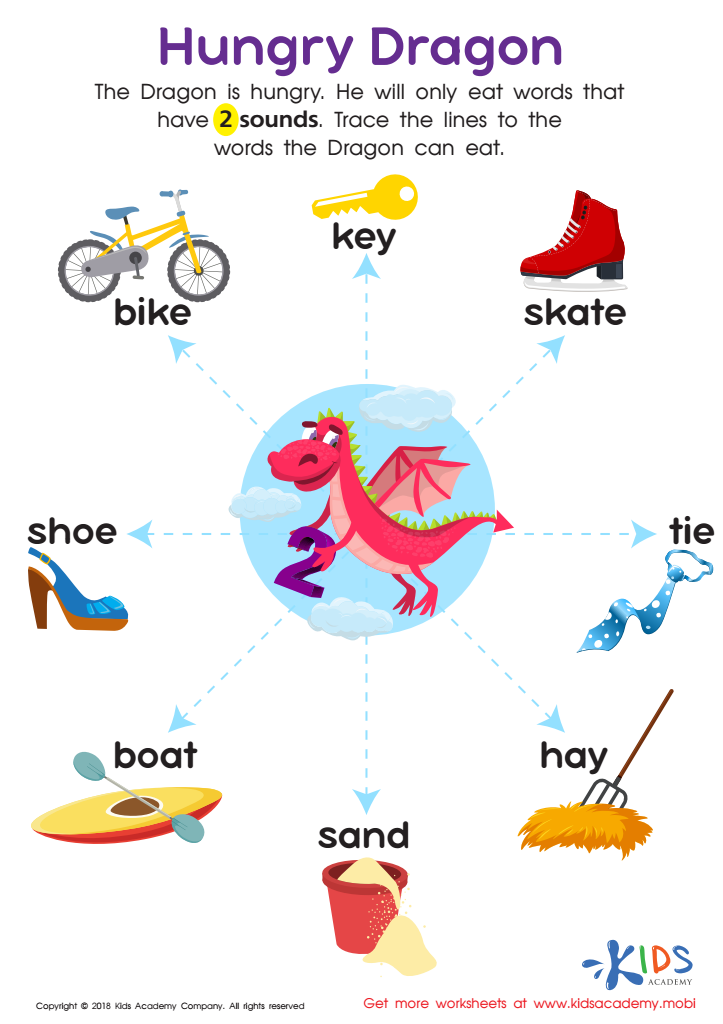
Hungry Dragon Worksheet
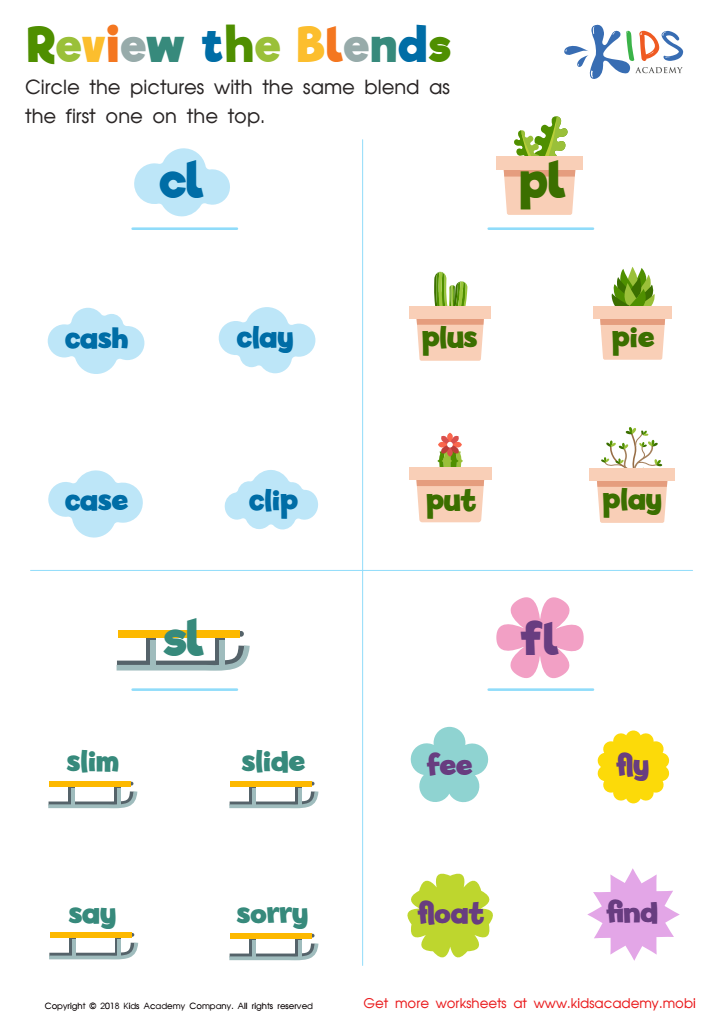
Review the Blends Worksheet
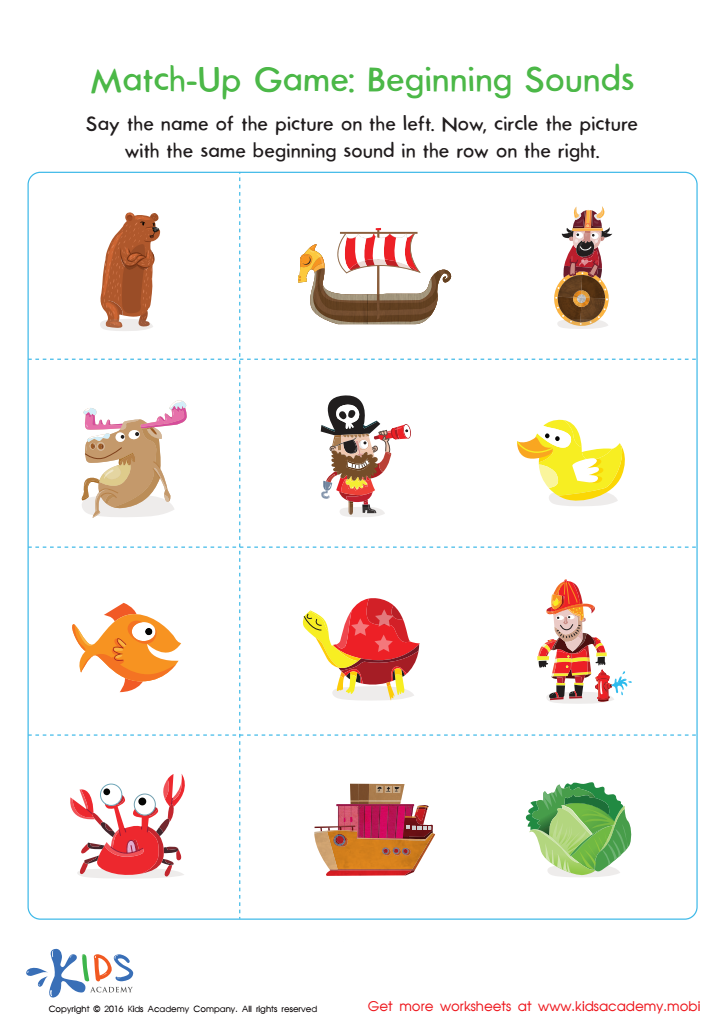
Match–Up Game: Beginning Sounds Worksheet



.jpg)

.jpg)
Phonological awareness is a crucial skill for Grade 1 students, forming the foundational basis for reading and writing. It refers to the ability to recognize and manipulate the sounds of spoken language, including the recognition of syllables, rhymes, and phonemes. Parents and teachers should care about phonological awareness because it significantly impacts a child's literacy development.
Firstly, strong phonological awareness enables children to decode words, making it easier for them to read independently. Children who can identify and manipulate sounds will have less difficulty sounding out unfamiliar words, leading to increased confidence and fluency in reading.
Additionally, phonological awareness supports spelling skills as children learn to segment sounds in words when writing. This connection between sounds and letters is critical for effective communication.
Moreover, research shows that early interventions in phonological awareness can prevent later reading difficulties. By fostering these skills in Grade 1, parents and teachers can help create a robust framework for lifelong literacy.
Ultimately, supporting phonological awareness encourages not only reading success but instills a love for learning and language that can last a lifetime. Engaging children in fun phonemic activities like rhyming games and sound manipulation can significantly influence their educational journey.