Measurement and Data worksheets for Grade 2 - Page 2
53 filtered results
-
From - To
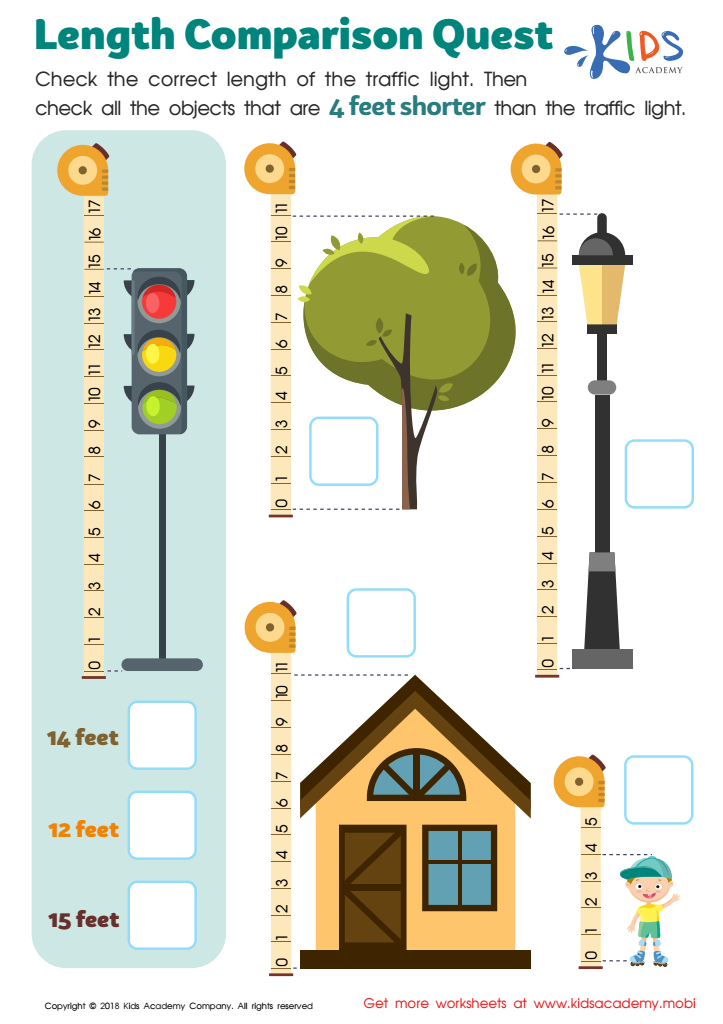
Length Comparison Quest Worksheet
 Assign to My Students
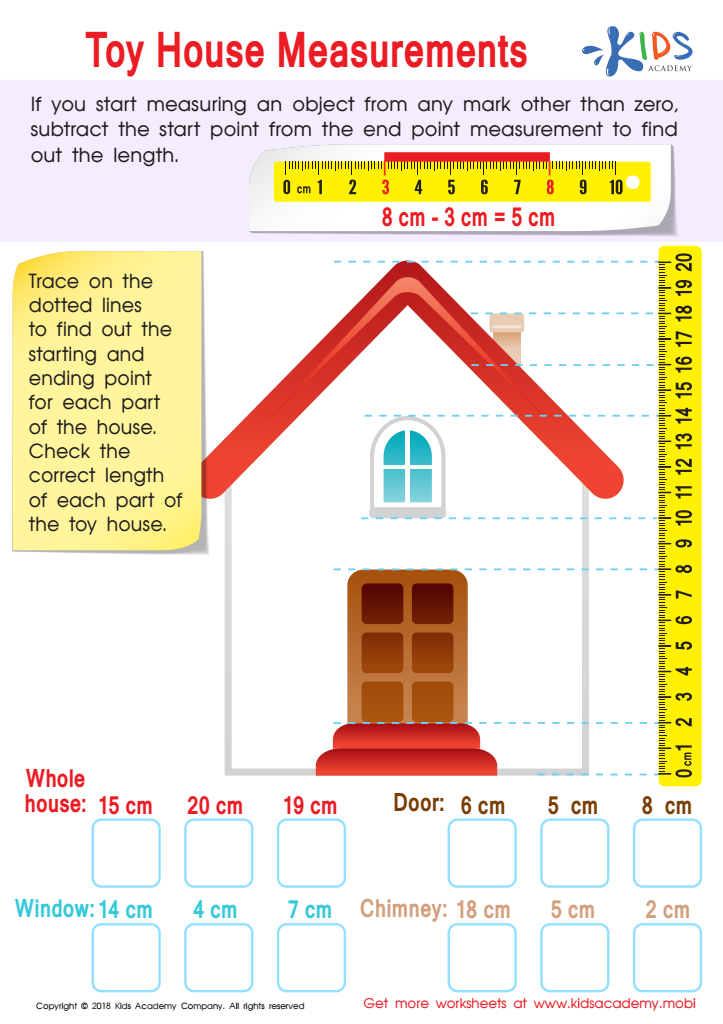
Toy House Measurements Worksheet
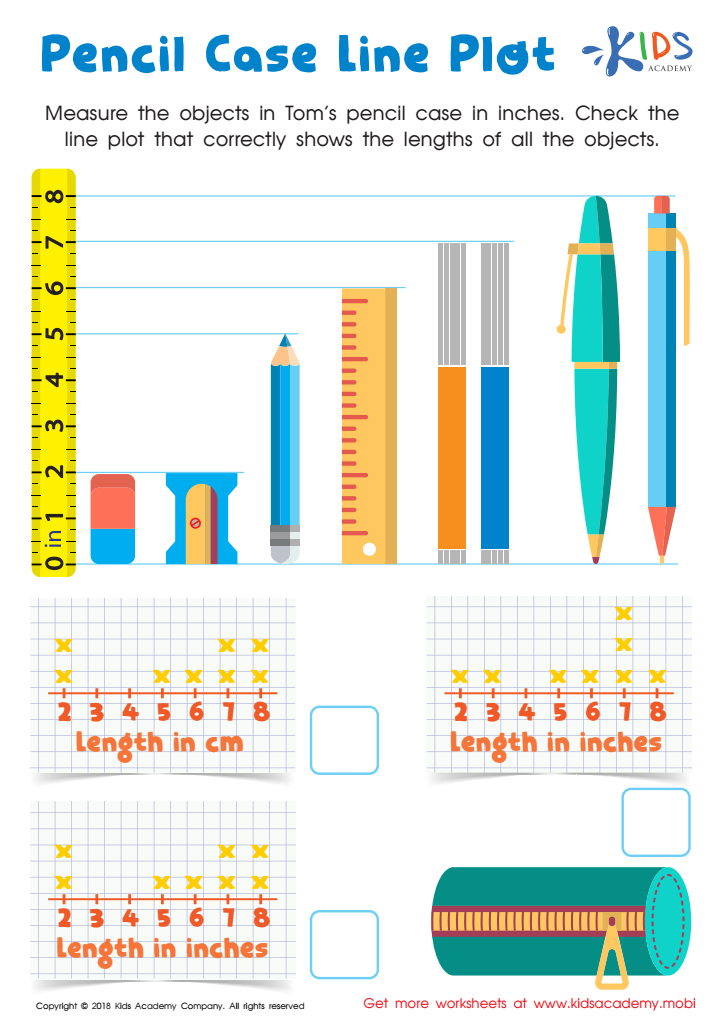
Pencil Case Line Plot Worksheet
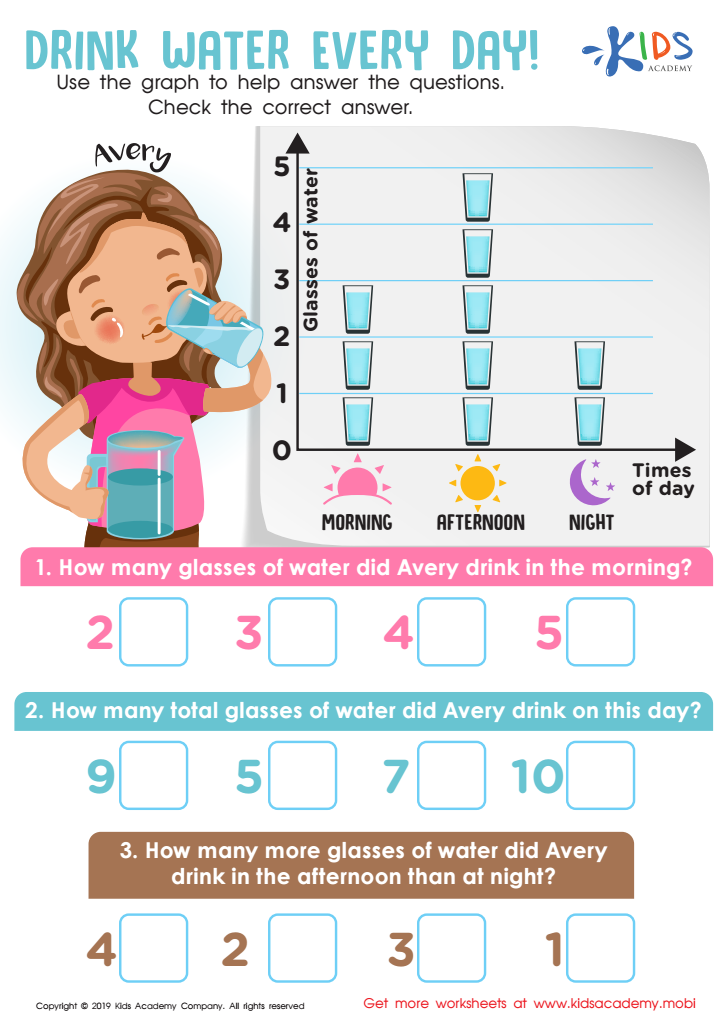
Drink Water Every Day! Worksheet
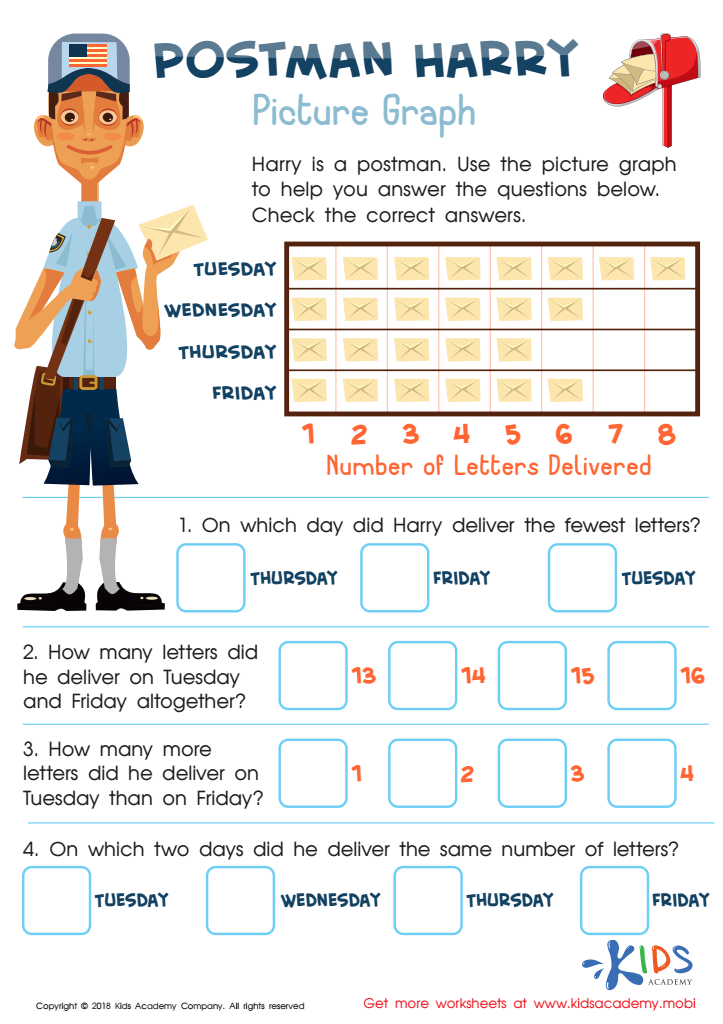
Postman Harry: Picture Graph Worksheet
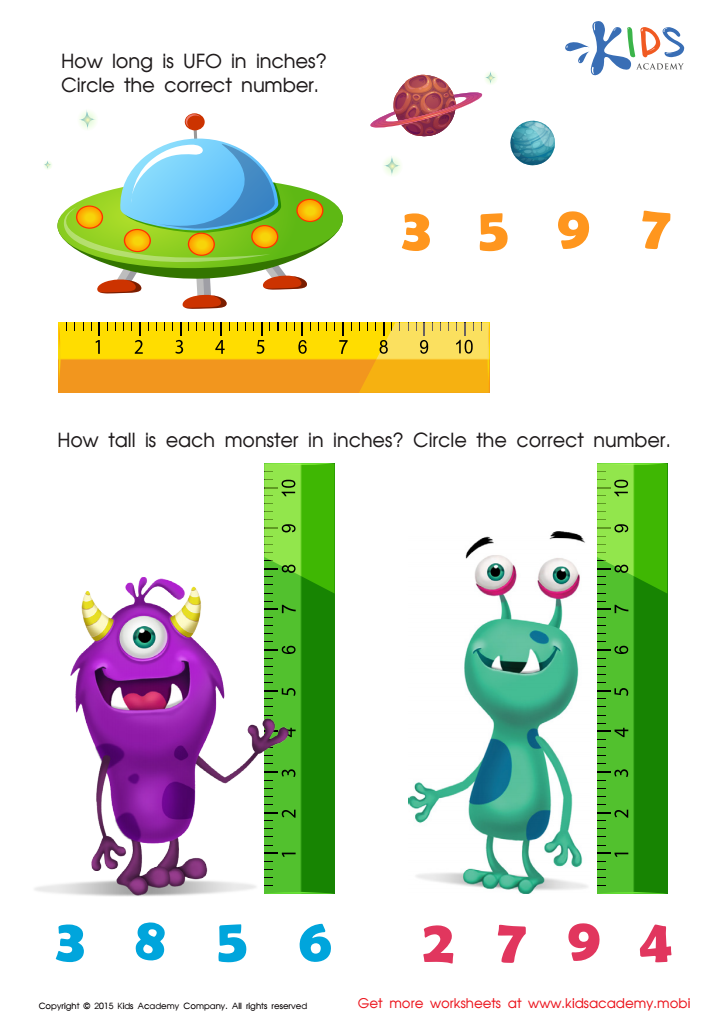
Measuring in Inches Worksheet
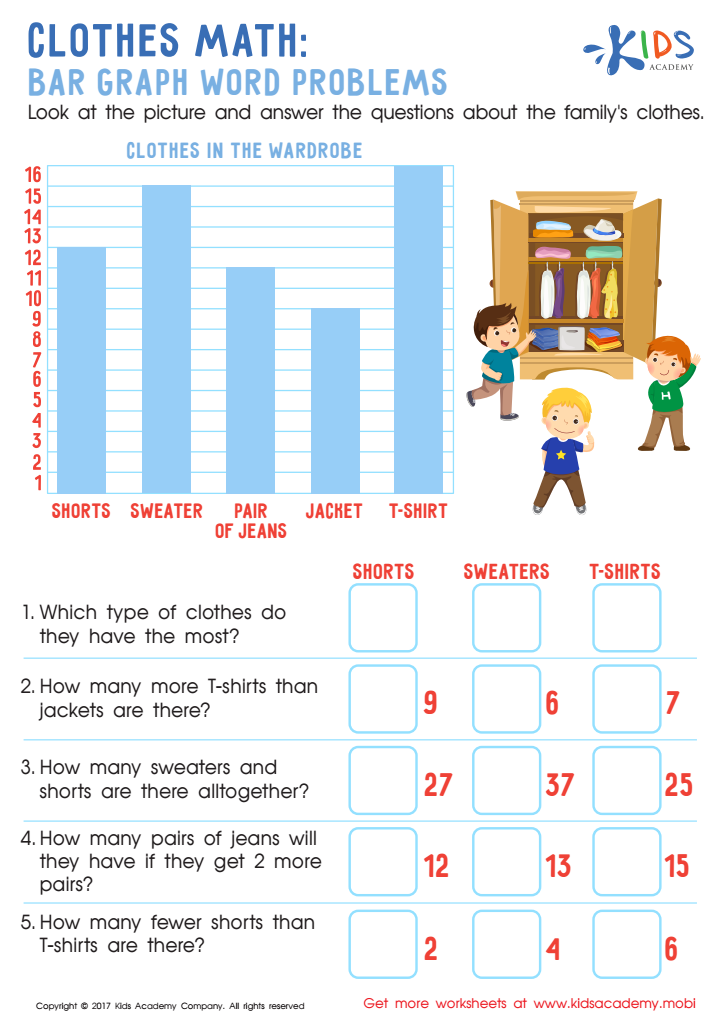
Clothes Math: Bar Graph Word Problems Worksheet
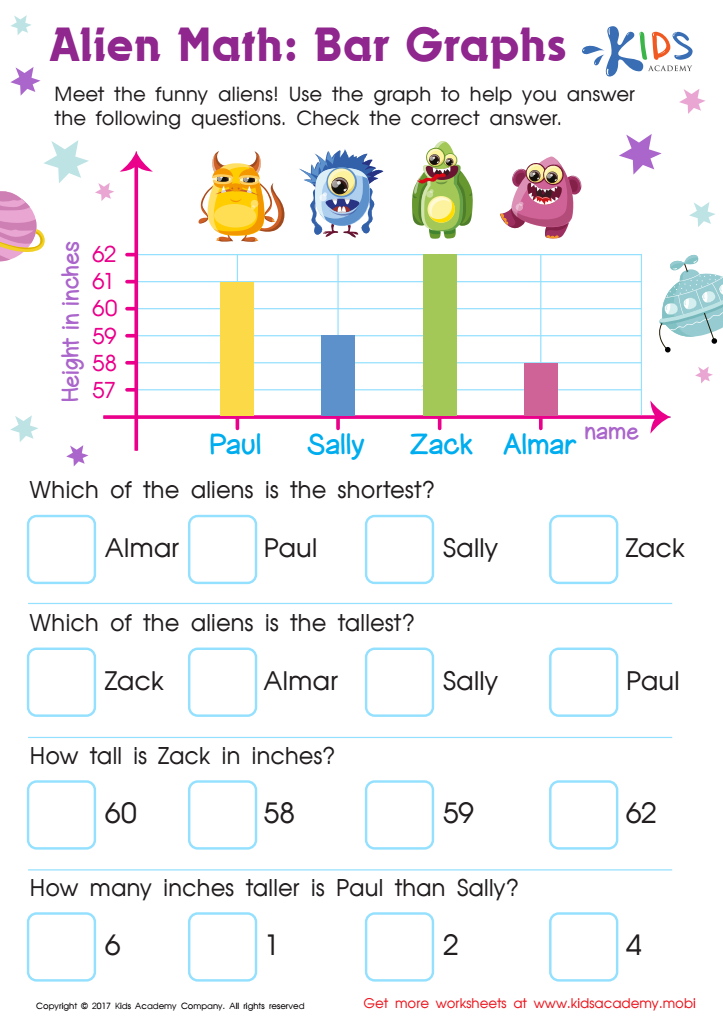
Bar Graphs Worksheet
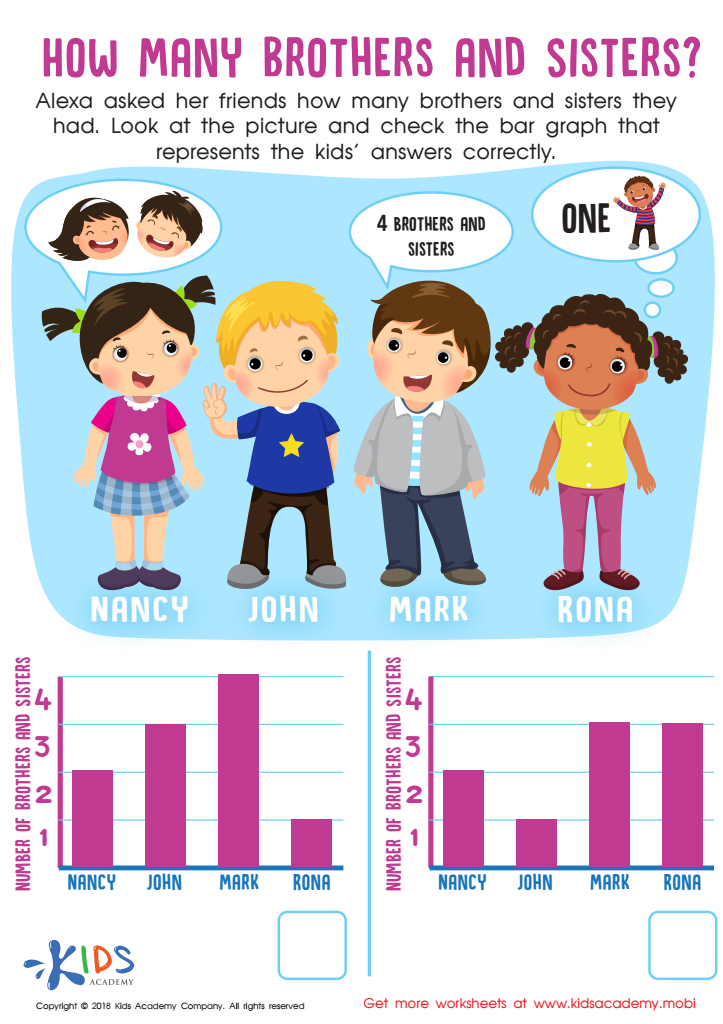
How Many Brothers and Sisters? Worksheet
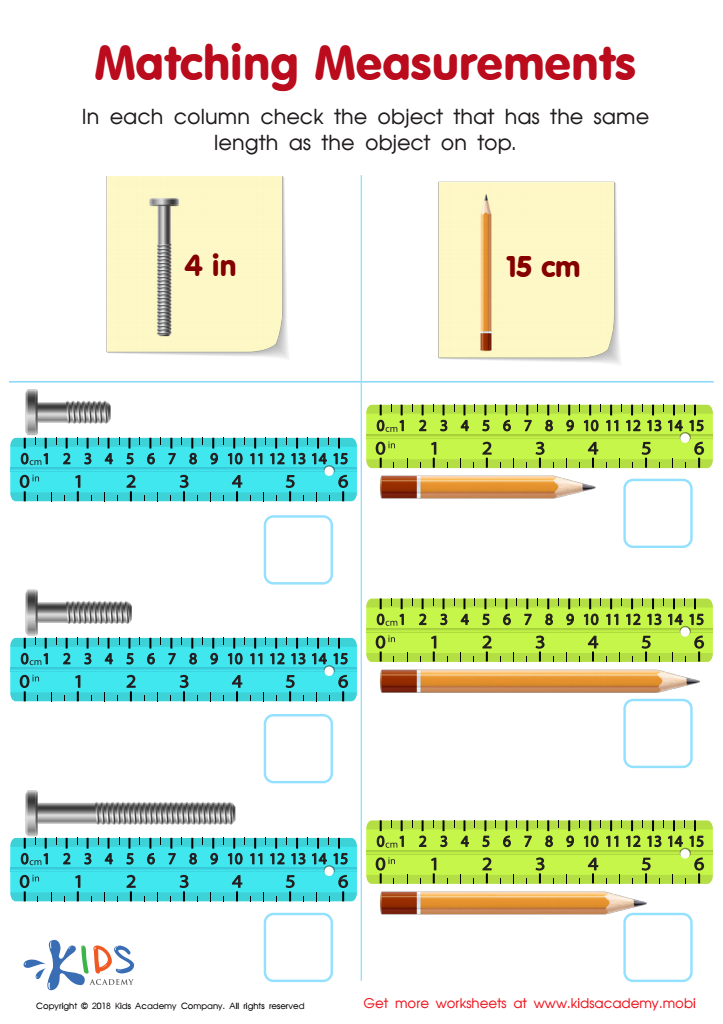
Matching Measurements Worksheet
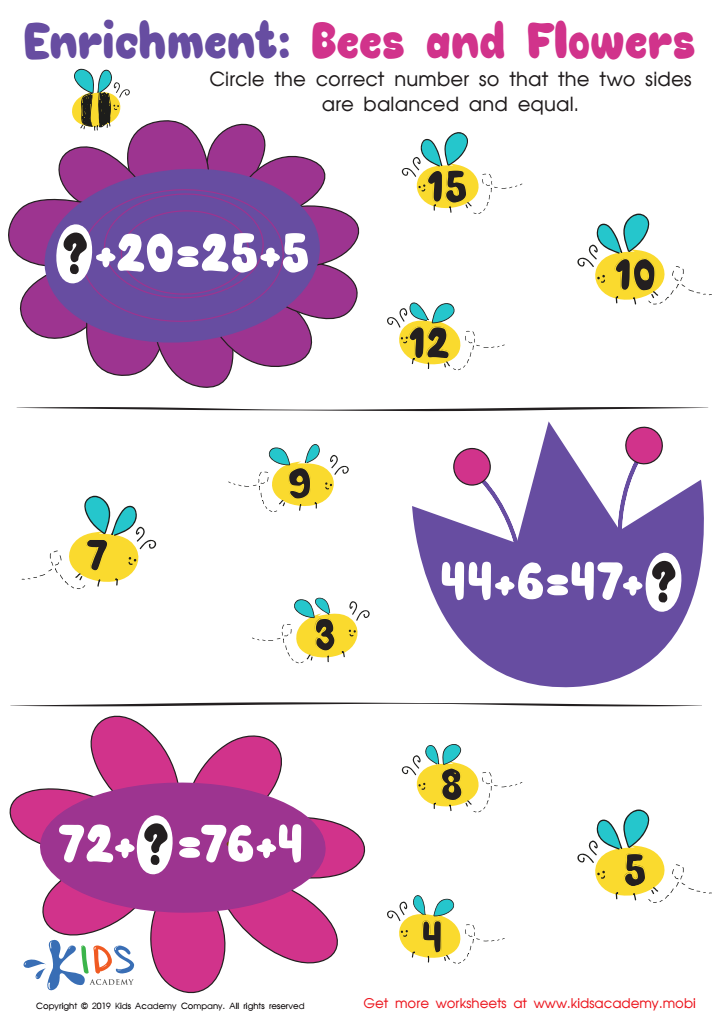
Enrichment: Bees and Flowers Worksheet
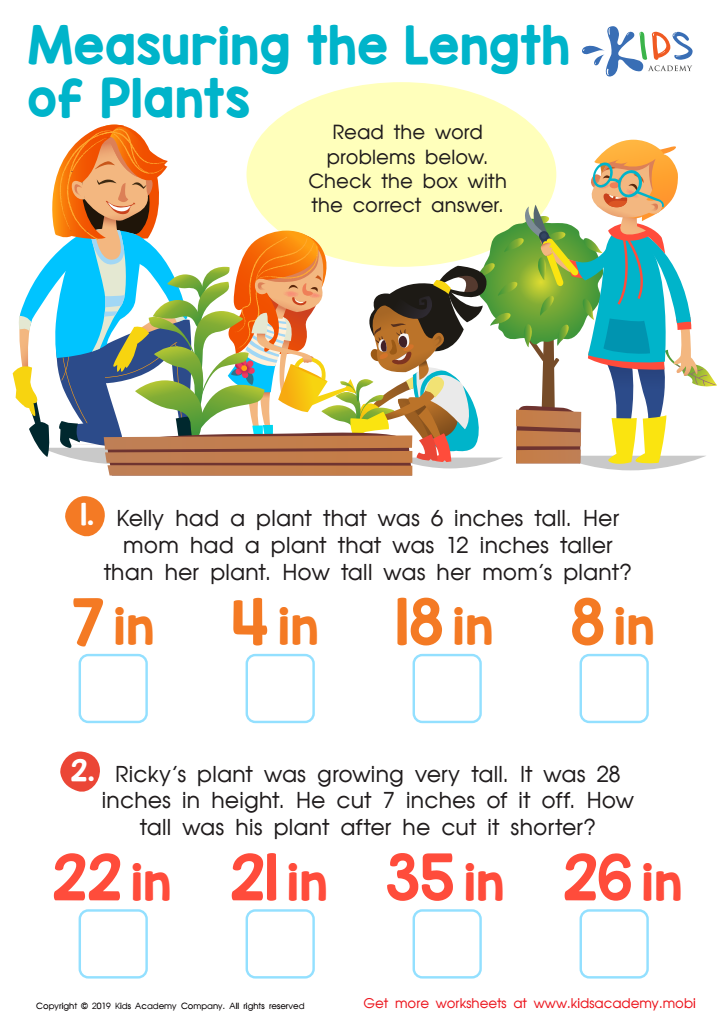
Measuring the Length of Plants Worksheet
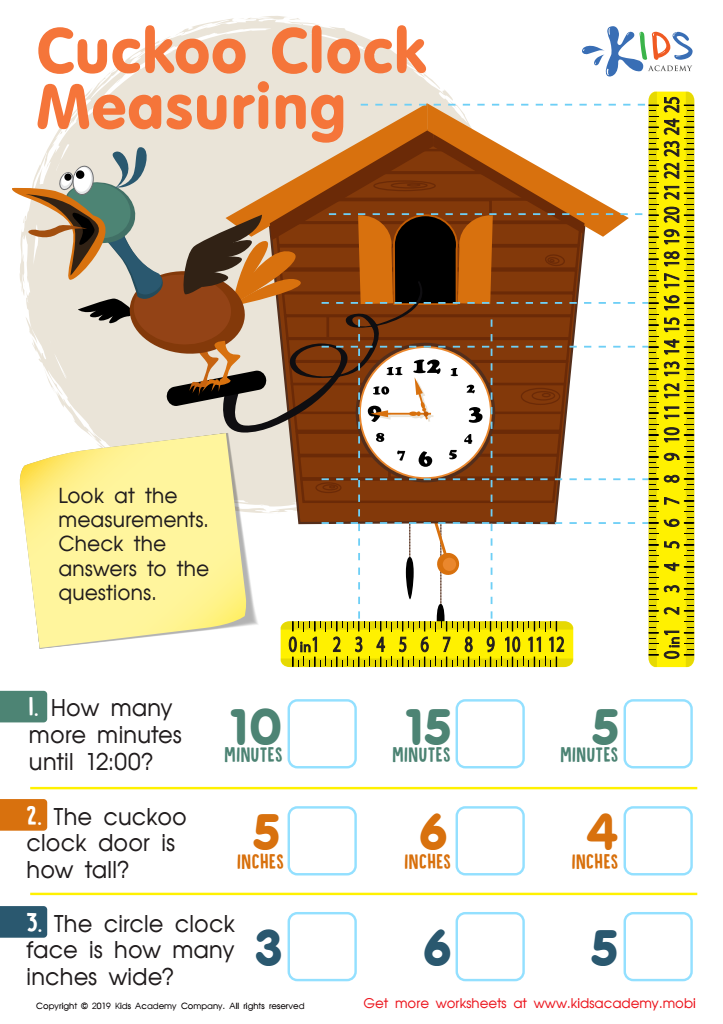
Cuckoo Clock Measuring Worksheet
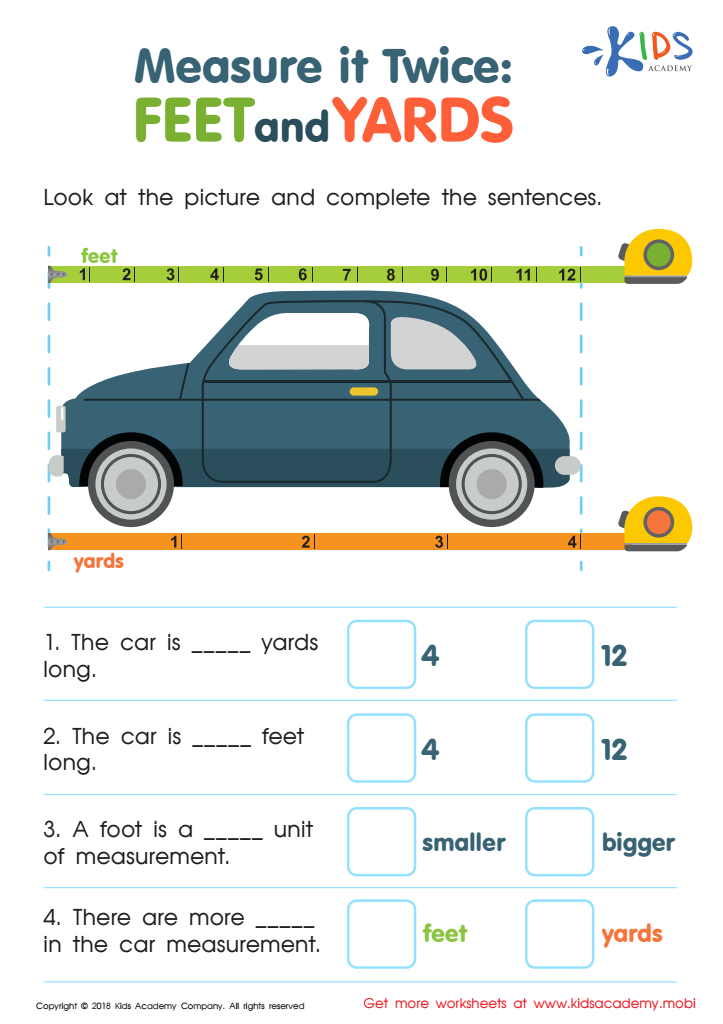
Measure It Twice: Feet and Yards Worksheet
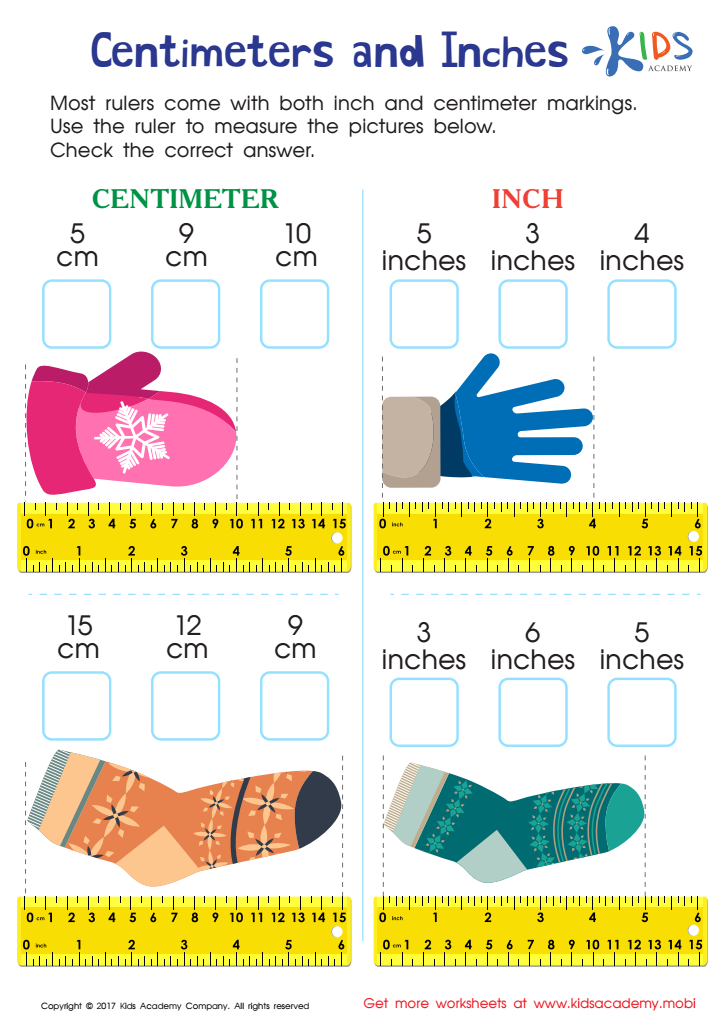
Centimeters and Inches Worksheet
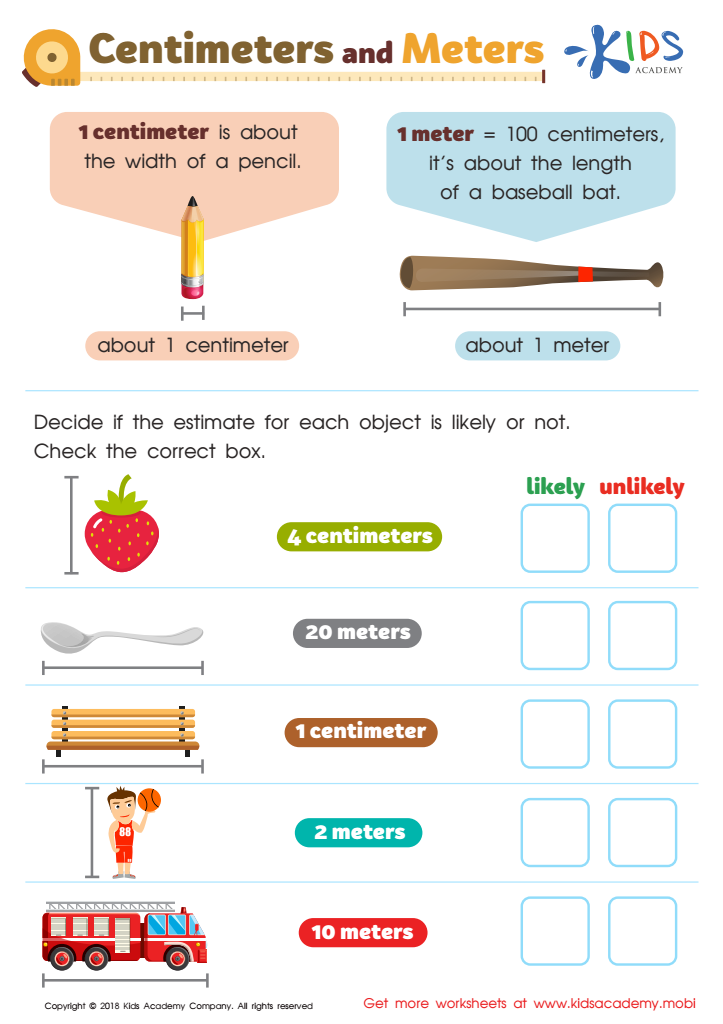
Centimeters and Meters Worksheet
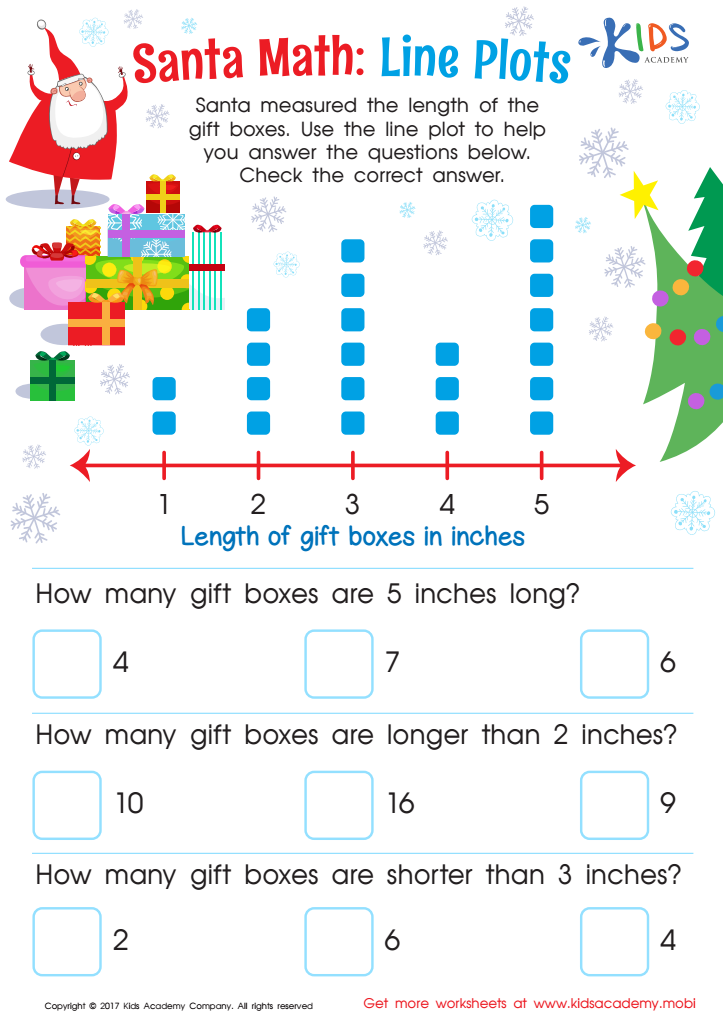
Line Plot Worksheet
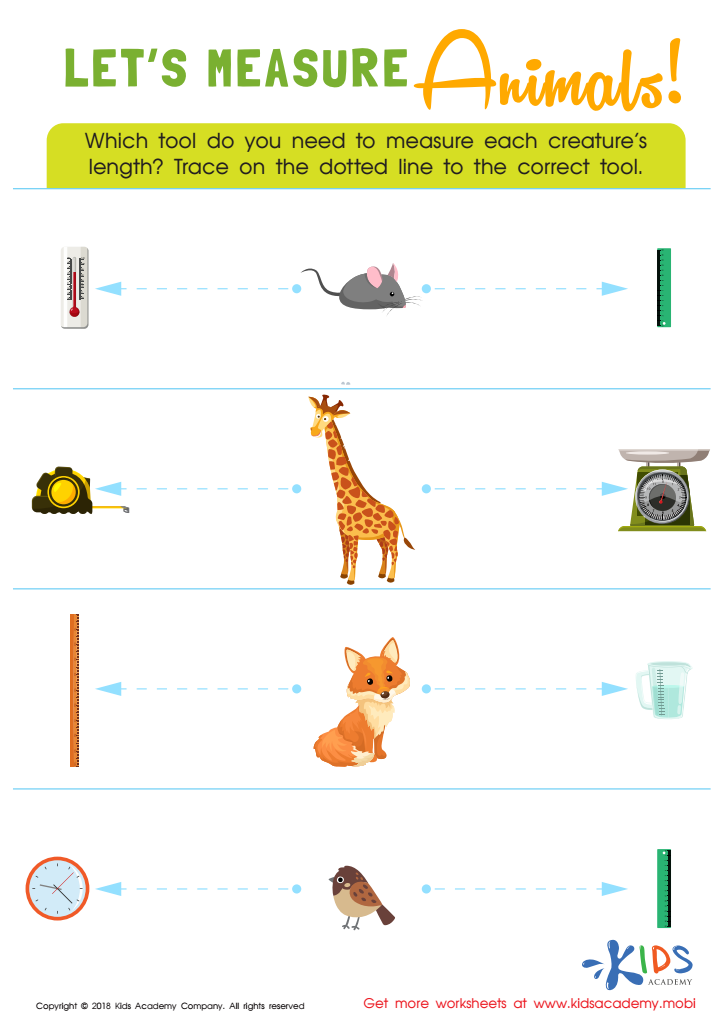
Let's Measure Animals! Worksheet
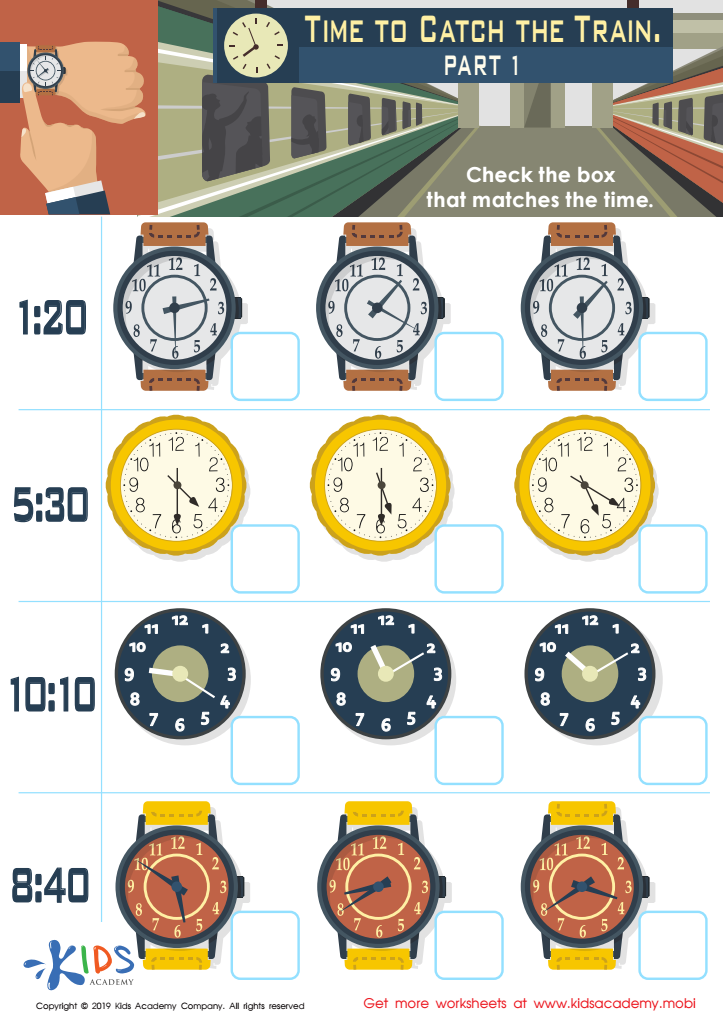
Time to Catch the Train Part 1 Worksheet
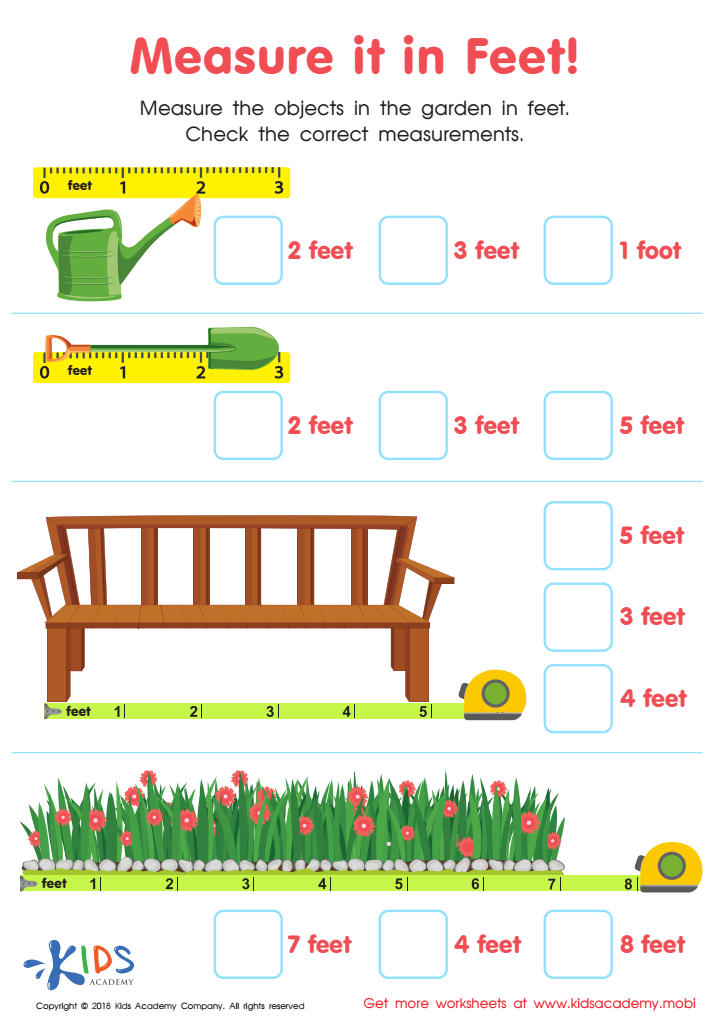
Measure it in Feet Worksheet
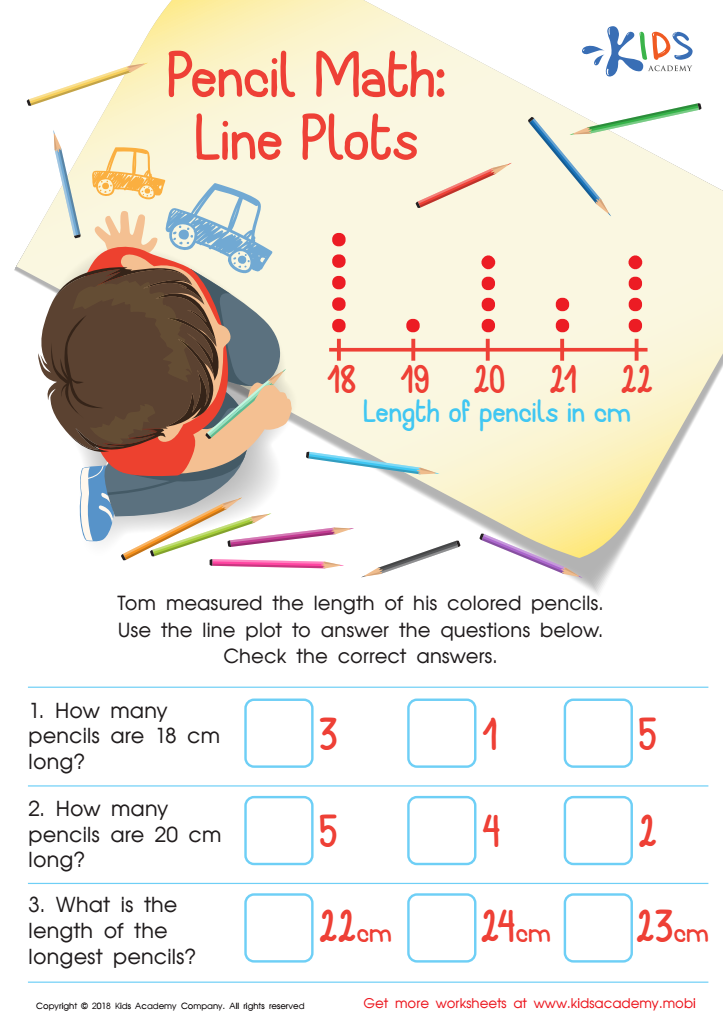
Pencil Math: Line Plots Worksheet
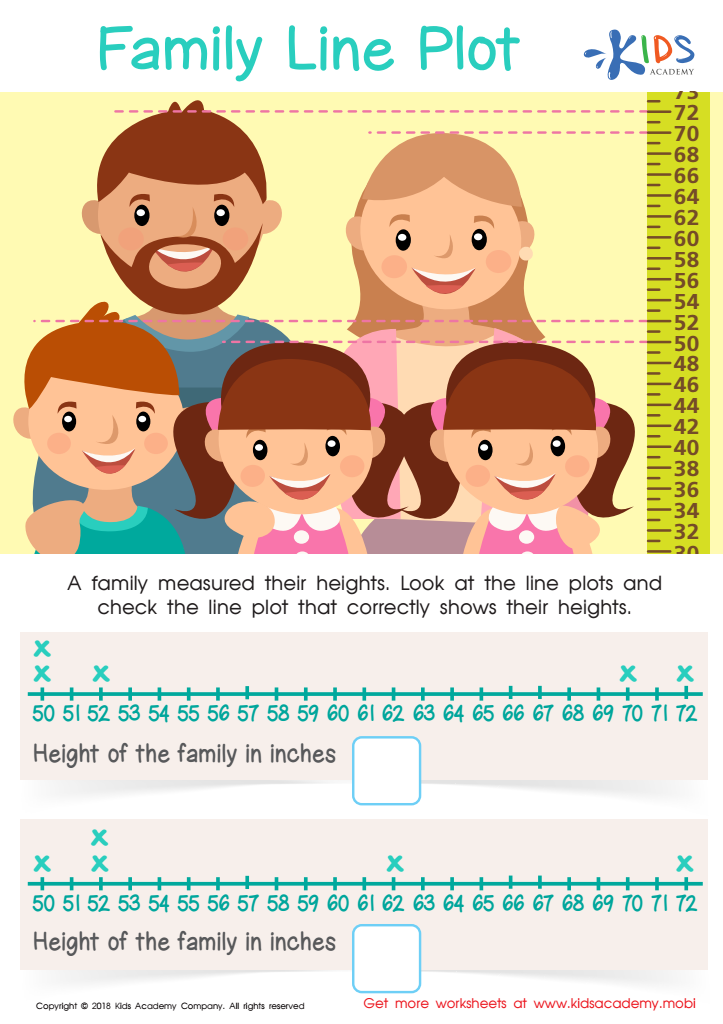
Family Line Plot Worksheet
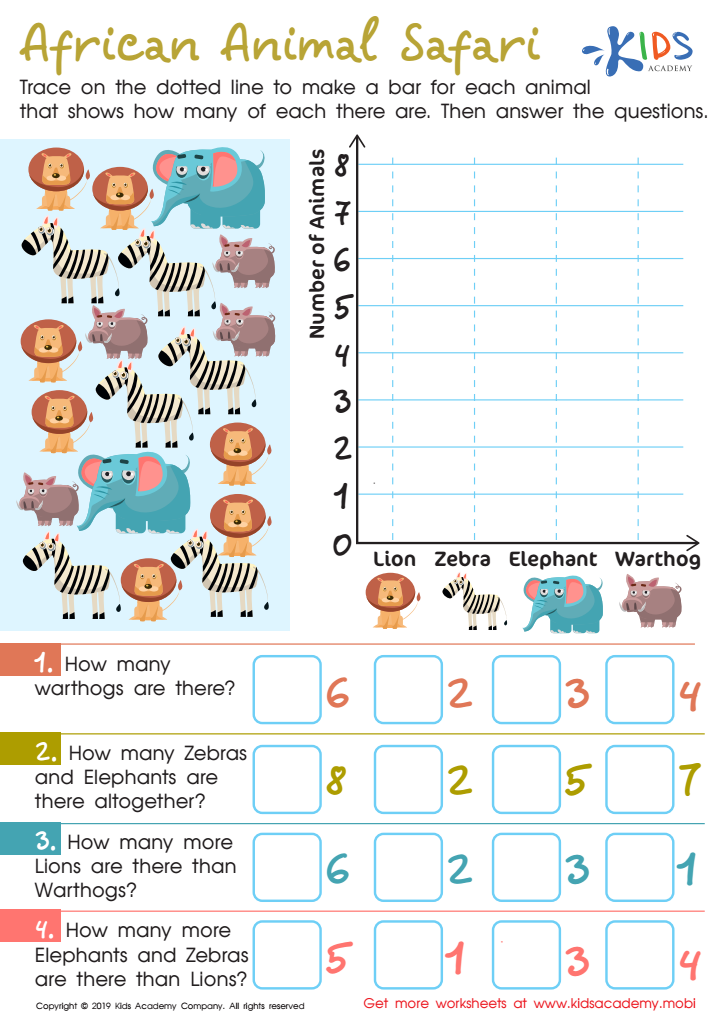
African Animal Safari Worksheet
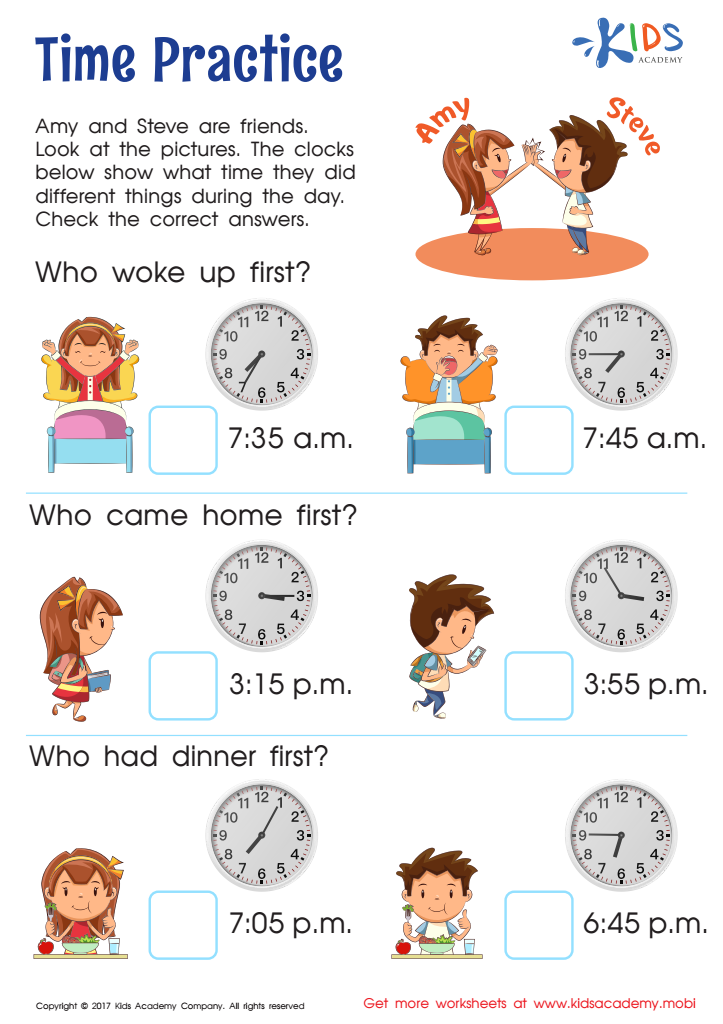
Time Practice Worksheet








Measurement and Data are essential components of the mathematics curriculum for Grade 2, and understanding their importance can have a lasting impact on children's education. At this age, children are naturally curious and eager to explore their world. Learning about measurement helps them develop critical thinking skills as they compare lengths, weights, and volumes. These foundational concepts foster a sense of spatial awareness, enabling children to understand relationships between objects.
Teachers and parents should care about Measurement and Data because they are not only vital for mathematics but also integrated into everyday life. When children learn to interpret data through graphs and charts, they develop analytical skills that are transferable to various subjects and real-world situations. For instance, understanding temperature changes or tracking simple statistics about their favorite sports teams can make math relatable and enjoyable.
Moreover, early exposure to Measurement and Data strengthens problem-solving abilities. Children learn to ask questions and seek answers through resources like measuring cups, rulers, and scales, cultivating a scientific mindset. Ultimately, the skills gained in this domain lay down a crucial foundation for higher-level mathematics and literacy, preparing children to navigate an increasingly data-driven world. Engaging with these concepts fosters confidence and curiosity, essential traits for lifelong learning.