Easy Science Worksheets for Ages 3-8 - Page 2
43 filtered results
-
From - To
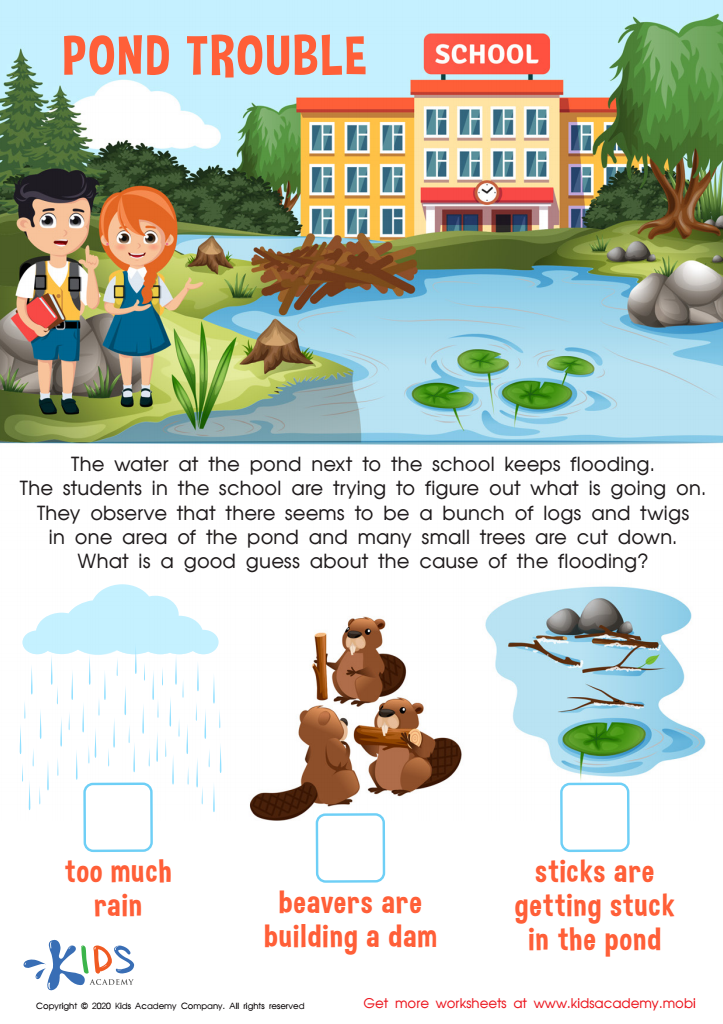
Pond Trouble Worksheet
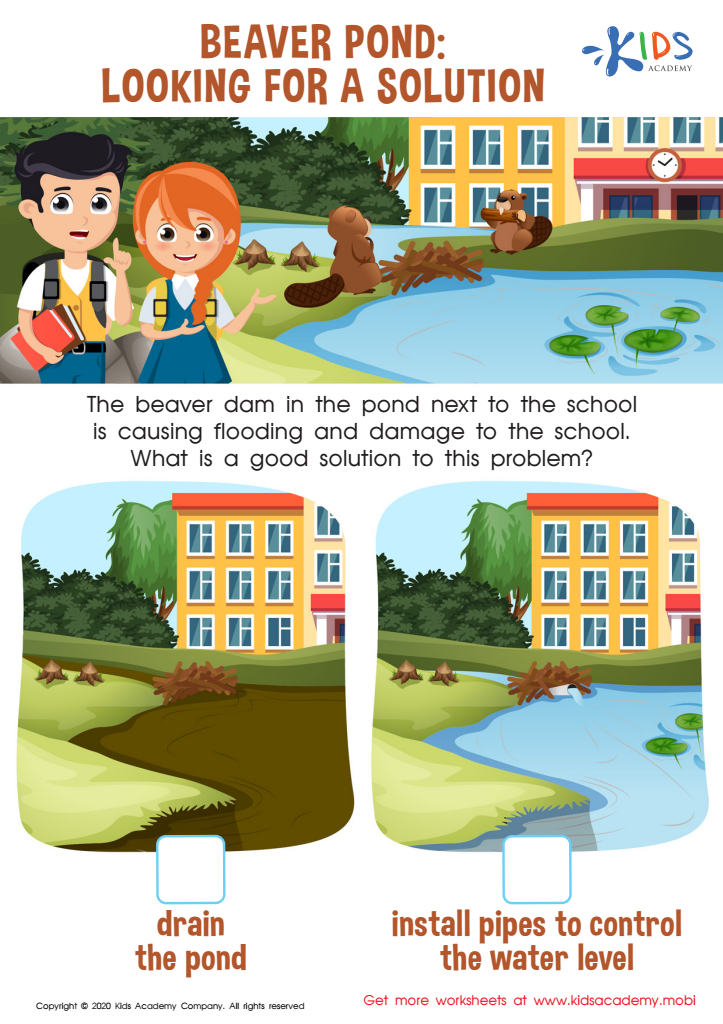
Beaver Pond: Looking for a Solution Worksheet
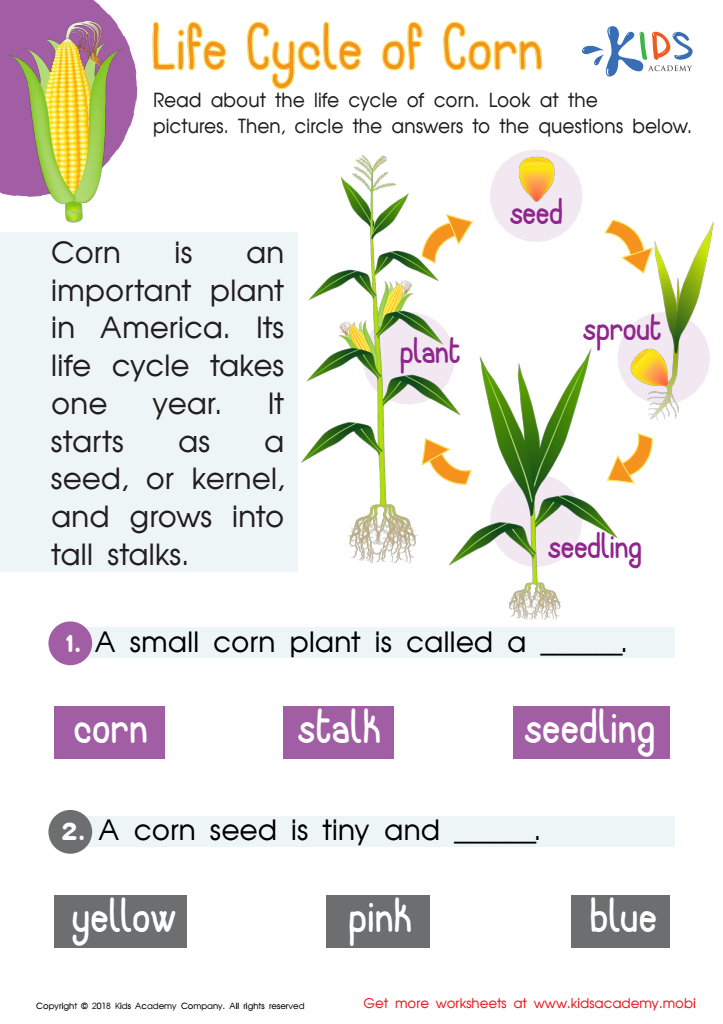
Life Cycle of Corn Worksheet
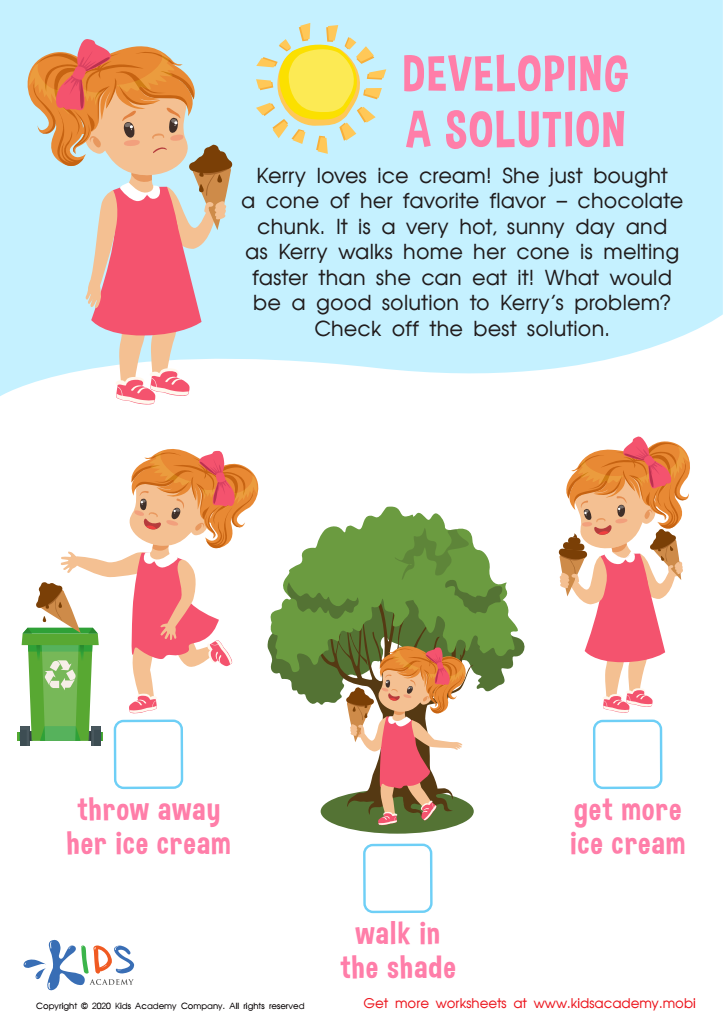
Developing Solution Worksheet
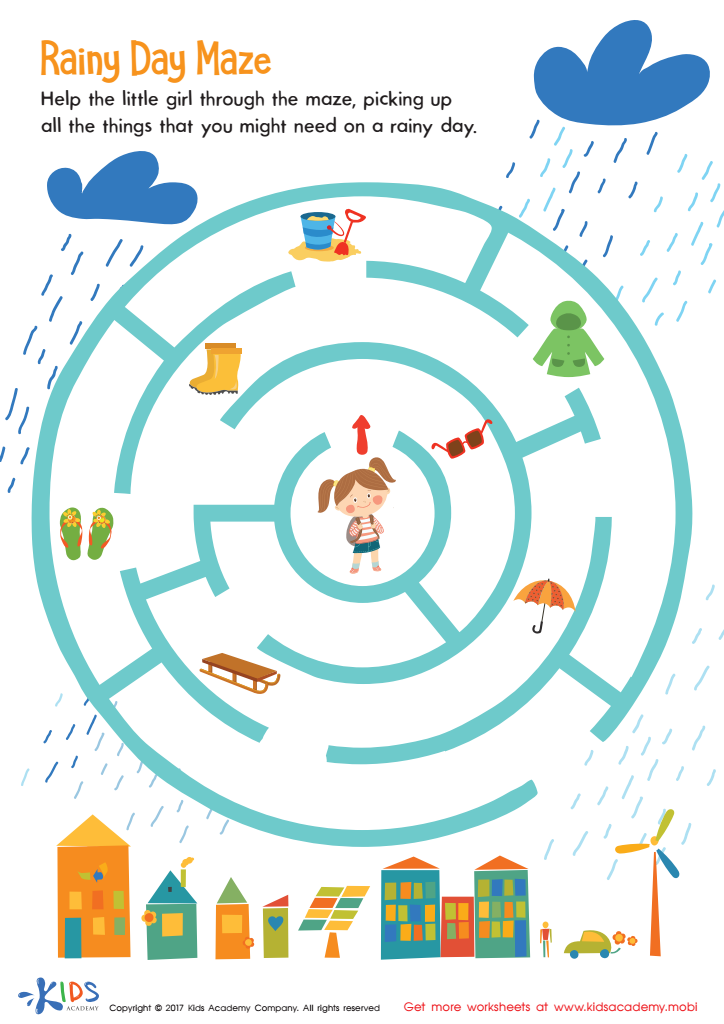
Rainy Day Maze Worksheet
Jungle Plants Worksheet
 Assign to My Students
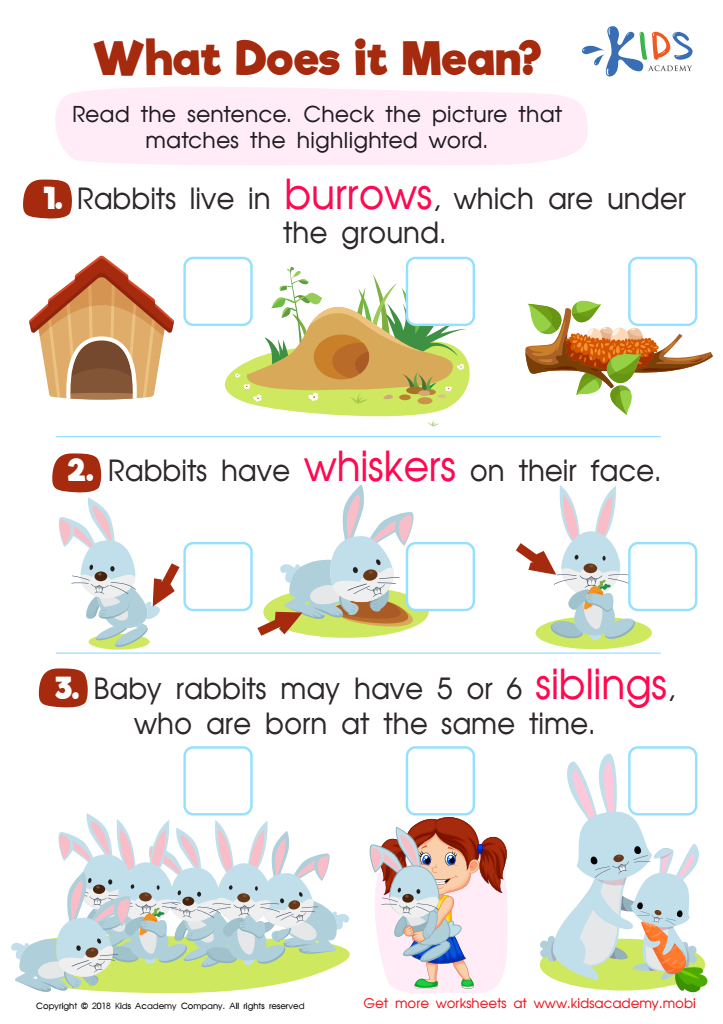
What Does It Mean? Worksheet
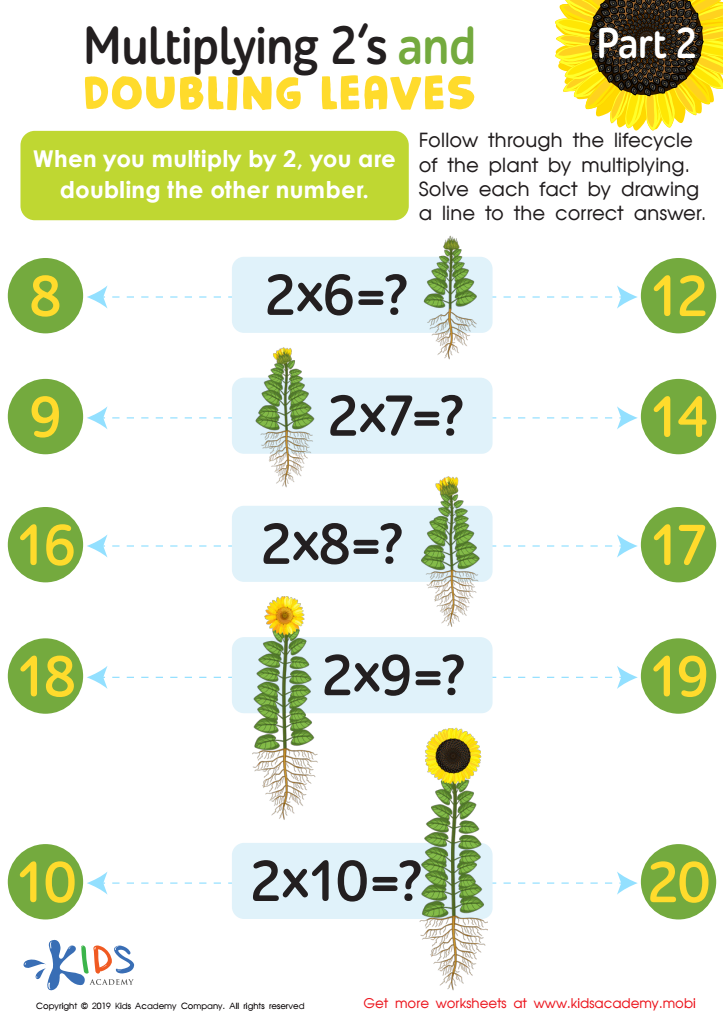
Multiplying 2’s and Doubling Leaves Part 2 Worksheet
Spring and Fall Worksheet
Assign to My Students
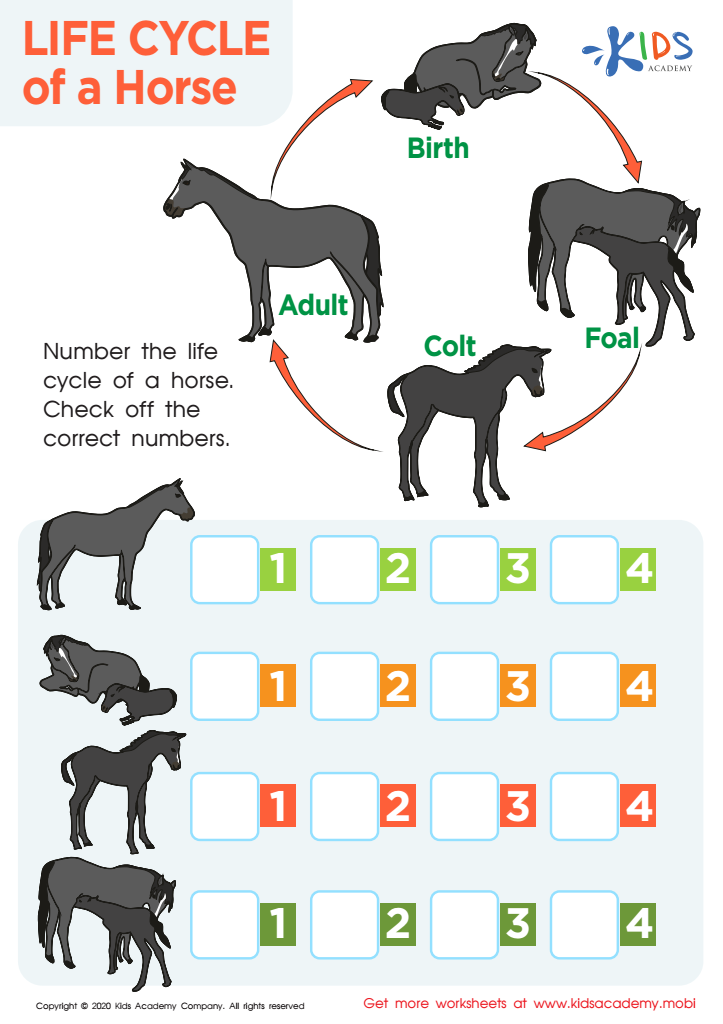
Life Cycle of a Horse Worksheet
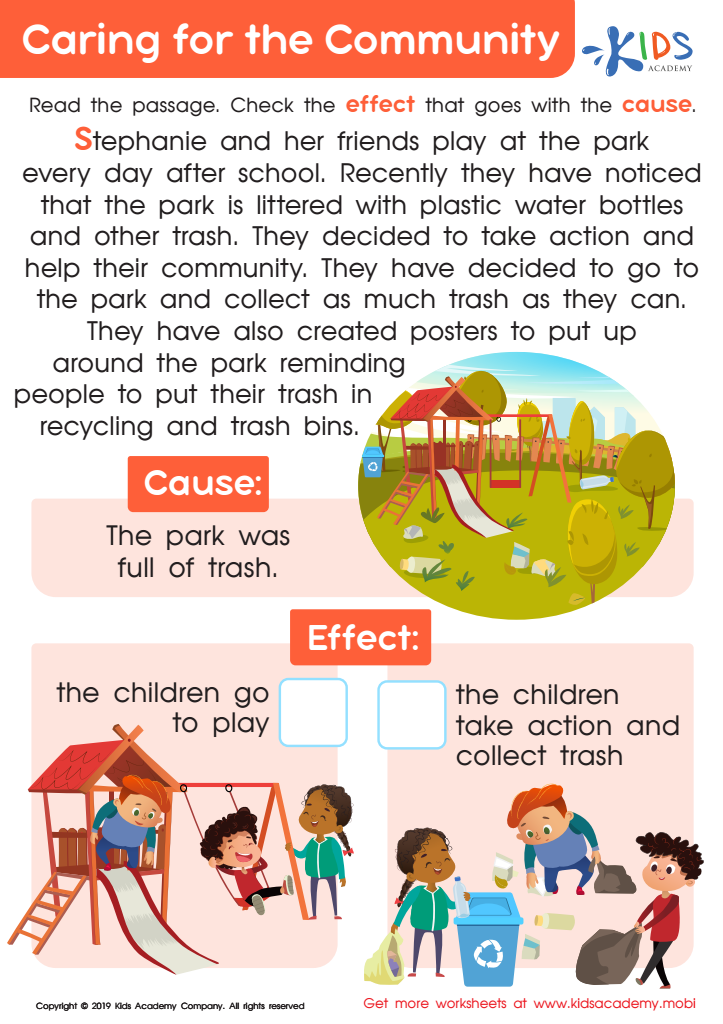
Caring for the Community Worksheet
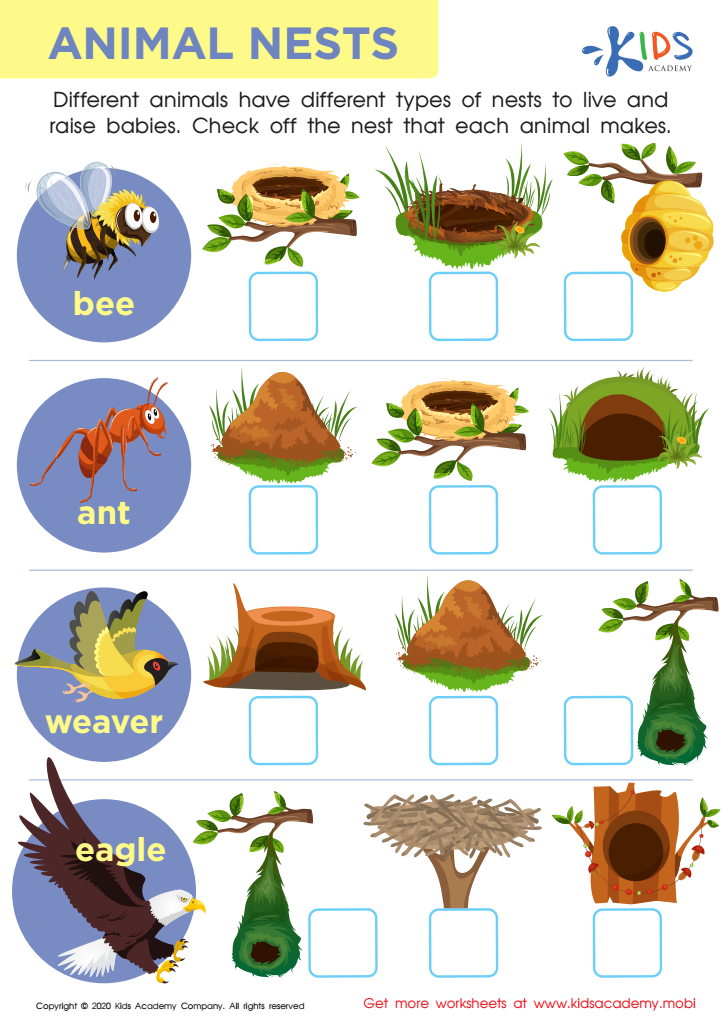
Animal Nests Worksheet
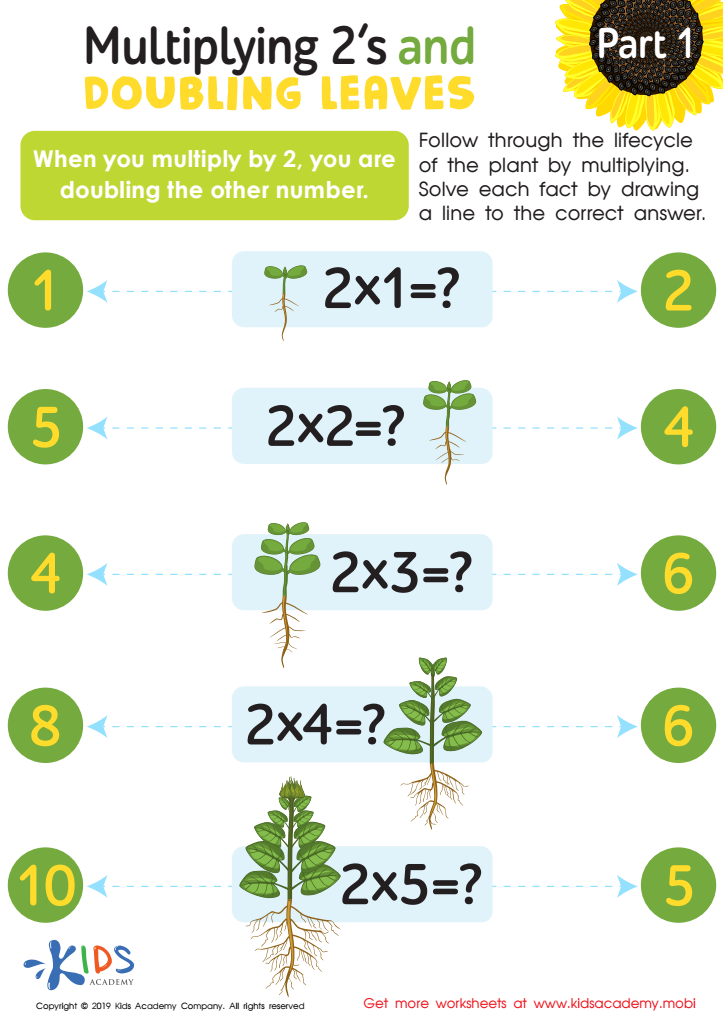
Multiplying 2’s and Doubling Leaves Part 1 Worksheet
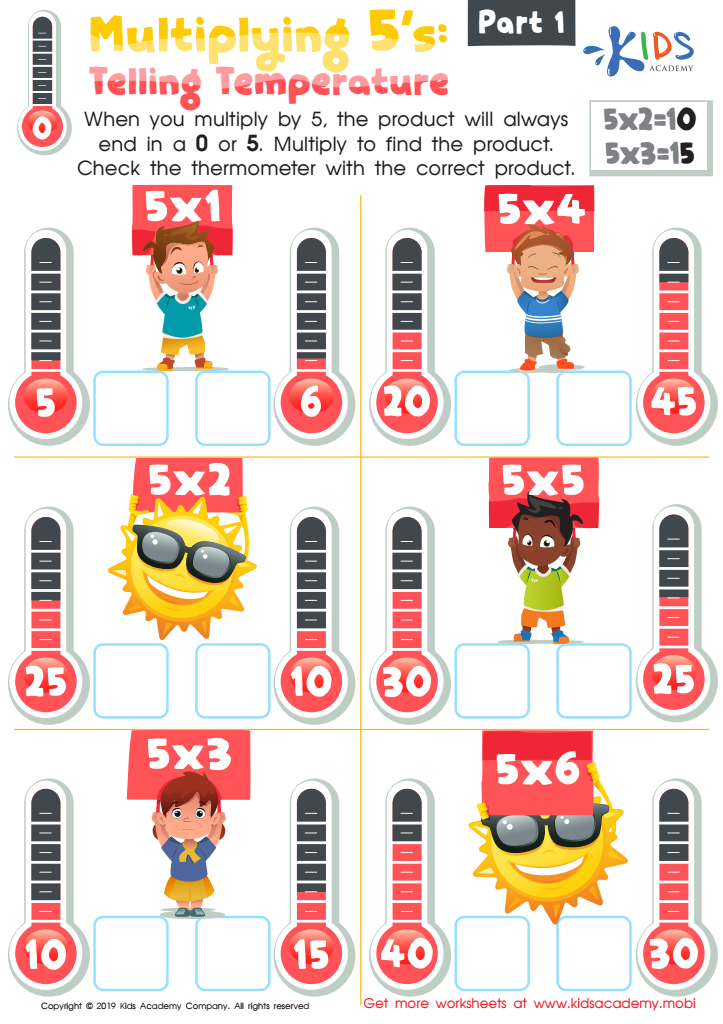
Multiplying 5’s: Telling Temperature Worksheet
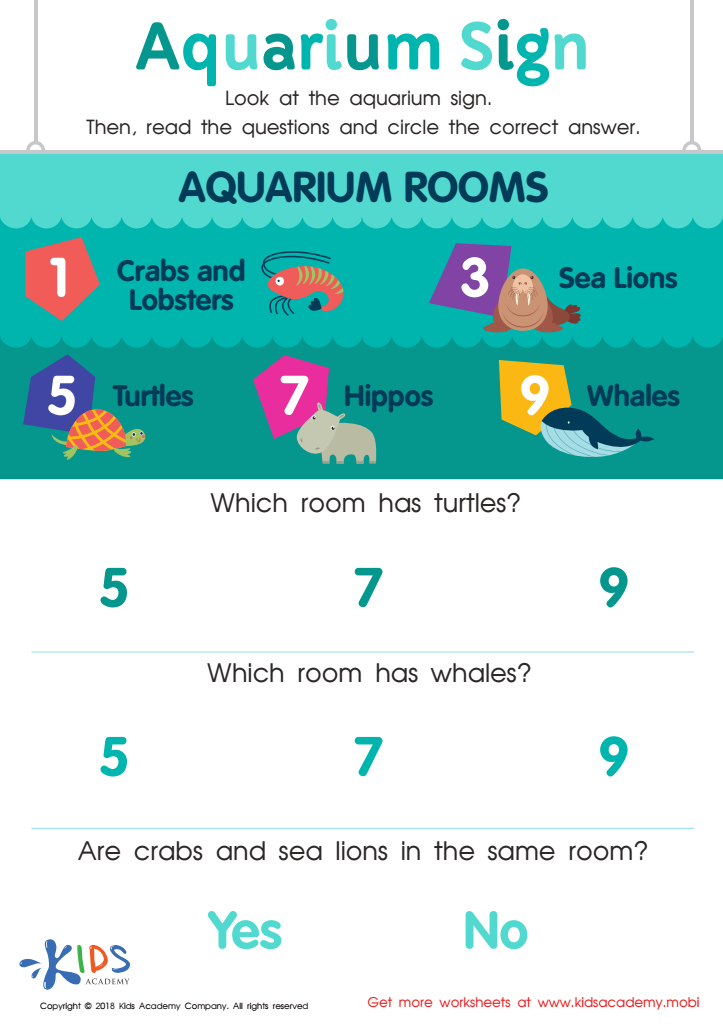
Assessment: Aquarium Sign Worksheet
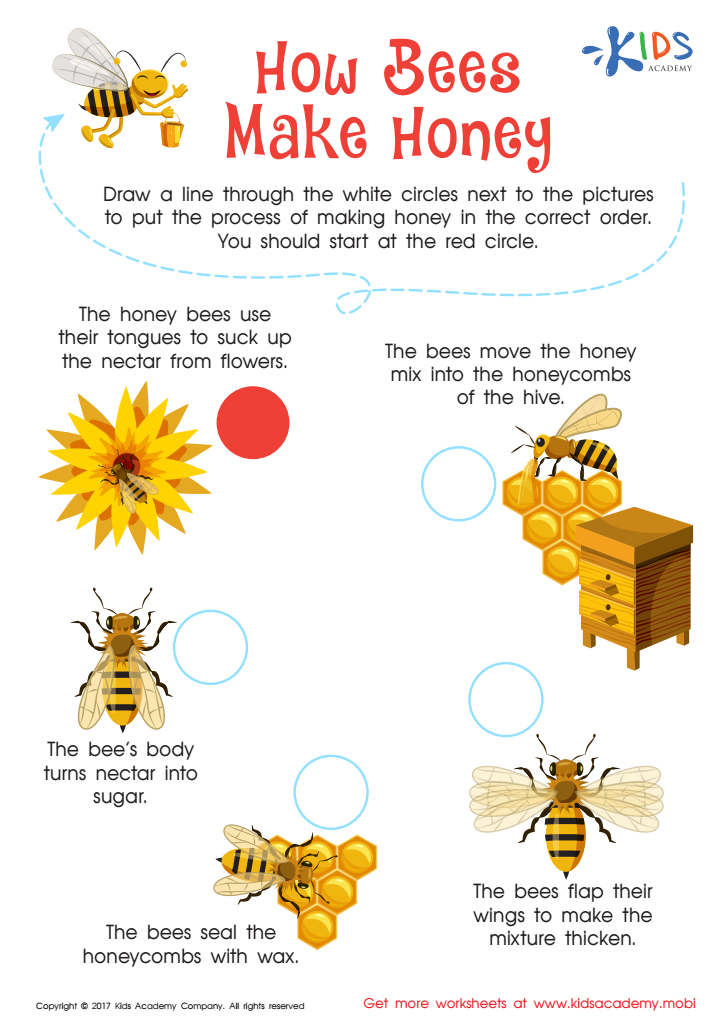
Honey Bee Worksheet
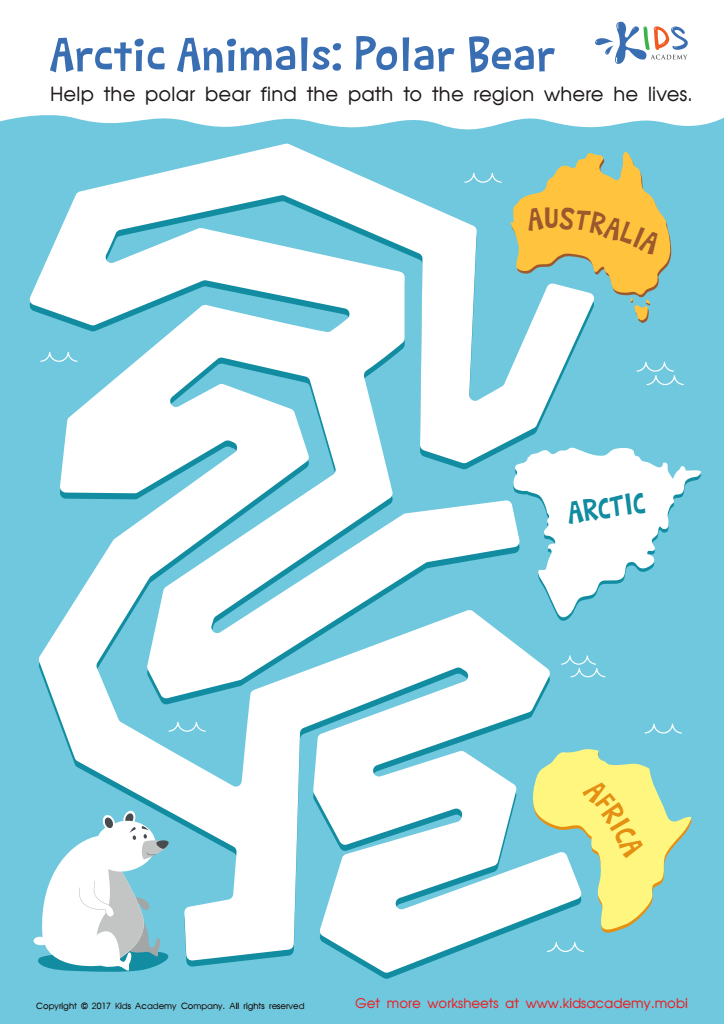
Arctic Animals: Polar Bear Worksheet
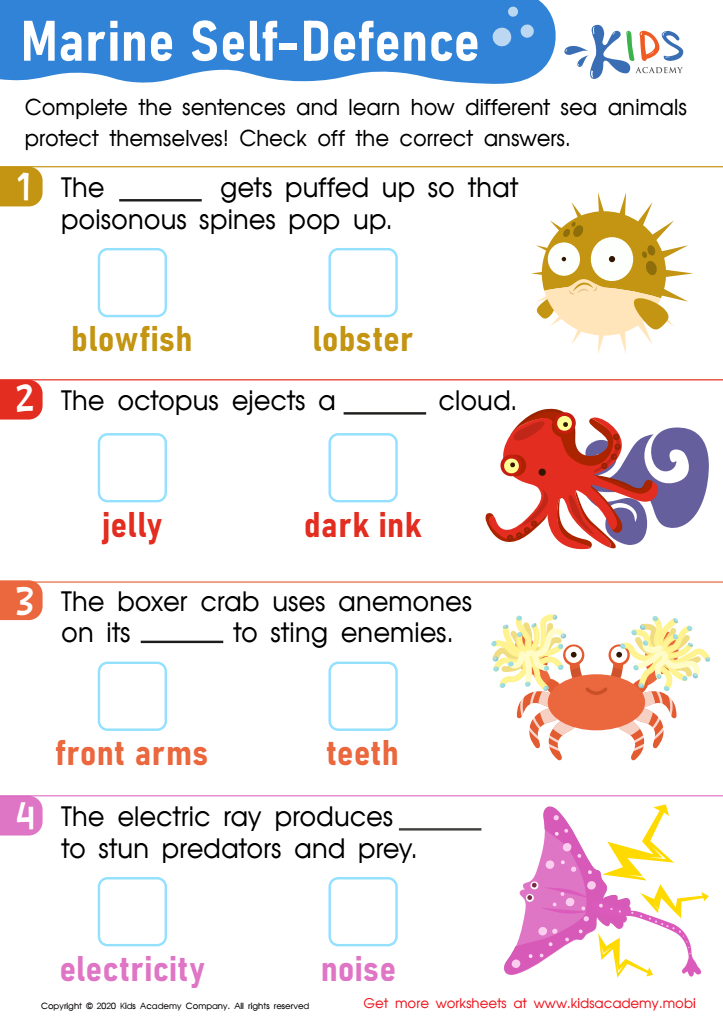
Marine Self-Defence Worksheet
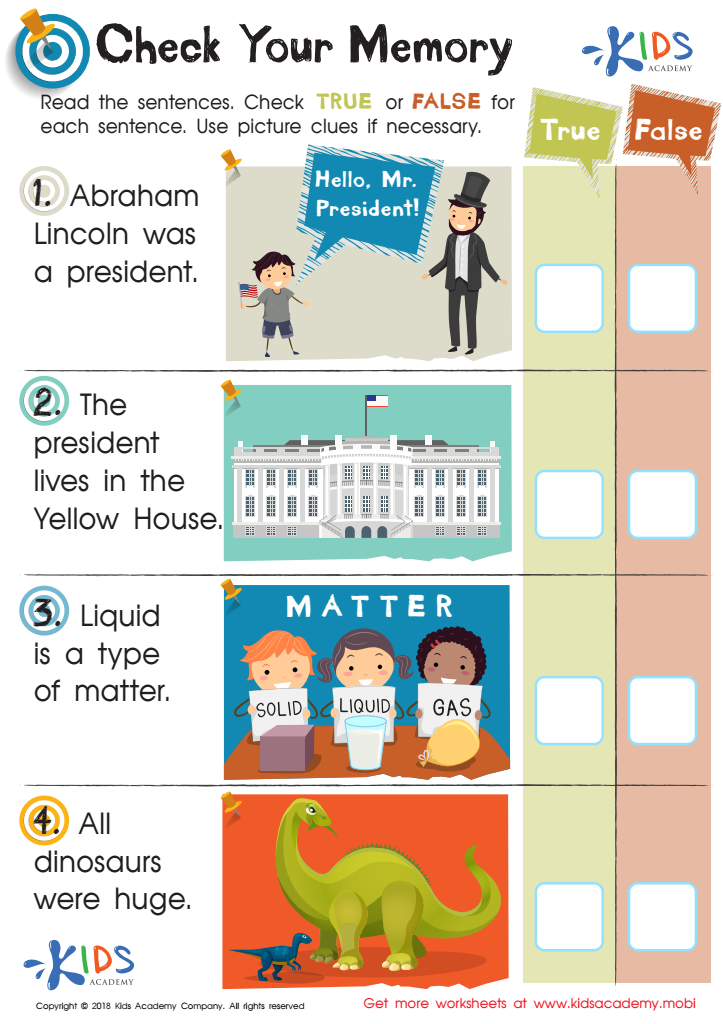
Check Memory Worksheet






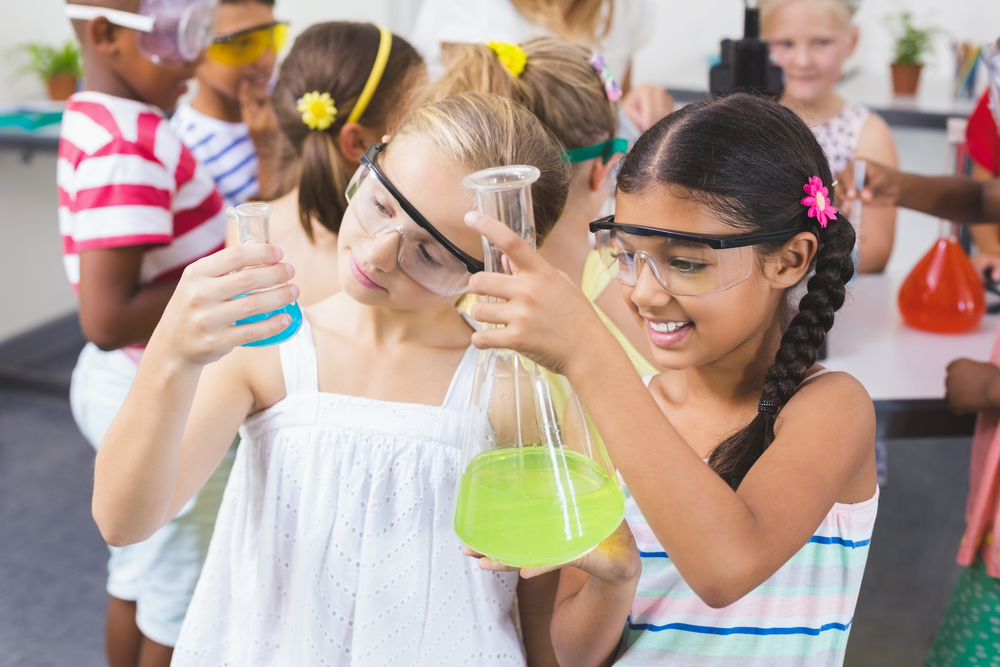
Parents and teachers should care about easy science for ages 3-8 because early exposure to science nurtures curiosity, critical thinking, and a love for learning. During these formative years, children's brains are incredibly receptive to new information. Introducing science concepts in a fun and accessible way engages their natural curiosity and sets the foundation for more complex learning in the future. Easy science activities allow children to explore their environment, ask questions, and develop problem-solving skills.
Additionally, early encounters with science can break down stereotypes about who can excel in scientific fields, promoting inclusivity and confidence in diverse learners. By incorporating simple experiments and hands-on activities, parents and teachers enable children to experience the excitement of discovery and understand basic scientific principles.
Moreover, fostering a love for science from a young age can lead to long-term academic benefits. Children who are comfortable and competent in science are more likely to perform well in school subjects that require analytical thinking, such as mathematics and reading comprehension. Ultimately, early science education supports holistic development, combining cognitive, social, and emotional growth to prepare children for a world that increasingly relies on scientific literacy and innovation.