Problem-Solving Skills Easy Worksheets for Ages 4-7
55 filtered results
-
From - To
Boost your child's critical thinking and creativity with our Problem-Solving Skills Easy Worksheets for Ages 4-7! These engaging printable activities are specially designed to enhance young learners' problem-solving abilities in a fun and interactive way. Each worksheet encourages children to explore various challenges, developing essential skills like logical reasoning, pattern recognition, and strategic planning. Perfect for both classroom and at-home learning, these worksheets make it easy for kids to practice and grow confident in their problem-solving capabilities. Give your child a head start in developing vital life skills with our easy and effective worksheets!

Healthy Food Maze Printable
 Assign to My Students
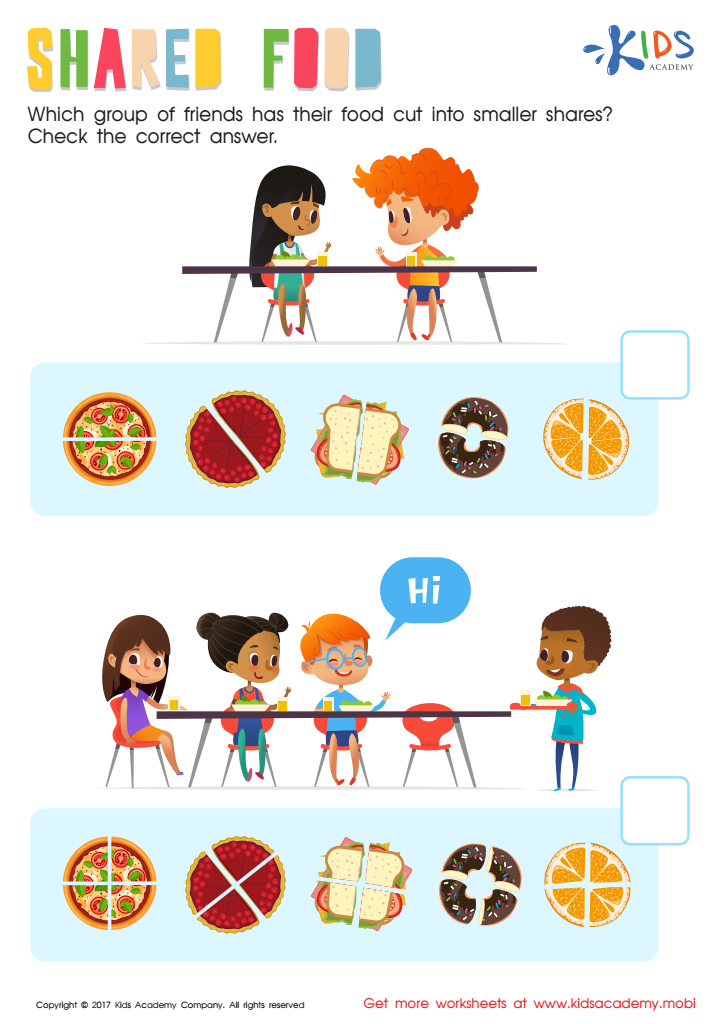
Shared Food Worksheet
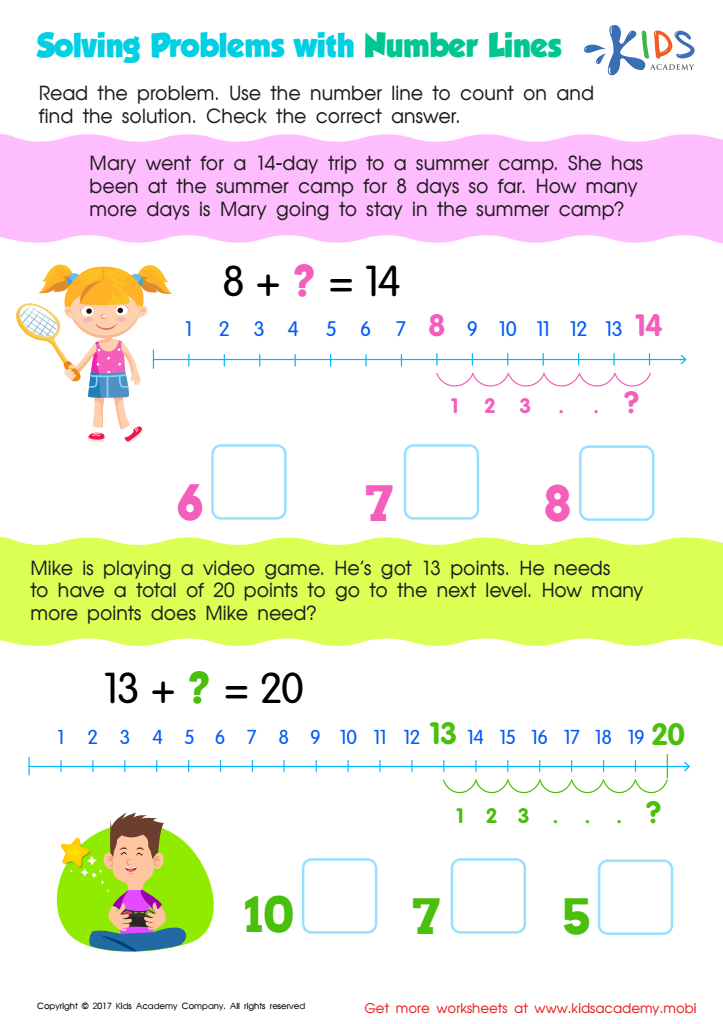
Solving Problems: Number Lines Worksheet
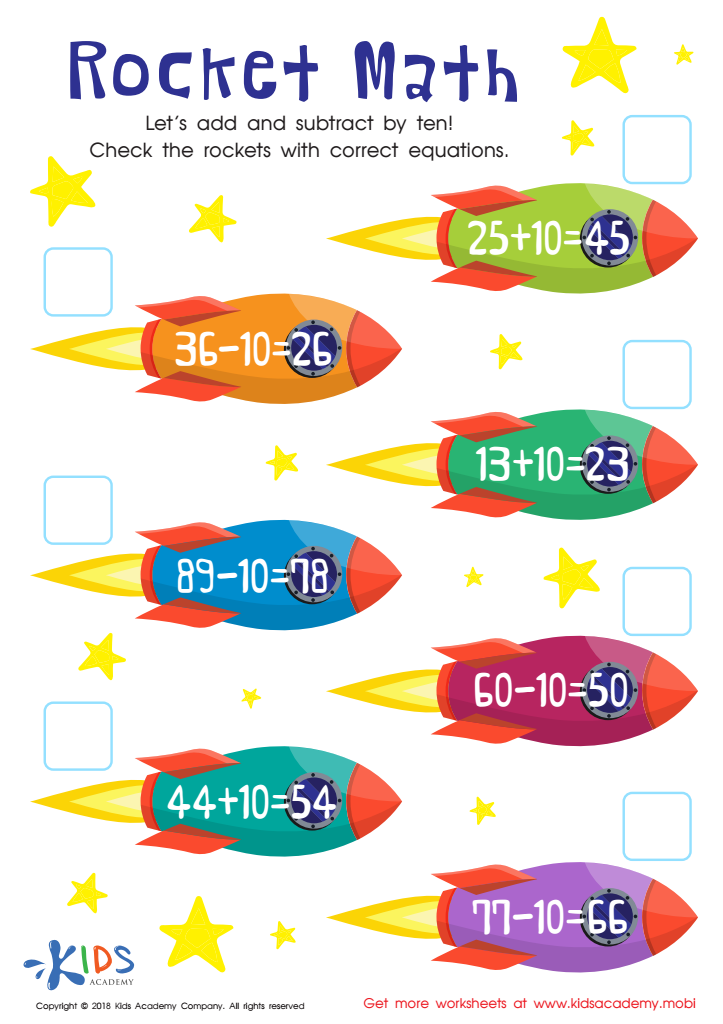
Rocket Math Worksheet
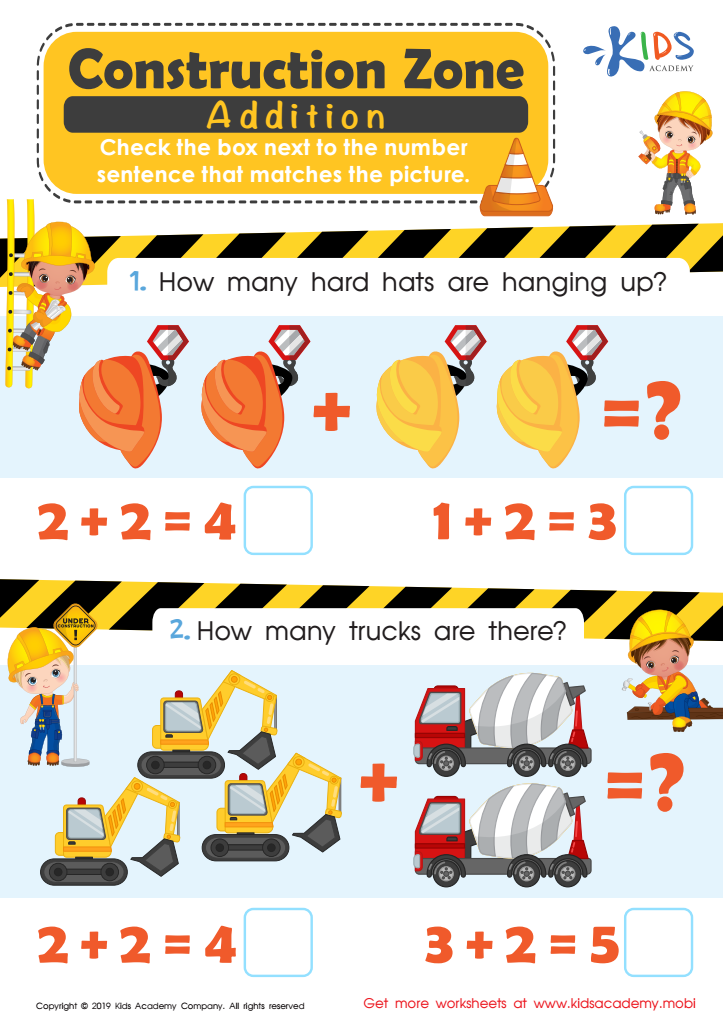
Construction Zone Addition Worksheet
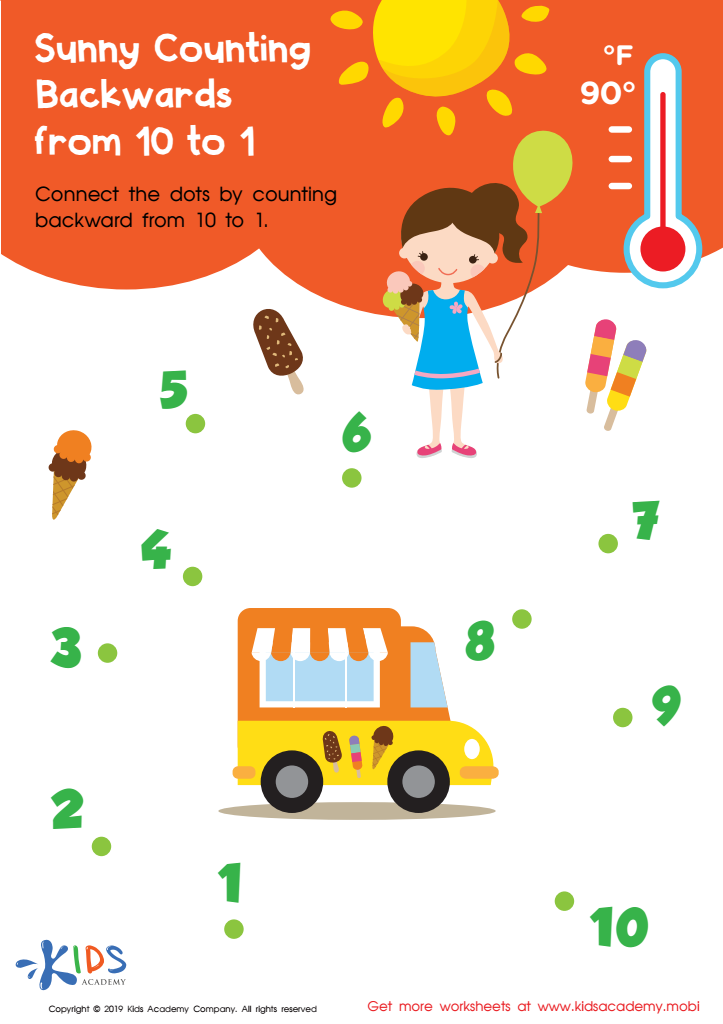
Sunny Counting Backwards from 10 to 1 Worksheet
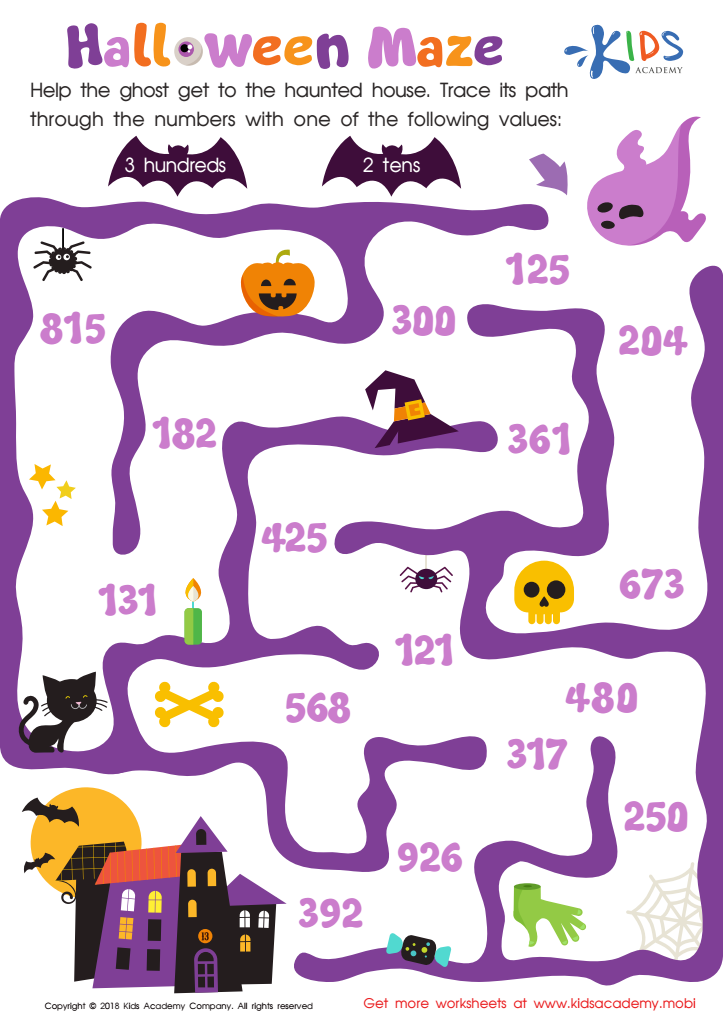
Place Value: Halloween Maze Worksheet
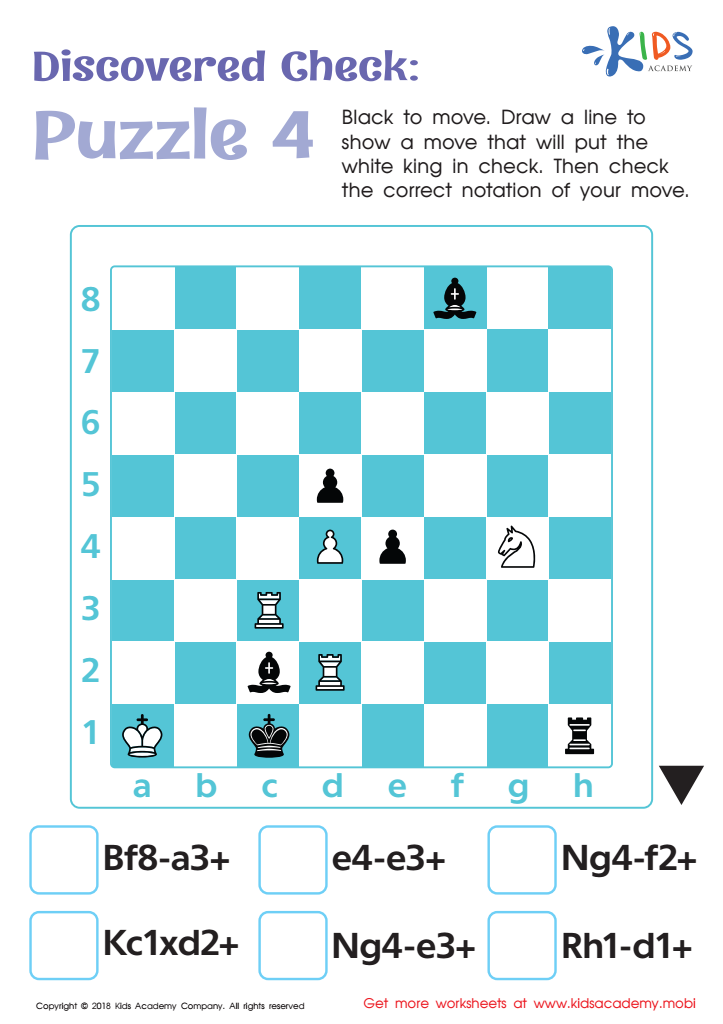
Discovered Check: Puzzle 4 Worksheet
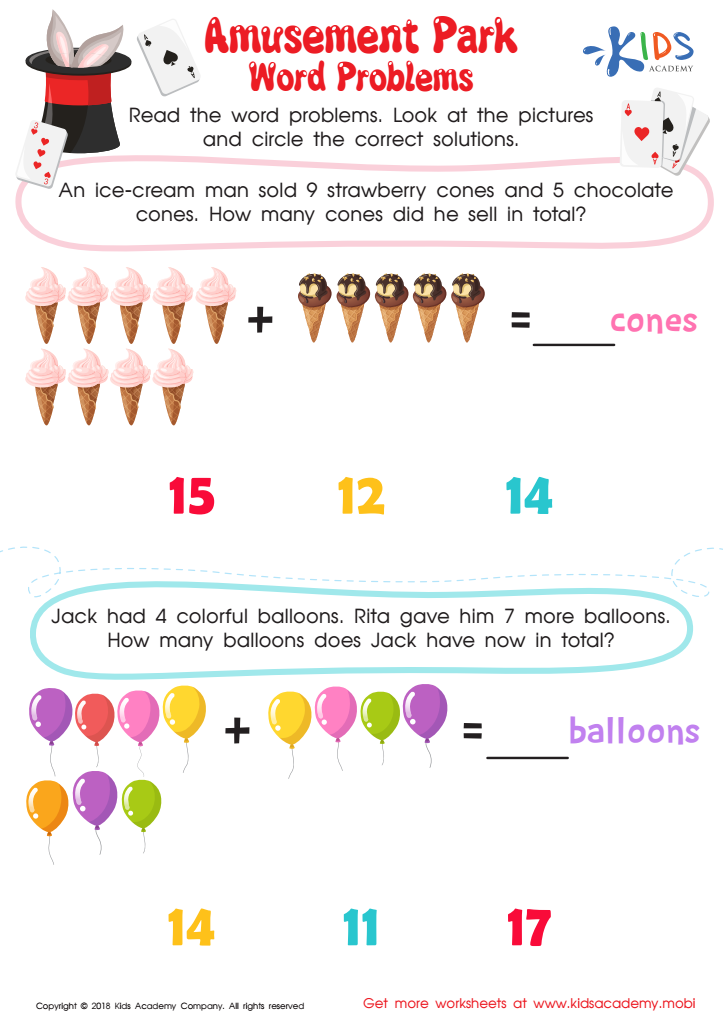
Amusement Park Word Problems Worksheet
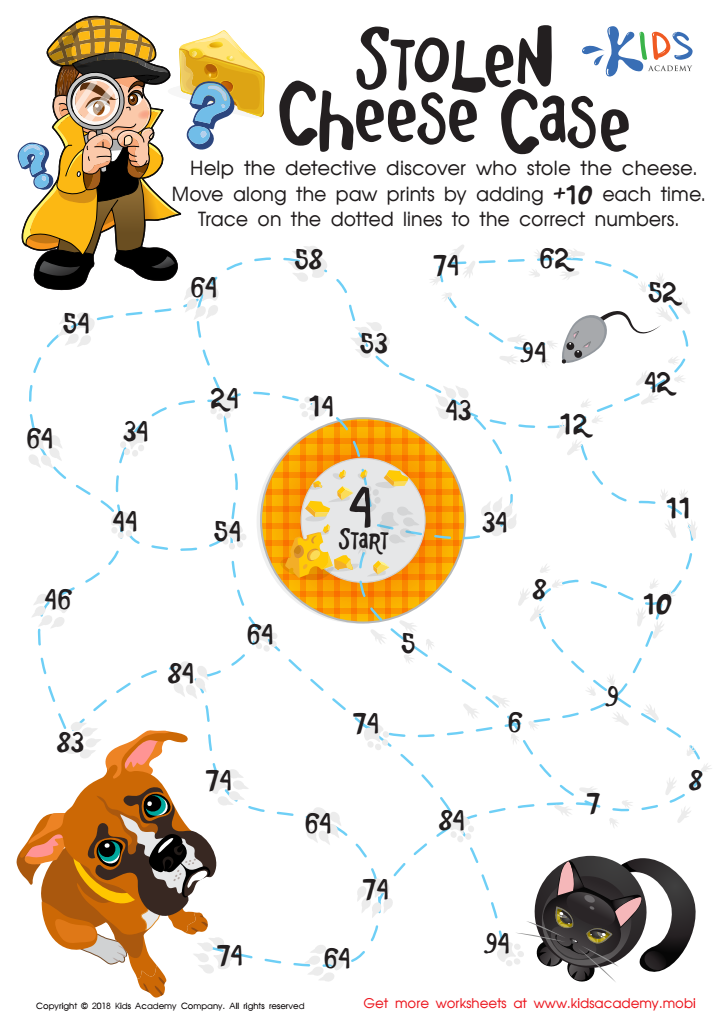
Stolen Cheese Case Maze Worksheet
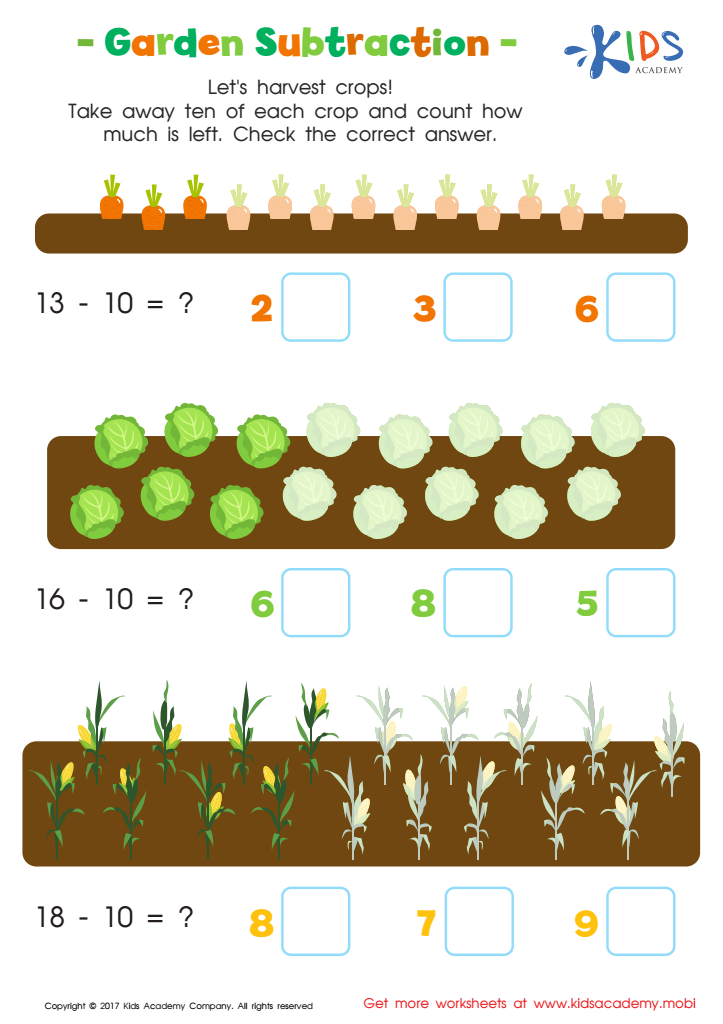
Garden Subtraction Worksheet
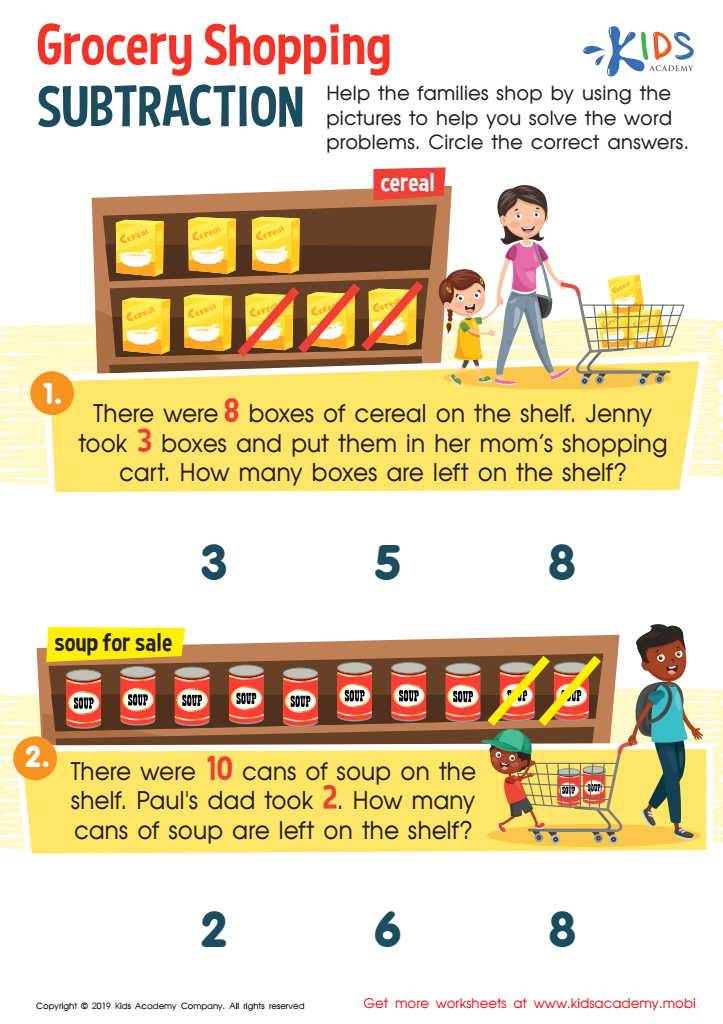
Grocery Shopping Subtraction Worksheet
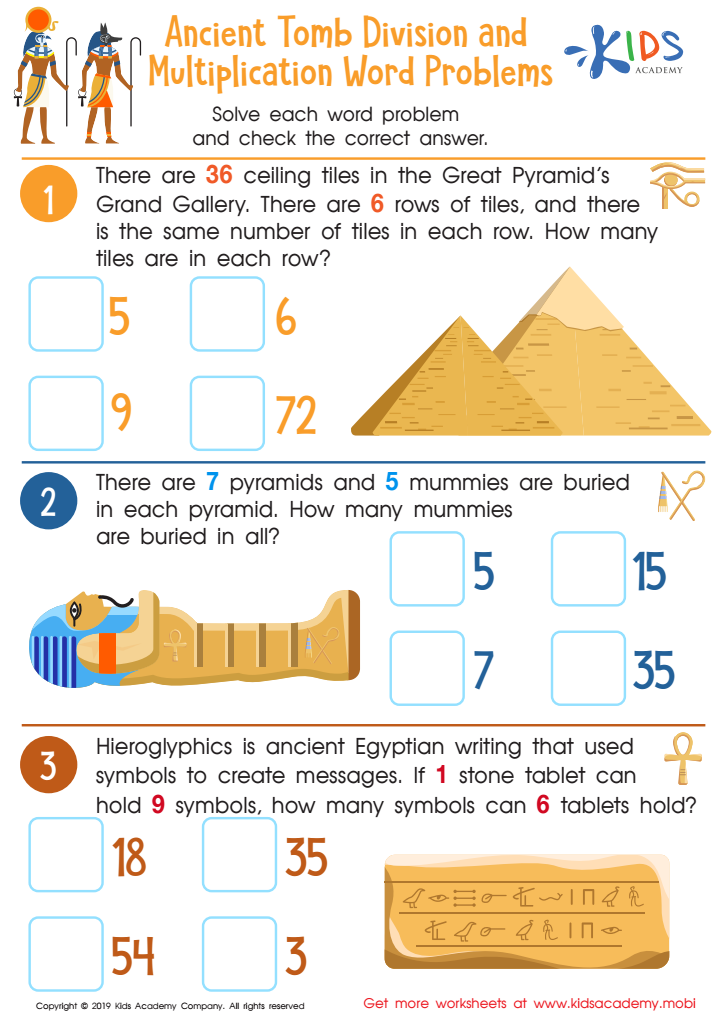
Ancient Tomb Division and Multiplication Word Problems Worksheet
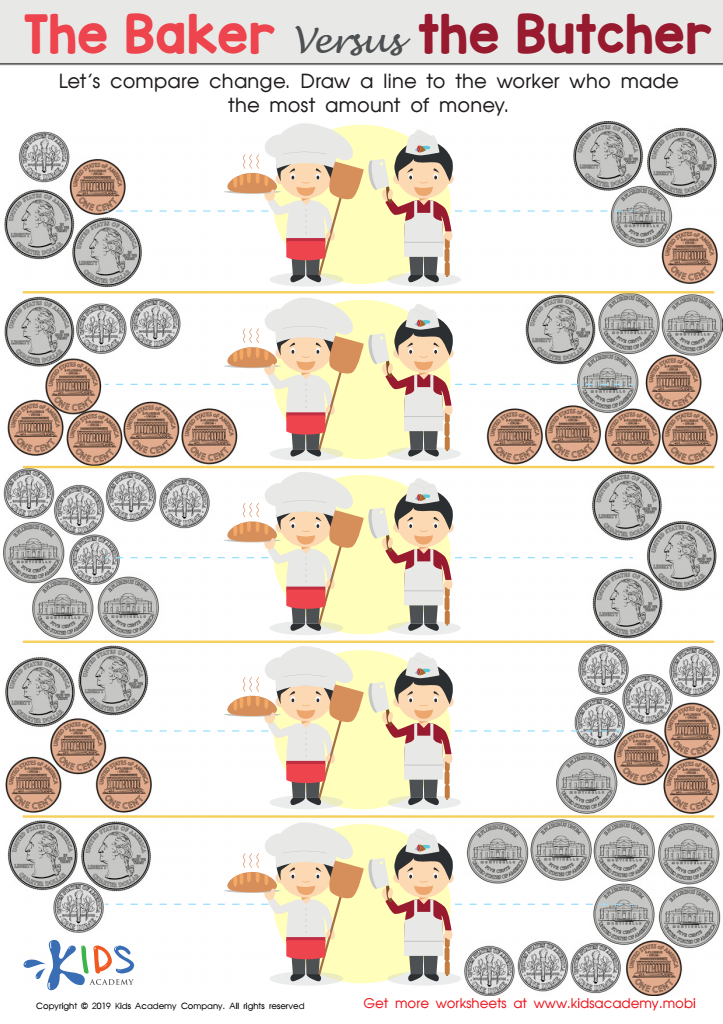
The Baker versus the Butcher Worksheet
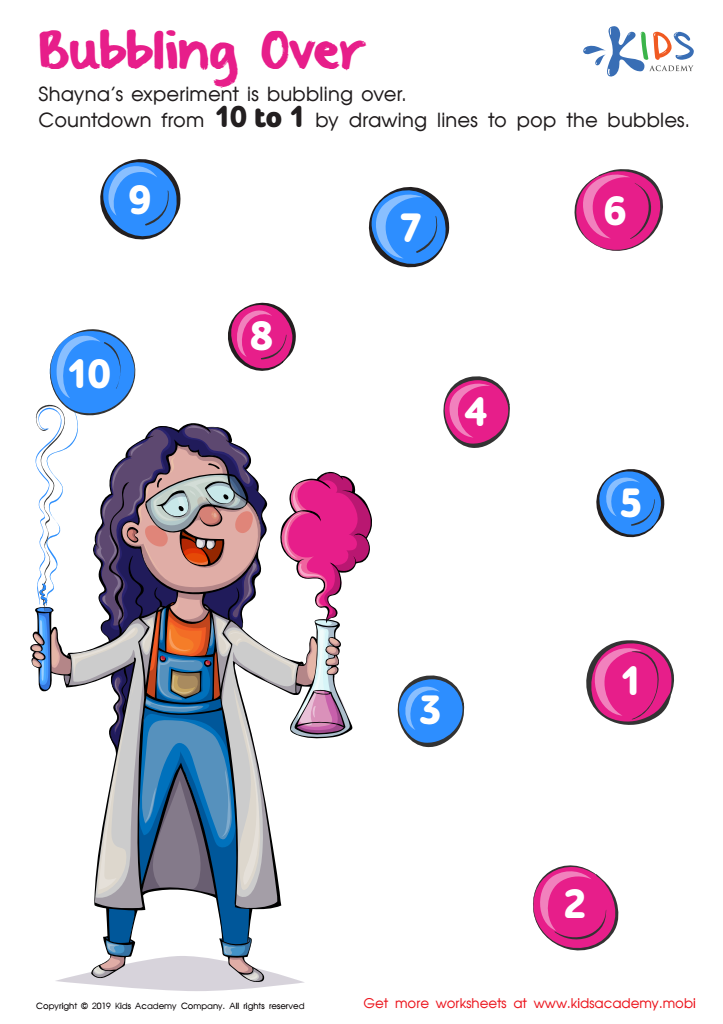
Bubbling Over Worksheet
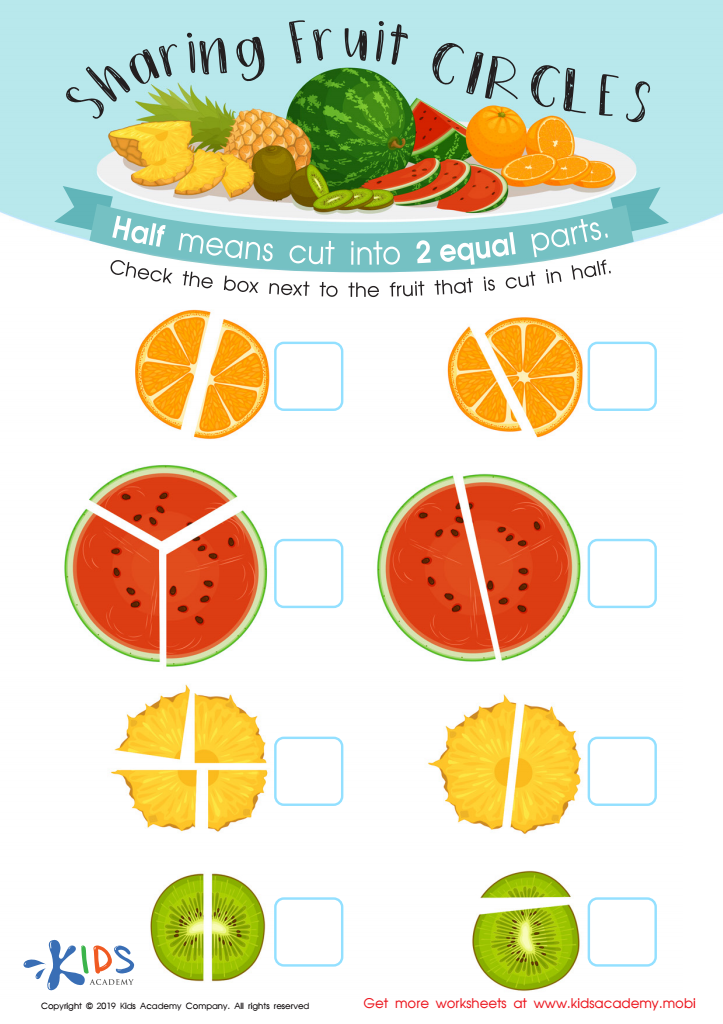
Sharing Fruit Circles Worksheet
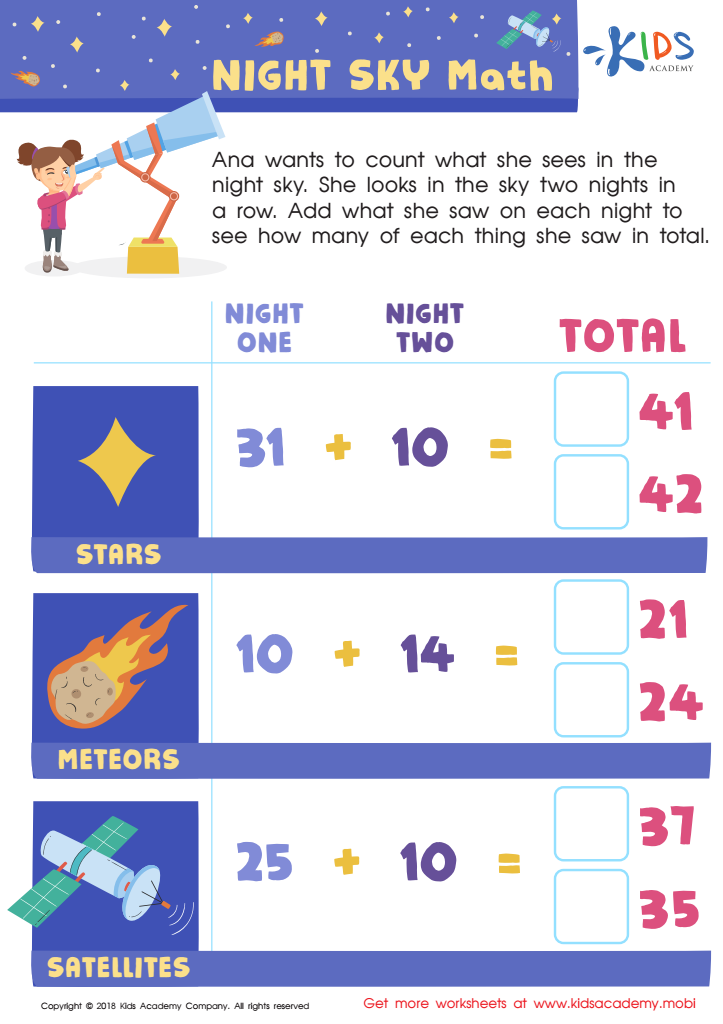
Night Sky Math Worksheet
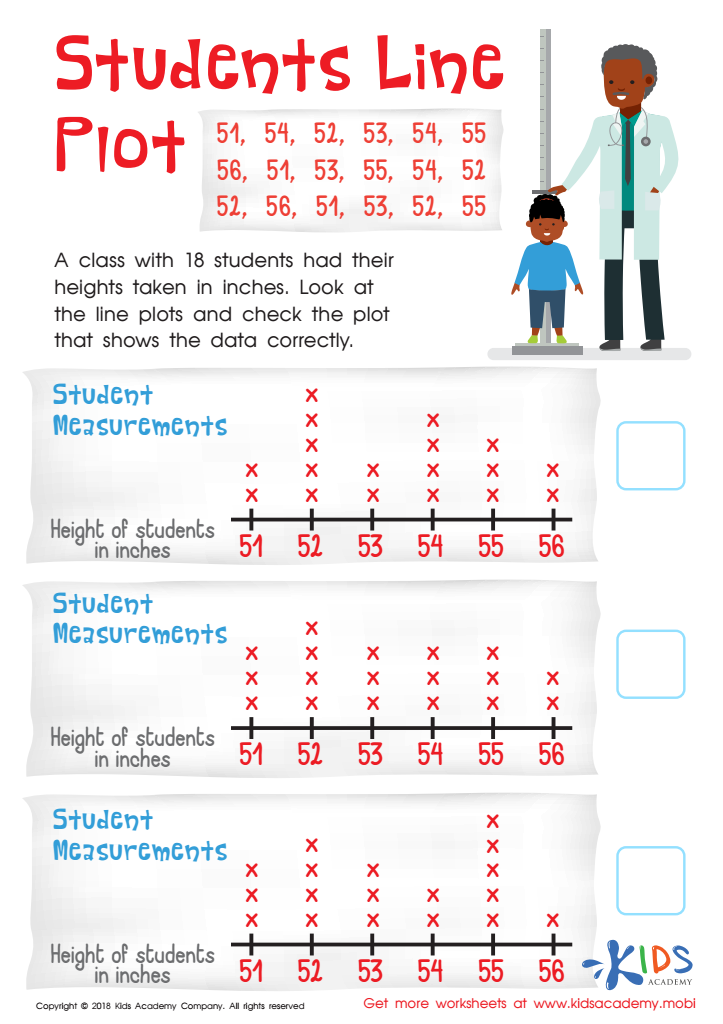
Students Line Plot Worksheet
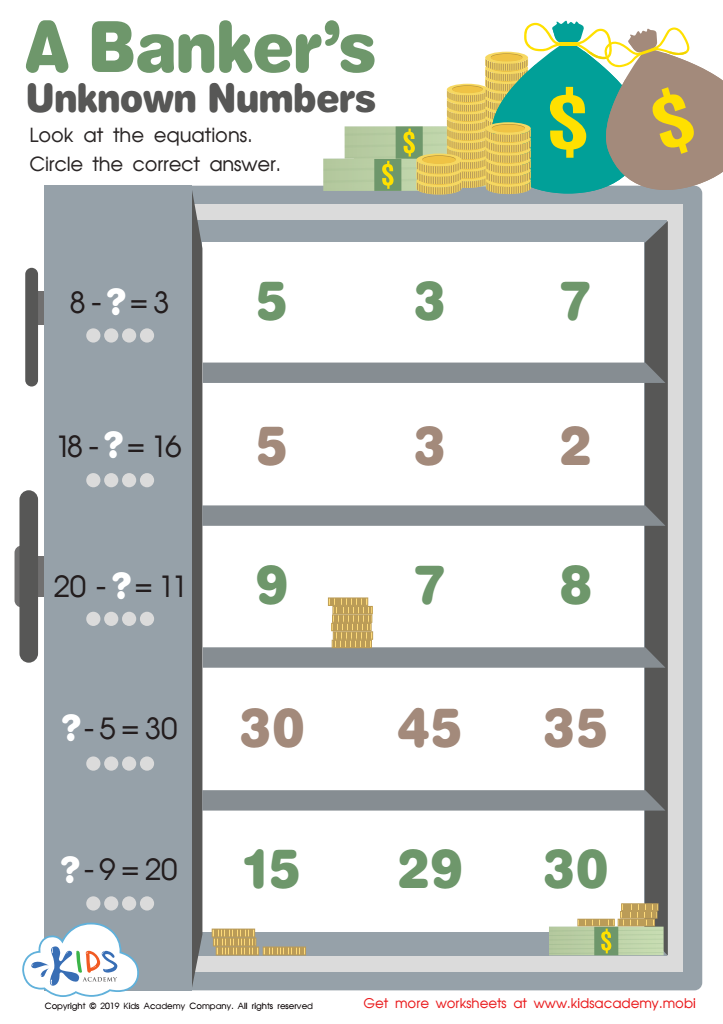
A Banker's Unknown Numbers Worksheet
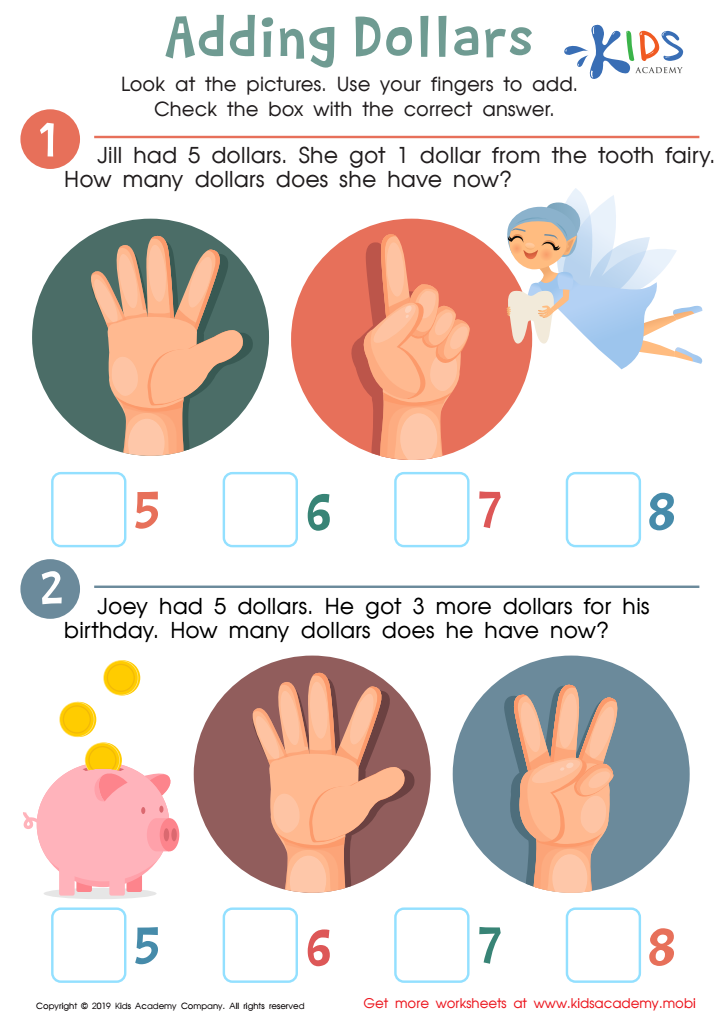
Tooth Fairy Addition Worksheet
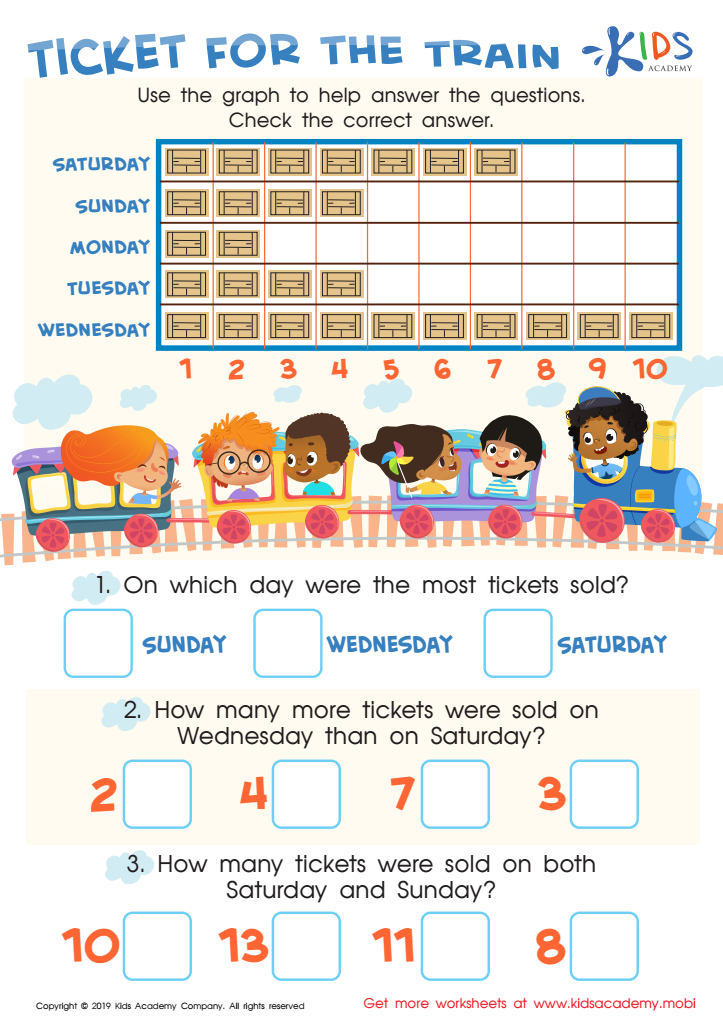
Ticket for the Train Worksheet
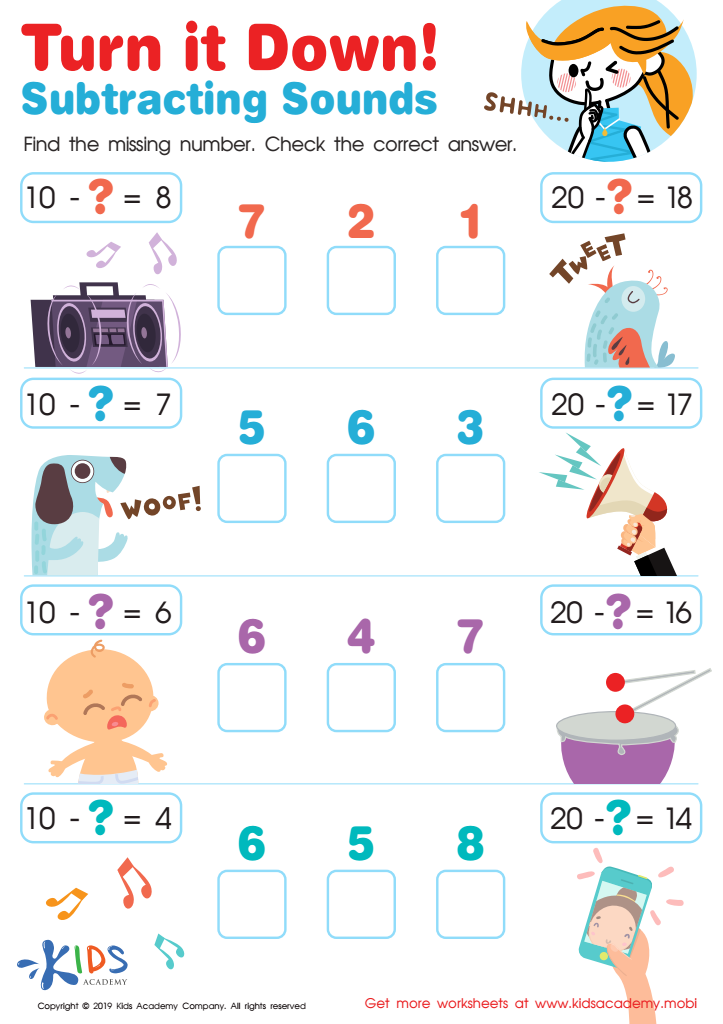
Turn It down! Subtracting Sounds Worksheet
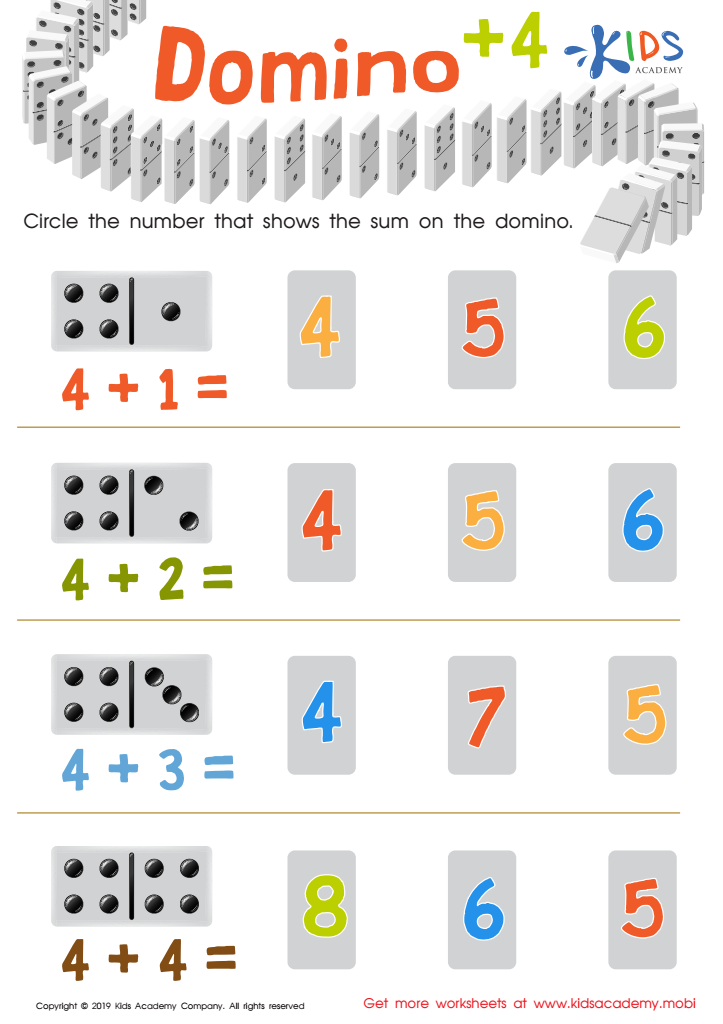
Domino +4 Worksheet








Problem-solving skills are essential for young children aged 4-7 because they form the foundation for more complex cognitive abilities that are necessary for their academic and life success. At early ages, children naturally encounter various challenges, from simple puzzles to conflicts with peers. Learning to navigate and resolve these challenges fosters critical thinking, creativity, and resilience.
For parents and teachers, nurturing problem-solving skills helps children become independent thinkers who can approach problems methodically, considering different solutions and foreseeing potential outcomes. This intrinsic skill-set not only aids in academic pursuits but also encourages positive social interactions, as children learn to communicate effectively and negotiate differences.
Introducing problem-solving at an early age helps build confidence and encourages a growth mindset. Children who perceive problems as opportunities for learning are more likely to persist in the face of difficulties rather than becoming discouraged. Skillful problem-solving also translates to better emotional regulation as children learn to calm themselves and think clearly under pressure.
In summary, focusing on problem-solving skills for children aged 4-7 equips them with essential tools to understand and interact with the world around them. This ultimately sets a strong foundation for lifelong learning, adaptability, and emotional well-being, making it a worthy focus for both parents and educators.








