Easy Numbers up to 100 Worksheets for Ages 6-8
15 filtered results
-
From - To
Introducing our "Easy Numbers up to 100 Worksheets for Ages 6-8" at Kids Academy – the perfect resource for early learners! Designed to make learning numbers fun and engaging, these printable worksheets help children master counting, number sequences, and basic arithmetic. Each worksheet is crafted to enhance number recognition and foster mathematical confidence through a variety of entertaining exercises. Ideal for classroom or home use, our worksheets align with educational standards and cater to different learning styles. With Kids Academy, nurturing your child's number skills has never been easier. Download today to start your child’s journey towards math success!
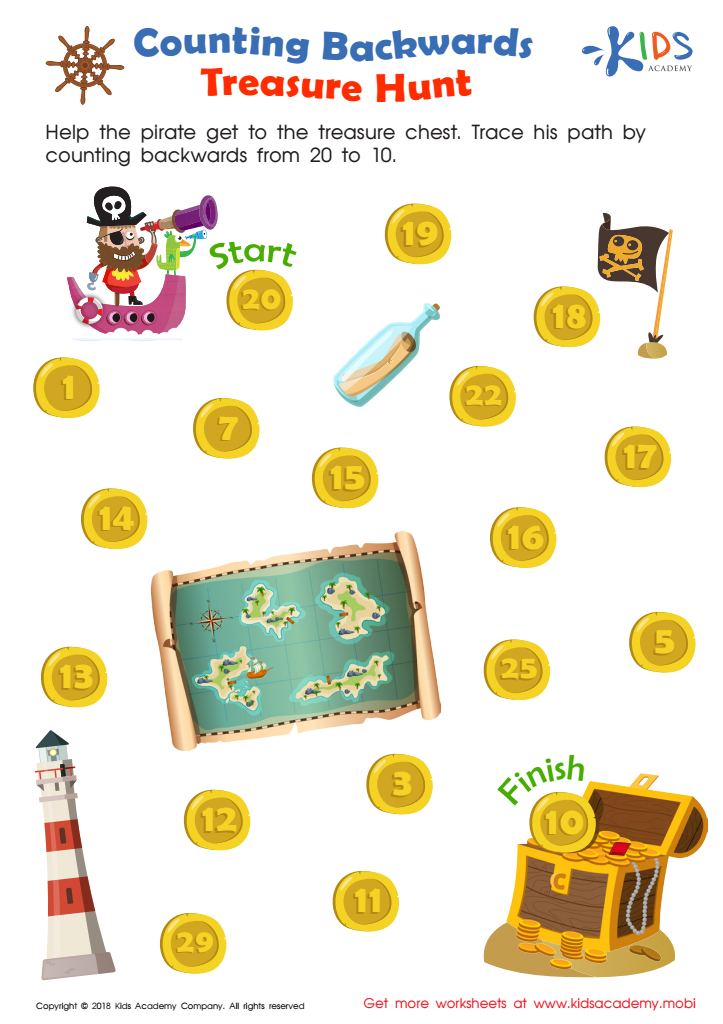
Counting Backwards: Treasure Hunt Worksheet
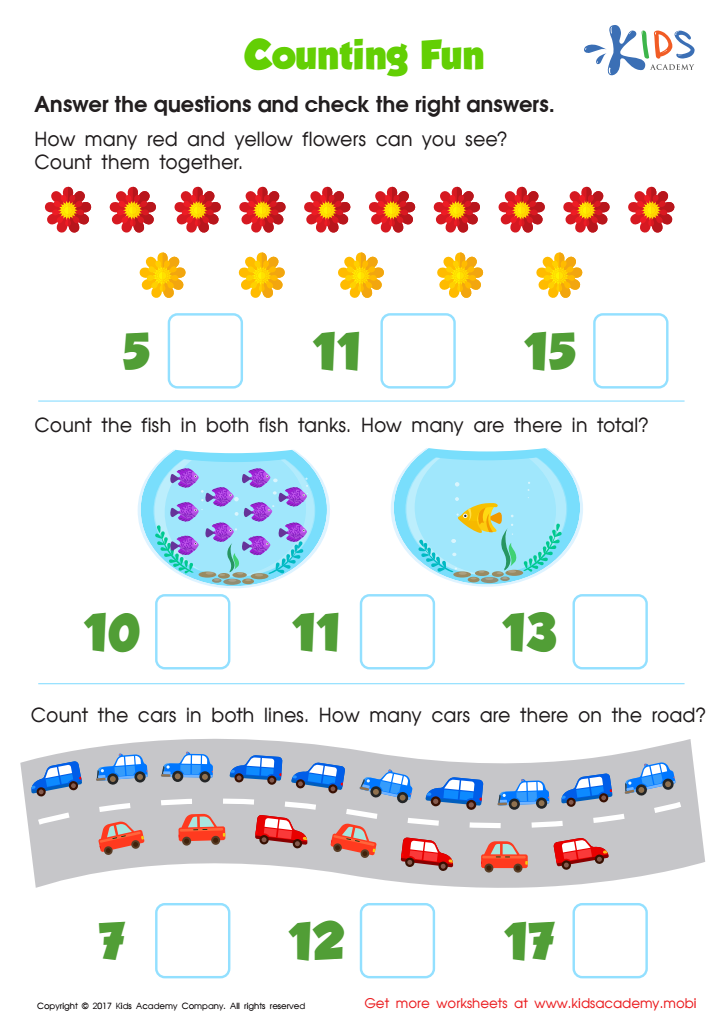
Counting Fun Worksheet
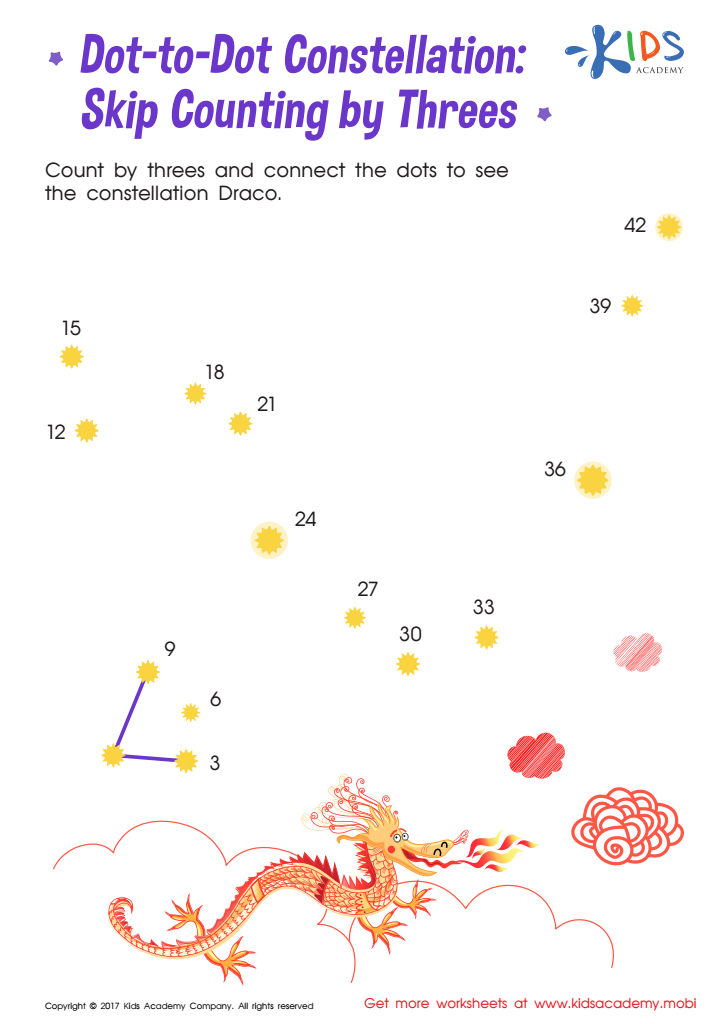
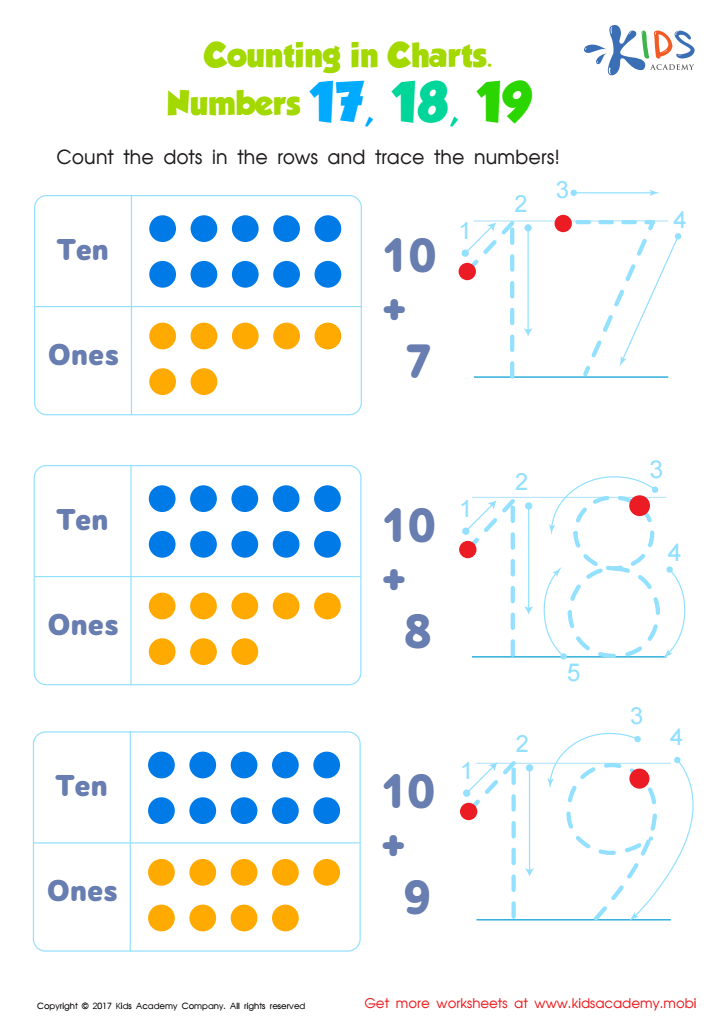
Kindergarten Number Tracing: Counting in Charts Worksheet
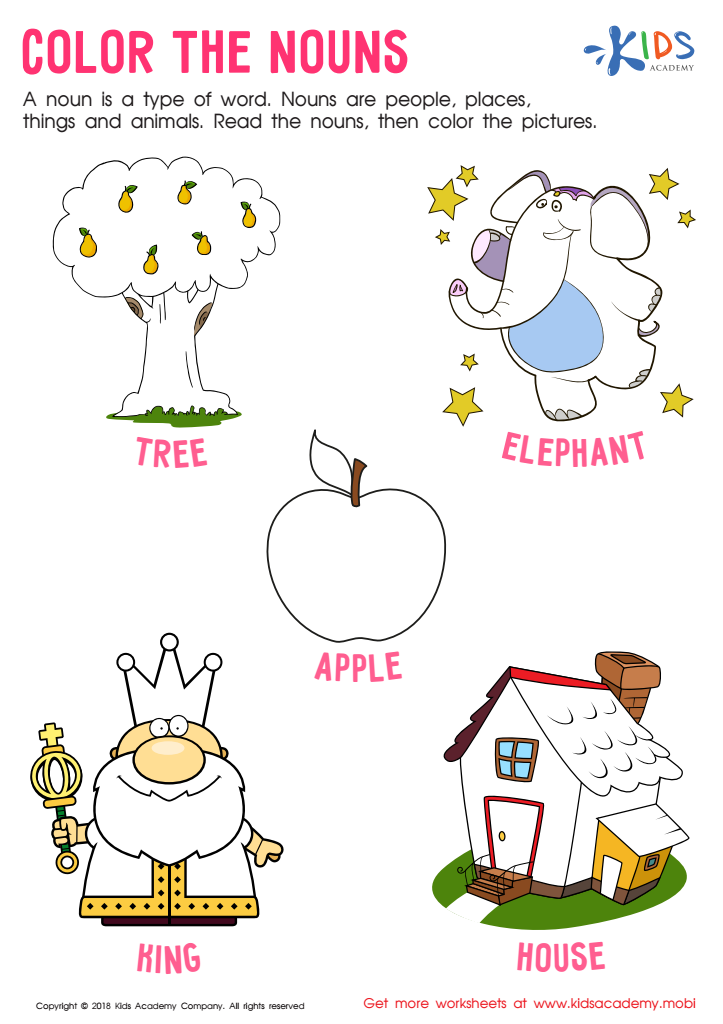
Color the Nouns Worksheet
 Assign to My Students
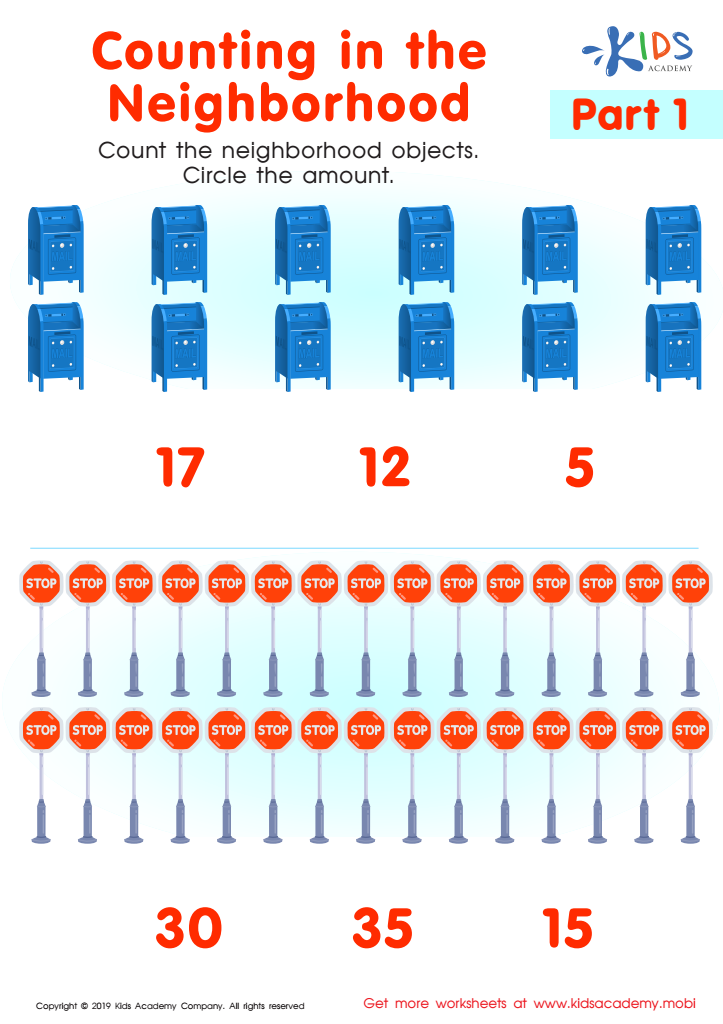
Counting in the Neighborhood Part1 Worksheet
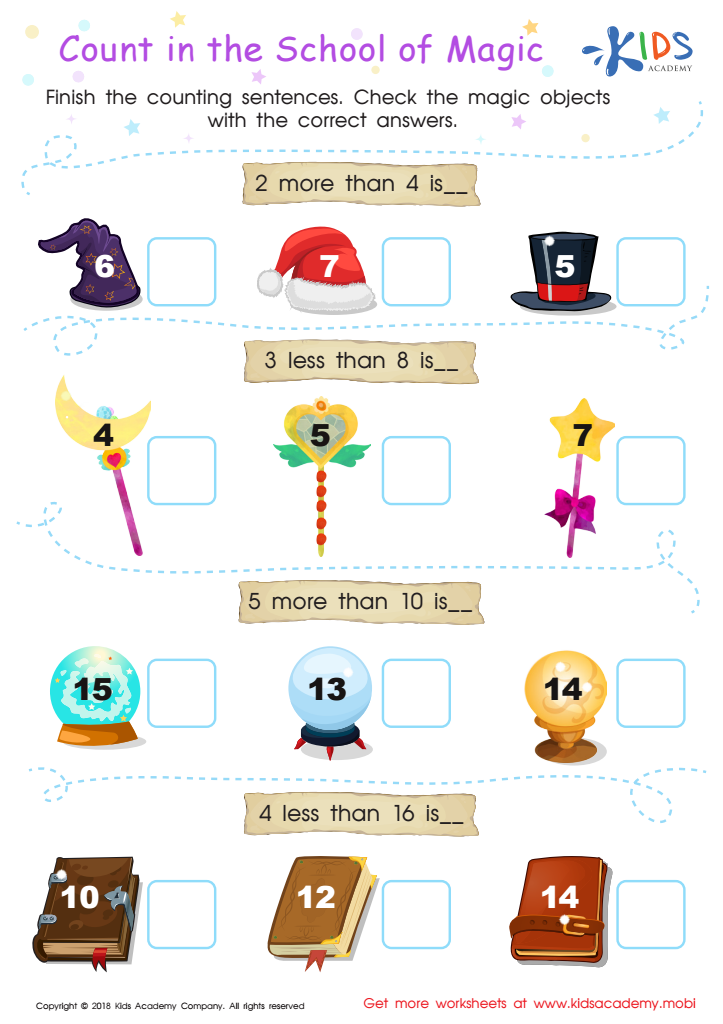
Count in the School of Magic Worksheet
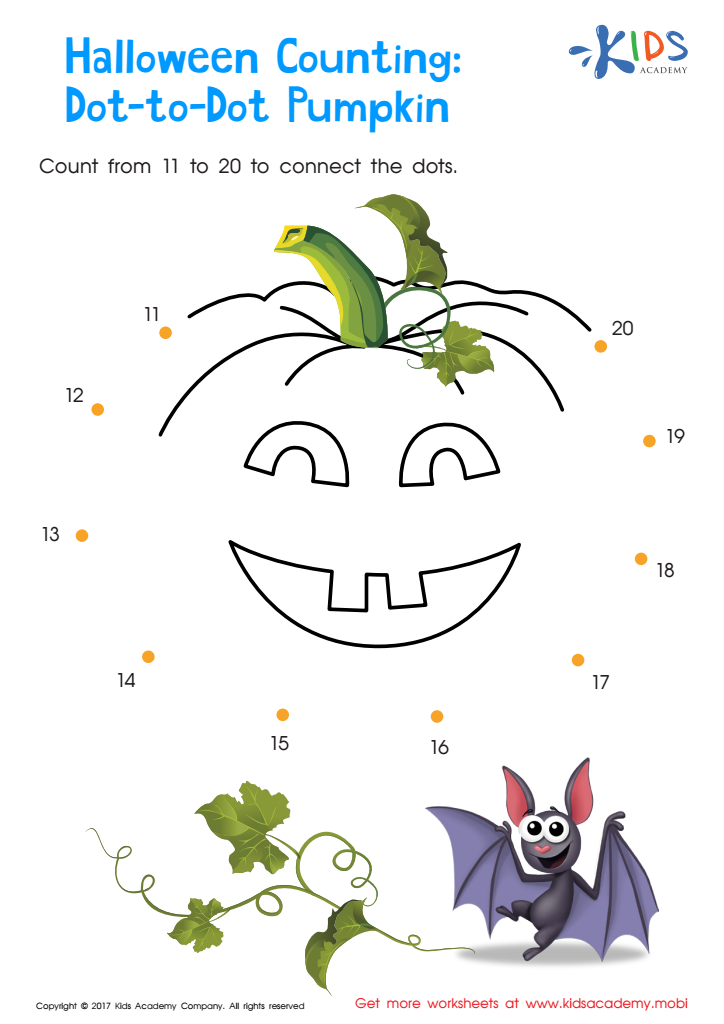
Ordering 11–20: Halloween Counting Worksheet
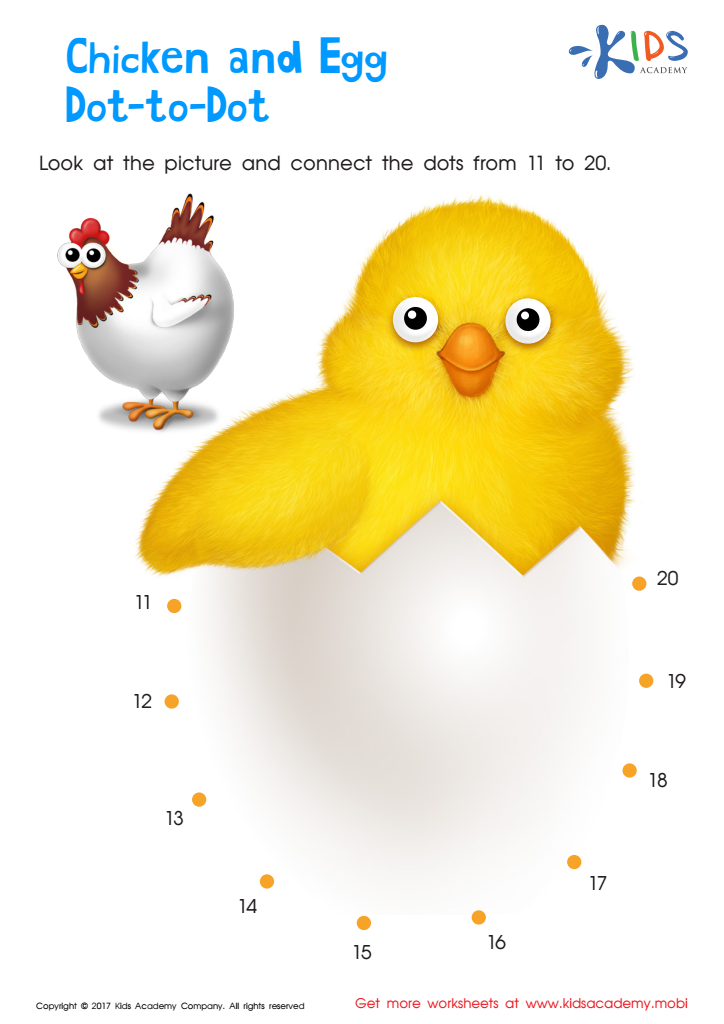
Ordering 11–20: Chicken & Egg Dot–to–dot Worksheet
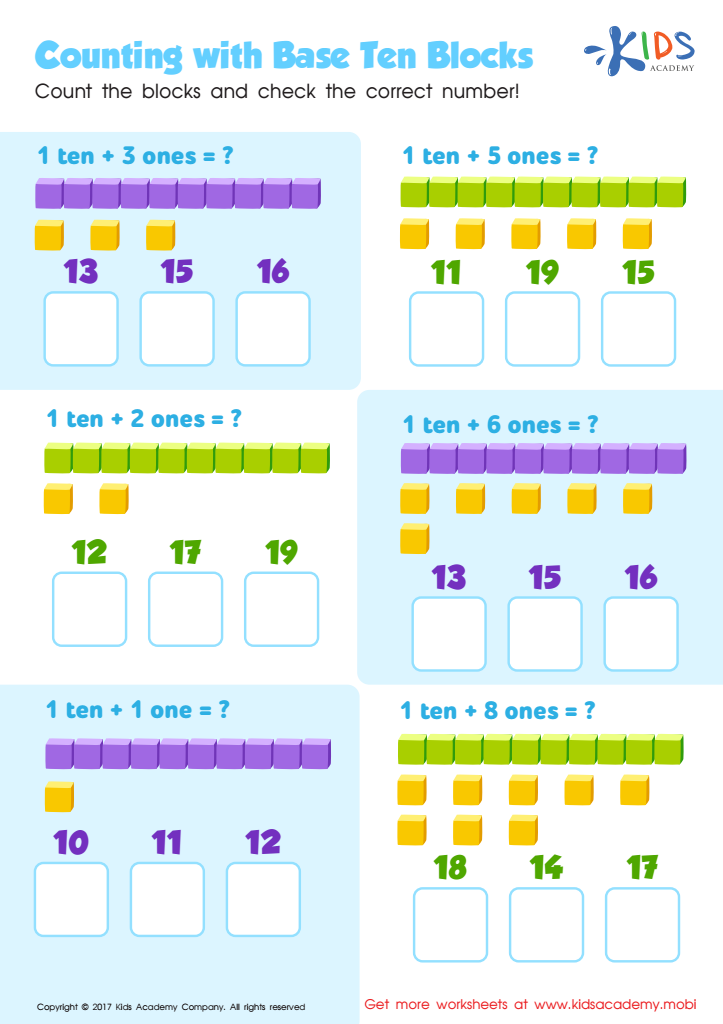
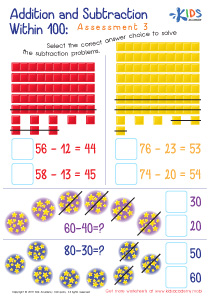
Counting with Base Ten Blocks Worksheet
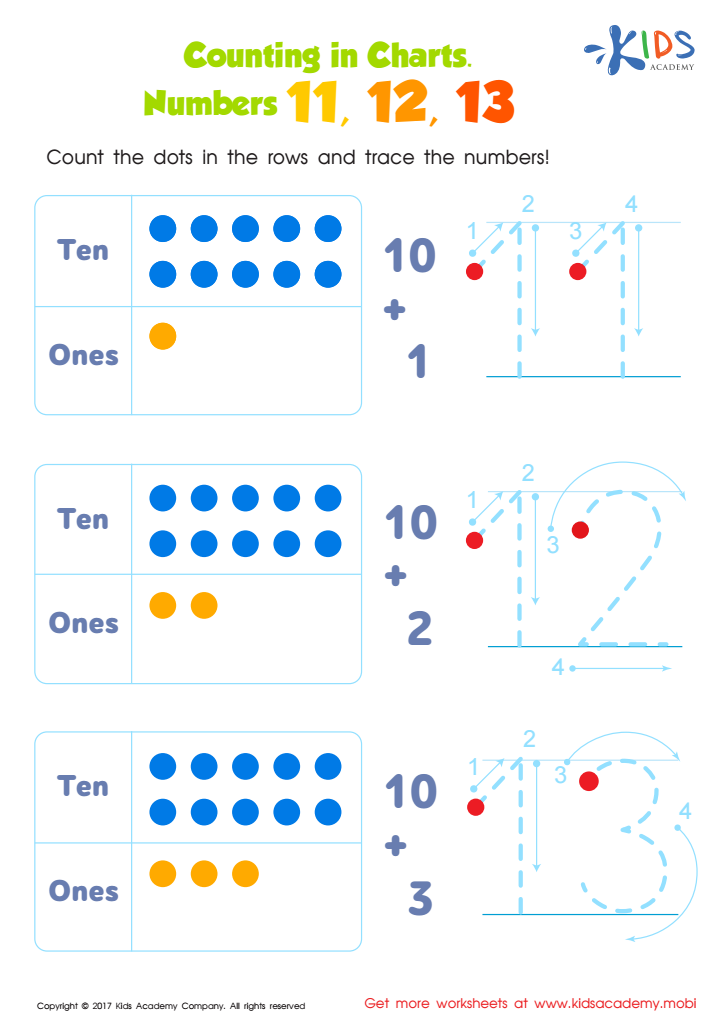
Number Tracing Worksheet For Kindergarten
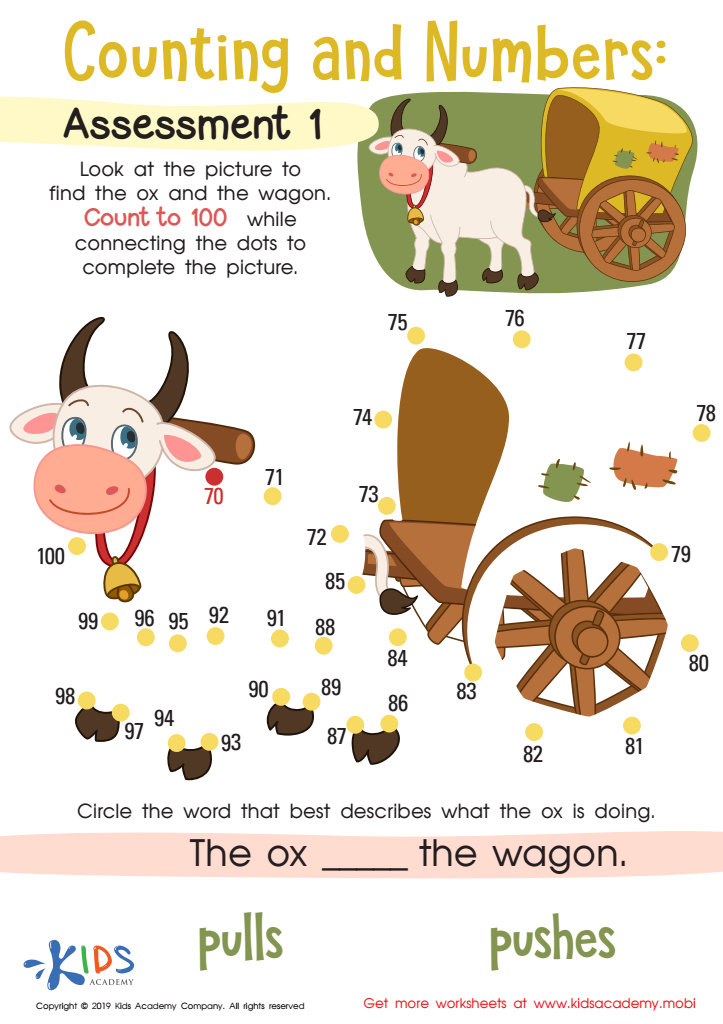
Counting and Numbers: Assessment 1 Worksheet
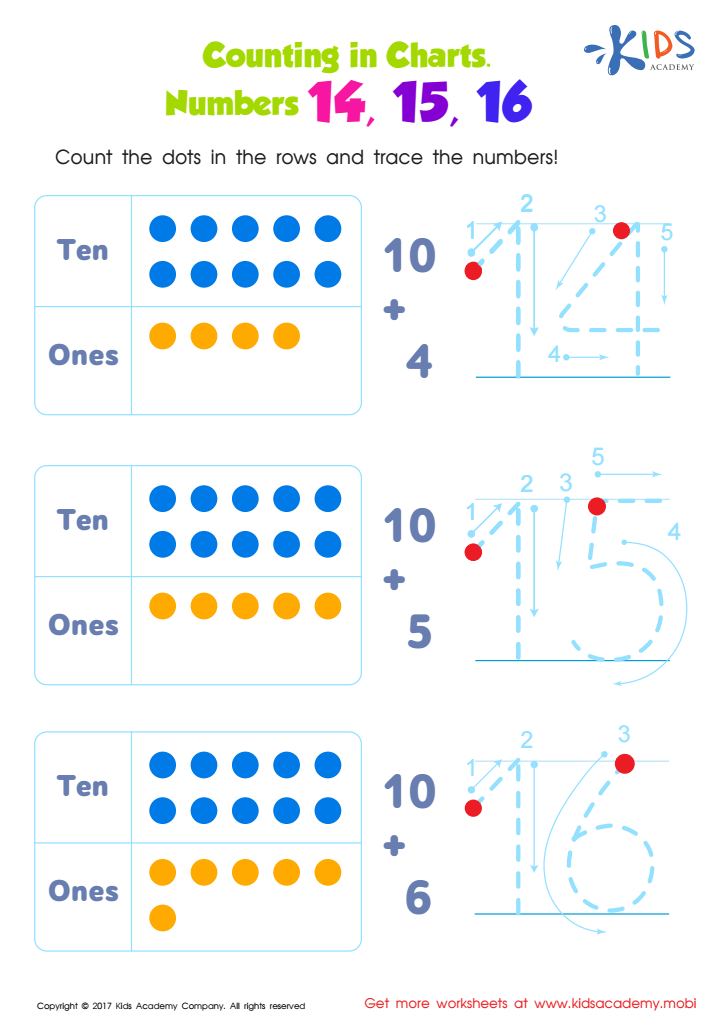
Number Tracing Worksheet
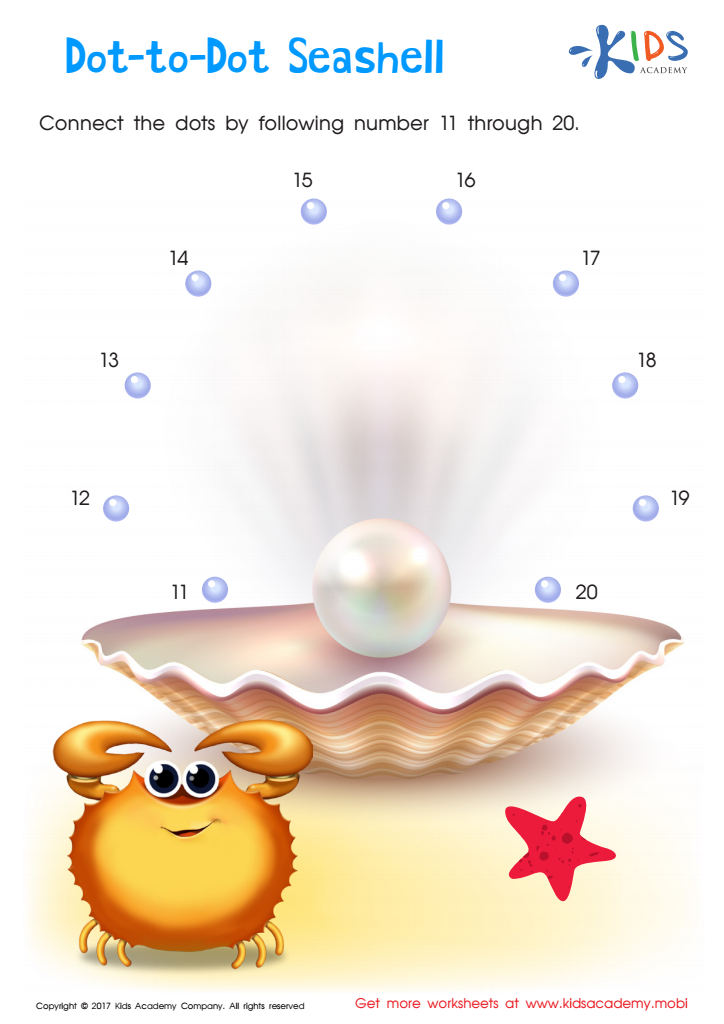
Ordering 11–20: Dot–to–dot Seashell Printable

Counting on the City Skyline: Dot-to-Dot Worksheet








Parents and teachers should prioritize easy numbers up to 100 for children aged 6-8 because mastering these foundational numerical concepts equips young learners with essential mathematical skills that they will rely on throughout their education. Within this age group, children are developing key cognitive abilities that allow them to understand and work with basic arithmetic operations such as addition, subtraction, and even the initial stages of multiplication and division. Recognizing and mastering numbers up to 100 lays a strong groundwork for these operations.
When children gain confidence in handling numbers up to 100, they develop numerical fluency. This fluency facilitates sharper problem-solving skills, allowing them to approach more complex mathematical challenges with a robust understanding of basic concepts. Additionally, being comfortable with these numbers aids in comprehension and application of math in everyday life scenarios, such as counting change, telling time, and measuring quantities, thereby nurturing both their academic growth and practical life skills.
Moreover, learning numbers up to 100 encourages development in related cognitive areas such as sequencing, pattern recognition, and logical thinking. These skills extend beyond mathematics, benefiting reading comprehension and critical thinking. Thus, attention to these crucial early math skills empowers children to achieve future academic success and builds a lifelong confidence in their abilities.