Normal Measurement Worksheets for Ages 3-7 - Page 2
34 filtered results
-
From - To
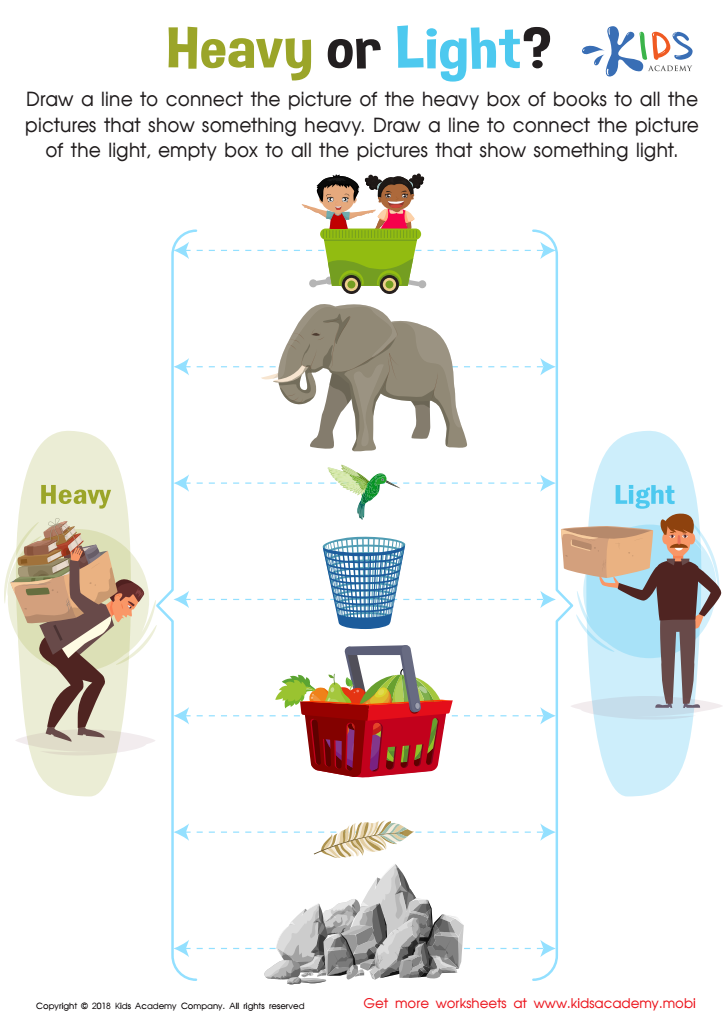
Heavy or Light? Worksheet
 Assign to My Students
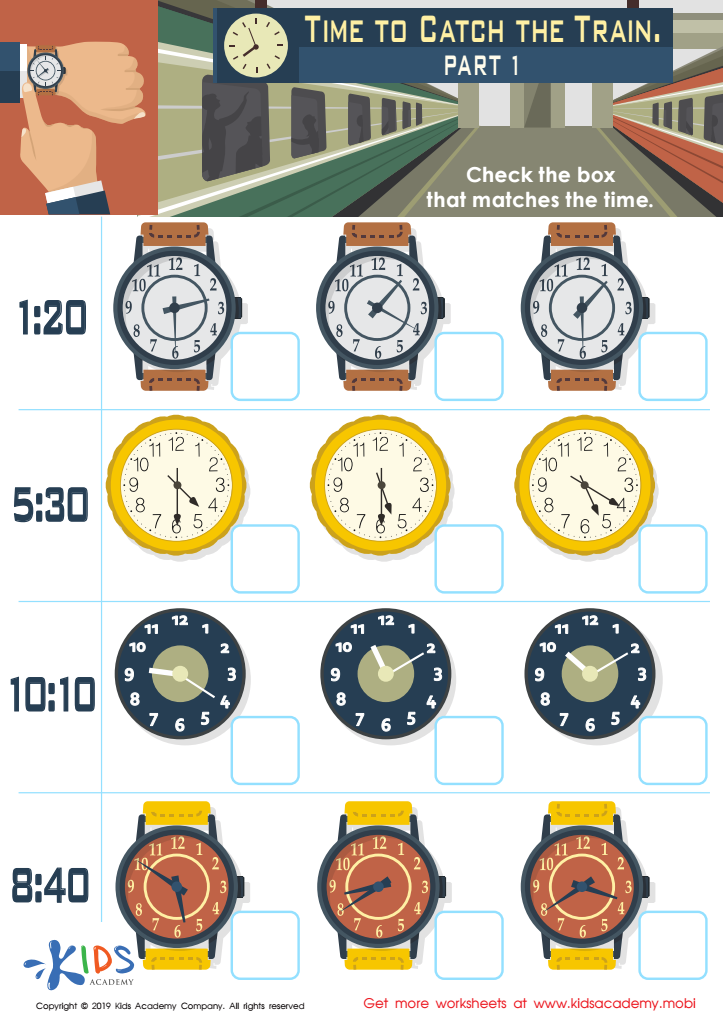
Time to Catch the Train Part 1 Worksheet
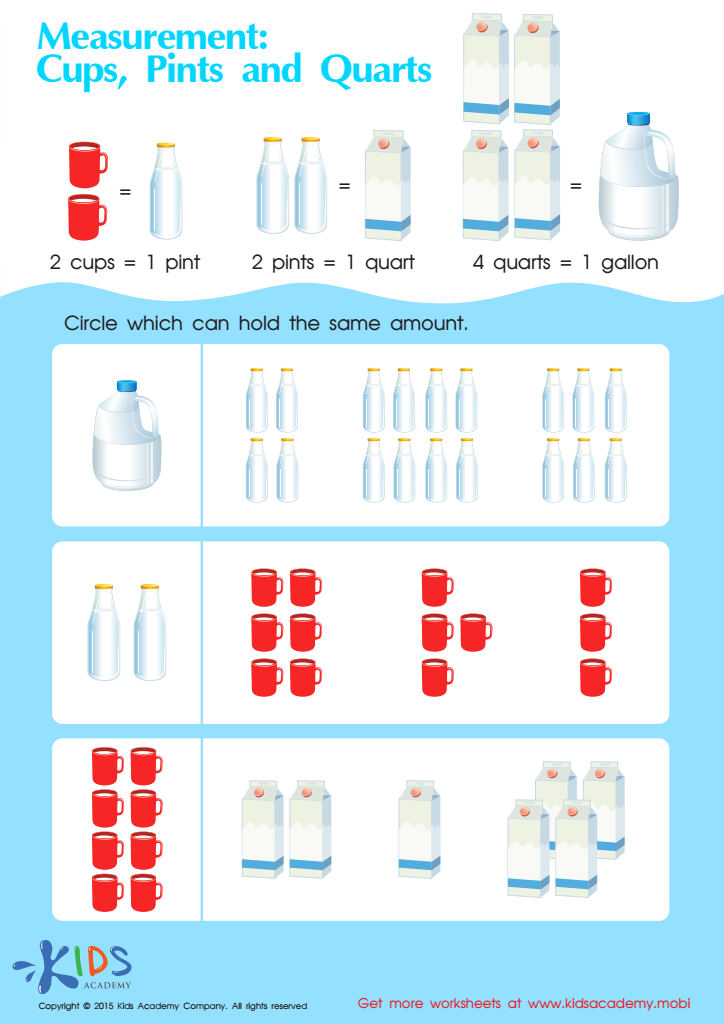
Cups, Pints and Quarts 2 Worksheet
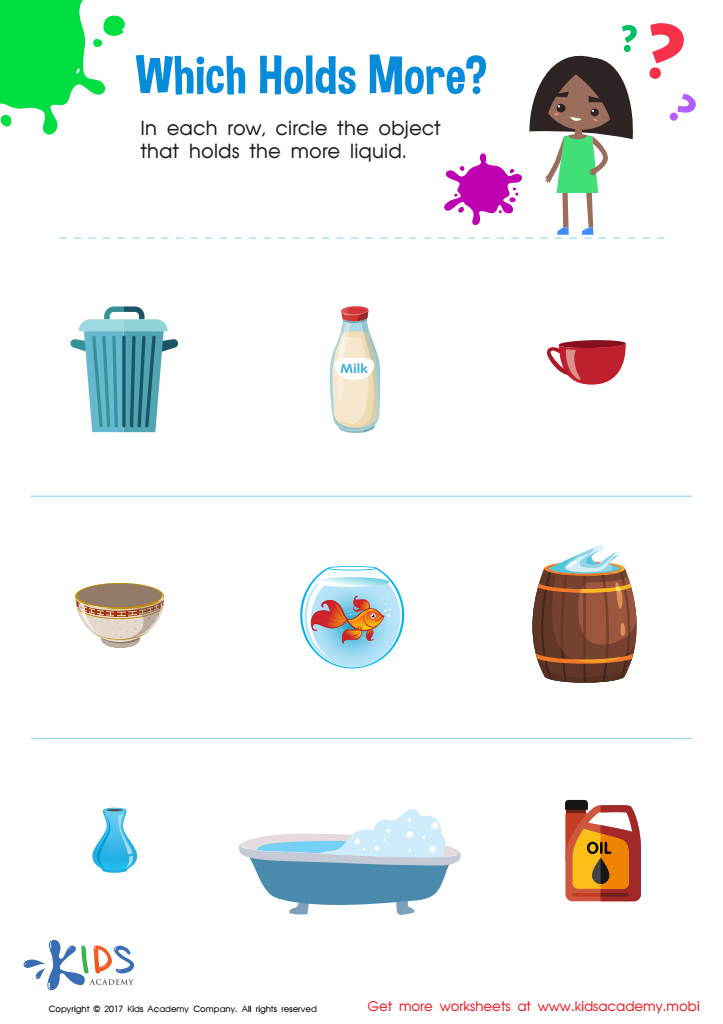
Which Holds More: Capacity Worksheet
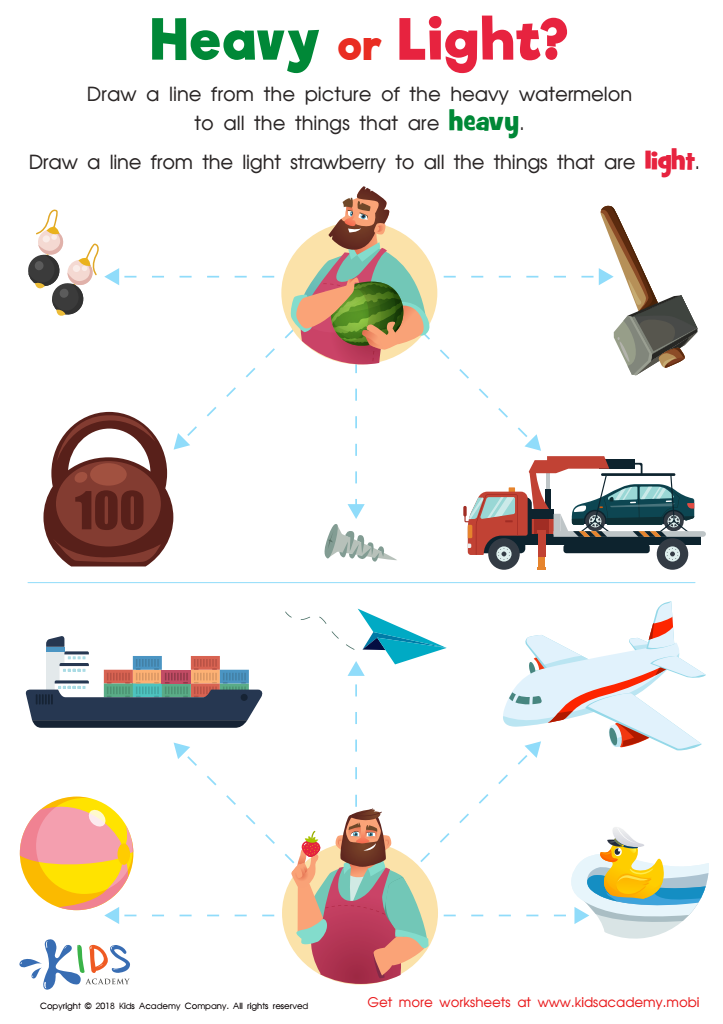
Heavy or Light? Worksheet
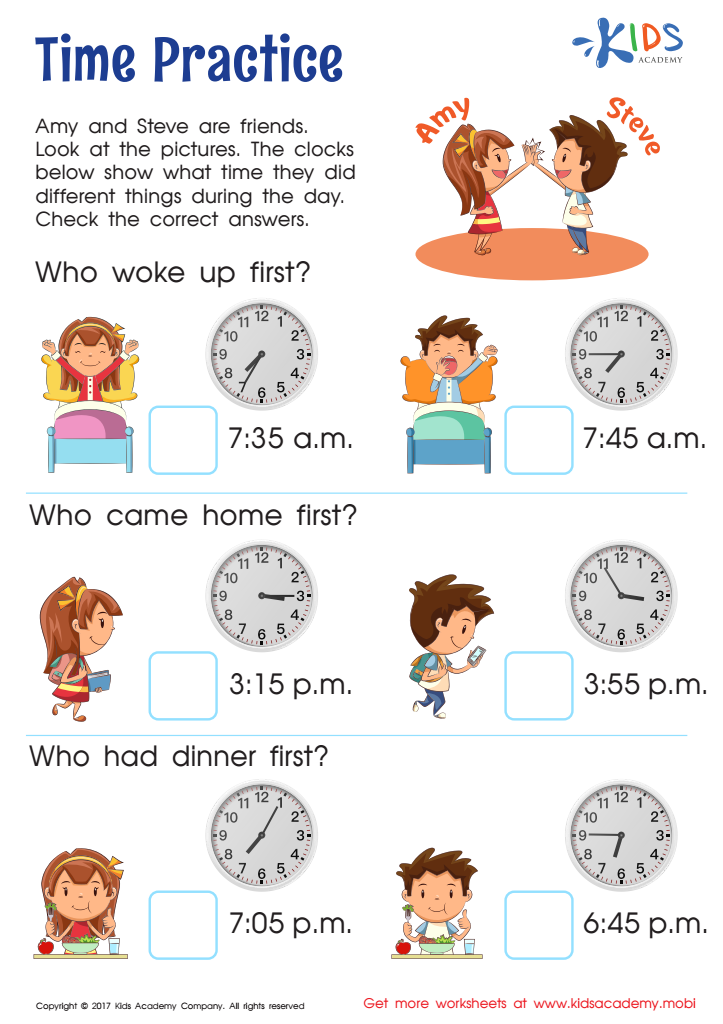
Time Practice Worksheet
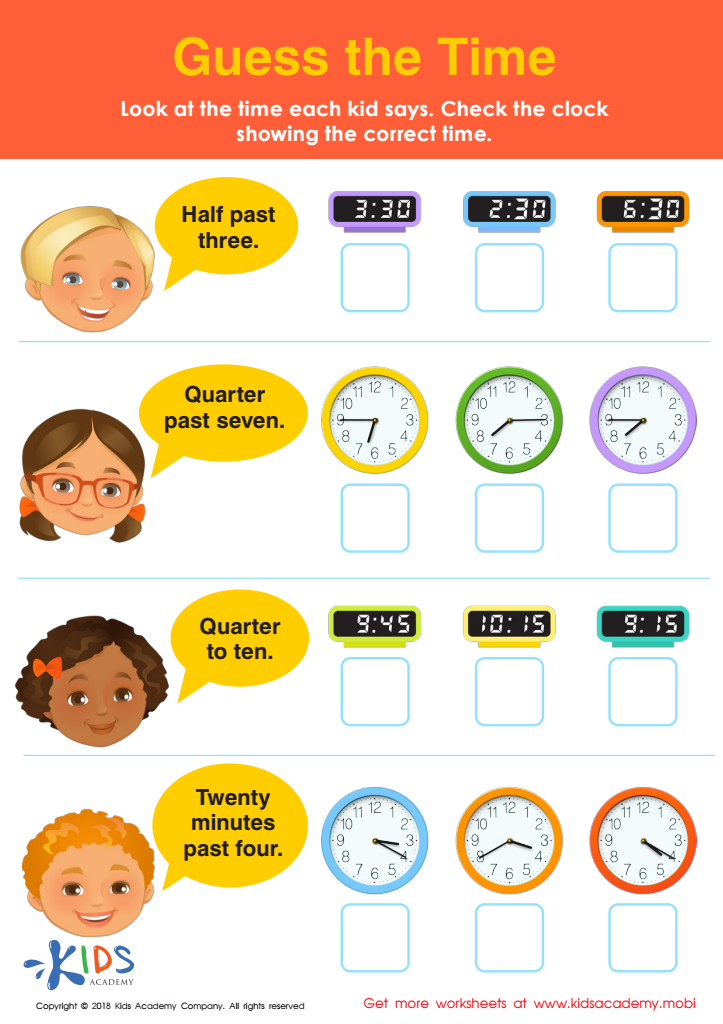
Guess the Time Worksheet
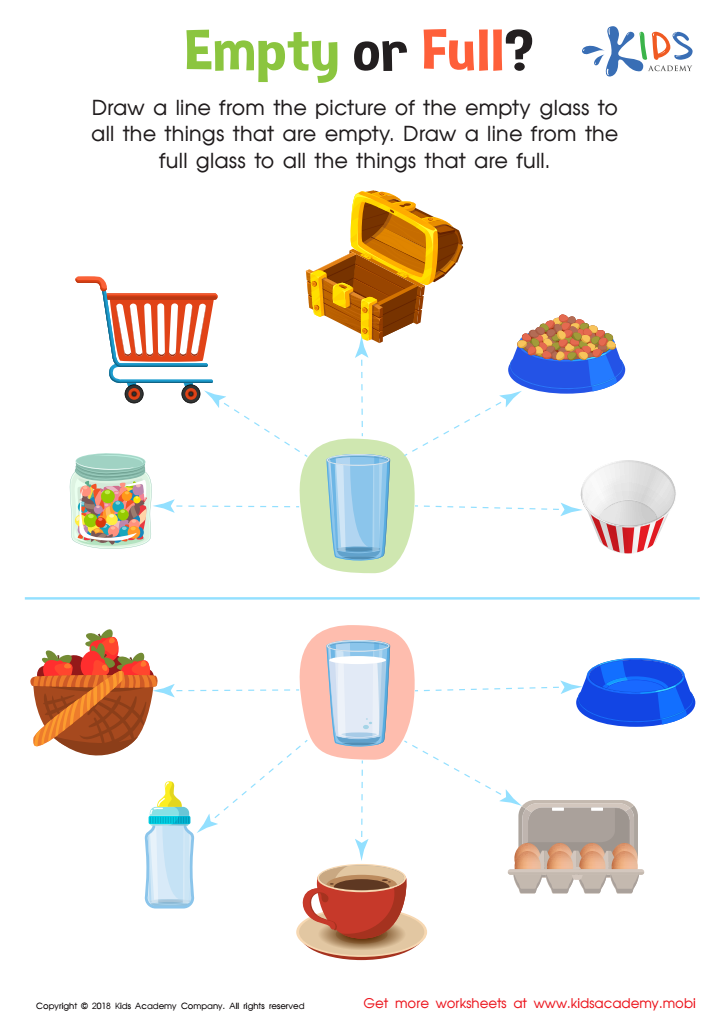
Empty or Full? Worksheet
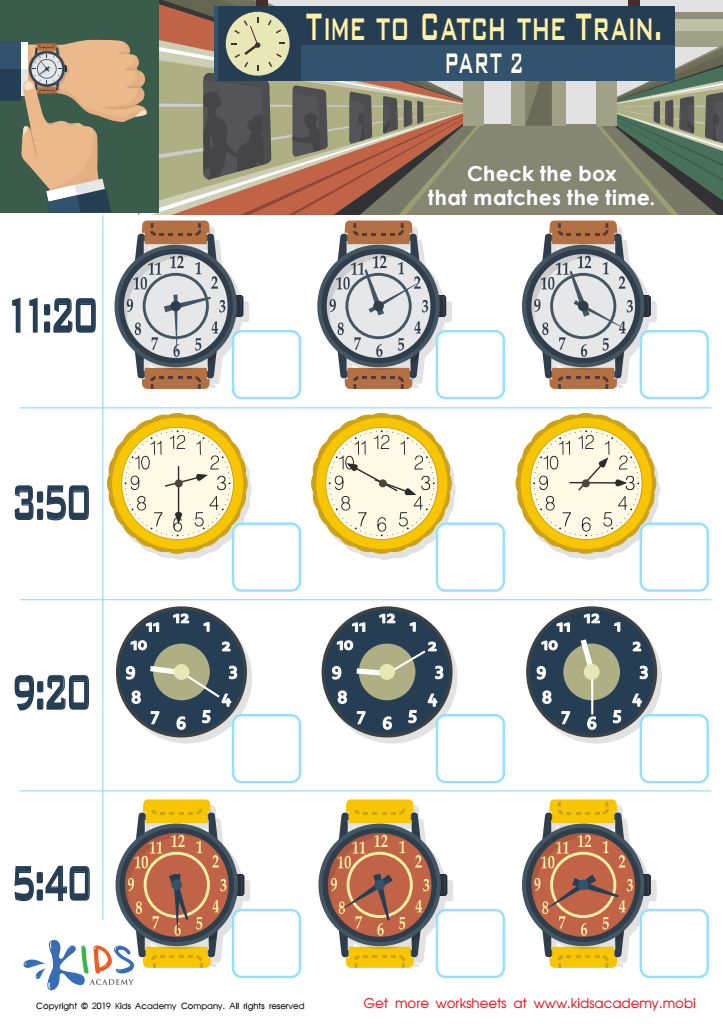
Time to Catch the Train Part 2 Worksheet
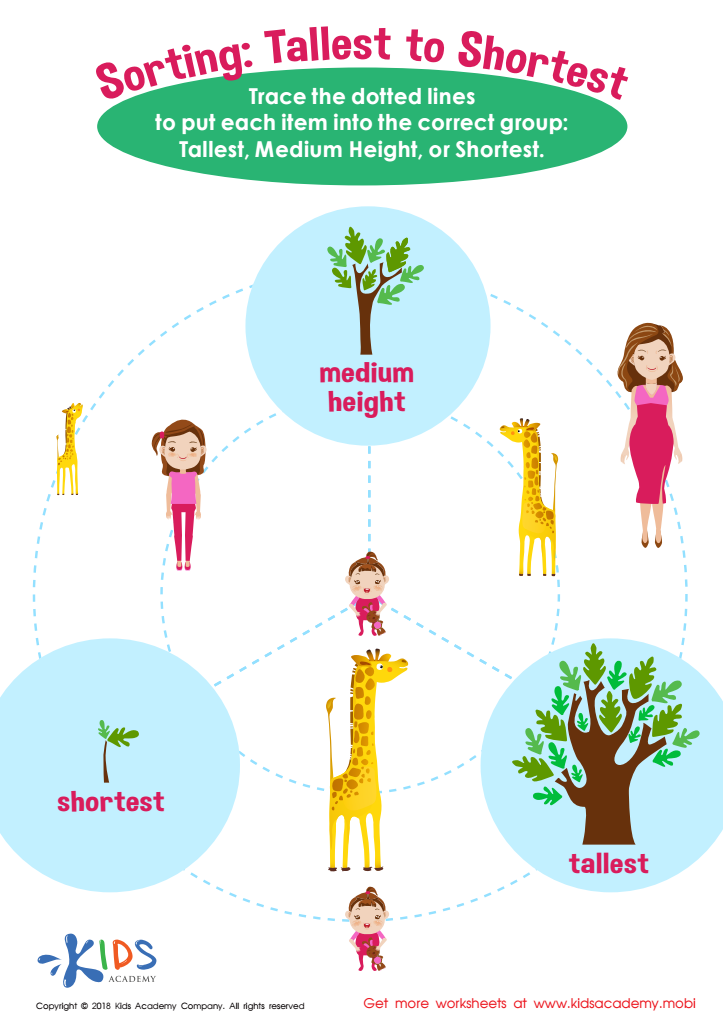
Sorting: Tallest to Shortest Worksheet








Normal measurement in early childhood, particularly for ages 3-7, is crucial as it serves as a foundational aspect of a child's development. Understanding measurement concepts helps children grasp essential life skills, including comparison, estimation, and spatial reasoning. Parents and teachers should be concerned about this because these skills foster critical thinking and problem-solving abilities, laying the groundwork for more advanced mathematical concepts later on.
Early exposure to measurement through activities like cooking, building with blocks, or comparing sizes can naturally integrate learning into play, making it enjoyable and engaging. This early love for math concepts promotes a positive attitude toward learning, which is vital in their developmental years.
Moreover, monitoring progress in measurement can also indicate developmental milestones. If a child struggles with understanding measurement, it might be a sign of underlying challenges that require support. Involvement in measurement activities can encourage collaboration and communication among children, fostering social skills.
In summary, by caring about normal measurement, parents and teachers not only boost early mathematical comprehension but also contribute to a child's overall cognitive, physical, and social development, setting the stage for lifelong learning and success.








