Shape Recognition Normal Worksheets for Ages 3-8
50 filtered results
-
From - To
Our "Shape Recognition Normal Worksheets for Ages 3-8" are designed to make learning fun and engaging. Perfect for preschool and early elementary kids, these worksheets help children identify, trace, and color various shapes. By incorporating vibrant visuals and interactive activities, our worksheets stimulate cognitive development and fine motor skills. Kids will explore circles, squares, triangles, and more, while enhancing their problem-solving abilities. Ideal for both classroom and home use, these worksheets provide a solid foundation in geometric concepts, paving the way for future math success. Bring learning to life with our expertly crafted shape recognition worksheets!
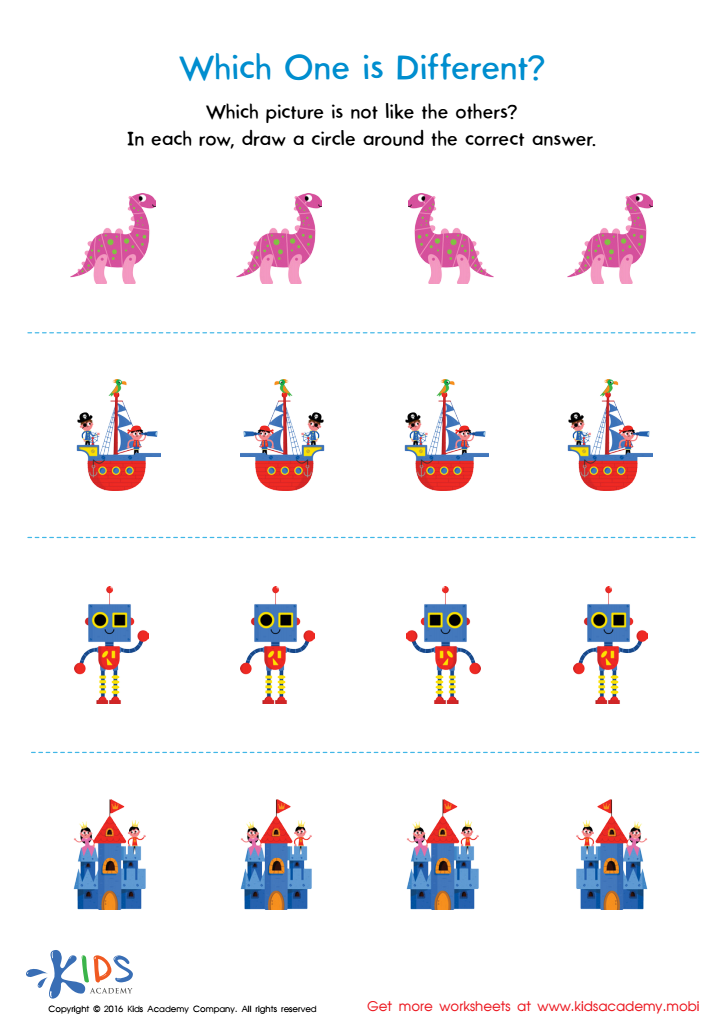
Which One Is Different Worksheet
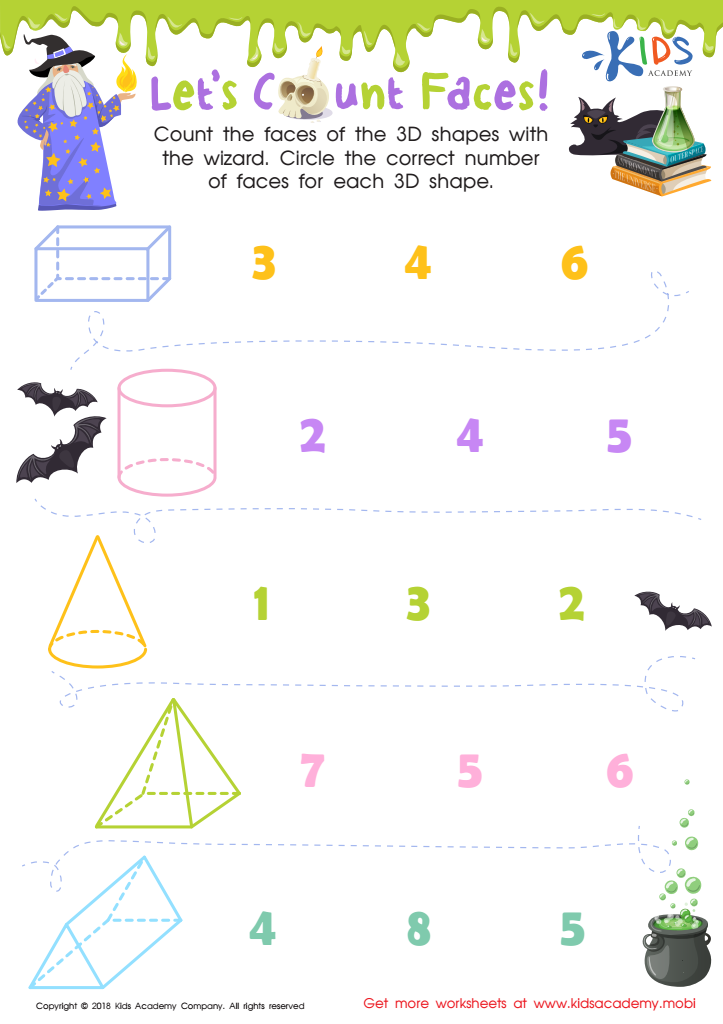
Let's Count Faces! Worksheet
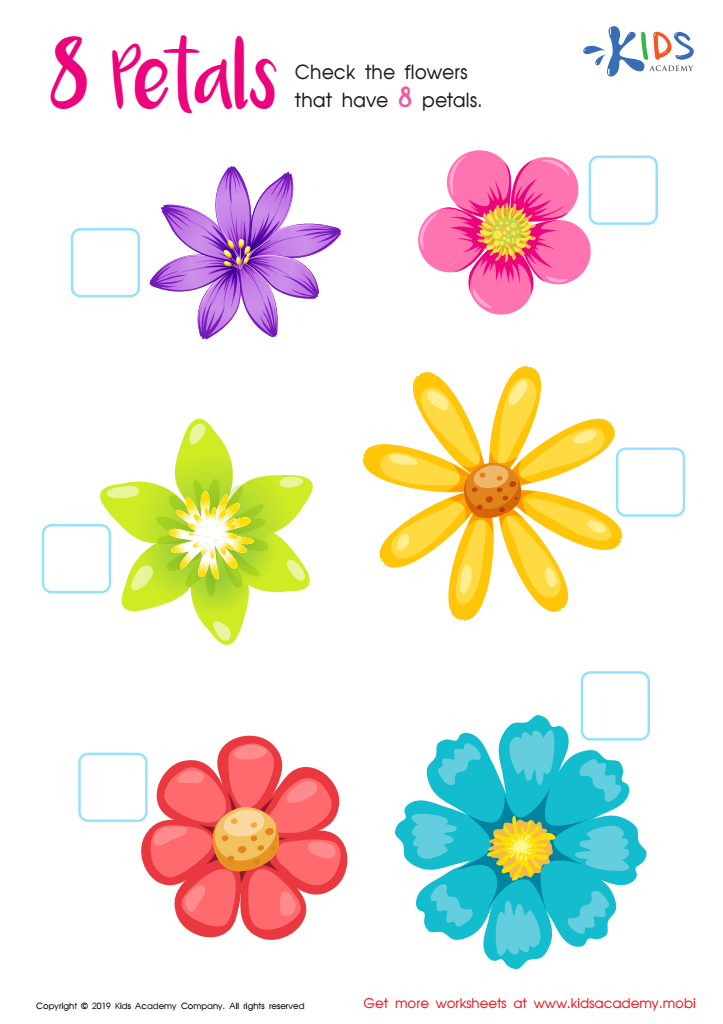
8 Petals Worksheet
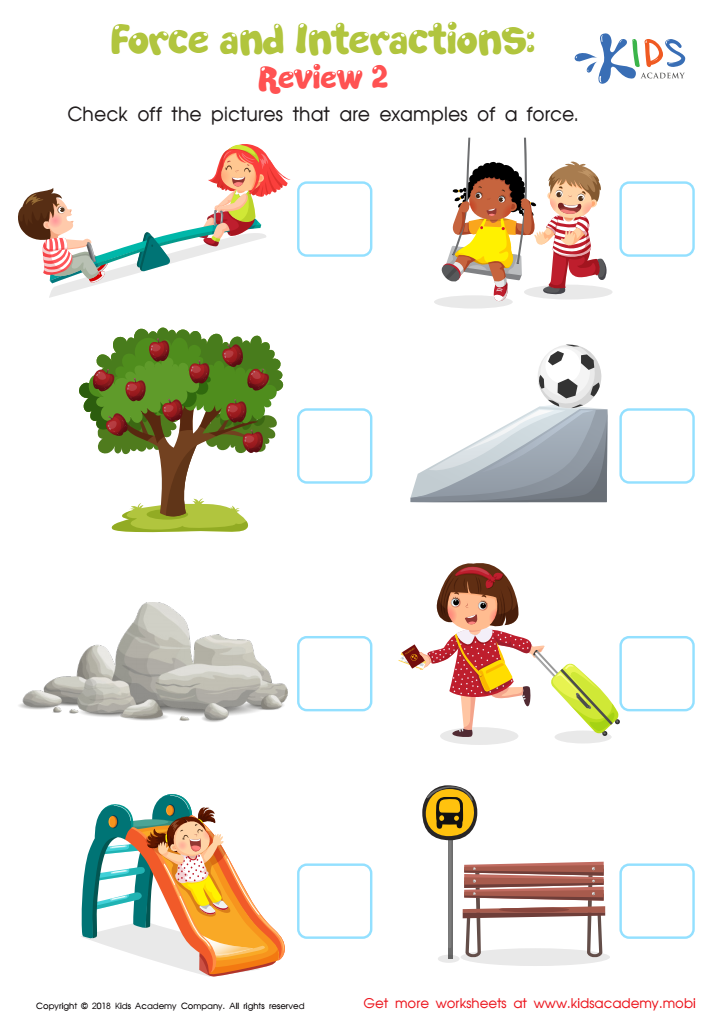
Force and Interactions: Review 2 Worksheet
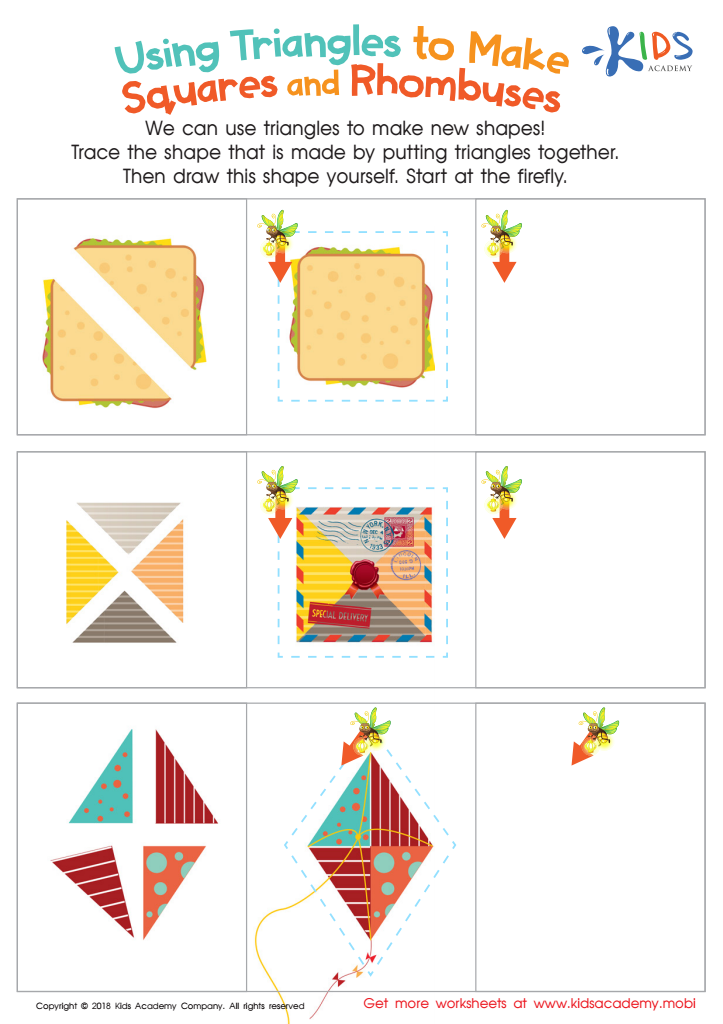
Using Triangles to Make Squares and Rhombuses Worksheet
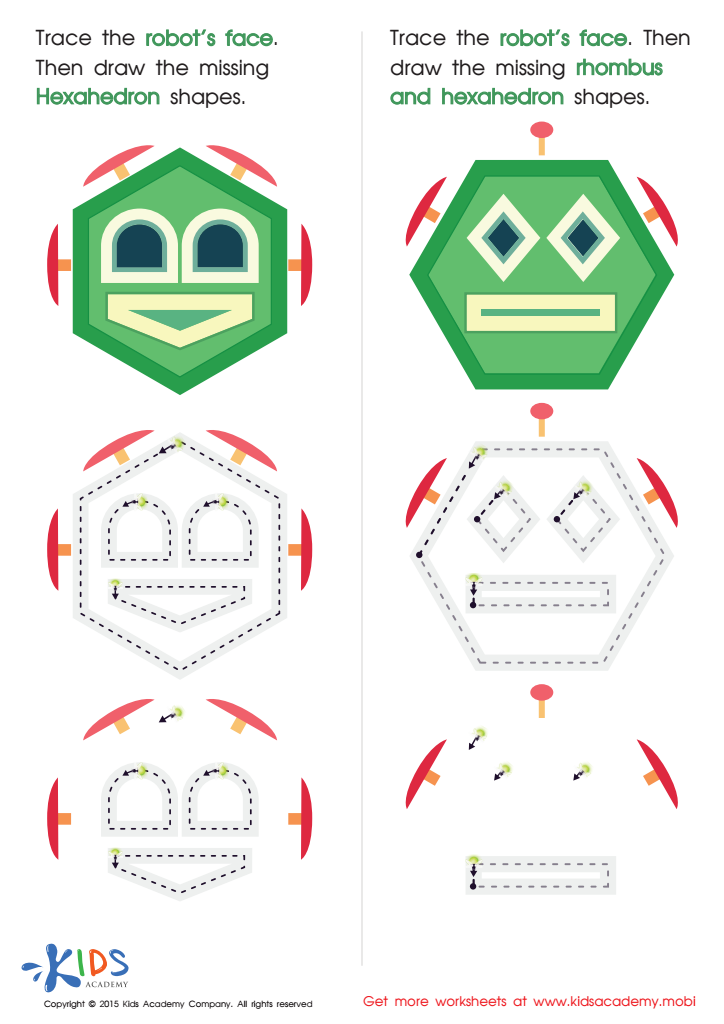
Practice Drawing Hexahedrons And a Rhombus Worksheet
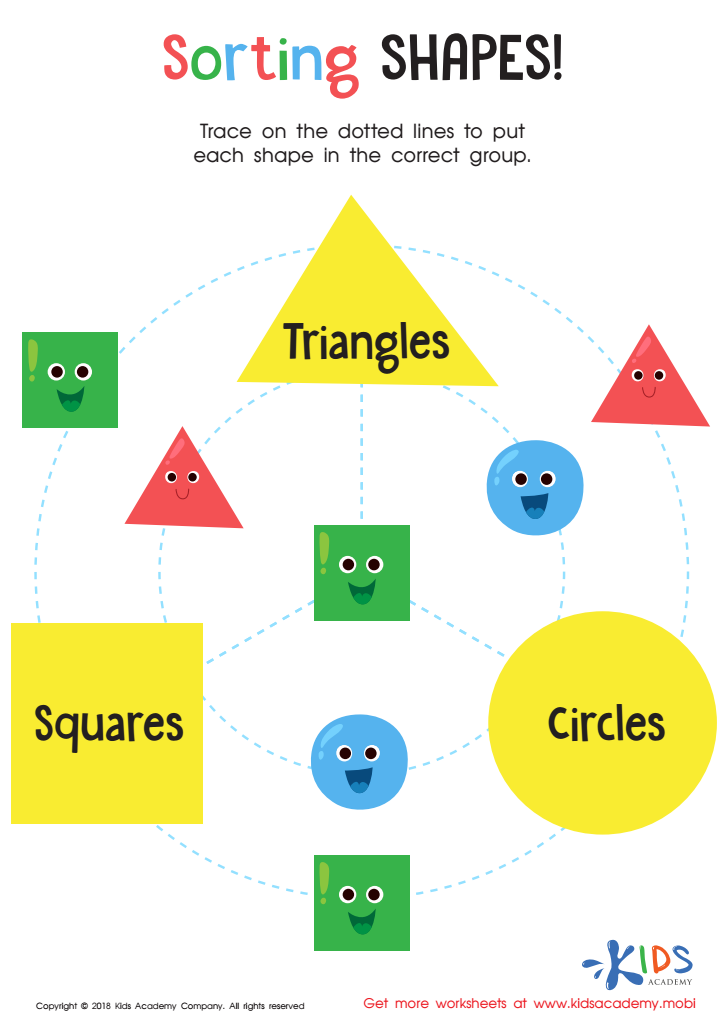
Sorting Shapes - Part 3 Worksheet
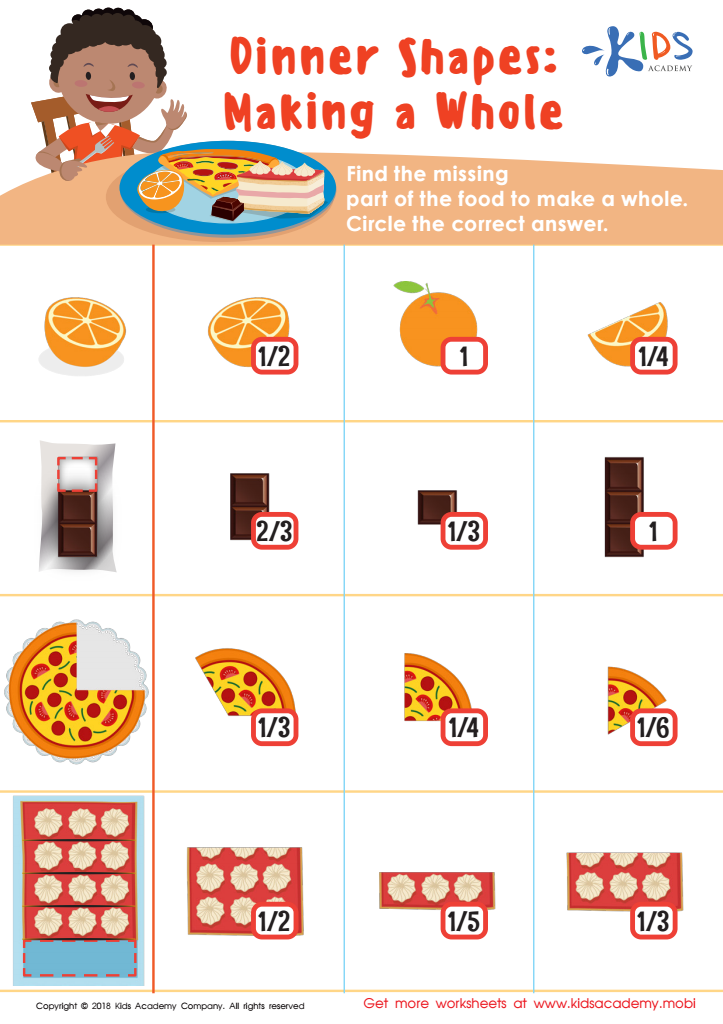
Dinner Shapes: Making a Whole Worksheet
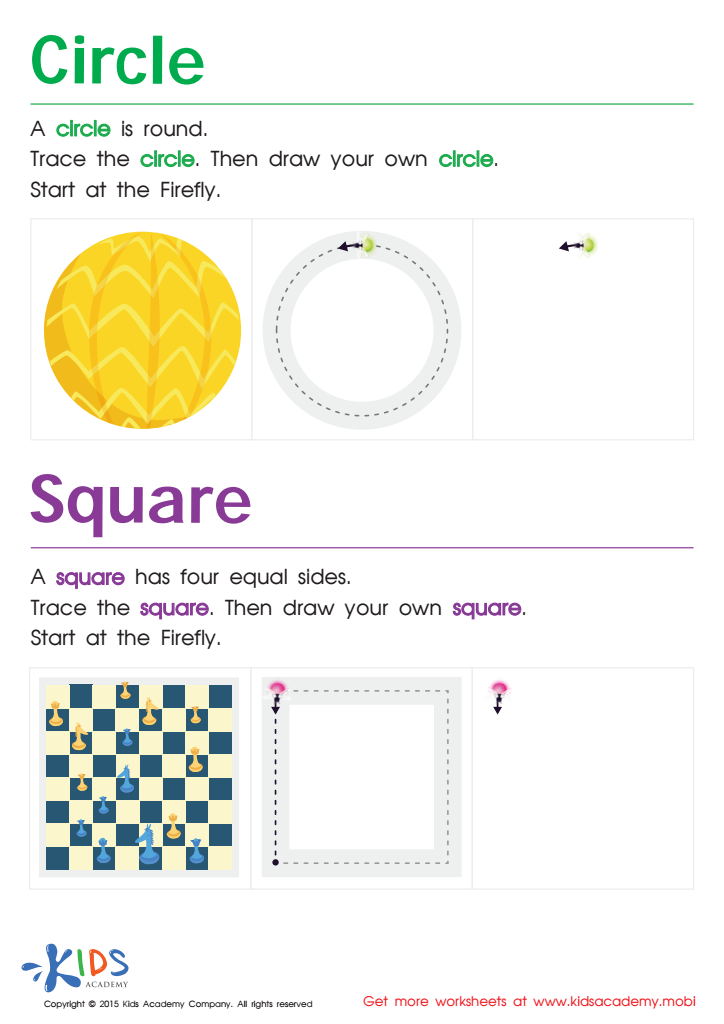
Trace And Draw a Circle And a Square Worksheet
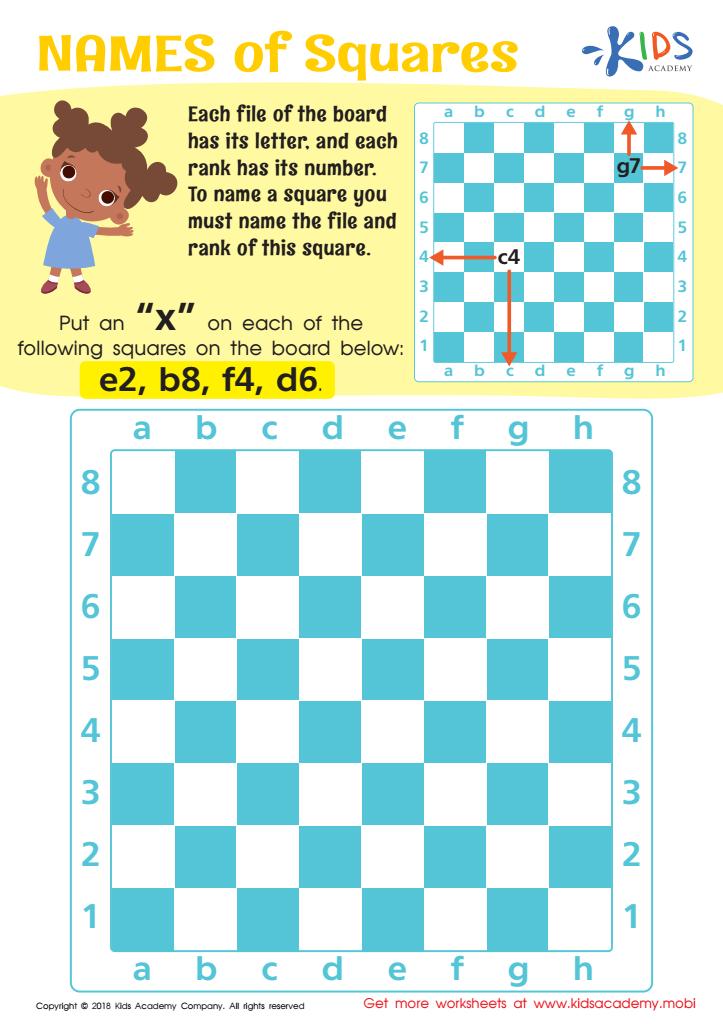
Names of Squares Worksheet
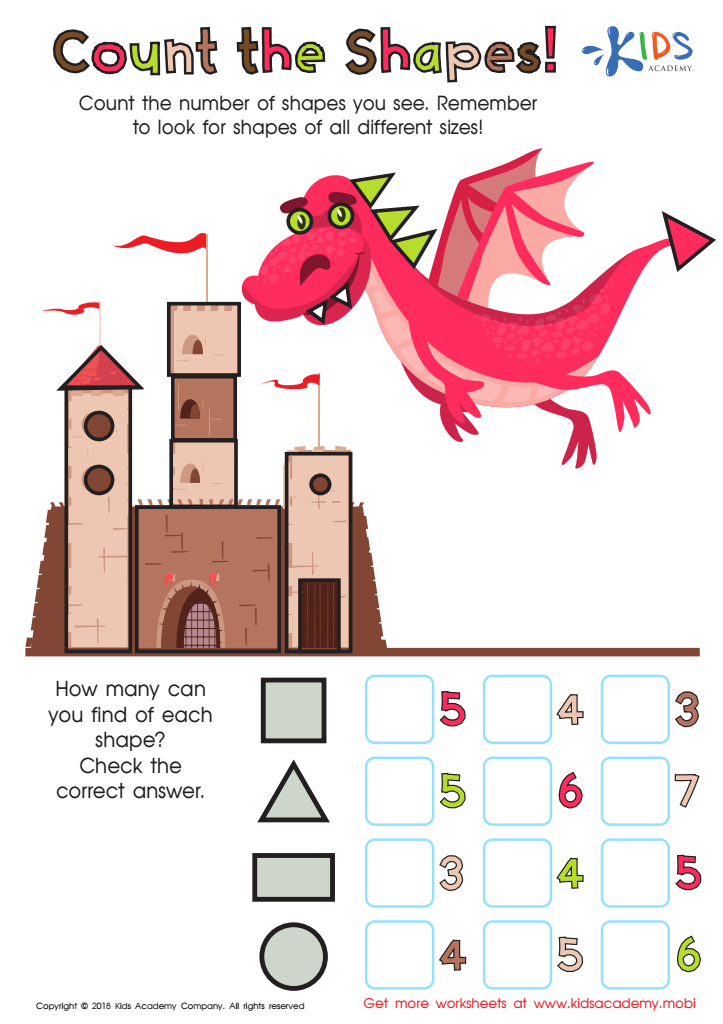
Count the Shapes Worksheet
Halloween: A Funny Monster Worksheet
 Assign to My Students
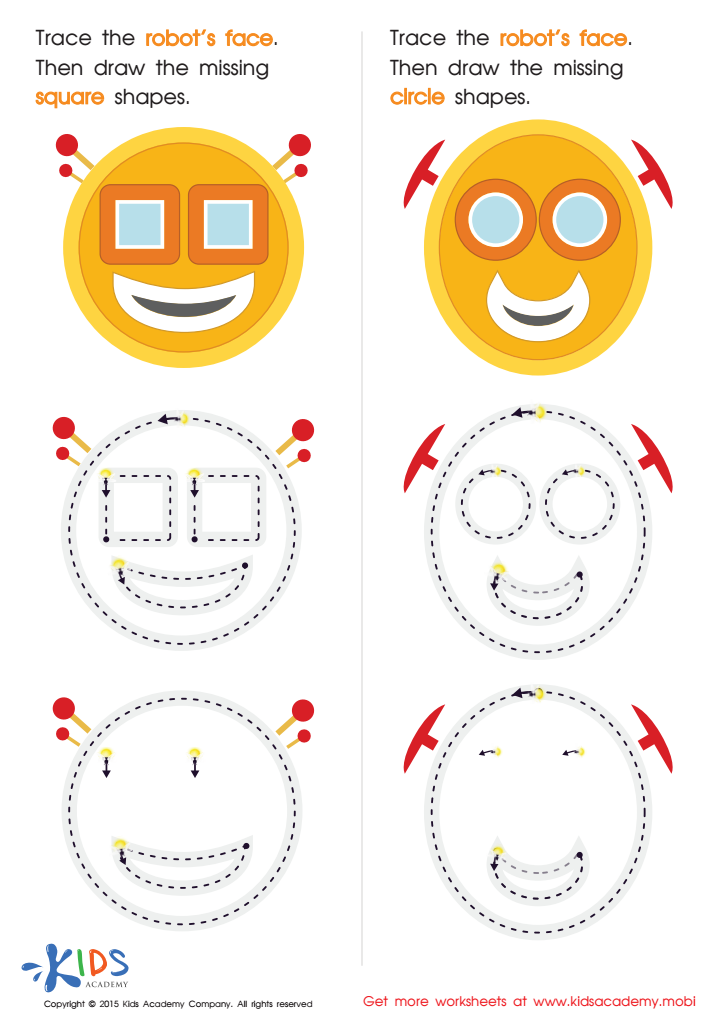
Practicing to Draw Circles And Squares Printable
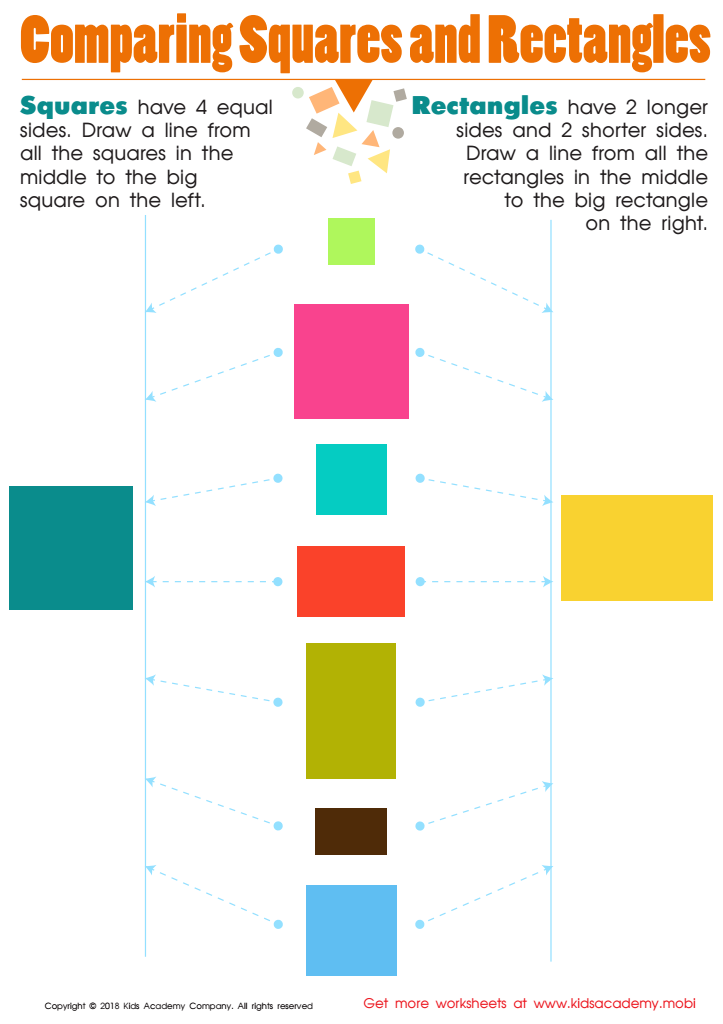
Comparing Squares Rectangles Worksheet
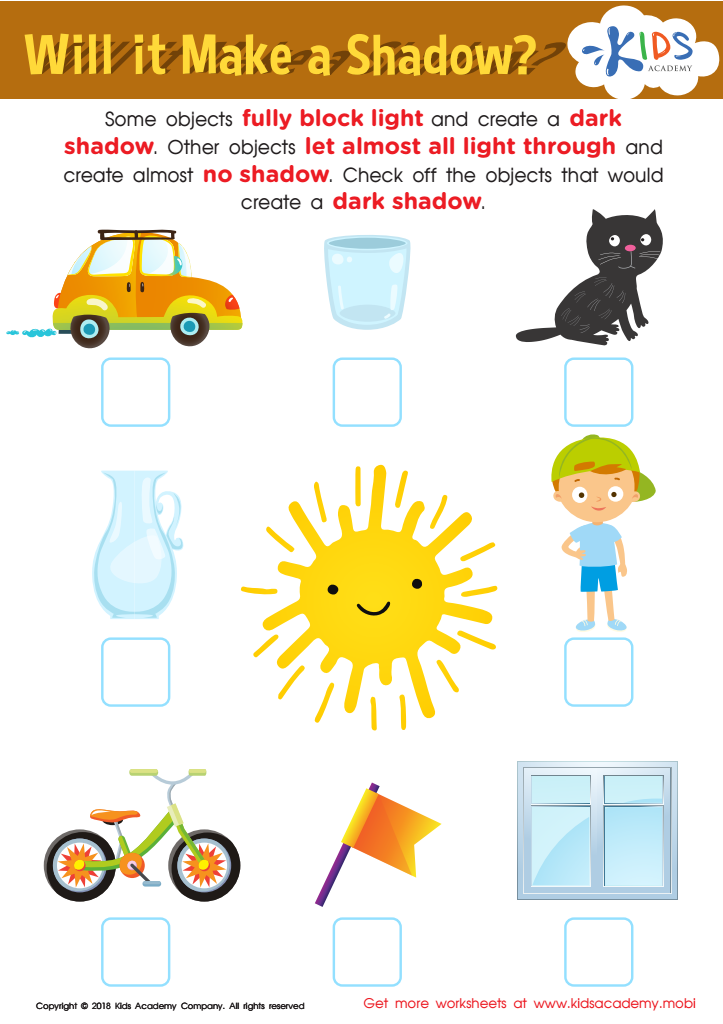
Will It Make a Shadow? Worksheet
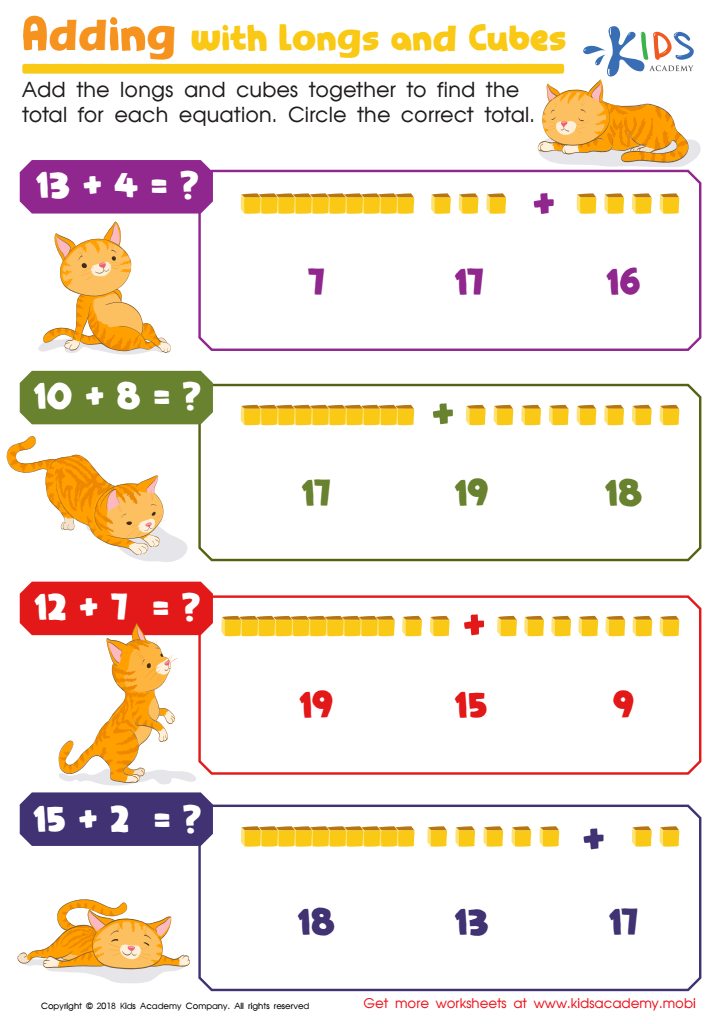
Adding With Longs and Cubes Worksheet
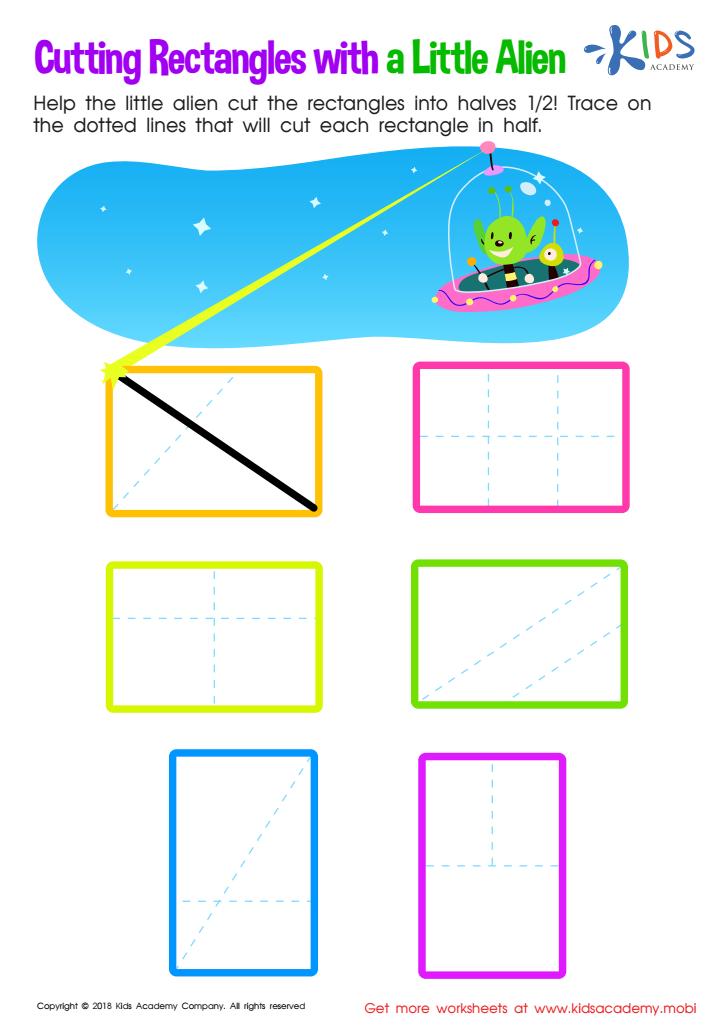
Cutting Rectangles with Alien Worksheet
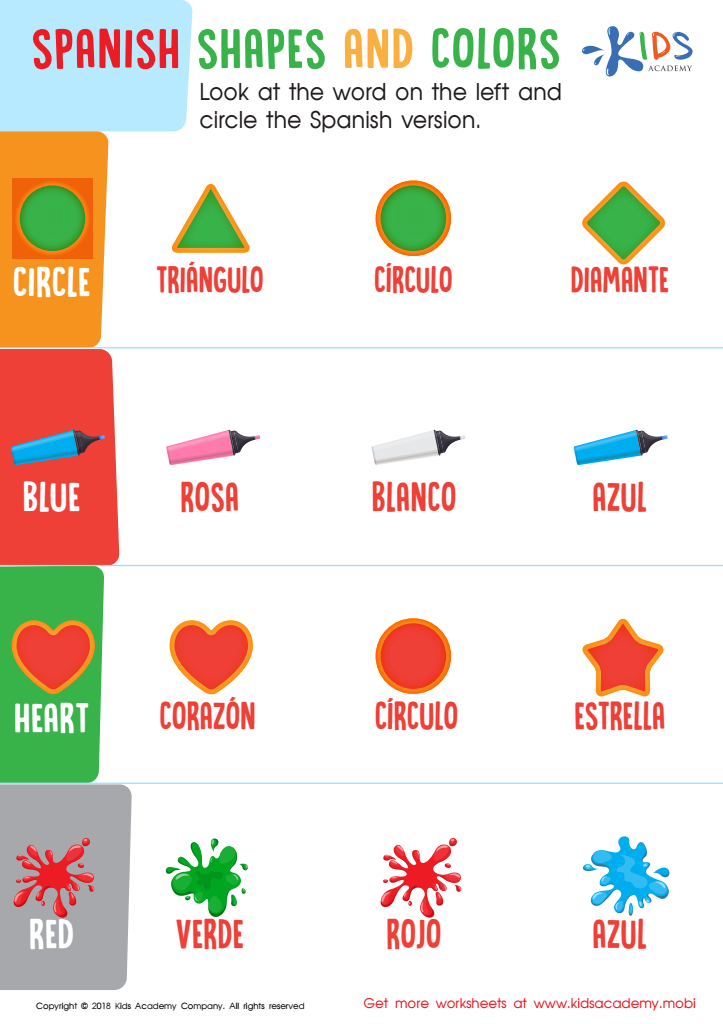
Spanish Shapes and Colors Worksheet
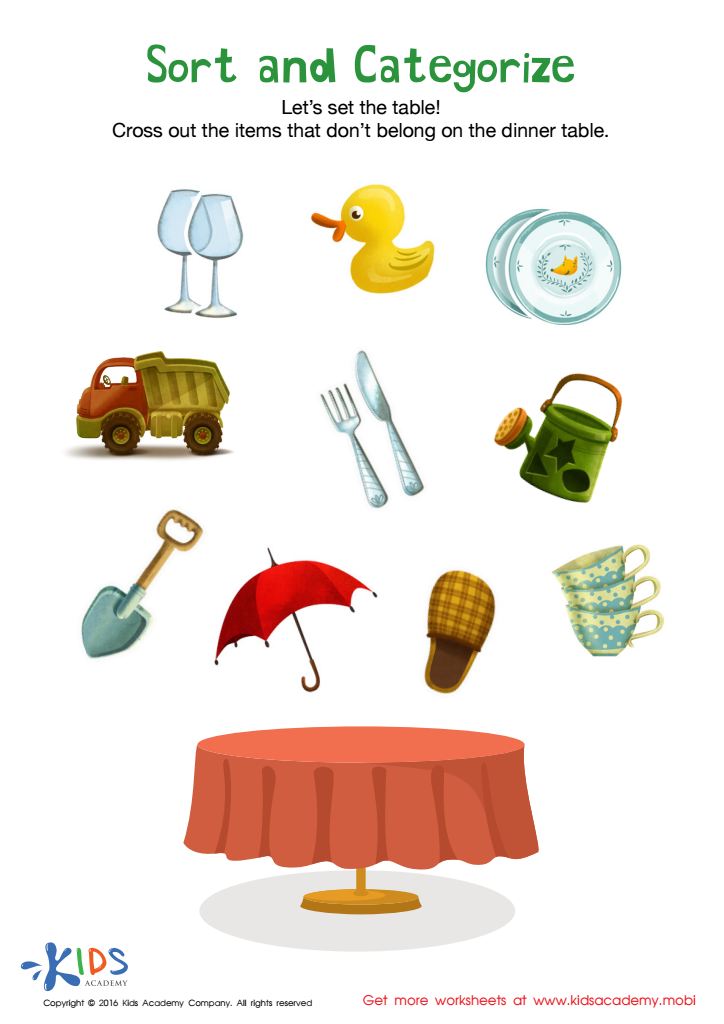
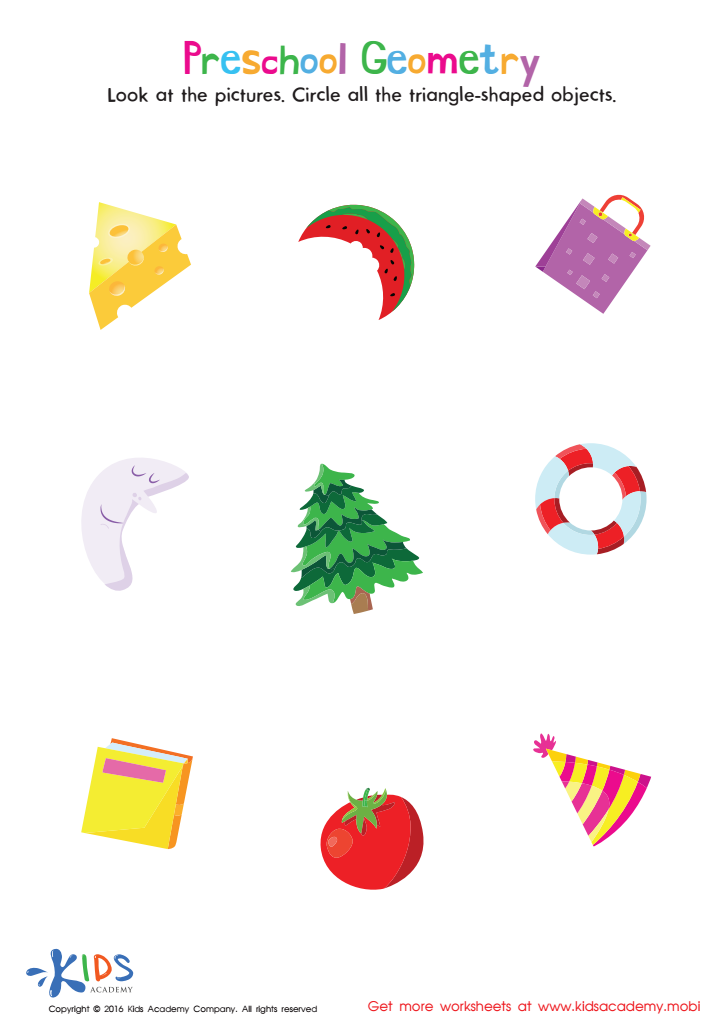
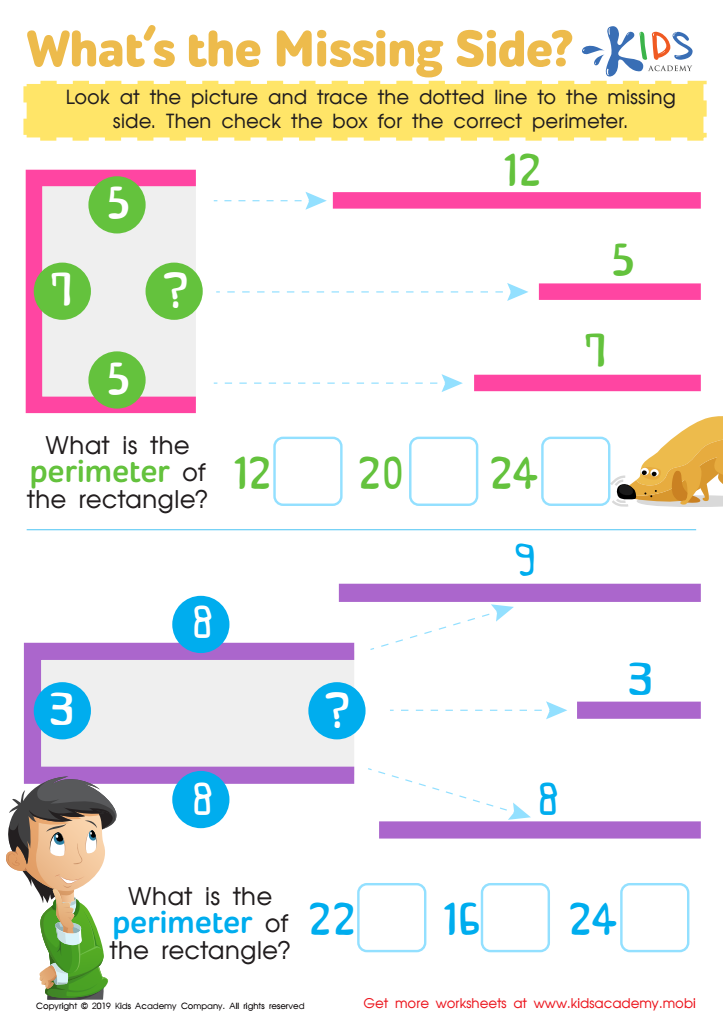
What's the Missing Side Worksheet
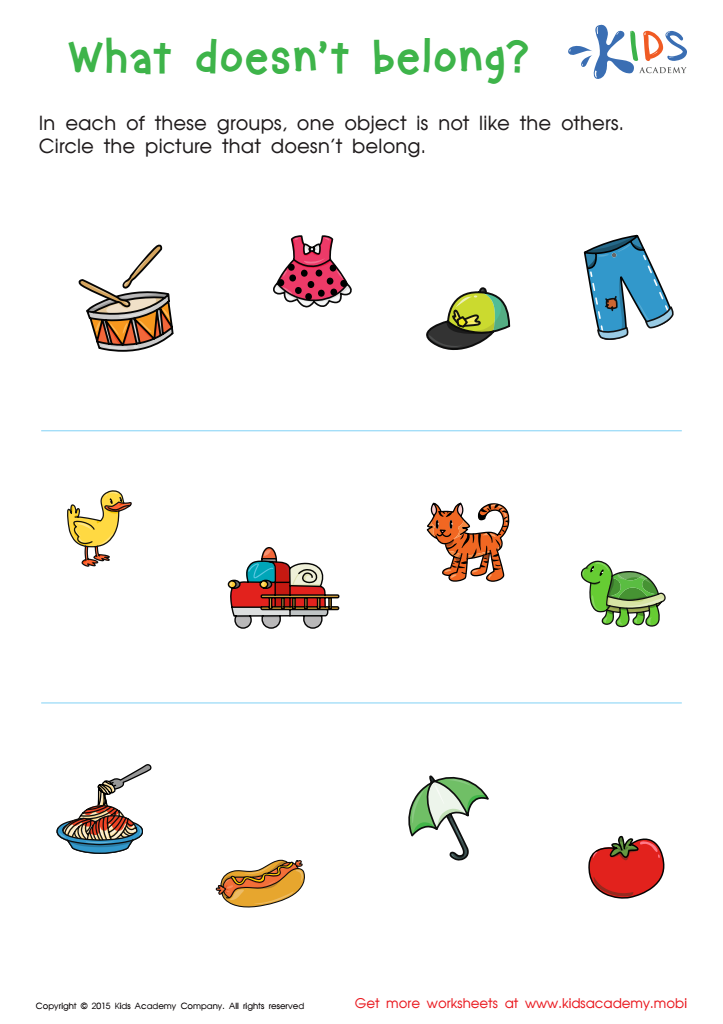
First Words: What Doesn't Belong Worksheet
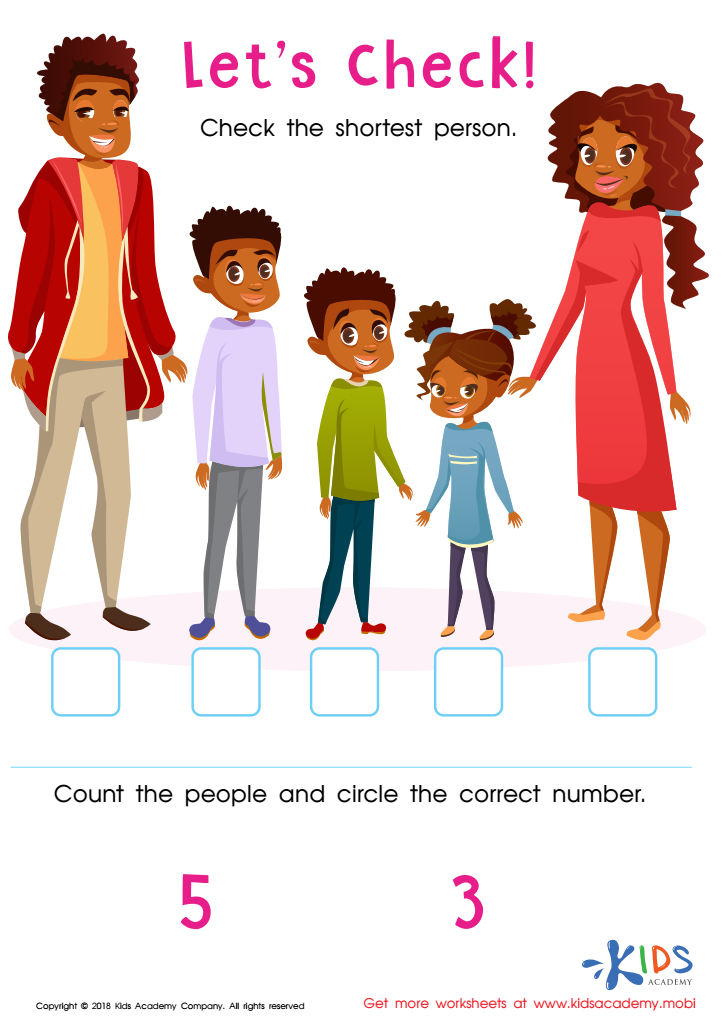
Let's Check! Assessment Worksheet
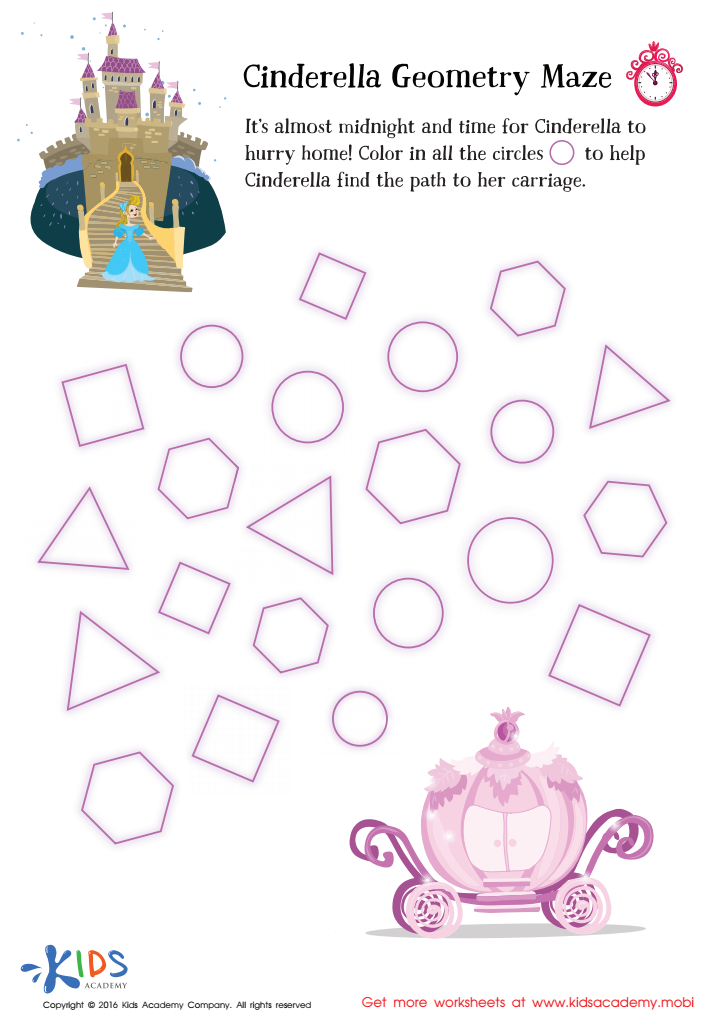
Cinderella Geometry Maze Worksheet







Shape recognition is a foundational skill that significantly impacts a child's cognitive development and academic success. For children aged 3-8, understanding shapes is more than just identifying circles, squares, and triangles; it lays the groundwork for critical reasoning, problem-solving, and early mathematics.
Firstly, recognizing shapes helps children in categorizing and describing the world around them. For instance, when a child distinguishes between a square and a rectangle, they are learning complex concepts like sides, angles, and symmetry. This cognitive skill enhances their ability to observe, differentiate, and make sense of various elements in their environment.
Secondly, shape recognition is directly linked to early learning in math and science. Many mathematical concepts, such as geometry, fractions, and pattern recognition, are based on understanding shapes. When children learn to recognize and discuss shapes, they are also developing their spatial awareness and vocabulary, which subsequently aid in reading comprehension and writing.
Additionally, shape recognition encourages fine motor skills and hand-eye coordination through activities like drawing, cutting, and tracing shapes. These physical activities further support neurological development and overall motor skills.
Therefore, parents and teachers should focus on shape recognition as it fosters comprehensive cognitive development, supports academic learning in math and science, and cultivates crucial motor skills, ensuring well-rounded progress for children in this age group.








