Fine Motor Skills Normal Math Worksheets for Ages 3-9
43 filtered results
-
From - To
Enhance your child's fine motor skills with our engaging Normal Math Worksheets designed for ages 3-9! These worksheets incorporate fun and educational activities that promote hand-eye coordination, dexterity, and control while introducing essential math concepts. Each worksheet features colorful illustrations and simple tasks that make learning enjoyable. From counting and tracing to shaping and connecting dots, your child will develop confidence in their fine motor abilities along with their math skills. Perfect for home or classroom use, these worksheets will spark curiosity and make learning mathematics a delightful experience. Equip your child for success with our creative and effective resources today!

8 Petals Worksheet
 Assign to My Students

Set Sail Worksheet
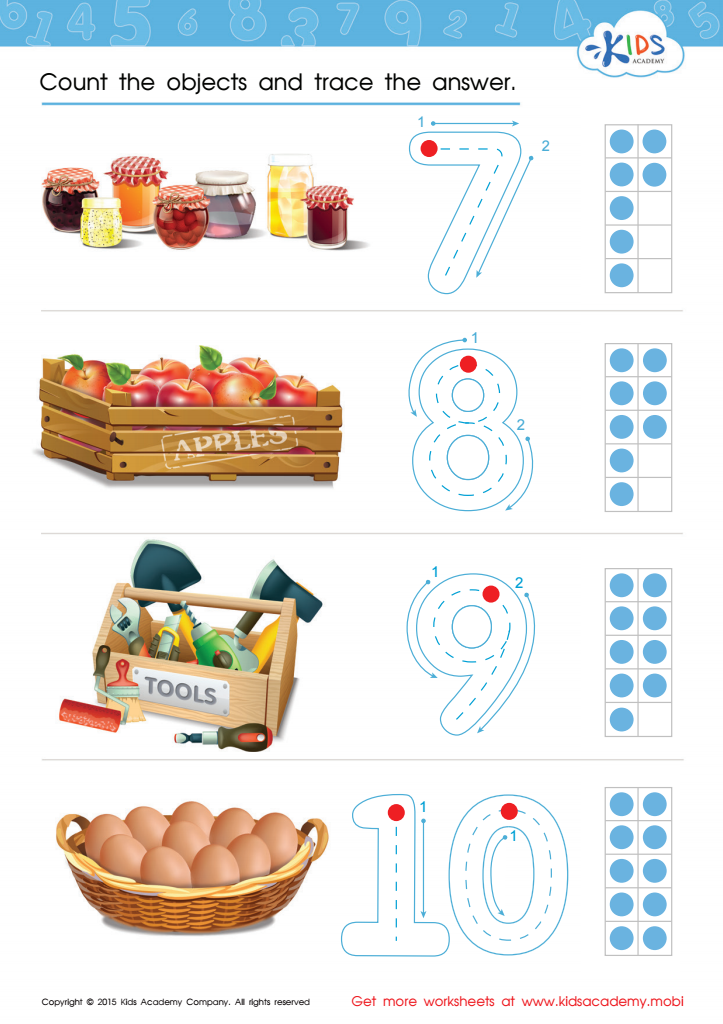
Count and Trace 7 – 10 Worksheet
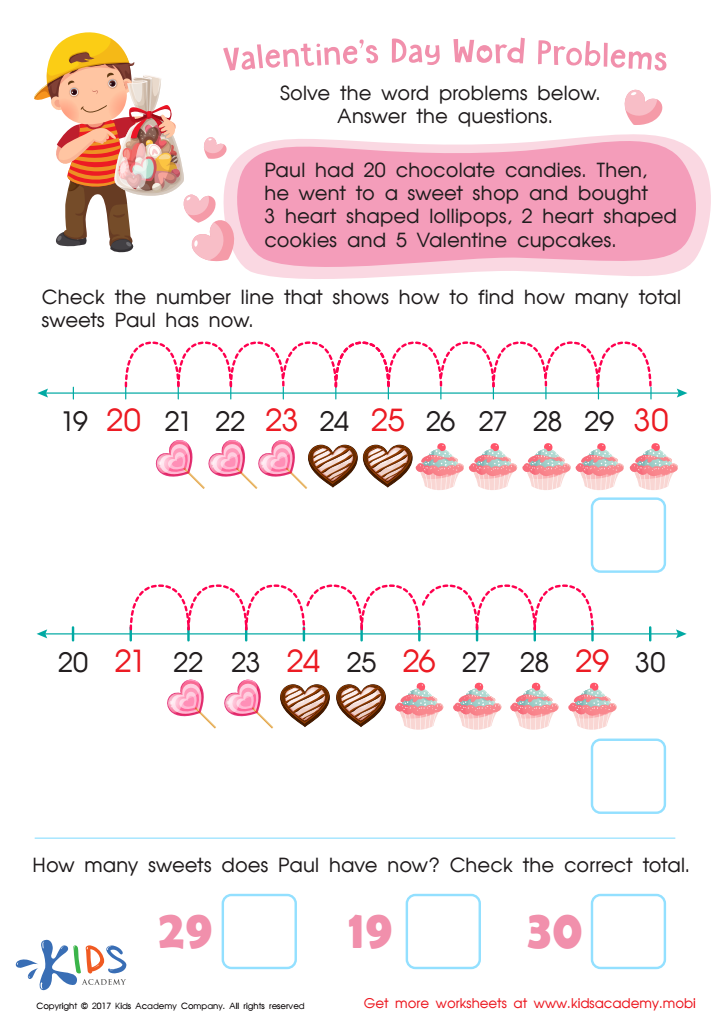
Valentines Day 2 Printable
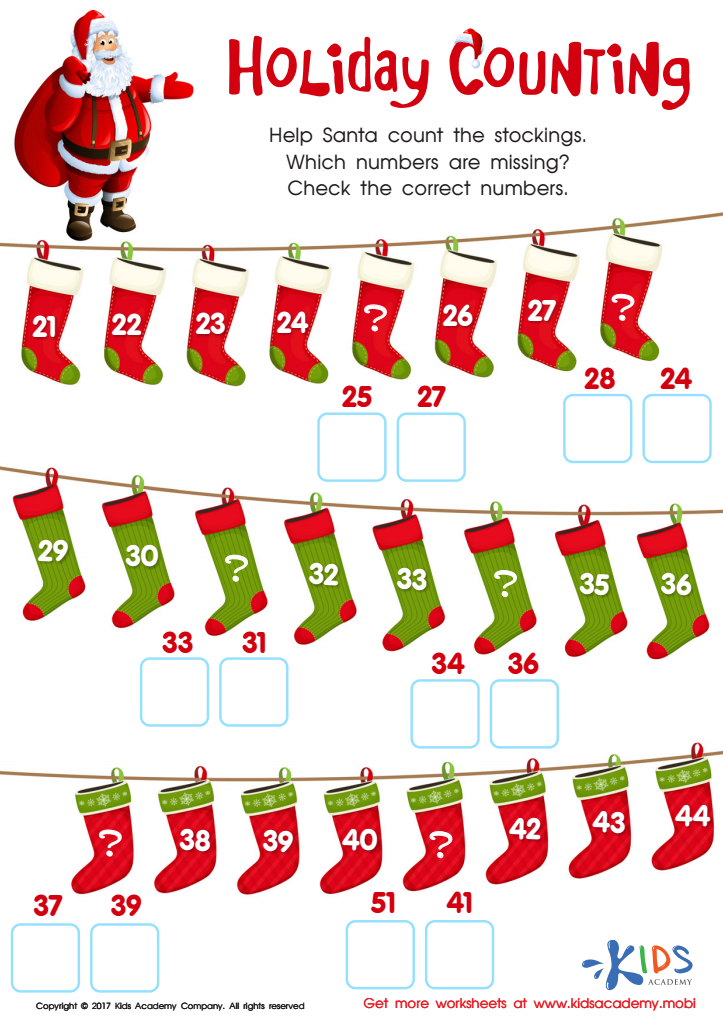
Holiday Counting Worksheet
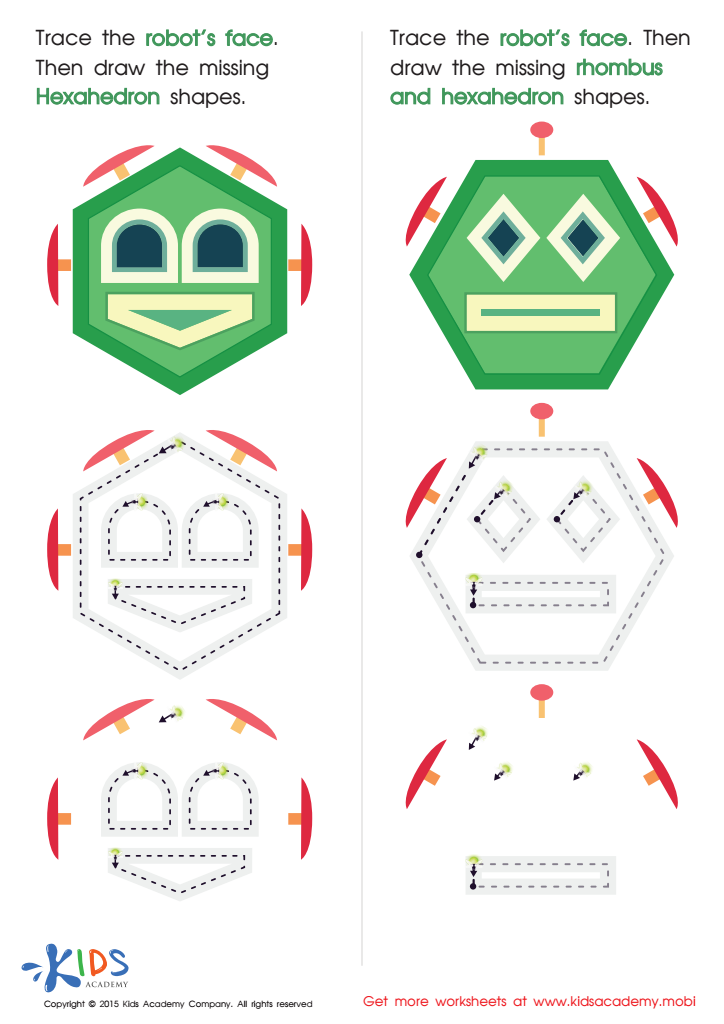
Practice Drawing Hexahedrons And a Rhombus Worksheet
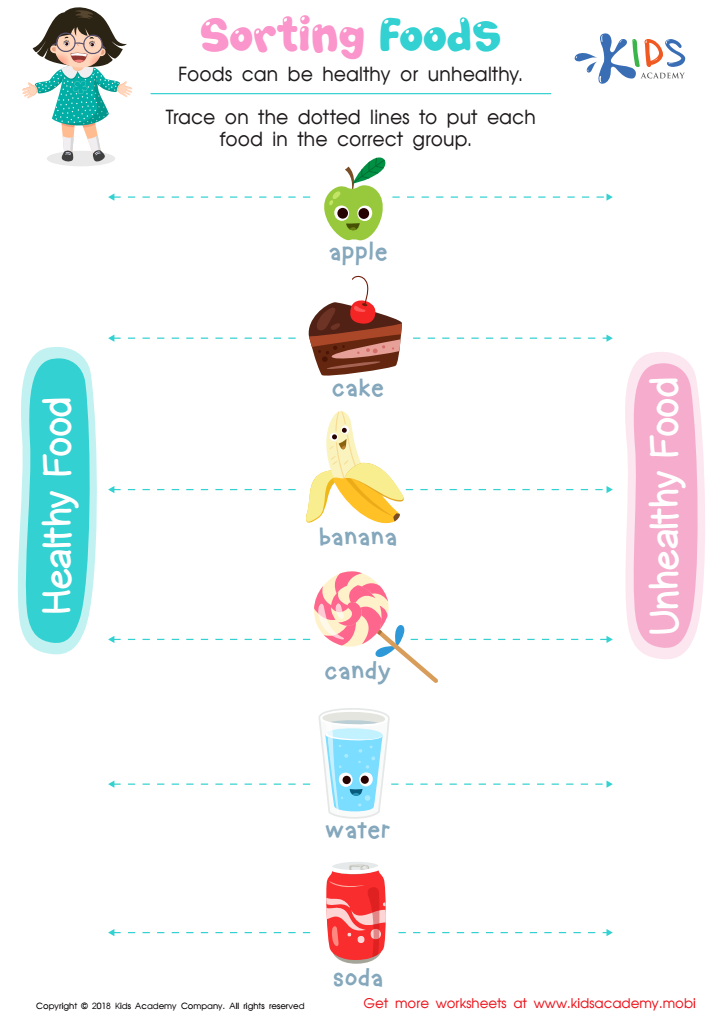
Sorting Food Worksheet
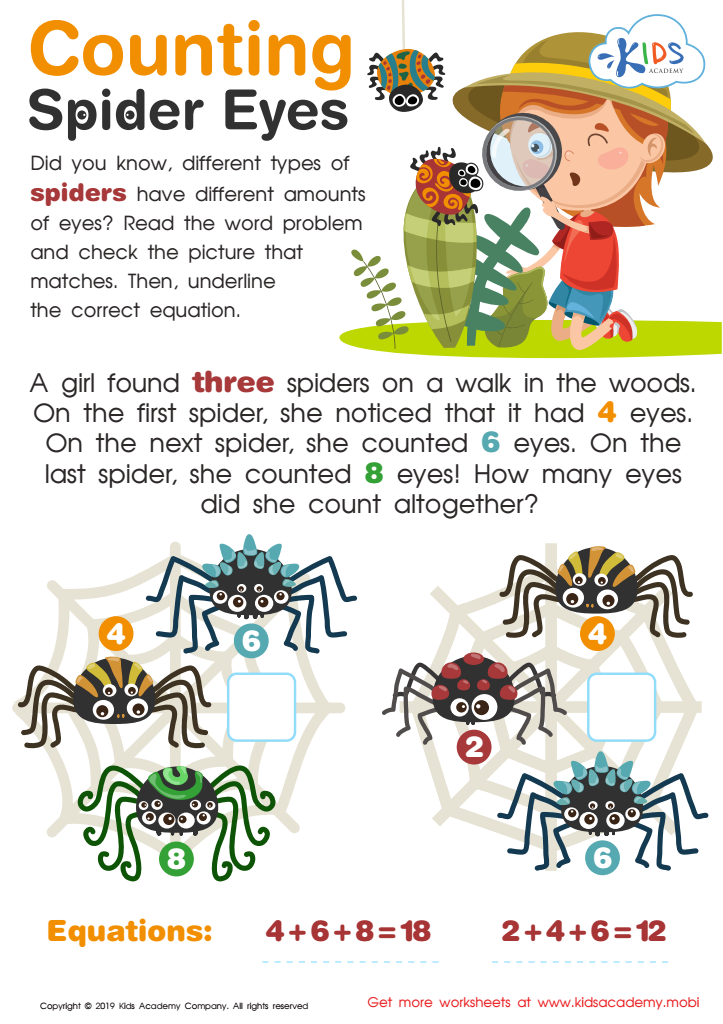
Counting Spider Eyes Worksheet
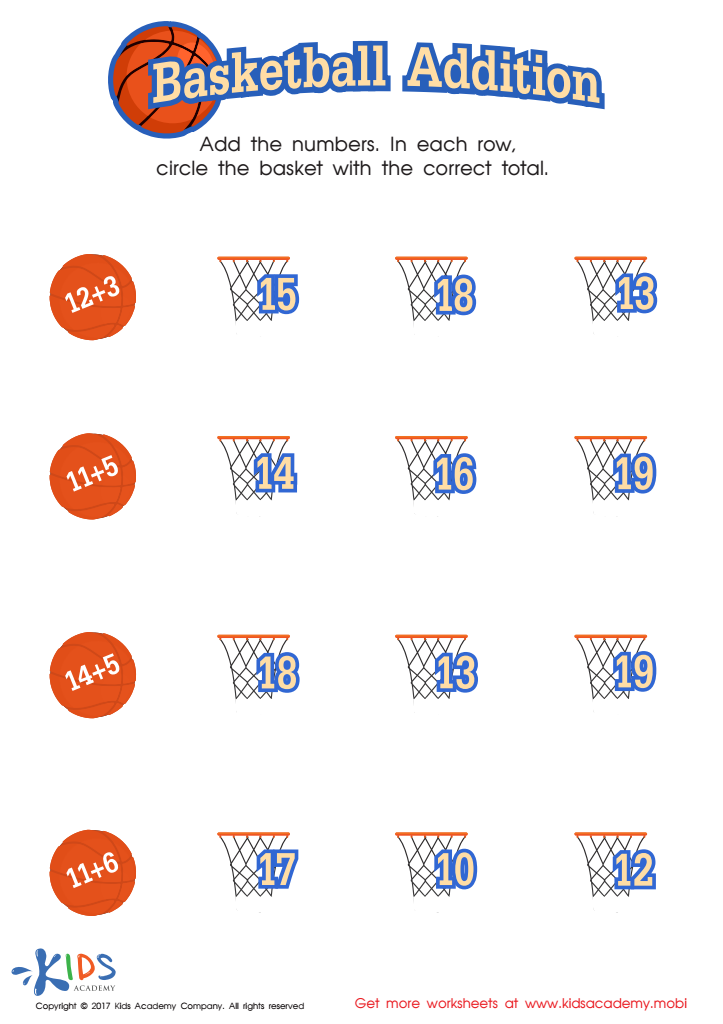
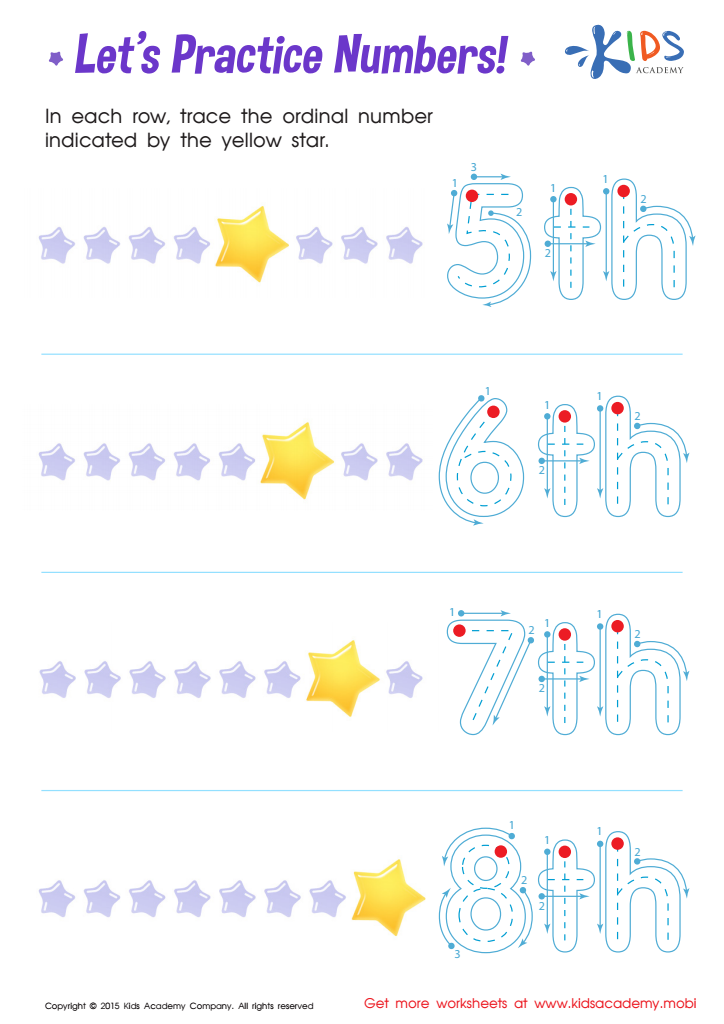
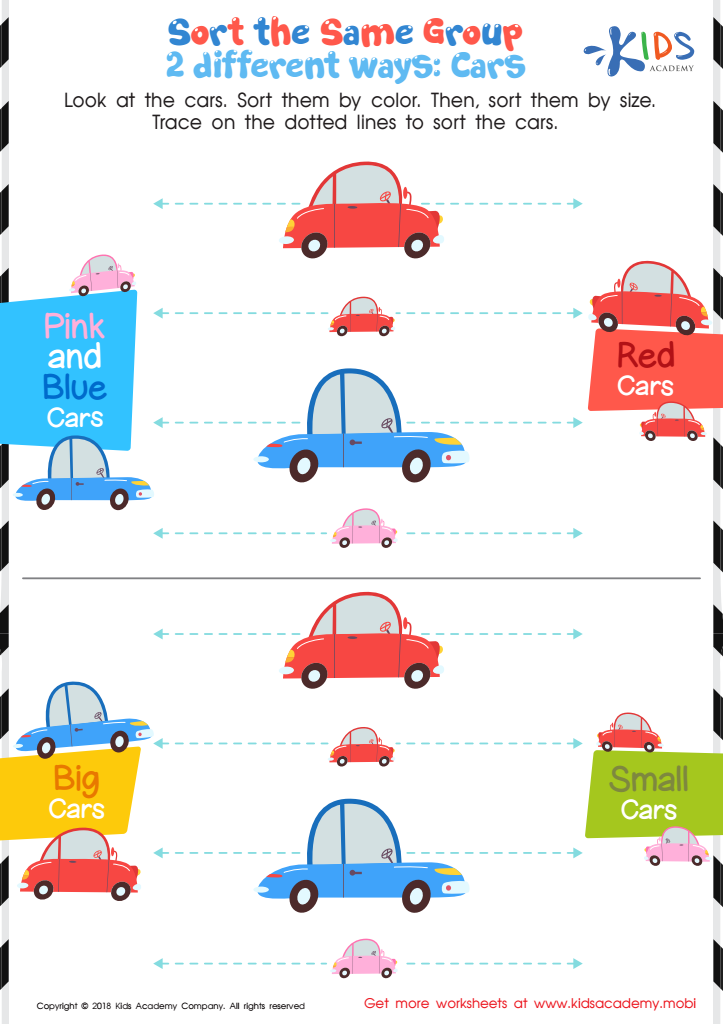
Sort the Same Group 2 Different Ways: Cars Worksheet
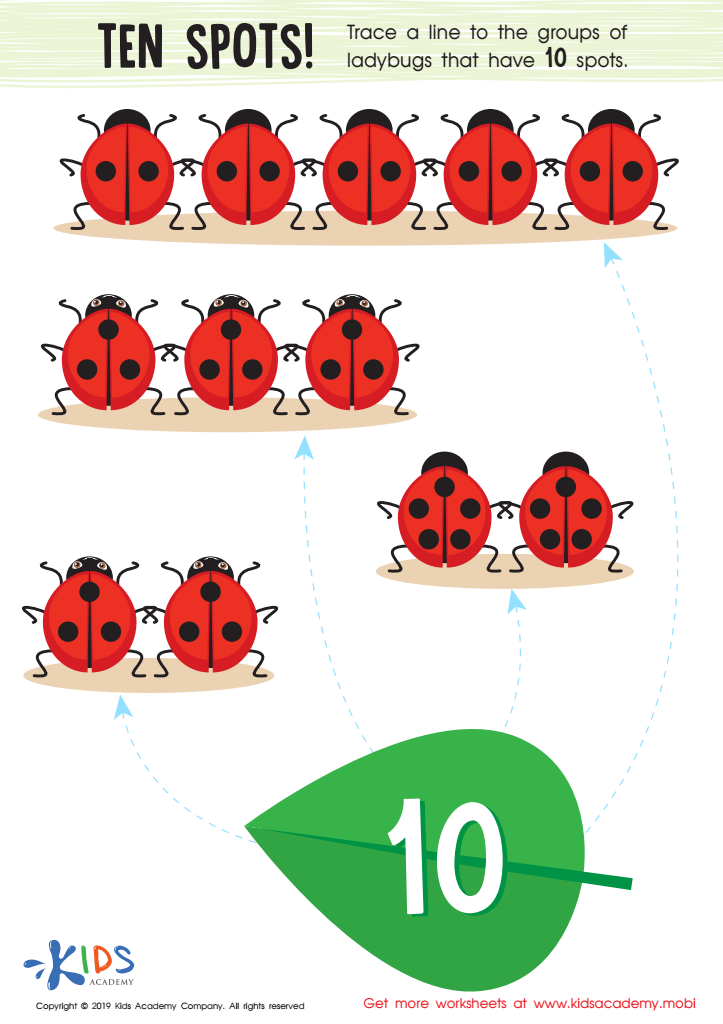
Ten Spots Worksheet
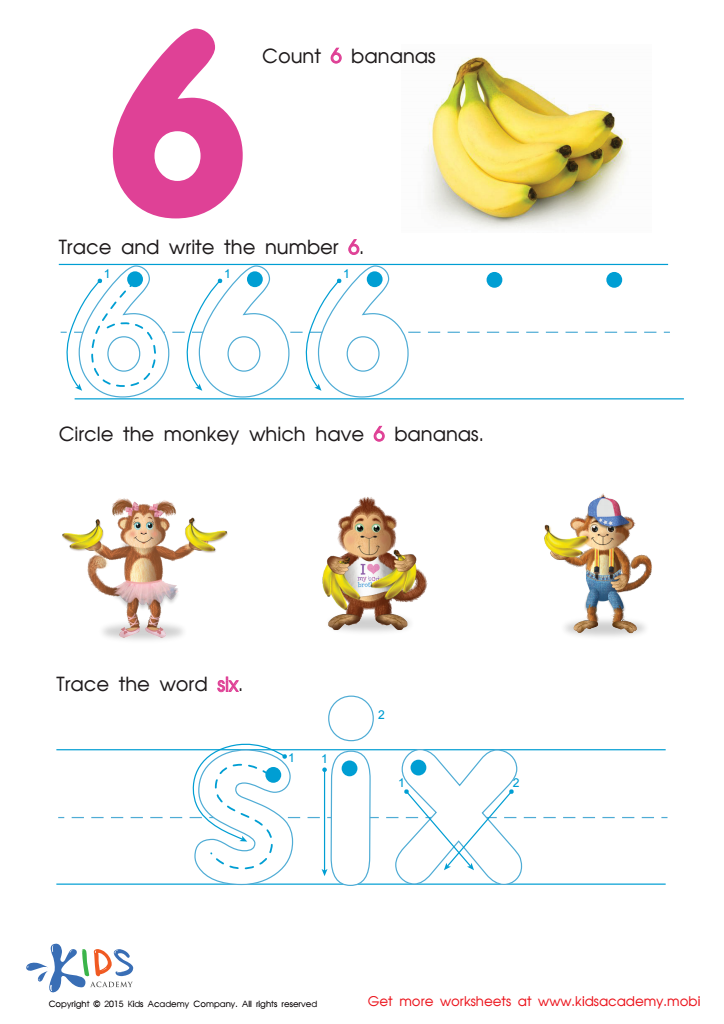
Tracing And Writing Number 6 Worksheet
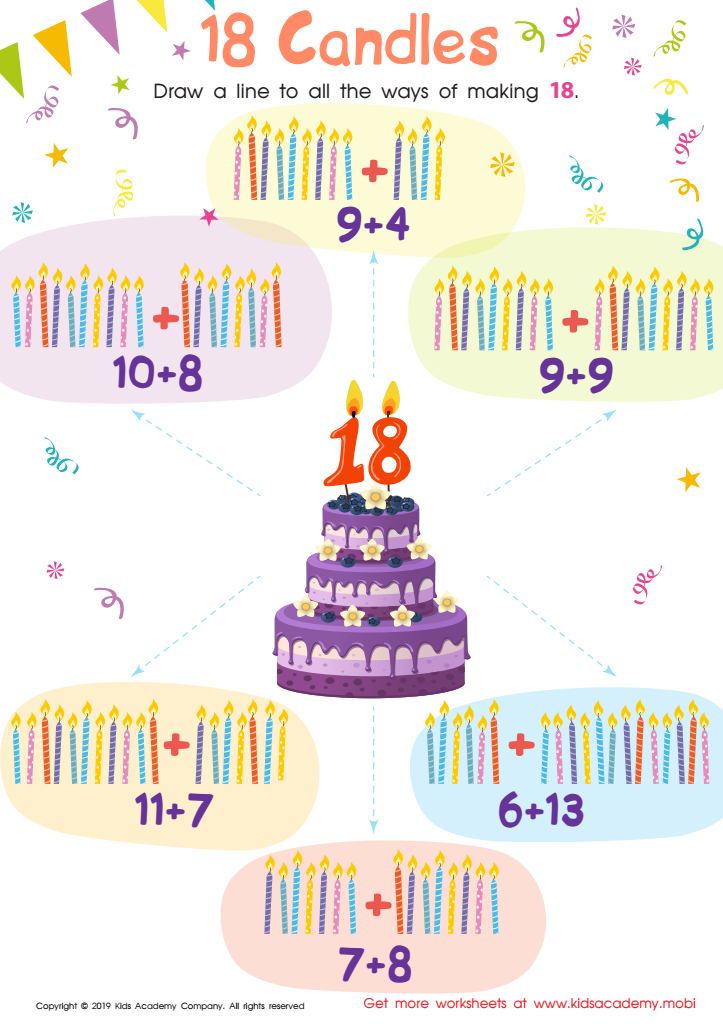
18 Candles Worksheet
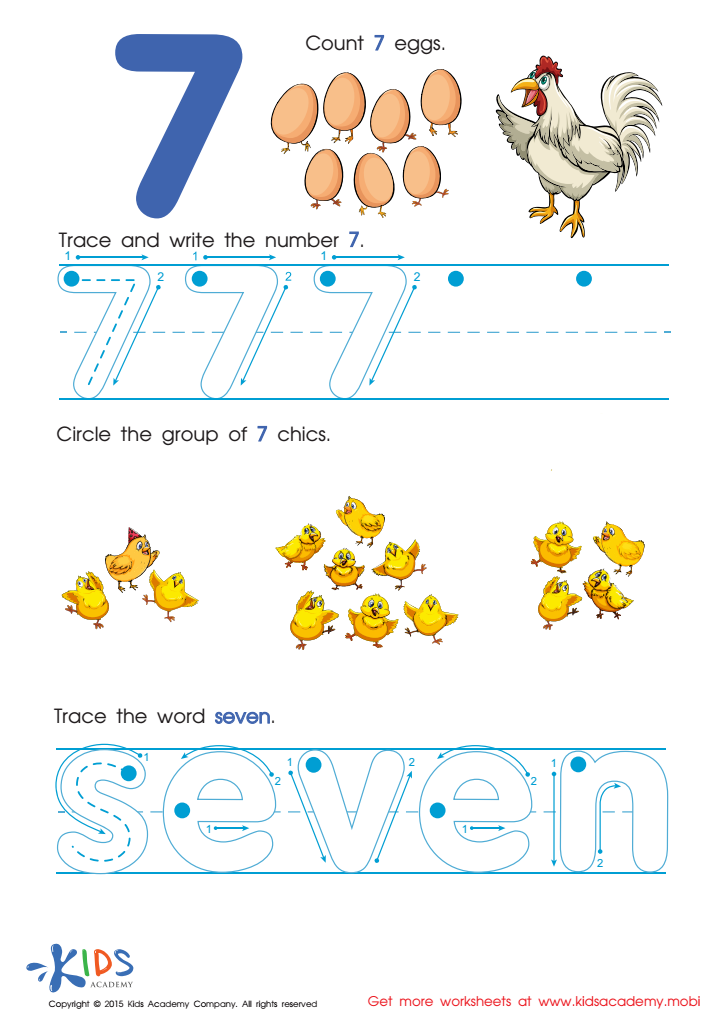
Trace And Write Number 7 with Fun Worksheet
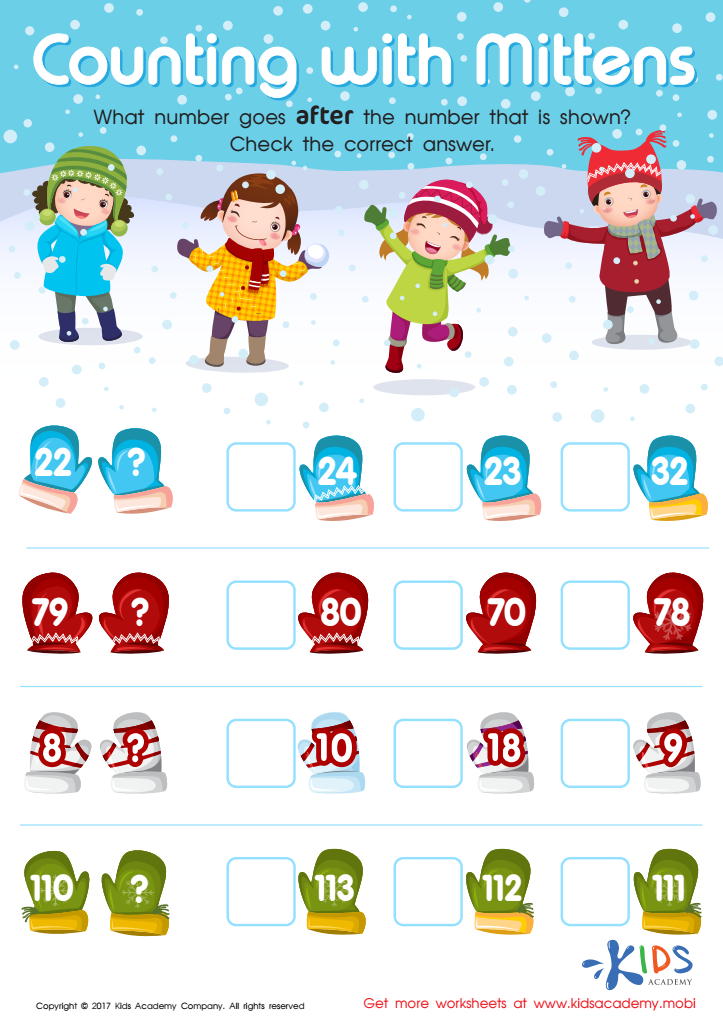
Counting with Mittens Worksheet
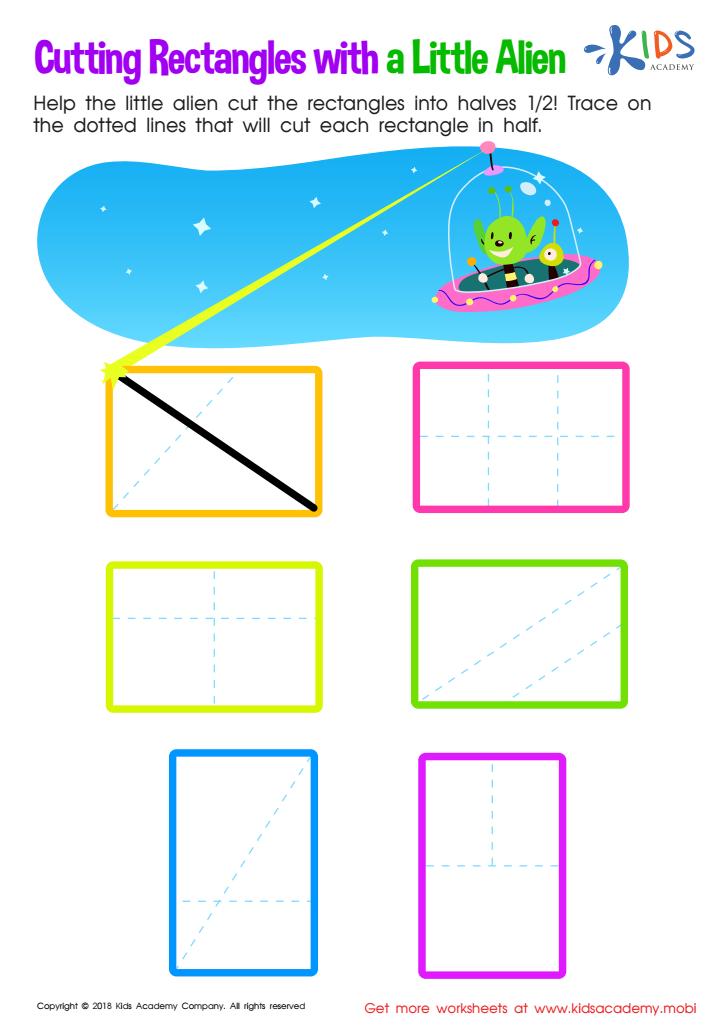
Cutting Rectangles with Alien Worksheet

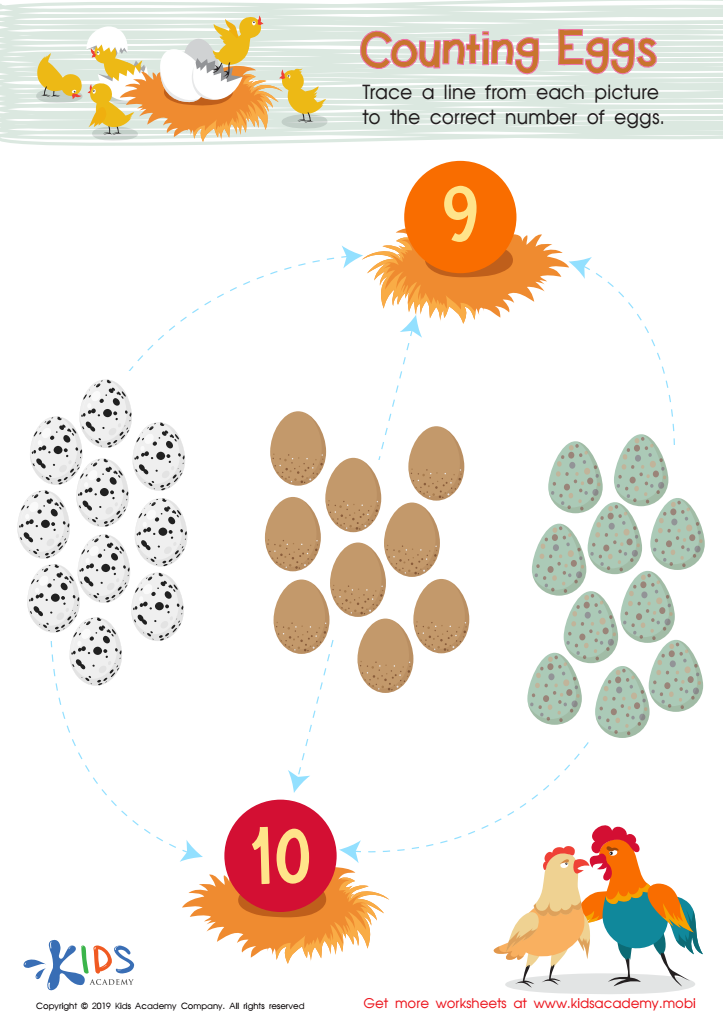
Counting Eggs Worksheet
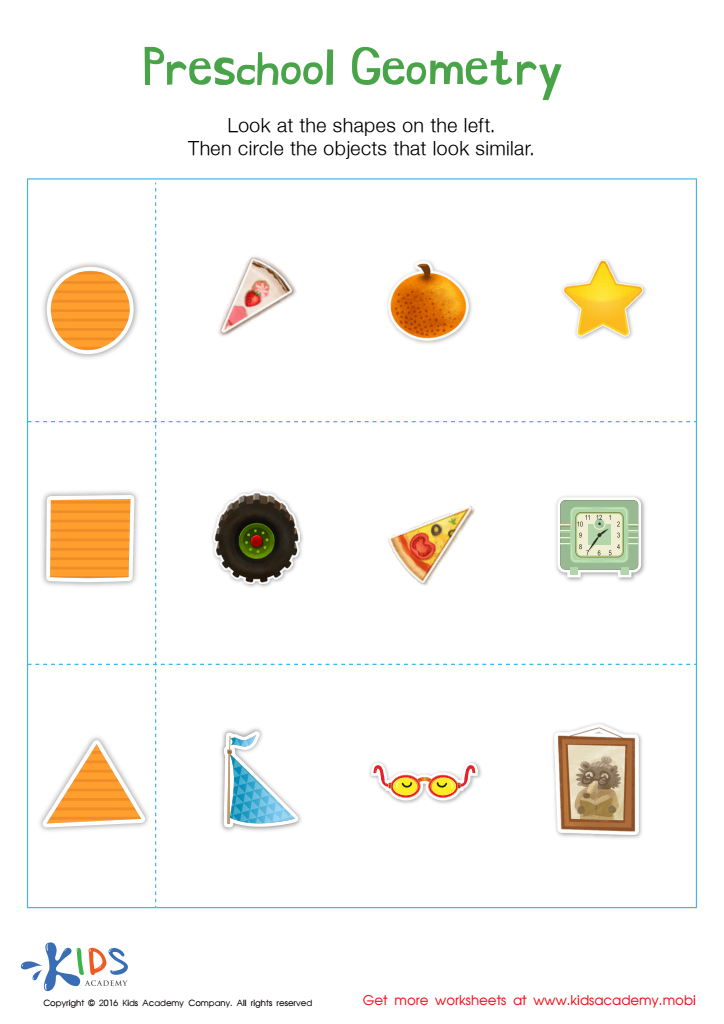
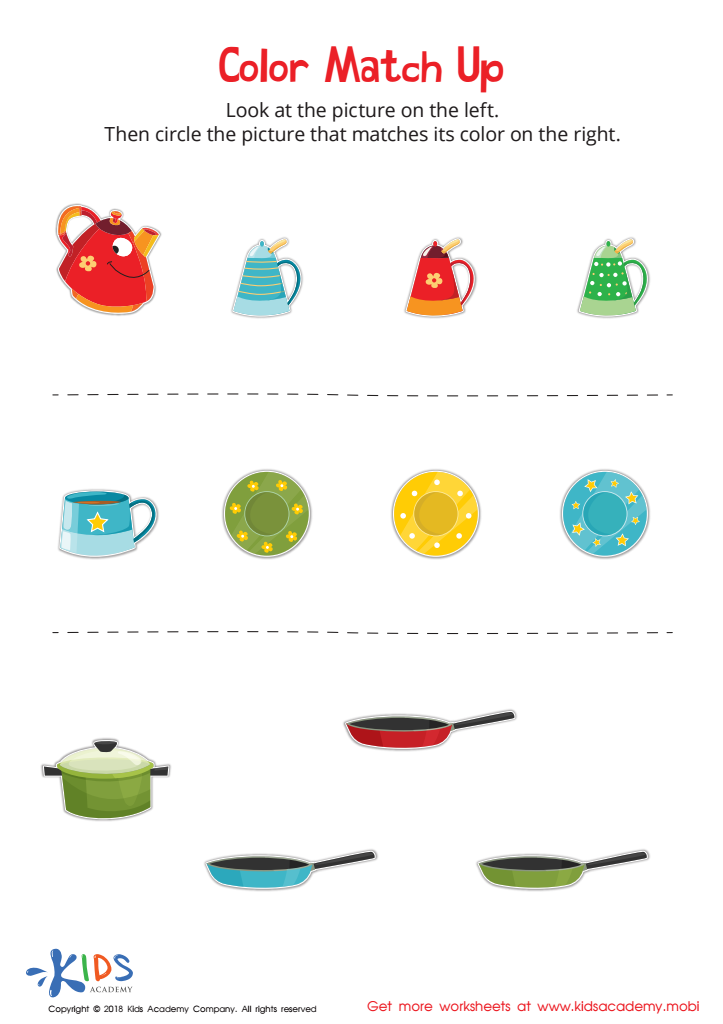
Preschool Geometry Match Up Worksheet
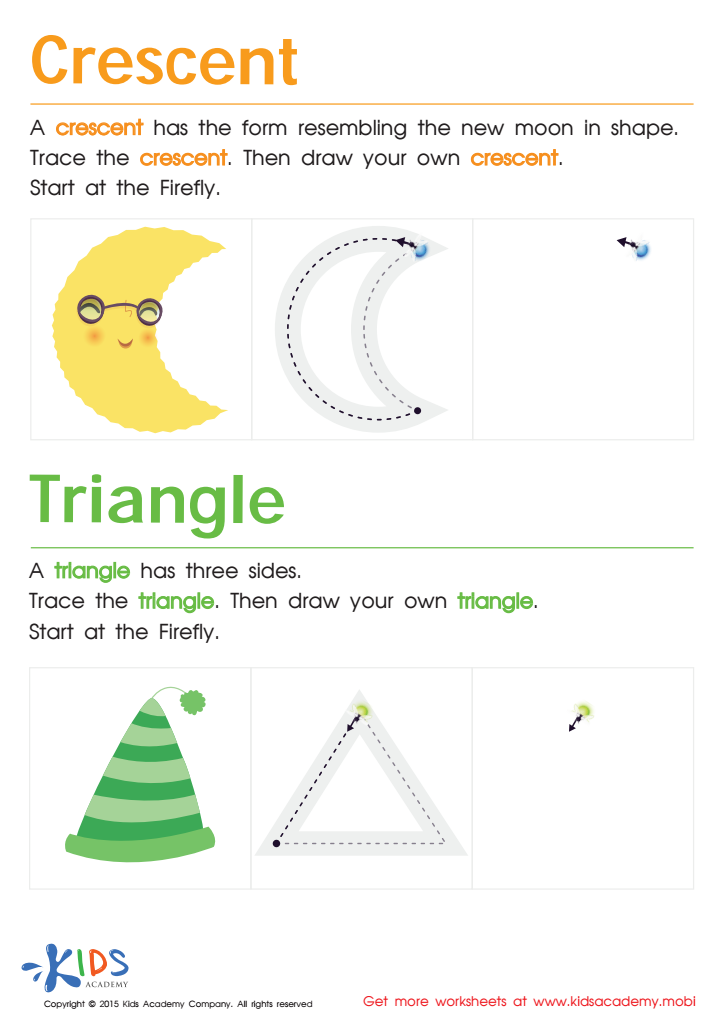
Learning to Draw Crescents And Triangles Worksheet
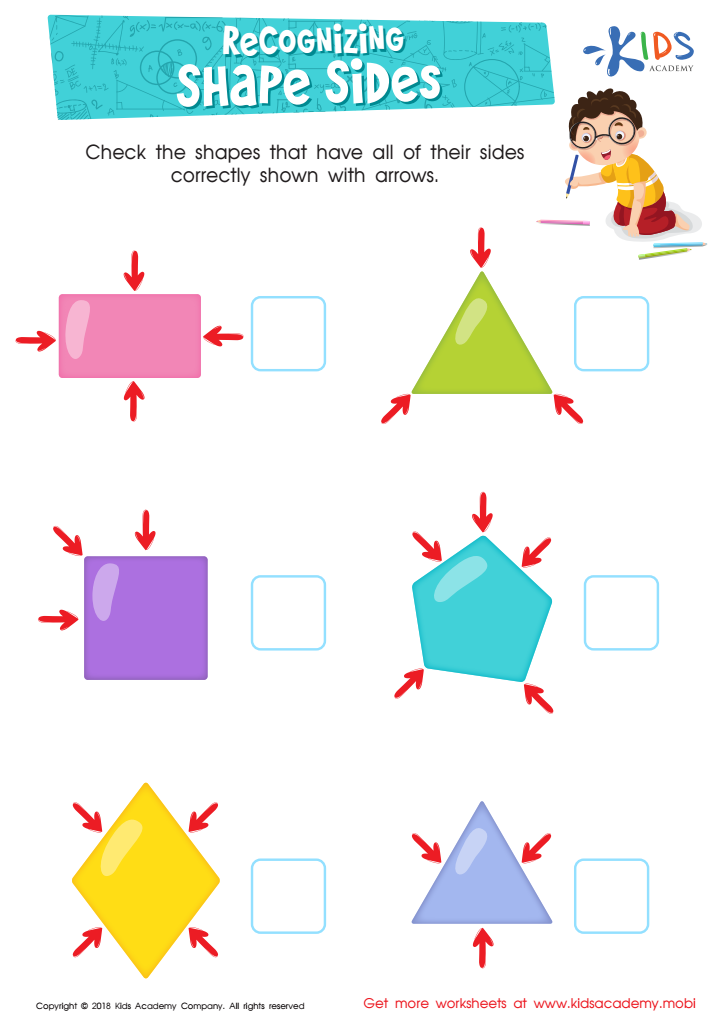
Recognizing Shape Sides Worksheet
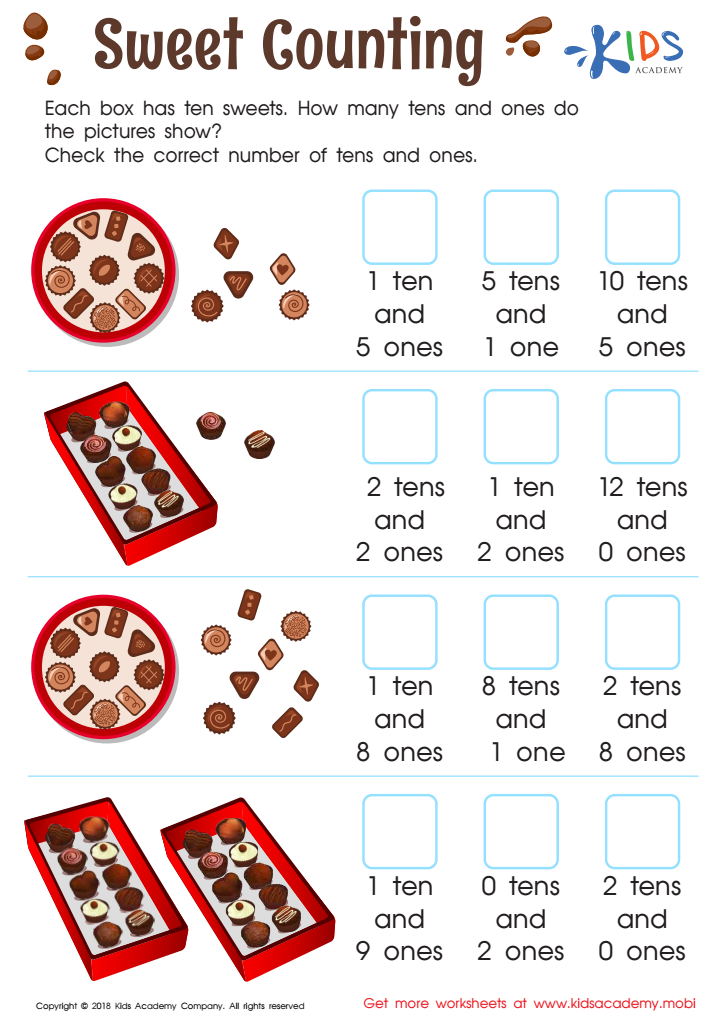
Sweet Counting - Part 2 Worksheet








Parents and teachers should prioritize fine motor skills development in children aged 3-9, particularly as these skills are crucial for normal mathematical development. Fine motor skills involve the coordination of small muscles in the hands and fingers, allowing children to manipulate objects with precision. Engaging in activities like cutting paper, drawing, and building blocks enhances these skills, laying the foundation for important mathematical concepts.
As children explore patterns, shapes, and numbers through hands-on activities that require fine motor skills, they develop spatial awareness and number recognition. For instance, using counters to practice counting involves pinching and grasping, enhancing dexterity while reinforcing mathematical understanding. When children improve their fine motor skills, they also build confidence and independence—key components in their learning journey.
Strong fine motor abilities support more complex tasks like writing and solving math problems, reducing frustration and increasing engagement in STEM activities. In promoting fine motor skills, parents and teachers facilitate a more holistic approach to education that underlines the interconnection between physical coordination and cognitive development, ultimately setting children on a path toward academic success. Investing in these skills now equips children with essential tools they will use throughout their educational journey and beyond.








