Normal Multiplication Worksheets for Ages 3-9 - Page 2
46 filtered results
-
From - To
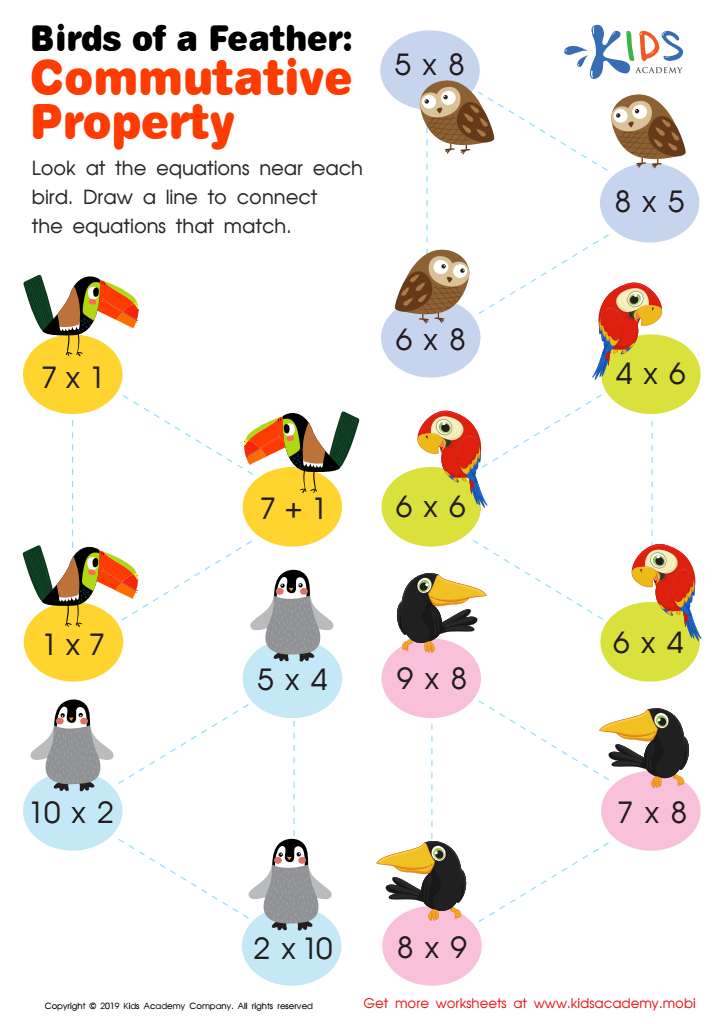
Birds of a Feather: Commutative Property Worksheet
 Assign to My Students
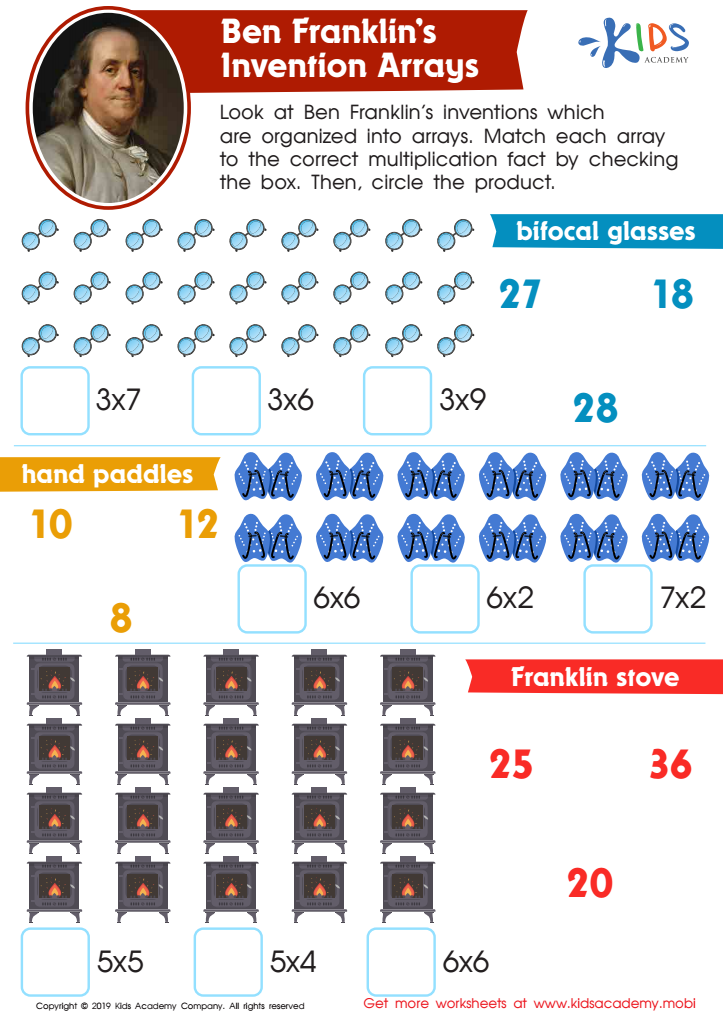
Ben Franklin’s Invention Arrays Worksheet
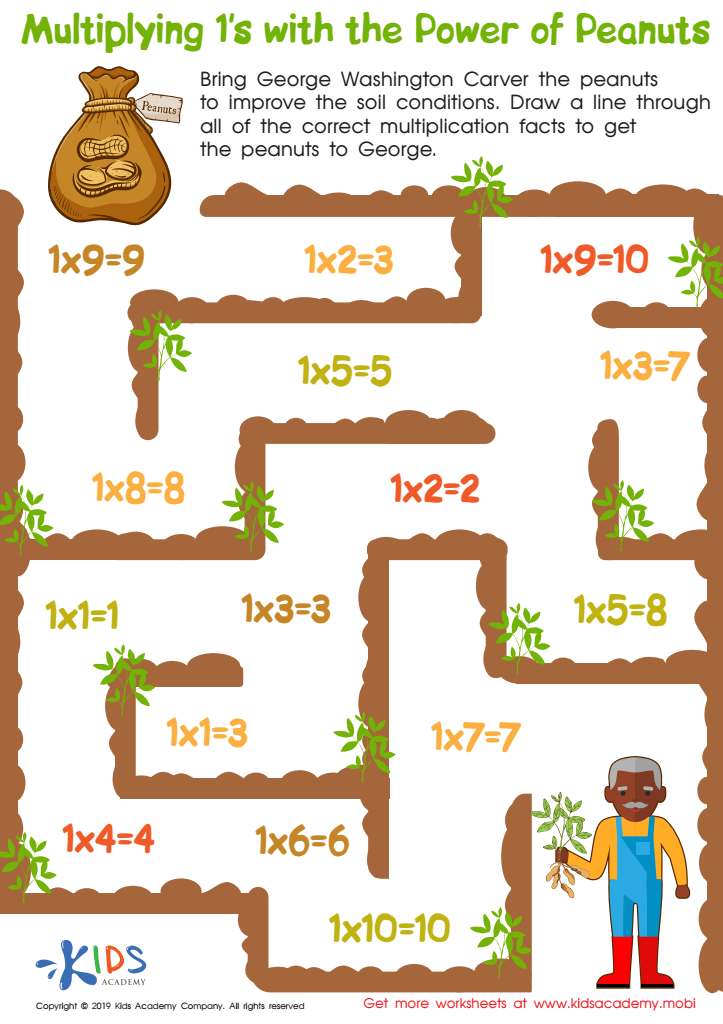
Multiplying 1’s With the Power of Peanuts Worksheet
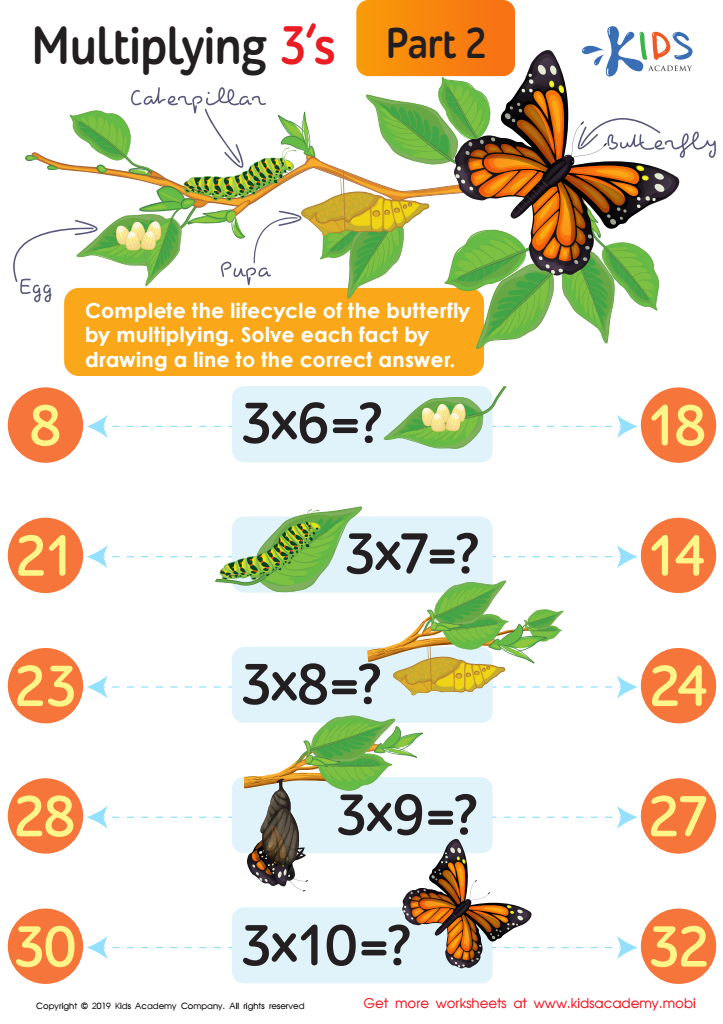
Multiplying 3s Part 2 Worksheet
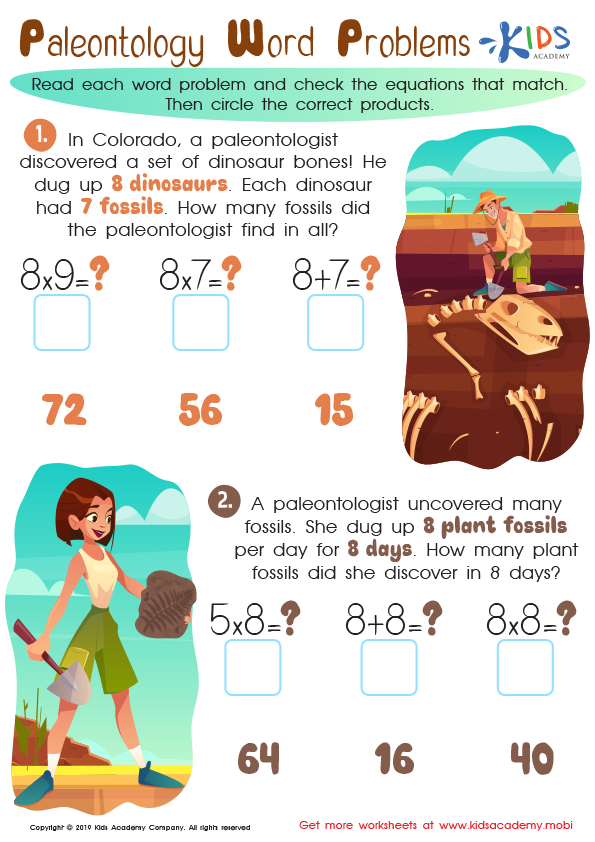
Archeology Word Problems Worksheet
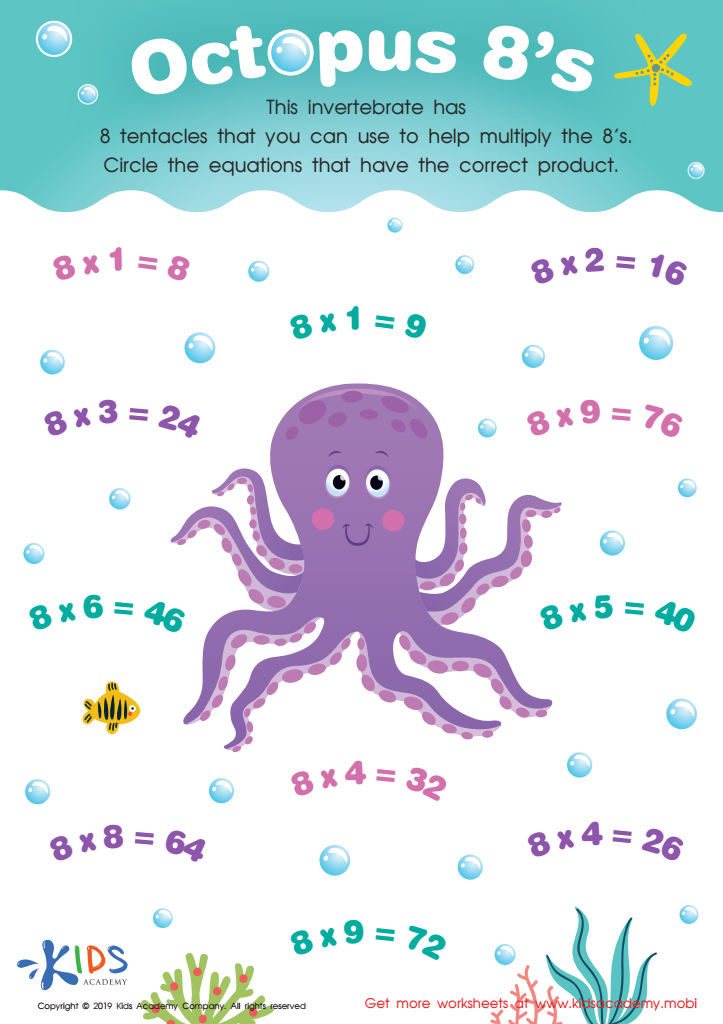
Octopus 8’s Worksheet
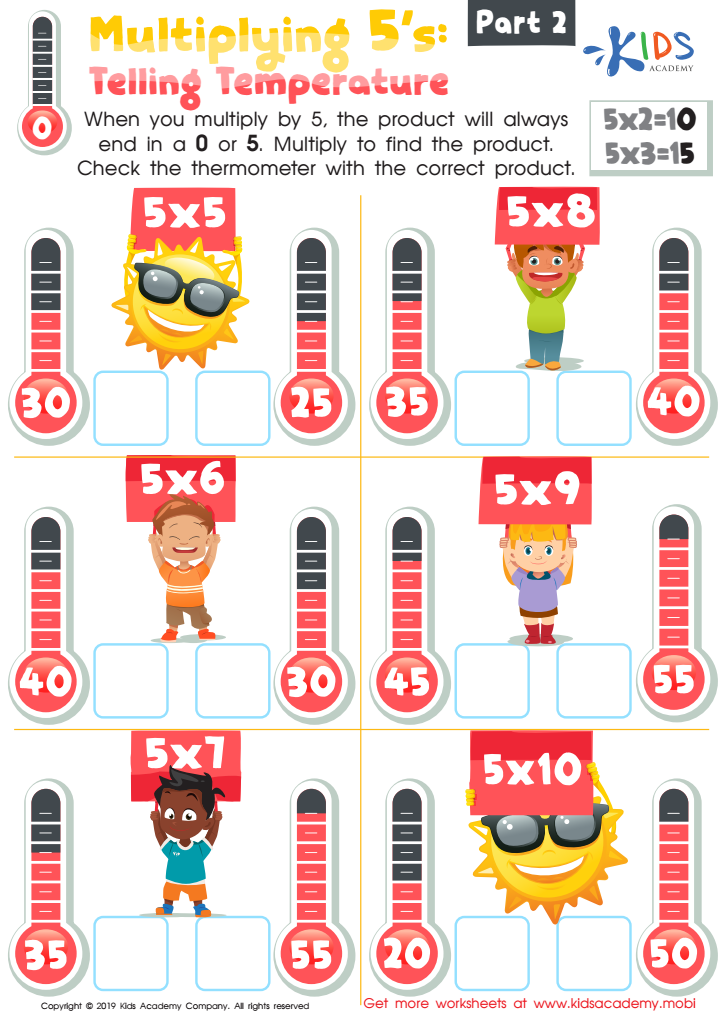
Multiplying 5’s: Telling Temperature Part 2 Worksheet
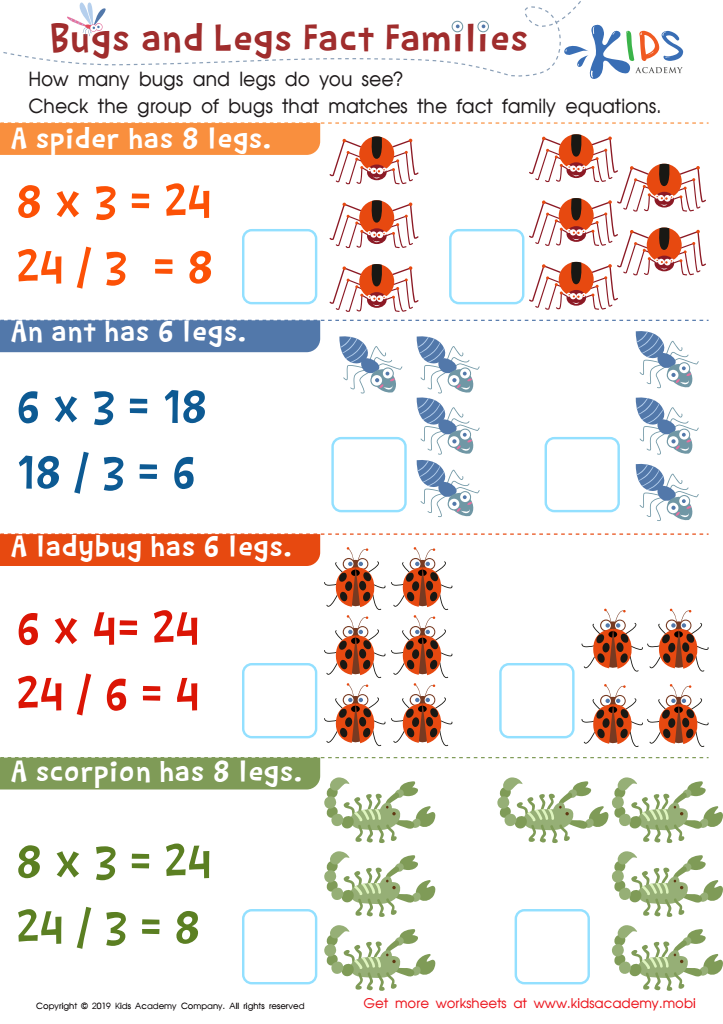
Bugs and Legs Fact Families Worksheet
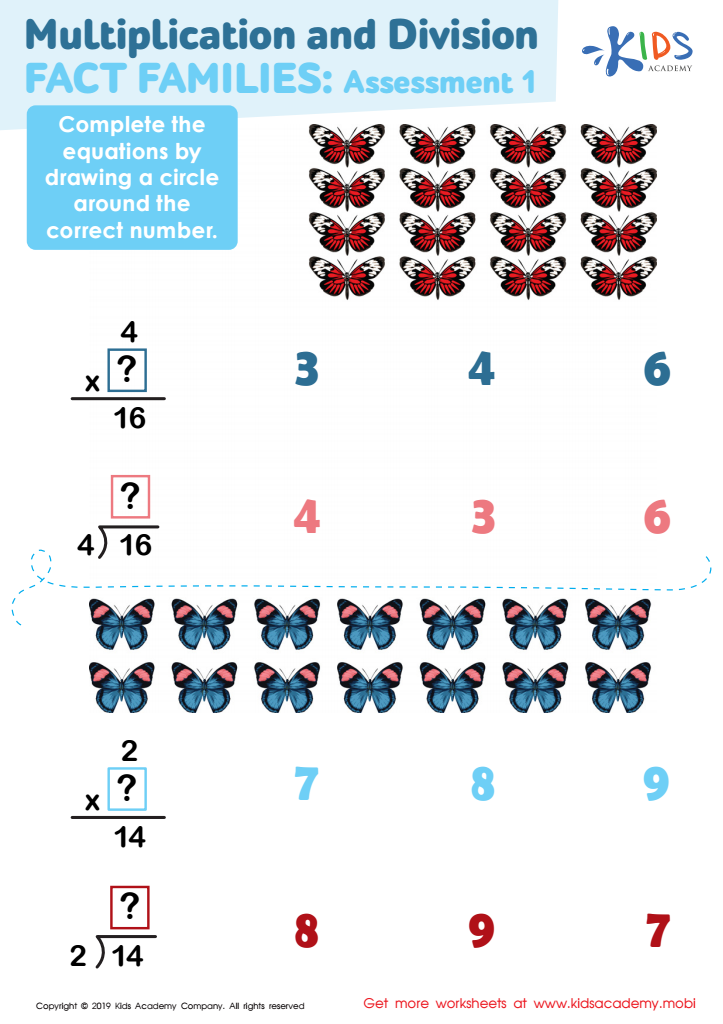
Multiplication and Division Fact Families Assessment 1 Worksheet
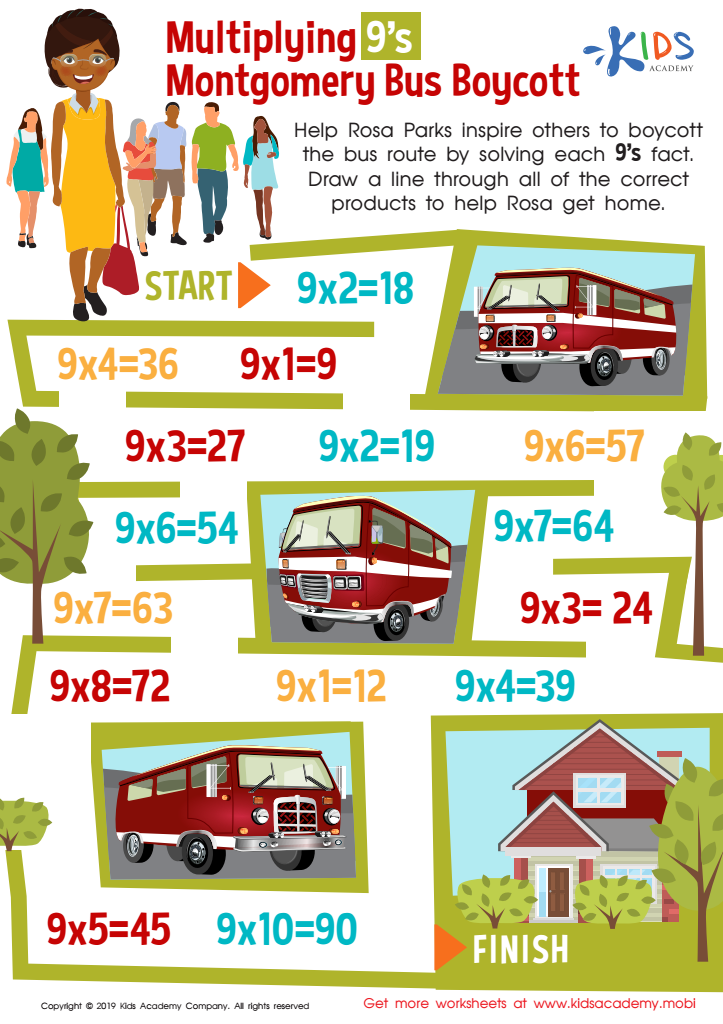
Multiplying 9’s Montgomery Bus Boycott Worksheet
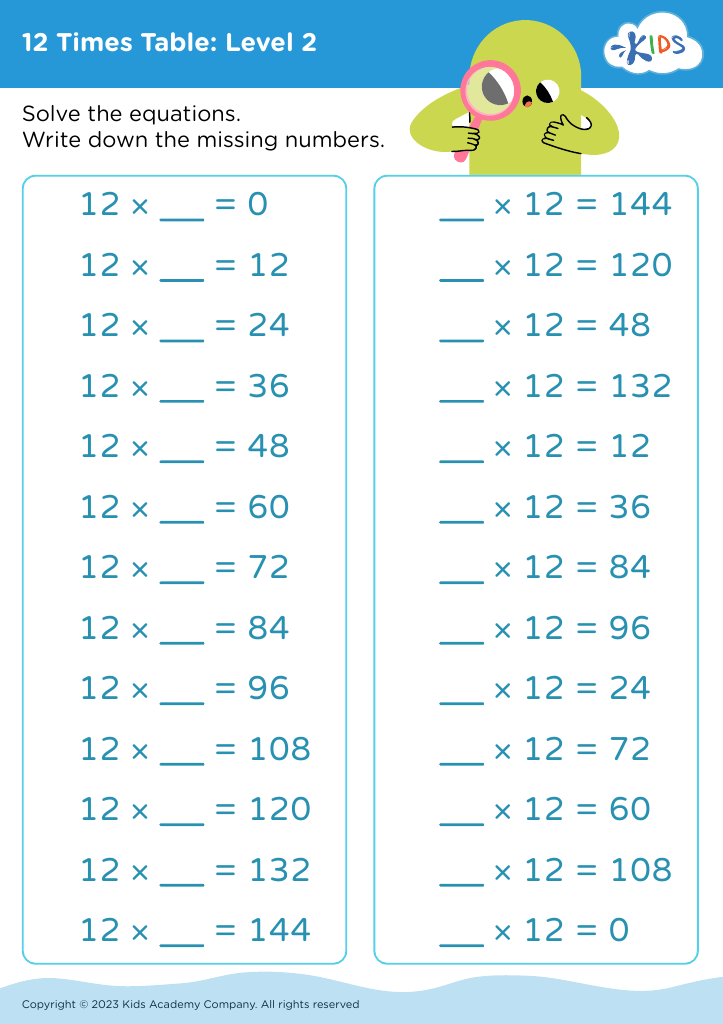
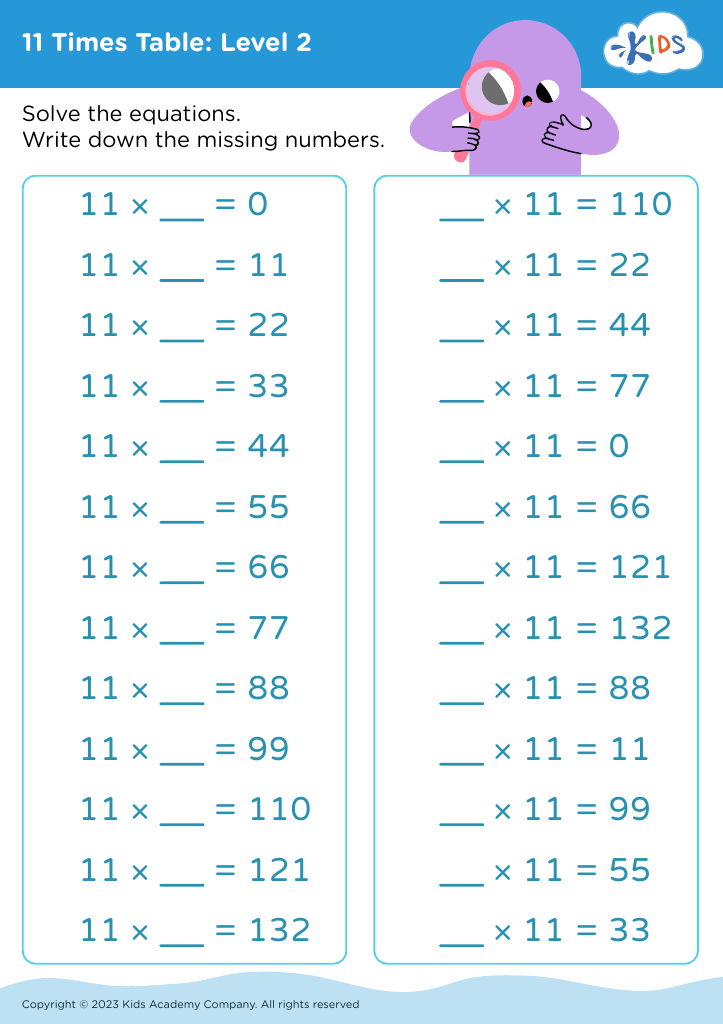
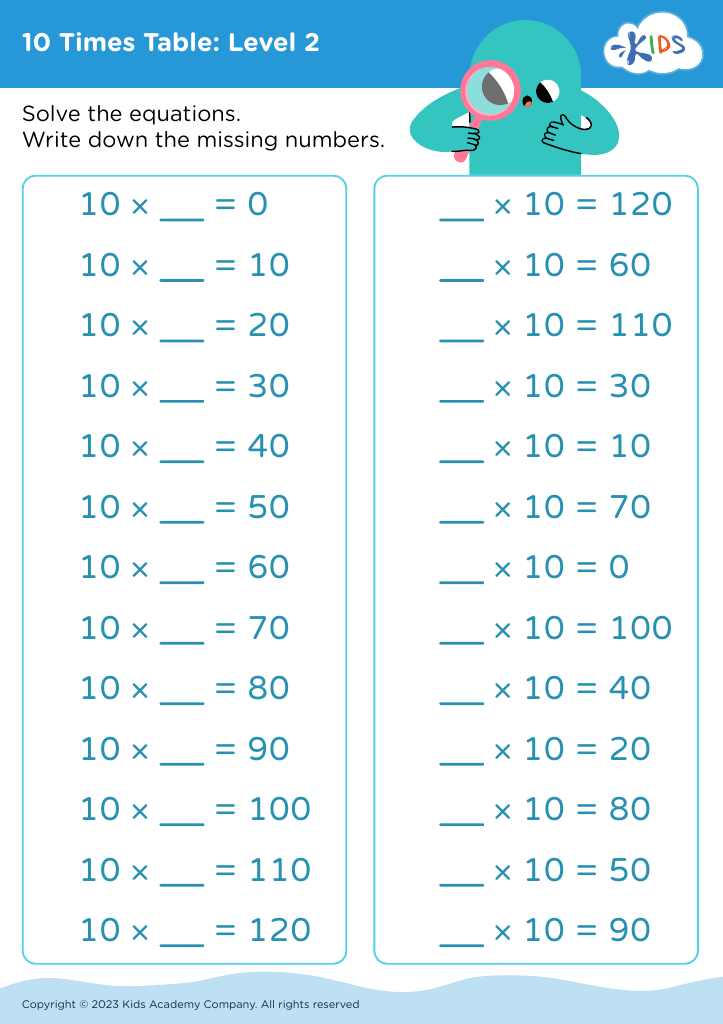
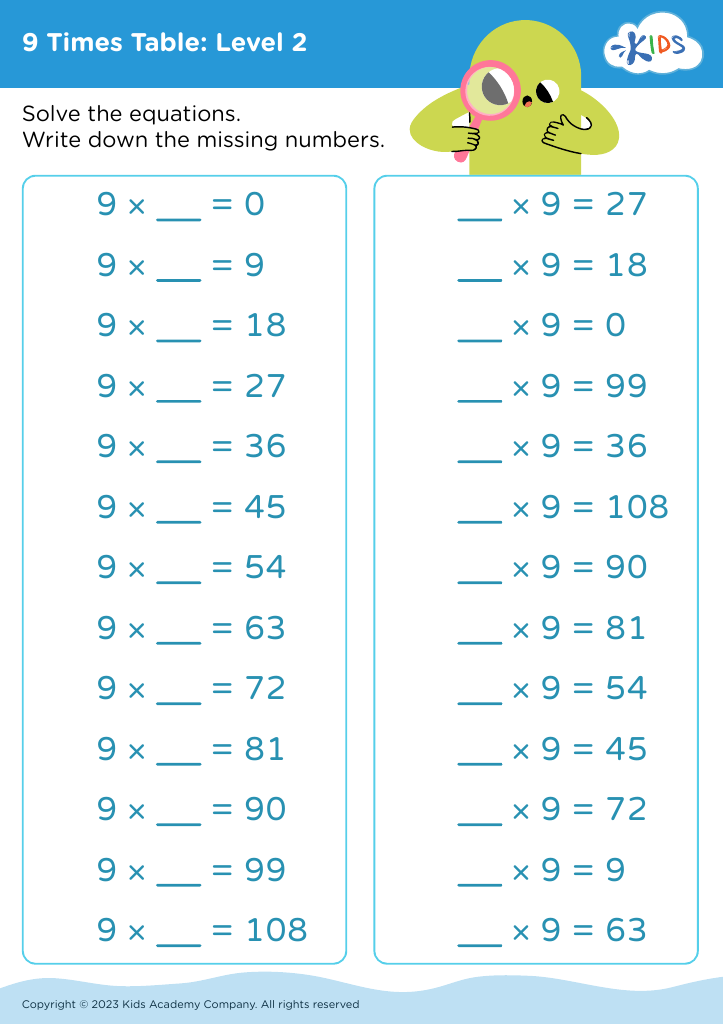
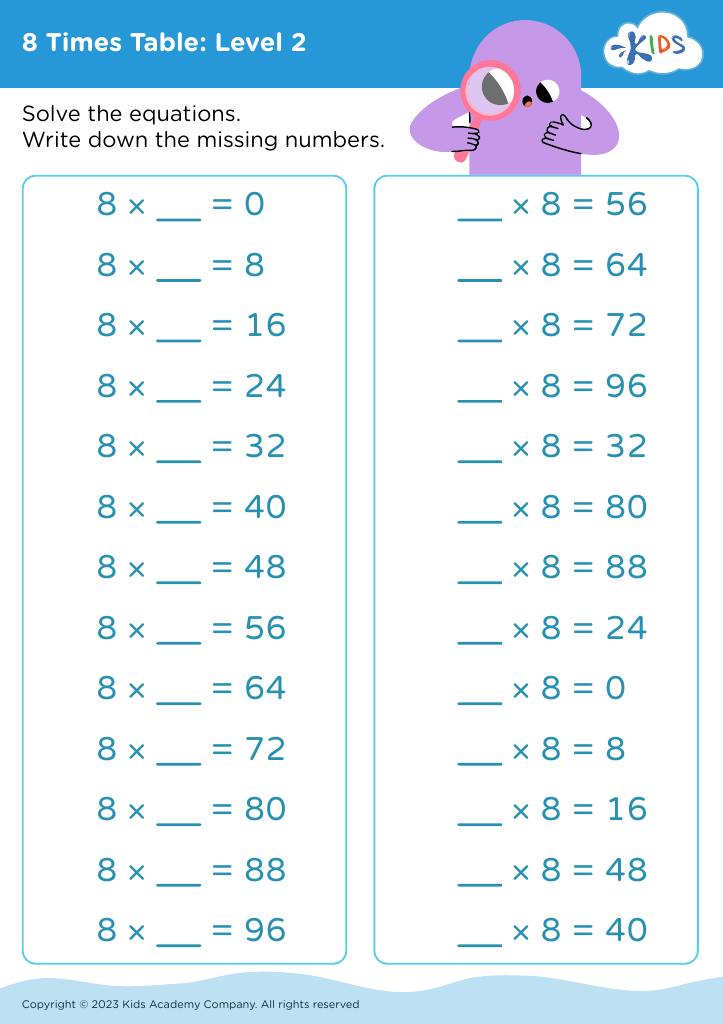
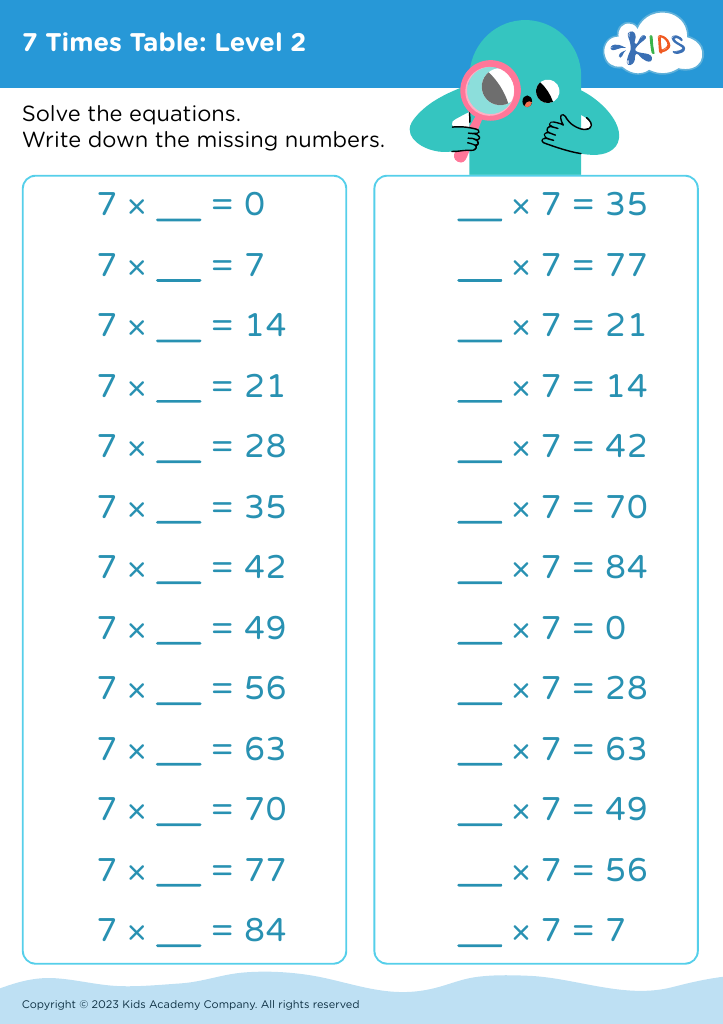
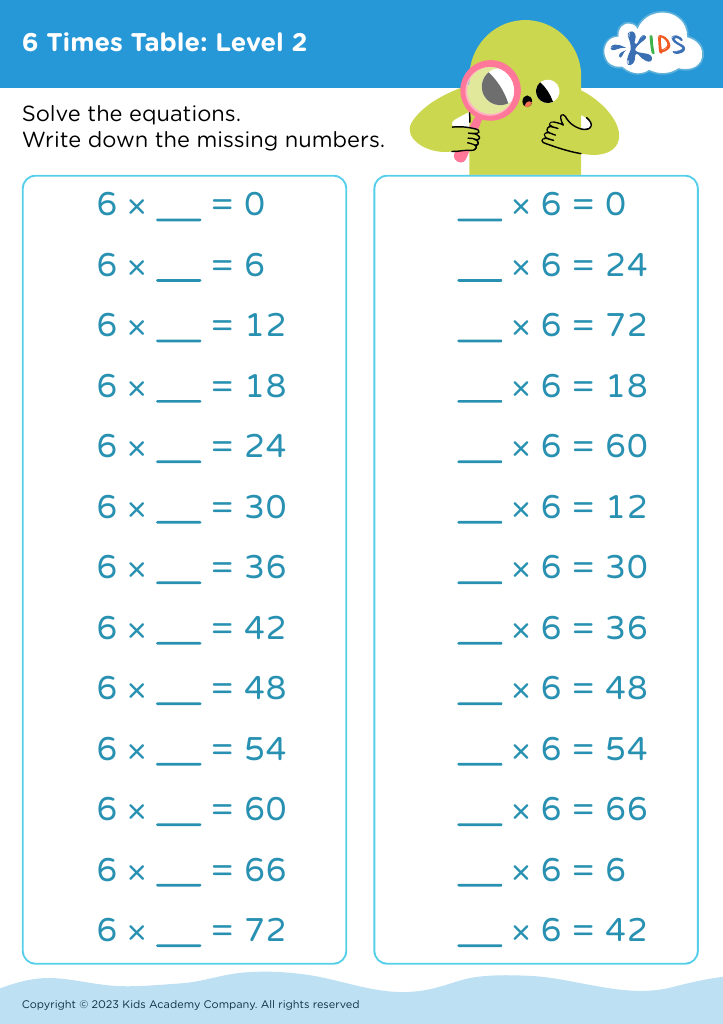
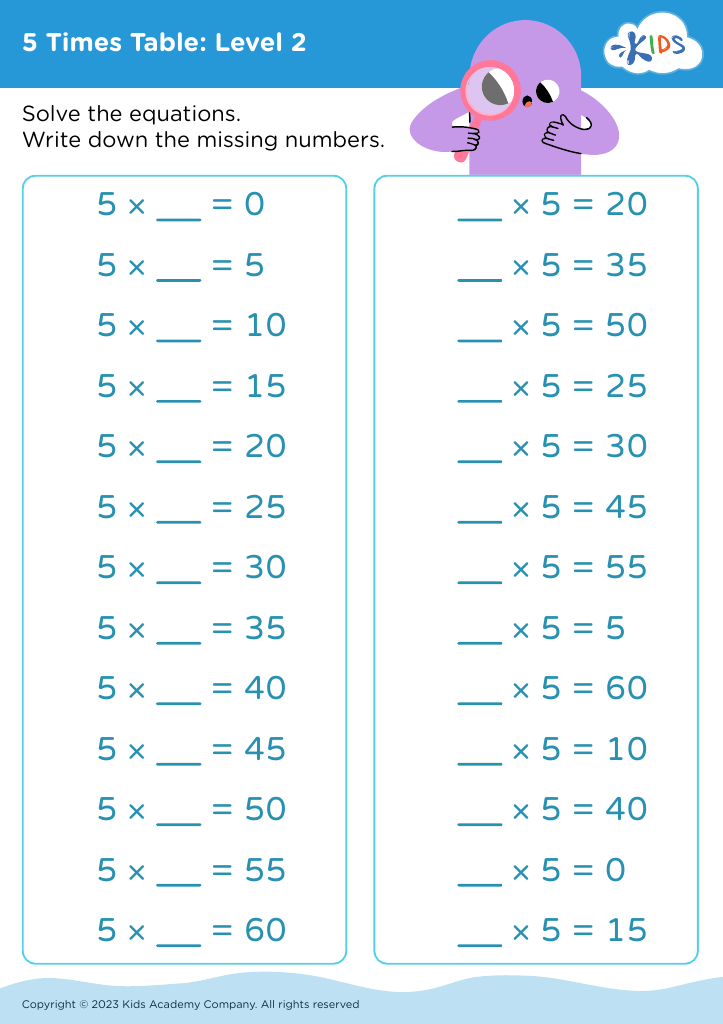
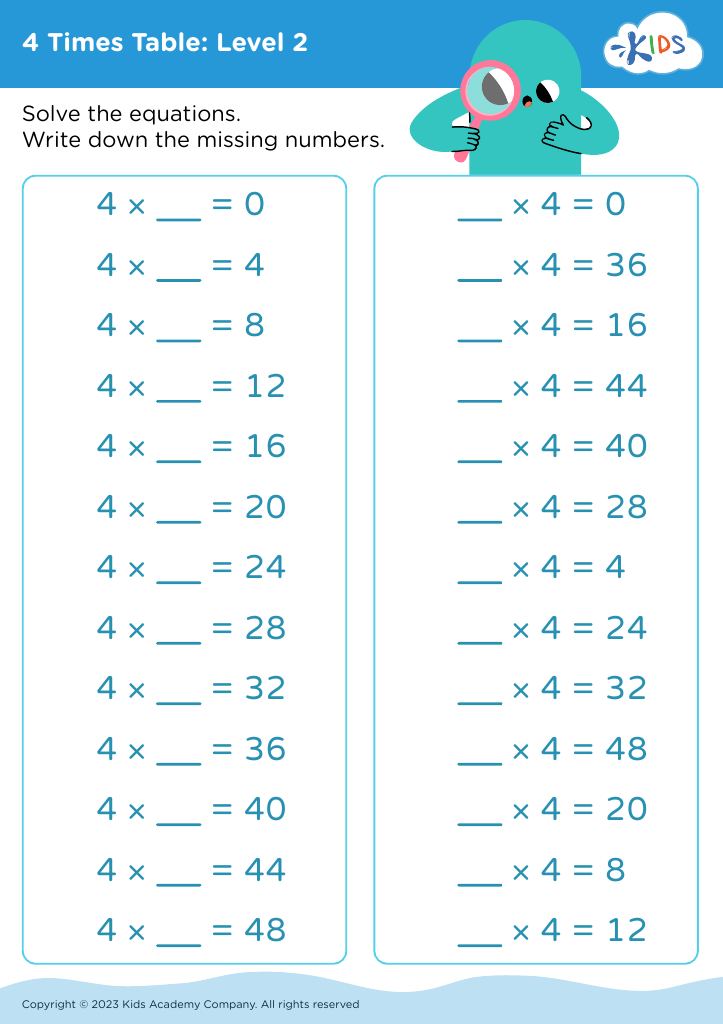
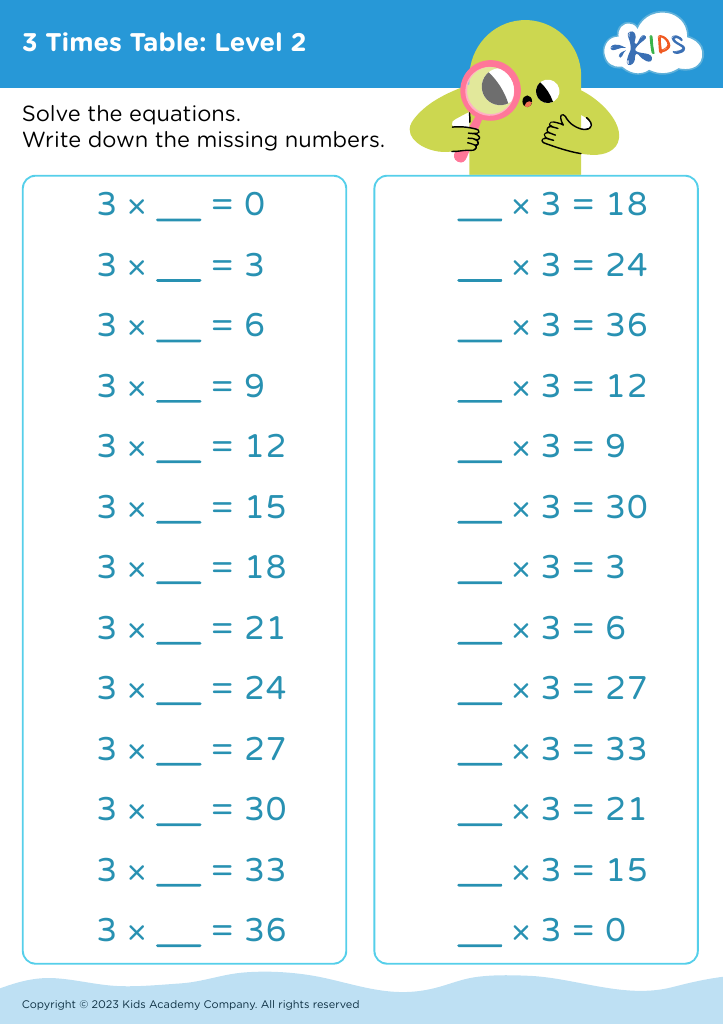
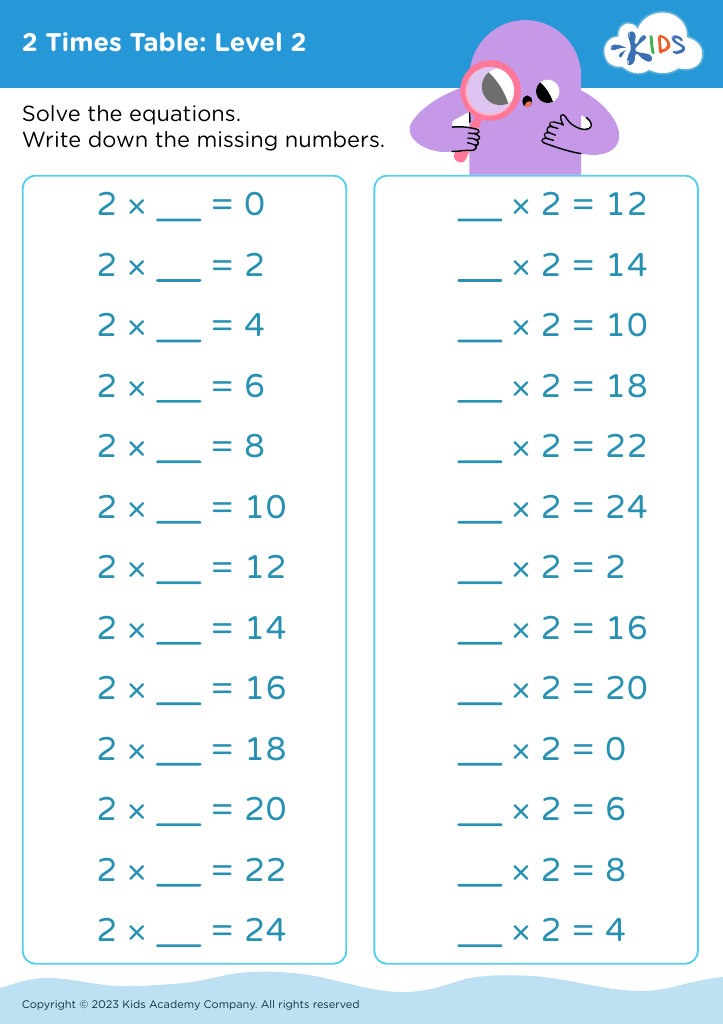
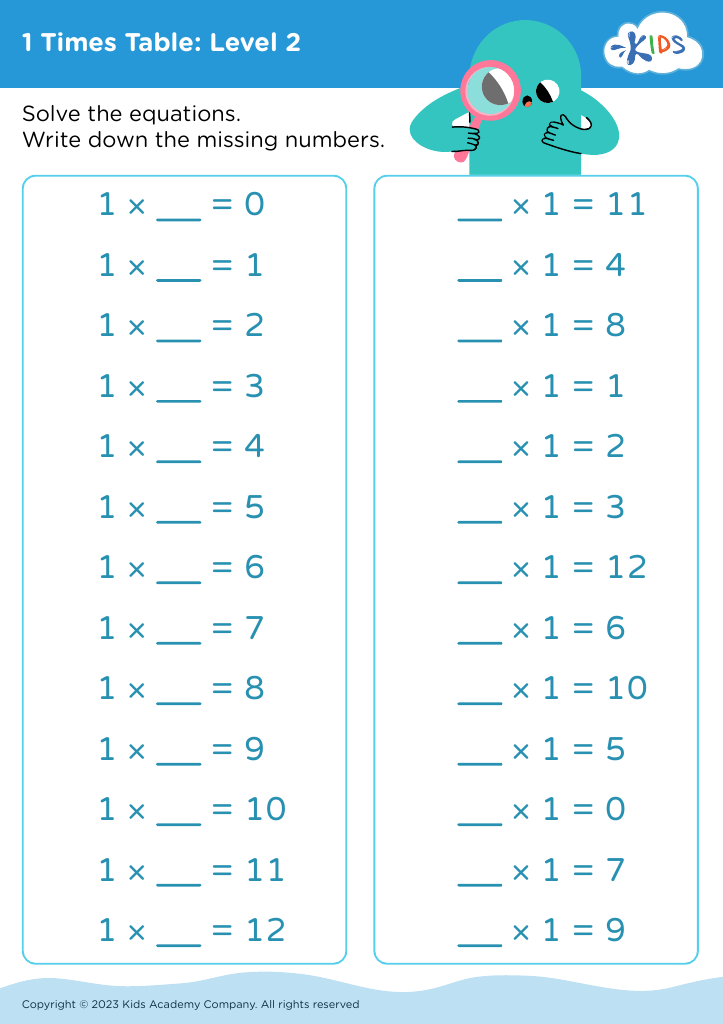








Understanding and internalizing normal multiplication from an early age, specifically between the ages of 3 to 9, is crucial for several important reasons. For one, it establishes foundational numeracy skills that are pivotal for tackling more complex mathematical concepts in the future, such as division, fractions, and algebra. This foundational competency nurtures confidence and reduces anxiety towards math, which can foster a positive attitude toward learning in general.
Cognitively, engaging with multiplication enhances critical thinking, problem-solving skills, and pattern recognition. When children comprehend the idea of repeated addition as multiplication, they develop a flexible perspective on numbers and operations, promoting a deeper understanding of mathematical relationships. For young learners, mastering the basics of multiplication aids in everyday practical tasks such as counting, measuring, and understanding proportions.
Lastly, from a socio-emotional standpoint, early success in multiplication — often perceived as challenging — can greatly boost self-esteem. Reinforcement from parents or teachers during this learning stage helps children feel more secure and supported, establishing teamwork and encouraging lifelong learning habits.
Thus, normal multiplication is not simply about computing products but building a robust foundation for future academic and real-world endeavors. Teaching this skill early on ensures that children are adept and prepared for later mathematical challenges and practical situations.








