Normal Two-step Word Problems Worksheets for Ages 3-9
13 filtered results
-
From - To
Unlock essential math skills for your little ones with our Normal Two-step Word Problems Worksheets, designed specifically for ages 3-9. These engaging worksheets help children build problem-solving abilities by presenting relatable, real-life scenarios. Each activity encourages critical thinking, as kids learn to analyze questions, identify operations, and work through two-step problems towards a solution. Ideal for classroom or home use, our worksheets cater to various learning styles, making math fun and accessible. Foster a love for learning and confidence in mathematics with these interactive, age-appropriate challenges. Start your child’s math journey today and watch them thrive!
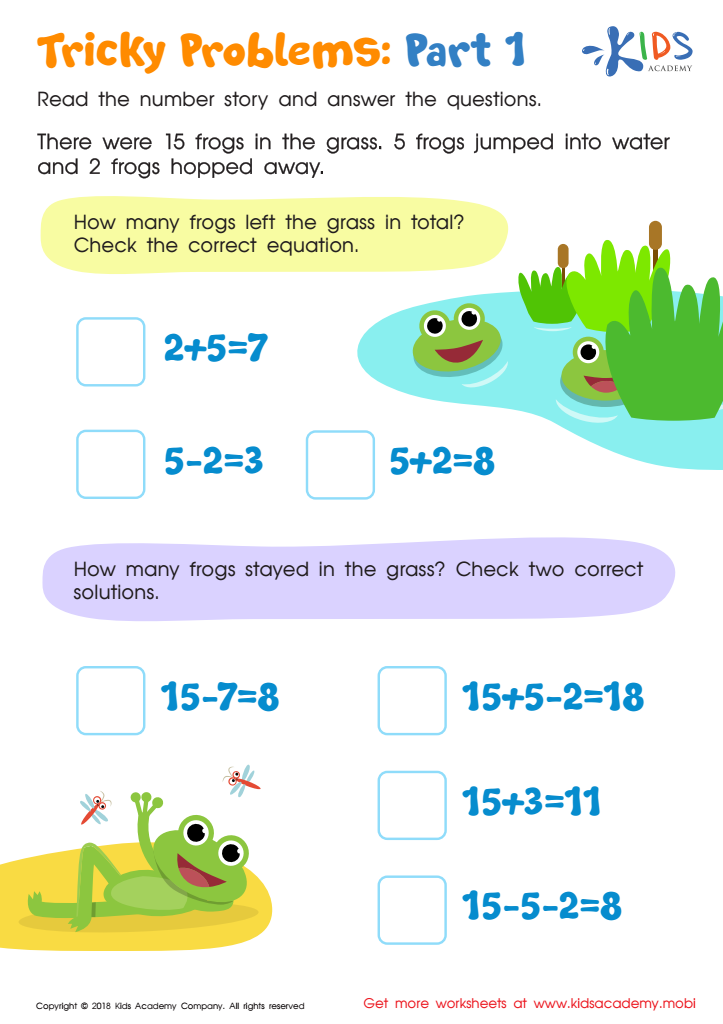
Tricky Problems Worksheet: Part 1
 Assign to My Students
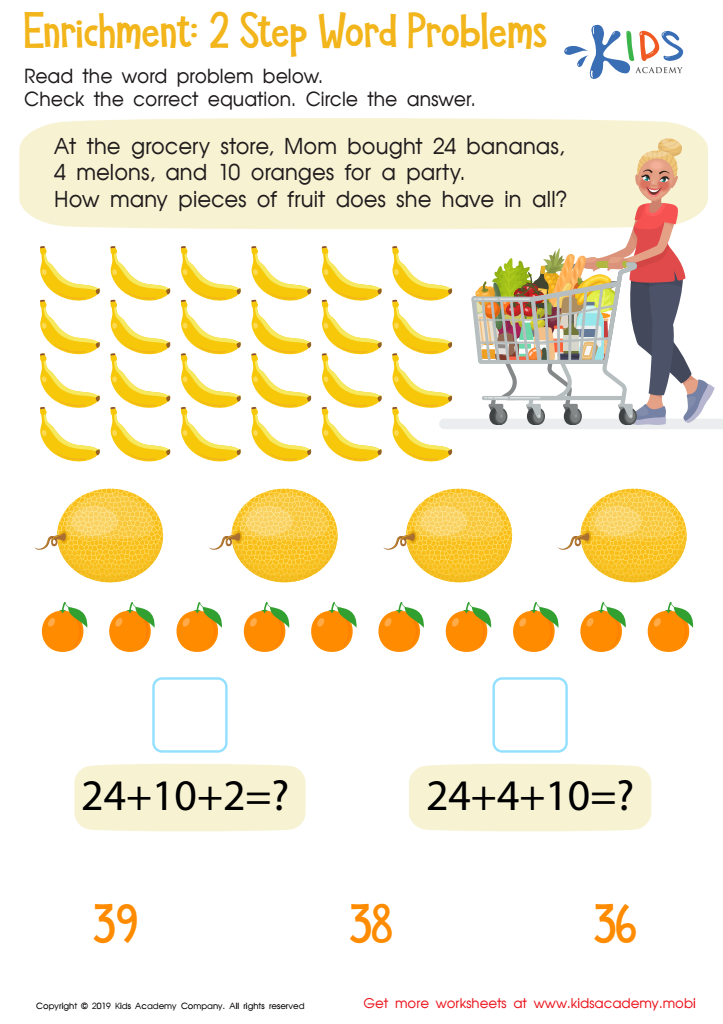
Enrichment -2 Step Word Problems Worksheet
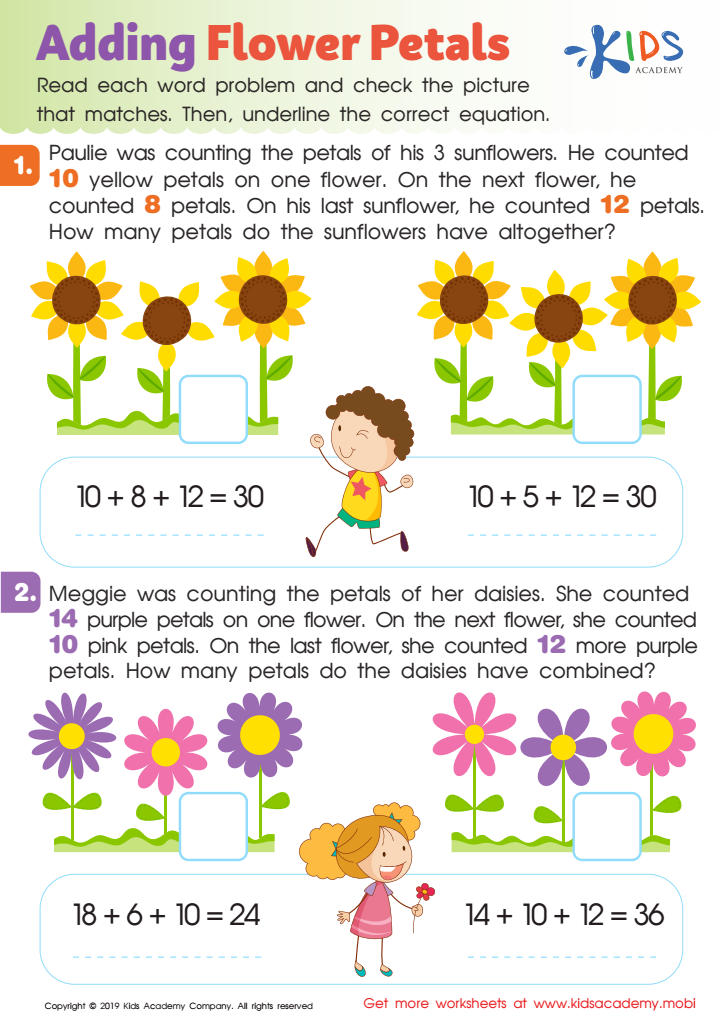
Adding Flower Petals Worksheet
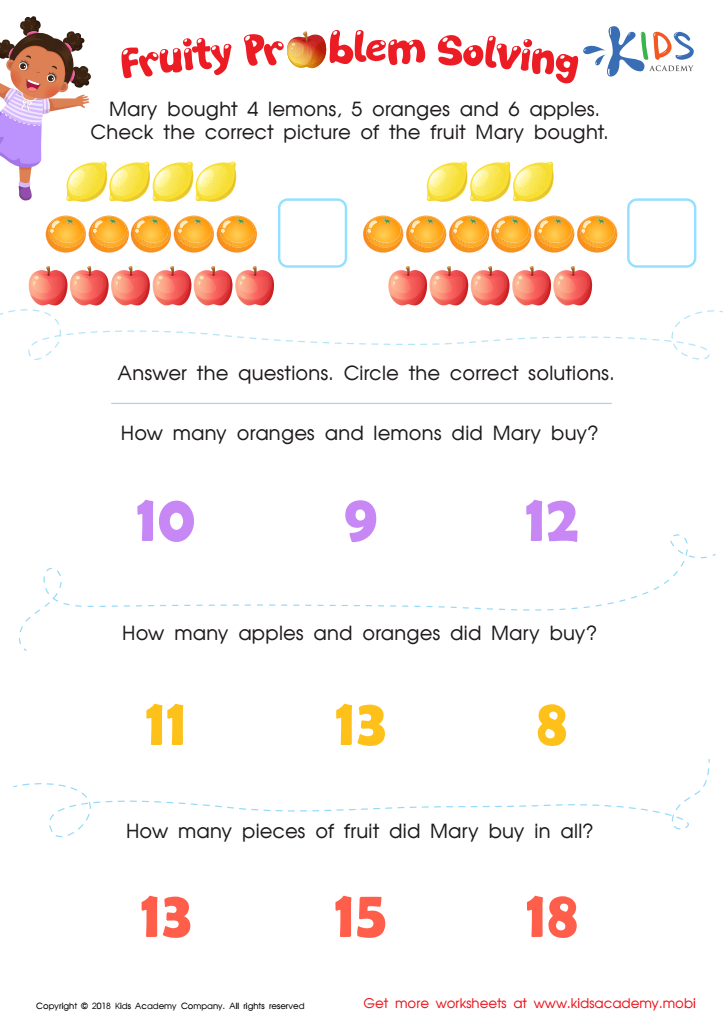
Fruity Problem Solving Worksheet
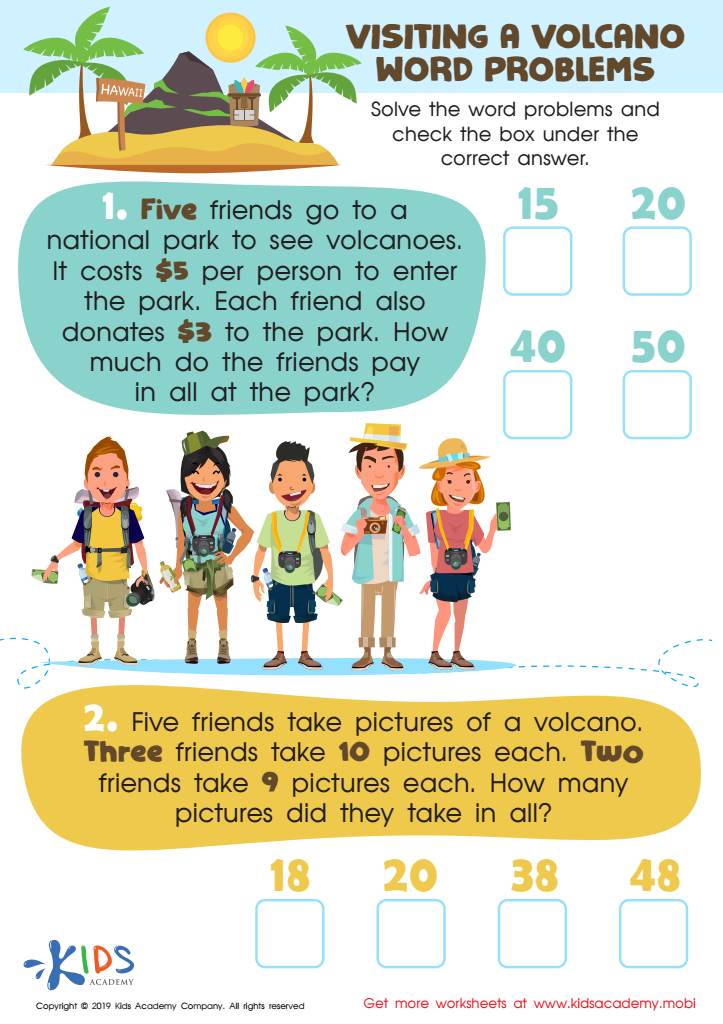
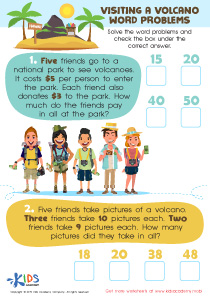
Visiting a Volcano Word Problems Worksheet
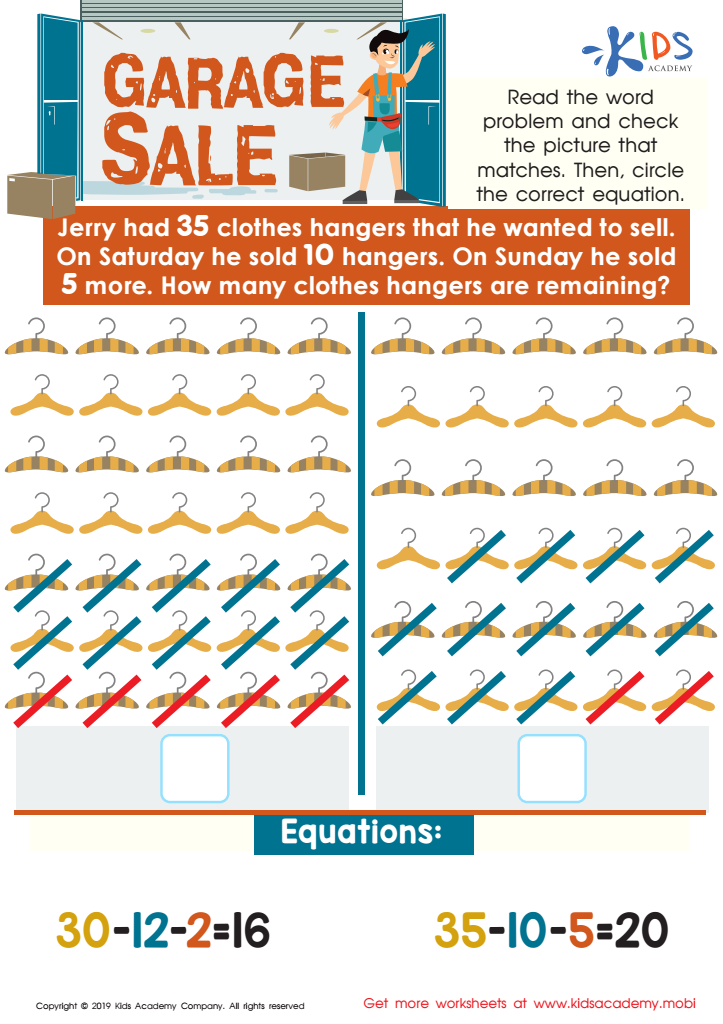
Garage Sale Worksheet
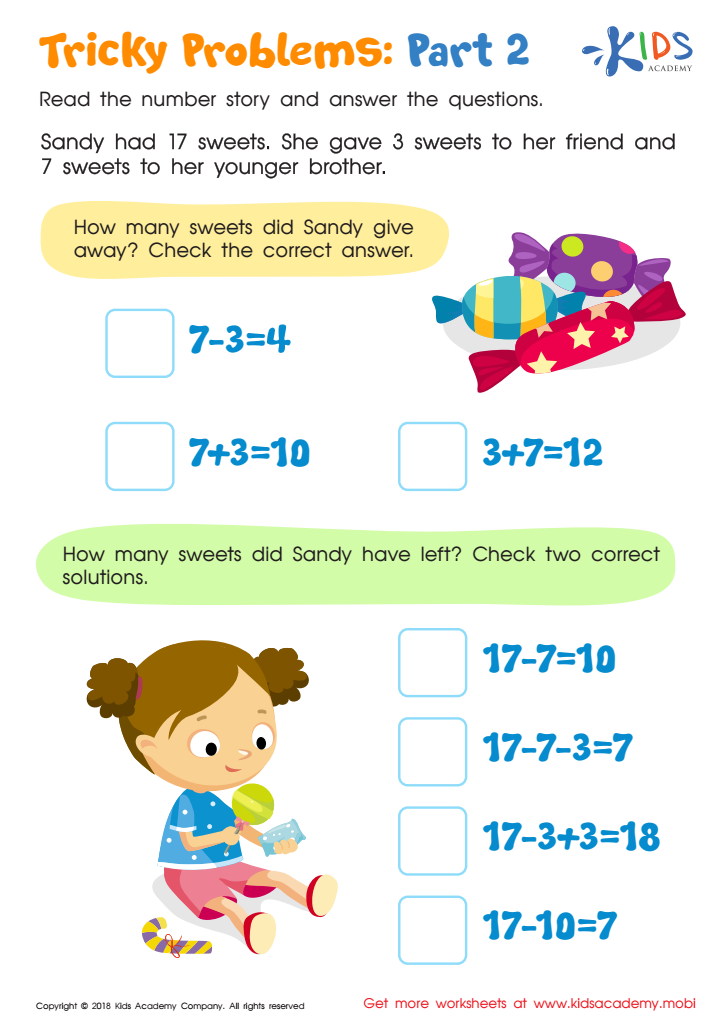
Tricky Problems Worksheet: Part 2
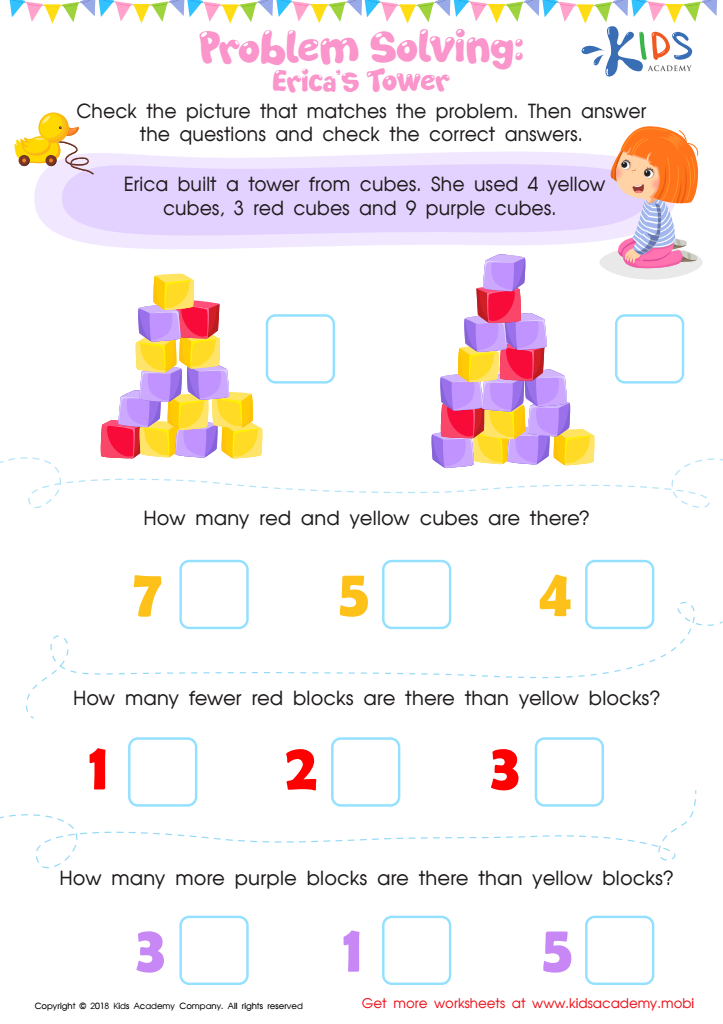
Problem Solving: Erica's Tower Worksheet
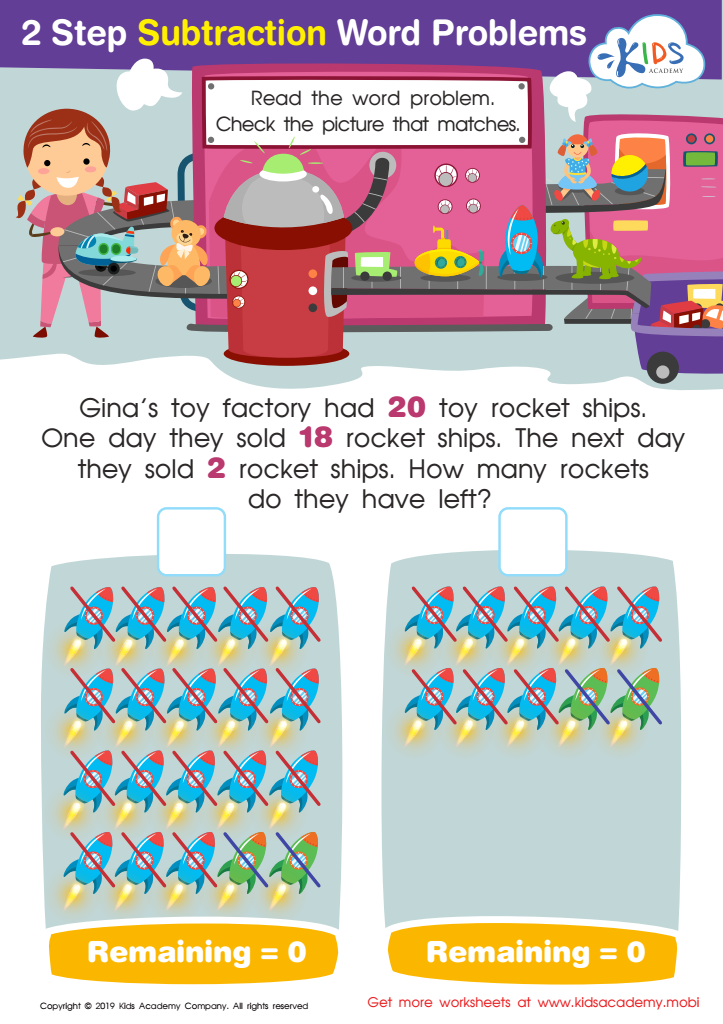
Step Subtraction Word Problems Worksheet
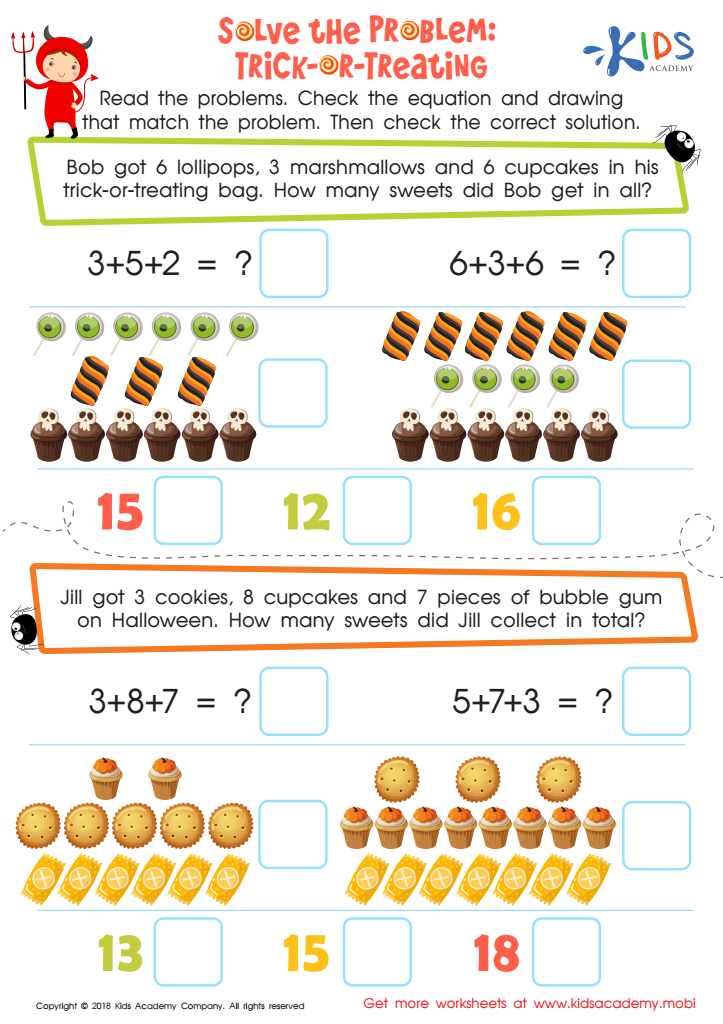
Solve the Problem: Trick–or–treating Worksheet
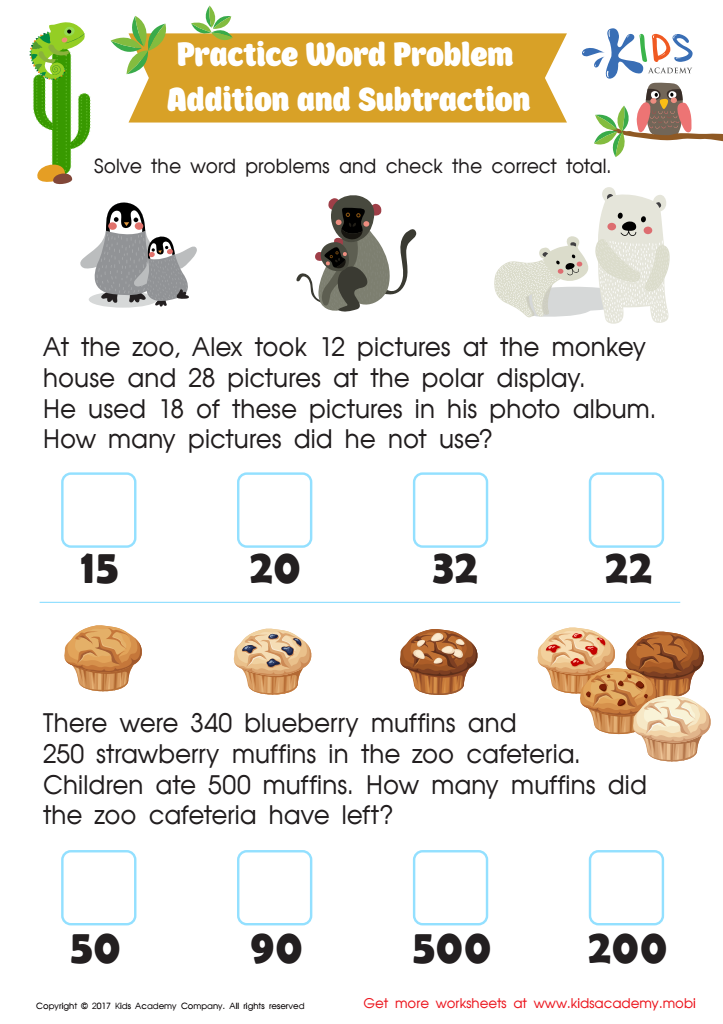
Addition and Subtraction: Word Problems Worksheet
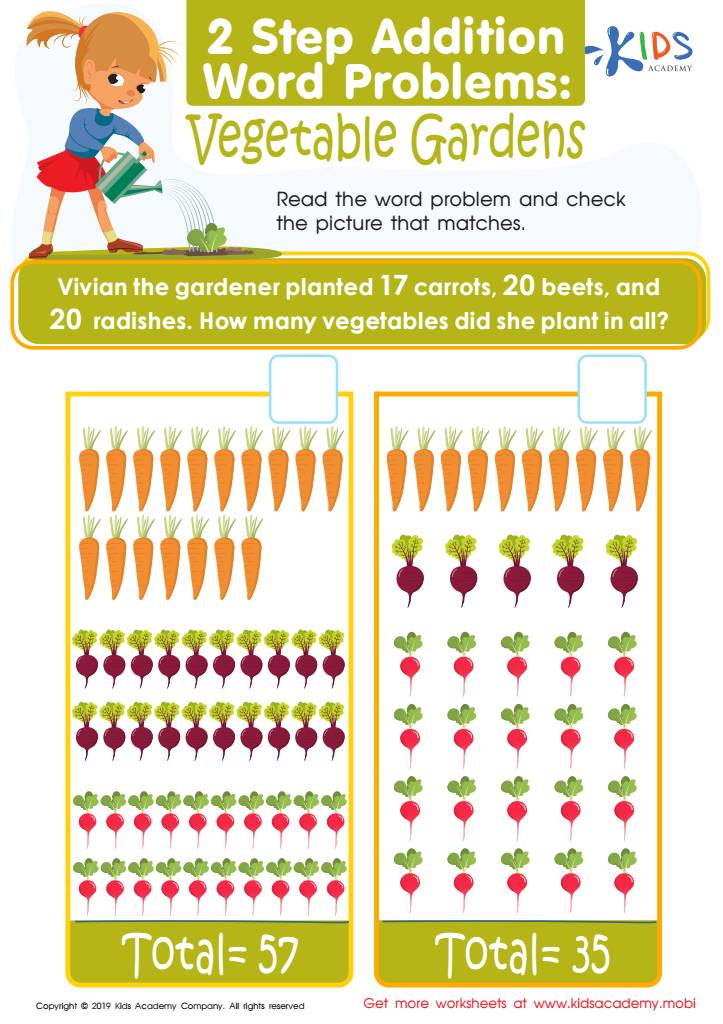
Vegetable Gardens Worksheet
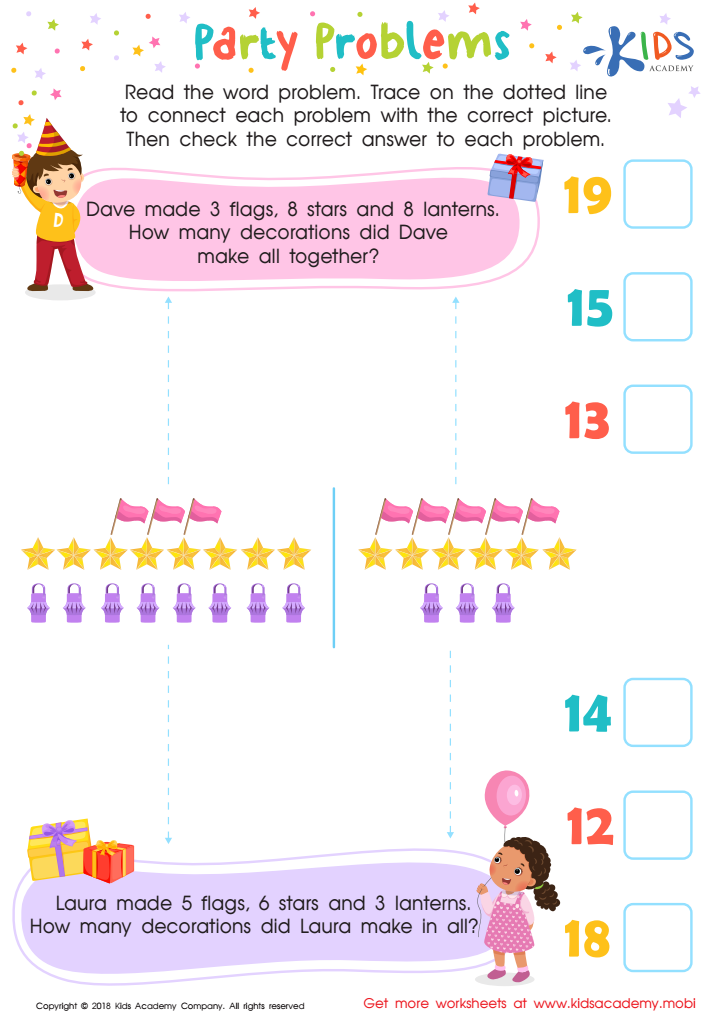
Party Problems Worksheet



Normal Two-step Word Problems are essential for children aged 3-9 because they are foundational to critical thinking and problem-solving skills. Engaging with these types of problems helps young learners understand the relationships between numbers and the operations (addition, subtraction) needed to solve them. This cognitive development is crucial during early years when children are exposed to basic mathematical concepts.
Parents and teachers should care about these problems because they promote not only numerical proficiency but also enhance language and comprehension skills. As children decode and analyze the language of word problems, they improve their vocabulary and understanding of context, which are vital for later academic success. By learning to extract relevant information from a narrative and identify the necessary operations, children build a strong base for more complex math tasks in the future.
Moreover, these activities foster perseverance and a growth mindset. Children learn to approach challenges with resilience and creativity, essential traits for lifelong learning. Ultimately, incorporating Normal Two-step Word Problems into early education encourages a holistic development—cultivating not only mathematical abilities but also critical life skills that will benefit students in their schooling and beyond.