Shape Recognition Normal Worksheets for Ages 4-5
36 filtered results
-
From - To
Discover our engaging Shape Recognition Normal Worksheets designed for children aged 4-5. These thoughtfully crafted resources introduce young learners to basic shapes, enhancing their observation and identification skills in a fun, interactive way. Through a variety of activities—including coloring, matching, and tracing—children will build a solid foundation in geometry while boosting their fine motor skills. Perfect for home or classroom settings, these worksheets encourage hands-on learning and creativity. By exploring shapes in an enjoyable manner, kids will develop confidence in their abilities. Download our Shape Recognition worksheets today and support your child’s early mathematical understanding!
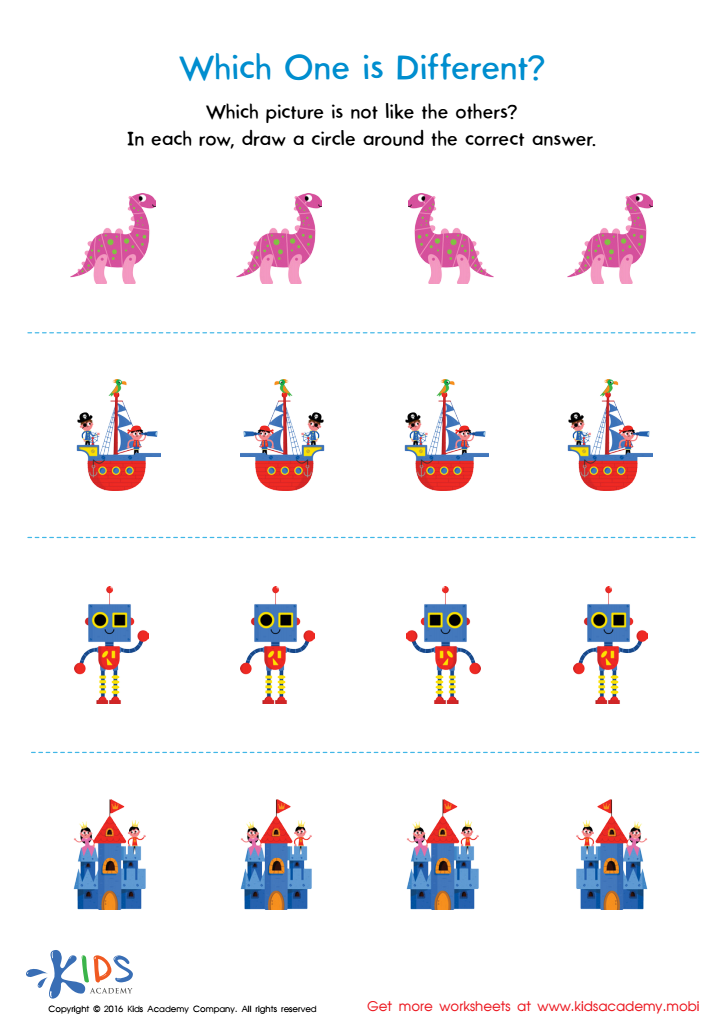
Which One Is Different Worksheet
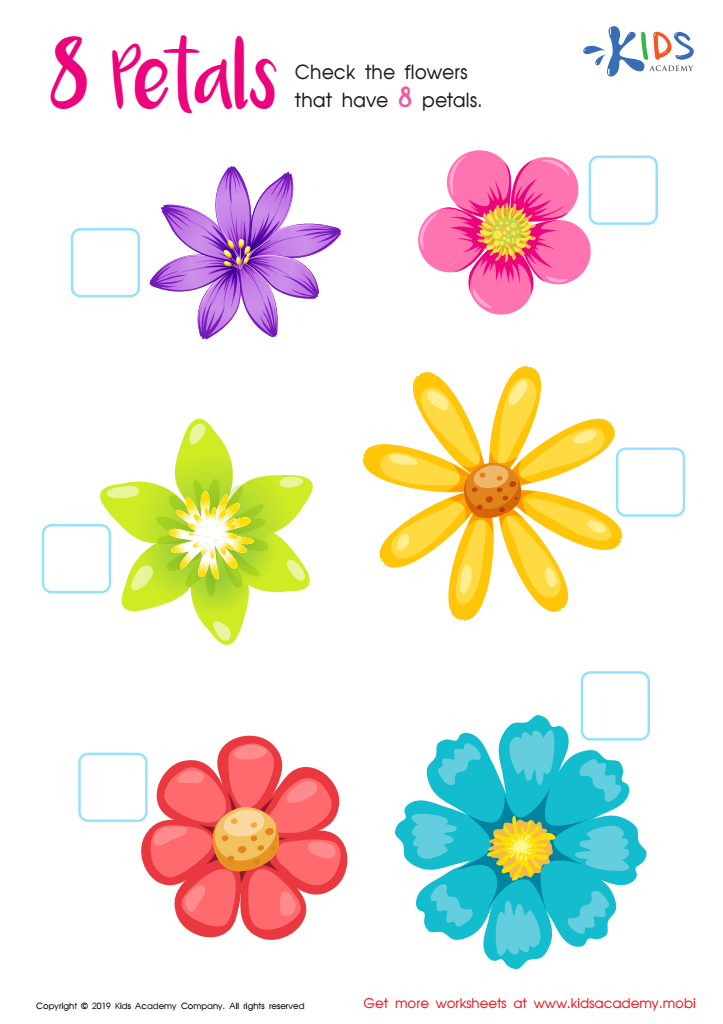
8 Petals Worksheet
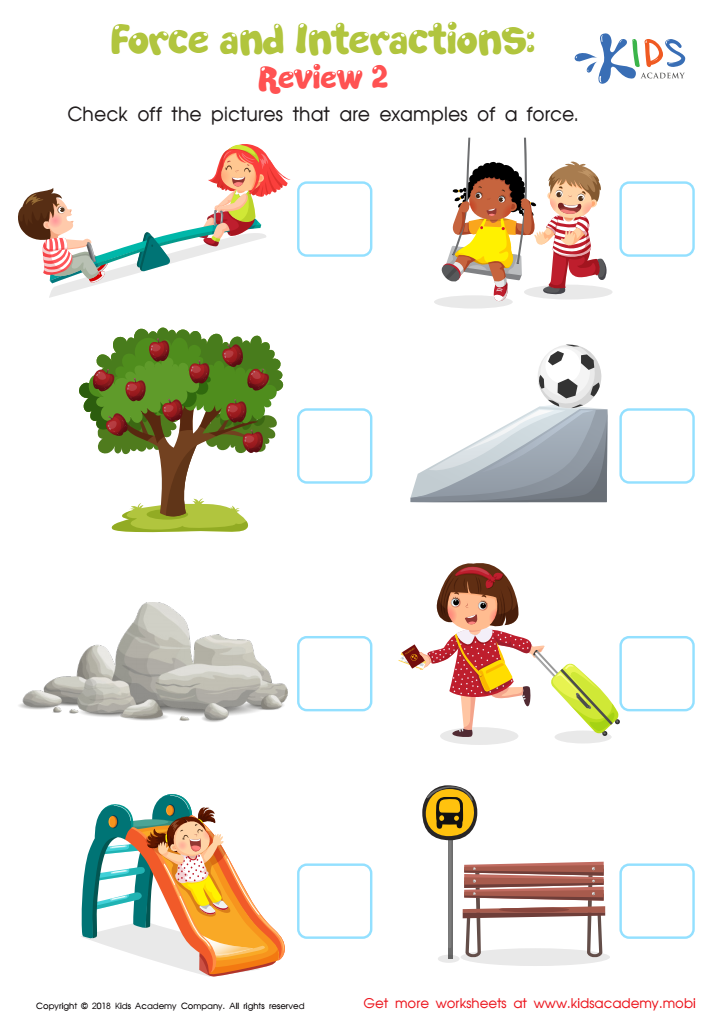
Force and Interactions: Review 2 Worksheet
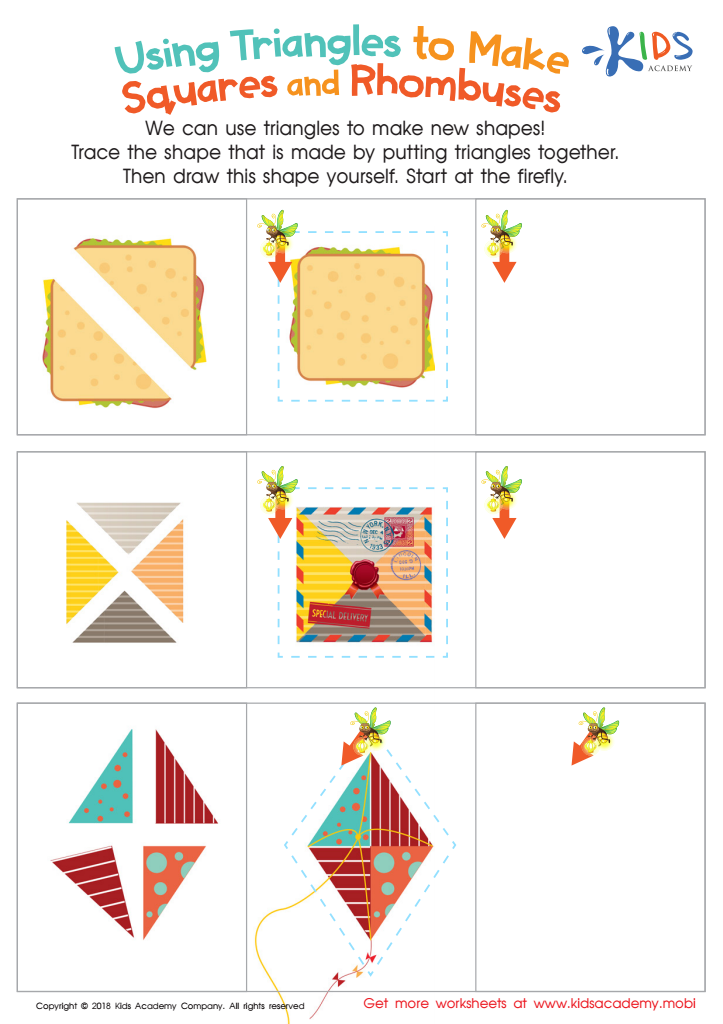
Using Triangles to Make Squares and Rhombuses Worksheet
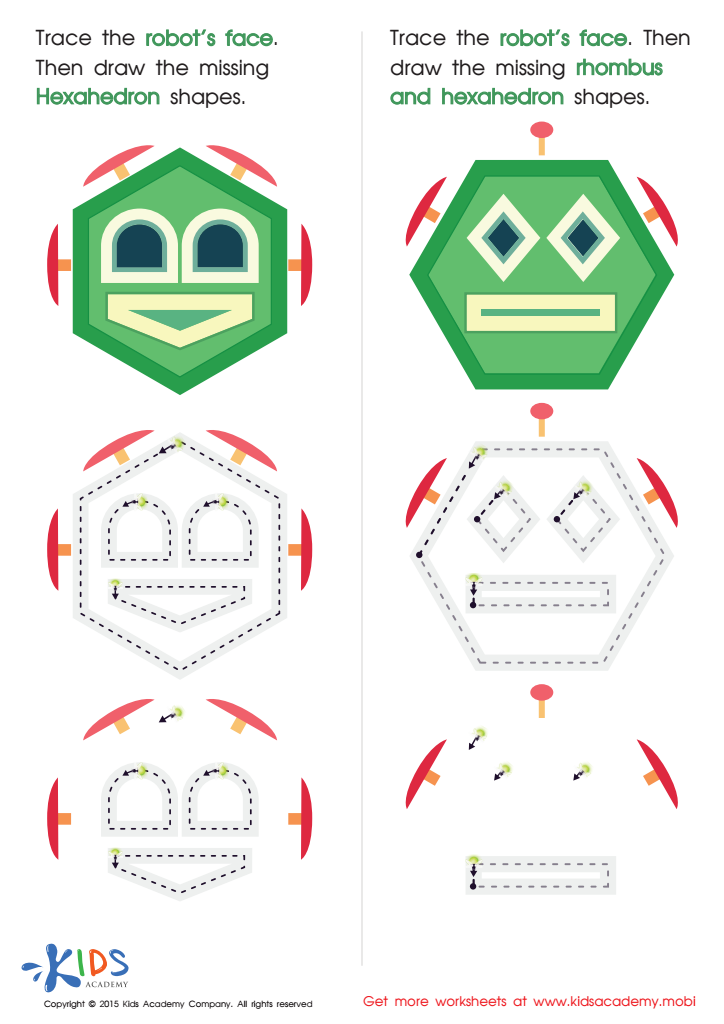
Practice Drawing Hexahedrons And a Rhombus Worksheet
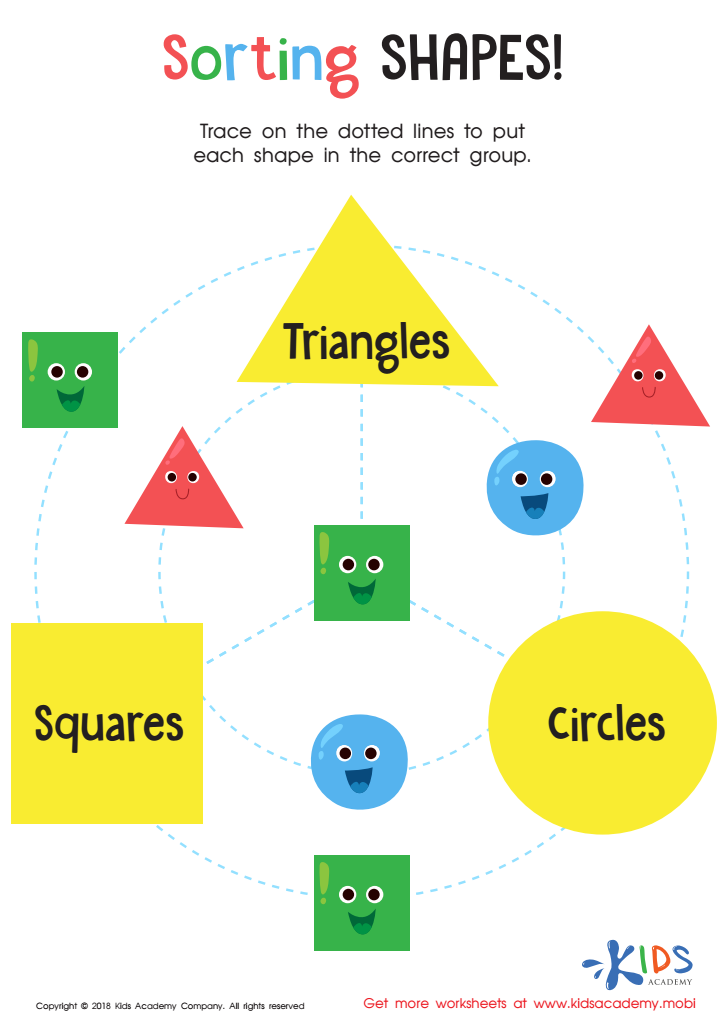
Sorting Shapes - Part 3 Worksheet
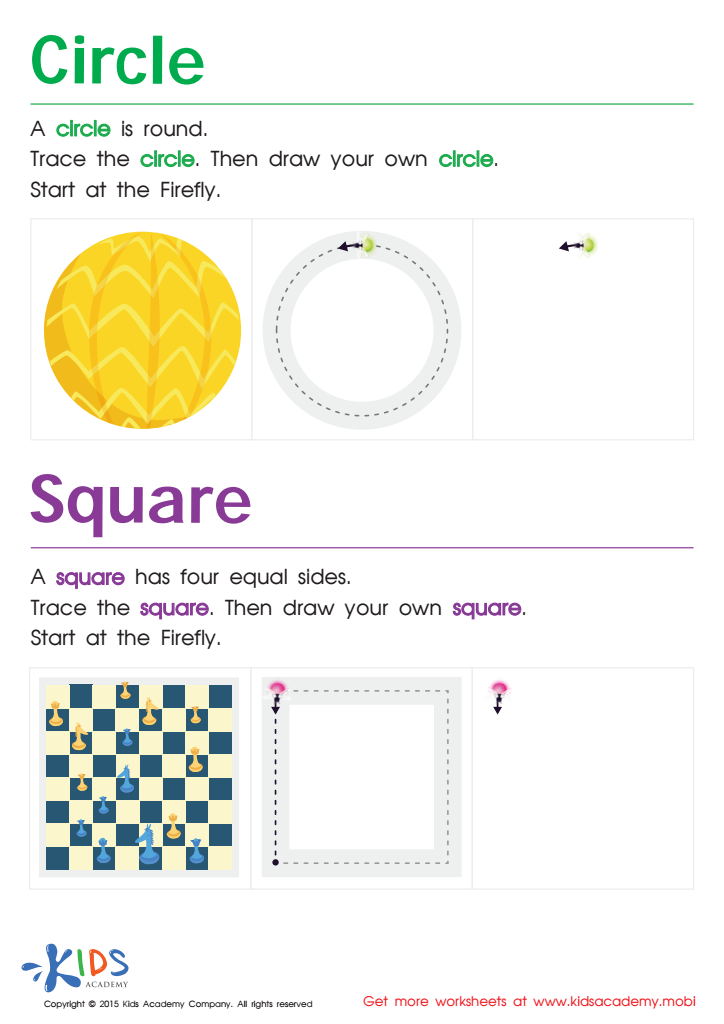
Trace And Draw a Circle And a Square Worksheet
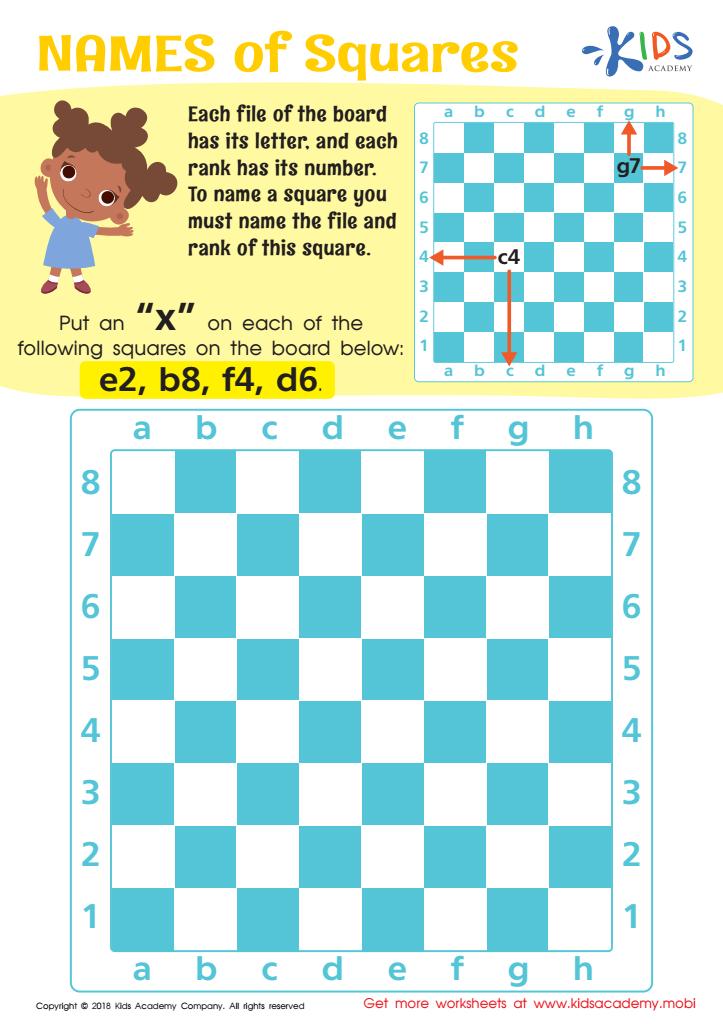
Names of Squares Worksheet
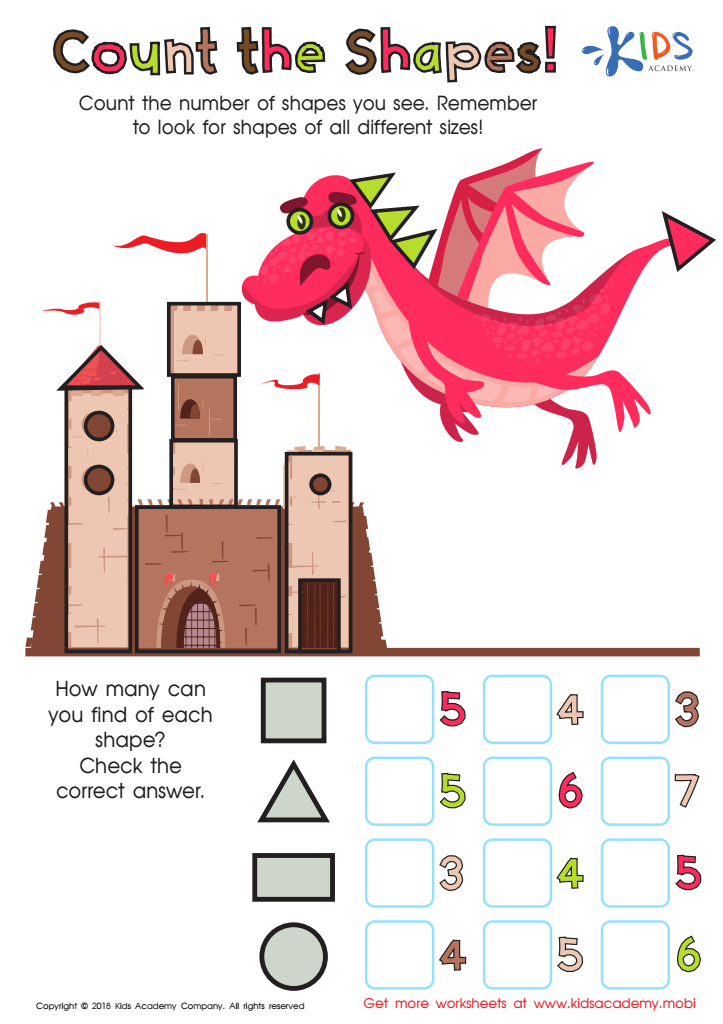
Count the Shapes Worksheet
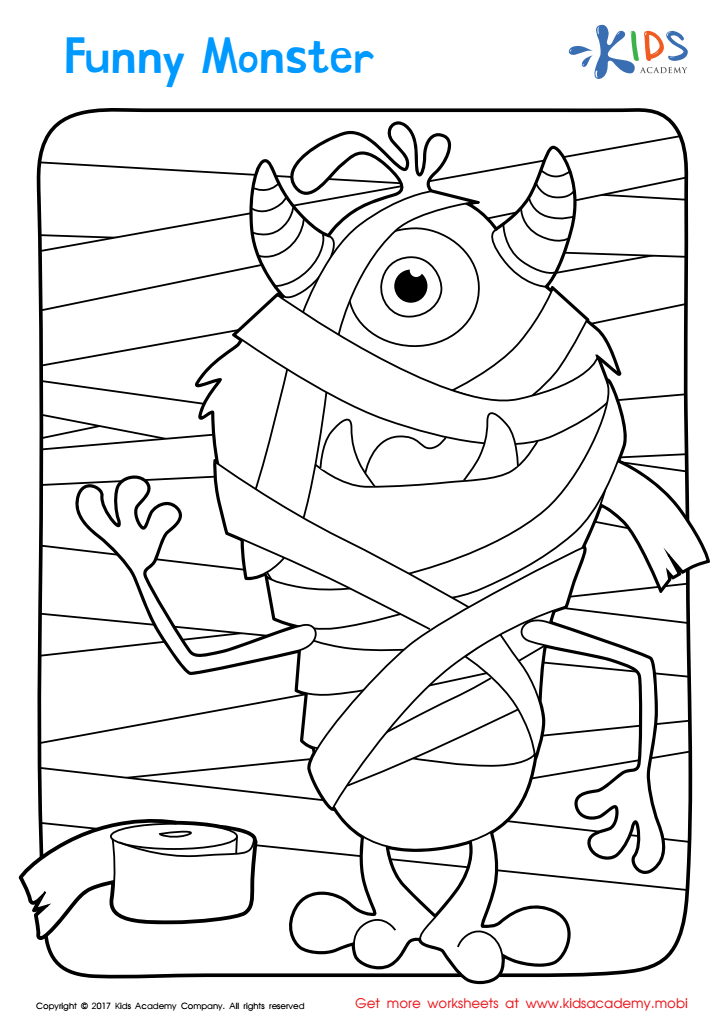
Halloween: A Funny Monster Worksheet
 Assign to My Students
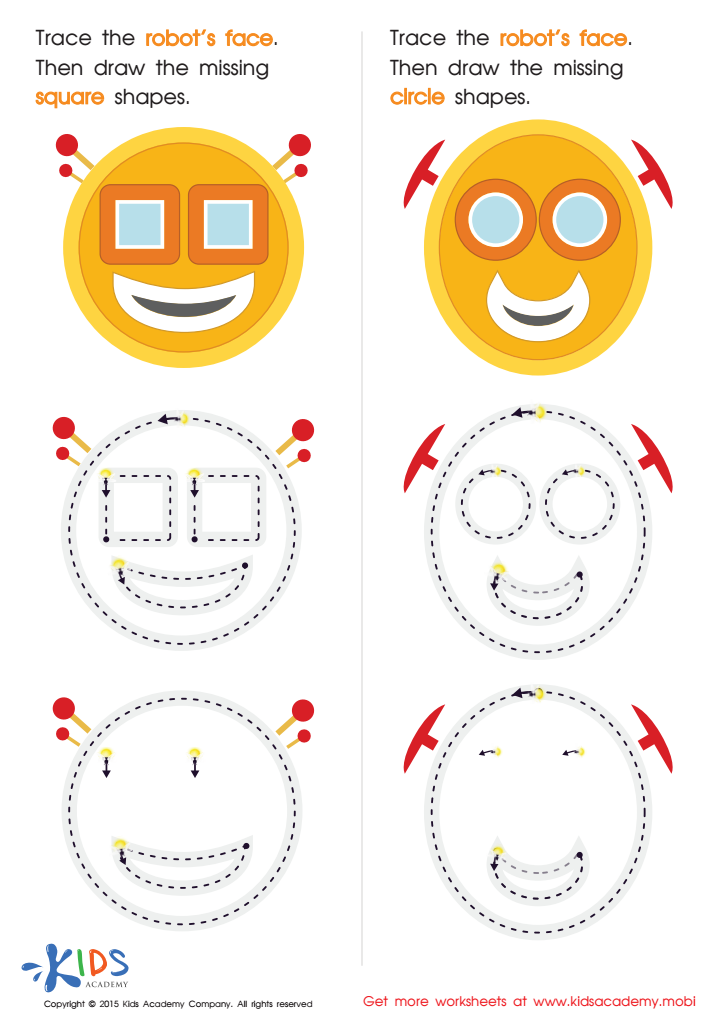
Practicing to Draw Circles And Squares Printable
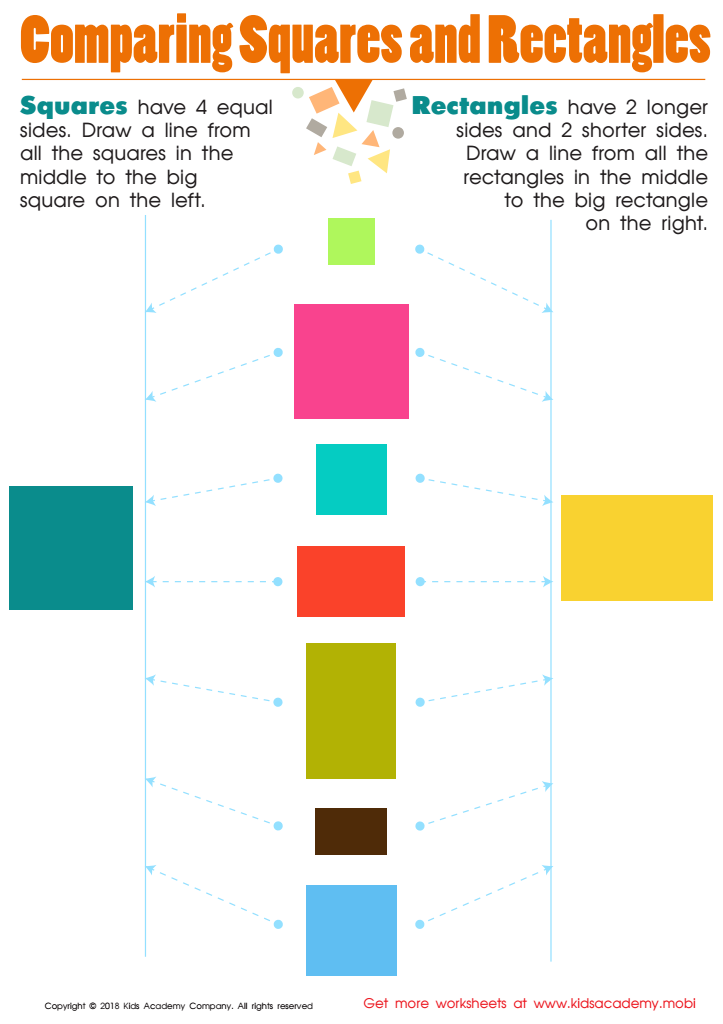
Comparing Squares Rectangles Worksheet
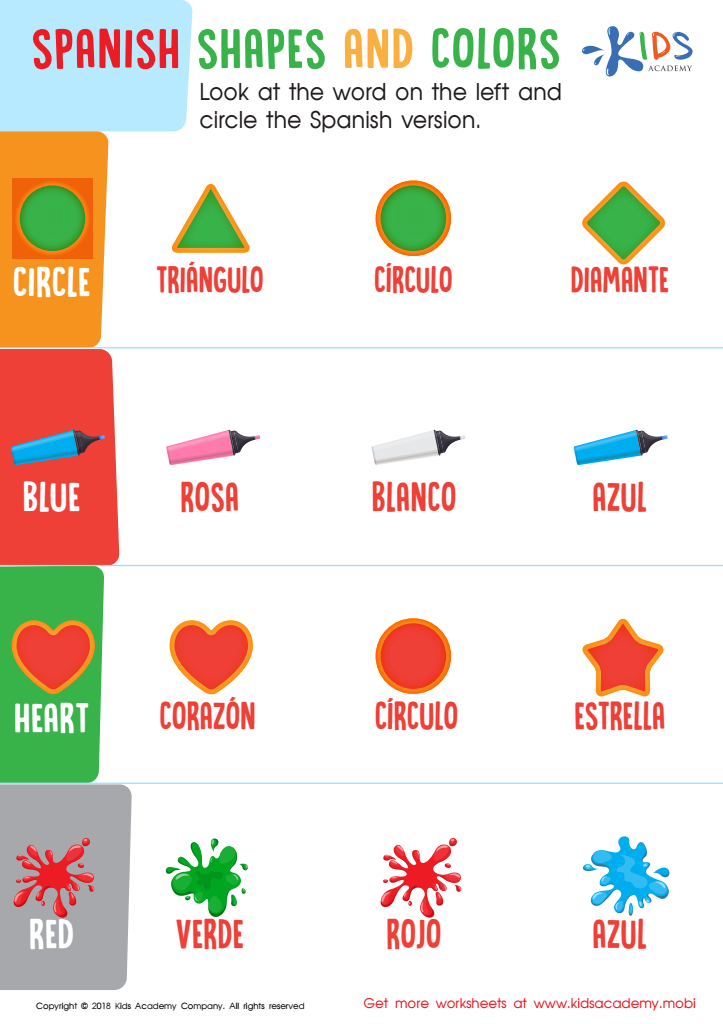
Spanish Shapes and Colors Worksheet
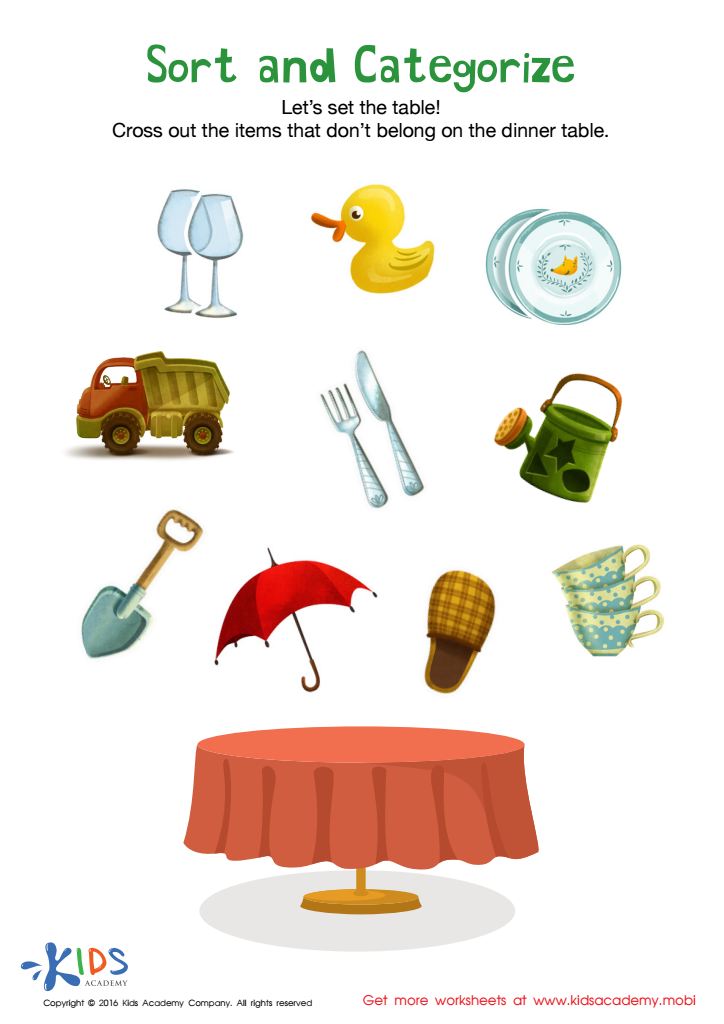
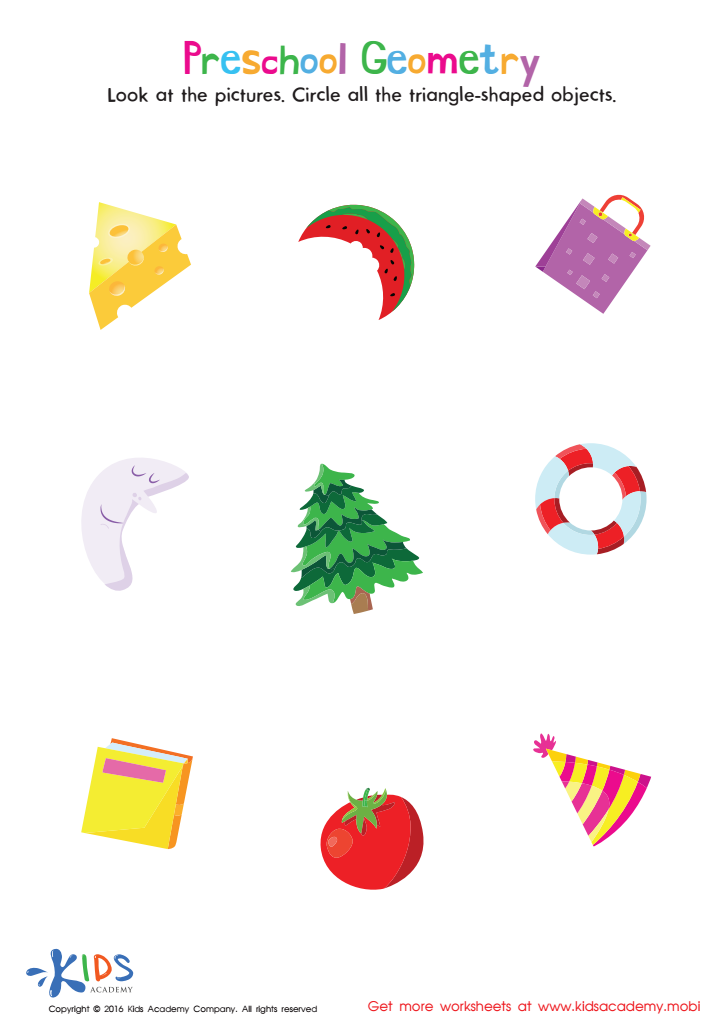
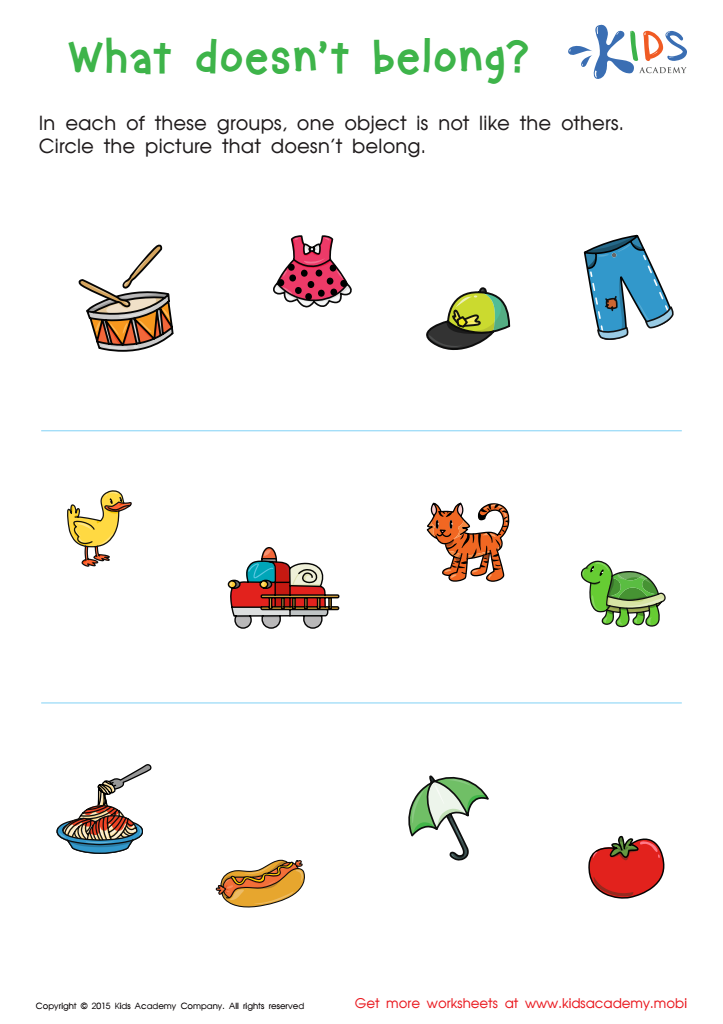
First Words: What Doesn't Belong Worksheet
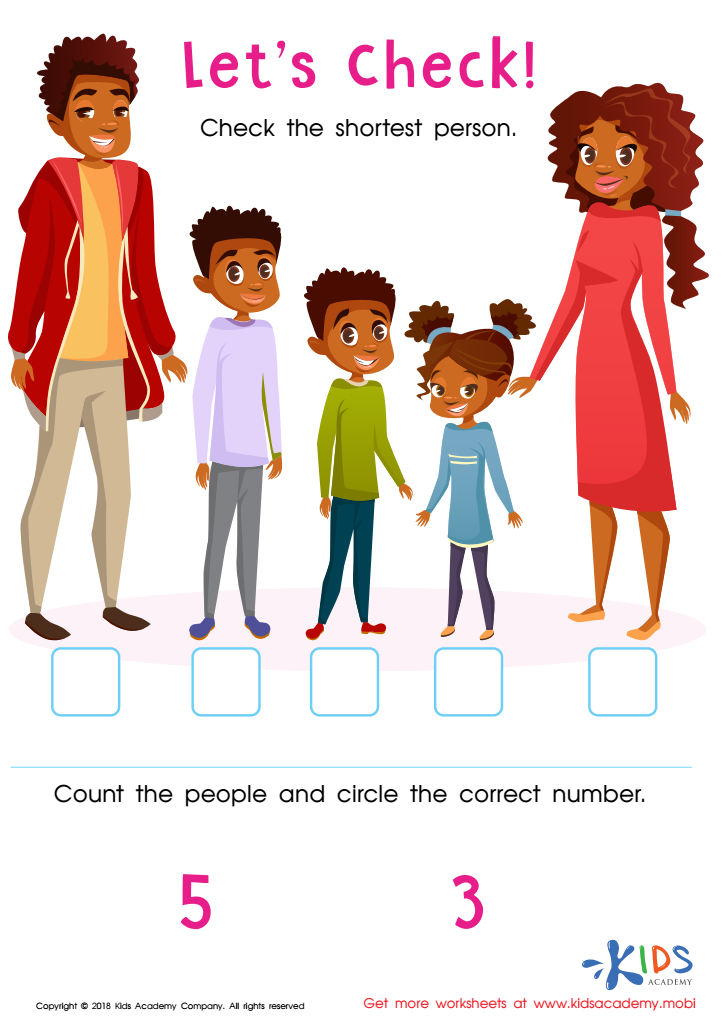
Let's Check! Assessment Worksheet
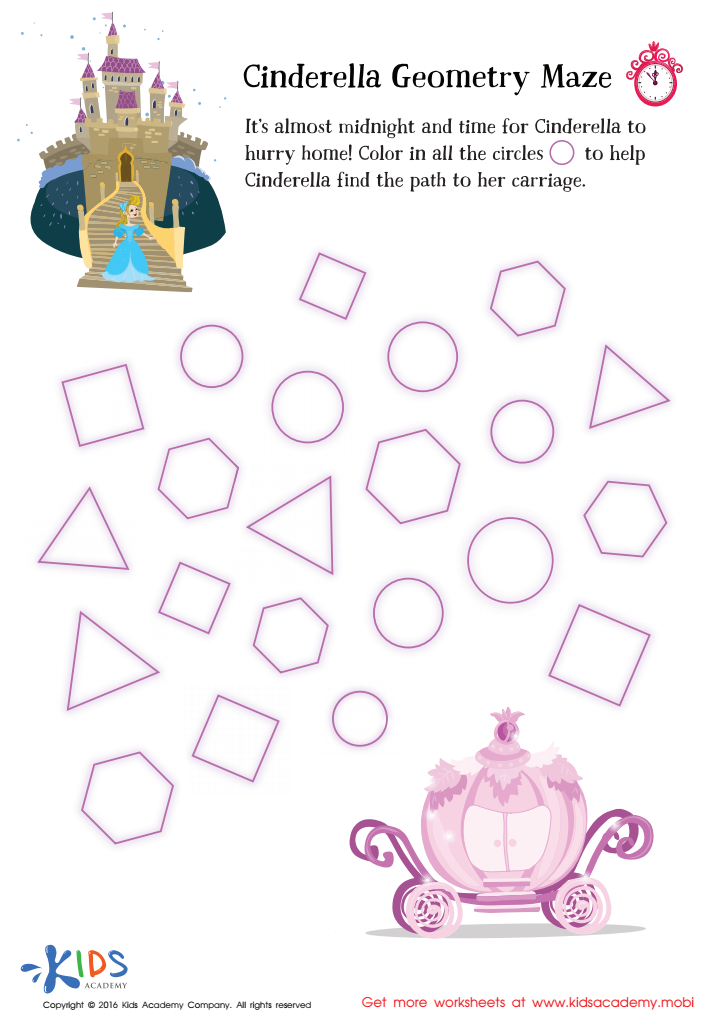
Cinderella Geometry Maze Worksheet
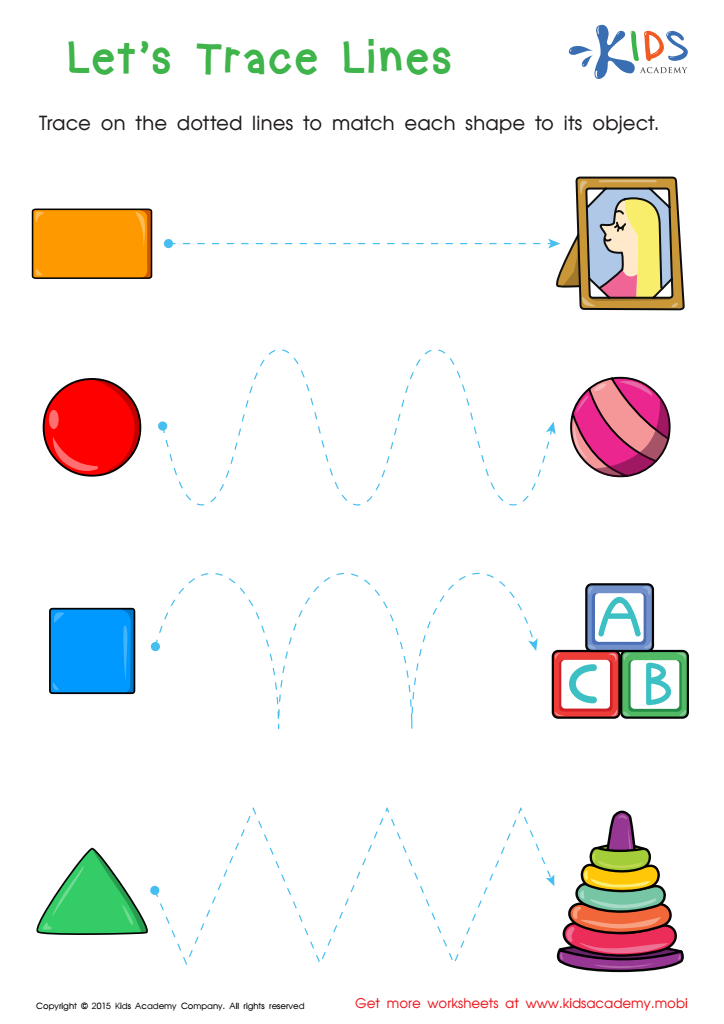
First Words: Let's Trace Lines Worksheet
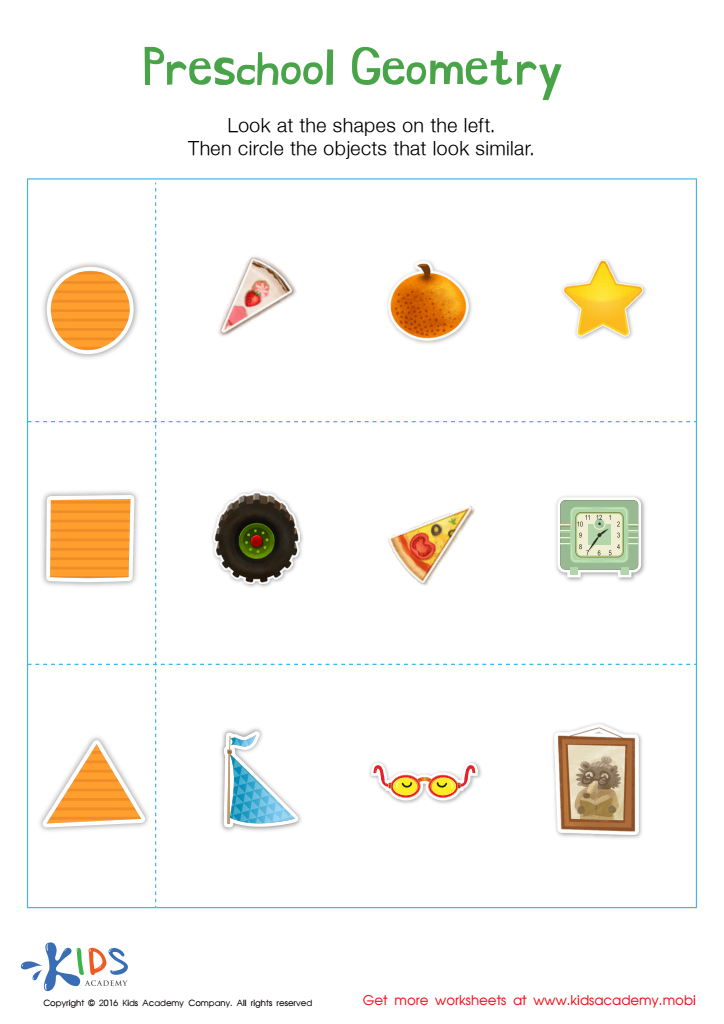
Preschool Geometry Match Up Worksheet
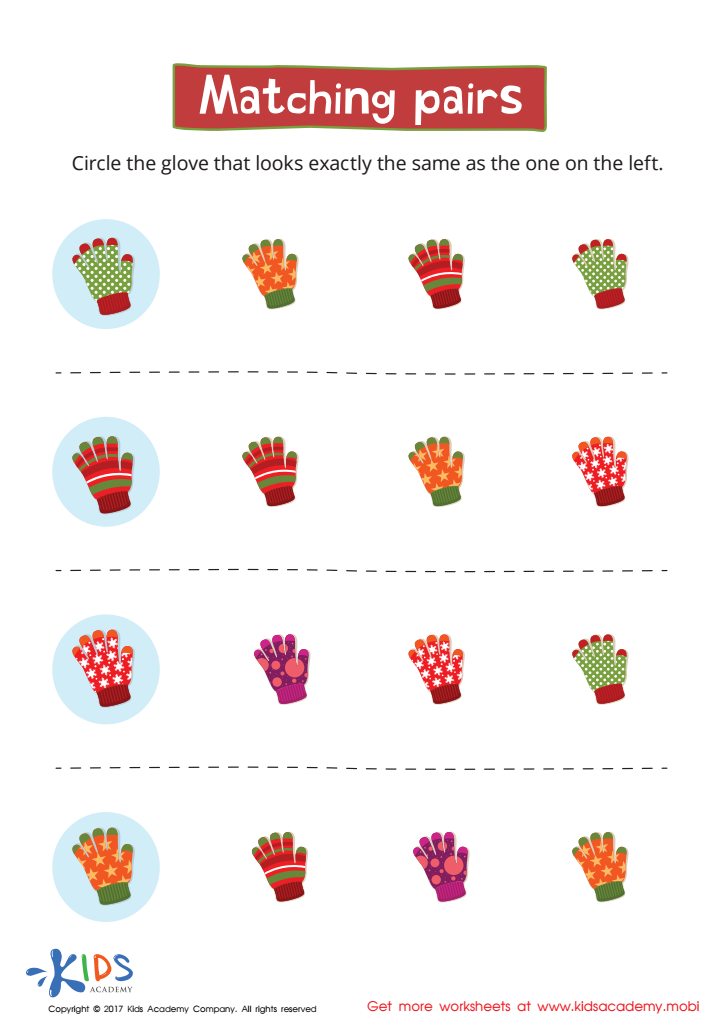
Matching: Matching Pairs Worksheet
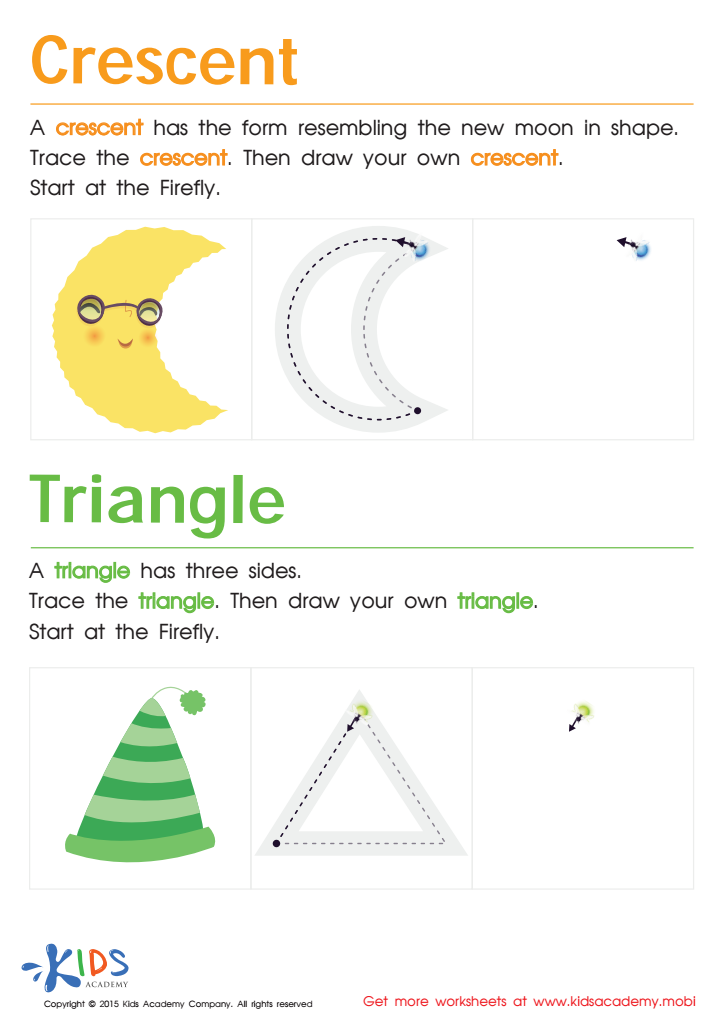
Learning to Draw Crescents And Triangles Worksheet
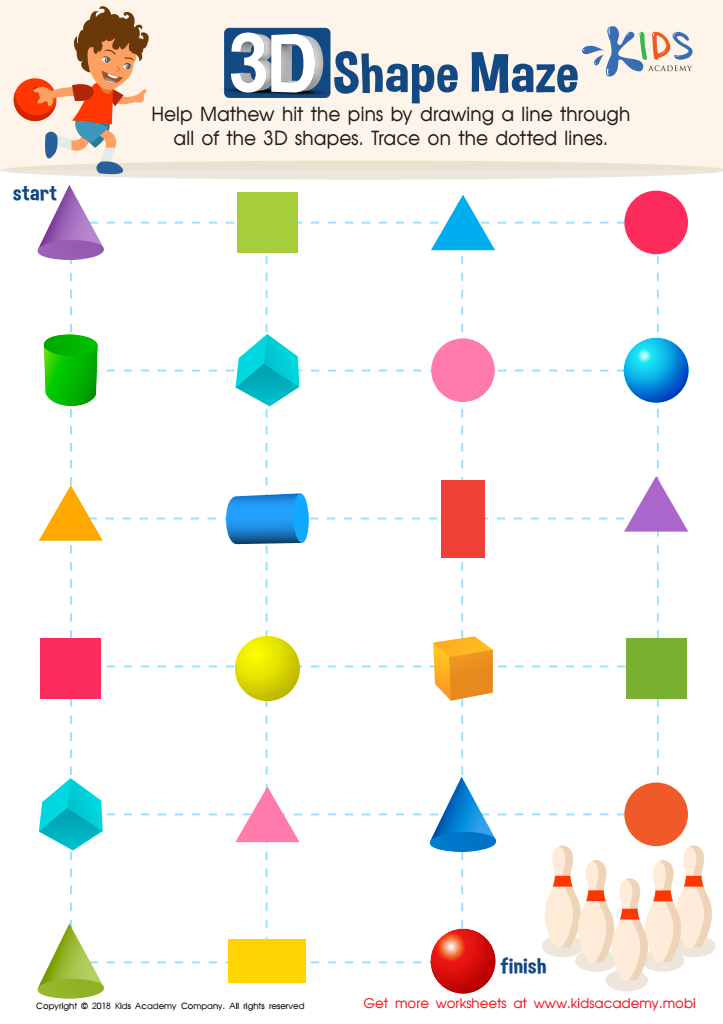
Shapes Maze Geometry Worksheet
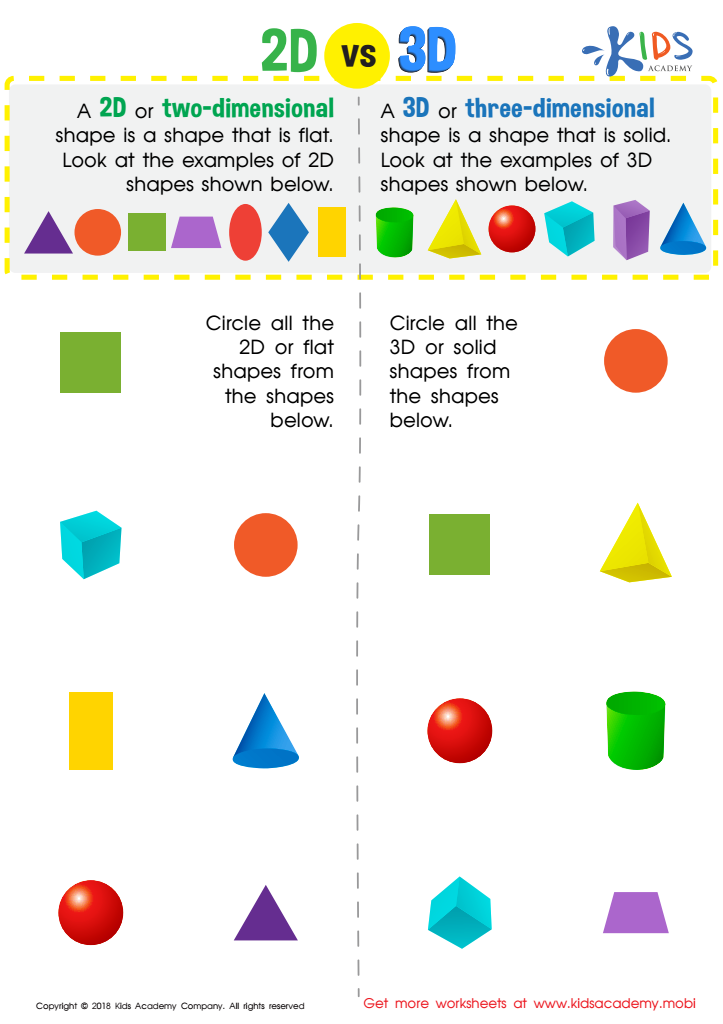
2D vs 3D Shapes Worksheet





%20(1).jpg)
.jpg)
Shape recognition is a fundamental skill for children aged 4 to 5 years, forming the bedrock for later learning in mathematics, spatial awareness, and cognitive development. Parents and teachers should prioritize this area because it enhances children's ability to identify and differentiate between various shapes, such as circles, squares, and triangles. This skill not only supports early geometry concepts but also fosters critical thinking and problem-solving abilities, which are vital for the child's overall academic growth.
Engaging children in shape recognition activities can cultivate their curiosity and computational skills. It often involves tactile experiences, such as sorting or stacking shapes, which support fine motor skills and hand-eye coordination. Additionally, learning about shapes can be integrated into everyday activities—from cooking (using cookie cutters) to arts and crafts—making the learning process enjoyable.
Moreover, recognizing shapes lays the groundwork for future math concepts, such as symmetry and patterns. Research shows that young children who build strong foundational skills in shape recognition tend to perform better in subsequent math-related tasks. By nurturing this critical aspect of learning, parents and teachers help demystify mathematical concepts, making it easier for kids to grasp more complex ideas as they age. Therefore, investing time in shape recognition is a meaningful step in shaping children's cognitive futures.








