Shape Recognition Normal Math Worksheets for Ages 4-5
25 filtered results
-
From - To
Enhance your child's early math skills with our "Shape Recognition Normal Math Worksheets for Ages 4-5." Designed to make learning fun, these worksheets help young learners identify and differentiate between basic shapes like circles, squares, triangles, and rectangles. With engaging activities and colorful illustrations, kids will enjoy practicing shape recognition while strengthening their cognitive abilities and hand-eye coordination. Perfect for both classroom and home use, our worksheets provide the foundational skills necessary for future math success. Download today to give your preschooler a head start on their educational journey!
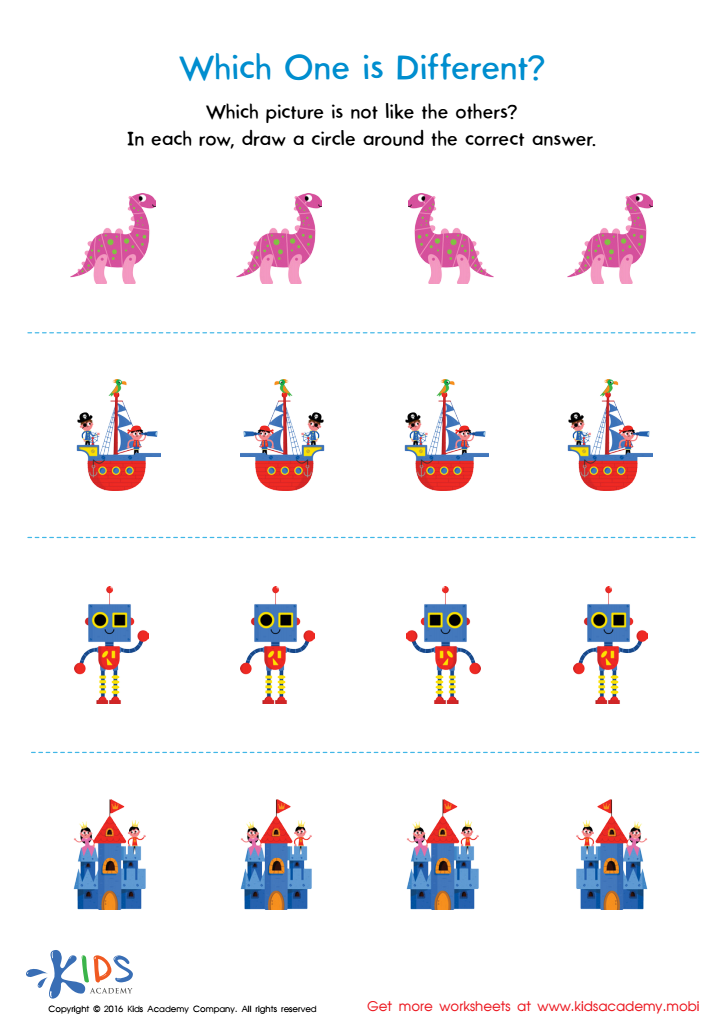
Which One Is Different Worksheet
 Assign to My Students
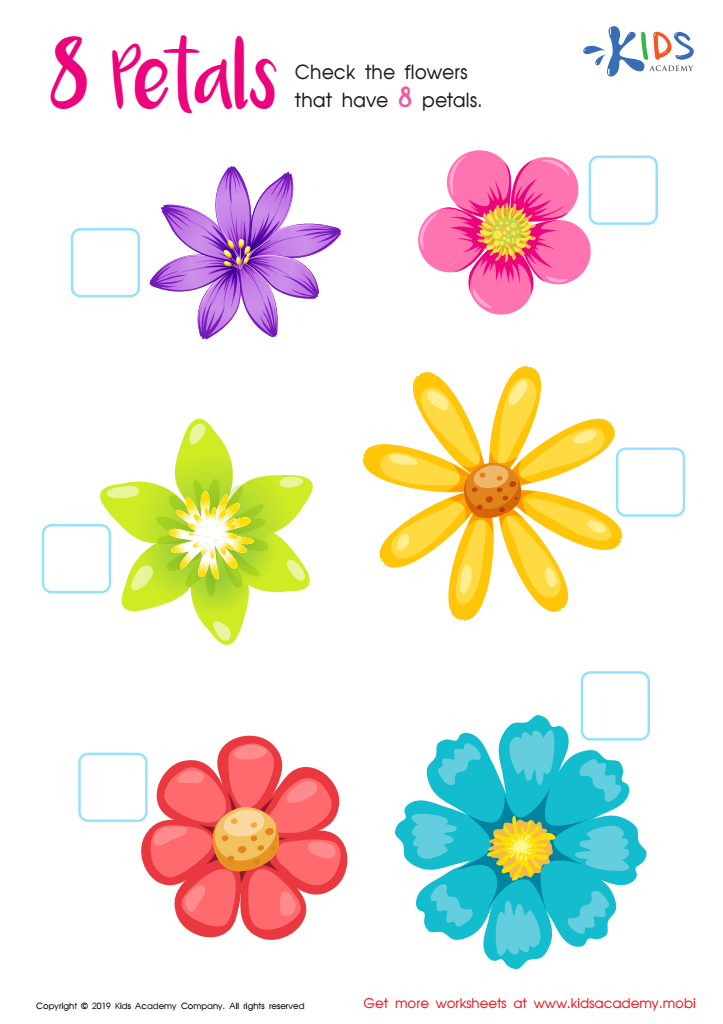
8 Petals Worksheet
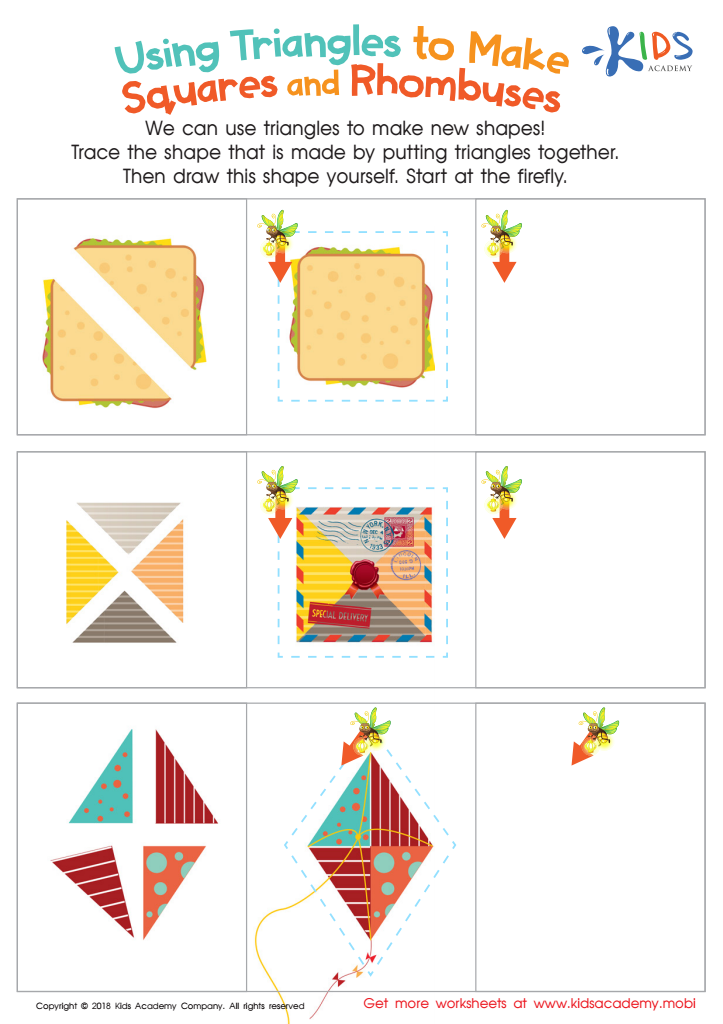
Using Triangles to Make Squares and Rhombuses Worksheet
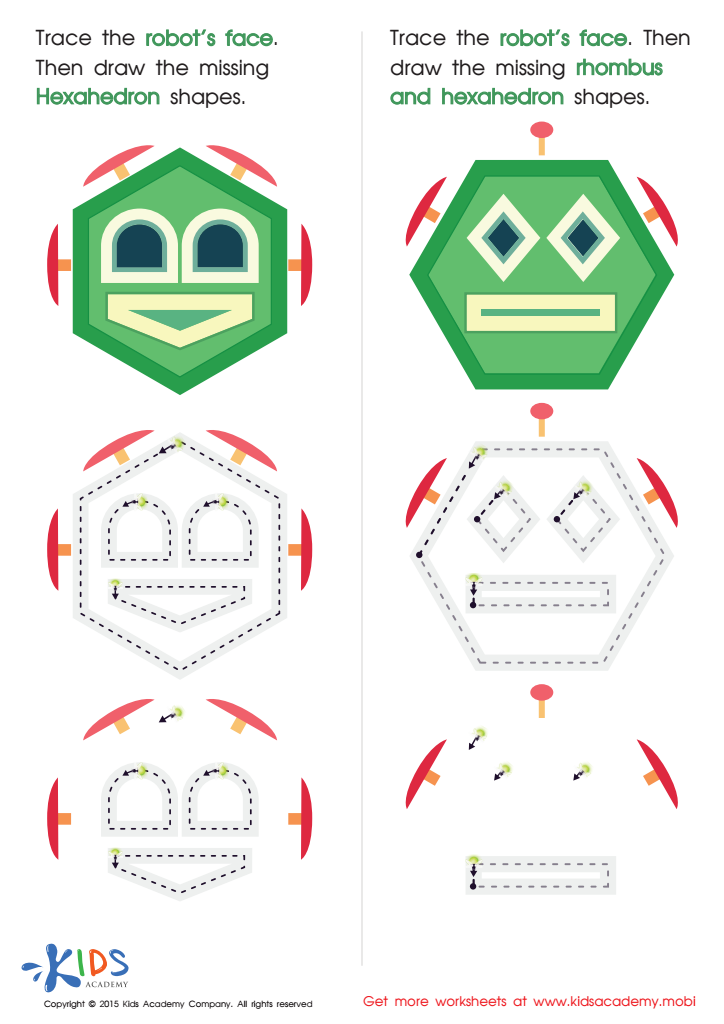
Practice Drawing Hexahedrons And a Rhombus Worksheet
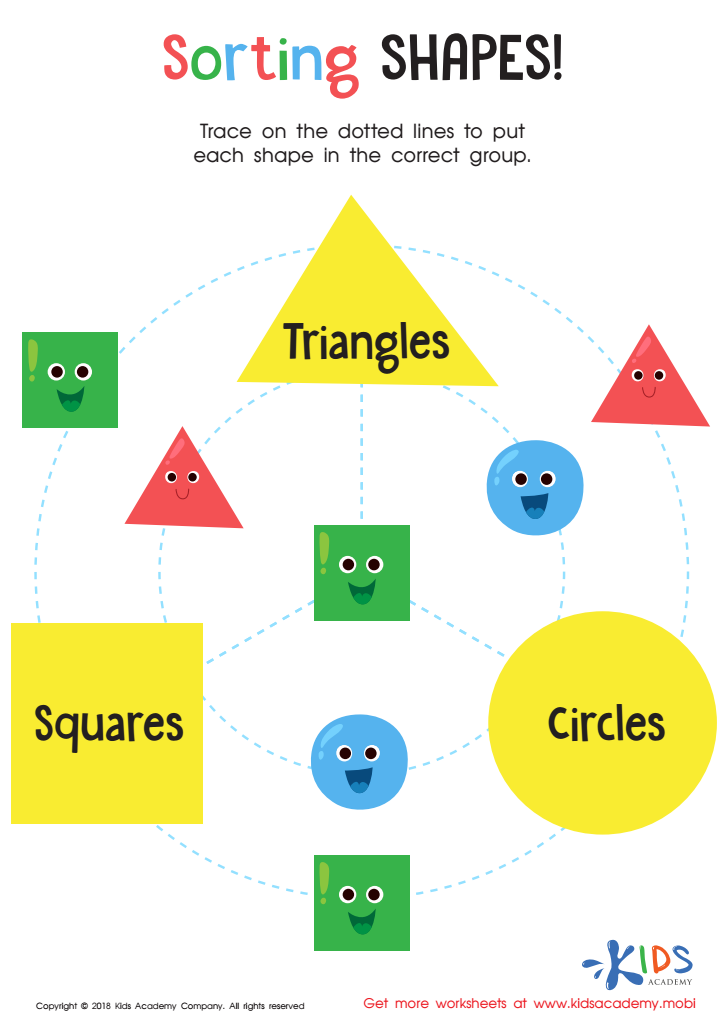
Sorting Shapes - Part 3 Worksheet
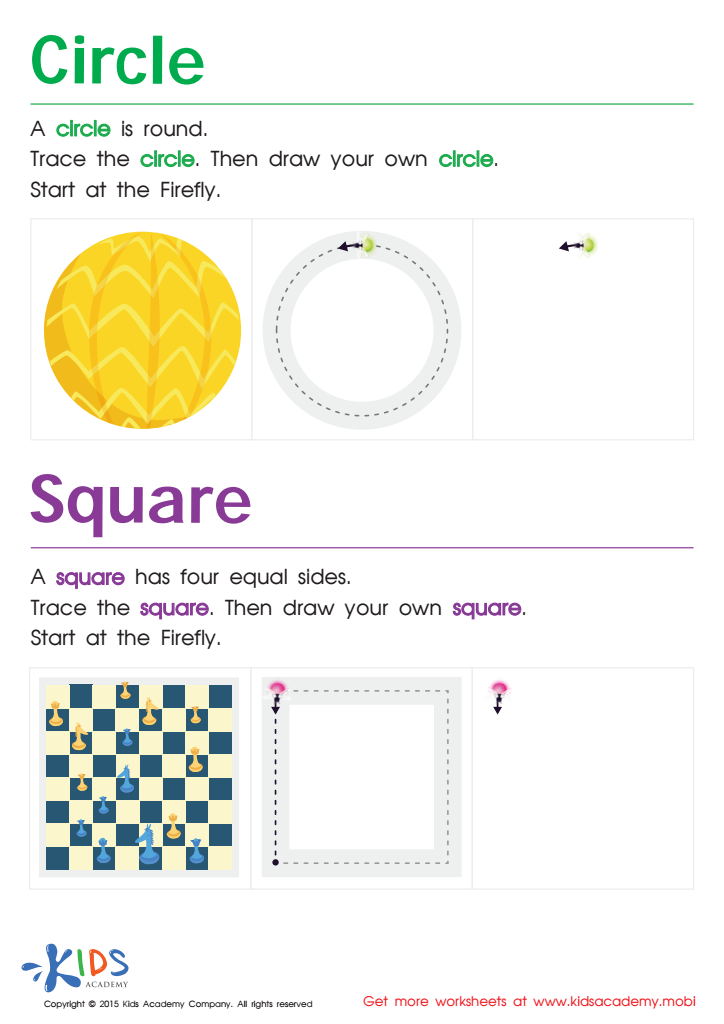
Trace And Draw a Circle And a Square Worksheet
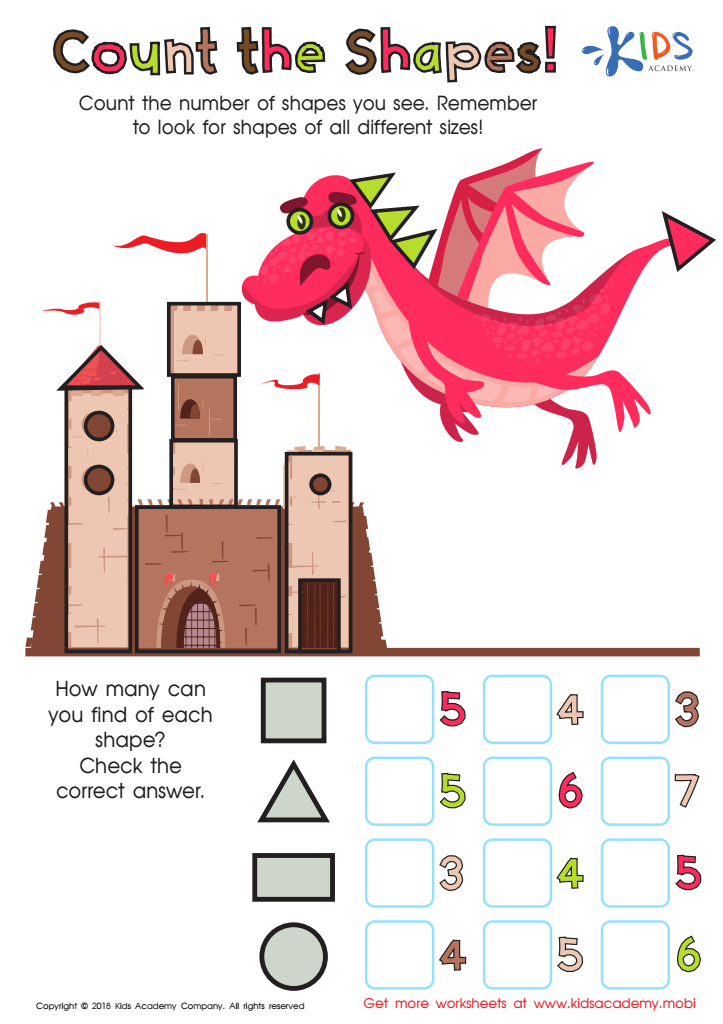
Count the Shapes Worksheet
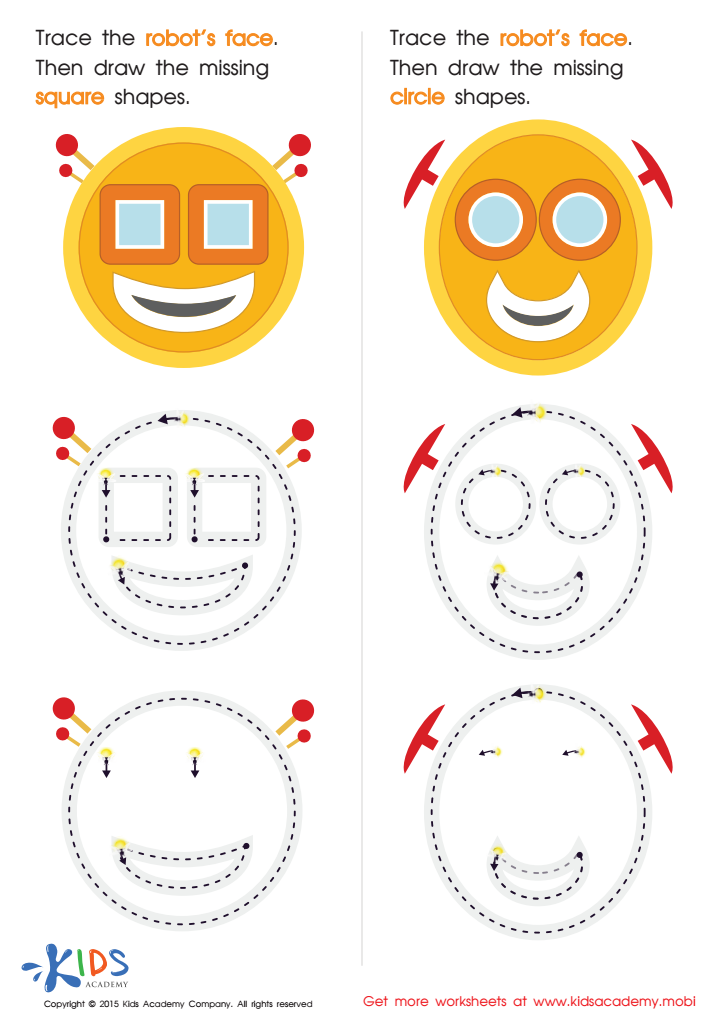
Practicing to Draw Circles And Squares Printable
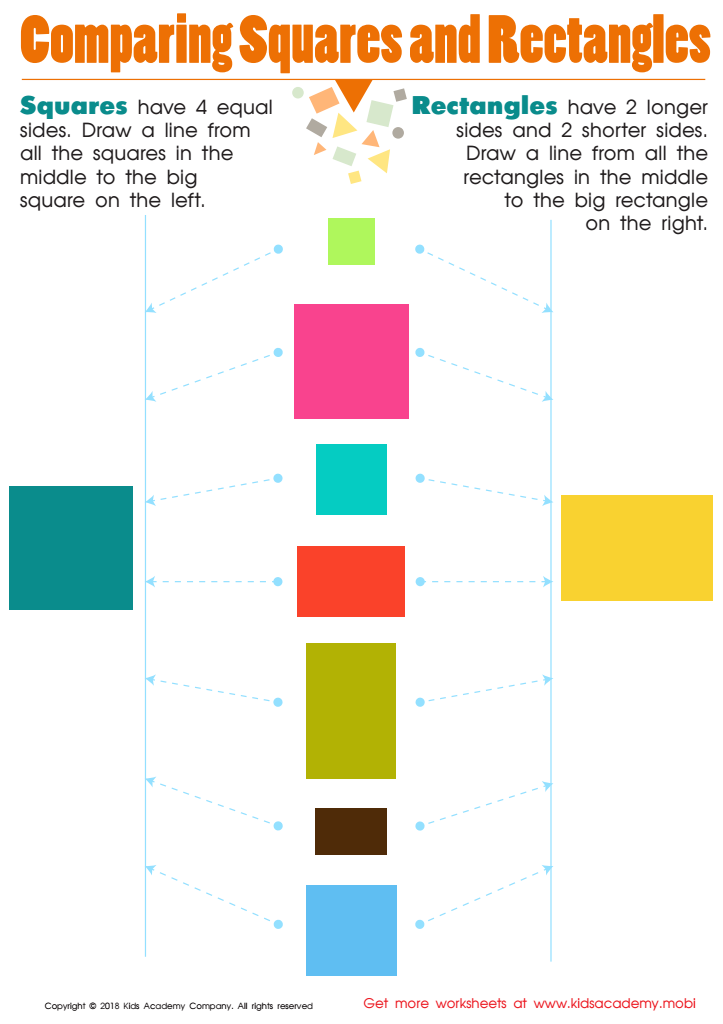
Comparing Squares Rectangles Worksheet
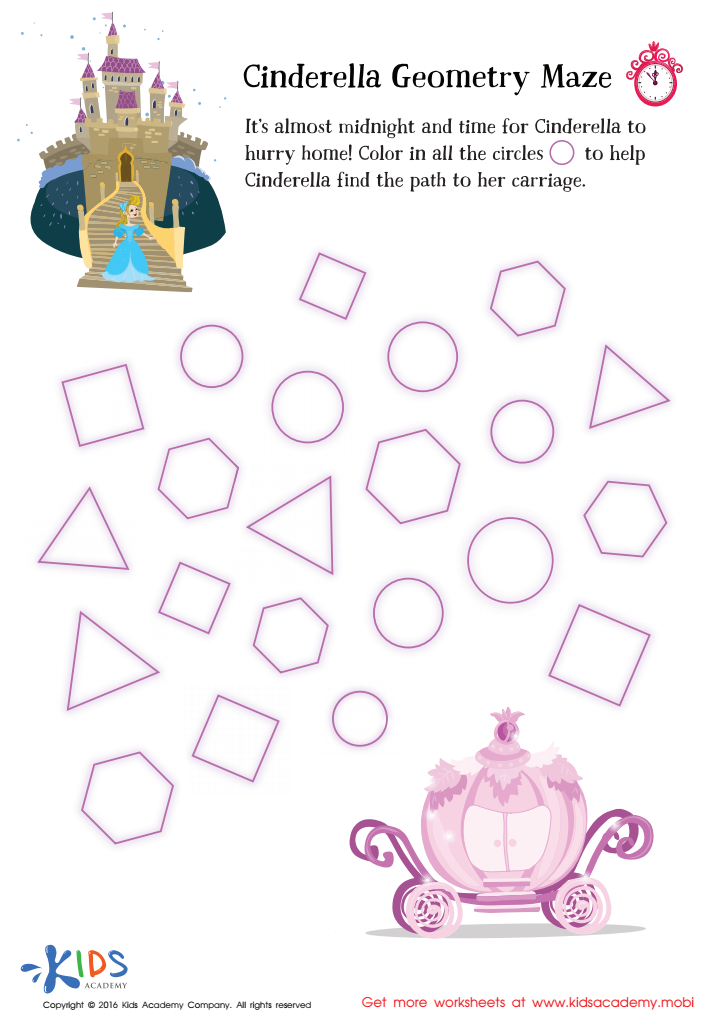
Cinderella Geometry Maze Worksheet
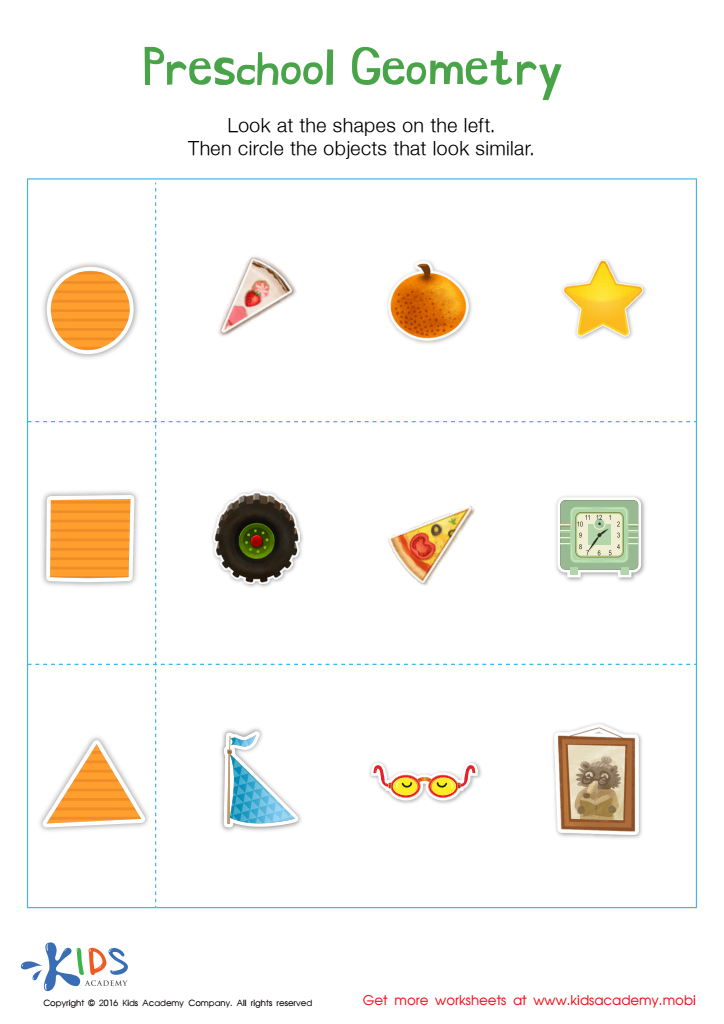
Preschool Geometry Match Up Worksheet
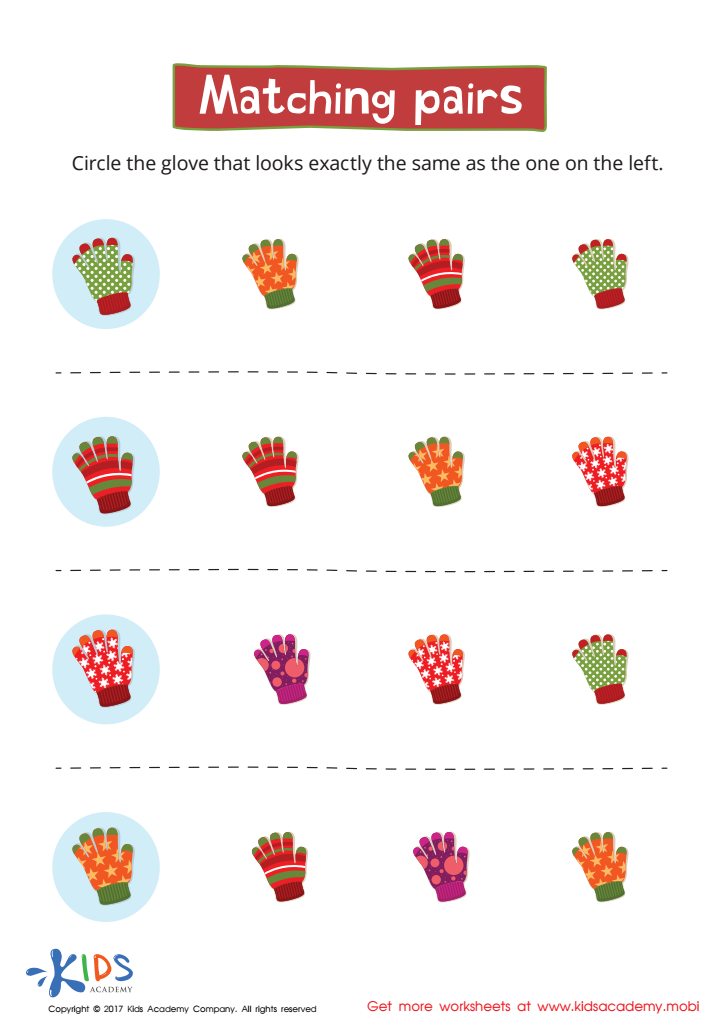
Matching: Matching Pairs Worksheet
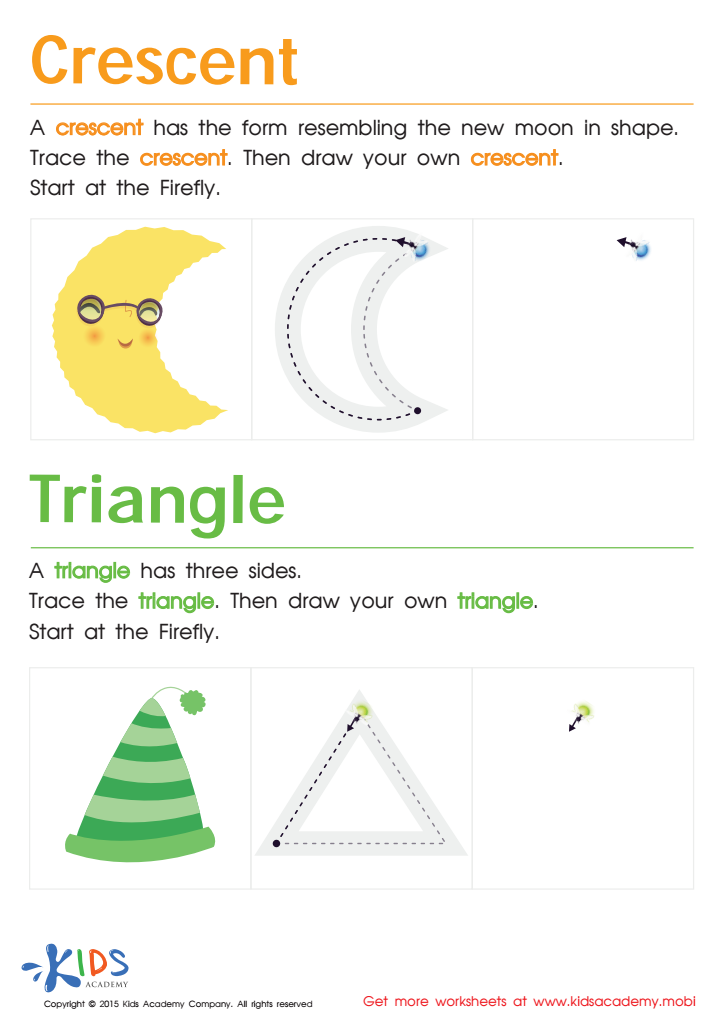
Learning to Draw Crescents And Triangles Worksheet
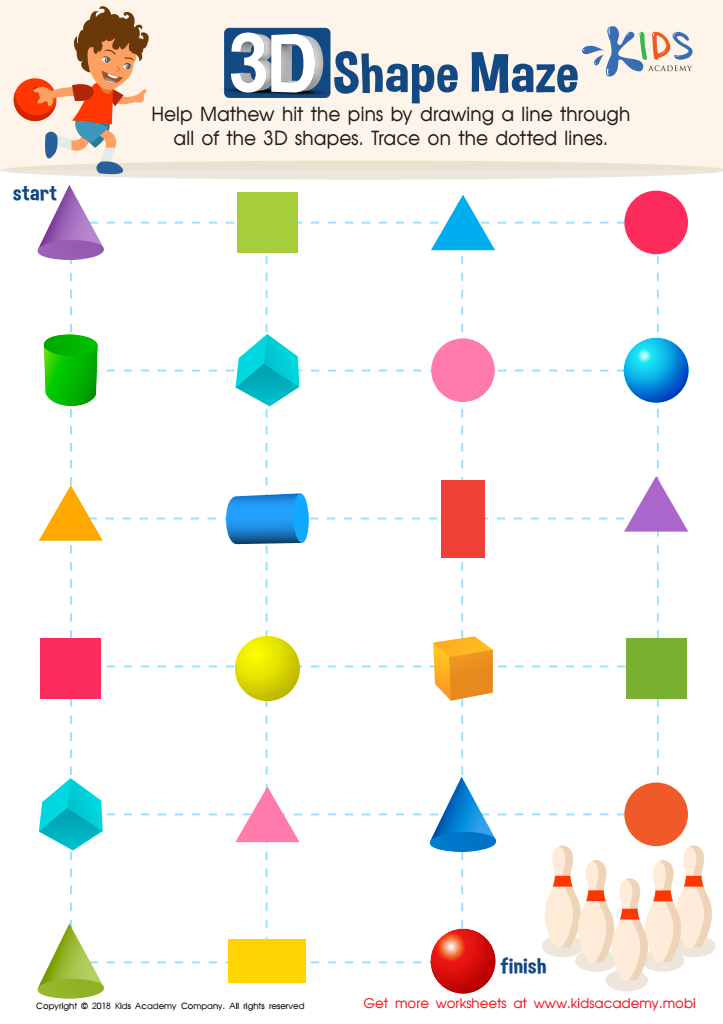
Shapes Maze Geometry Worksheet
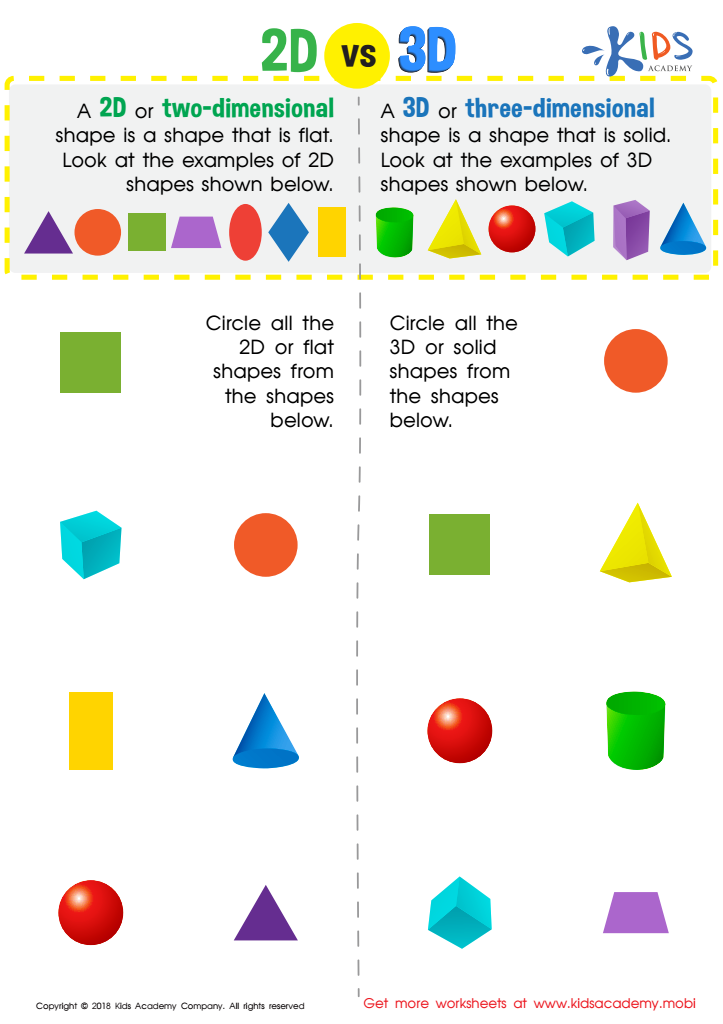
2D vs 3D Shapes Worksheet
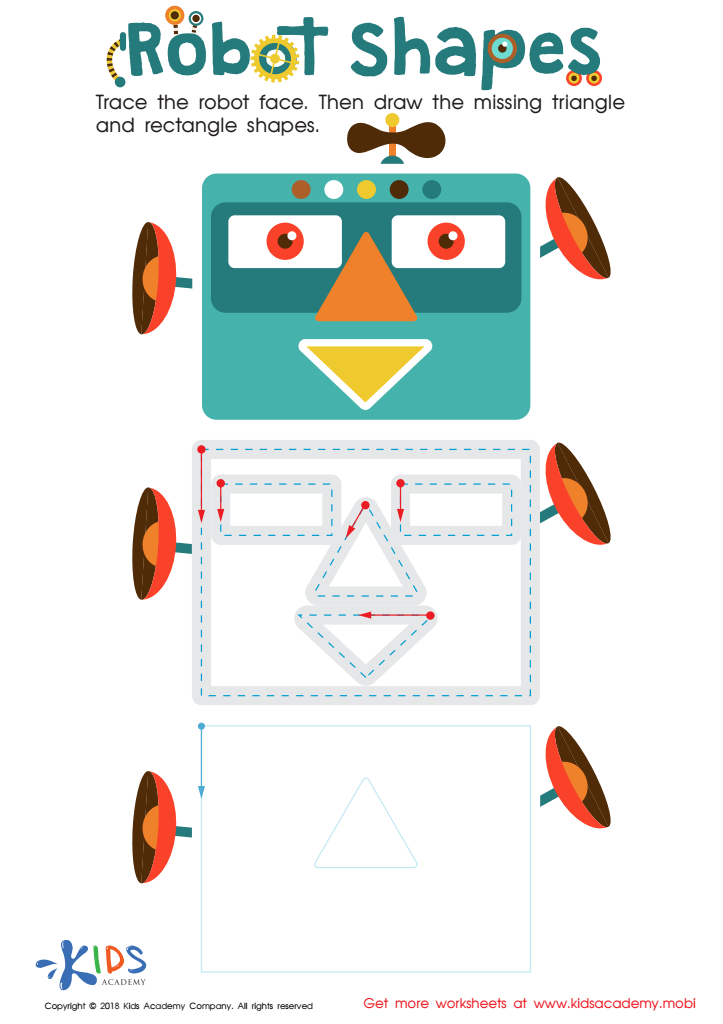
Robot Shapes Worksheet
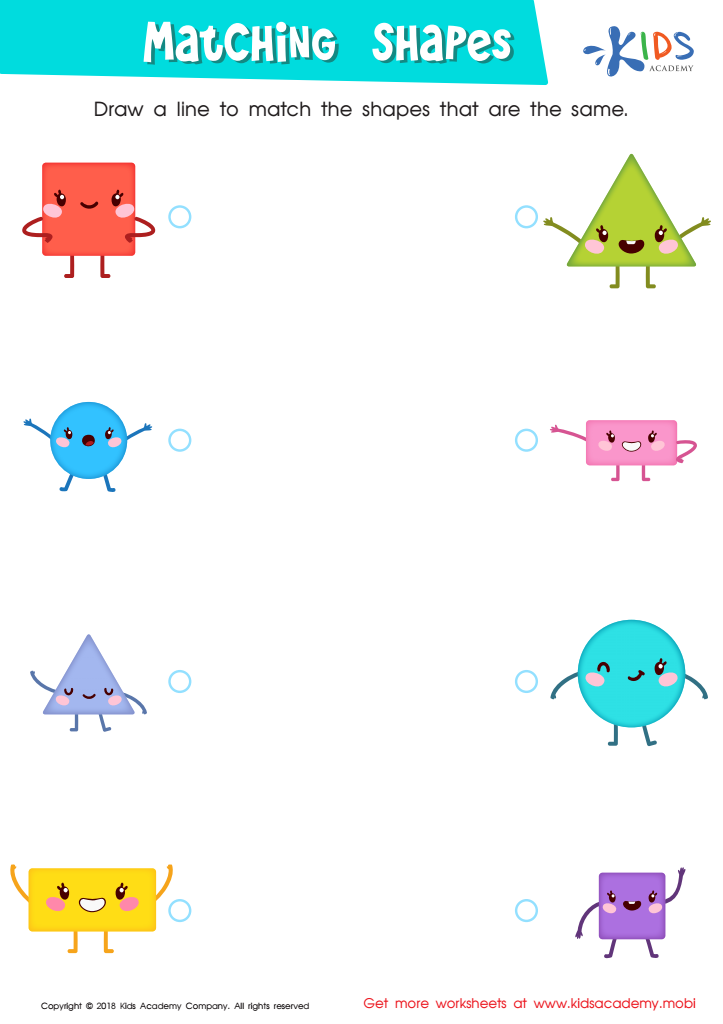
Matching Shapes Worksheet
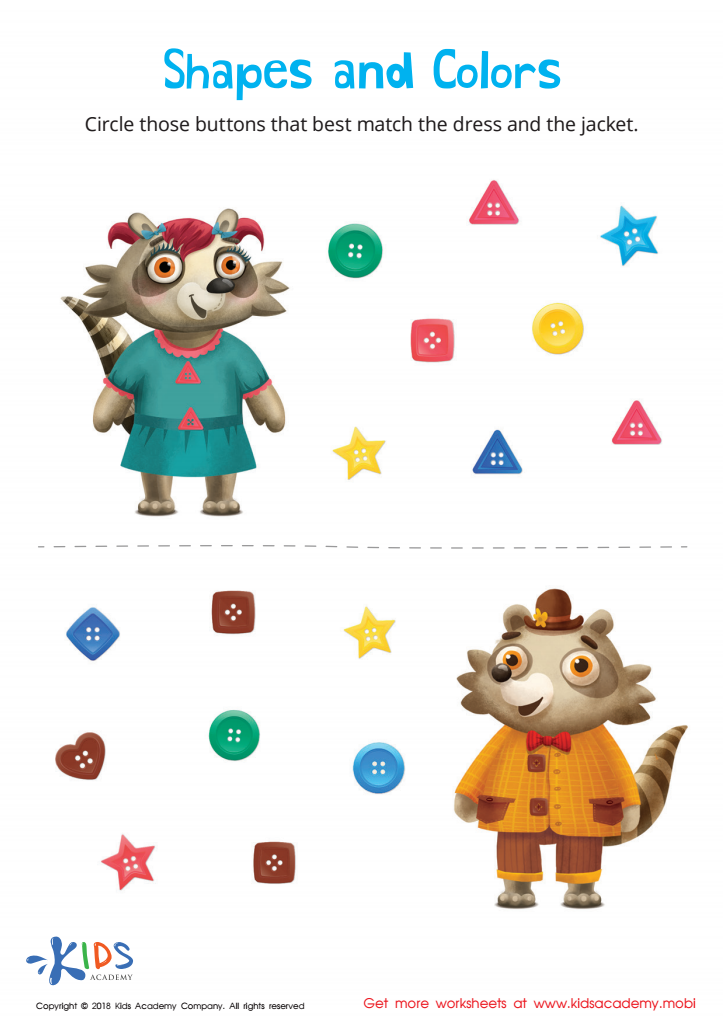
Shapes and Colors Worksheet
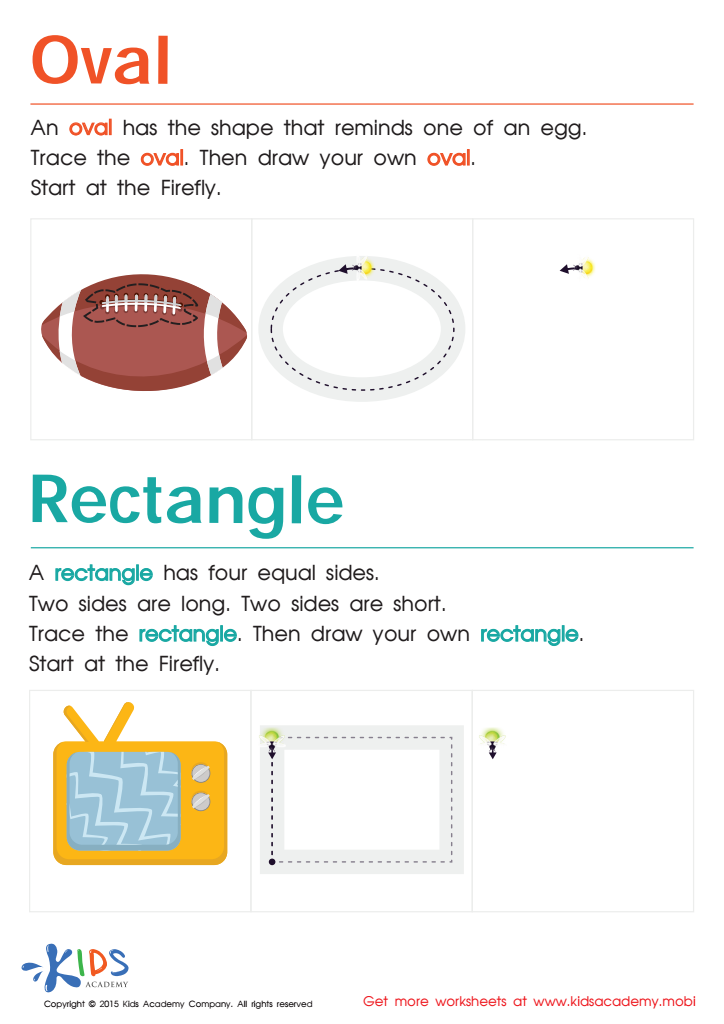
Easy Drawing of Ovals And Rectangles Worksheet
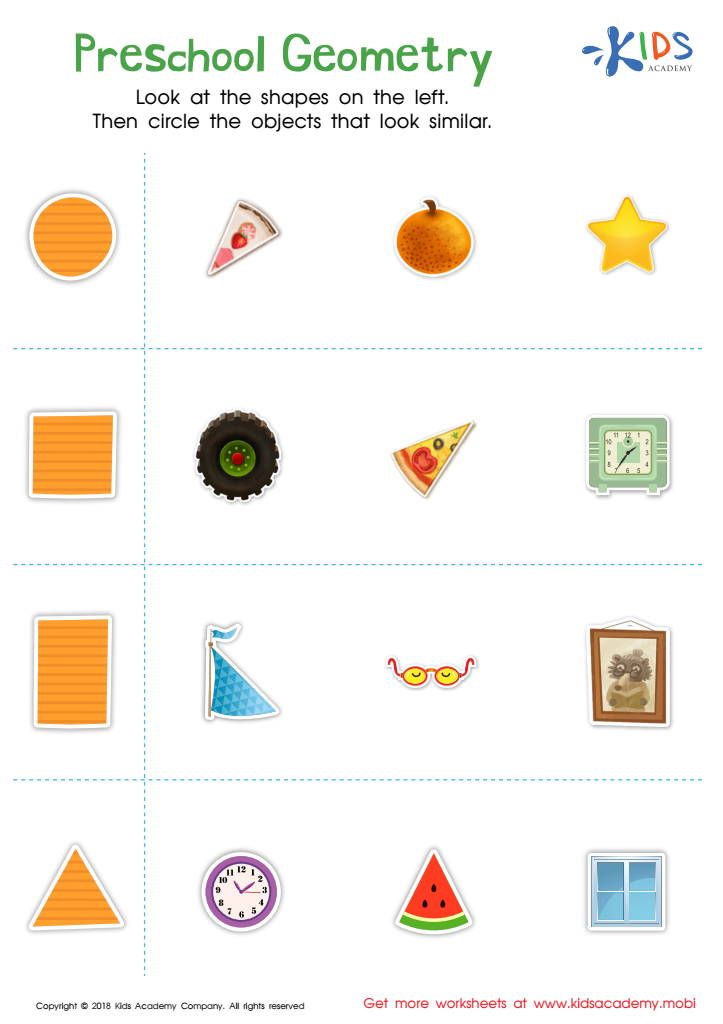
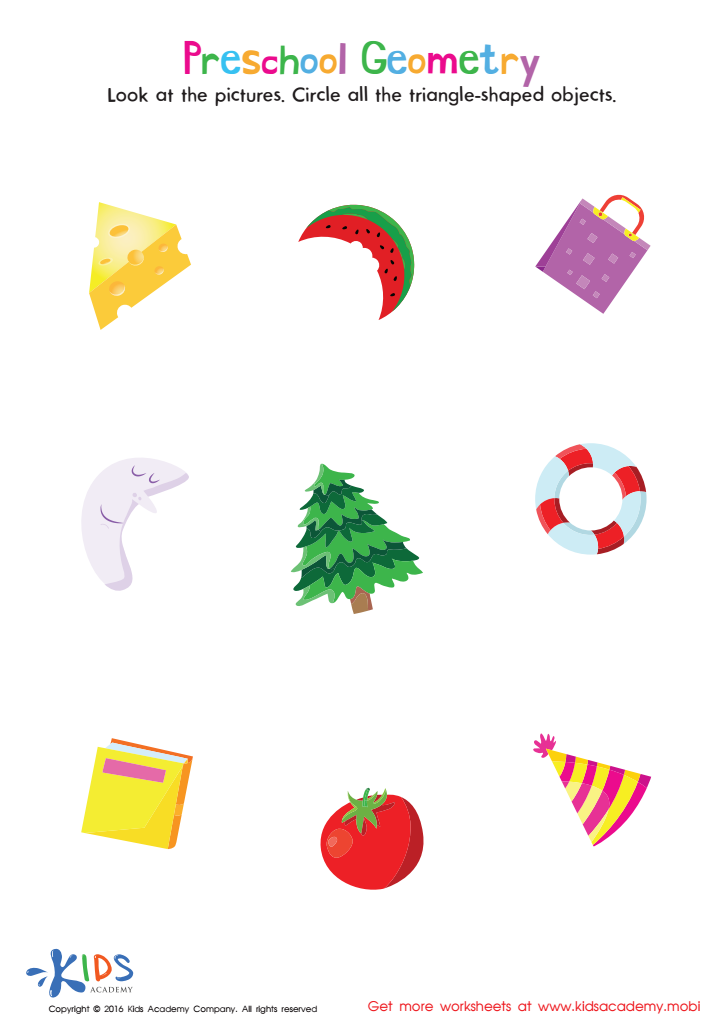
Preschool Geometry Worksheet
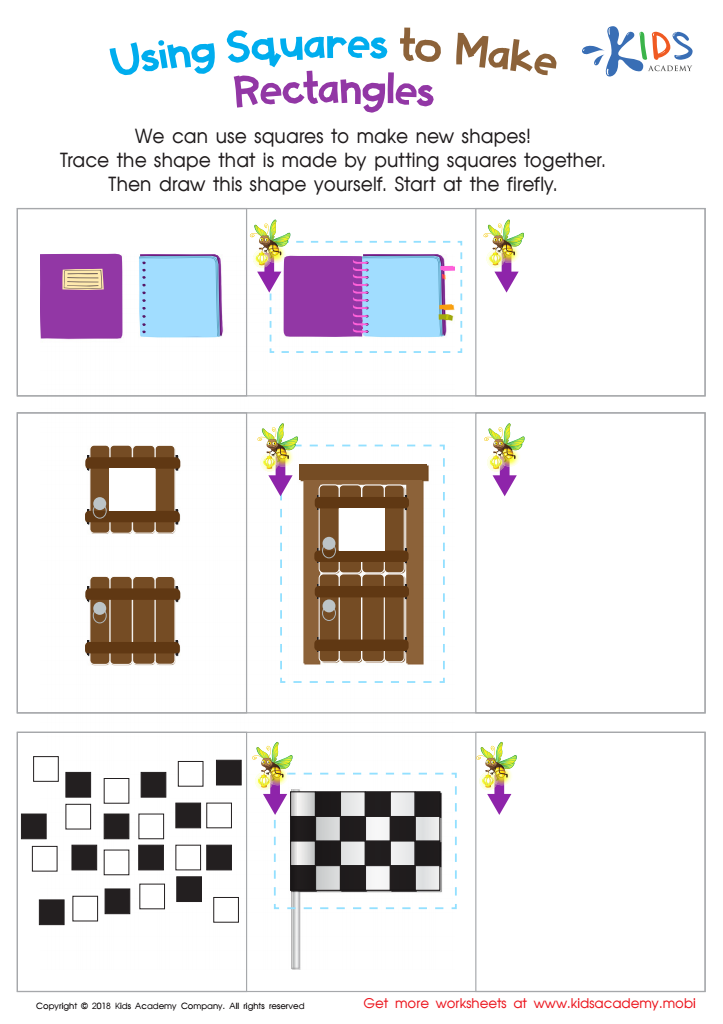
Using Squares to Make Rectangles Worksheet
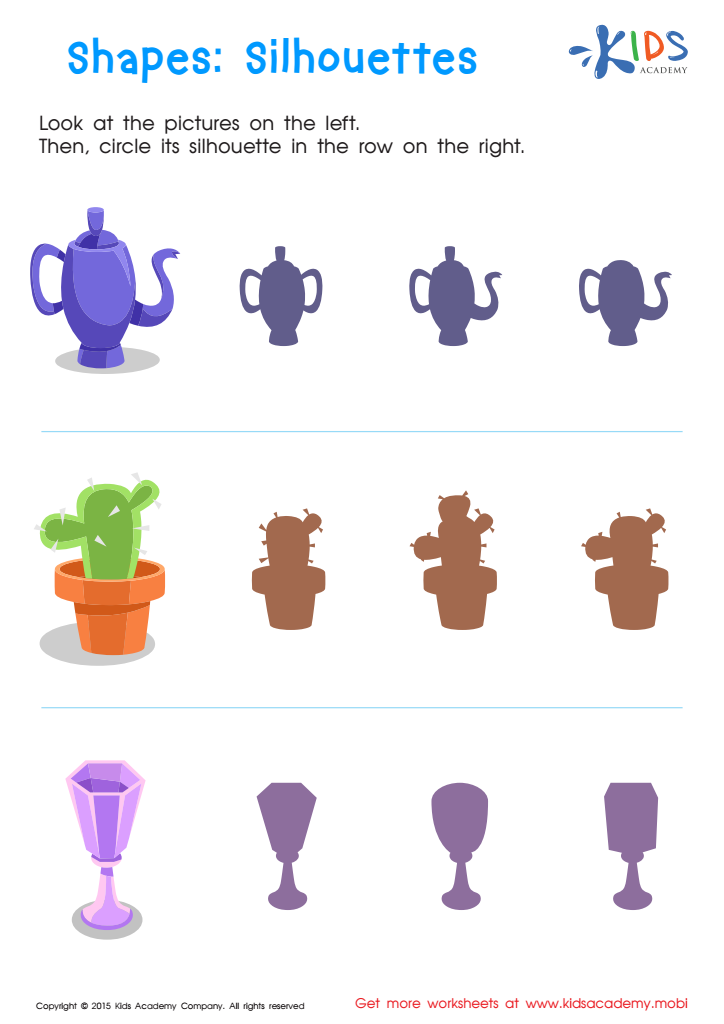
Silhouettes – Shapes Worksheet




.jpg)

Shape recognition is a fundamental skill for young children, serving as a building block for various cognitive and mathematical abilities. Introducing shape recognition to ages 4-5 is crucial for several reasons.
Firstly, it enhances visual-spatial skills, enabling children to understand and organize their environment. Recognizing shapes contributes to more advanced spatial reasoning, which is essential not only in geometry but also in problem-solving and everyday tasks like navigating spaces or assembling objects.
Secondly, shape recognition is tightly linked to early literacy. Distinguishing between shapes of letters strengthens pre-reading skills, as children learn to identify and differentiate individual characters of the alphabet.
Thirdly, it forms the basis for number sense and numerical operations. Basic geometry introduces kids to concepts of symmetry, patterns, and categorization, which are foundational for more complex math topics.
Furthermore, developing this skill boosts children's confidence and sense of achievement. Successfully identifying and discussing different shapes builds self-esteem and promotes a positive attitude towards learning.
Finally, shape recognition activities often entail hands-on interaction, which suits the kinesthetic learning style dominant in early childhood. Engaging children through play, drawing, and physical manipulation ensures active participation and better retention.
Thus, parents and teachers should prioritize shape recognition to equip children with critical skills for academic success and everyday life.








