Shape Recognition Normal Worksheets for Ages 4-6
42 filtered results
-
From - To
Discover engaging "Shape Recognition Normal Worksheets for Ages 4-6" designed to help young learners identify and differentiate shapes with ease. Tailored for preschool and early elementary students, these printable worksheets make learning fun with vibrant images and interactive activities. Foster essential cognitive and motor skills by guiding your child through exercises that introduce circles, squares, triangles, and more. Encourage hands-on practice and build a strong foundation for future math success. Perfectly suited for both classroom and home use, these worksheets provide a delightful way to develop shape recognition in children from 4 to 6 years old.
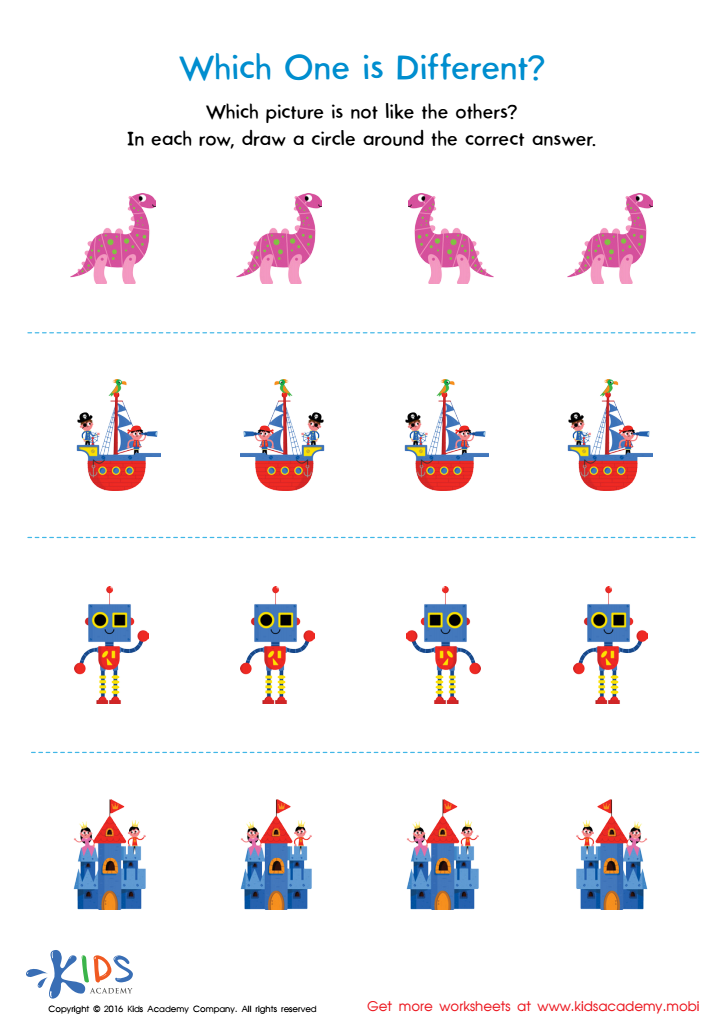
Which One Is Different Worksheet
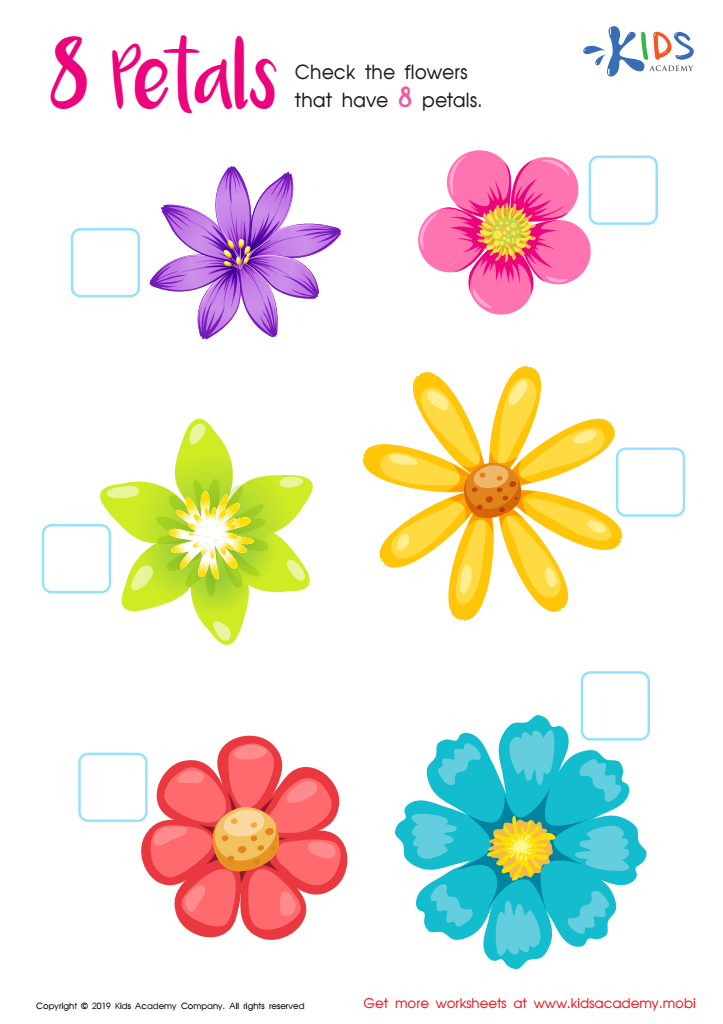
8 Petals Worksheet
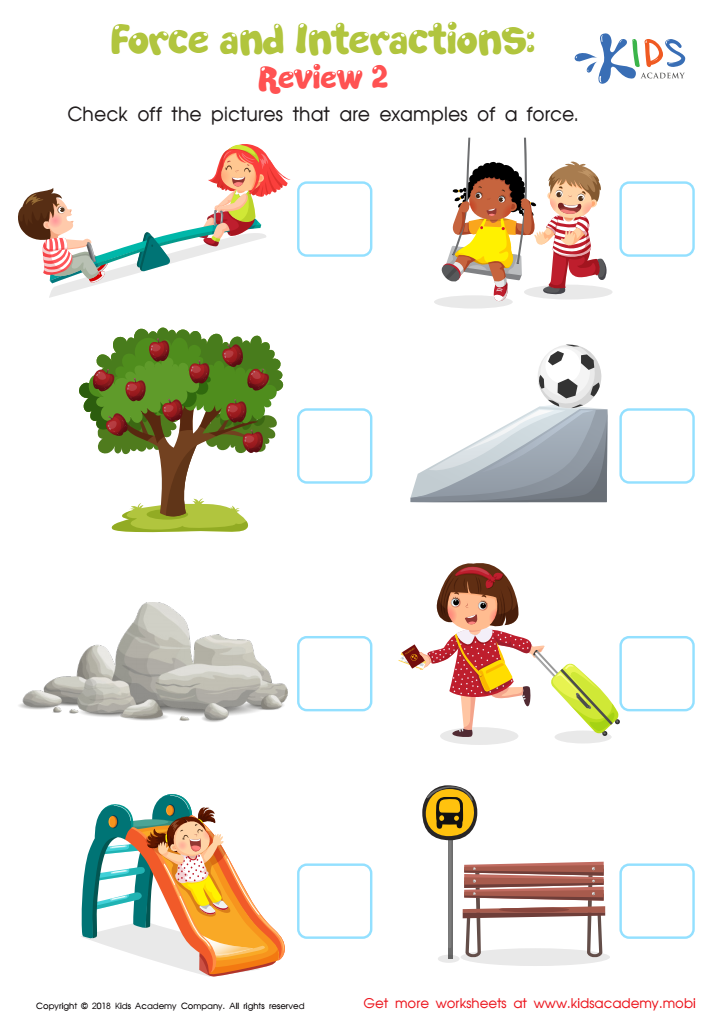
Force and Interactions: Review 2 Worksheet
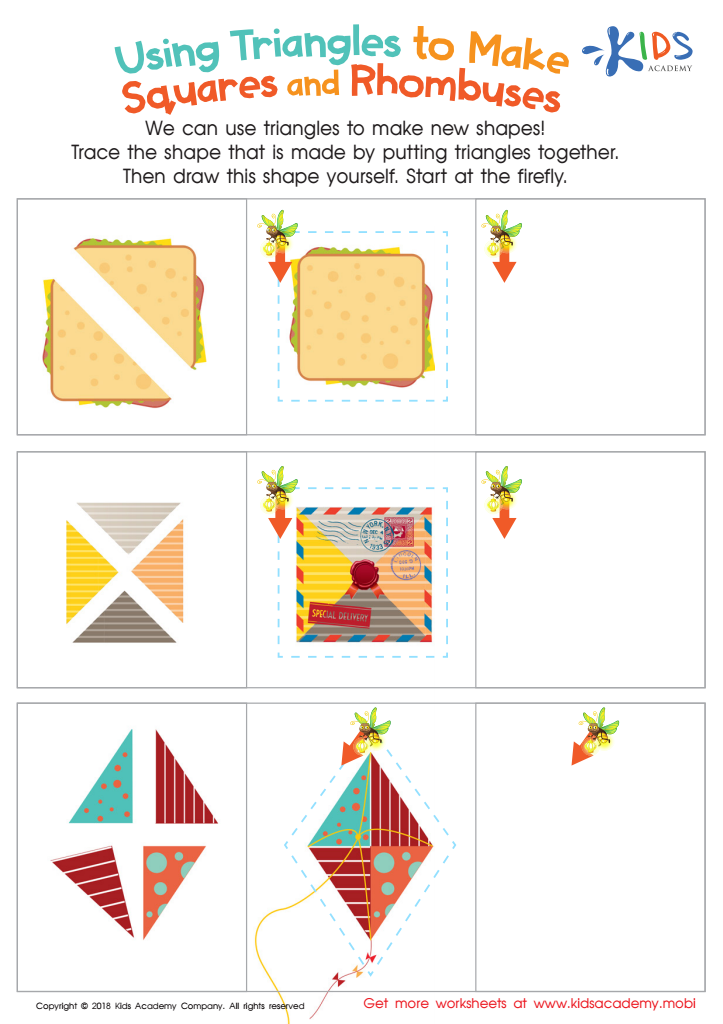
Using Triangles to Make Squares and Rhombuses Worksheet
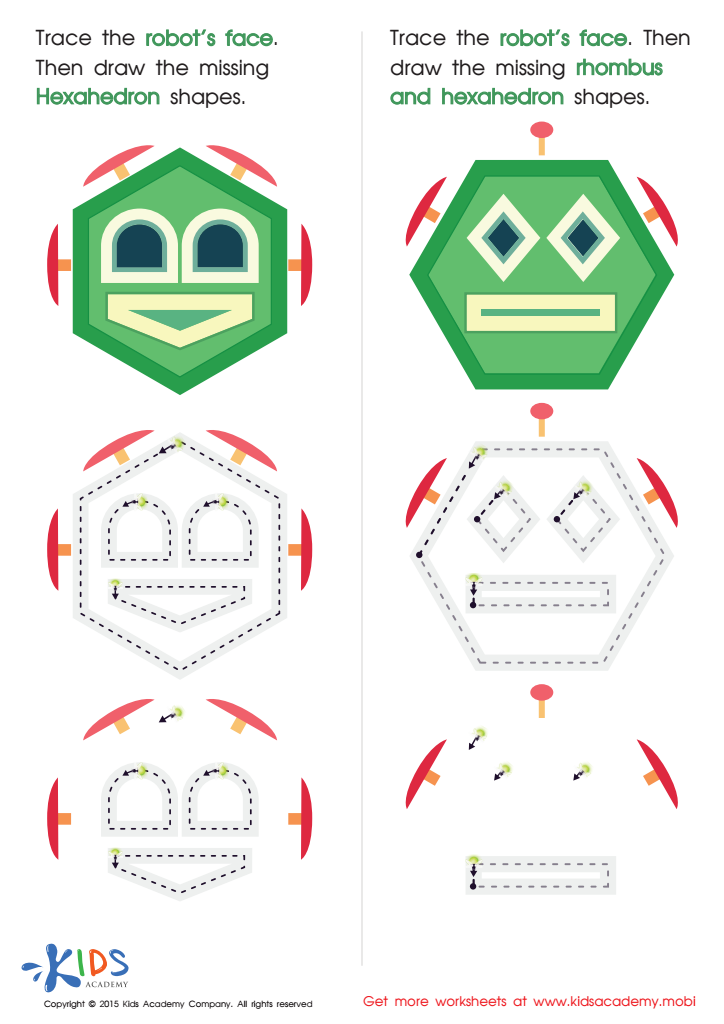
Practice Drawing Hexahedrons And a Rhombus Worksheet
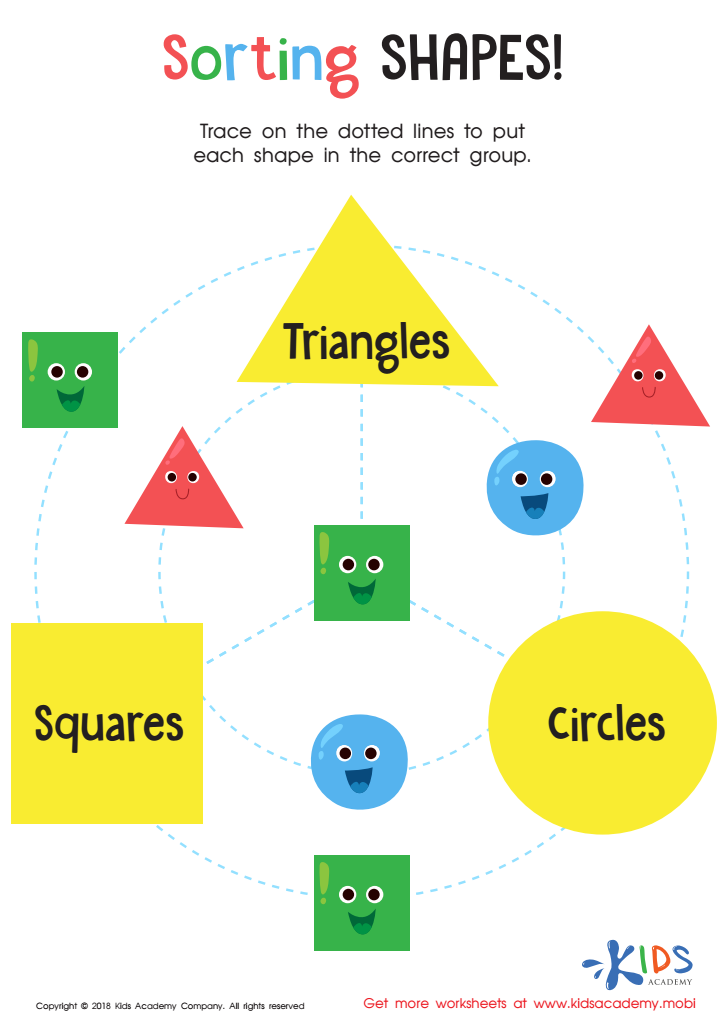
Sorting Shapes - Part 3 Worksheet
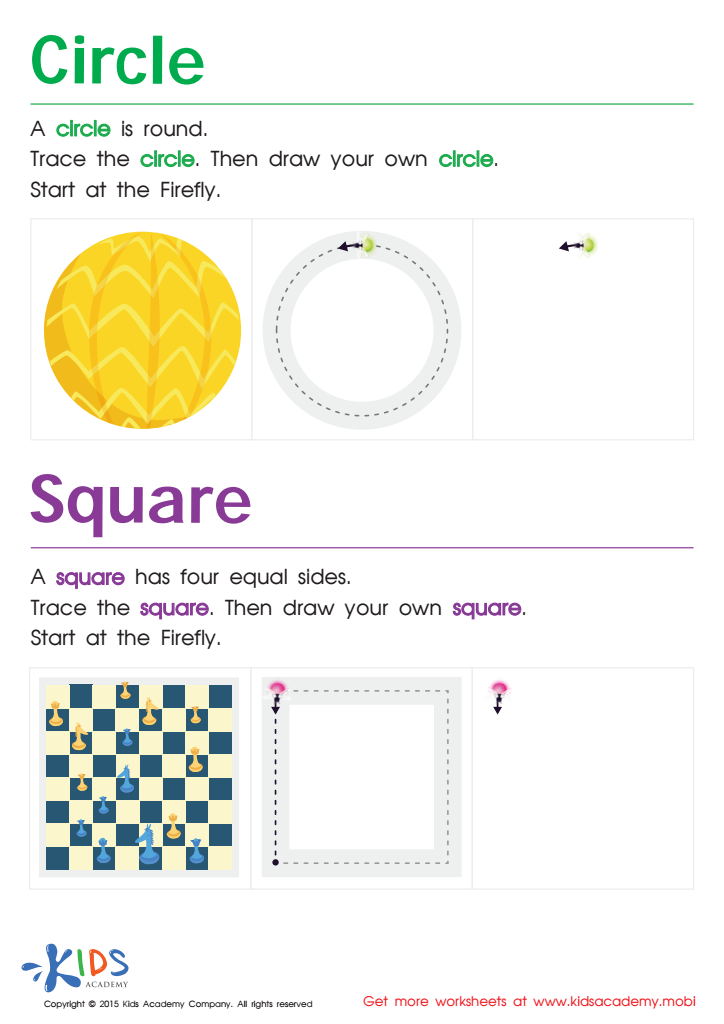
Trace And Draw a Circle And a Square Worksheet
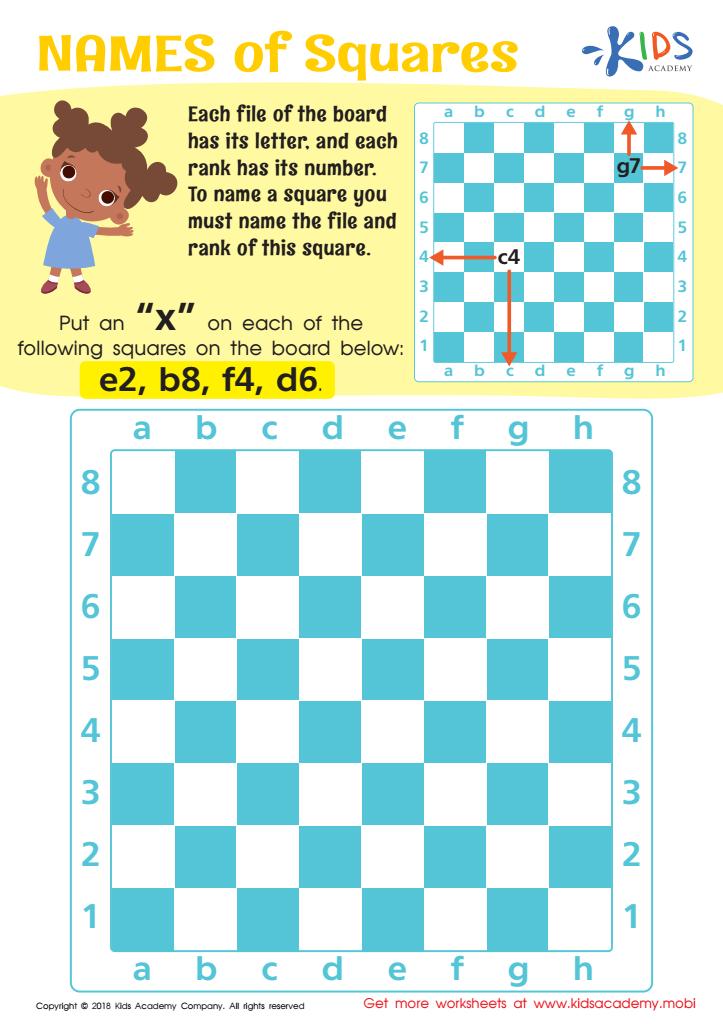
Names of Squares Worksheet
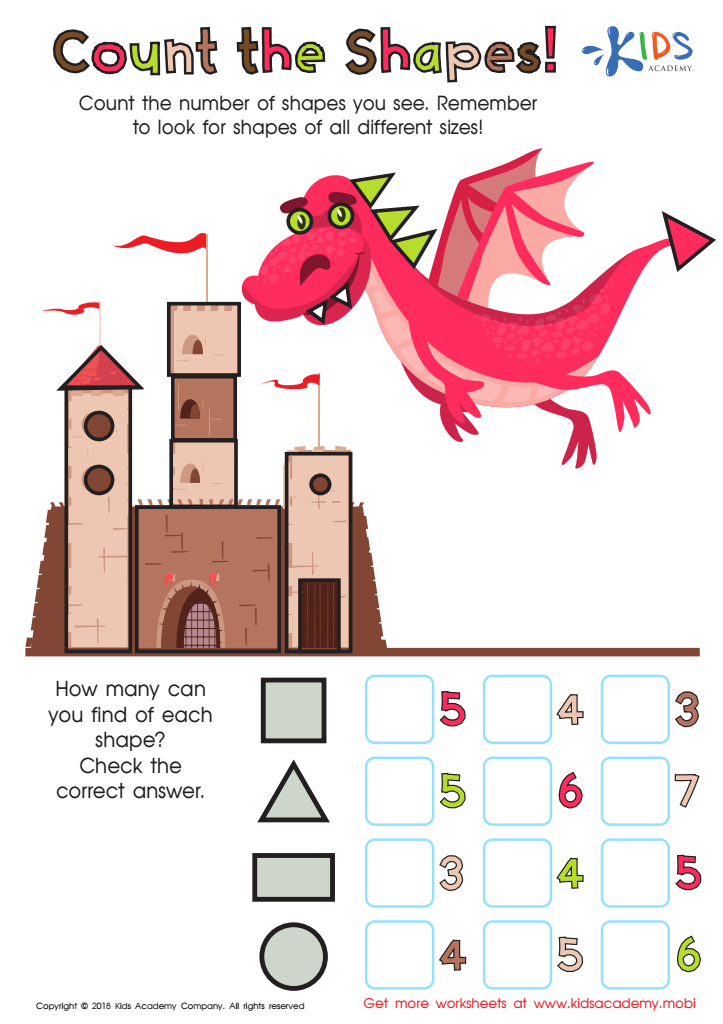
Count the Shapes Worksheet
Halloween: A Funny Monster Worksheet
 Assign to My Students
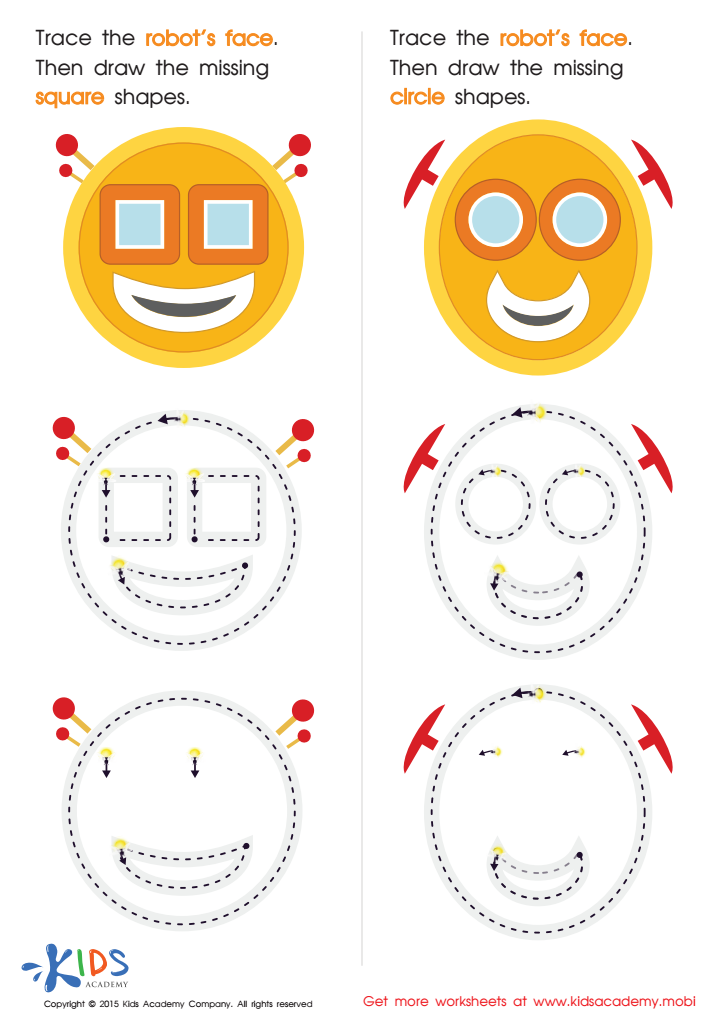
Practicing to Draw Circles And Squares Printable
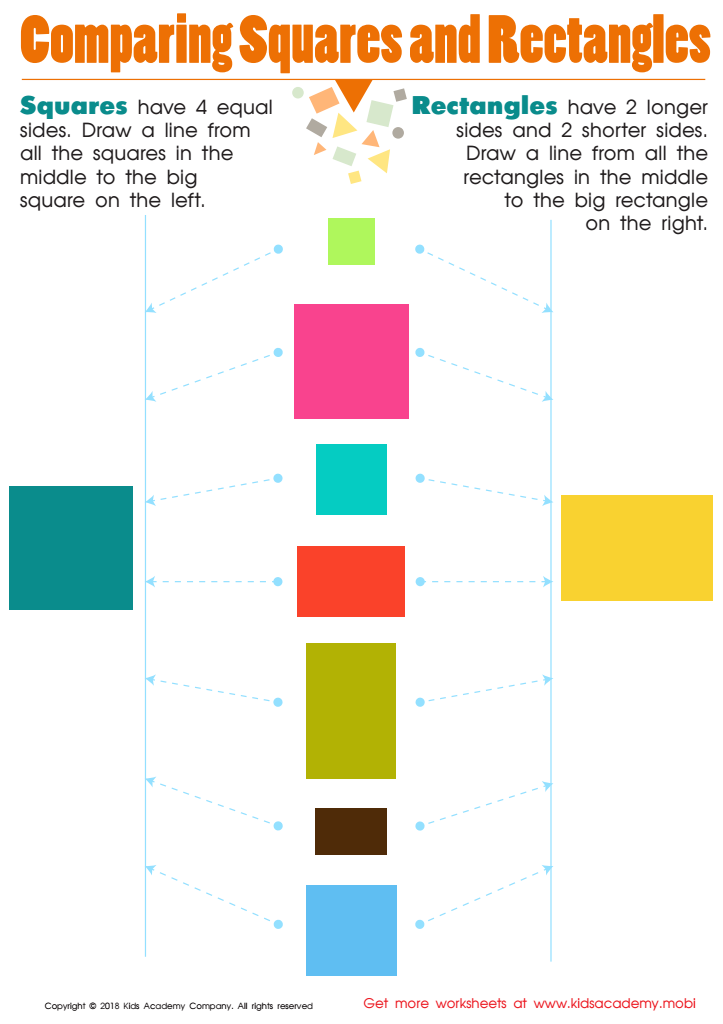
Comparing Squares Rectangles Worksheet
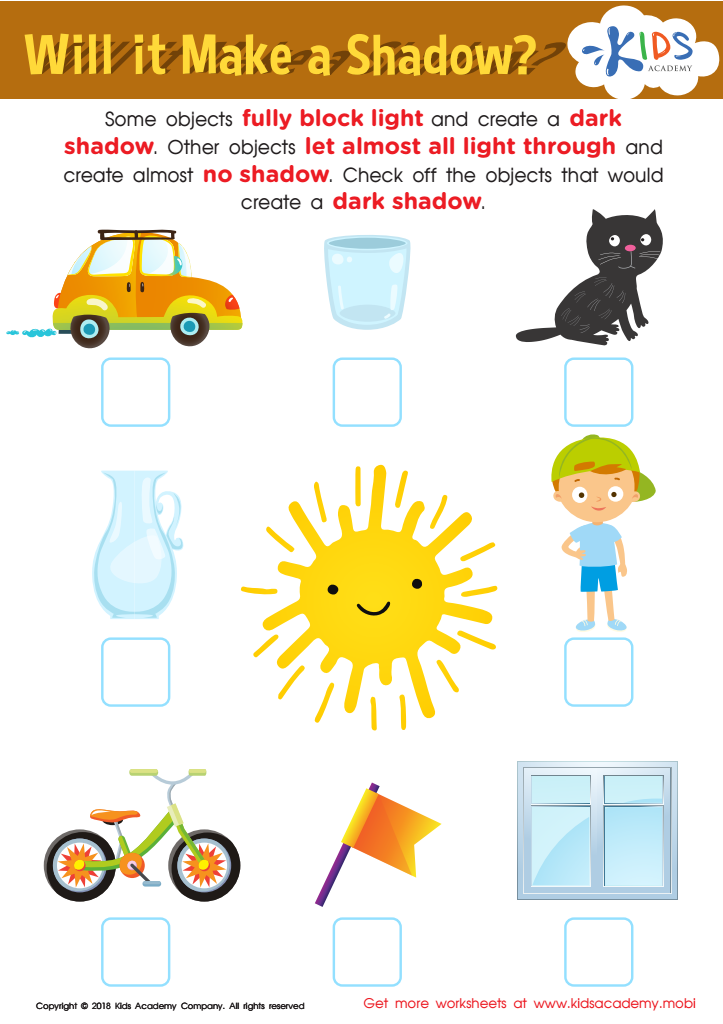
Will It Make a Shadow? Worksheet
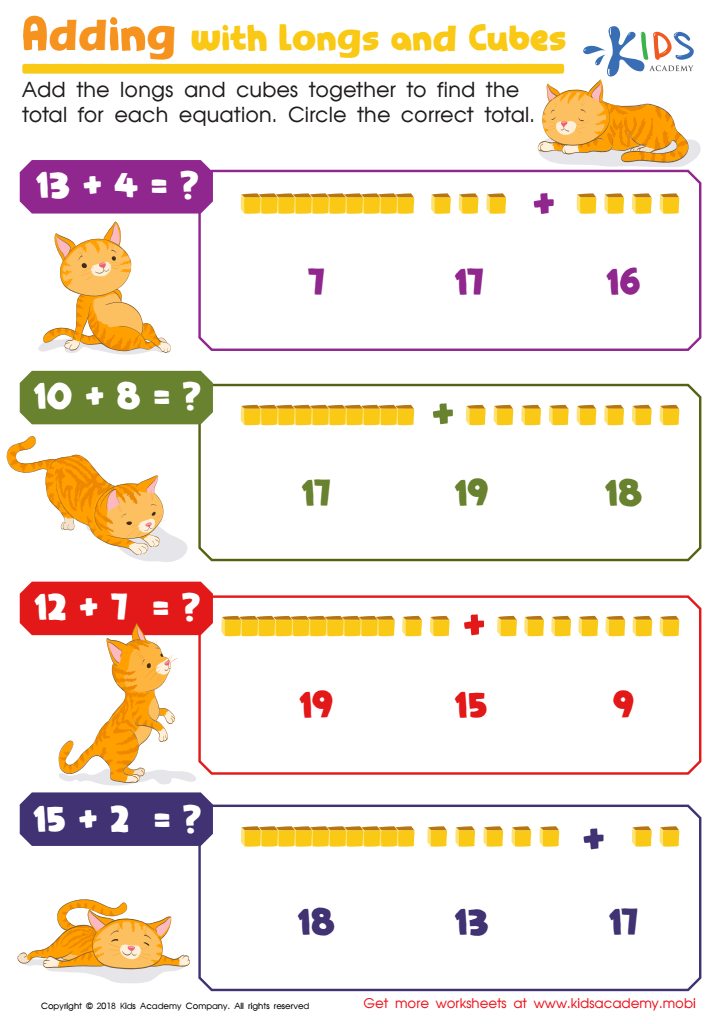
Adding With Longs and Cubes Worksheet
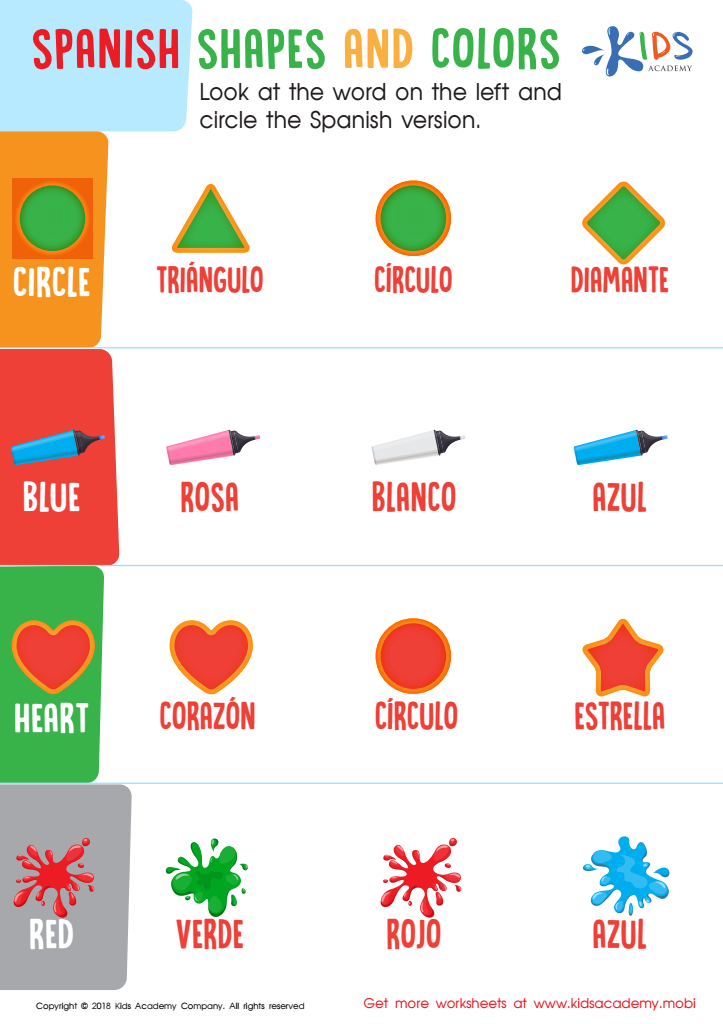
Spanish Shapes and Colors Worksheet
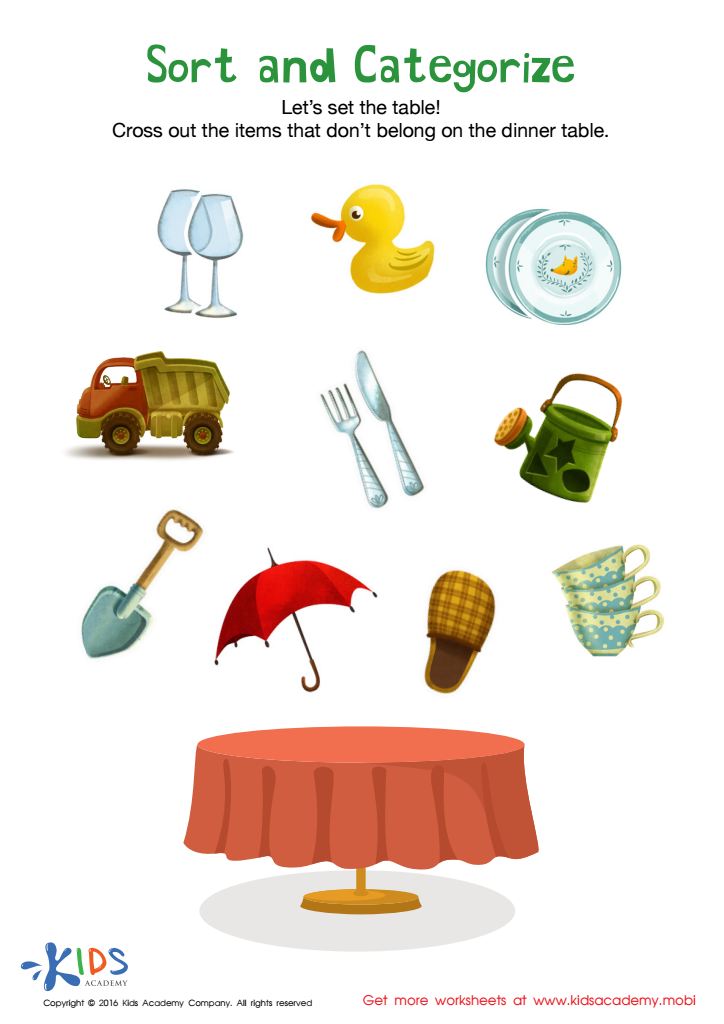
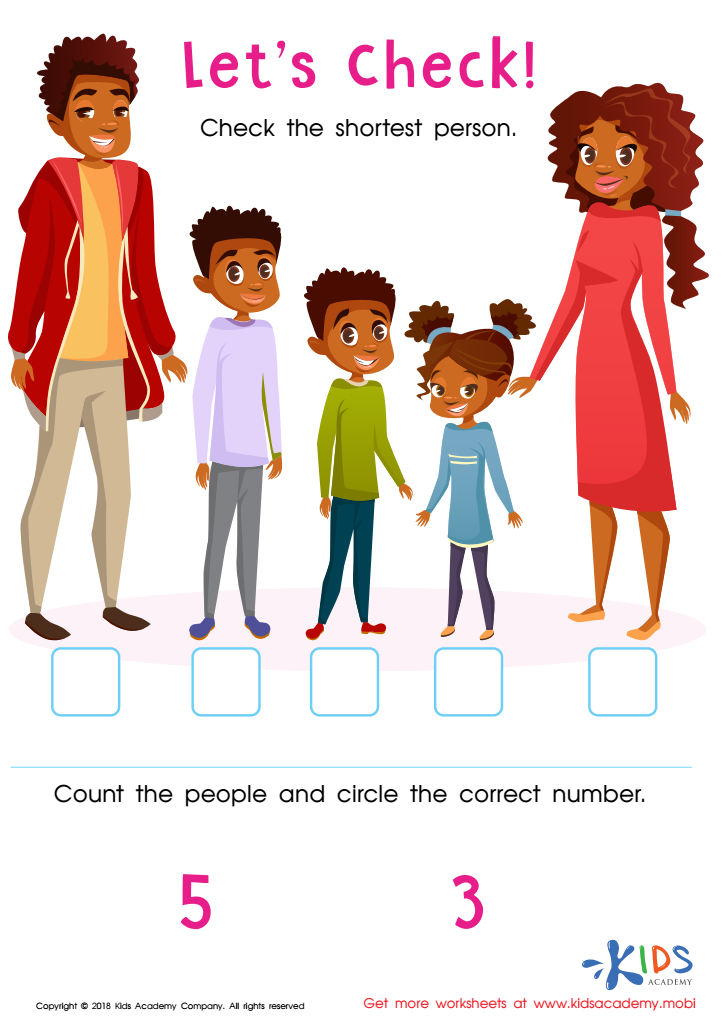
Let's Check! Assessment Worksheet
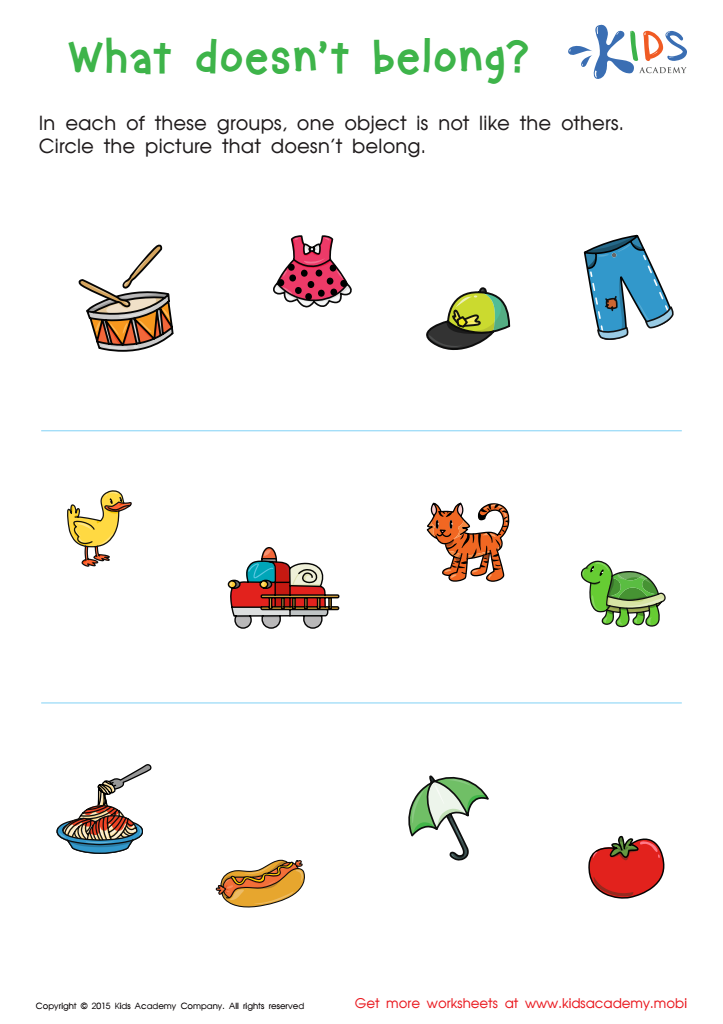
First Words: What Doesn't Belong Worksheet
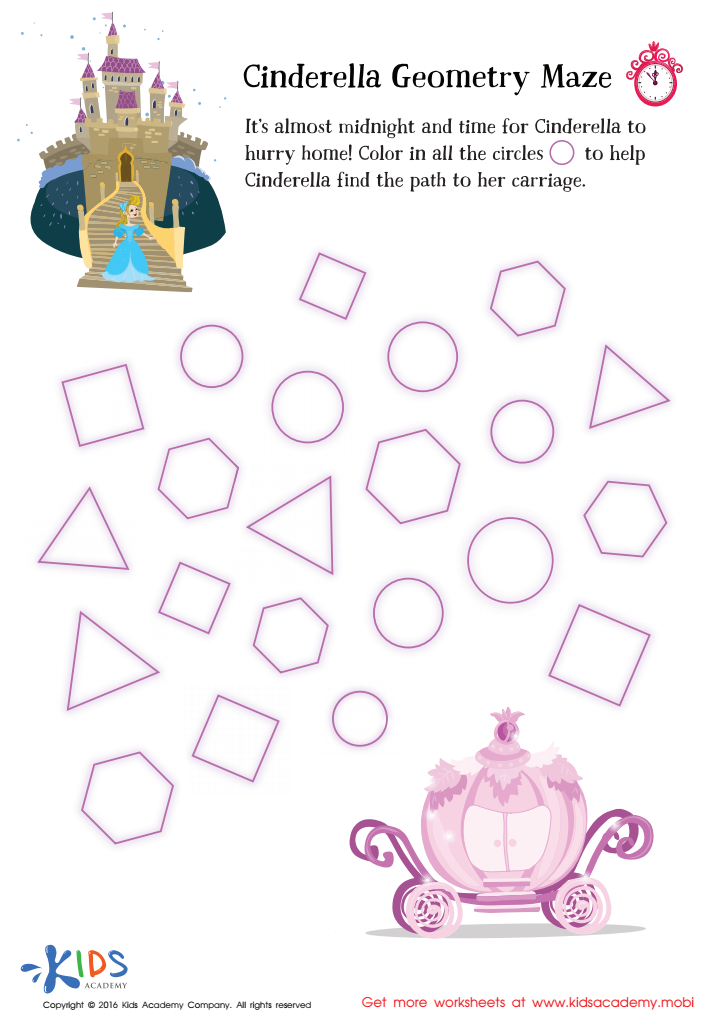
Cinderella Geometry Maze Worksheet
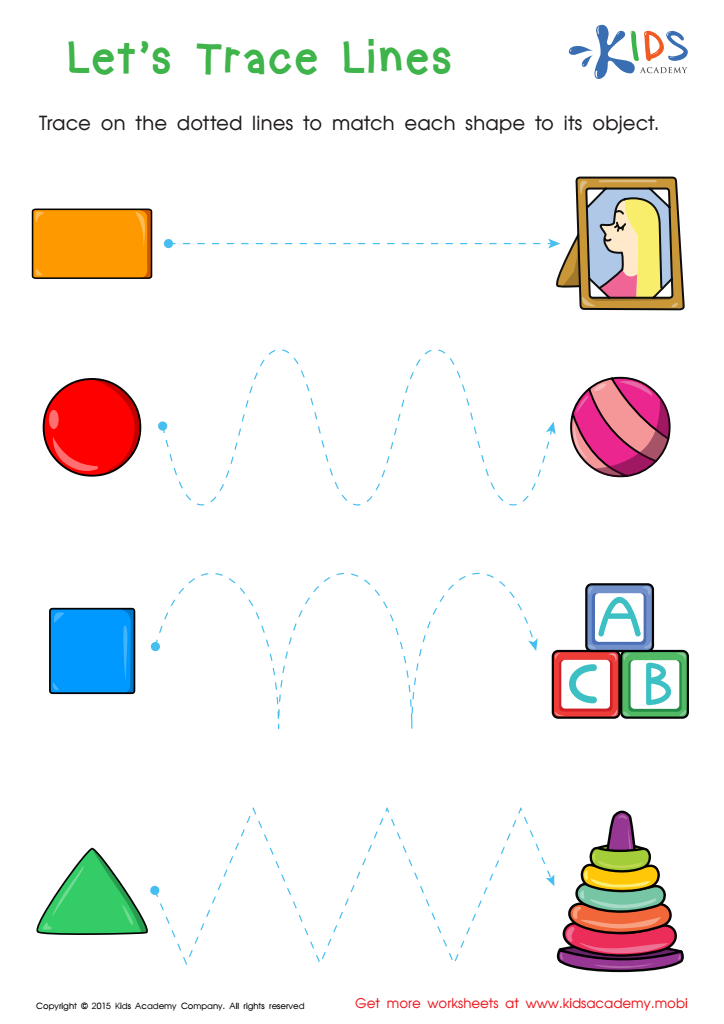
First Words: Let's Trace Lines Worksheet
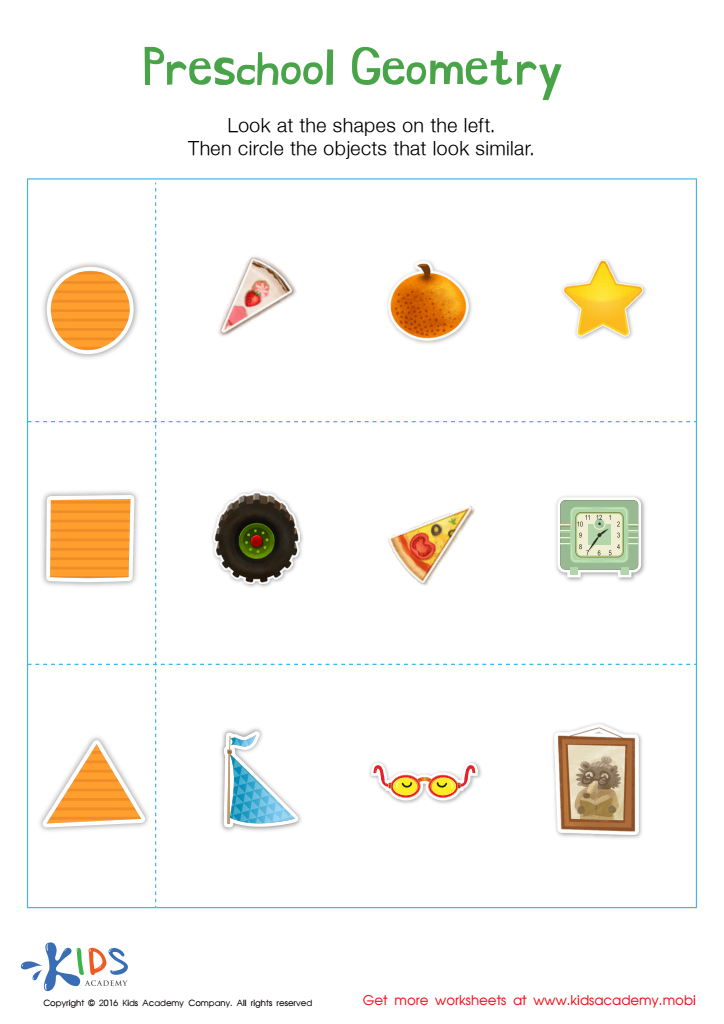
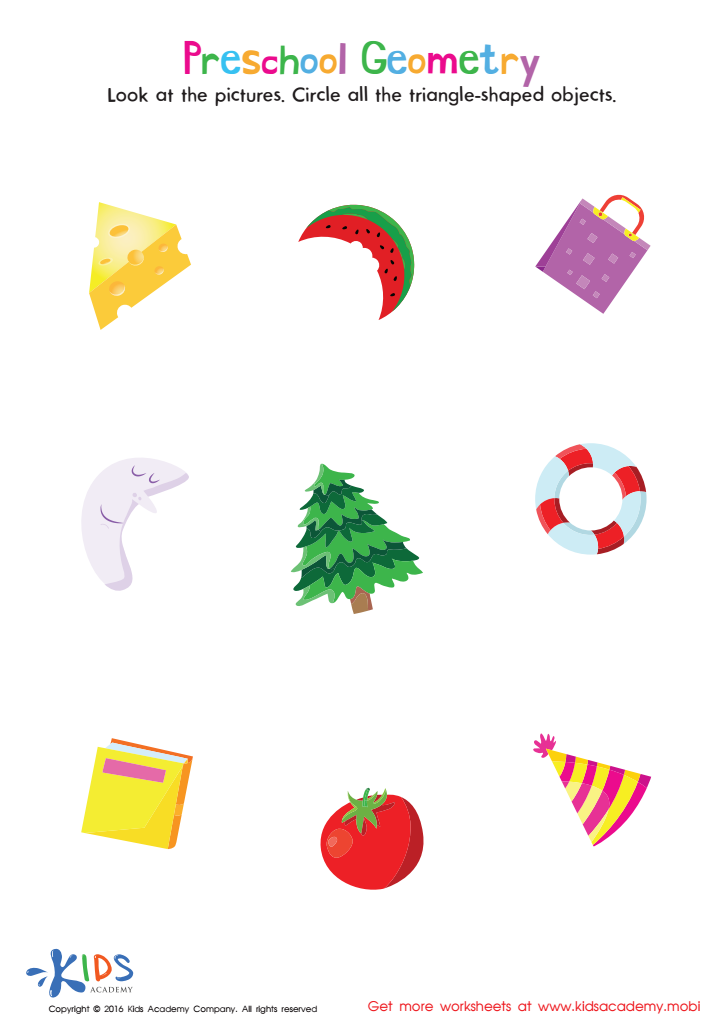
Preschool Geometry Match Up Worksheet
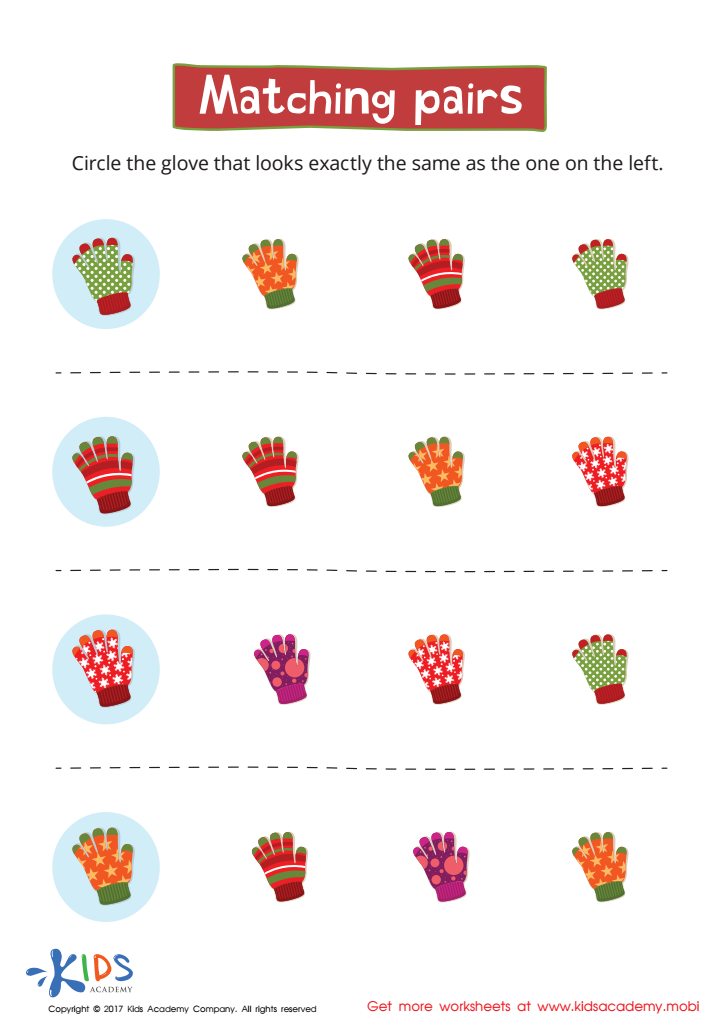
Matching: Matching Pairs Worksheet
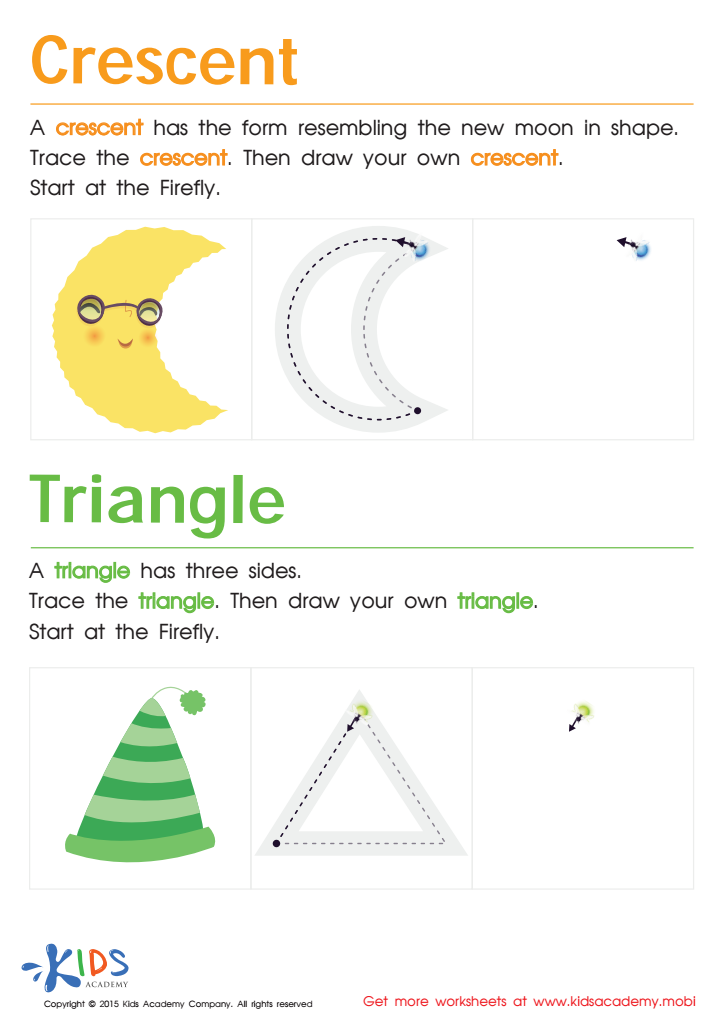
Learning to Draw Crescents And Triangles Worksheet








Shape recognition is a pivotal developmental milestone for children aged 4-6, with immense educational benefits deserving close attention from both parents and teachers. At this formative stage, understanding shapes helps children develop critical cognitive skills including visual perception and spatial awareness. Recognizing and naming various shapes enhances their vocabulary, fostering better communication abilities essential for early literacy.
Engagement with shapes also introduces fundamental mathematical concepts. Identifying shapes lays the groundwork for geometry, enabling children to understand the properties of objects and their relative positions in space. These basic skills underpin more complex mathematical problem-solving and reasoning tasks they will encounter in later schooling.
Furthermore, shape recognition activities bolster fine motor skills and hand-eye coordination. Tasks such as drawing or manipulating shapes refine dexterity, preparing children's hands for writing. Social interaction and collaborative learning also bloom; kids often partake in shape-related games and puzzles with peers, enhancing their cooperative play and teamwork skills.
Incorporating shape recognition in daily learning routines, parents and teachers create an enriched, multidimensional educational environment. This holistic approach ensures that children not only thrive academically but also develop essential life skills. Thus, investing time and effort in shape recognition for young learners forms a robust foundation for their future educational success.








