Shape Recognition Normal Worksheets for Ages 4-7
46 filtered results
-
From - To
Discover our Shape Recognition Normal Worksheets designed specifically for children aged 4 to 7! These engaging resources help young learners identify and differentiate various shapes through fun and interactive activities. Each worksheet is crafted to enhance visual perception, critical thinking, and fine motor skills while providing enjoyable learning experiences. Perfect for classroom settings or at-home practice, the worksheets include a variety of exercises such as tracing, matching, and coloring shapes. Teachers and parents will appreciate how these resources promote early math skills in a playful and accessible manner. Download now to support your child's educational journey and make learning shapes enjoyable!
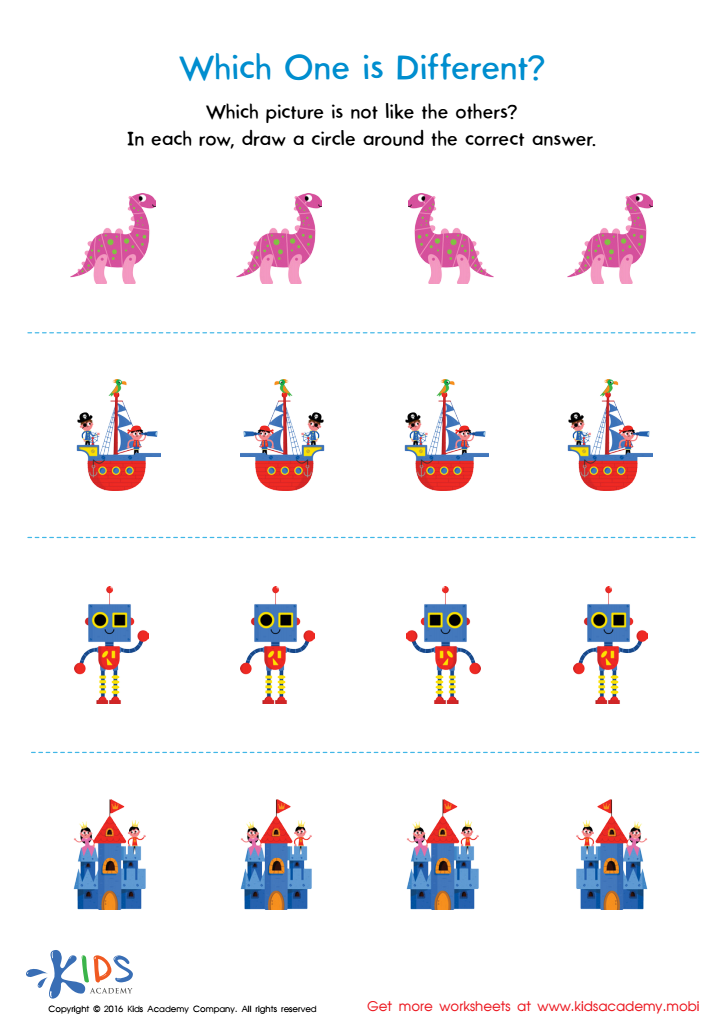
Which One Is Different Worksheet
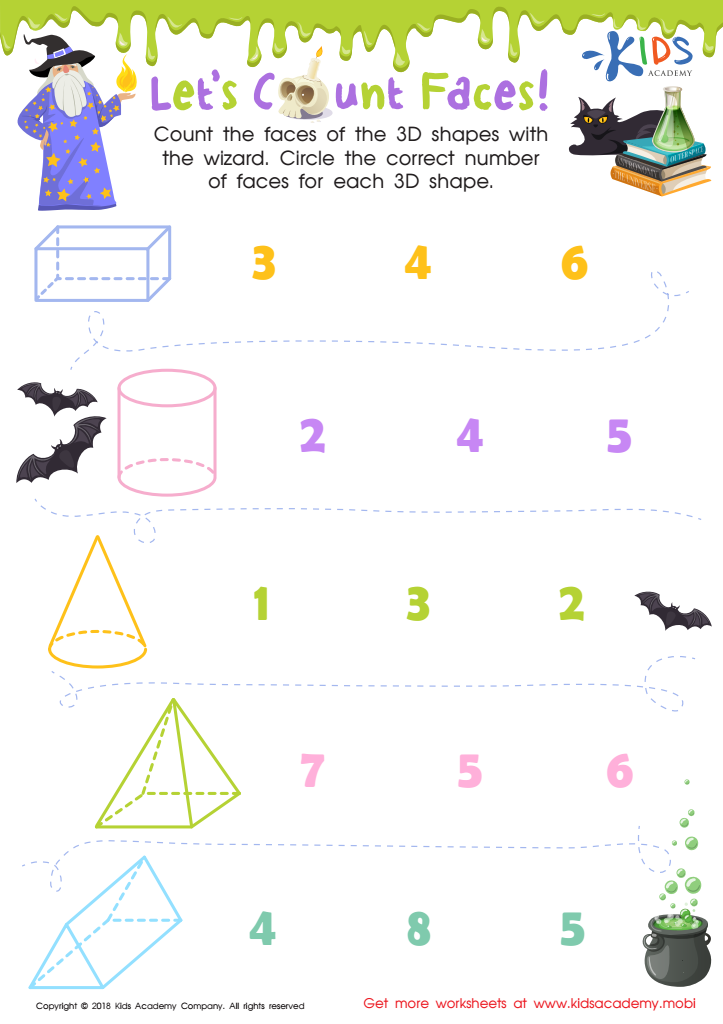
Let's Count Faces! Worksheet
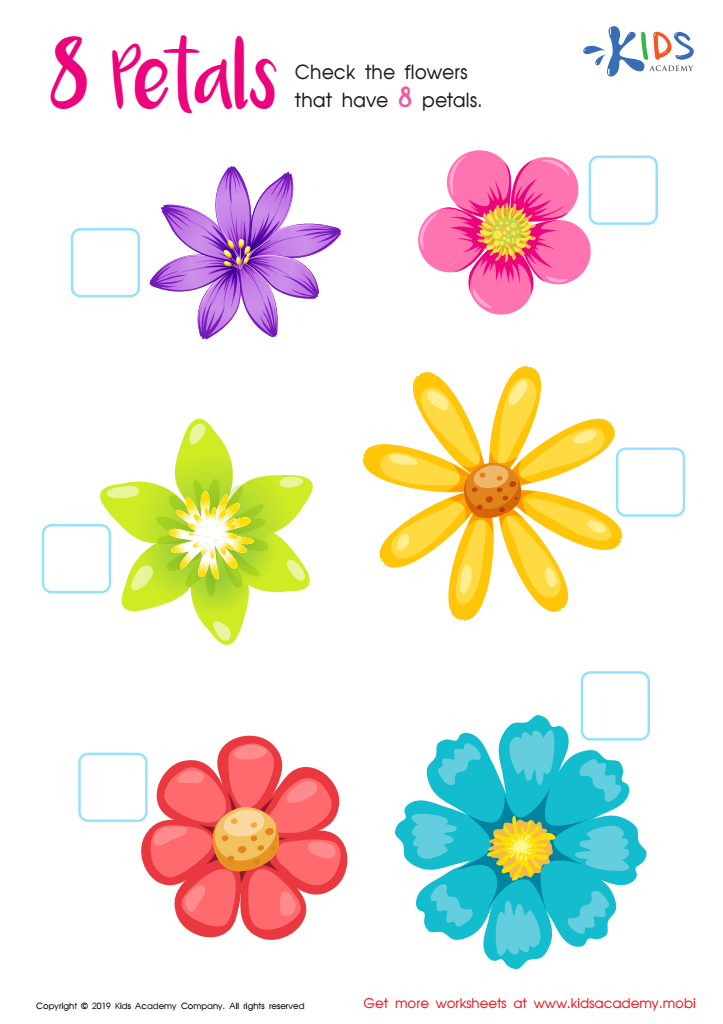
8 Petals Worksheet
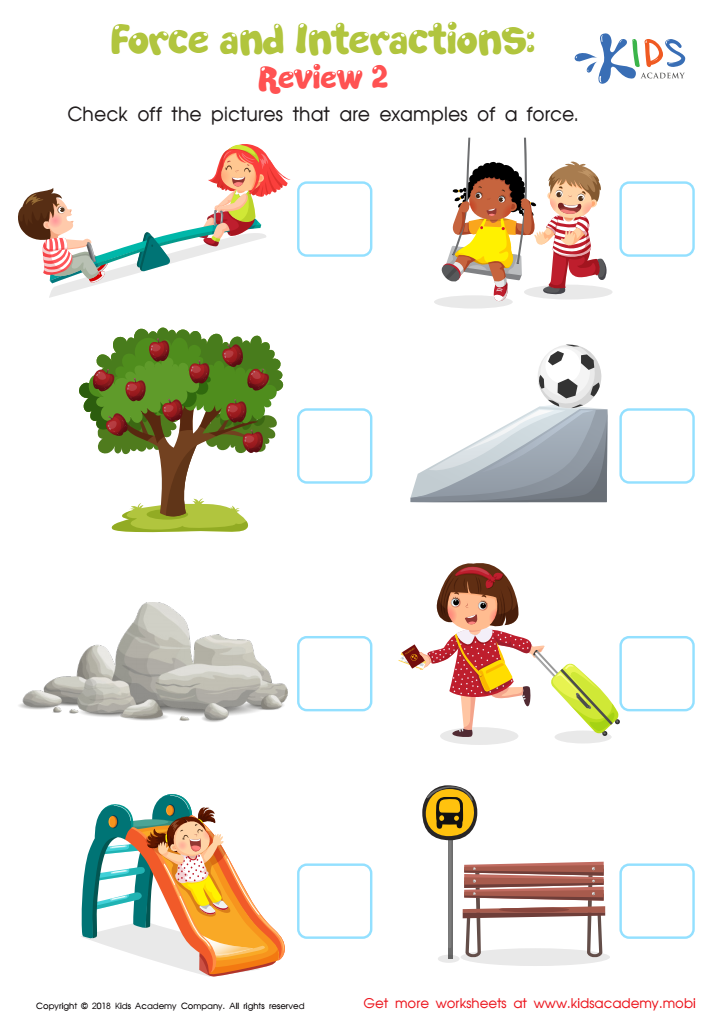
Force and Interactions: Review 2 Worksheet
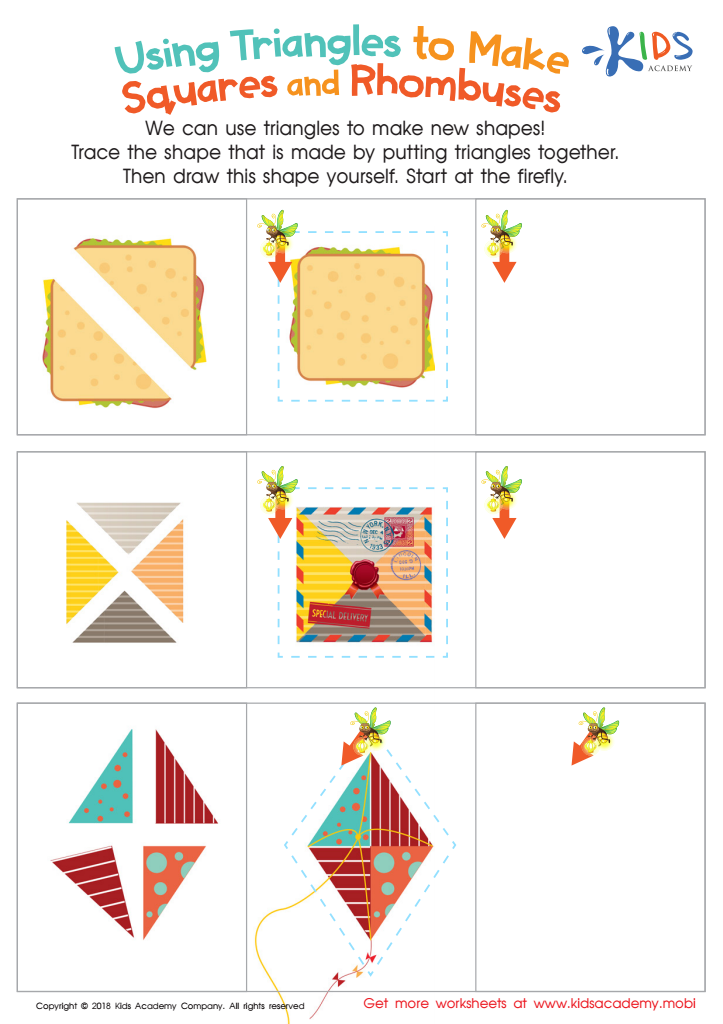
Using Triangles to Make Squares and Rhombuses Worksheet
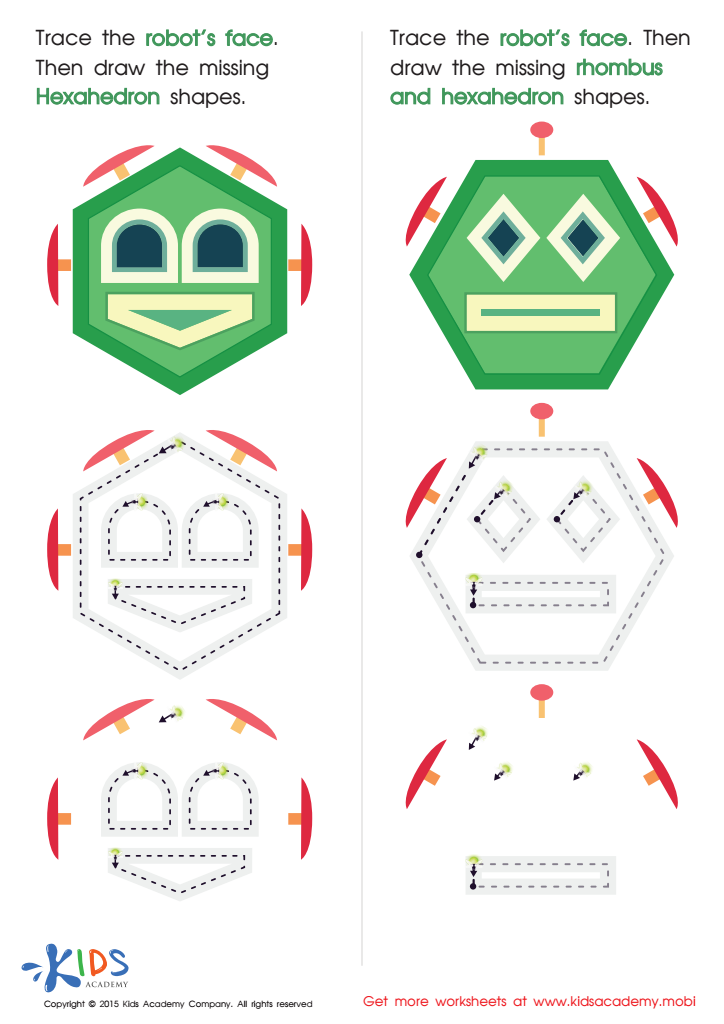
Practice Drawing Hexahedrons And a Rhombus Worksheet
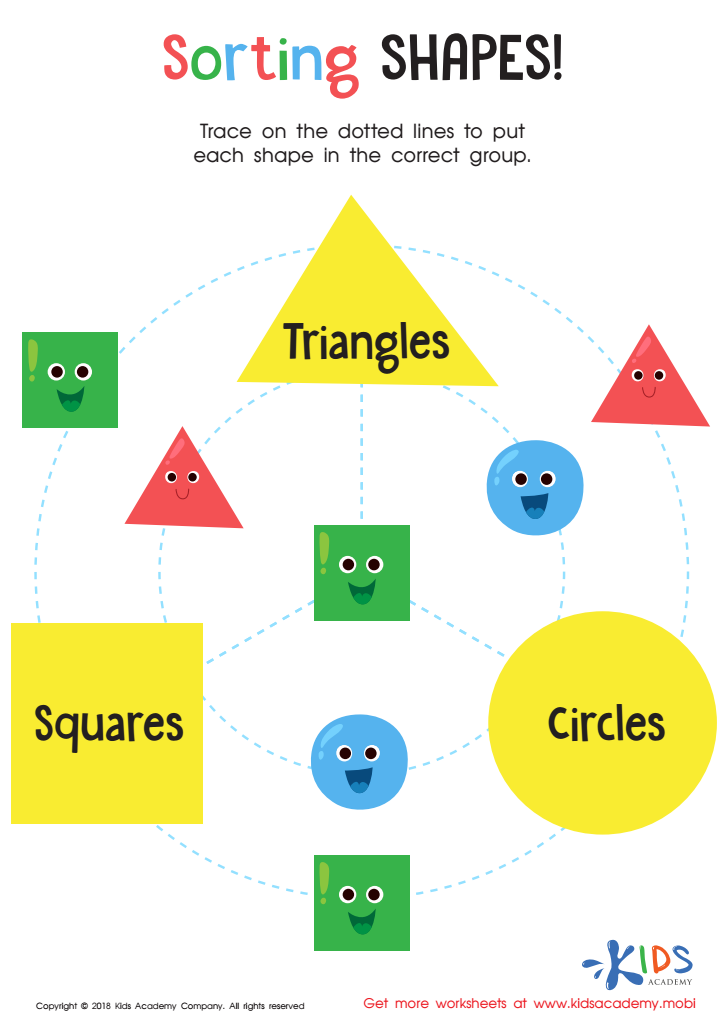
Sorting Shapes - Part 3 Worksheet
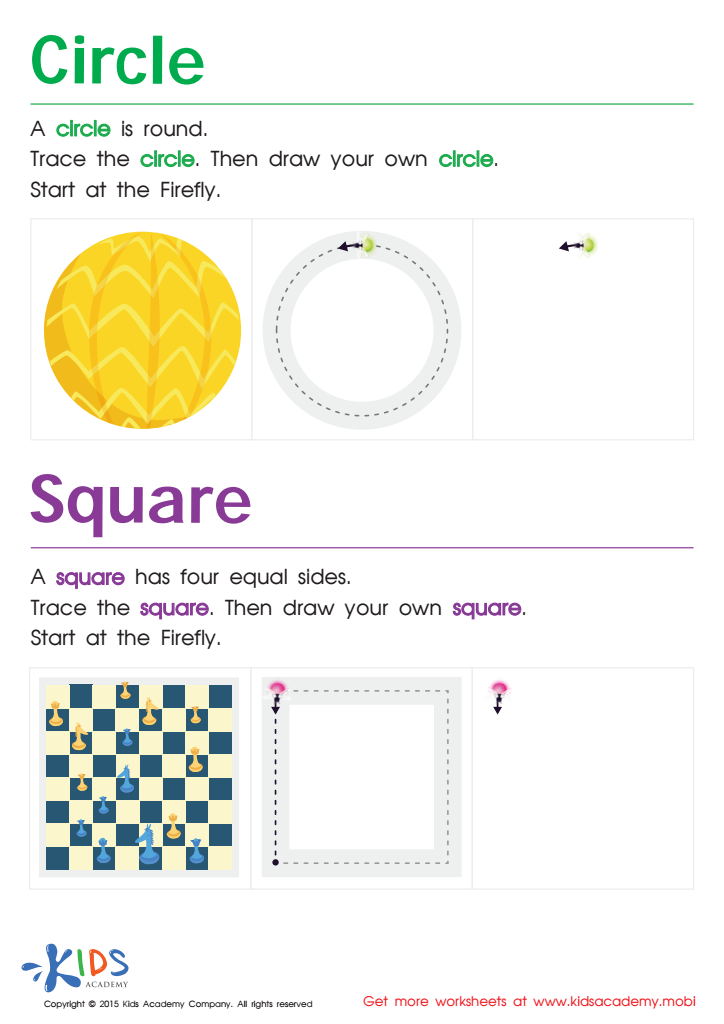
Trace And Draw a Circle And a Square Worksheet
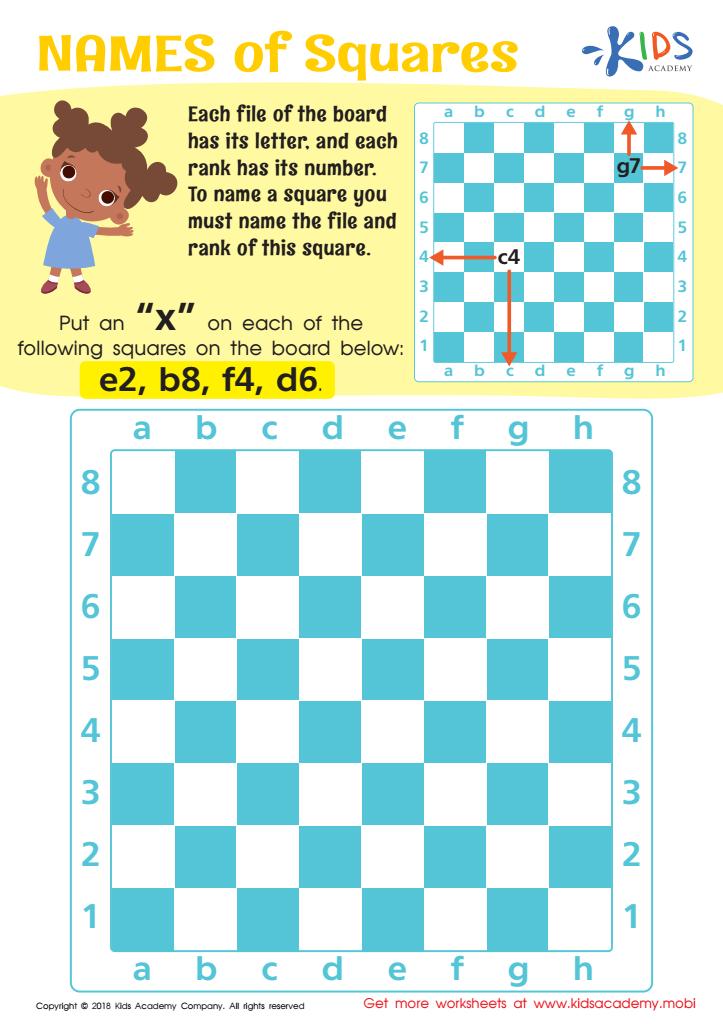
Names of Squares Worksheet
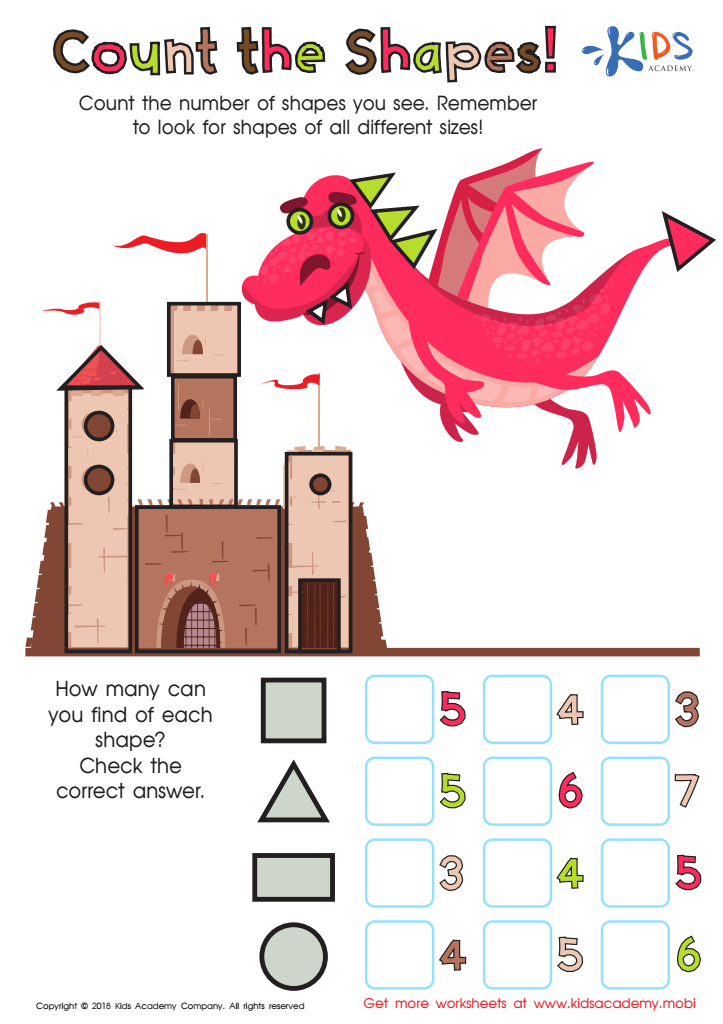
Count the Shapes Worksheet
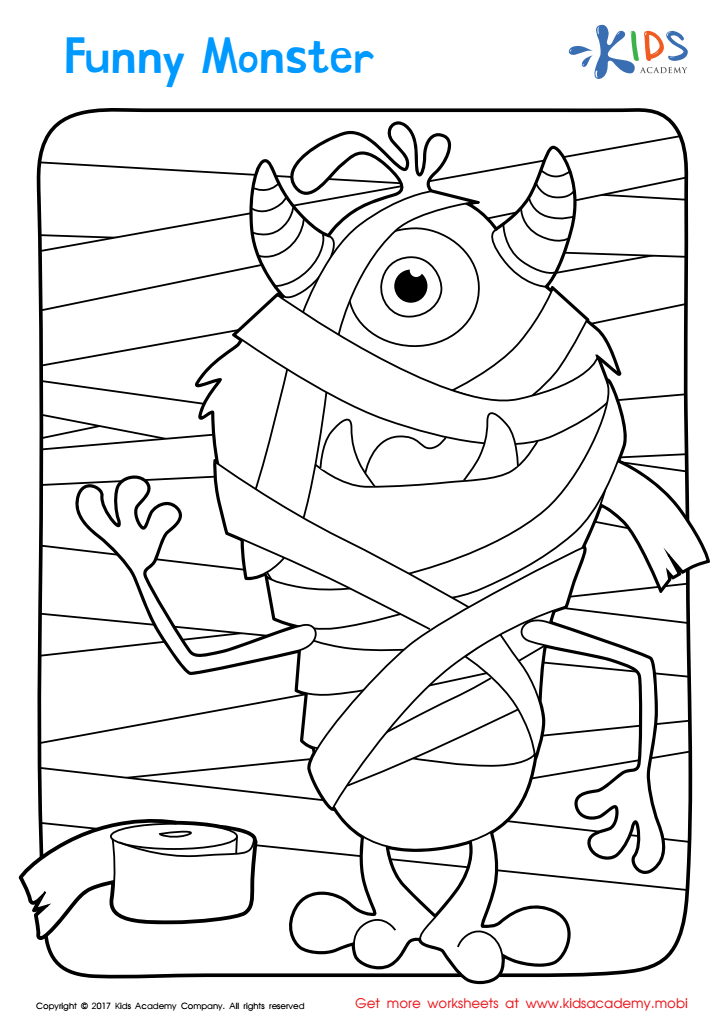
Halloween: A Funny Monster Worksheet
 Assign to My Students
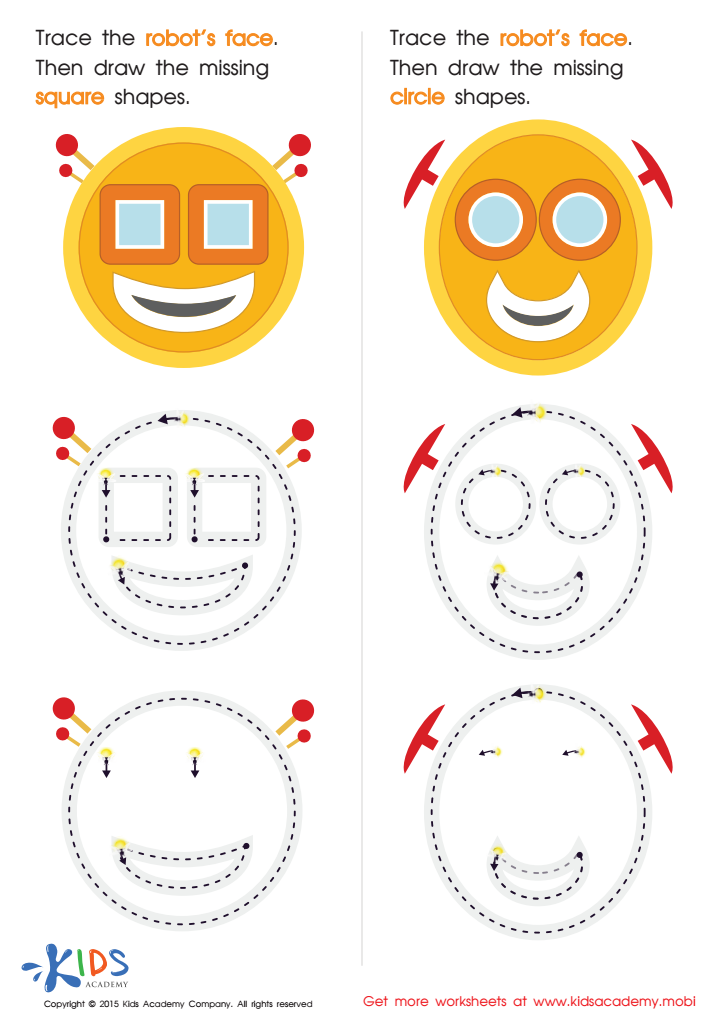
Practicing to Draw Circles And Squares Printable
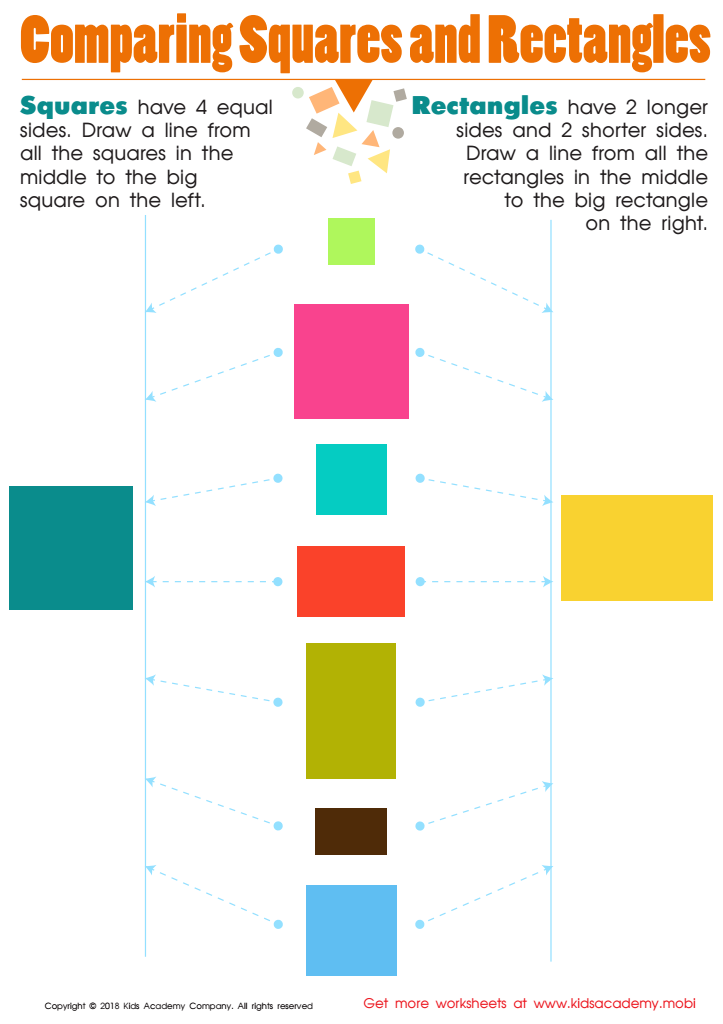
Comparing Squares Rectangles Worksheet
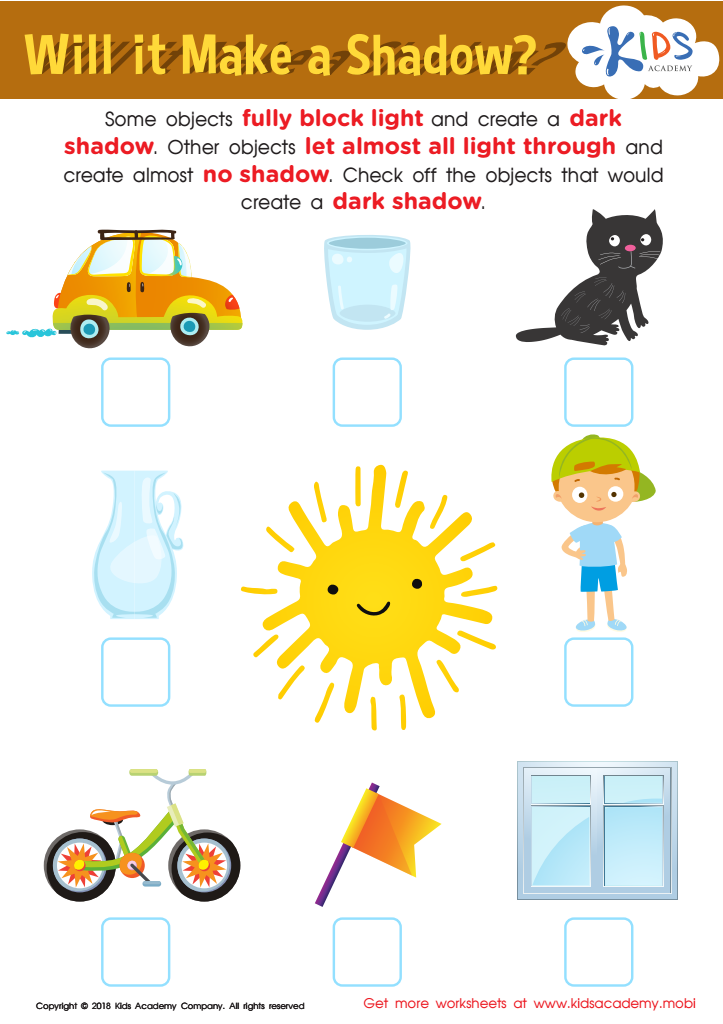
Will It Make a Shadow? Worksheet
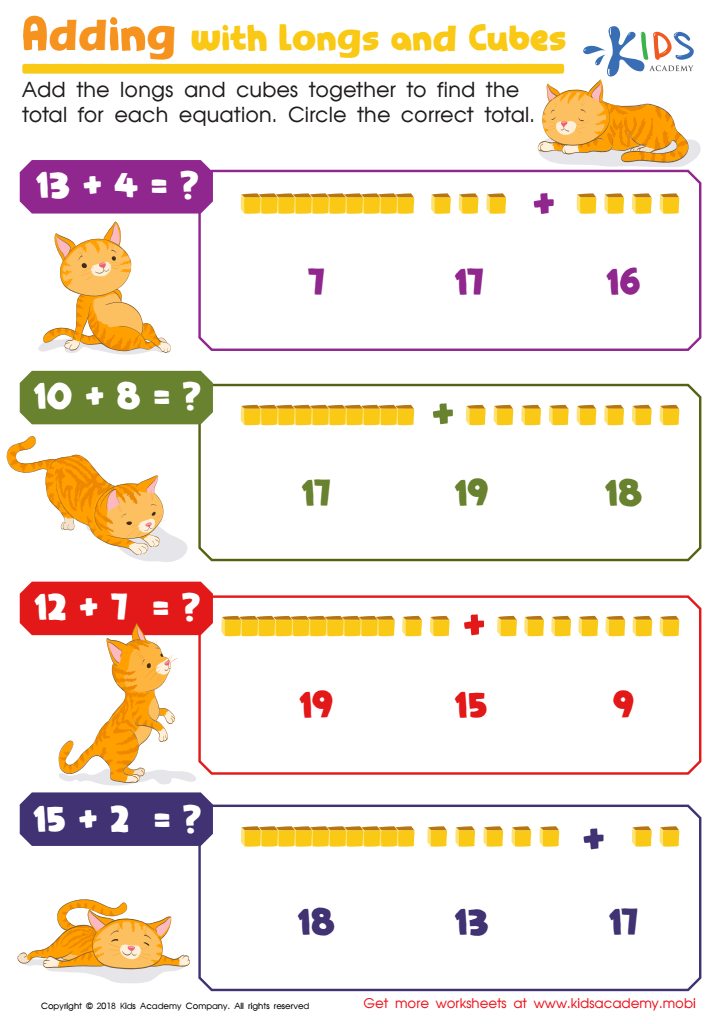
Adding With Longs and Cubes Worksheet
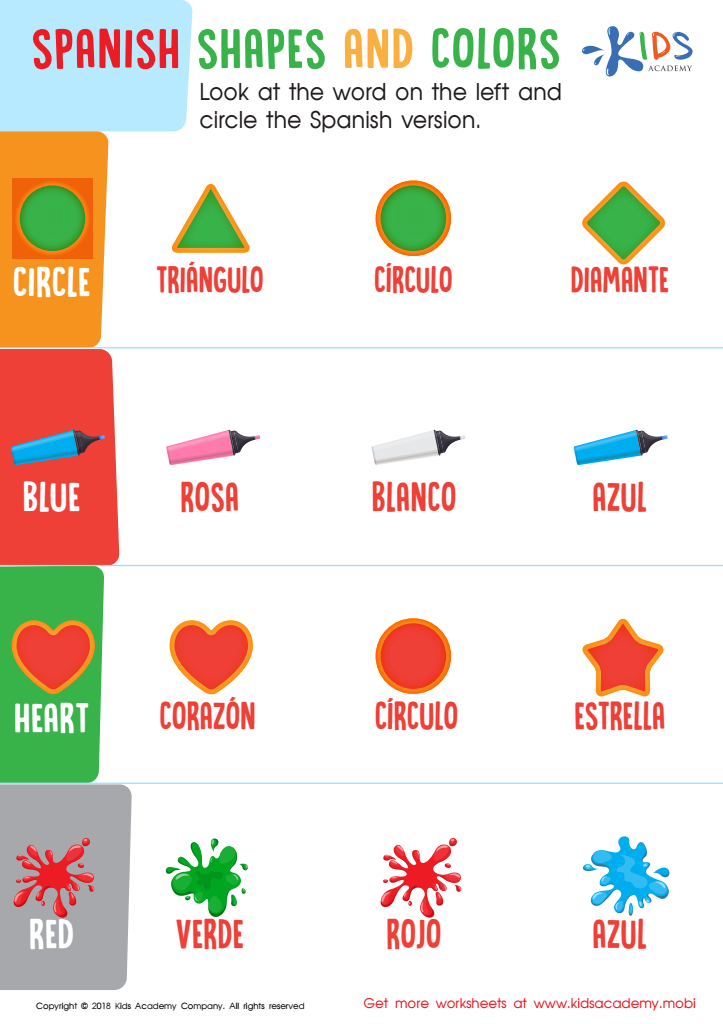
Spanish Shapes and Colors Worksheet
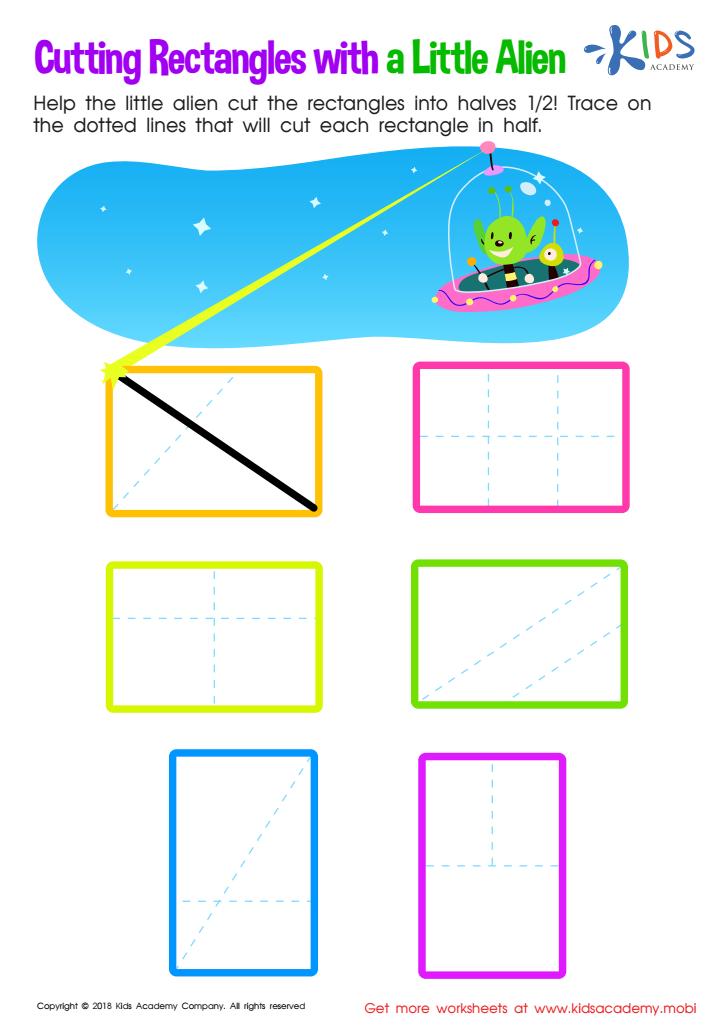
Cutting Rectangles with Alien Worksheet
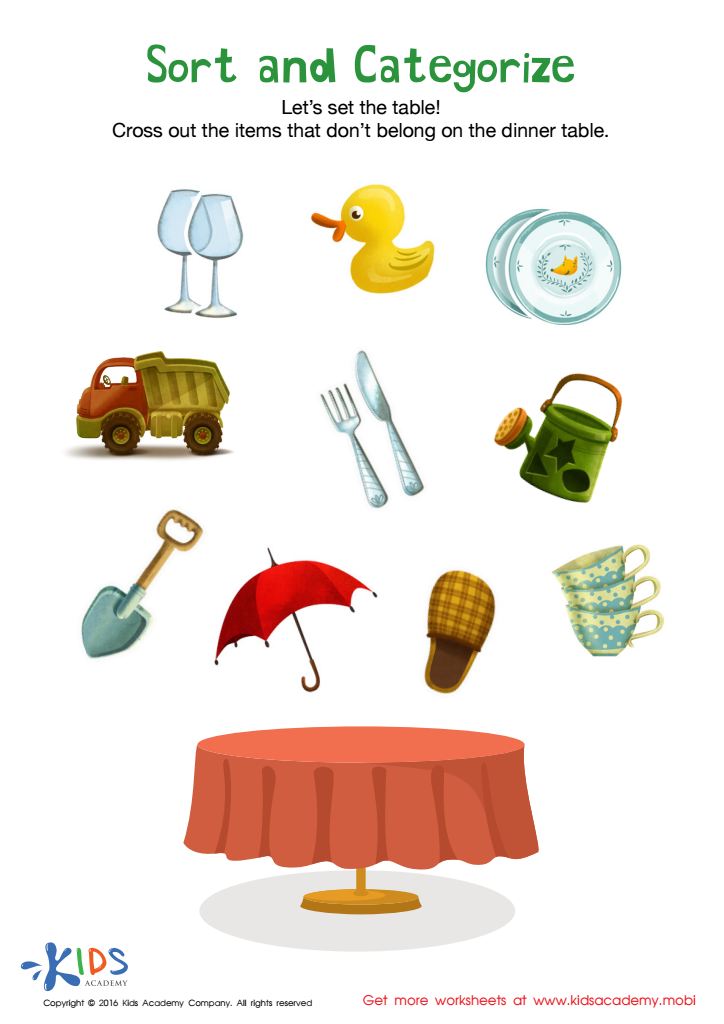
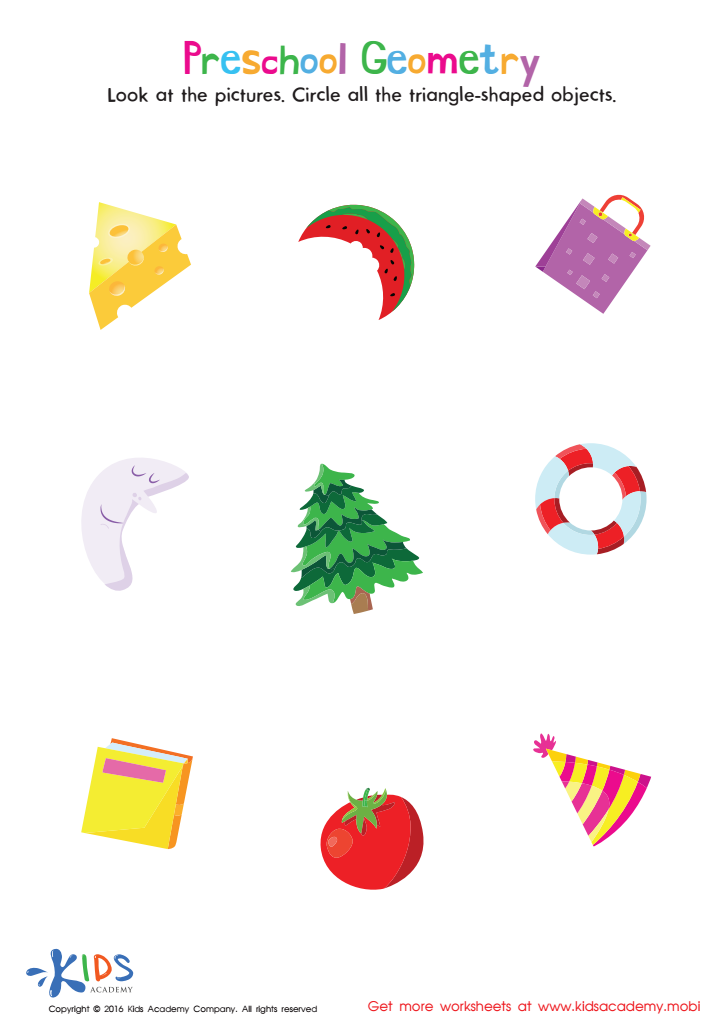
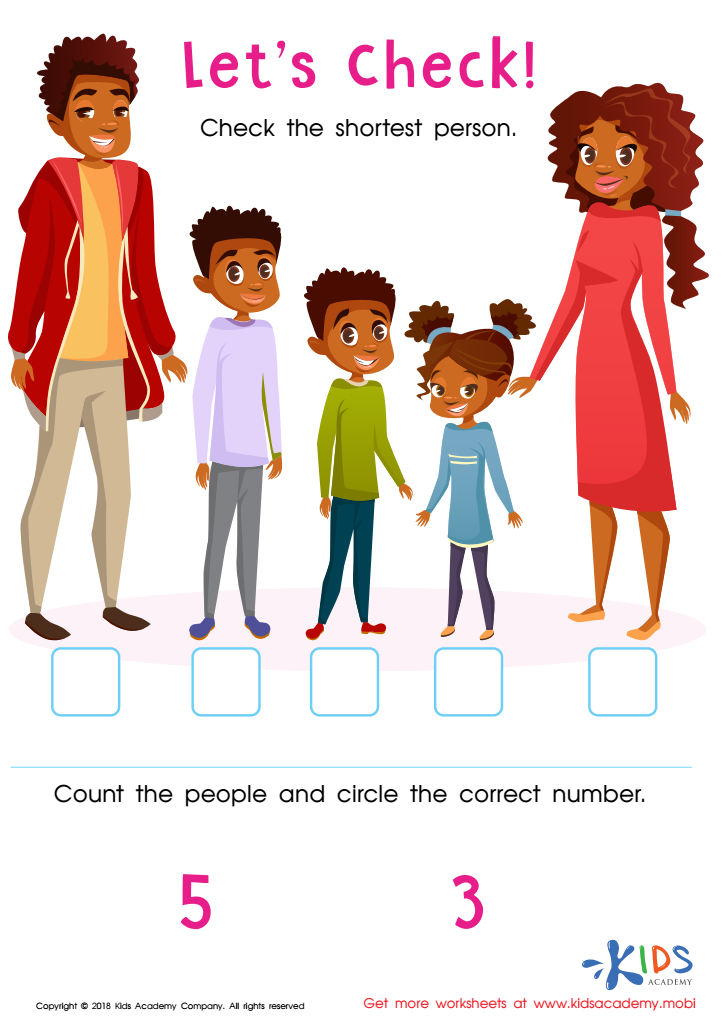
Let's Check! Assessment Worksheet
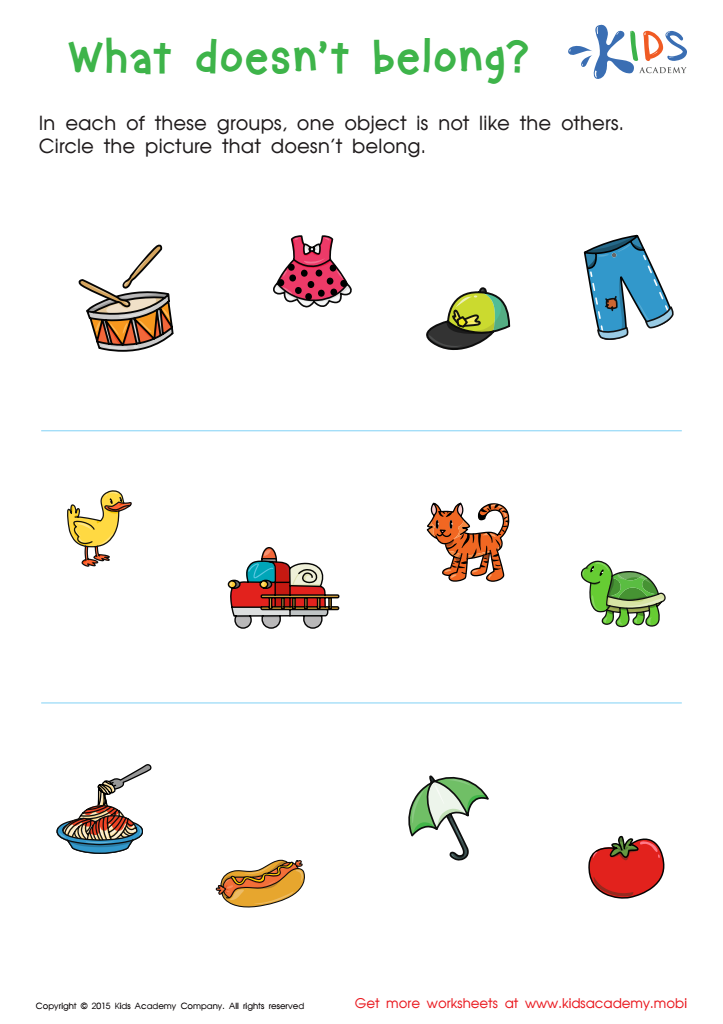
First Words: What Doesn't Belong Worksheet
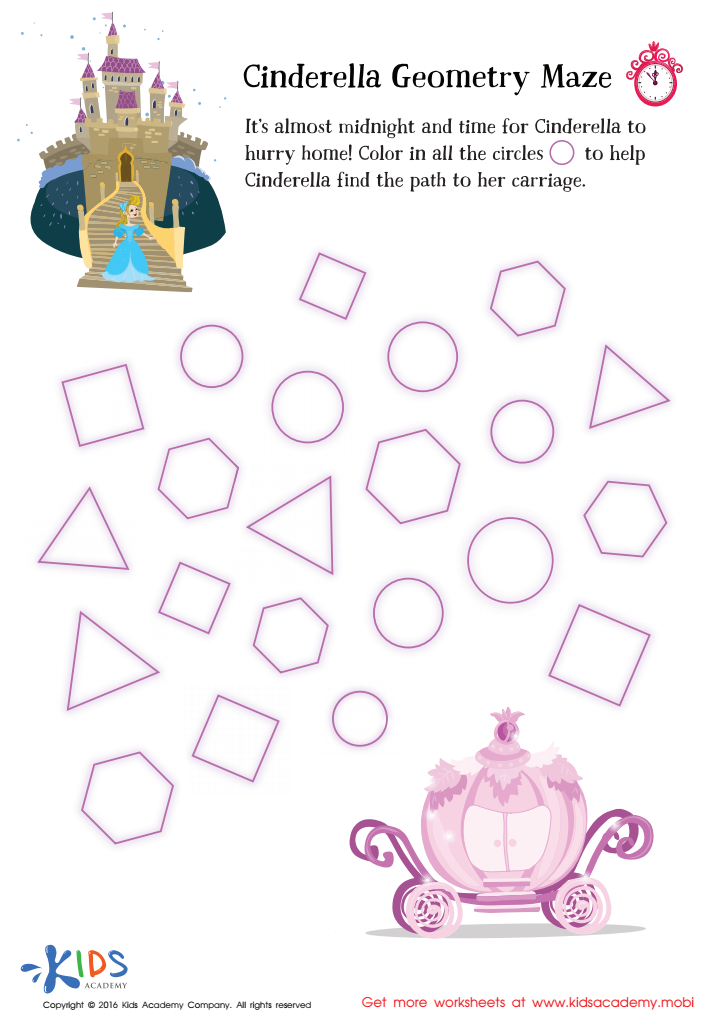
Cinderella Geometry Maze Worksheet
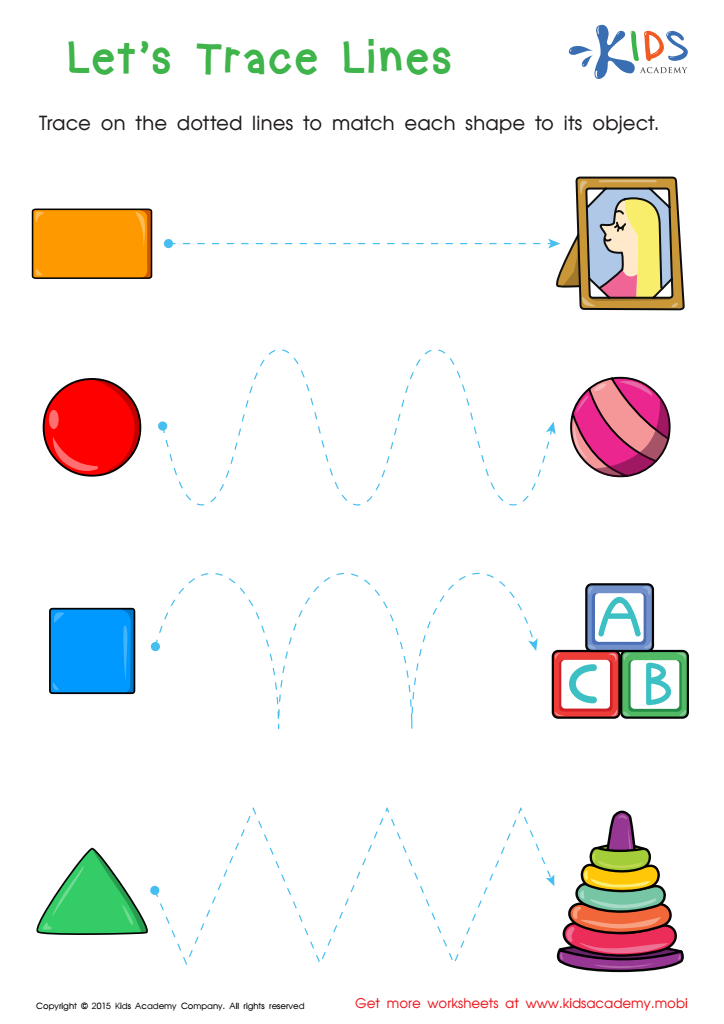
First Words: Let's Trace Lines Worksheet
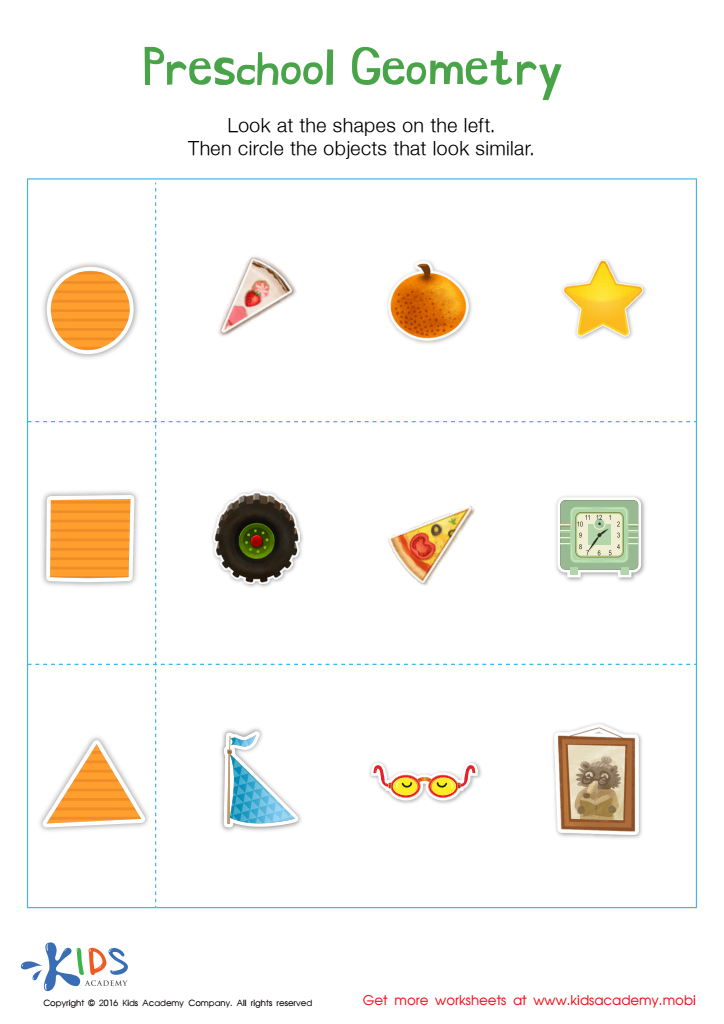
Preschool Geometry Match Up Worksheet







.jpg)
Shape recognition is a foundational skill vital for children ages 4-7, playing a crucial role in their cognitive and academic development. Parents and teachers should prioritize this area of learning because it lays the groundwork for more complex mathematical concepts, such as spatial reasoning, geometry, and problem-solving. By recognizing shapes and understanding their properties, children begin to develop critical thinking skills and the ability to categorize and compare different objects based on their characteristics.
Additionally, shape recognition aids in language development, as children learn to articulate the names and attributes of shapes, enhancing their vocabulary. Engaging in shape identification activities stimulates curiosity and encourages exploration, making learning both fun and meaningful. Furthermore, mastery of this skill can boost children's confidence in their abilities, setting a positive tone for future learning.
In a broader context, recognizing shapes and understanding their relationships helps inform children’s perception of the world around them. It supports literacy skills through the recognition of patterns in reading and writing. Ultimately, fostering shape recognition in early learners is an investment in their overall intellectual growth, ensuring they are well-prepared for the challenges of later educational stages.








