Normal Measurement Worksheets for Ages 4-7 - Page 2
34 filtered results
-
From - To
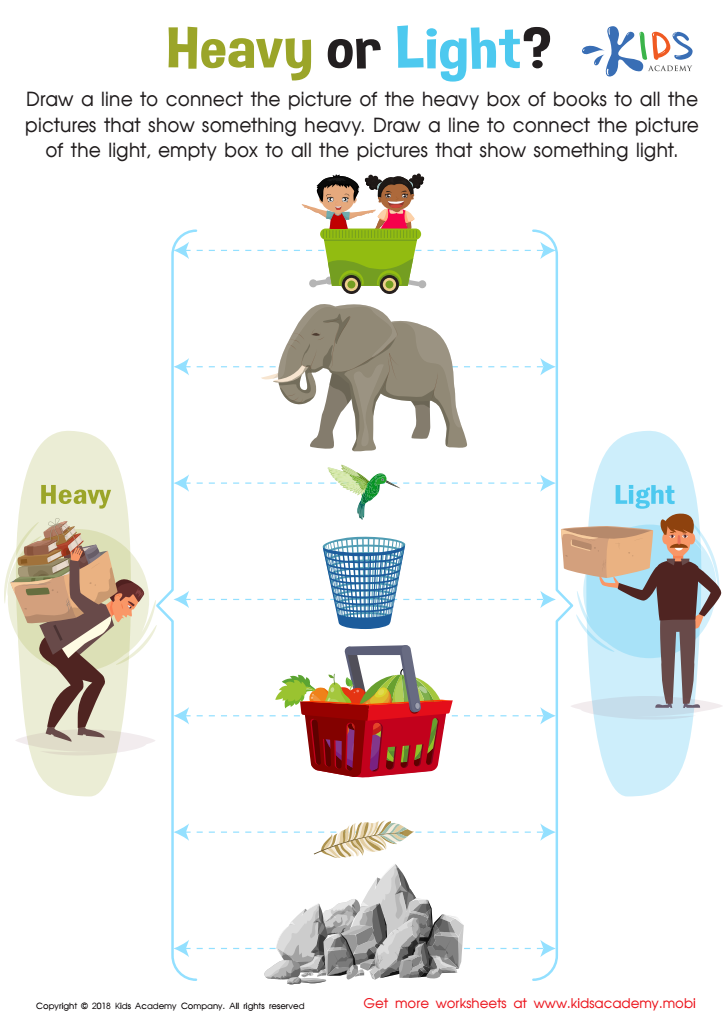
Heavy or Light? Worksheet
 Assign to My Students
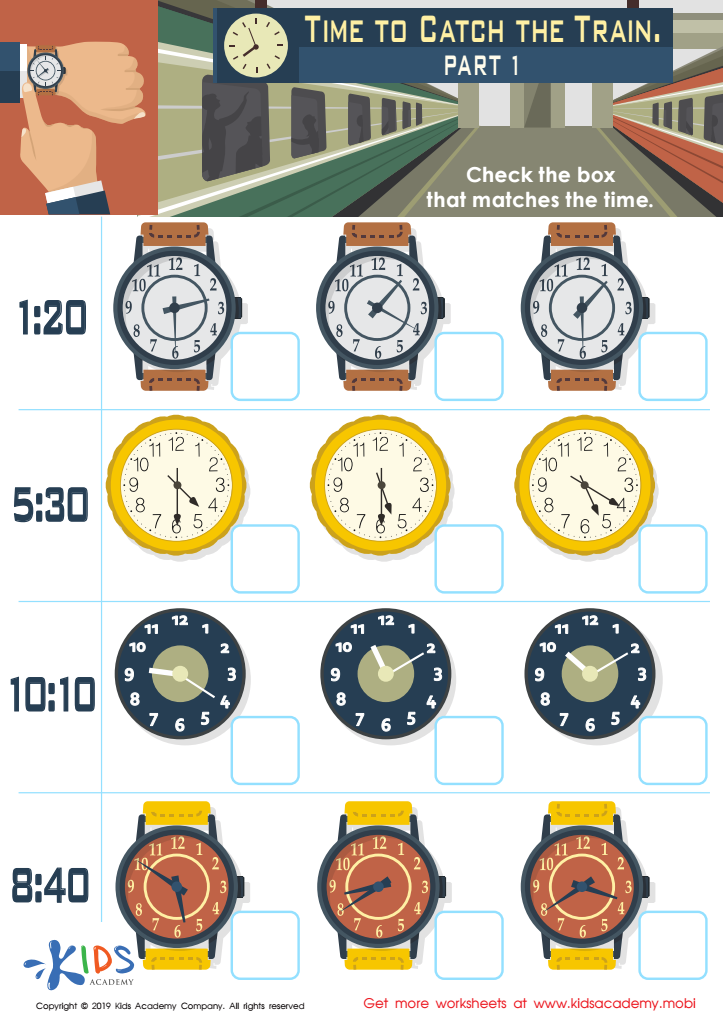
Time to Catch the Train Part 1 Worksheet
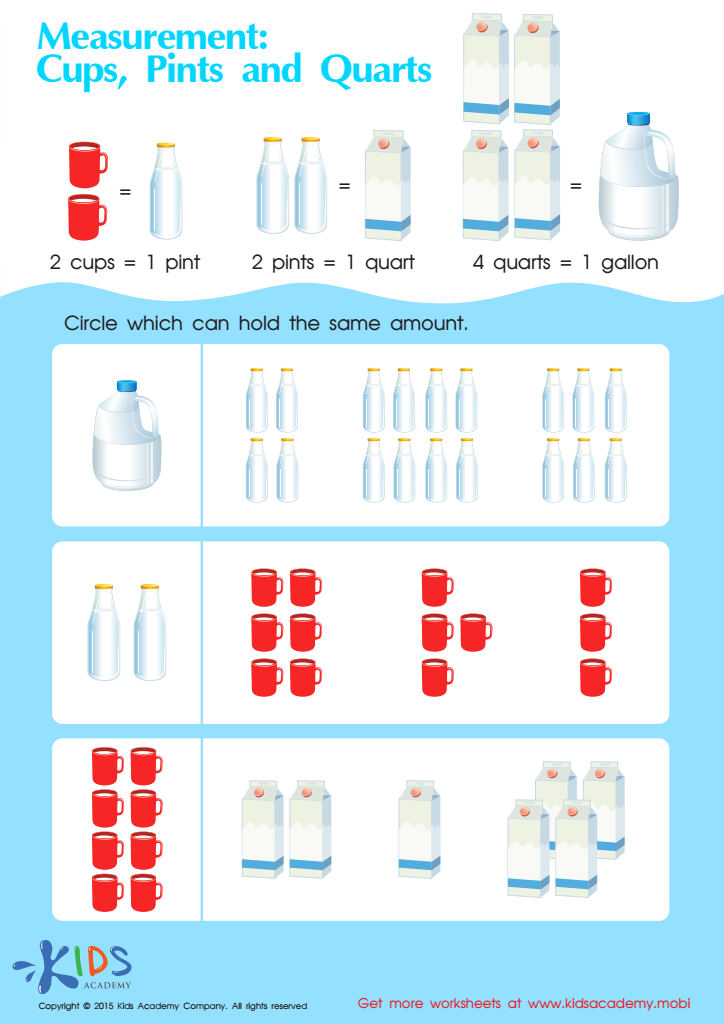
Cups, Pints and Quarts 2 Worksheet
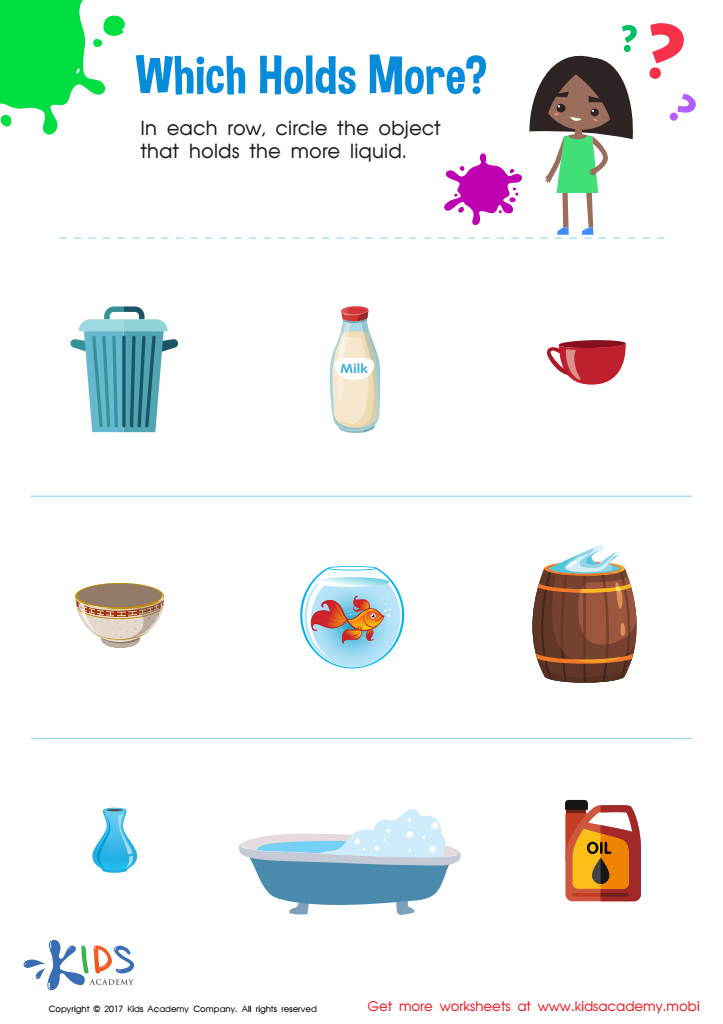
Which Holds More: Capacity Worksheet
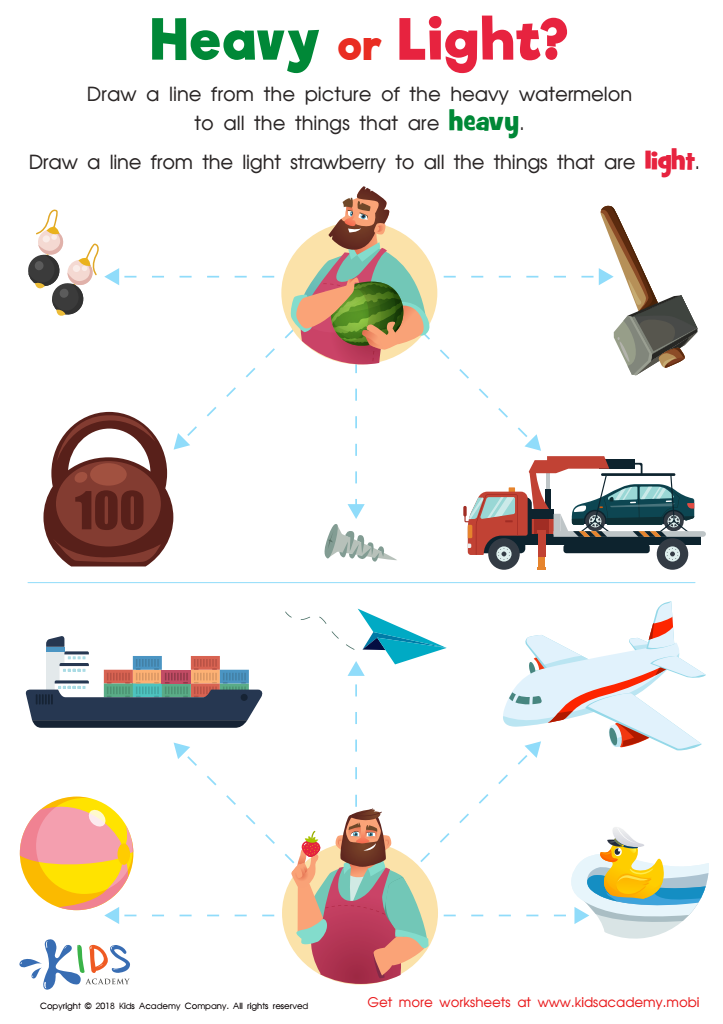
Heavy or Light? Worksheet
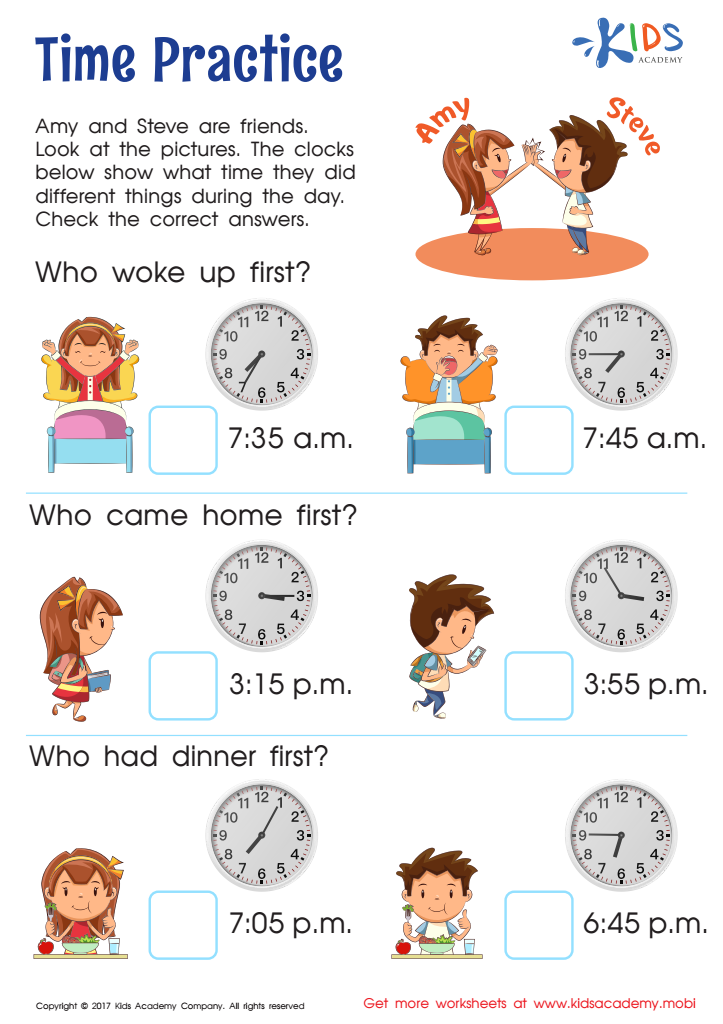
Time Practice Worksheet
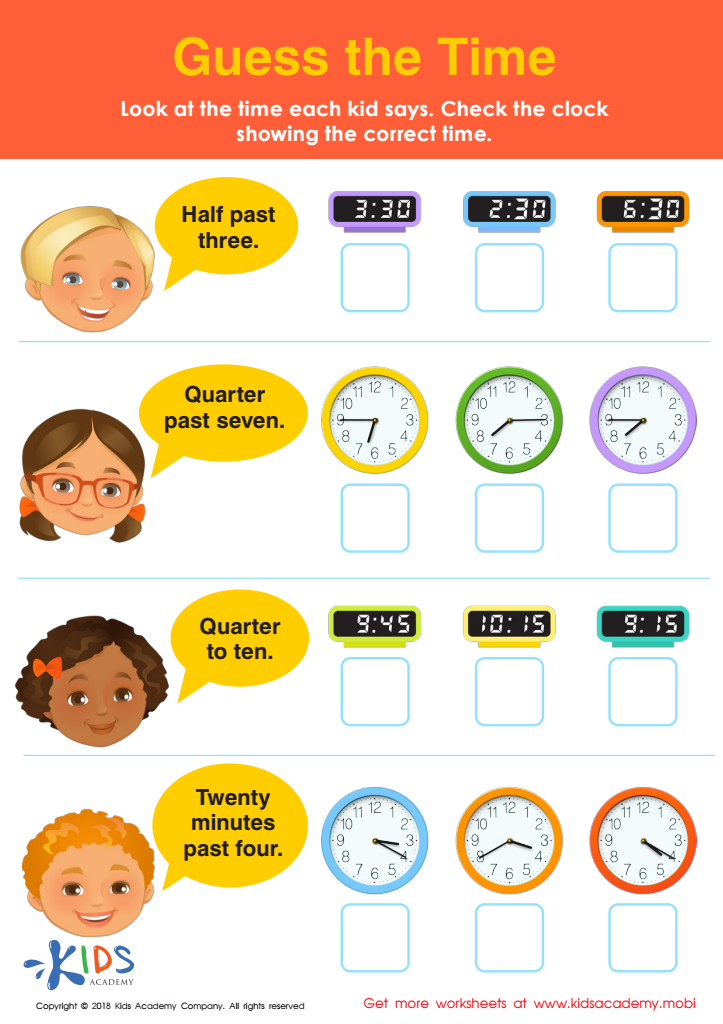
Guess the Time Worksheet
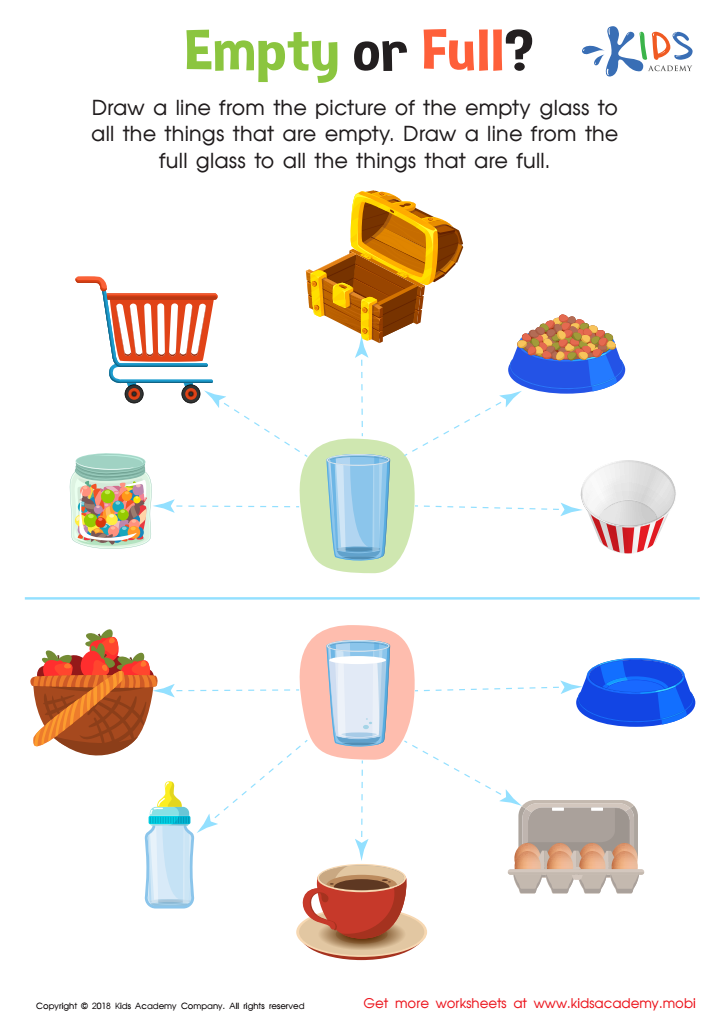
Empty or Full? Worksheet
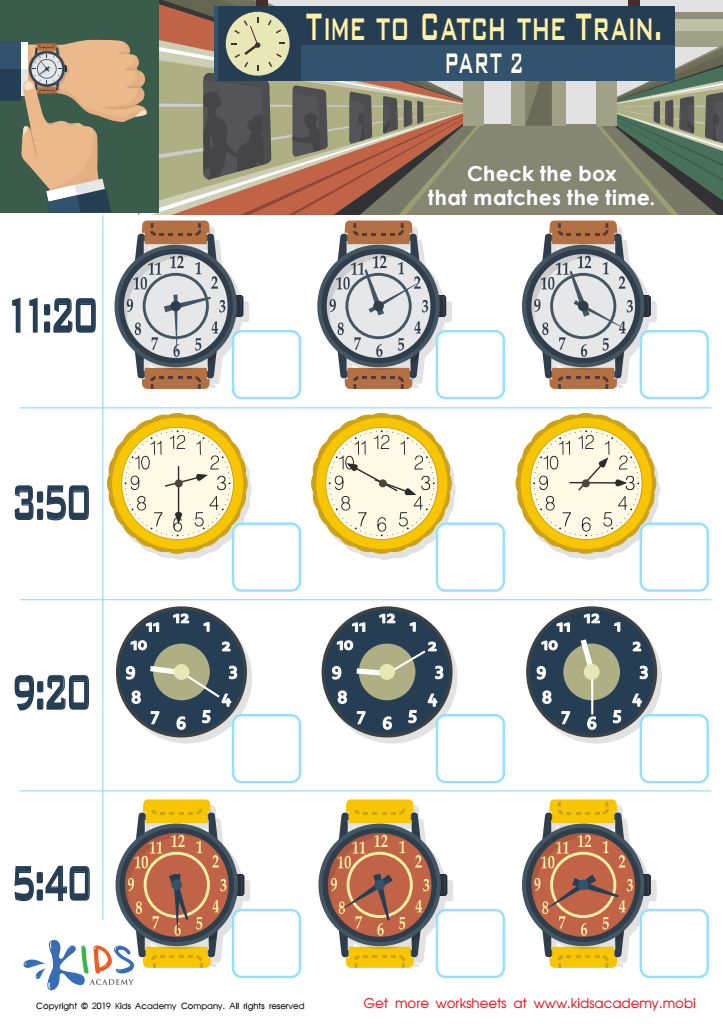
Time to Catch the Train Part 2 Worksheet
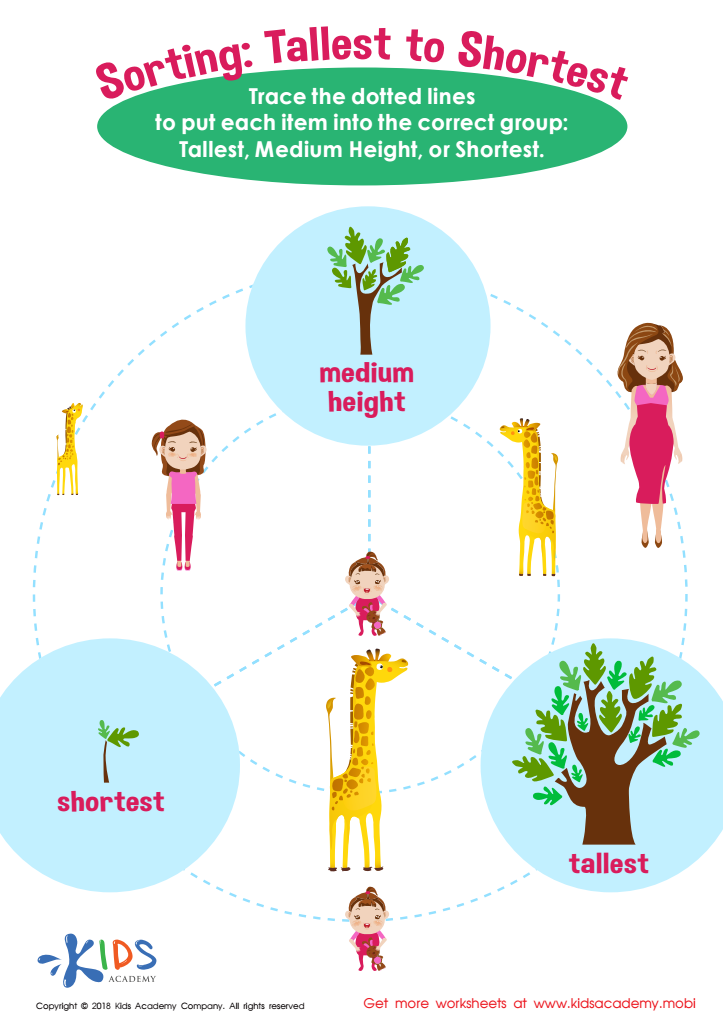
Sorting: Tallest to Shortest Worksheet








Normal measurement is a crucial skill for children aged 4-7, as it lays the foundation for their understanding of the world around them. At this developmental stage, children are naturally curious and begin to explore concepts of length, weight, volume, and time. By engaging with normal measurement, they develop essential mathematical skills that promote logical thinking and problem-solving abilities.
Parents and teachers should care about normal measurement because it encourages cognitive development and enhances children's analytical skills. For instance, measuring objects helps them understand comparisons and relationships, fostering a grasp of magnitude and scale. It also supports early literacy in math, as children learn related vocabulary and concepts.
Moreover, practical experiences with measurement cultivate an appreciation for everyday applications. Children learn to measure ingredients for cooking, gauge heights for play, or identify distances while playing, making math relevant and engaging. This hands-on learning can create a strong, positive association with mathematics, steering children away from math anxiety in later years.
Ultimately, normal measurement empowers young learners to explore, understand, and interact with their environment, contributing to their holistic development. Engaging with this concept not only benefits academic skills but also enhances confidence and resourcefulness in everyday situations.








