Normal Alphabet Worksheets for Ages 4-8 - Page 11
279 filtered results
-
From - To
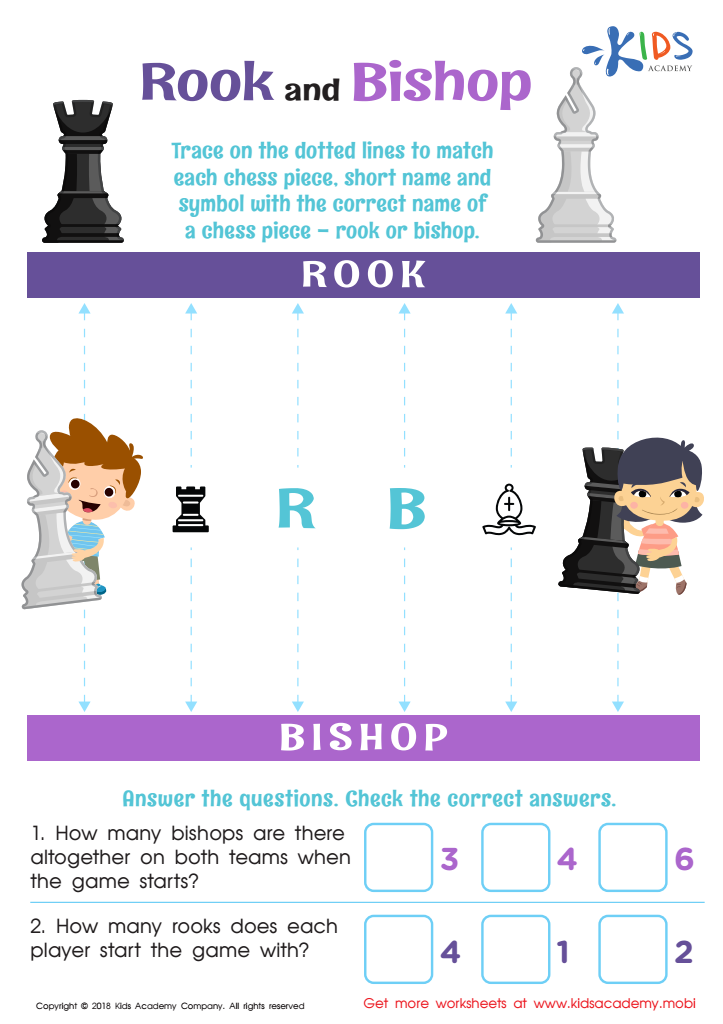
Rook and Bishop Worksheet
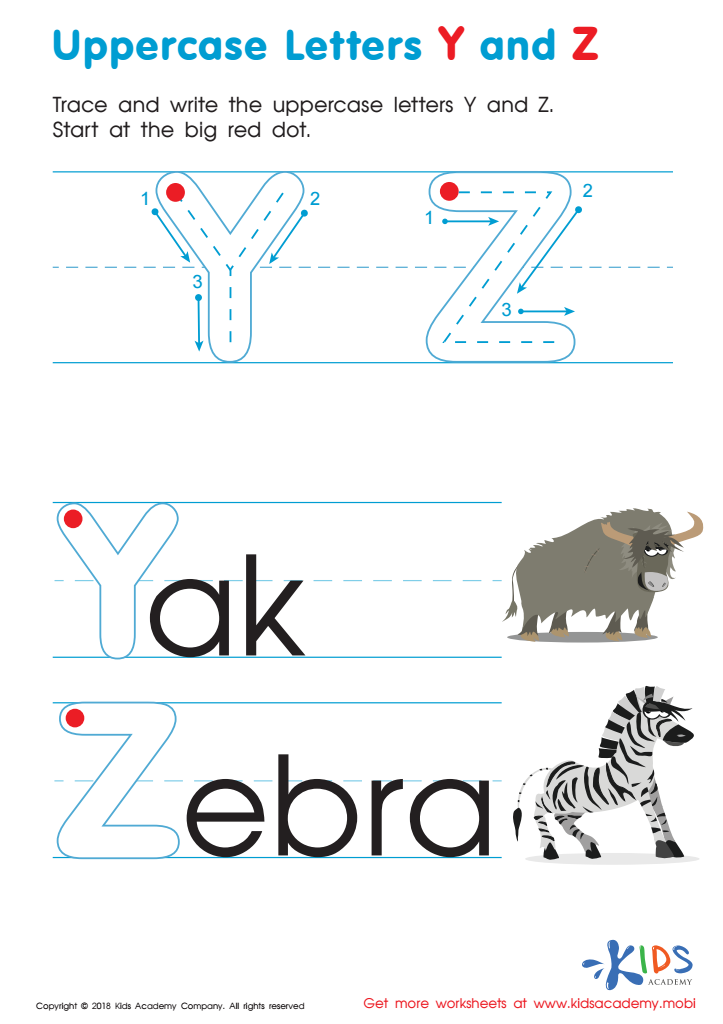
Uppercase Letters Y Z Worksheet
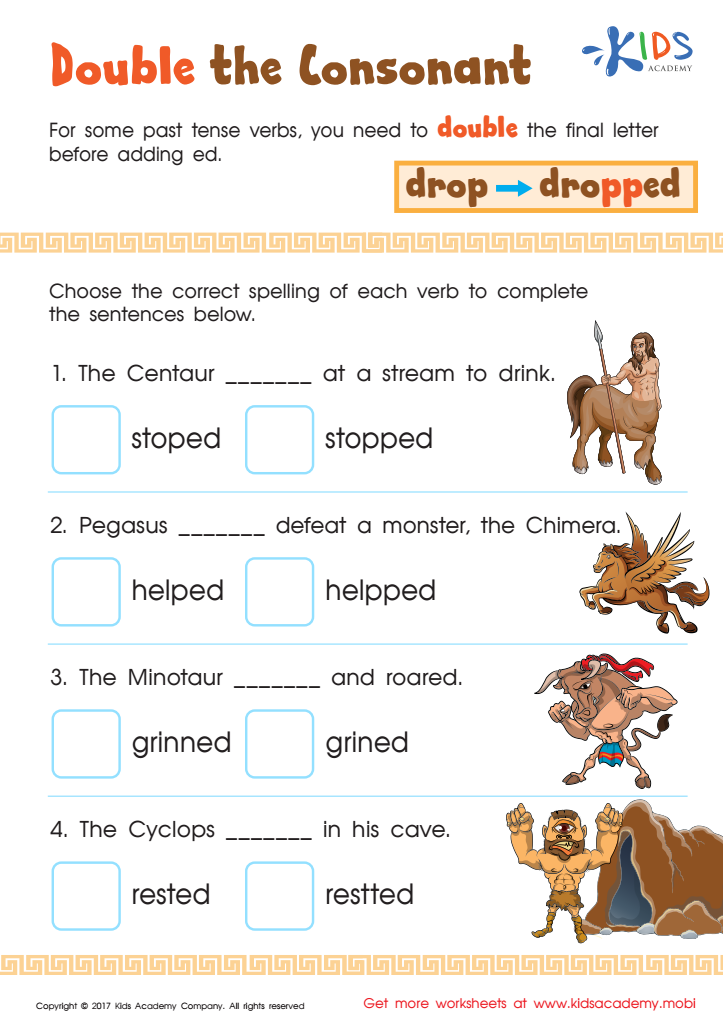
Double Consonant Spelling Worksheet
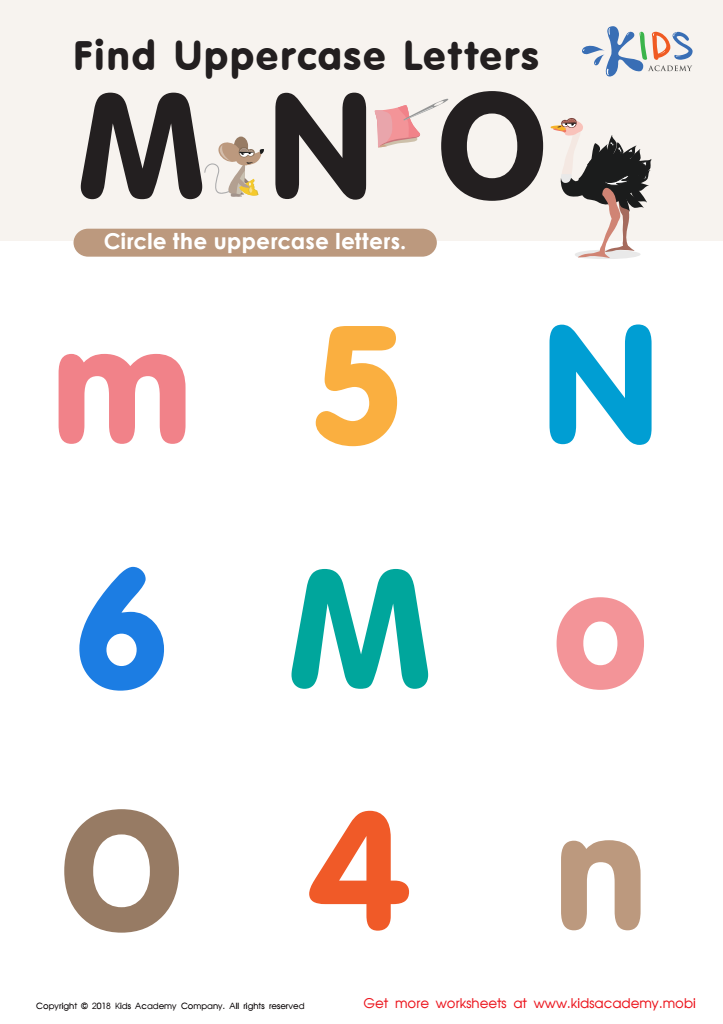
Find Uppercase Letters M, N, and O Worksheet
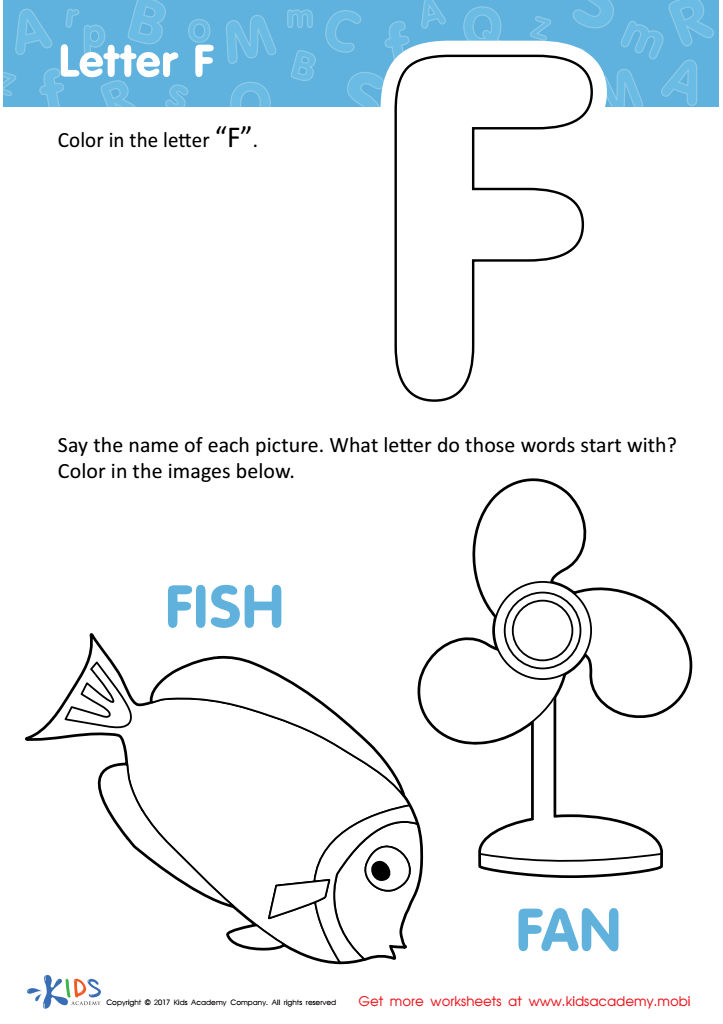
Letter F Coloring Sheet
 Assign to My Students
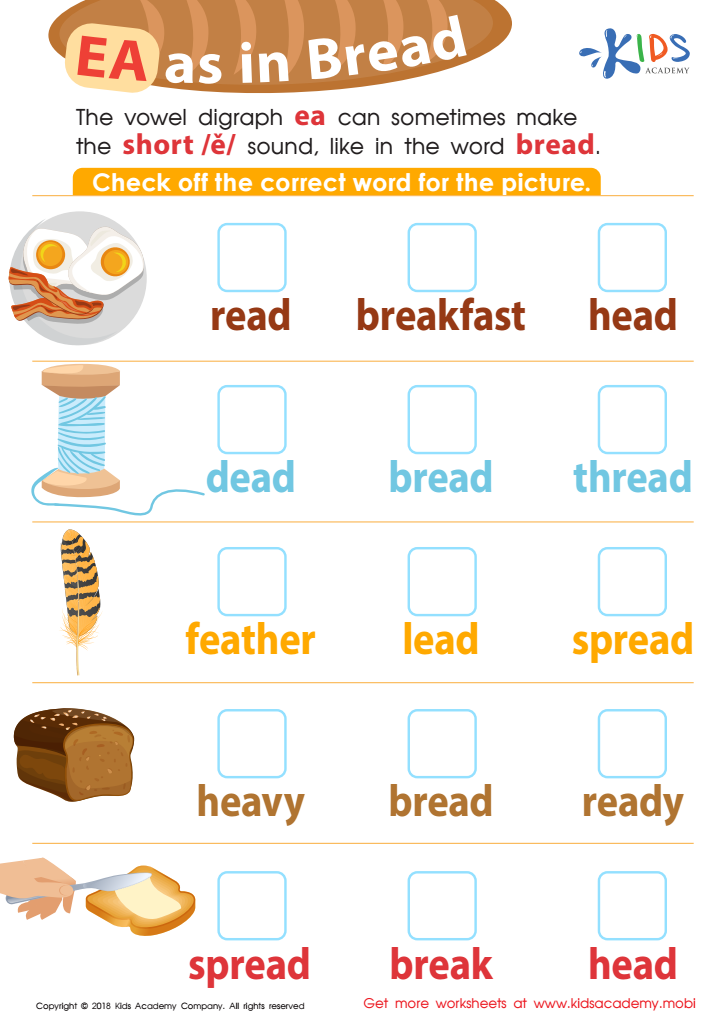
Reading: EA as in Bread Worksheet
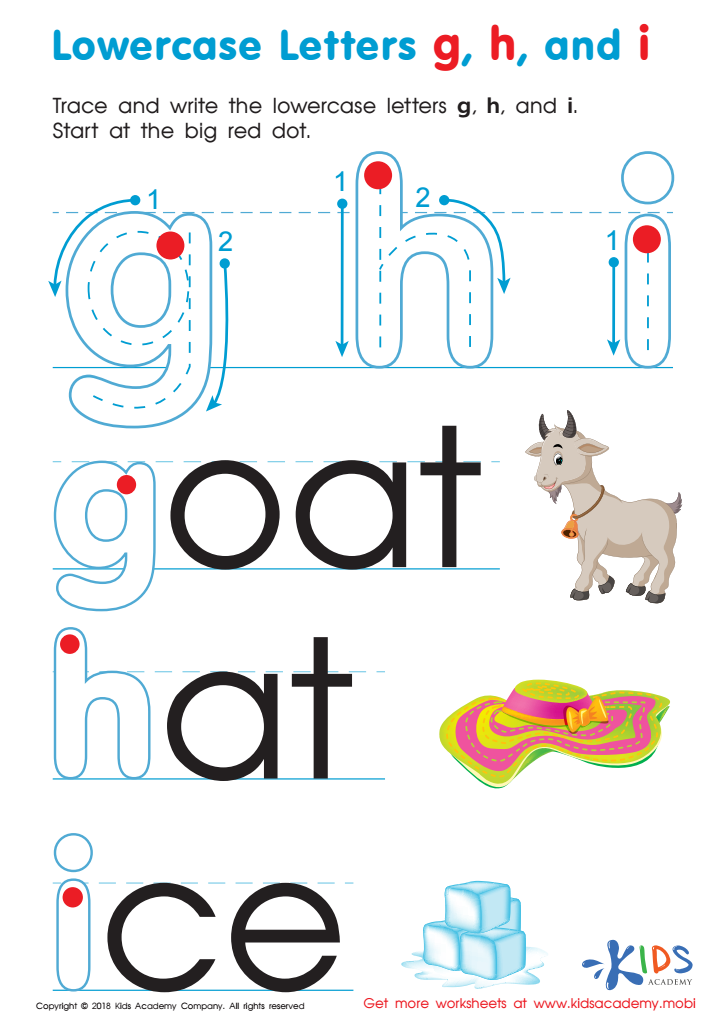
Lowercase Letters g h i Worksheet
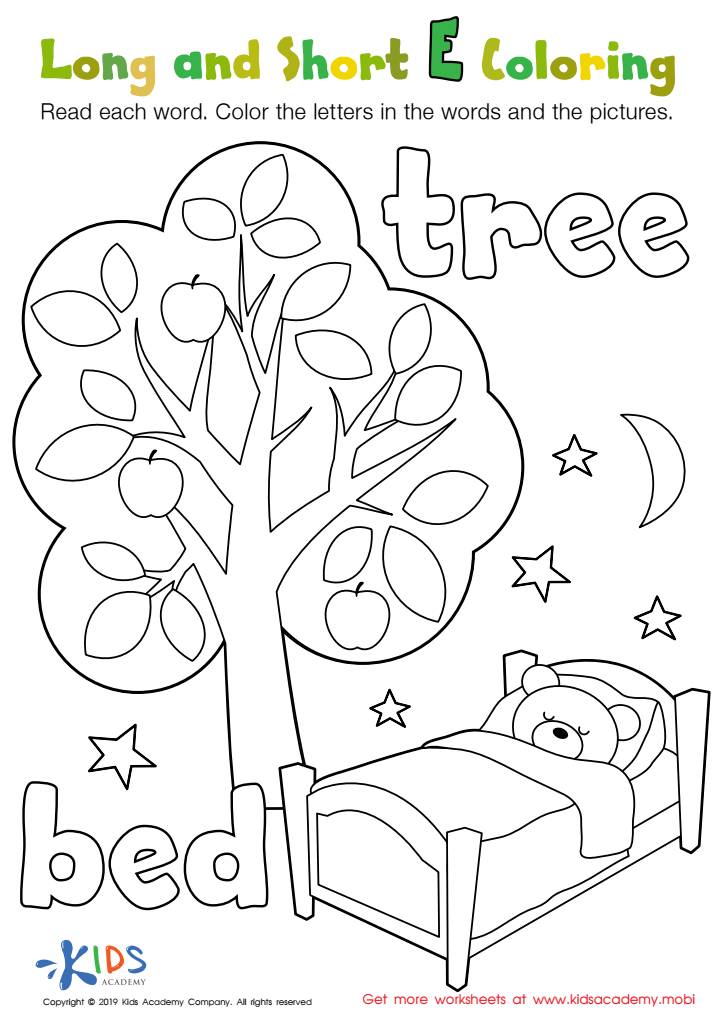
Long and Short E Worksheet
Assign to My Students
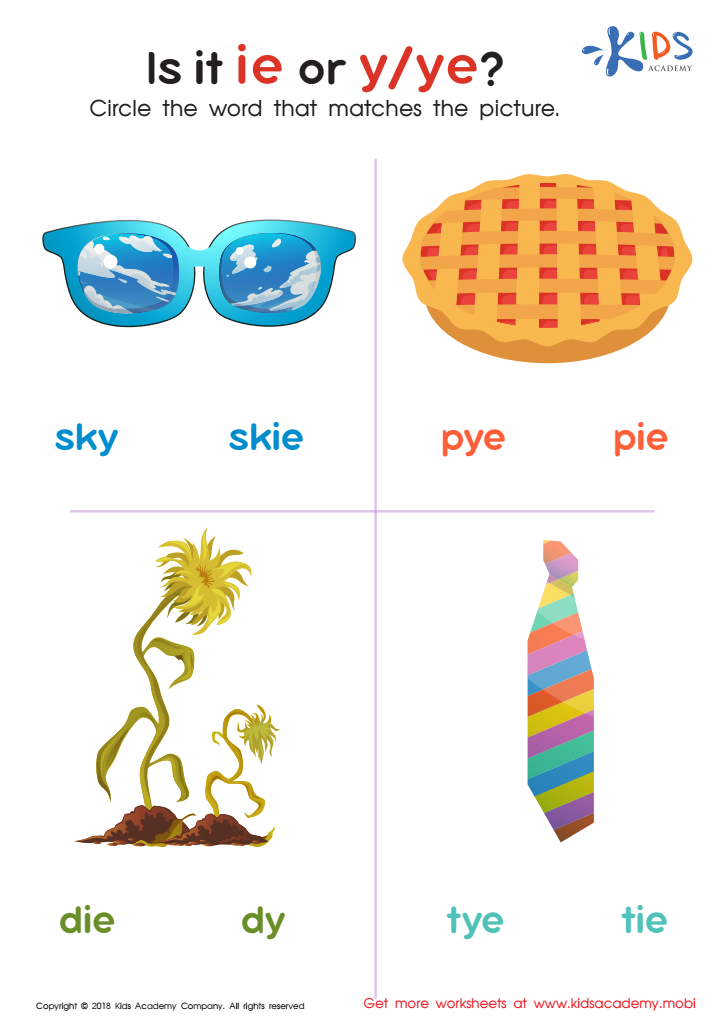
Is It IE or Y/Ye? Worksheet
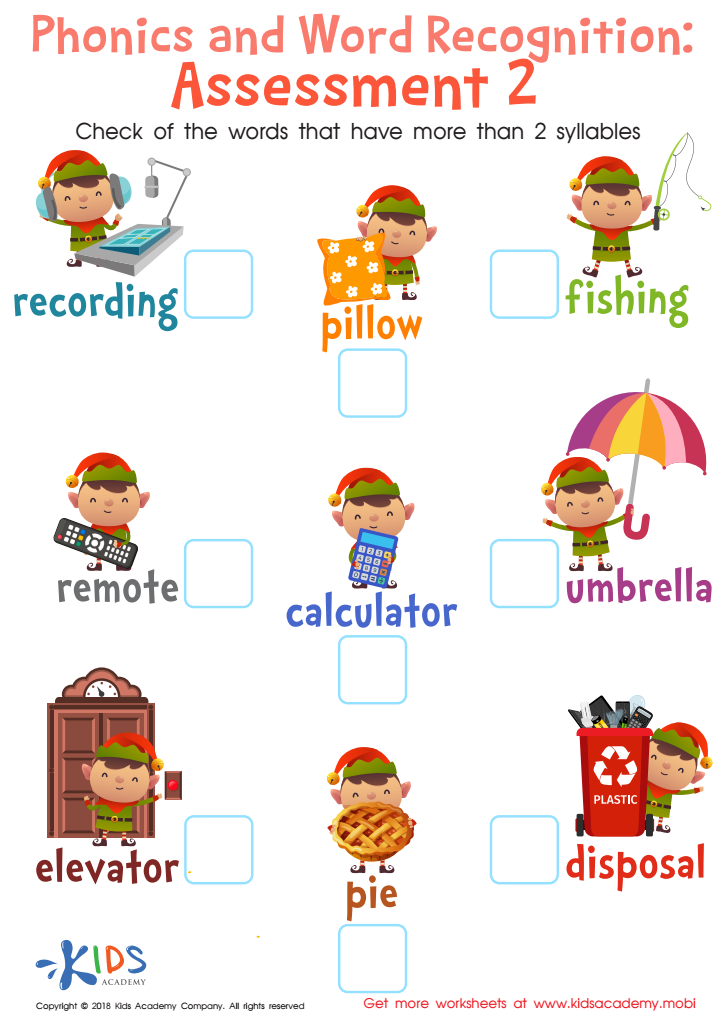
Phonics and Word Recognition: Assessment 2 Worksheet
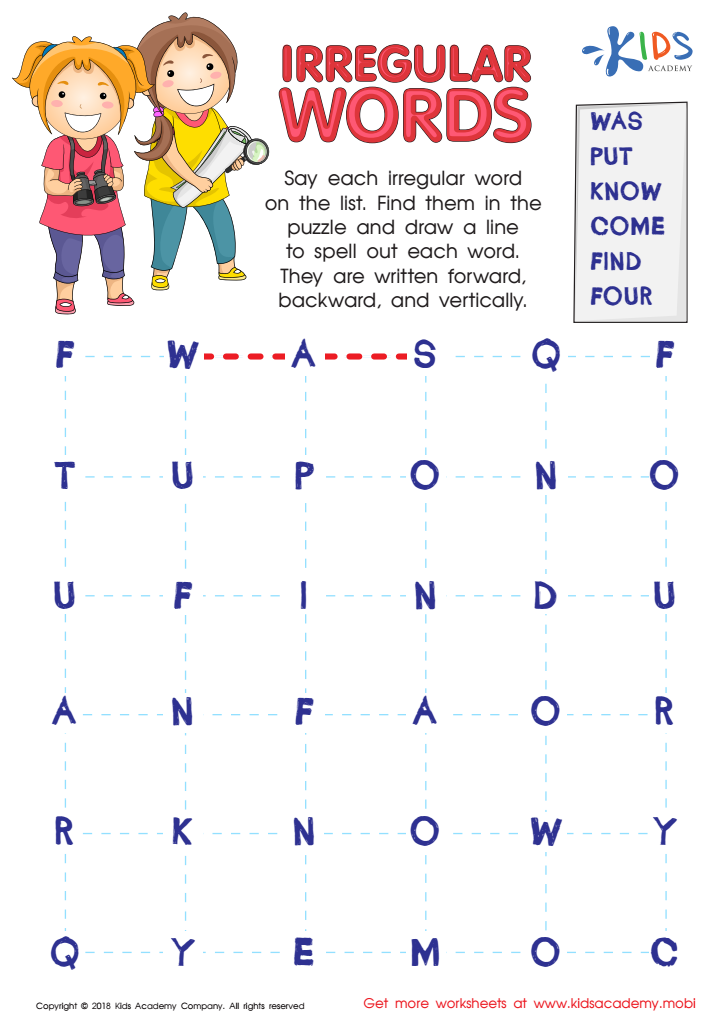
Irregular Words Worksheet
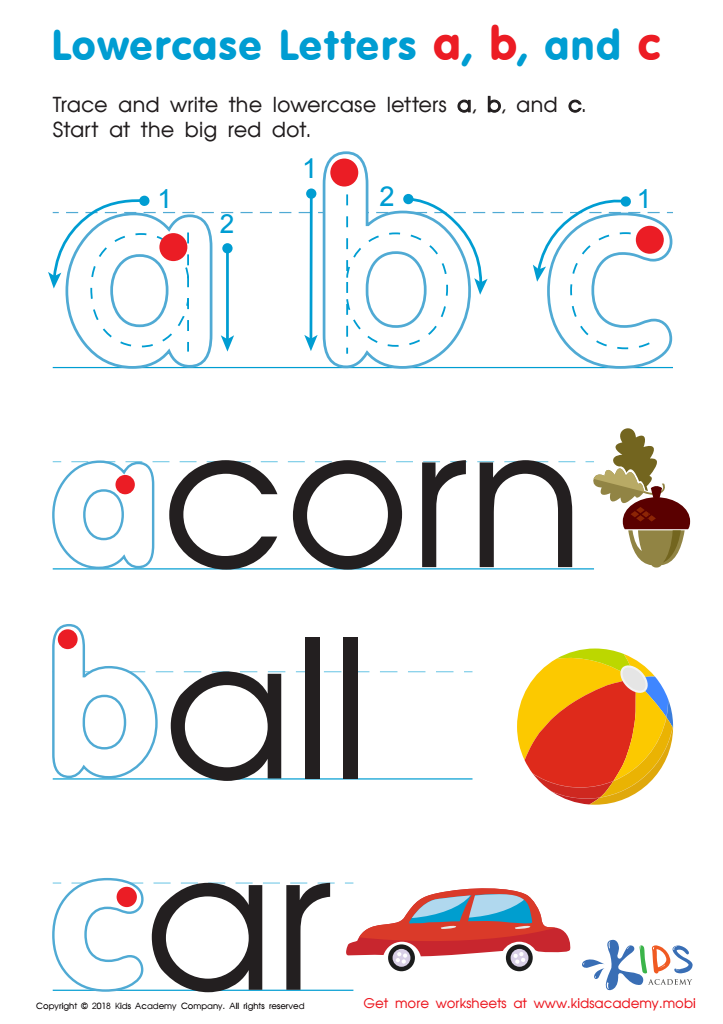
Lowercase Letters a b c Worksheet
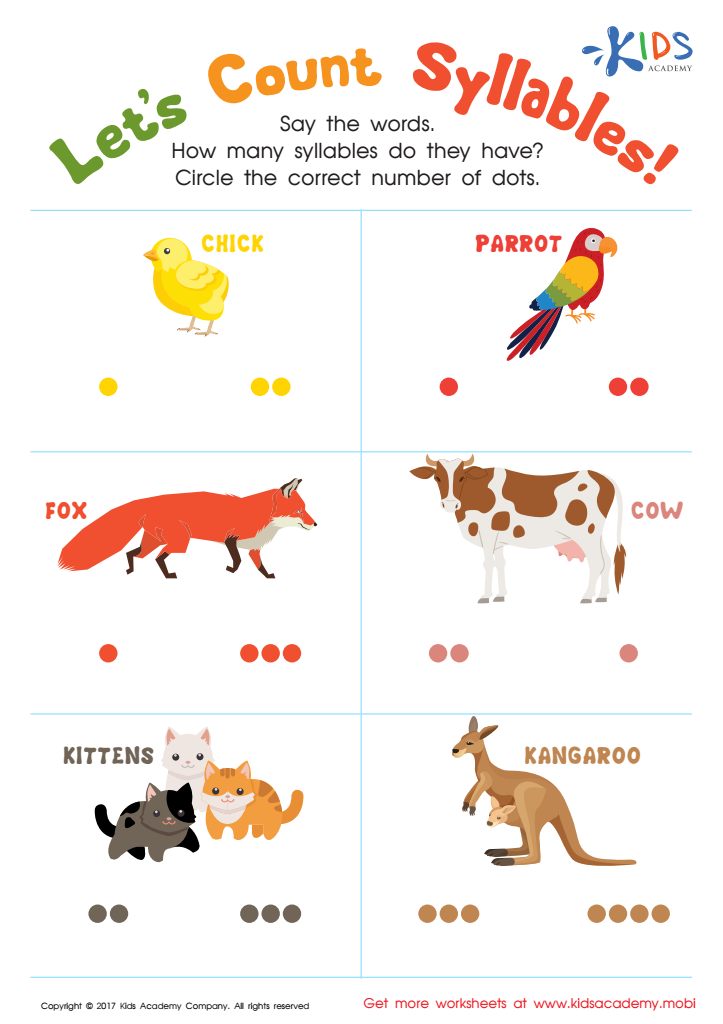
Lets Count Syllables Worksheet
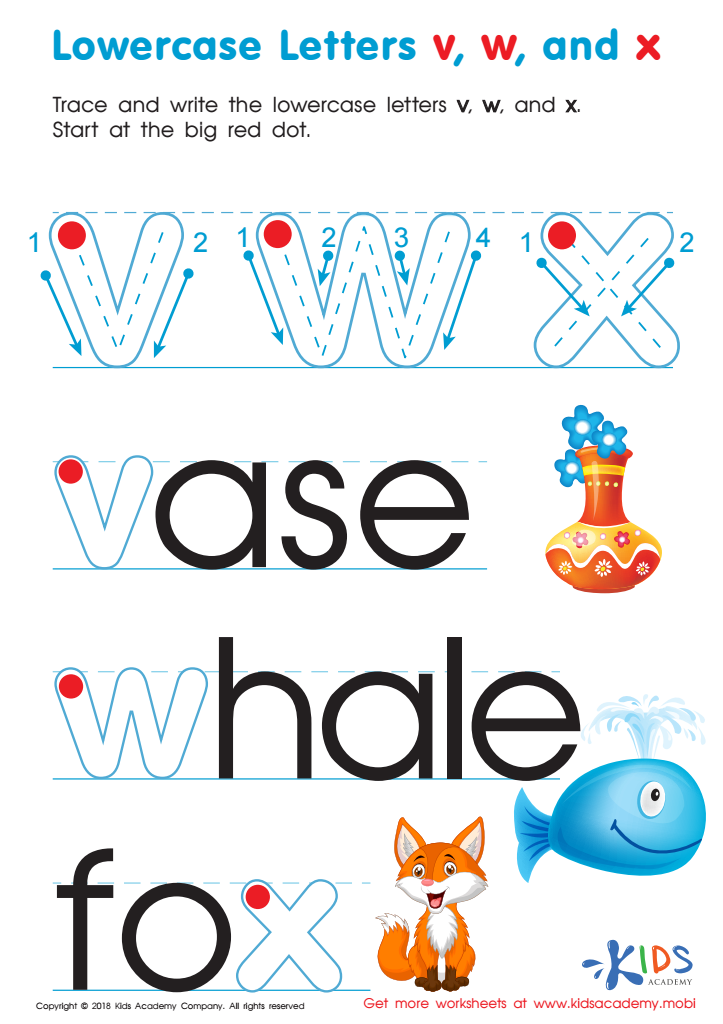
Lowercase Letters v w x Worksheet
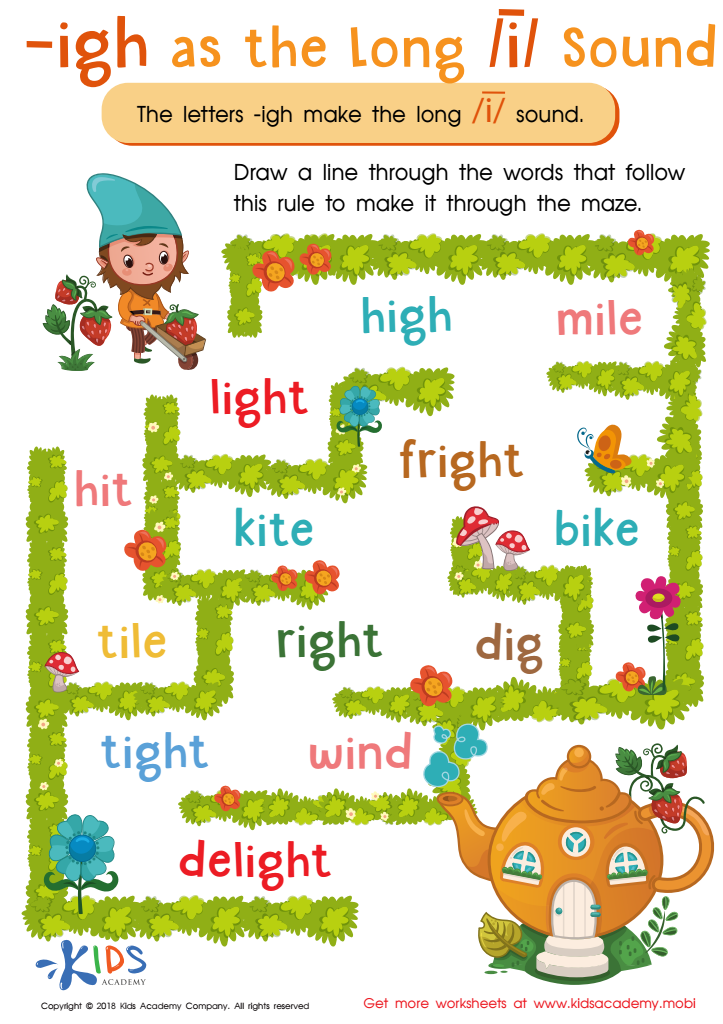
Reading: IGH as Long I Worksheet
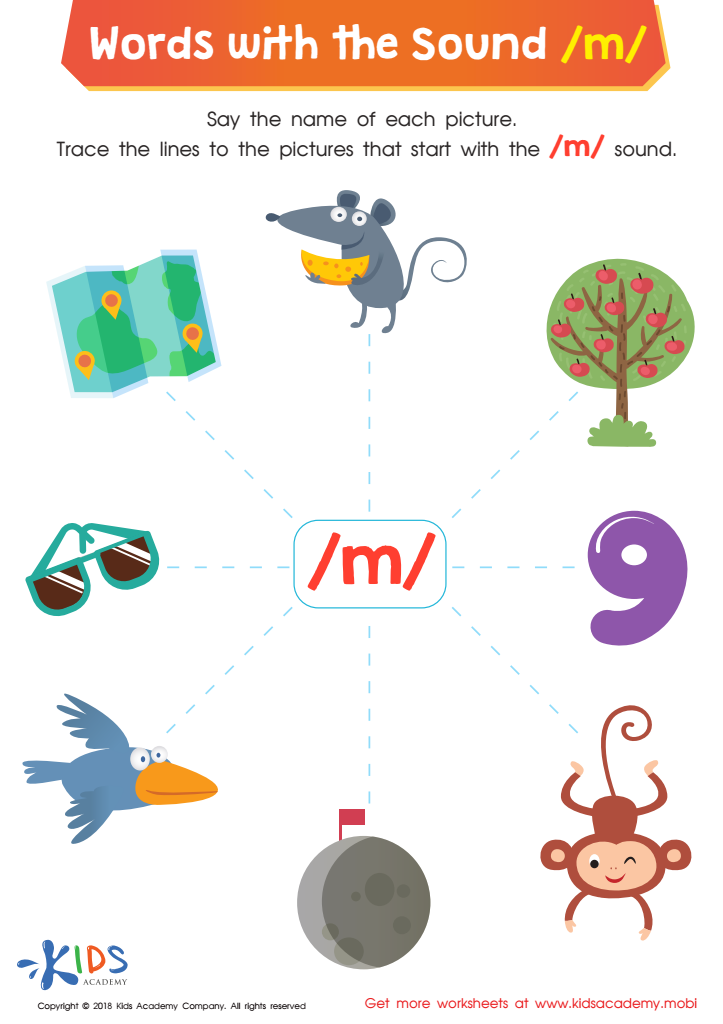
Words with Sound M Reading Worksheet
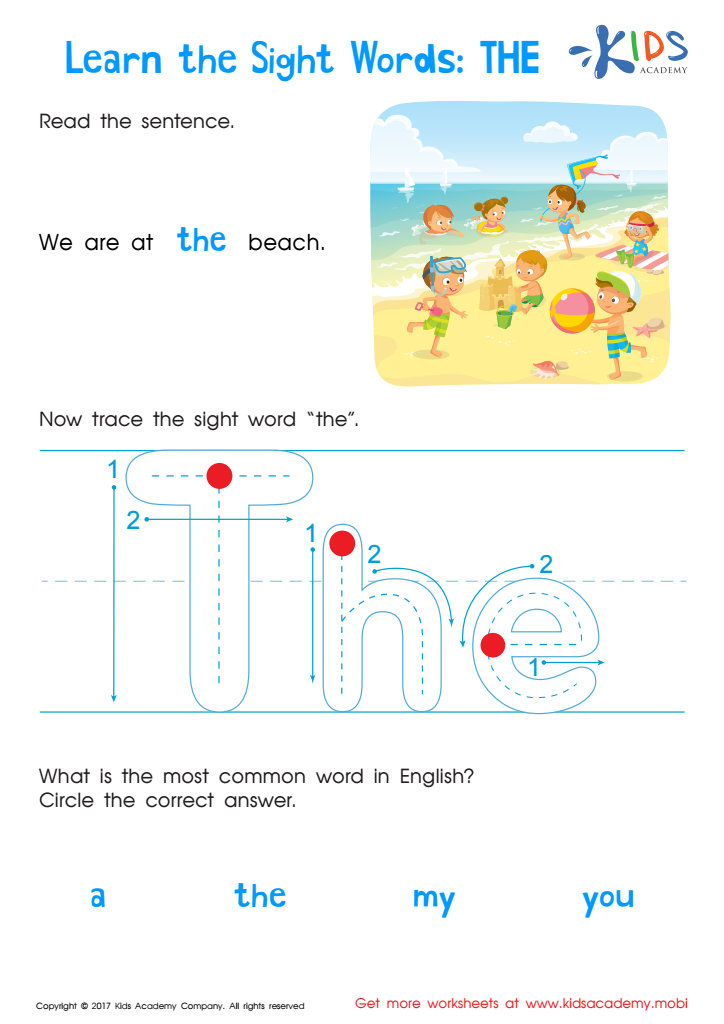
Sight Words: The Worksheet
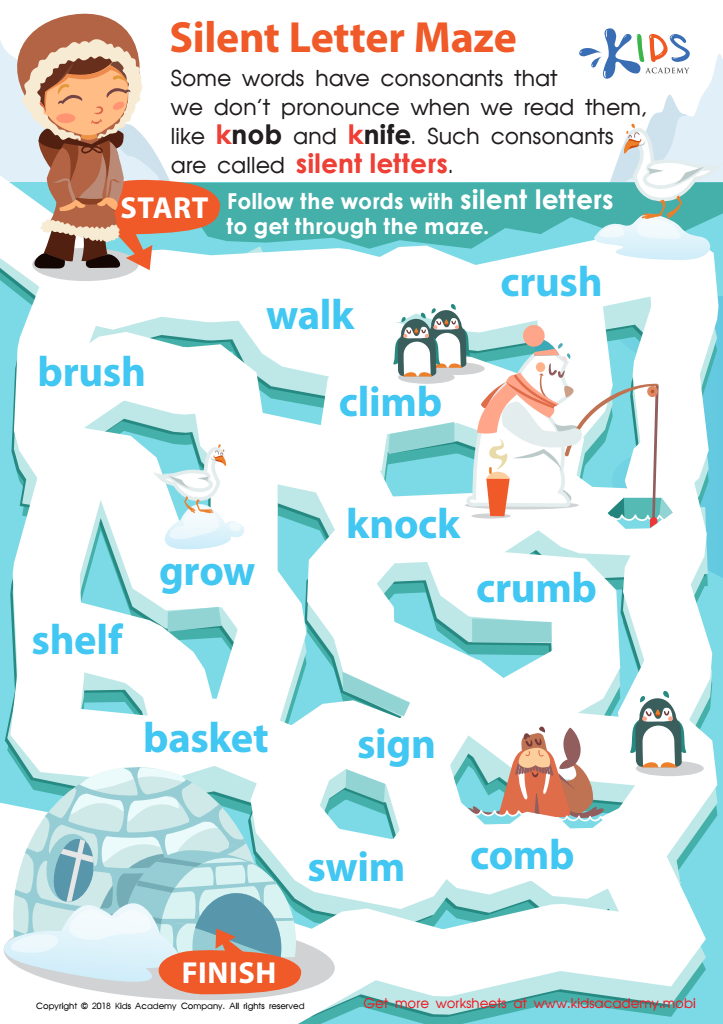
Silent Letter Maze Worksheet
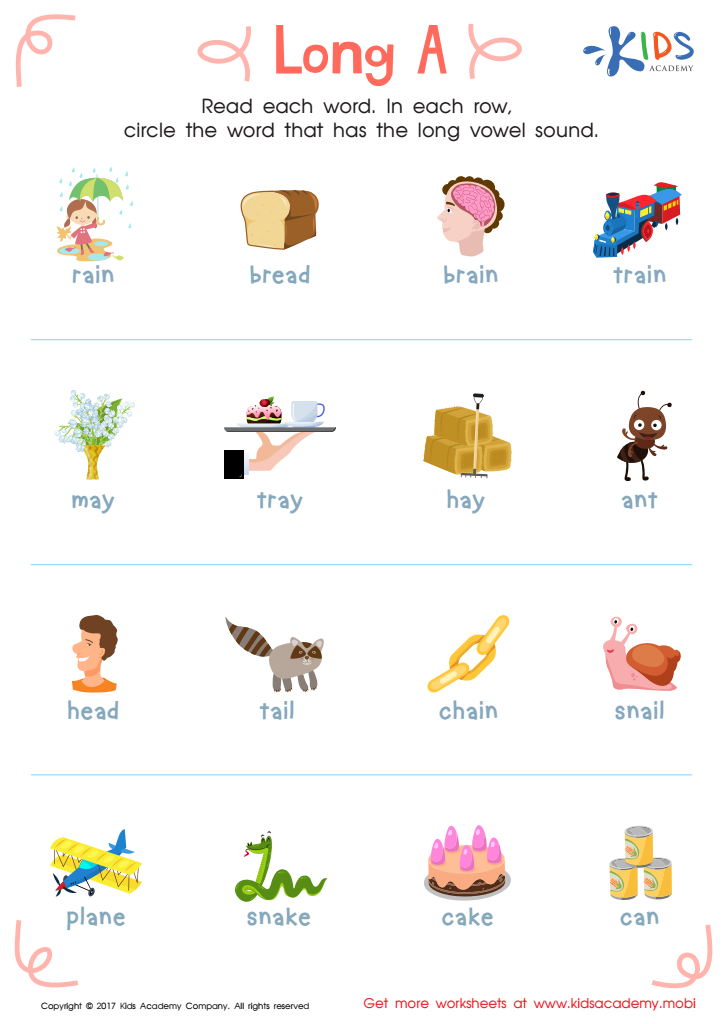
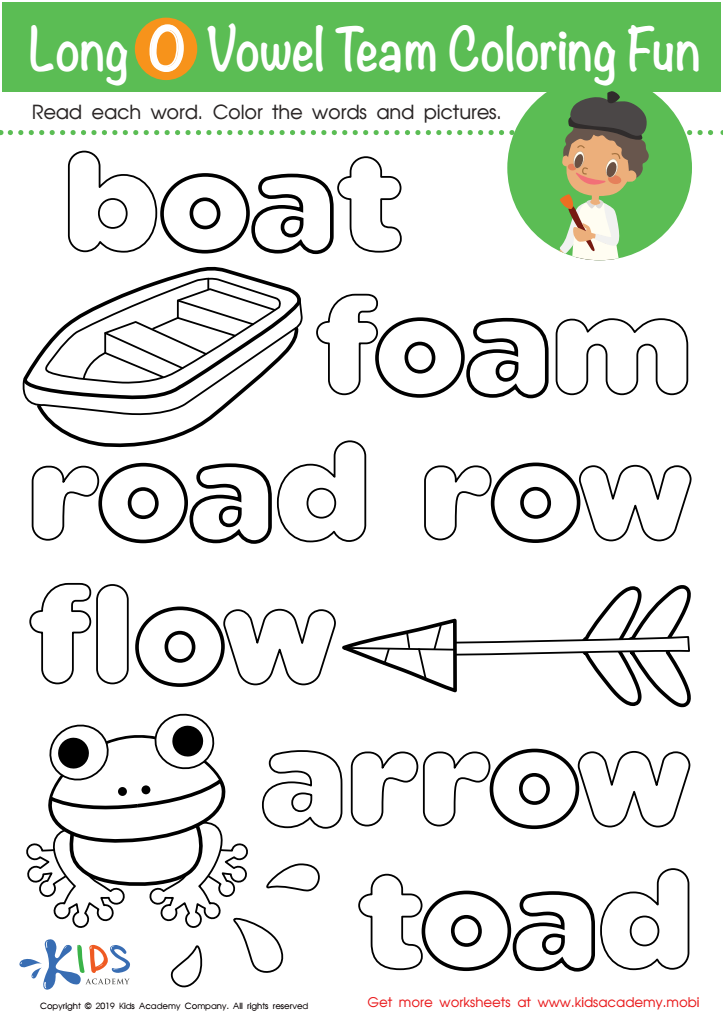
Long O Vowel Team Coloring Worksheet
Assign to My Students
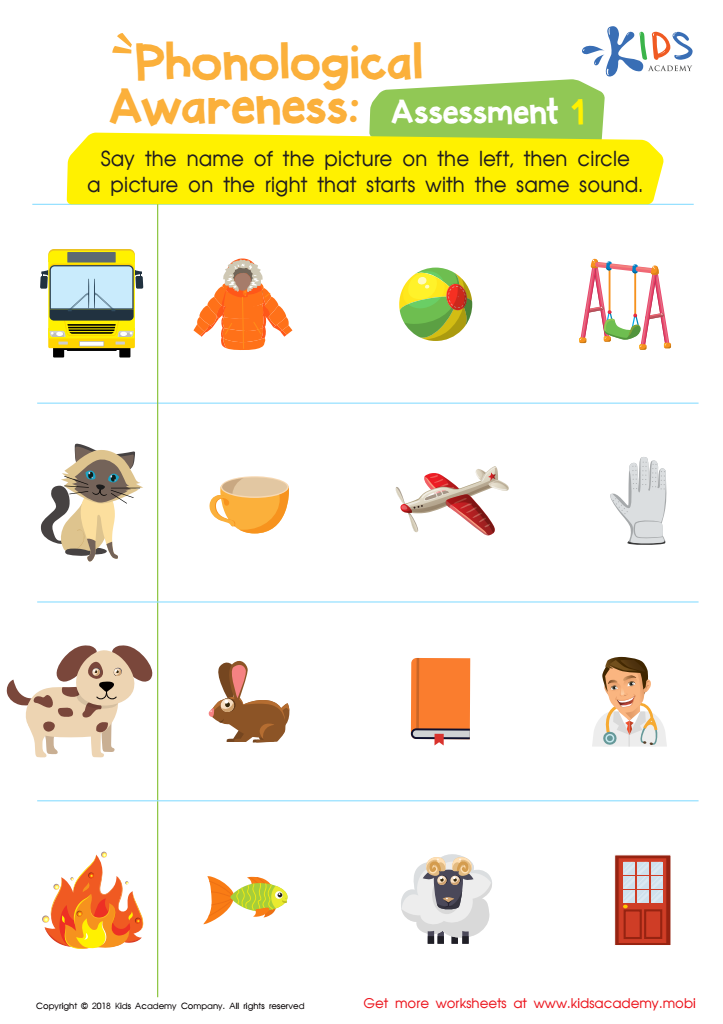
Phonological Awareness: Assessment 1 Worksheet
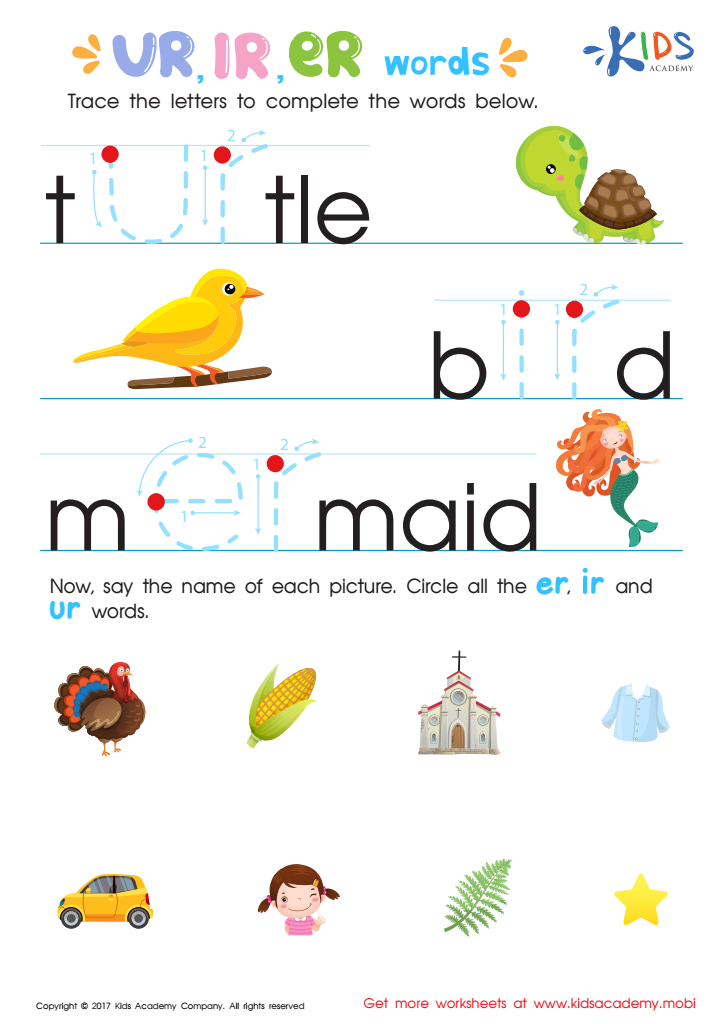
IR UR ER Words Worksheet
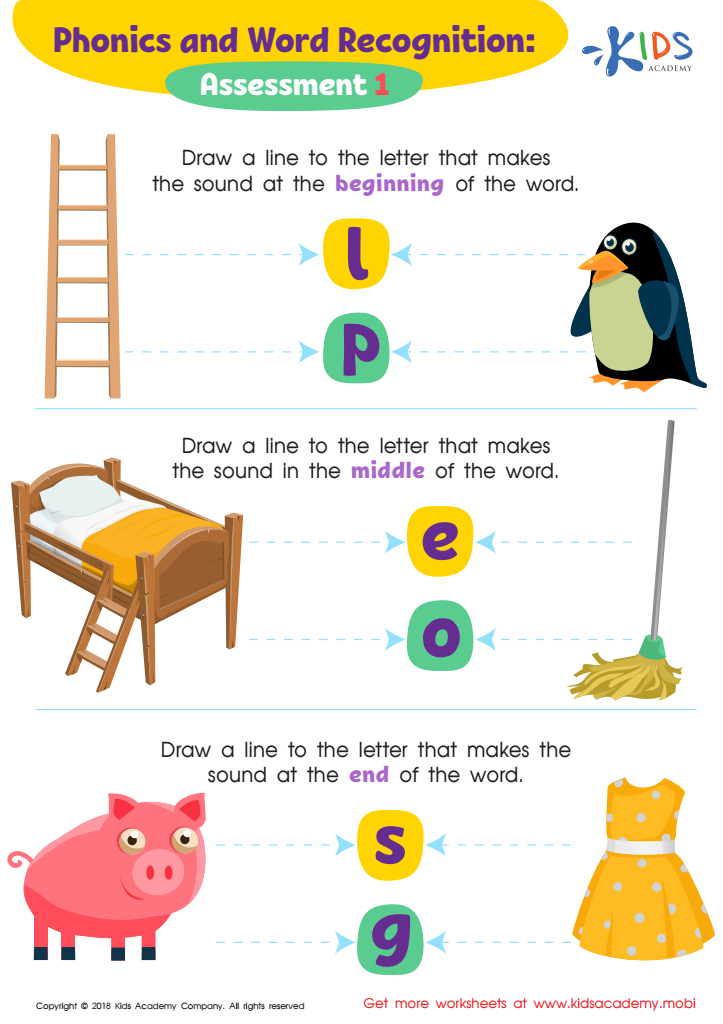
Phonics and Word Recognition: Assessment 1 ELA Worksheet
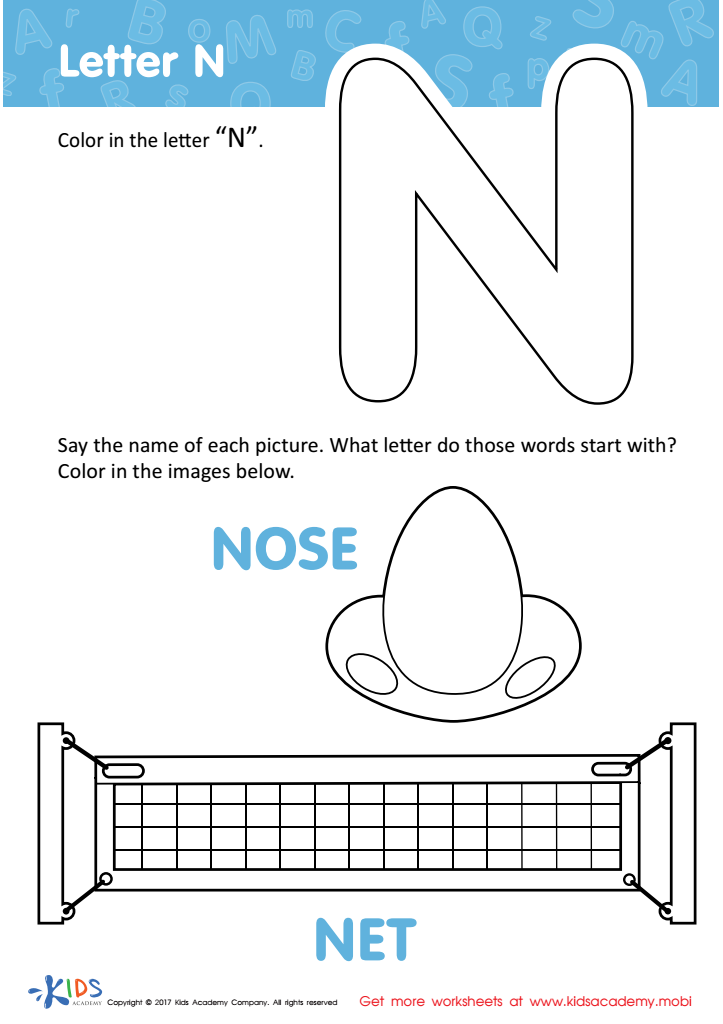
Letter N Coloring Sheet
Assign to My Students






Parents and teachers should care about the Normal Alphabet for ages 4-8 because it provides the foundational building blocks for literacy, which is crucial for children's cognitive and academic development. During this pivotal stage, young minds are highly receptive and can absorb new information rapidly. An introduction to the Normal Alphabet ensures that children can recognize, differentiate, and eventually properly utilize letters, forming essential pre-reading skills. Early familiarity with letters aids in phonemic awareness, which is the ability to hear and manipulate the distinct sounds in words. This skill is a vital prerequisite for effective reading and writing.
Moreover, learning the alphabet enhances fine motor skills through writing practice and nurtures cognitive growth by promoting memory, concentration, and problem-solving skills. A strong foundation in the alphabet also builds a child's confidence, allowing for easier transitions to more complex literacy tasks. Educators and parents who emphasize learning the alphabet create a positive, supportive environment that encourages young learners to enjoy reading and lifelong learning.
Ensuring that children have a strong grasp of the Normal Alphabet paves the way for their overall academic success and cultivates an early love for language, setting them on the path to becoming proficient, enthusiastic readers and writers.







