Problem-Solving Skills Normal Math Worksheets for Ages 4-8 - Page 3
71 filtered results
-
From - To
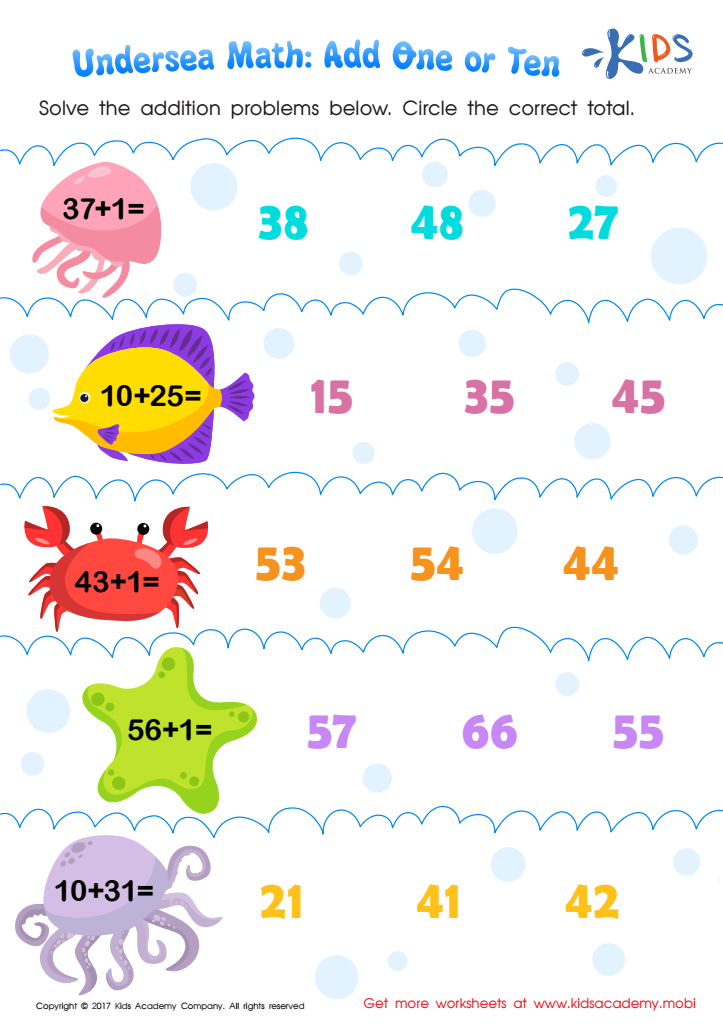
Undersea Math Worksheet
 Assign to My Students
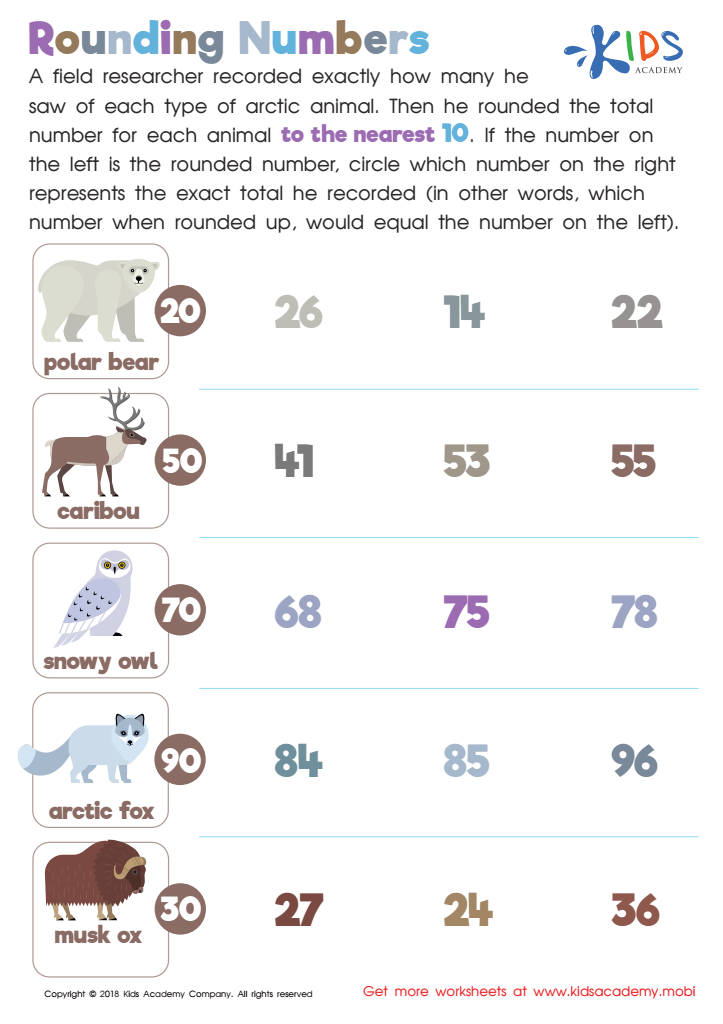
Rounding Numbers Worksheet
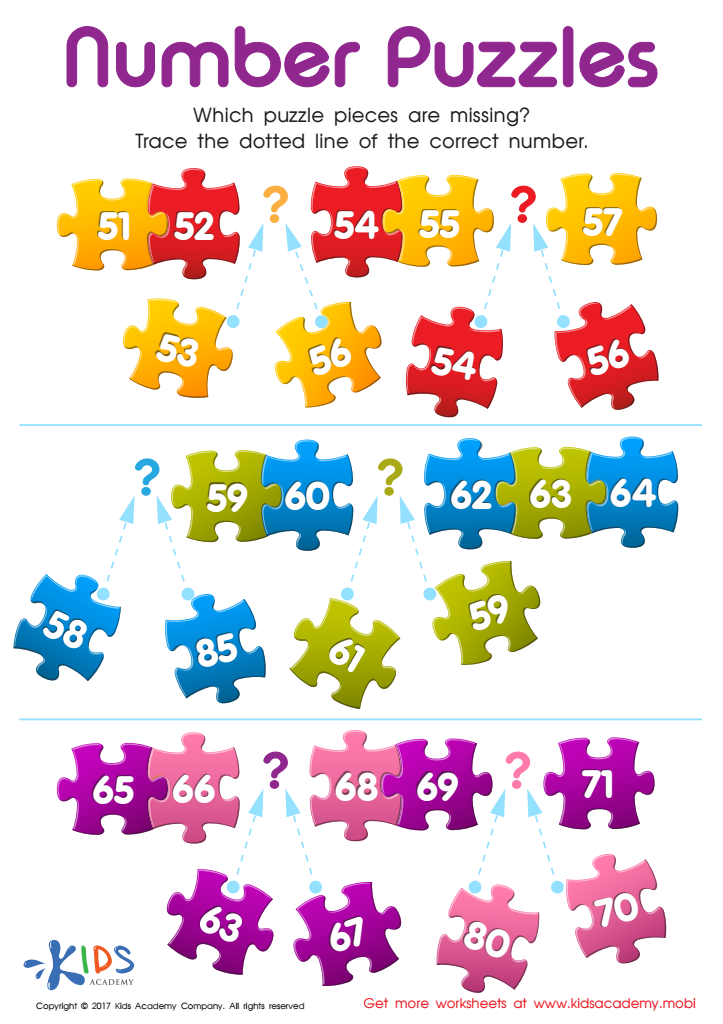
Number Puzzles Worksheet
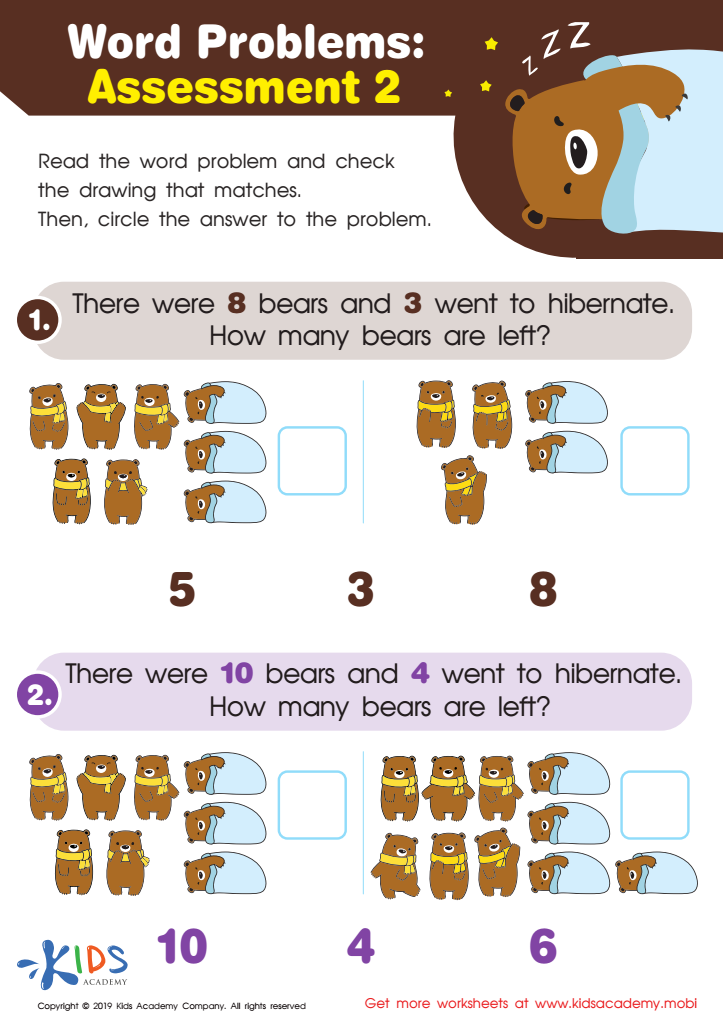
Word Problems: Assessment 2 Worksheet
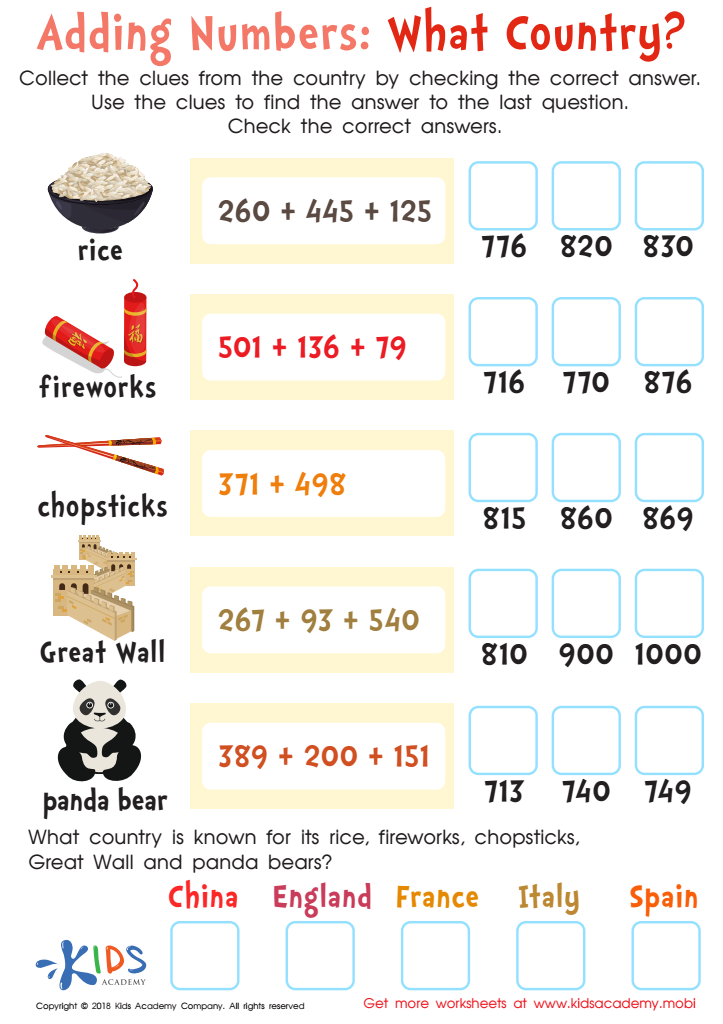
Adding Numbers: What Country Worksheet
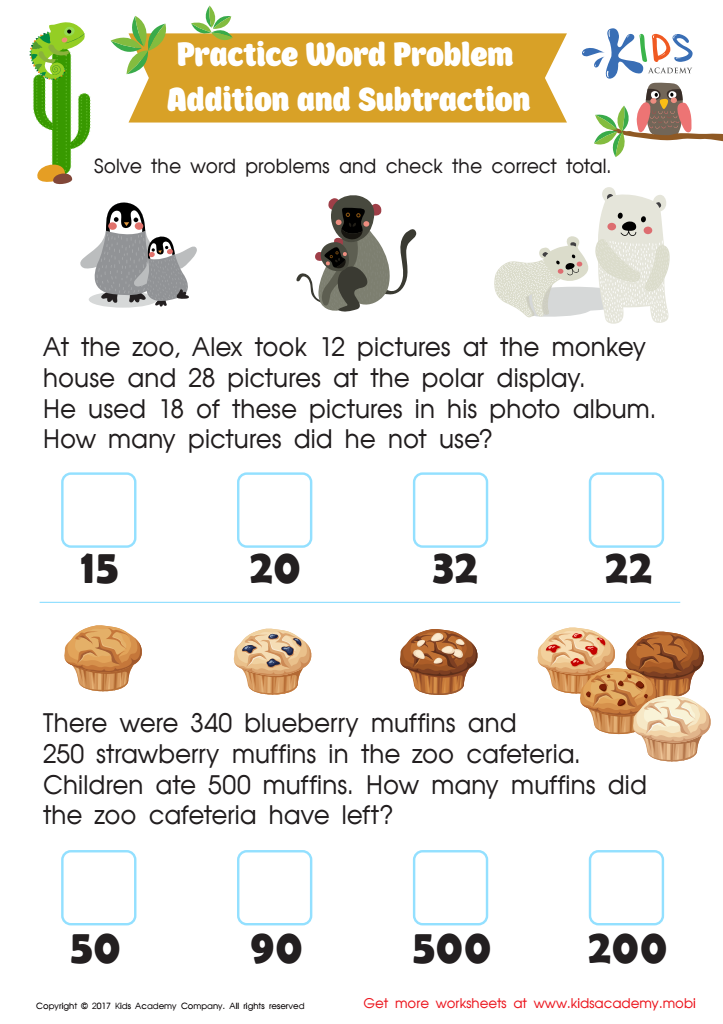
Addition and Subtraction: Word Problems Worksheet
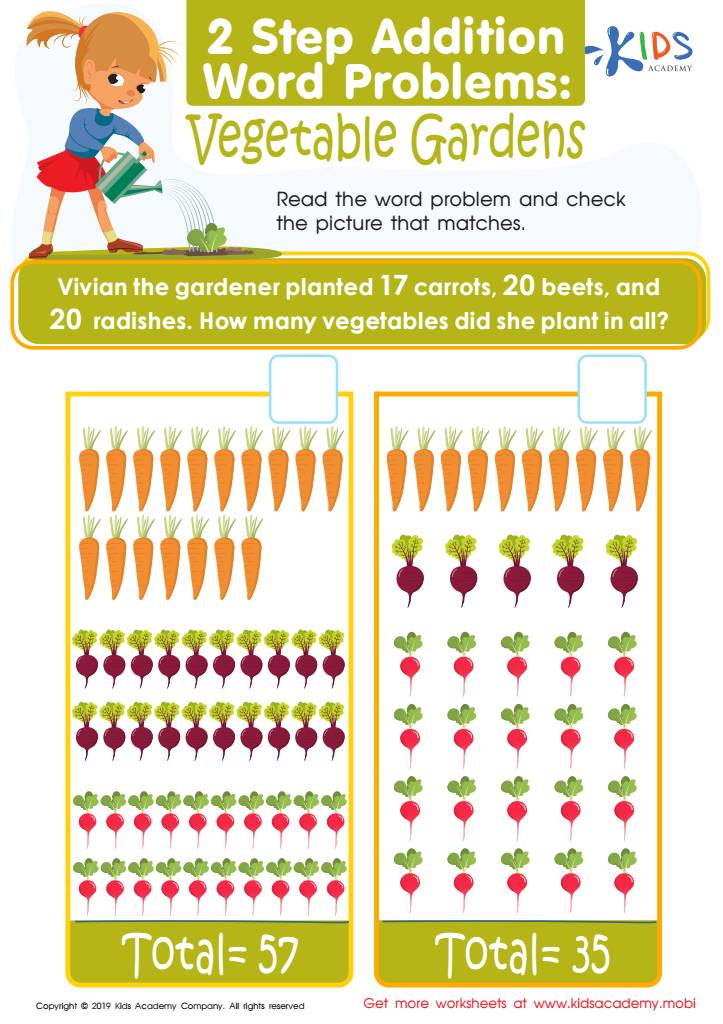
Vegetable Gardens Worksheet
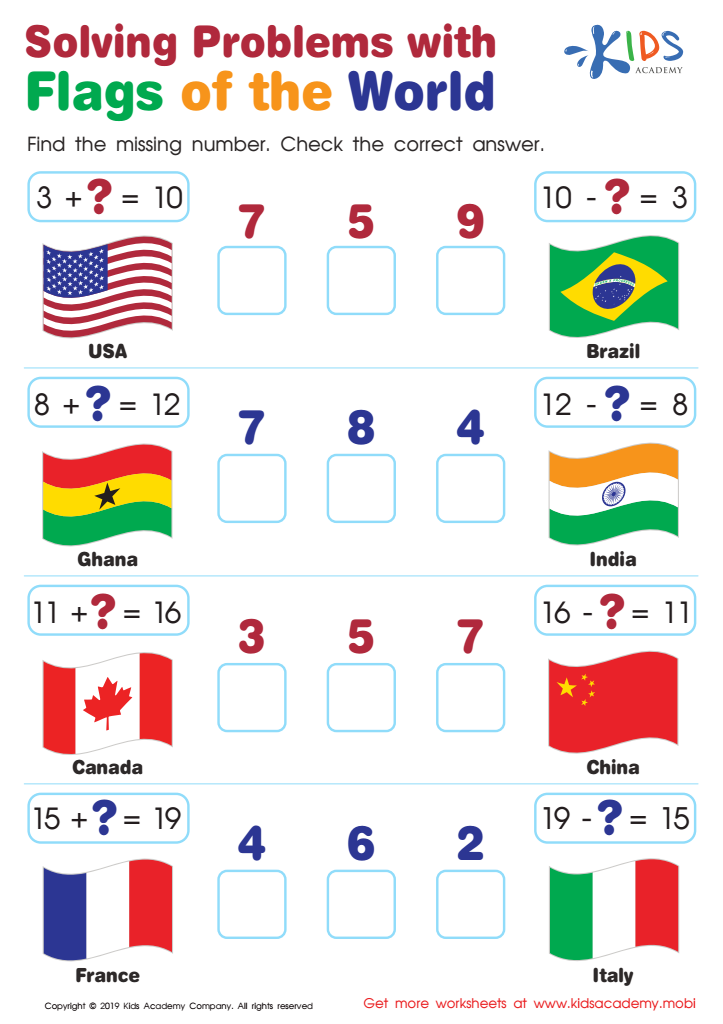
Solving Problems with Flags of the World Worksheet
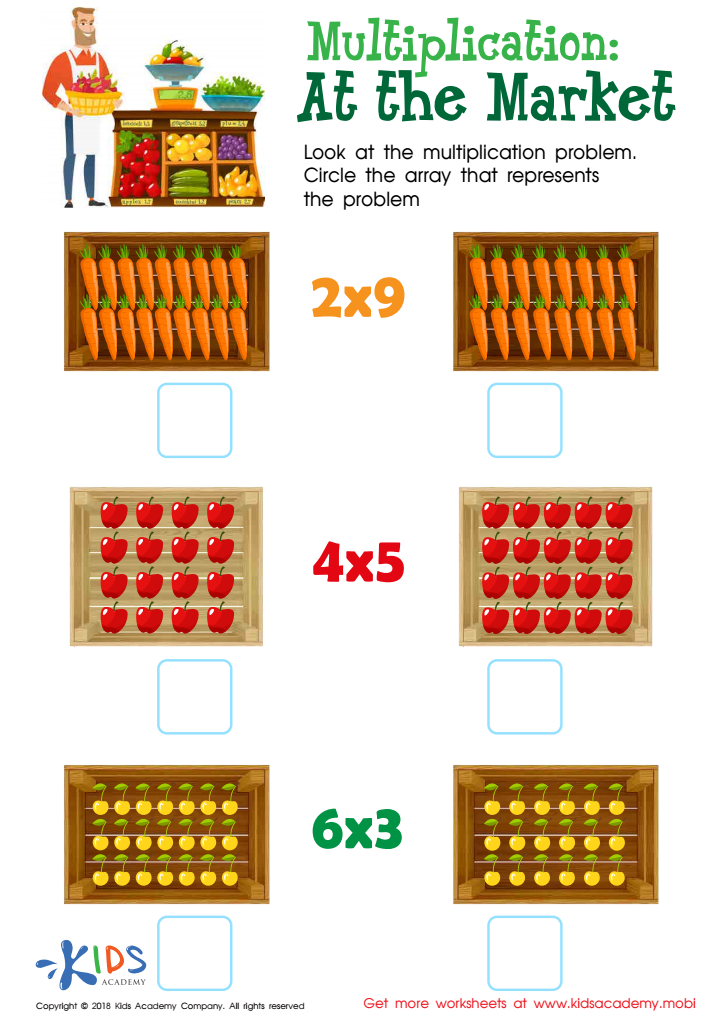
At the Market Worksheet
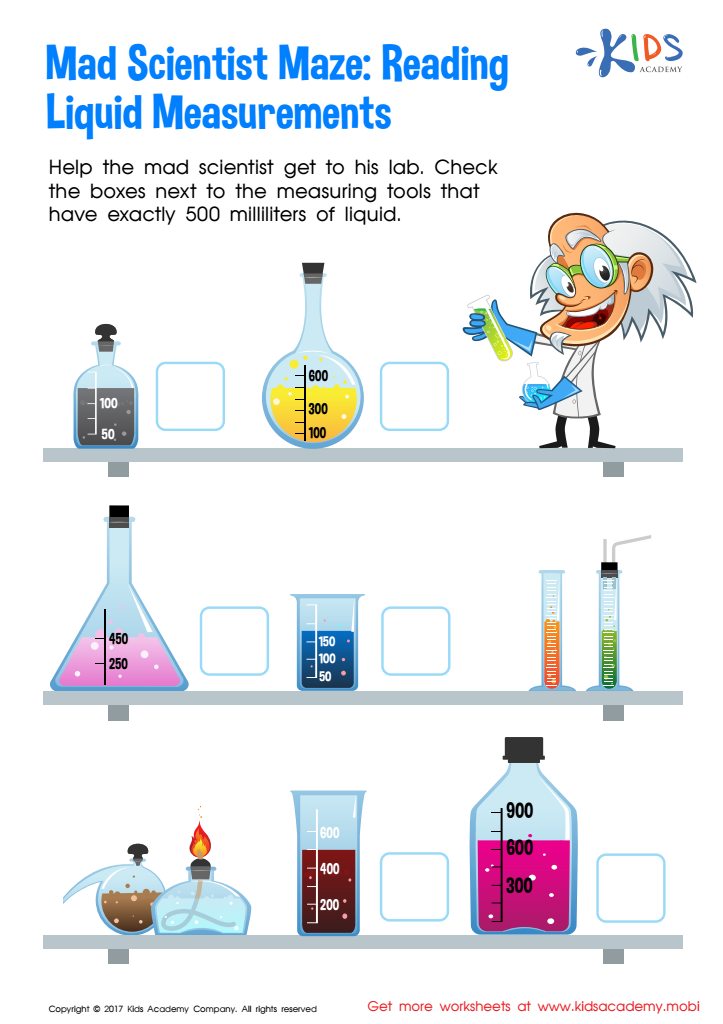
Reading Liquid Measurement Worksheet
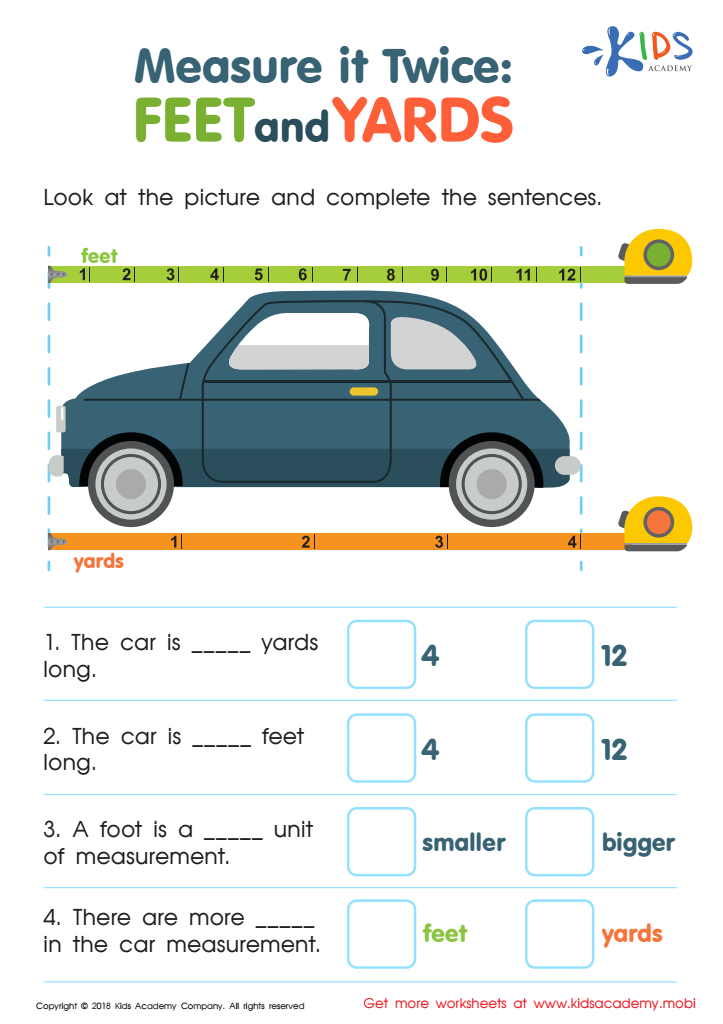
Measure It Twice: Feet and Yards Worksheet
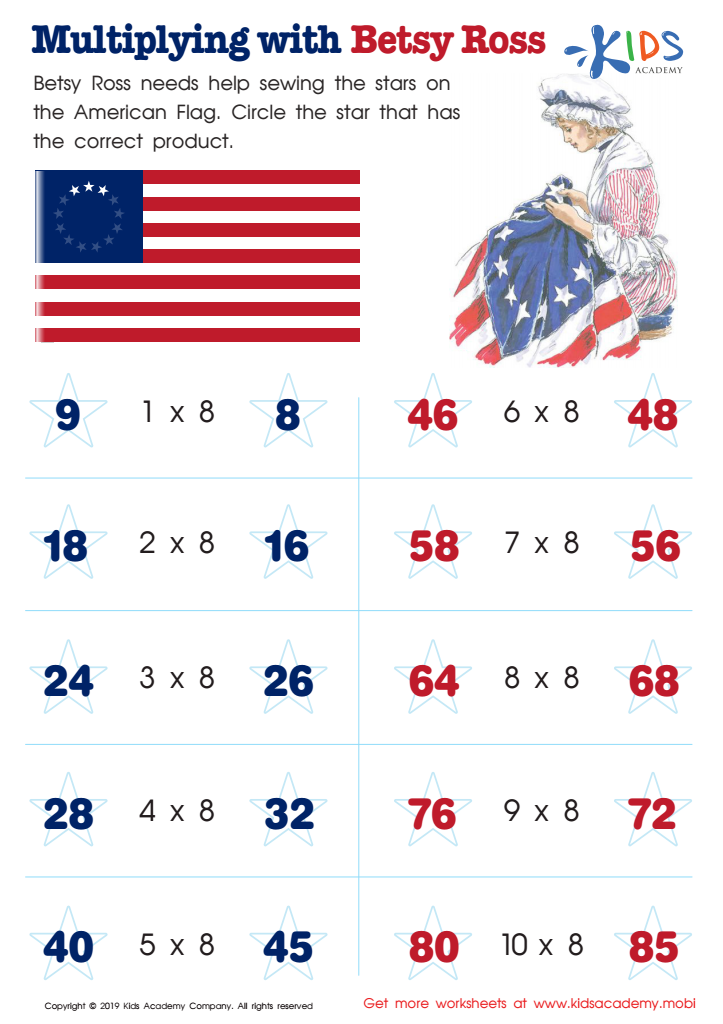
Multiplying with Betsy Ross Worksheet
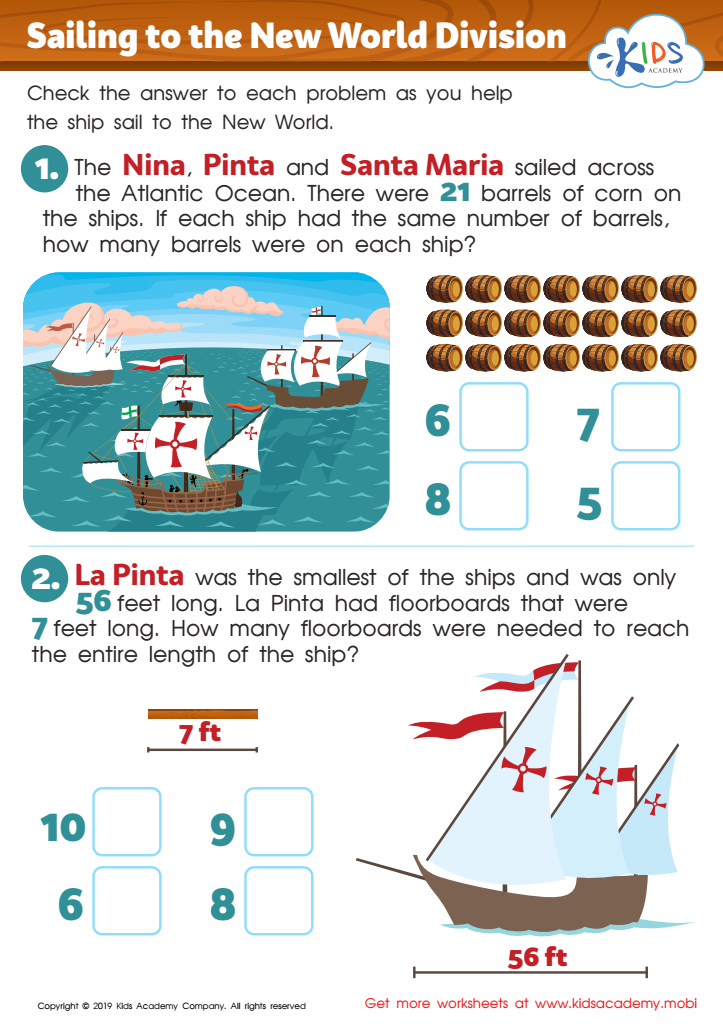
Sailing to the New World Division Worksheet
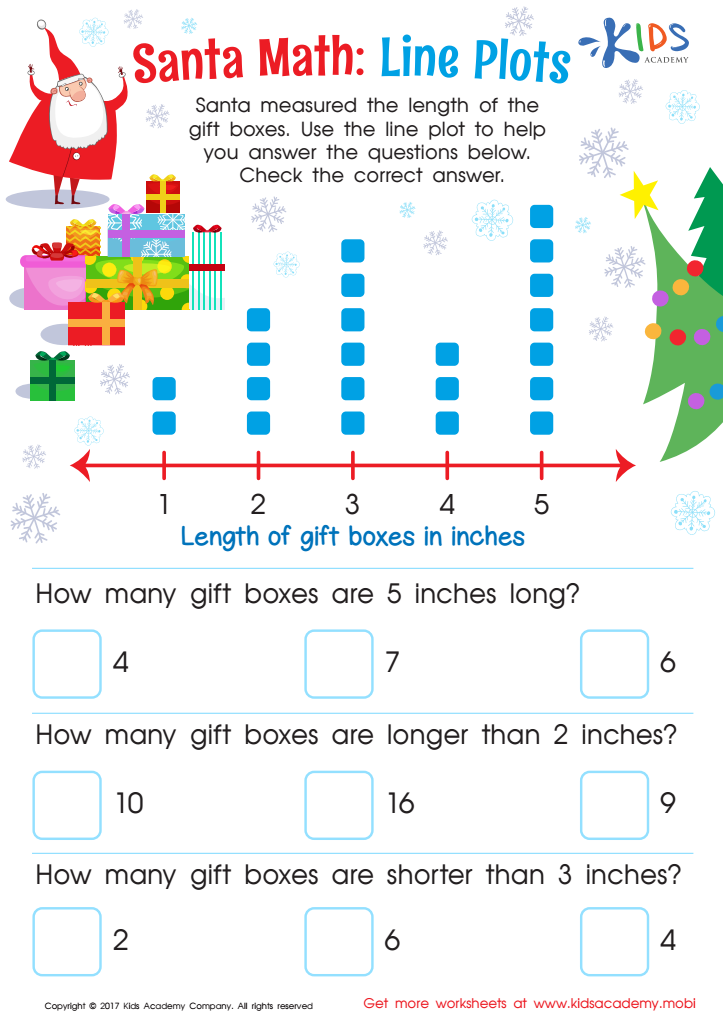
Line Plot Worksheet
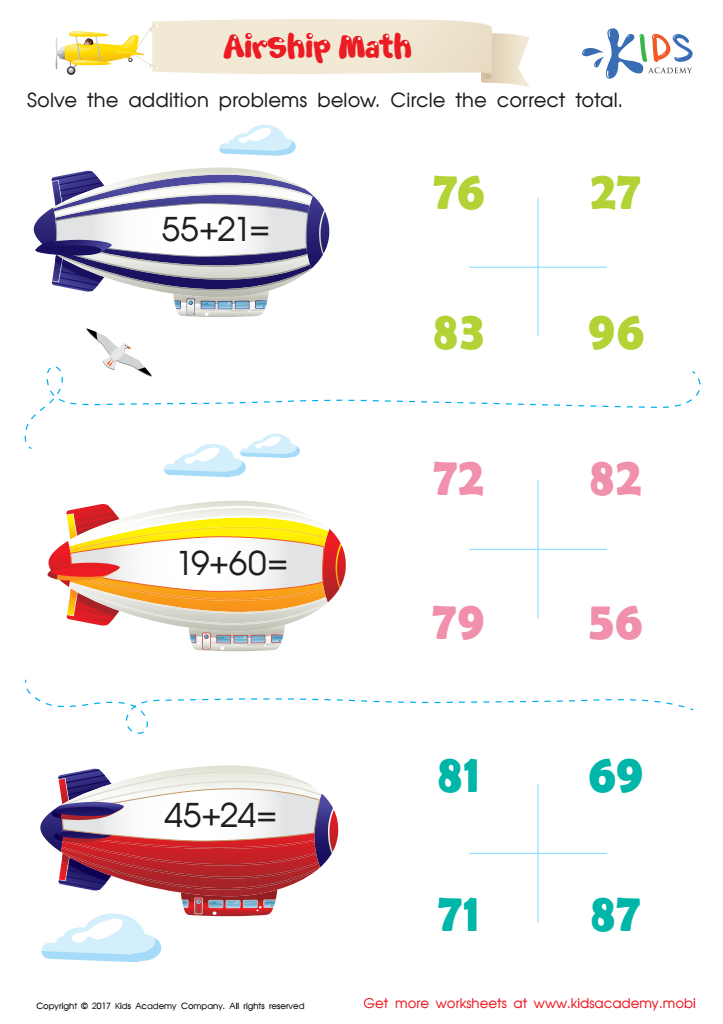
Airship Math Addition Printable
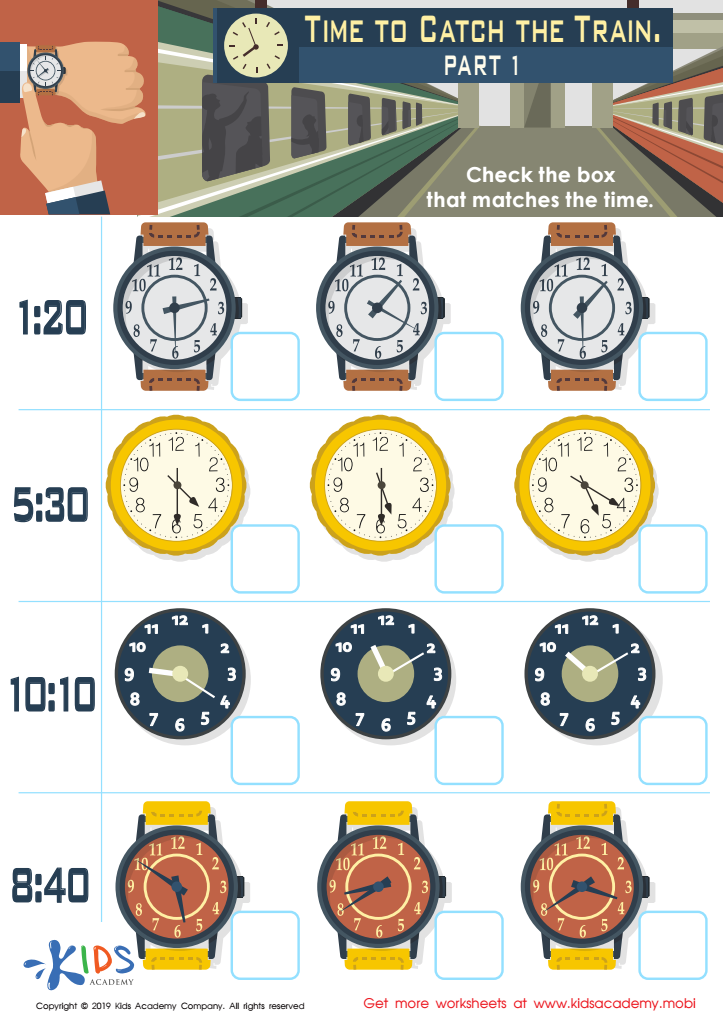
Time to Catch the Train Part 1 Worksheet
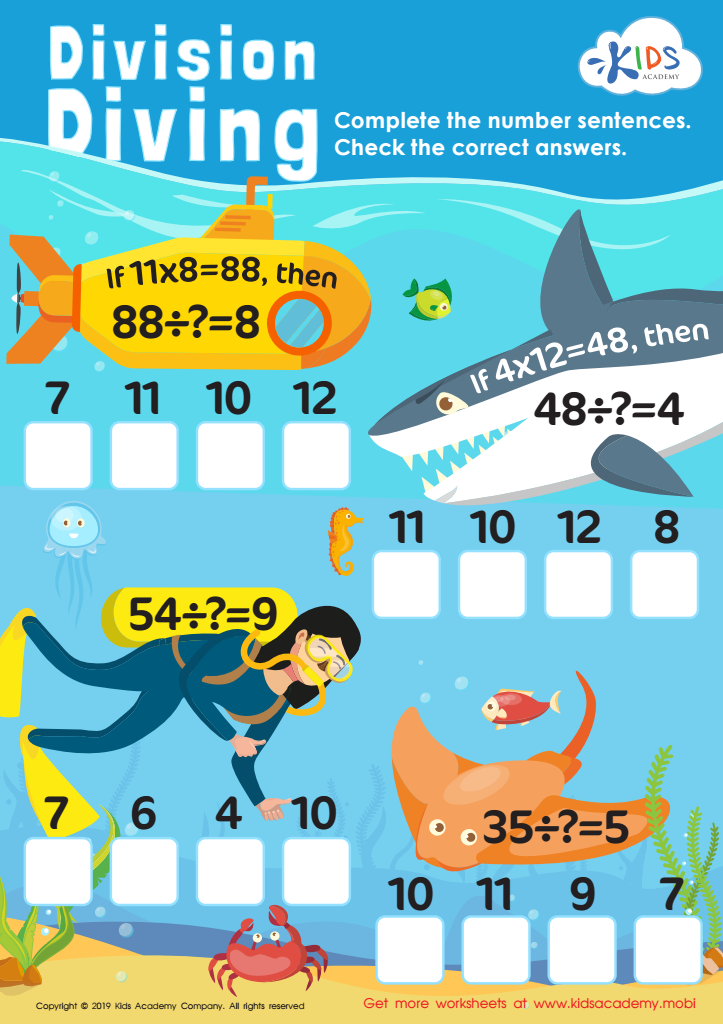
Division Diving Worksheet
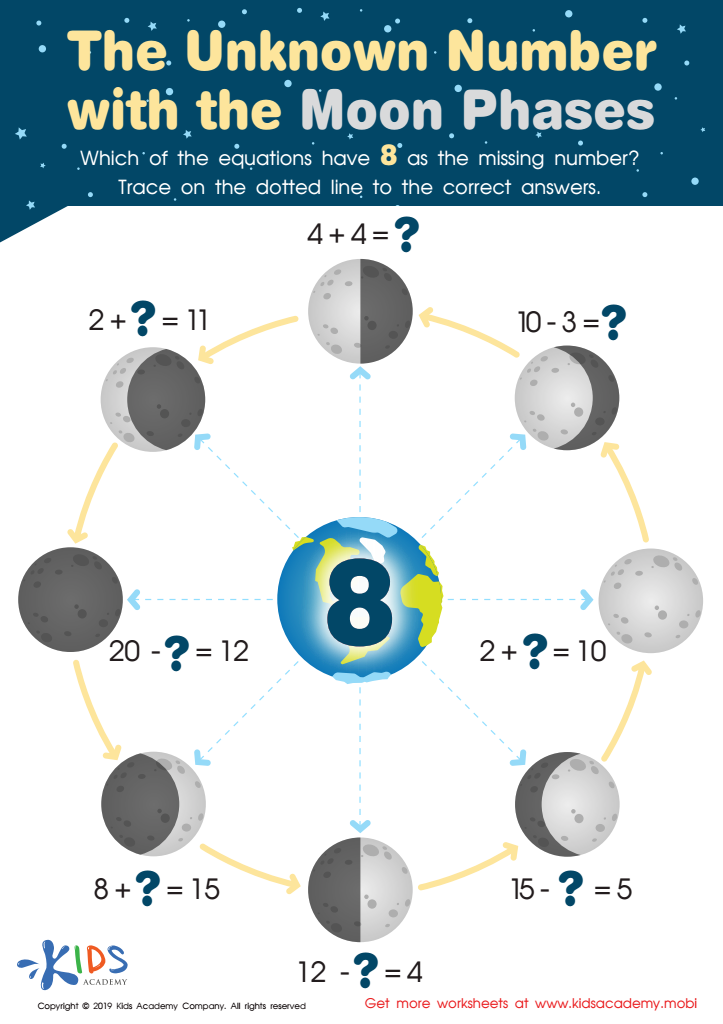
The Unknown Number with the Moon Phases Worksheet

Silhouettes – Shapes Worksheet
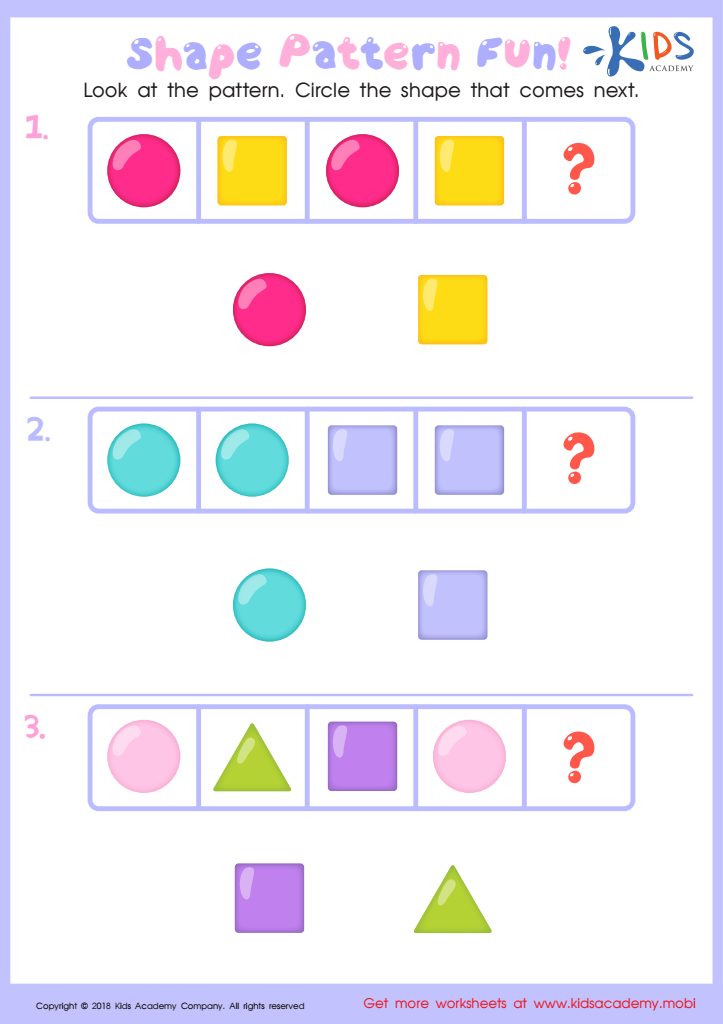
Shape Pattern Fun Worksheet
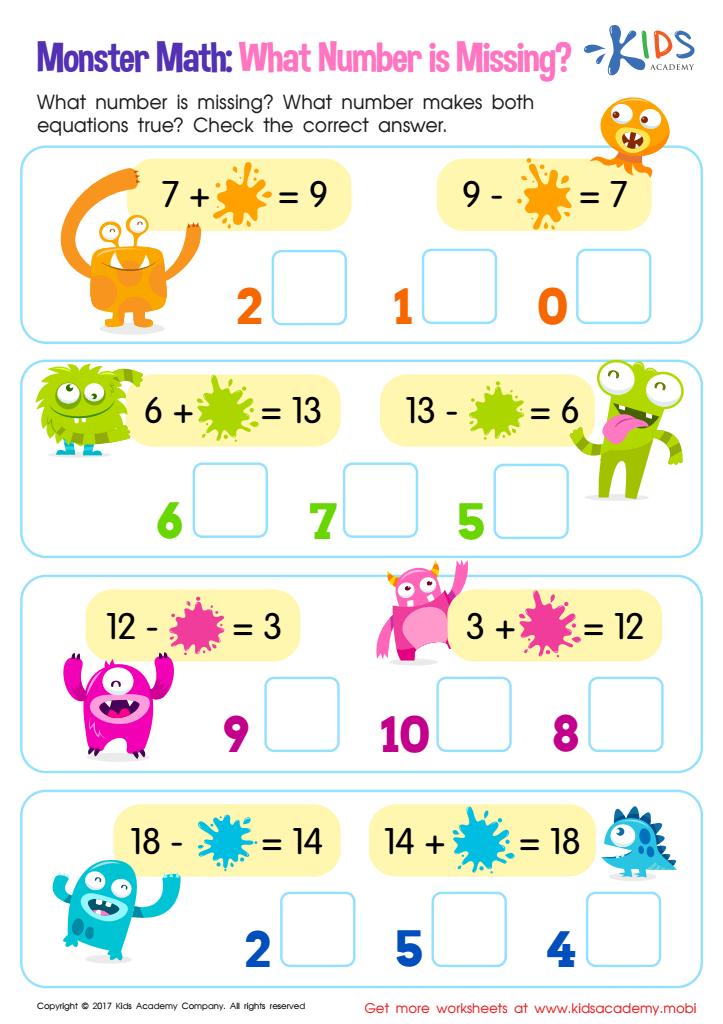
Missing Number: Monster Math Worksheet
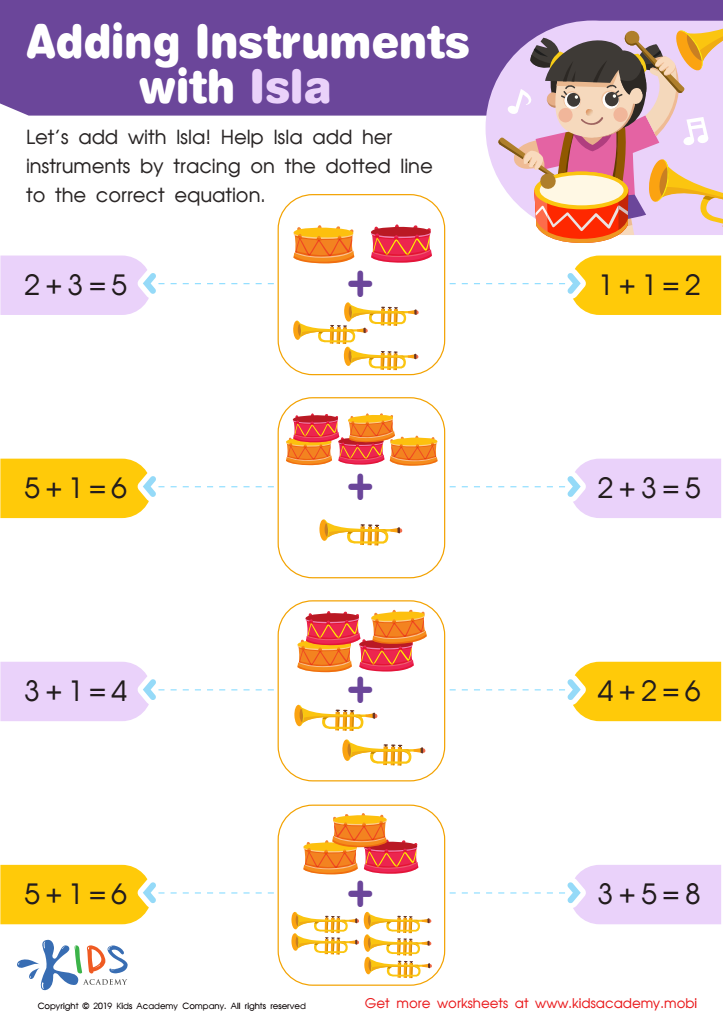
Adding Instruments with Isla Worksheet
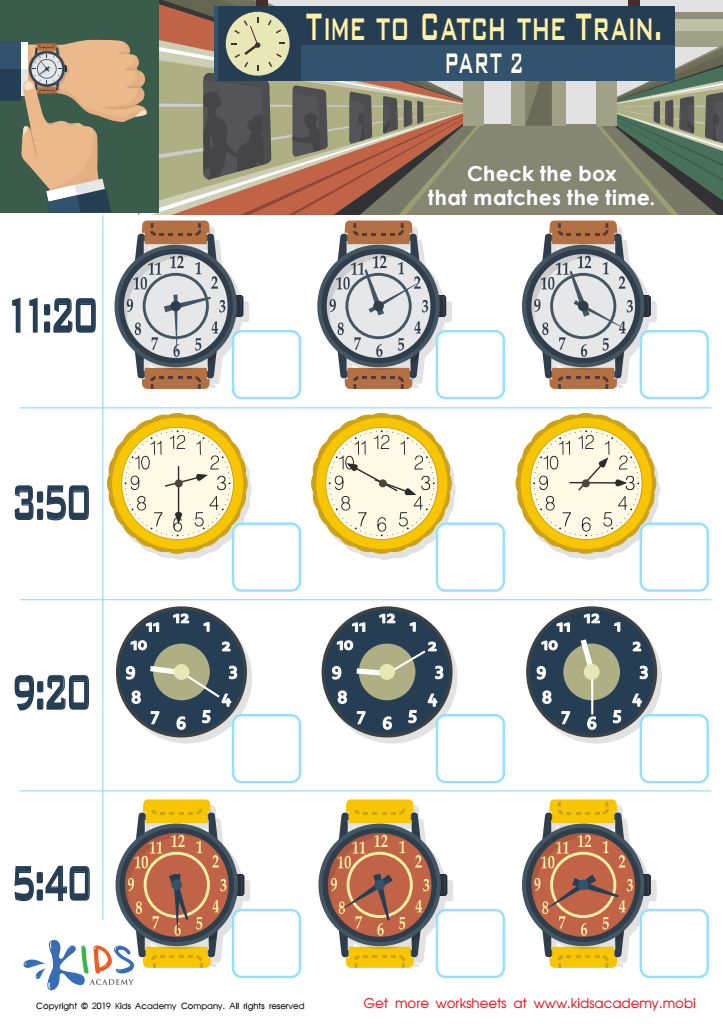
Time to Catch the Train Part 2 Worksheet






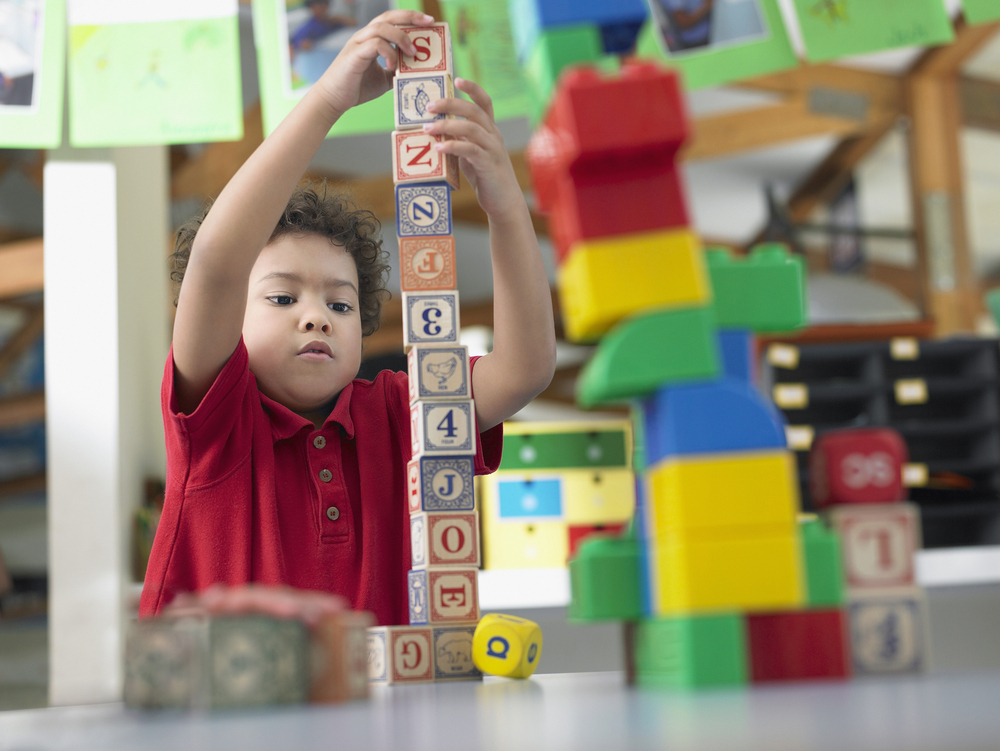
Problem-solving skills in early math education are crucial for children aged 4-8 for several reasons. First, these skills lay a foundation for understanding mathematical concepts that they will encounter later in their educational journey. By engaging in problem-solving, children develop critical thinking abilities, enabling them to analyze situations and draw logical conclusions. This process helps them make connections between numbers and real-world scenarios.
Second, fostering problem-solving skills encourages perseverance and adaptability. As students encounter challenges, they learn the importance of trying different approaches, which enhances their resilience. These traits are not only vital in mathematics but also in everyday life, helping children navigate challenges effectively.
Additionally, early problem-solving experiences promote a sense of achievement and motivation in children. When they find solutions independently, they build self-confidence, encouraging a positive attitude towards learning and reducing math-related anxiety.
Finally, when parents and teachers prioritize problem-solving in math, they help create a collaborative learning environment. Working together to solve problems fosters communication, teamwork, and social skills, all essential components for success. By focusing on these early skills, adults prepare children for future academic and life challenges while nurturing a love for learning.








