Shape Recognition Normal Worksheets for Ages 5-7
46 filtered results
-
From - To
Our engaging 'Shape Recognition Normal Worksheets for Ages 5-7' nurture young learners' ability to identify and differentiate various shapes. These thoughtfully designed activities enhance critical learning skills, promoting a solid foundation in geometry. Perfect for preschool and early elementary students, the worksheets use fun visuals and interactive exercises to make learning enjoyable. Through tracing, matching, and coloring, children build cognitive abilities necessary for their academic path. Ideal for classroom resources or additional home practice, these worksheets align with key educational standards, supporting teachers and parents in fostering essential developmental milestones in their young learners.
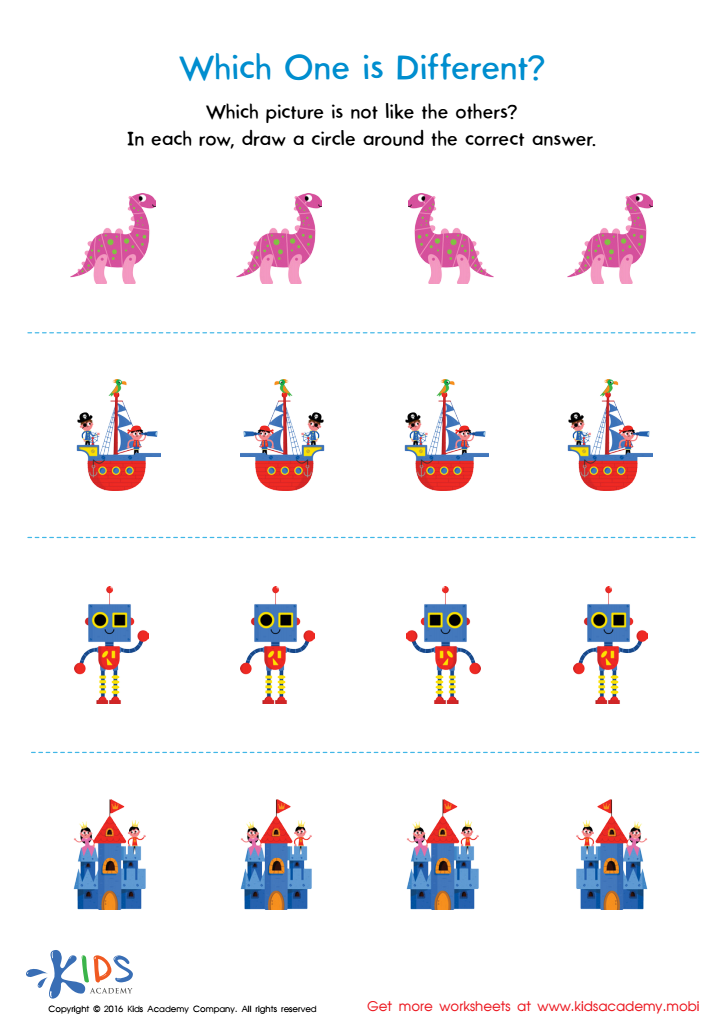
Which One Is Different Worksheet
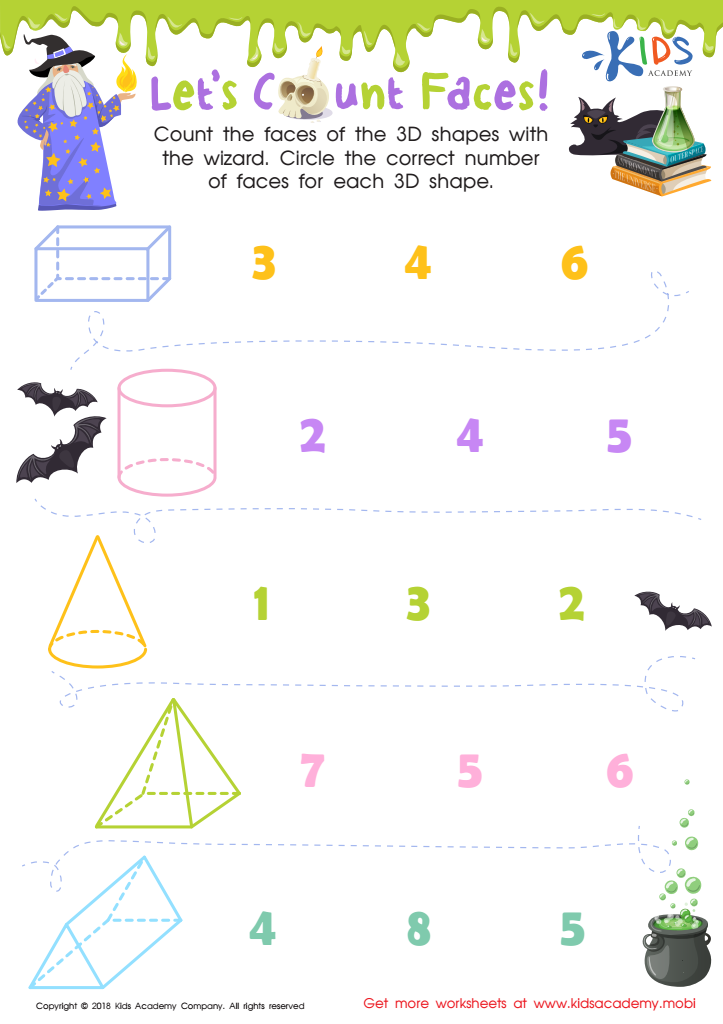
Let's Count Faces! Worksheet
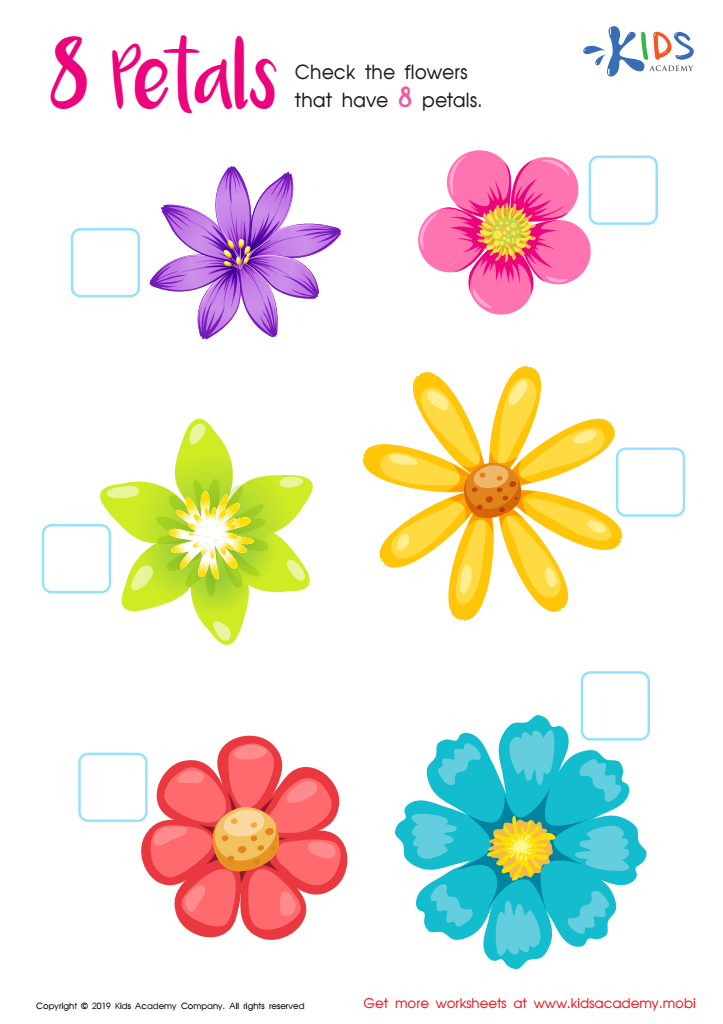
8 Petals Worksheet
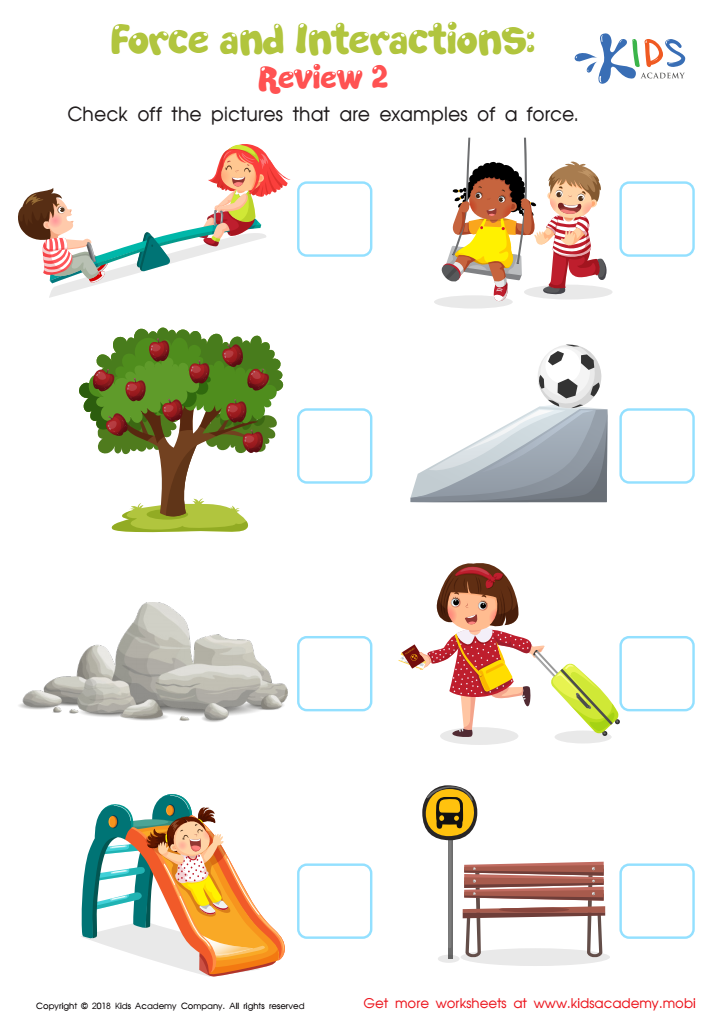
Force and Interactions: Review 2 Worksheet
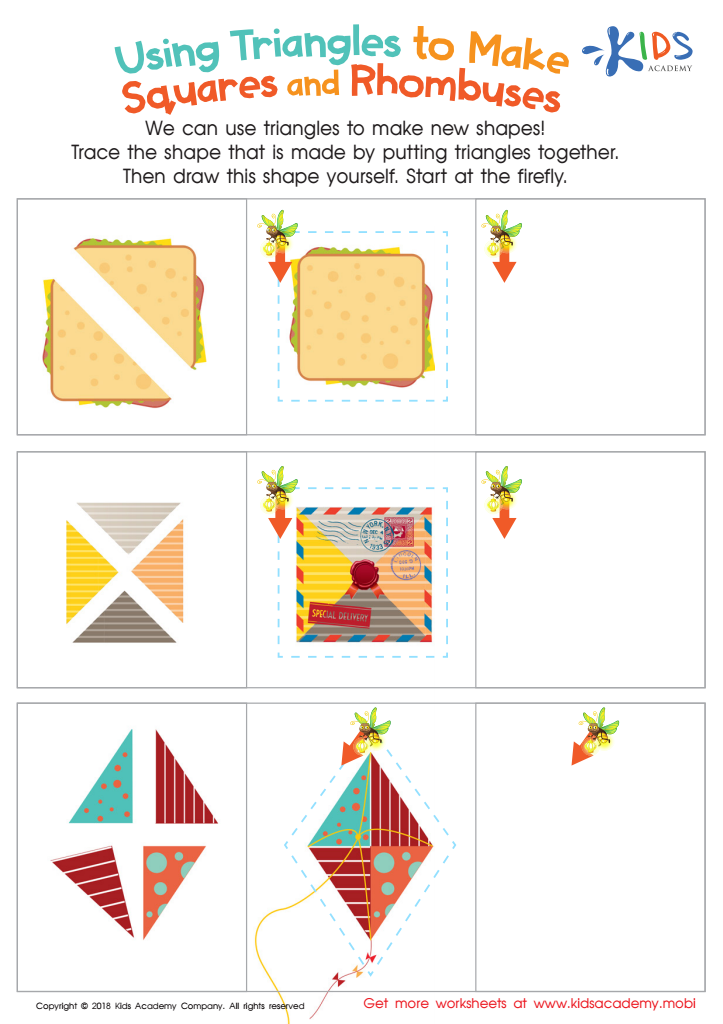
Using Triangles to Make Squares and Rhombuses Worksheet
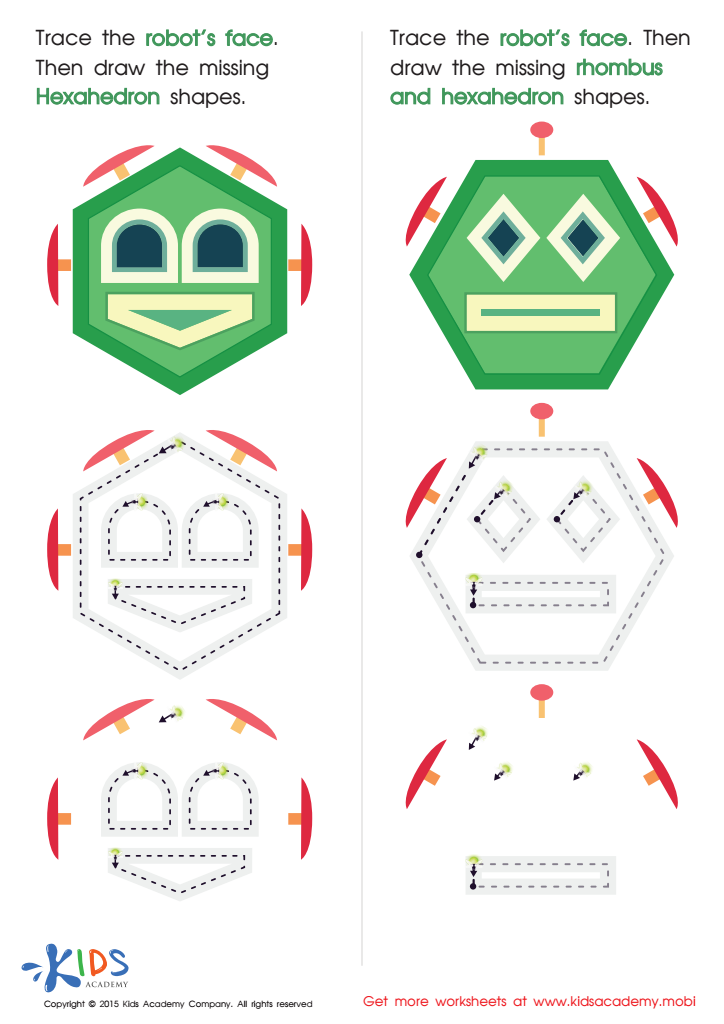
Practice Drawing Hexahedrons And a Rhombus Worksheet
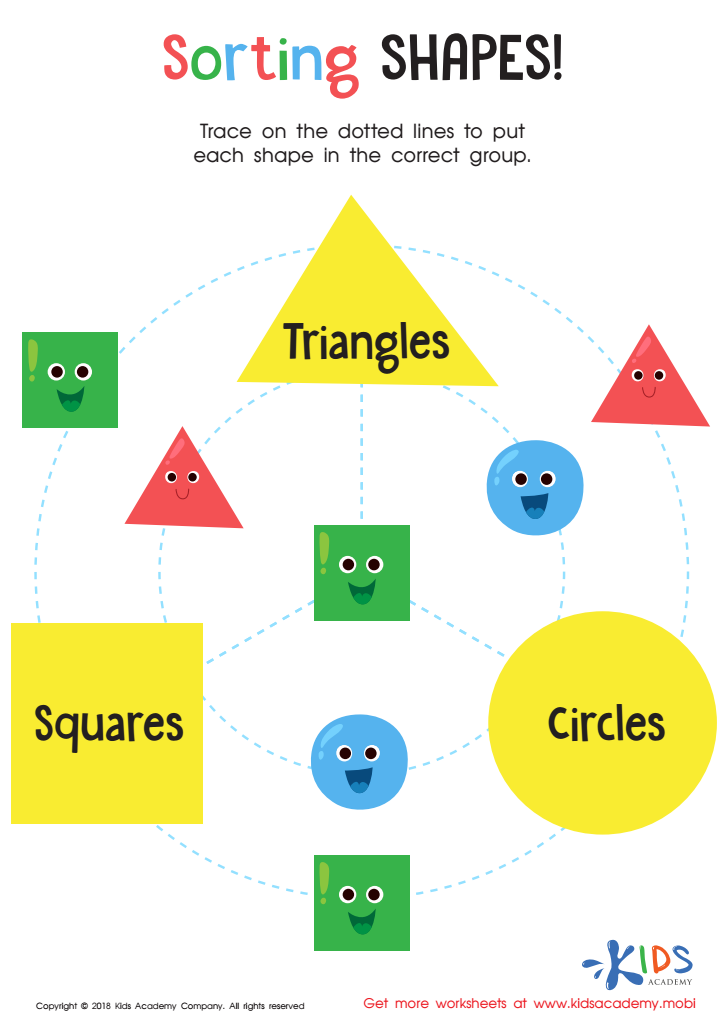
Sorting Shapes - Part 3 Worksheet
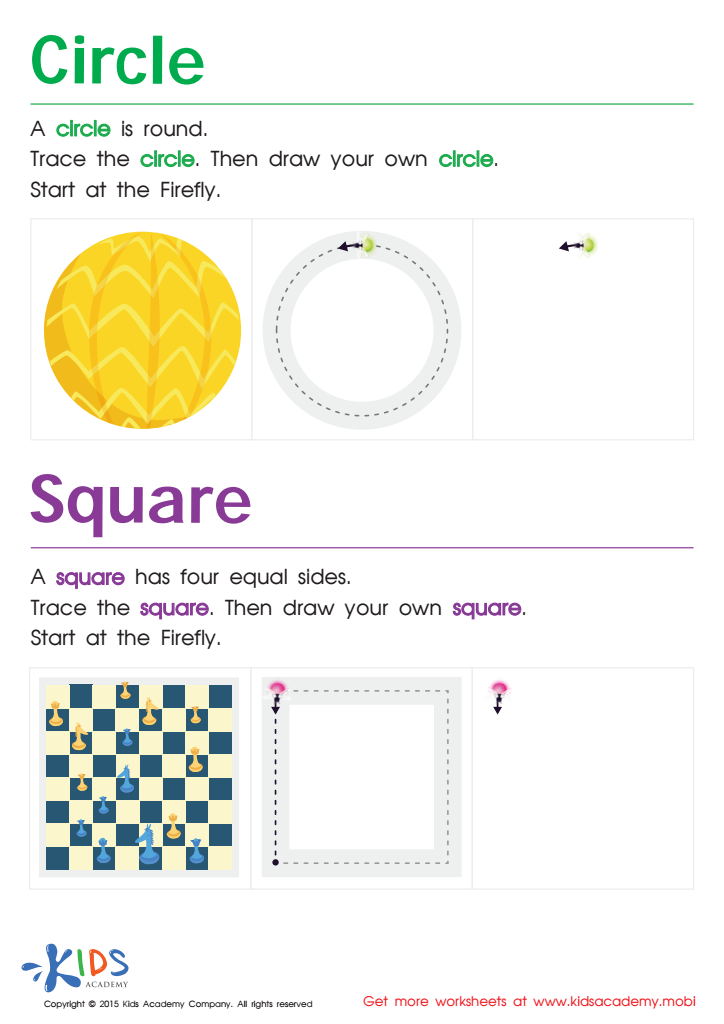
Trace And Draw a Circle And a Square Worksheet
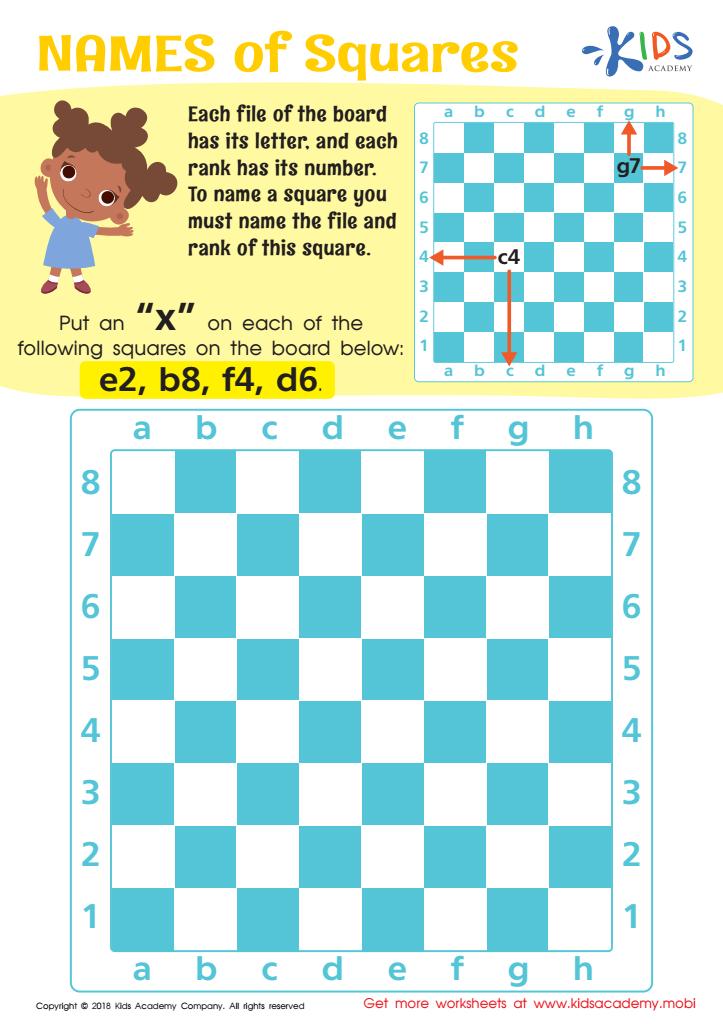
Names of Squares Worksheet
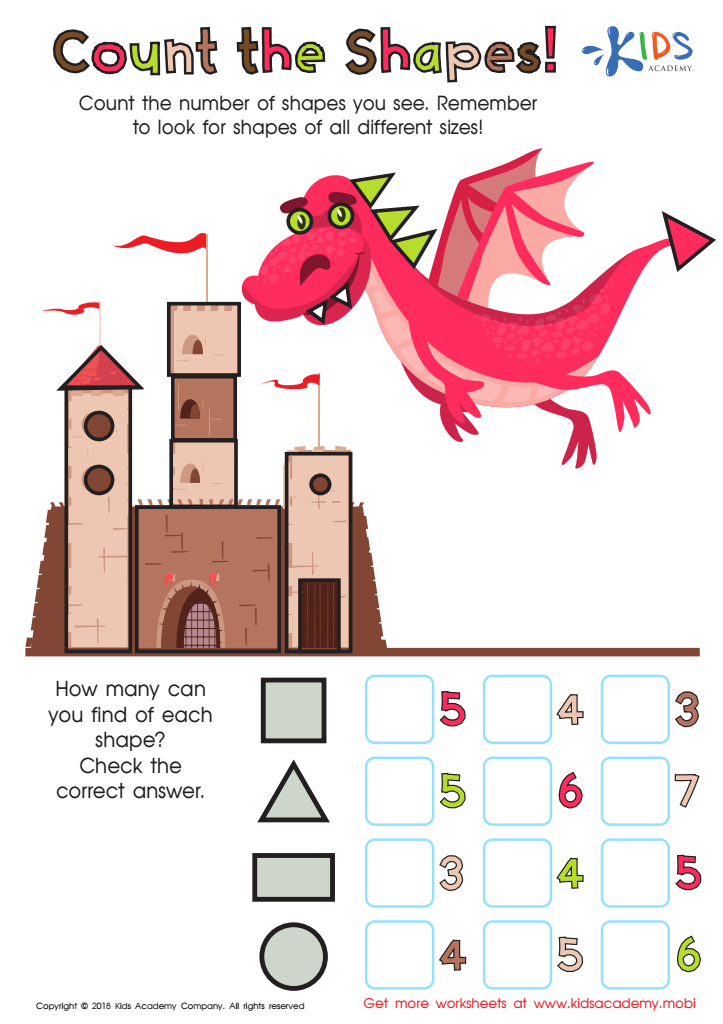
Count the Shapes Worksheet
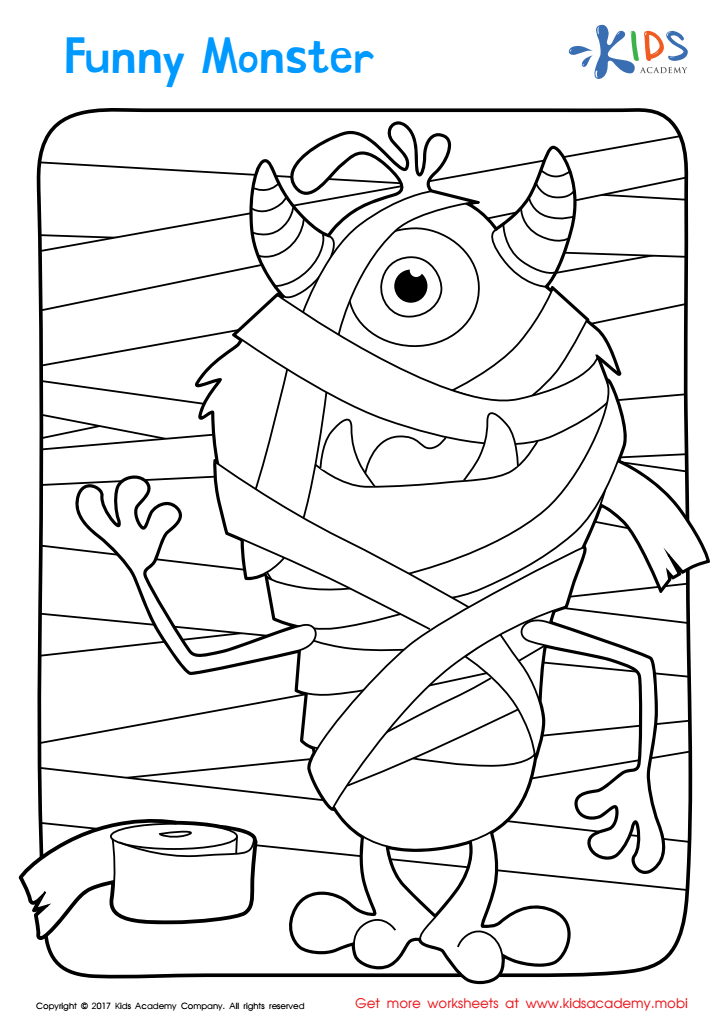
Halloween: A Funny Monster Worksheet
 Assign to My Students
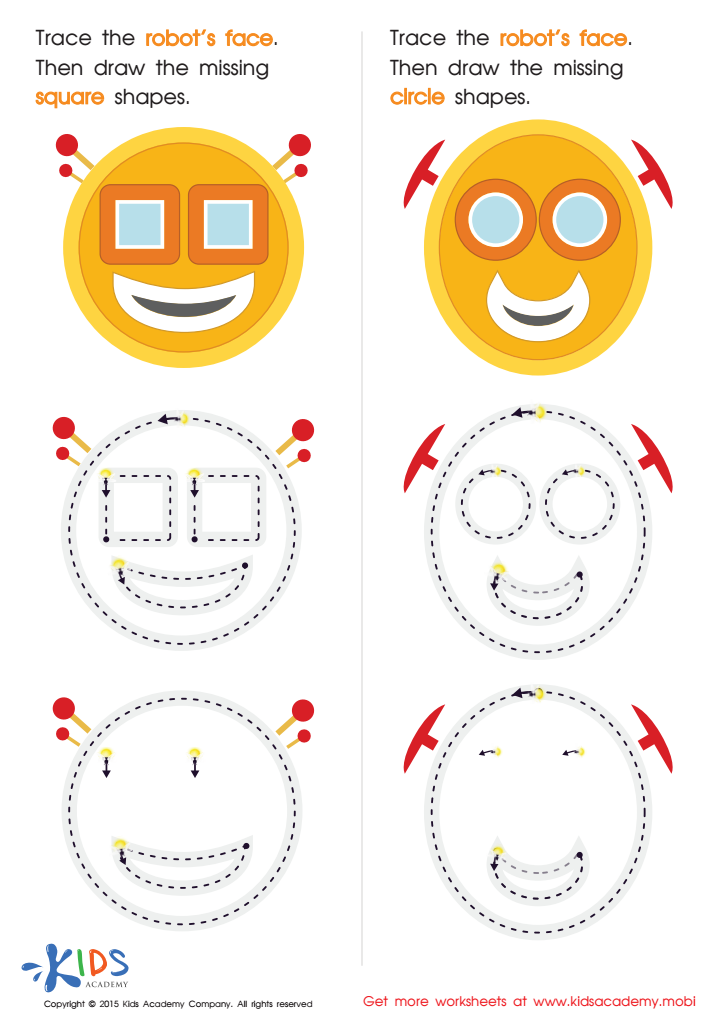
Practicing to Draw Circles And Squares Printable
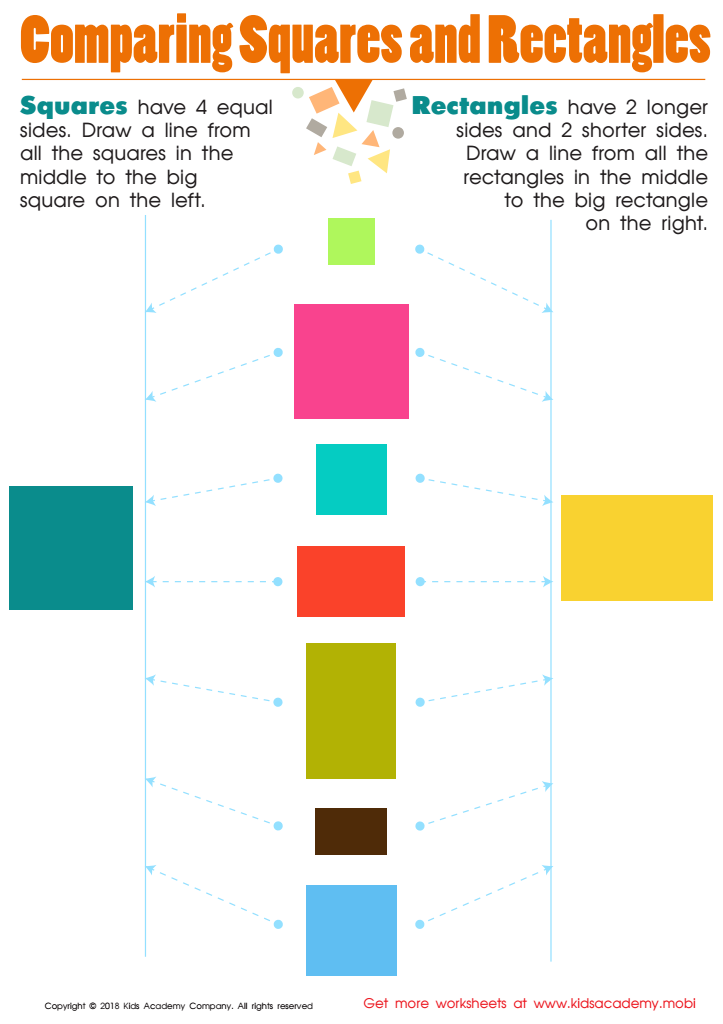
Comparing Squares Rectangles Worksheet
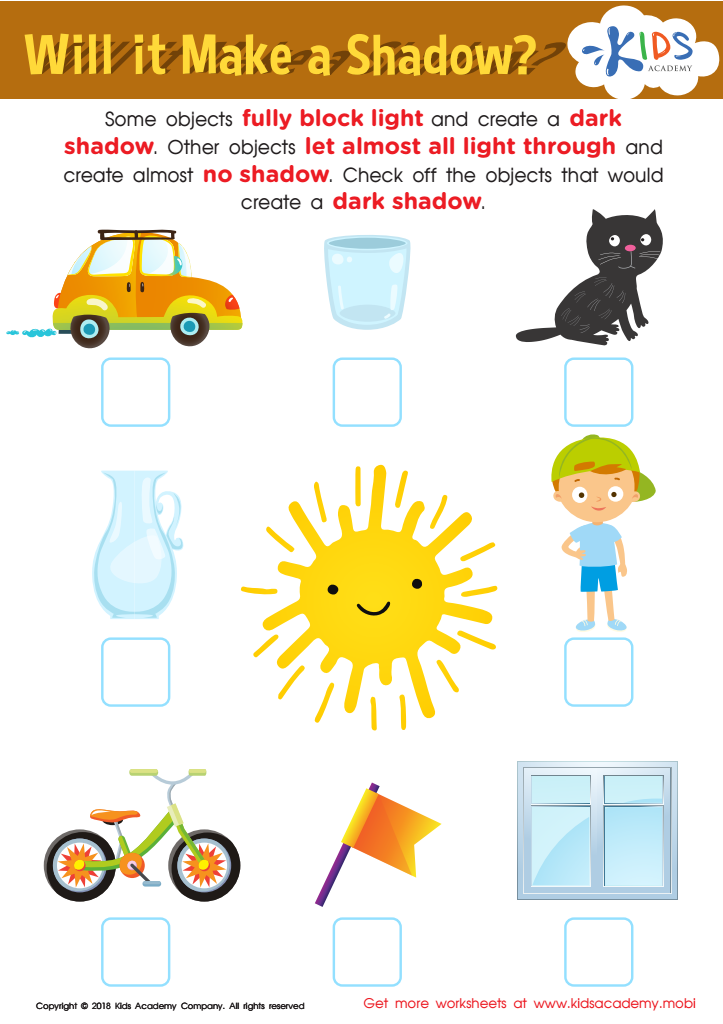
Will It Make a Shadow? Worksheet
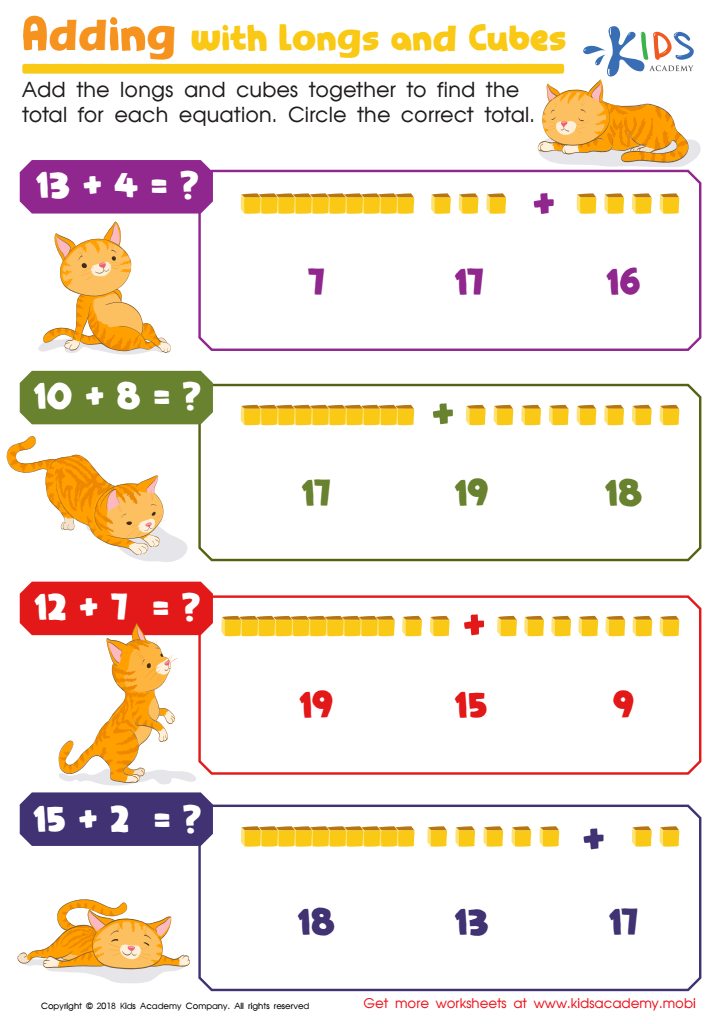
Adding With Longs and Cubes Worksheet
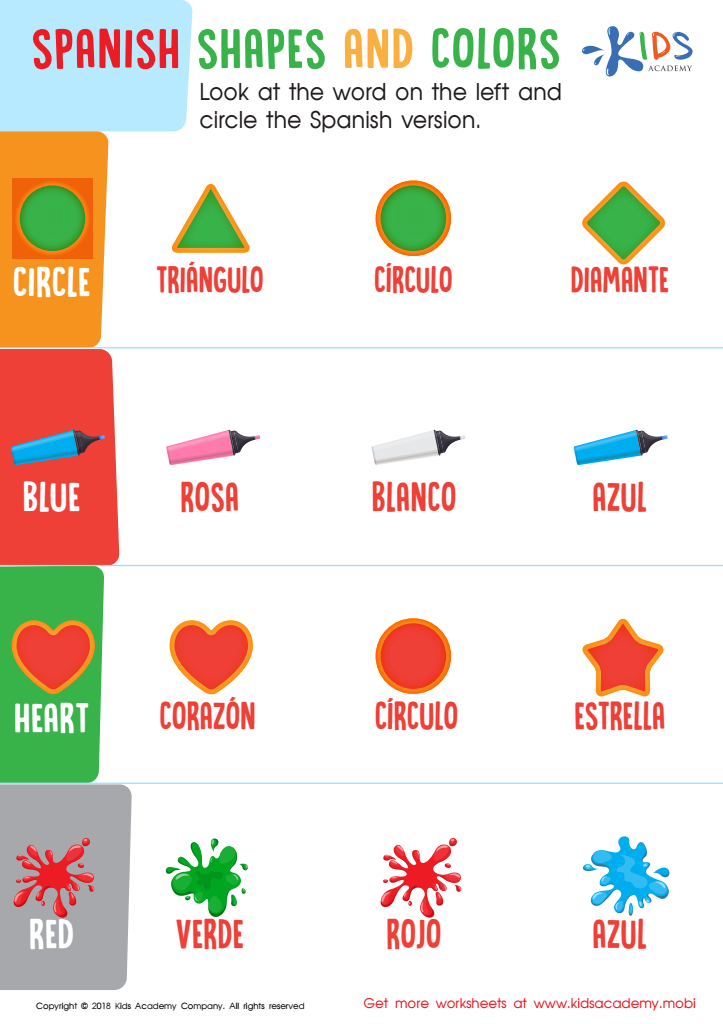
Spanish Shapes and Colors Worksheet
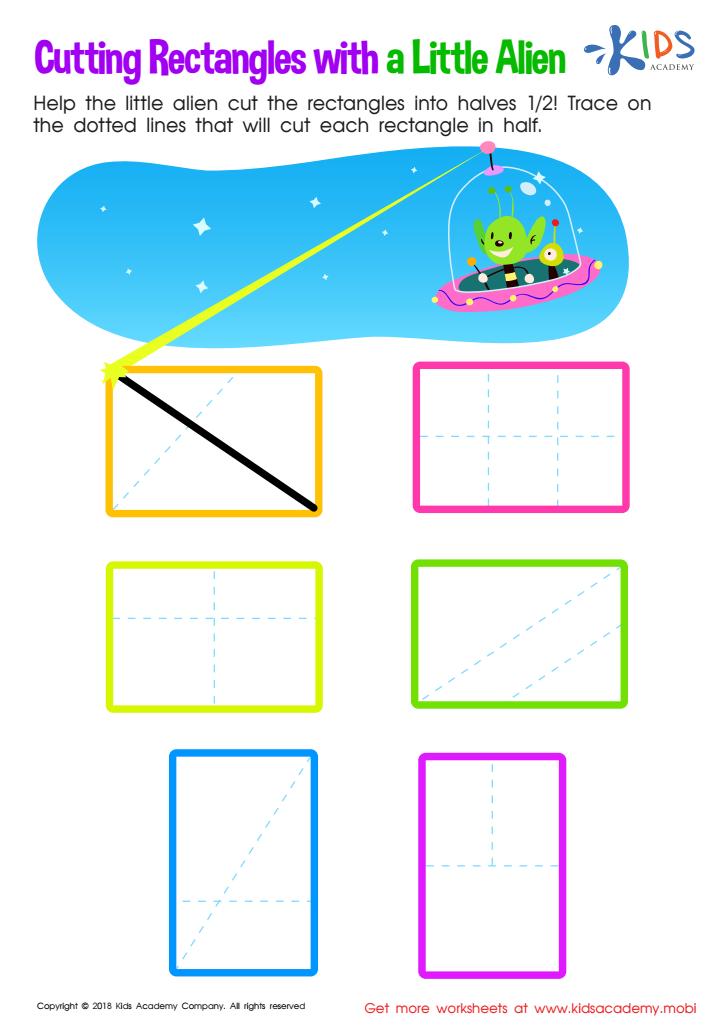
Cutting Rectangles with Alien Worksheet
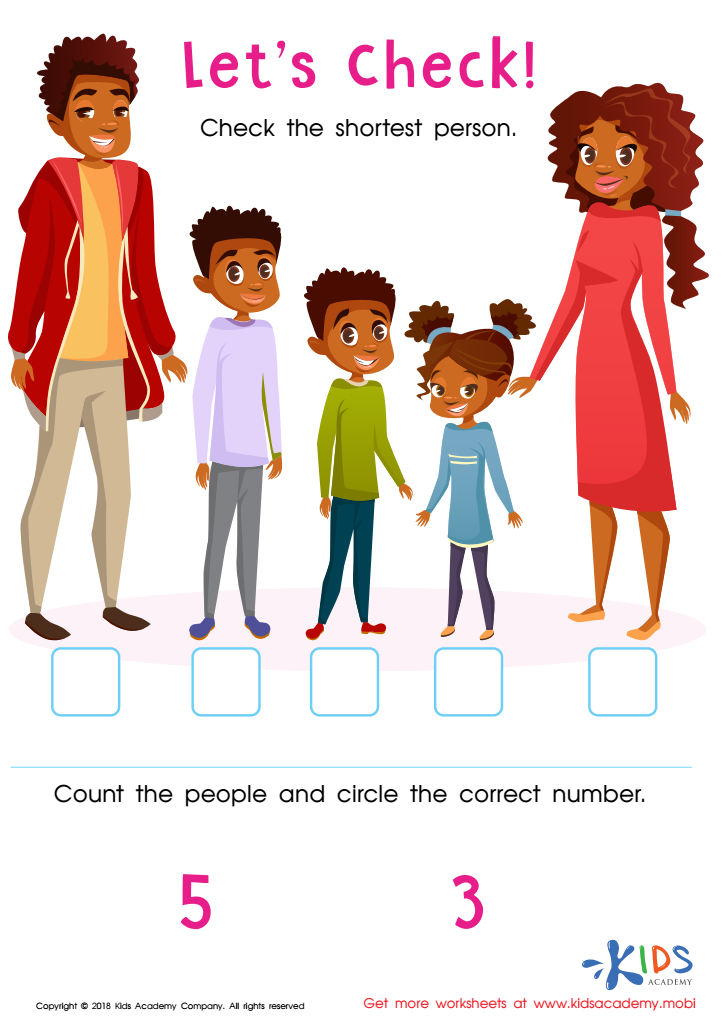
Let's Check! Assessment Worksheet
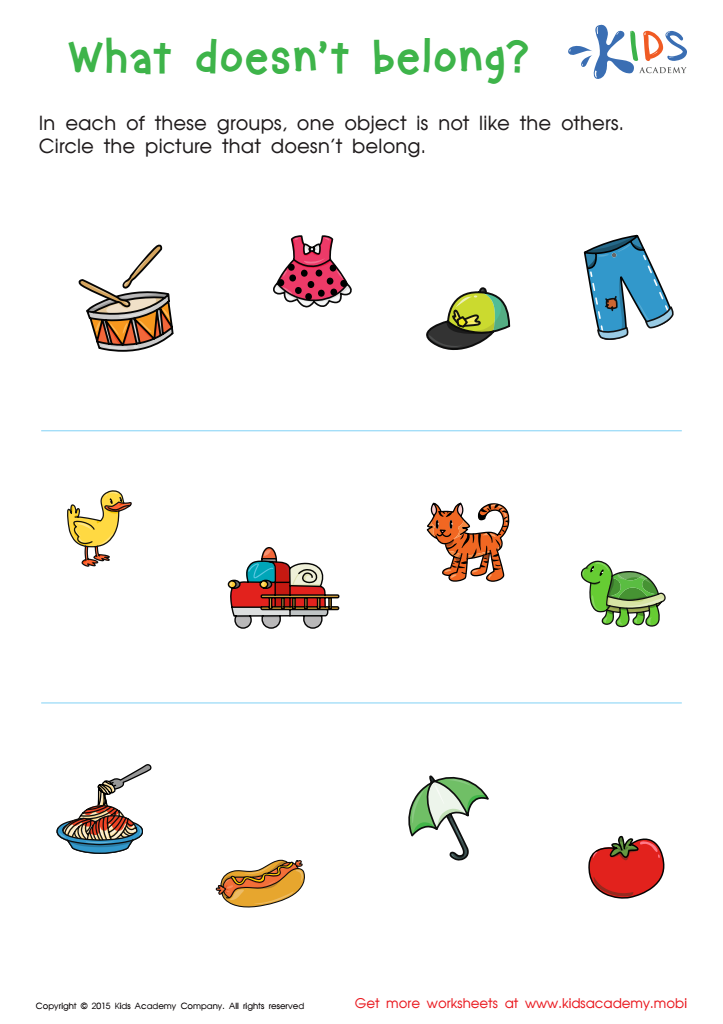
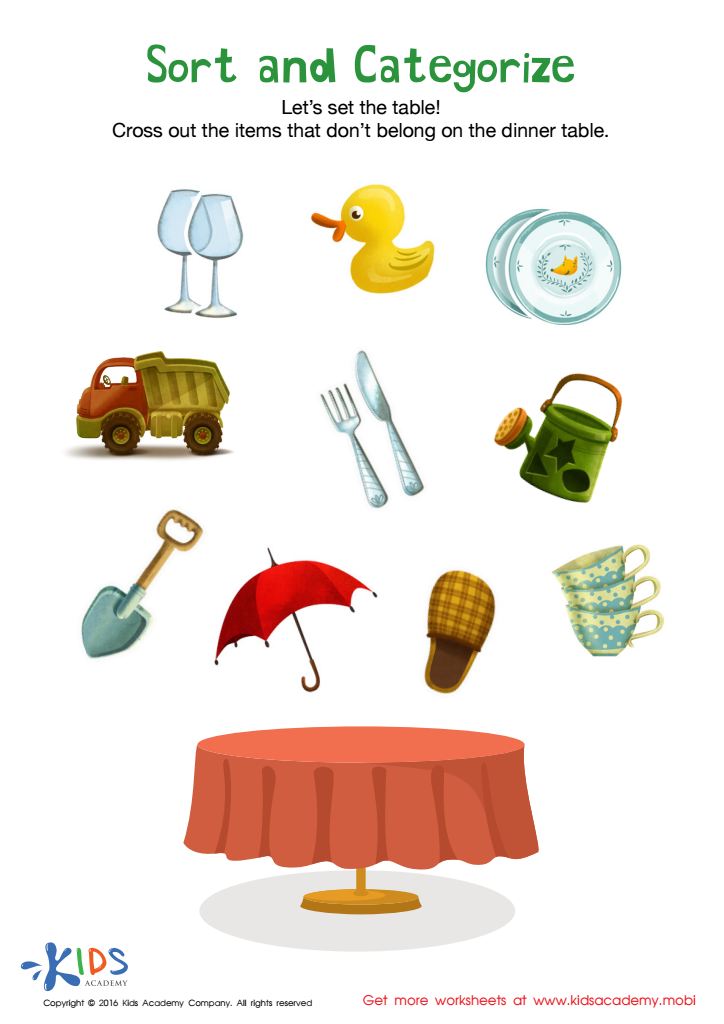
First Words: What Doesn't Belong Worksheet
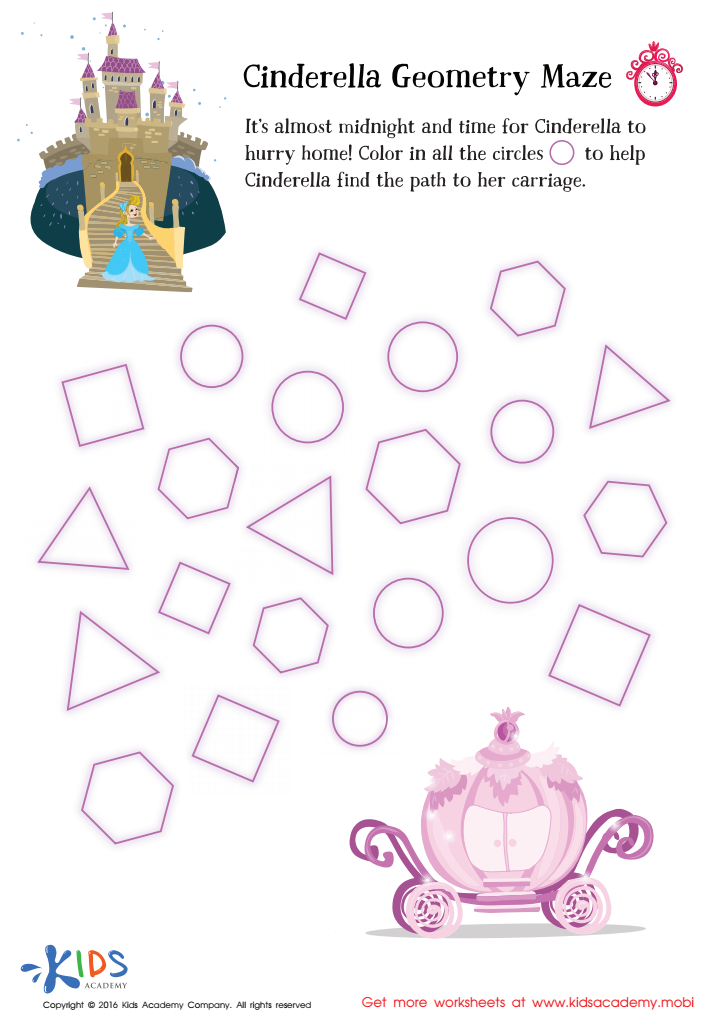
Cinderella Geometry Maze Worksheet
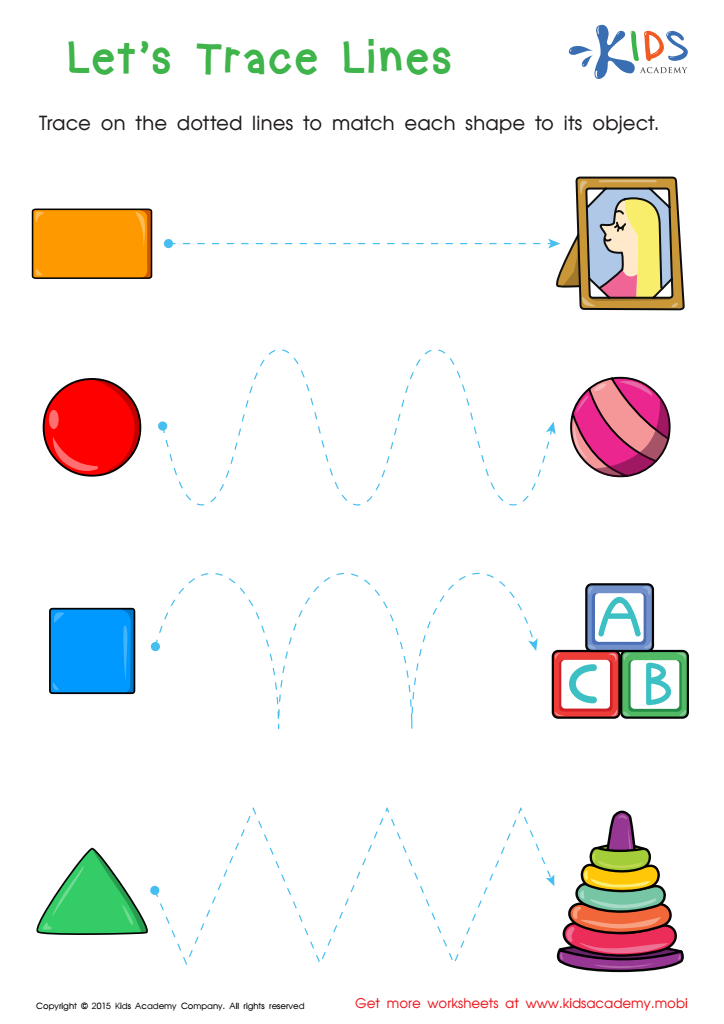
First Words: Let's Trace Lines Worksheet
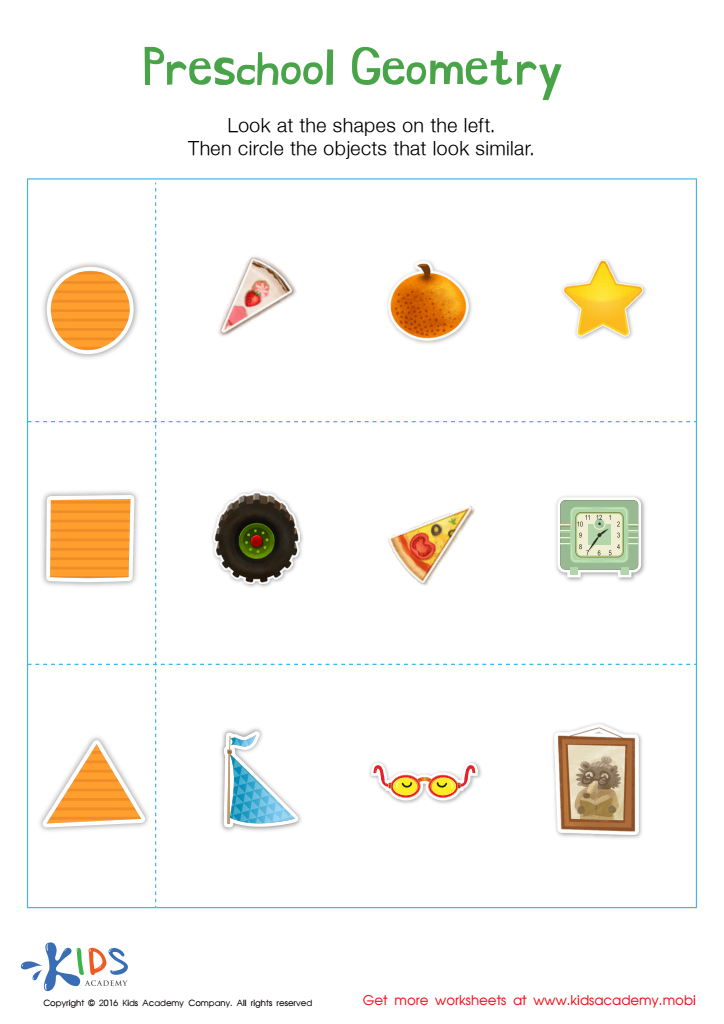
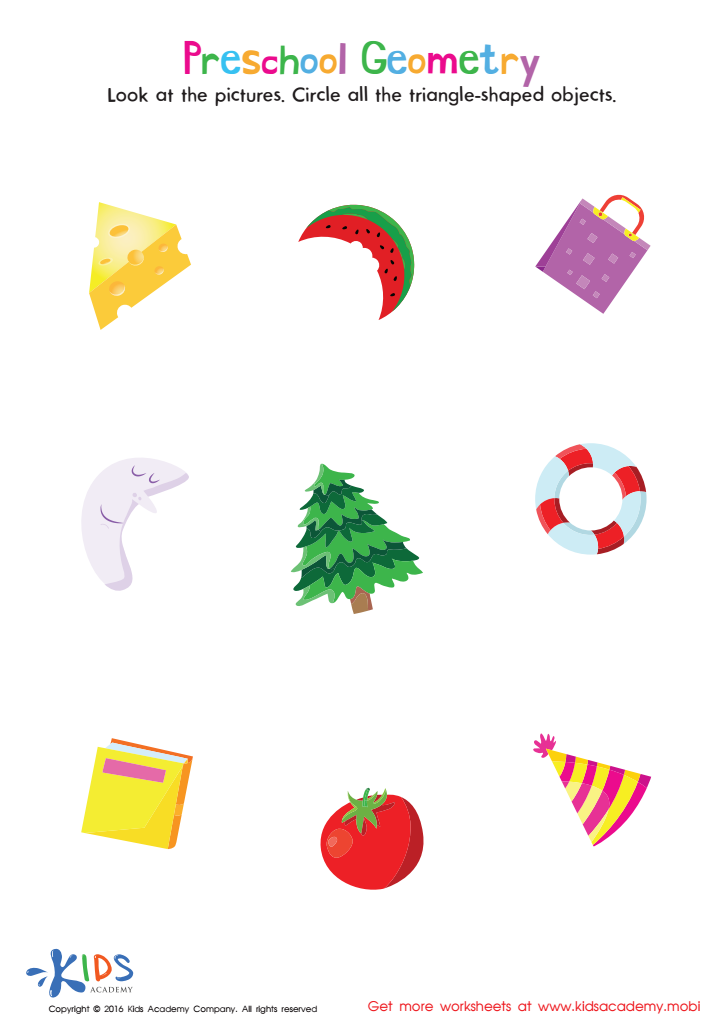
Preschool Geometry Match Up Worksheet








Shape recognition is a foundational skill that is vital for children's cognitive development, particularly between the ages of 5 and 7. During these formative years, children begin to enhance their visual-spatial reasoning, which is crucial for understanding and interpreting the world around them. By learning to identify, describe, and categorize shapes, children develop the ability to observe details, notice patterns, and solve problems effectively.
For parents and teachers, fostering shape recognition can significantly support academic growth, particularly in mathematics. Understanding shapes paves the way for geometry, helping children grasp concepts like dimensions, area, and volume later on. It also relates to better numeracy skills as children learn to distinguish between sizes, orientations, and relative positions of objects.
Additionally, shape recognition plays an important role in developing literacy skills. Letters and numbers are essentially various shapes that children need to recognize and differentiate. Proficiency in identifying these shapes can facilitate smoother reading and writing processes, aiding language development.
Moreover, engaging with shapes through play activities like puzzles, building blocks, and drawing helps children improve fine motor skills and hand-eye coordination, which are essential for tasks like handwriting and using scissors.
Therefore, by recognizing the significance of shape recognition, parents and teachers can create a nurturing and stimulating learning environment that supports well-rounded development, preparing children for future educational challenges.








