Problem-Solving Skills Normal Worksheets for Ages 5-8 - Page 2
119 filtered results
-
From - To
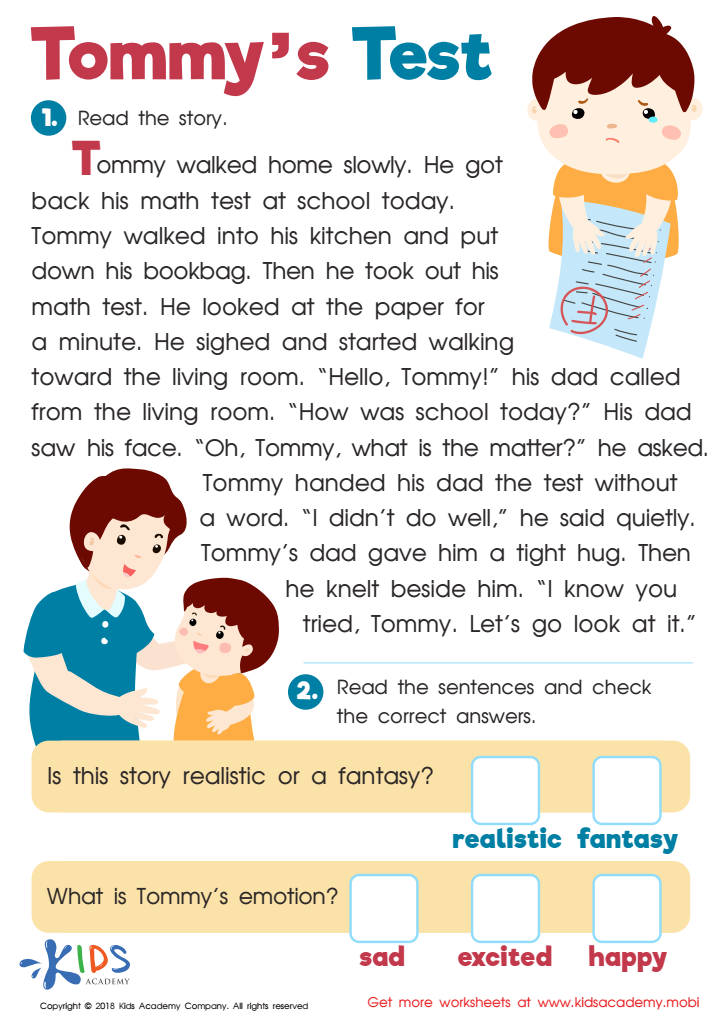
Tommys Test Worksheet
 Assign to My Students
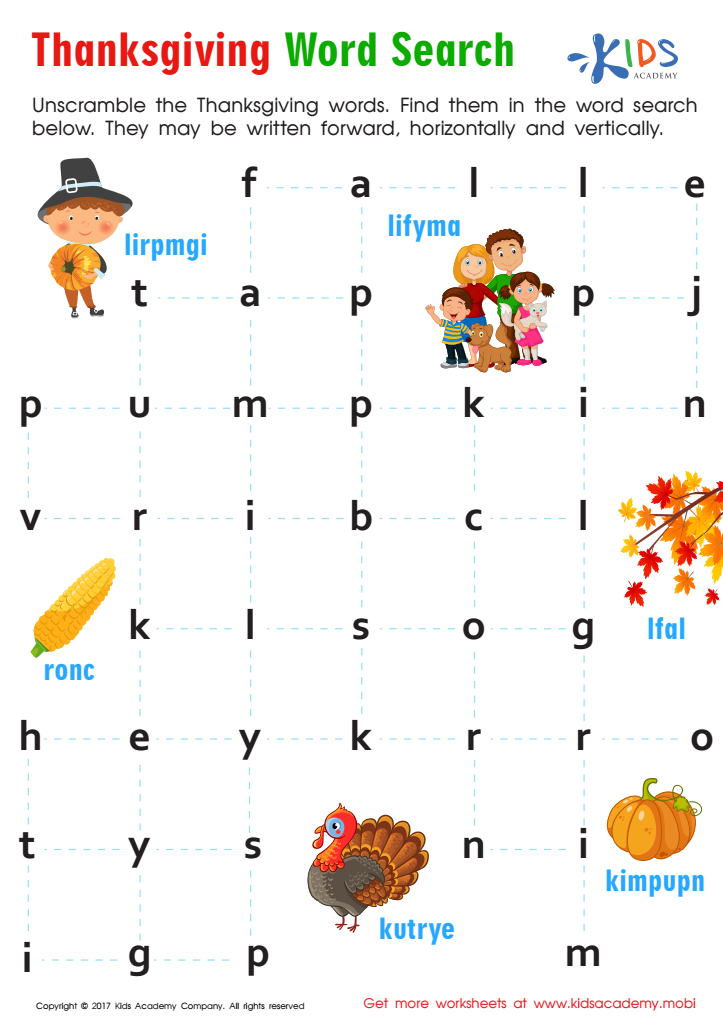
Thanksgiving Word Search Sight Words Worksheet

Spaceship Maze: Galaxies Worksheet
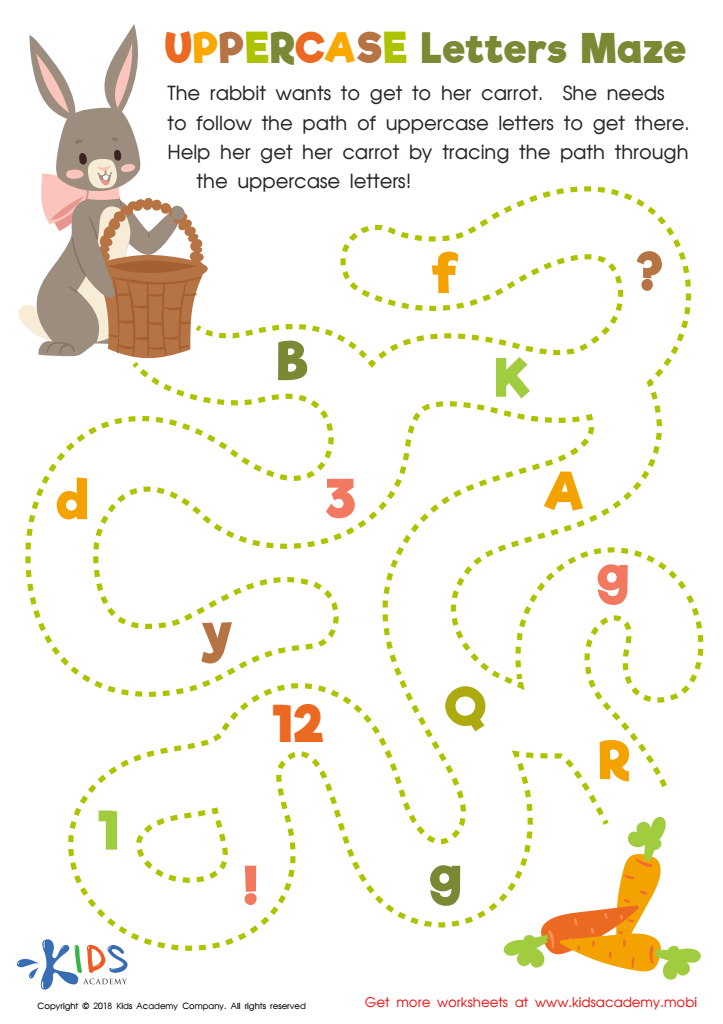
Uppercase Letters Maze Worksheet
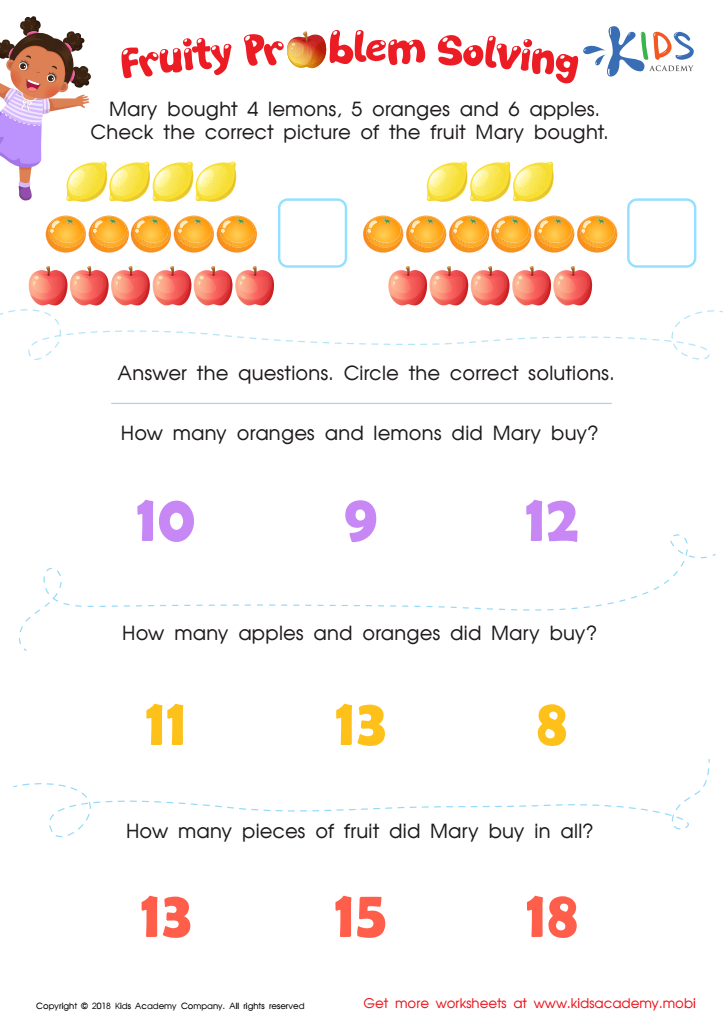
Fruity Problem Solving Worksheet
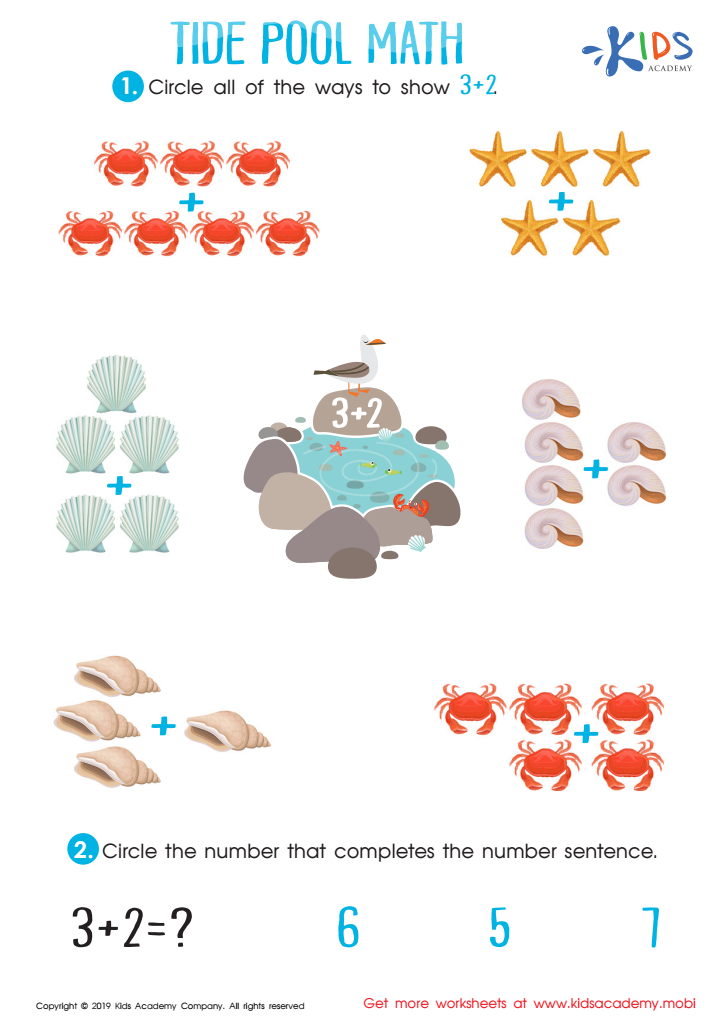
Tide Pool Math Worksheet
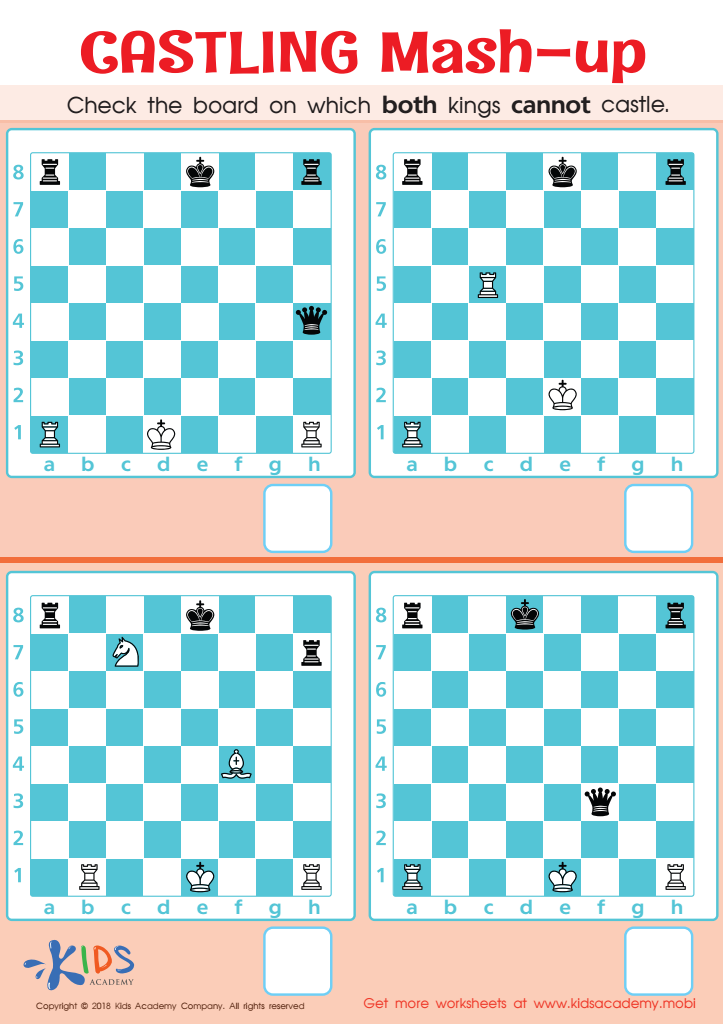
Castling Mash–up Worksheet
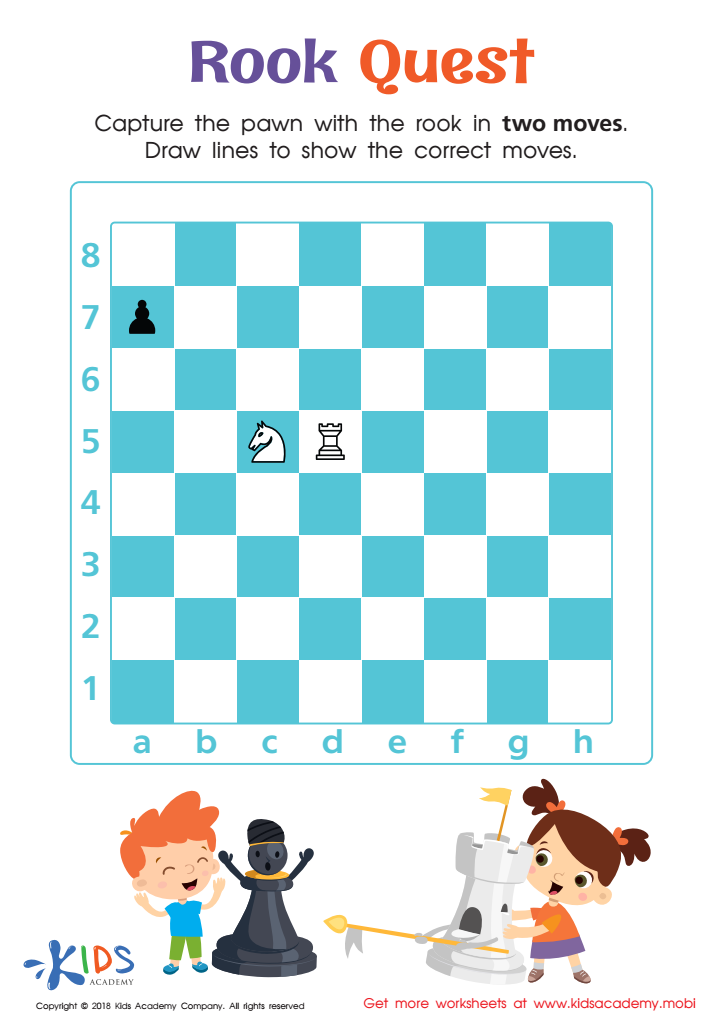
Rook Quest Worksheet
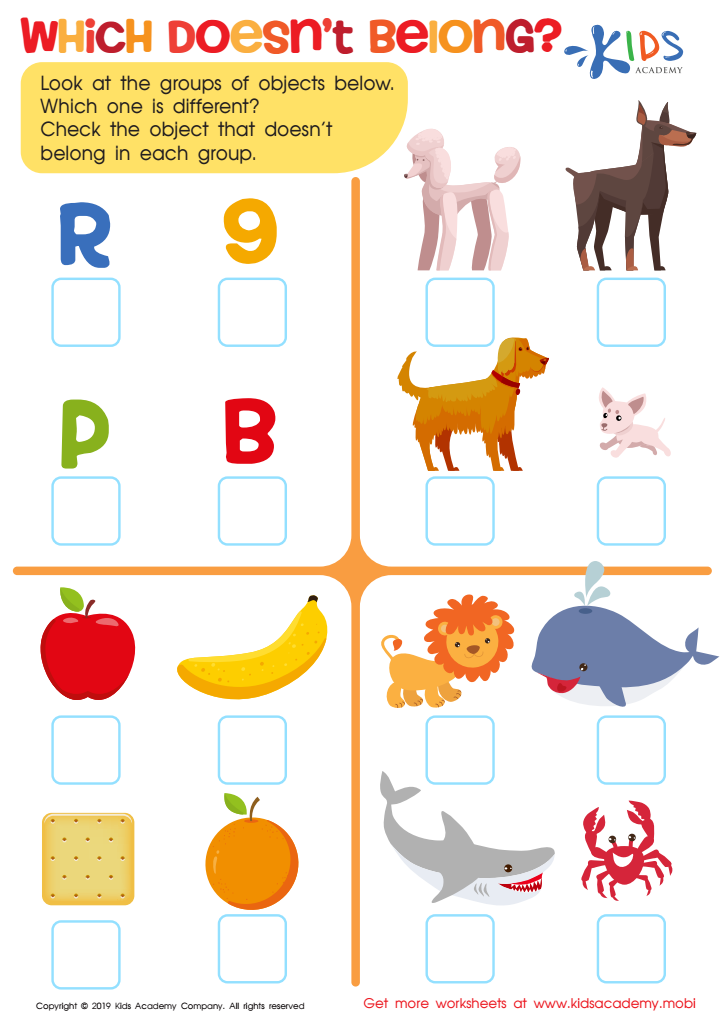
Which Doesn't Belong? Worksheet
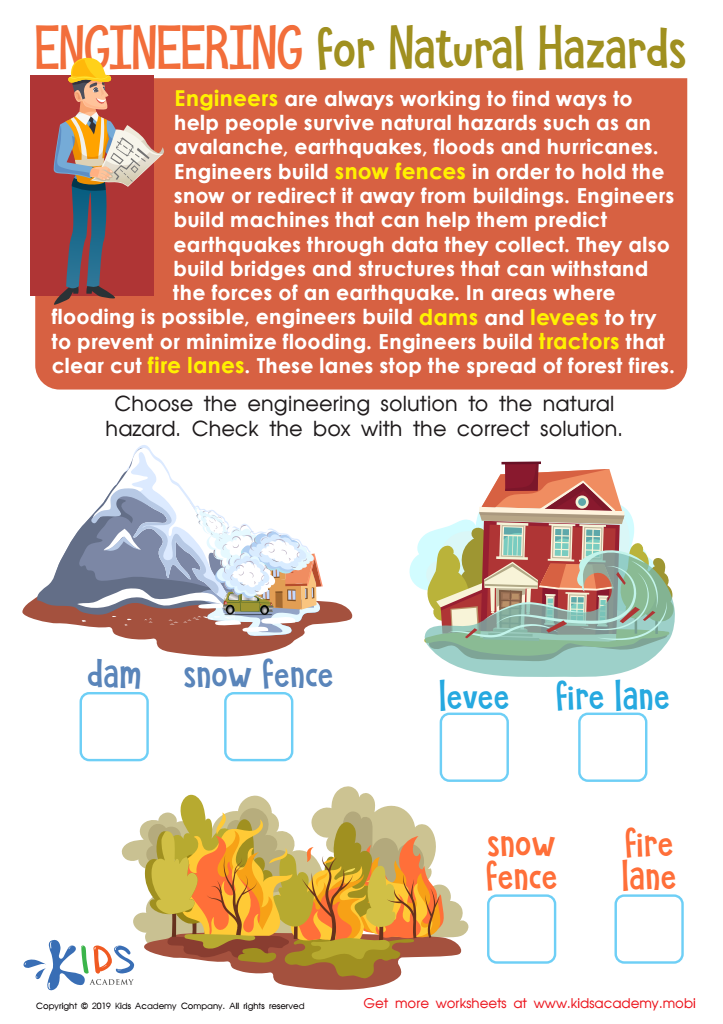
Engineering Natural Hazards Worksheet

Matching: Classifying Toys by Size Worksheet
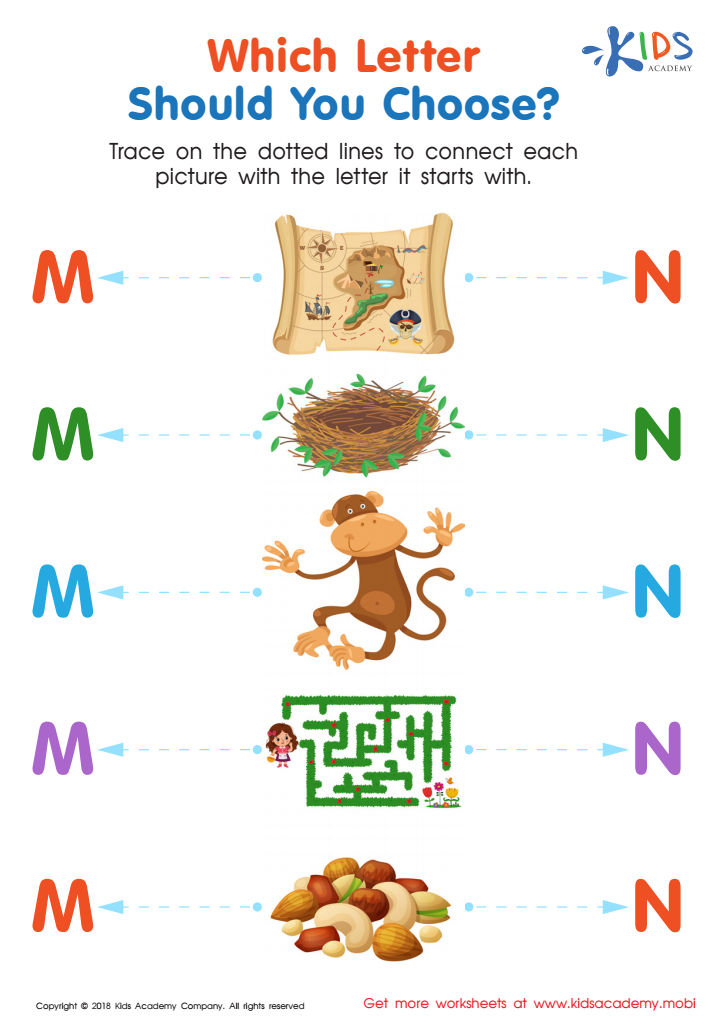
Which Letter Should you Choose? Worksheet
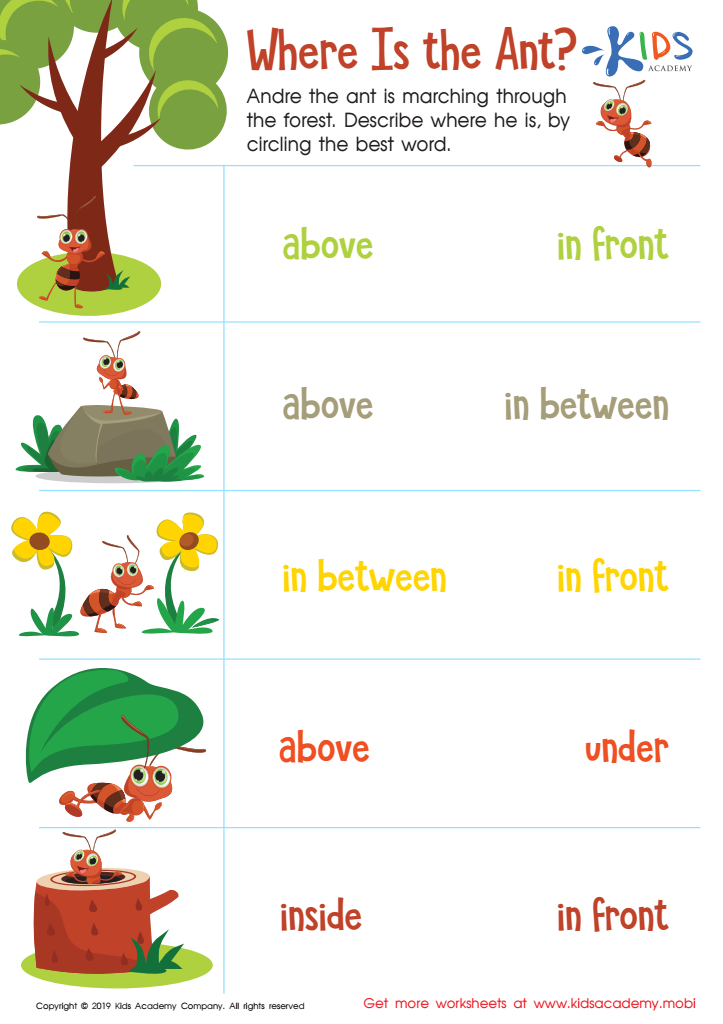
Where Is the Ant? Worksheet
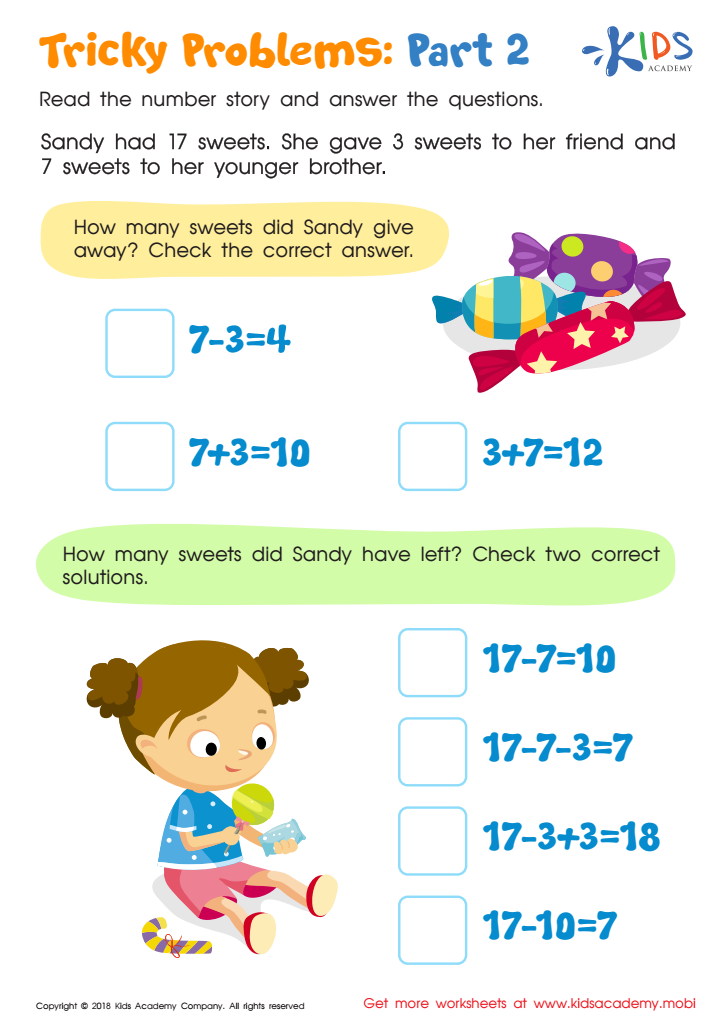
Tricky Problems Worksheet: Part 2
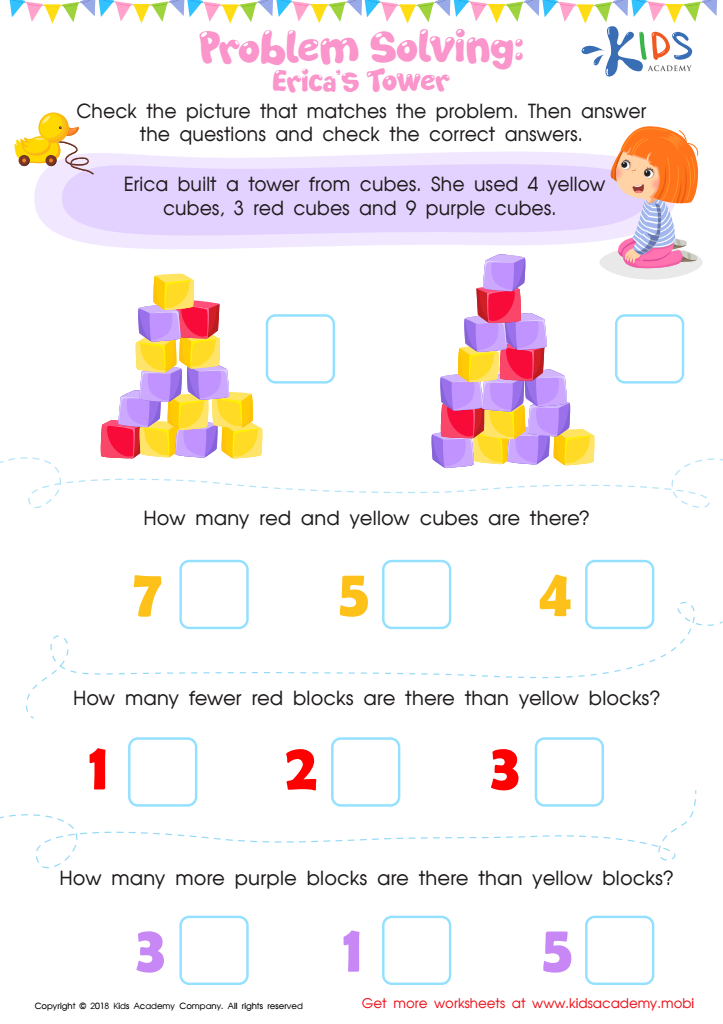
Problem Solving: Erica's Tower Worksheet
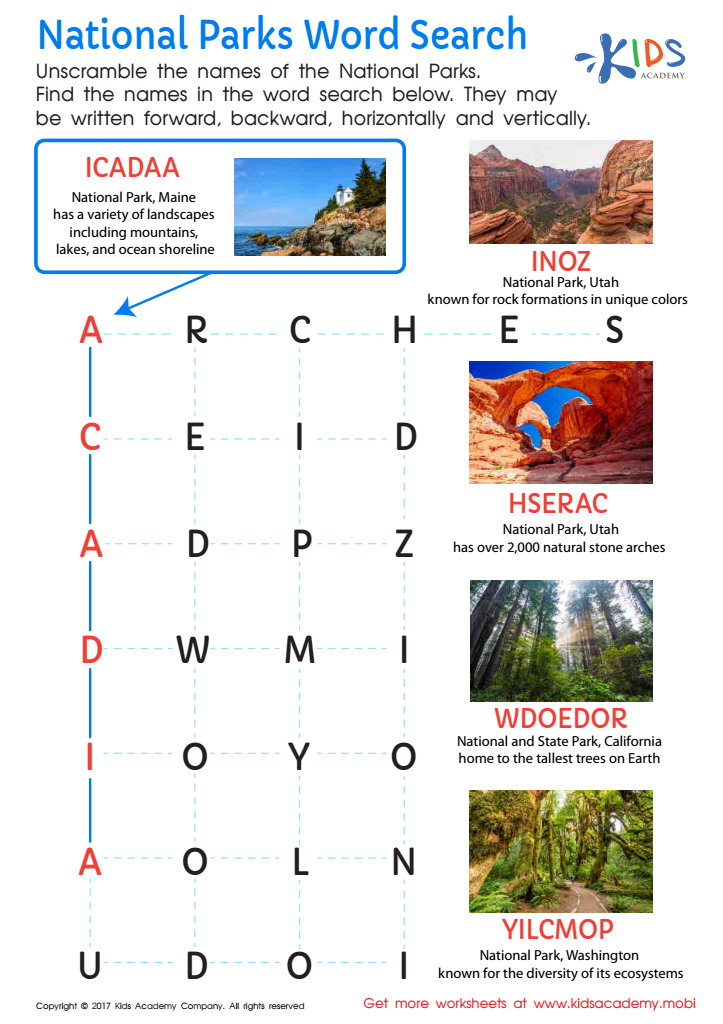
National Parks Word Search Worksheet
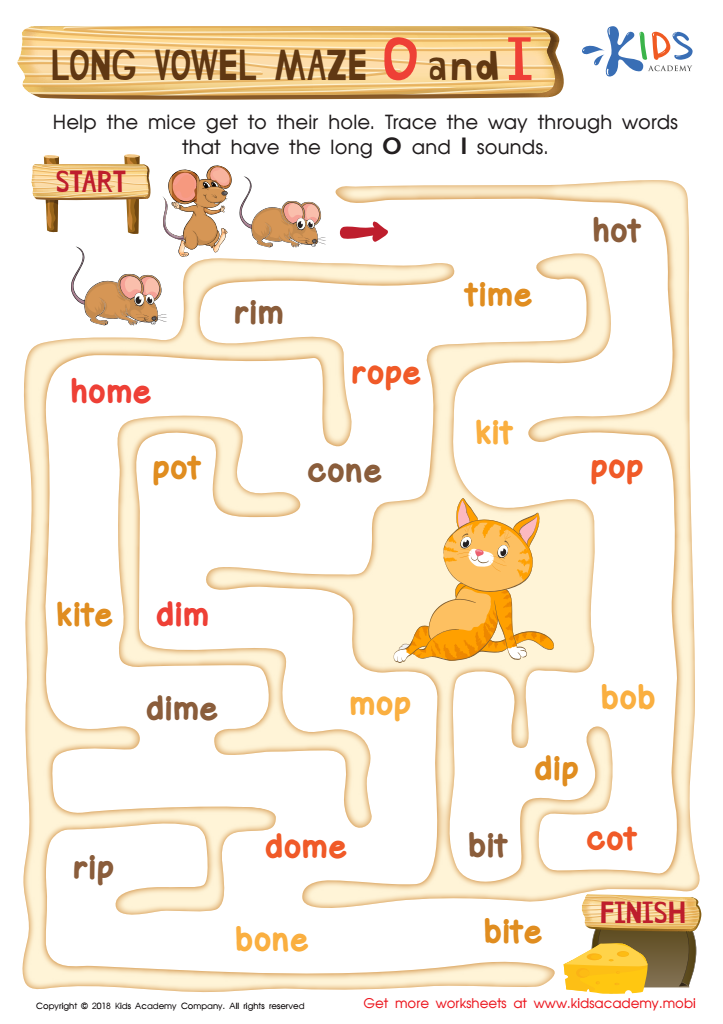
Long Vowel Maze /o/ and /i/ Worksheet
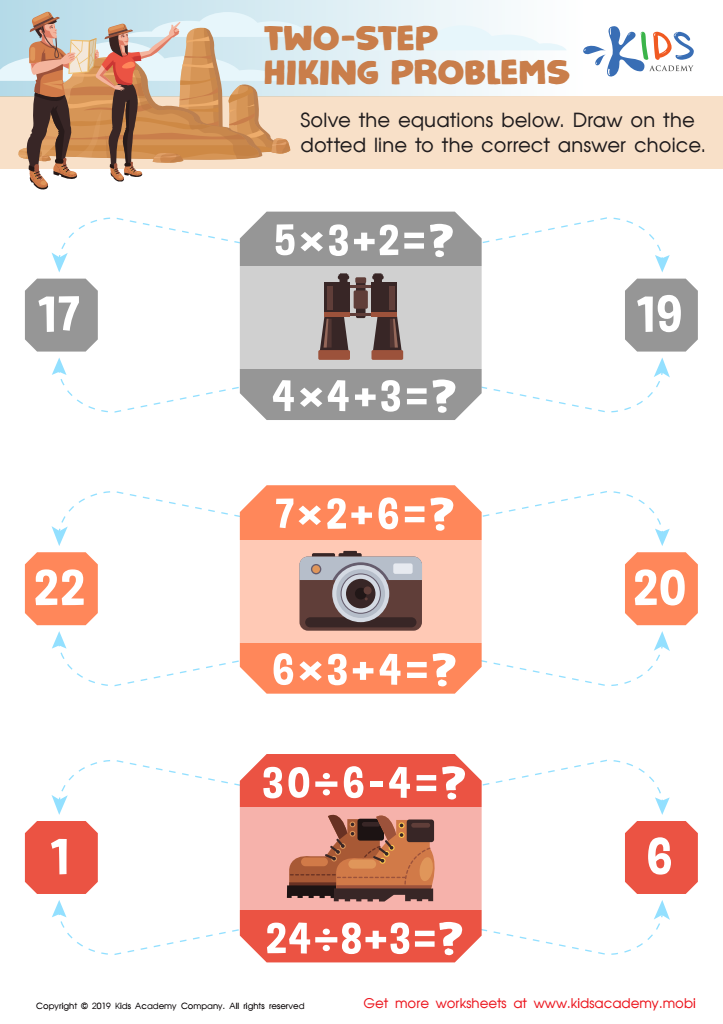
Two-Step Hiking Problems Worksheet
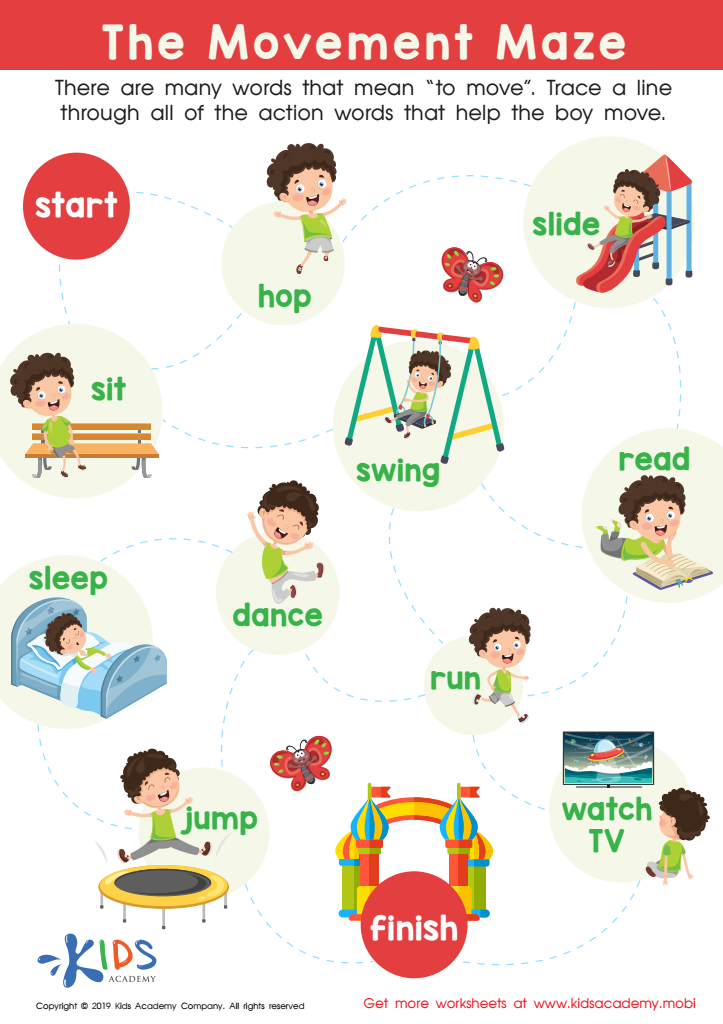
The Movement Maze Worksheet
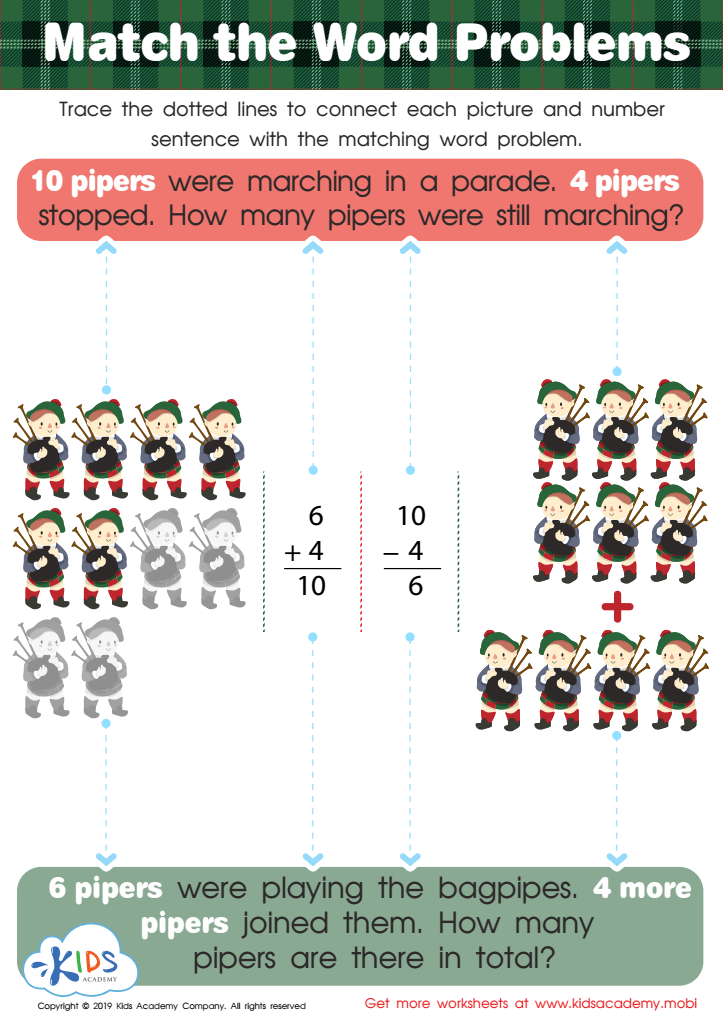
Match the Word Problems Worksheet
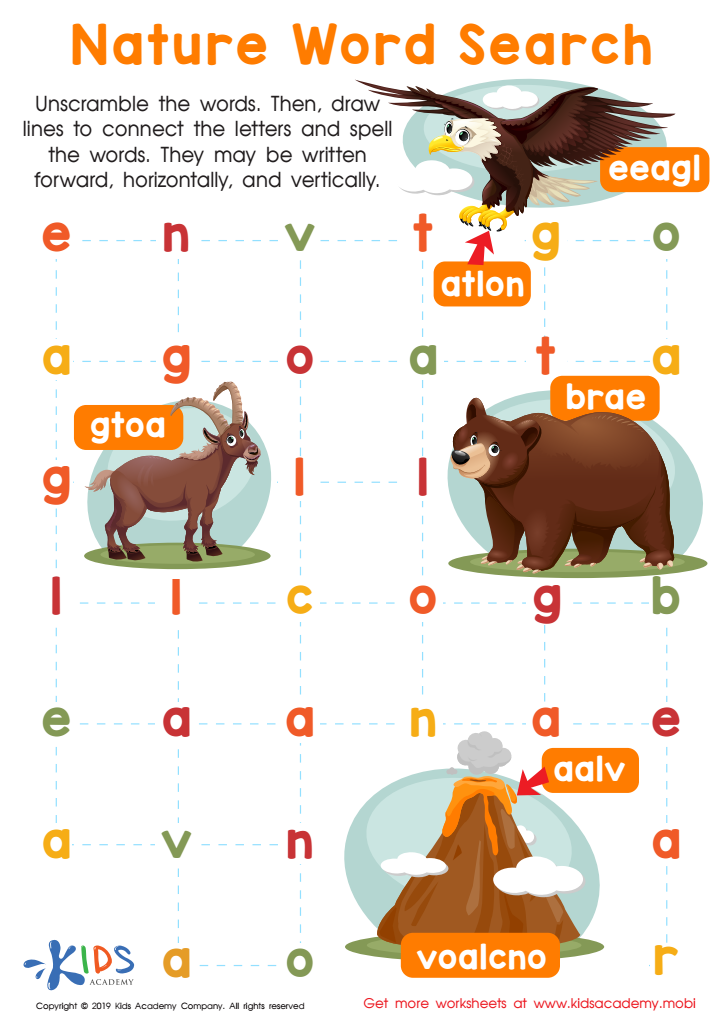
Nature Word Search Worksheet
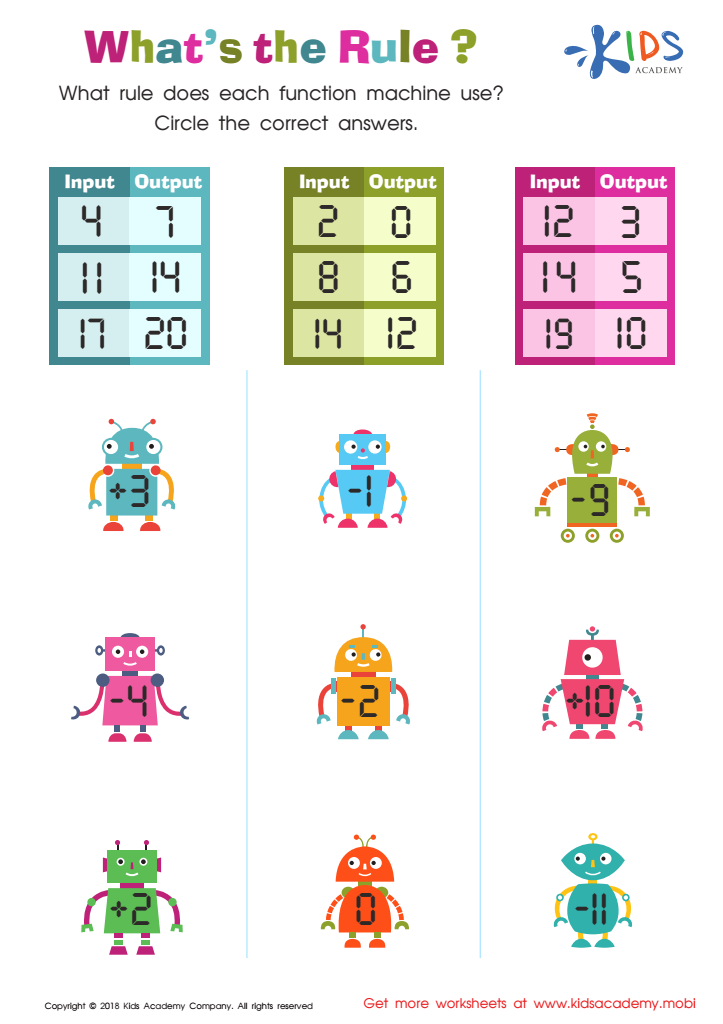
What's the Rule Worksheet
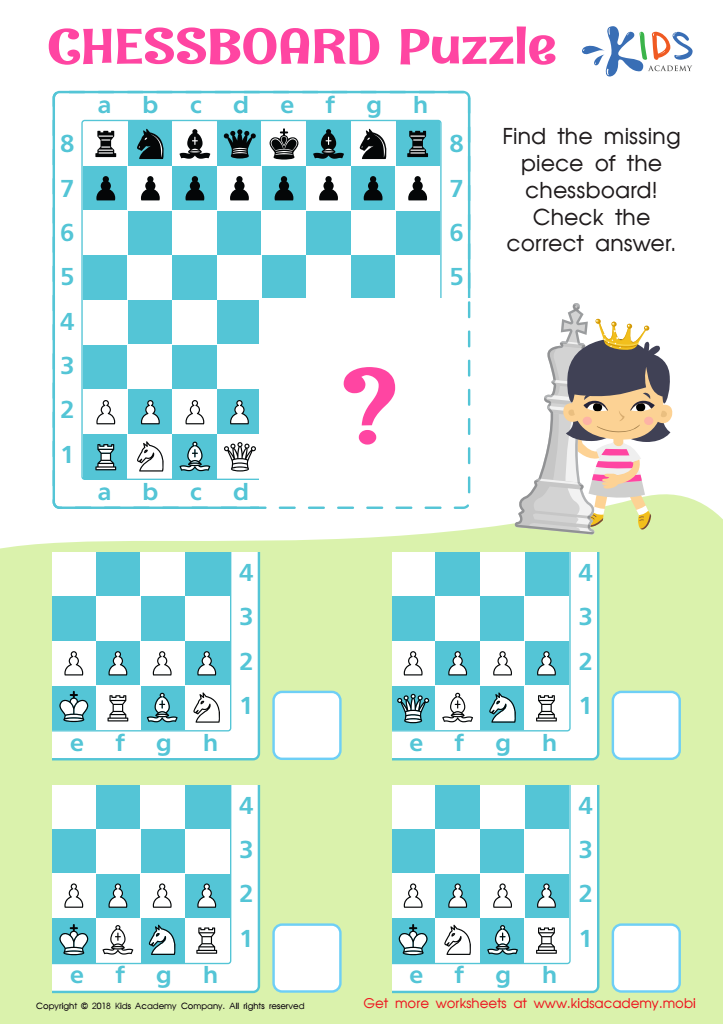
Chessboard Puzzle Worksheet
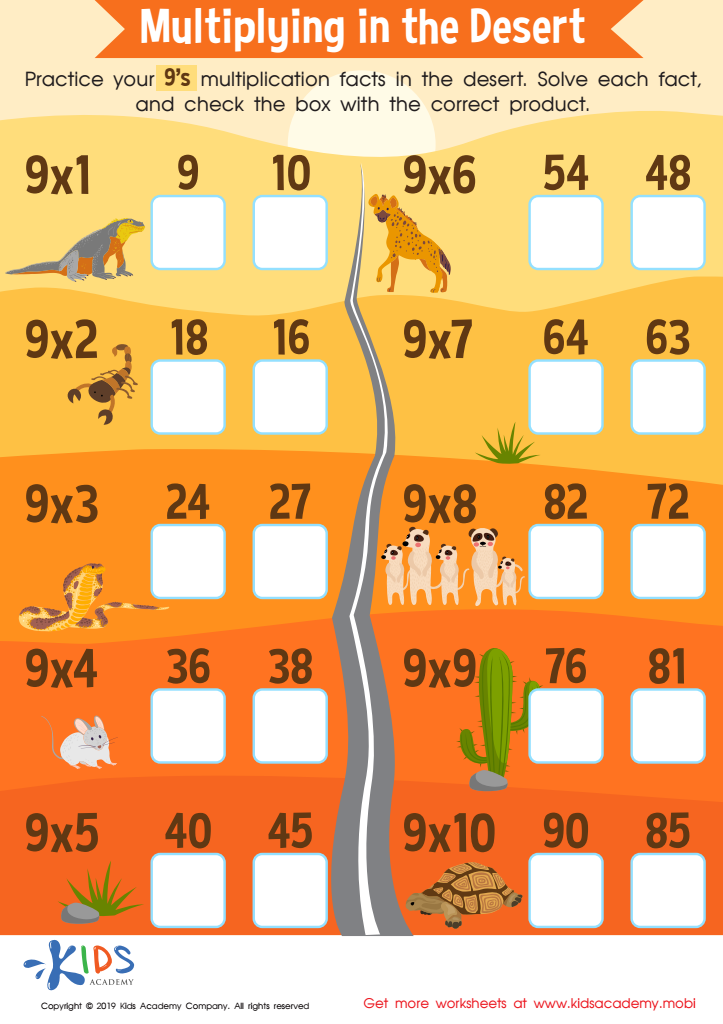
Multiplying in the Desert Worksheet








Problem-solving skills are crucial for children aged 5-8 because they form the foundation for lifelong learning and success. During these formative years, children experience rapid cognitive development and begin to encounter simple problems in their daily lives. By fostering problem-solving abilities, parents and teachers empower kids to think critically, make decisions, and overcome challenges independently.
These skills encourage creativity and resilience; children learn to explore multiple solutions, which promotes inventive thinking. It helps them understand that mistakes are part of the learning process, instilling a growth mindset. Moreover, strong problem-solving skills improve collaboration and communication, as children often work in groups to tackle tasks, teaching them the value of teamwork.
As children develop these skills, they experience increased confidence and competence, which are essential for academic success and social interactions. Supporting problem-solving from an early age also prepares them for more complex challenges in higher education and later life.
In summary, parents and teachers should prioritize problem-solving skills in young learners to lay the groundwork for critical thinking, resilience, and collaboration, all of which are essential for navigating future academic and real-world scenarios.








