Fine Motor Skills Normal Geometry Worksheets for Ages 5-8
11 filtered results
-
From - To
Enhance your child's fine motor skills with our engaging Normal Geometry Worksheets, tailored specifically for children ages 5-8. These expertly crafted worksheets focus on essential geometric concepts while making learning fun and interactive. They simultaneously help to refine fine motor skills such as tracing, drawing shapes, and precise coloring. Perfect for classroom or at-home learning, our activities cater to various levels of ability and understanding, ensuring every child can achieve success in math. Visit us today to explore our extensive collection and give your young learner the tools they need to thrive mathematically and develop dexterity!
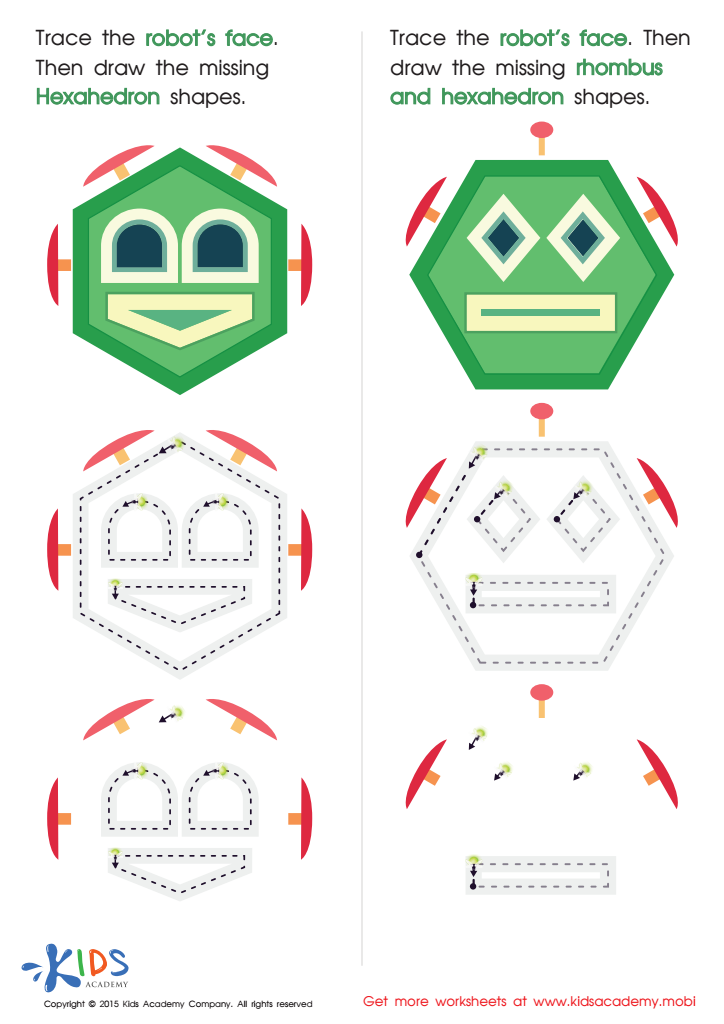
Practice Drawing Hexahedrons And a Rhombus Worksheet
 Assign to My Students











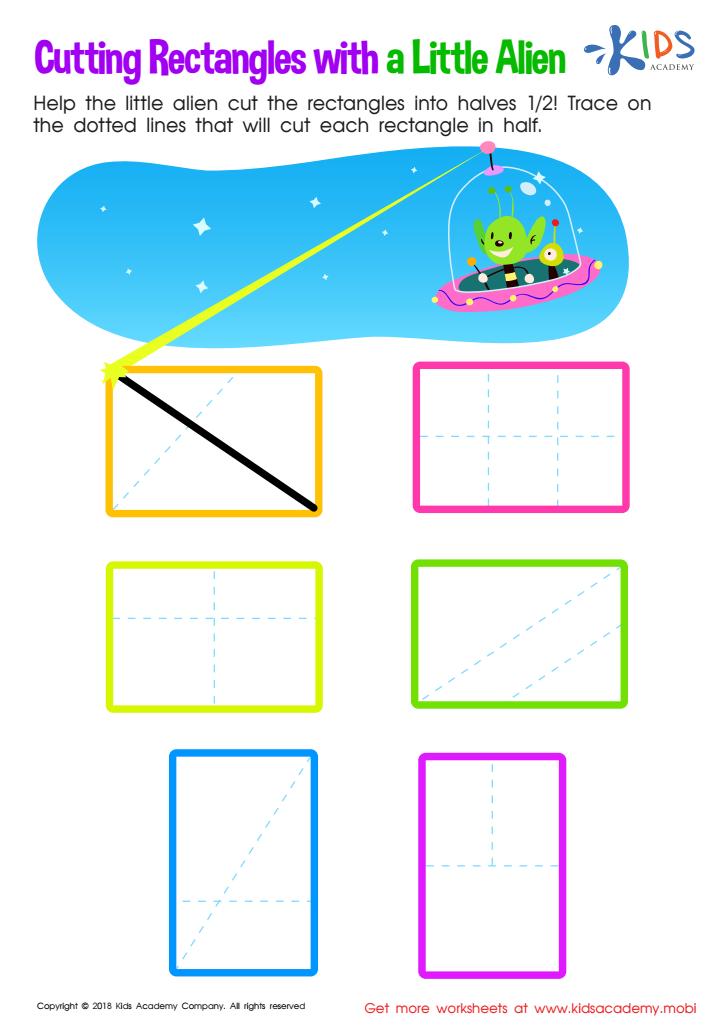
Cutting Rectangles with Alien Worksheet
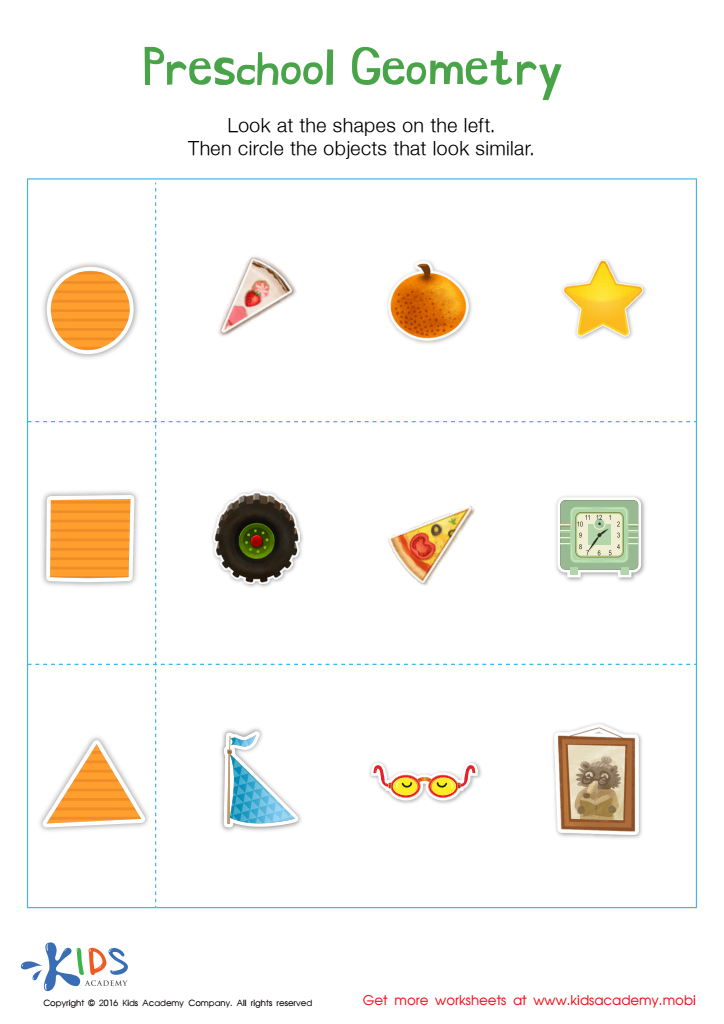
Preschool Geometry Match Up Worksheet
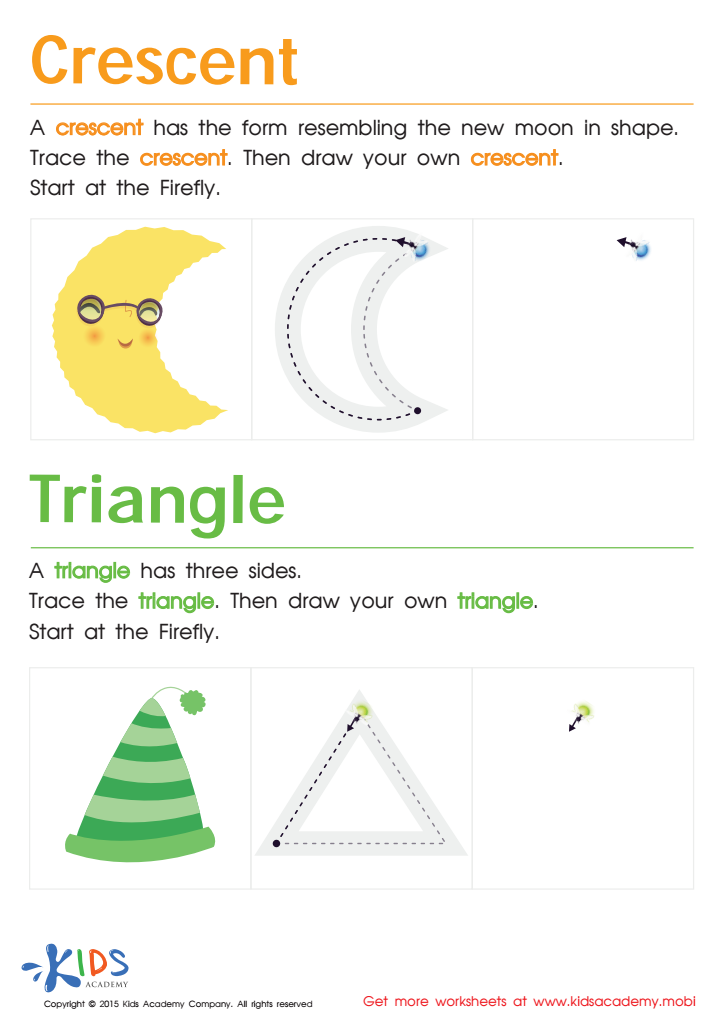
Learning to Draw Crescents And Triangles Worksheet
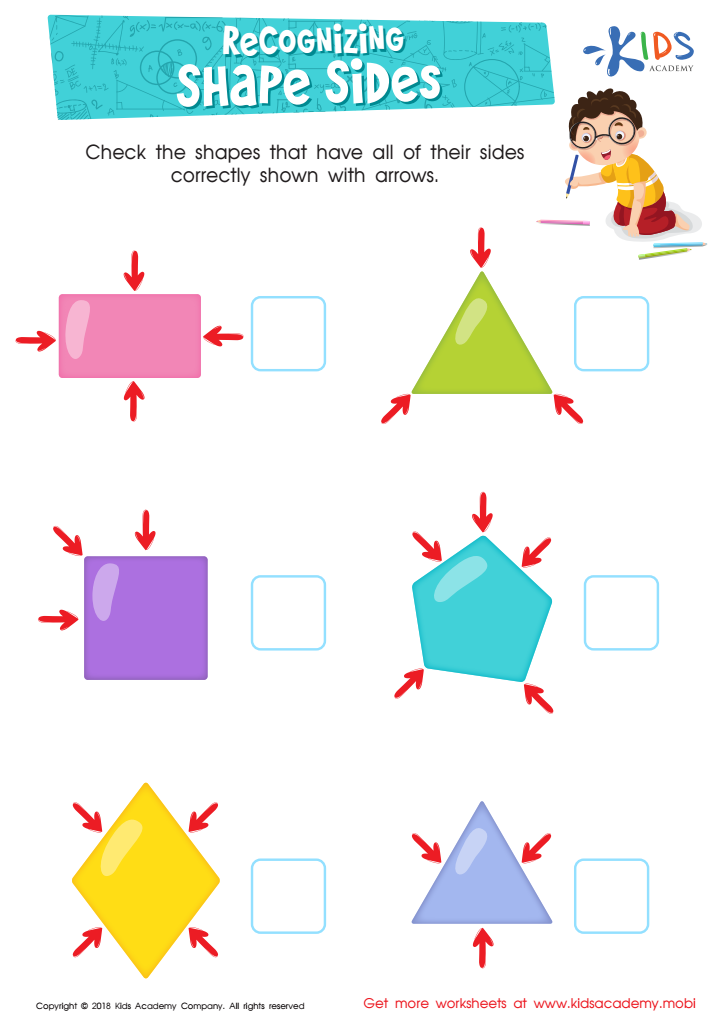
Recognizing Shape Sides Worksheet
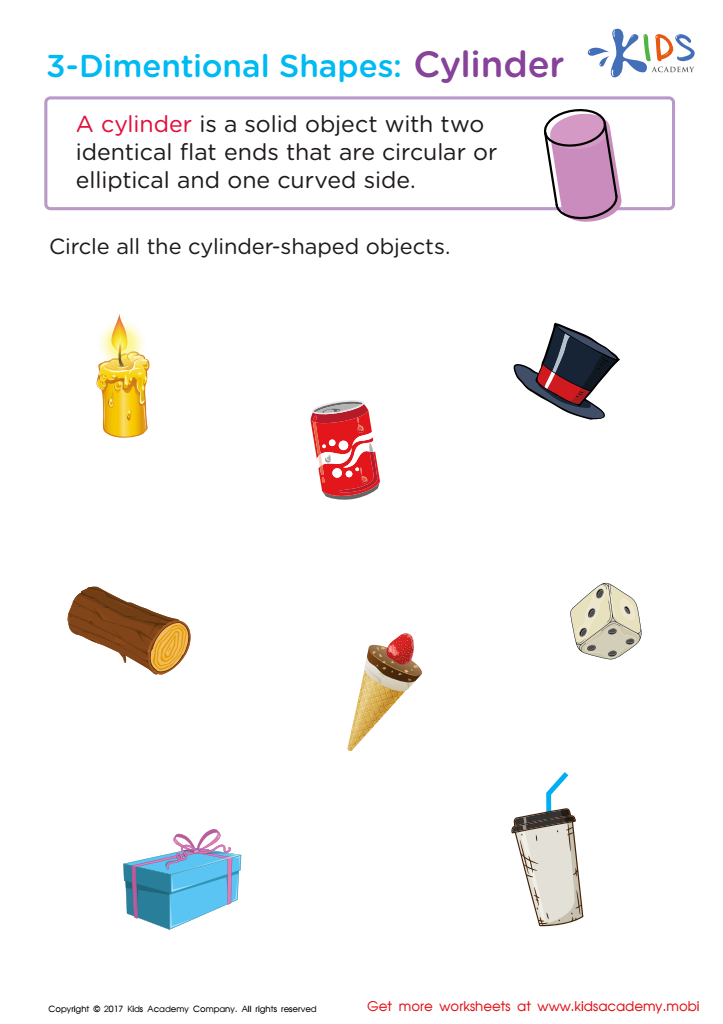
Three–Dimensional Shapes: Cylinder Worksheet
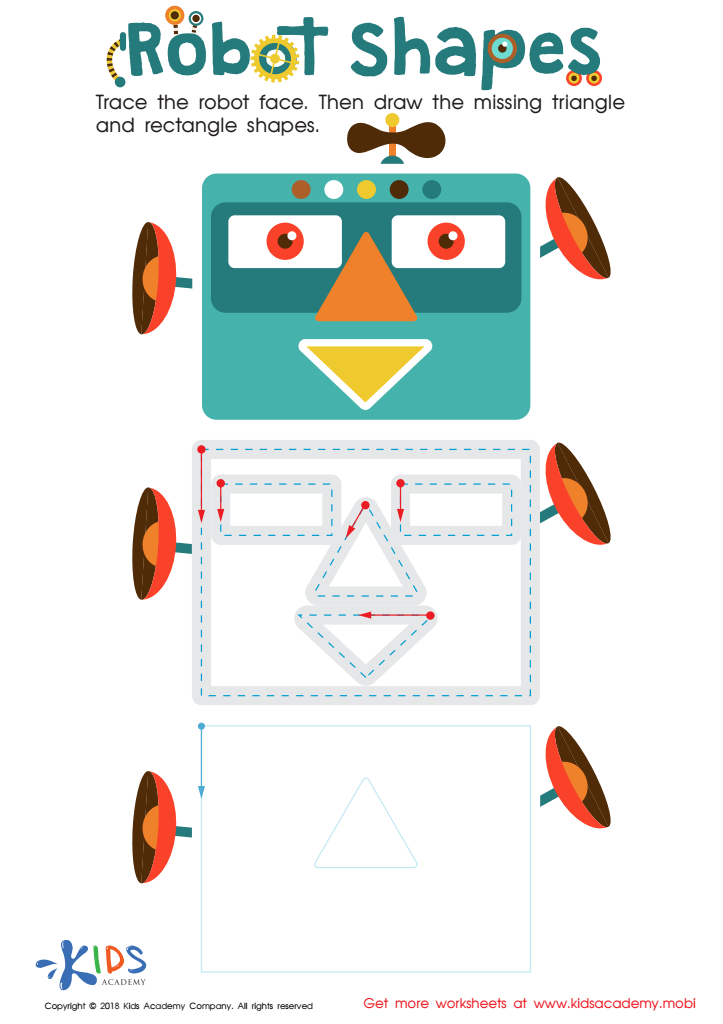
Robot Shapes Worksheet
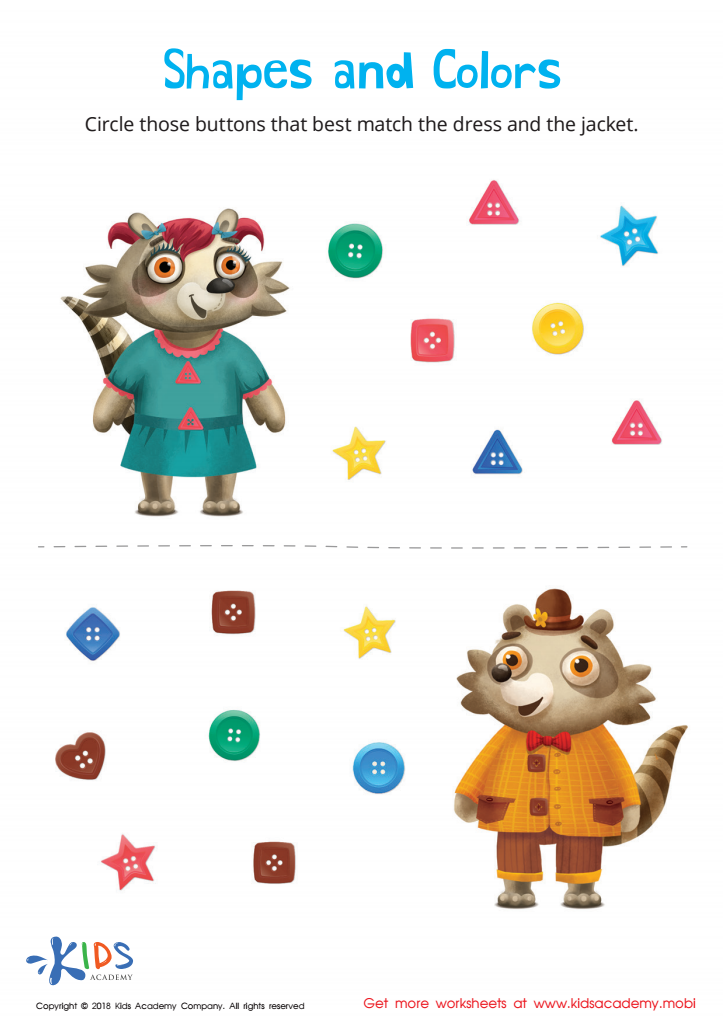
Shapes and Colors Worksheet
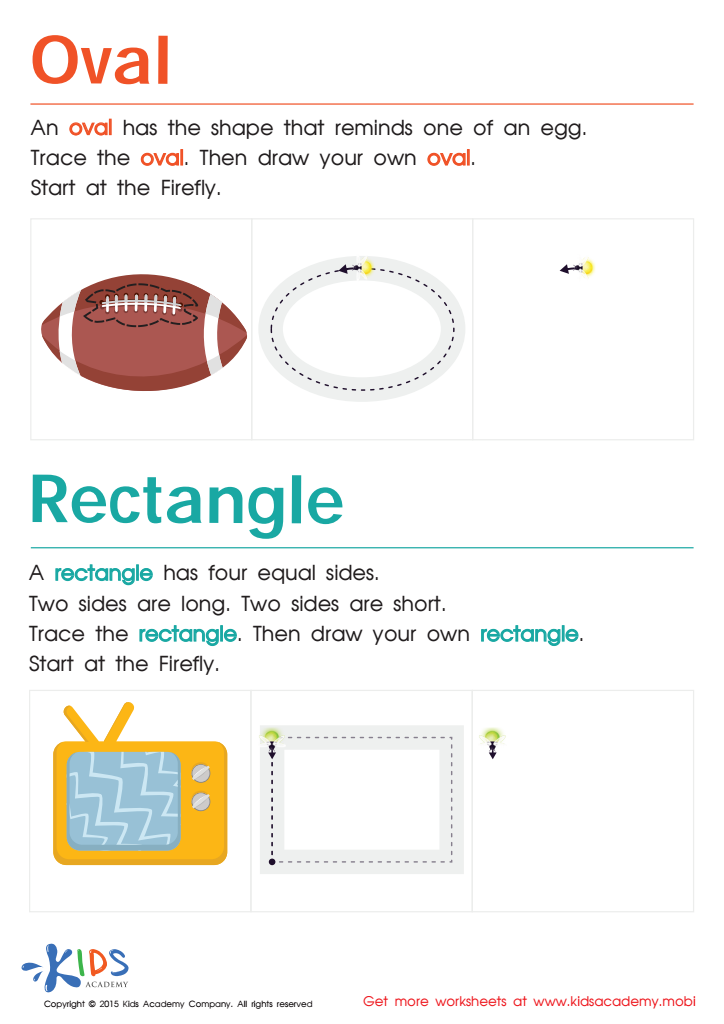
Easy Drawing of Ovals And Rectangles Worksheet
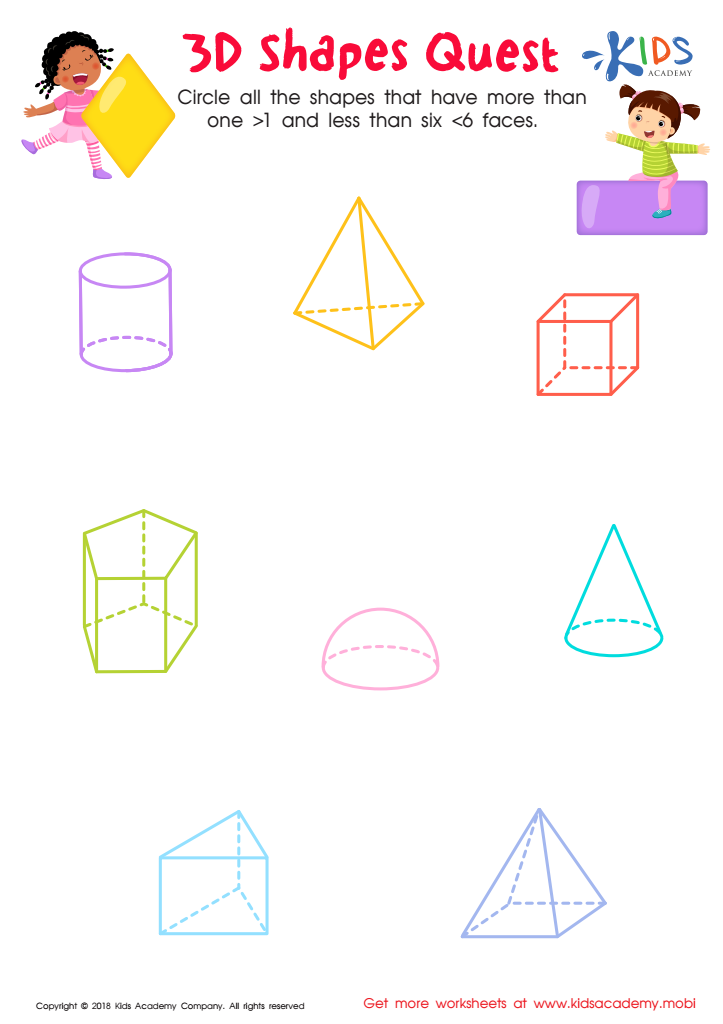
3D Shapes Quest Worksheet
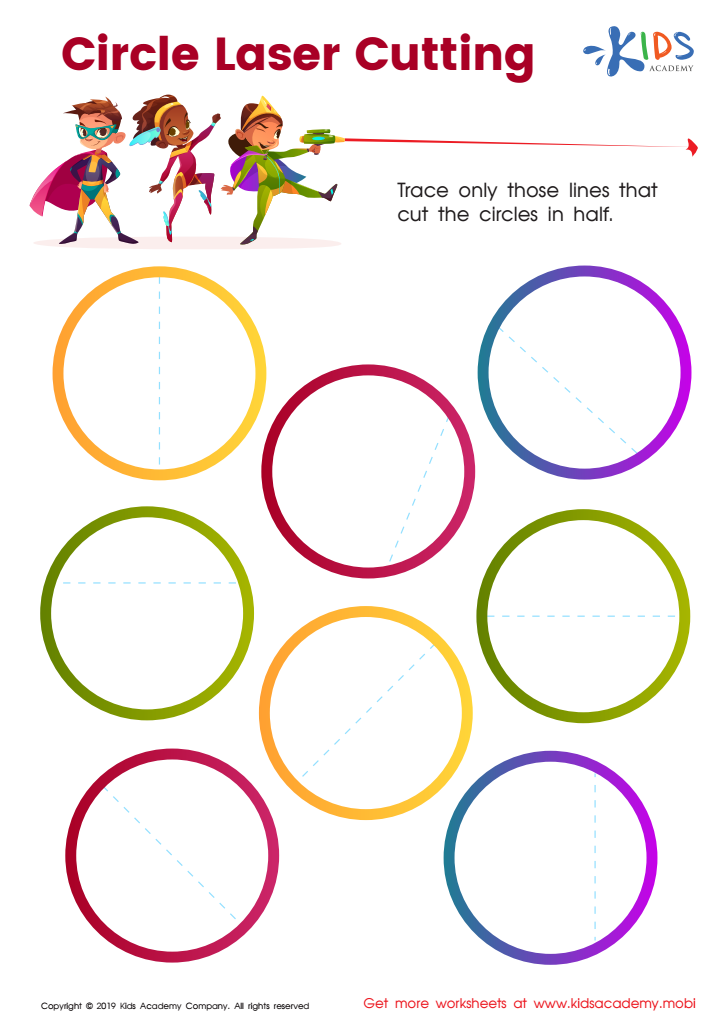
Circle Laser Cutting Worksheet








The development of fine motor skills and an understanding of normal geometry for children ages 5-8 are crucial for their overall growth and future academic success. Fine motor skills are the small movements of the hands, wrists, fingers, feet, toes, lips, and tongue. These skills are essential for performing everyday tasks such as writing, buttoning clothes, and using utensils. As children enhance their fine motor abilities, they gain greater independence and self-confidence, which can positively impact their psychological well-being.
On the other hand, basic geometry—understanding shapes, sizes, and spatial relationships—forms the foundation of math and science-related skills. When young students grasp these concepts early, it not only aids their mathematical reasoning but also enhances problem-solving skills. Activities like sorting objects according to shapes or constructing simple structures help children better understand their environment and stimulate cognitive development.
Therefore, parents and teachers should prioritize and engage in activities that encourage both fine motor skills and an understanding of geometry. Apps, games, and hands-on projects like drawing, puzzles, and building blocks are effective ways to nurture these skills. By investing time in developing these abilities early on, children are better equipped for more complex tasks in the future, setting the stage for lifelong learning and development.








