Normal Addition Worksheets for Ages 6-9 - Page 3
68 filtered results
-
From - To
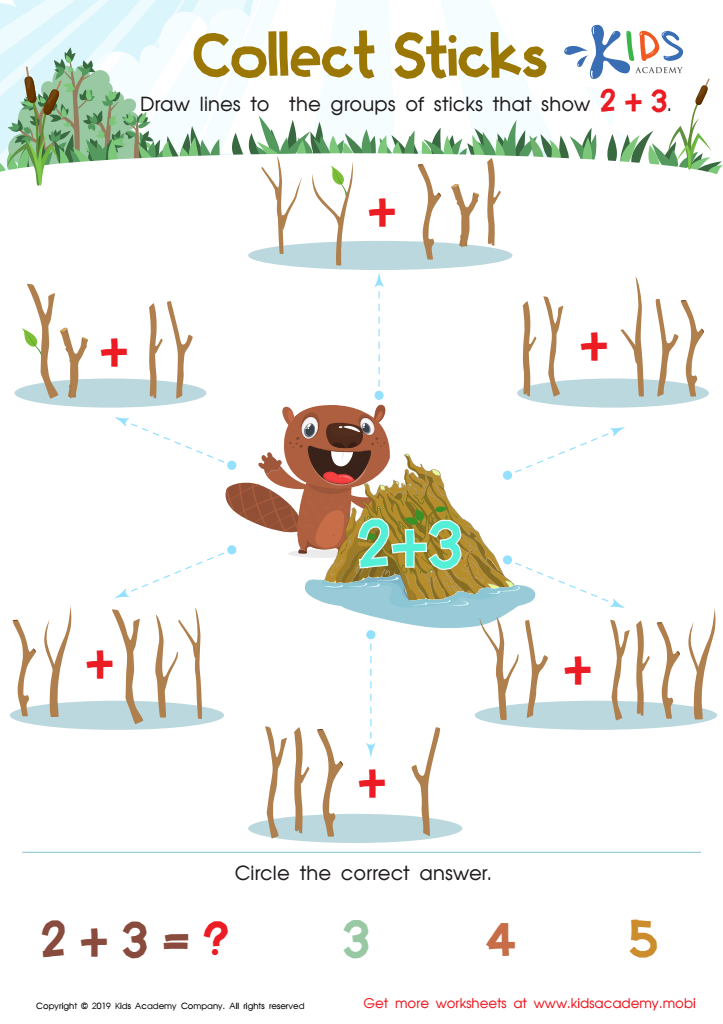
Collect Sticks Worksheet
 Assign to My Students
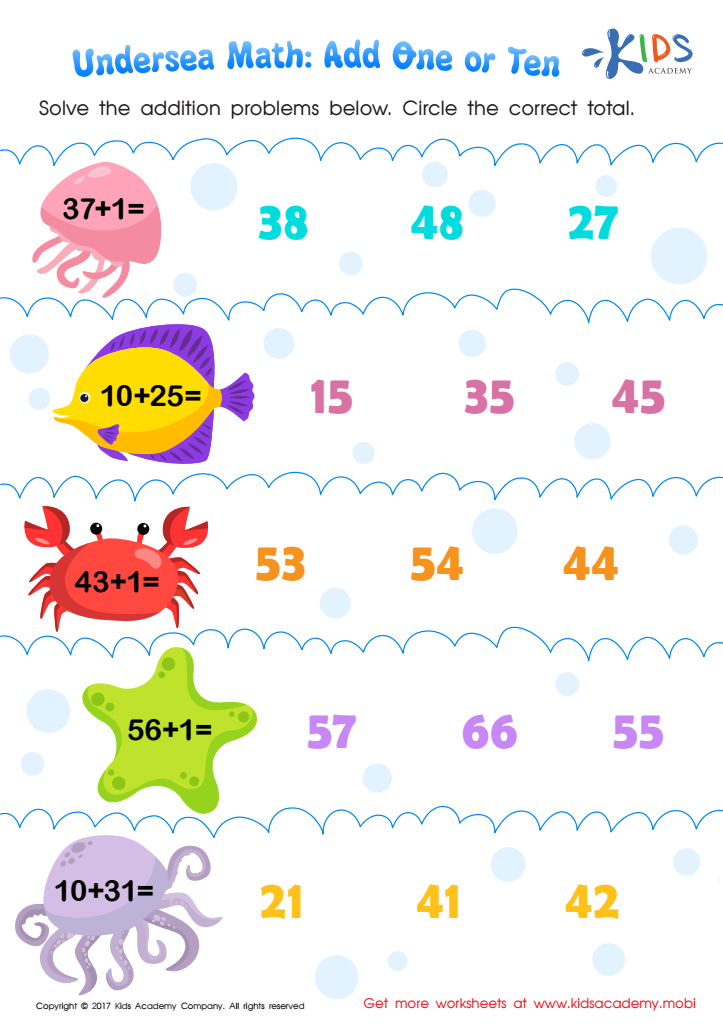
Undersea Math Worksheet
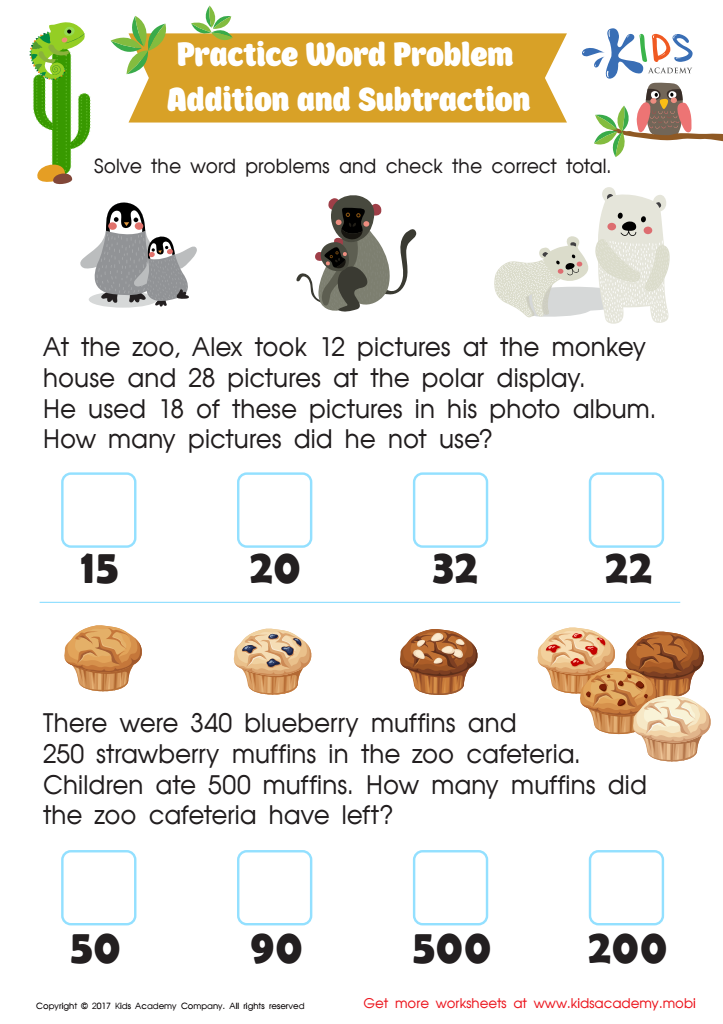
Addition and Subtraction: Word Problems Worksheet
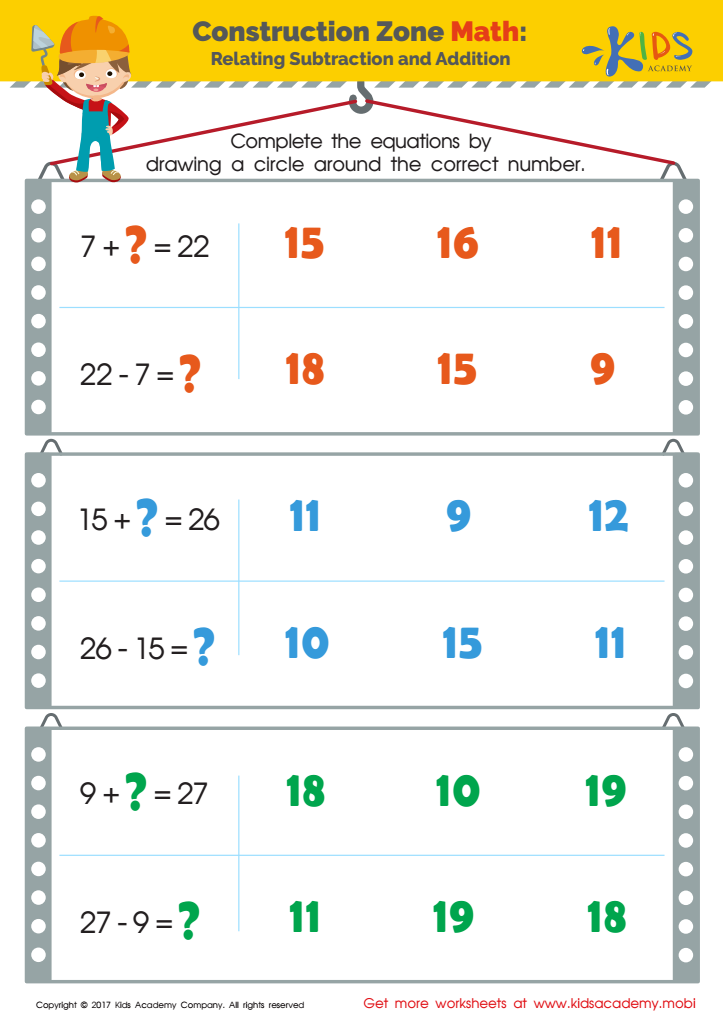
Related Addition and Subtraction Facts Worksheet
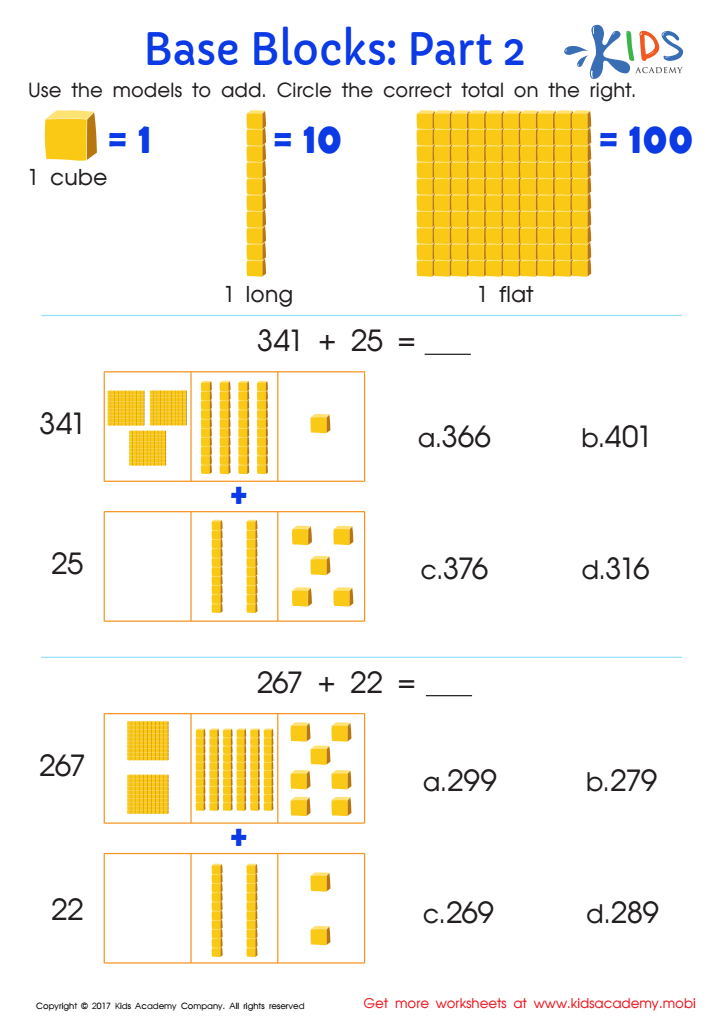
Base Ten Blocks Worksheet: Part 2
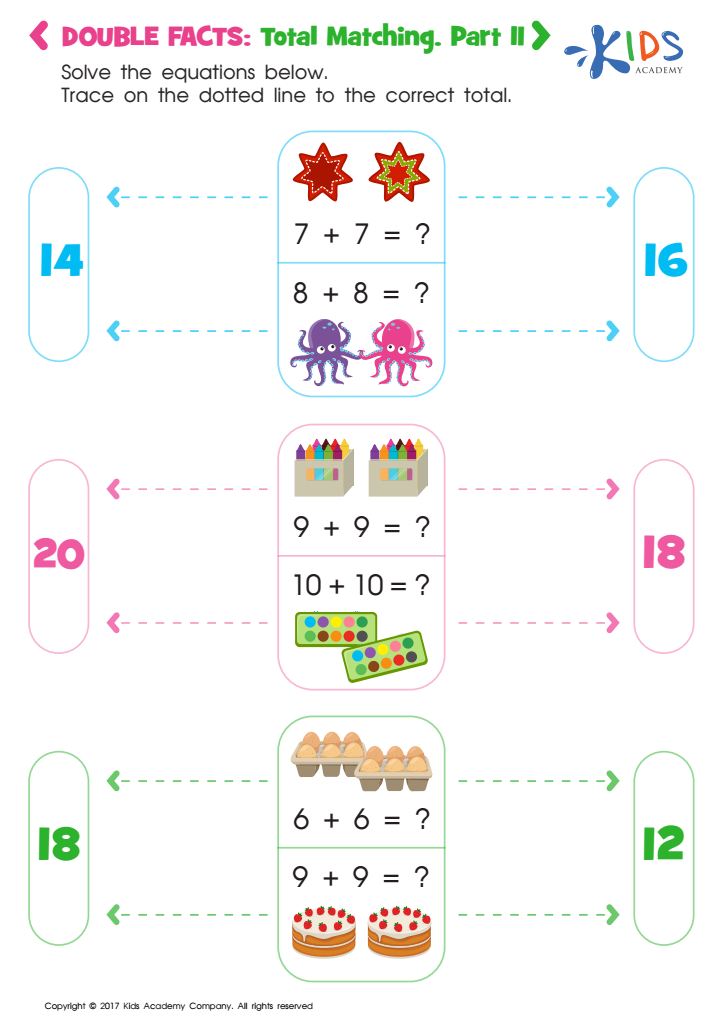
Double Facts: Total Matching 2 Worksheet
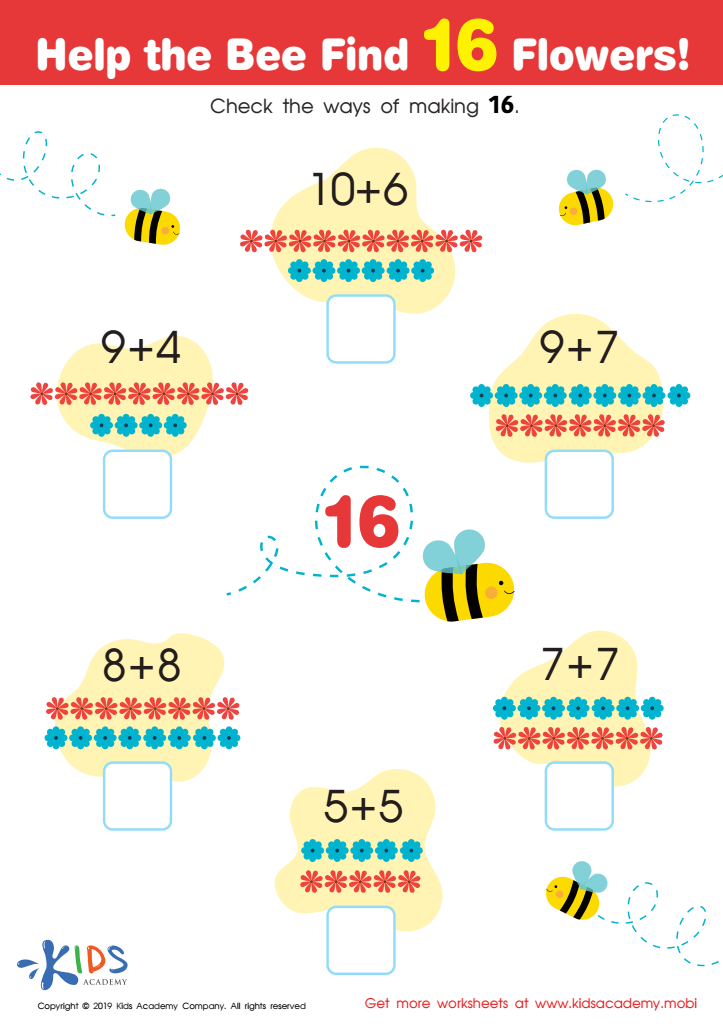
Help the Bee Find 16 Flowers Worksheet
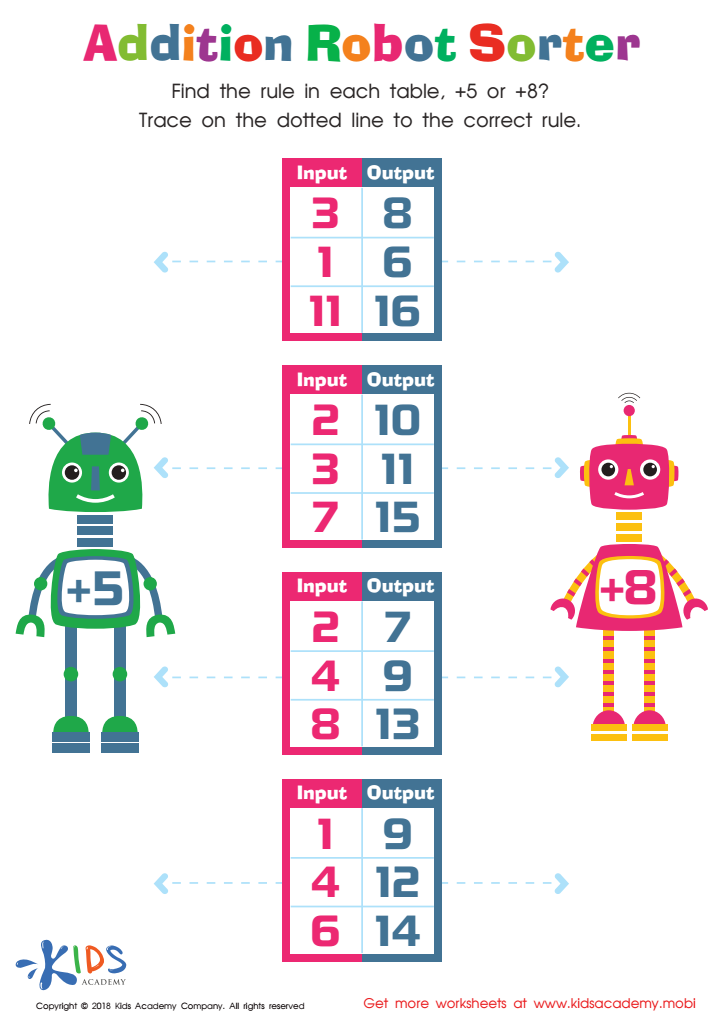
Addition Robot Sorter Worksheet
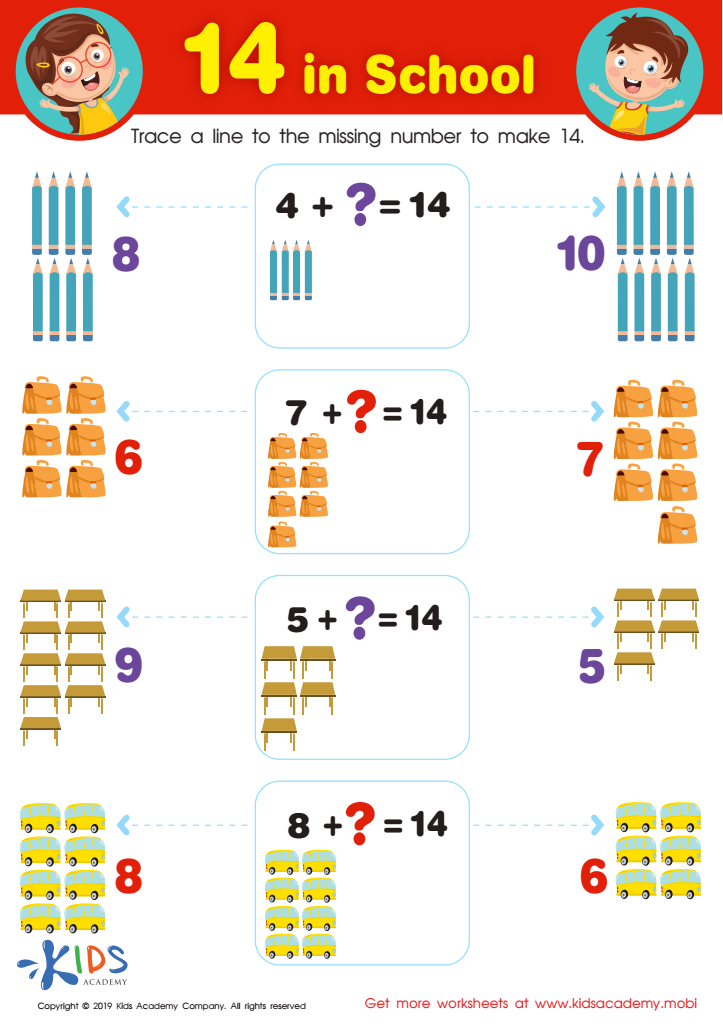
14 in School Worksheet
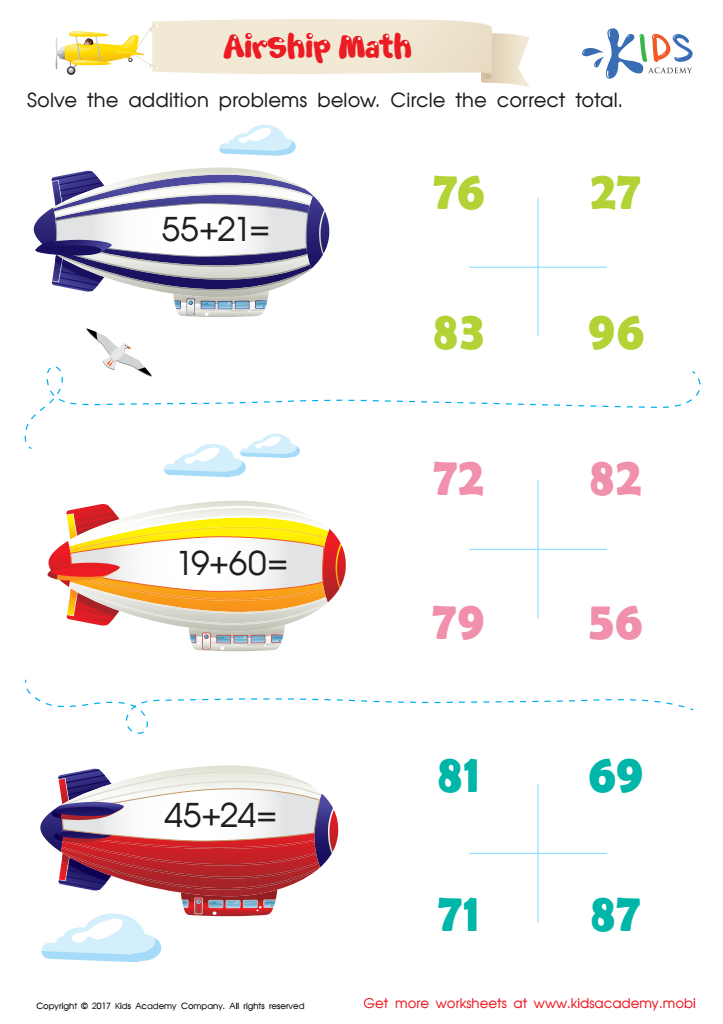
Airship Math Addition Printable
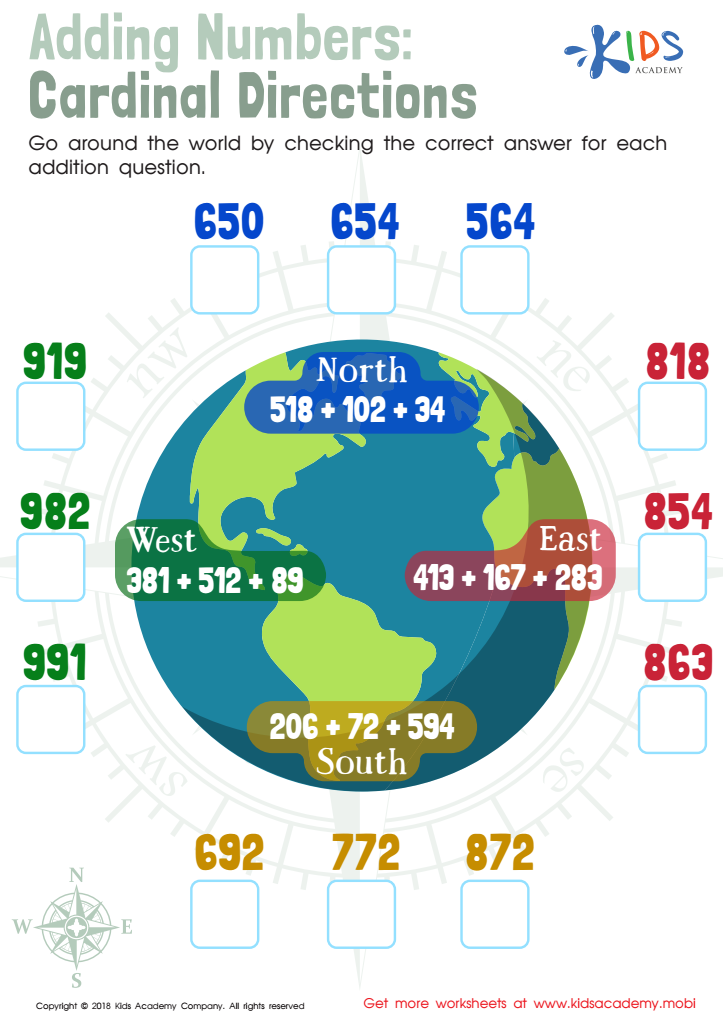
Adding Numbers: Cardinal Directions Worksheet
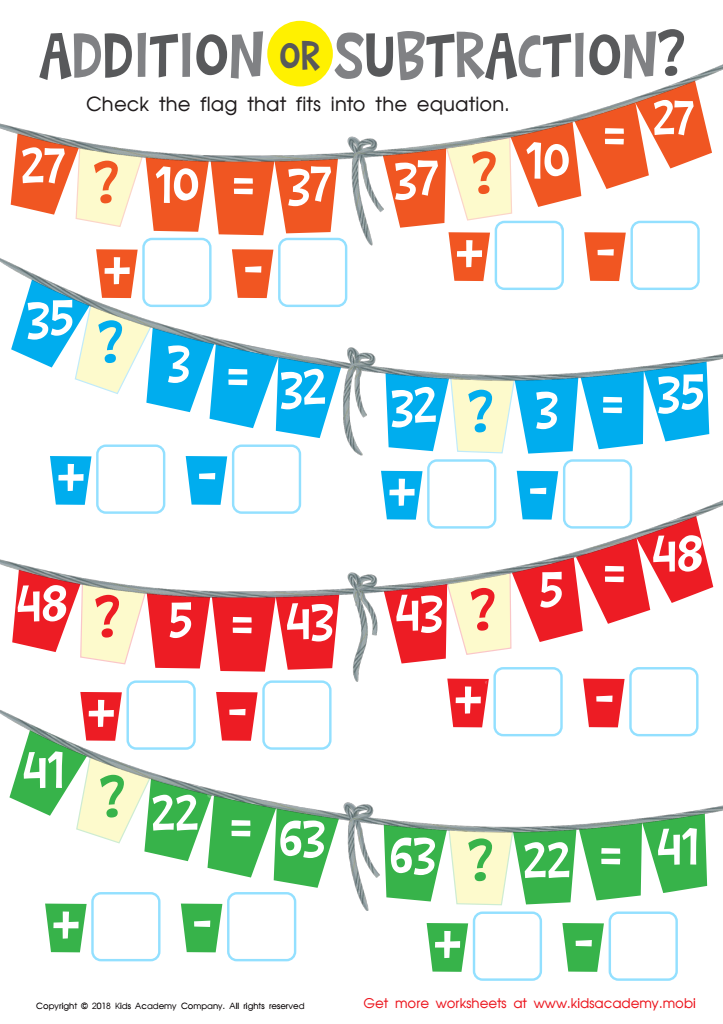
Addition or Subtraction? Worksheet
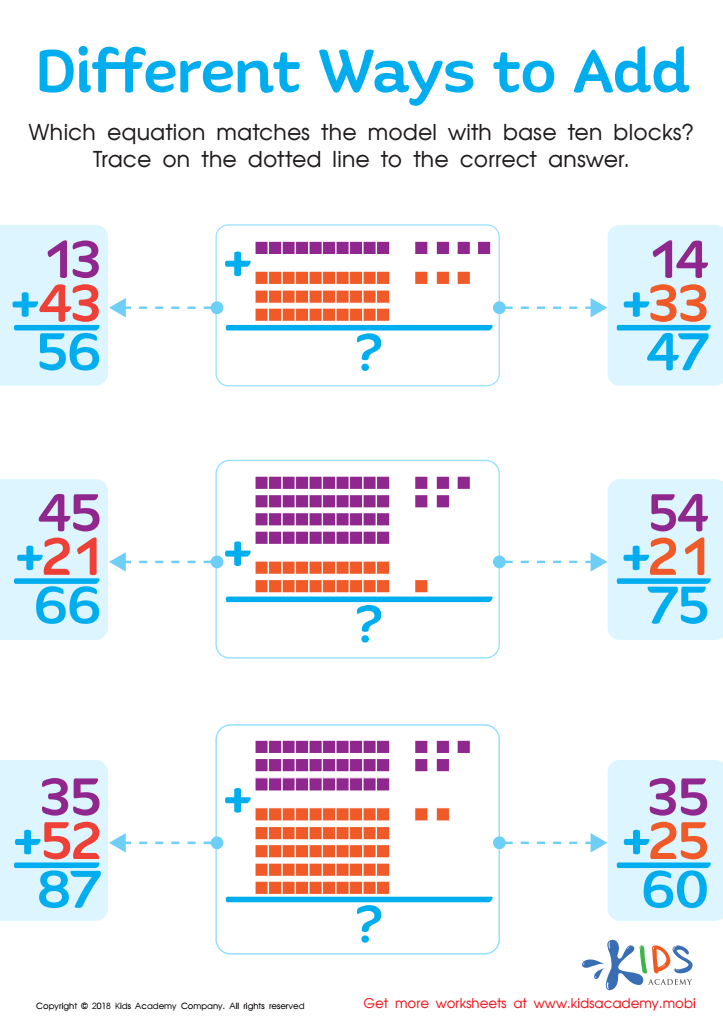
Different Ways to Add Worksheet
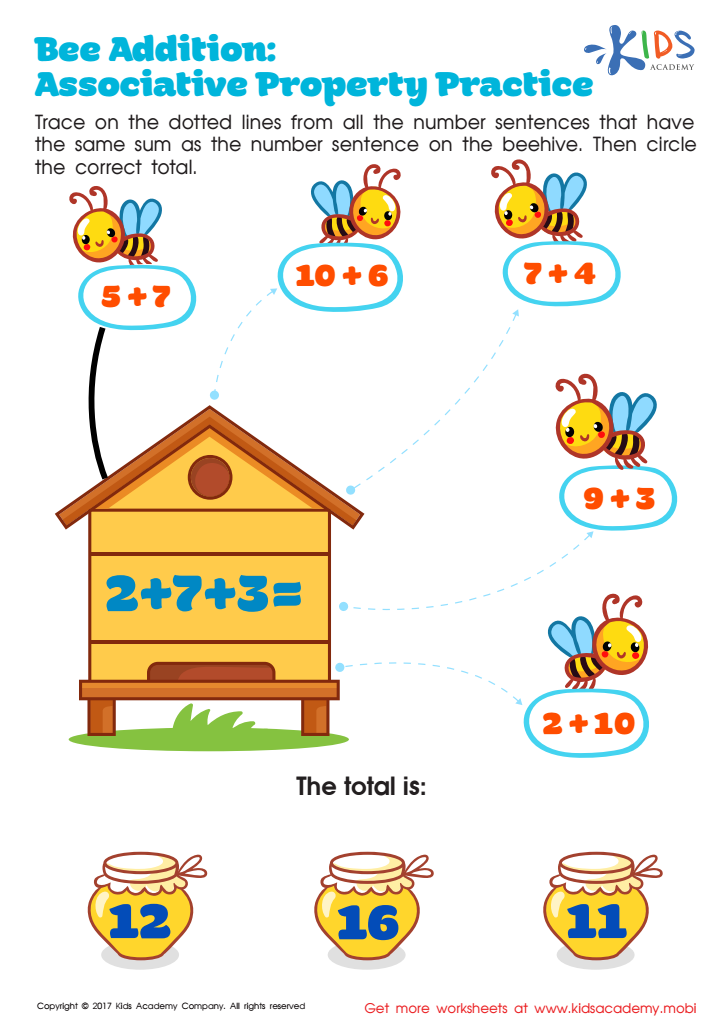
Bee Addition: Associative Property Practice Worksheet
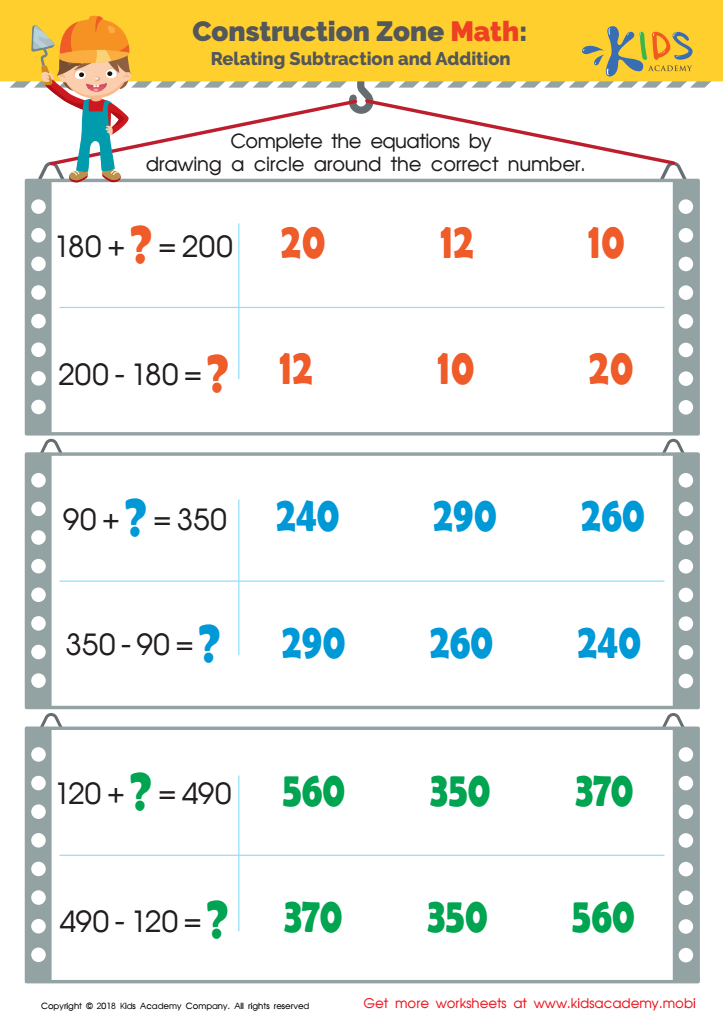
Construction Zone Math: Relating Subtraction and Addition Worksheet
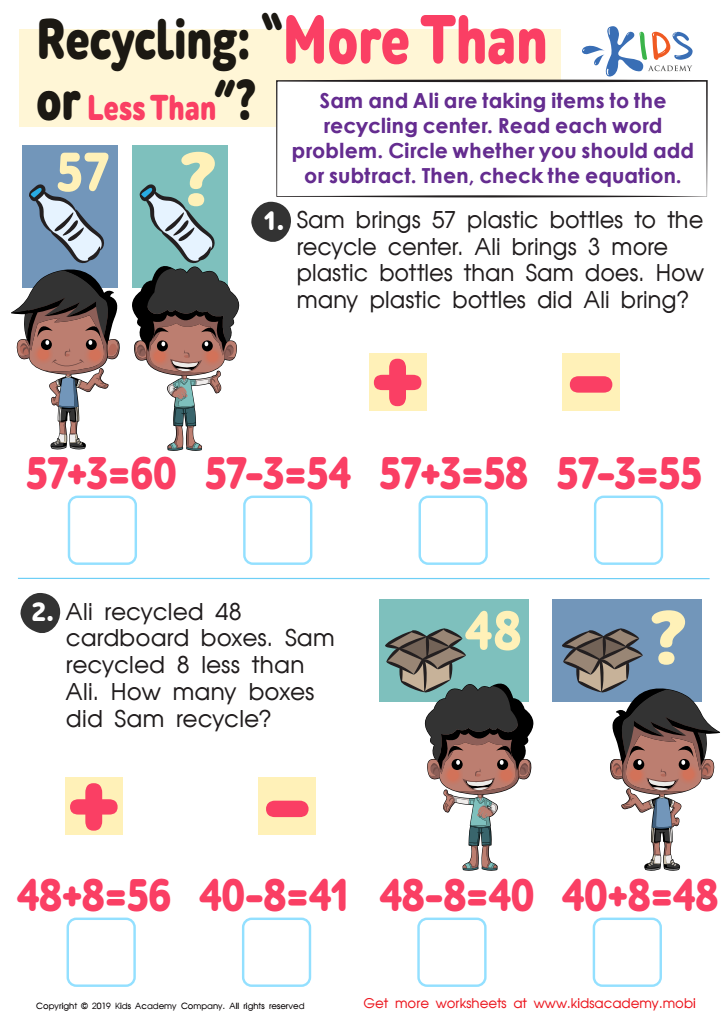
Recycling - More or Less Worksheet
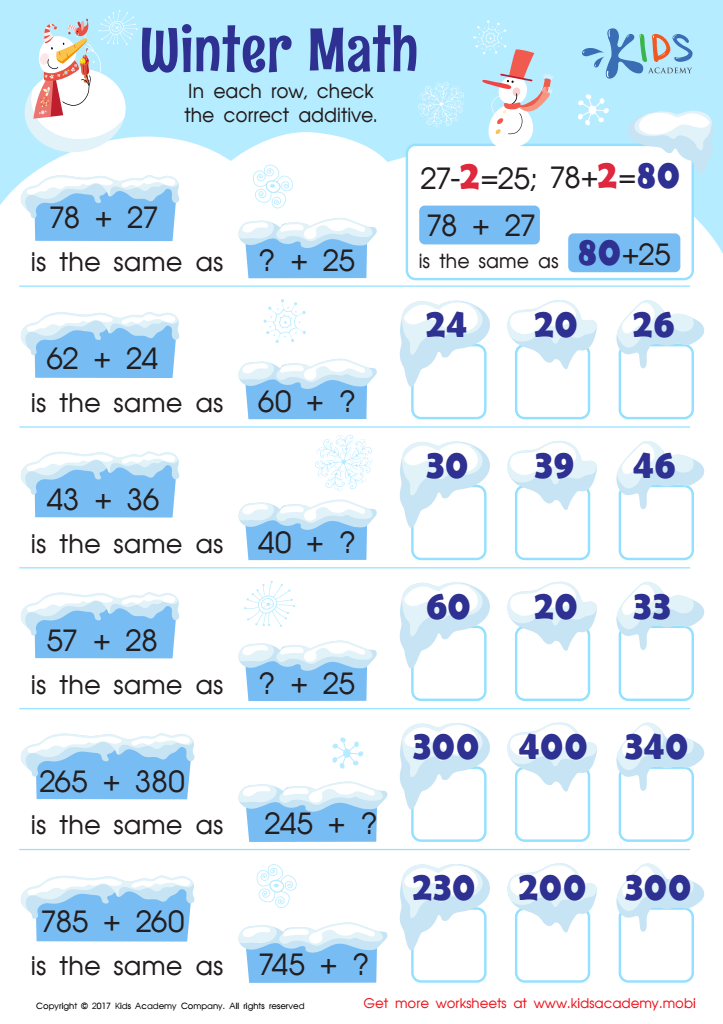
Free Addition Worksheet
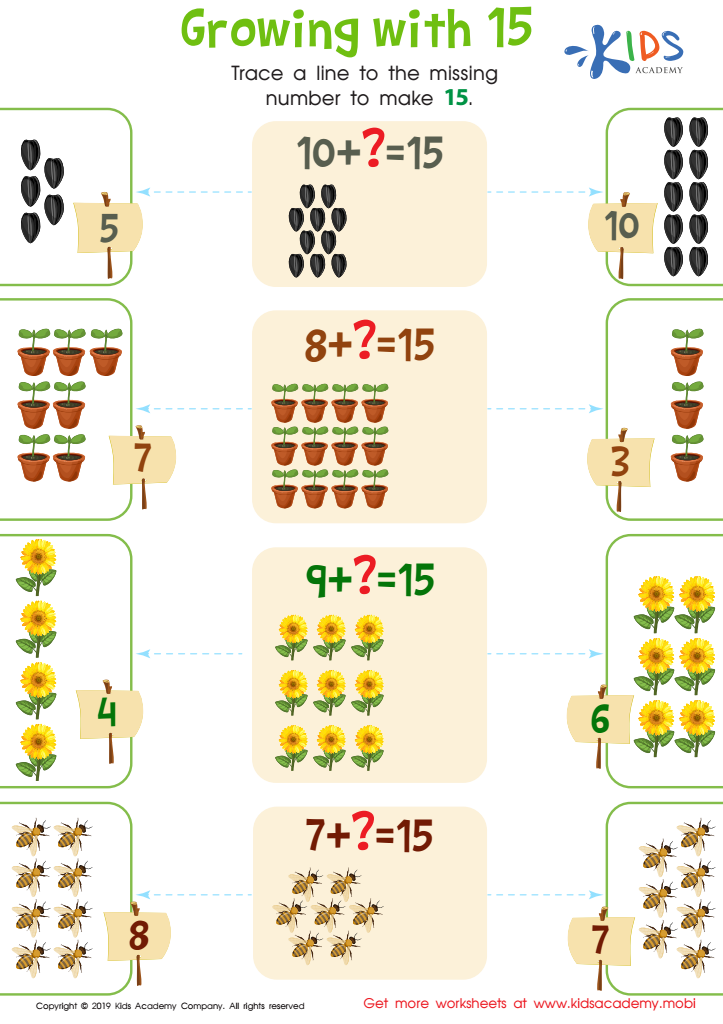
Growing with 15 Worksheet
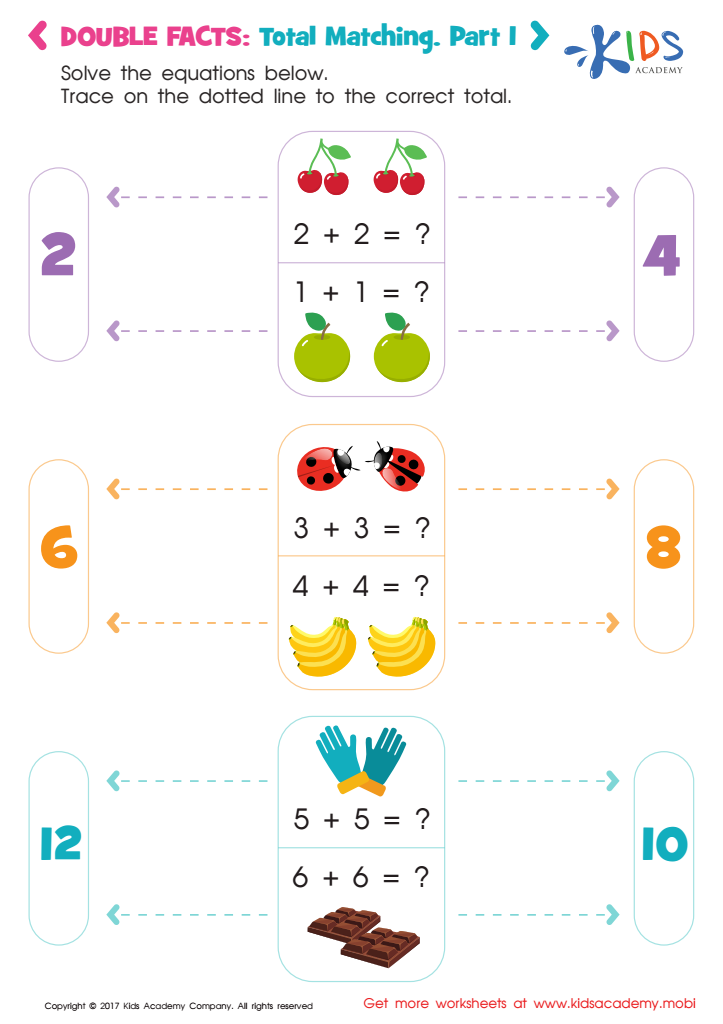
Double Facts: Total Matching Worksheet: Part 1








Parents and teachers should care about normal addition for children aged 6-9 because it forms a foundational mathematical concept that is crucial for future learning. At this age, children transition from counting to more complex operations, and mastering addition is essential for their academic success. Normal addition helps them develop critical thinking and problem-solving skills, as they learn to manipulate numbers and understand relationships between them.
Additionally, proficient addition skills are linked to improved performance in various subjects, not just math. When children feel confident in their ability to add, they are more likely to engage with and succeed in more complex mathematical concepts like subtraction, multiplication, and division. This competence also enhances their ability to approach real-life situations that require basic arithmetic, fostering independent thinking.
Moreover, teaching normal addition allows for the introduction of important math concepts like number sense, patterns, and grouping. Encouraging a solid grasp of addition techniques cultivates a love for math, setting the stage for lifelong learning. Lastly, engaging in addition activities can be a fun way for parents and teachers to bond and foster positive attitudes toward learning, making mathematics an enjoyable adventure rather than a chore.