Problem-Solving Skills Normal Math Worksheets for Ages 6-9 - Page 3
69 filtered results
-
From - To
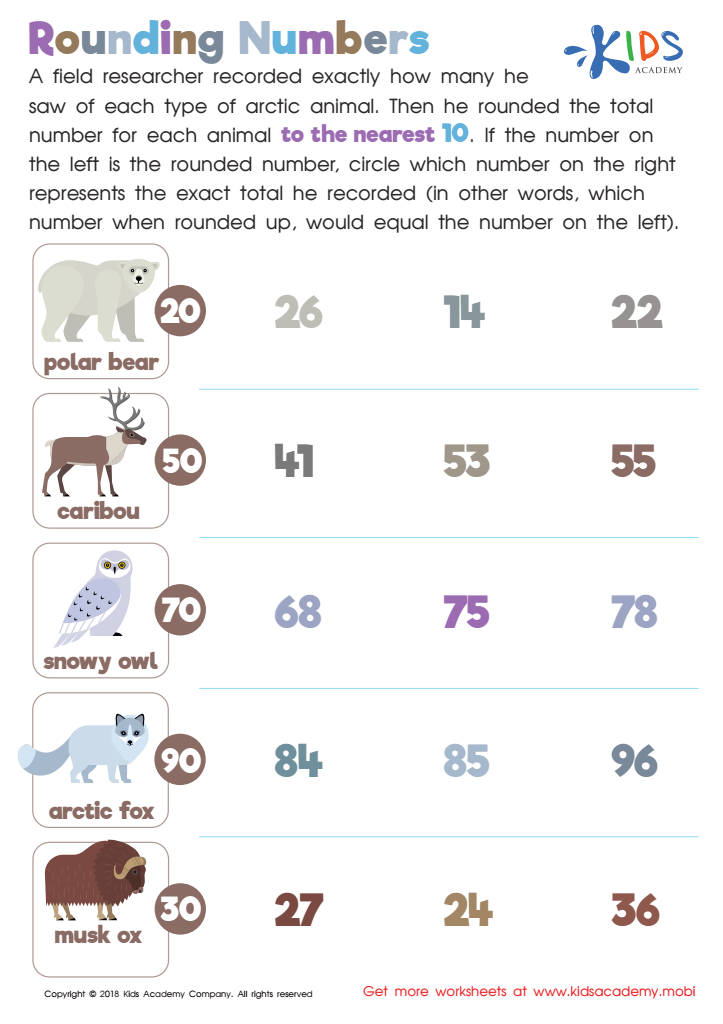
Rounding Numbers Worksheet
 Assign to My Students
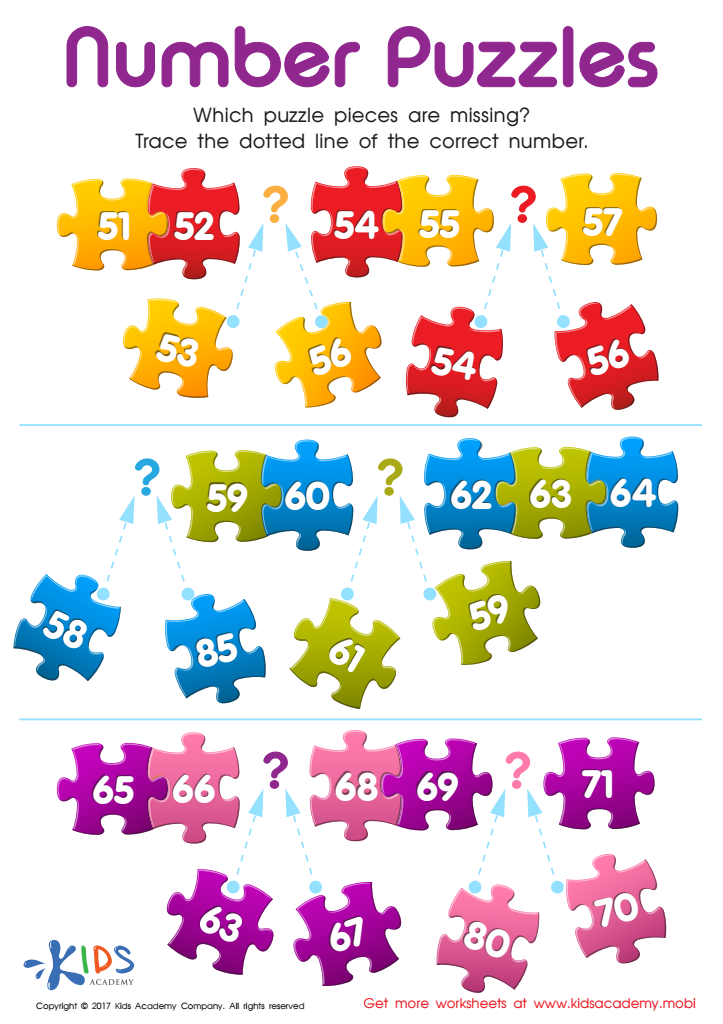
Number Puzzles Worksheet
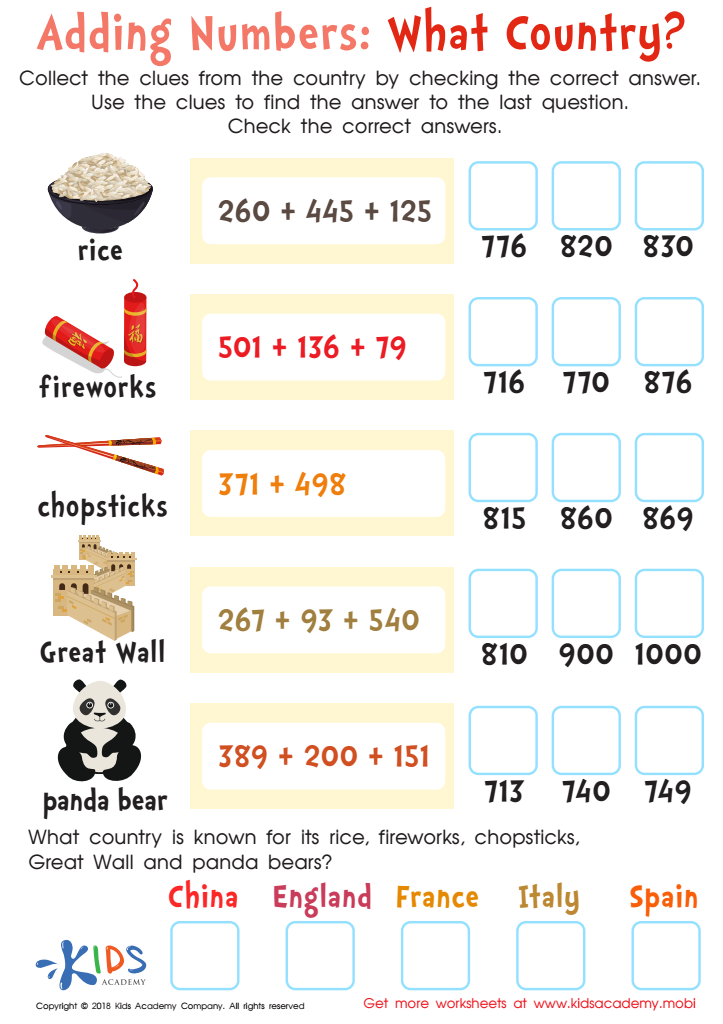
Adding Numbers: What Country Worksheet
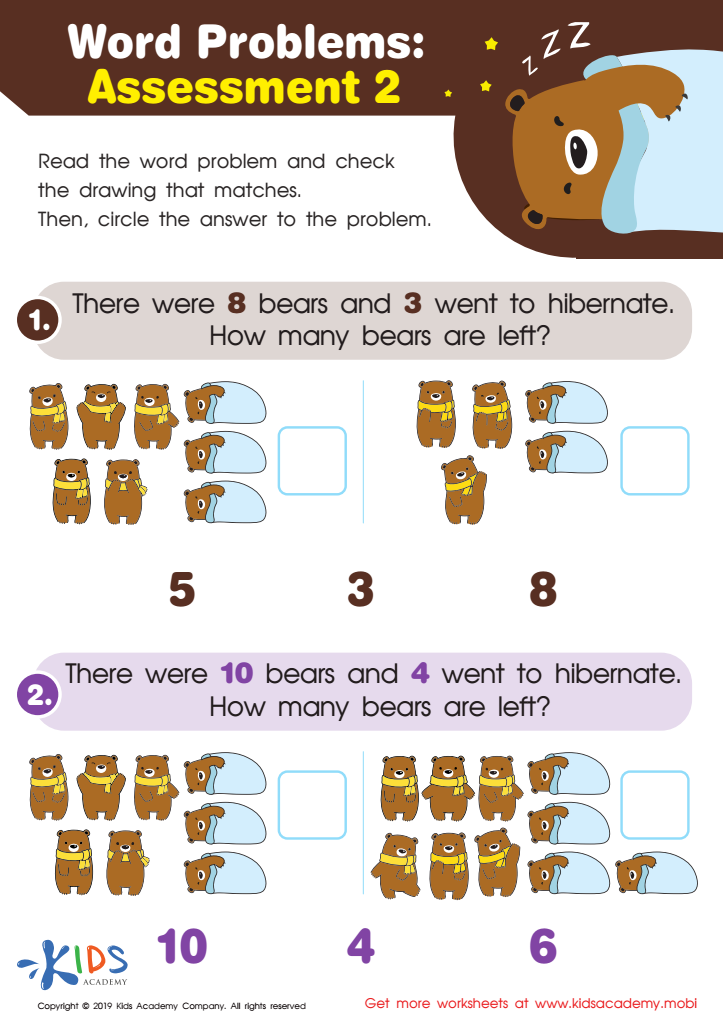
Word Problems: Assessment 2 Worksheet
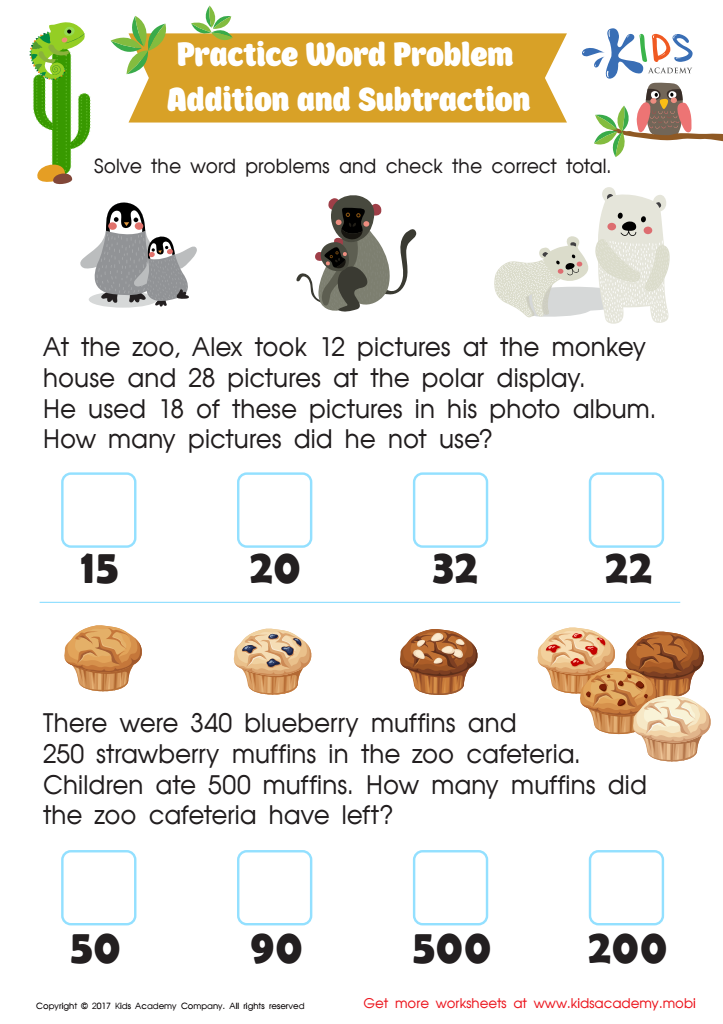
Addition and Subtraction: Word Problems Worksheet
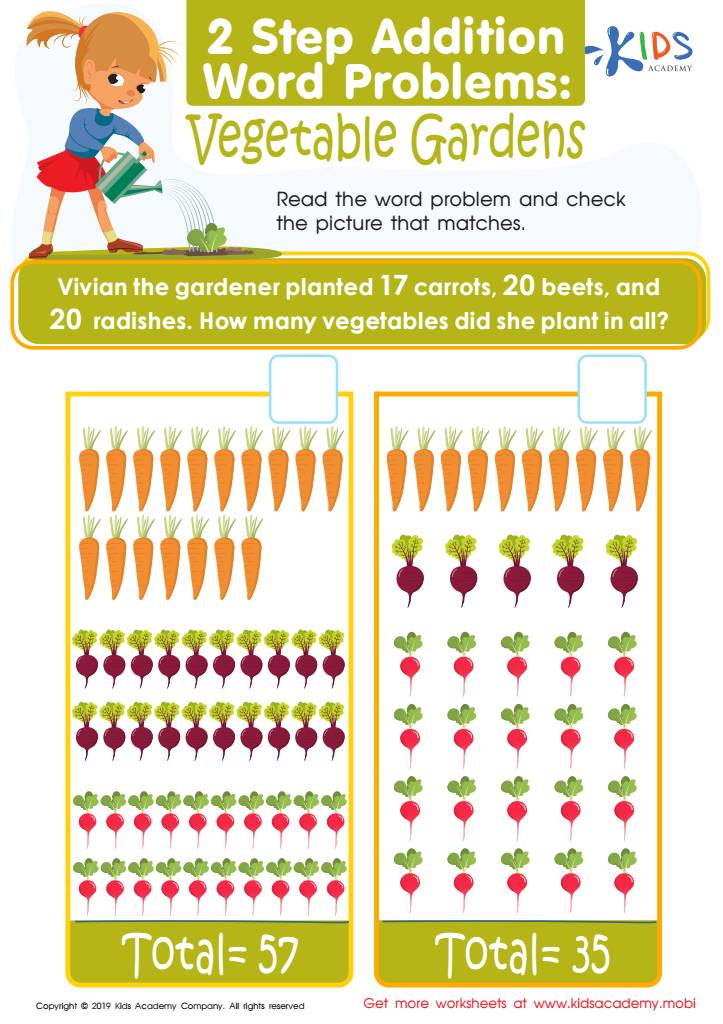
Vegetable Gardens Worksheet
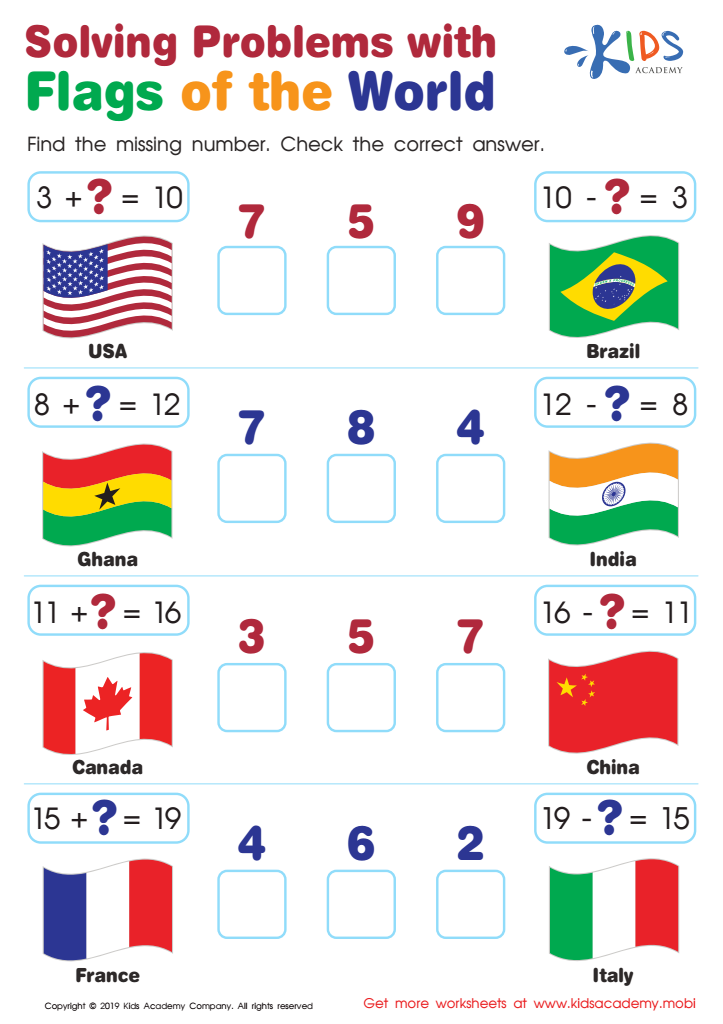
Solving Problems with Flags of the World Worksheet

At the Market Worksheet
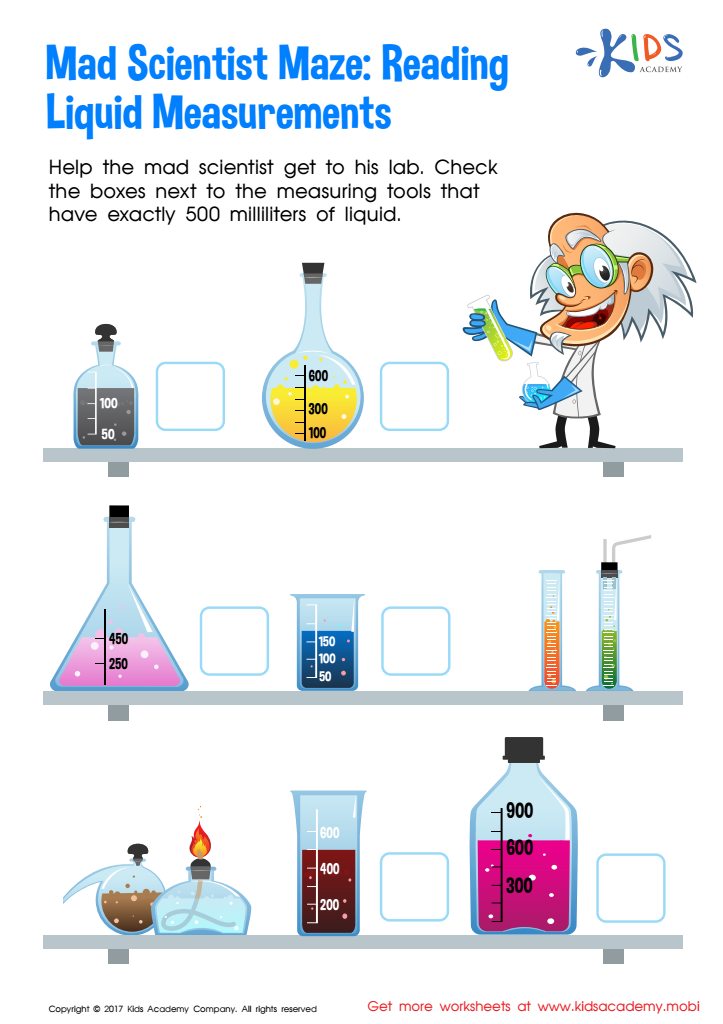
Reading Liquid Measurement Worksheet
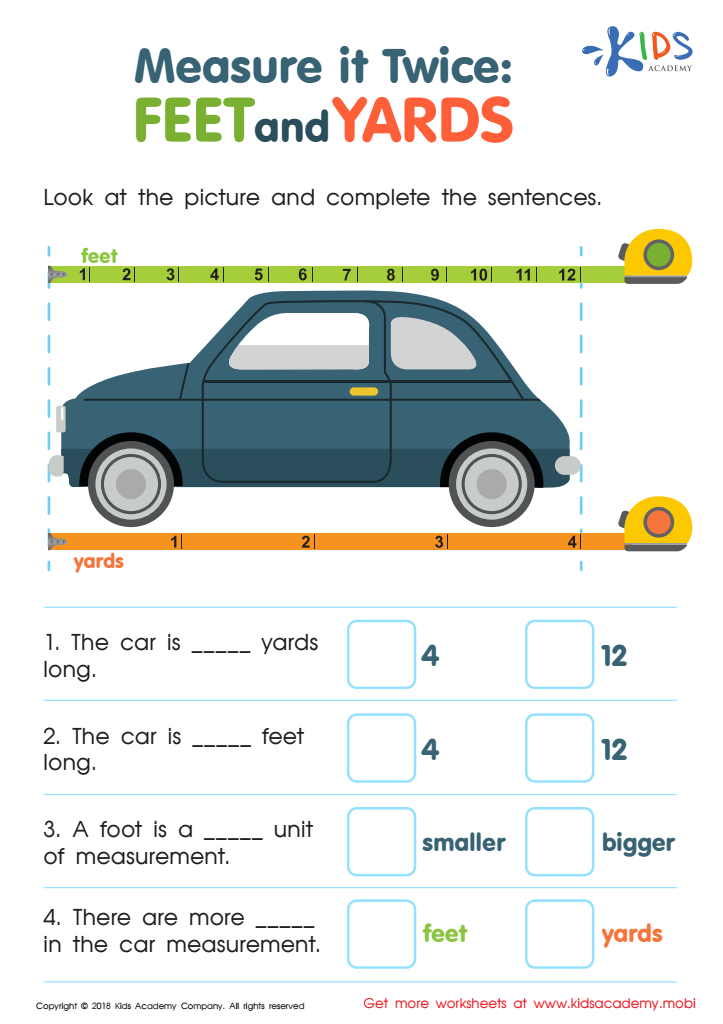
Measure It Twice: Feet and Yards Worksheet
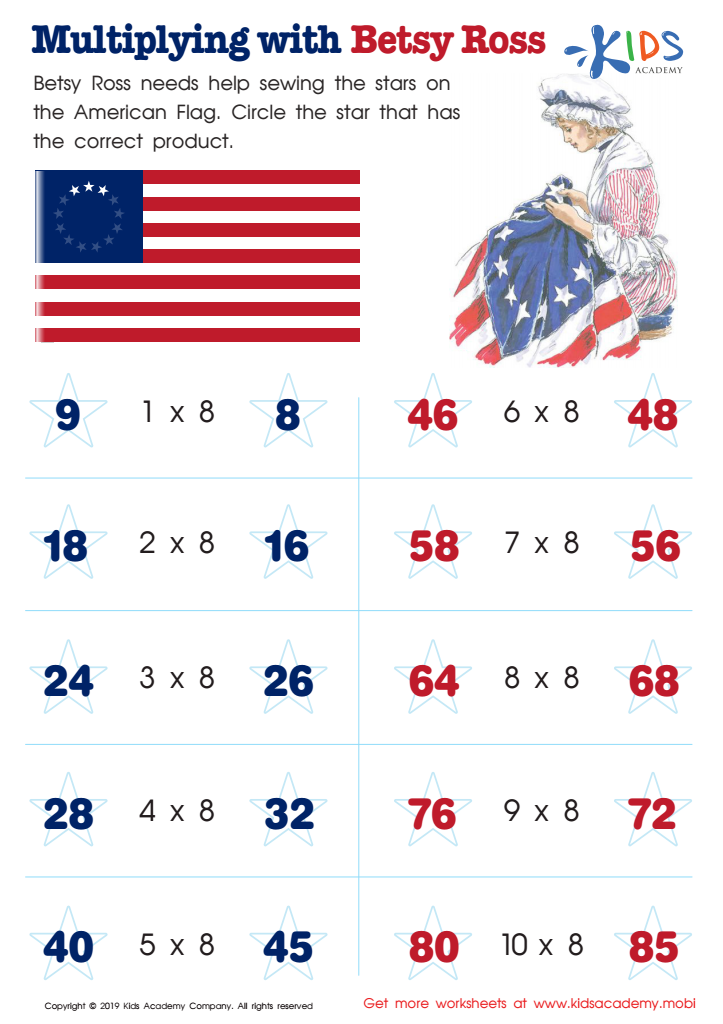
Multiplying with Betsy Ross Worksheet
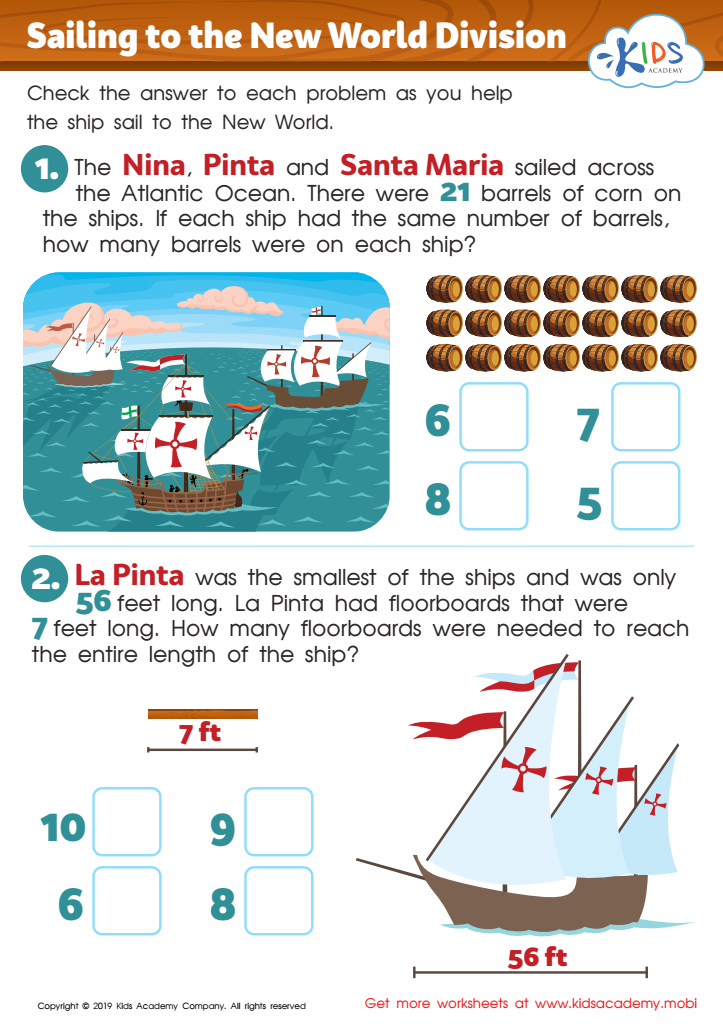
Sailing to the New World Division Worksheet
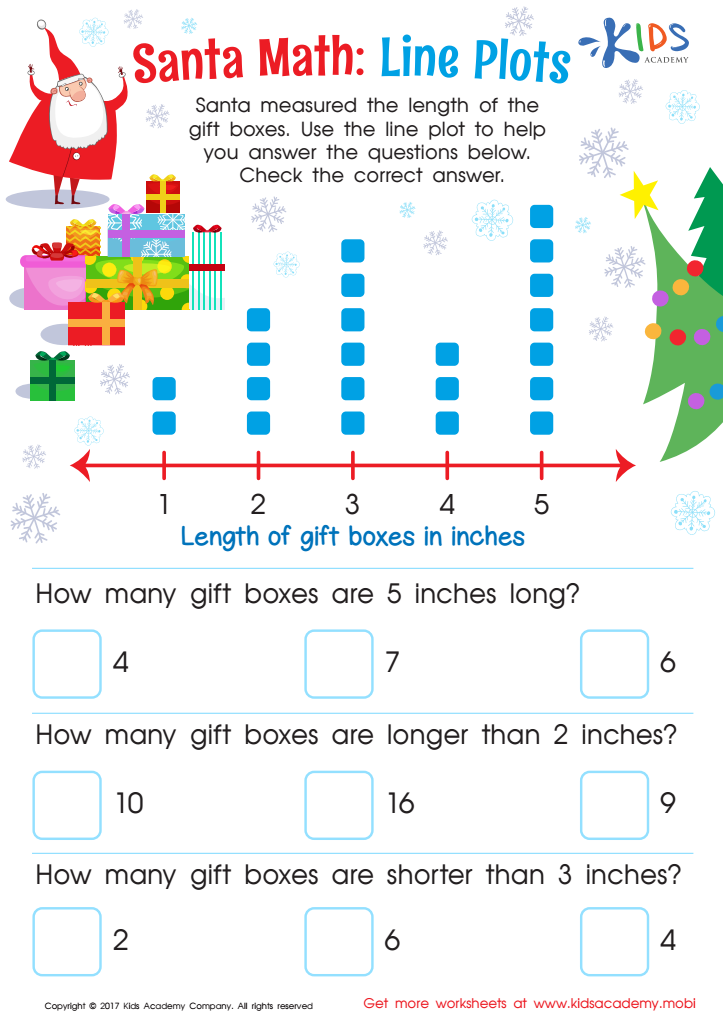
Line Plot Worksheet
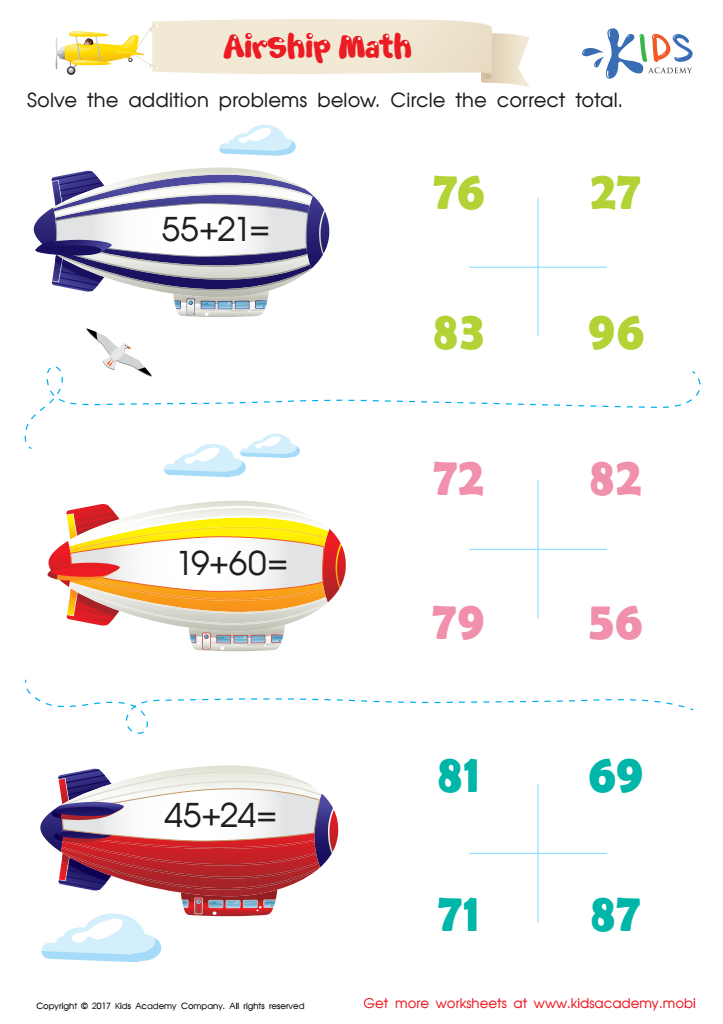
Airship Math Addition Printable
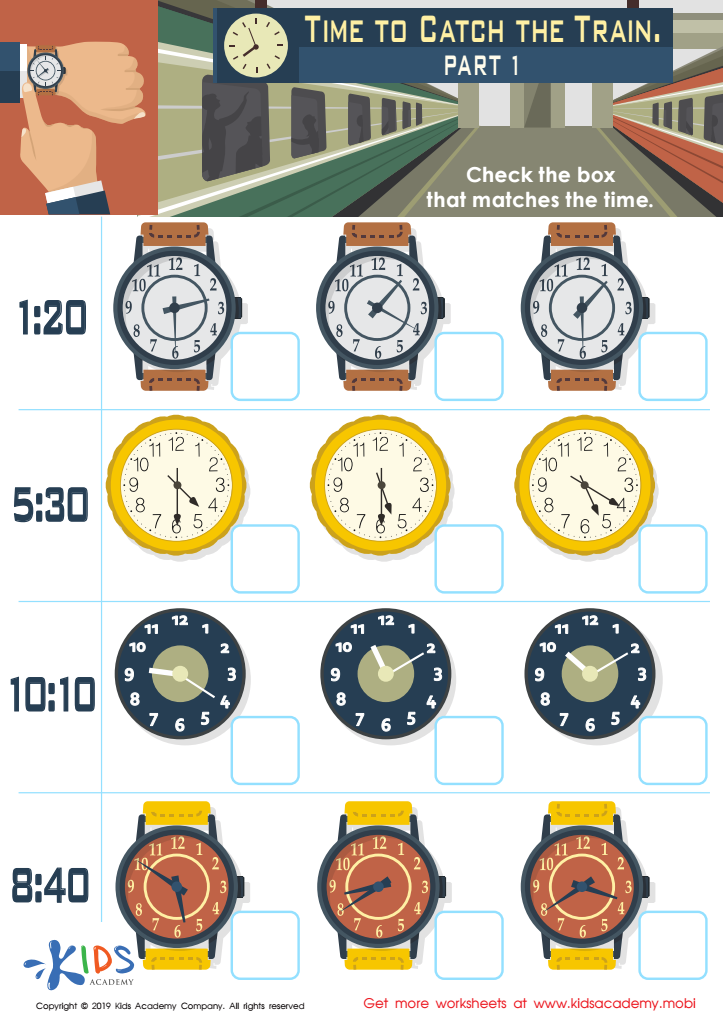
Time to Catch the Train Part 1 Worksheet
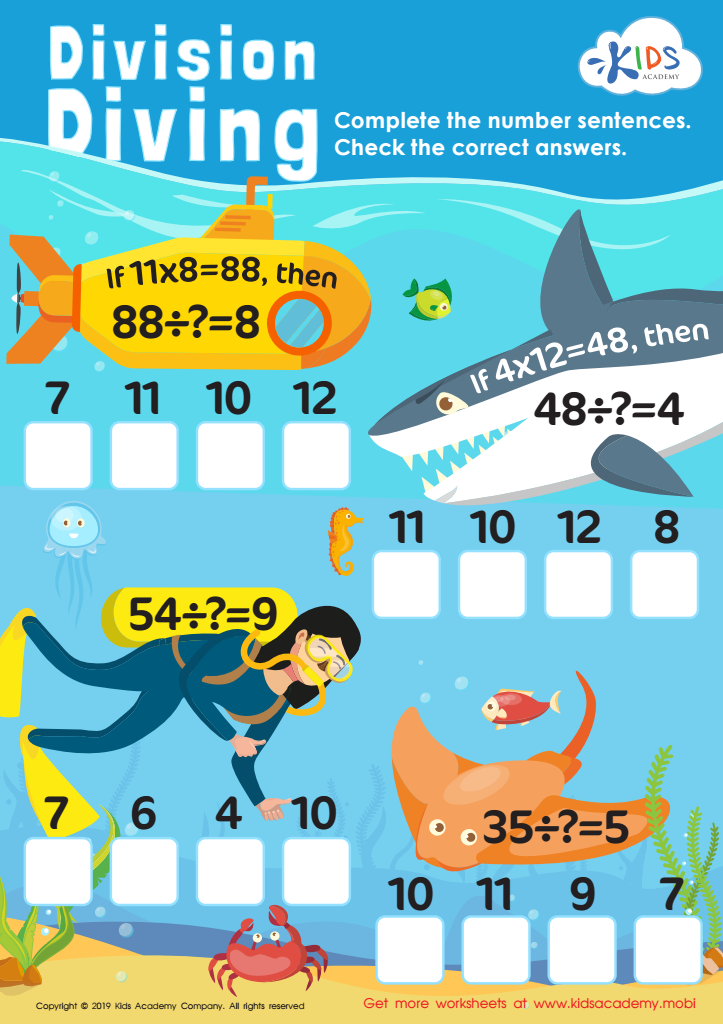
Division Diving Worksheet
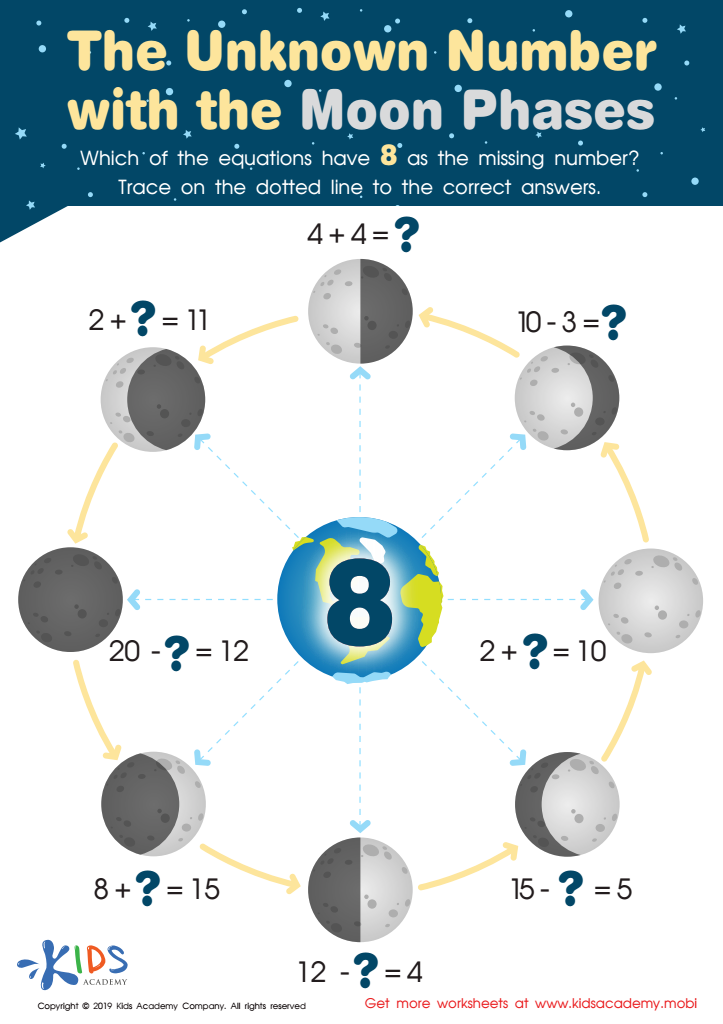
The Unknown Number with the Moon Phases Worksheet
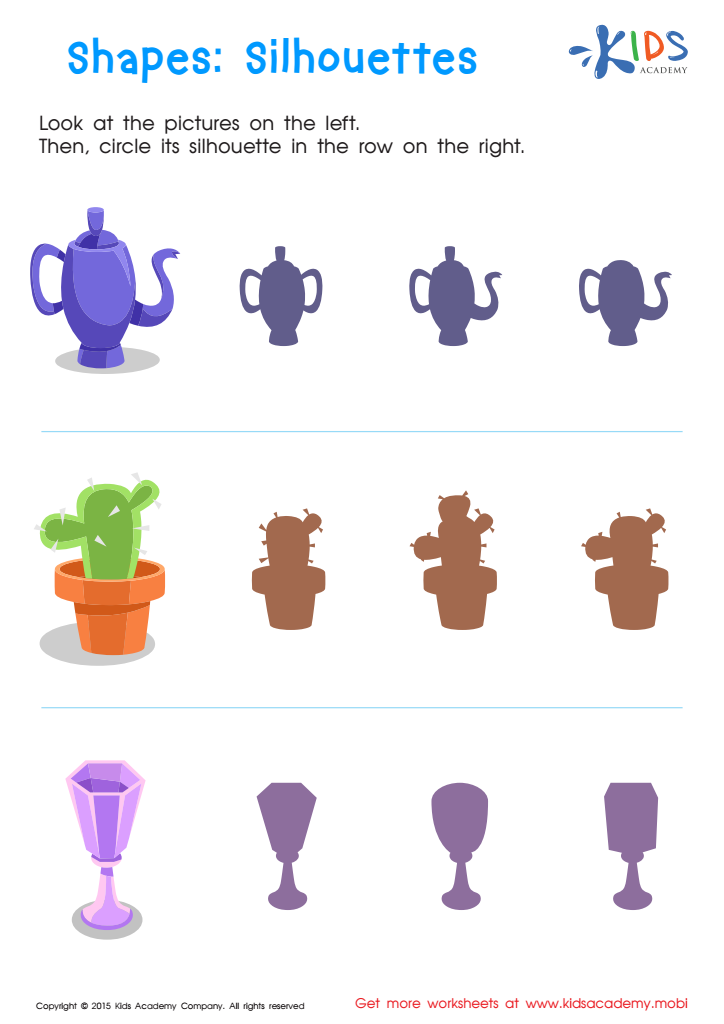
Silhouettes – Shapes Worksheet
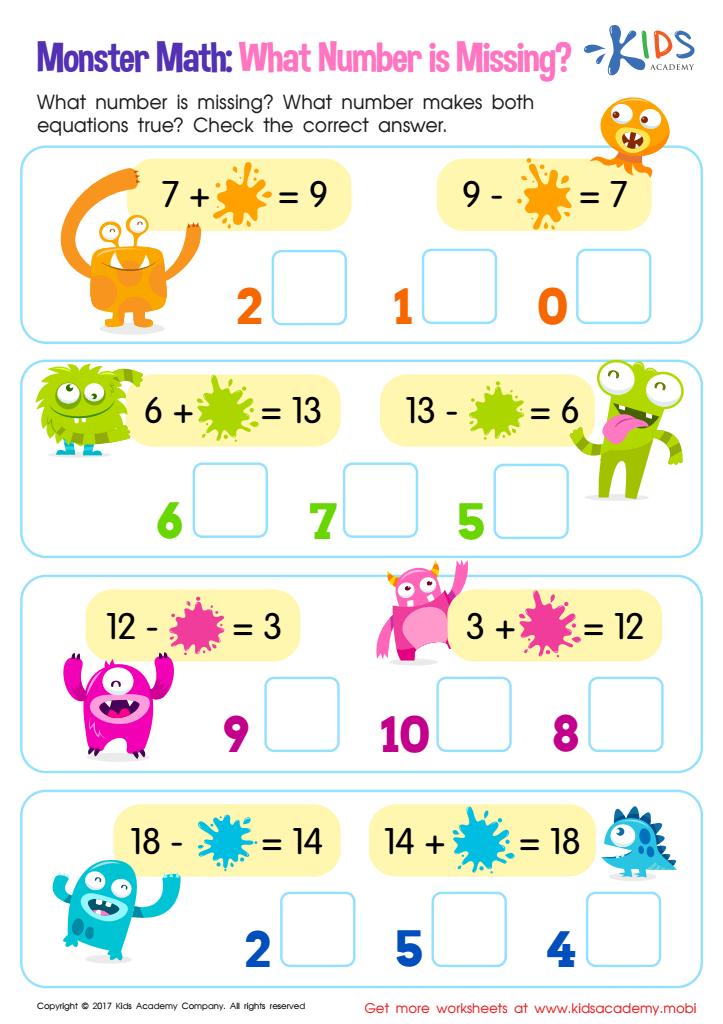
Missing Number: Monster Math Worksheet
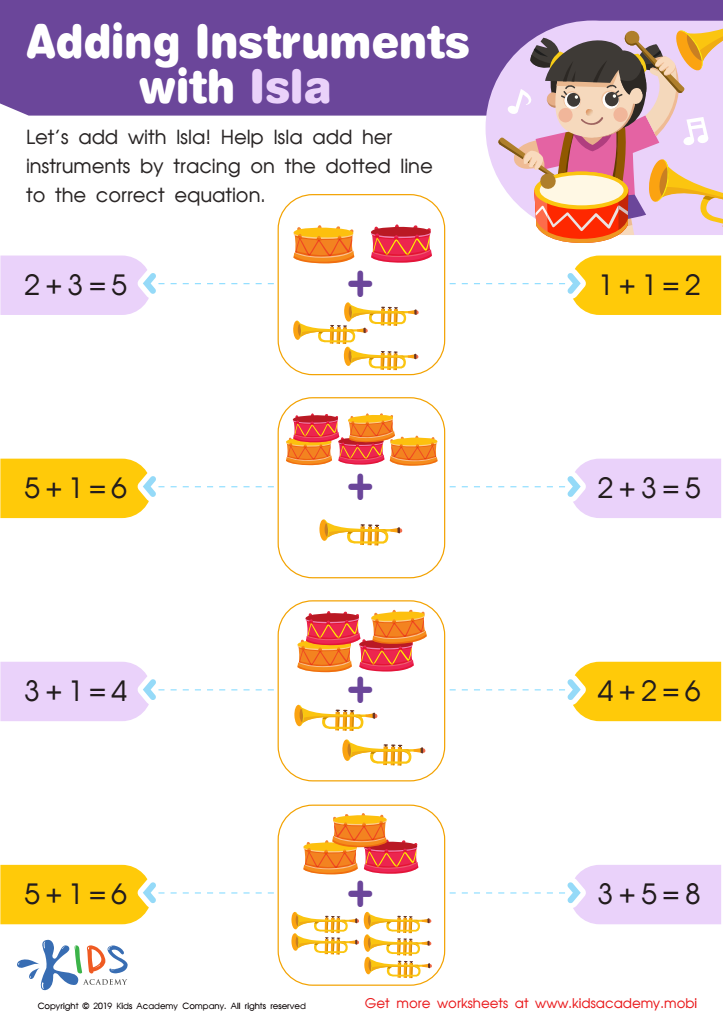
Adding Instruments with Isla Worksheet
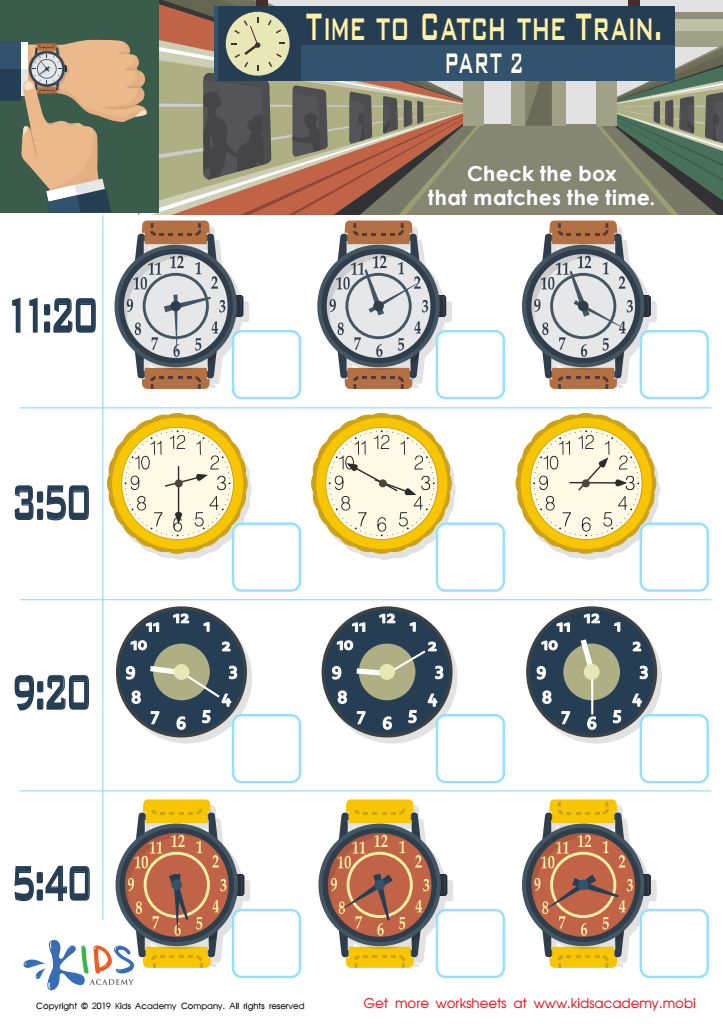
Time to Catch the Train Part 2 Worksheet



%20(1).jpg)
.jpg)



Problem-solving skills in math are crucial for children aged 6-9 as they lay the foundation for critical thinking and real-world application. During this developmental stage, children enhance their cognitive abilities, and engaging with math problems encourages them to approach challenges systematically. By nurturing these skills, parents and teachers empower children to think independently and develop resilience when faced with obstacles.
Furthermore, strong problem-solving skills in math promote a child’s confidence in their abilities. It enables them to tackle not just academic challenges, but life situations that require logical reasoning and creative solutions. A robust understanding of math concepts fosters analytical thinking, preparing students for advanced topics in the future.
Additionally, employing methods such as reasoning and experimentation in solving problems encourages collaboration and communication among peers. Engaging in discussions about different strategies cultivates teamwork and helps children learn from one another.
Ultimately, fostering problem-solving skills in young learners not only aids in their academic success but also equips them with life skills that are essential for adulthood. Parents and teachers have a pivotal role in guiding students through this process, ensuring they grow into confident and capable individuals who can navigate the complexities of daily life.








