Normal Multiplication Worksheets for Ages 6-9 - Page 2
46 filtered results
-
From - To
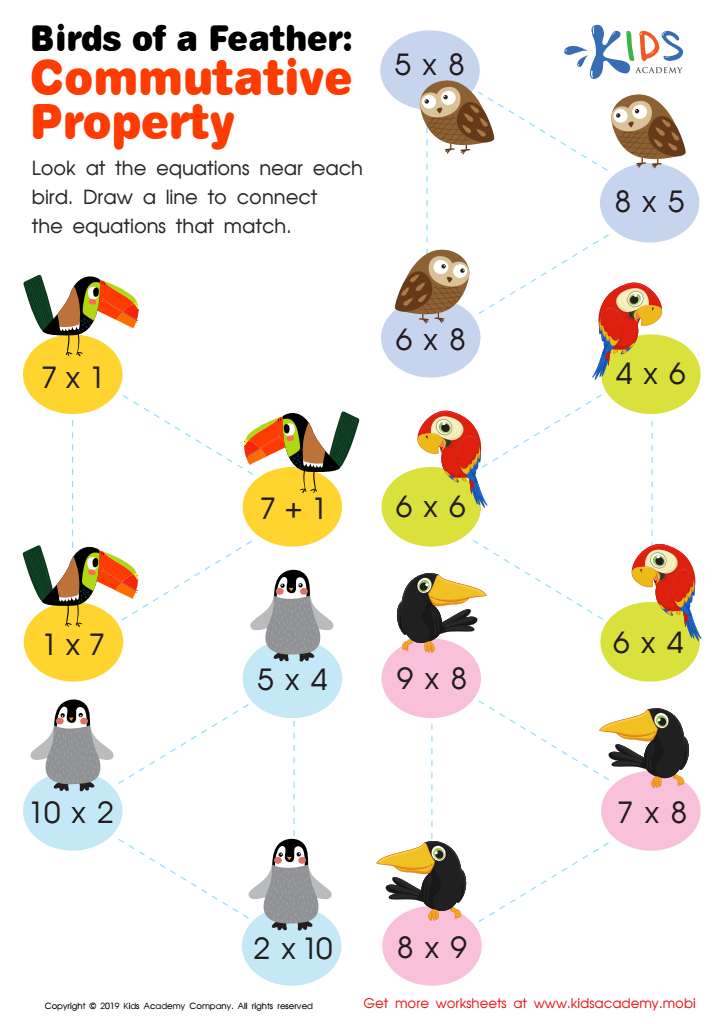
Birds of a Feather: Commutative Property Worksheet
 Assign to My Students
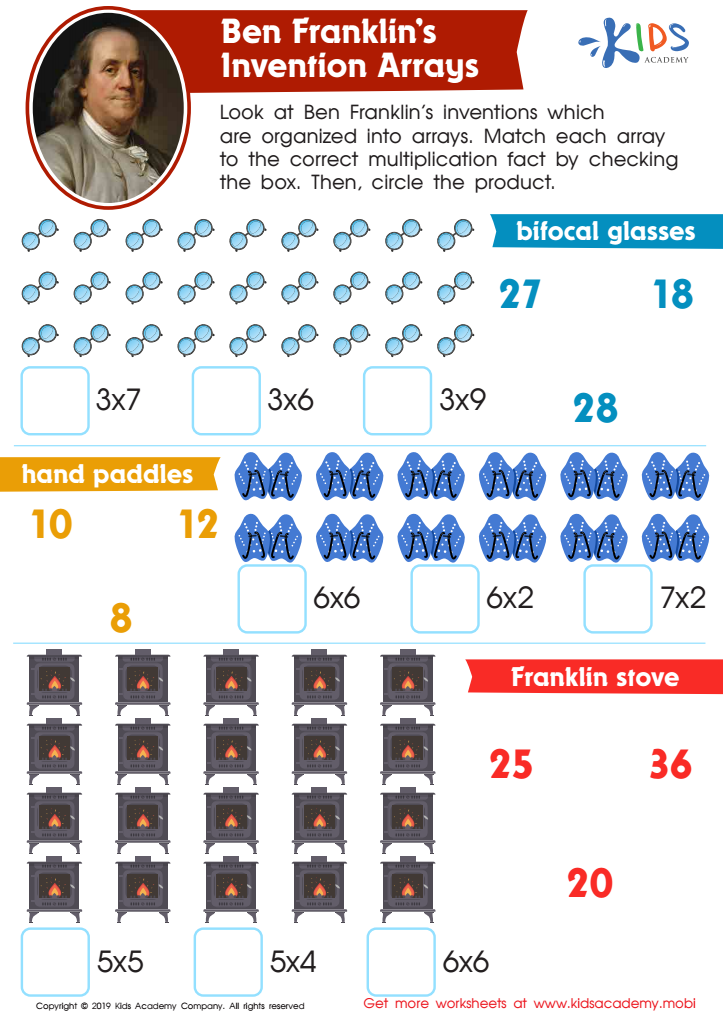
Ben Franklin’s Invention Arrays Worksheet
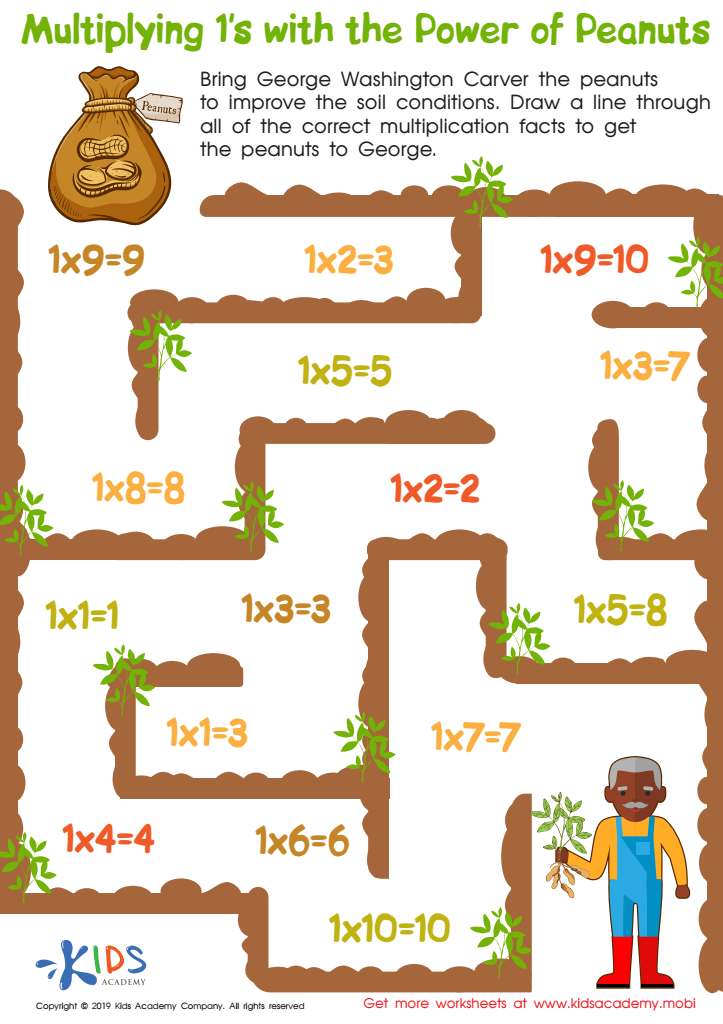
Multiplying 1’s With the Power of Peanuts Worksheet
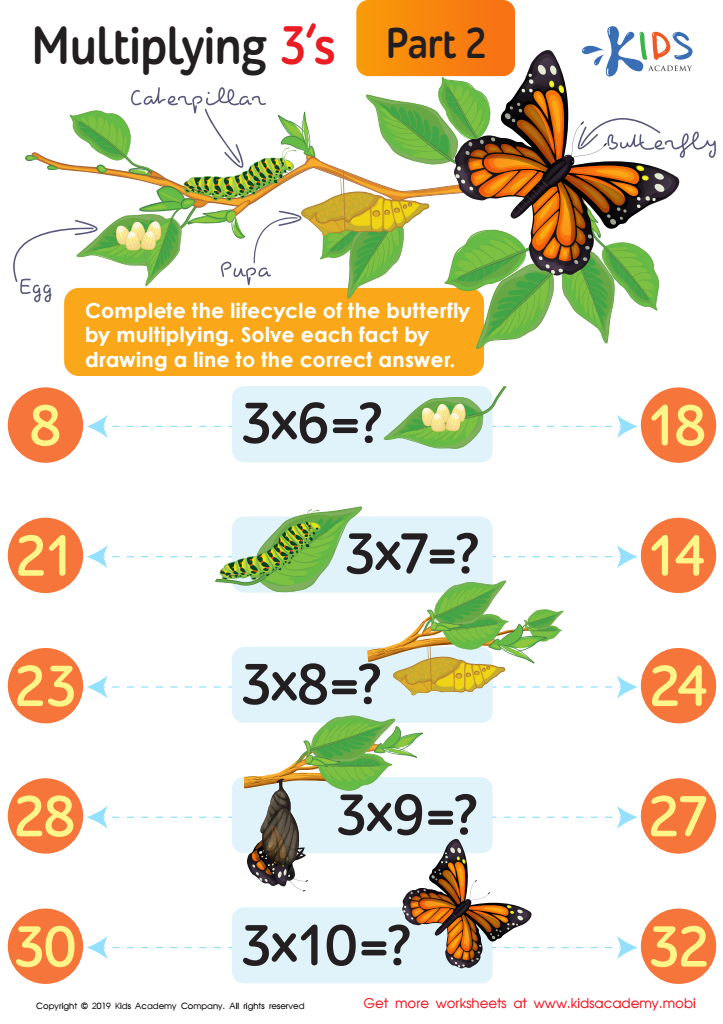
Multiplying 3s Part 2 Worksheet
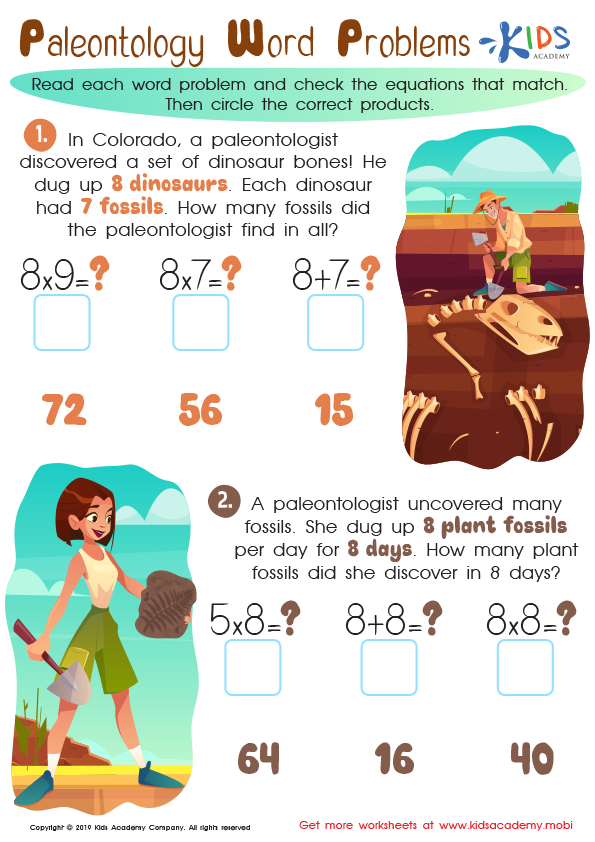
Archeology Word Problems Worksheet
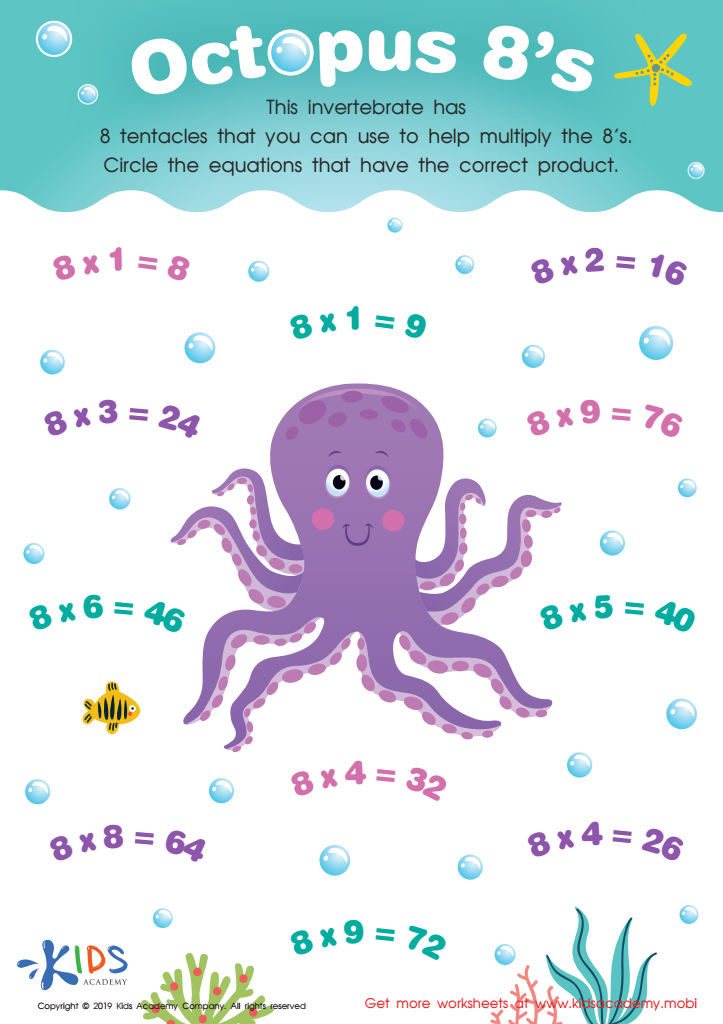
Octopus 8’s Worksheet
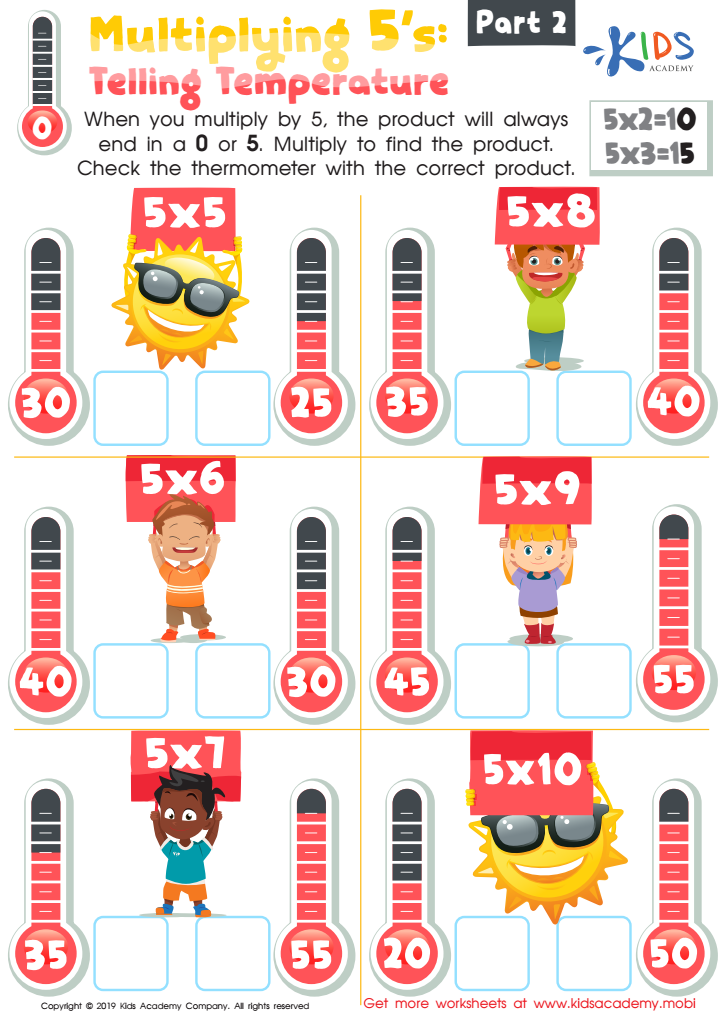
Multiplying 5’s: Telling Temperature Part 2 Worksheet
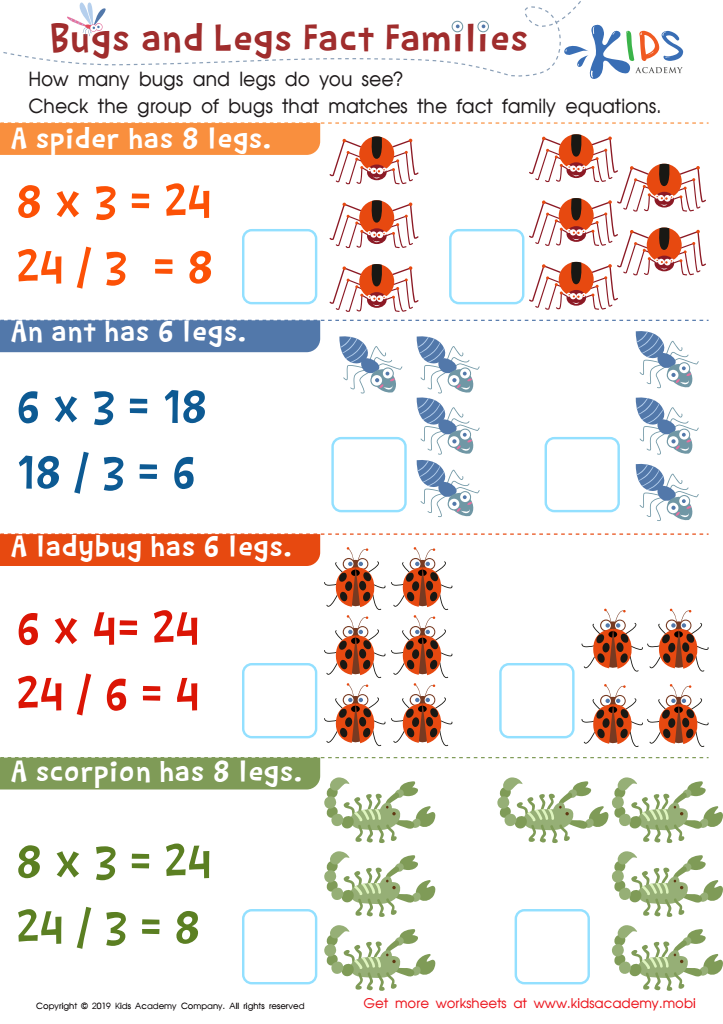
Bugs and Legs Fact Families Worksheet
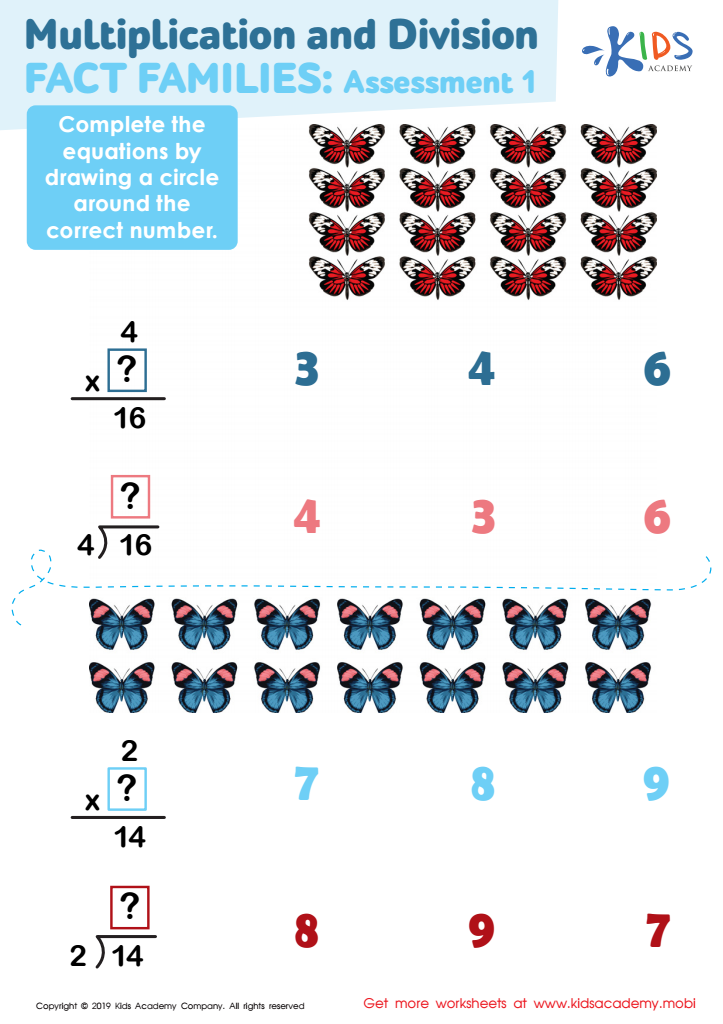
Multiplication and Division Fact Families Assessment 1 Worksheet
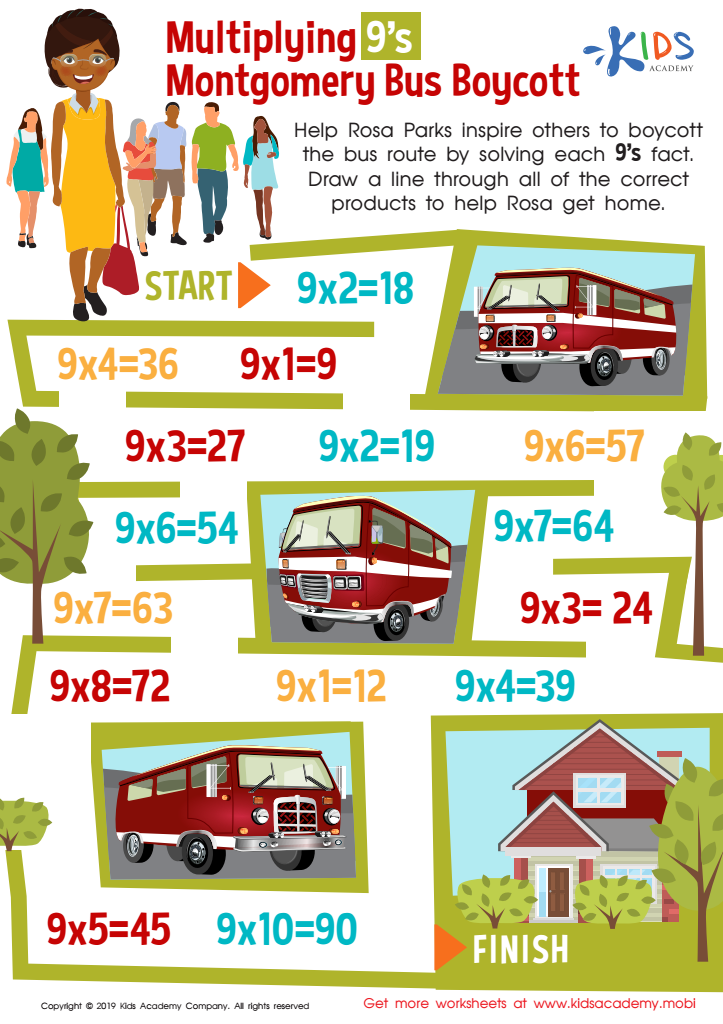
Multiplying 9’s Montgomery Bus Boycott Worksheet
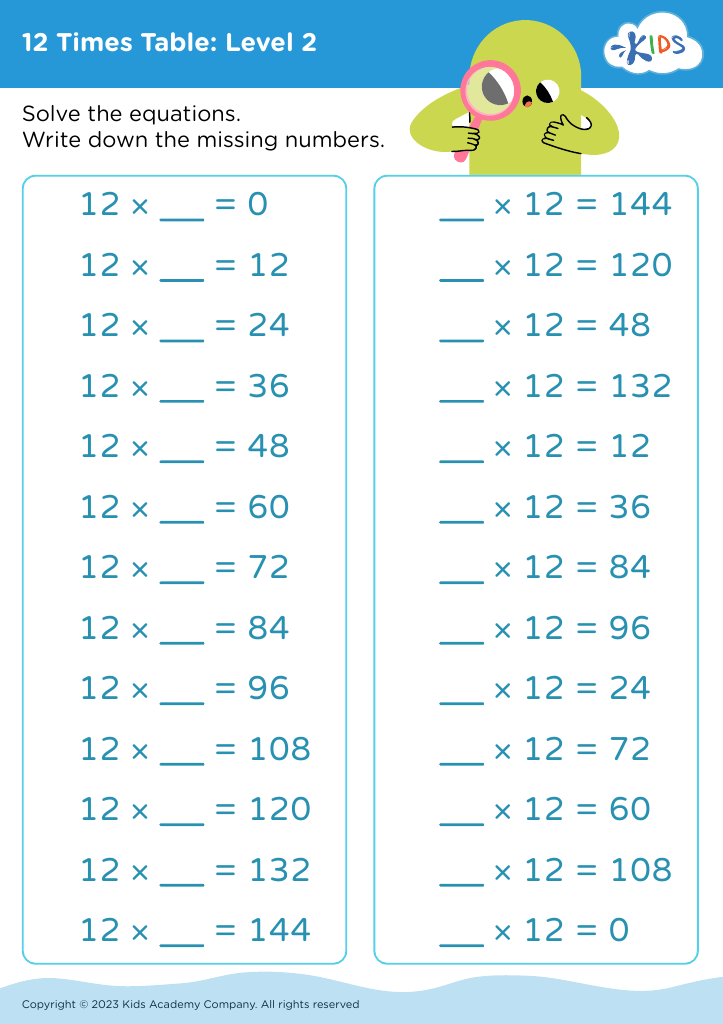
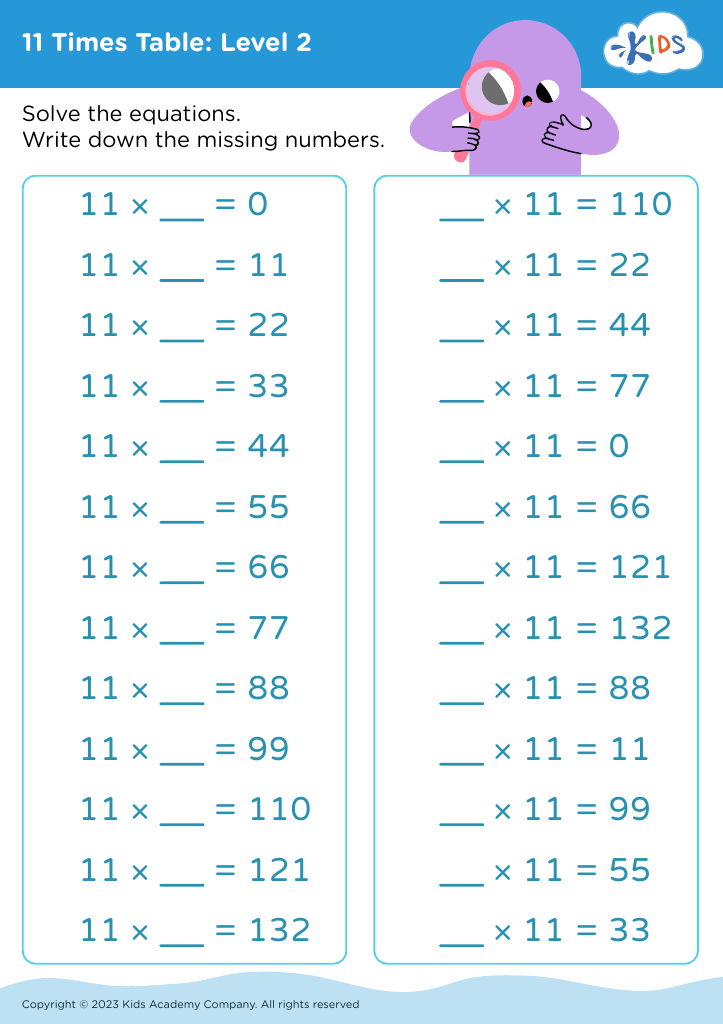
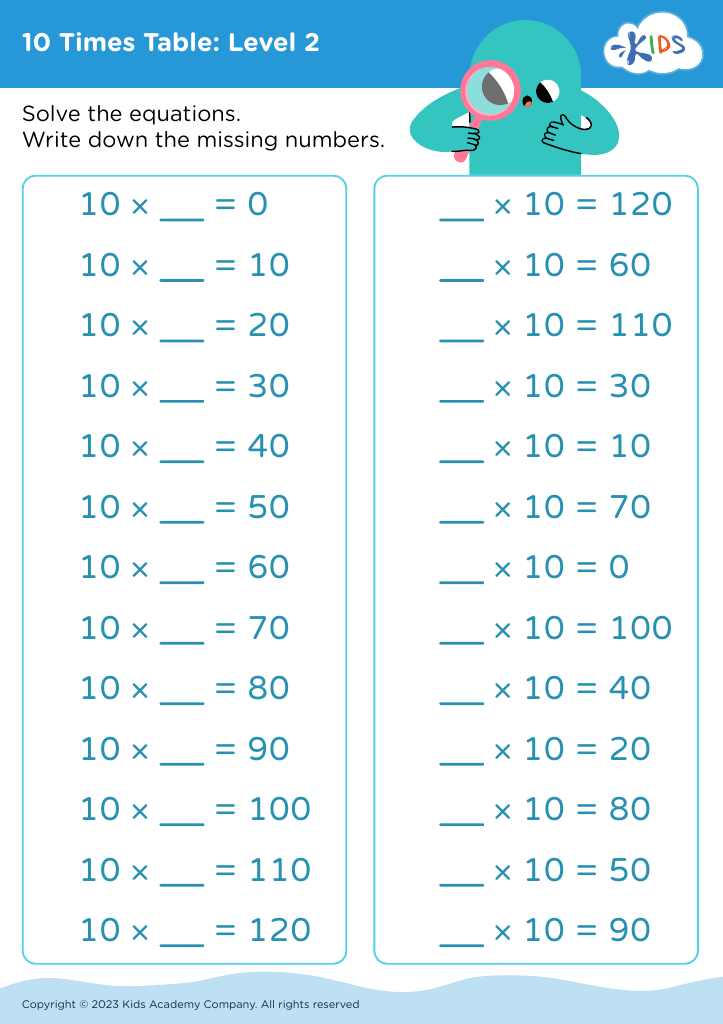
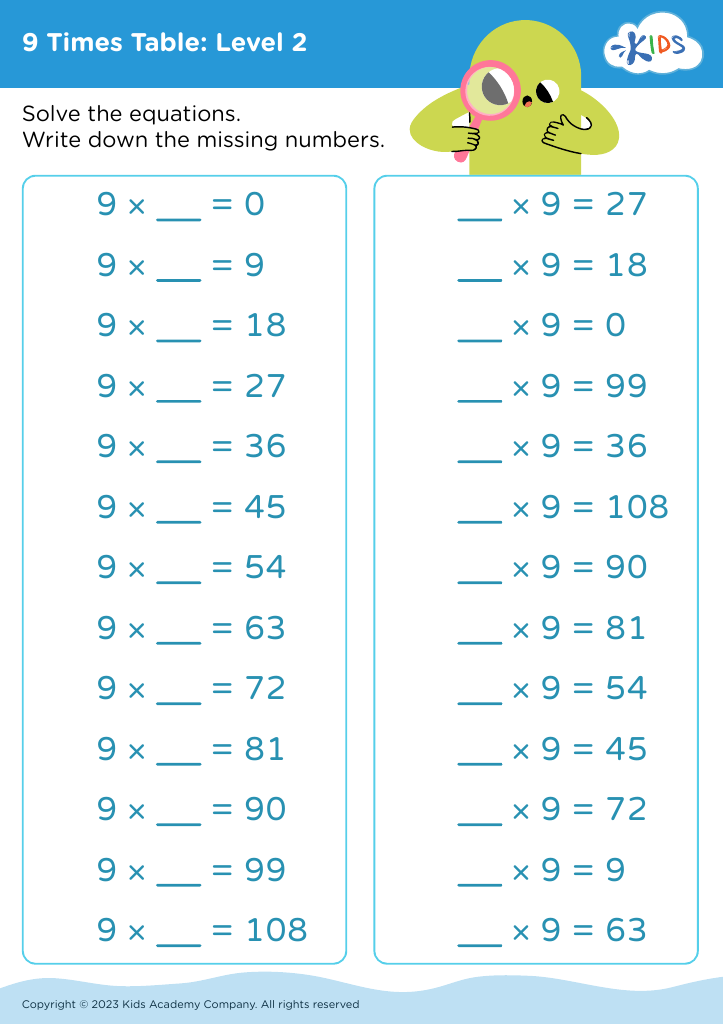
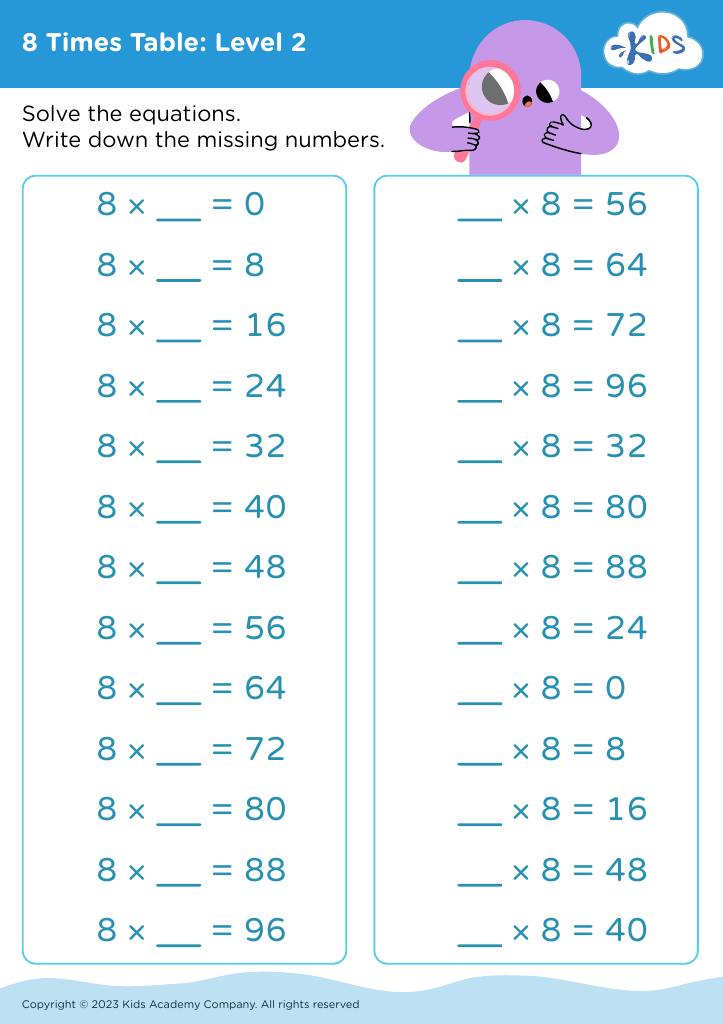
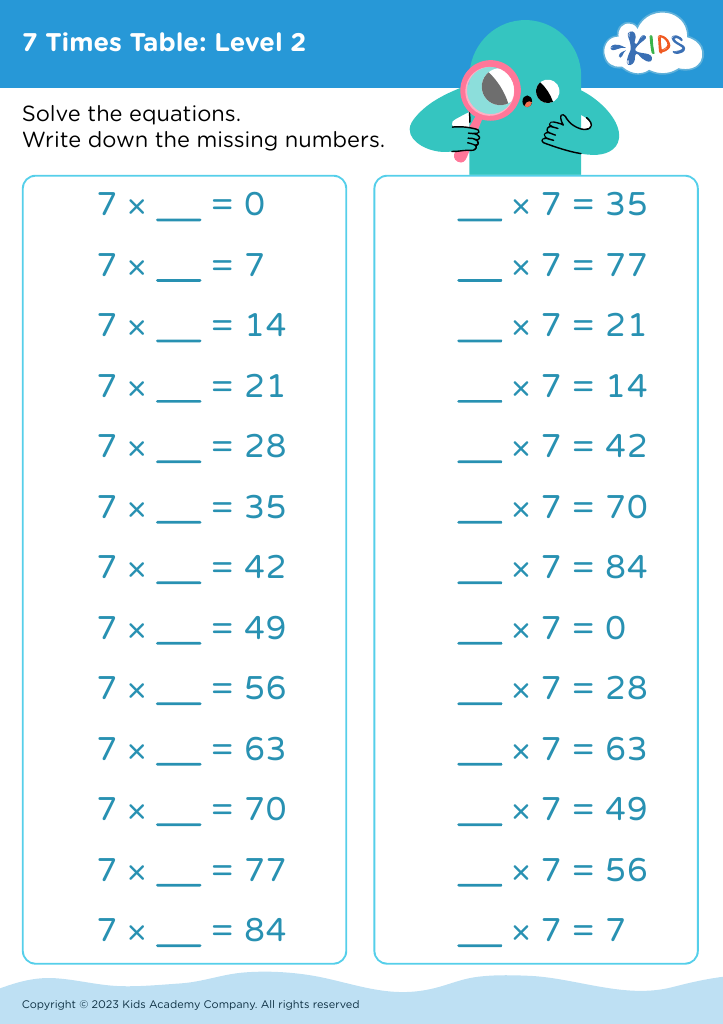
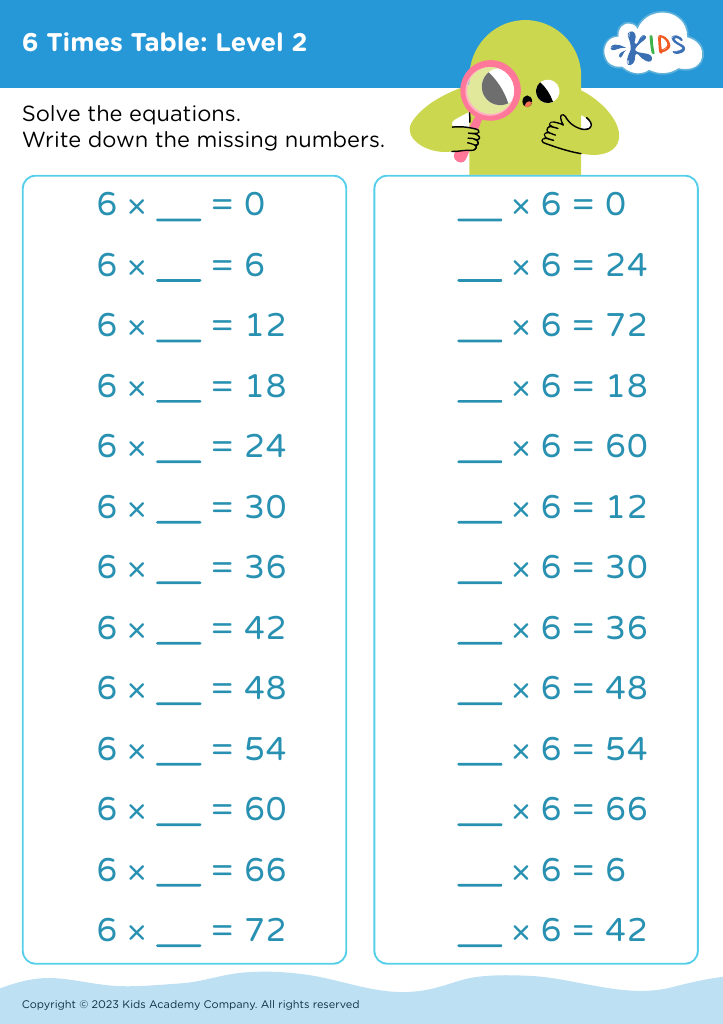
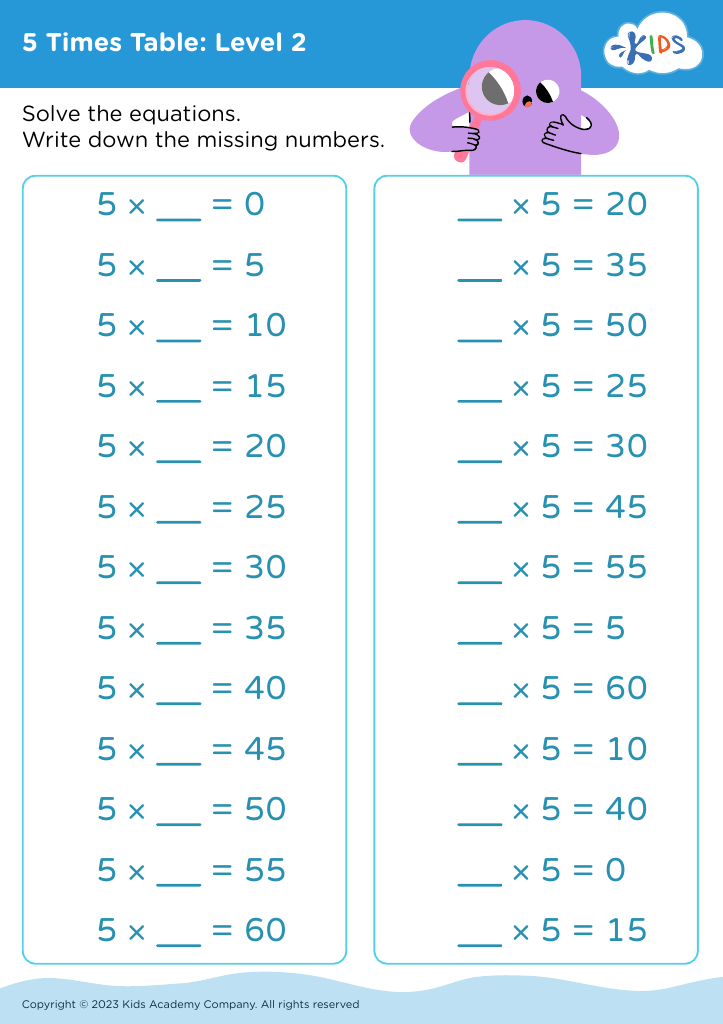
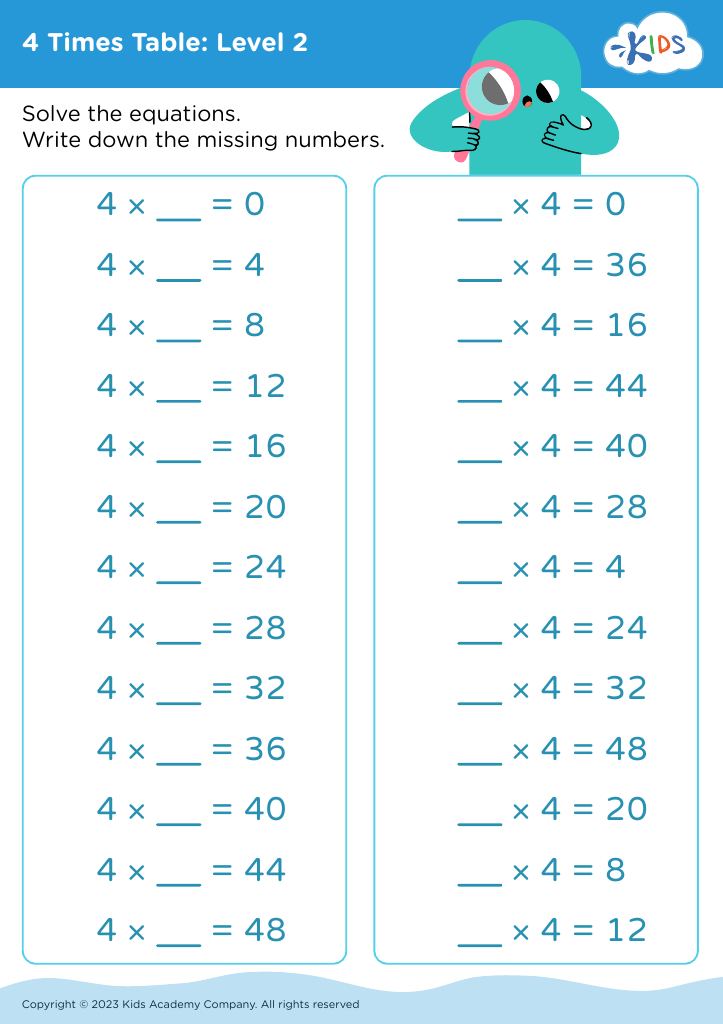
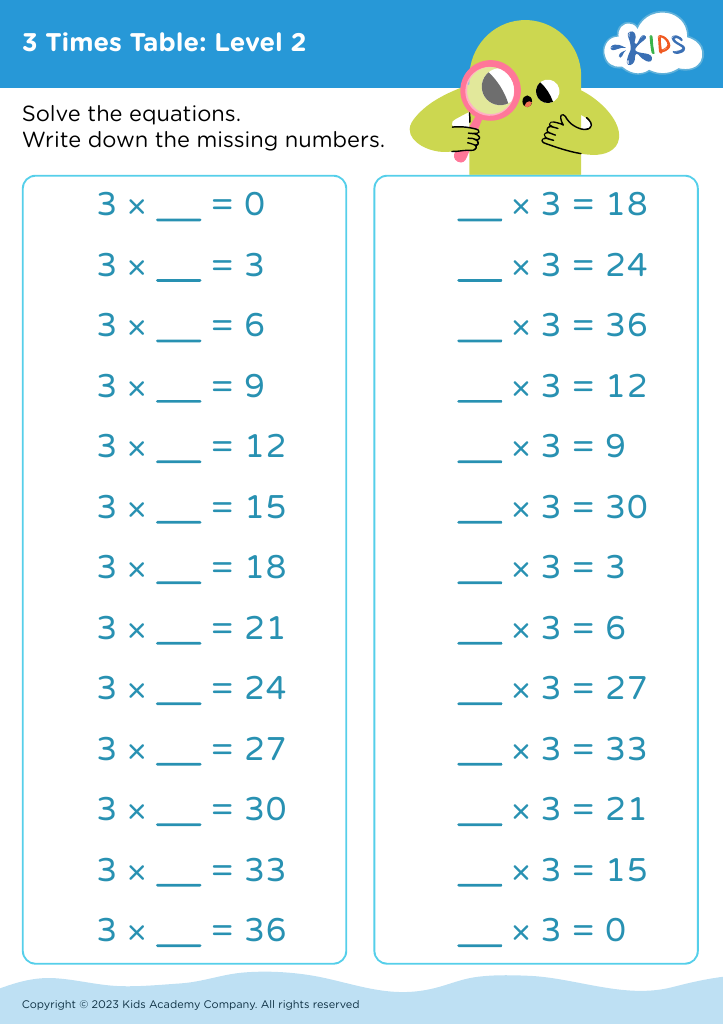






Introducing normal multiplication to children aged 6-9 is crucial for several reasons. Firstly, mastery of multiplication sets a foundation for more advanced math concepts such as division, fractions, and algebra. Understanding these basics can ease their academic journey, as math often builds on these fundamentals.
At this stage, children are generally curious and absorb information efficiently. Teaching multiplication through engaging methods, like games or visual aids, can make learning enjoyable and spark enthusiasm for math. This positive association can lead to greater confidence and reduced anxiety around math as they progress academically.
Furthermore, multiplication skills are not only vital academically but also practical in everyday life. Skills like calculating the total cost of multiple items or understanding spatial relationships at an early age can help develop problem-solving abilities and foster independence.
Inclusively, early exposure allows teachers and parents to identify any learning difficulties, offering timely support or interventions. Solidifying these essential math skills promotes cognitive development, enhancing memory, pattern recognition, and logical thinking.
In conclusion, placing an emphasis on normal multiplication for children aged 6-9 builds essential academic foundations, instills a love for learning, practical life skills, and aids cognitive development, setting up children for future success.








