Normal Word Problems Worksheets for Ages 6-9 - Page 2
45 filtered results
-
From - To
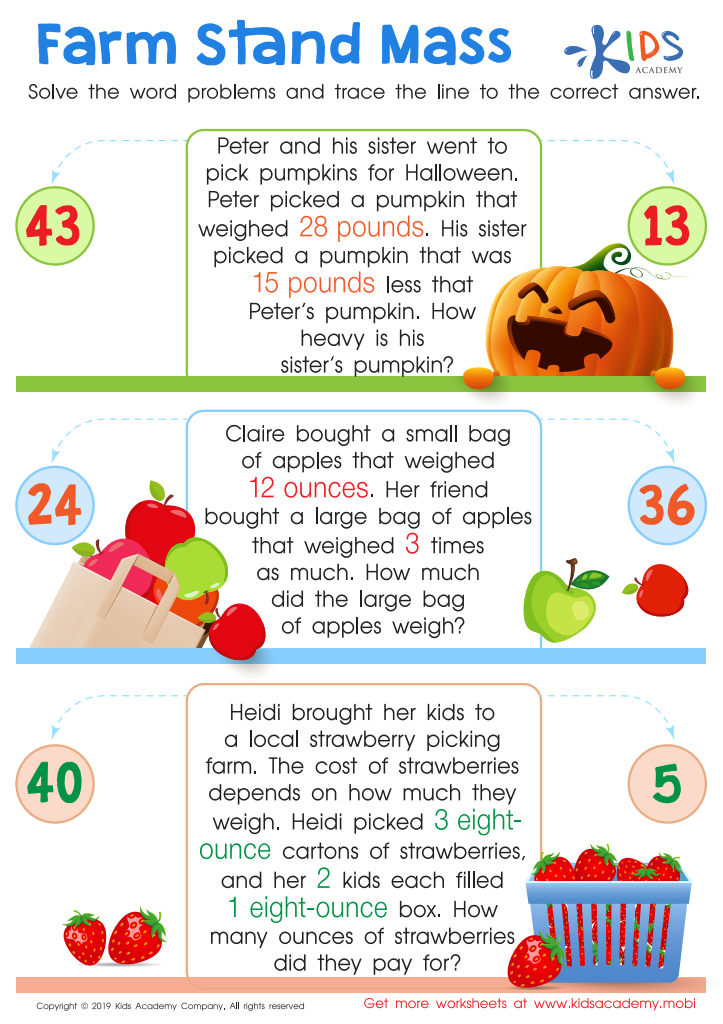
Farm Stand Mass Worksheet
 Assign to My Students
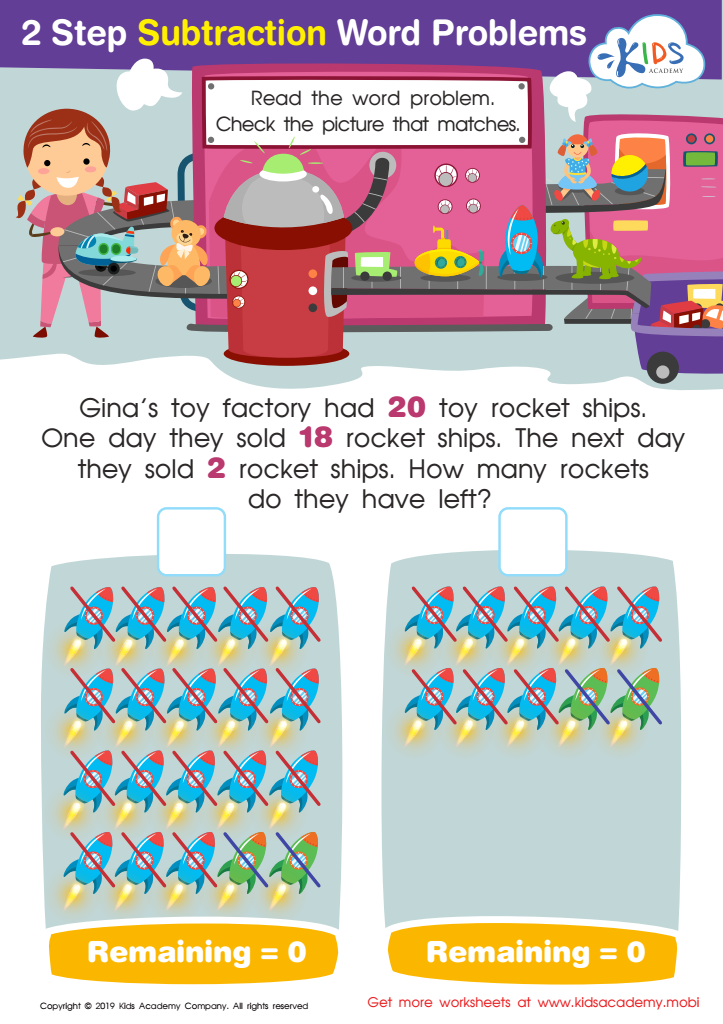
Step Subtraction Word Problems Worksheet
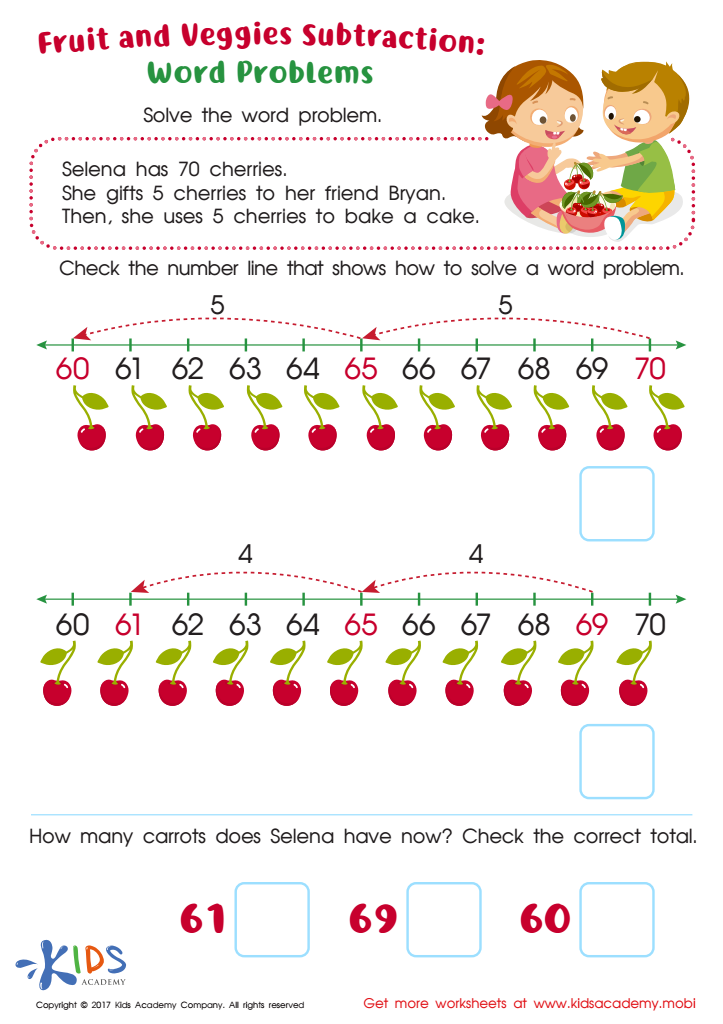
Subtraction Word Problems Free Printable
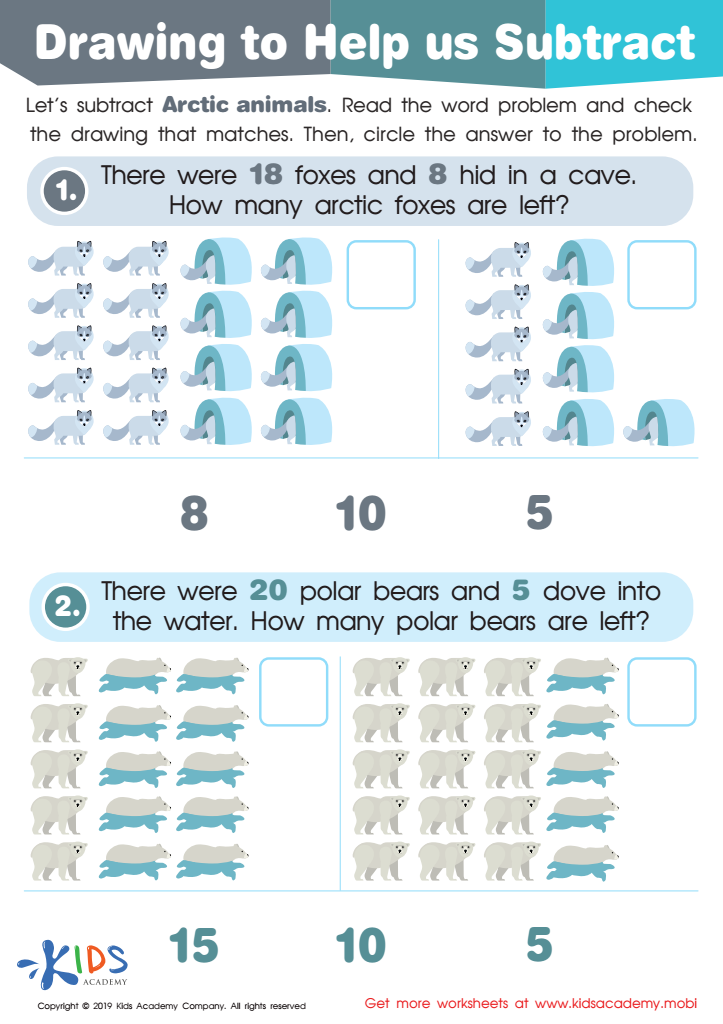
Drawing to Help Us Subtract Worksheet
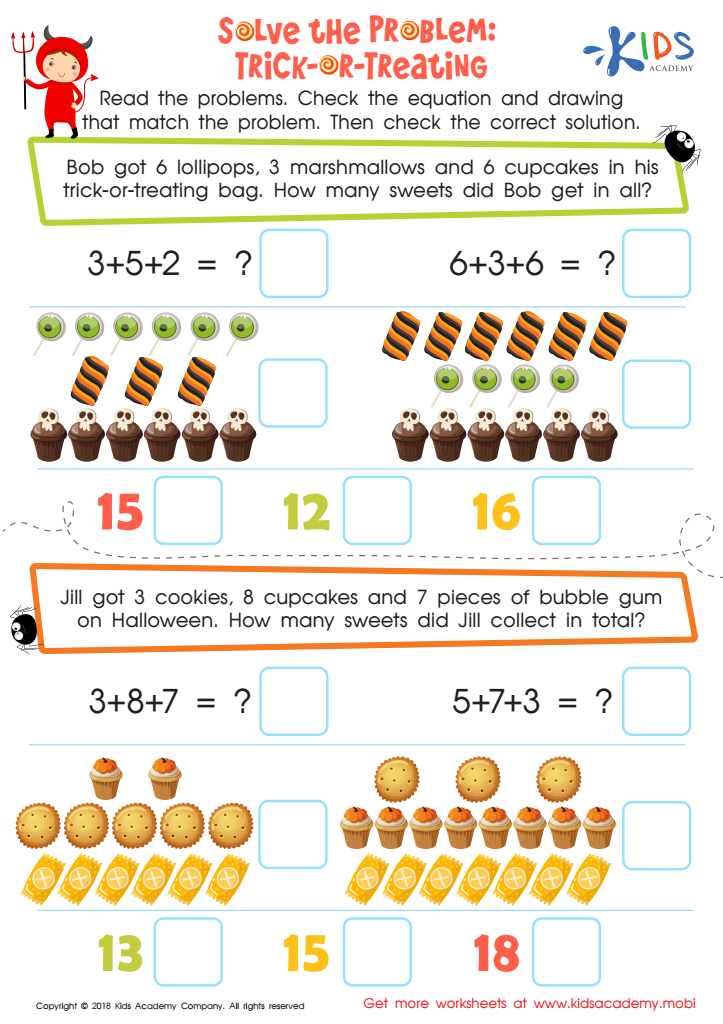
Solve the Problem: Trick–or–treating Worksheet
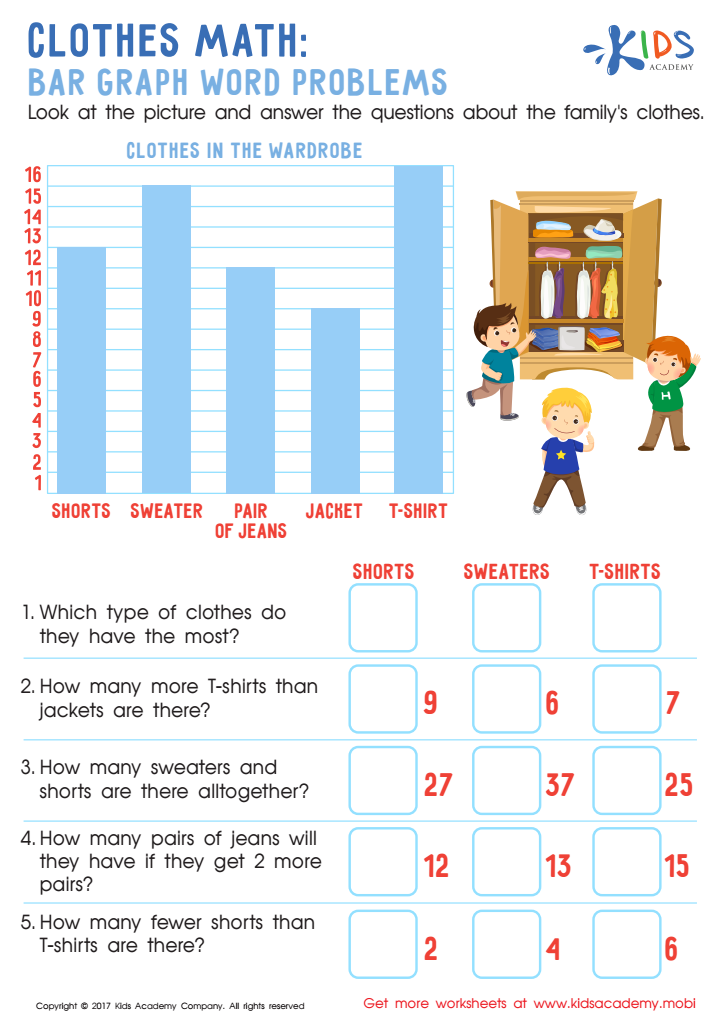
Clothes Math: Bar Graph Word Problems Worksheet
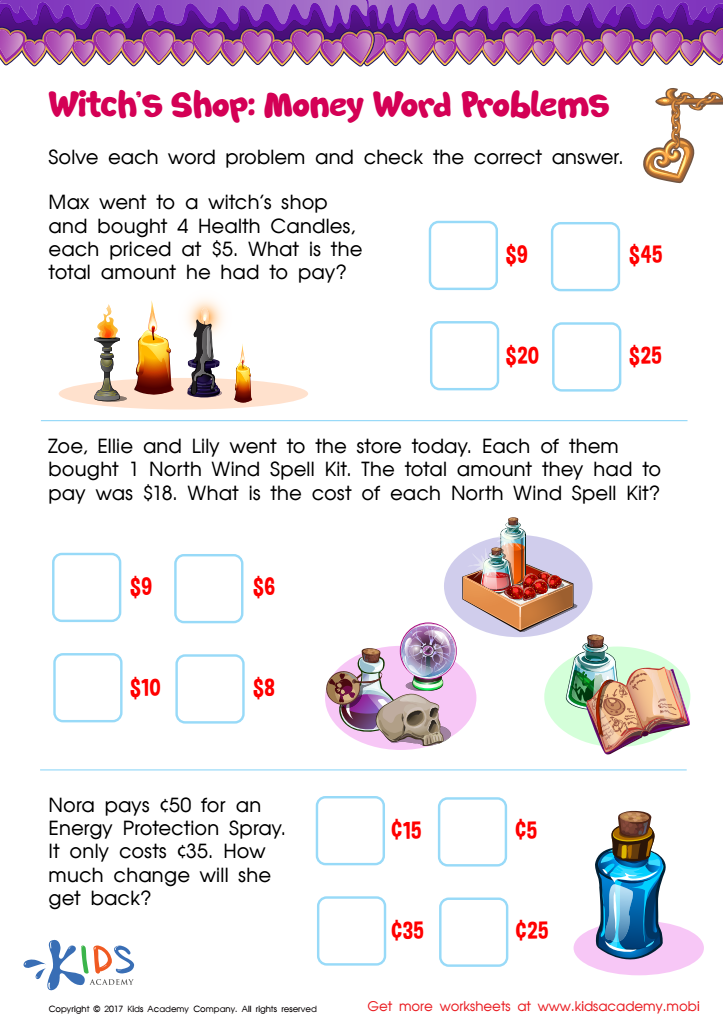
Money Word Problems Printable
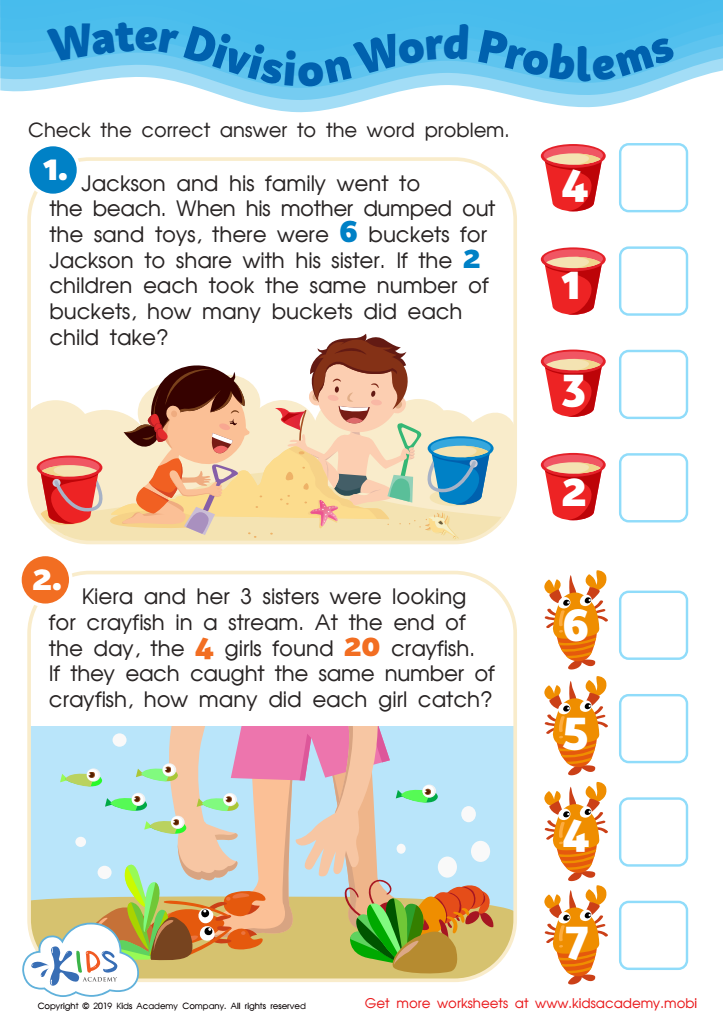
Water Division Word Problems Worksheet
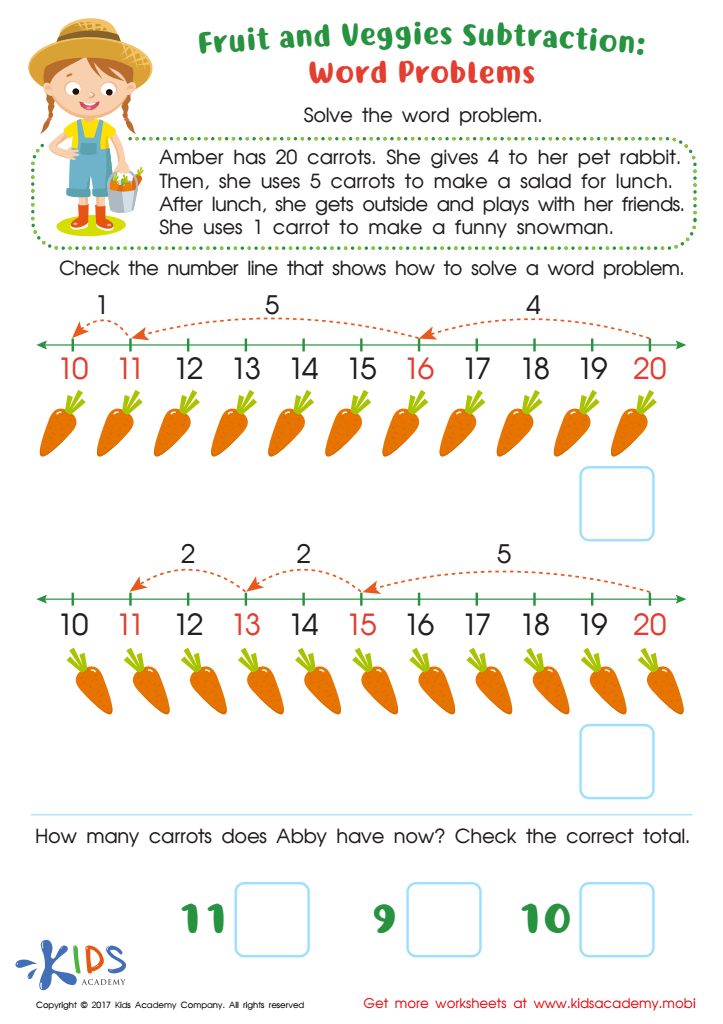
Subtraction Word Problems Printable
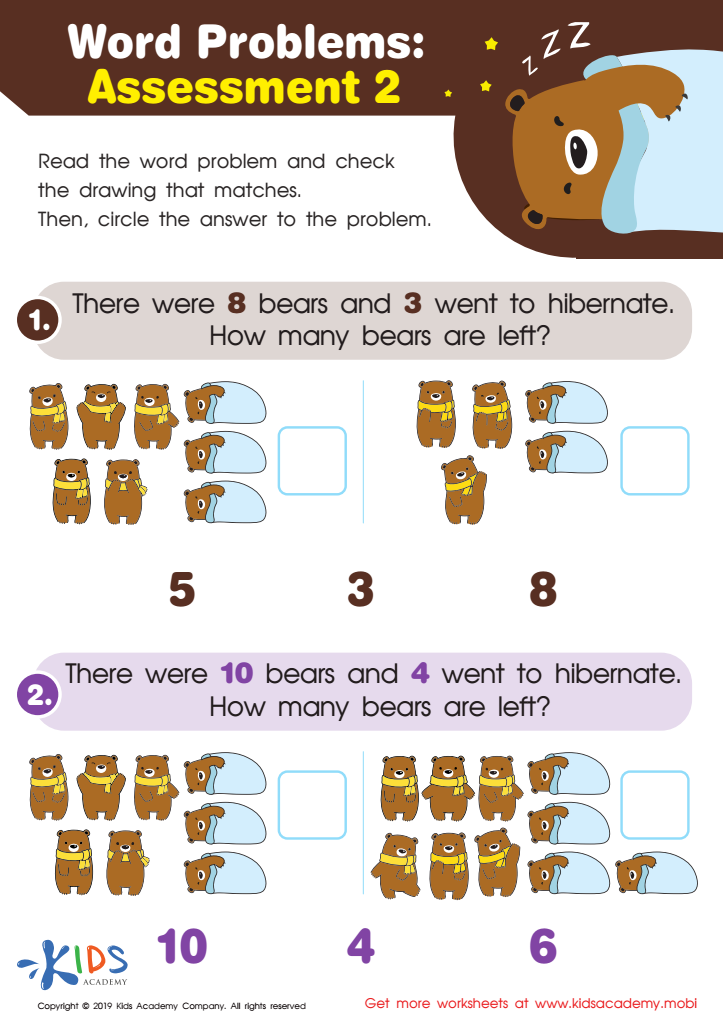
Word Problems: Assessment 2 Worksheet
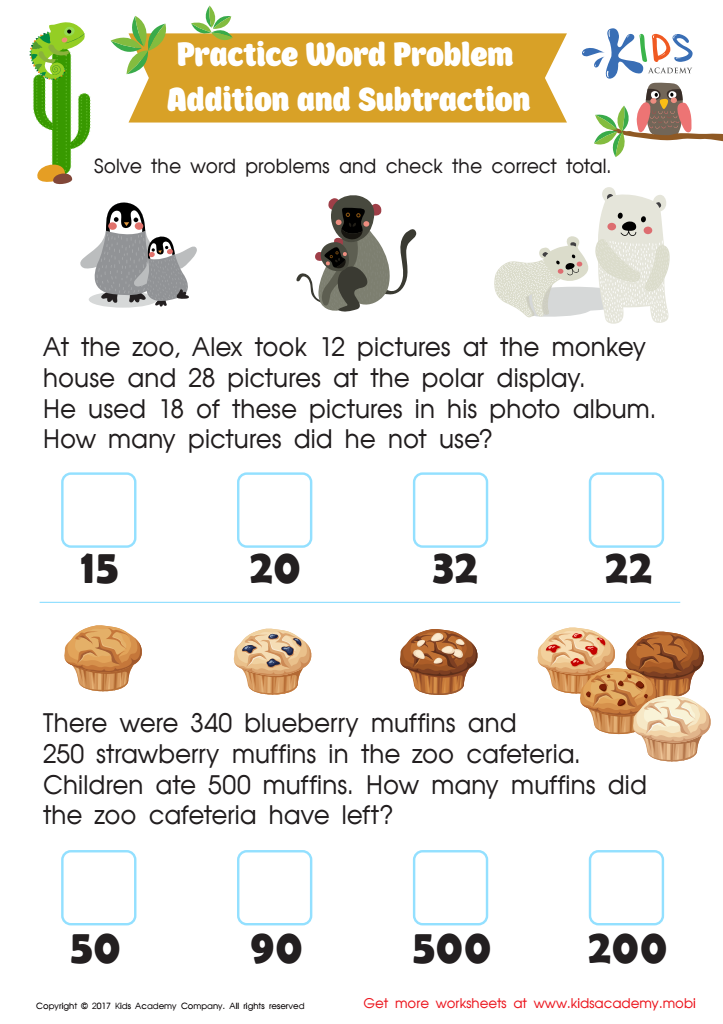
Addition and Subtraction: Word Problems Worksheet
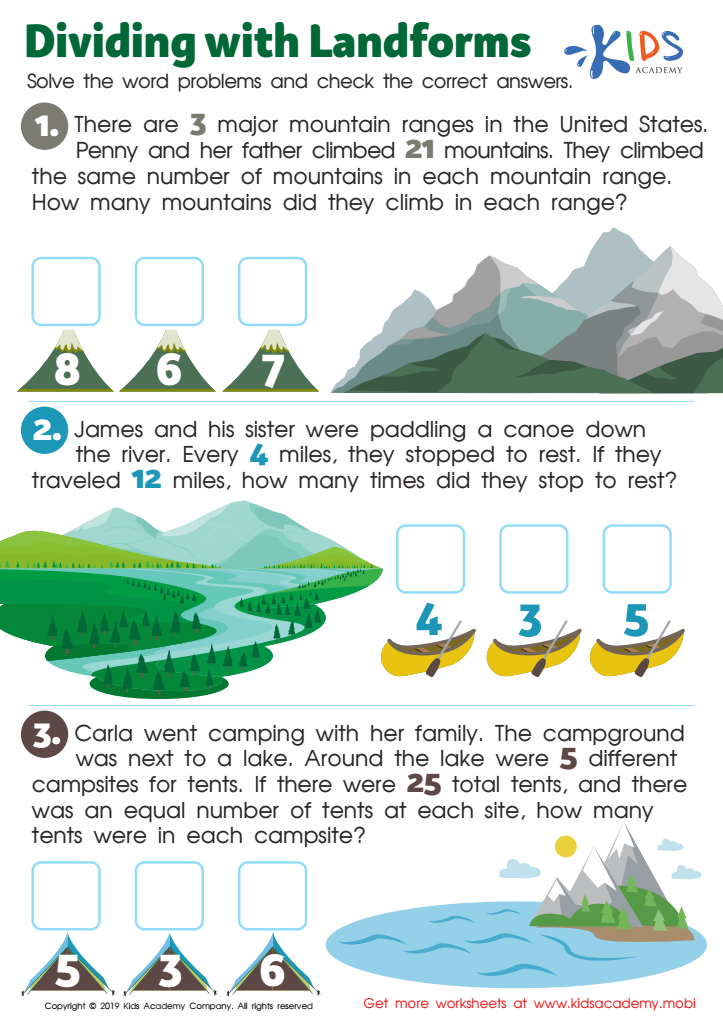
Dividing with Landforms
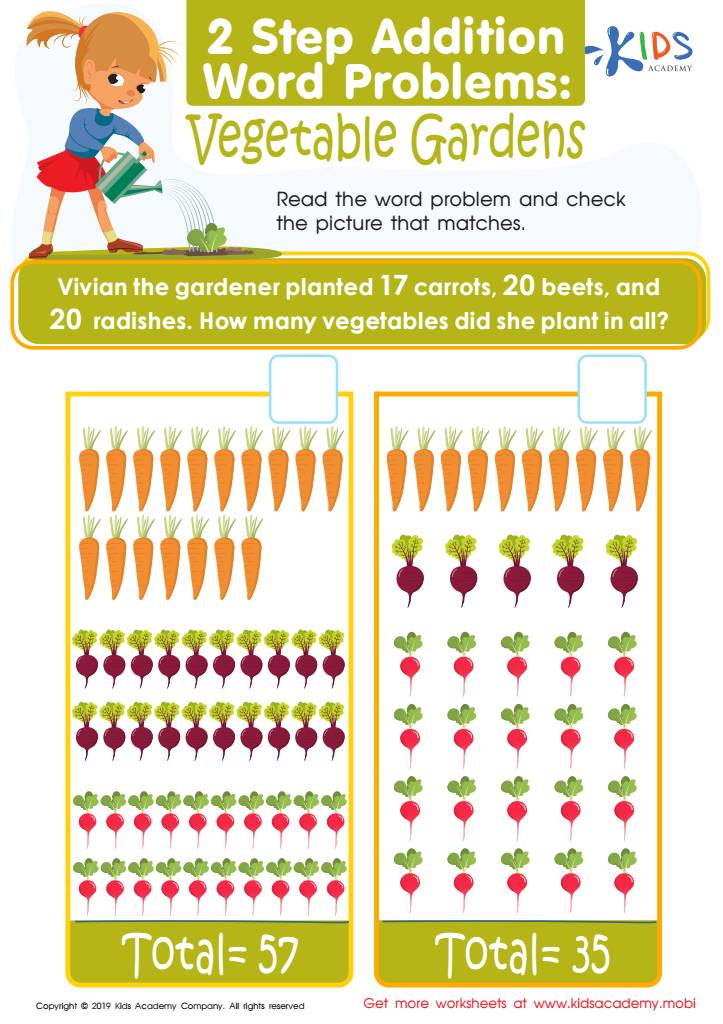
Vegetable Gardens Worksheet
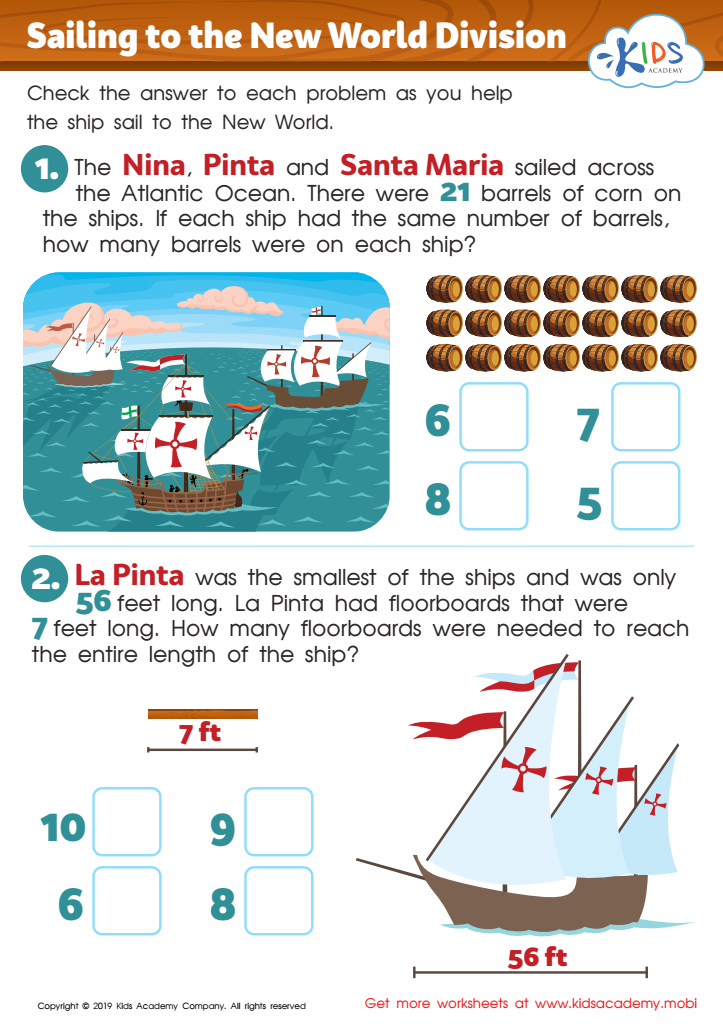
Sailing to the New World Division Worksheet
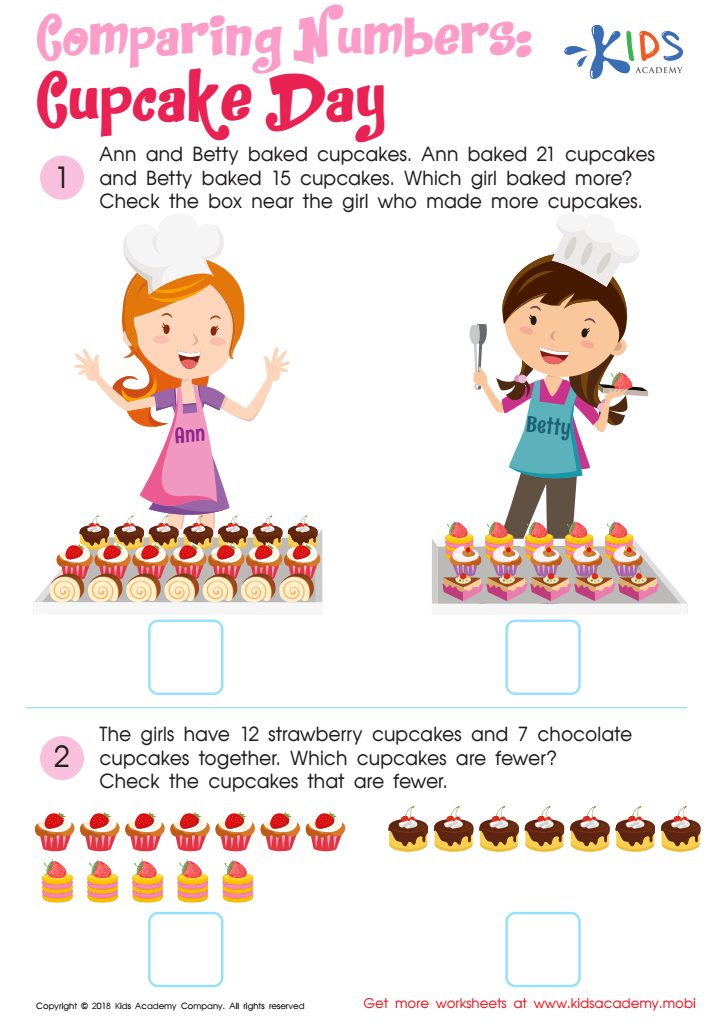
Cupcake Day Worksheet
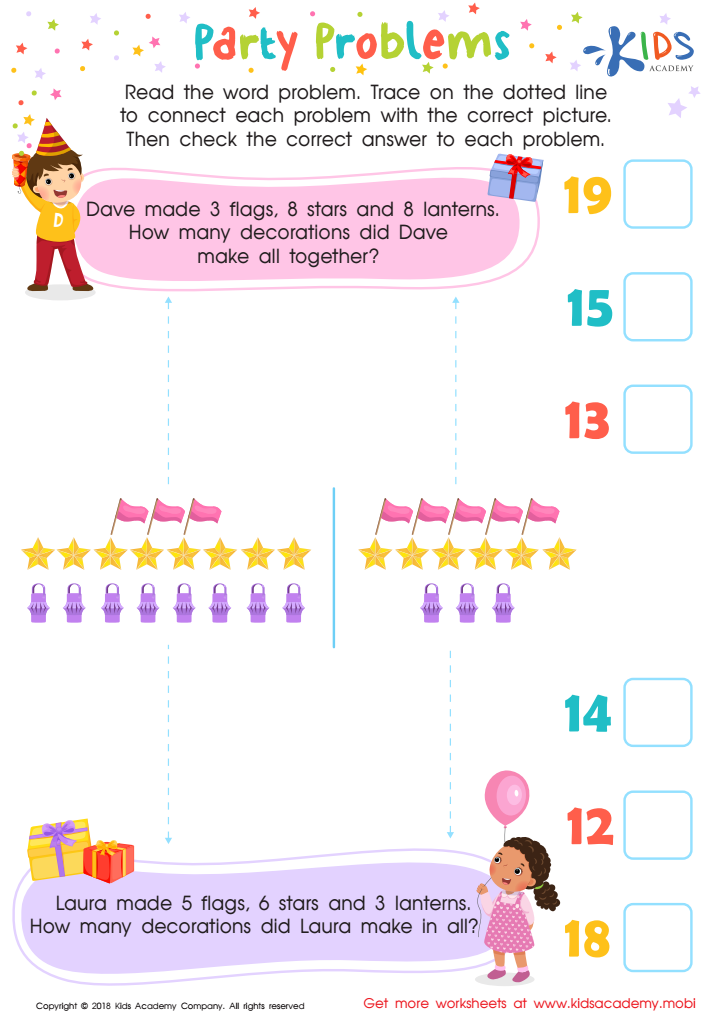
Party Problems Worksheet
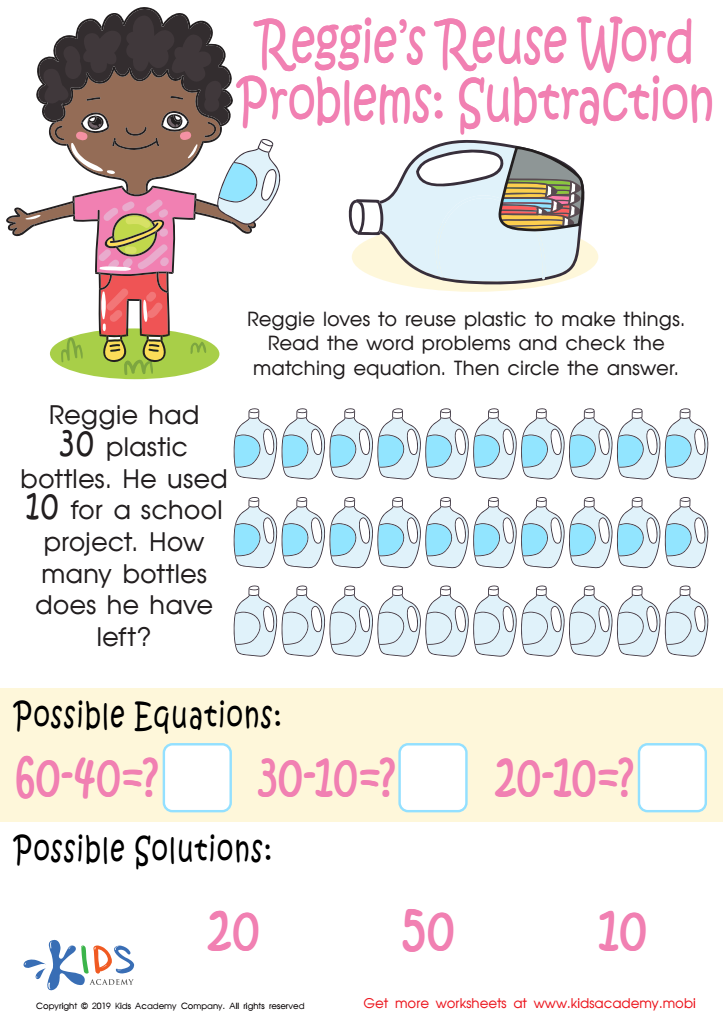
Reggie's Reuse Word Problems: Subtraction Worksheet
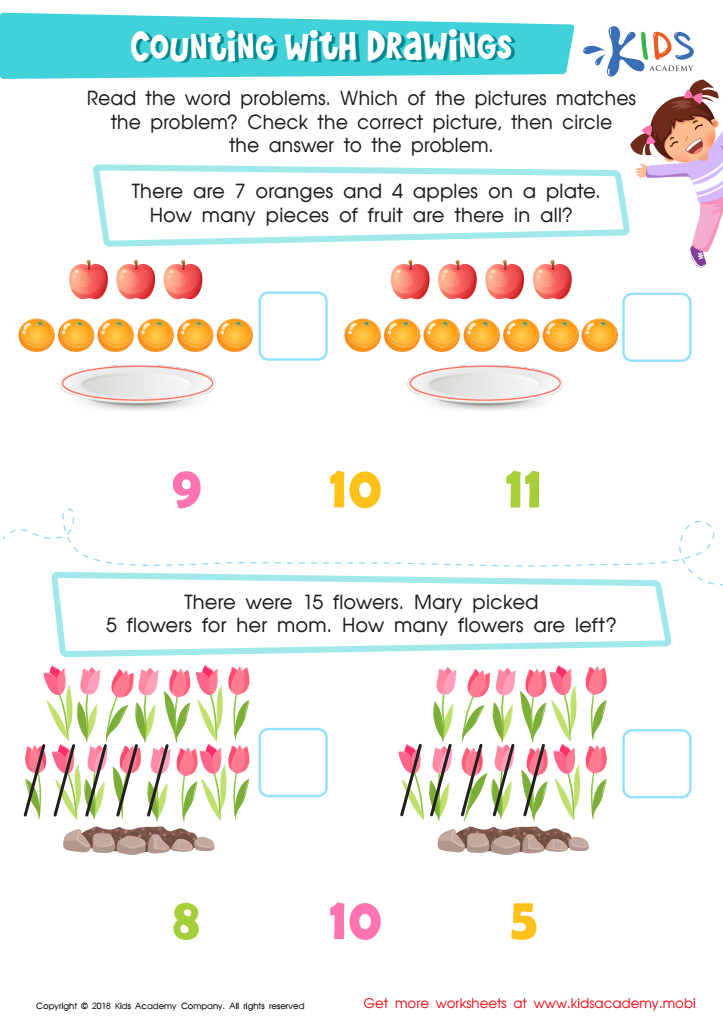
Counting with Drawings:Fruits & Flowers Worksheet
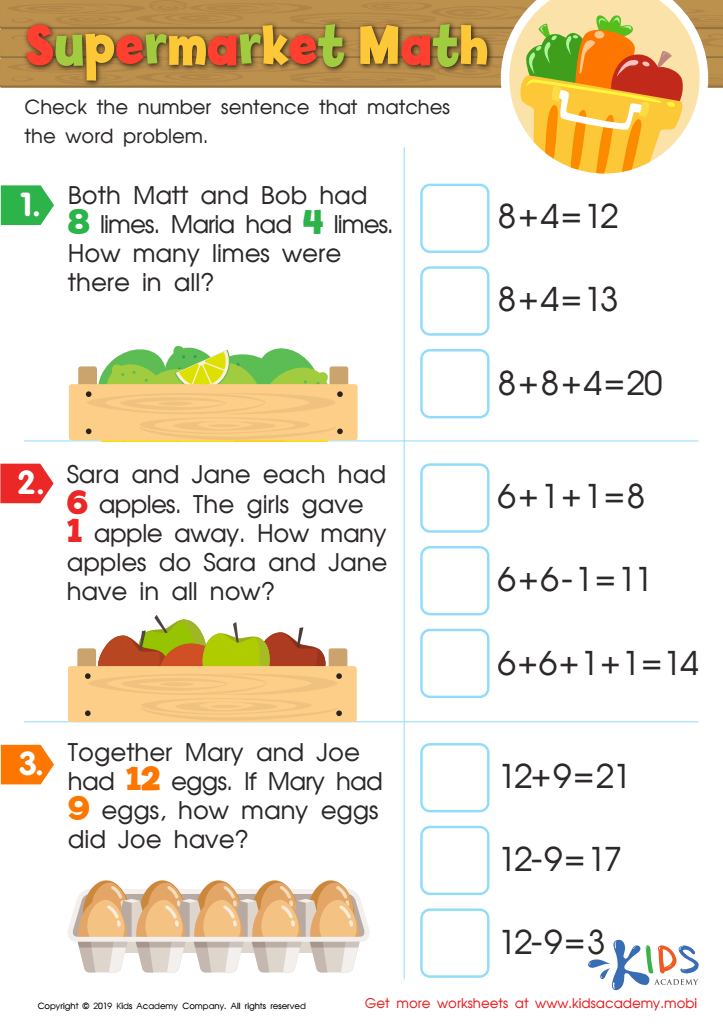
Supermarket Math Worksheet
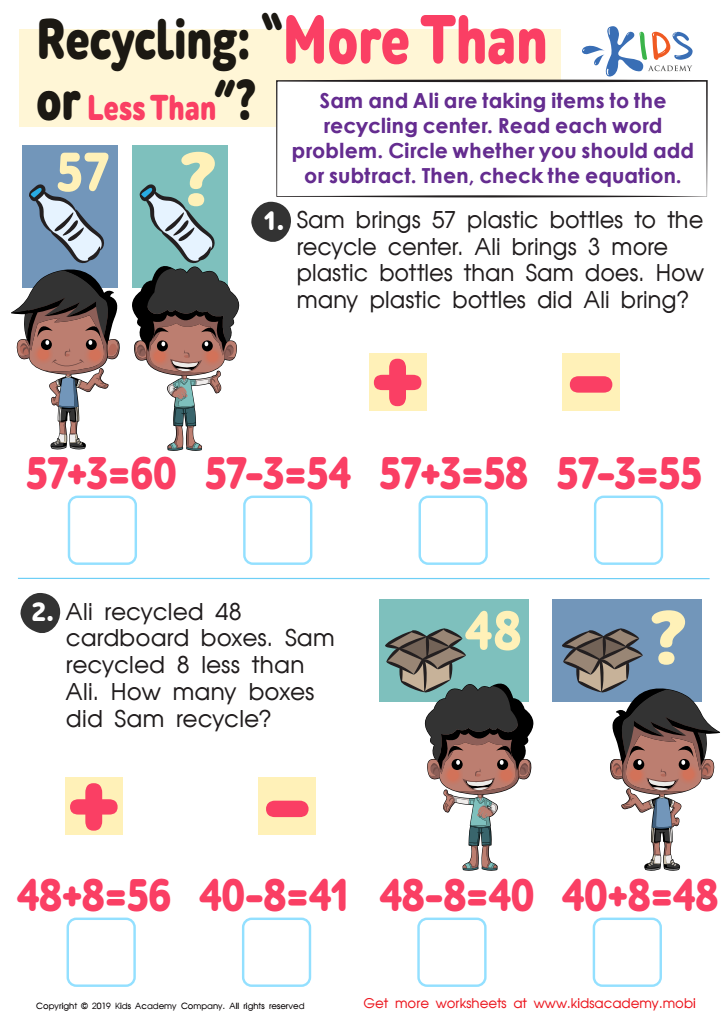
Recycling - More or Less Worksheet
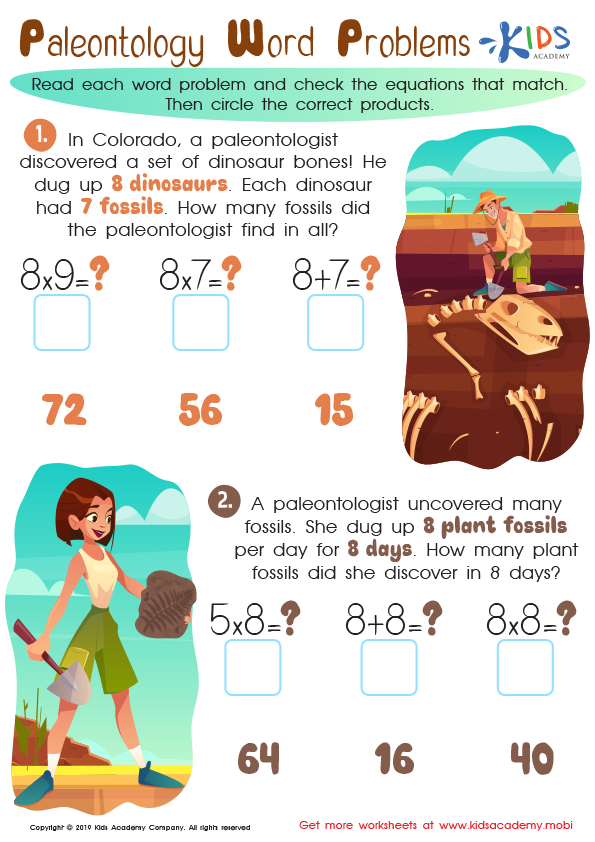
Archeology Word Problems Worksheet




.jpg)


Parents and teachers should care about Normal Word Problems for children aged 6-9 because these activities play a vital role in mathematical and cognitive development. At this formative stage, children are developing their foundational skills in numeracy, which are crucial for their future academic success and everyday problem-solving abilities.
First, word problems enhance critical thinking and reasoning skills. Children learn to extract relevant information, make inferences, and logically work through problems step-by-step, which fosters higher-order thinking skills. Secondly, these exercises improve reading comprehension and language skills since children must understand the text to solve the mathematical challenge, integrating literacy with numeracy.
Word problems also introduce children to real-life scenarios, making math more relatable and demonstrating its practical applications. This can help to increase engagement and motivation, as children are more likely to find enjoyment in solving problems that they can see are relevant to their daily lives.
Additionally, by encountering and solving a variety of word problems, children develop perseverance and resilience, learning to approach challenges with confidence and without fear of making mistakes. For these reasons, incorporating normal word problems into the learning schedule is invaluable in laying a strong, interdisciplinary foundation that will benefit children academically and in real-world contexts.








