Shape Recognition Normal Geometry Worksheets for 6-Year-Olds
18 filtered results
-
From - To
Discover our engaging Shape Recognition Normal Geometry Worksheets designed for 6-year-olds! These worksheets help young learners identify and name various shapes while enhancing their understanding of basic geometric concepts. Featuring vibrant illustrations and interactive activities, each worksheet fosters creativity and critical thinking. Perfect for classroom or at-home learning, these resources build foundational skills in geometry through fun, age-appropriate challenges. Encourage your child's cognitive development and boost their confidence as they explore circles, squares, triangles, and more! Dive into a world of shapes today and watch your child flourish in their math journey with our carefully crafted materials.
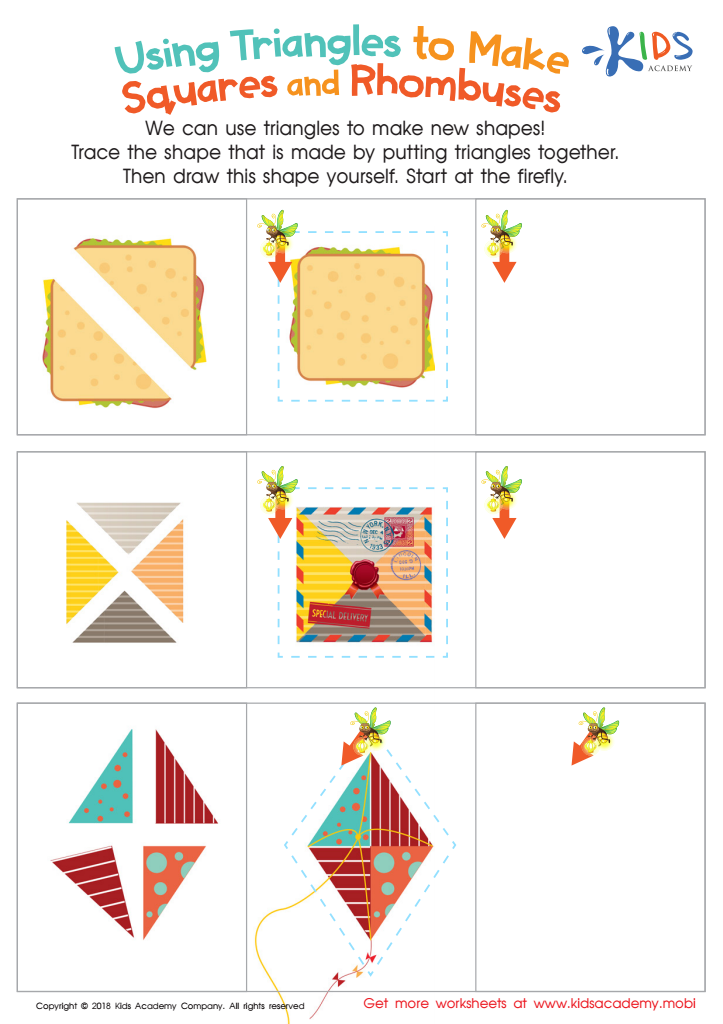
Using Triangles to Make Squares and Rhombuses Worksheet
 Assign to My Students











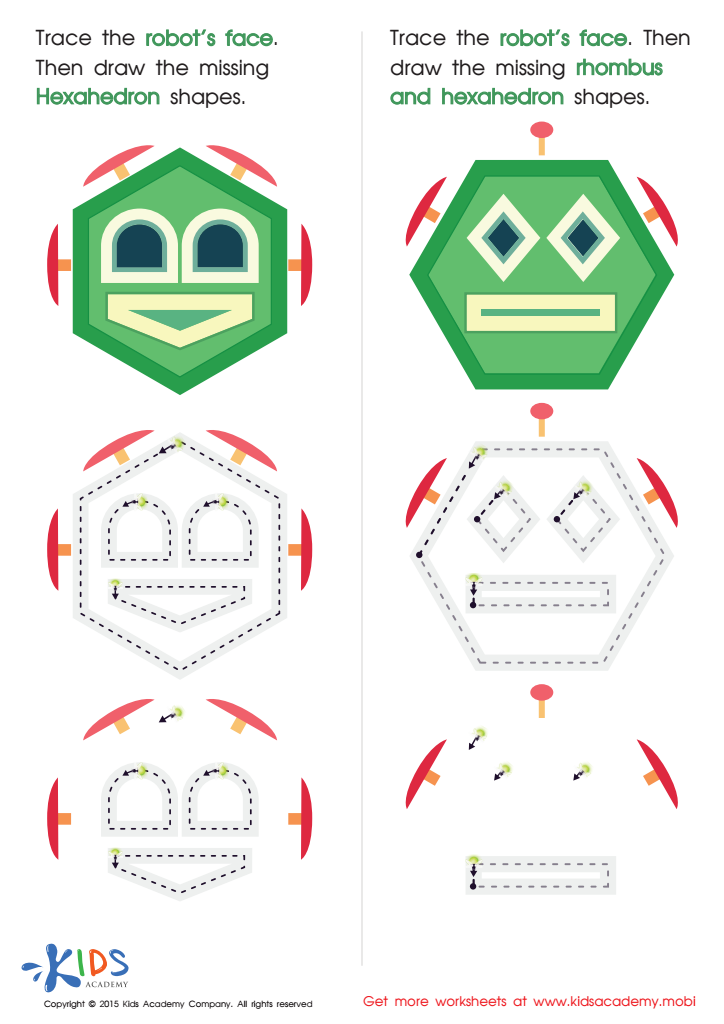
Practice Drawing Hexahedrons And a Rhombus Worksheet
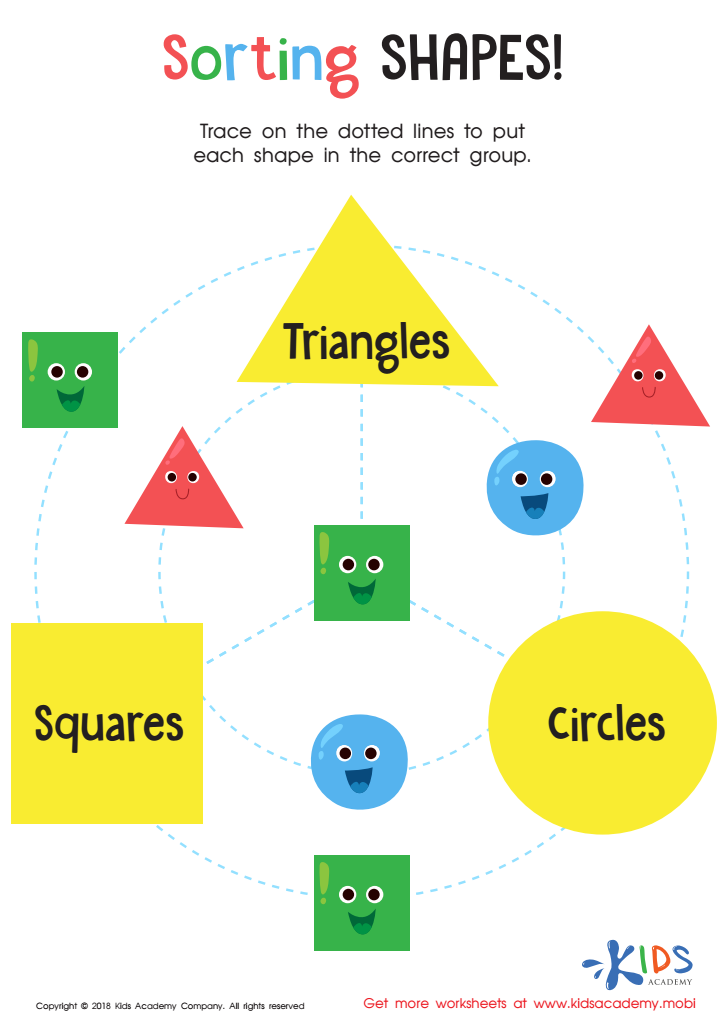
Sorting Shapes - Part 3 Worksheet
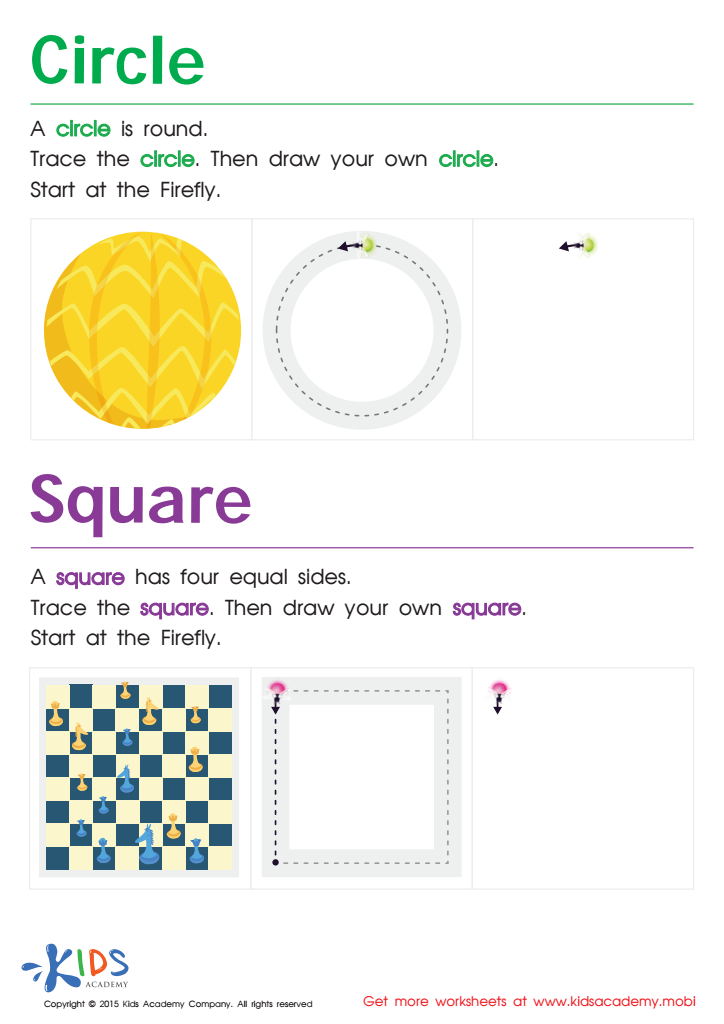
Trace And Draw a Circle And a Square Worksheet
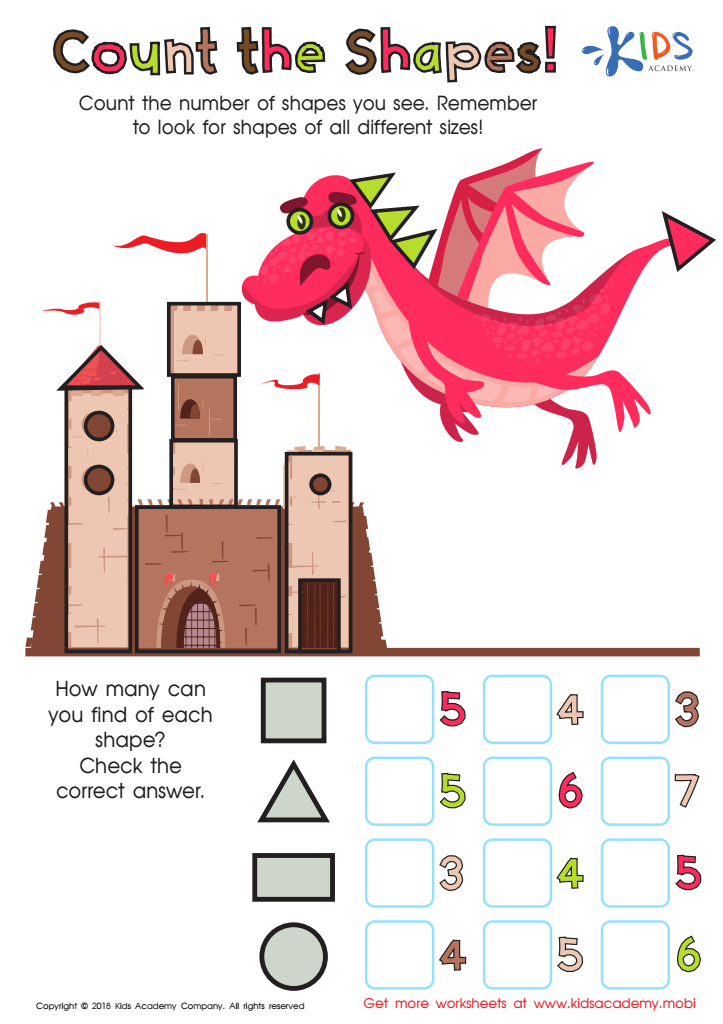
Count the Shapes Worksheet
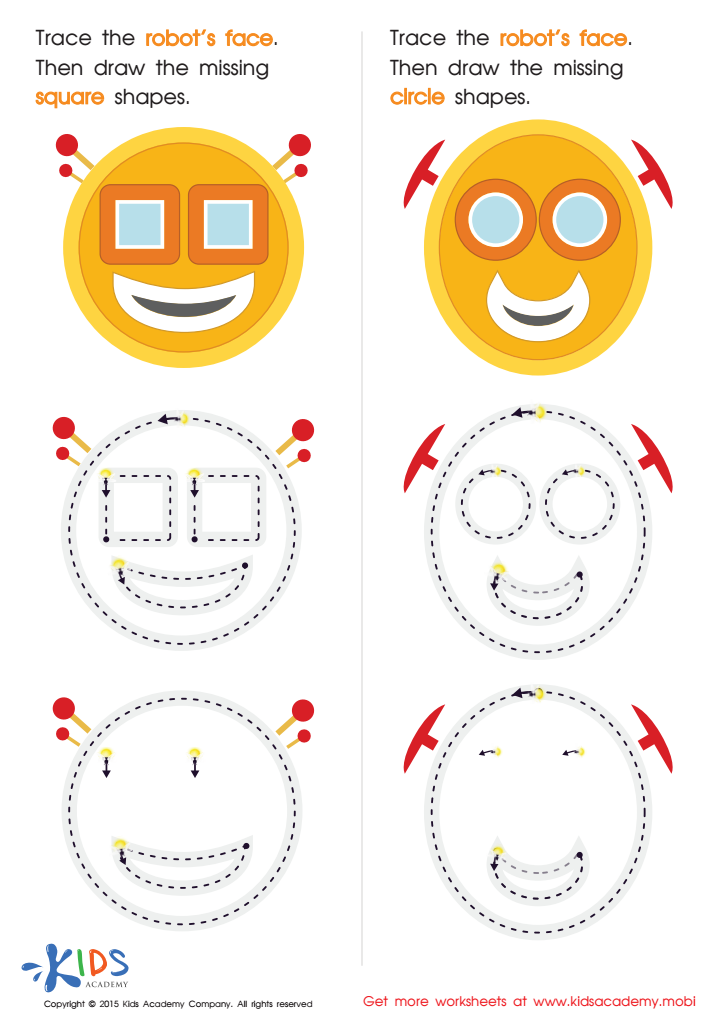
Practicing to Draw Circles And Squares Printable
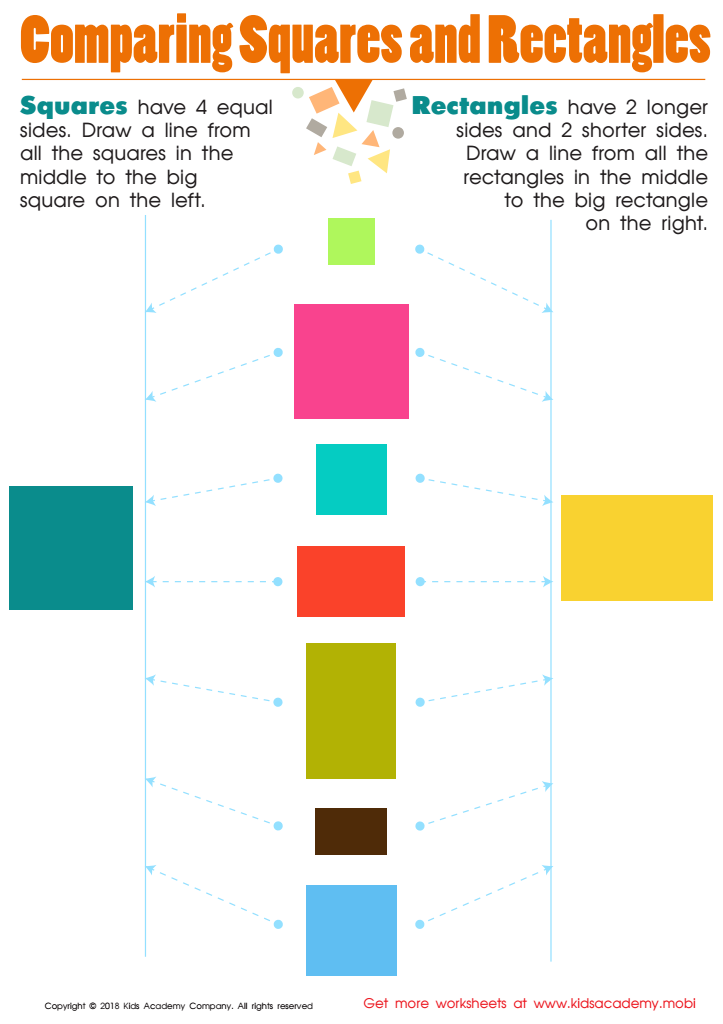
Comparing Squares Rectangles Worksheet
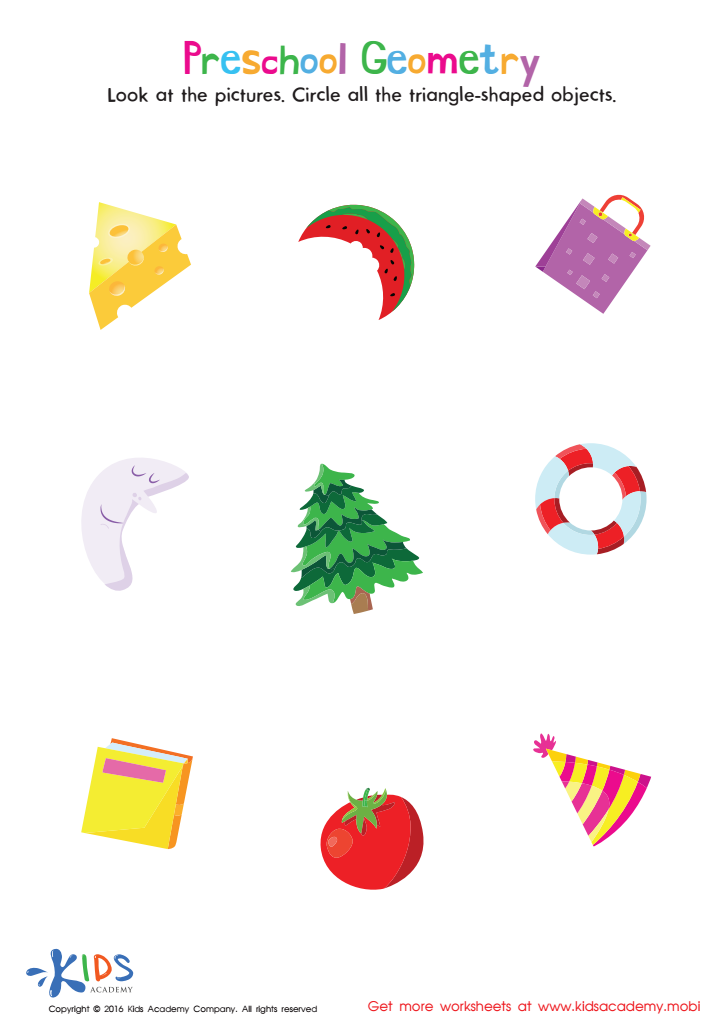
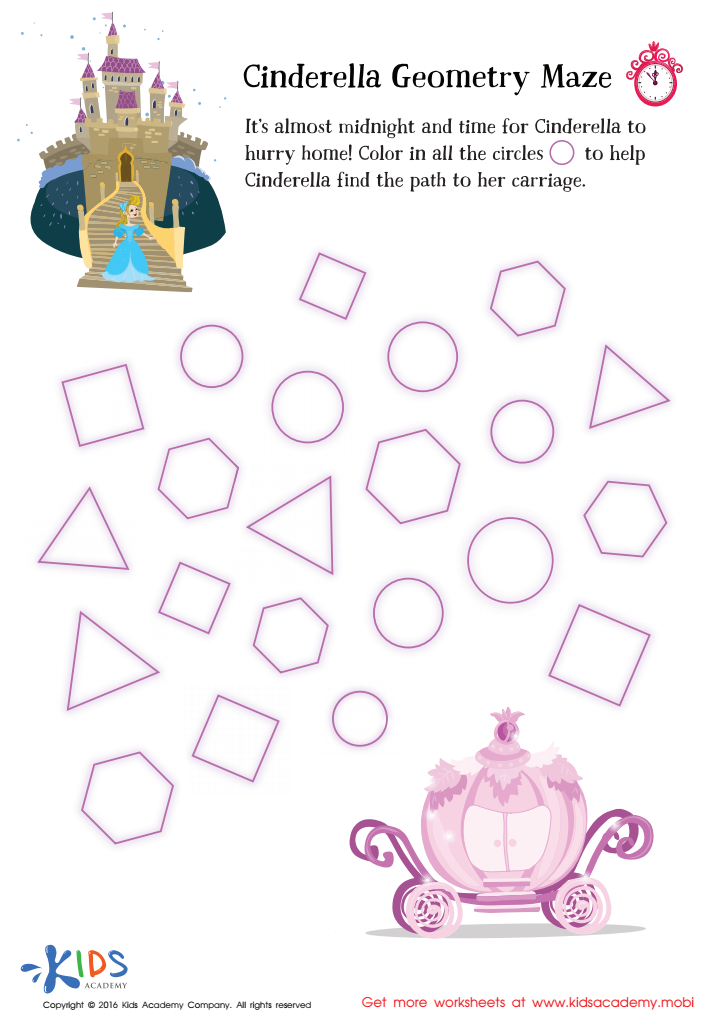
Cinderella Geometry Maze Worksheet
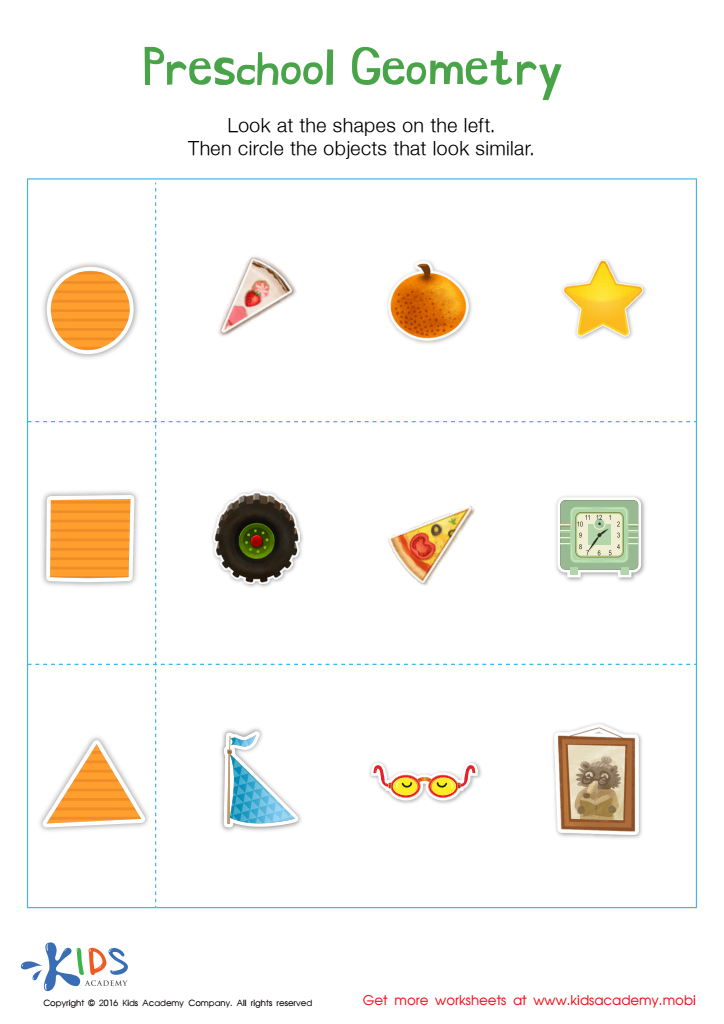
Preschool Geometry Match Up Worksheet
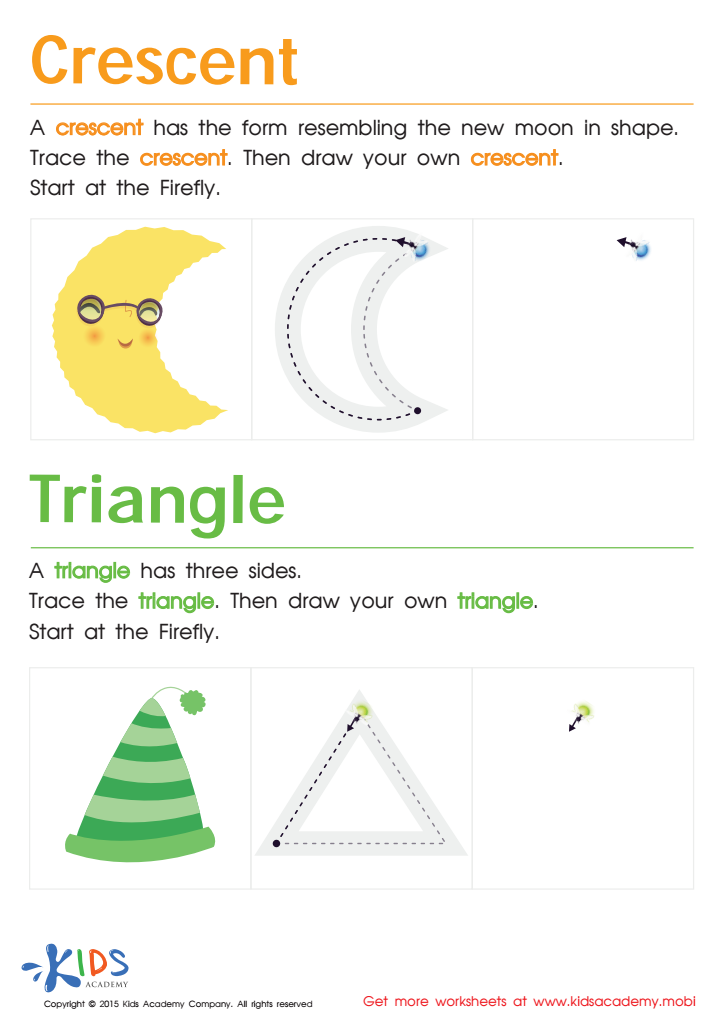
Learning to Draw Crescents And Triangles Worksheet
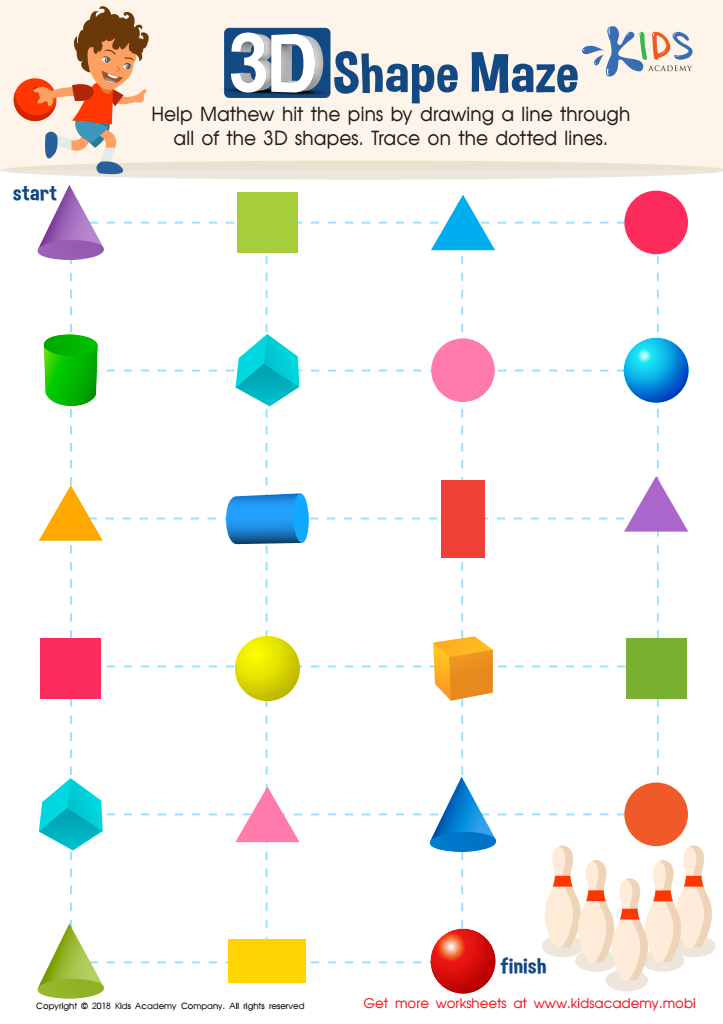
Shapes Maze Geometry Worksheet
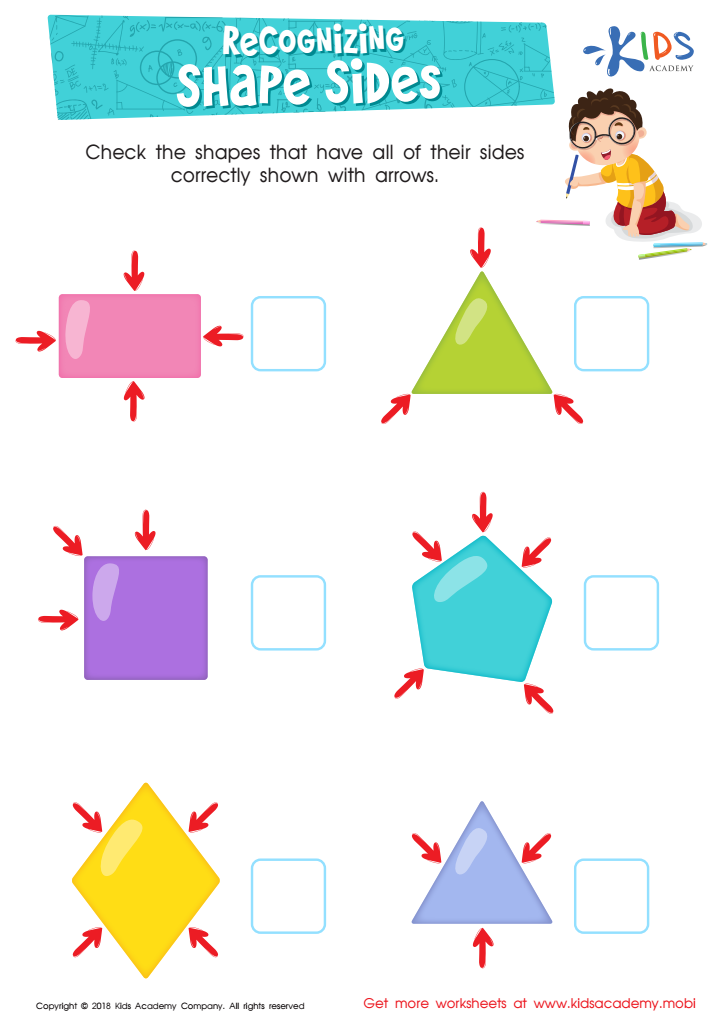
Recognizing Shape Sides Worksheet
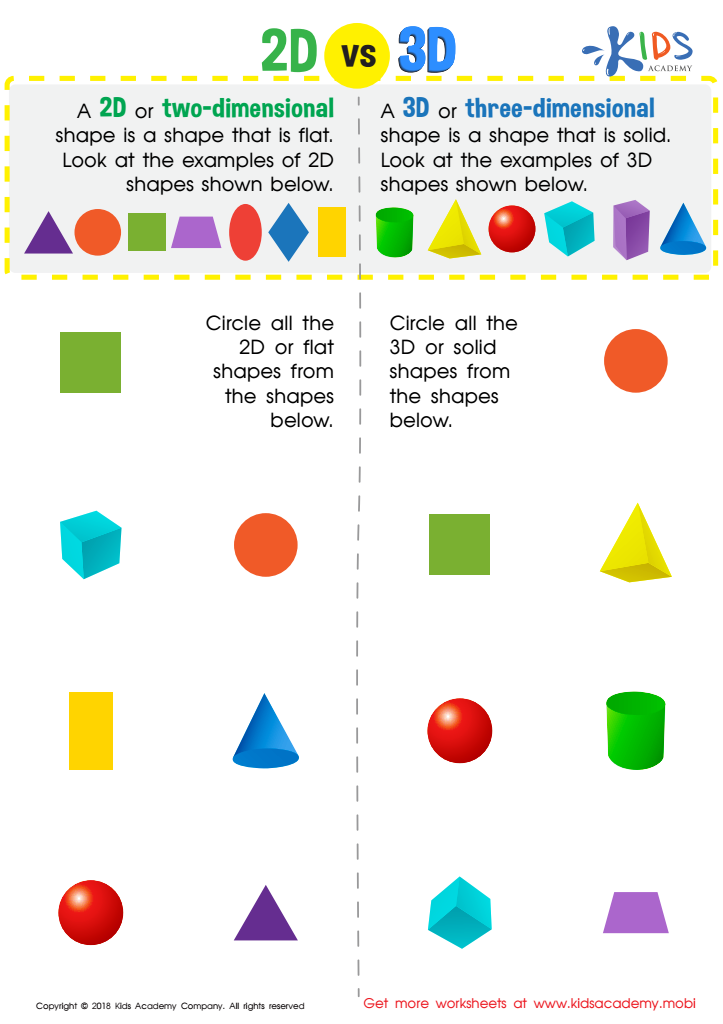
2D vs 3D Shapes Worksheet
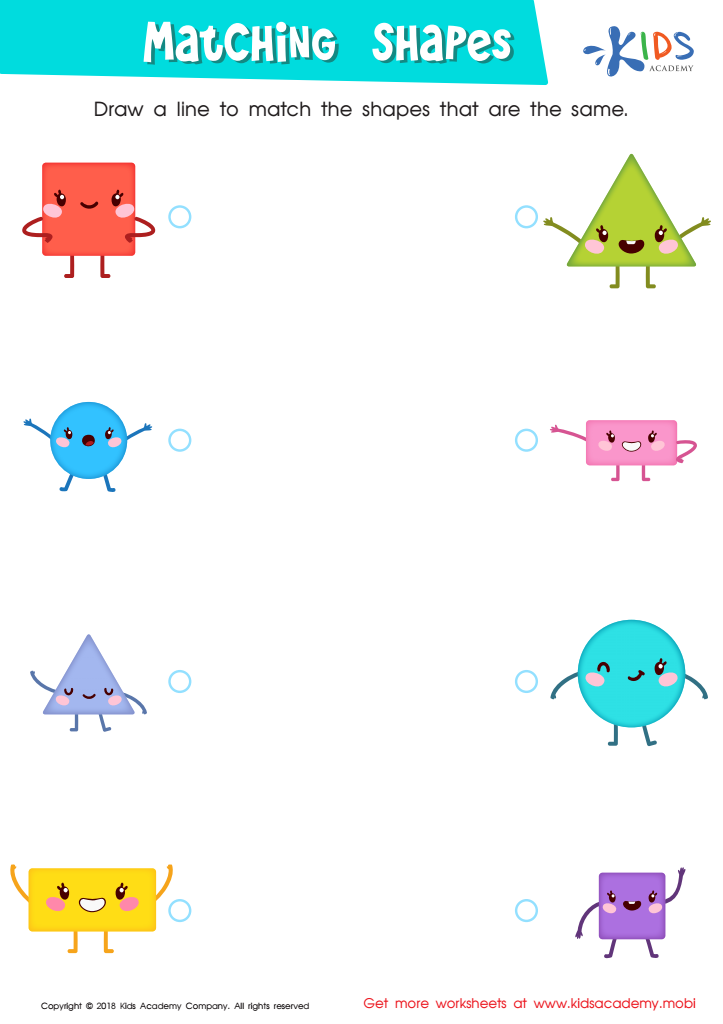
Matching Shapes Worksheet
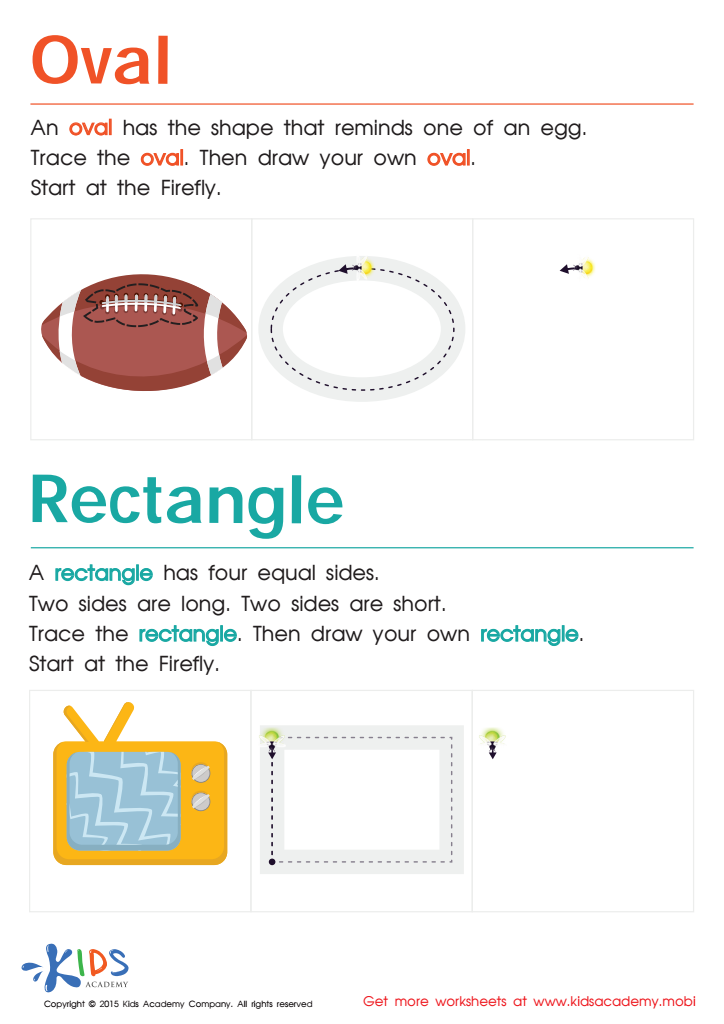
Easy Drawing of Ovals And Rectangles Worksheet
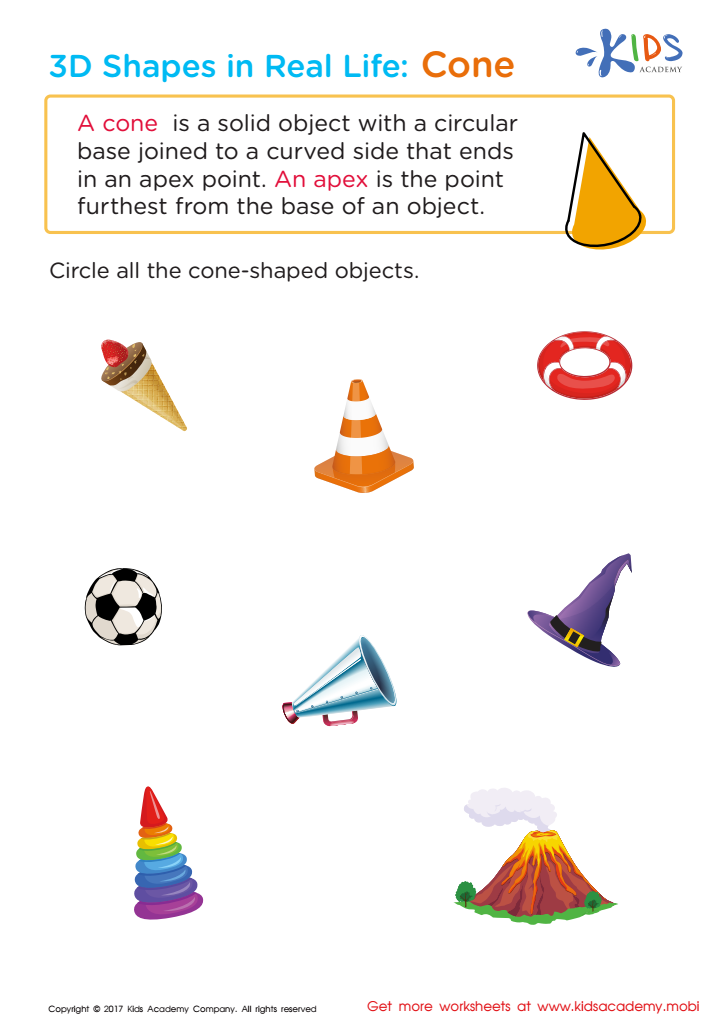
Shapes in Real Life: Cone Worksheet
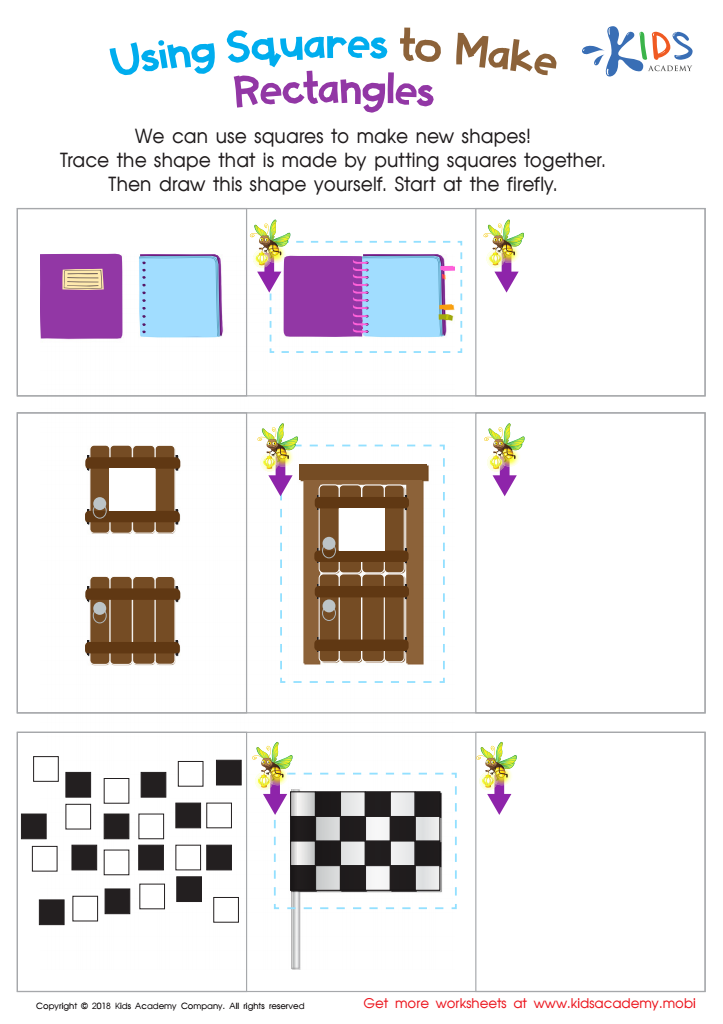
Using Squares to Make Rectangles Worksheet








Shape recognition and understanding basic geometry are crucial for 6-year-olds as they form the foundation for spatial awareness and critical thinking skills. At this age, children are naturally curious about the world around them, and engaging with shapes helps them make sense of their environment. By recognizing and naming shapes—such as circles, squares, triangles, and rectangles—children enhance their vocabulary and communication abilities.
Understanding geometry also introduces children to mathematical concepts, paving the way for more complex problem-solving skills in later years. It fosters logical reasoning, as they learn to identify patterns, categorize objects, and make connections between shapes and everyday objects. Engaging activities like drawing, building, or playing with blocks can make learning fun and interactive, reinforcing their skills through hands-on experiences.
Moreover, shape recognition supports early literacy skills, as many literacy concepts involve shapes (letters and words). Teachers and parents should motivate children to explore shapes in their surroundings, as this real-world application deepens their understanding and retention.
By prioritizing shape recognition and normal geometry, adults help cultivate foundational skills that contribute to a child's overall cognitive development, emotional growth, and future academic success.








