Shape Recognition Normal Math Worksheets for 6-Year-Olds
22 filtered results
-
From - To
Introducing our Shape Recognition Math Worksheets designed specifically for 6-year-olds! These engaging and interactive worksheets help young learners identify and differentiate various shapes, promoting early math skills. Children will enjoy activities that involve recognizing shapes in different contexts, enhancing their understanding through fun exercises. With vibrant illustrations and age-appropriate challenges, our worksheets make learning enjoyable and effective. These resources support vital cognitive development while building a strong foundation for more complex math concepts. Perfect for both classroom use and home learning, these shape recognition worksheets are a fantastic tool for instilling a love for math in your child. Start exploring today!
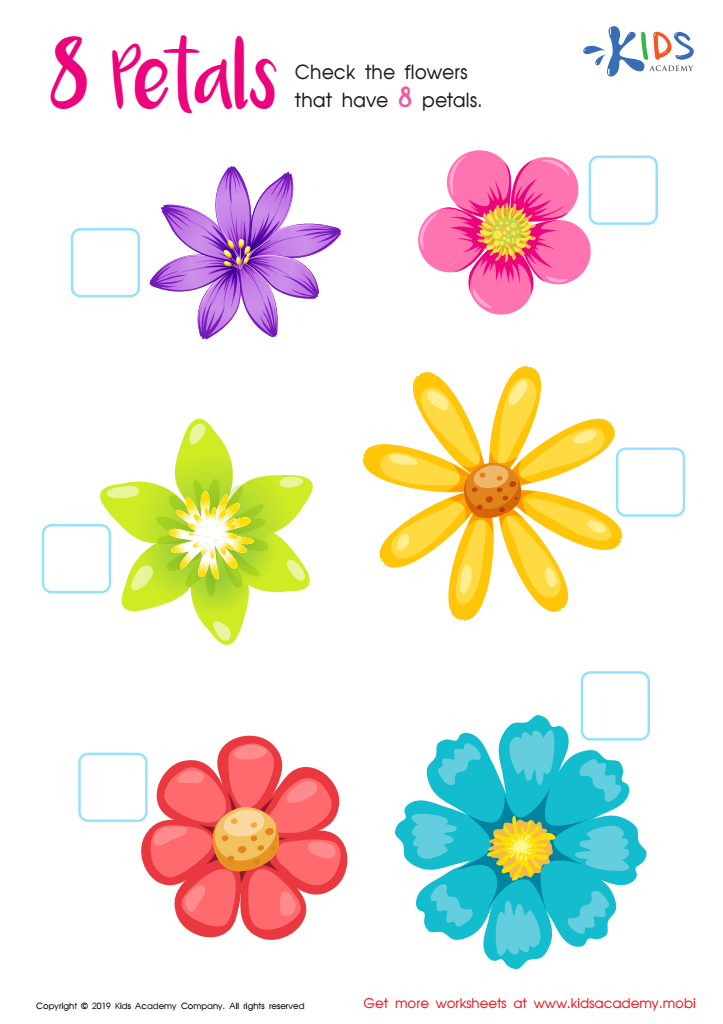
8 Petals Worksheet
 Assign to My Students
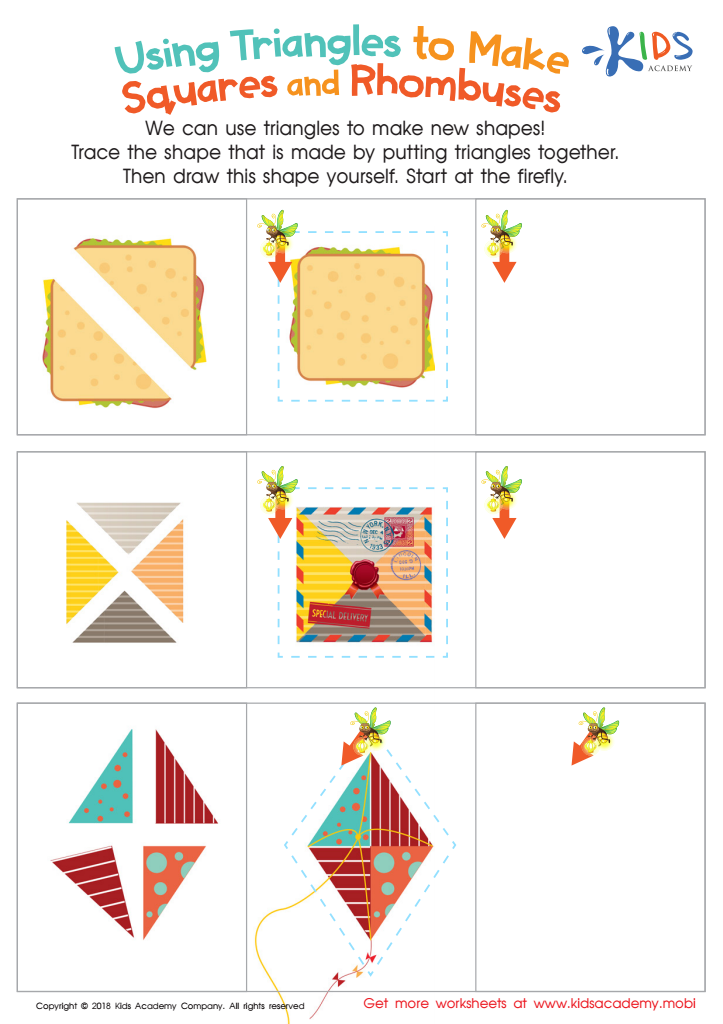
Using Triangles to Make Squares and Rhombuses Worksheet
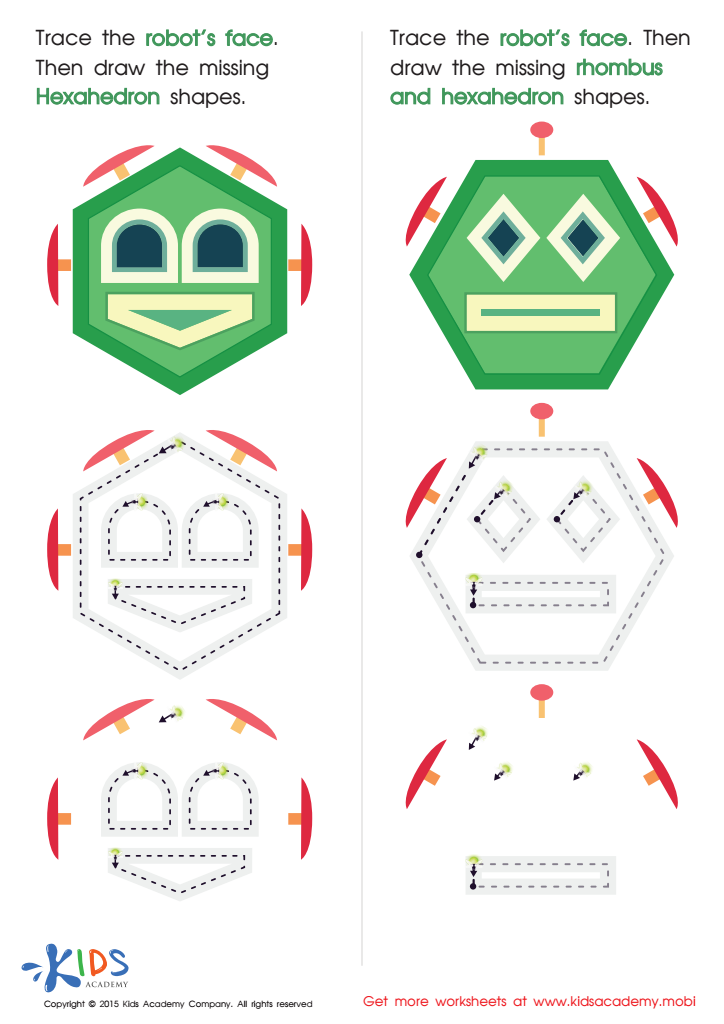
Practice Drawing Hexahedrons And a Rhombus Worksheet
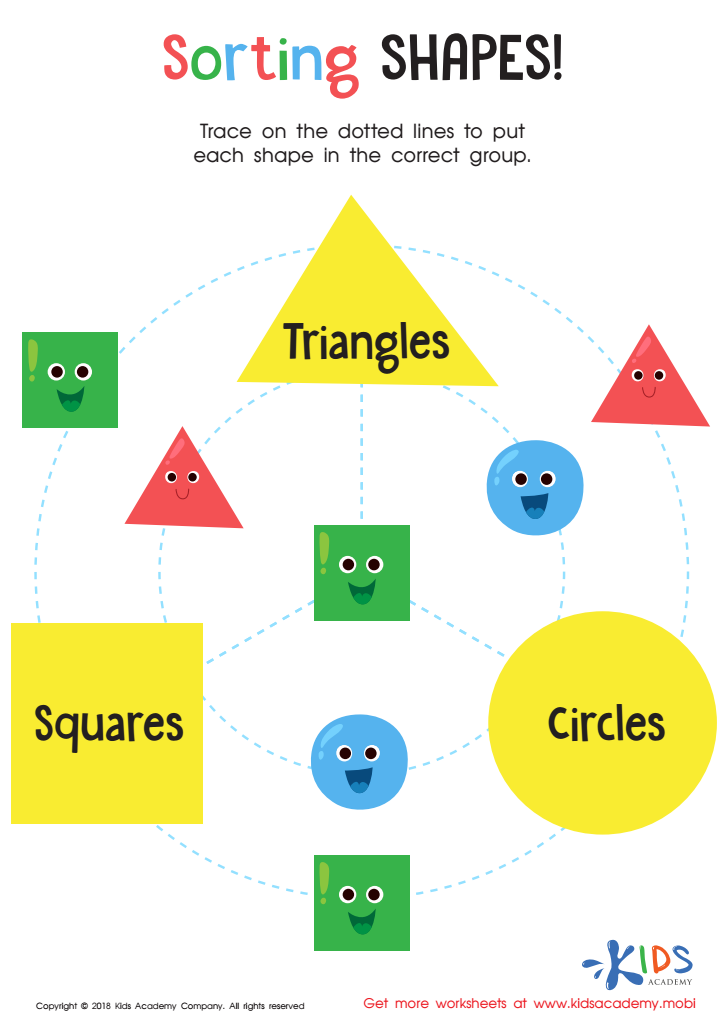
Sorting Shapes - Part 3 Worksheet
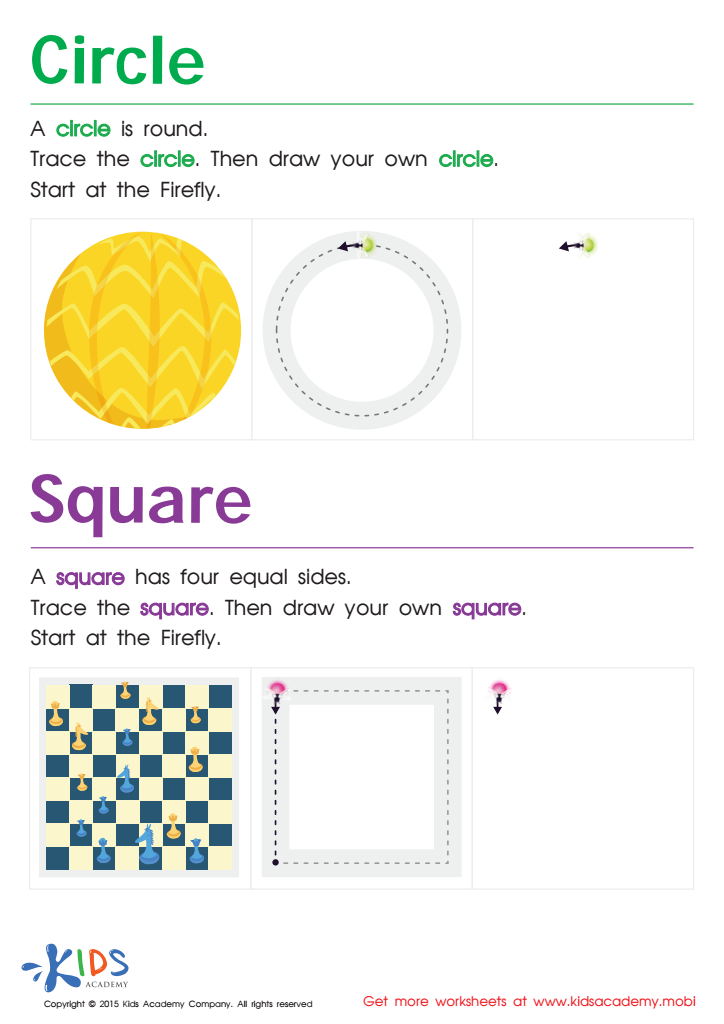
Trace And Draw a Circle And a Square Worksheet
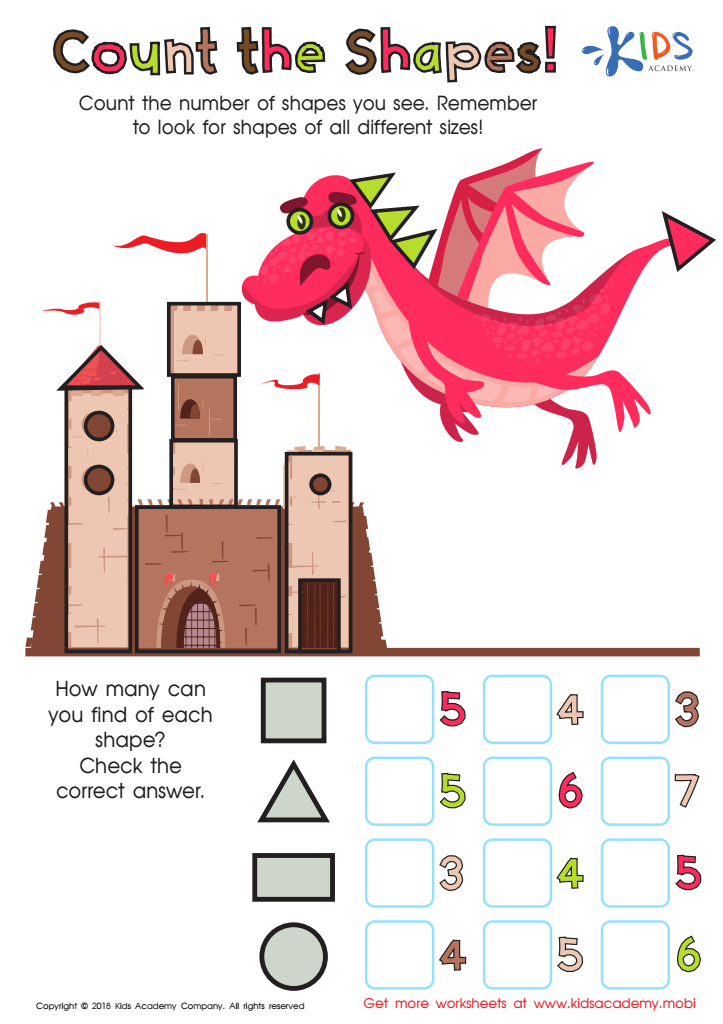
Count the Shapes Worksheet
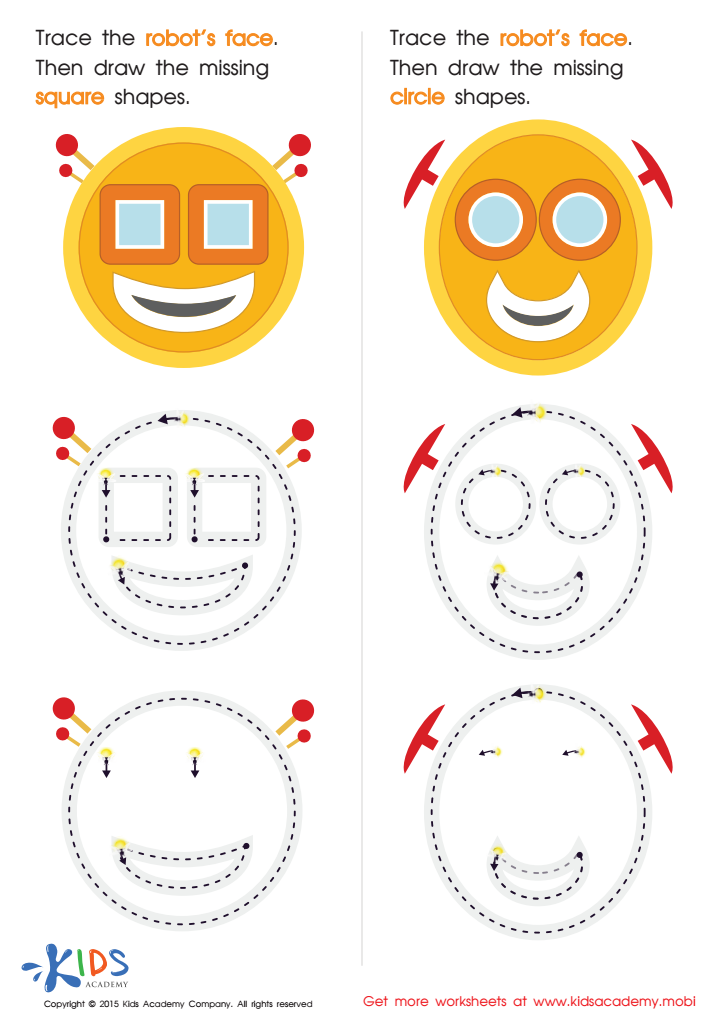
Practicing to Draw Circles And Squares Printable
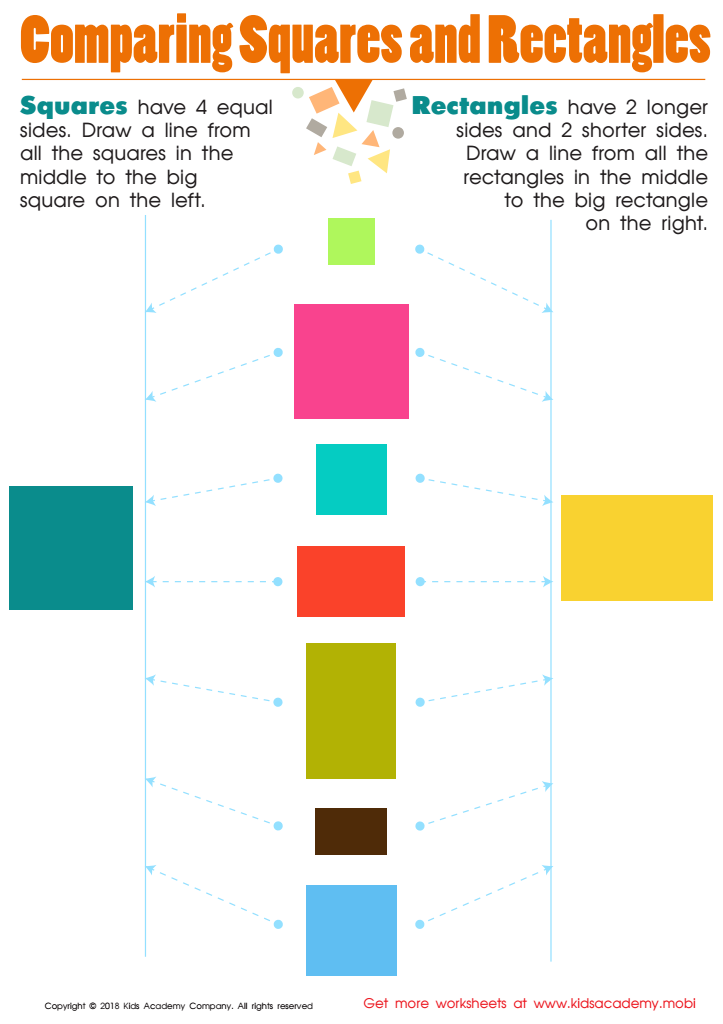
Comparing Squares Rectangles Worksheet
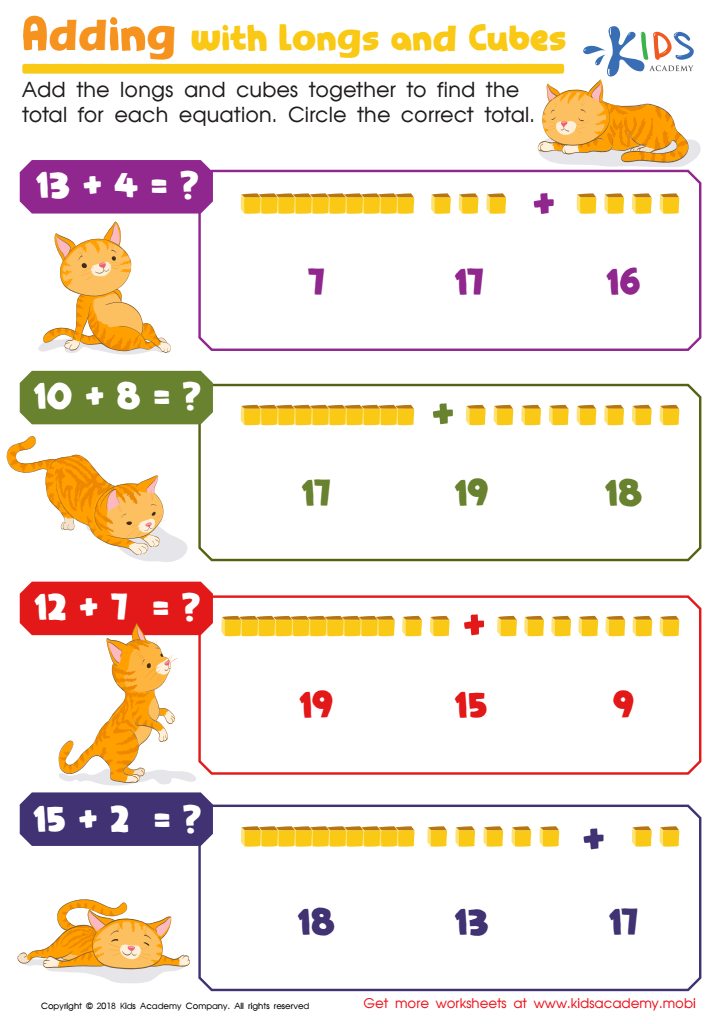
Adding With Longs and Cubes Worksheet
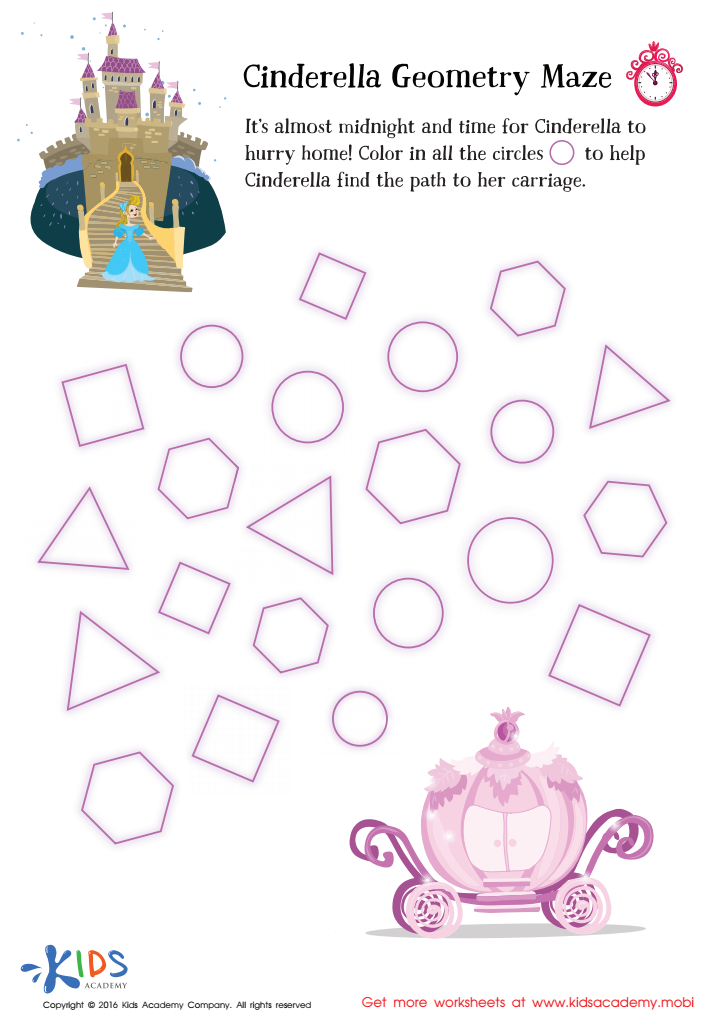
Cinderella Geometry Maze Worksheet
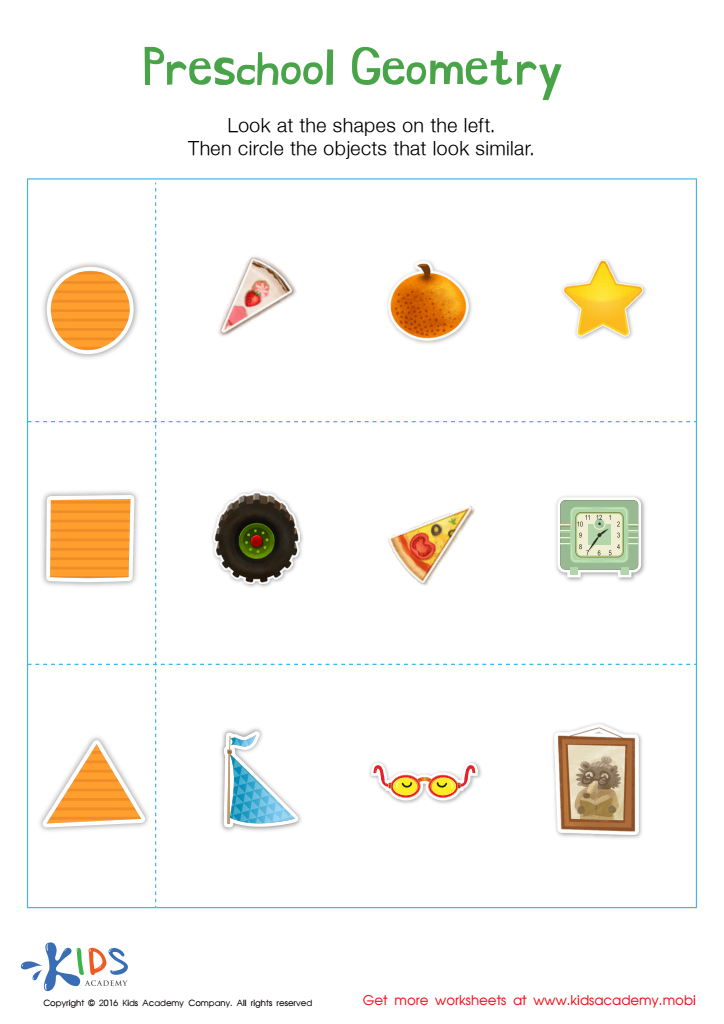
Preschool Geometry Match Up Worksheet
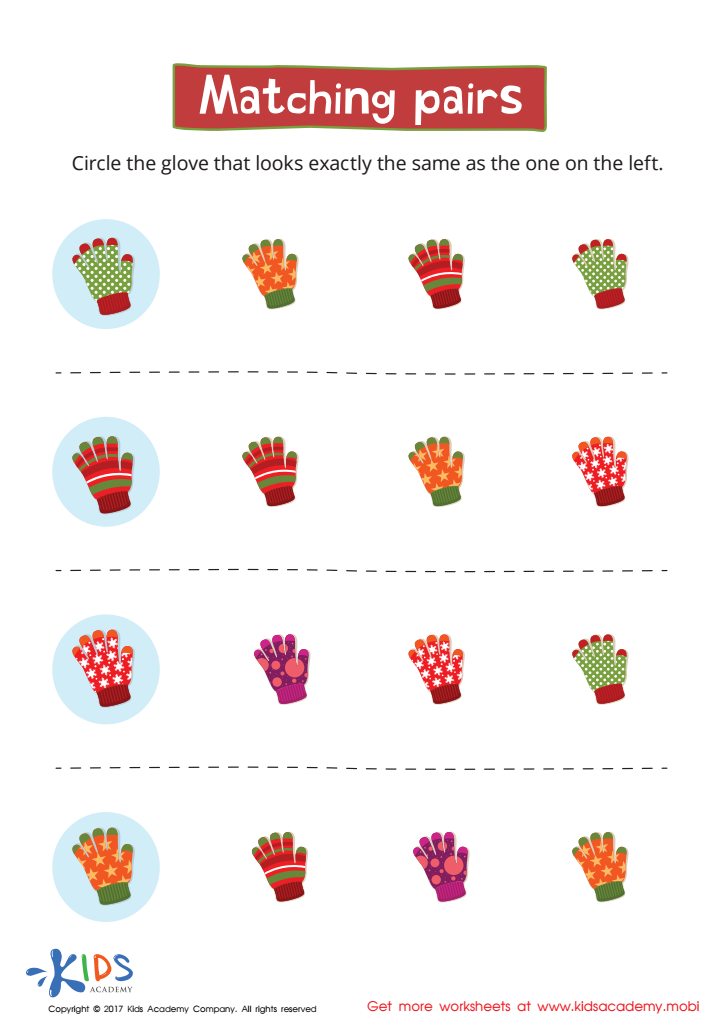
Matching: Matching Pairs Worksheet
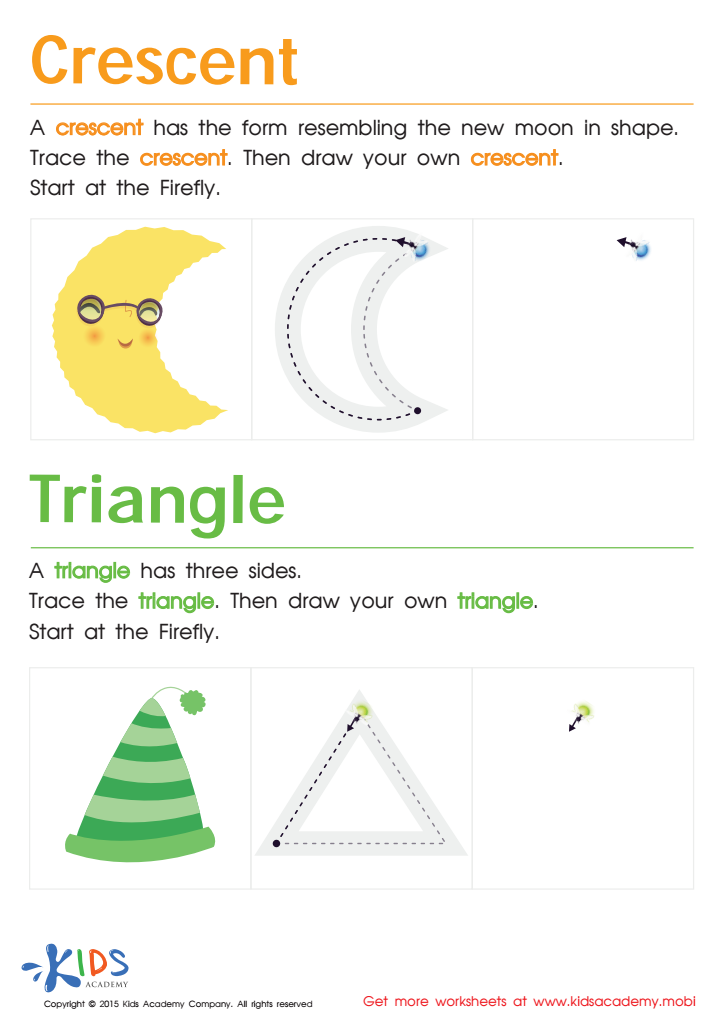
Learning to Draw Crescents And Triangles Worksheet
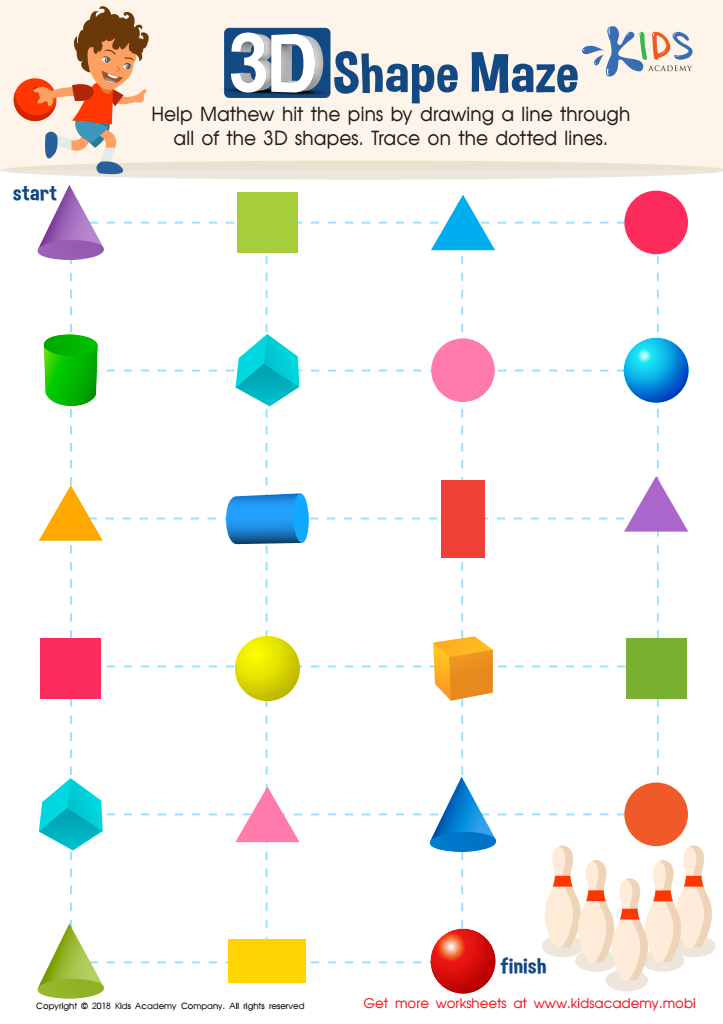
Shapes Maze Geometry Worksheet
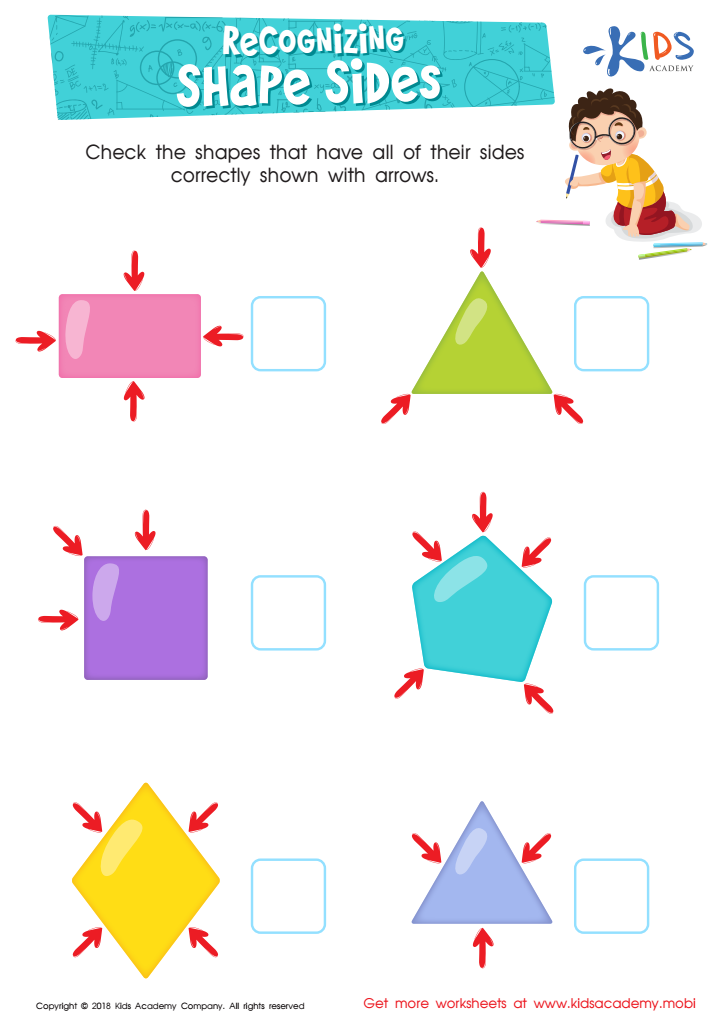
Recognizing Shape Sides Worksheet
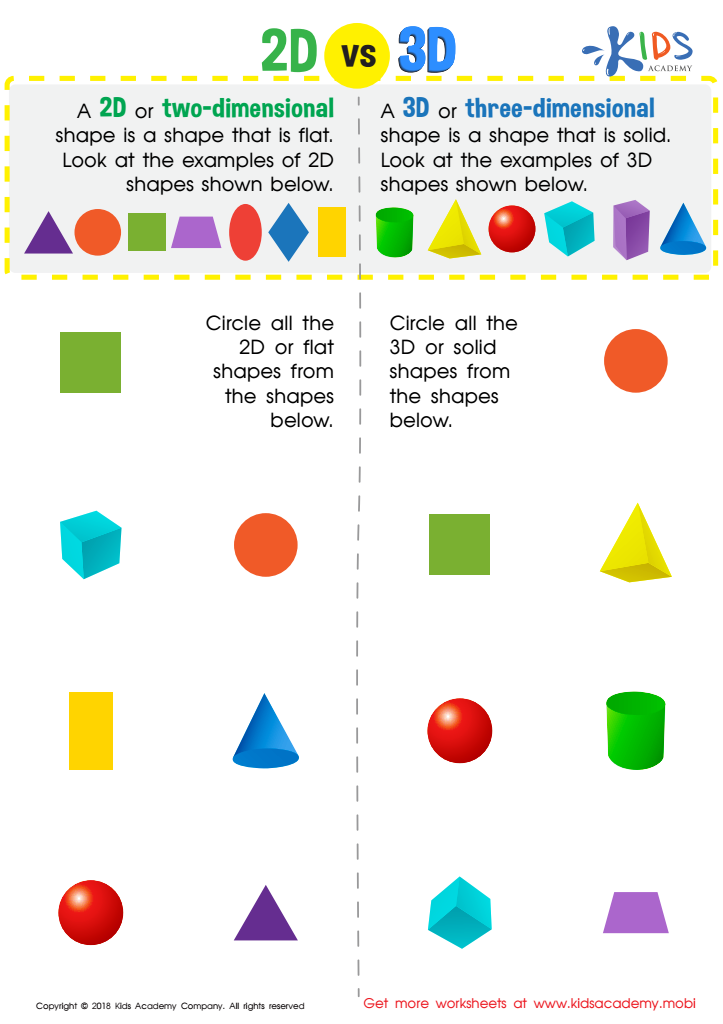
2D vs 3D Shapes Worksheet
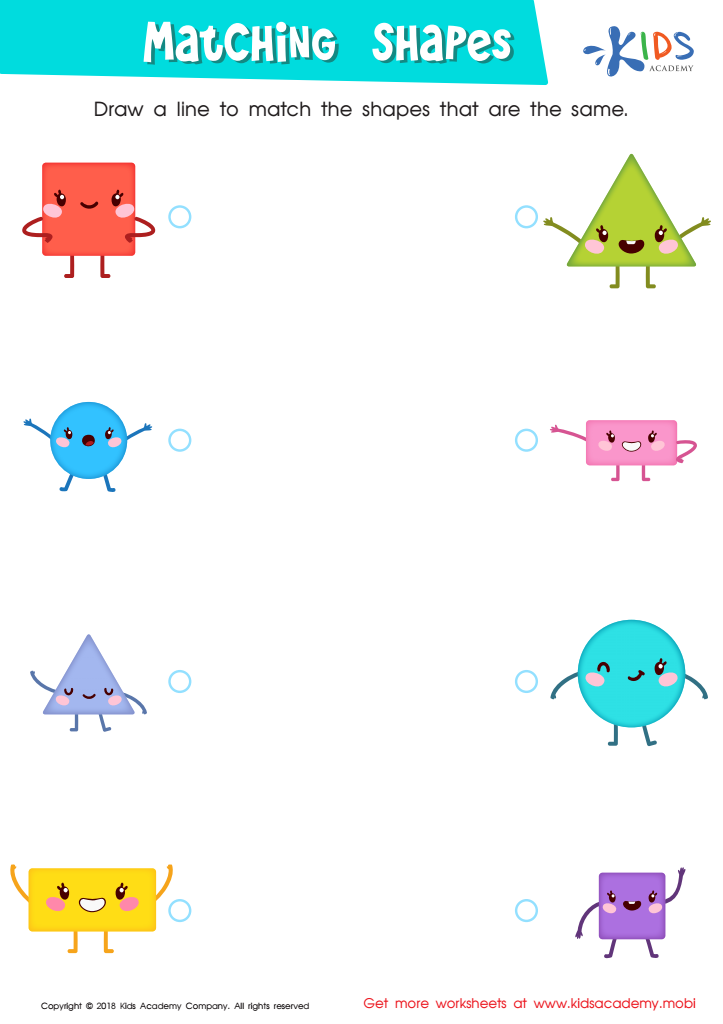
Matching Shapes Worksheet
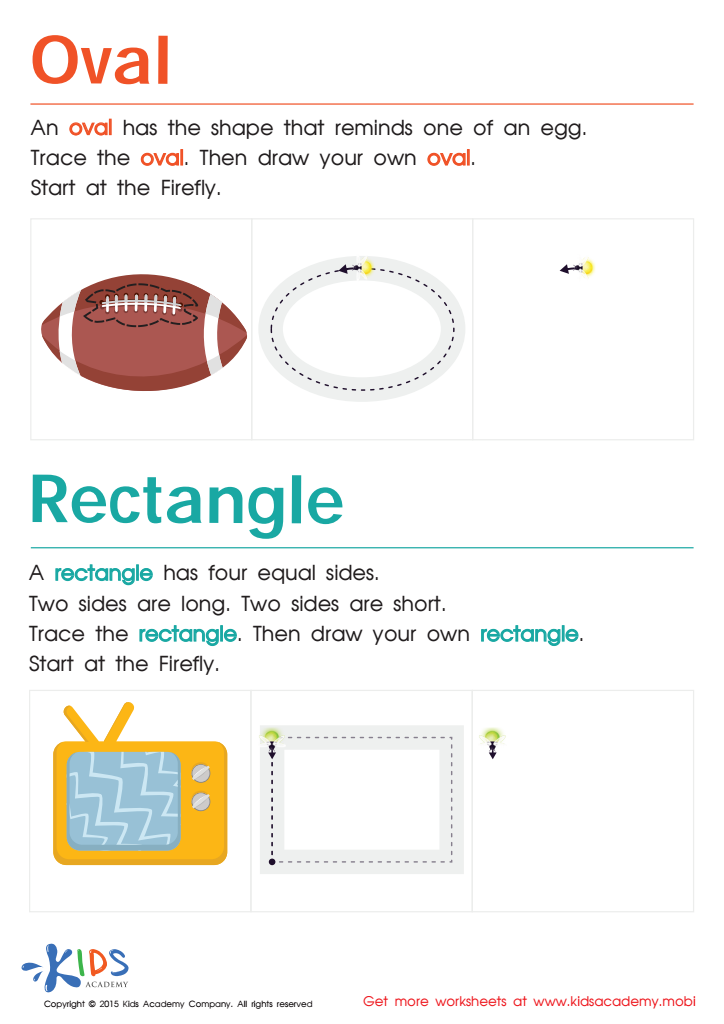
Easy Drawing of Ovals And Rectangles Worksheet
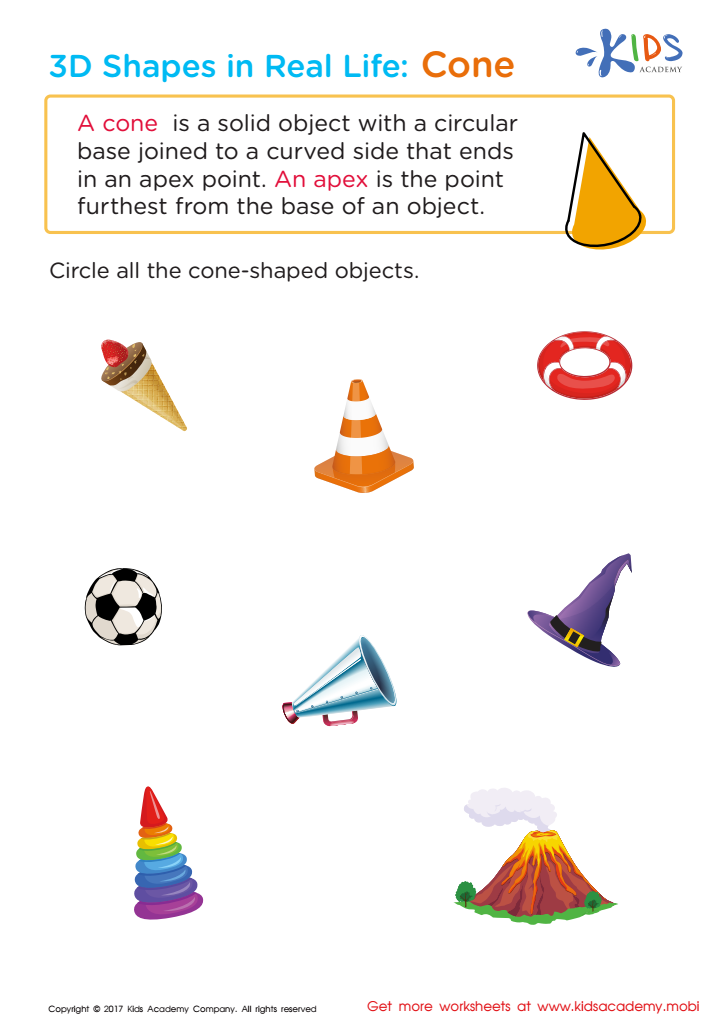
Shapes in Real Life: Cone Worksheet
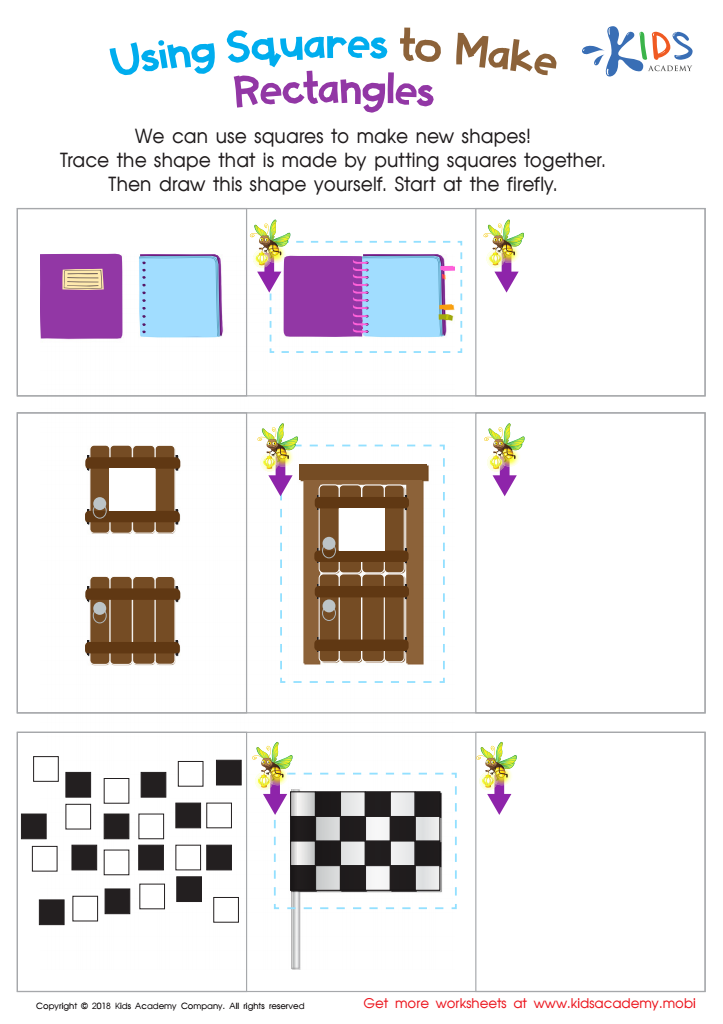
Using Squares to Make Rectangles Worksheet
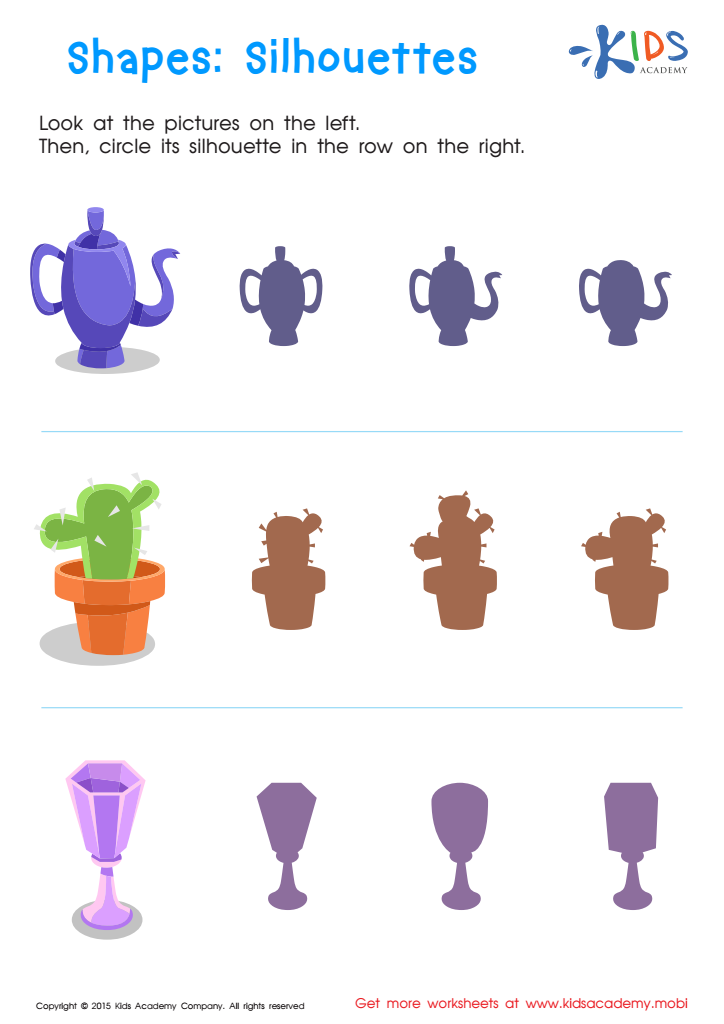
Silhouettes – Shapes Worksheet








Shape recognition is a fundamental skill that plays a crucial role in the mathematical development of 6-year-olds. Understanding shapes helps children make sense of the world around them and lays the groundwork for more complex mathematical concepts. Recognizing various shapes not only enhances spatial awareness but also boosts logic and reasoning skills. This is essential for problem-solving and critical thinking.
Moreover, engaging with shapes promotes visual discrimination and encourages creativity. For parents and teachers, nurturing this skill can lead to improved fine motor skills through activities like drawing or building. Shape recognition often evolves into geometry, measurement, and even early algebra concepts, so instilling a strong foundation can significantly benefit a child's future learning.
Additionally, recognizing shapes can be integrated with everyday activities, fostering an engaging learning environment. When children see shapes in their surroundings, like in architecture or nature, it can significantly enhance their cognitive connections and make learning enjoyable.
Overall, by prioritizing shape recognition in early education, parents and teachers equip children with essential tools for successful mathematical learning and an ability to navigate their everyday environment effectively. Investing time in this area ensures children build the confidence and skills necessary for educational achievement and curiosity.








