Civic Ideals and Practices - Page 2
28 filtered results
-
From - To
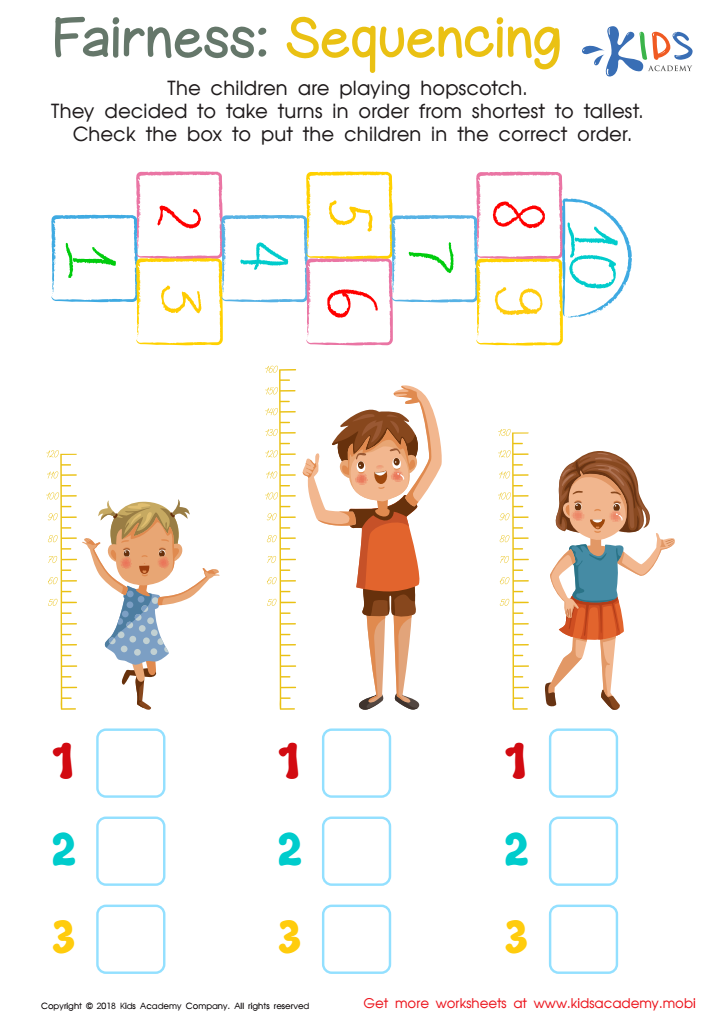
Fairness: Sequencing Worksheet
 Assign to My Students
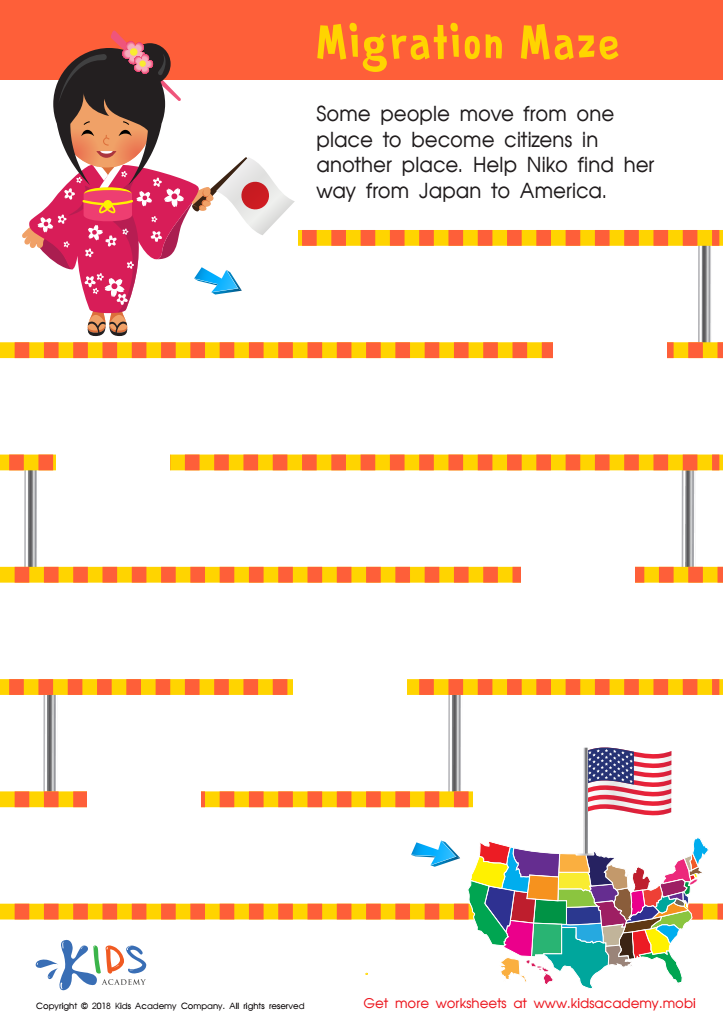
Migration Maze Worksheet
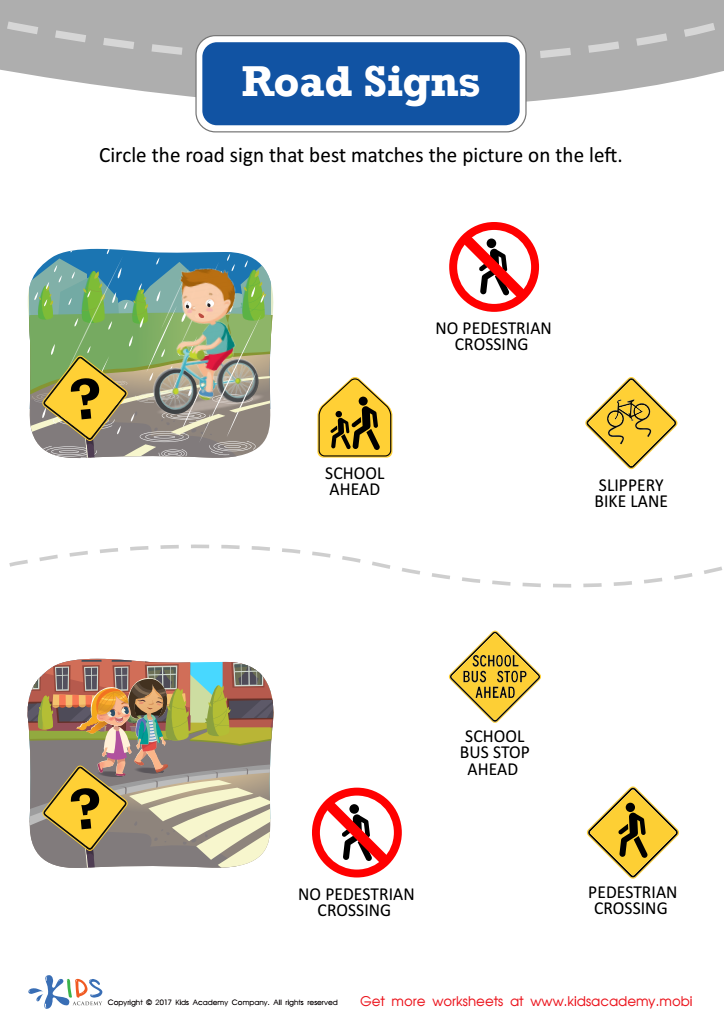
Road Signs (Part 2) Printable
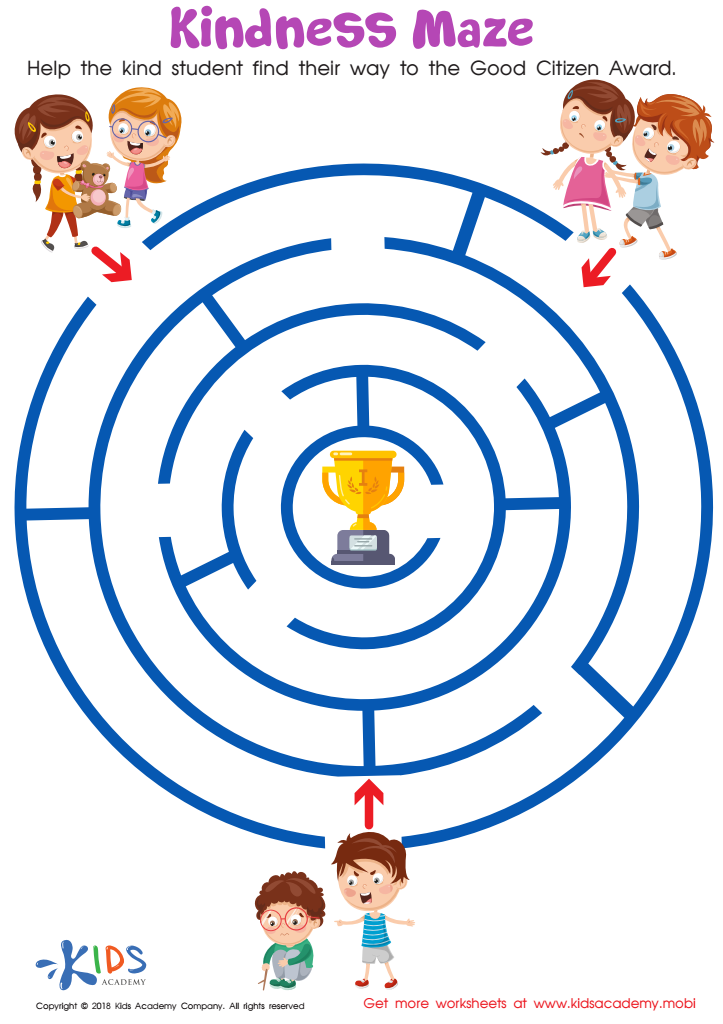
Kindness Maze Worksheet








Civic ideals and practices are essential for fostering engaged and responsible citizens, making it crucial for parents and teachers to prioritize them. Understanding civic ideals—like democracy, equality, justice, and rights—helps children develop values that shape their identity and social responsibility. By introducing these concepts early, children learn to appreciate diversity and the importance of community participation, fostering empathy and respect for others.
Teachers play a pivotal role in creating civic experiences through discussions, projects, and community involvement, helping students develop critical thinking skills necessary for informed decision-making. This education empowers children to understand their role in society and the impact their actions can have on their community and the world.
Moreover, civic practices like voting, volunteering, or participating in civic organizations cultivate a foundation for active participation. Educating children on these practices promotes life skills such as teamwork, leadership, and effective communication.
Ultimately, parents and teachers who emphasize civic ideals and practices equip youngsters with the tools needed to navigate the complexities of contemporary society, encouraging them to become proactive problem-solvers and advocates for positive change. In doing so, they contribute to a healthier, more democratic, and empathetic society.








