Normal Matching worksheets activities for Ages 3-6 - Page 2
41 filtered results
-
From - To
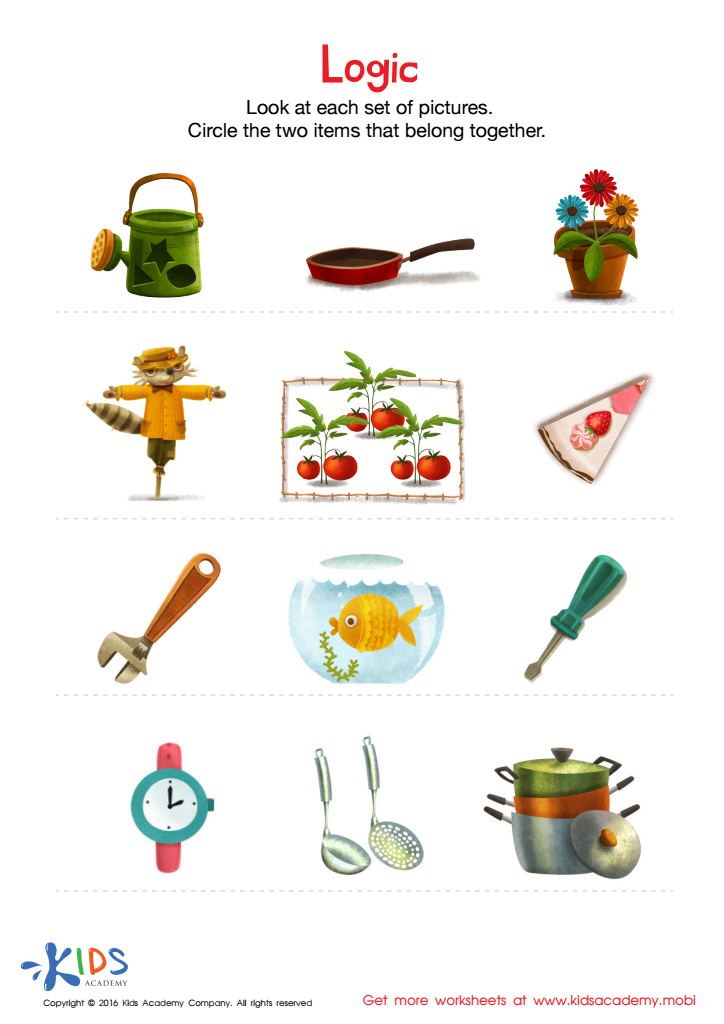
Logic Game Sorting Worksheet
 Assign to My Students
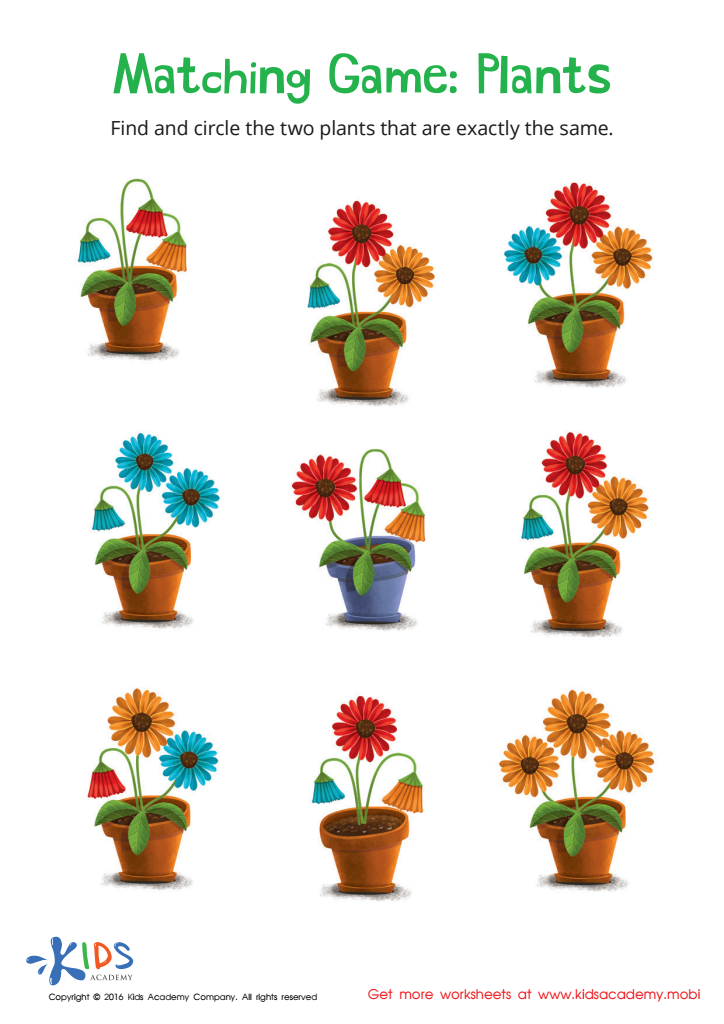
Matching: Plants Worksheet
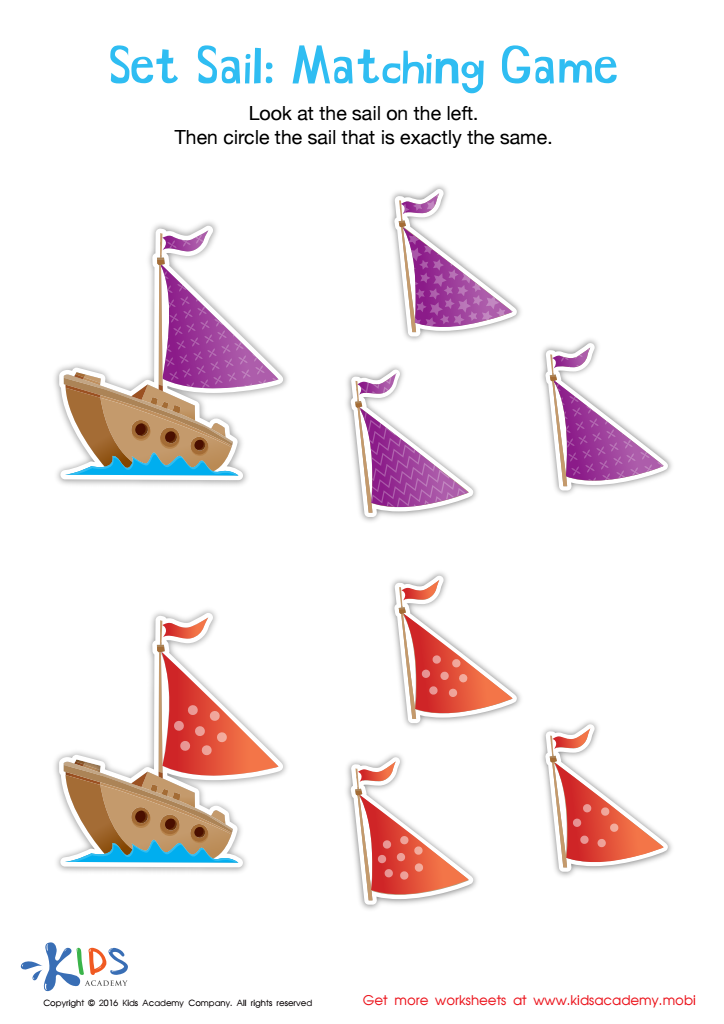
Set Sail Worksheet
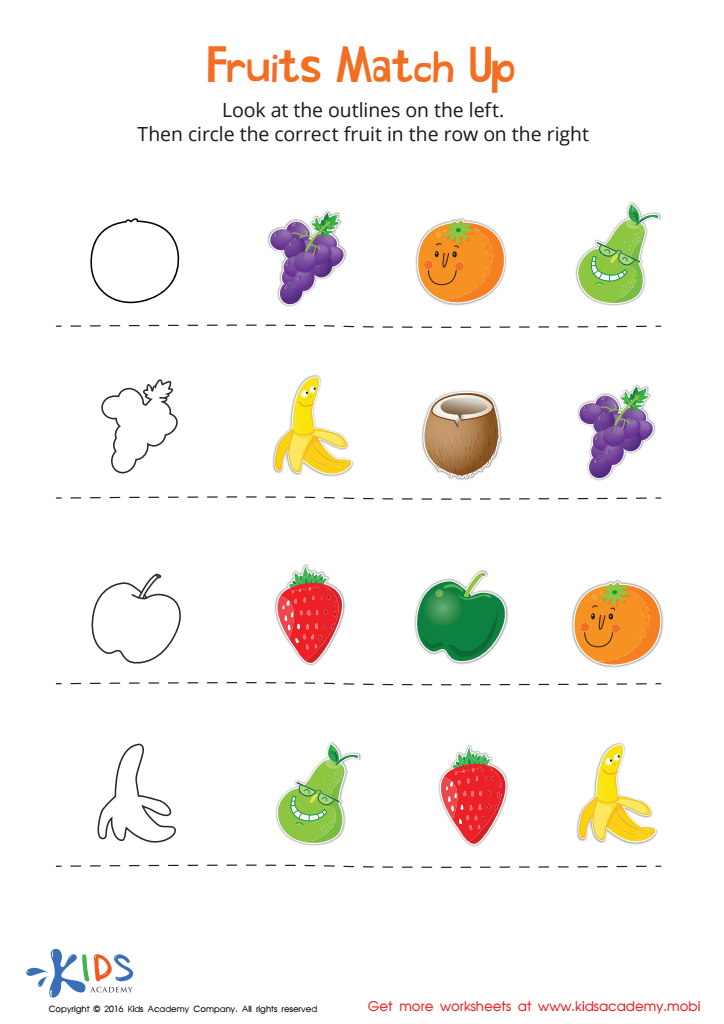
Fruits Match Up Worksheet
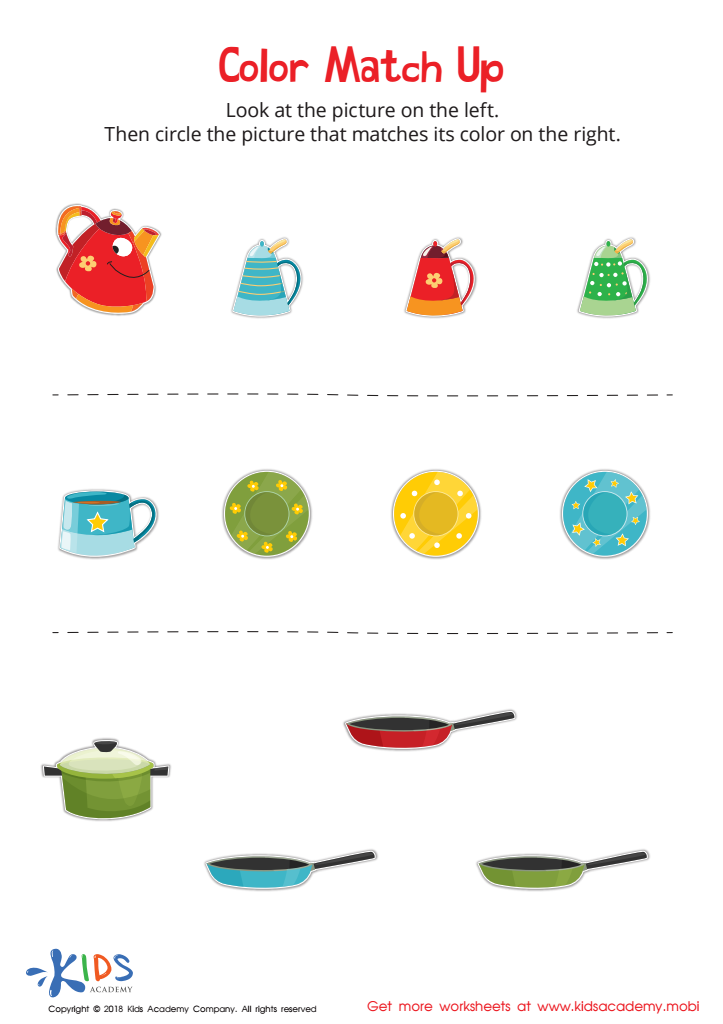
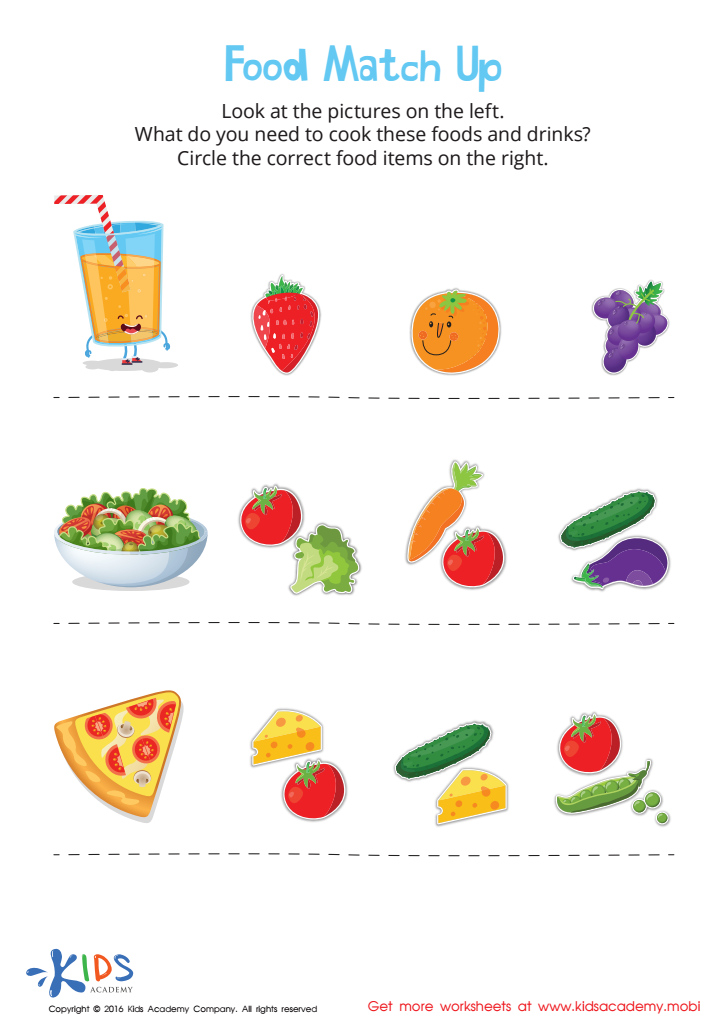
Food Match Up Worksheet
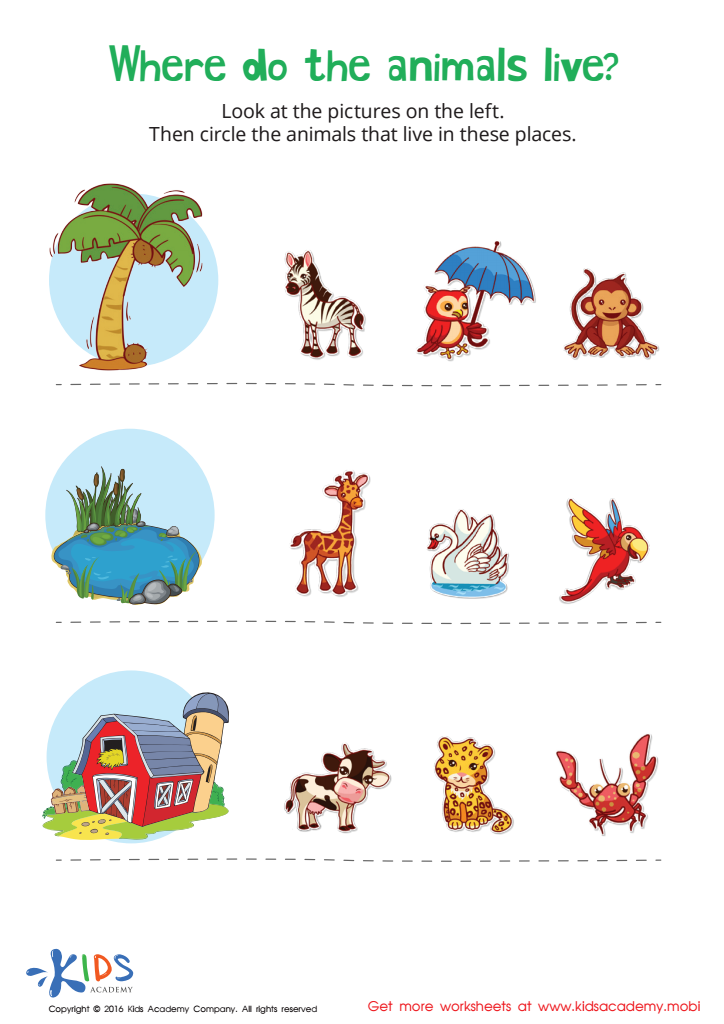
Where Animals Live Worksheet
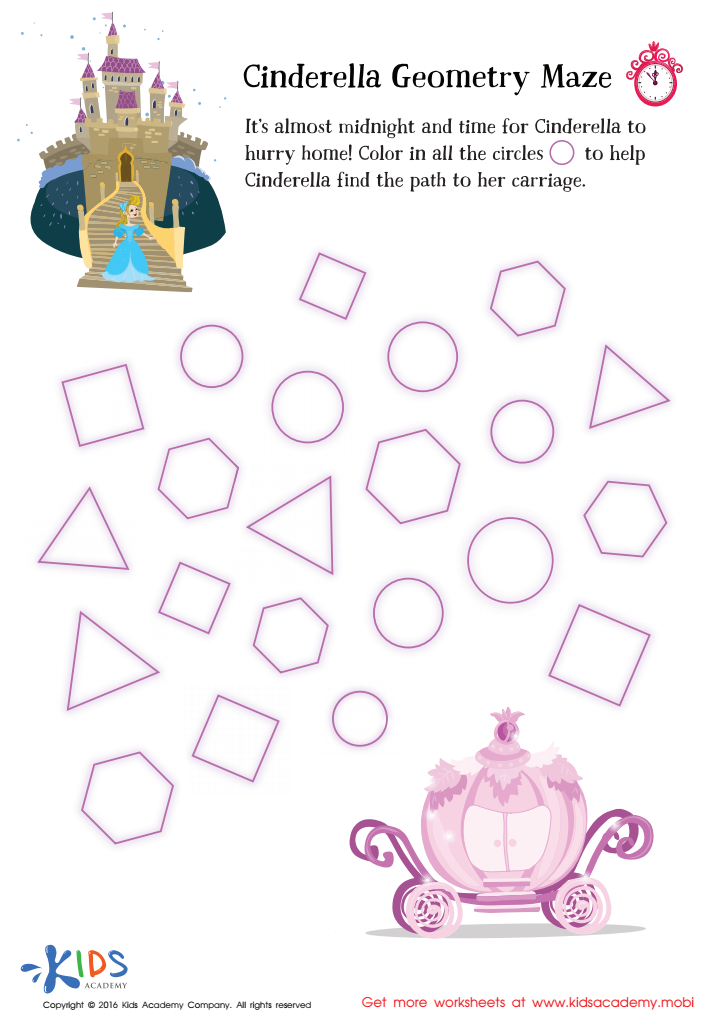
Cinderella Geometry Maze Worksheet
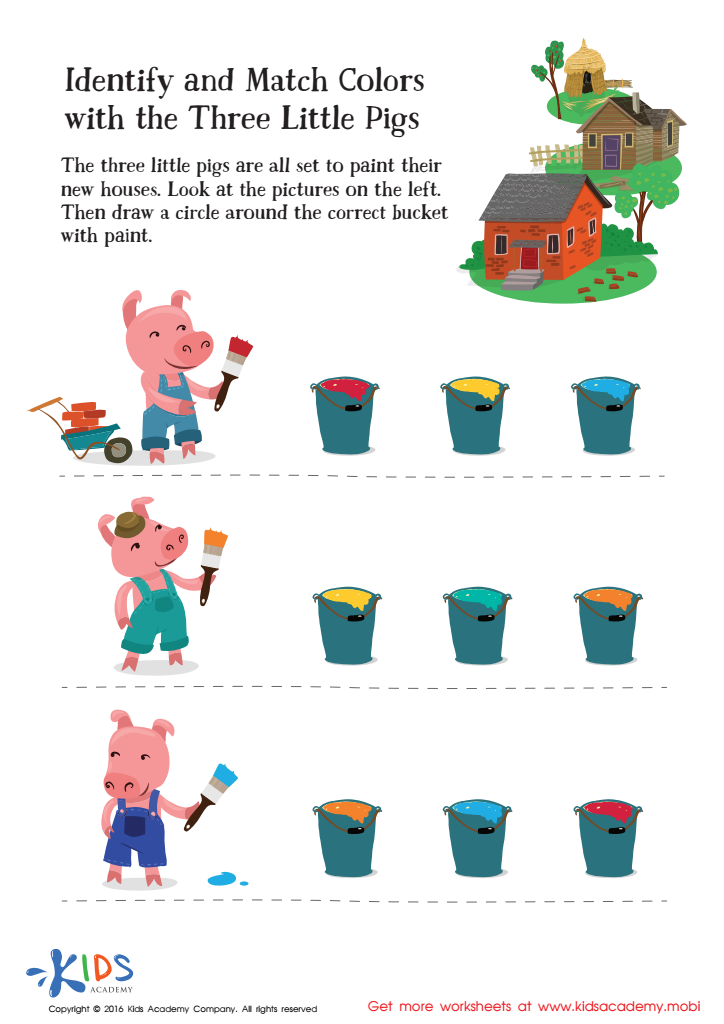
Fairy Tale Worksheet: Identify and Match Colors with Three Little Pigs
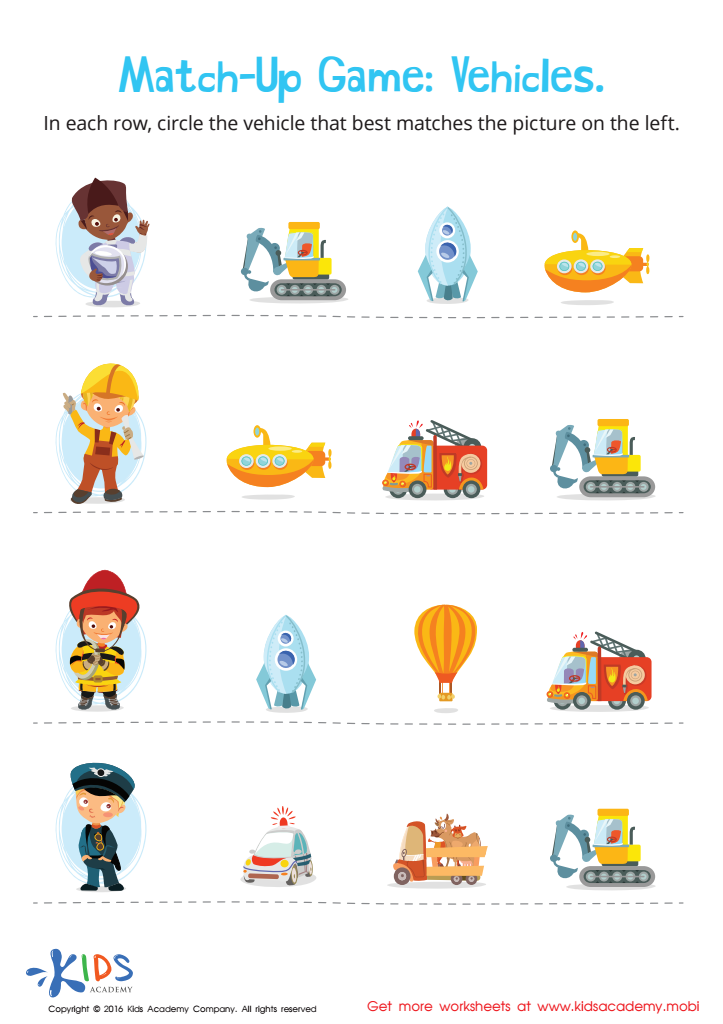
Vehicles Worksheet
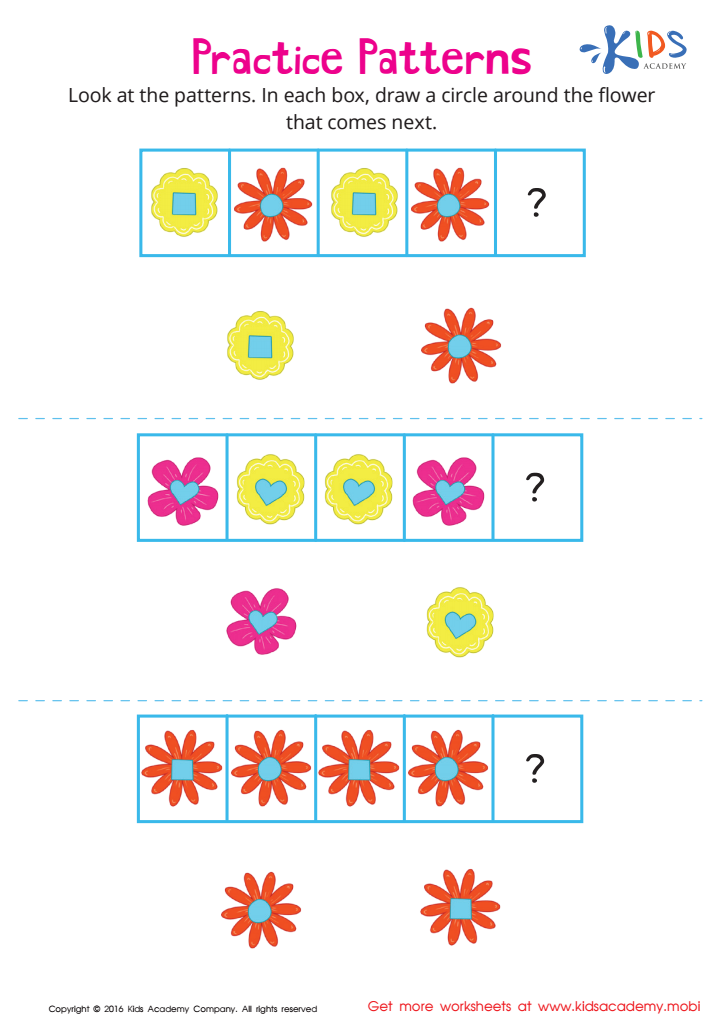
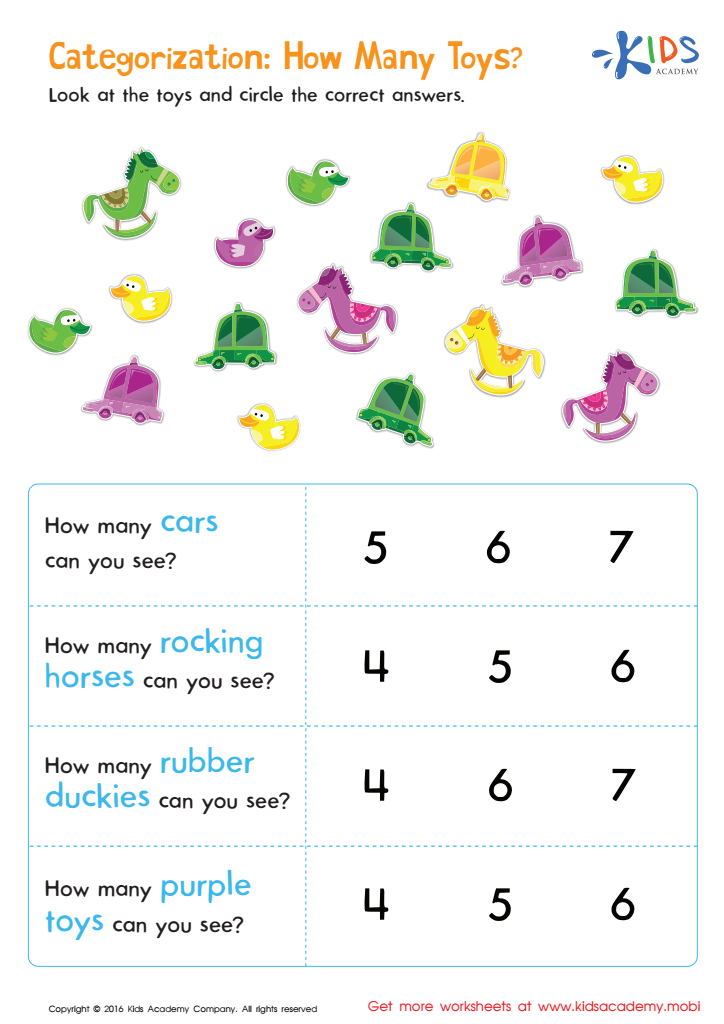
Classifying Toys by Type and Color Sorting Worksheet
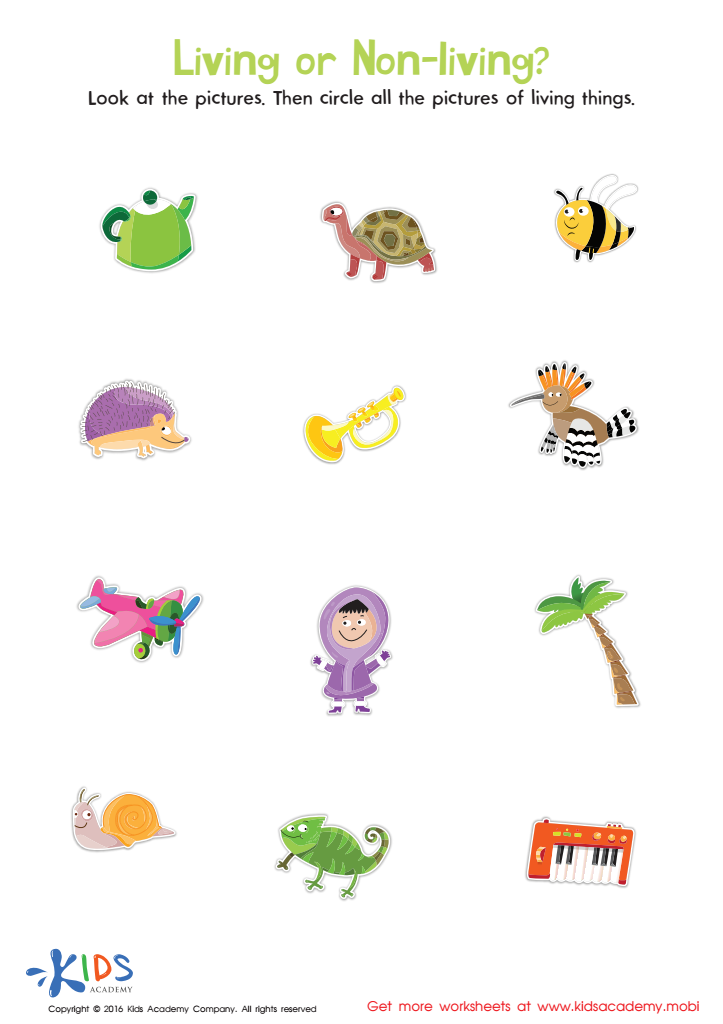
Identifying Living and Non–living Things Sorting Worksheet
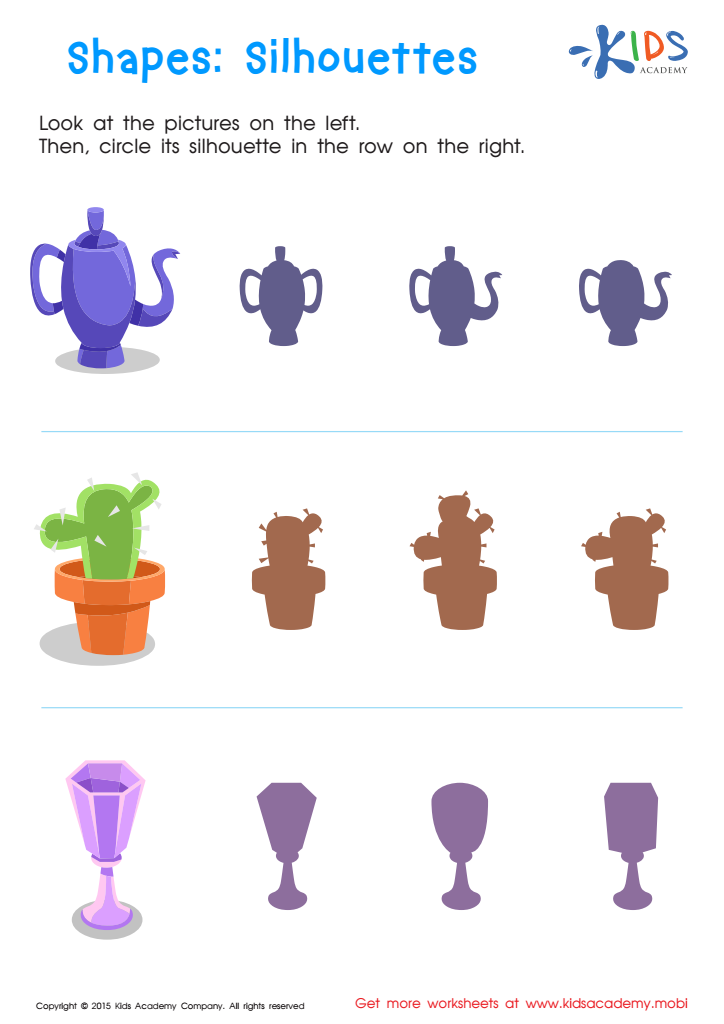
Silhouettes – Shapes Worksheet
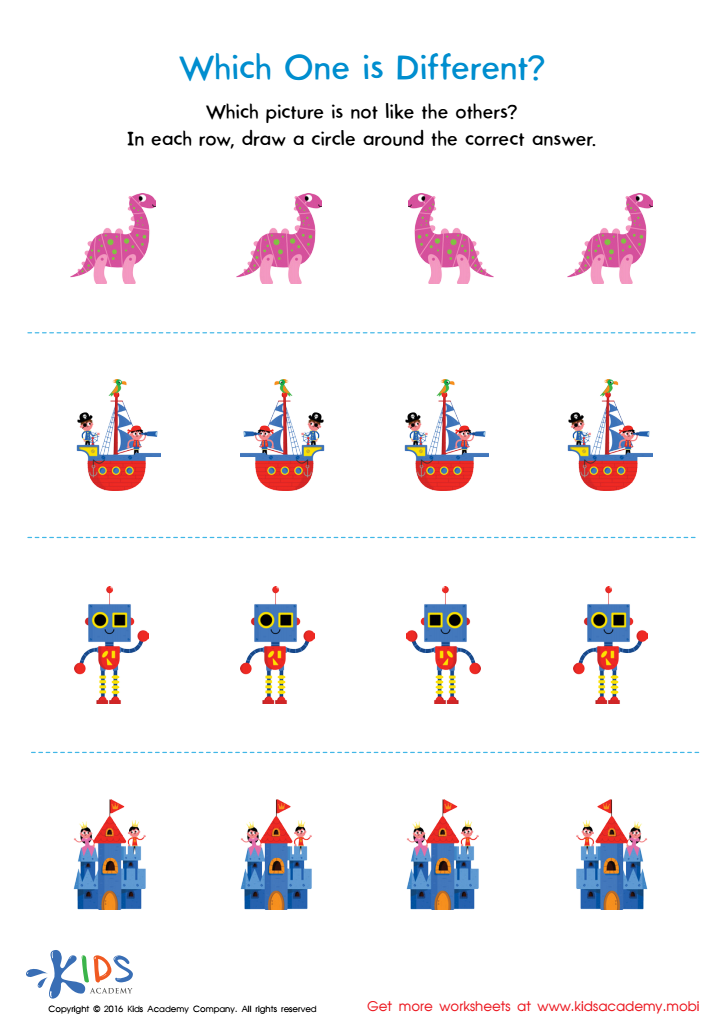
Which One Is Different Worksheet








Normal Matching activities are essential for children ages 3-6 as they play a crucial role in early development. These activities help children develop key cognitive skills by encouraging them to identify similarities and differences in objects, shapes, colors, and patterns. At this formative age, children's brains are wired for exploration and discovery, and Normal Matching activities provide a foundation for critical thinking and problem-solving.
Moreover, these activities promote fine motor skills as children manipulate objects. As they pick, sort, and match items, they enhance their hand-eye coordination and dexterity, which are vital for tasks like writing and self-care later on. Normal Matching also fosters language development, as teachers and parents can introduce new vocabulary associated with the items children are matching, enriching their linguistic skills.
Additionally, these activities enhance social skills when done in group settings, as children learn to cooperate, share, and communicate with peers. By incorporating Normal Matching activities into their routines, parents and teachers can ensure that children are engaged in fun, developmentally appropriate exercises that lay the groundwork for lifelong learning and curiosity. Overall, prioritizing Normal Matching is an investment in a child's holistic development.








