Normal Tracing Shapes worksheets activities for Ages 4-9
9 filtered results
-
From - To
Discover engaging Normal Tracing Shapes worksheets designed for children ages 4-9 at Kids Academy! These fun, interactive activities help young learners develop essential fine motor skills and hand-eye coordination, laying a strong foundation for writing. Our colorful worksheets feature a variety of shapes, from circles to squares, encouraging children to practice tracing and familiarizing themselves with basic geometric concepts. Perfect for use at home or in the classroom, these tracing activities are designed to inspire creativity and confidence in young learners. Give your child a head start in learning through play with our easy-to-use tracing shapes worksheets available for immediate download!
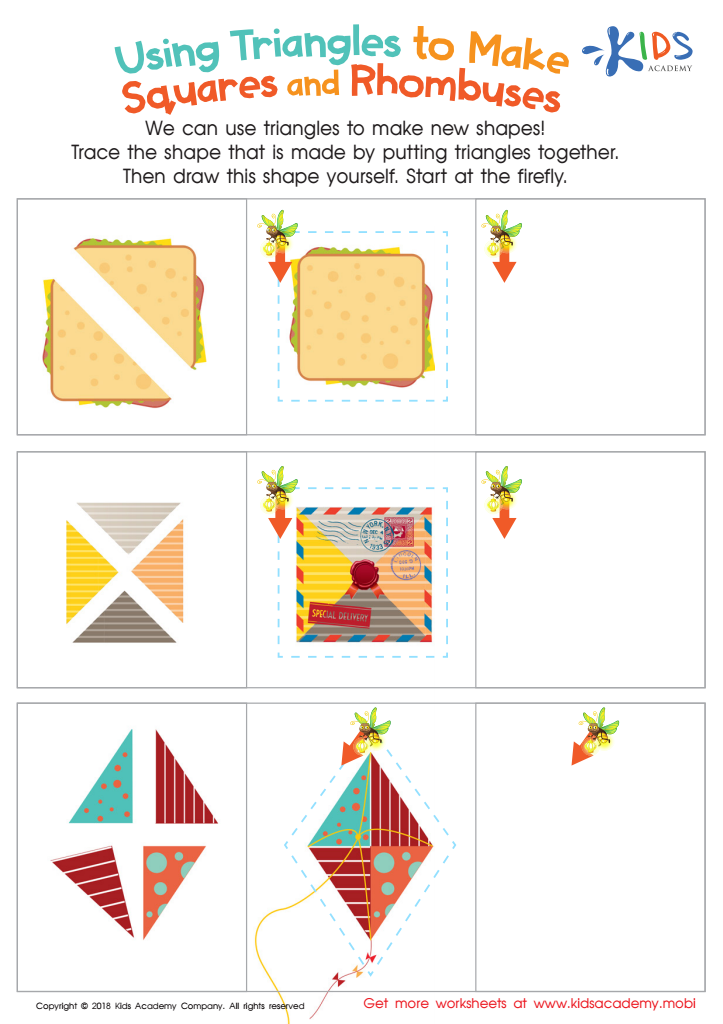
Using Triangles to Make Squares and Rhombuses Worksheet
 Assign to My Students
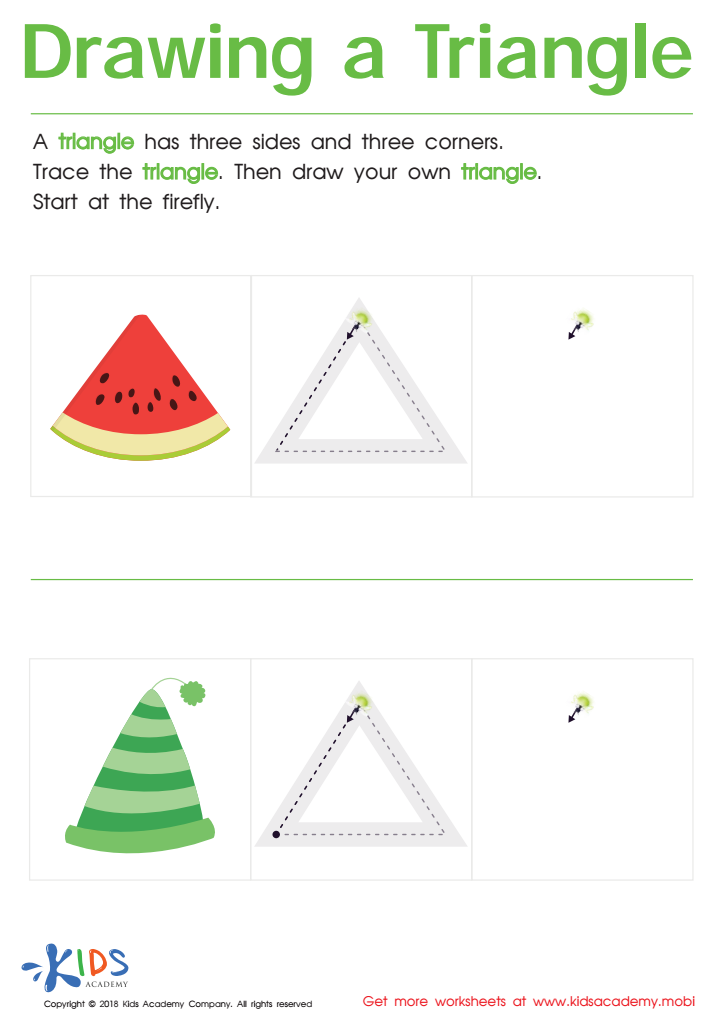
Drawing a Triangle Worksheet
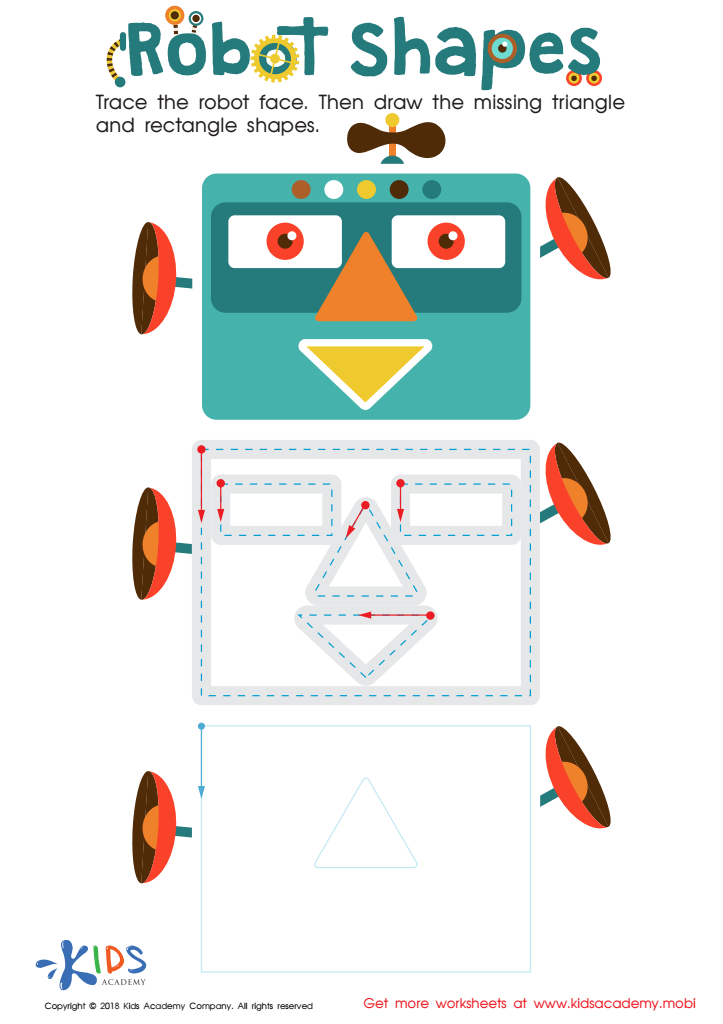
Robot Shapes Worksheet
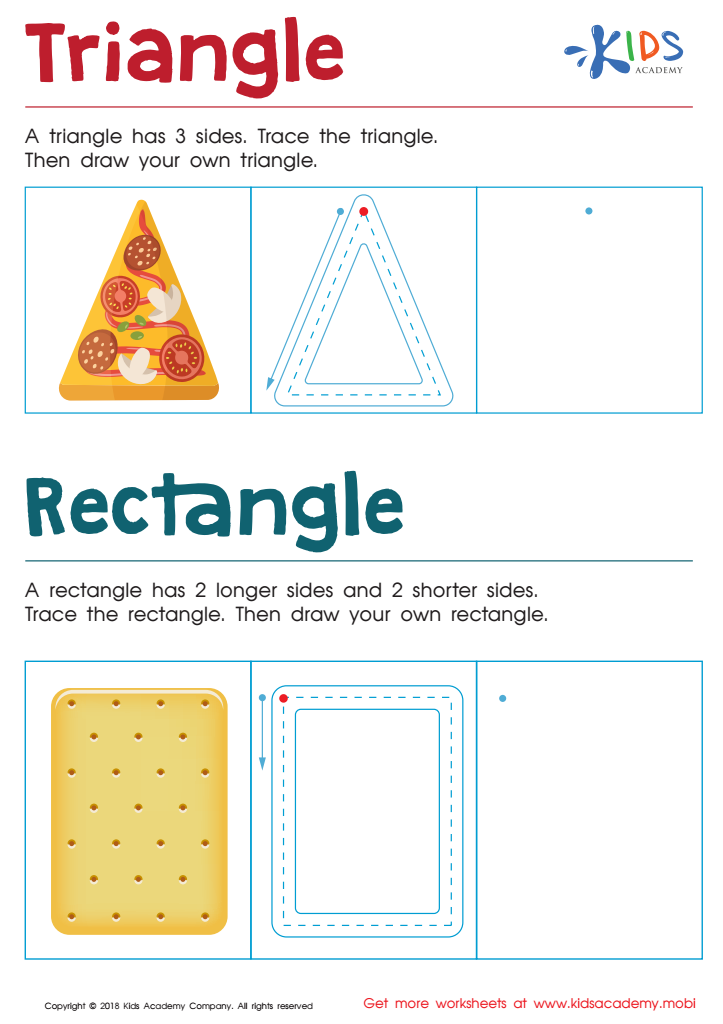
Triangle Rectangle Worksheet
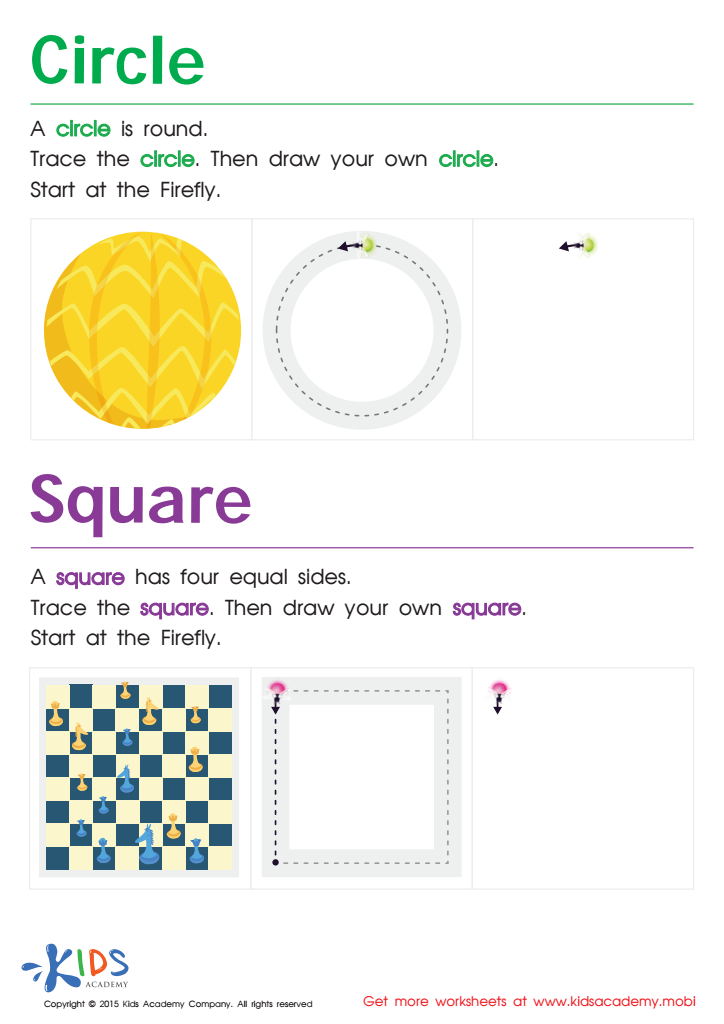
Trace And Draw a Circle And a Square Worksheet
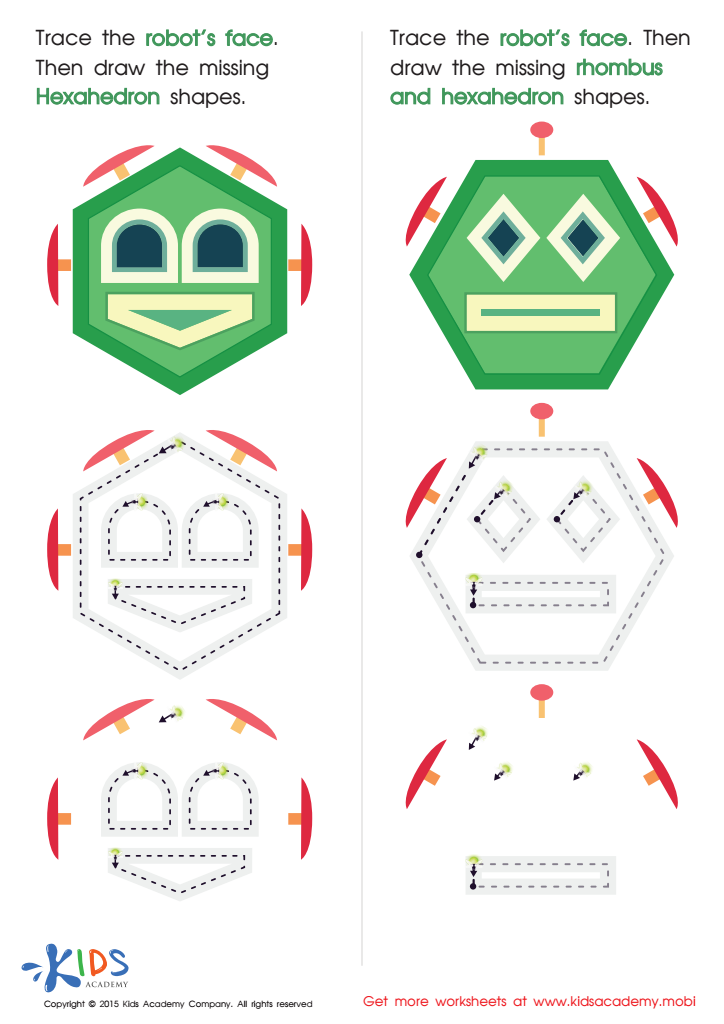
Practice Drawing Hexahedrons And a Rhombus Worksheet
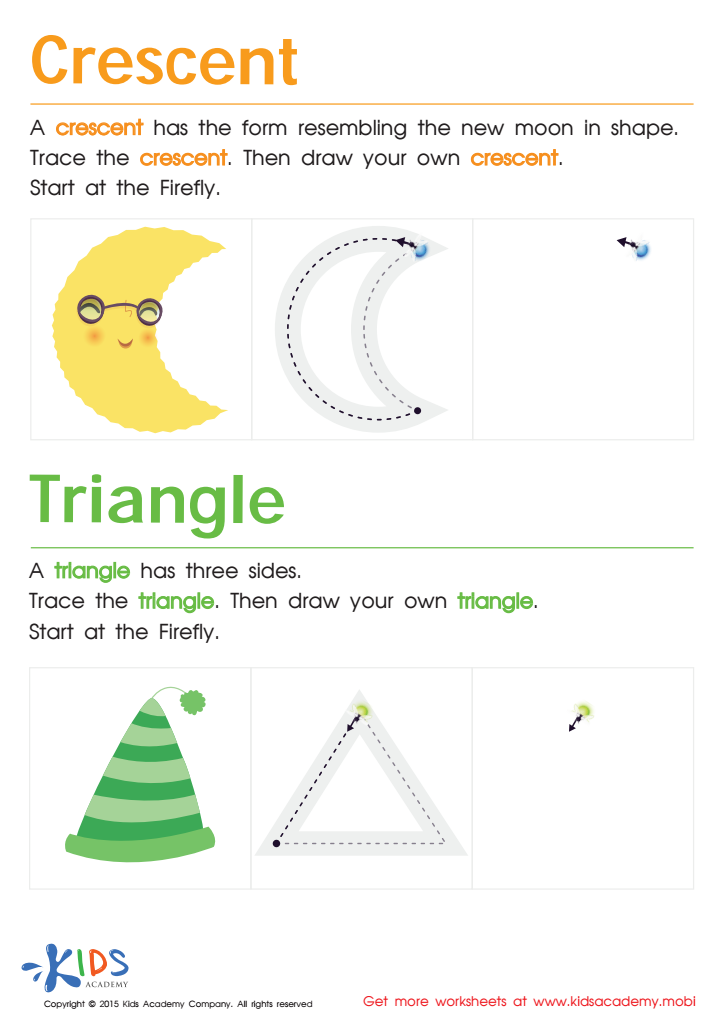
Learning to Draw Crescents And Triangles Worksheet
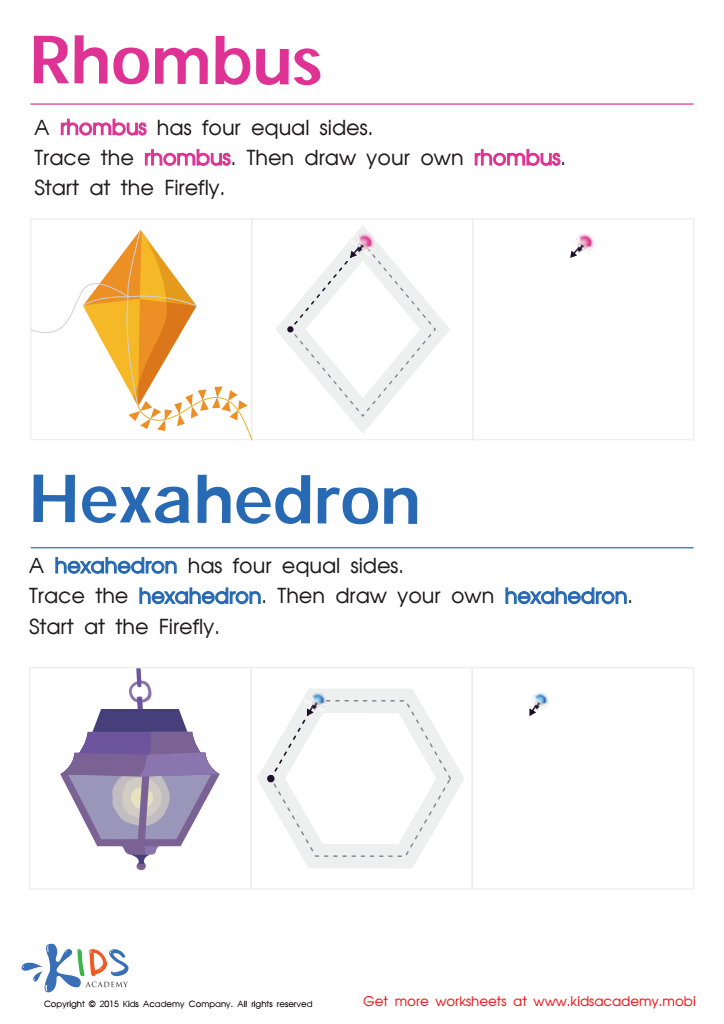
Draw a Rhombus And a Hexahedron Printable
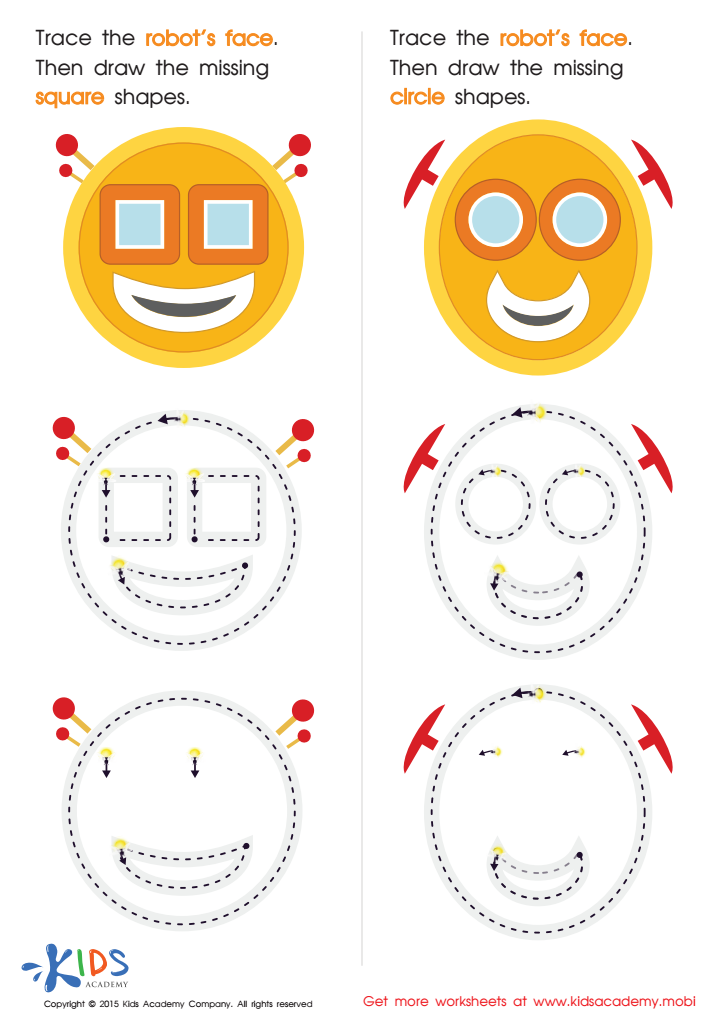
Practicing to Draw Circles And Squares Printable








Normal Tracing Shapes activities are essential for children aged 4-9 as they play a crucial role in early childhood development. Firstly, these activities enhance fine motor skills, which are imperative for tasks such as writing, cutting, and drawing. As children trace various shapes, they refine their hand-eye coordination and dexterity, laying a strong foundation for future academic endeavors.
Moreover, these activities promote spatial awareness and geometric understanding. Learning to recognize and differentiate shapes helps children make sense of their environment and fosters critical thinking. This knowledge is foundational for subjects such as mathematics and science later in school.
Another significant aspect is the boost in confidence and self-esteem that children gain from mastering new skills through tracing. Successfully completing these tasks instills a sense of accomplishment, encouraging a positive attitude toward learning.
Lastly, Normal Tracing Shapes activities can serve as a fun and engaging way to bond with parents and teachers. Collaborative tracing can lead to discussions about shapes, colors, and even storytelling, making learning both social and interactive.
In summary, emphasizing Normal Tracing Shapes activities supports children's physical, cognitive, and emotional development, making them a vital component of early education.








