Normal Matching worksheets activities for Ages 5-8 - Page 2
42 filtered results
-
From - To
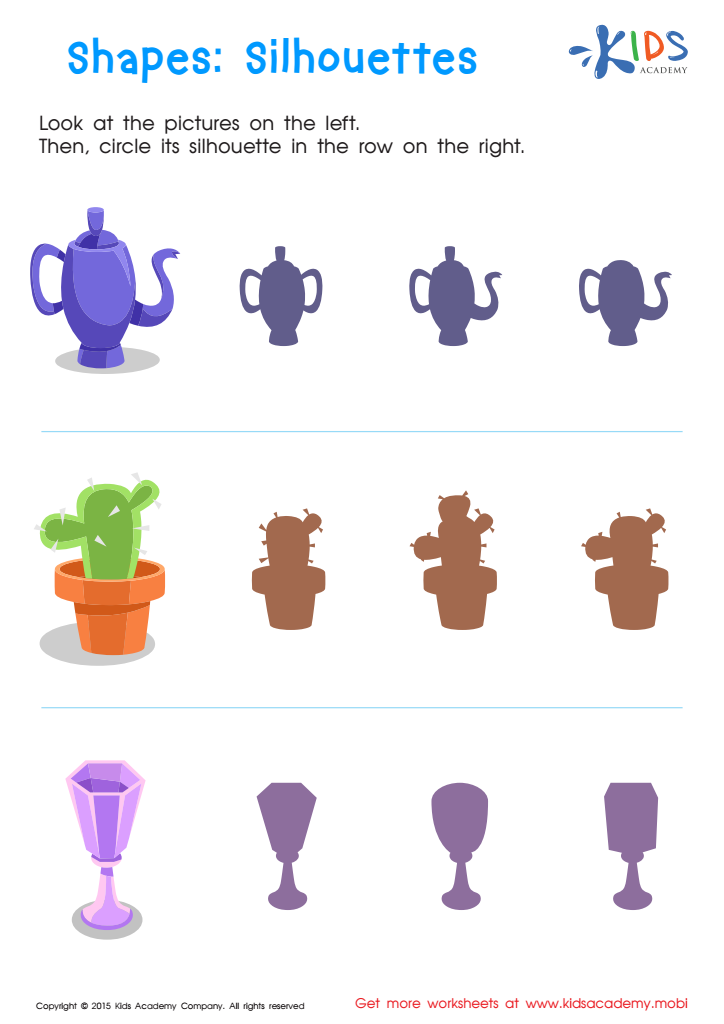
Silhouettes – Shapes Worksheet
 Assign to My Students
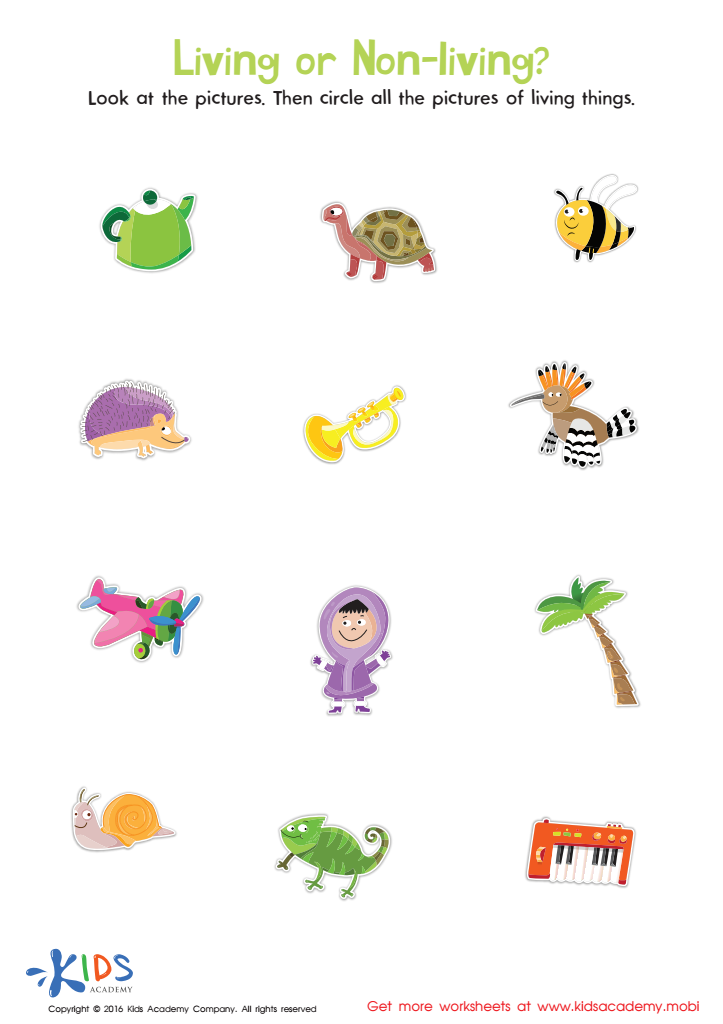
Identifying Living and Non–living Things Sorting Worksheet
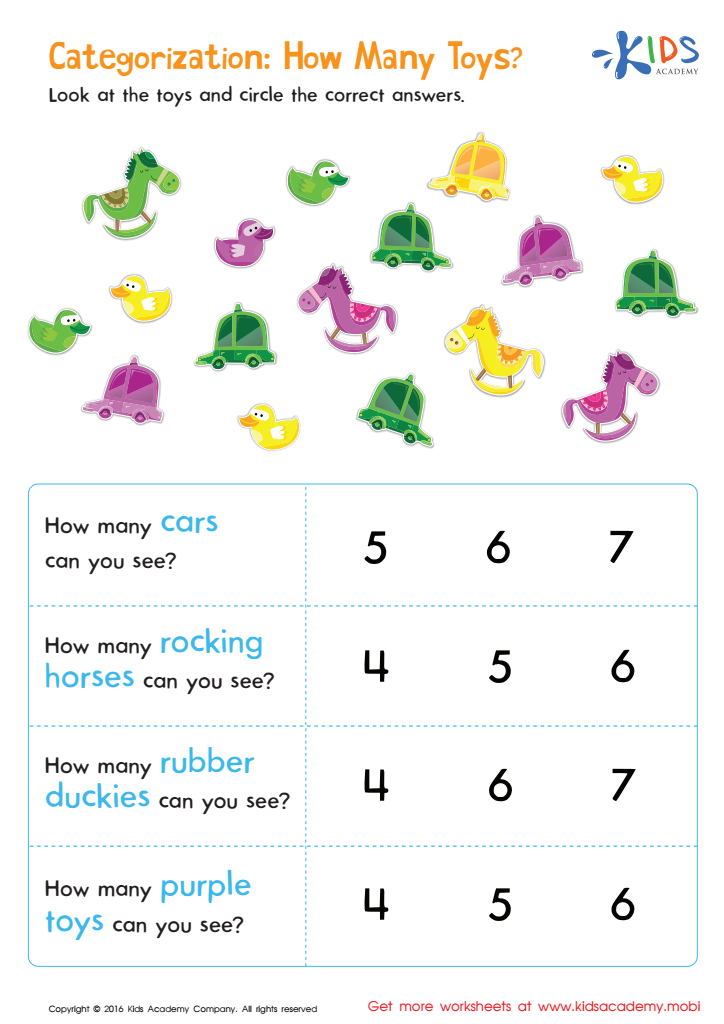
Classifying Toys by Type and Color Sorting Worksheet
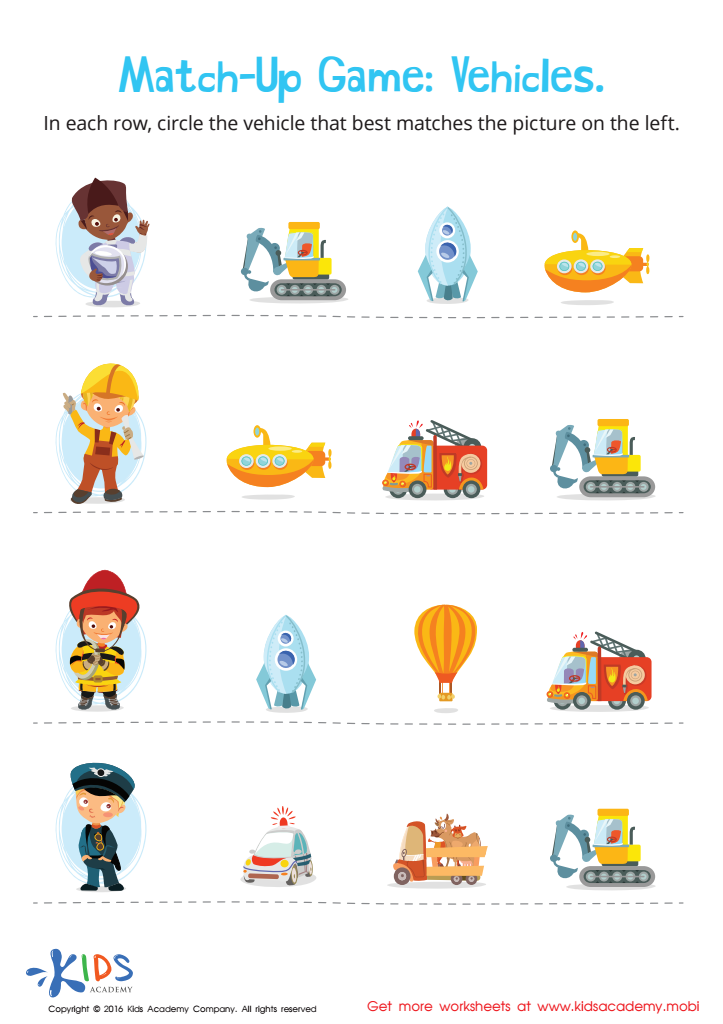
Vehicles Worksheet
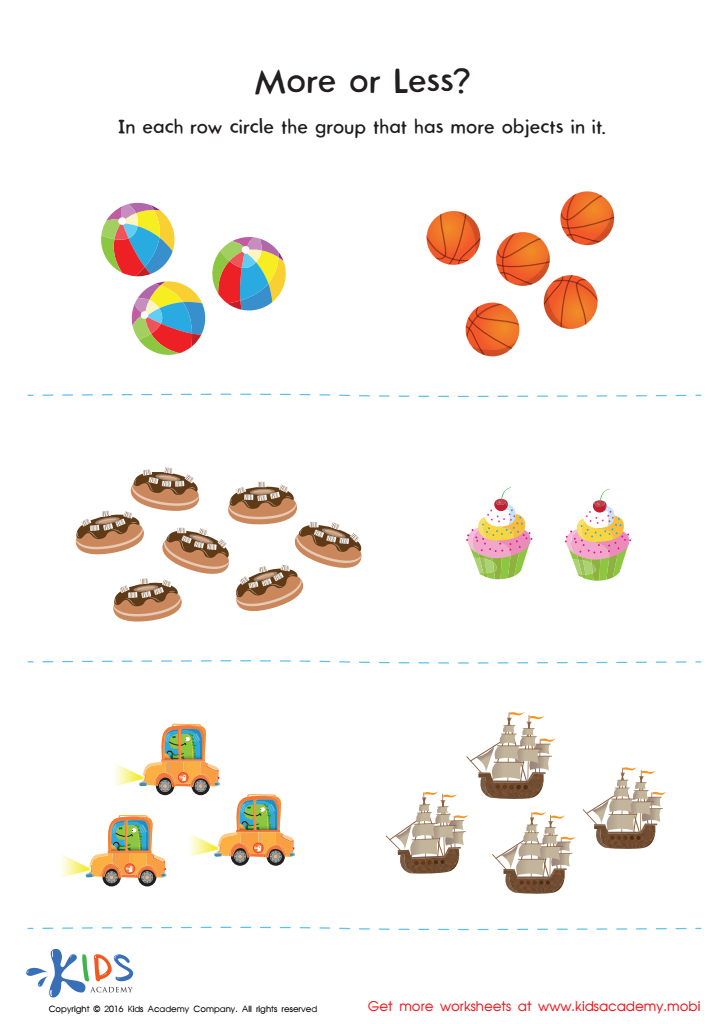
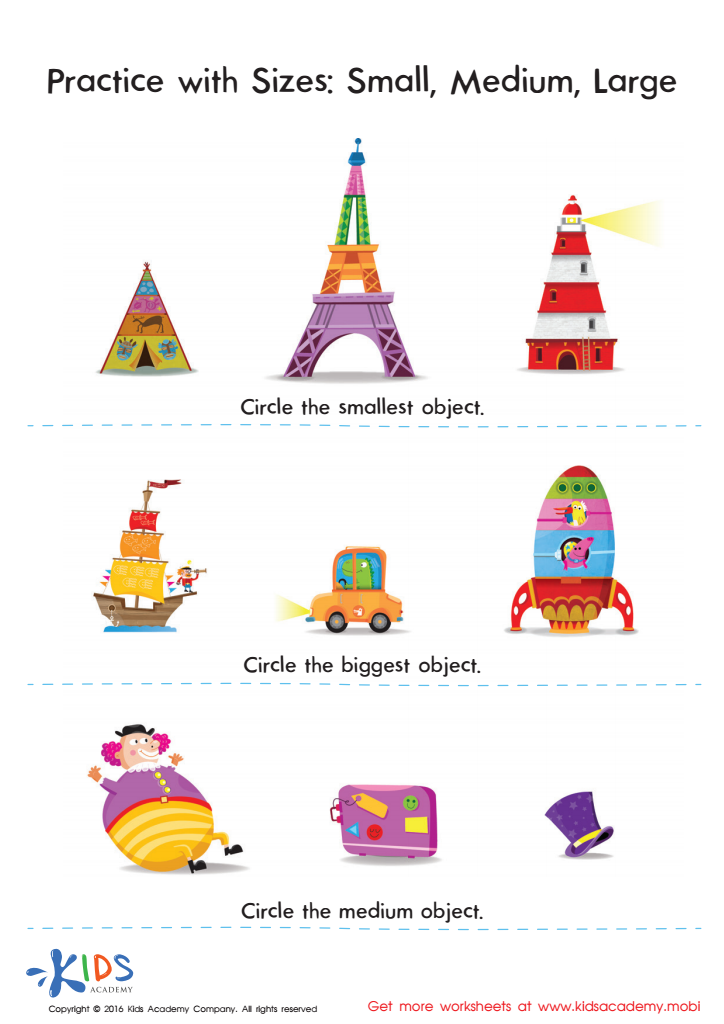
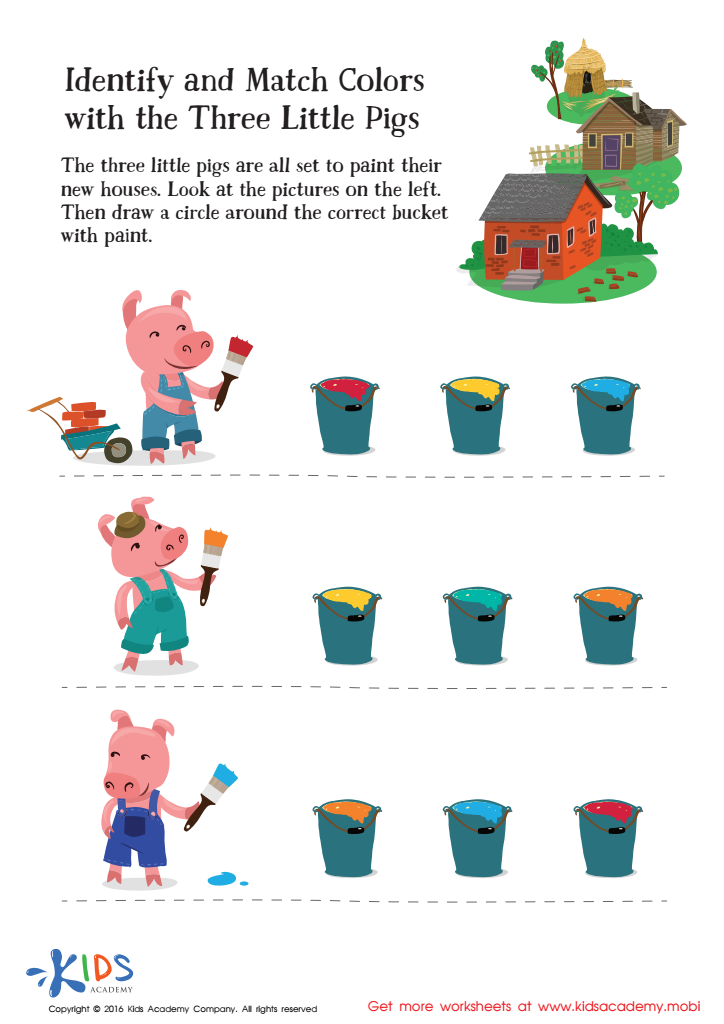
Fairy Tale Worksheet: Identify and Match Colors with Three Little Pigs
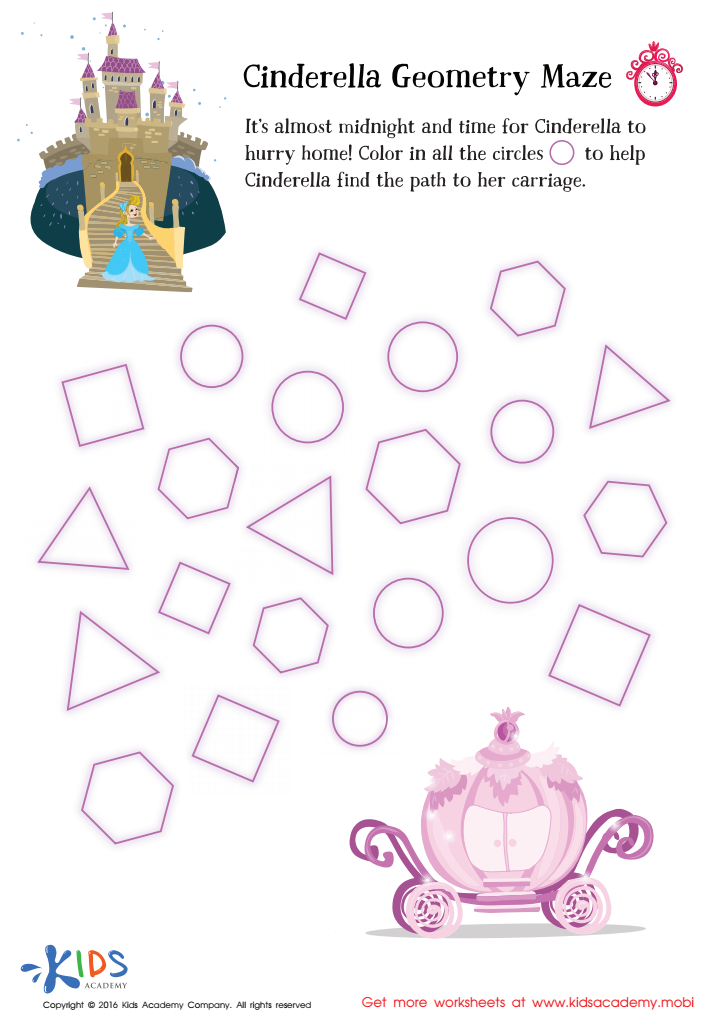
Cinderella Geometry Maze Worksheet
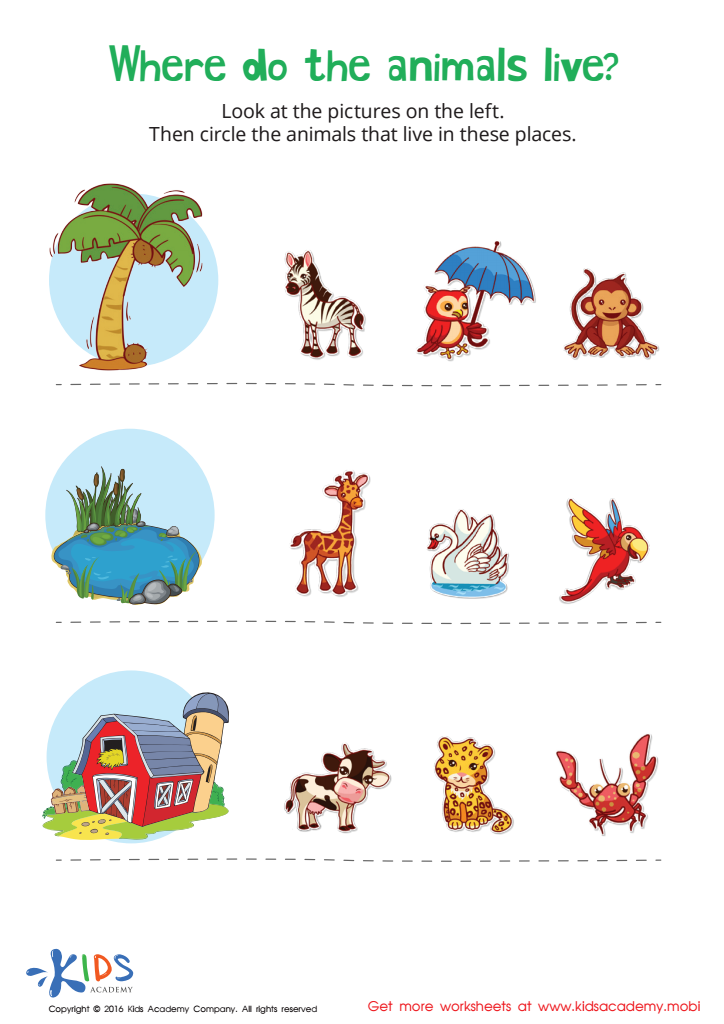
Where Animals Live Worksheet
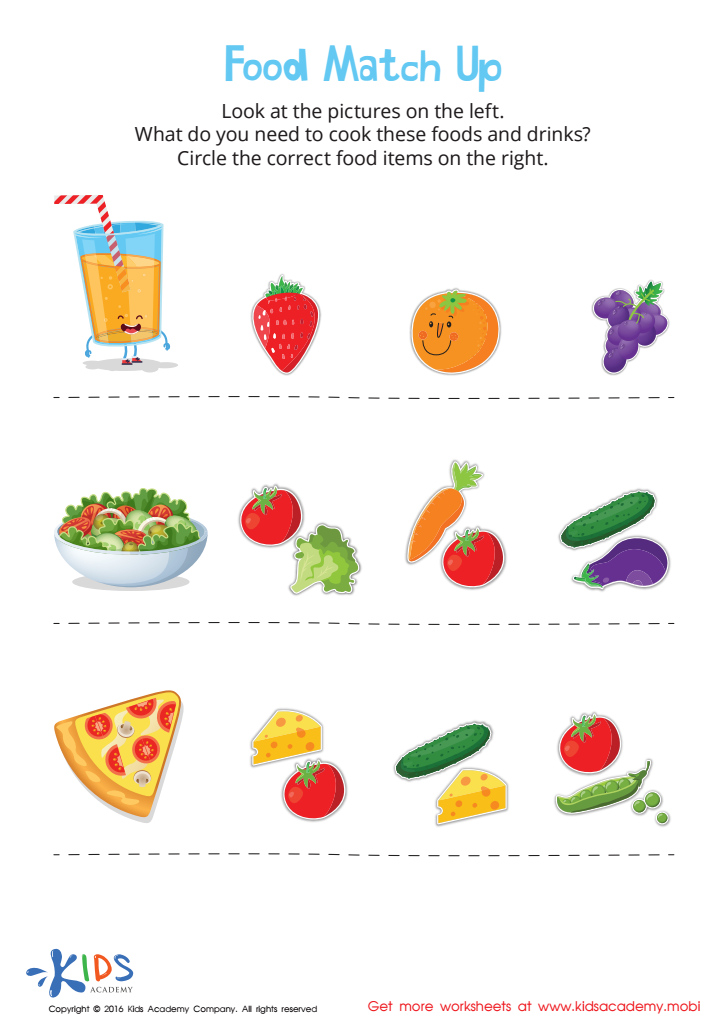
Food Match Up Worksheet
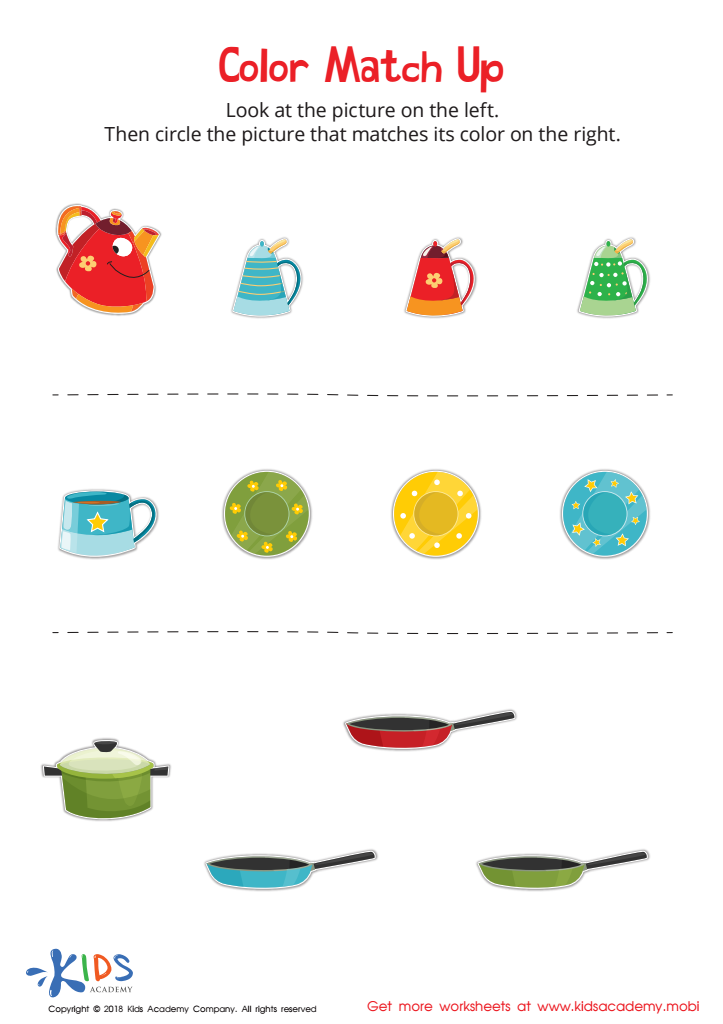
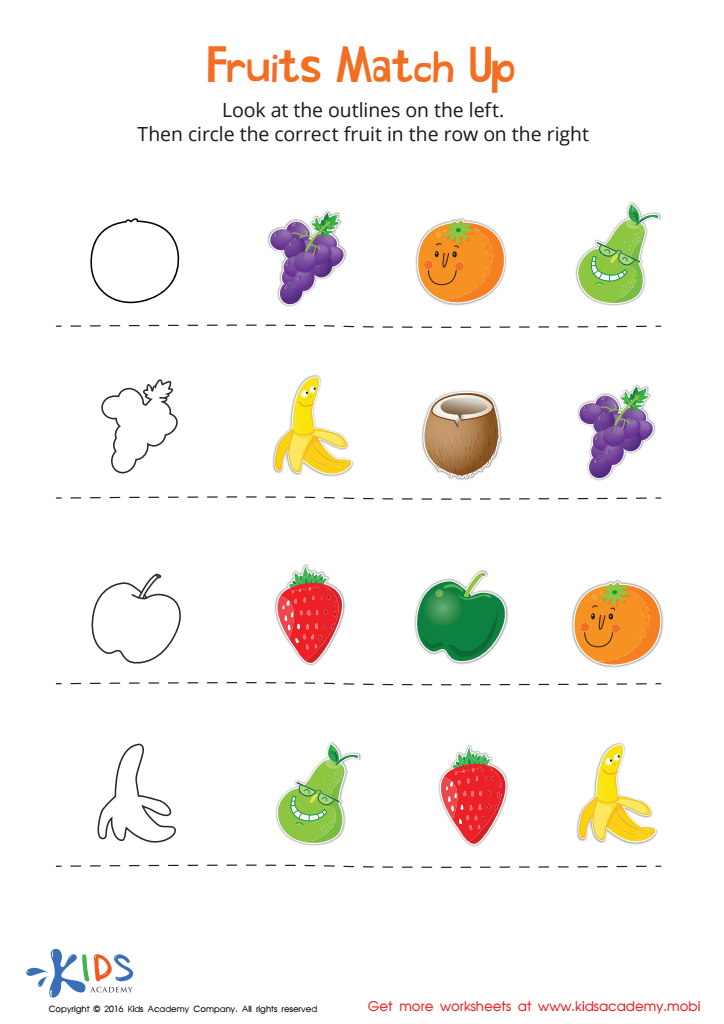
Fruits Match Up Worksheet
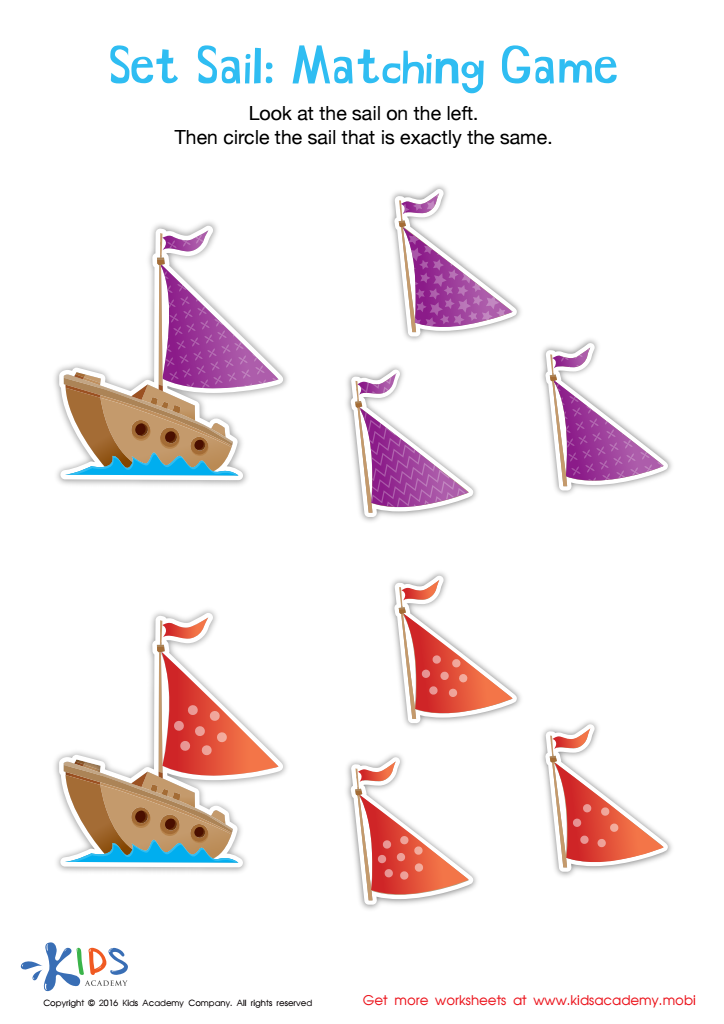
Set Sail Worksheet
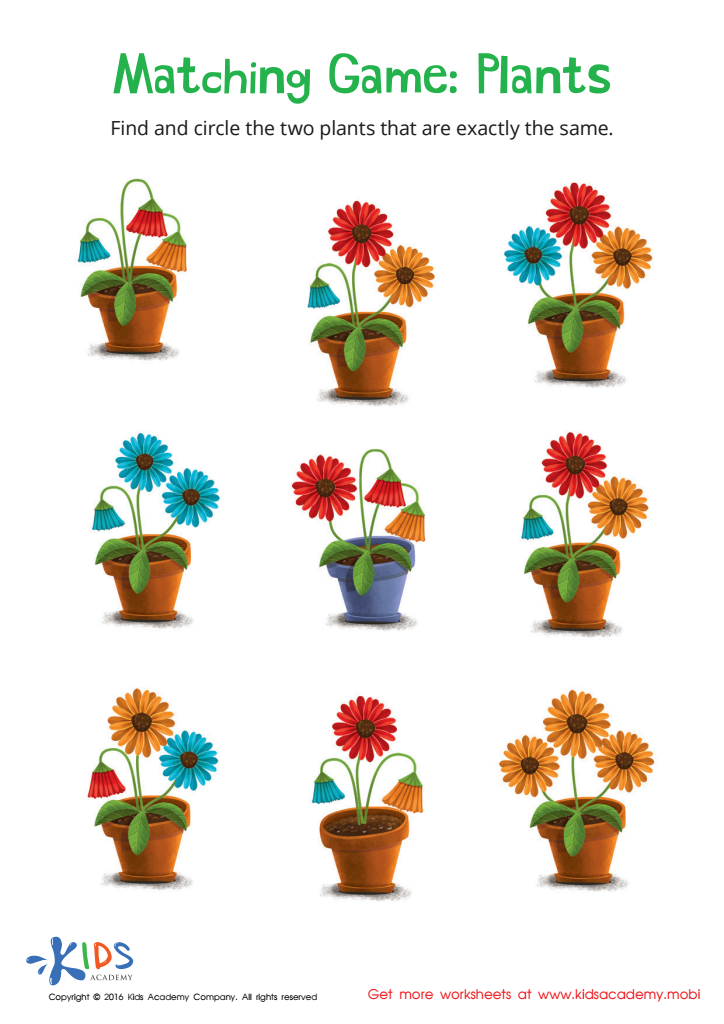
Matching: Plants Worksheet
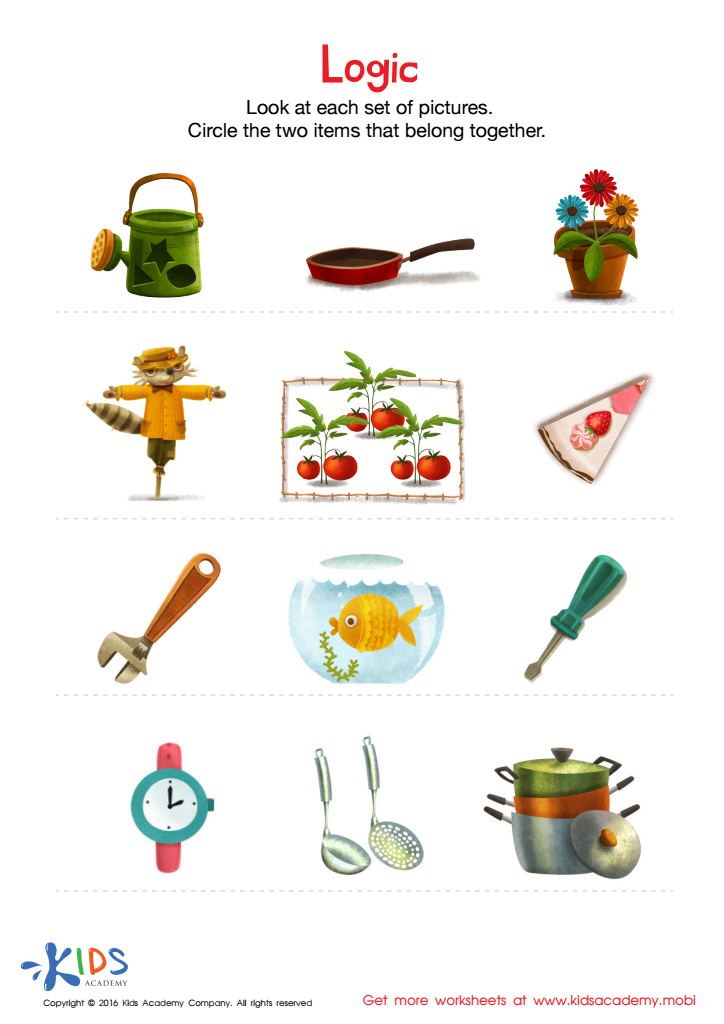
Logic Game Sorting Worksheet
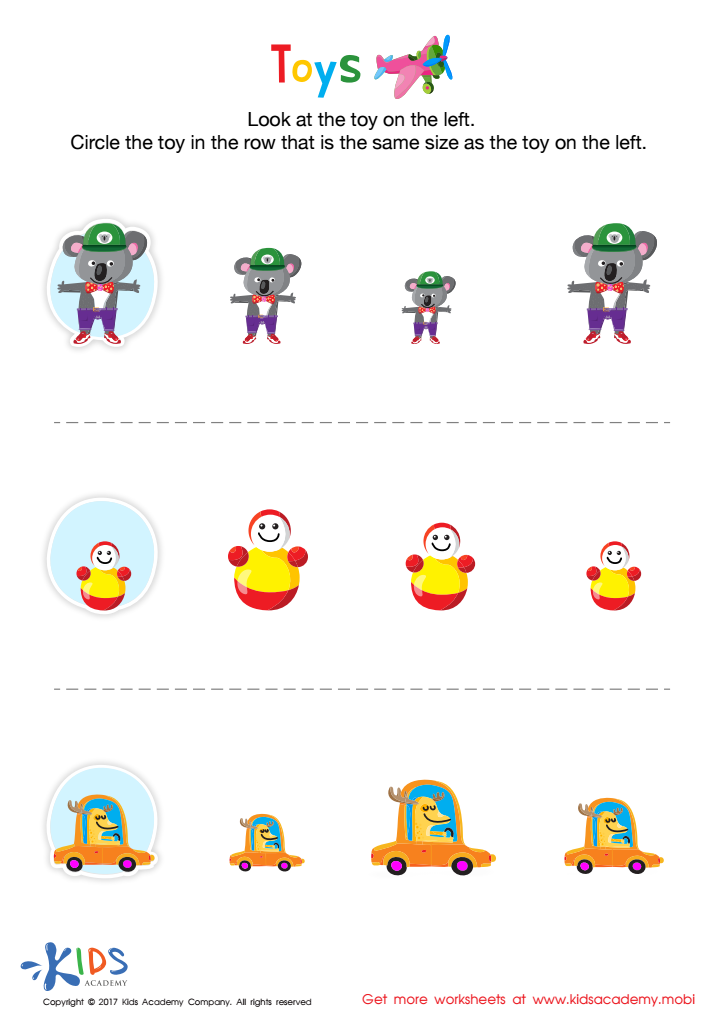
Matching: Classifying Toys by Size Worksheet
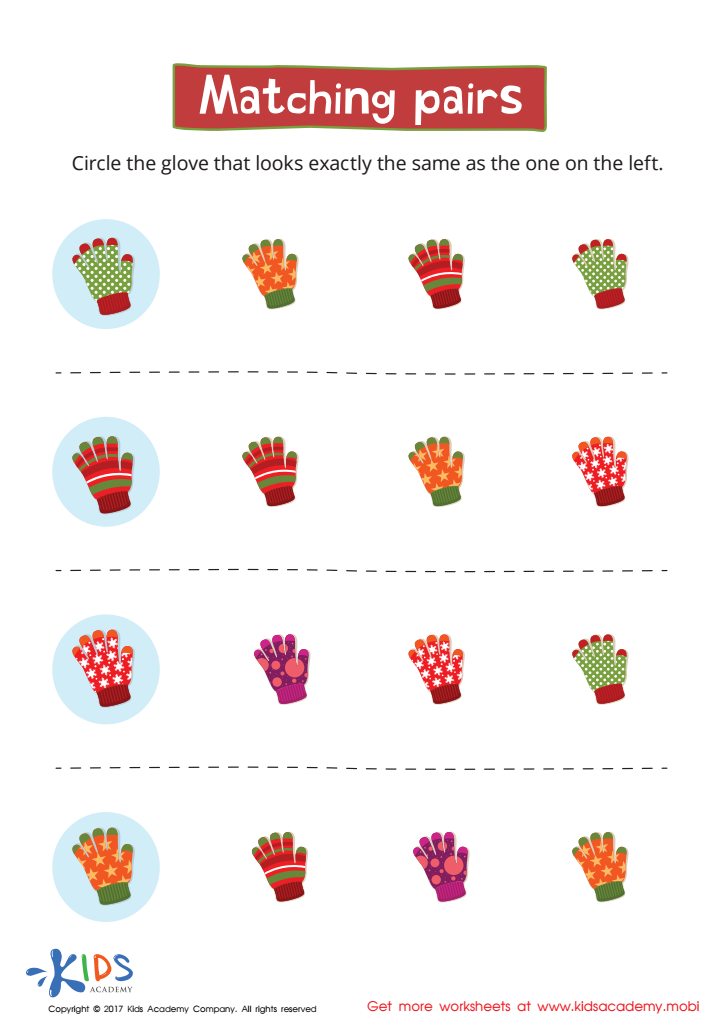
Matching: Matching Pairs Worksheet








Normal Matching activities are essential for children aged 5-8 because they promote critical cognitive skills and foster social-emotional development. These activities involve pairing items or concepts based on their characteristics, encouraging young learners to engage in logical thinking and problem-solving. As children match items, they enhance their categorization skills, which are foundational for later academic success in subjects like math and science.
Furthermore, Normal Matching encourages cooperation and communication among peers. When children participate in group matching activities, they learn to share ideas, negotiate differences, and develop patience. These social interactions help them build essential skills like empathy and collaboration, which are crucial in and outside of the classroom.
Parents and teachers should also consider that these activities can be tailored to reflect children’s interests and experiences, making learning relevant and enjoyable. By incorporating visually engaging materials, such as picture cards or everyday objects, Normal Matching can captivate reluctant learners.
Investing time in Normal Matching activities can support early brain development, preparing children for future academic challenges while also nurturing their emotional and social skills. Ultimately, fostering a strong foundation during these formative years contributes significantly to a child's lifelong success.








