Comparison Worksheets for Ages 3-6
19 filtered results
-
From - To
Introduce your young learners to the fundamentals of comparison with our engaging worksheets for ages 3-6 at Kids Academy. Perfectly designed for preschoolers and kindergarteners, these activities will help children develop critical skills such as identifying differences, understanding size, and categorizing objects. With colorful illustrations and simple exercises, our printable and online worksheets make learning math concepts fun and interactive. Strengthen your child’s observational skills and prepare them for future academic success through playful and educational comparison exercises today. Visit Kids Academy for free resources tailored to spark curiosity and foster a love for learning in your little ones.
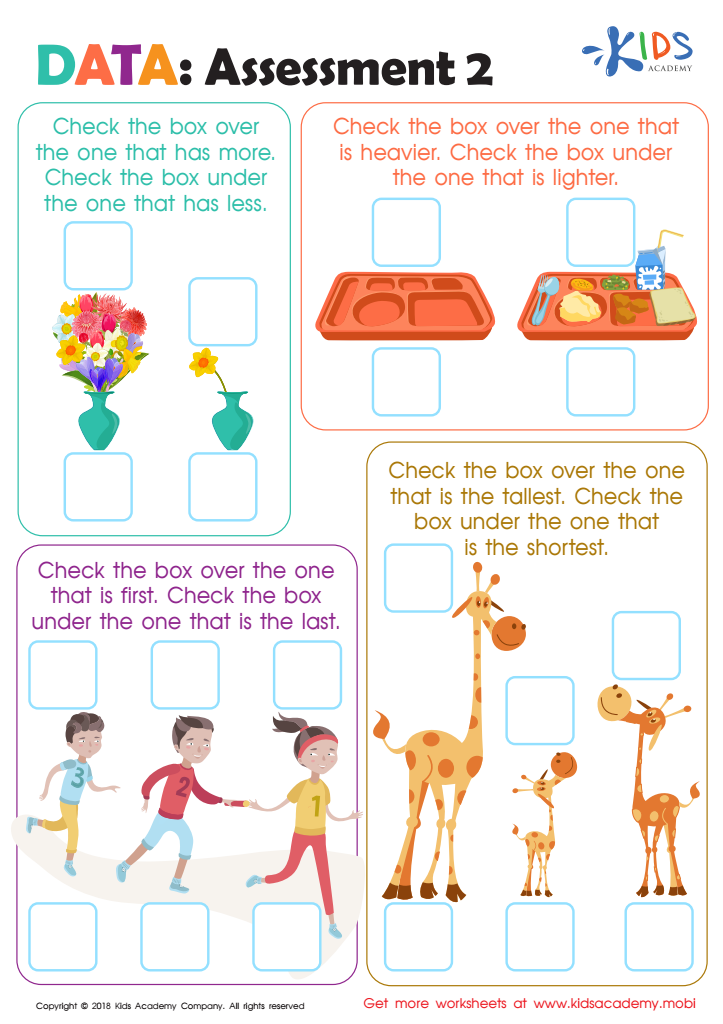
Data: Assessment 2 Worksheet
 Assign to My Students
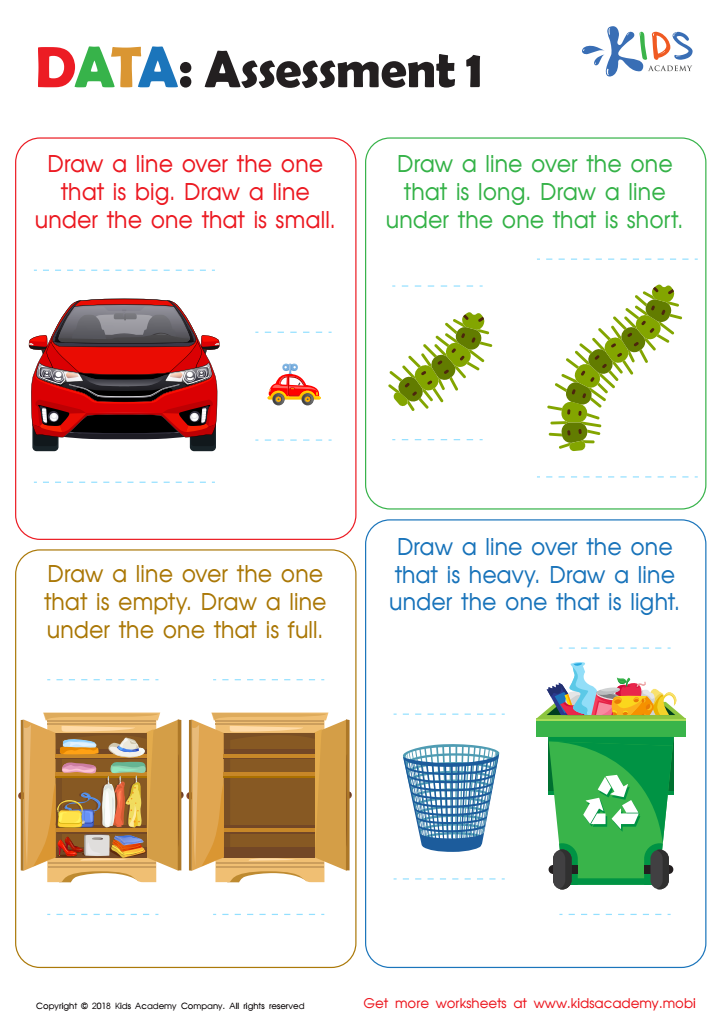
Data: Assessment 1 Worksheet
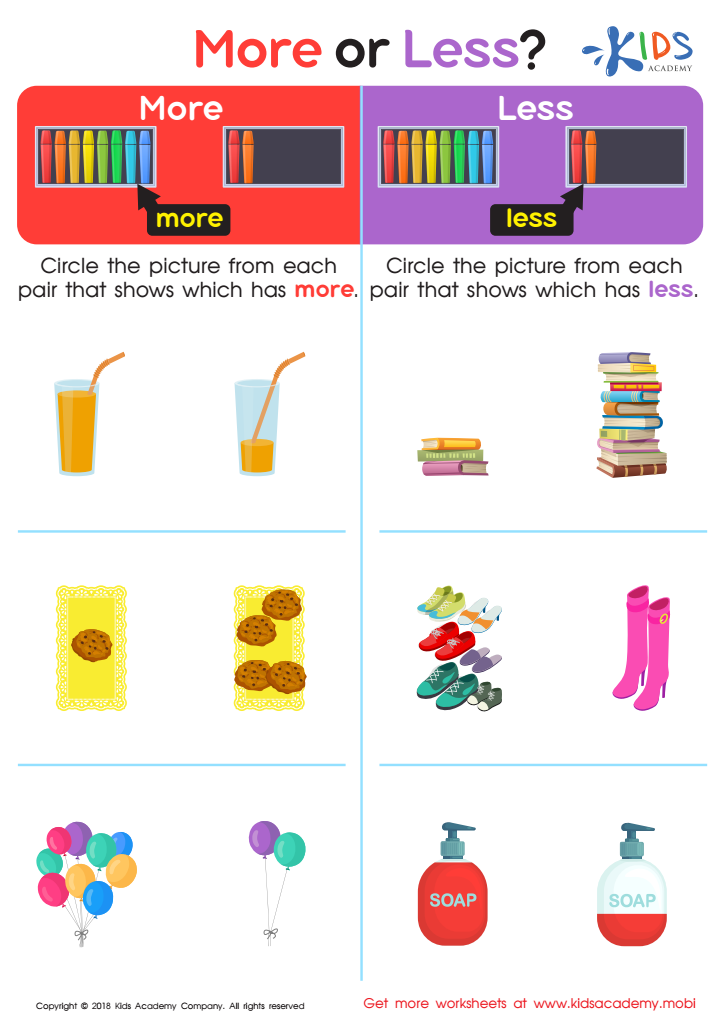
More or Less? Worksheet
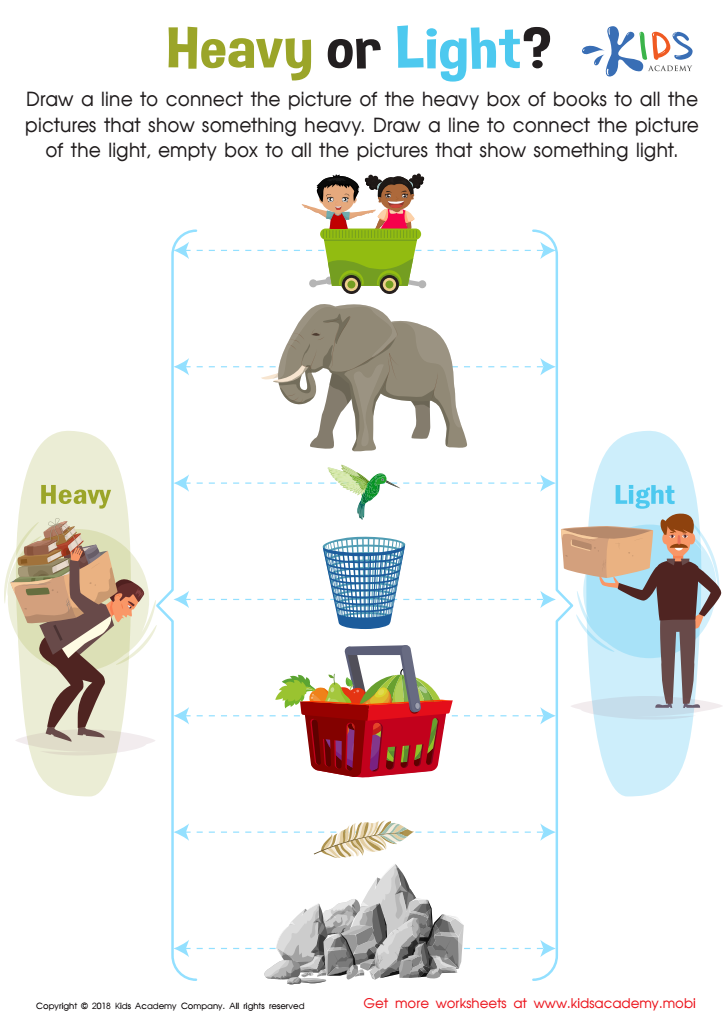
Heavy or Light? Worksheet
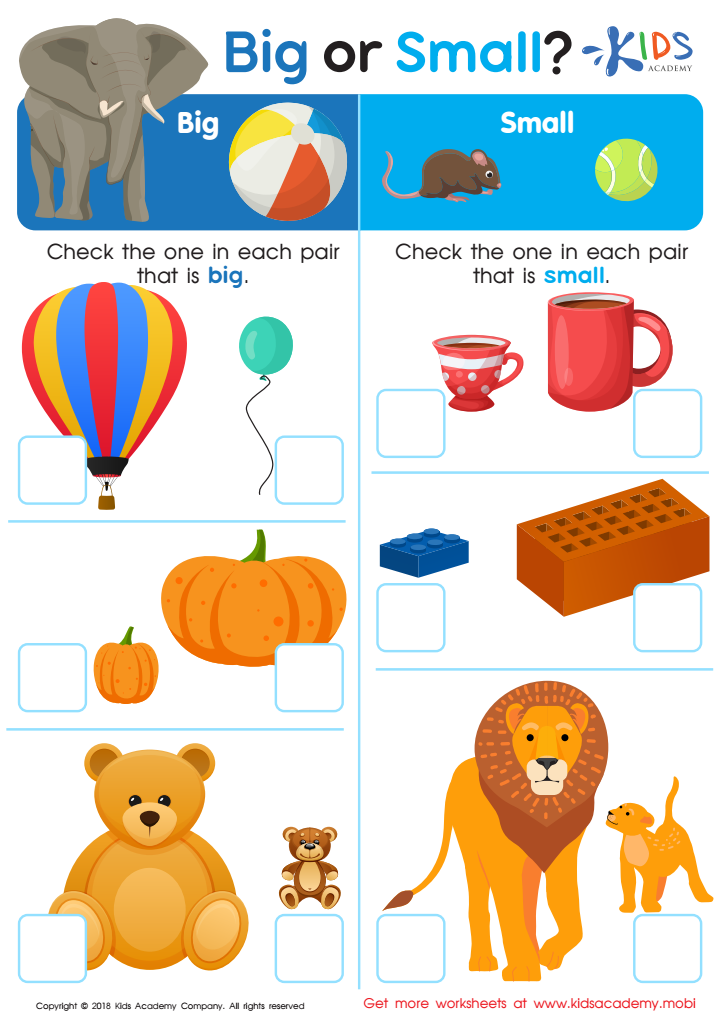
Big or Small? Worksheet
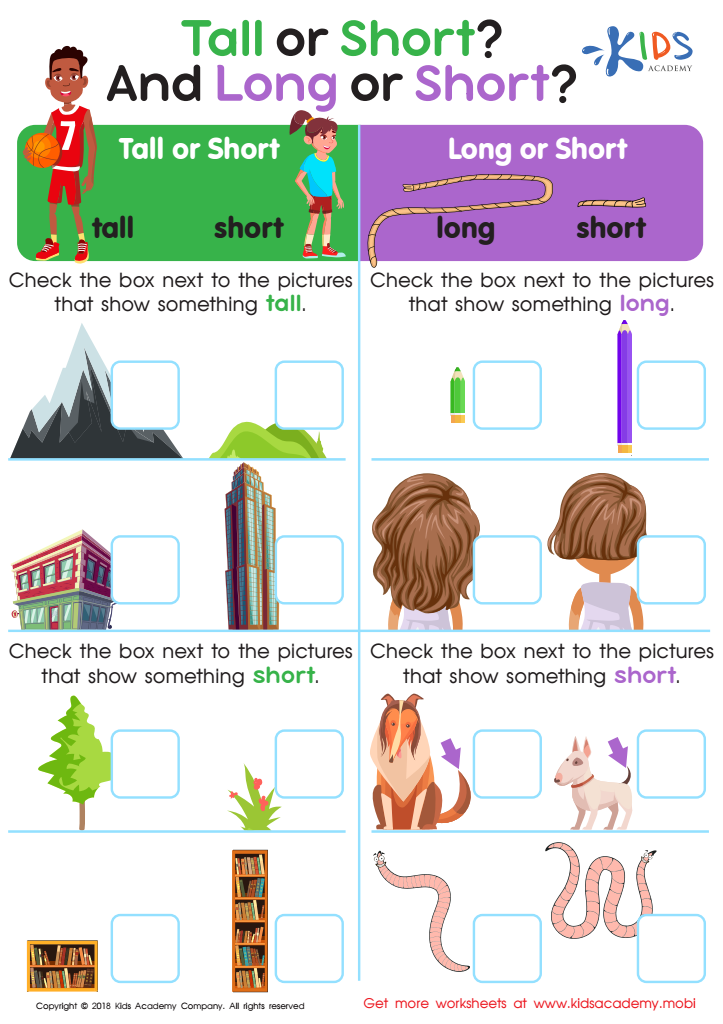
Tall or Short and Long or Short? Worksheet
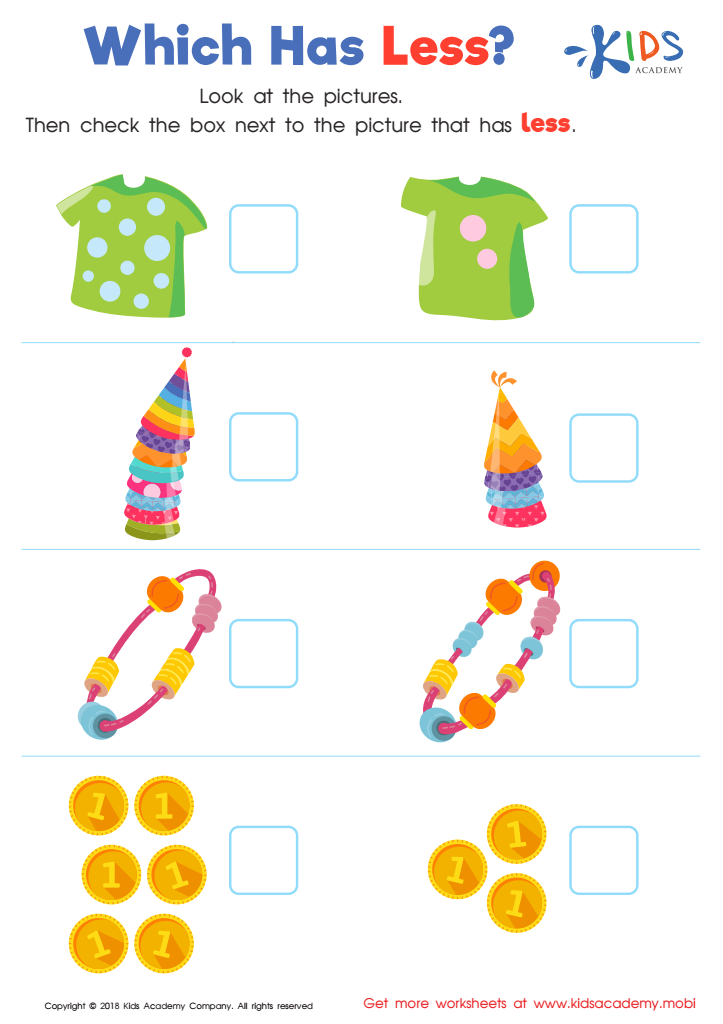
Which Has Less? Worksheet
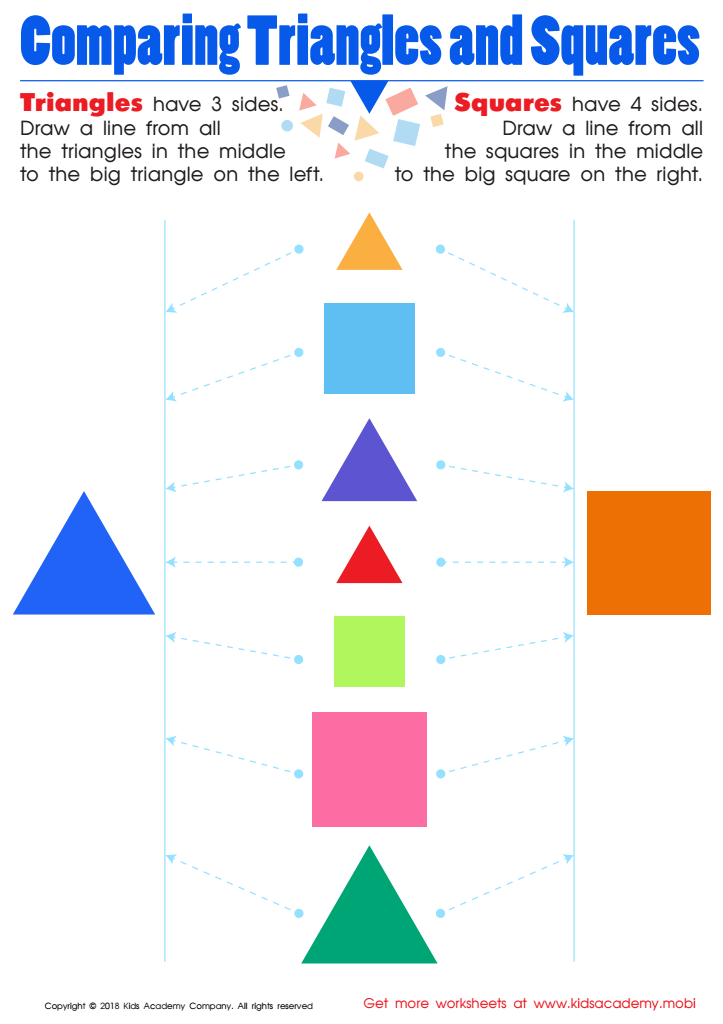
Comparing Triangles Squares Worksheet
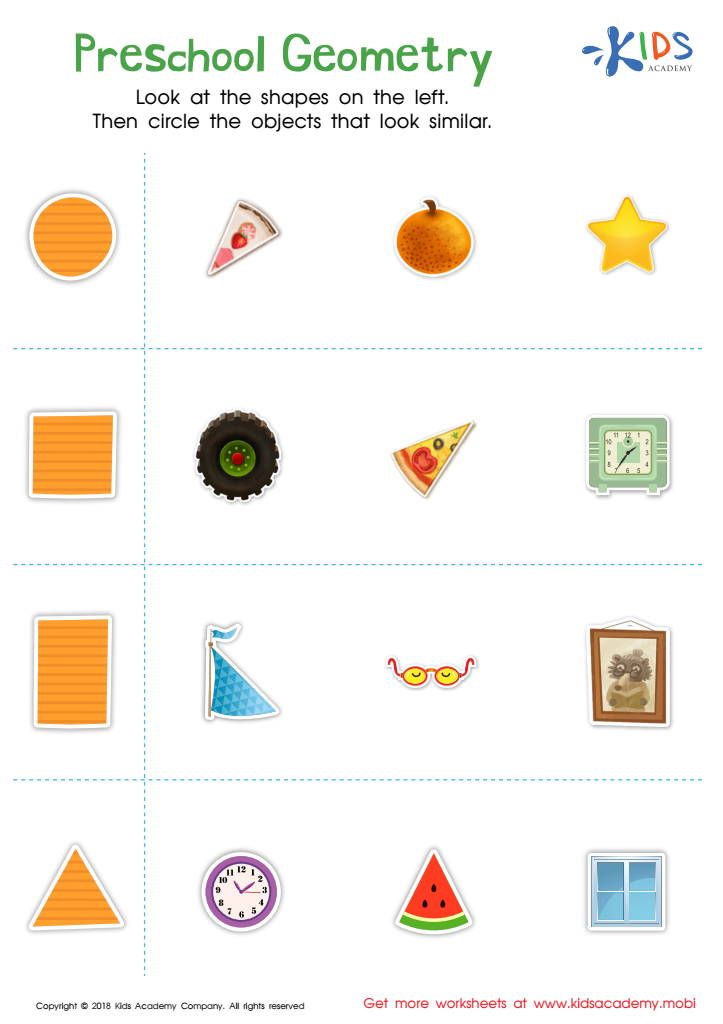
Preschool Geometry Worksheet
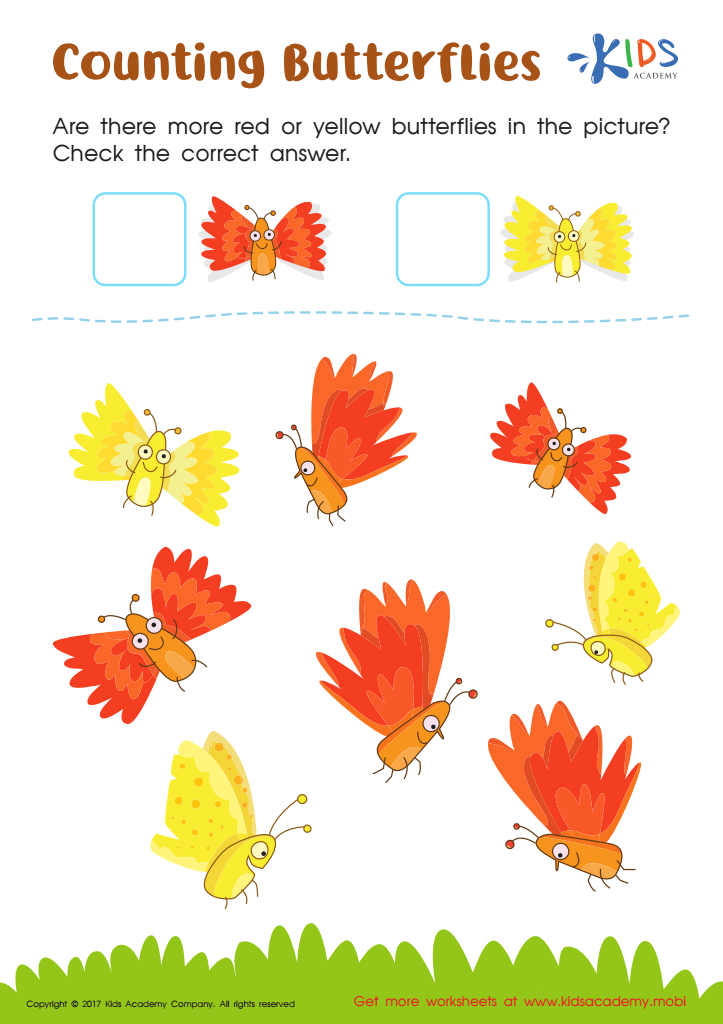
Counting Butterflies Worksheet
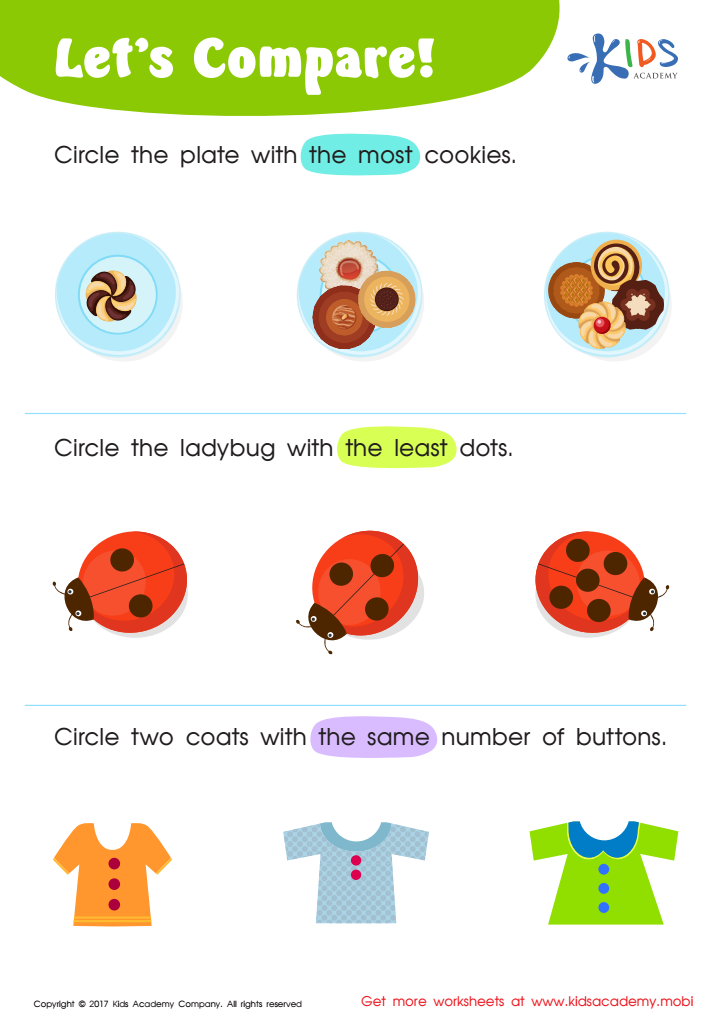
Matching: Classifying Toys by Size Worksheet
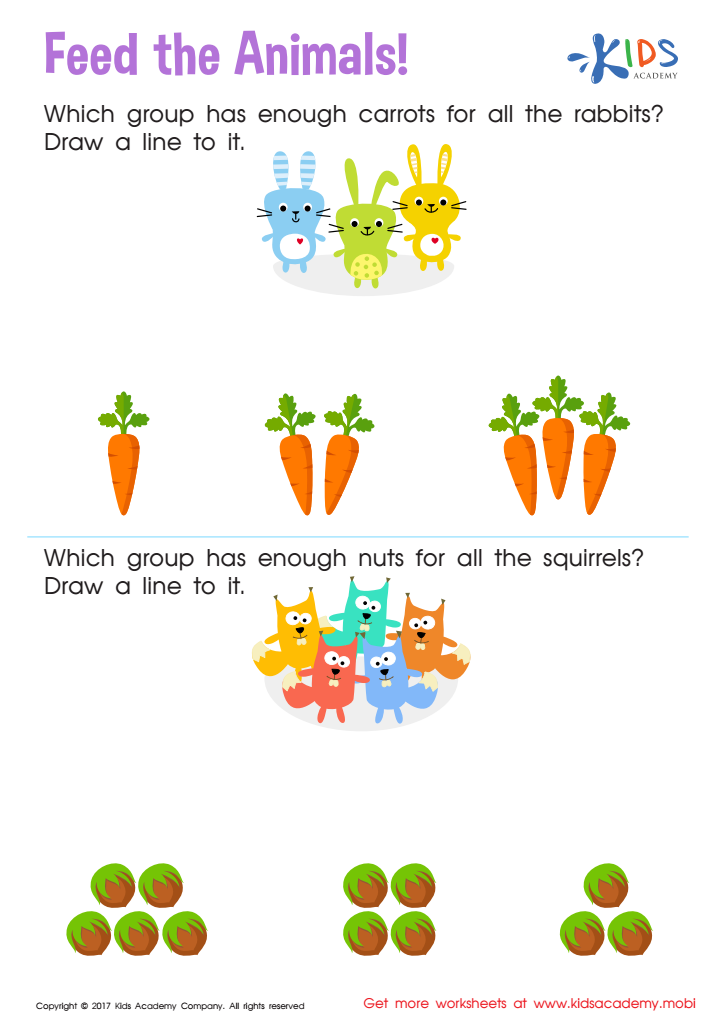
Count and Match: Feed the Animals Worksheet
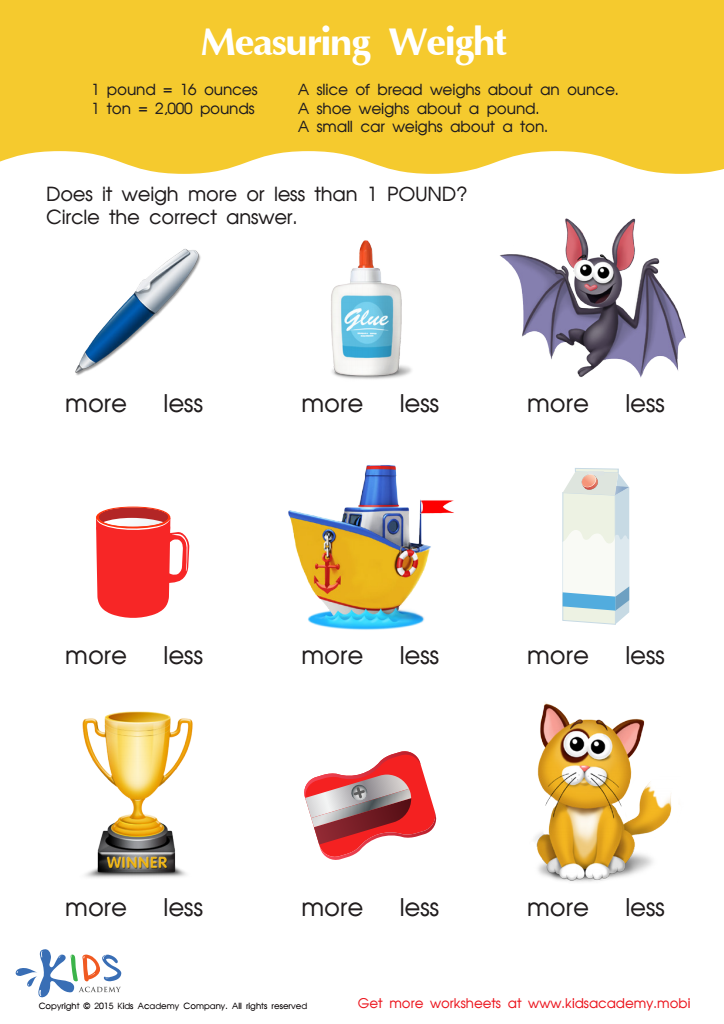
Measuring weight in pounds Worksheet
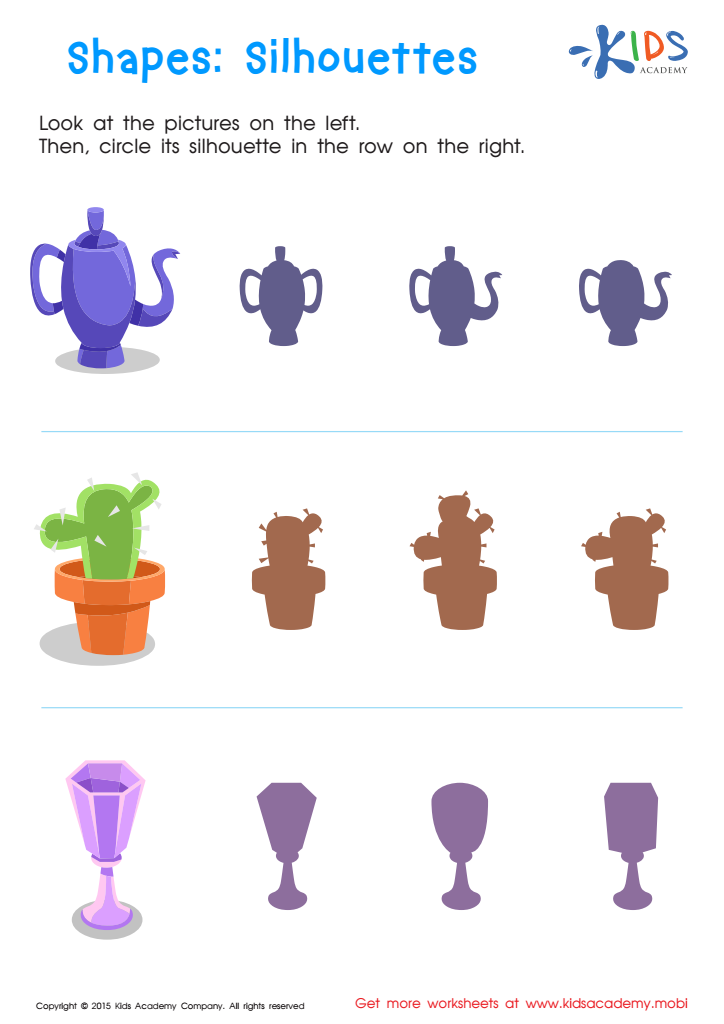
Silhouettes – Shapes Worksheet
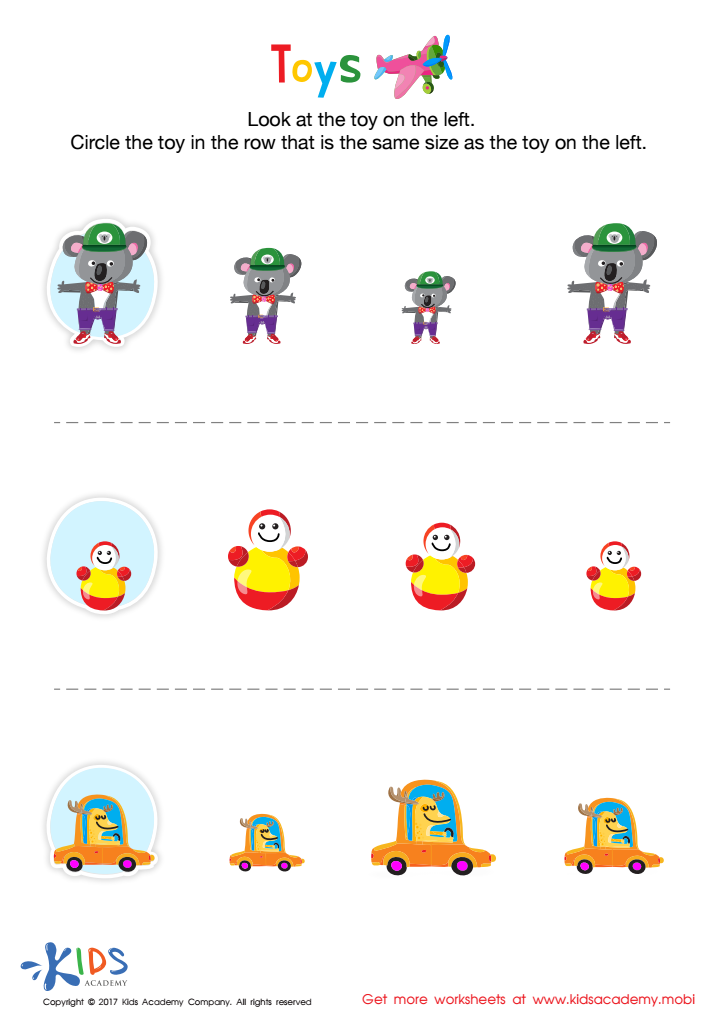
Matching: Classifying Toys by Size Worksheet
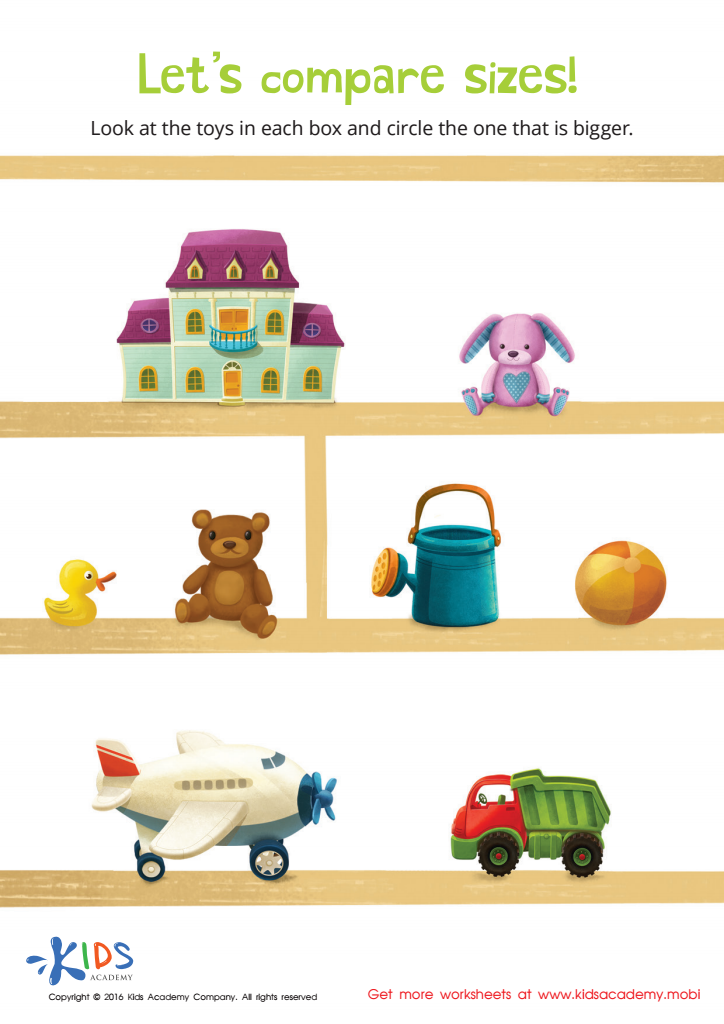
Classifying by Size Sorting Worksheet
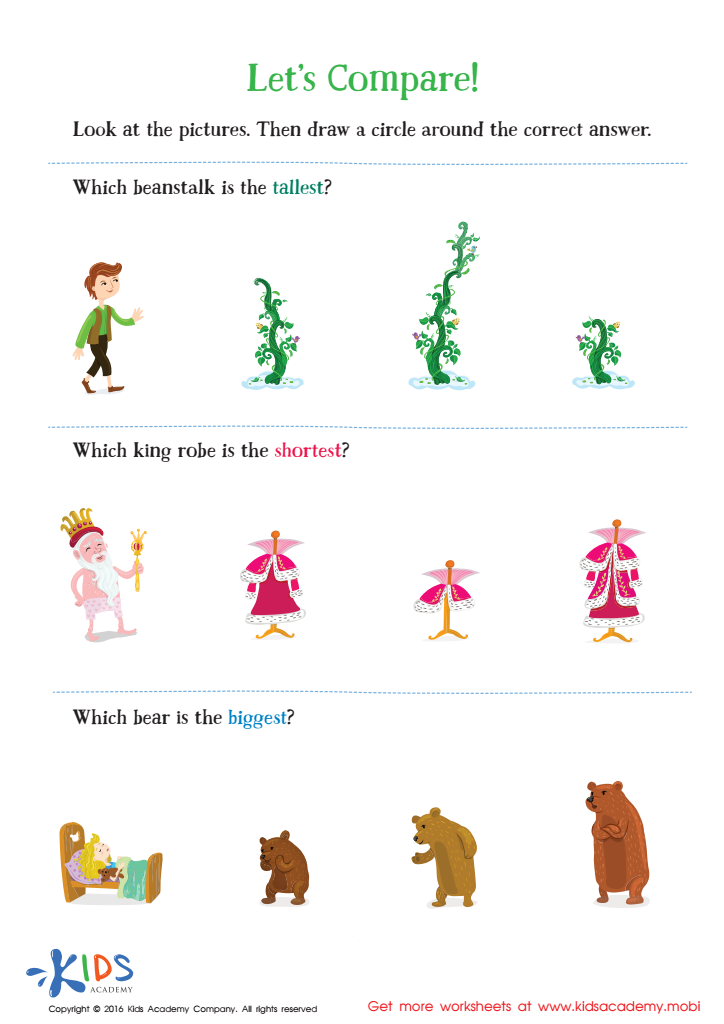
Fairy Tale Worksheet: Let's Compare
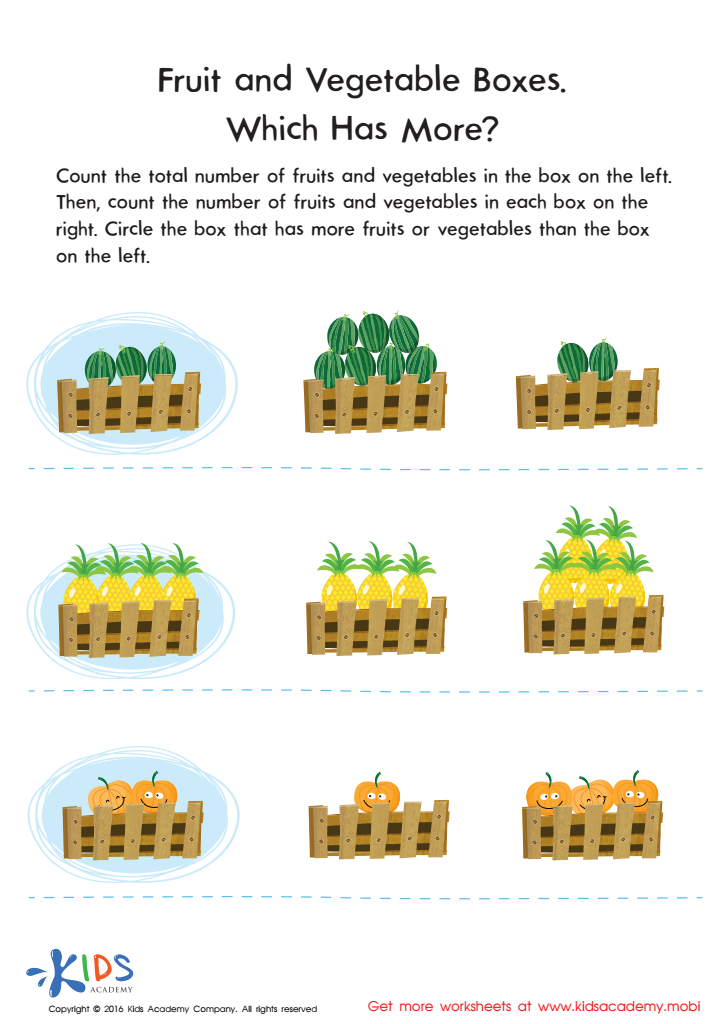
Which Has More? Size Worksheet
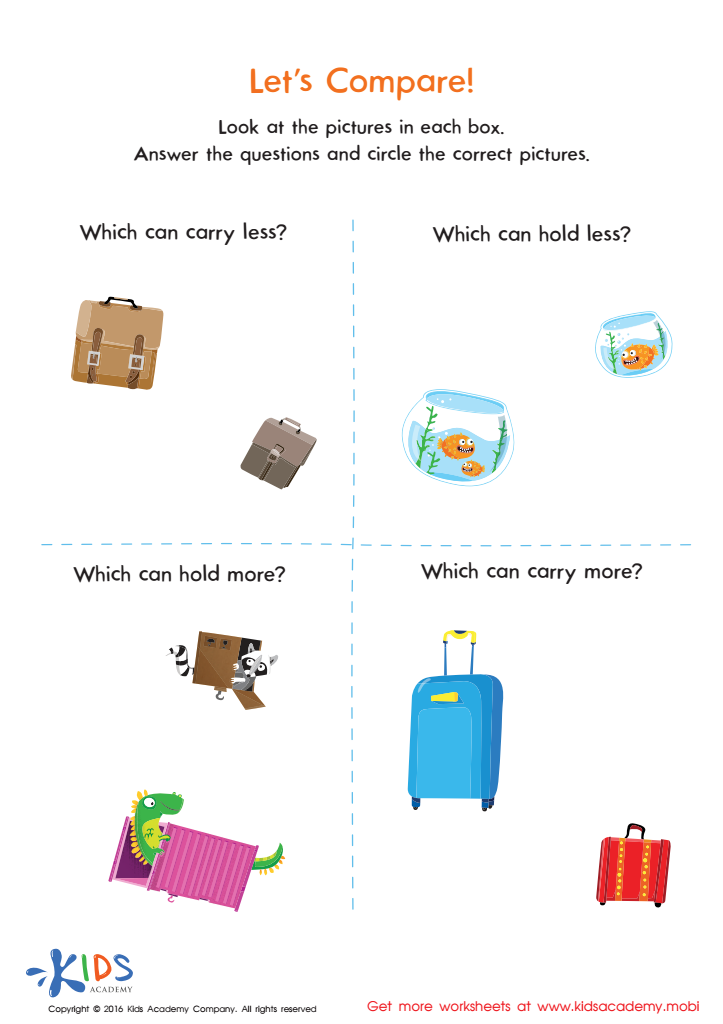
Let's Compare Worksheet: Big or Small







Comparison is a crucial cognitive skill that young children, ages 3-6, develop and utilize as they navigate the world around them. Parents and teachers should prioritize teaching comparison because it lays the foundation for mathematical thinking and problem-solving capabilities. When children compare objects in terms of size, color, shape, and quantity, they enhance their observational skills and learn to classify and categorize, which are essential for academic success.
Moreover, comparison activities such as sorting toys, comparing lengths, or understanding more vs. less help cultivate critical thinking and reasoning skills. These fundamental experiences build their capacity to integrate and synthesize new information effectively. Teaching comparison also helps children develop a vocabulary to express these concepts, boosting their language development and ability to communicate their thoughts and observations clearly.
Additionally, comparison skills are essential for everyday decision-making. Whether it’s choosing between two snacks based on size or selecting clothing appropriate for weather conditions, the ability to compare equips children to make informed and reasoned choices. Therefore, nurturing comparative thinking through play, structured activities, and daily conversations equips children not only for future academic pursuits but also for making practical, informed decisions throughout life.








