Counting Worksheets for Ages 3-6 - Page 2
35 filtered results
-
From - To
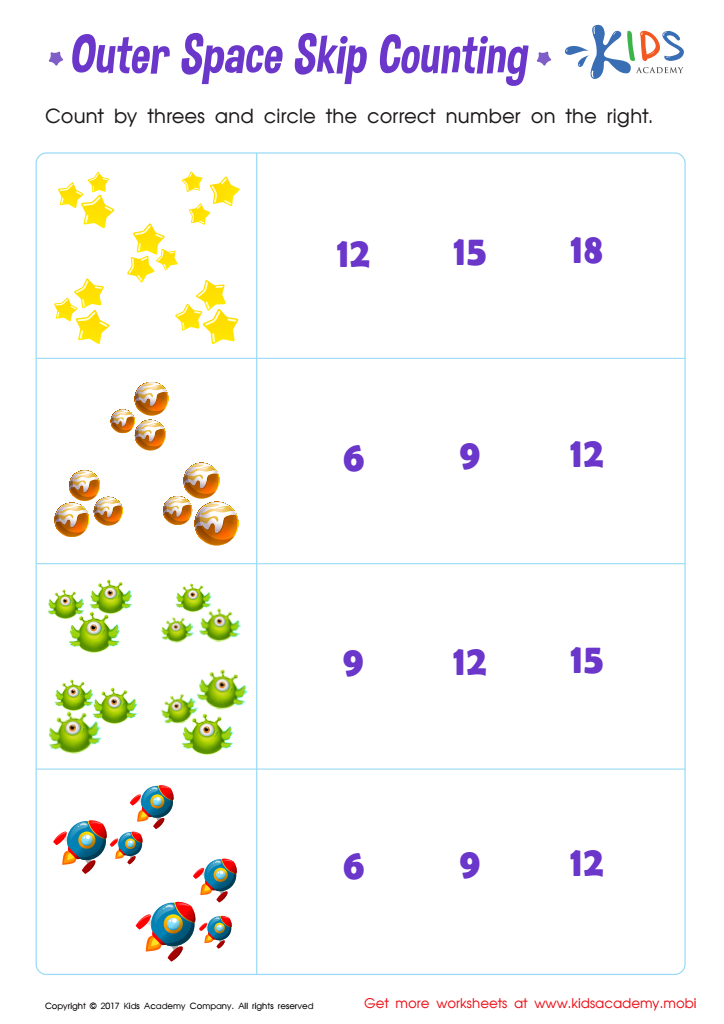
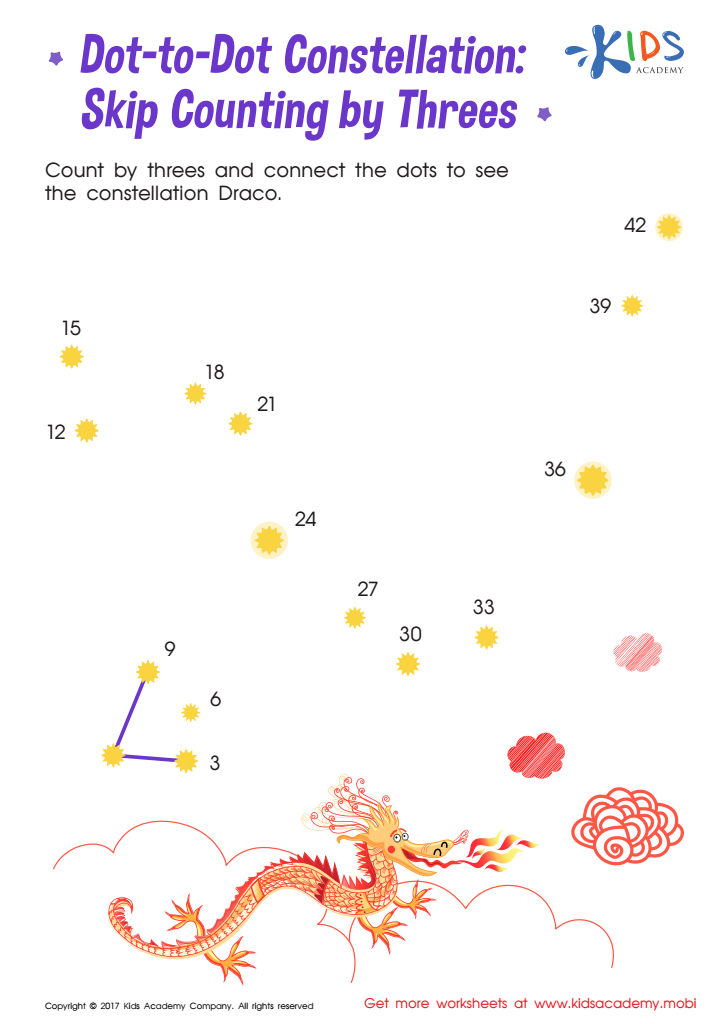
Skip Counting by 3s: Outer Space Skip Counting Printable
 Assign to My Students


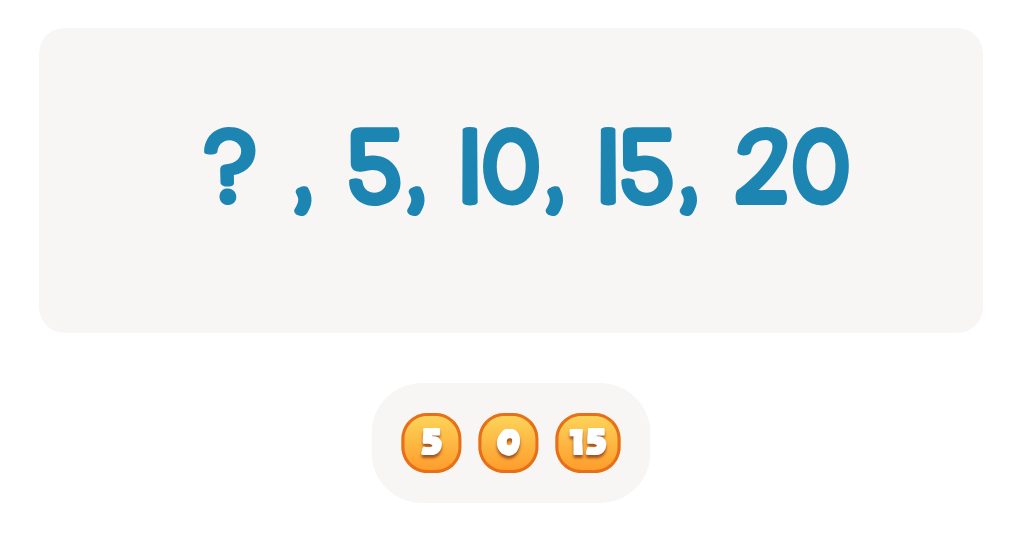
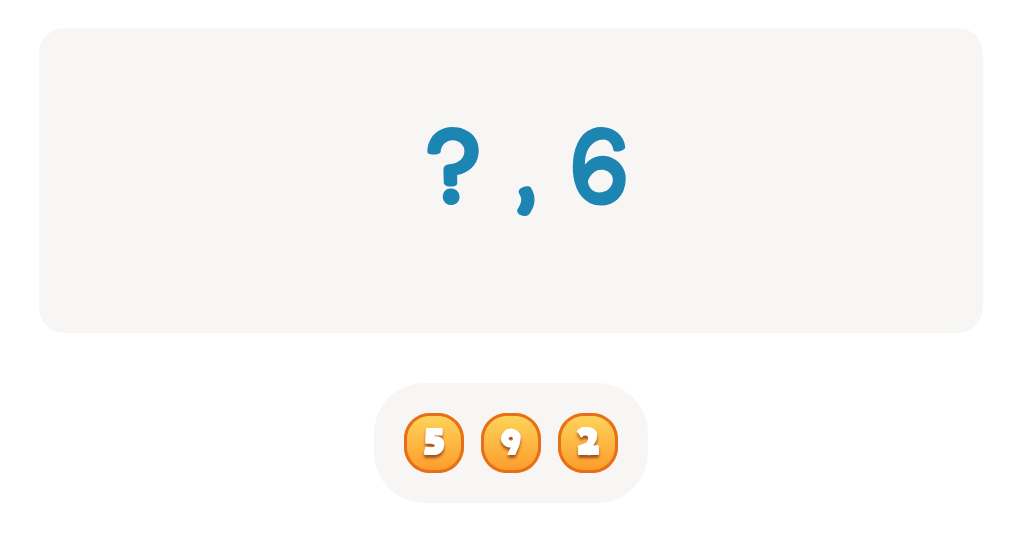
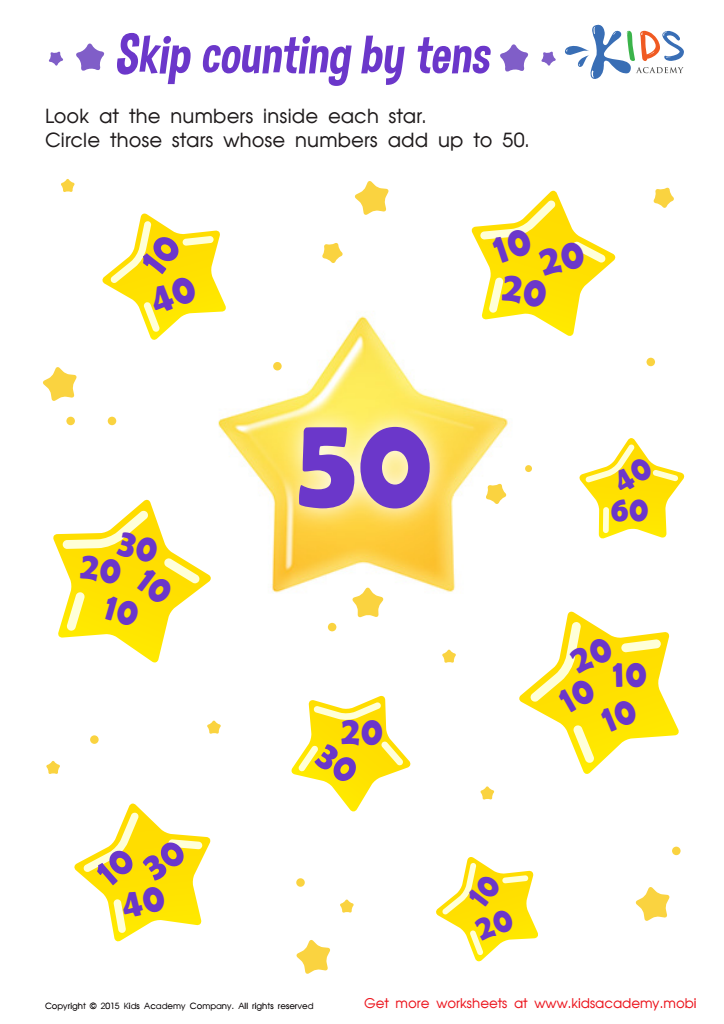
Learn Dozens: Skip Counting by Tens Printable
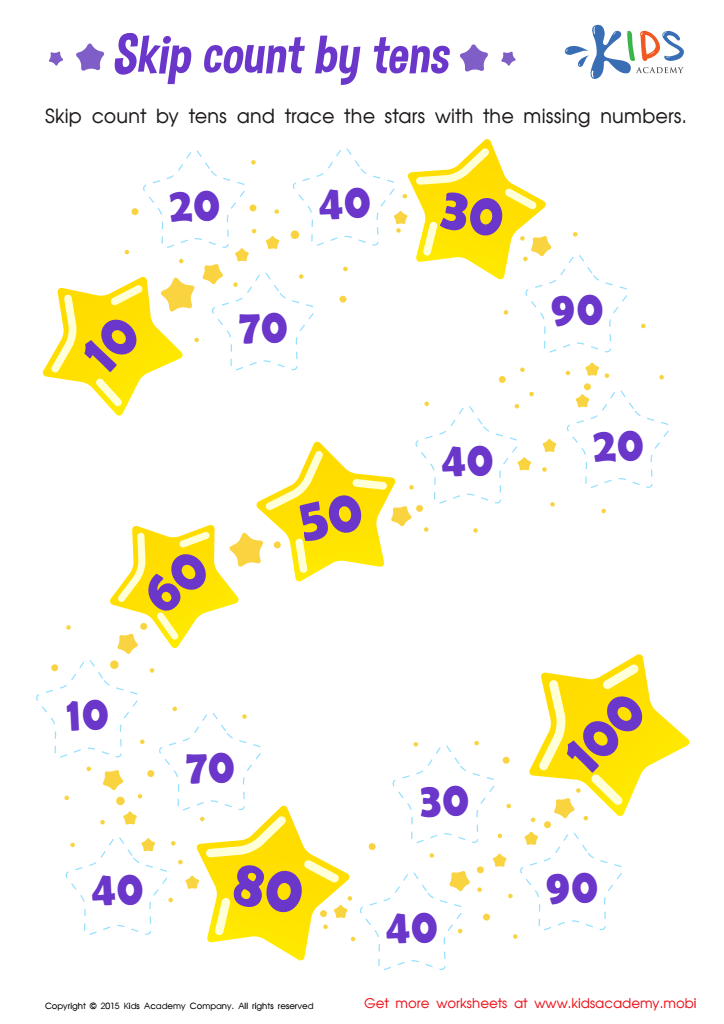
Learn dozens: Skip Count by Tens Printable
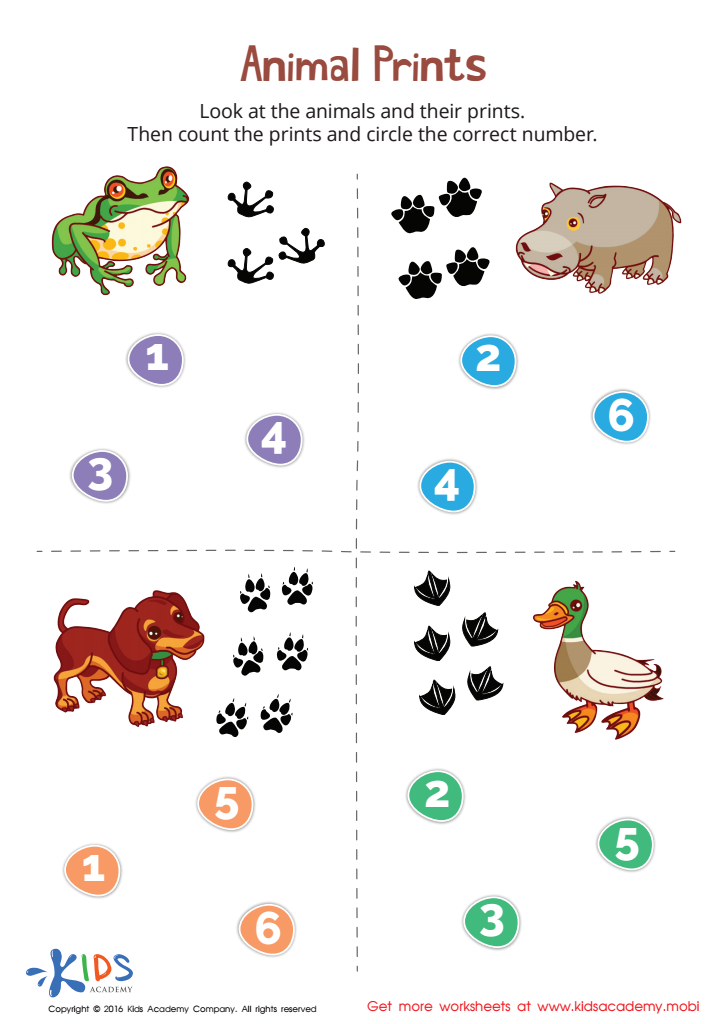
Animal Prints Match-Up Worksheet
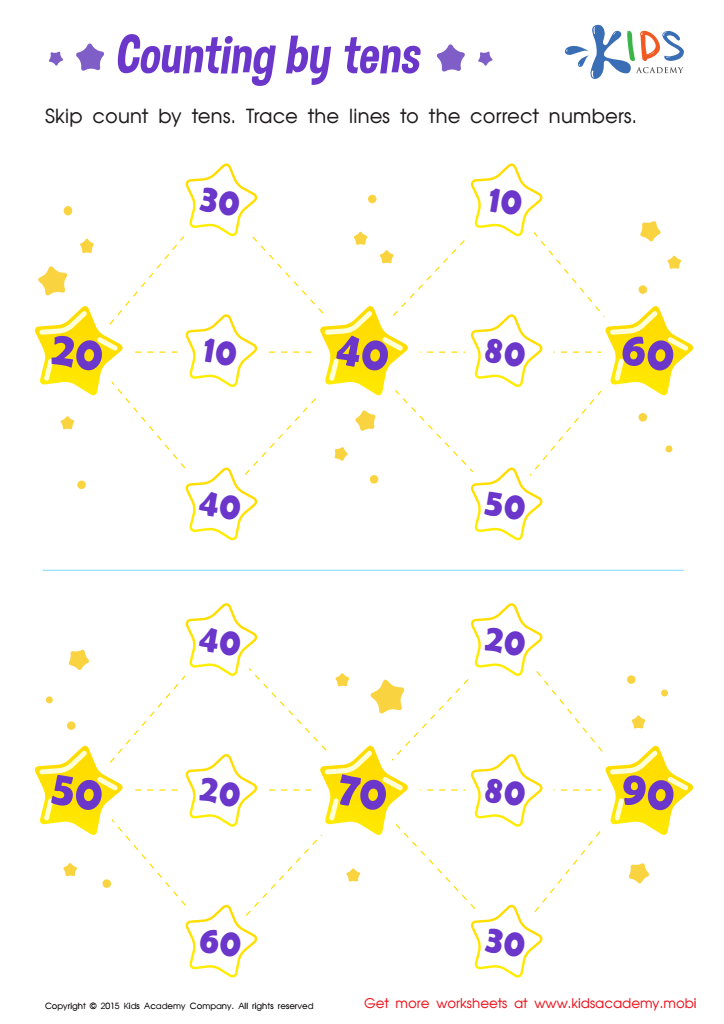
Learn Dozens: Counting by Tens Printable
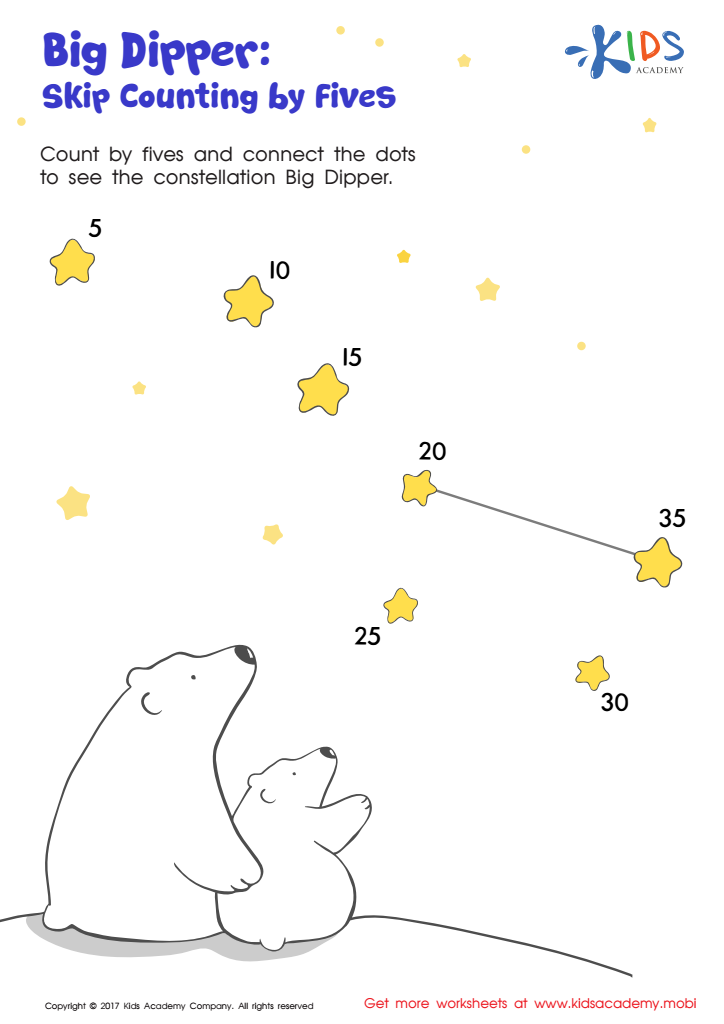
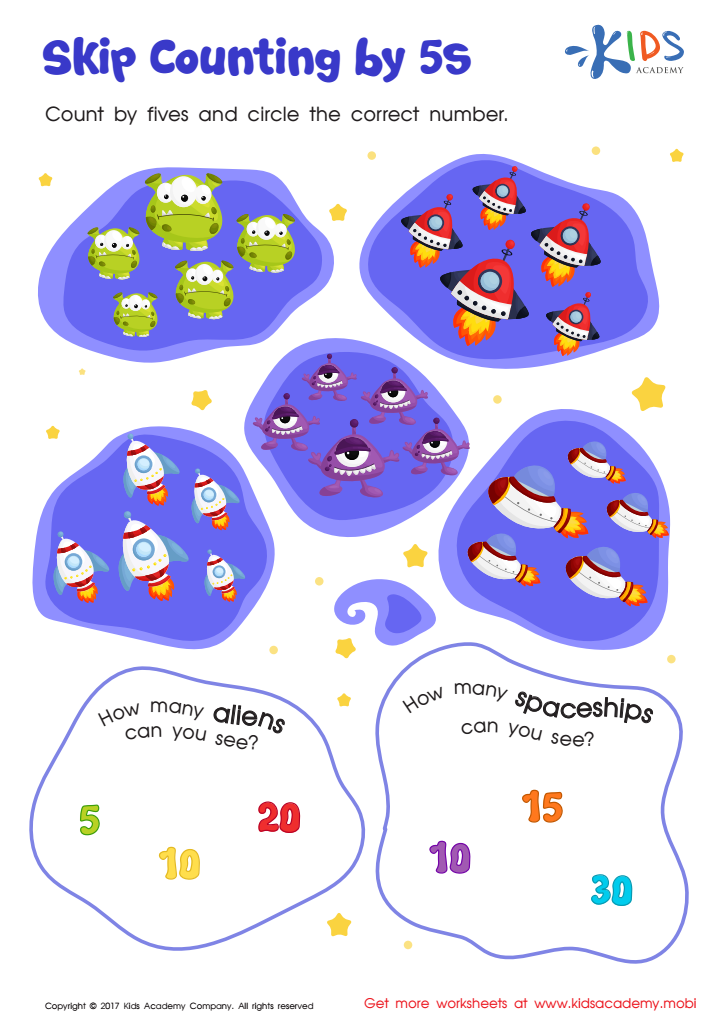
Skip Counting by 5s: Aliens and Spaceships Printable
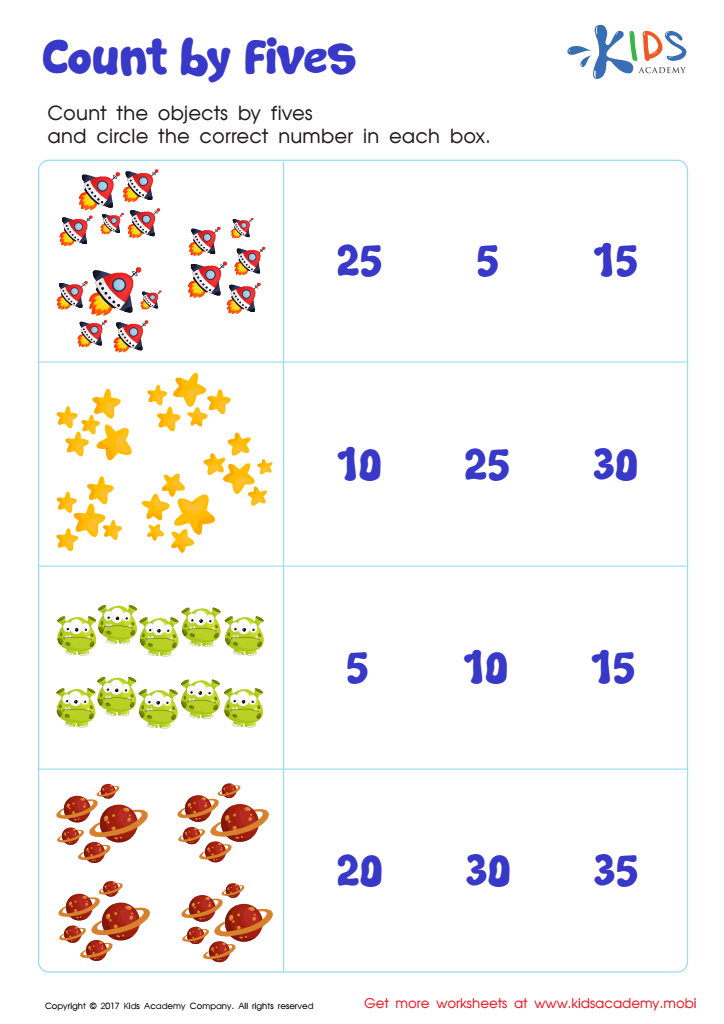
Skip Counting by 5s: Space Math Printable
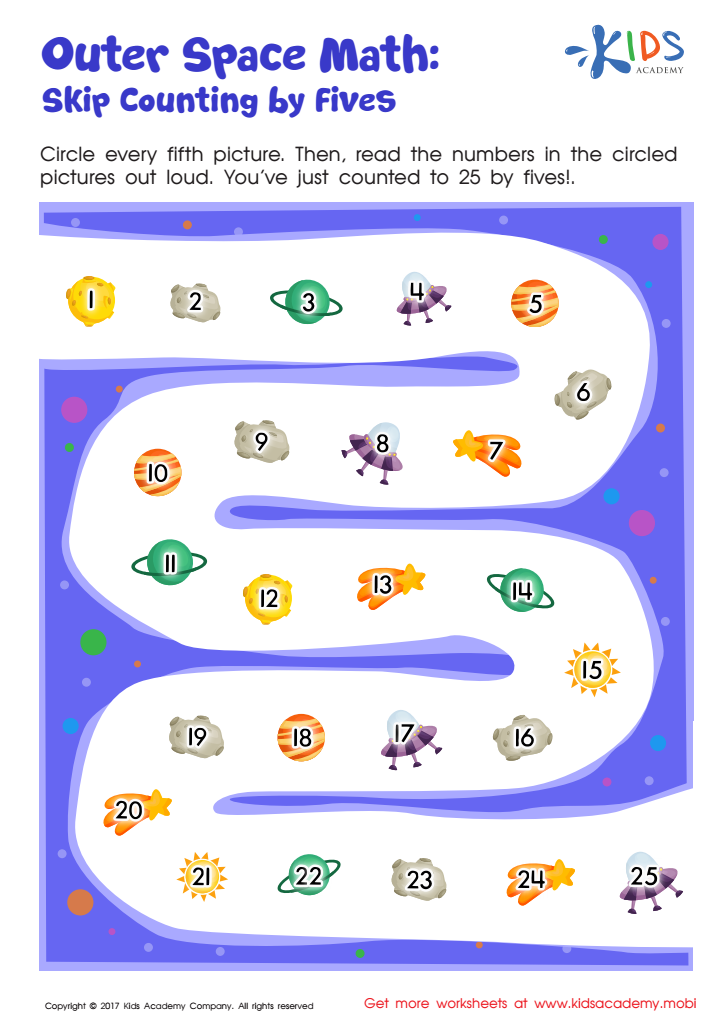
Skip Counting by 5s: Outer Space Math Printable
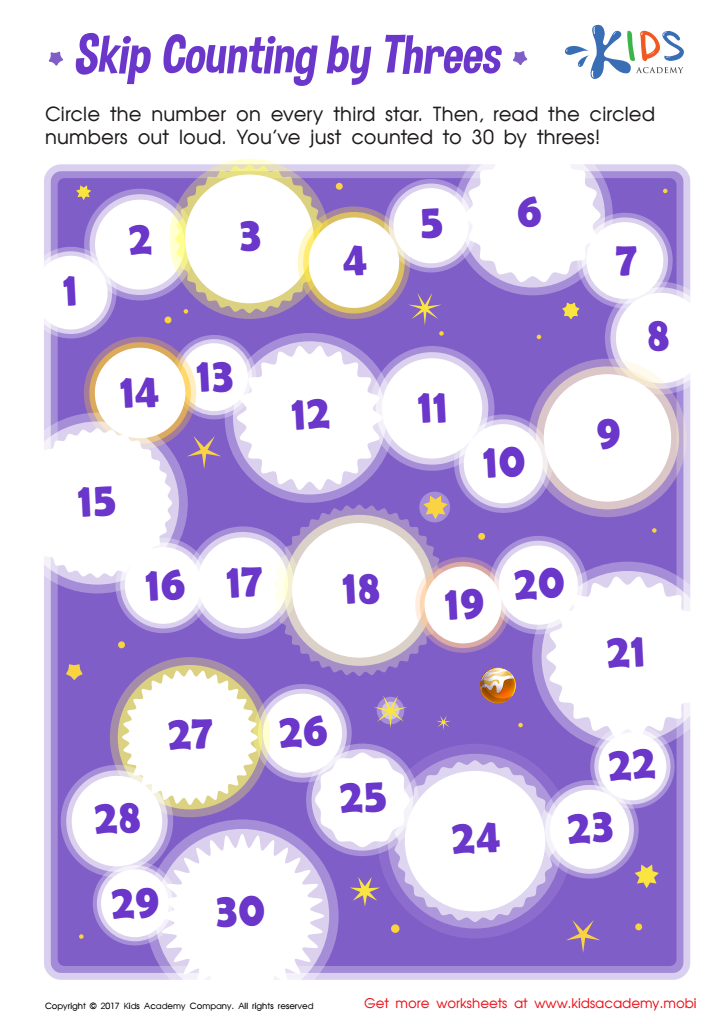
Skip Counting By Three Printable



.jpg)



Counting is a foundational skill that plays a crucial role in early childhood education and development. For children ages 3-6, counting goes beyond mere numbers; it forms the basis for critical thinking, problem-solving, and cognitive development. Engaging in counting activities helps young learners understand concepts such as quantity, sequencing, and relationships between numbers.
From a developmental perspective, counting enhances fine motor skills and encourages brain development through interaction with different materials, such as counting blocks or beads. Additionally, collaborative counting experiences foster social skills, as children learn to share, take turns, and communicate effectively.
For parents and teachers, focusing on counting enables the scaffolding of future mathematics skills. A strong understanding of counting can lead to greater success in more advanced topics, such as basic addition and subtraction. Early numeracy lays the groundwork for confidence and competence in math, significantly impacting a child’s academic trajectory.
Moreover, integrating counting into daily routines—like counting snacks or toys—creates meaningful learning moments. By promoting counting in playful, engaging ways, parents and teachers empower children to develop a lifelong love of learning and essential skill that extends far beyond the classroom.








