Elementary Phonics Worksheets for Ages 3-8 - Page 2
35 filtered results
-
From - To
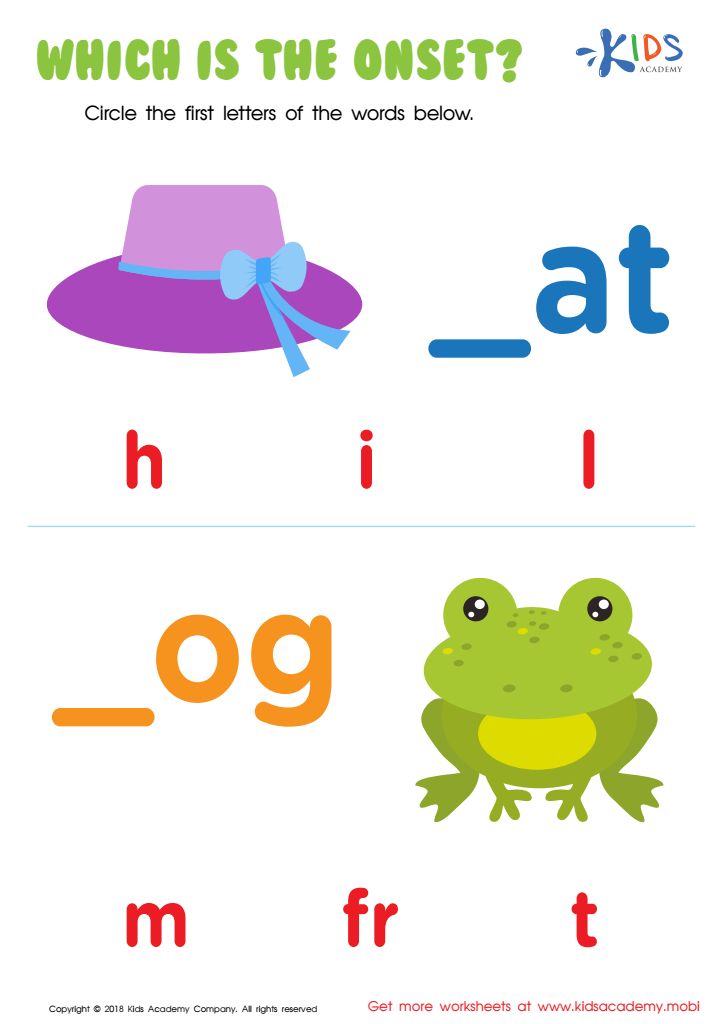
Which Is the Onset? Worksheet
 Assign to My Students
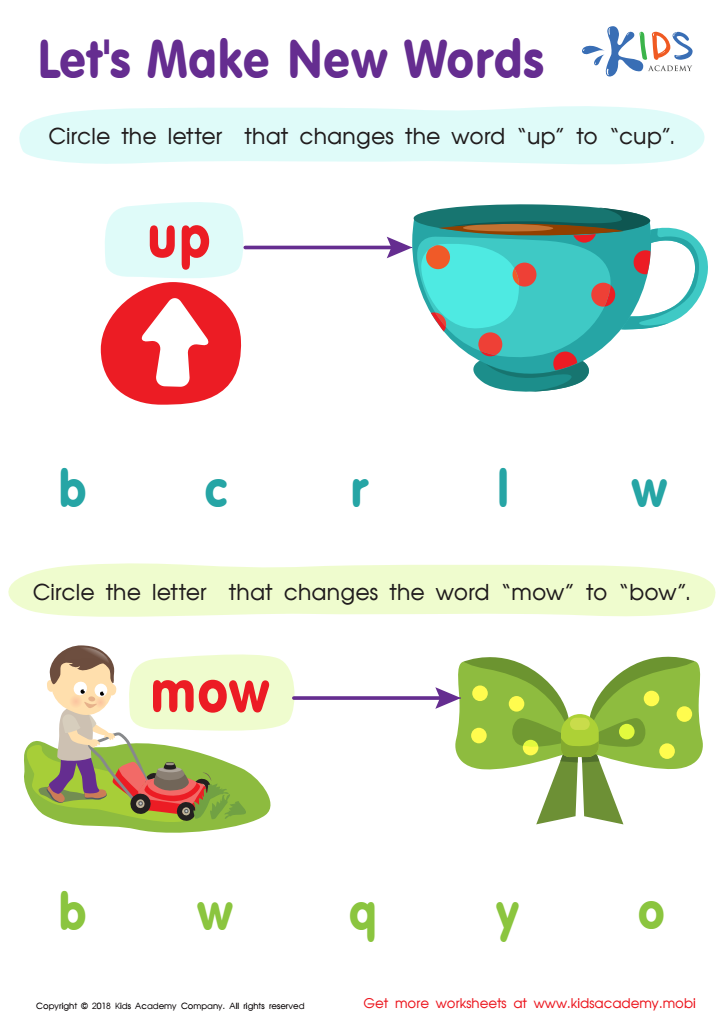
Let's Make New Words Worksheet
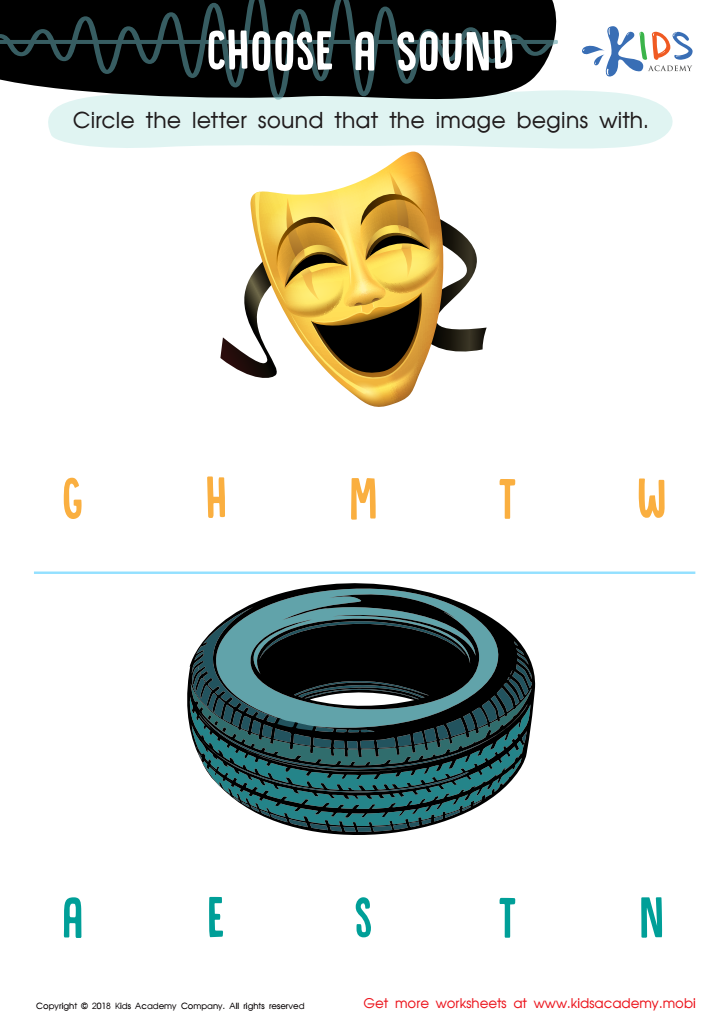
Choose a Sound Worksheet
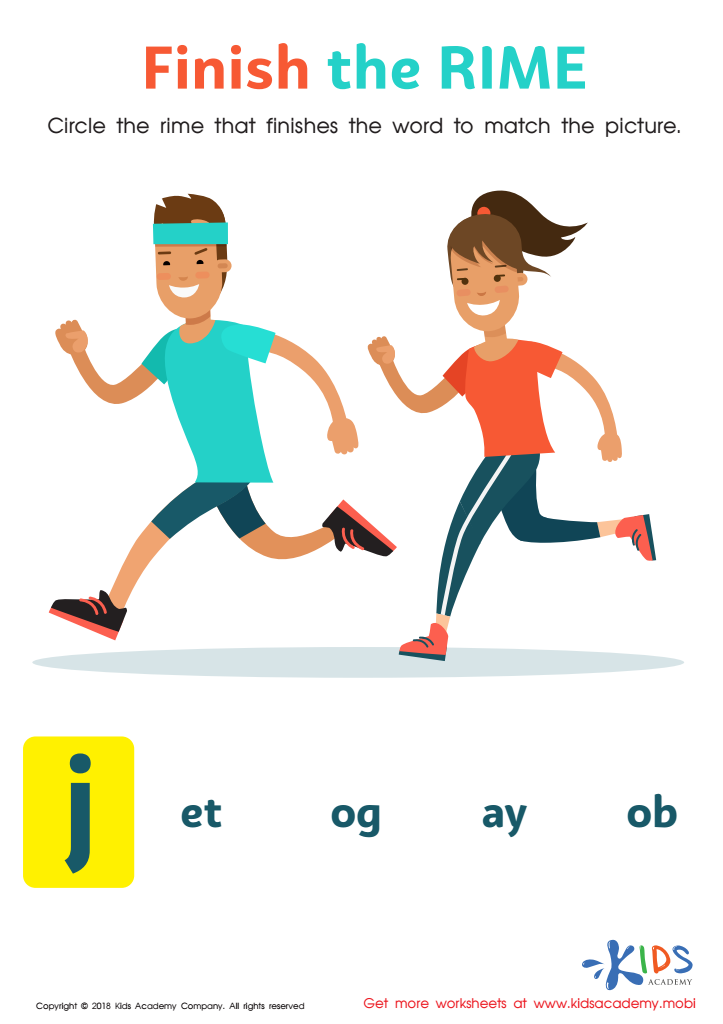
Finish the Rime Worksheet
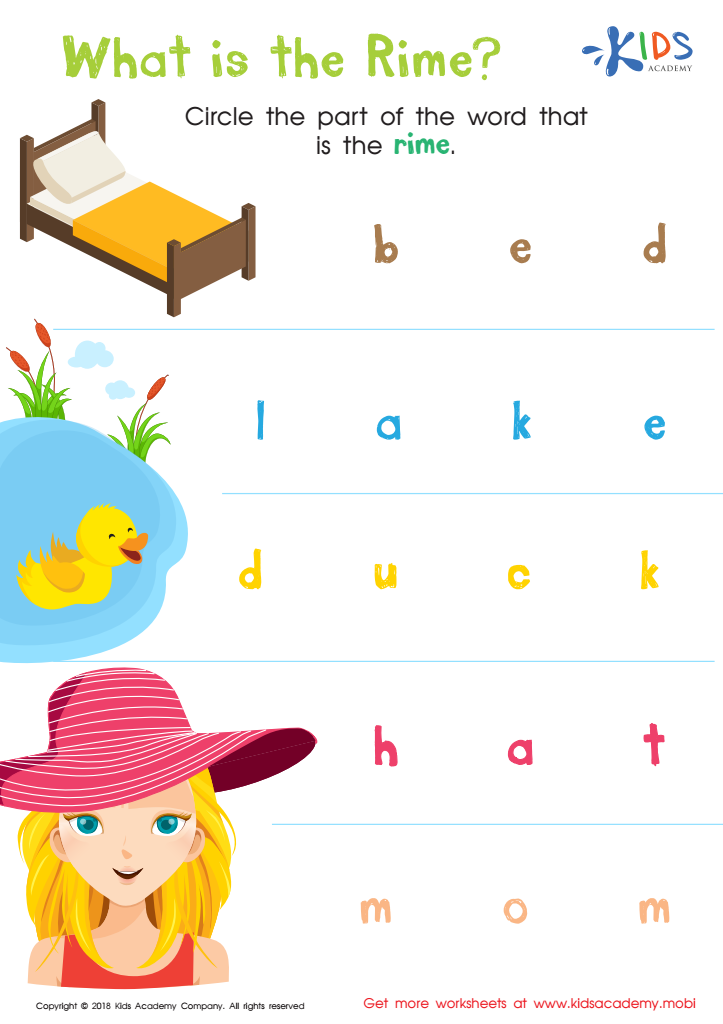
What Is the Rime? Worksheet
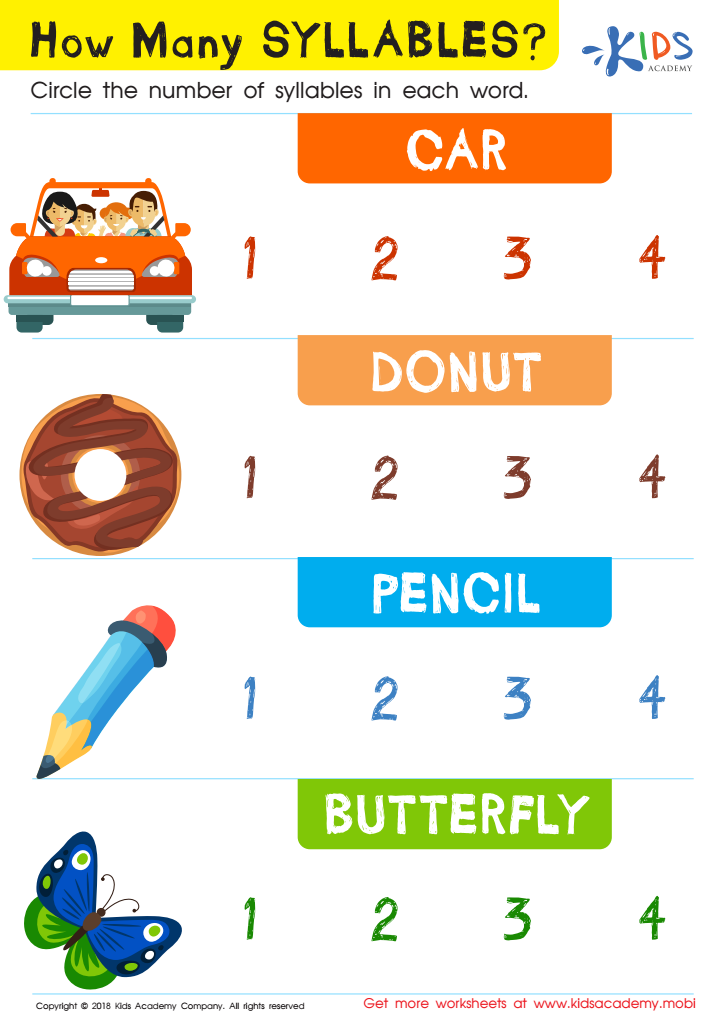
How Many Syllables? Worksheet
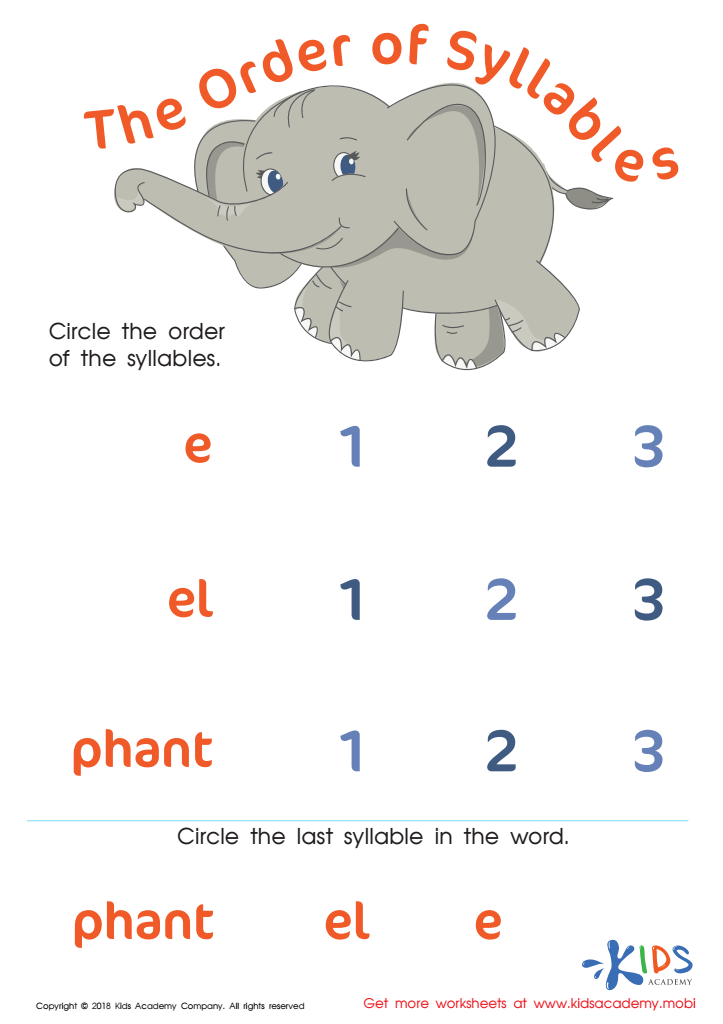
The Order of Syllables Worksheet
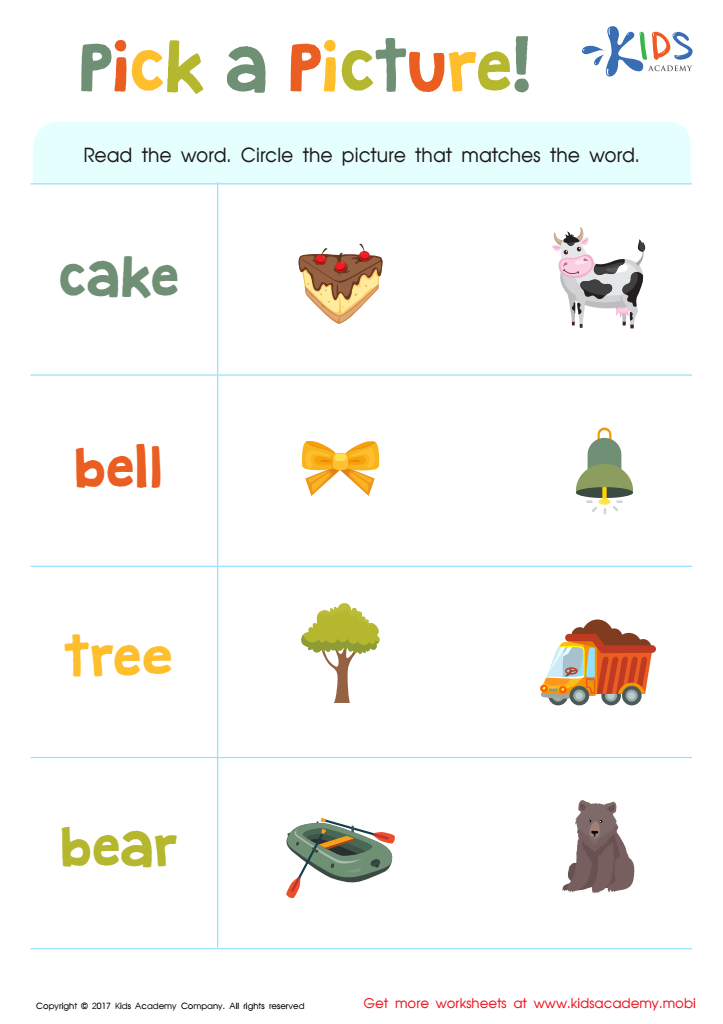
Pick a Picture Word Recognition Worksheet
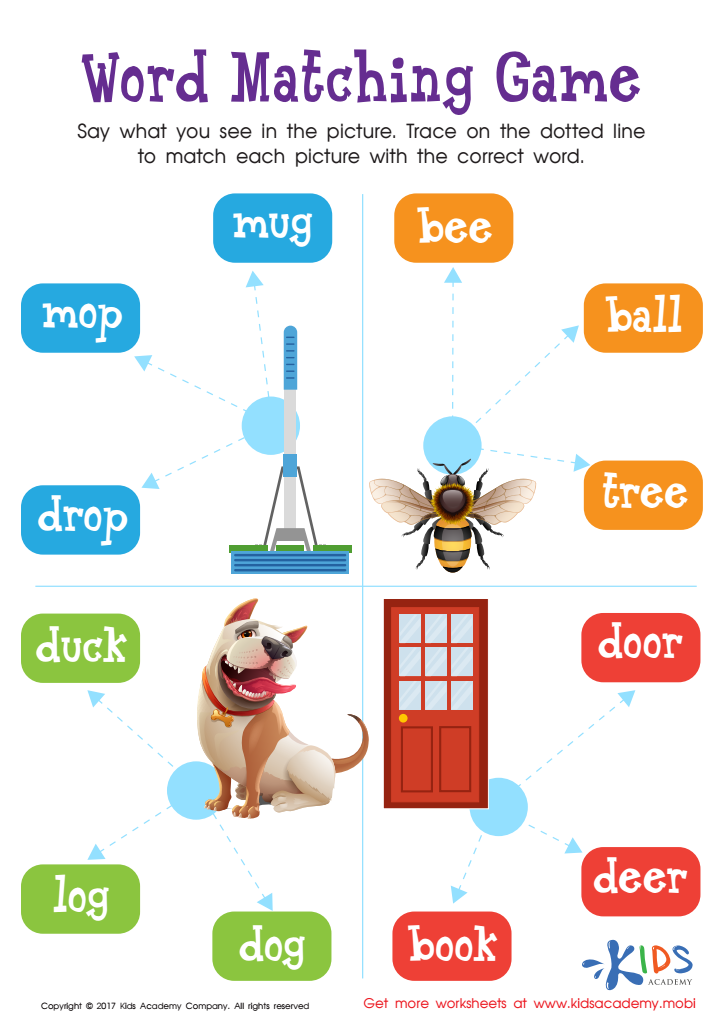
Word Matching Game Worksheet
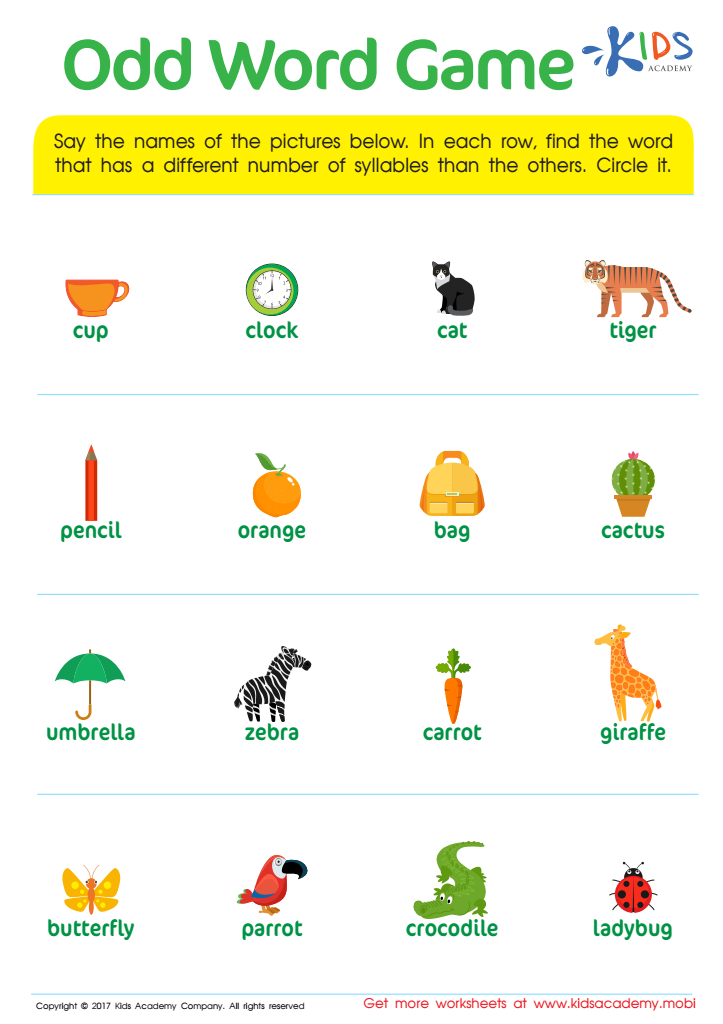
Count Syllables: Odd Word Game Worksheet
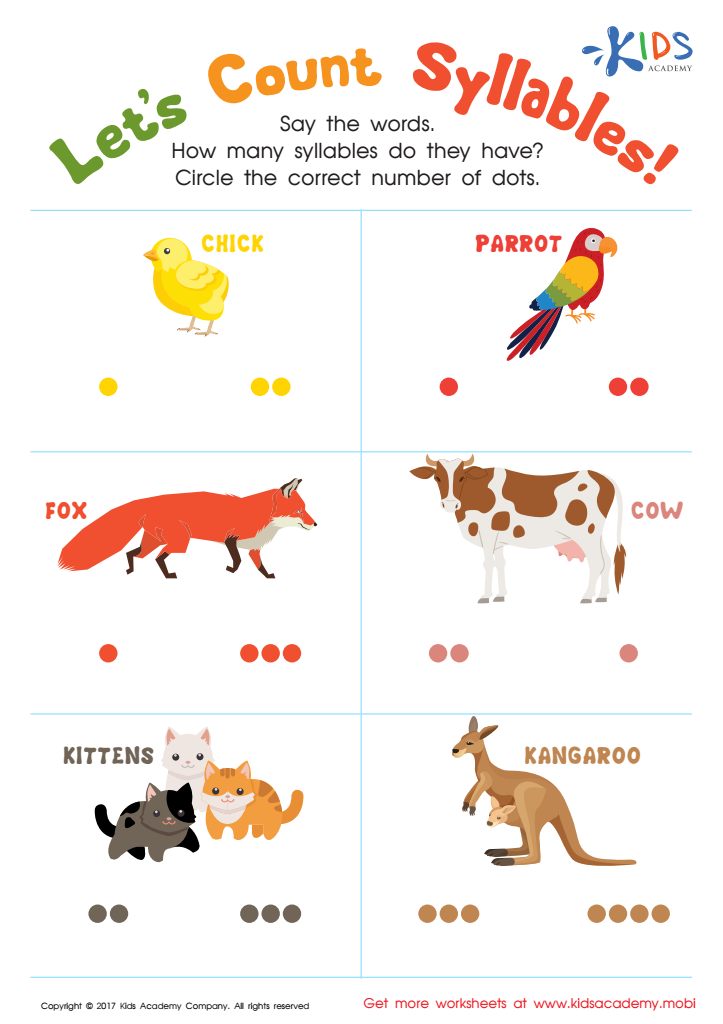
Lets Count Syllables Worksheet




Elementary phonics is a crucial component of early literacy development for children ages 3-8. It provides a structured approach to teaching the relationships between letters and sounds, which is foundational for reading success. Parents and teachers should care about phonics because it allows children to decode words effectively, leading to improved reading confidence and comprehension.
At this age, children are rapidly developing their language skills, and phonics instruction helps them recognize patterns in written language. By understanding phonetic principles, children can begin to sound out unfamiliar words, enhancing their vocabulary and overall communication abilities. Early mastery of phonics not only cultivates a love for reading but also lays the groundwork for future academic success across subjects.
Furthermore, phonics instruction can significantly benefit diverse learners, including those with learning difficulties. By providing a systematic and inclusive approach, educators and parents can ensure that every child has the tools they need for productive literacy development.
Ultimately, fostering strong phonics skills in early childhood equips children with the essential competencies they need for lifelong learning, making parental and educator support in this area imperative. Investing in phonics means investing in a child’s future belonging in the world of books and education.







