Matching Worksheets for Ages 3-8 - Page 4
82 filtered results
-
From - To
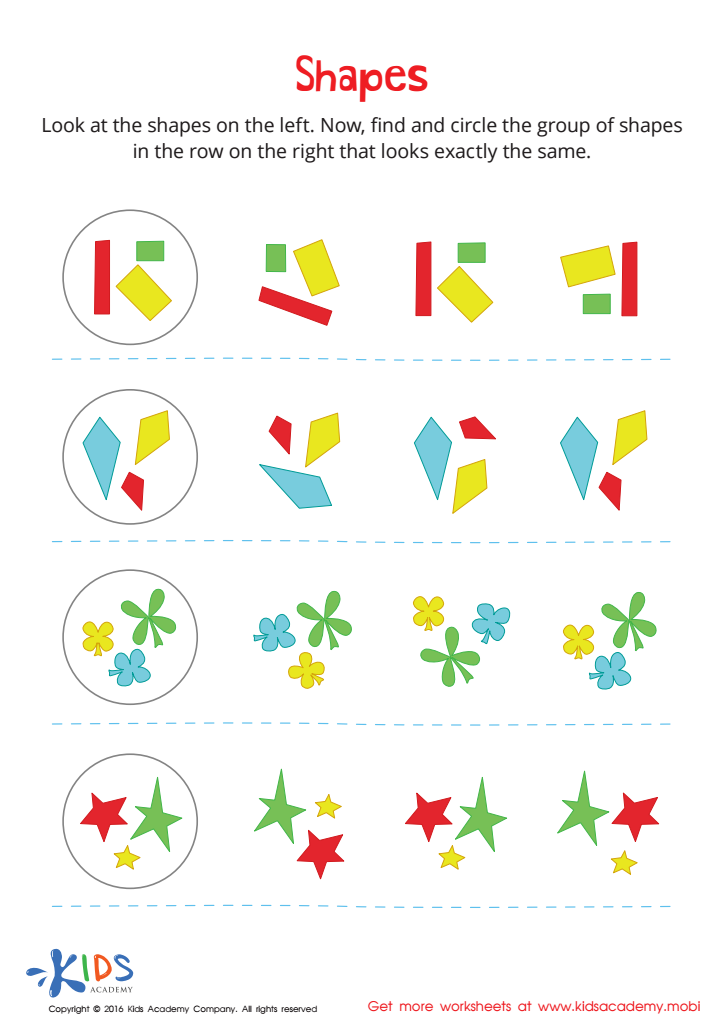
Shapes Worksheet
 Assign to My Students
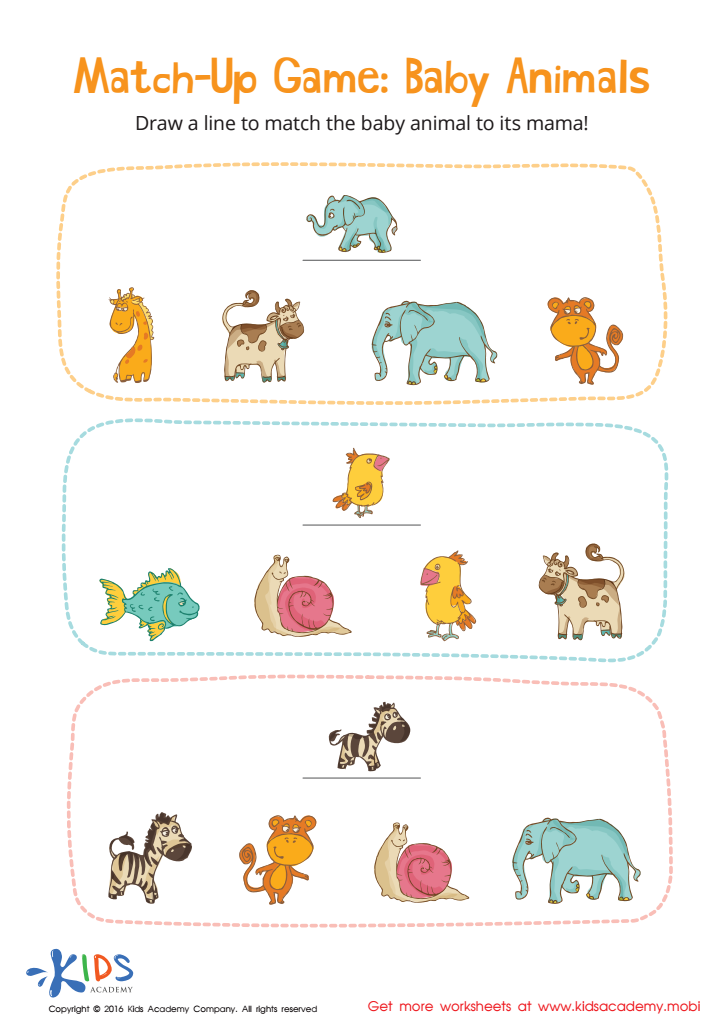
Baby Animals Match-Up Worksheet
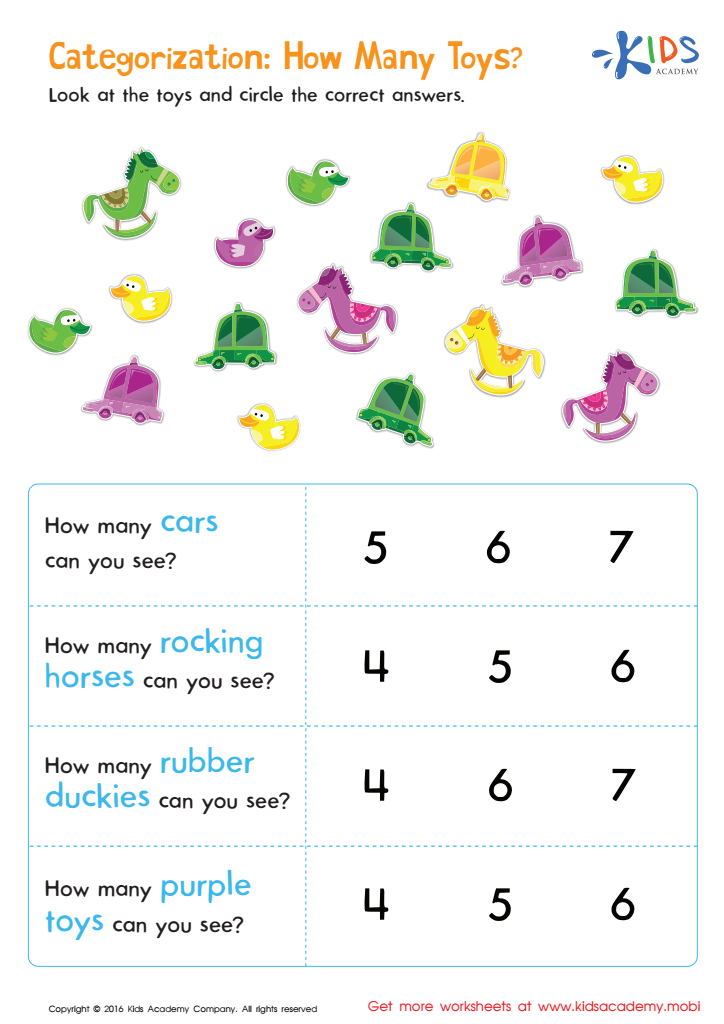
Classifying Toys by Type and Color Sorting Worksheet
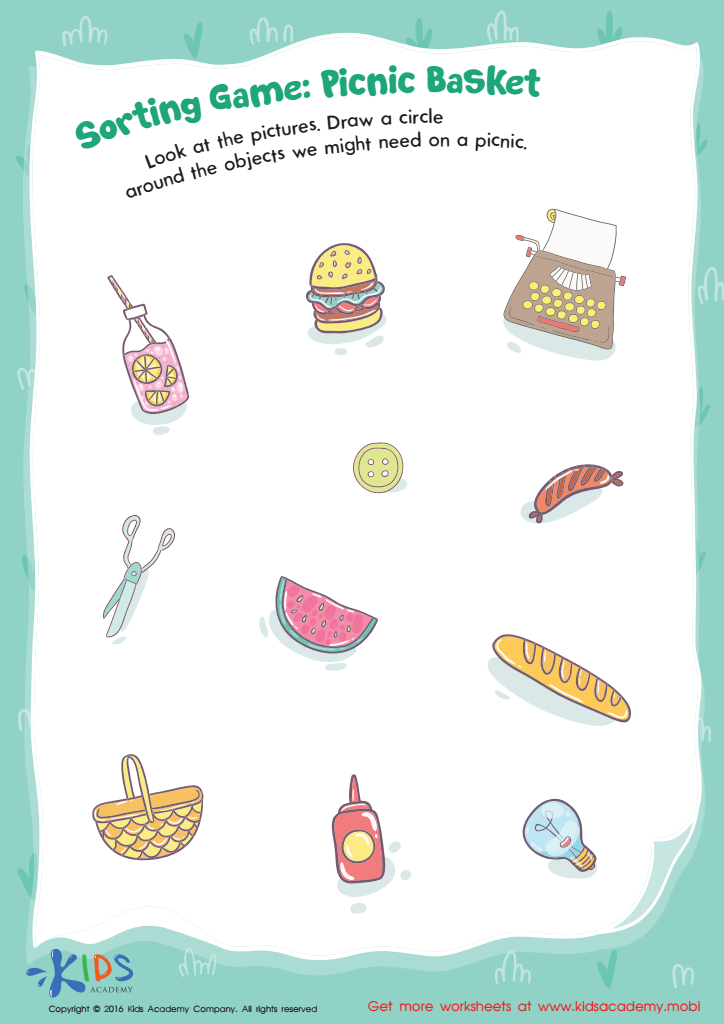
Picnic Basket Sorting Worksheet
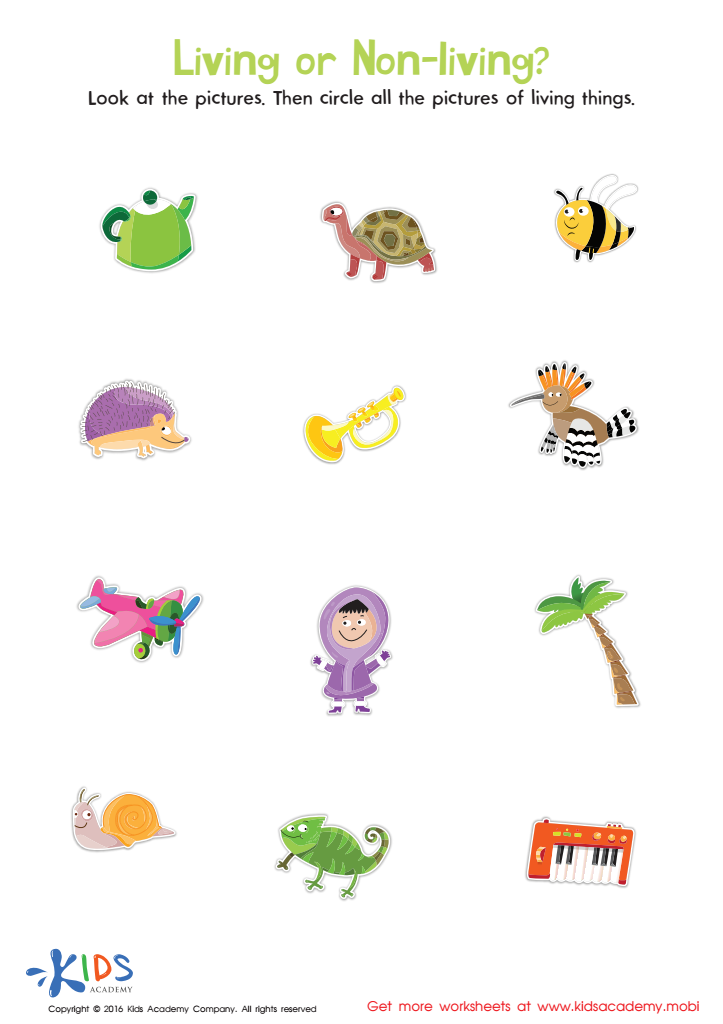
Identifying Living and Non–living Things Sorting Worksheet
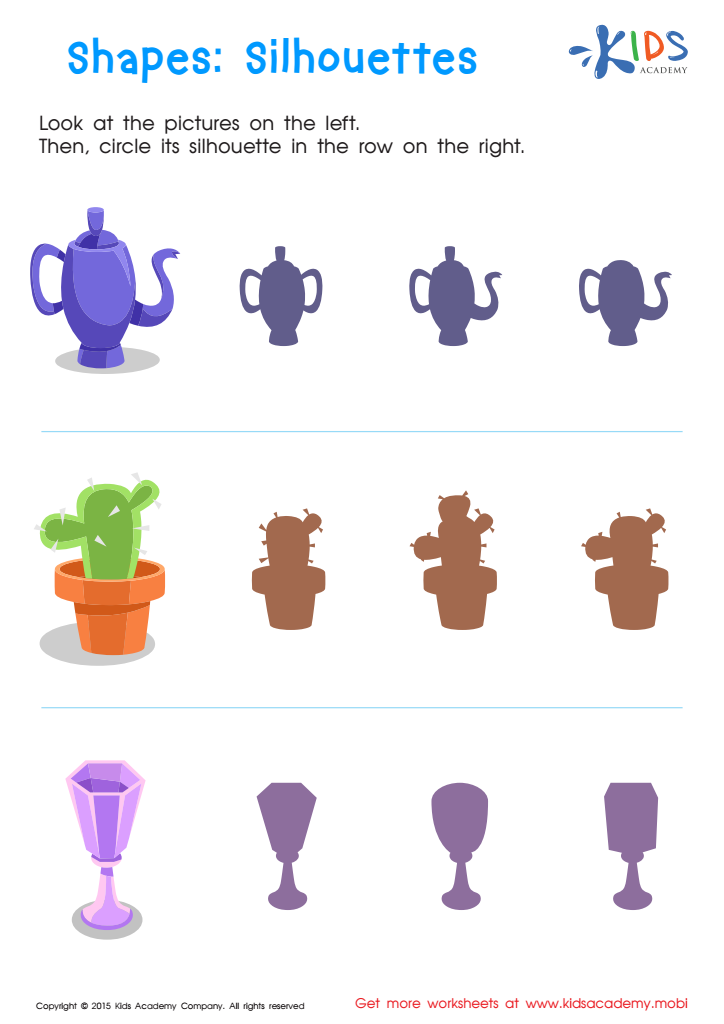
Silhouettes – Shapes Worksheet
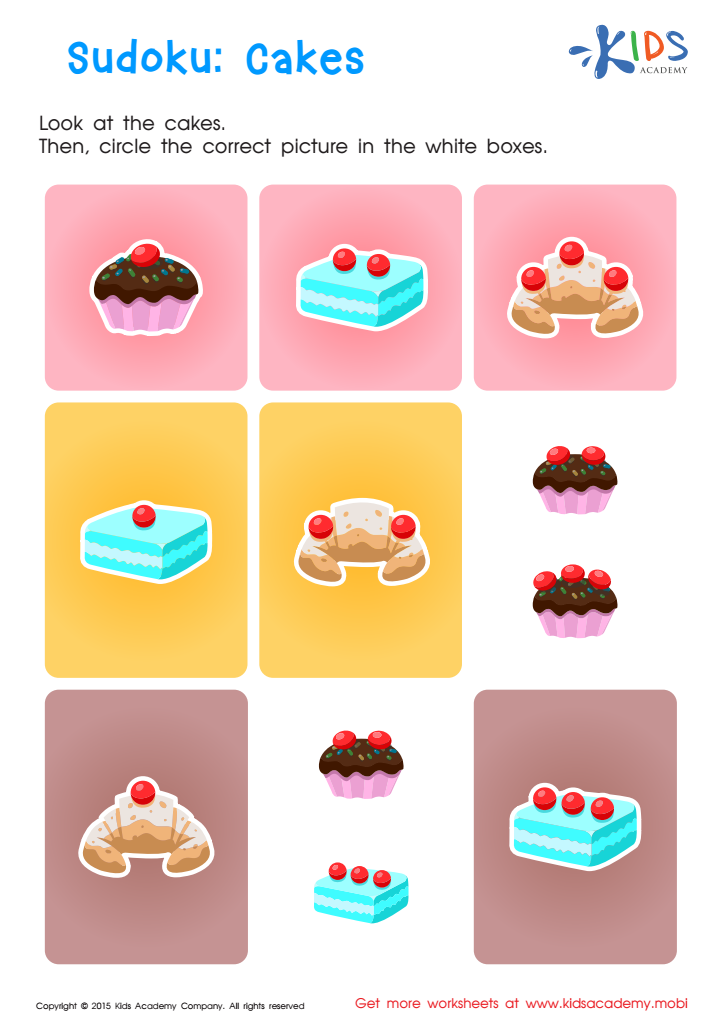
Sudoku Worksheet
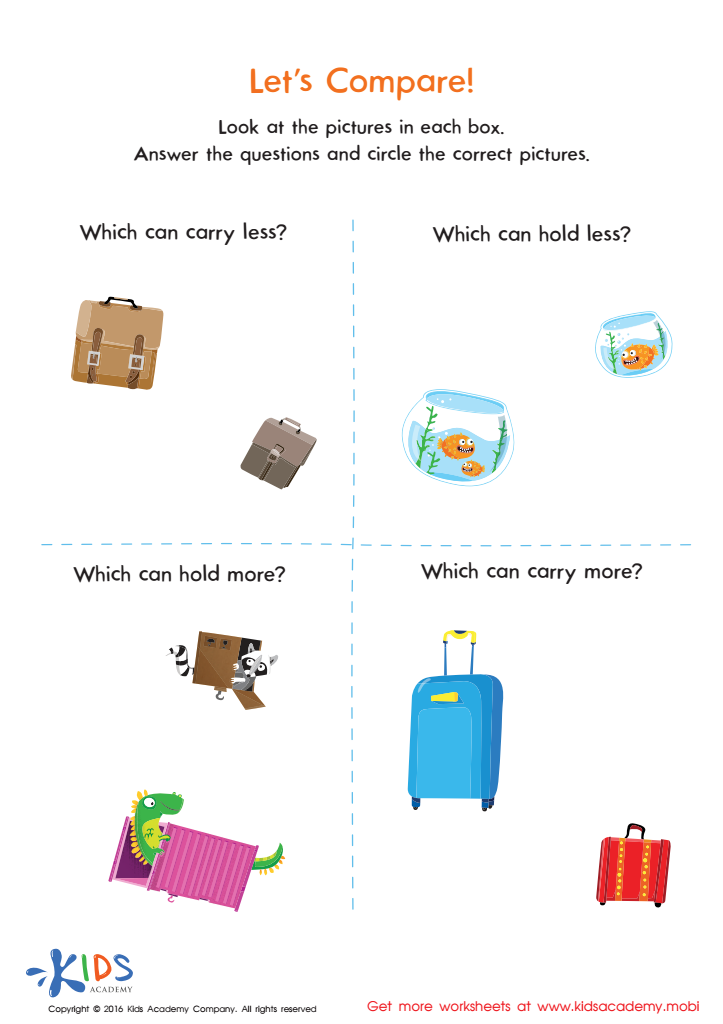
Let's Compare Worksheet: Big or Small


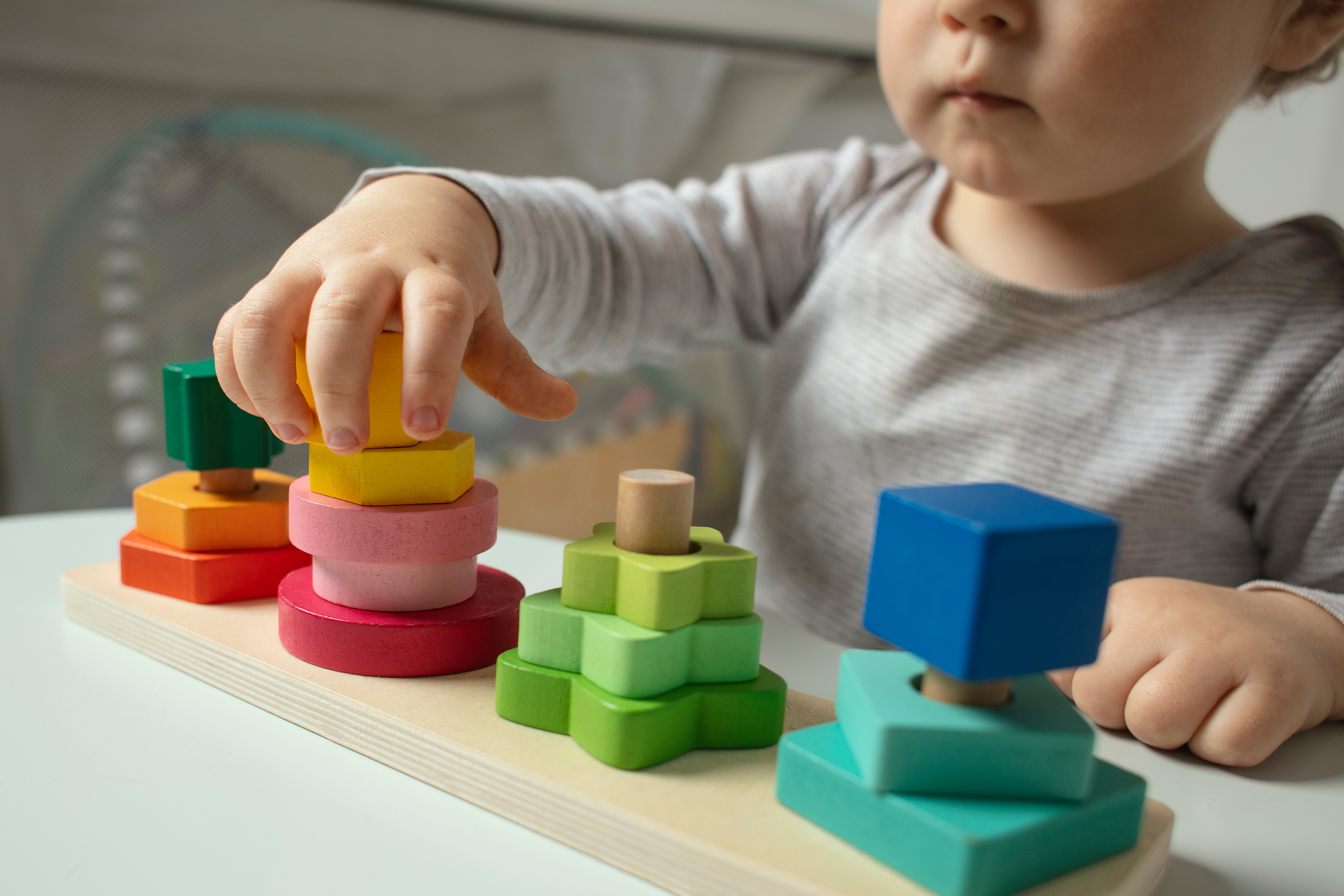

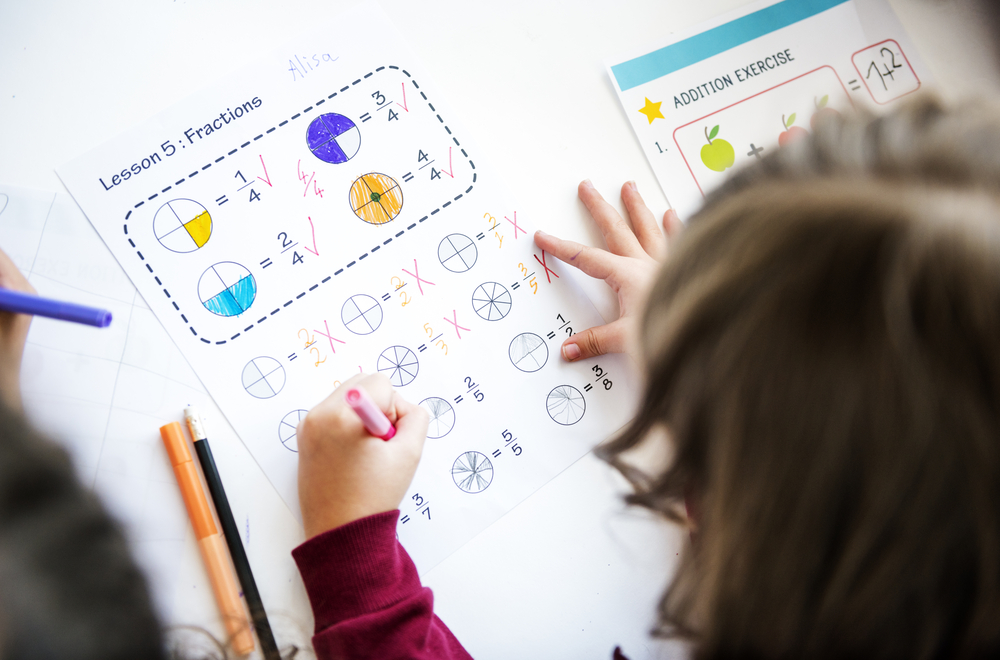



Matching games for children ages 3-8 are essential because they foster critical cognitive and social development. At this age, kids are rapidly expanding their understanding of the world, and matching activities help enhance their memory, concentration, and attention to detail. By having to remember and locate matching pairs, children strengthen their recall abilities, which is foundational for academic learning and daily tasks.
Additionally, matching games introduce young learners to early math concepts like sorting, categorization, and pattern recognition. For example, arranging matching shapes or colors helps children understand similarities and differences, laying the groundwork for more complex mathematical problem-solving skills.
Moreover, these activities support language development. When children verbalize what they see and find, they practice vocabulary and descriptive language, enhancing their communication skills. Teachers and parents also find matching games to be great opportunities for cooperative play, which fosters social skills like taking turns, sharing, and working together towards a common goal.
Matching exercises often come in engaging formats, such as puzzles or digital apps, making them fun and appealing, which increases a child’s willingness to participate. In summary, matching activities offer a multi-faceted approach to learning, crucial for holistic development in early childhood.








