Measurement Worksheets for Ages 3-8 - Page 5
109 filtered results
-
From - To
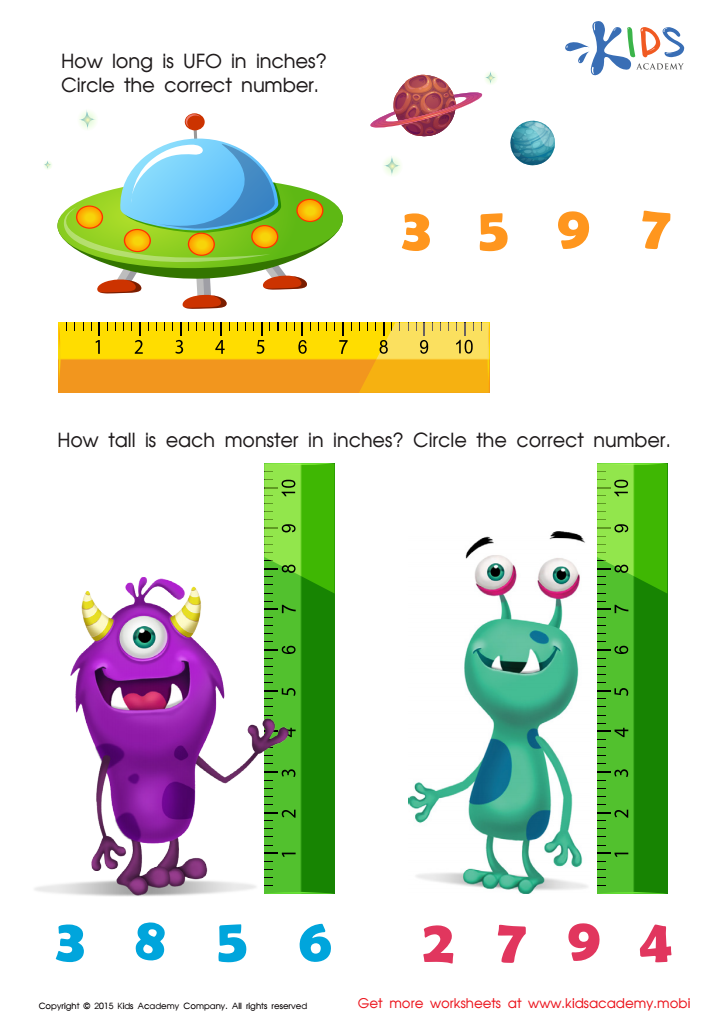
Measuring in Inches Worksheet
 Assign to My Students
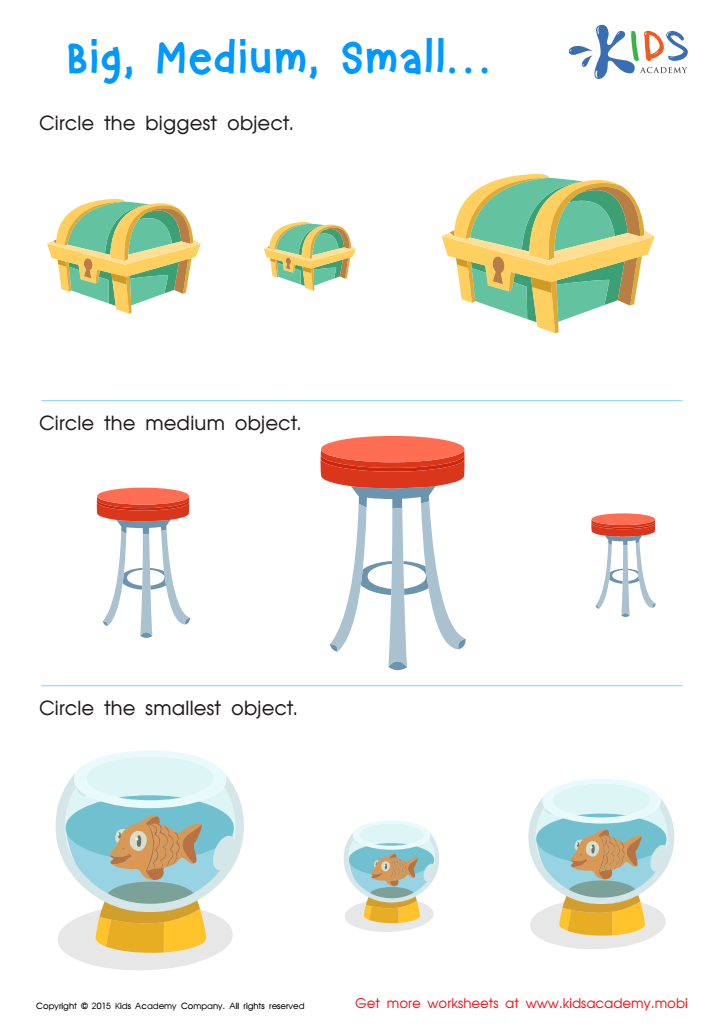
Big Medium Small Worksheet
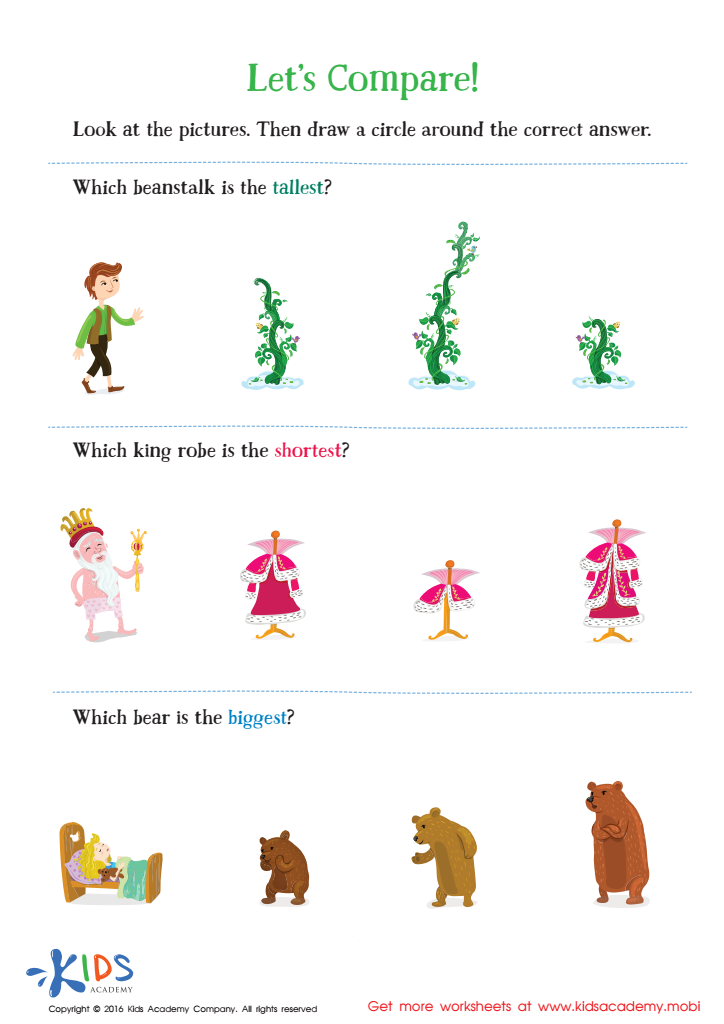
Fairy Tale Worksheet: Let's Compare
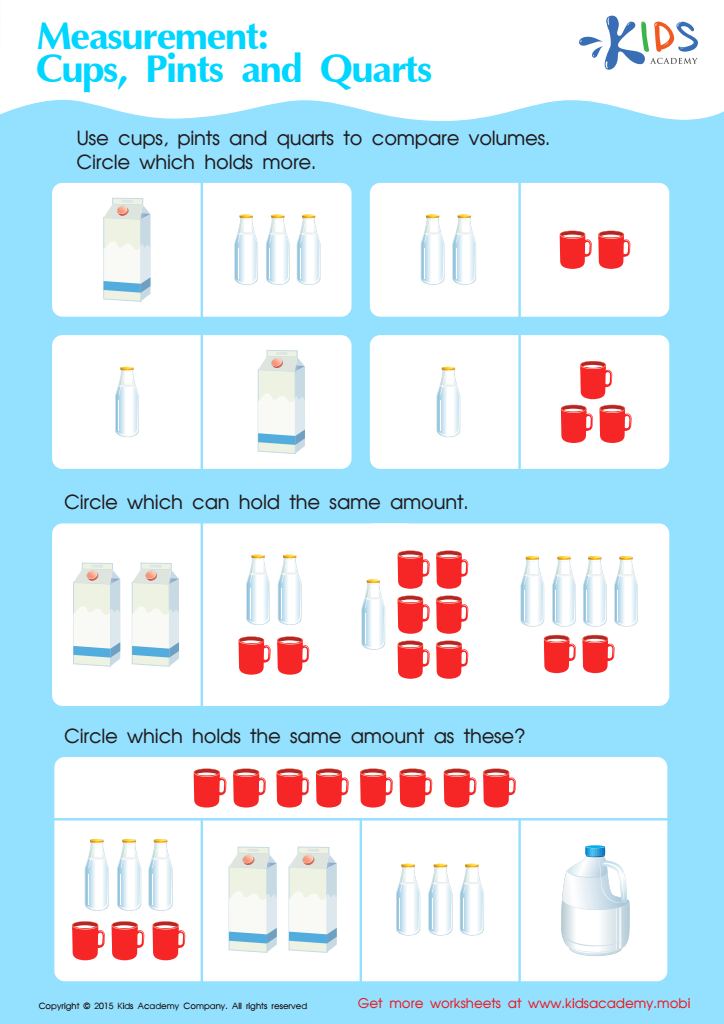
Measurement: Compare Volumes Worksheet
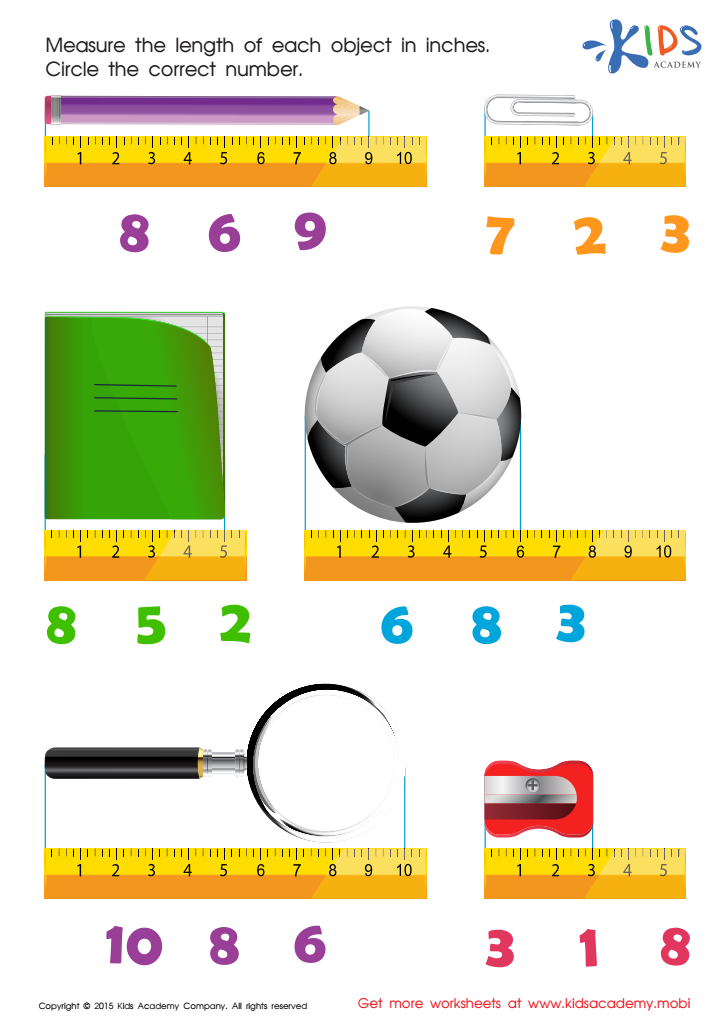
Learning measuring objects in inches Worksheet
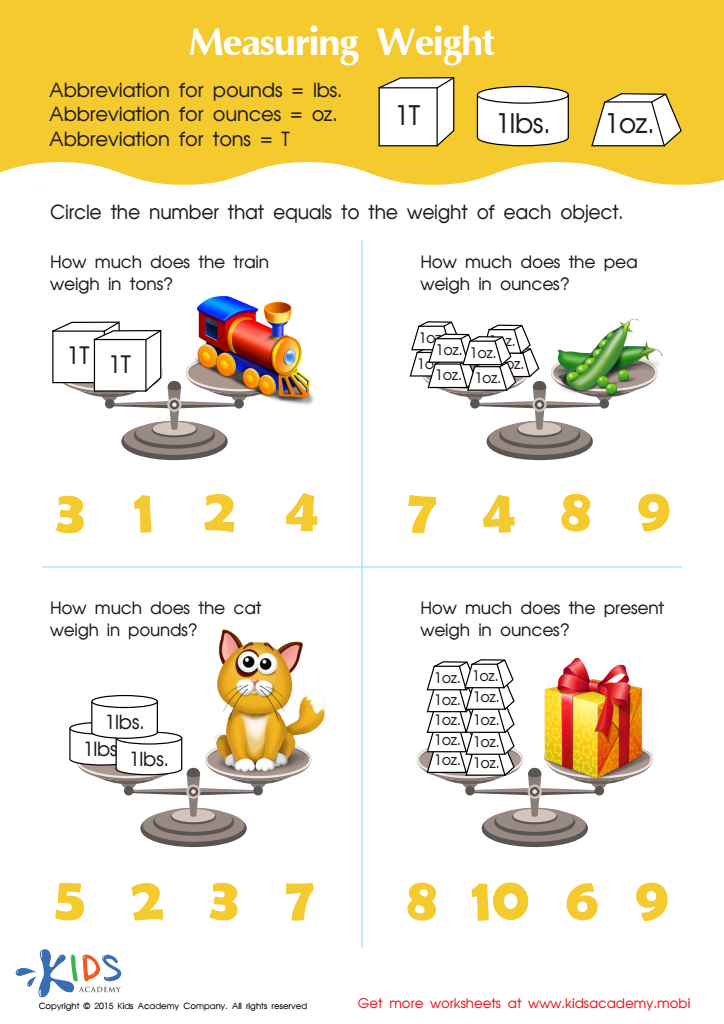
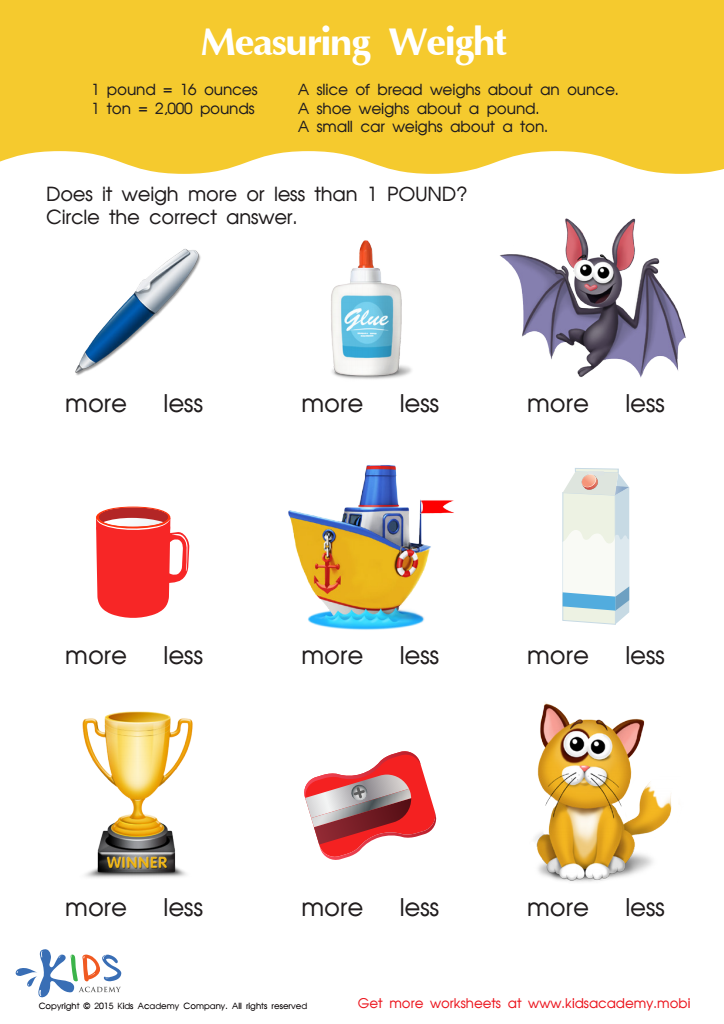
Measuring Weight in Ounces, Pounds and Tons Worksheet
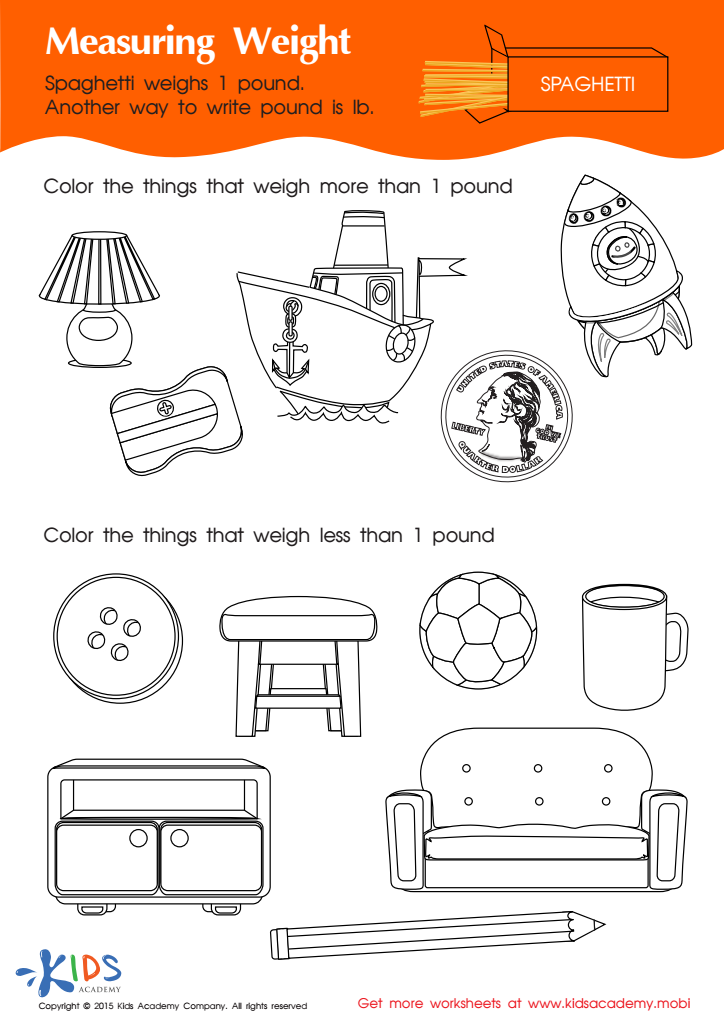
Measuring weight in pounds Worksheet
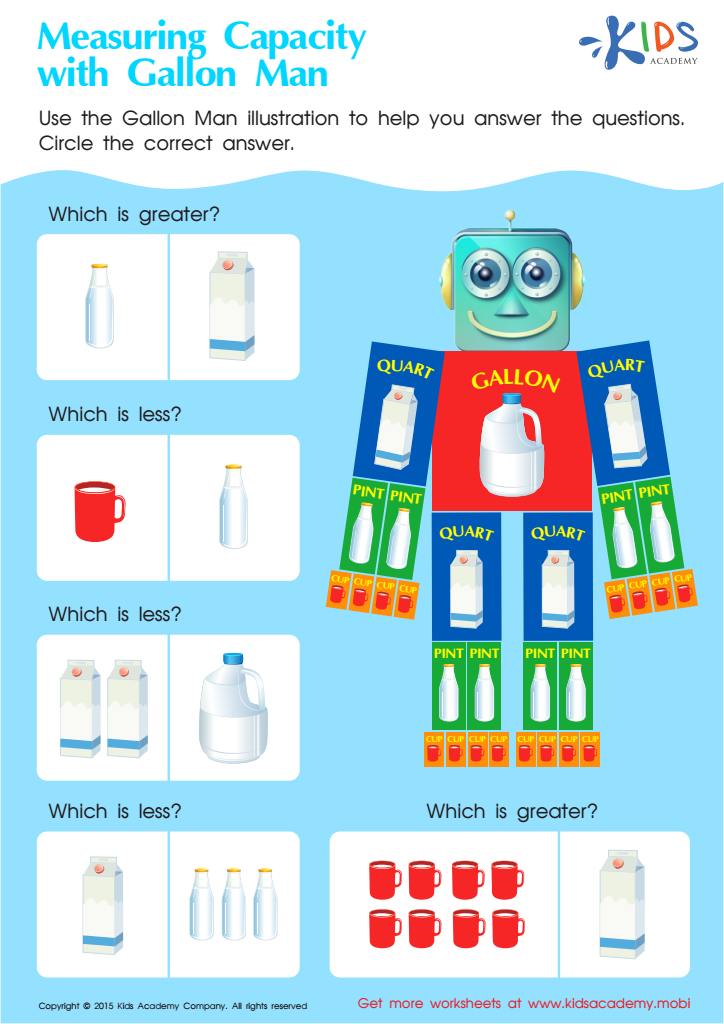
Measurement: Measuring Capacity with Gallon Man Worksheet
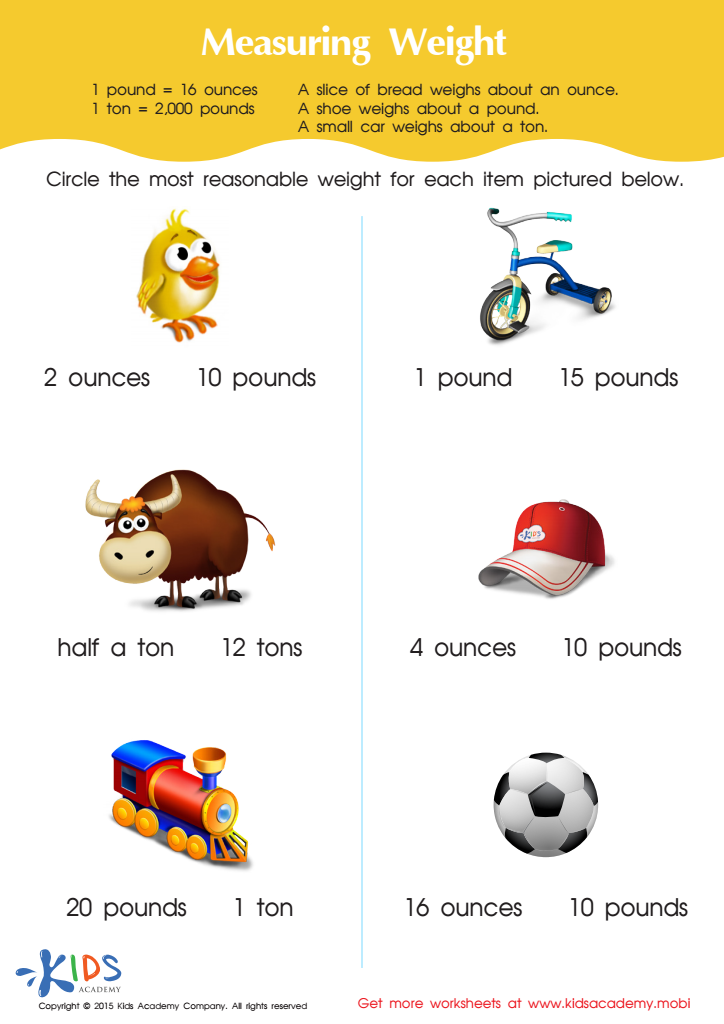
Measuring Weight in Ounces, Pounds and Tons (Part 2) Worksheet
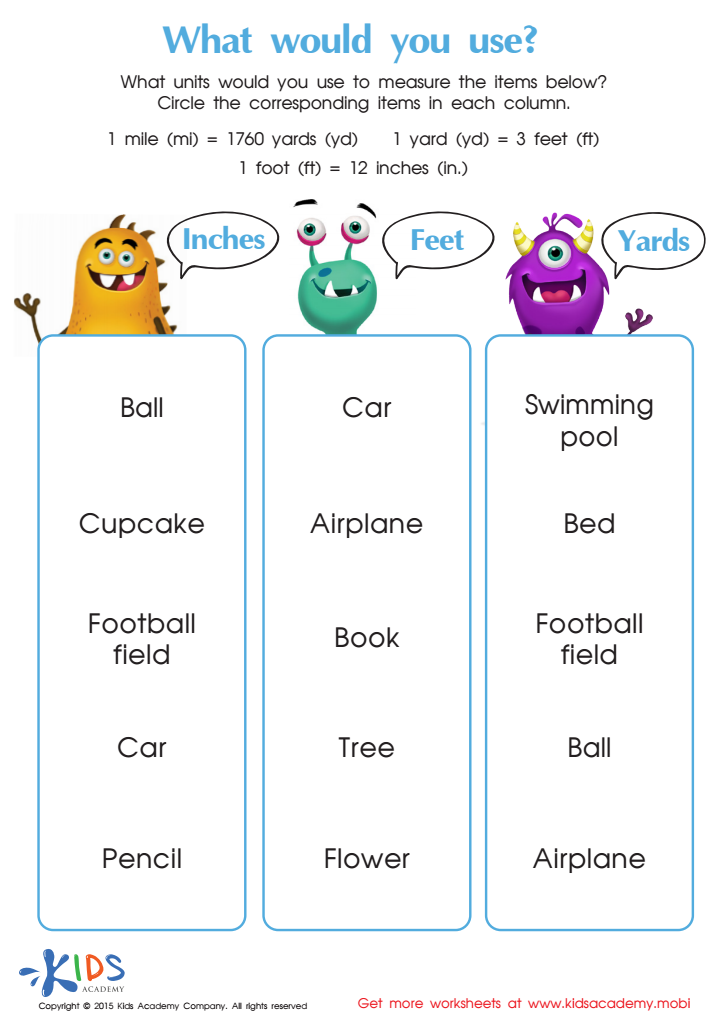
Learning about measuring objects in inches, feet and yards Worksheet
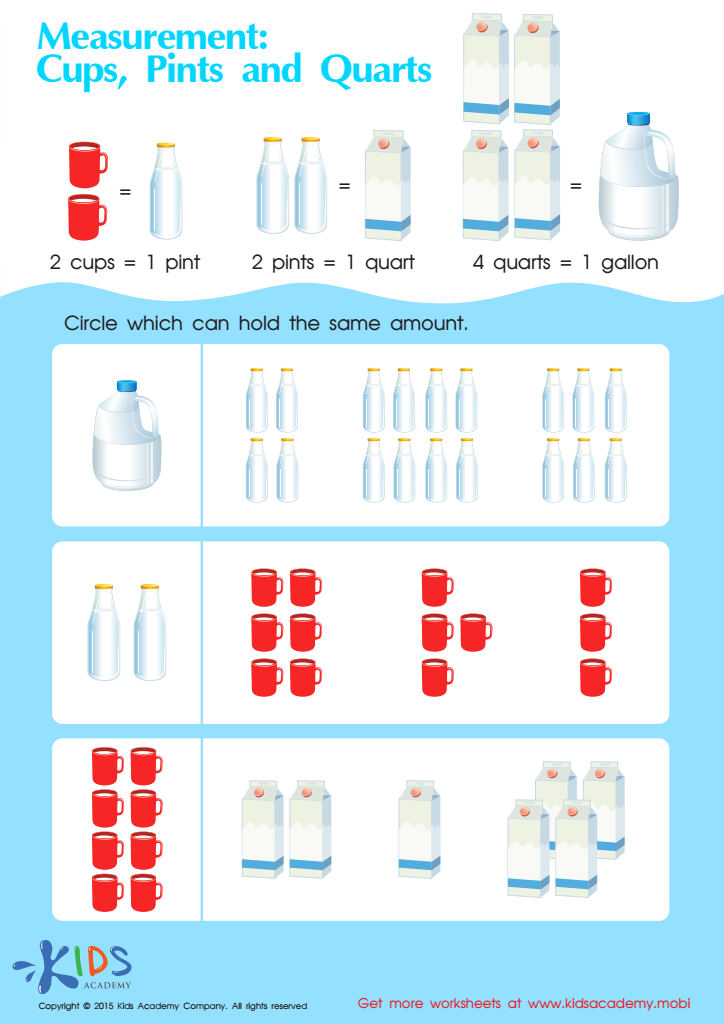
Cups, Pints and Quarts 2 Worksheet
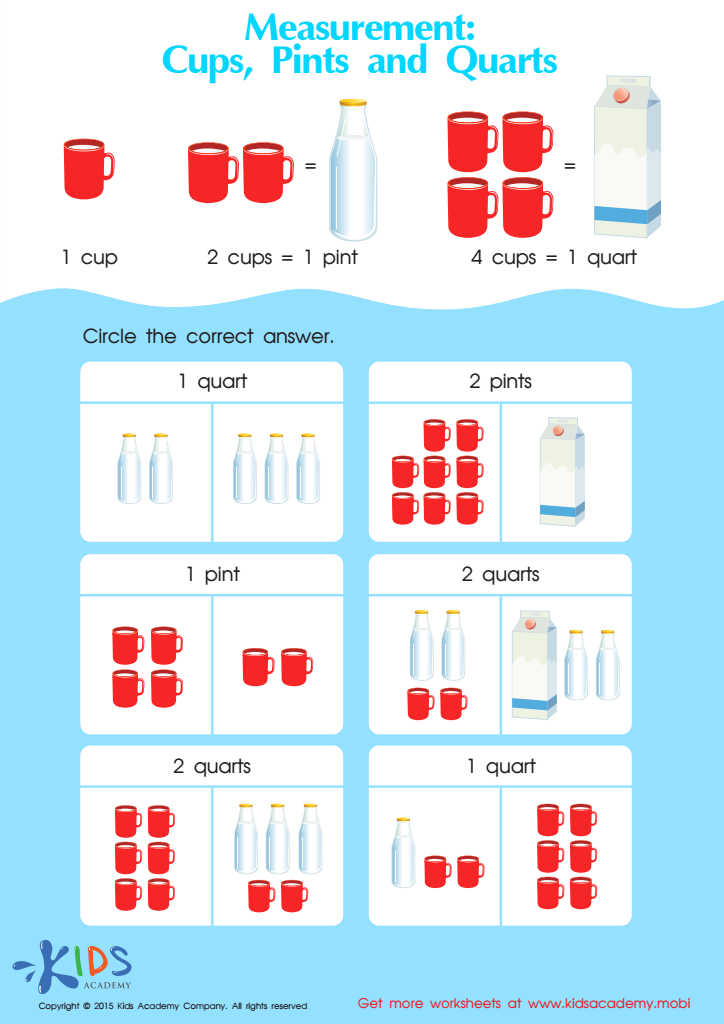
Cups, Pints and Quarts Worksheet








Measurement is a fundamental part of early childhood education and development, making it essential for parents and teachers to prioritize its teaching for children aged 3-8. Understanding measurement helps children develop critical mathematical skills and concepts, laying the groundwork for later academic success. Engaging with measurement activities, such as comparing heights, measuring ingredients for cooking, or timing a race, encourages hands-on learning and makes abstract mathematics tangible.
Measurement fosters cognitive development by enhancing children's abilities to think logically and solve problems. As they learn to compare, analyze, and quantify, they also build vocabulary and language skills, essential components of their overall communication development. Moreover, measurement experiences promote fine motor skills, coordination, and spatial awareness, which are critical for physical growth.
Additionally, measuring and comparing objects can nurture children's curiosity about the world around them. It invites them to ask questions and seek answers through exploration, observation, and experimentation. By incorporating measurement in daily activities, both parents and teachers can create rich, engaging learning environments, ensuring that children are not just passive recipients of knowledge but active participants in their own learning journey. Ultimately, this holistic approach supports well-rounded development in the early years.








