Nursery Rhymes Worksheets for Ages 3-8
5 filtered results
-
From - To
Discover a delightful collection of Nursery Rhymes Worksheets designed for children ages 3-8! These engaging, printable resources help foster early literacy skills while introducing young learners to classic rhymes. Our worksheets are perfect for enhancing vocabulary, phonemic awareness, and memory through fun activities like tracing, coloring, and matching. Each worksheet features colorful illustrations and interactive elements to capture your child's attention and make learning enjoyable. With a variety of activities tailored to different skill levels, parents and educators can easily adapt the materials to fit individual needs. Explore our Nursery Rhymes Worksheets today and inspire a love for learning in your child!
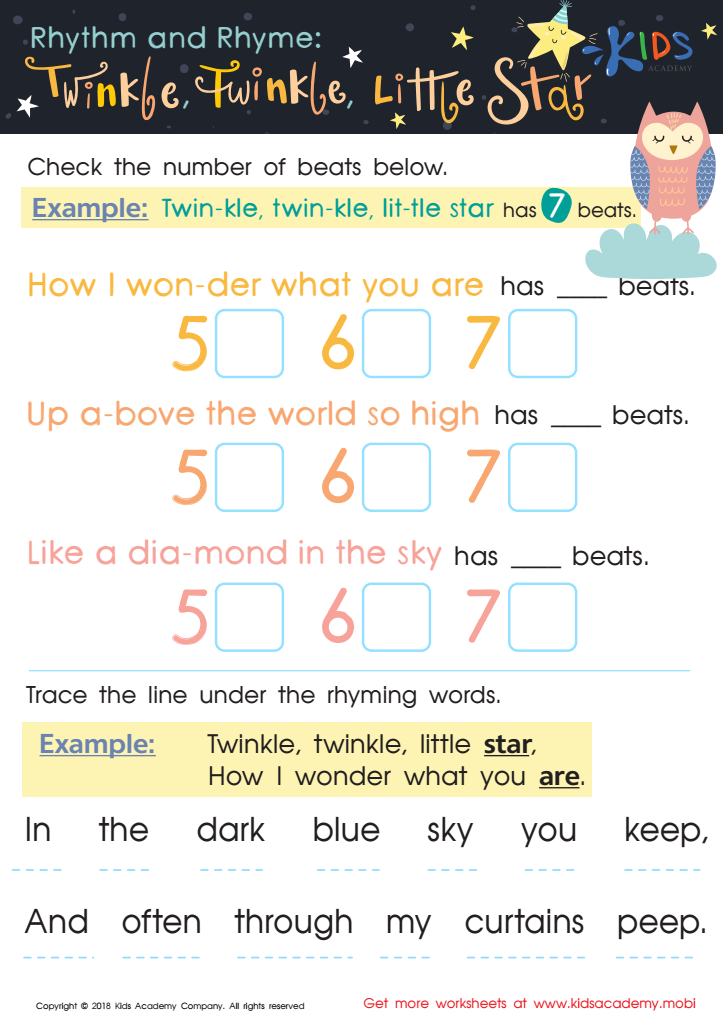
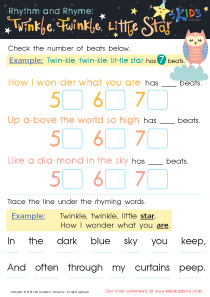
Rhythm and Rhyme: Twinkle, Twinkle, Little Star Worksheet
 Assign to My Students
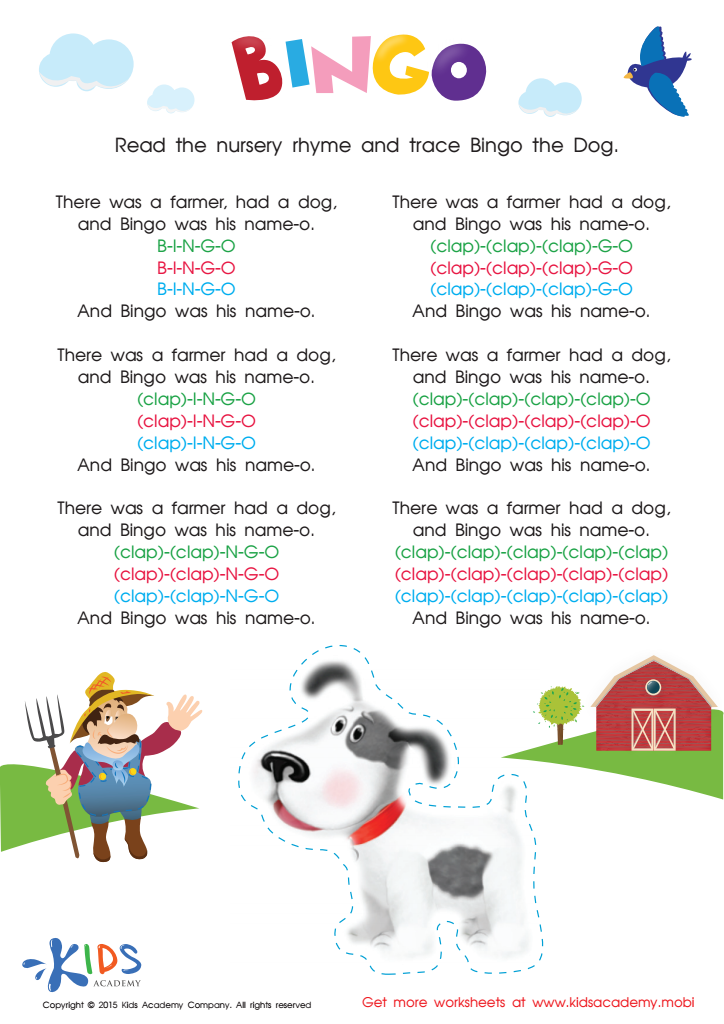
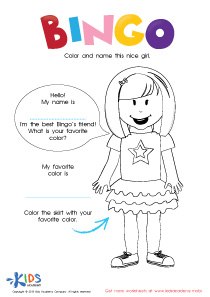
Nursery Rhymes: The Bingo Song Worksheet
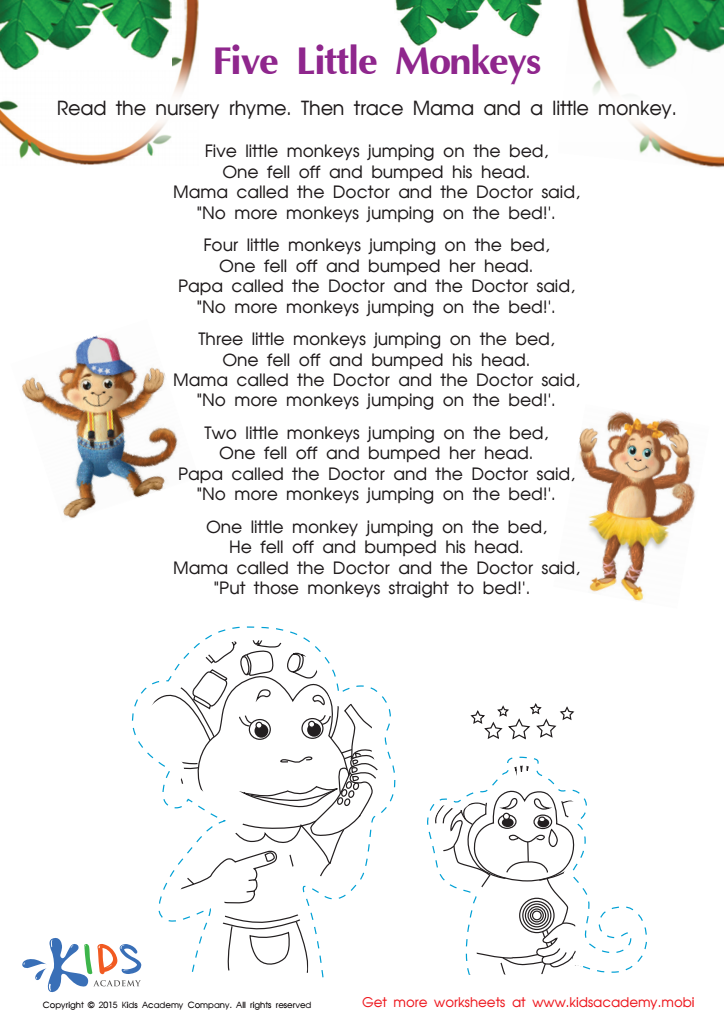
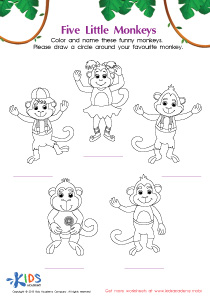
The Five Little Monkeys Nursery Rhyme Worksheet
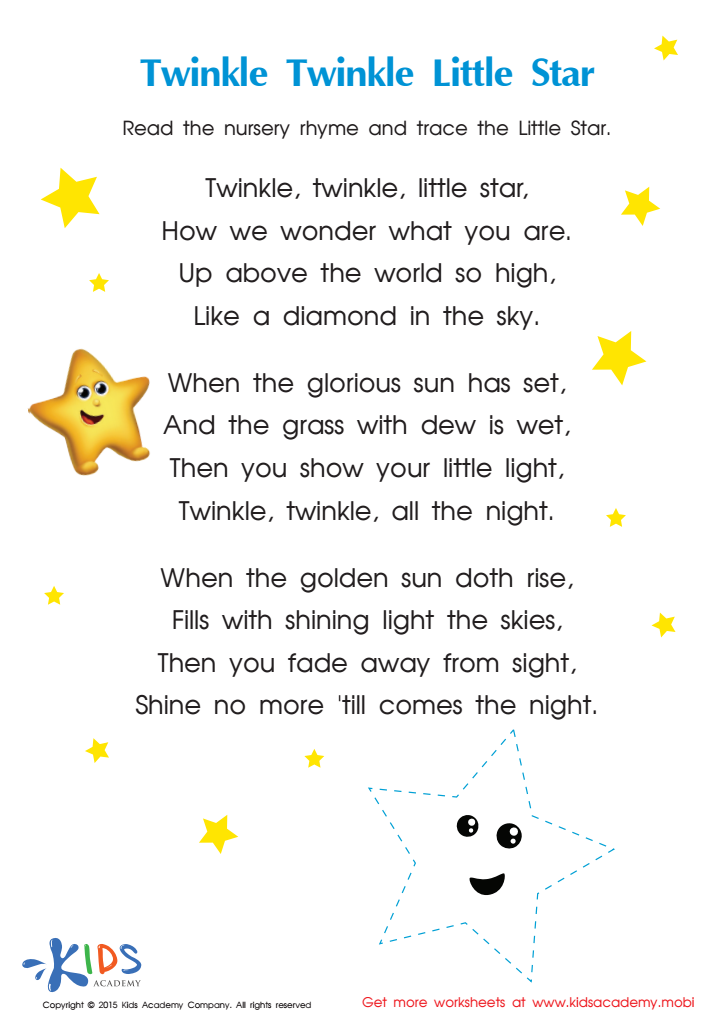
Nursery Rhymes: Twinkle Little Star Worksheet
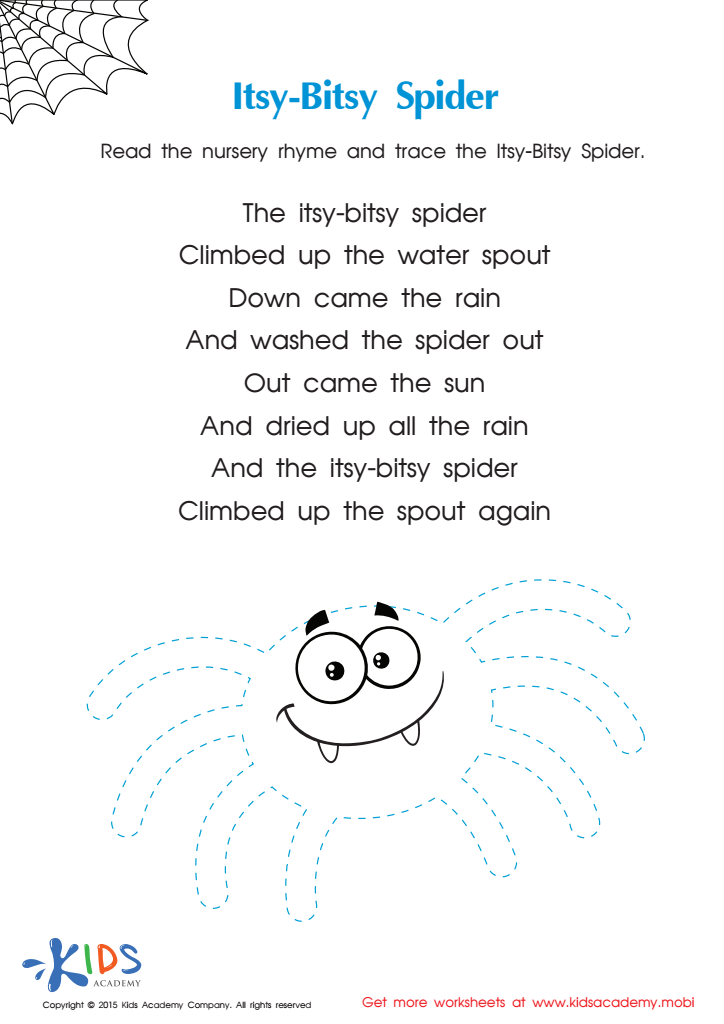
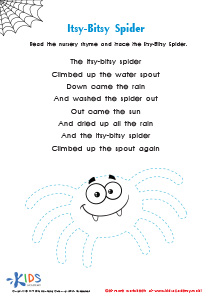
Itsy Bitsy Spider Nursery Rhyme PDF Worksheet



.jpg)



Nursery rhymes play a crucial role in the early language and cognitive development of children aged 3 to 8. For parents and teachers, engaging children with nursery rhymes provides numerous benefits.
Firstly, nursery rhymes introduce children to language patterns, rhythm, and sound. The repetitive structure and musical quality of rhymes enhance phonetic awareness, making it easier for children to recognize sounds and form words, which is essential for reading literacy.
Additionally, these rhymes often incorporate simple narratives and moral lessons, helping children develop comprehension skills and an understanding of storytelling. Engaging with nursery rhymes fosters imagination and creativity, encouraging children to invent their own variations.
Socially, nursery rhymes promote bonding among children and caregivers through shared experiences, enhancing emotional connections and fostering a love for language. They also encourage peer interactions in group settings, building cooperation and communication skills.
Cultural awareness is another advantage; many nursery rhymes have historical origins that reflect societal values, traditions, and humor. By sharing these rhymes, parents and teachers help children gain insights into diverse cultural backgrounds.
Overall, nursery rhymes are not just playful verses; they are educational tools that lay the foundation for literacy, social skills, and cultural understanding, making them a valuable component of early childhood education.