Physical Science Worksheets for Ages 3-8 - Page 4
85 filtered results
-
From - To
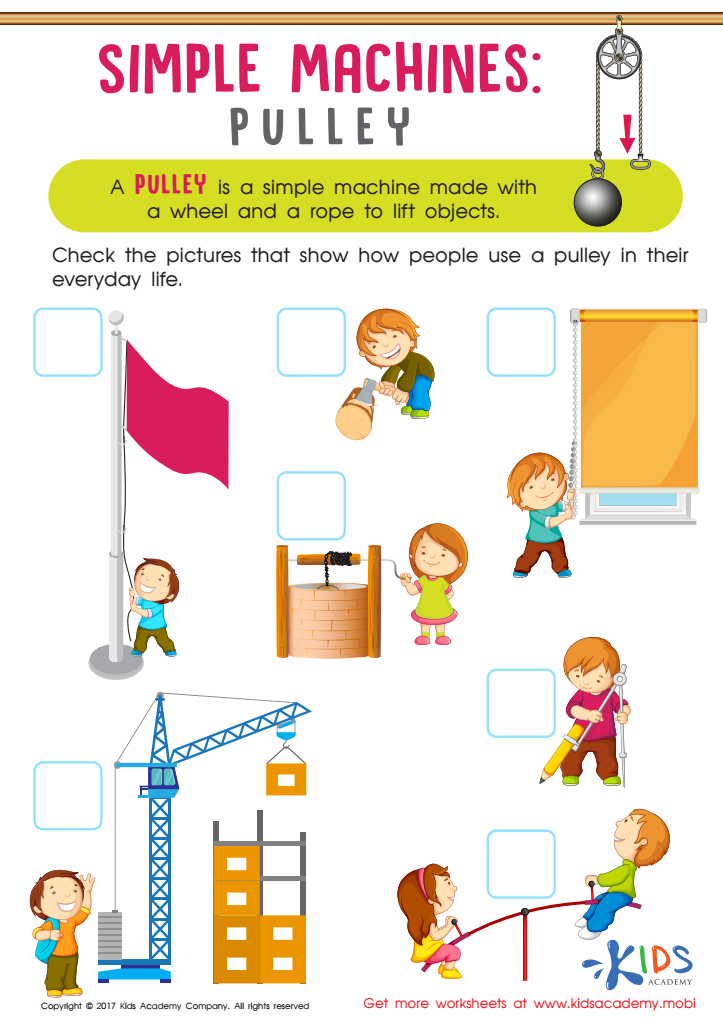
Simple Machines Pulley Worksheet
 Assign to My Students
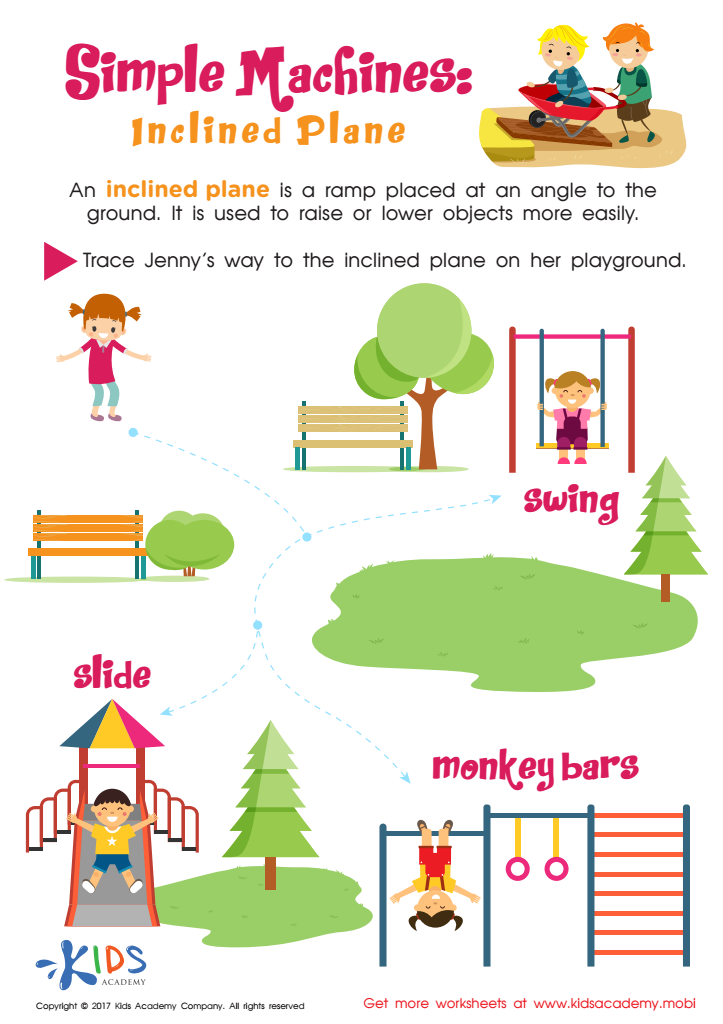
Simple Machines Inclined Plane Worksheet
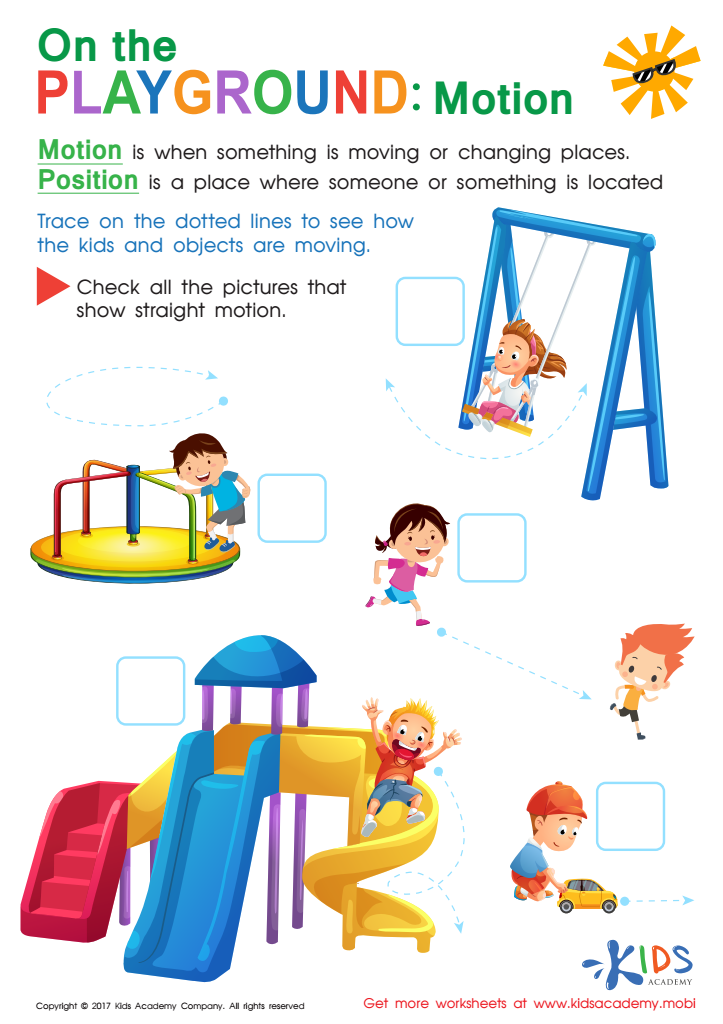
Position and Motion Worksheet
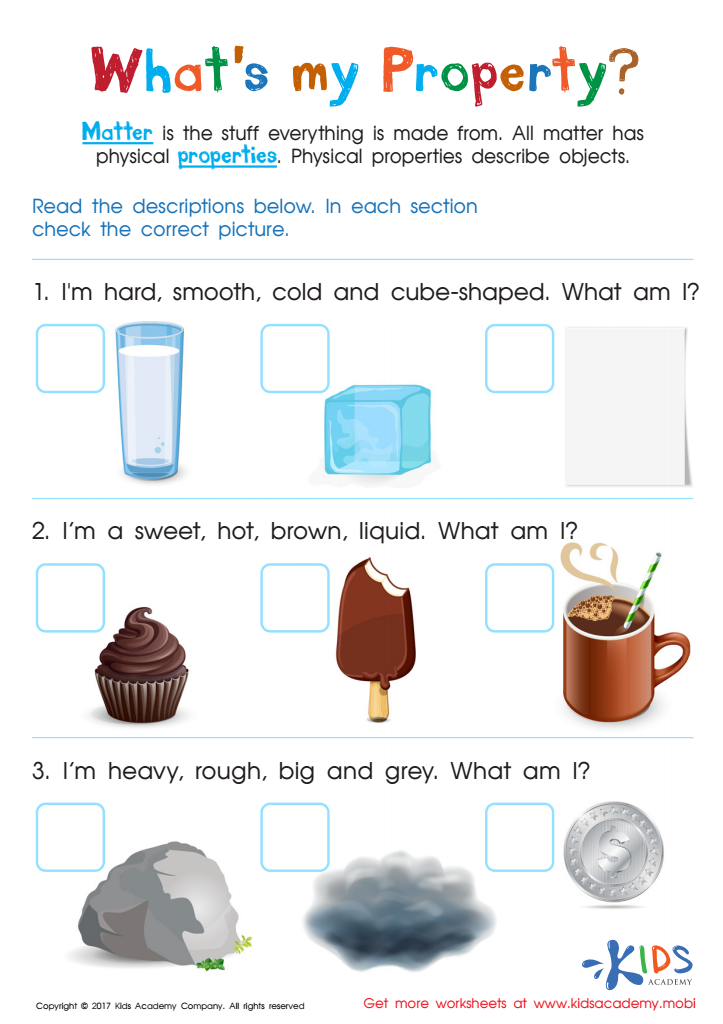
Physical Properties Of Matter Worksheet
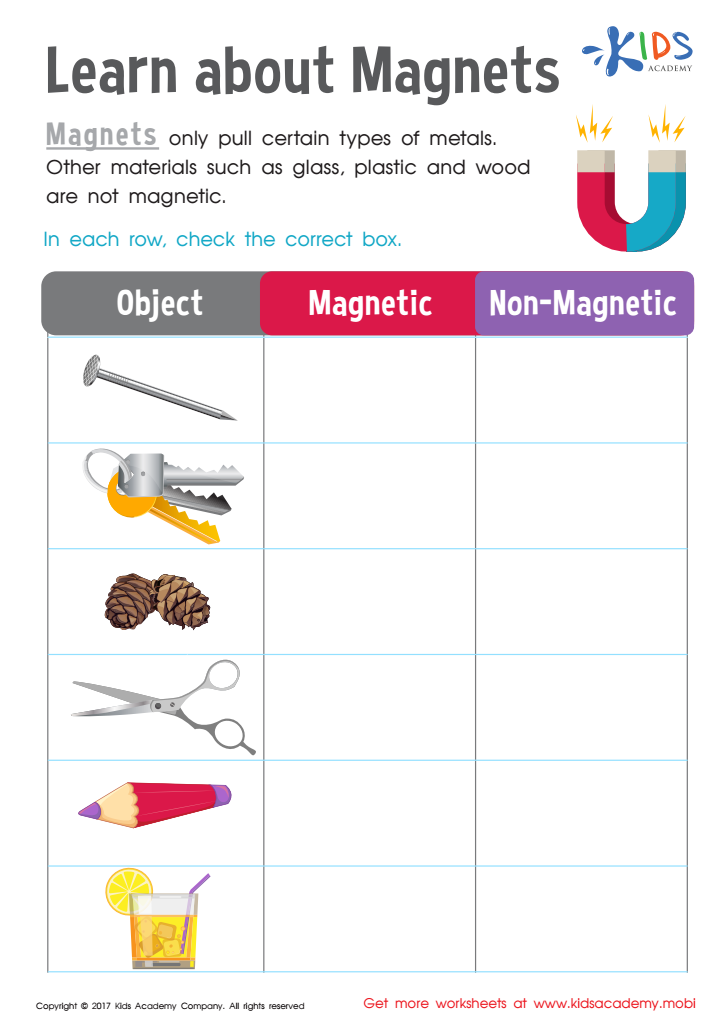
Magnetic Or Not Worksheet
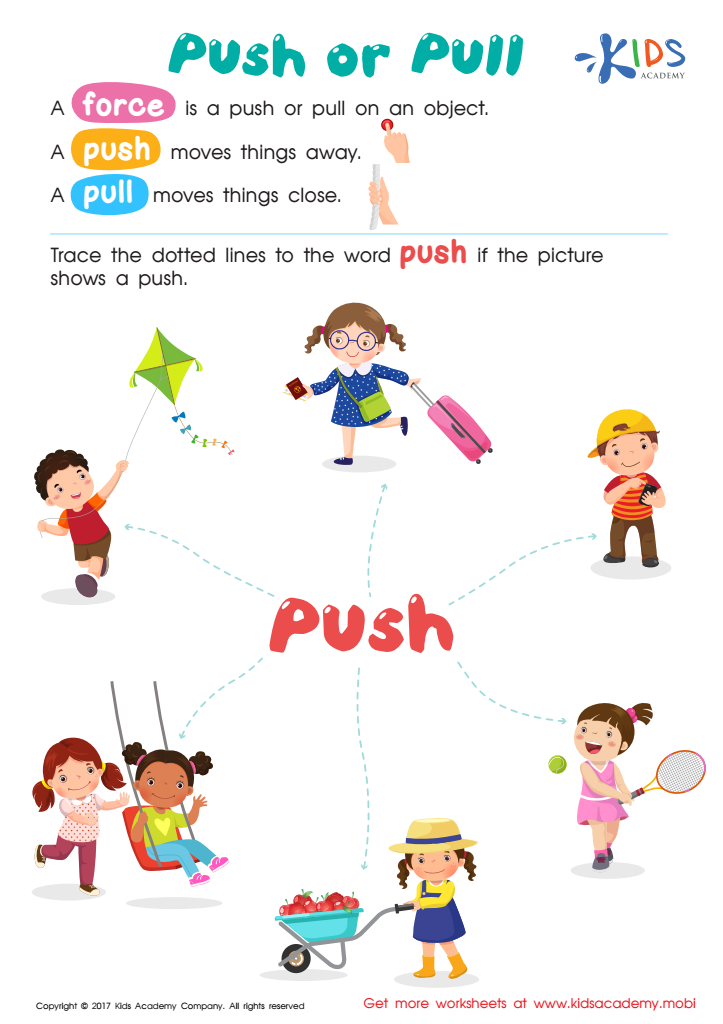
Push or Pull Worksheet
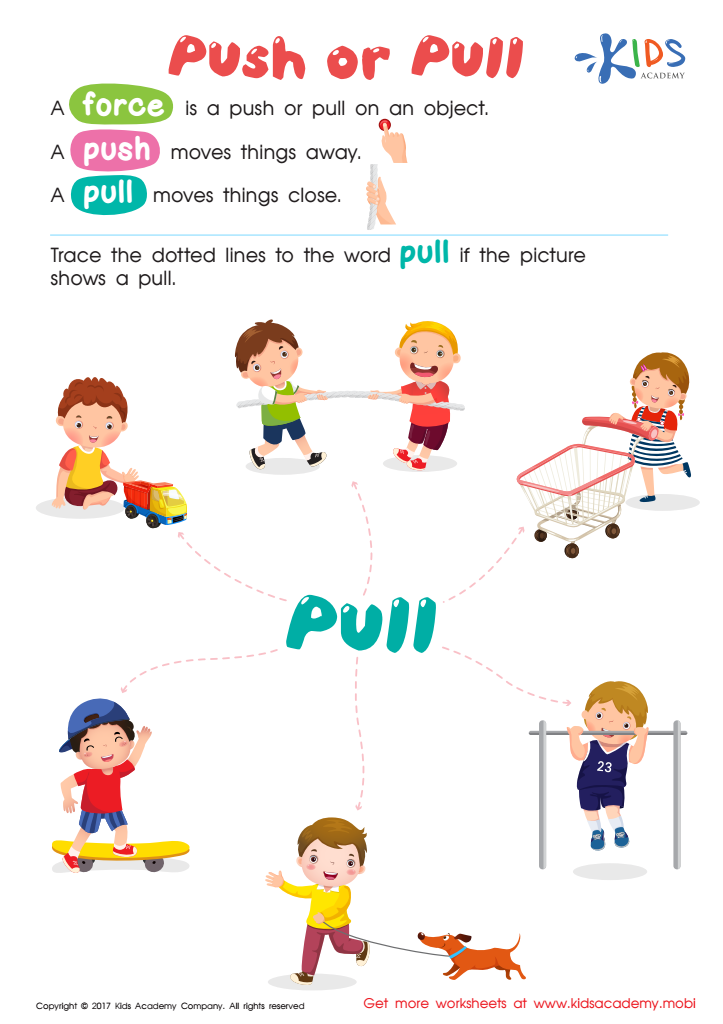
Pull or Push Worksheet
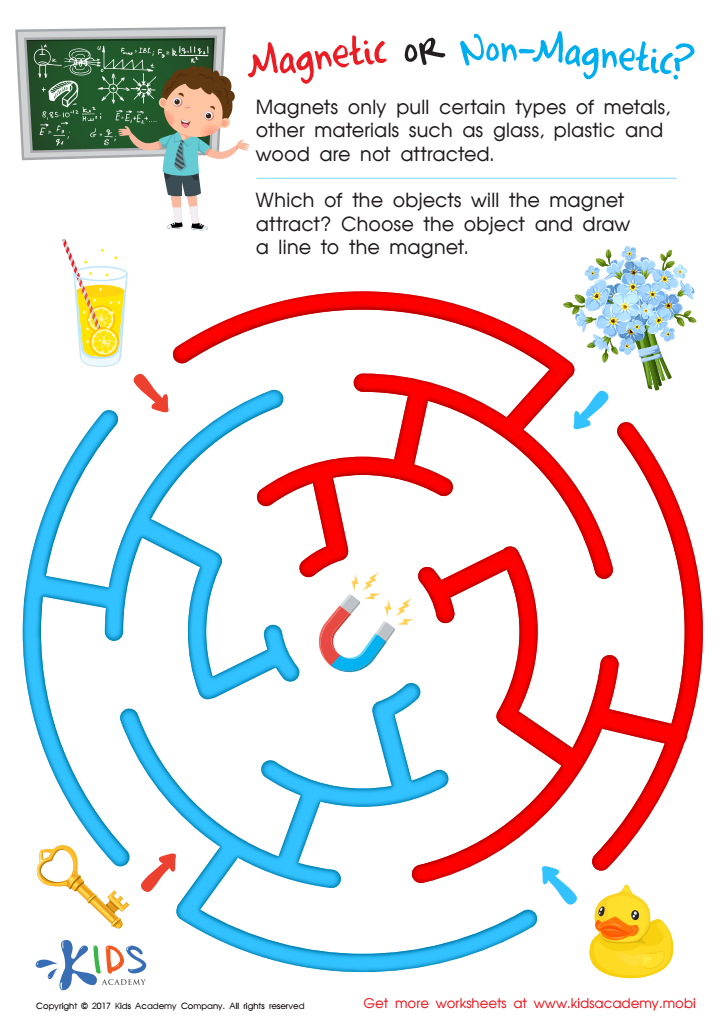
Magnetic or Non–Magnetic Worksheet
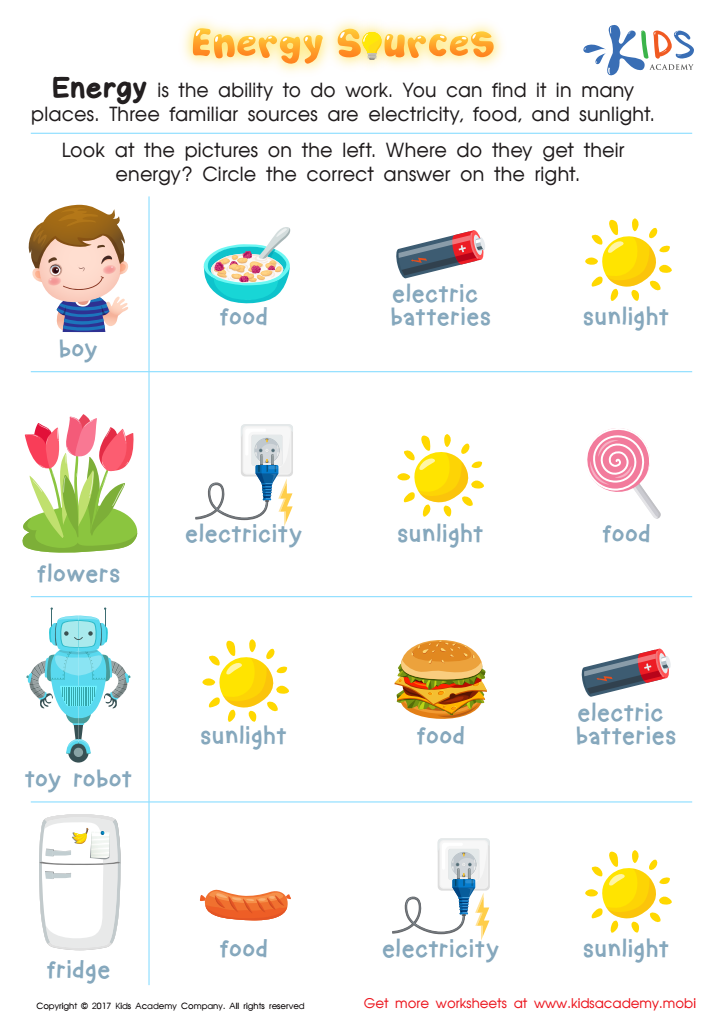
Energy Sources Printable
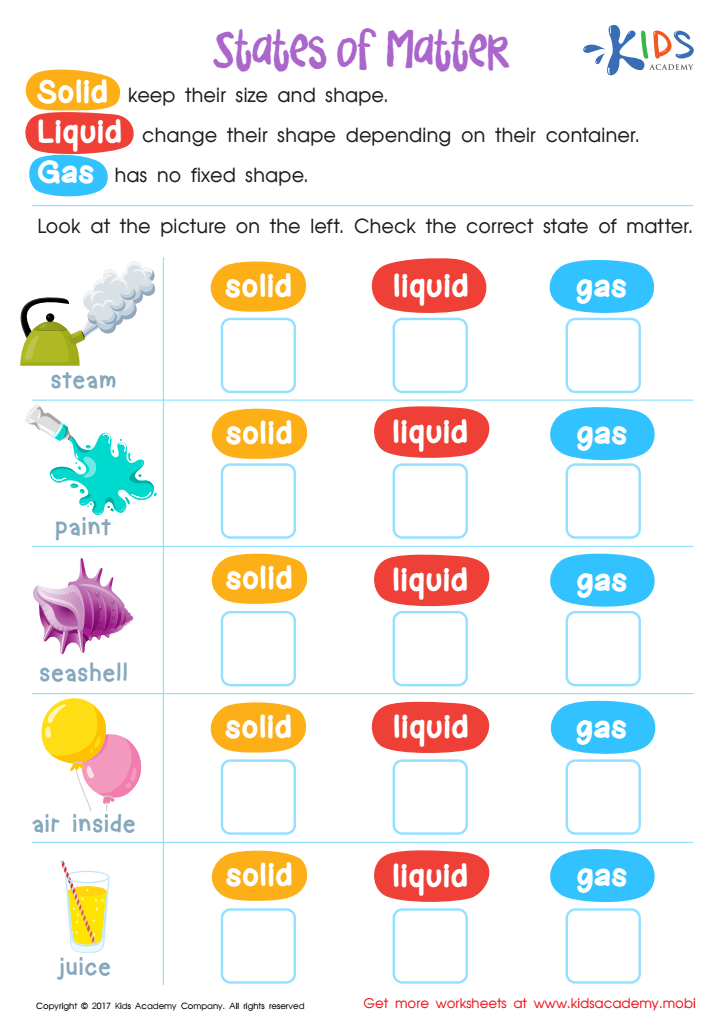
Physical Science: States of Matter Worksheet
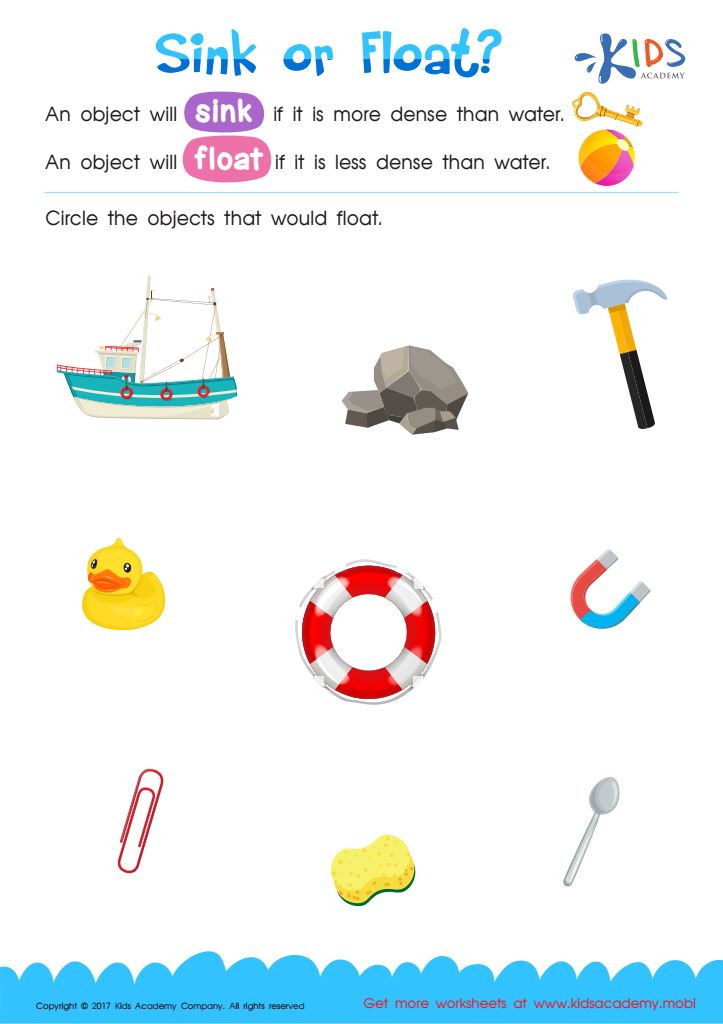
Sink or Float Printable
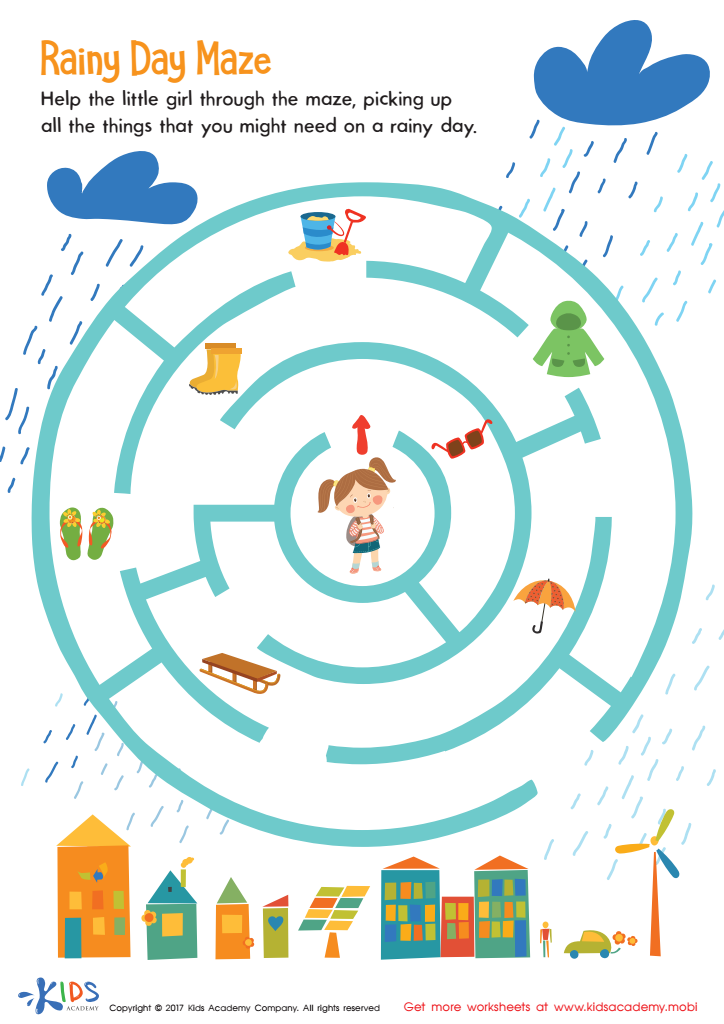
Rainy Day Maze Worksheet
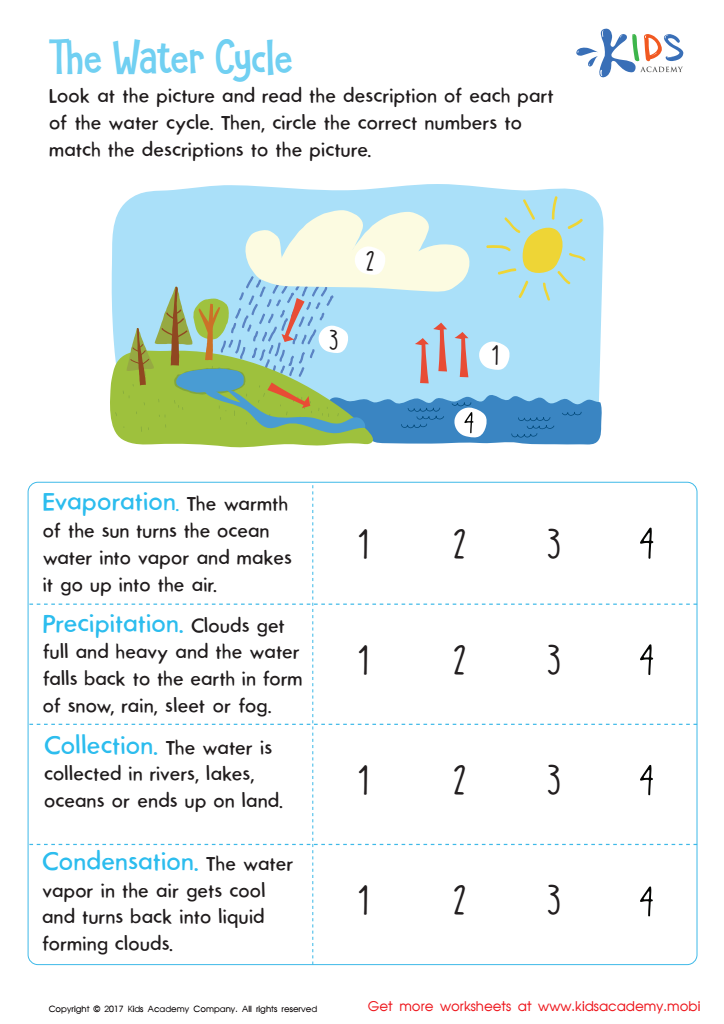
The Water Cycle Worksheet








Parents and teachers should care about Physical Science for ages 3-8 because it lays the foundation for critical thinking, problem-solving, and a genuine curiosity about the world. At this young age, children are naturally inquisitive, constantly asking questions about how things work. Introducing them to physical science concepts—such as forces, motion, and basic chemistry—encourages exploration and fosters a love of learning.
Engagement with physical science helps children develop essential skills like observation, prediction, and experimentation. These skills not only inform scientific understanding but also translate to better performance in various academic subjects. For example, recognizing patterns in nature, understanding basic mathematics concepts through measurement, or grasping cause-and-effect relationships cultivates a well-rounded intellectual capacity.
Moreover, incorporating physical science activities can enhance fine and gross motor skills through hands-on experiments and manipulation of objects. Group activities also promote teamwork and social skills. As children learn to inquire about and interact with their environment, they become responsible citizens who can make informed decisions about scientific issues later in life, such as health and technology. By prioritizing physical science education, caregivers can empower young learners to become curious, thoughtful innovators of the future.







