Community Worksheets for Ages 3-8 - Page 5
125 filtered results
-
From - To
 Assign to My Students
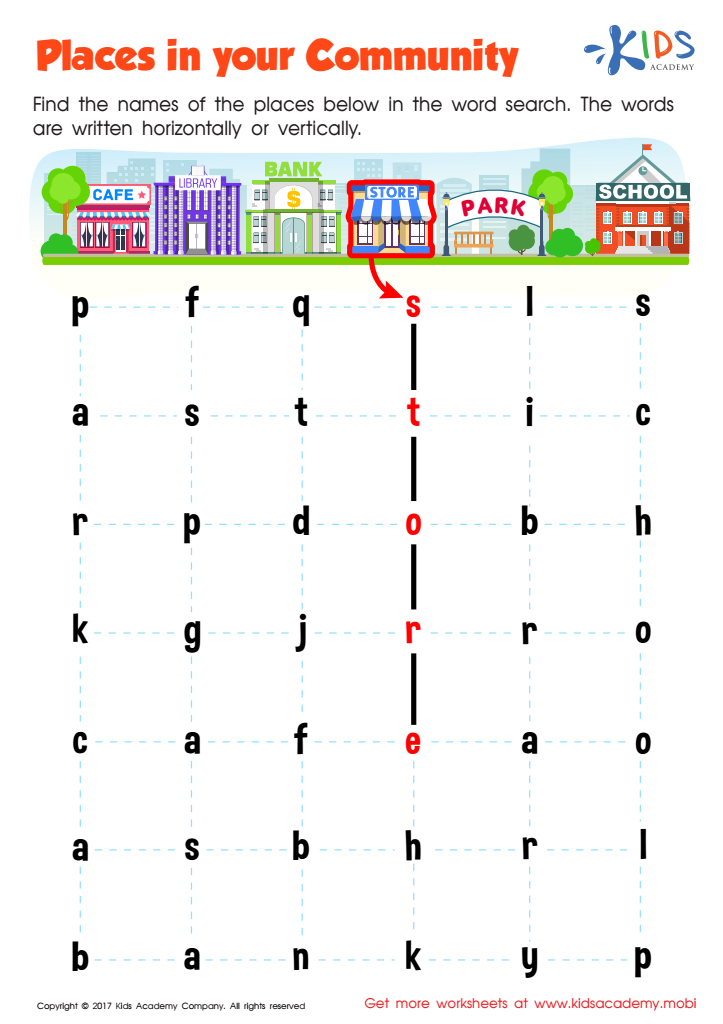
Places in Your Community Worksheet
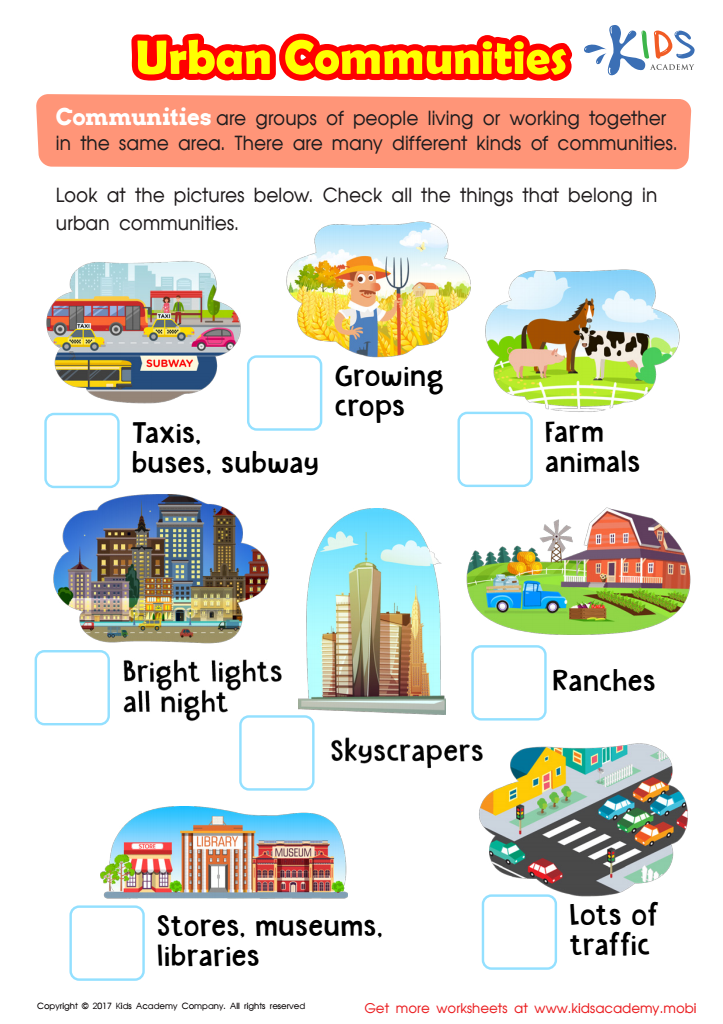
Urban Communities Printable
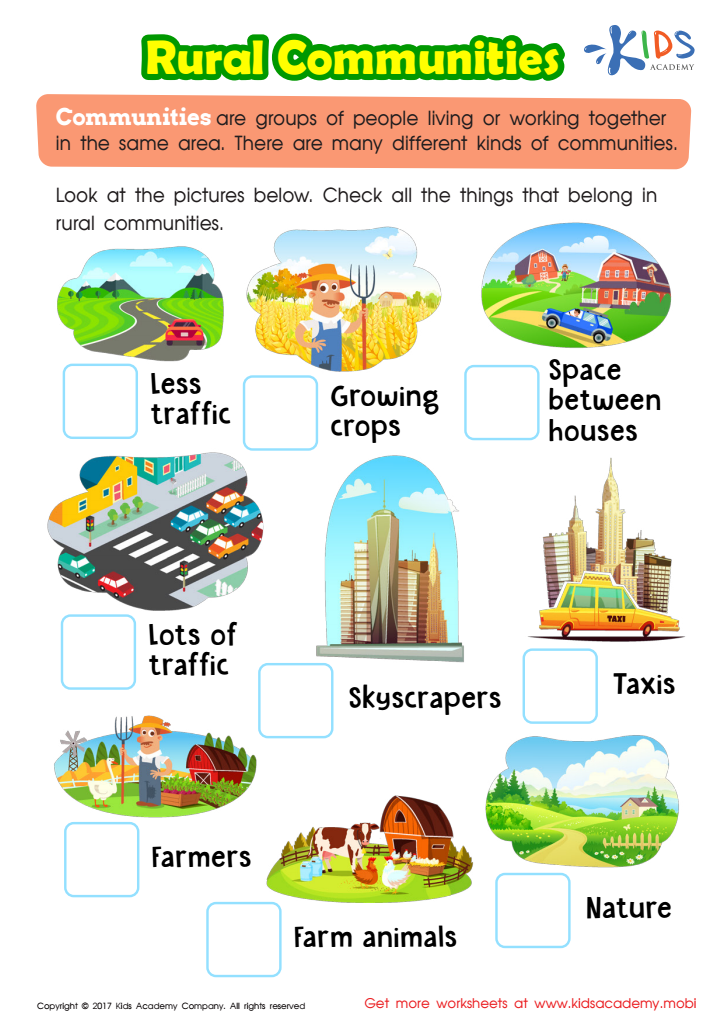
Rural Communities Printable
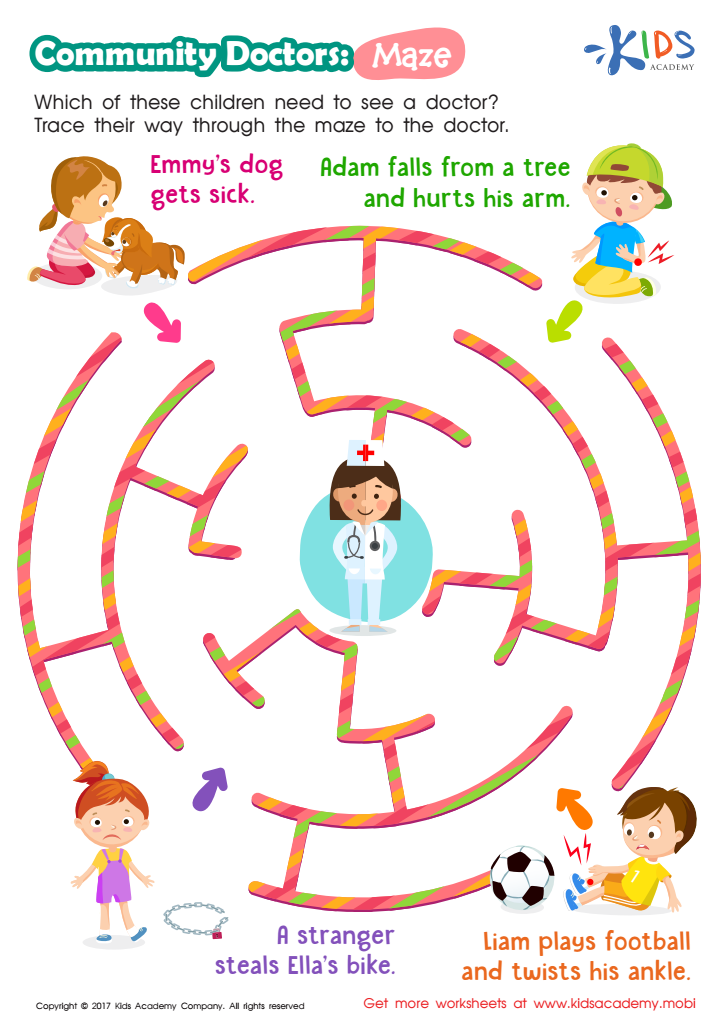
Community Doctors: Maze Printable
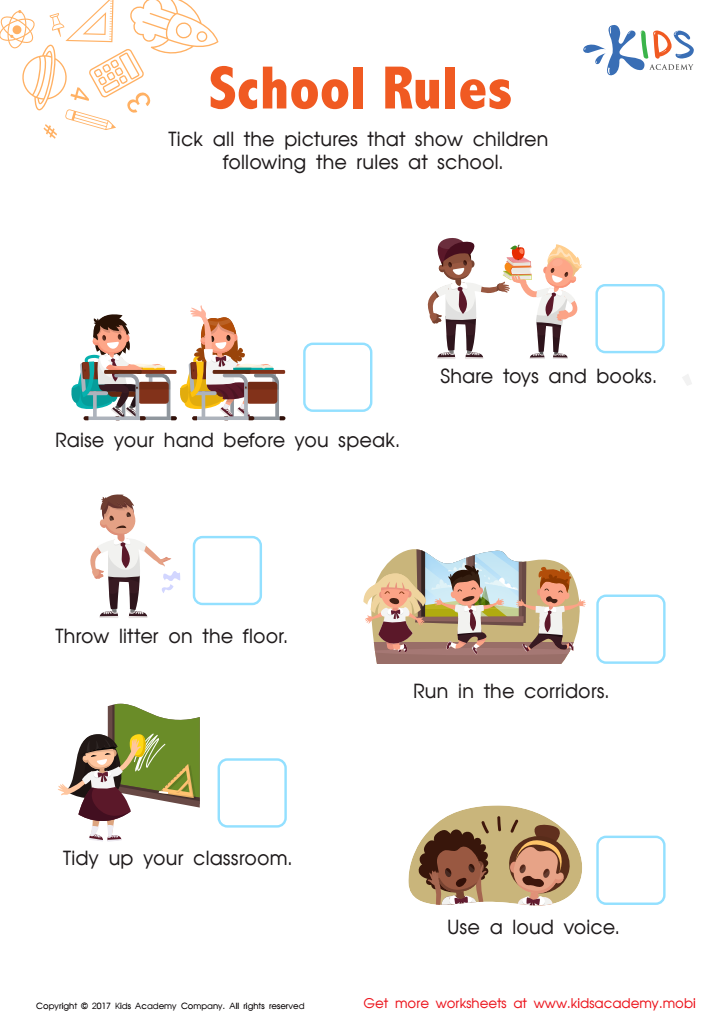
School Rules Worksheet
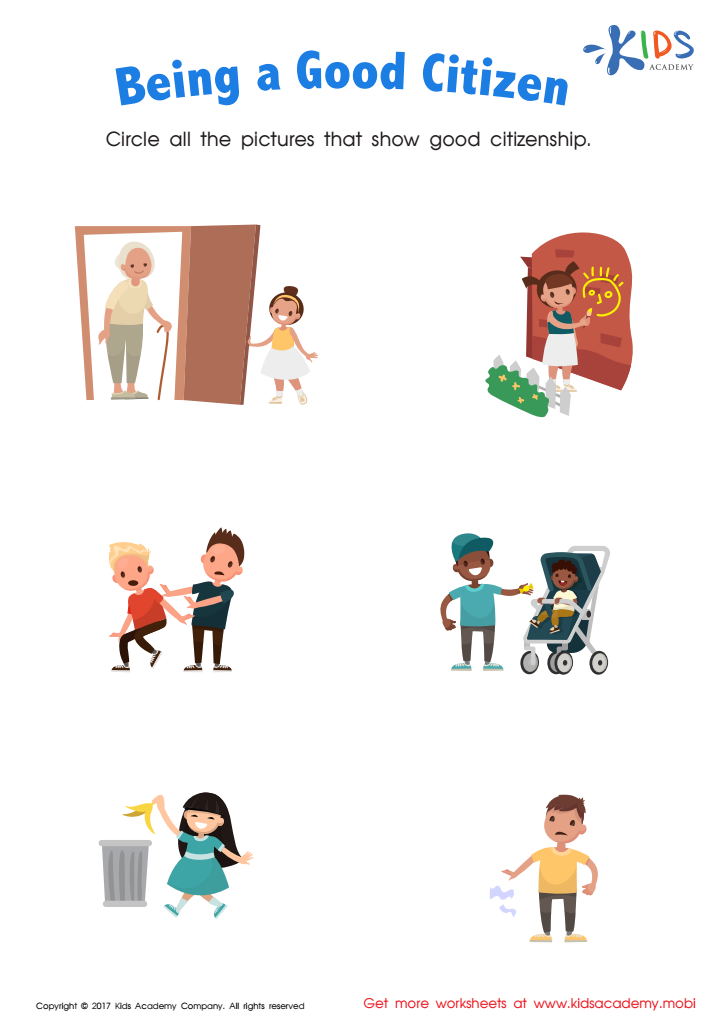
Being a Good Citizen Printable
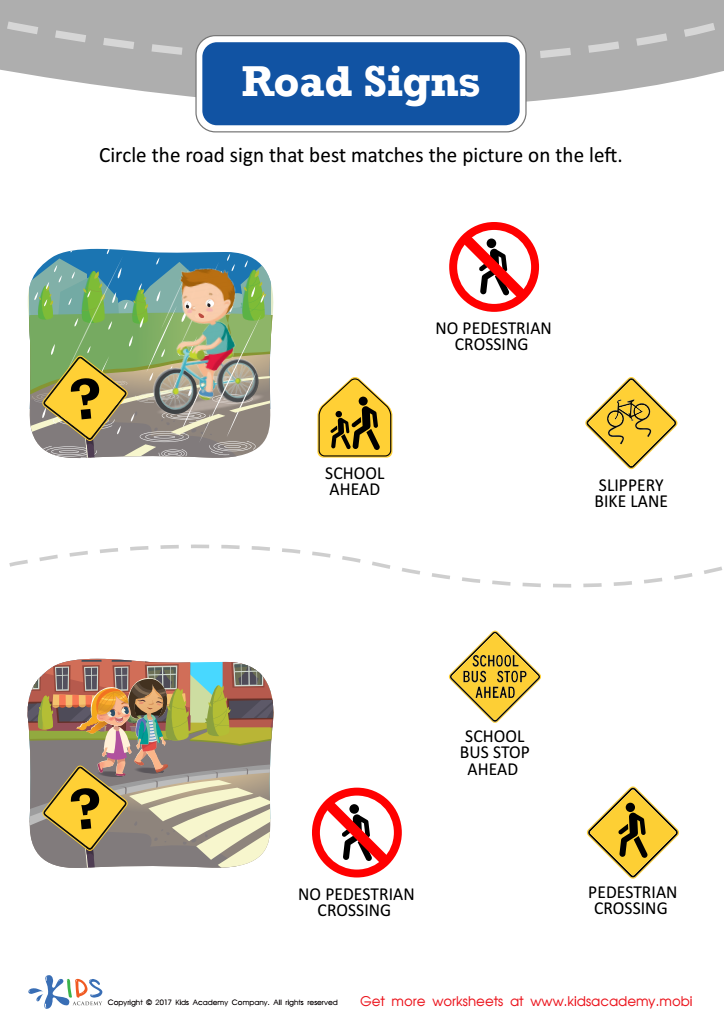
Road Signs (Part 2) Printable
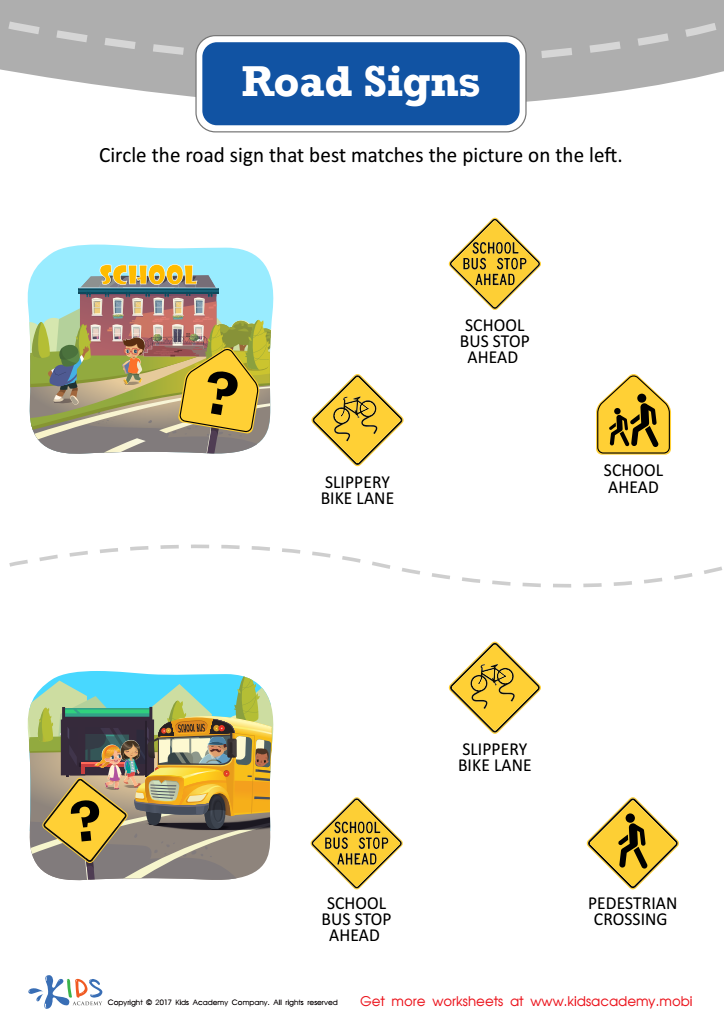
Road Signs (Part 1) Worksheet
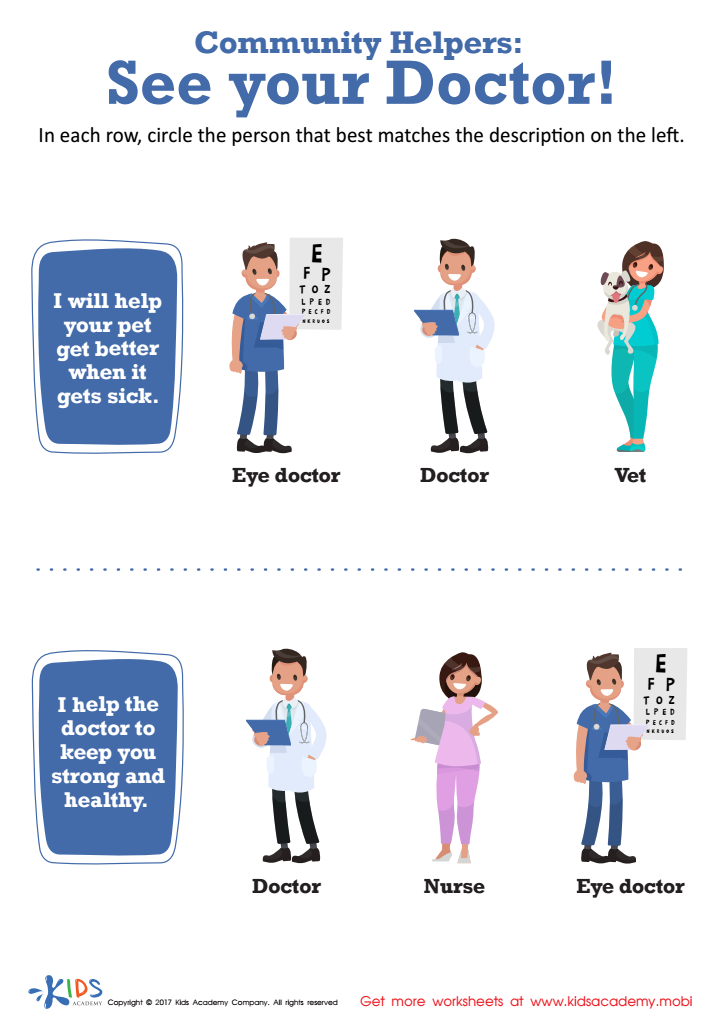
See Your Doctor (Part 2) Printable
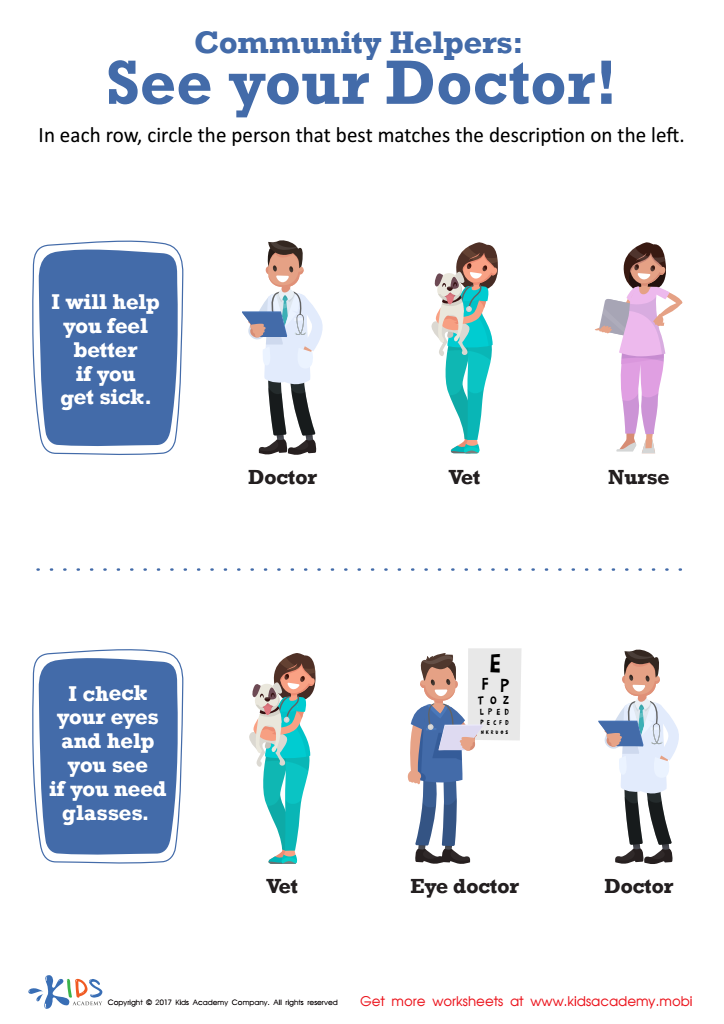
See Your Doctor (Part 1) Printable
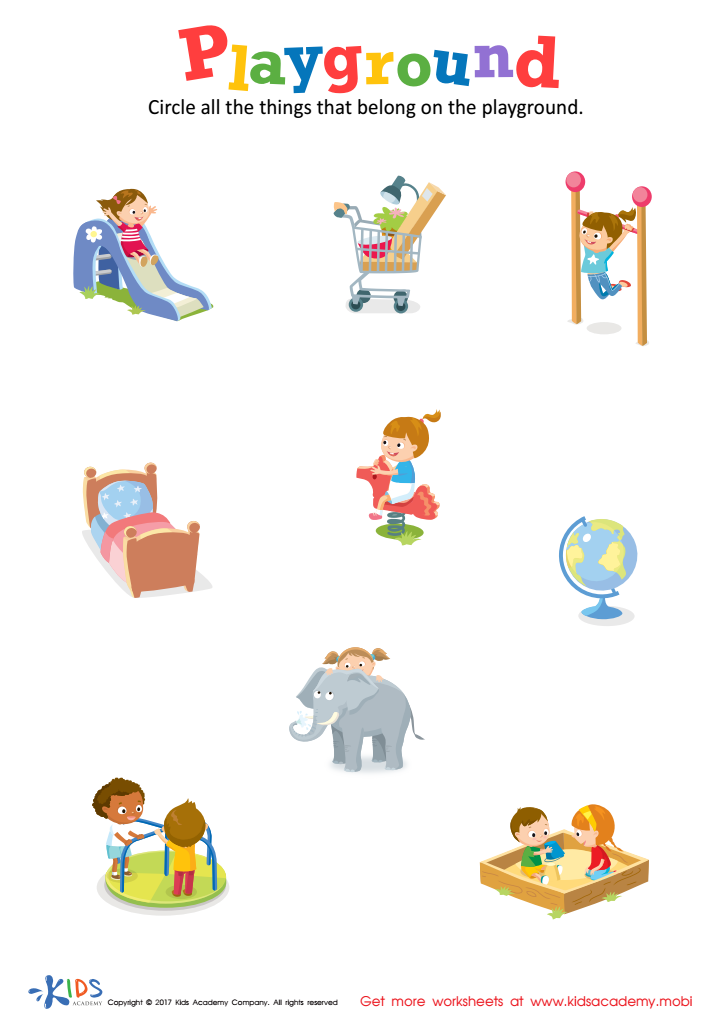
Playground Worksheet
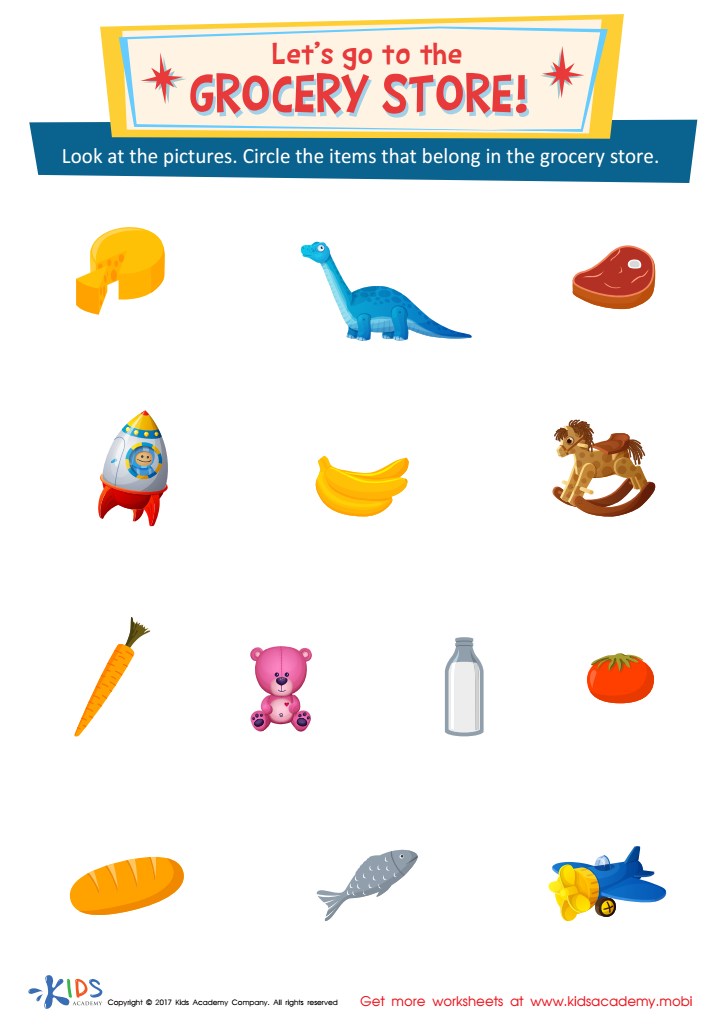
Grocery Store Worksheet
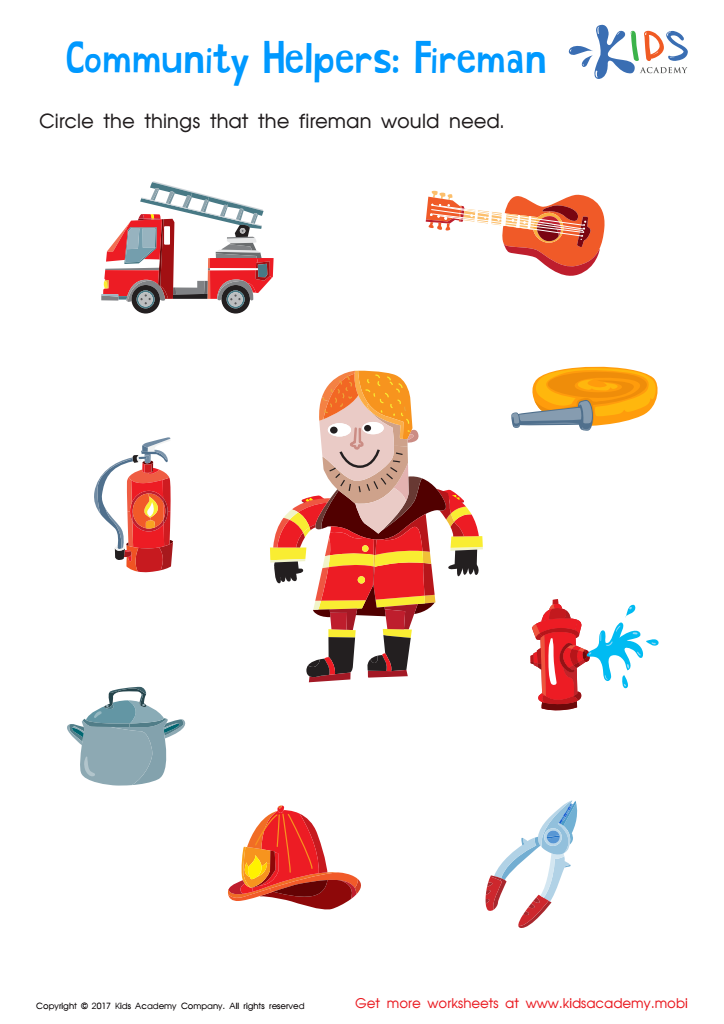
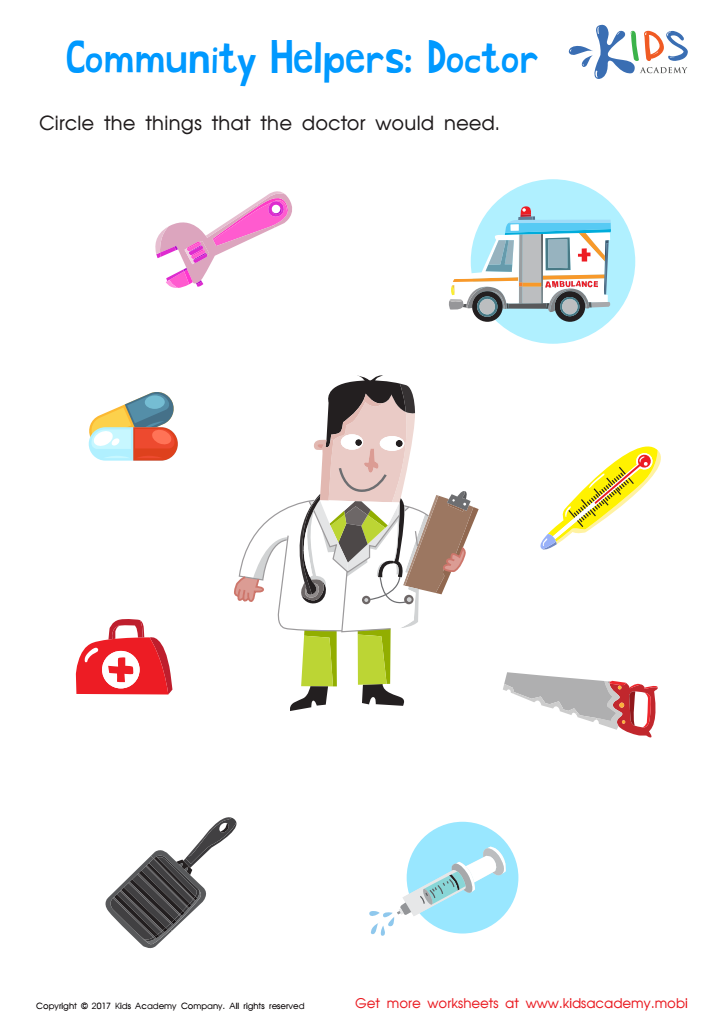
Fireman Worksheet
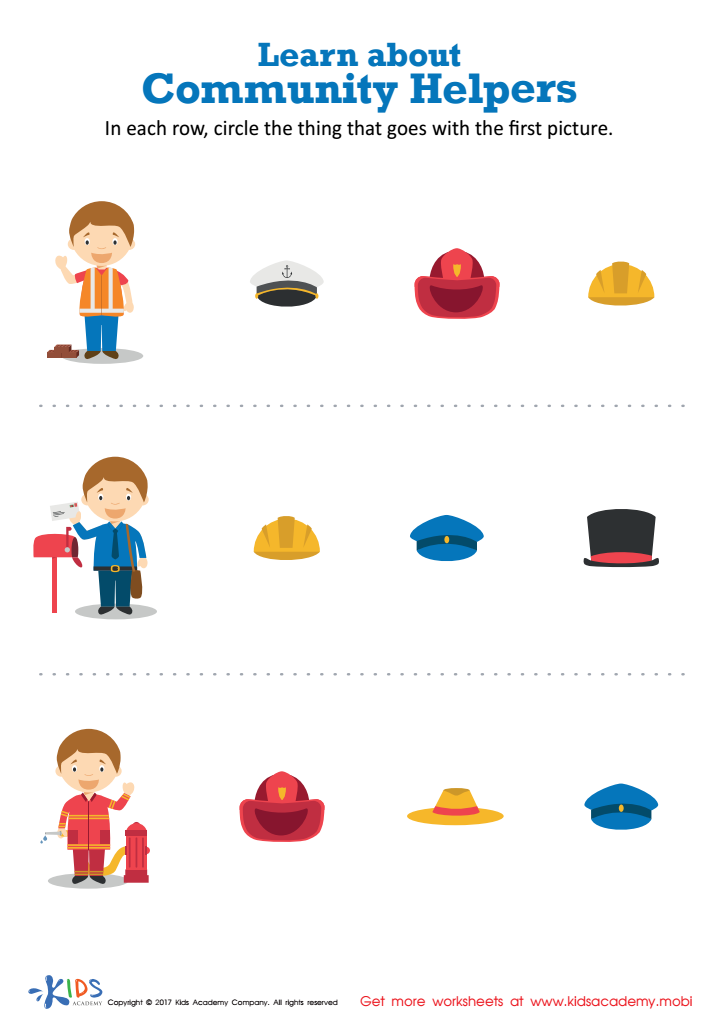
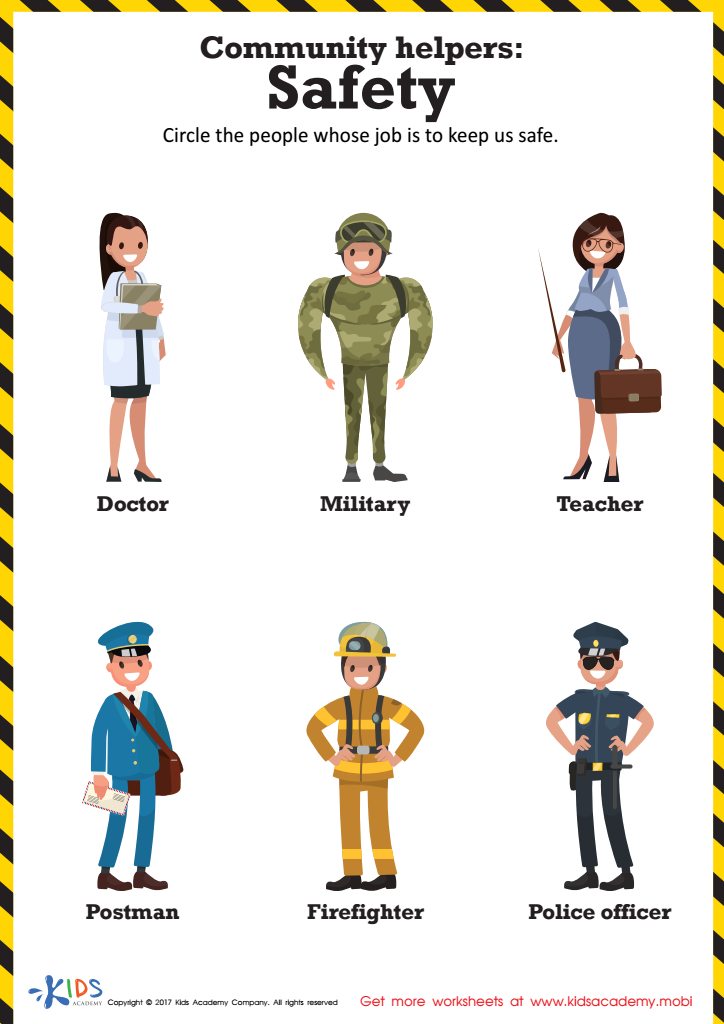
Learn about Community Helpers Printable
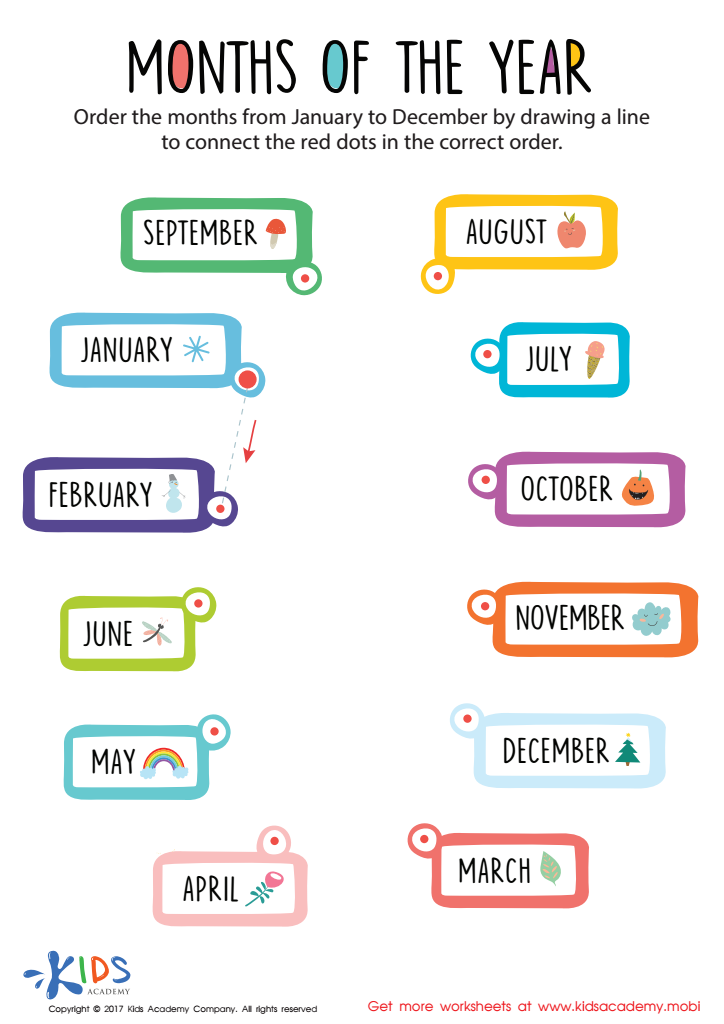
Months of the Year Worksheet
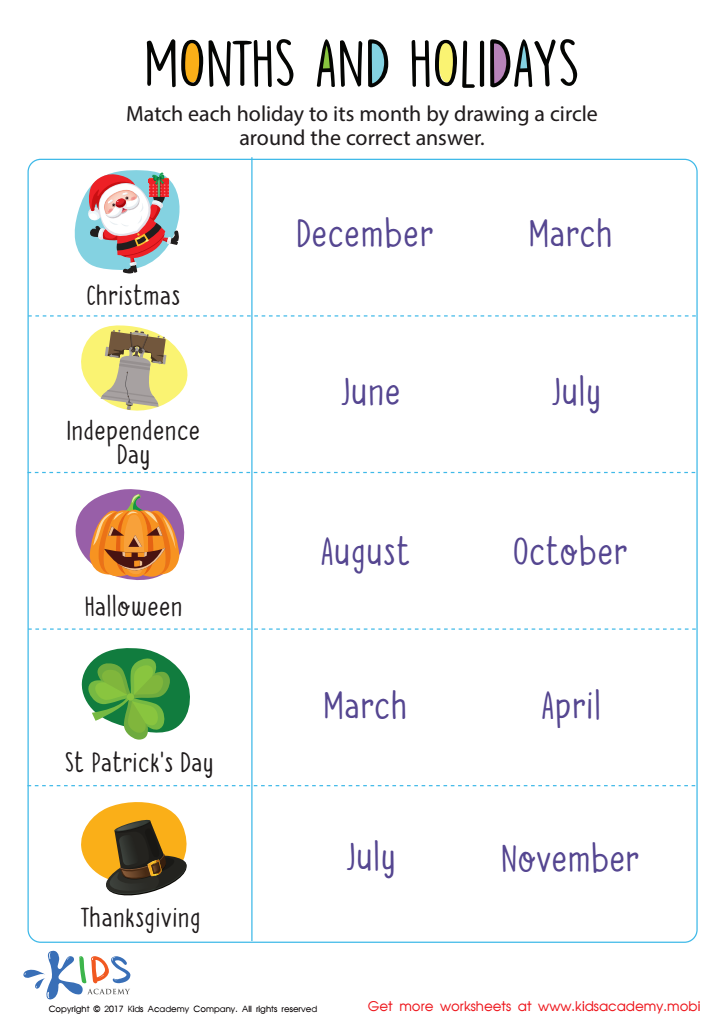
Months and Holidays Worksheet
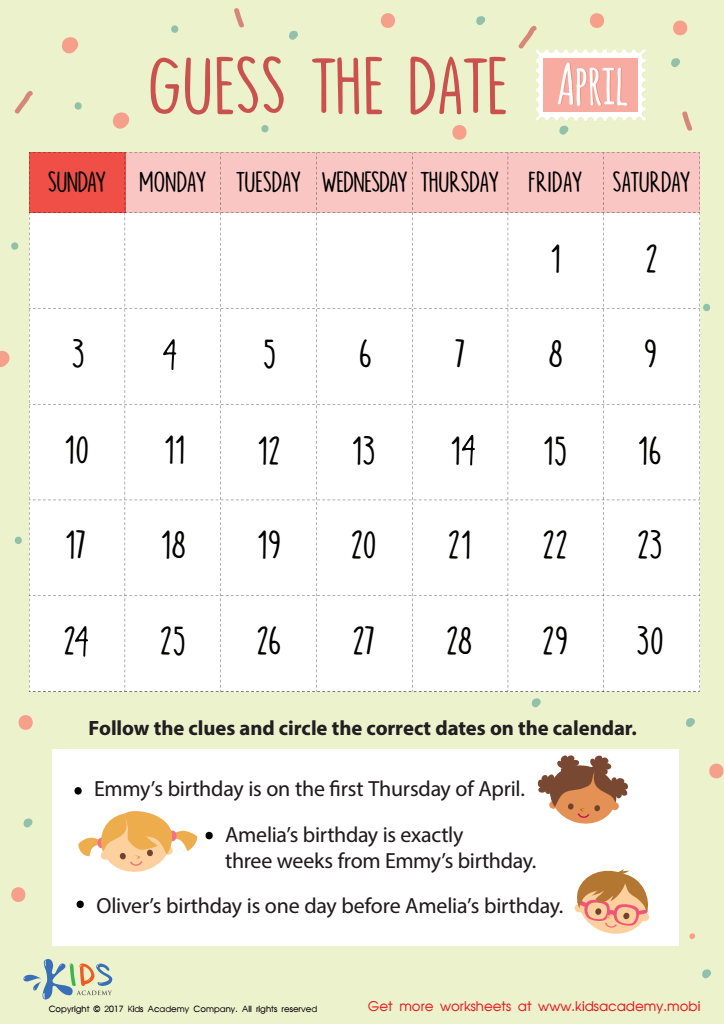
Guess the Date Worksheet
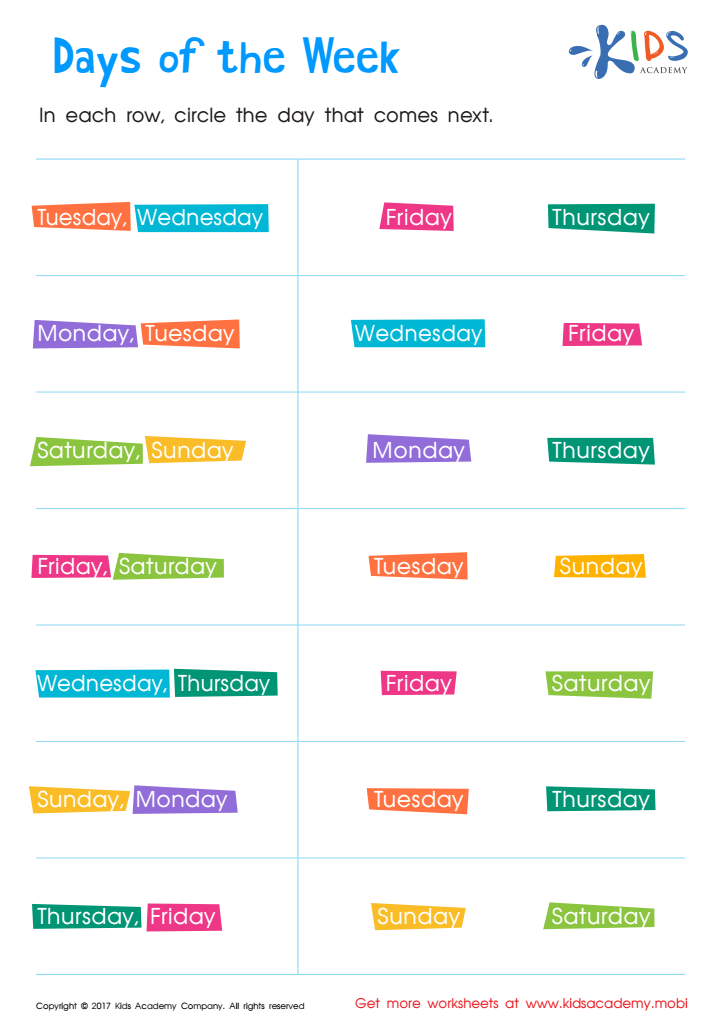
Days of the Week Worksheet








Community is fundamental for the social, emotional, and cognitive development of children aged 3 to 8. When parents and teachers prioritize a sense of community, they provide a rich, supportive environment where children can thrive. From a young age, children are learning social skills, such as sharing, empathy, and cooperation. Being part of a community allows them to interact with diverse peers, fostering friendships and promoting the understanding of different perspectives and cultures.
Additionally, a strong community encourages parental involvement and collaboration, creating a powerful support network for both families and educators. This involvement helps to reinforce children’s learning and development outside the classroom, ensuring consistency in values and expectations.
Moreover, a vibrant community offers resources and opportunities for children to explore their interests, whether through recreational activities, arts, or educational programs. Such enriched experiences can ignite creativity and a love for learning.
Lastly, resilient communities promote mental well-being, teaching children their self-worth and sense of belonging. By nurturing these connections, parents and teachers not only enhance individual development but also cultivate a nurturing society that values communication, compassion, and cooperation, setting the foundation for lifelong positive relationships.