Elementary Phonics Worksheets for Ages 3-9 - Page 2
35 filtered results
-
From - To
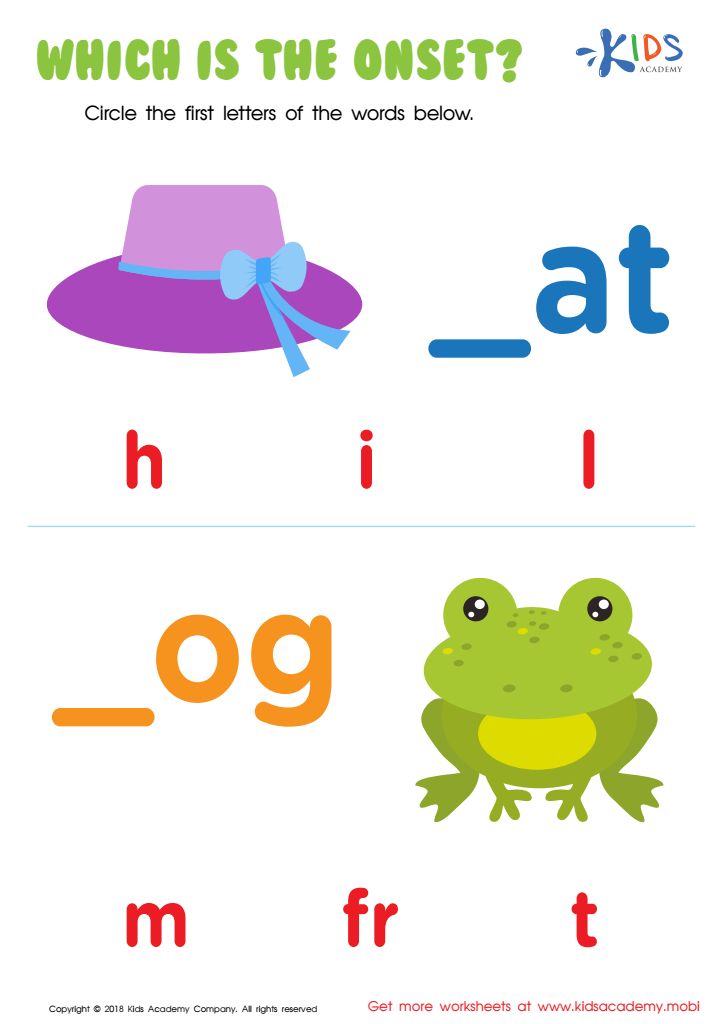
Which Is the Onset? Worksheet
 Assign to My Students
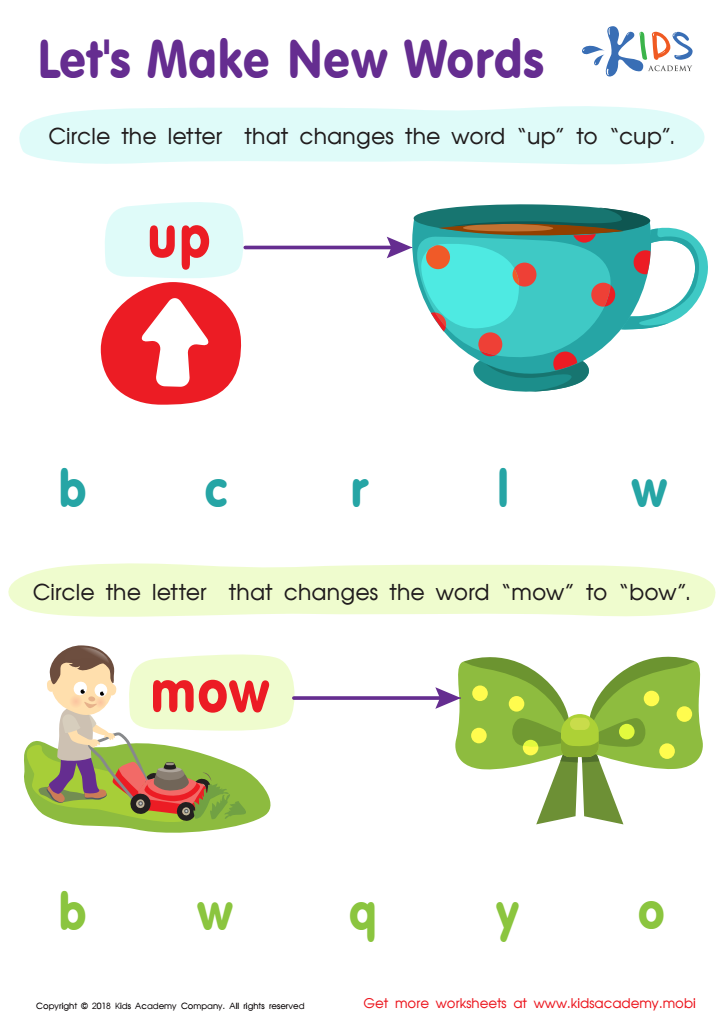
Let's Make New Words Worksheet
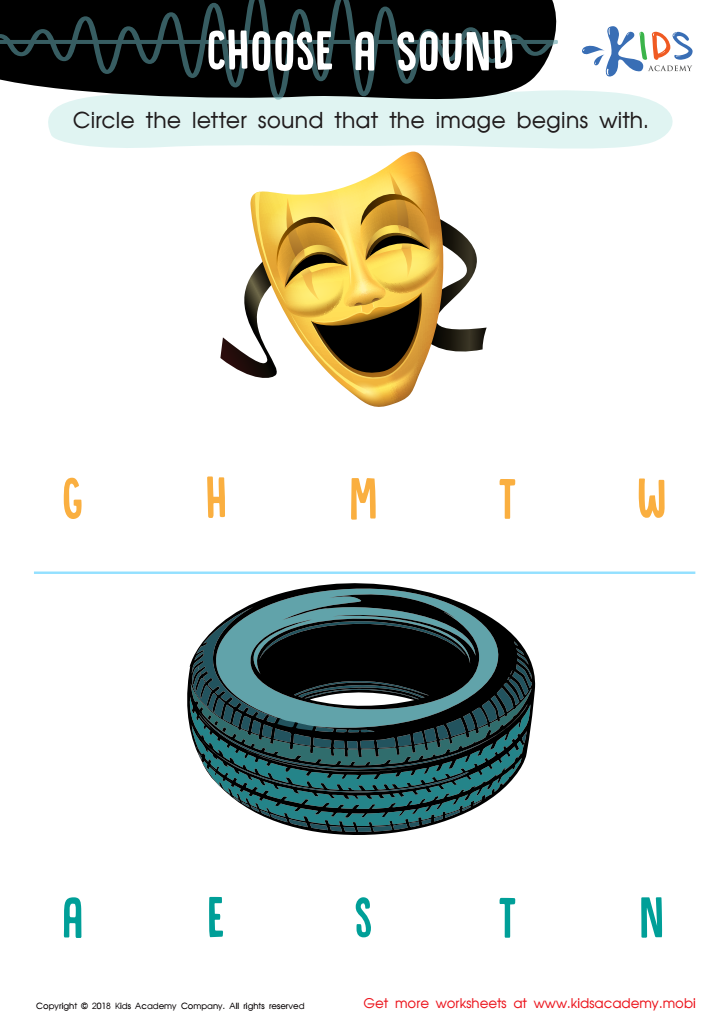
Choose a Sound Worksheet
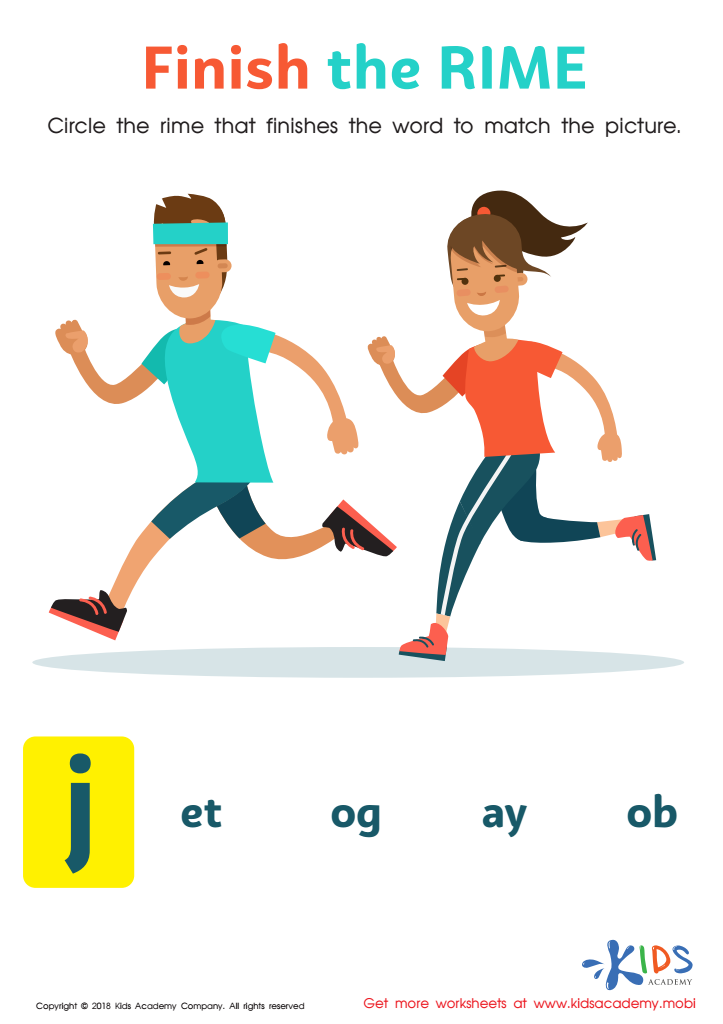
Finish the Rime Worksheet
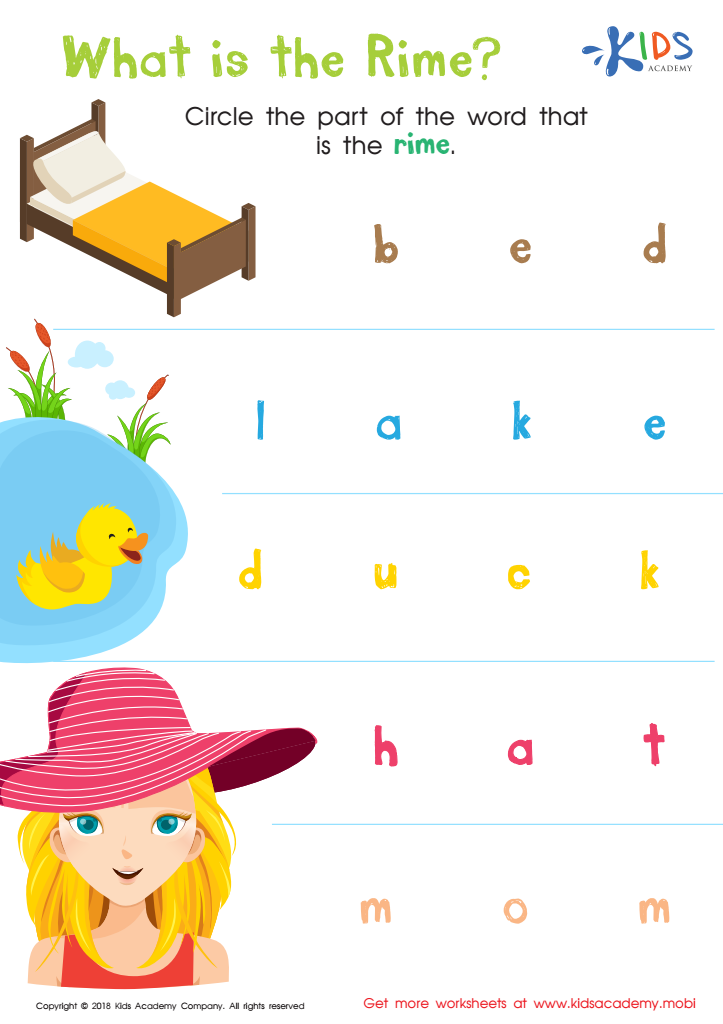
What Is the Rime? Worksheet
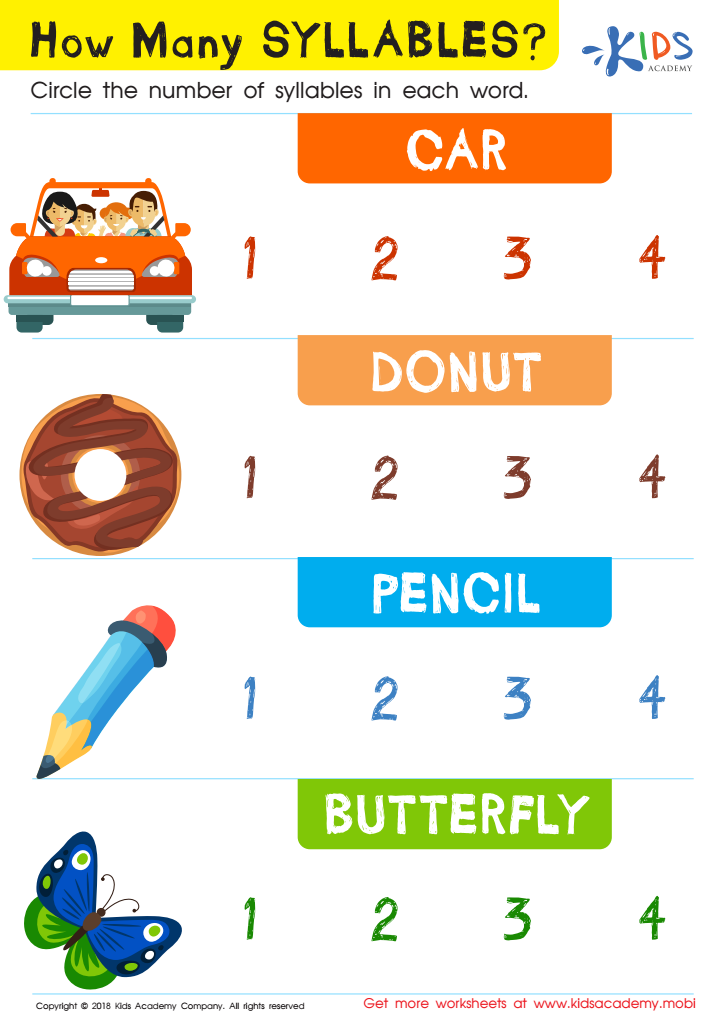
How Many Syllables? Worksheet
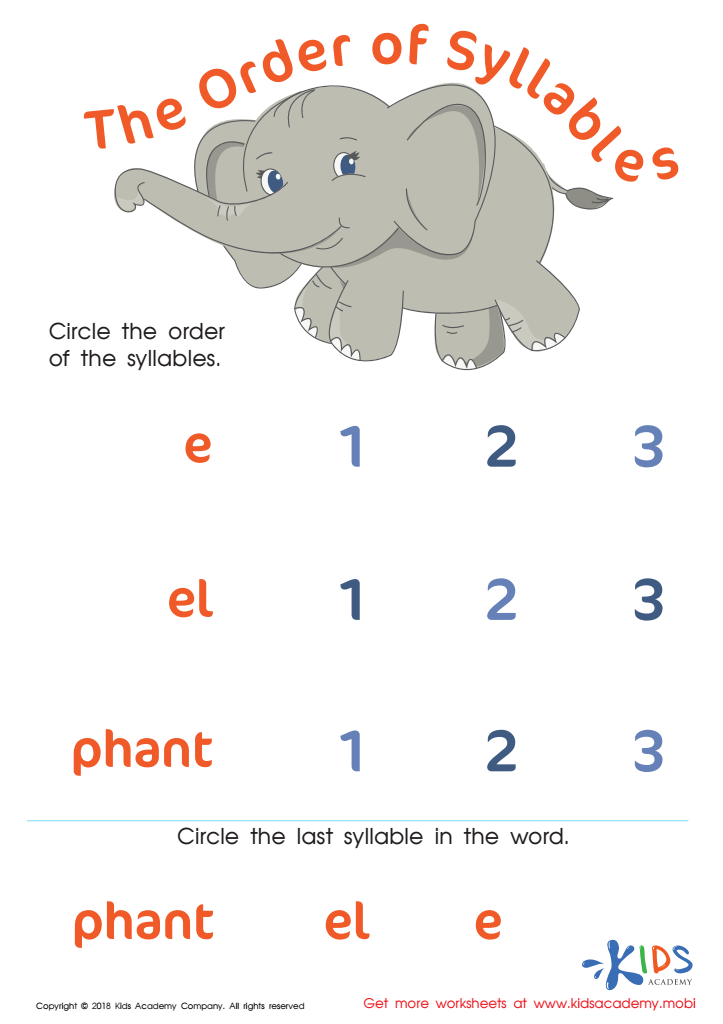
The Order of Syllables Worksheet
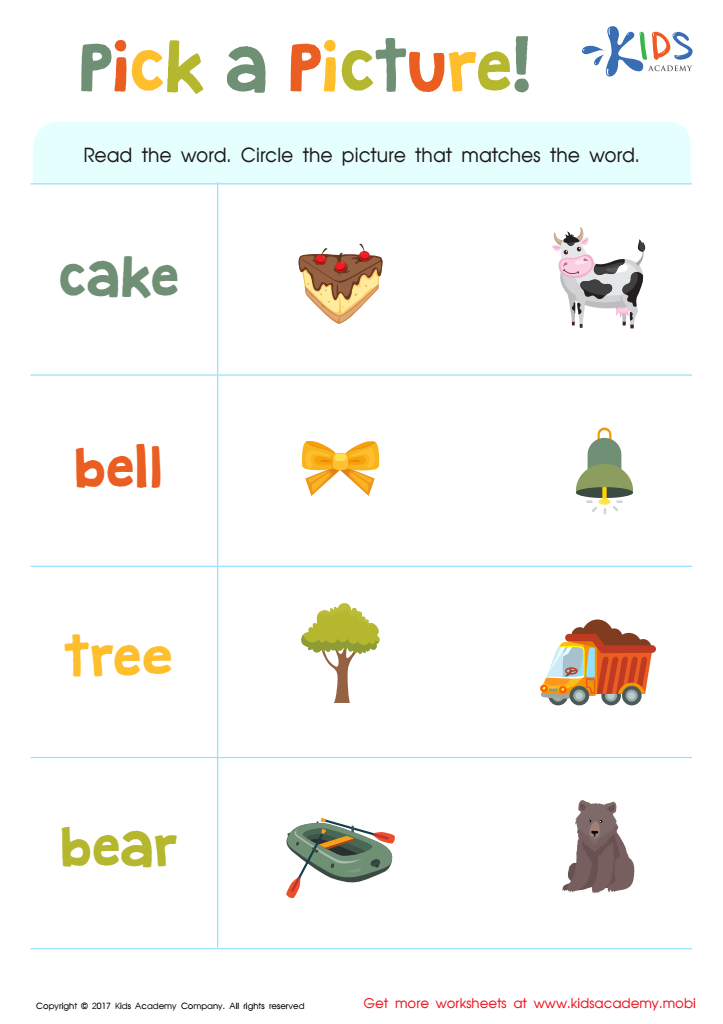
Pick a Picture Word Recognition Worksheet
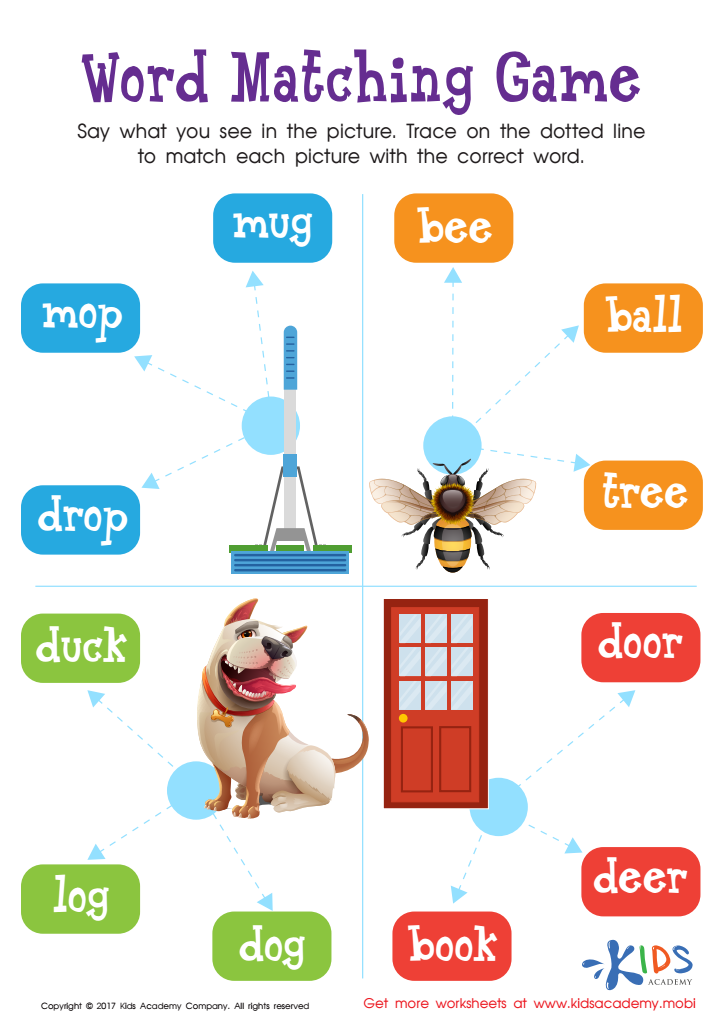
Word Matching Game Worksheet
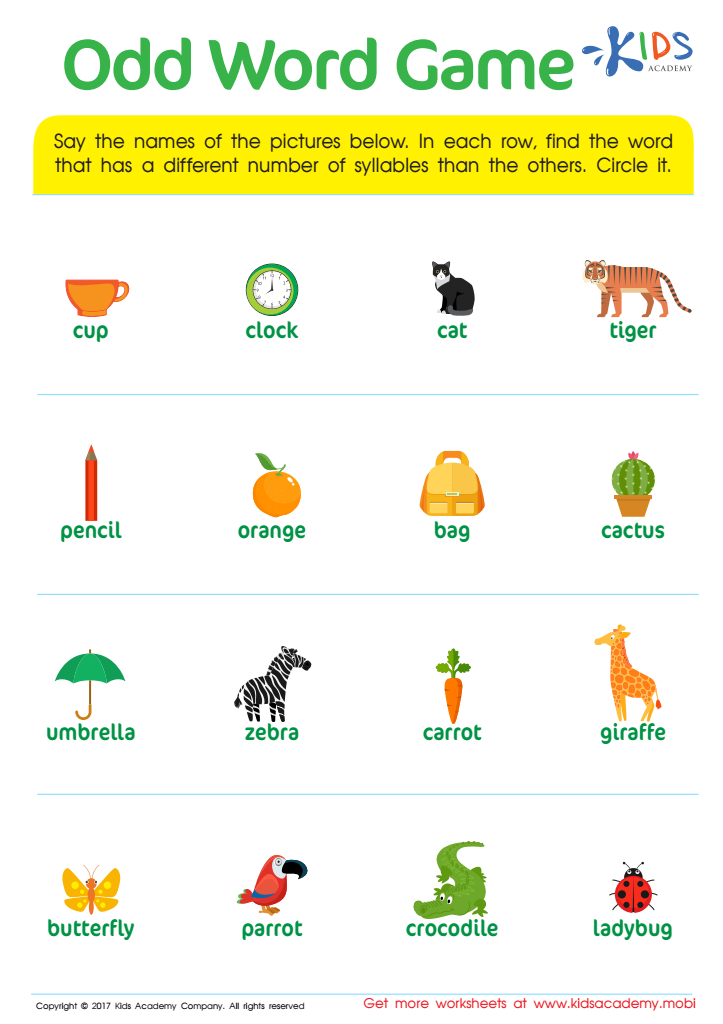
Count Syllables: Odd Word Game Worksheet
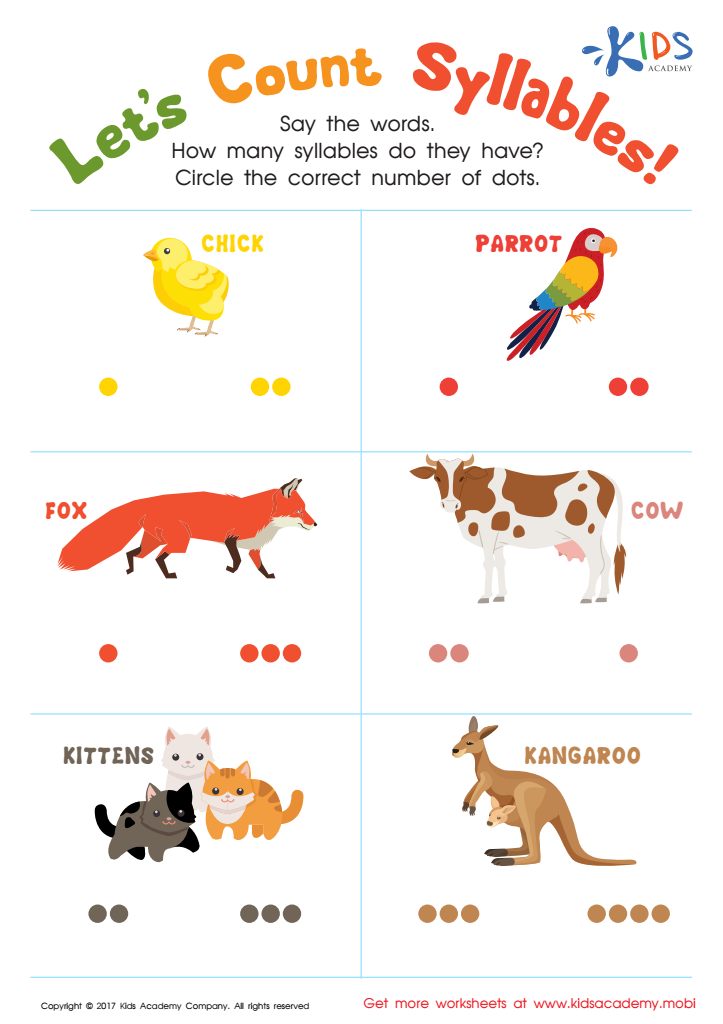
Lets Count Syllables Worksheet




Phonics is a foundational element in early childhood education, critically important for children aged 3 to 9. This approach to reading focuses on the relationship between sounds and their corresponding letters or groups of letters. Mastering phonics enables children to decode new words, providing a pathway to fluent reading.
For parents and teachers, caring about phonics instruction during these formative years is crucial. A solid phonics foundation equips children with essential reading skills, boosting their confidence and fostering a love for learning. Early readers who develop strong phonics skills tend to perform better academically, not just in language arts but across all subjects that require reading comprehension.
Phonics also supports spelling and writing skills. When children understand how letters combine to form words, they can communicate more effectively through written language. This skill can set the stage for lifelong literacy and learning, influencing a child's academic trajectory and future opportunities.
Ignoring phonics can lead to reading difficulties and frustrations, making the learning process tedious and daunting for young children. Therefore, prioritizing phonics in the early years is an investment in a child's educational success and emotional well-being. Parents and teachers play a vital role in creating a nurturing environment where phonics skills can flourish, fostering capable, confident, and eager readers.







