History Worksheets for Ages 3-9 - Page 2
88 filtered results
-
From - To
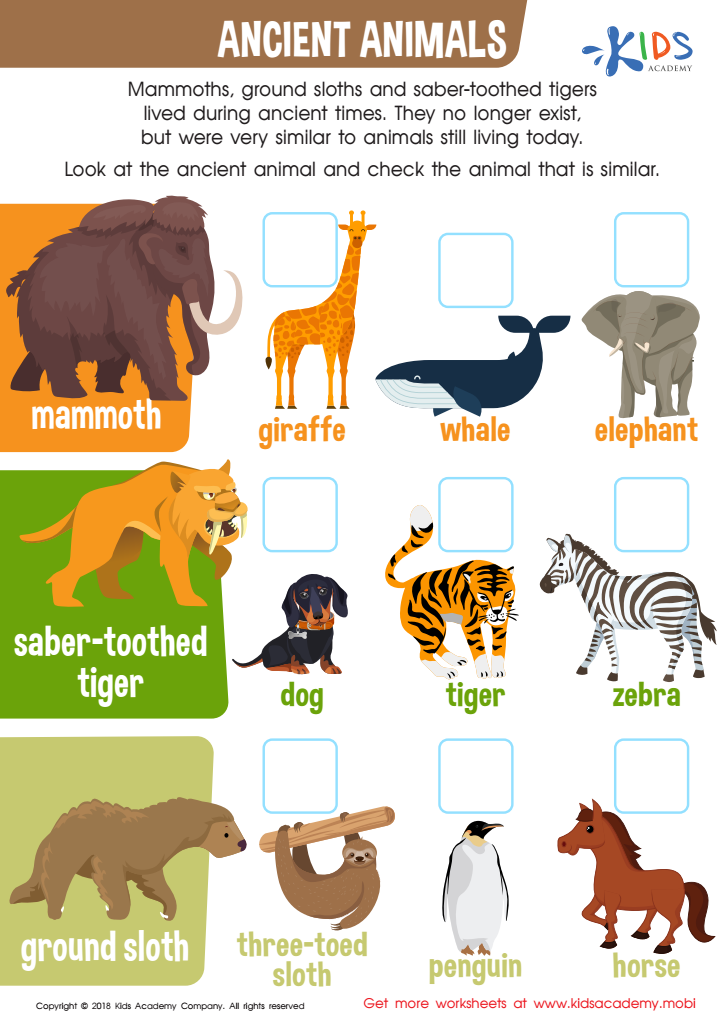
Ancient Animals Worksheet
 Assign to My Students
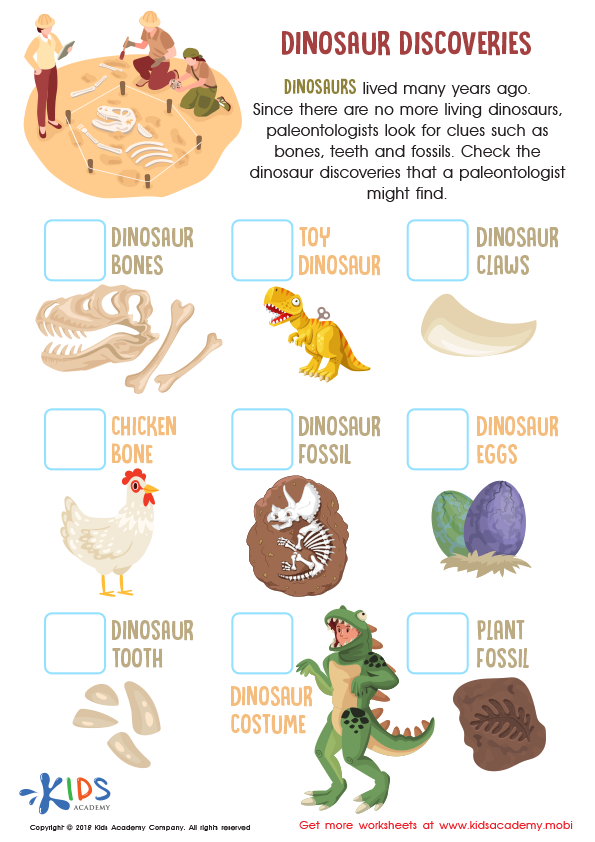
Dinosaur Discoveries Worksheet
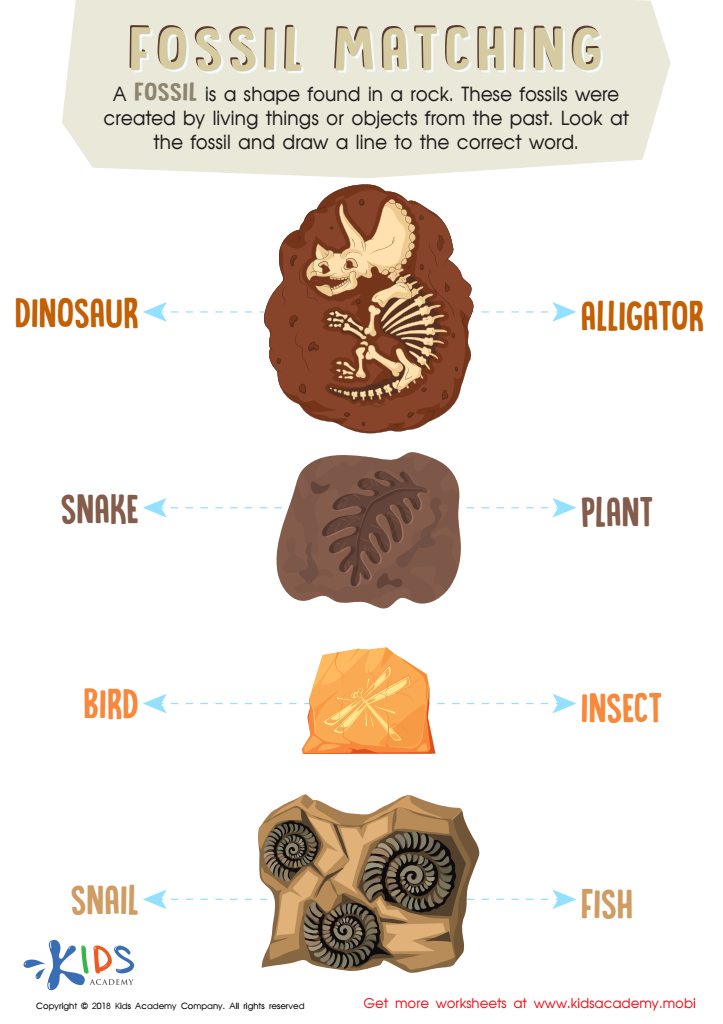
Fossil Matching Worksheet
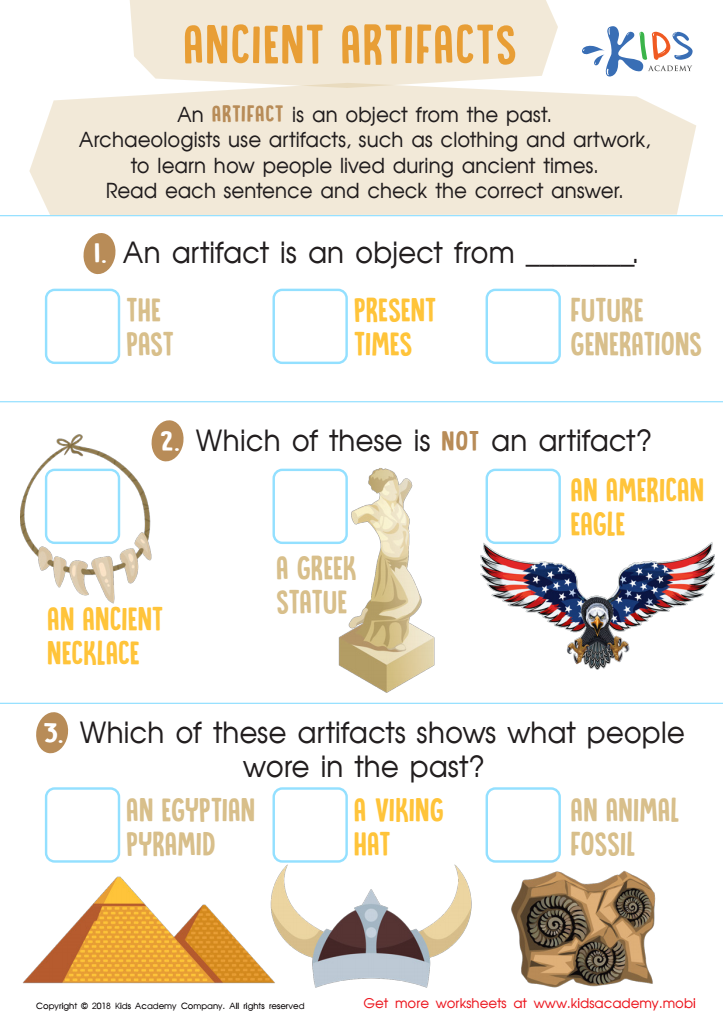
Ancient Artifacts Worksheet
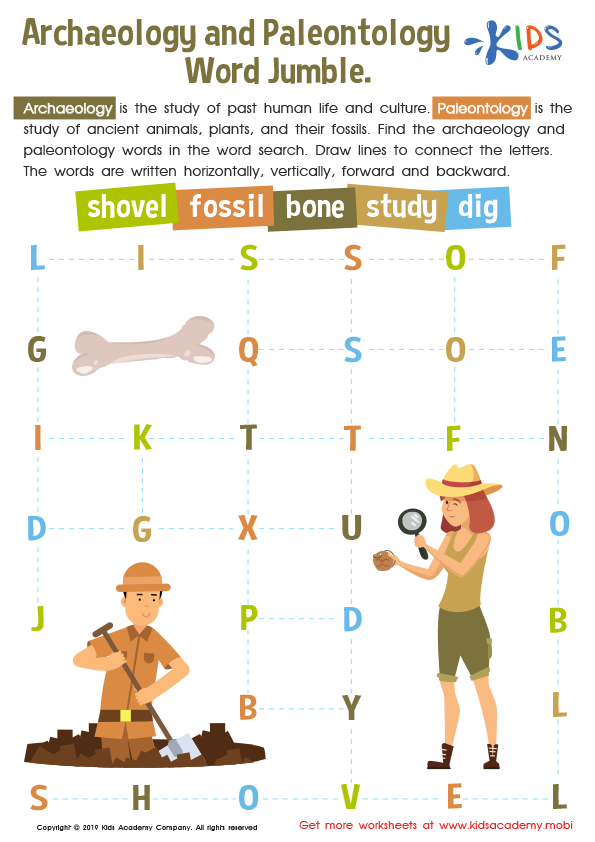
Archaeology and Paleontology Word Jumble Worksheet
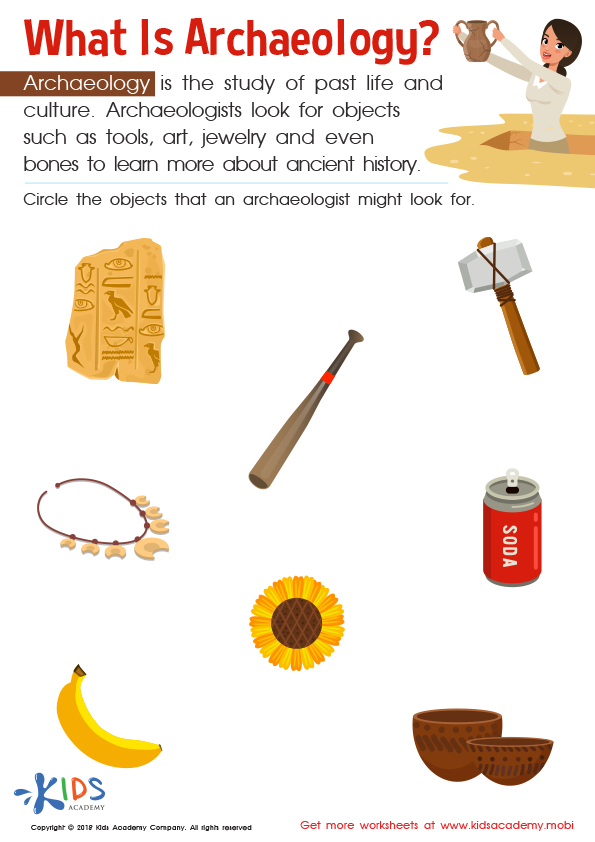
What Is Archaeology? Worksheet
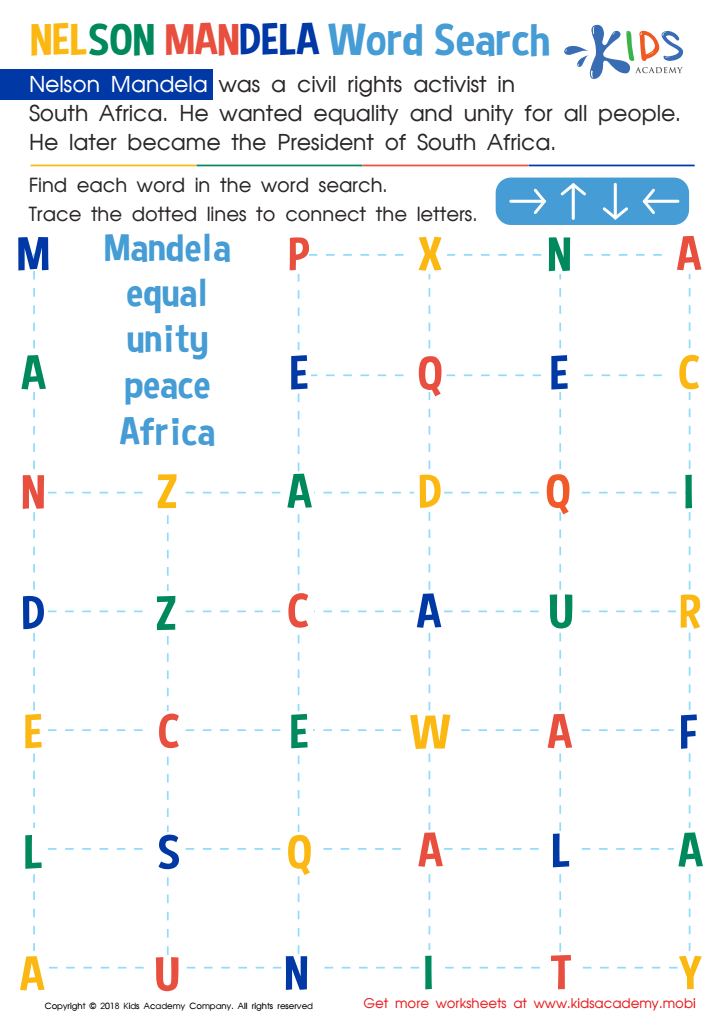
Nelson Mandela Word Search Worksheet
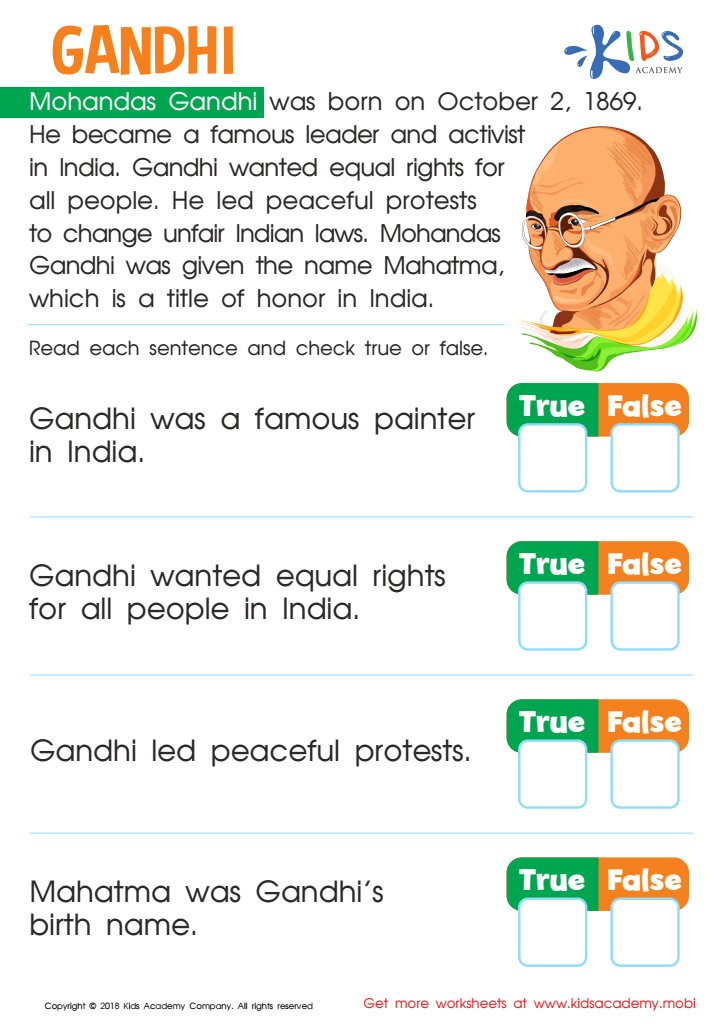
Gandhi Worksheet
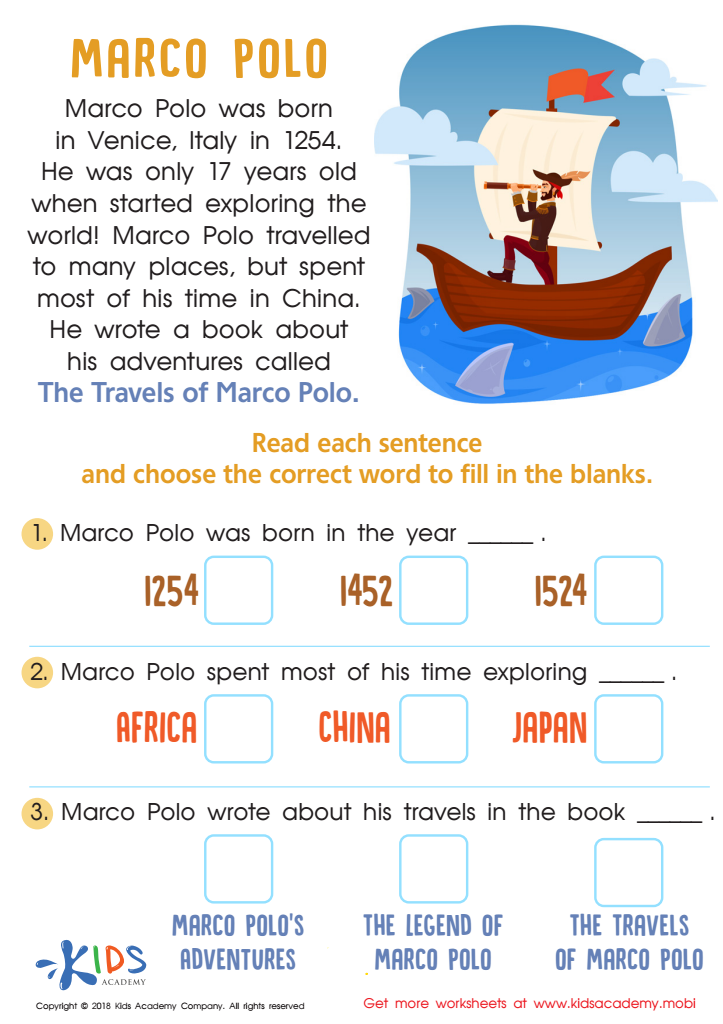
Marco Polo Worksheet
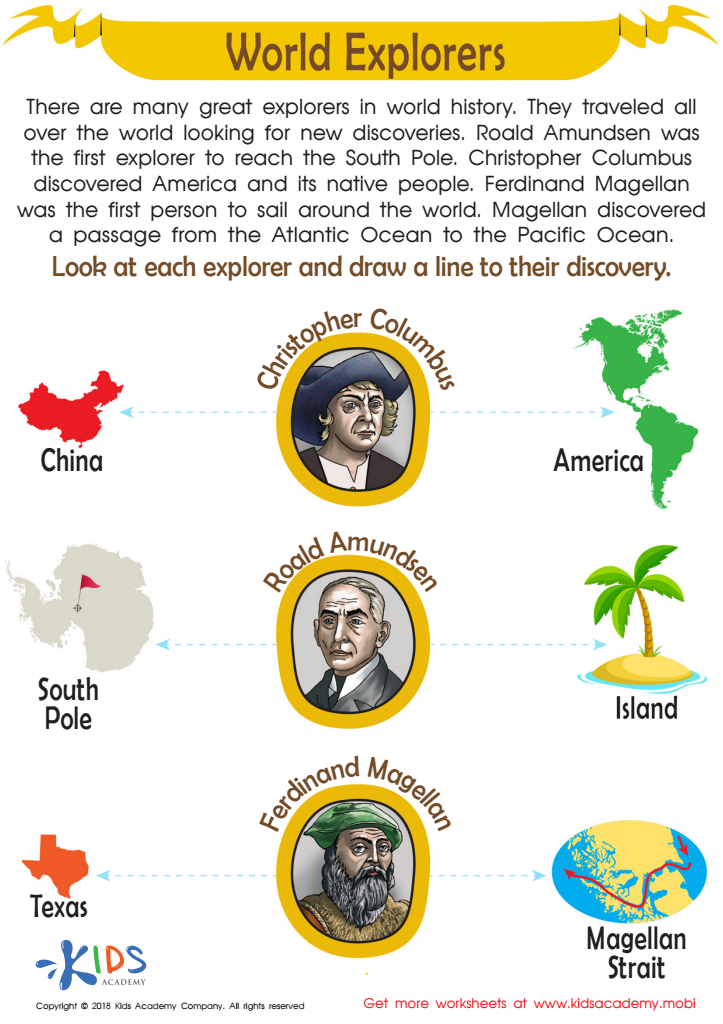
World Explorers Worksheet
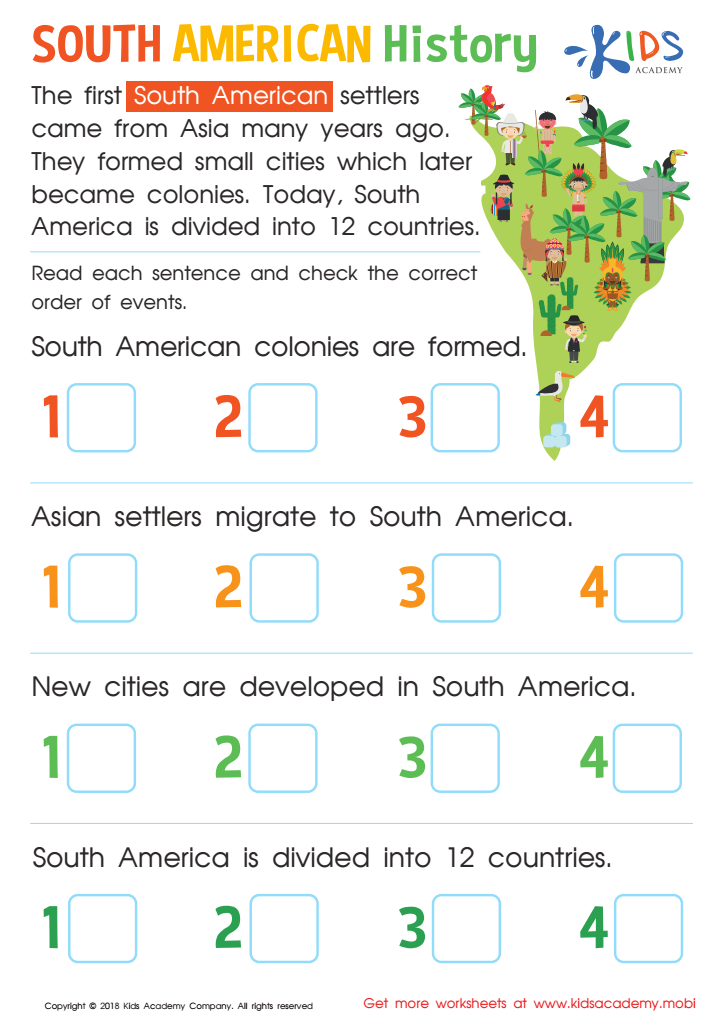
South American History Worksheet
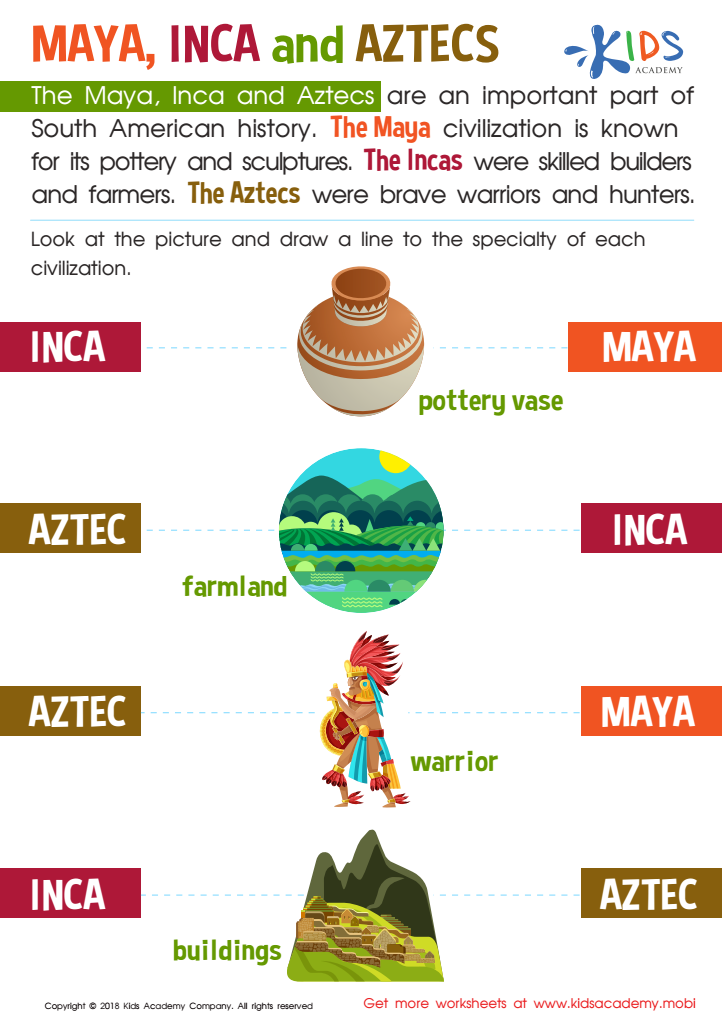
Maya, Inca and Aztecs Worksheet
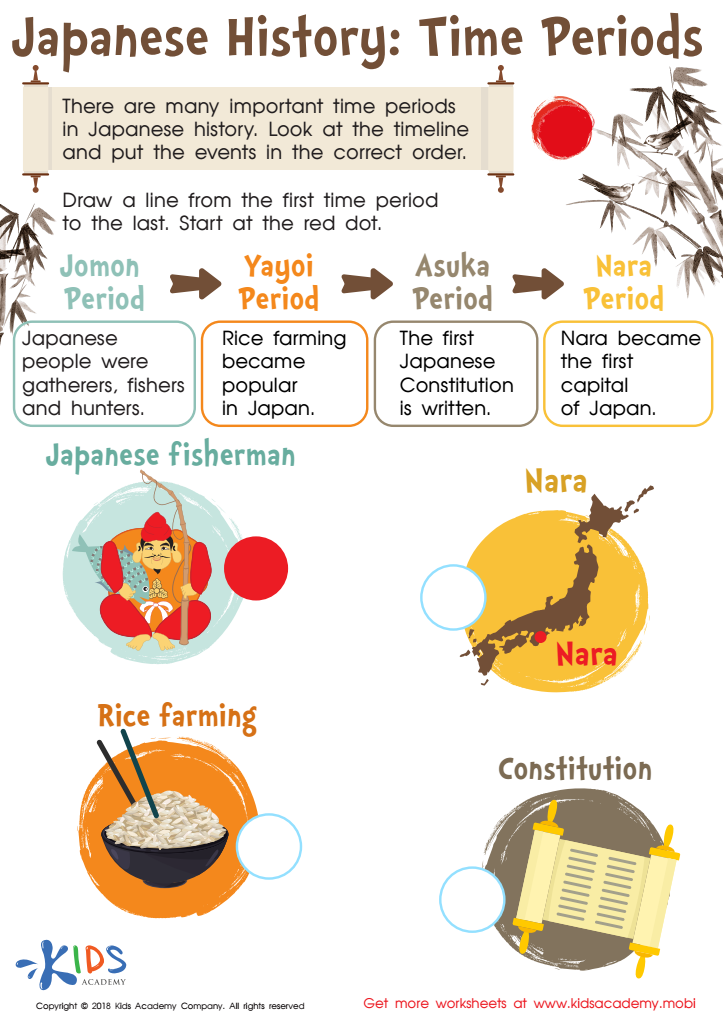
Japanese History: Time Periods Worksheet
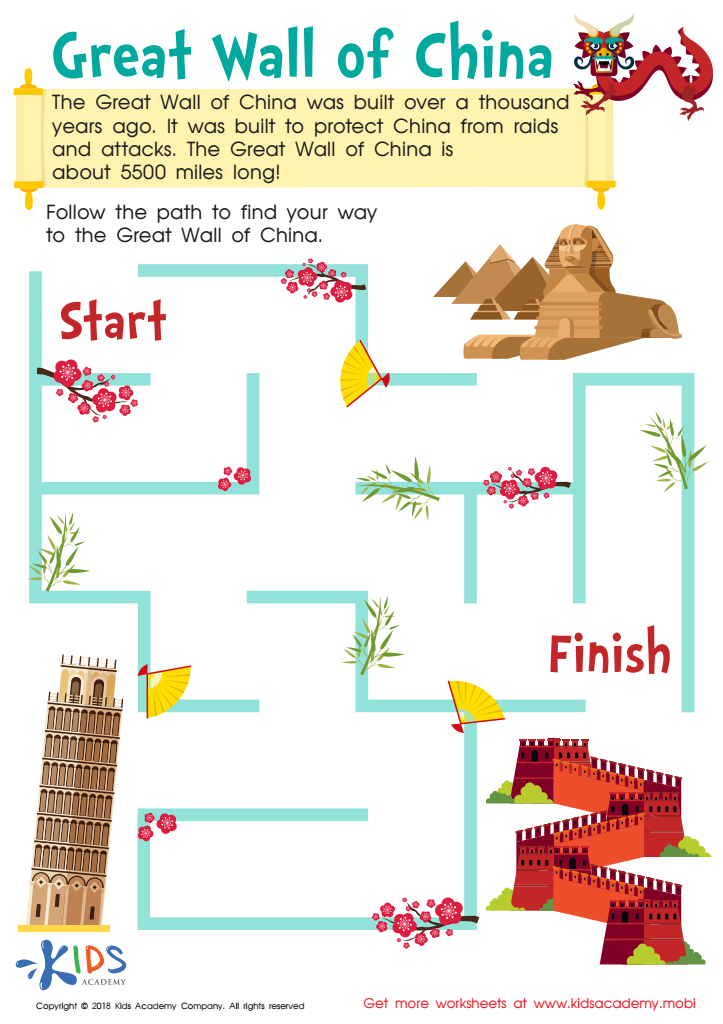
Great Wall of China Worksheet
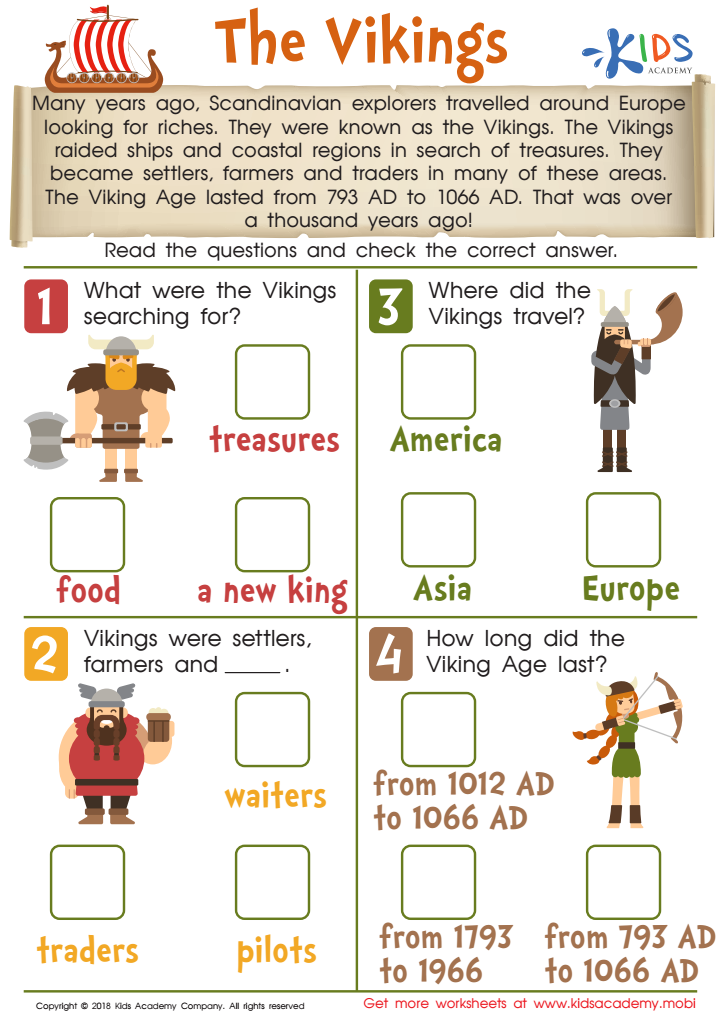
The Vikings Worksheet
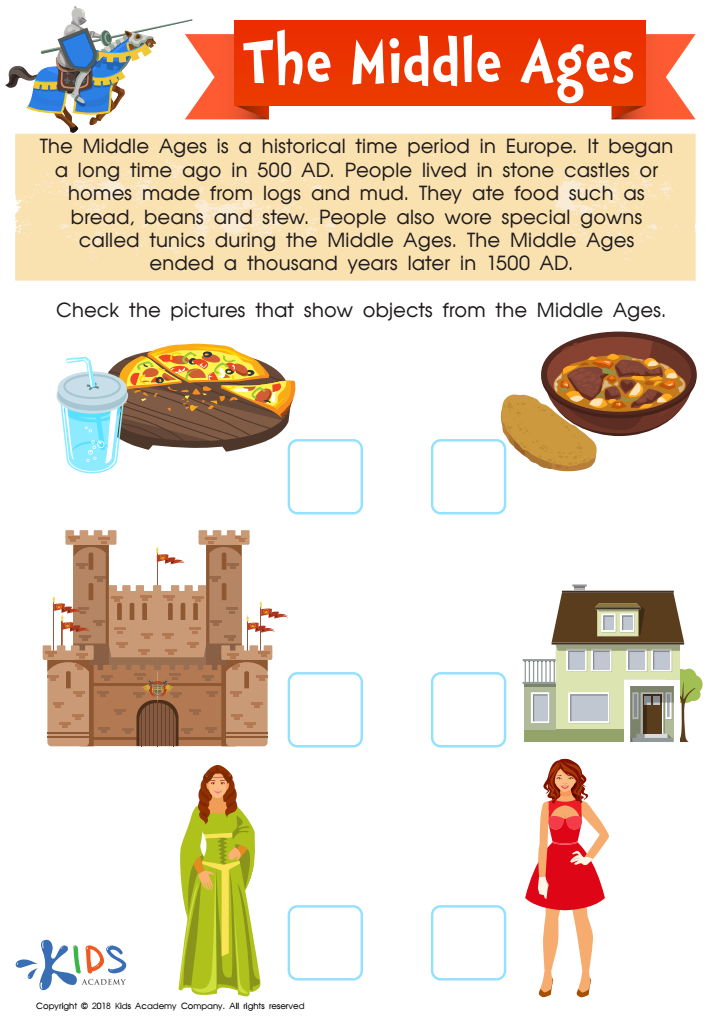
The Middle Ages Worksheet
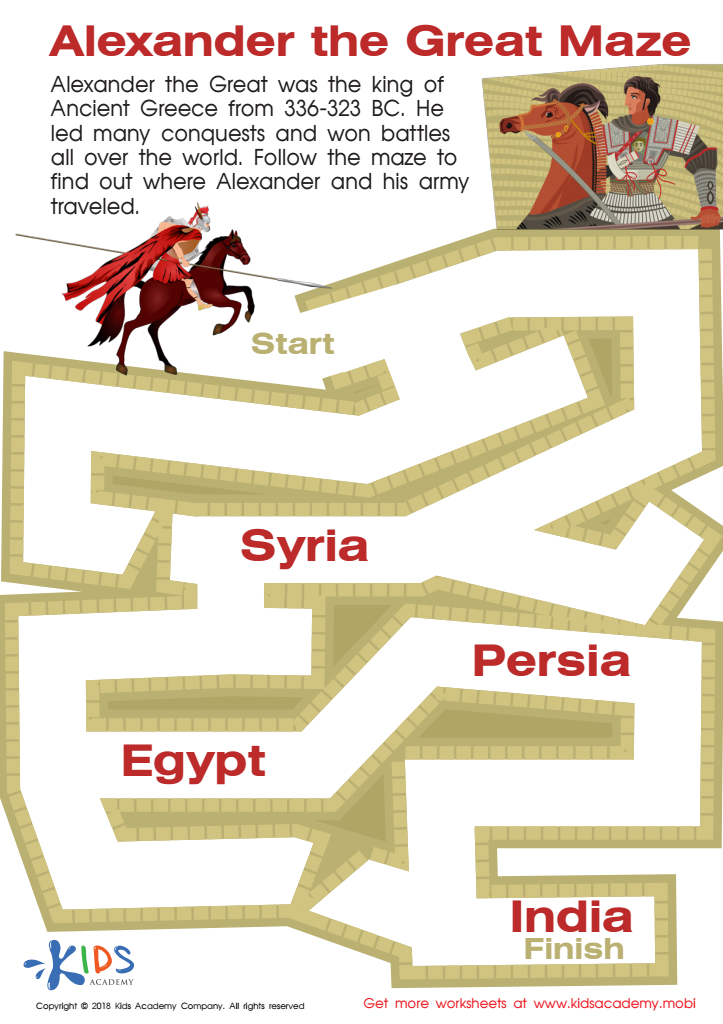
Alexander the Great Maze Worksheet
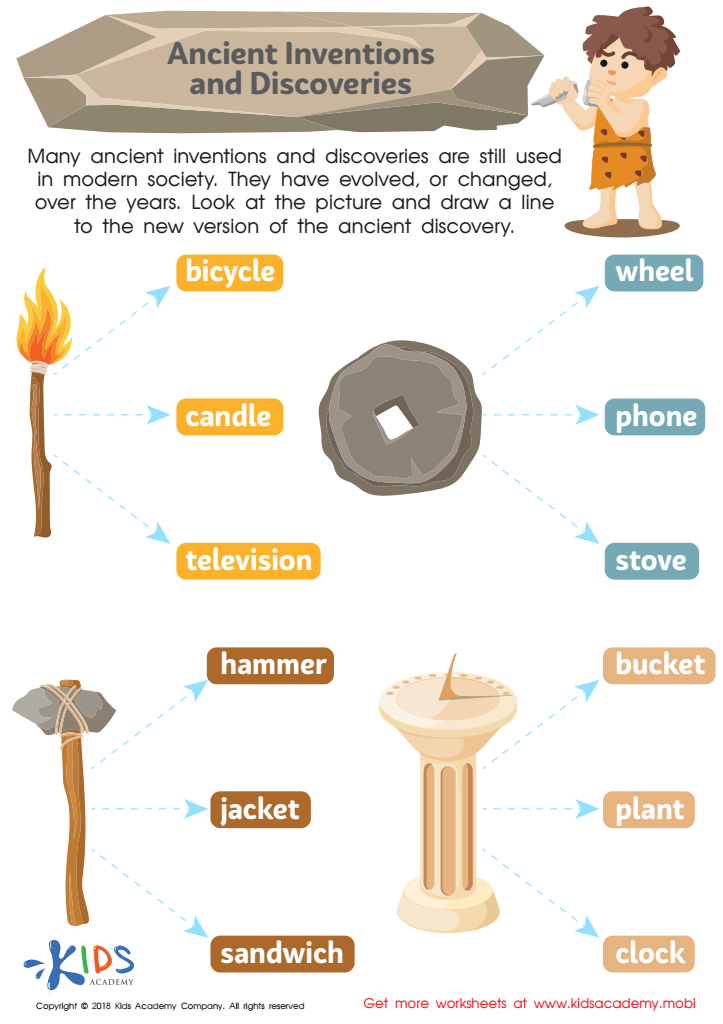
Ancient Inventions and Discoveries Worksheet
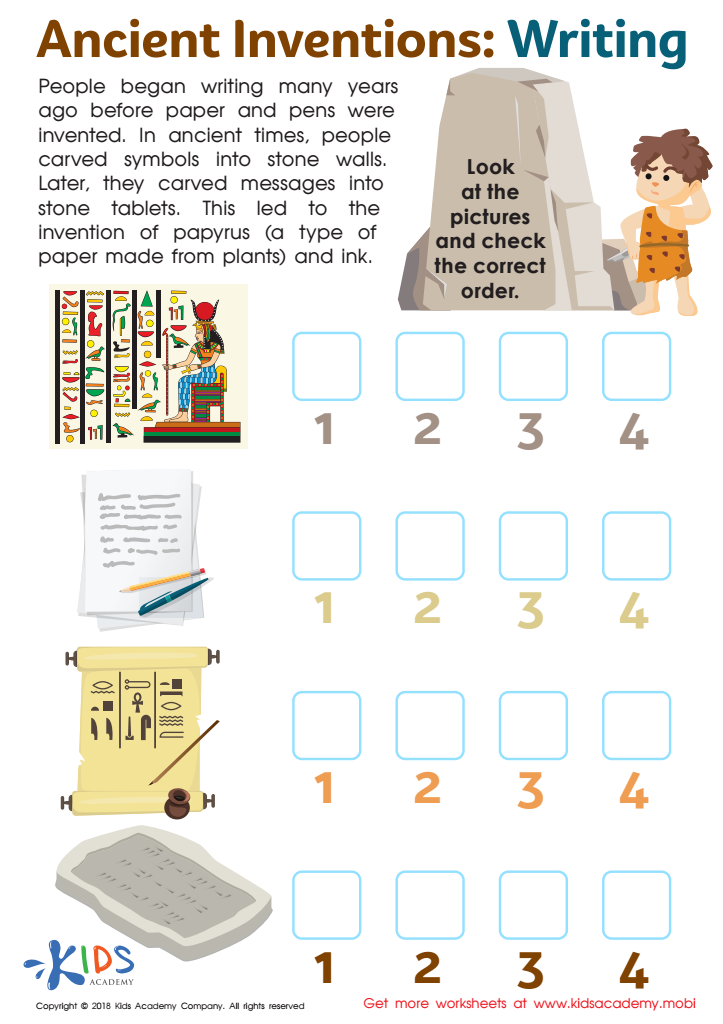
Ancient Inventions: Writing Worksheet
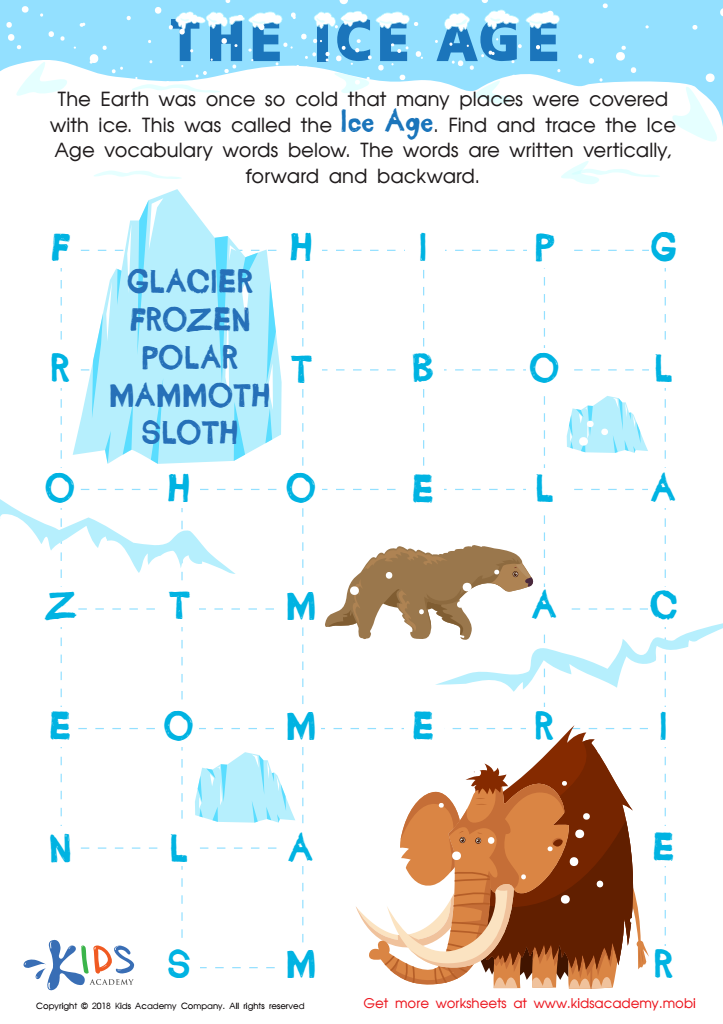
The Ice Age Worksheet
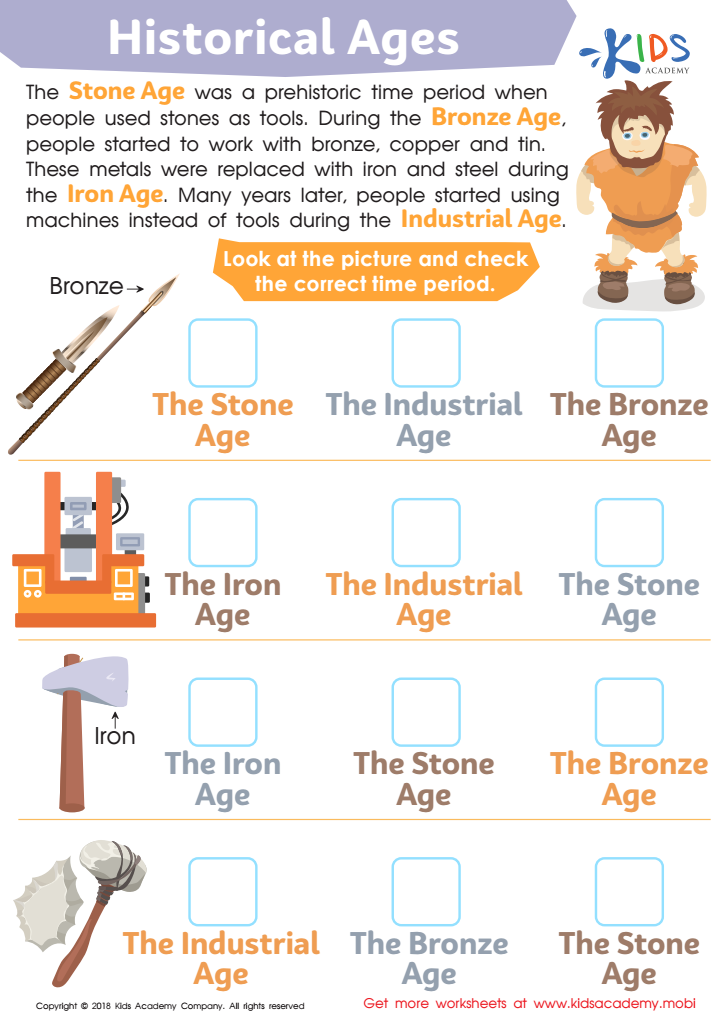
Historical Ages Worksheet
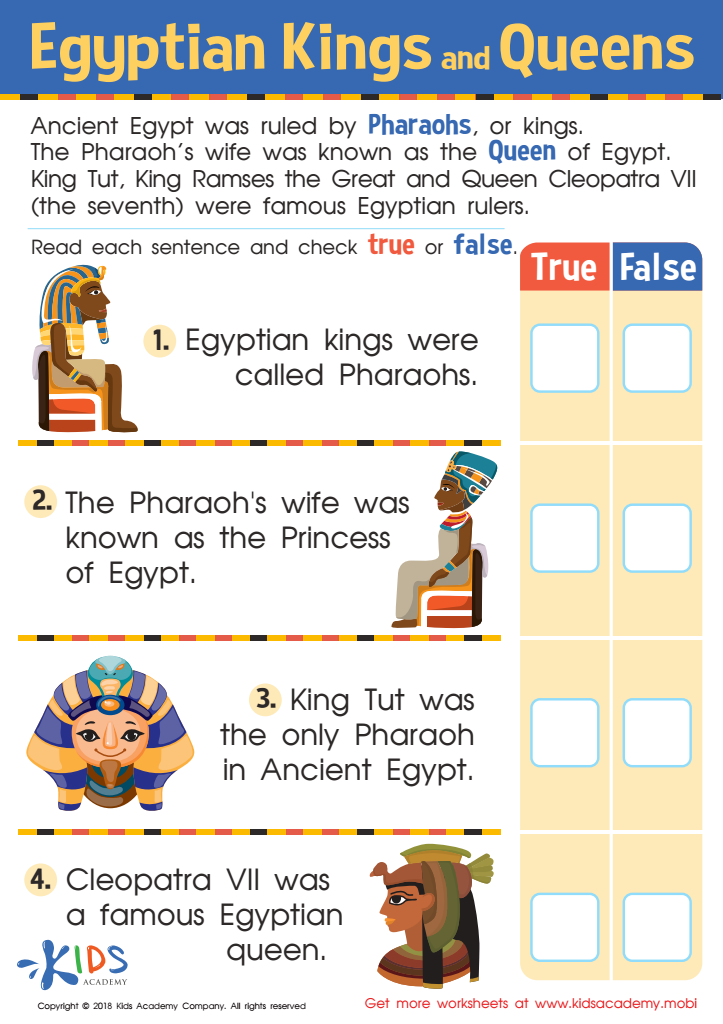
Egyptian Kings and Queens Worksheet
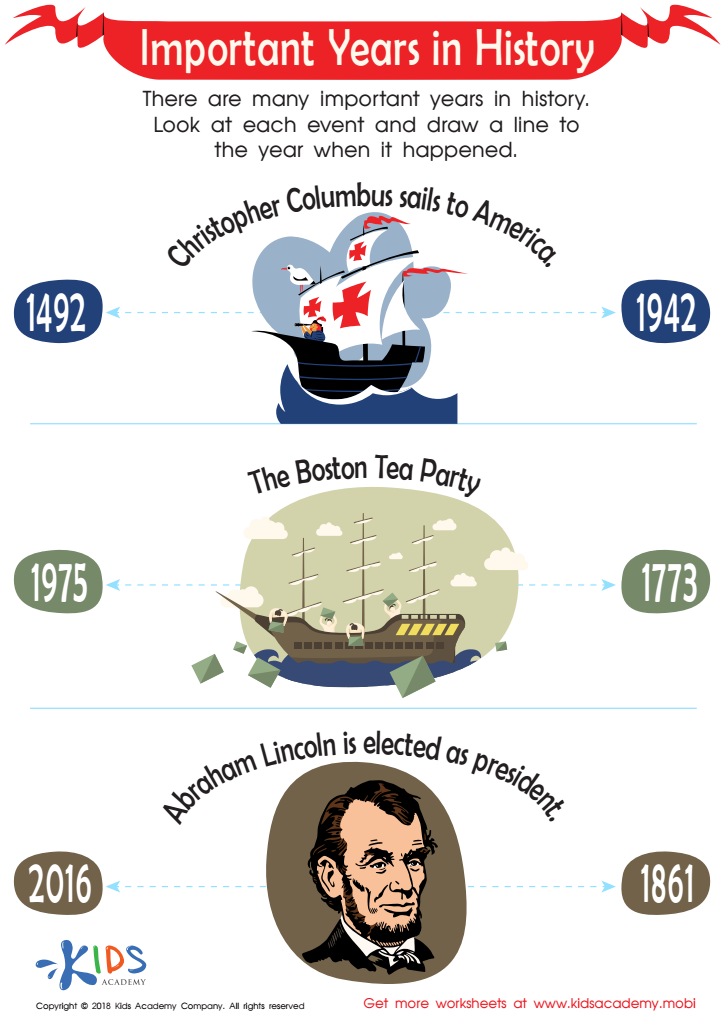
Important Years in History Worksheet
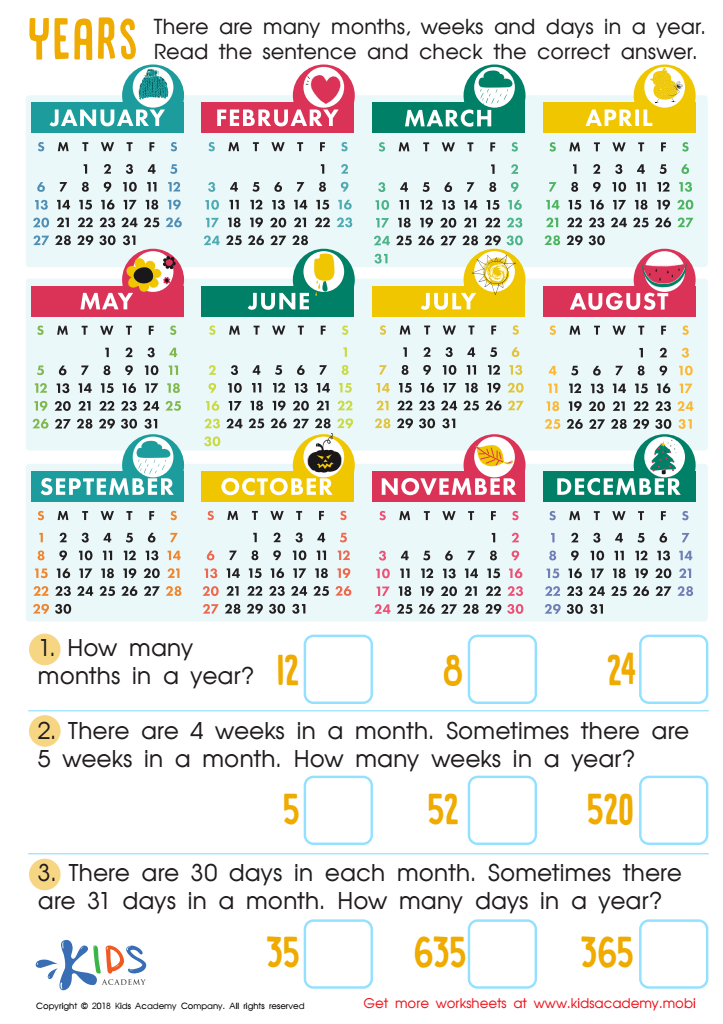
Years Worksheet







.jpg)
Understanding history is vital for children aged 3 to 9, as it lays the groundwork for critical thinking, identity development, and social awareness. At this tender age, children are naturally curious about their world, and introducing them to history helps satisfy that curiosity. It fosters a sense of belonging and identity by teaching them about their own heritage, culture, and the stories of those who came before them.
Learning history also cultivates empathy and perspective-taking. By exploring different cultures, traditions, and significant events, children develop an appreciation for diversity and a clear understanding of others' experiences. This promotes emotional intelligence and helps young learners grasp that multiple viewpoints exist, encouraging respect and inclusion.
Additionally, historical narratives are often rich in moral lessons, providing essential life skills such as decision-making and understanding consequences. When young learners engage with history through stories, games, and hands-on activities, they become empowered to ask questions, draw connections, and think critically.
For parents and teachers, fostering an interest in history at an early age enriches a child's education and personal growth. It encourages lifelong learning and curiosity about the world, ultimately shaping informed, empathetic, and engaged citizens for the future.