Geometry Worksheets for Ages 4-7 - Page 6
163 filtered results
-
From - To
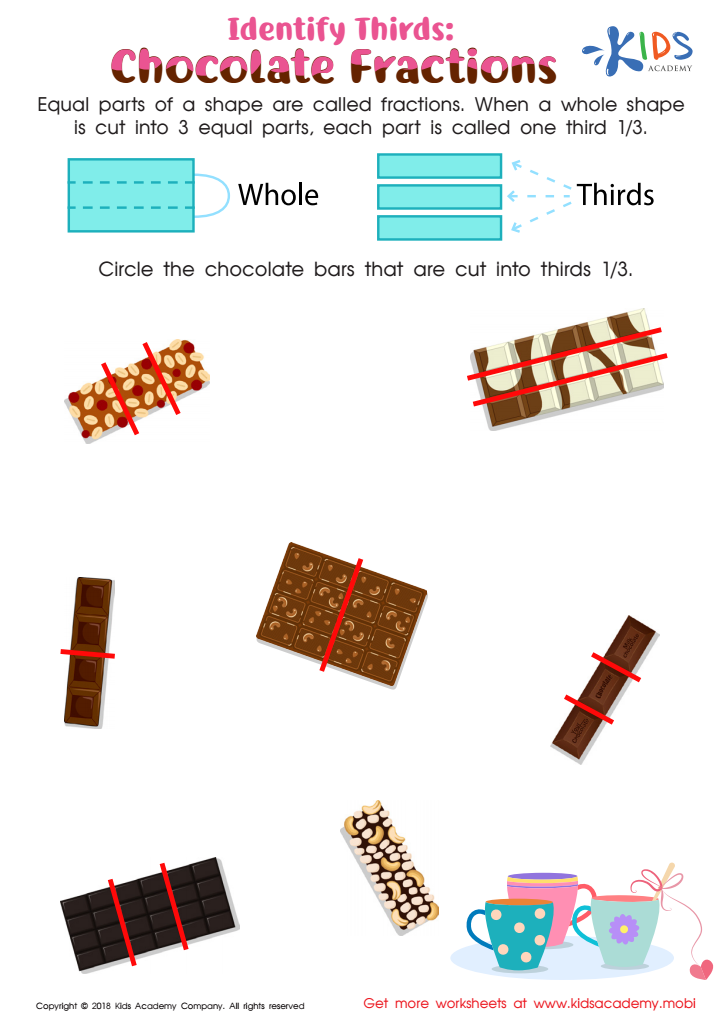
Identify Thirds: Chocolate Fractions Worksheet
 Assign to My Students











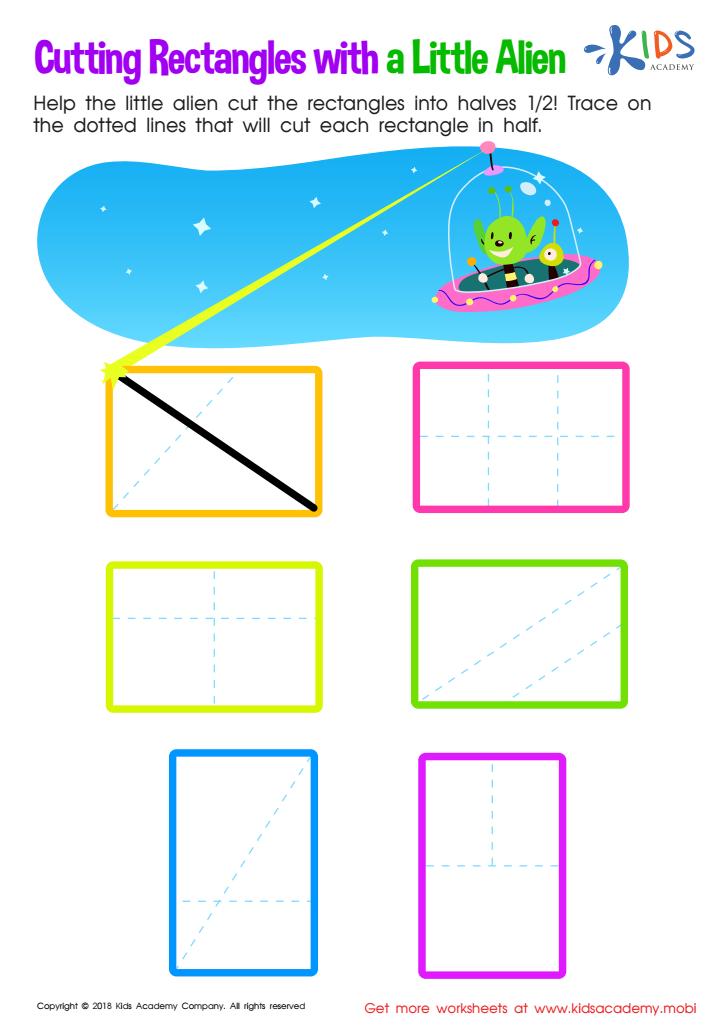
Cutting Rectangles with Alien Worksheet
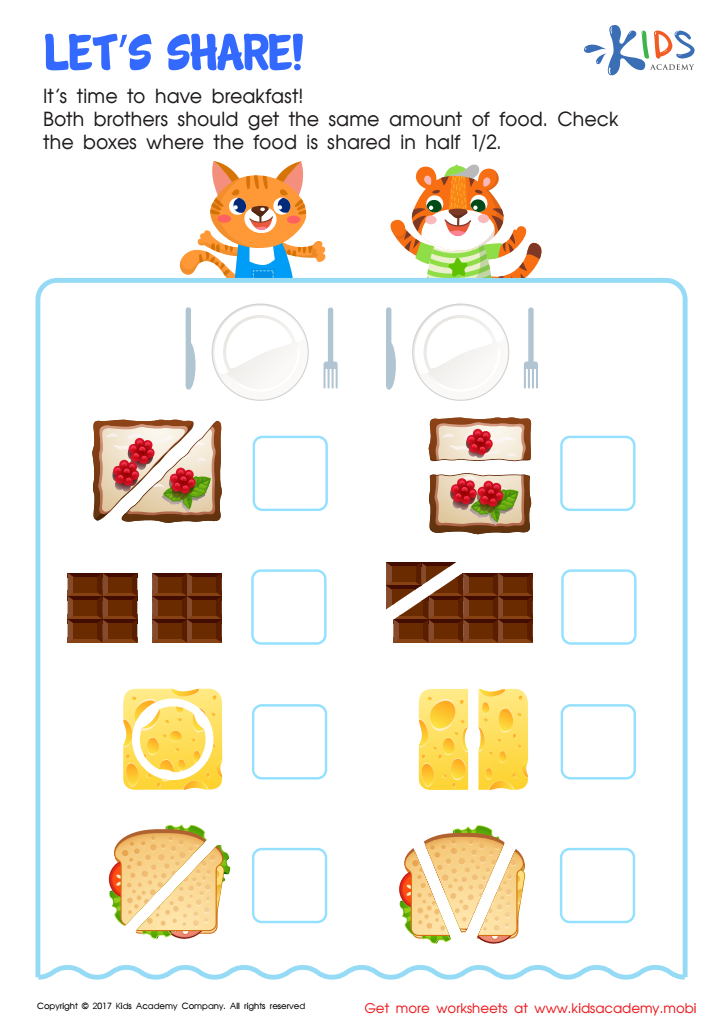
Let's Share Worksheet
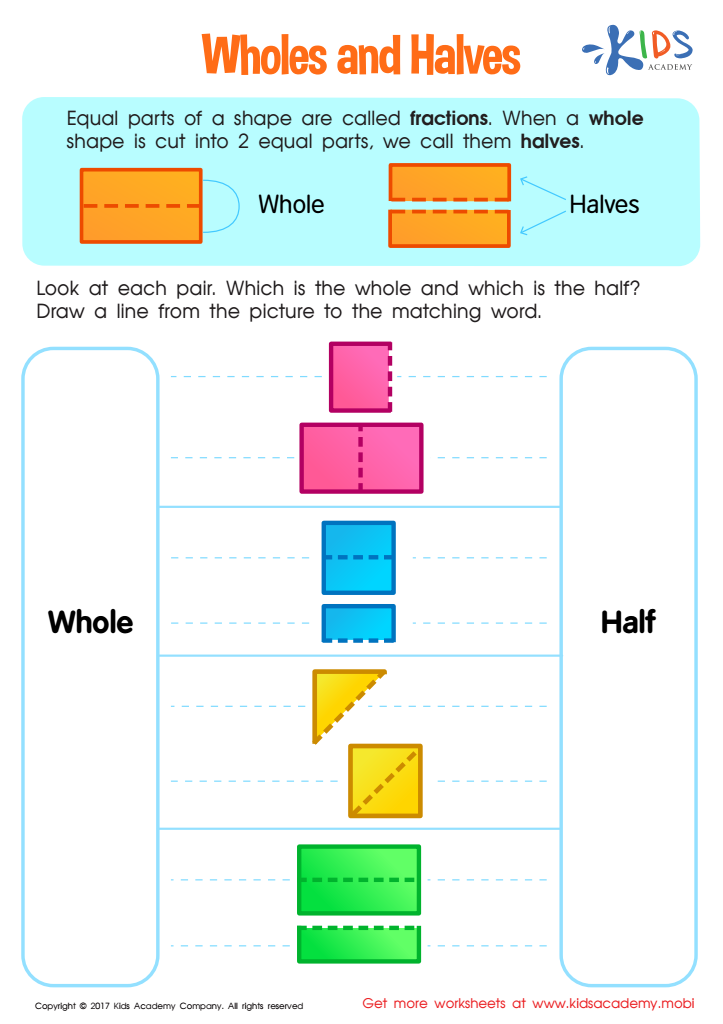
Wholes and Halves Worksheet
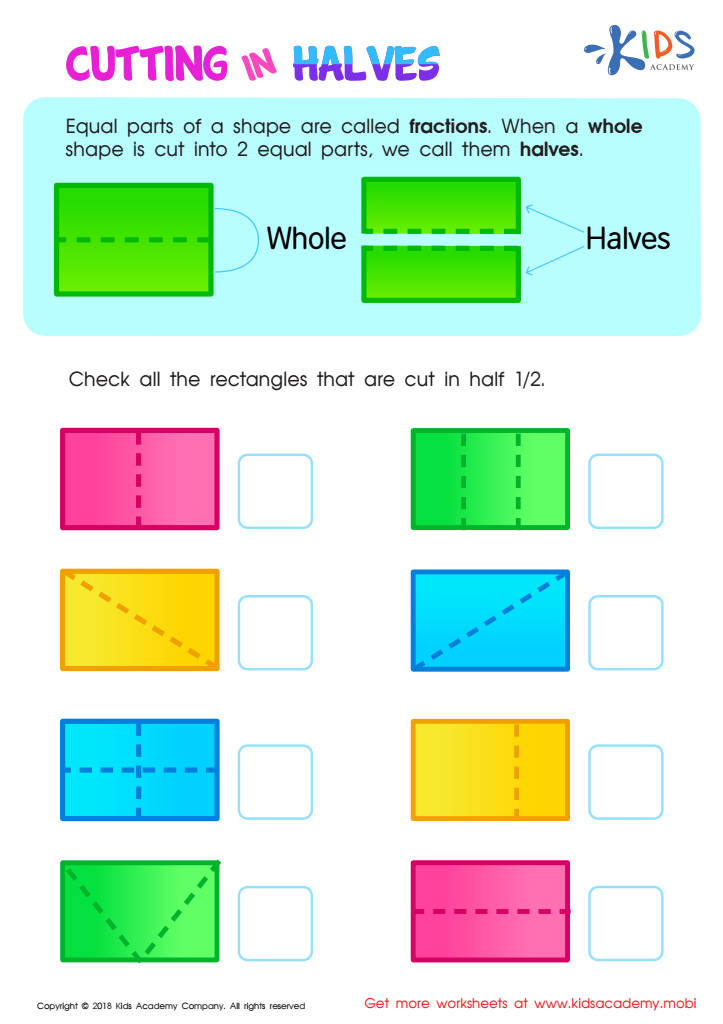
Cutting in Halves Worksheet
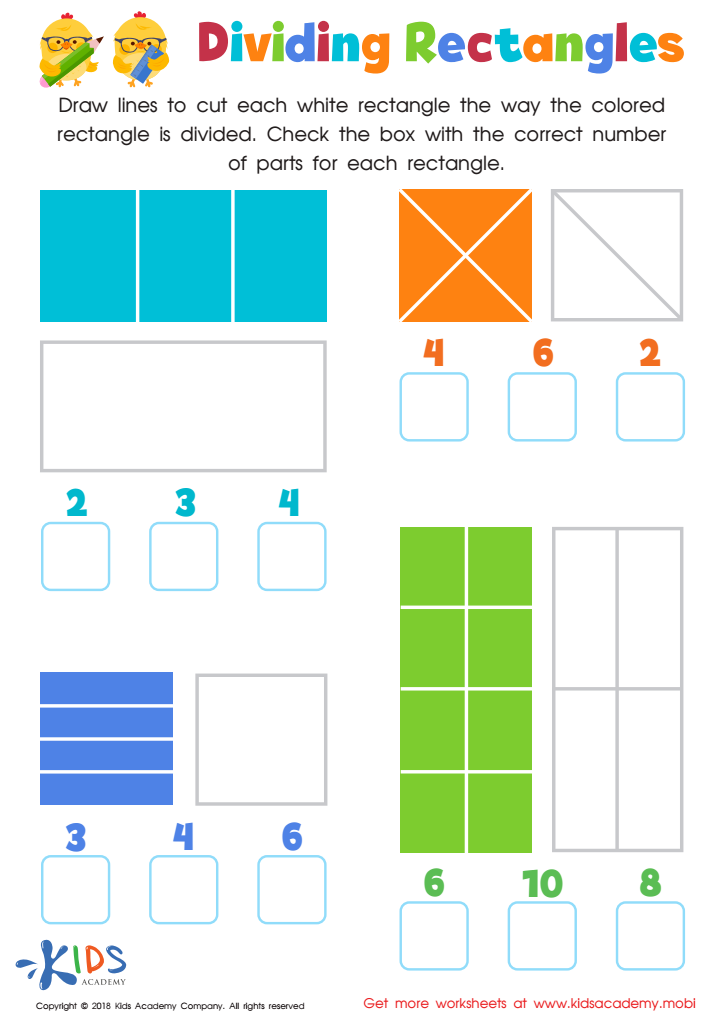
Dividing Rectangles Worksheet
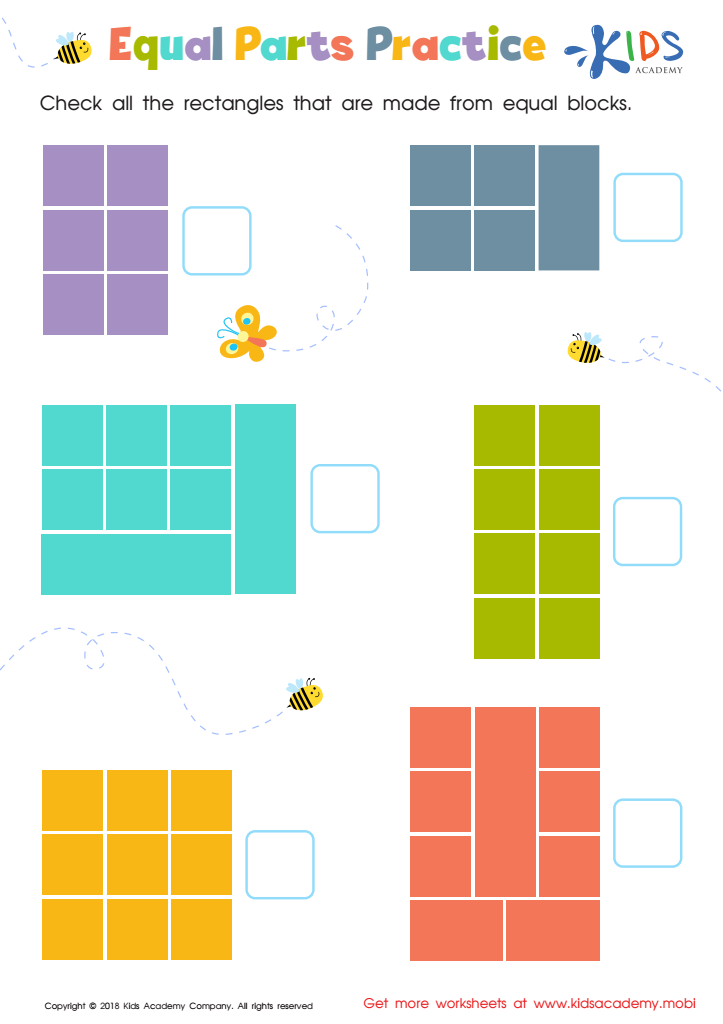
Equal Parts Practice Worksheet
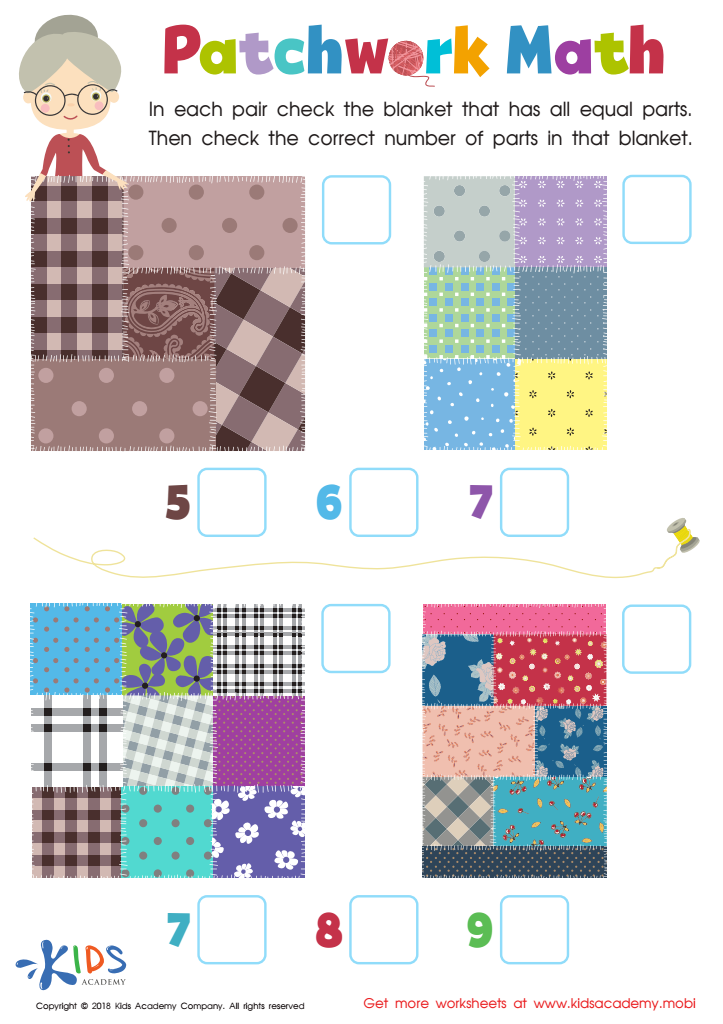
Patchwork Math Worksheet
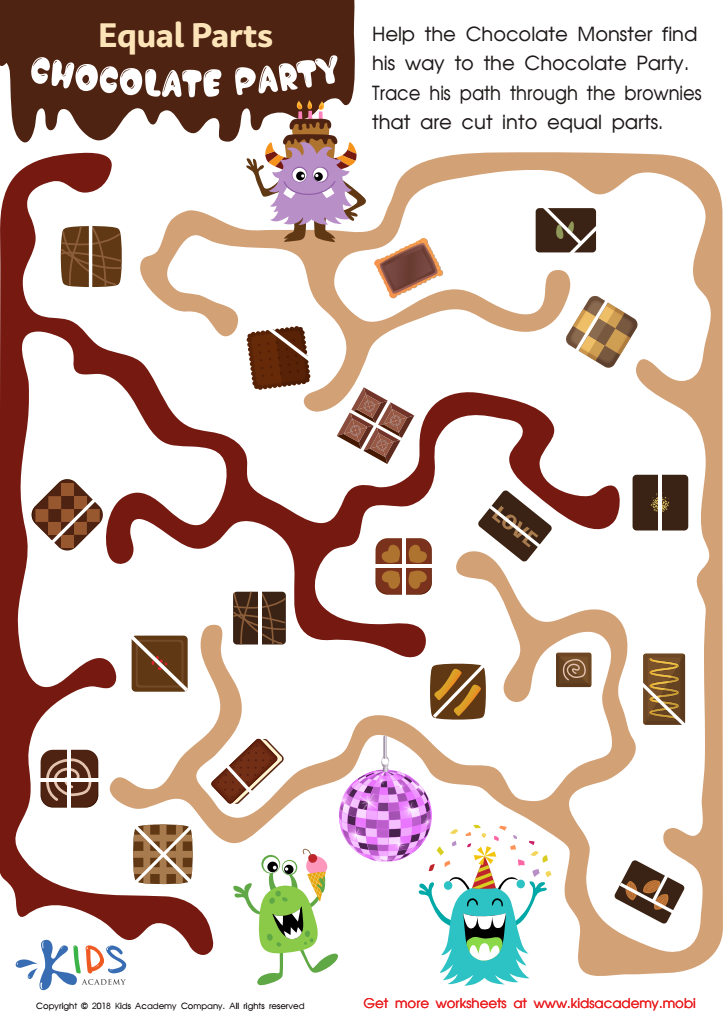
Equal Parts: Chocolate Party Worksheet
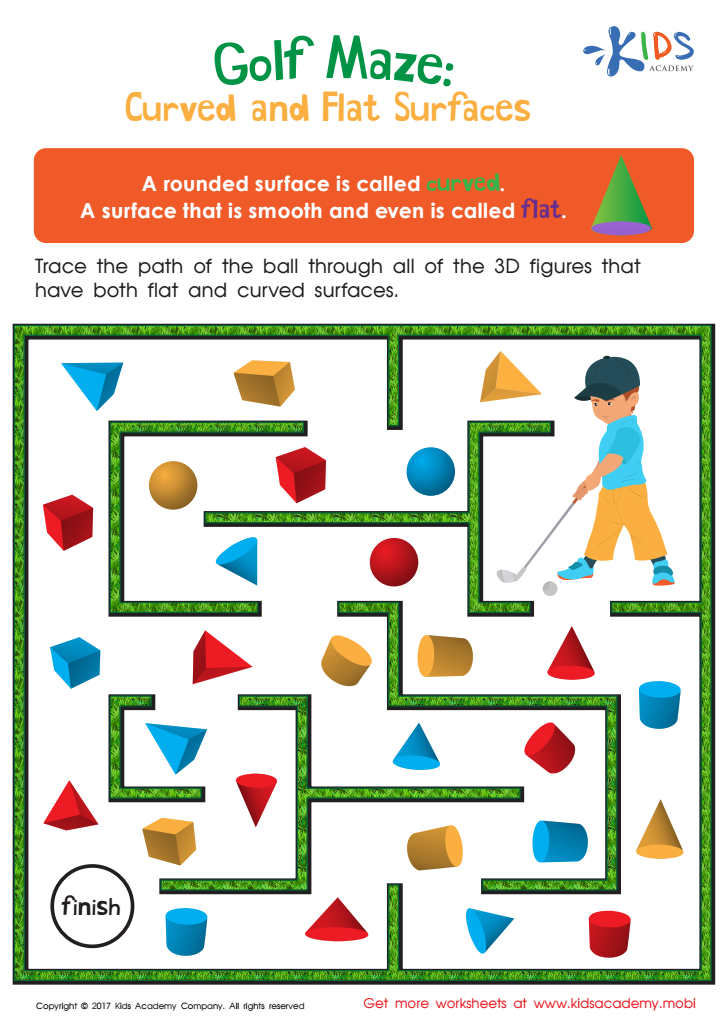
Golf Maze: Curved and Flat Surfaces Worksheet
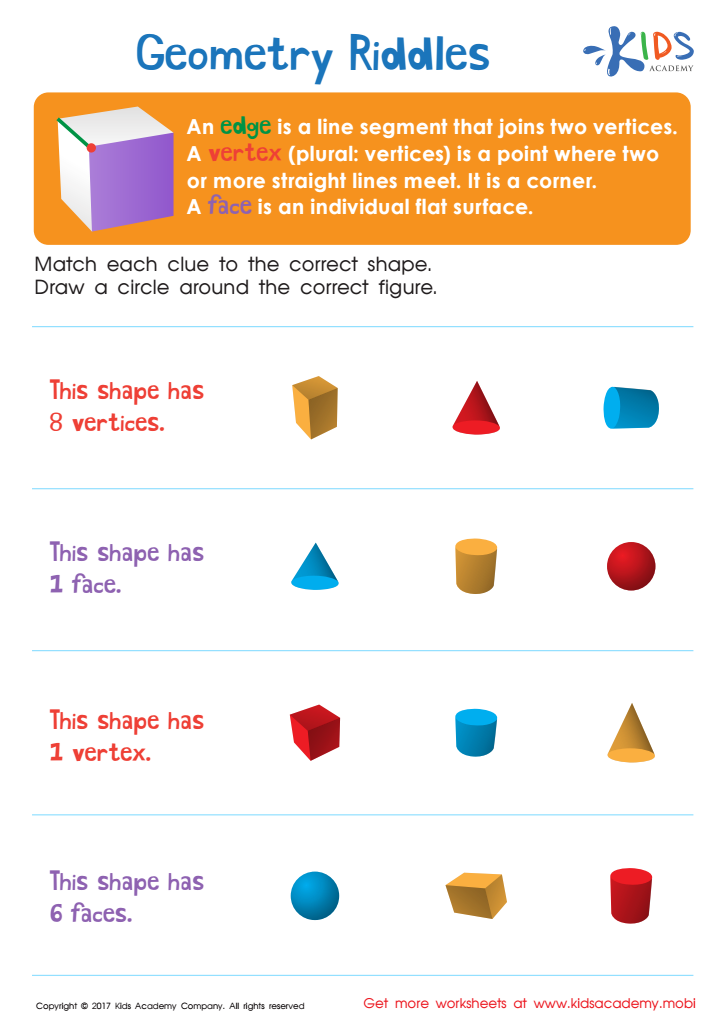
Geometry Riddles Printable
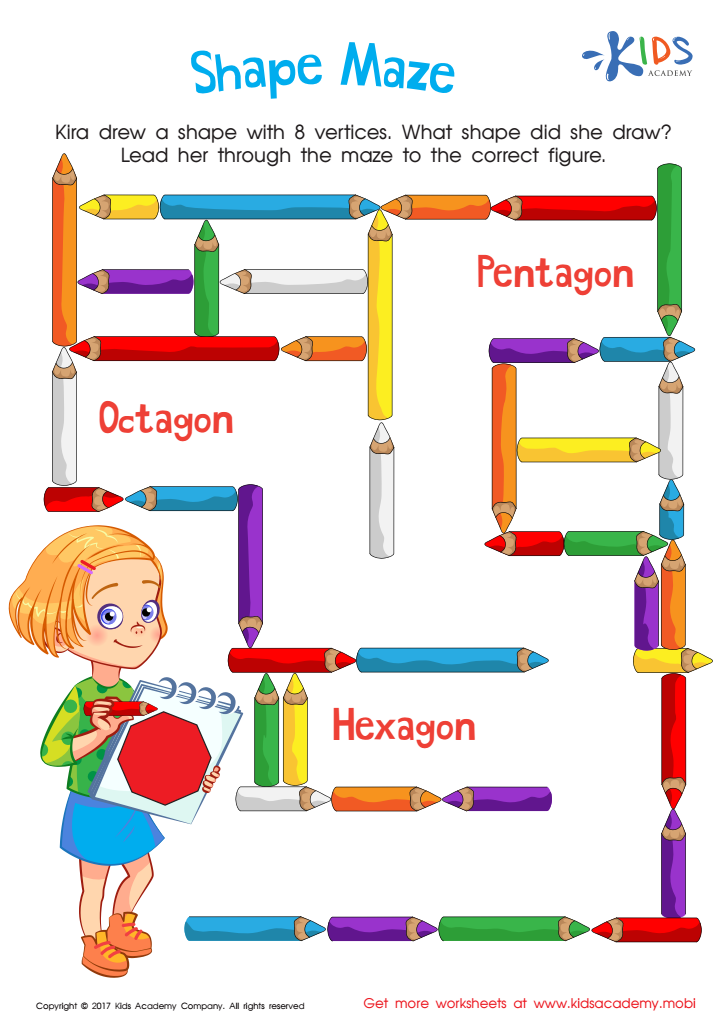
Shape Maze Worksheet
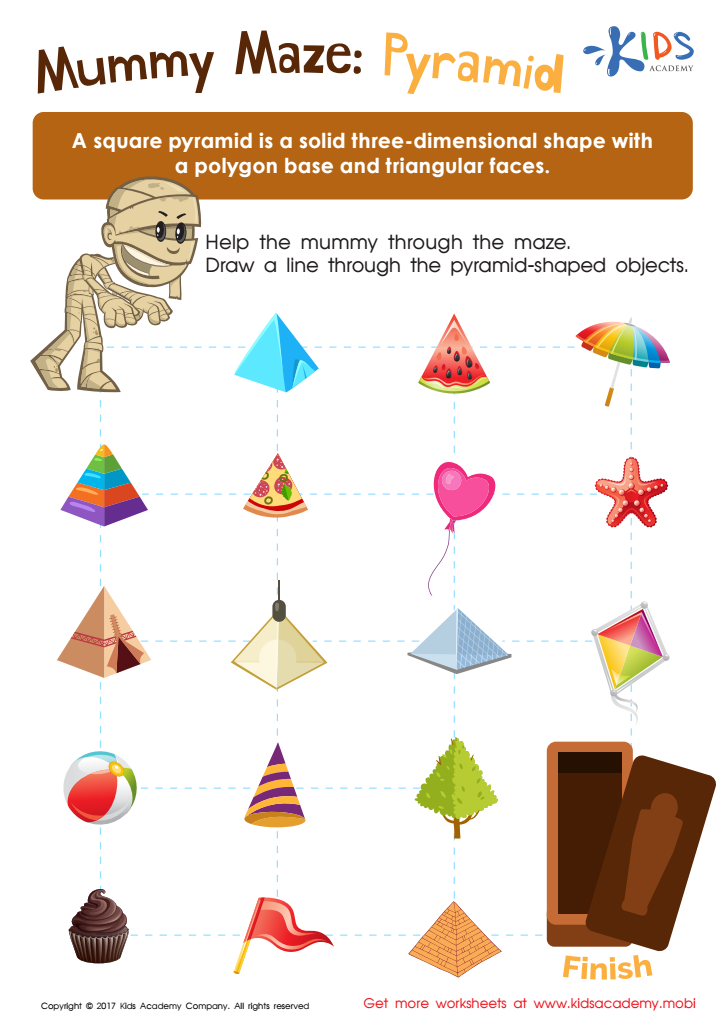
Mummy Maze: Pyramid Printable
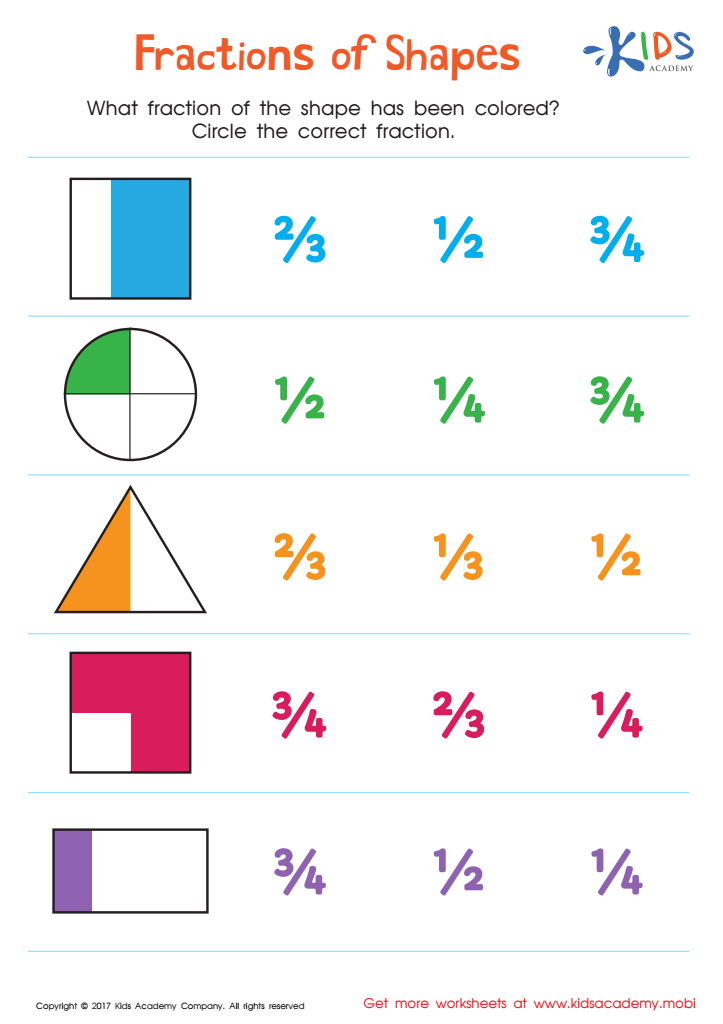
Fractions of Shapes: Math Concept Worksheet
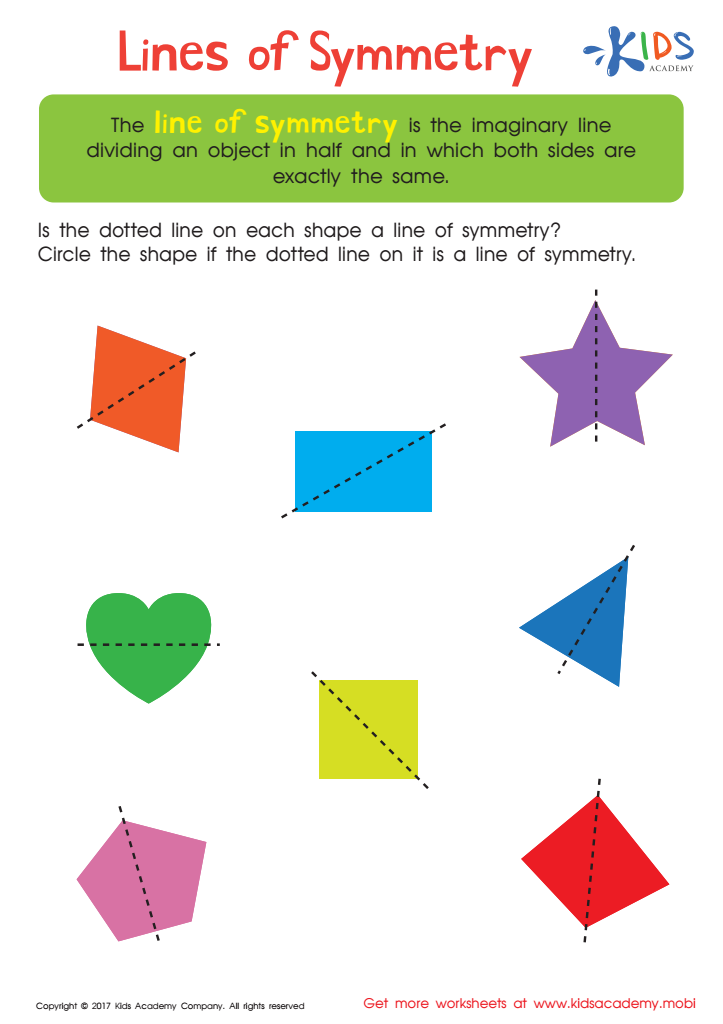
Lines of Symmetry Printable
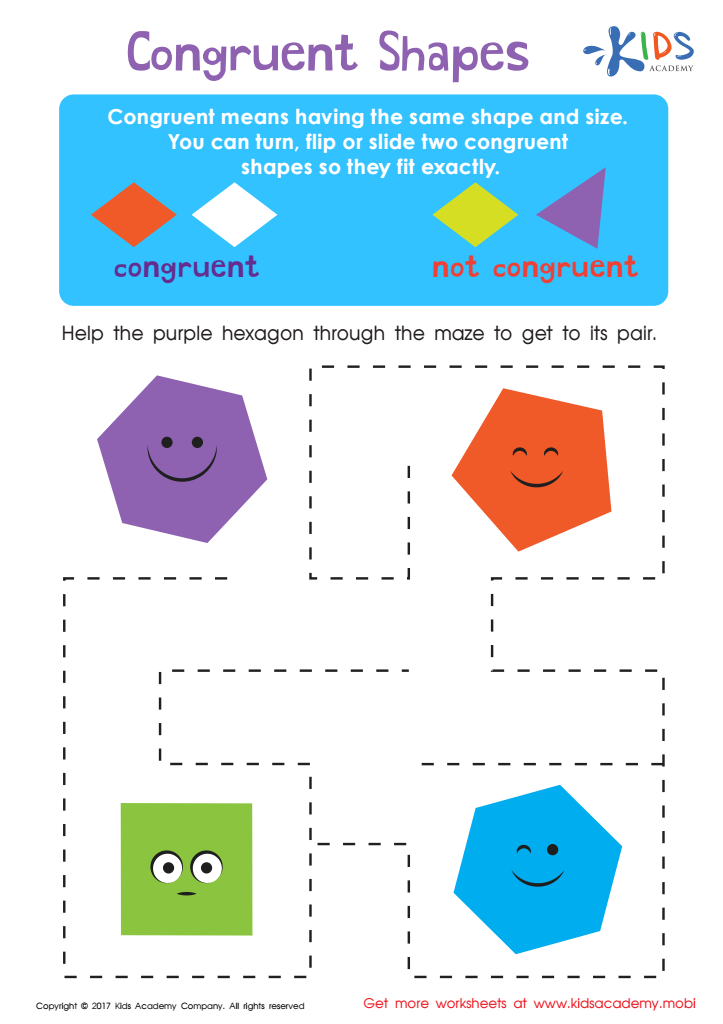
Congruent Shapes Worksheet
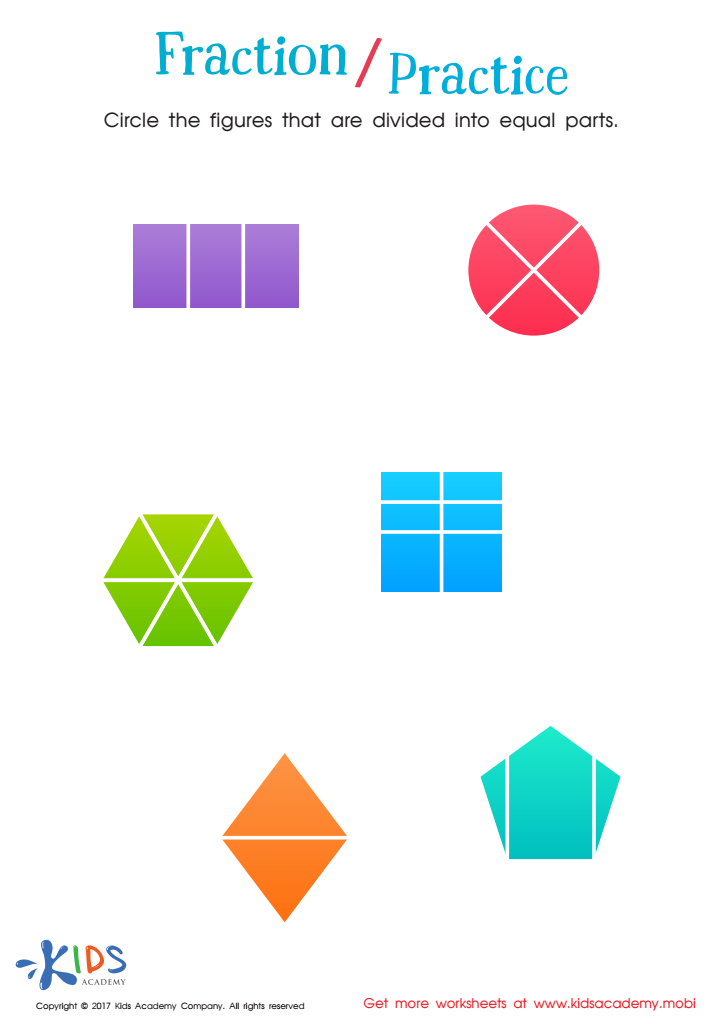
Fractions: Shapes Worksheet
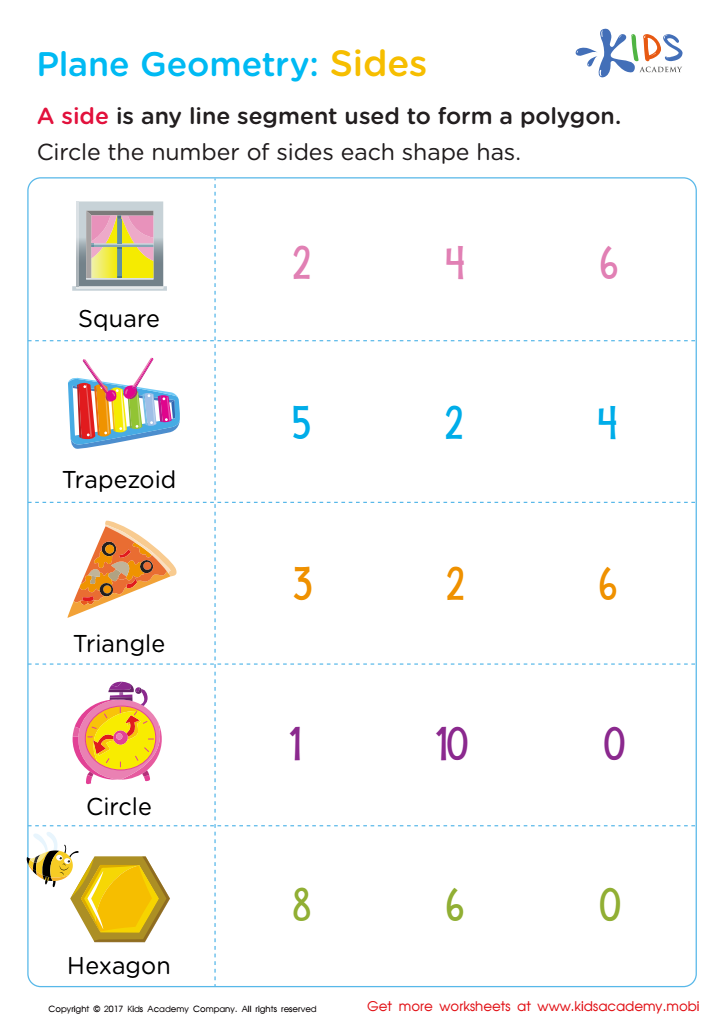
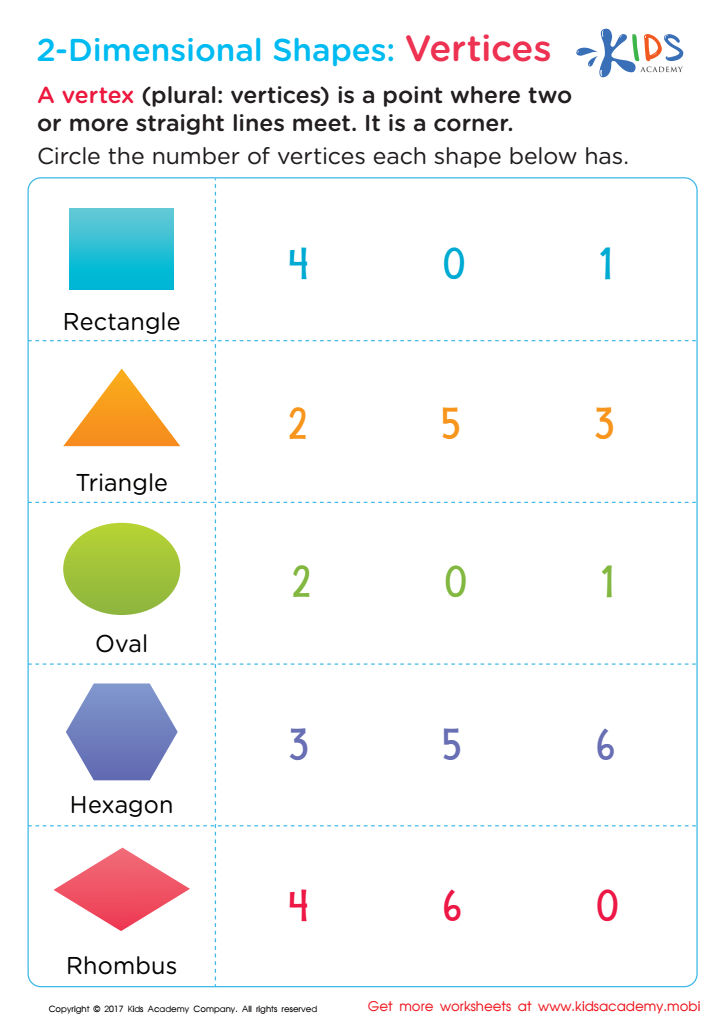
Two–Dimensional Shapes: Vertices Printable
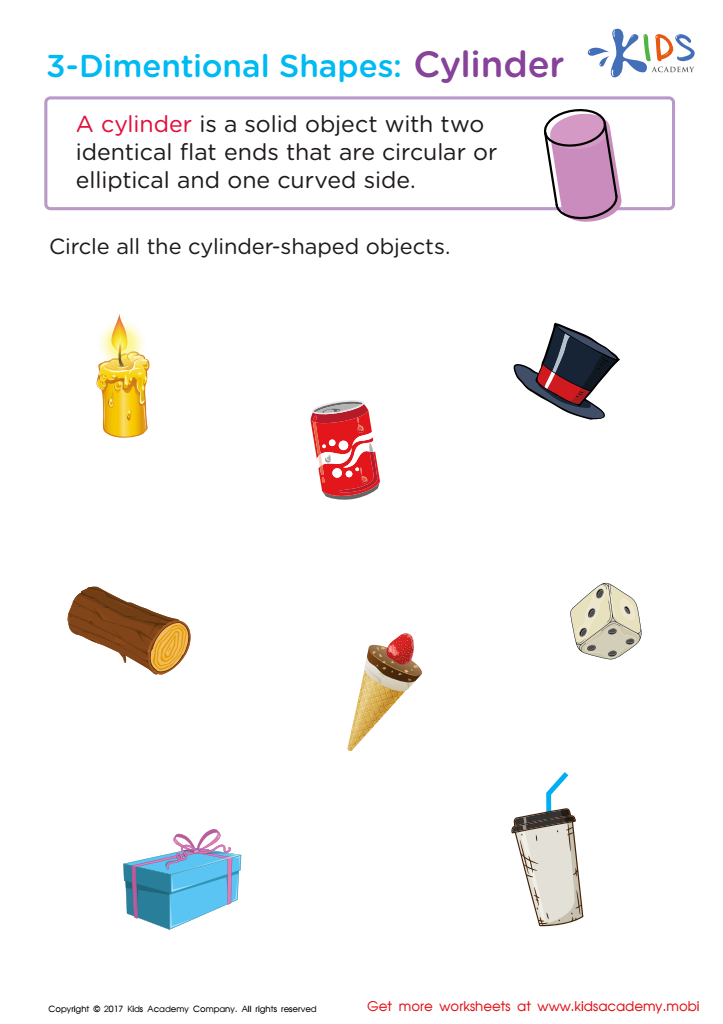
Three–Dimensional Shapes: Cylinder Worksheet
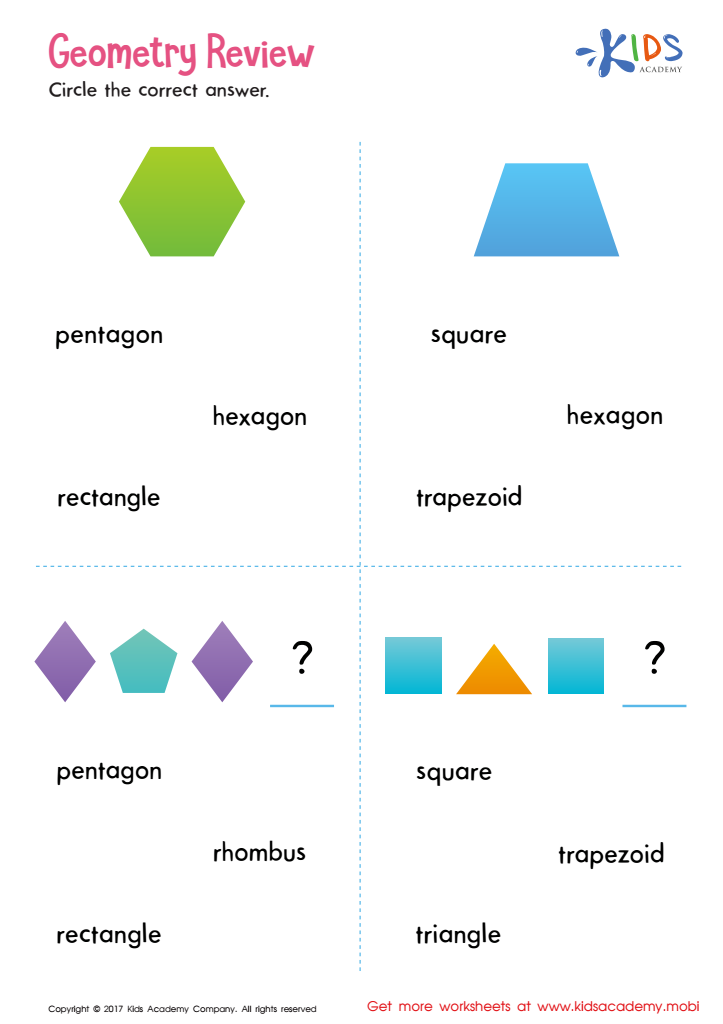
Geometry Review Printable
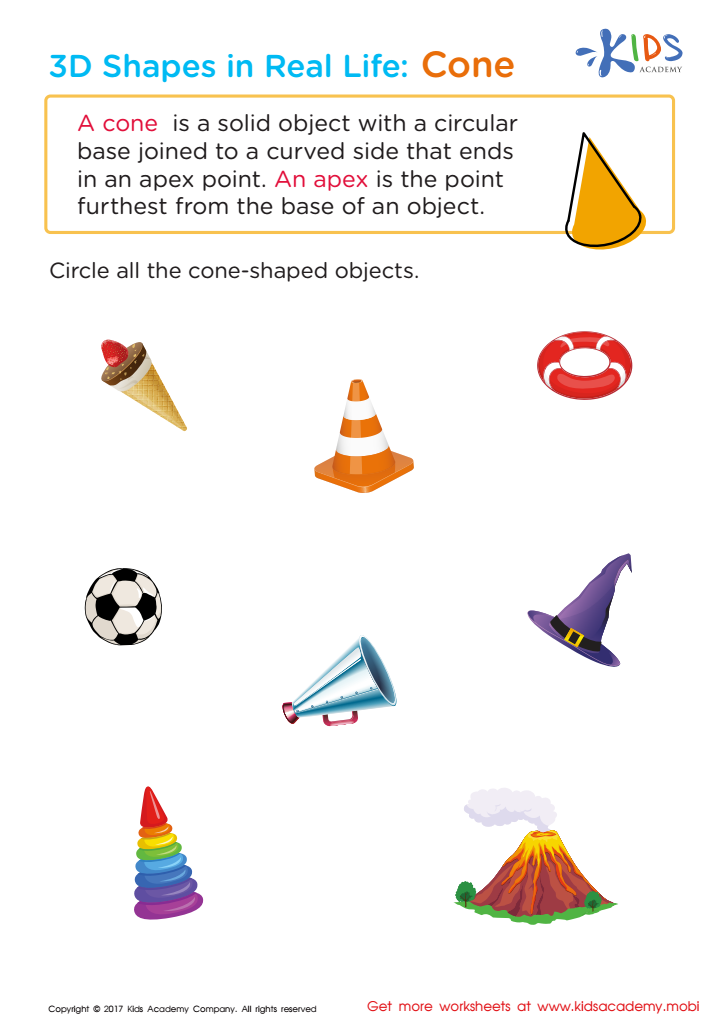
Shapes in Real Life: Cone Worksheet
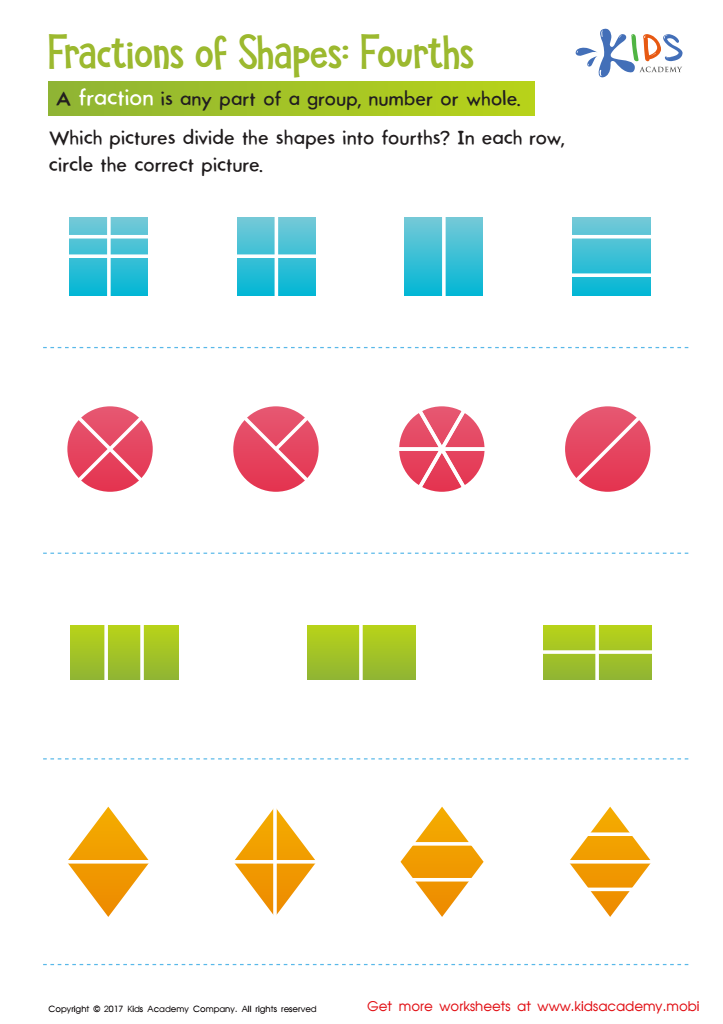
Fractions of Shapes Worksheet
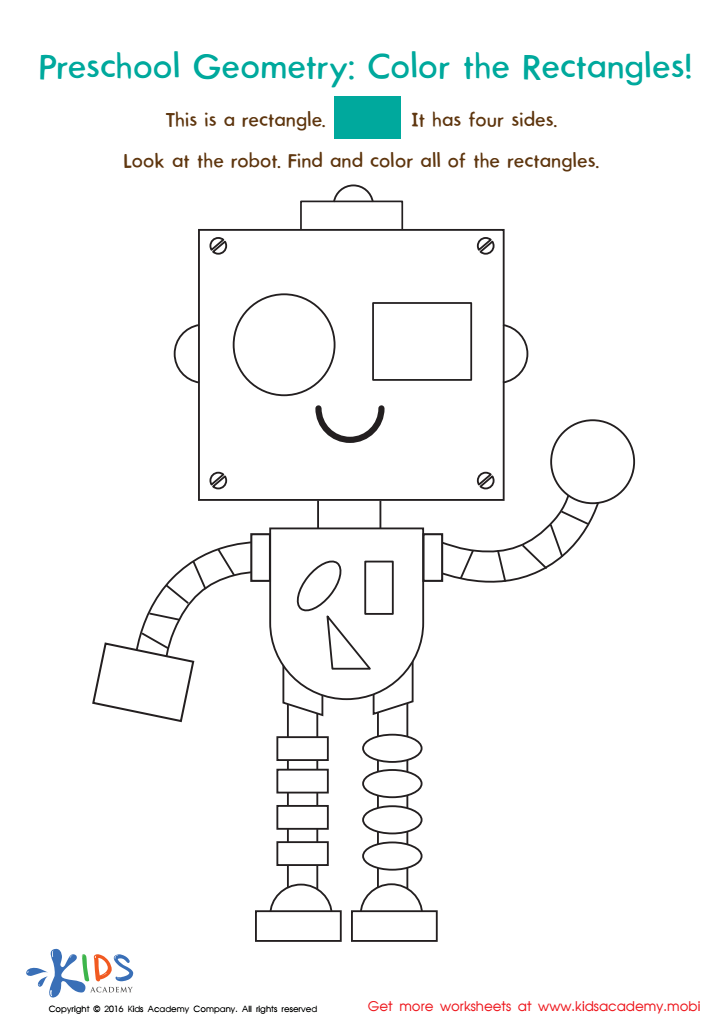
Geometry Worksheet








Geometry is fundamental for young children, ages 4-7, as it nurtures their spatial reasoning, critical thinking, and problem-solving skills, laying the groundwork for future mathematical learning. Engaging kids with shapes, patterns, and spatial relationships aligns with their natural curiosity and enhances their ability to understand and navigate their world.
Early exposure to geometric concepts helps children recognize shapes and patterns in everyday objects, from the triangular slice of pizza to the round ball, anchoring abstract concepts in tangible experiences. This recognition builds essential vocabulary, such as "circle," "square," and "corner," fostering language development alongside mathematical understanding.
Moreover, understanding symmetry, size, and position bolsters cognitive skills that are crucial for other STEM subjects. Activities like comparing the sizes and sorting shapes also enhance fine motor skills and eye-hand coordination, which are critical in the early years for writing and other tasks.
Geometry can be highly interactive and fun, utilizing games, puzzles, and drawing, which keeps children engaged and promotes a positive attitude toward learning. This positive foundation is vital because attitudes towards math formed during early childhood can influence their academic trajectory and confidence in STEM subjects.
Thus, by integrating geometry into early education, parents and teachers support holistic cognitive growth, laying a solid foundation for academic excellence and practical problem-solving skills.








