Counting Worksheets for Ages 5-8 - Page 2
43 filtered results
-
From - To
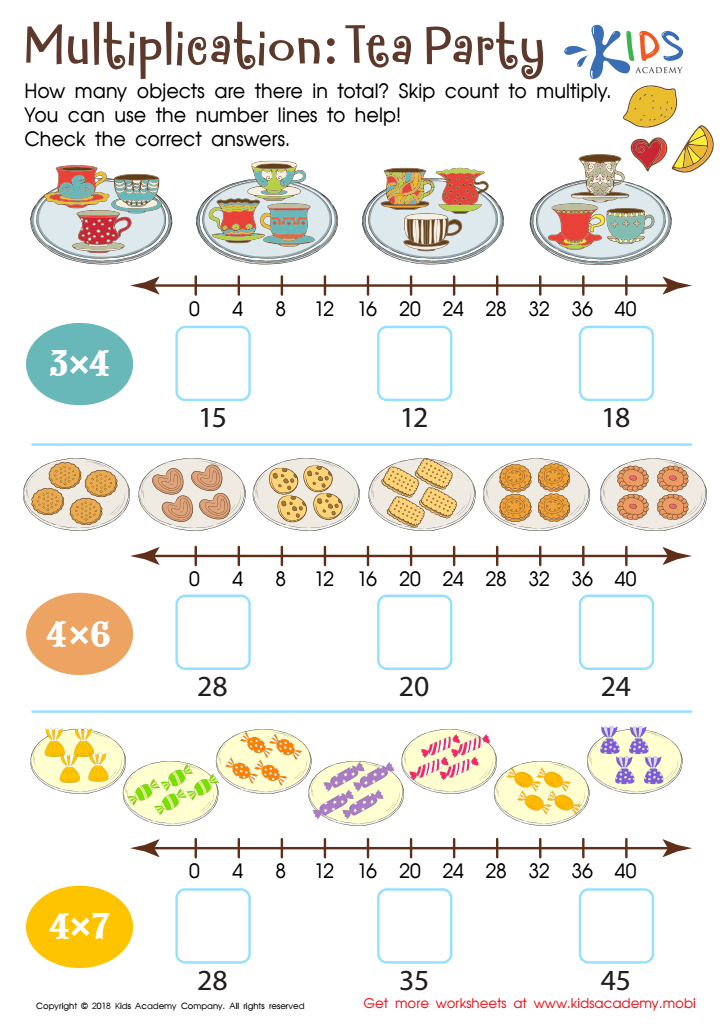
3rd Grade Math Worksheet Multiplication
 Assign to My Students

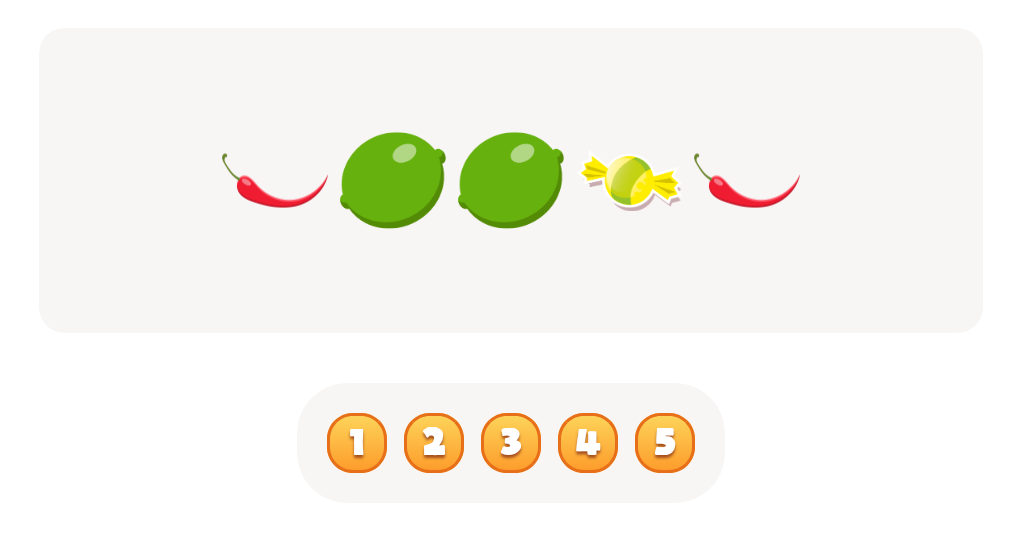
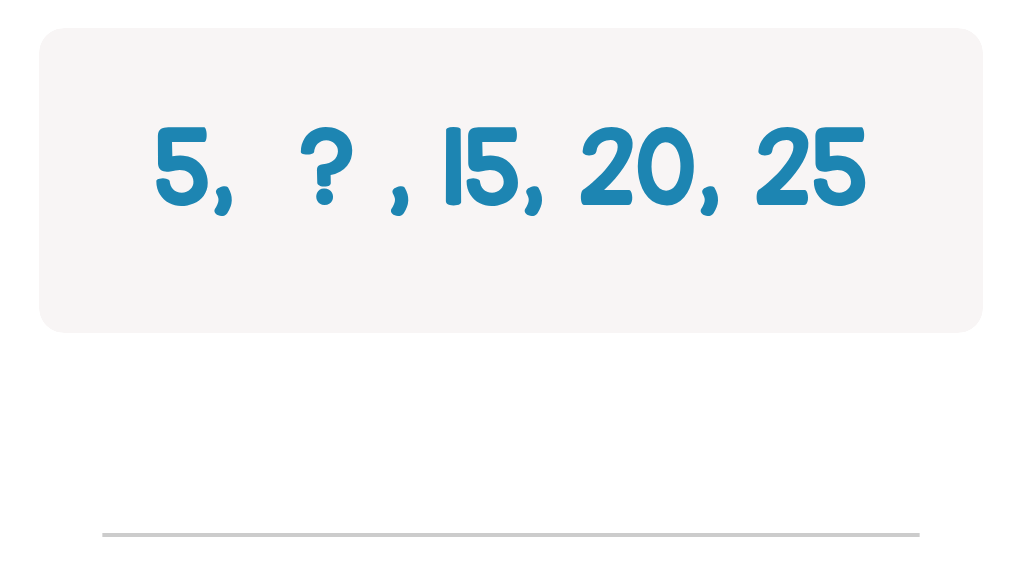
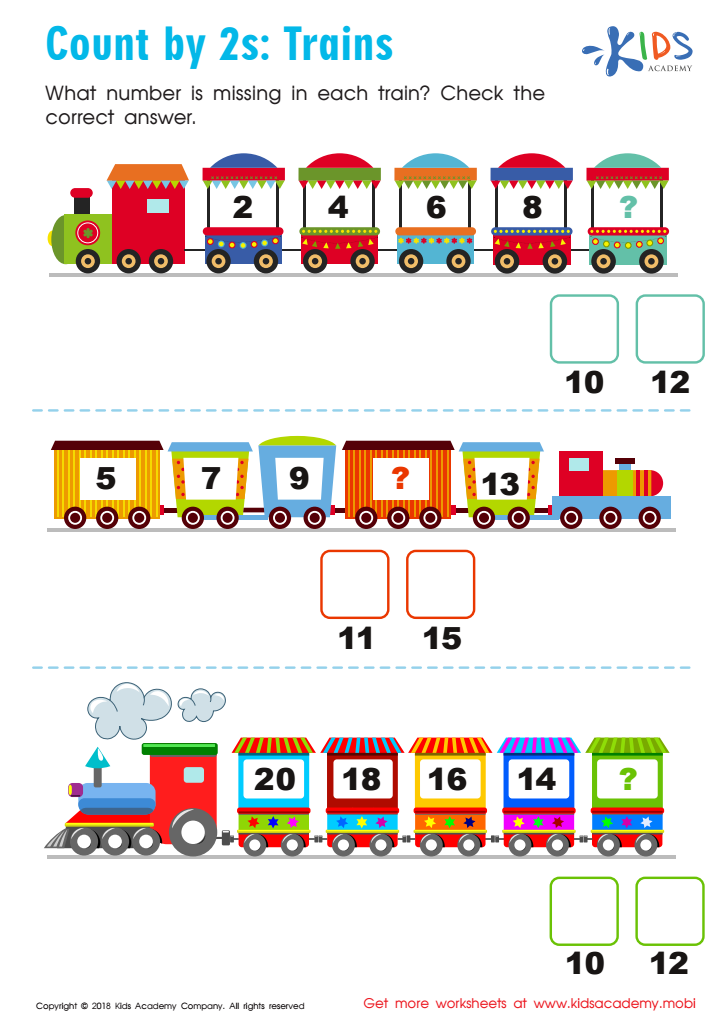
Count by 2's: Trains Worksheet
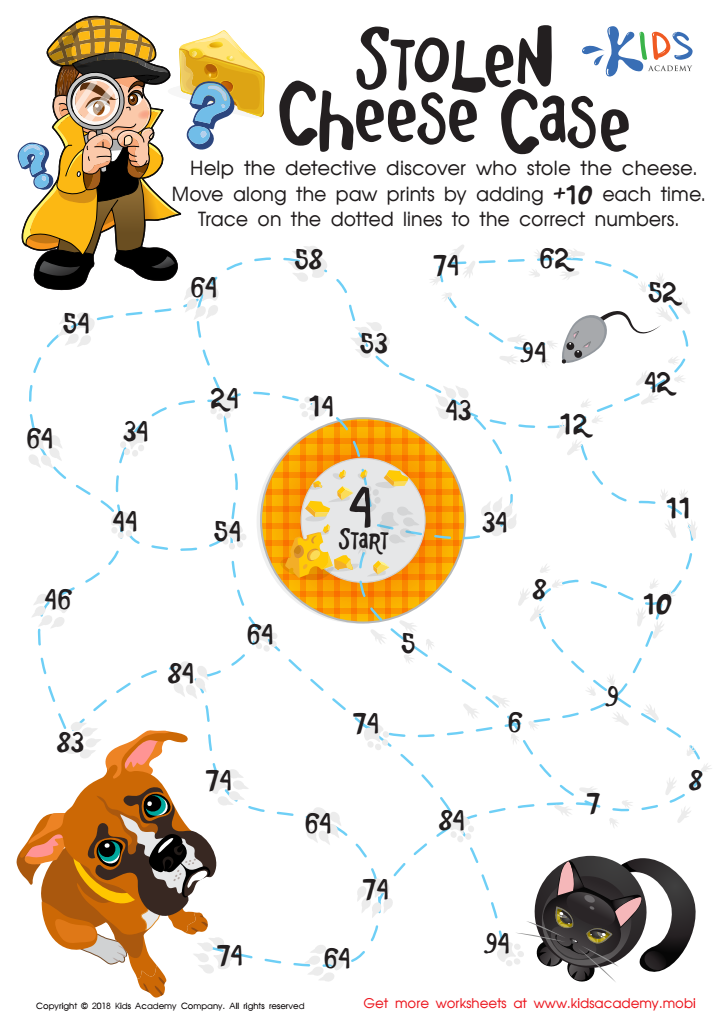
Stolen Cheese Case Maze Worksheet
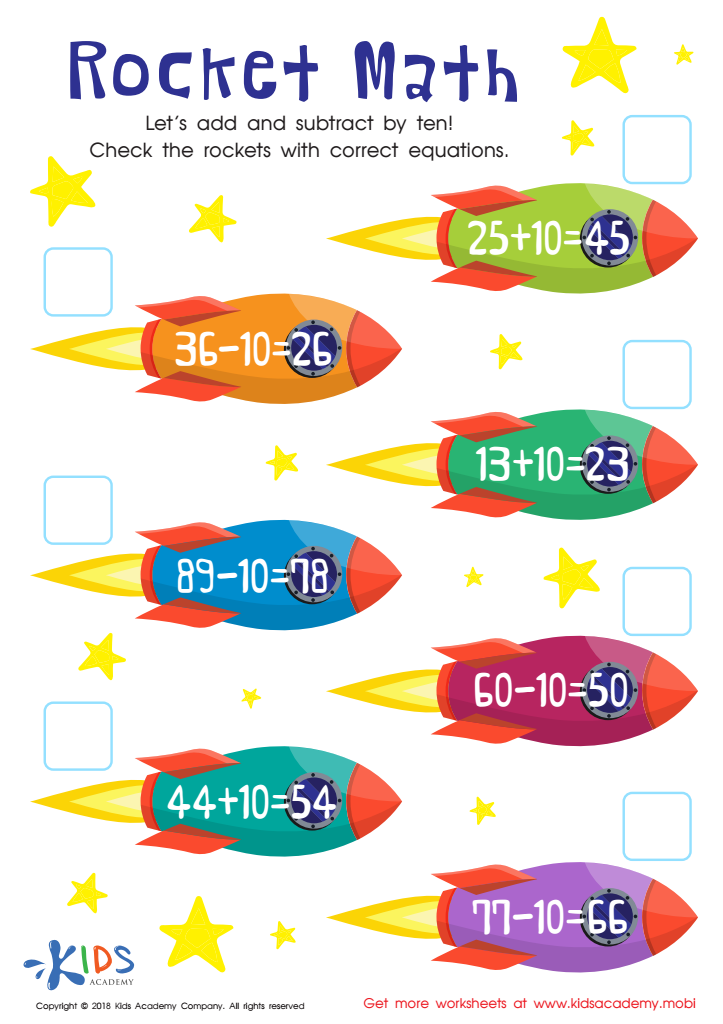
Rocket Math Worksheet
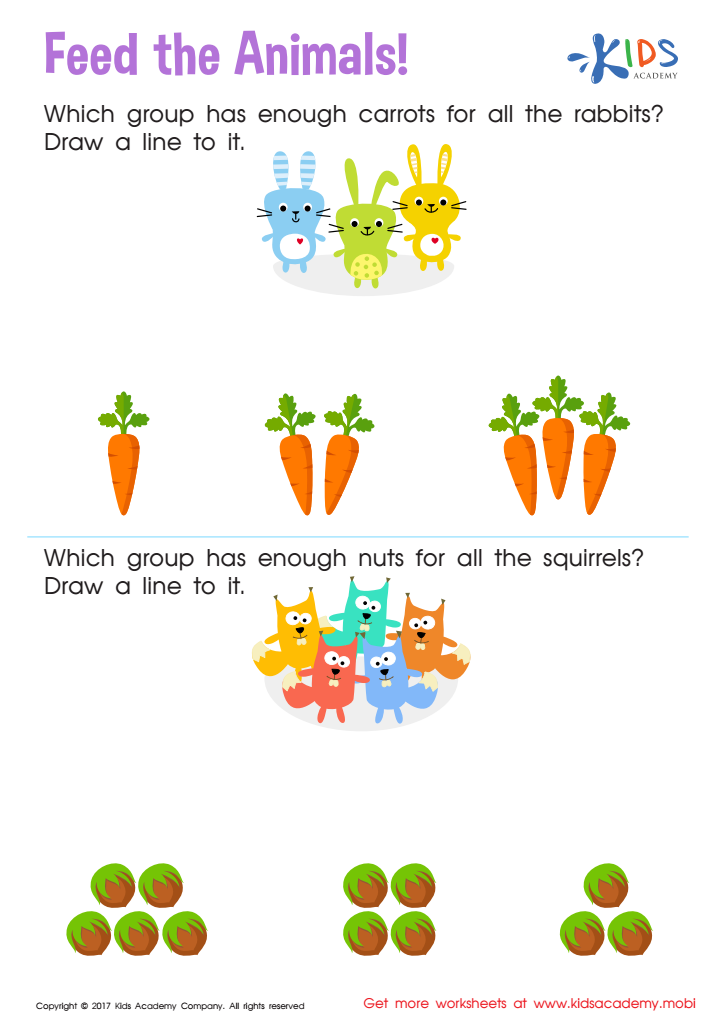
Count and Match: Feed the Animals Worksheet
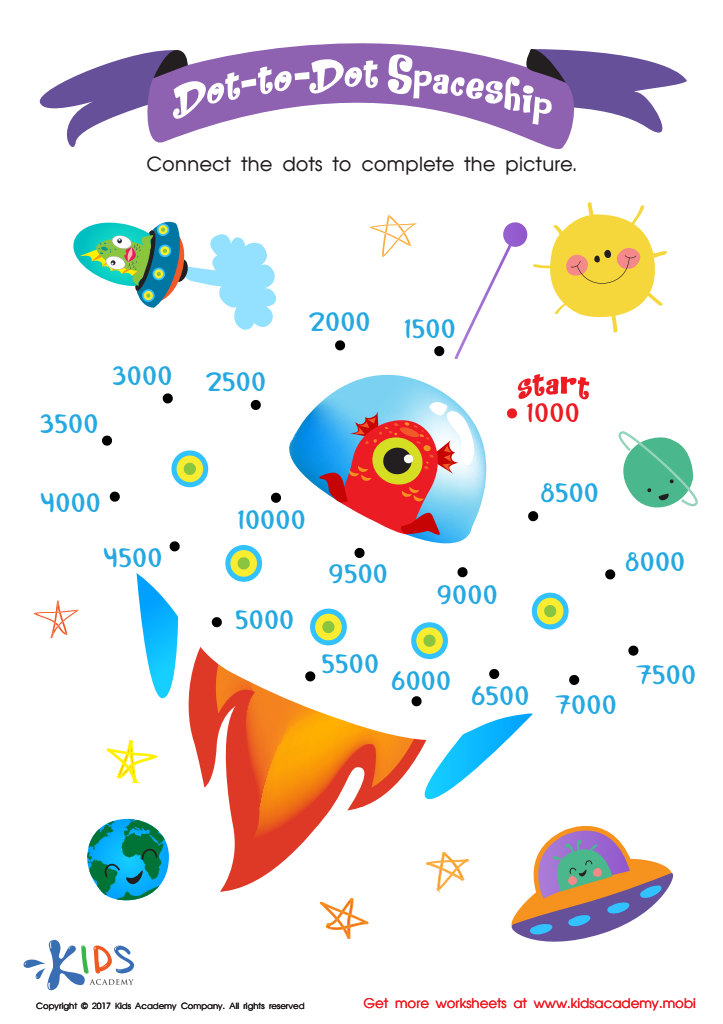
Dot to Dot Worksheet for 3rd Grade
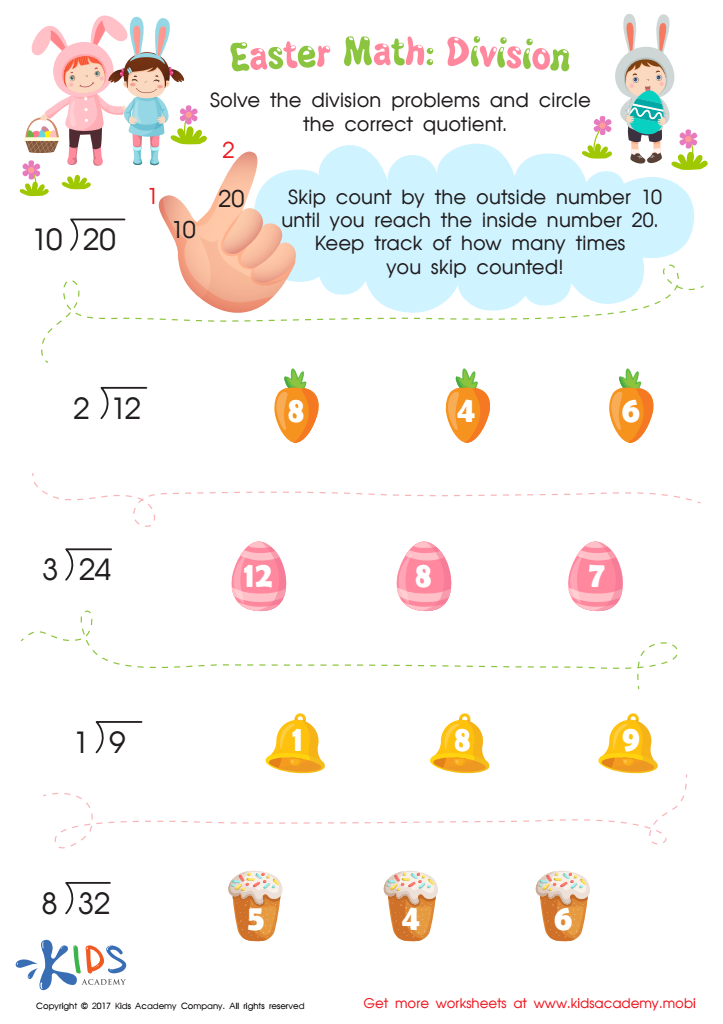
Division Worksheet
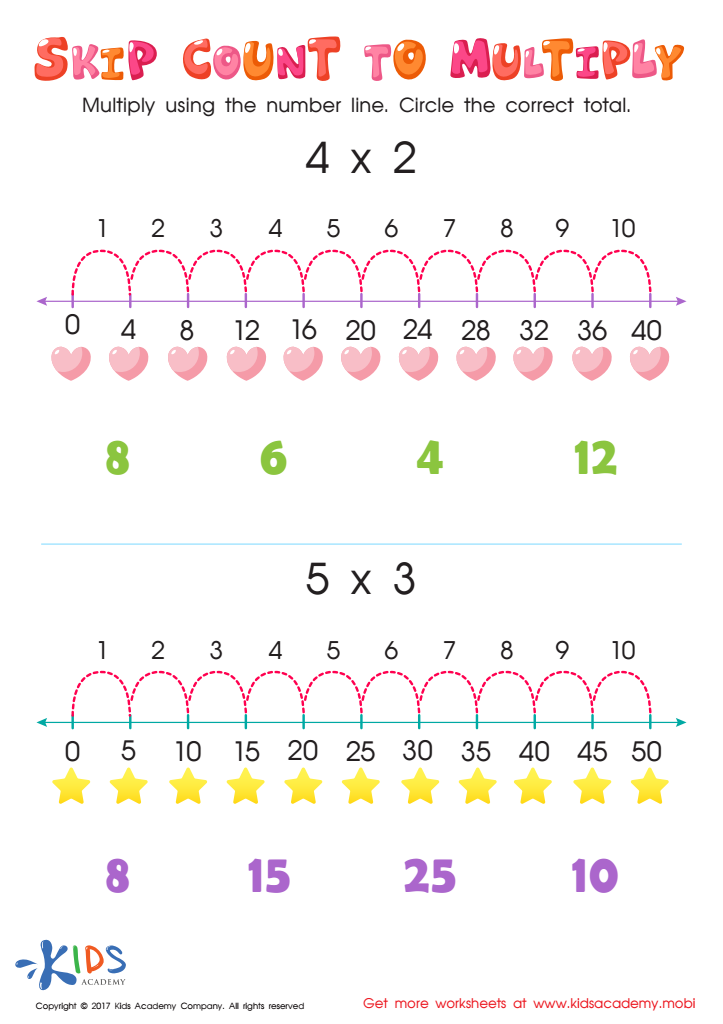
Skip Count Multiplication Worksheet
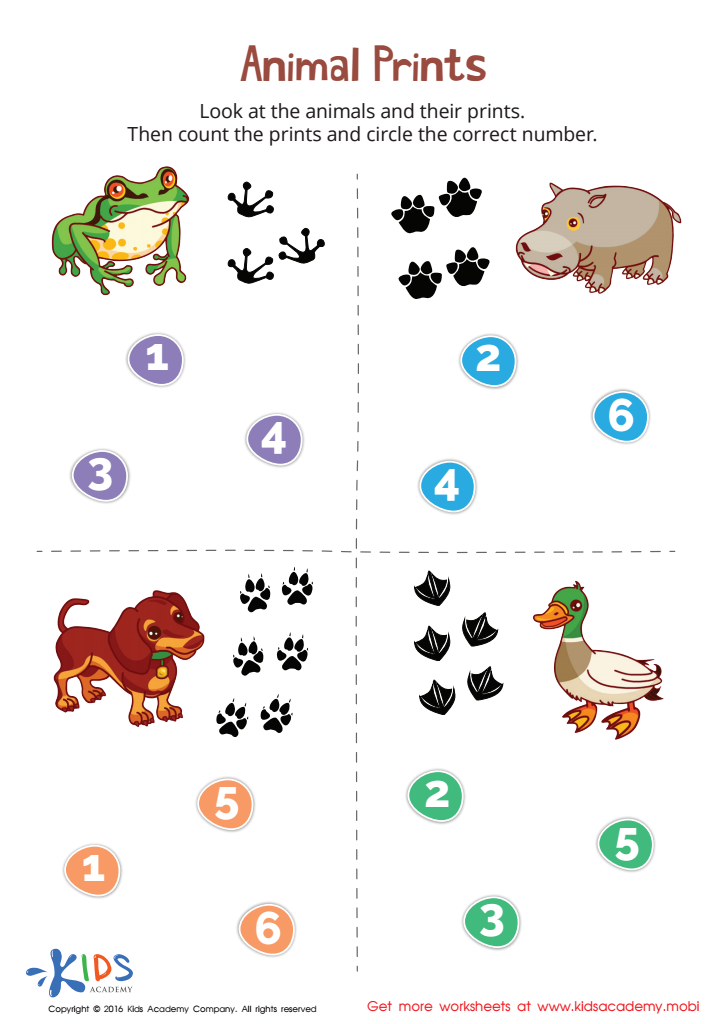
Animal Prints Match-Up Worksheet
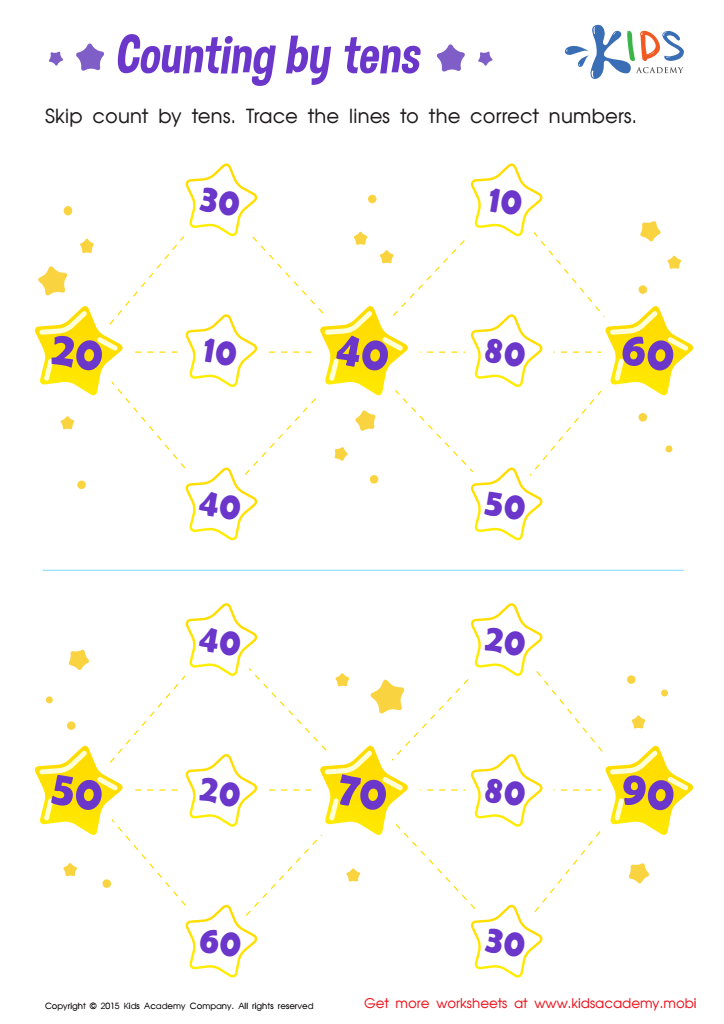
Learn Dozens: Counting by Tens Printable
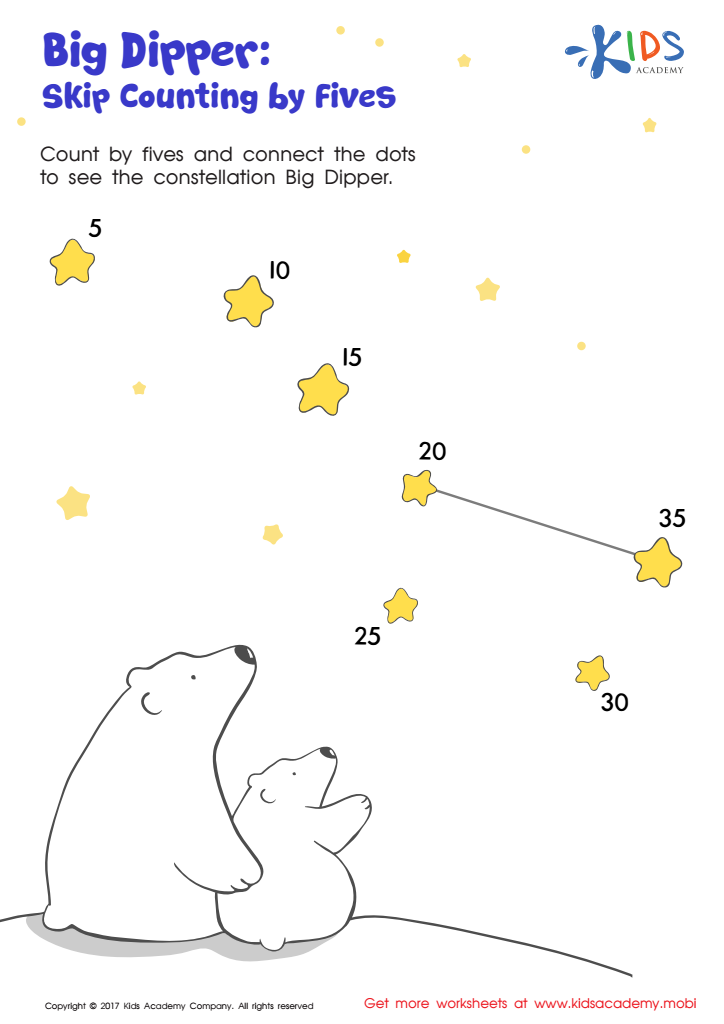
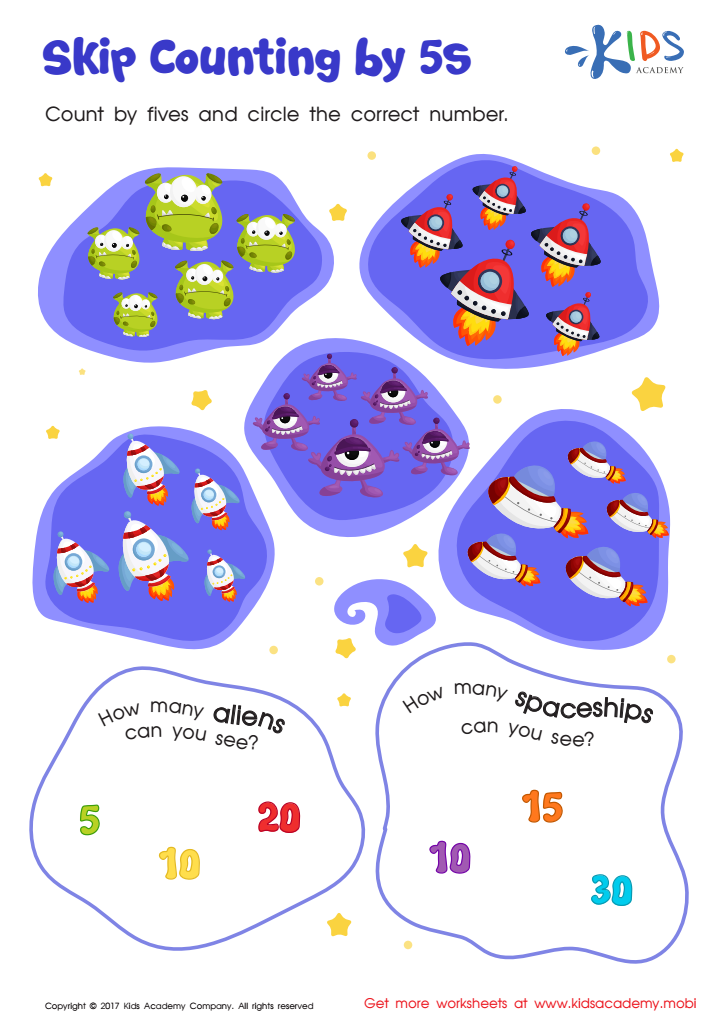
Skip Counting by 5s: Aliens and Spaceships Printable
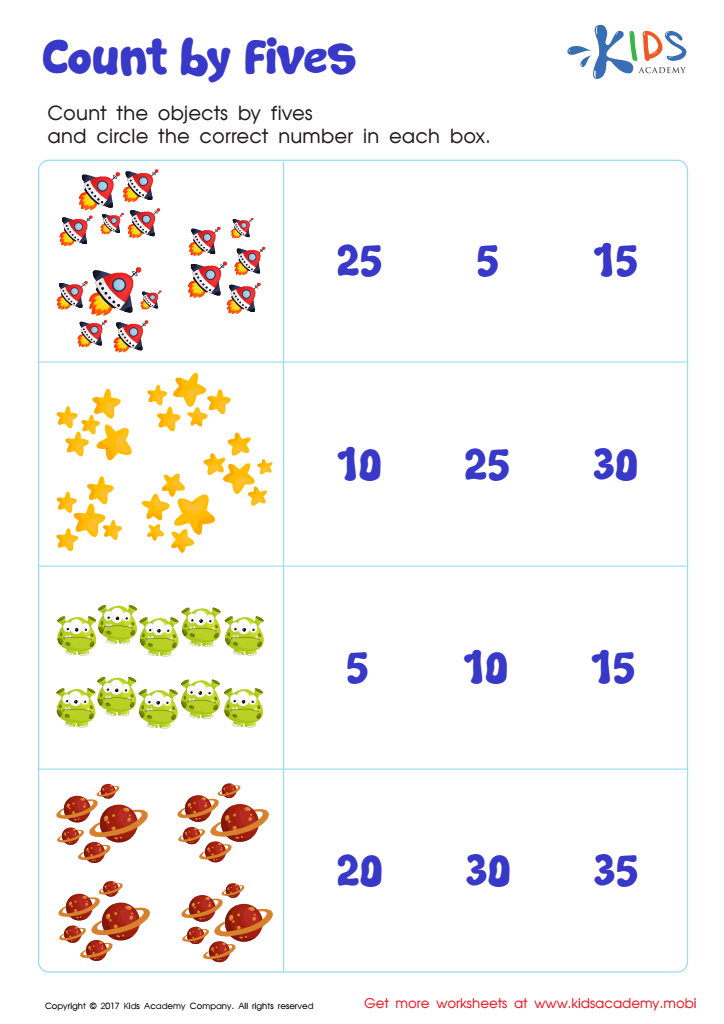
Skip Counting by 5s: Space Math Printable
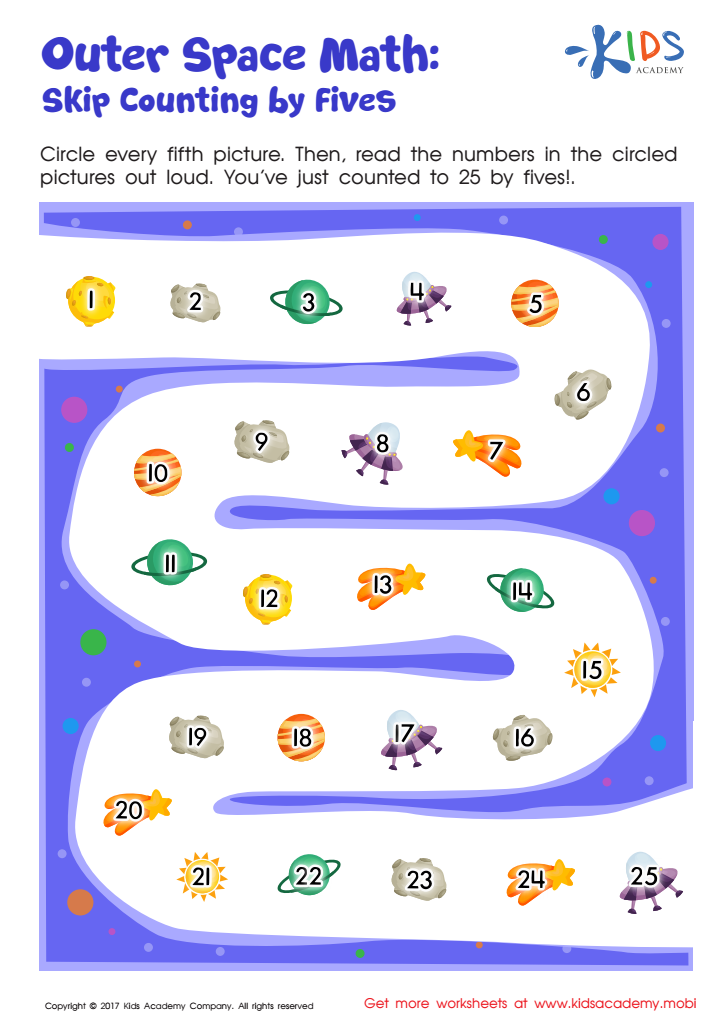
Skip Counting by 5s: Outer Space Math Printable
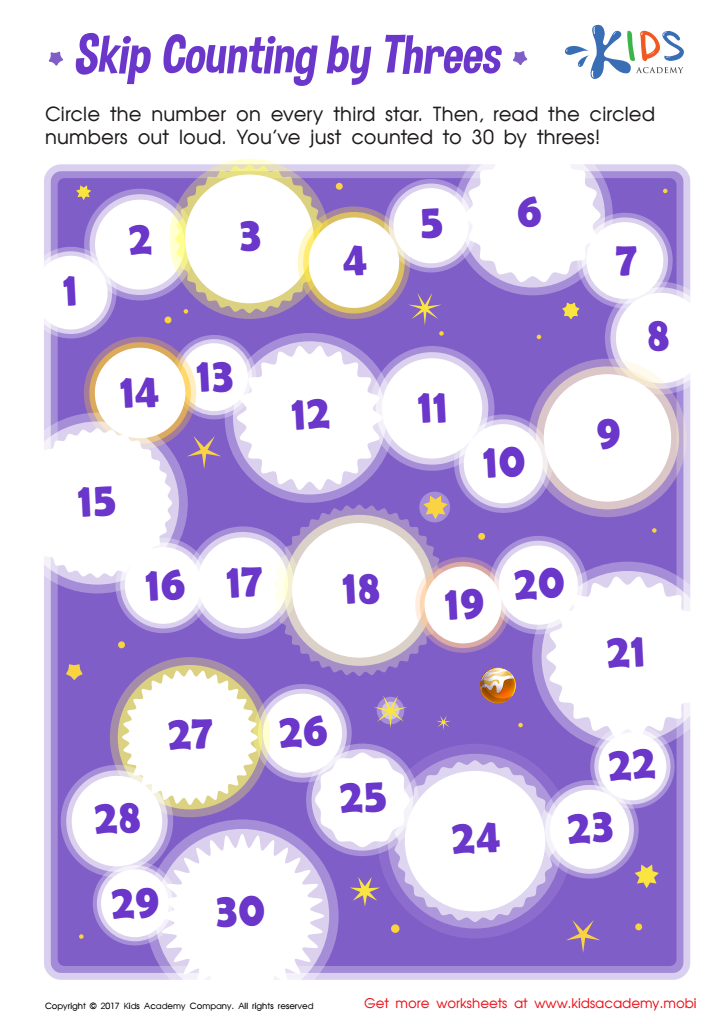
Skip Counting By Three Printable
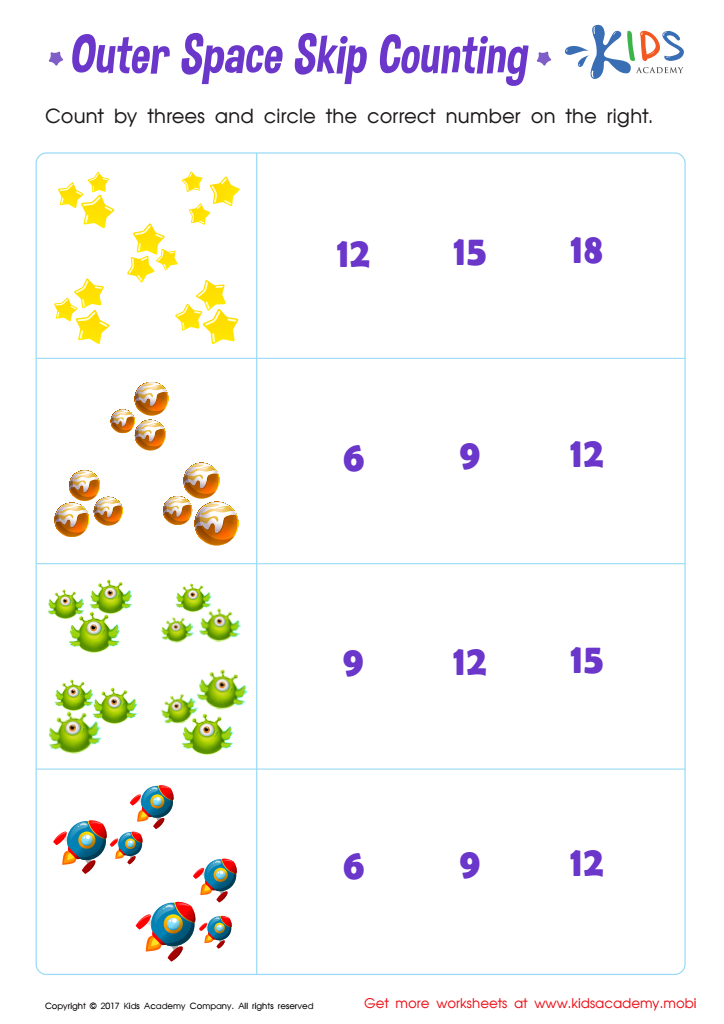
Skip Counting by 3s: Outer Space Skip Counting Printable
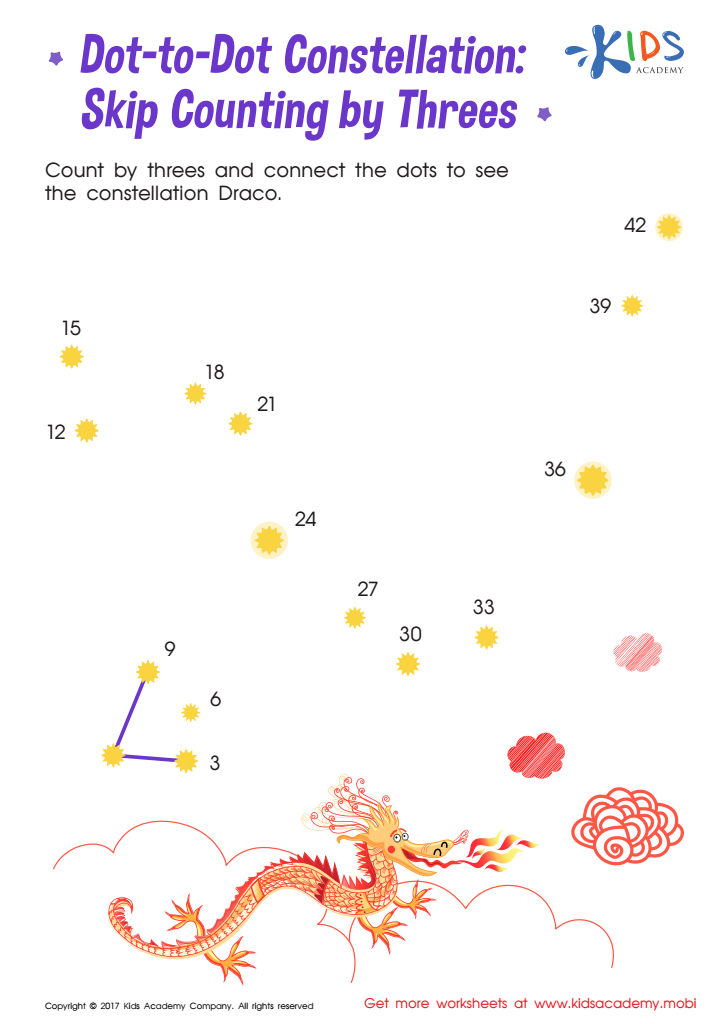
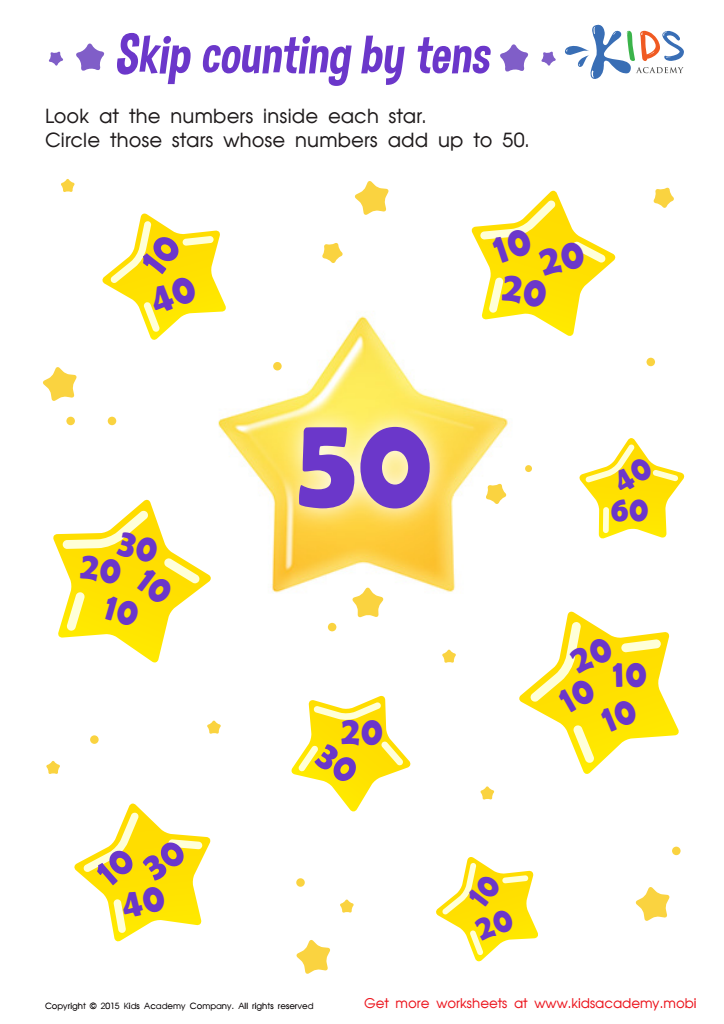
Learn Dozens: Skip Counting by Tens Printable
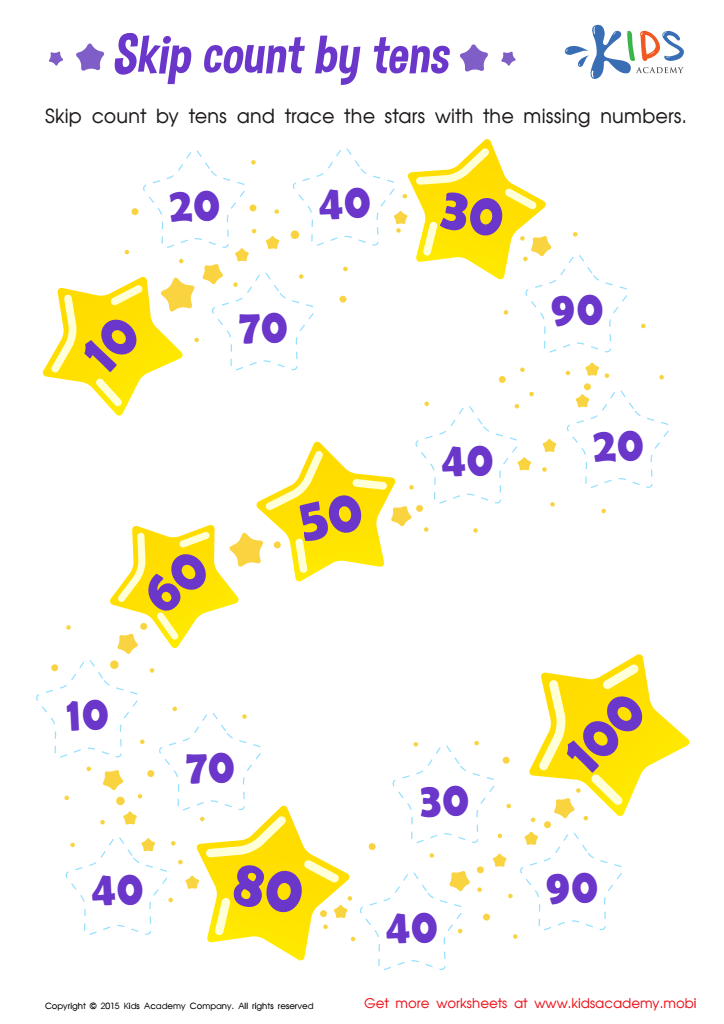
Learn dozens: Skip Count by Tens Printable








Counting is a fundamental skill that serves as a cornerstone for children's mathematical development between the ages of 5 and 8. Parents and teachers need to recognize its importance due to its pervasive applicability and long-term implications for a child's academic success. Mastering counting allows children to perform basic arithmetic like addition and subtraction, which are critical skills for more advanced mathematics. It not only builds numerical understanding but also strengthens logical and problem-solving abilities.
Counting teaches children the principles of one-to-one correspondence, where each object counted corresponds to one and only one number. This concept extends far beyond mathematics; it encourages orderly thinking and sequencing, which are essential cognitive skills for tasks ranging from reading to science.
Moreover, early success in understanding counting principles can boost a child's confidence and foster a positive attitude toward learning. Struggling with early math skills can, conversely, lead to math anxiety, which can hinder future academic performance. Therefore, by emphasizing the importance of counting, parents and teachers can lay the groundwork for educational achievements across various disciplines.
Engaging children in counting activities can also be a bonding experience that introduces them to practical life skills. Simple exercises like counting toys, steps, or apples at the grocery store make learning relevant and enjoyable, promoting a natural and positive relationship with numbers.








