Phonics Worksheets for Ages 7-9 - Page 3
134 filtered results
-
From - To
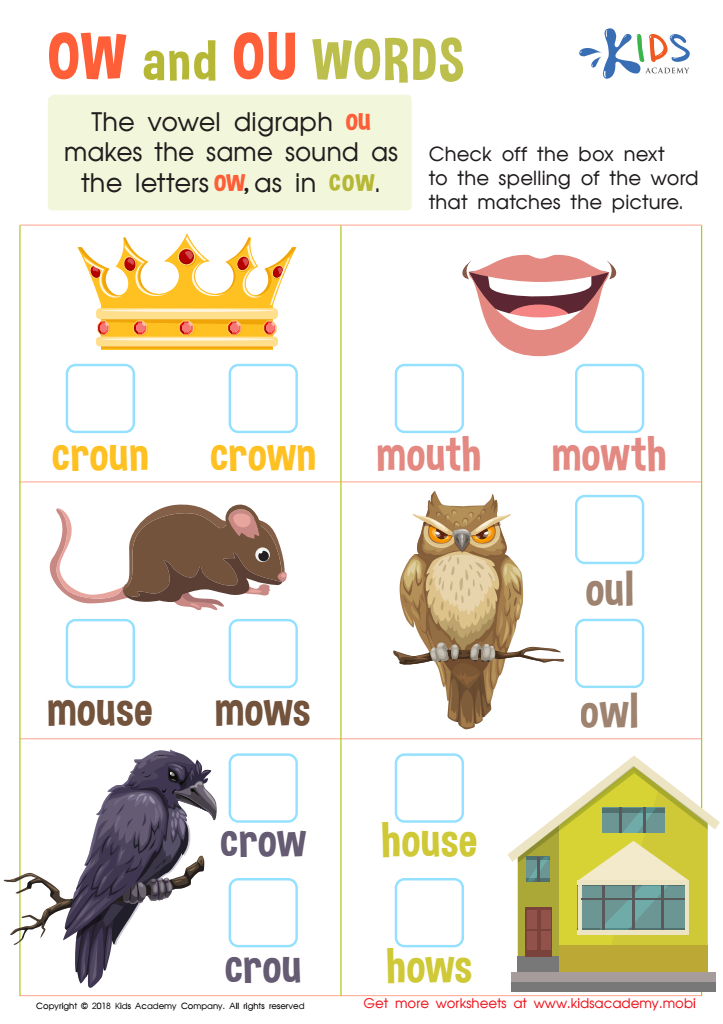
Reading: OW and OU Words Worksheet
 Assign to My Students
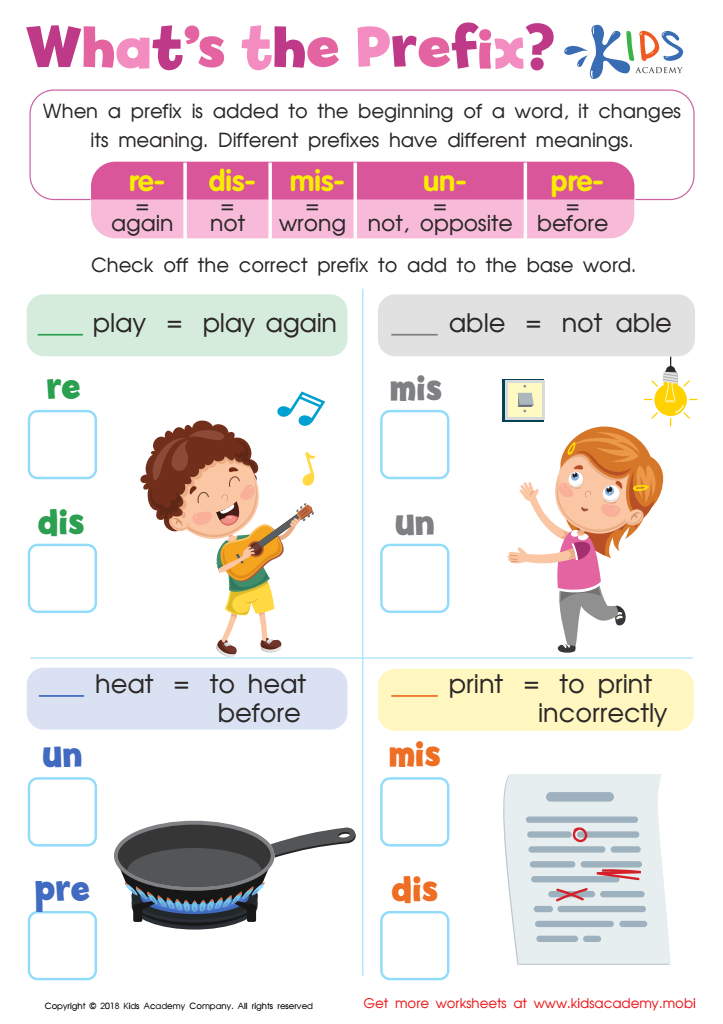
Reading: What Is the Prefix Worksheet
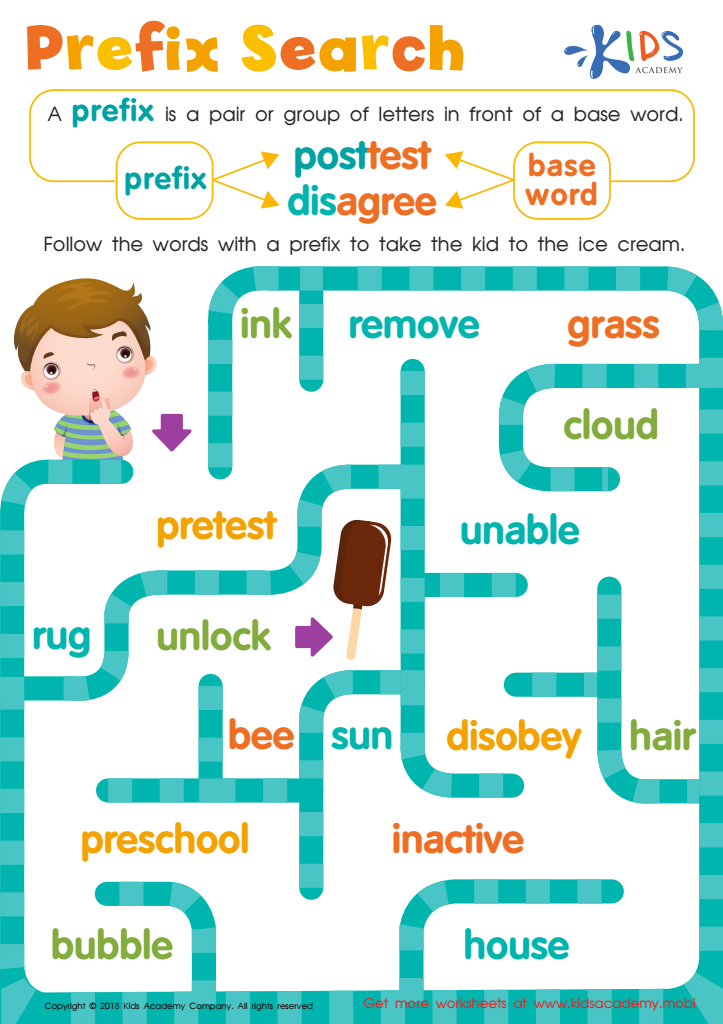
Reading: Prefix Search Worksheet
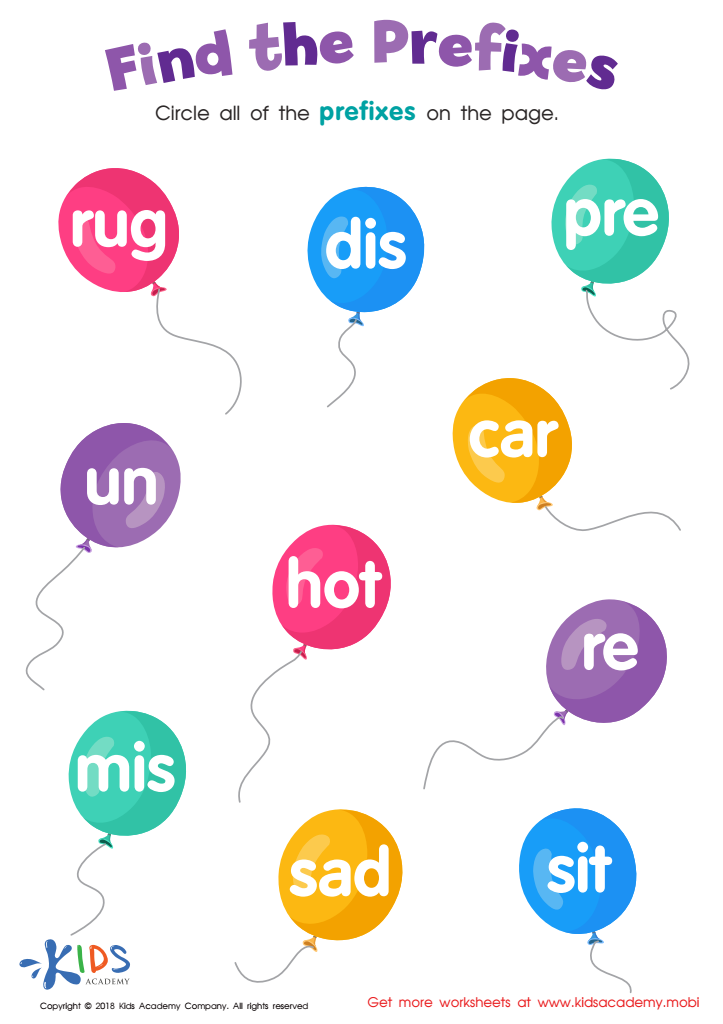
Reading: Find the Prefixes Worksheet
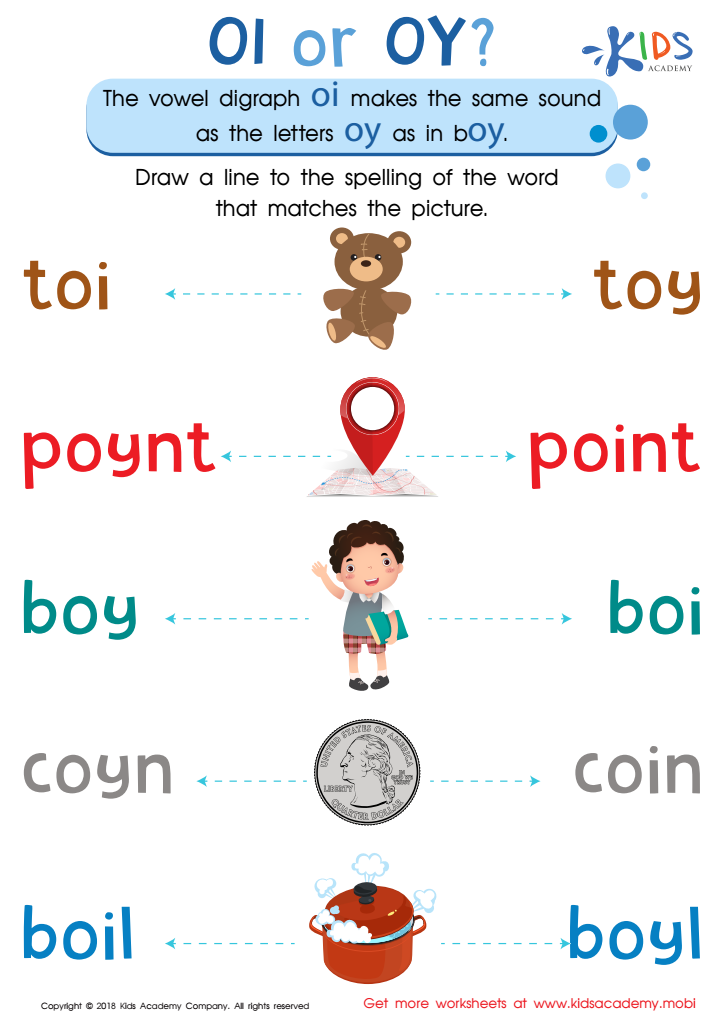
Reading: OI and OY Worksheet
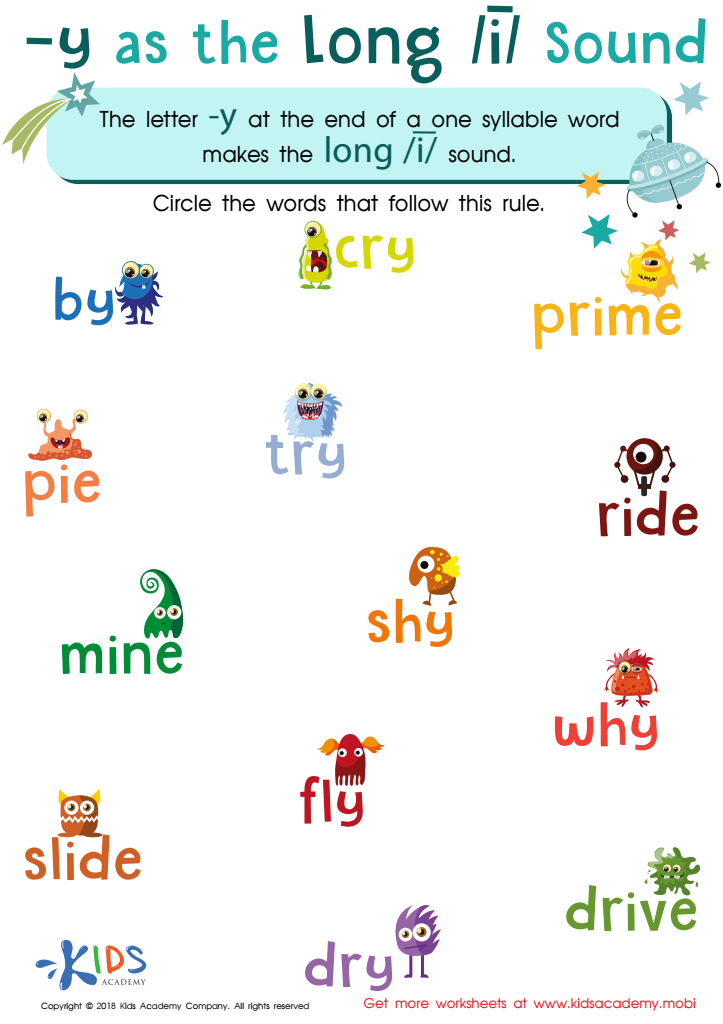
Reading: Y as Long I Worksheet
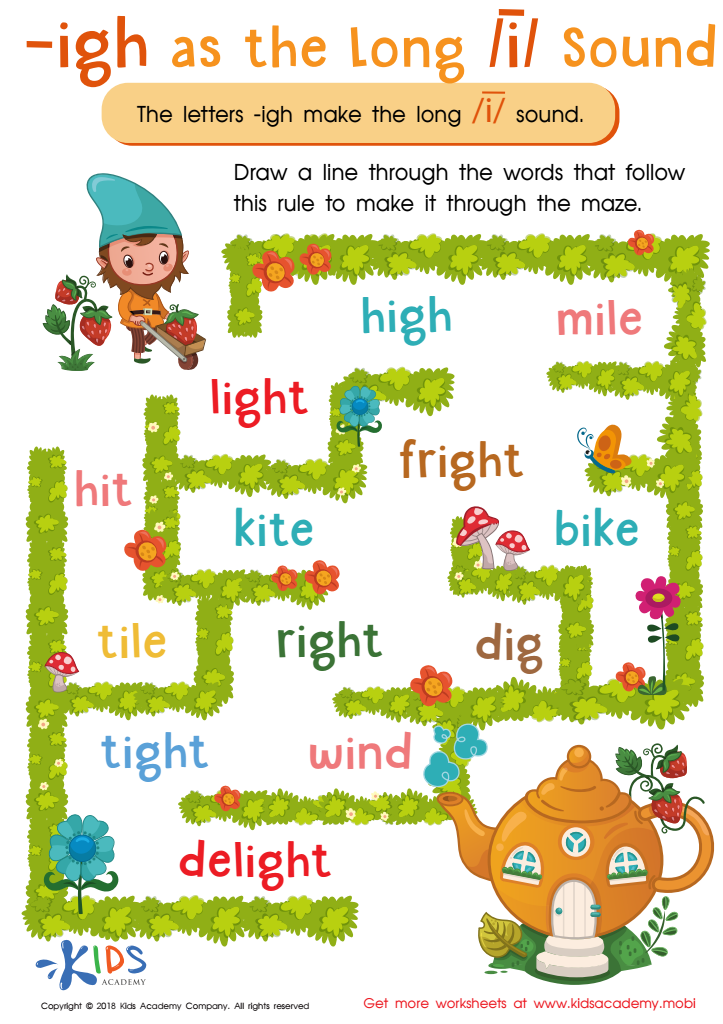
Reading: IGH as Long I Worksheet
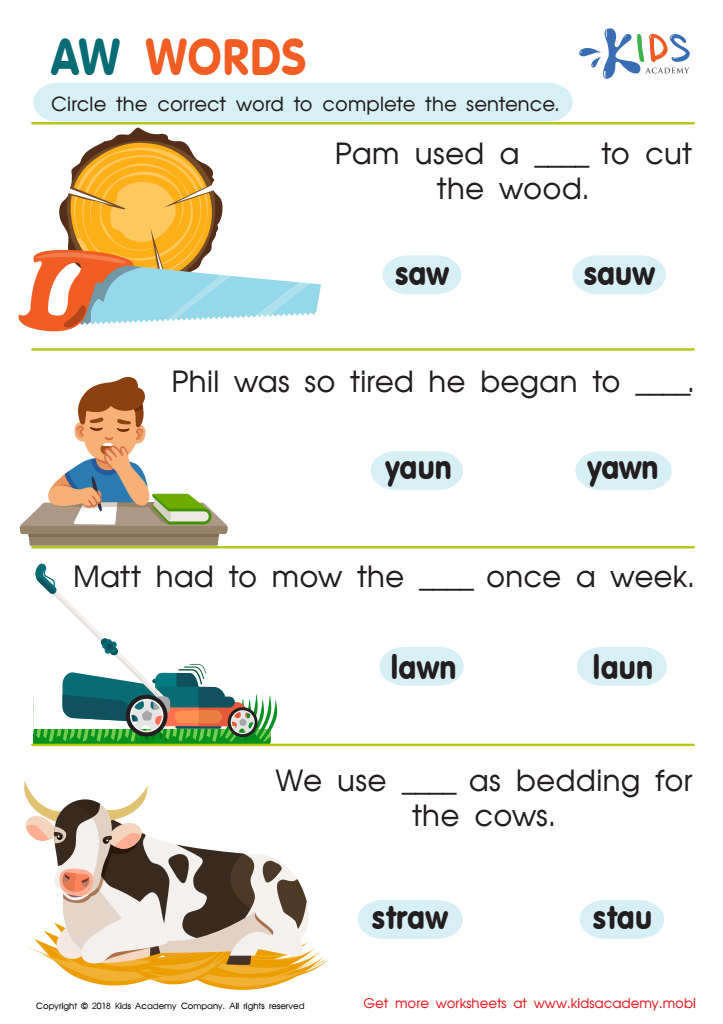
Reading: AW Words Worksheet
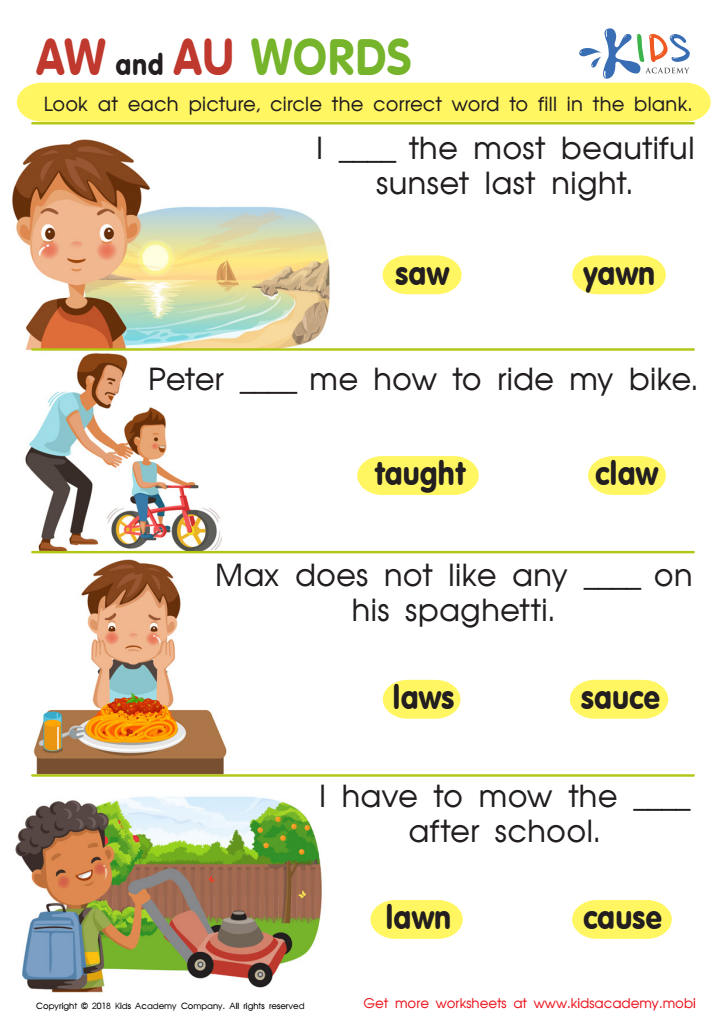
Reading: AW and AU Words Worksheet
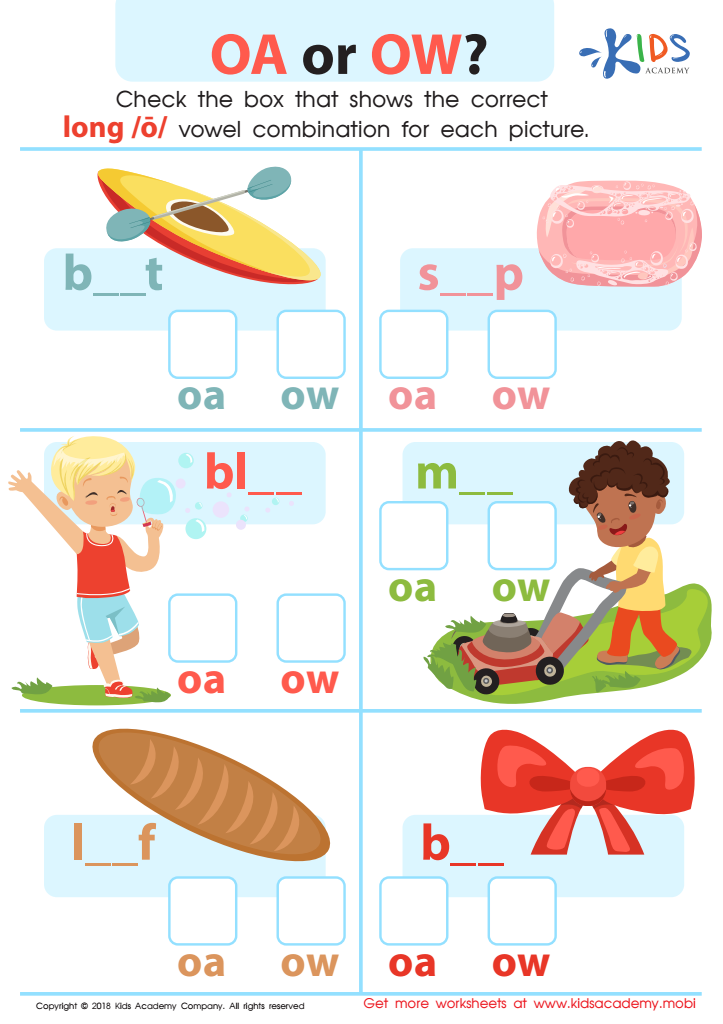
Reading: OA or OW Worksheet
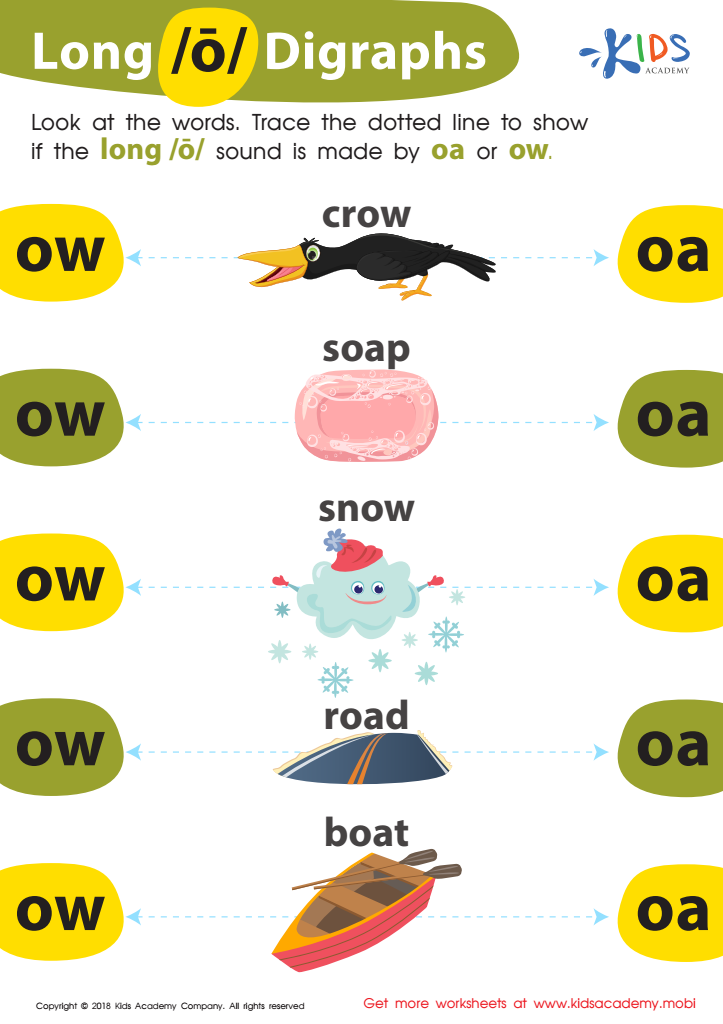
Reading: Long O Digraphs Worksheet
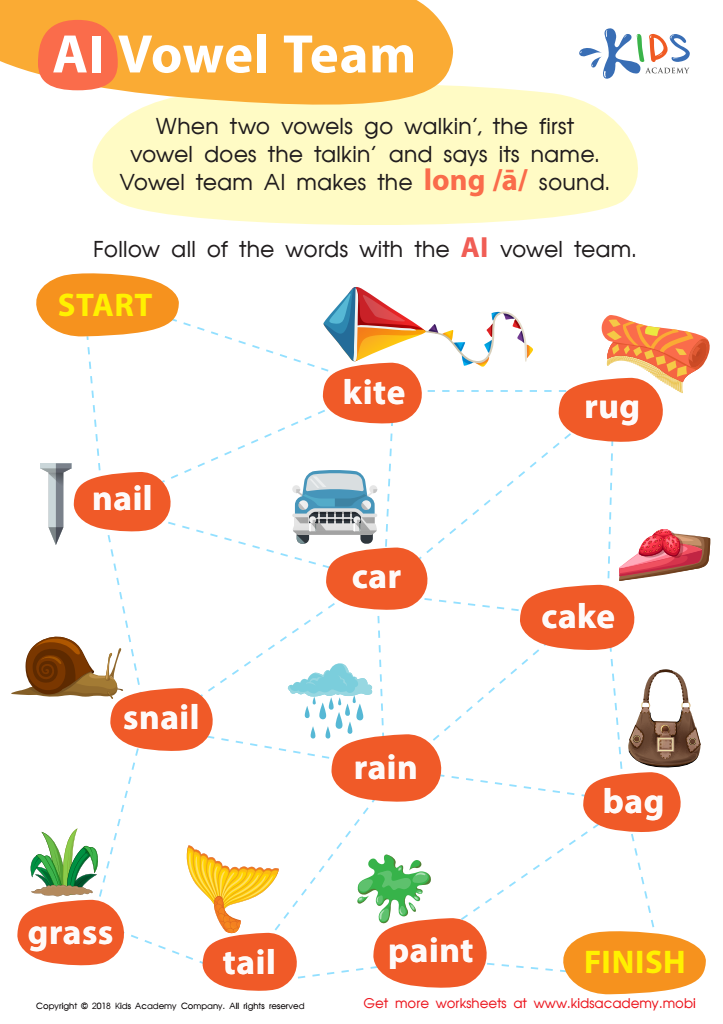
Reading: AI Vowel Team Worksheet
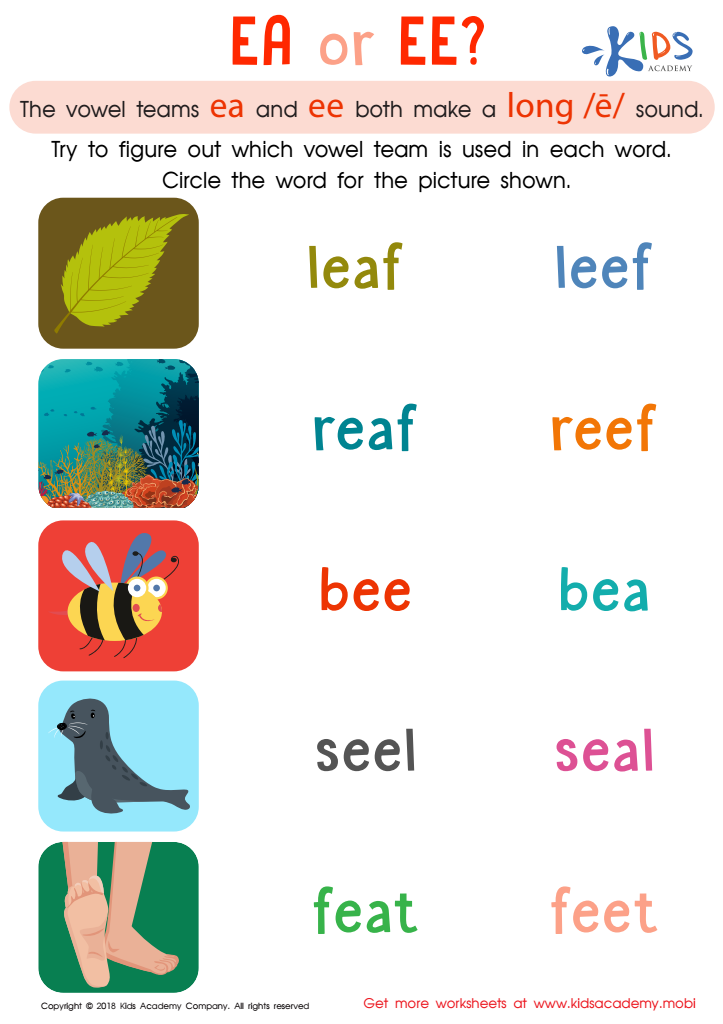
Reading: EA and EE Worksheet
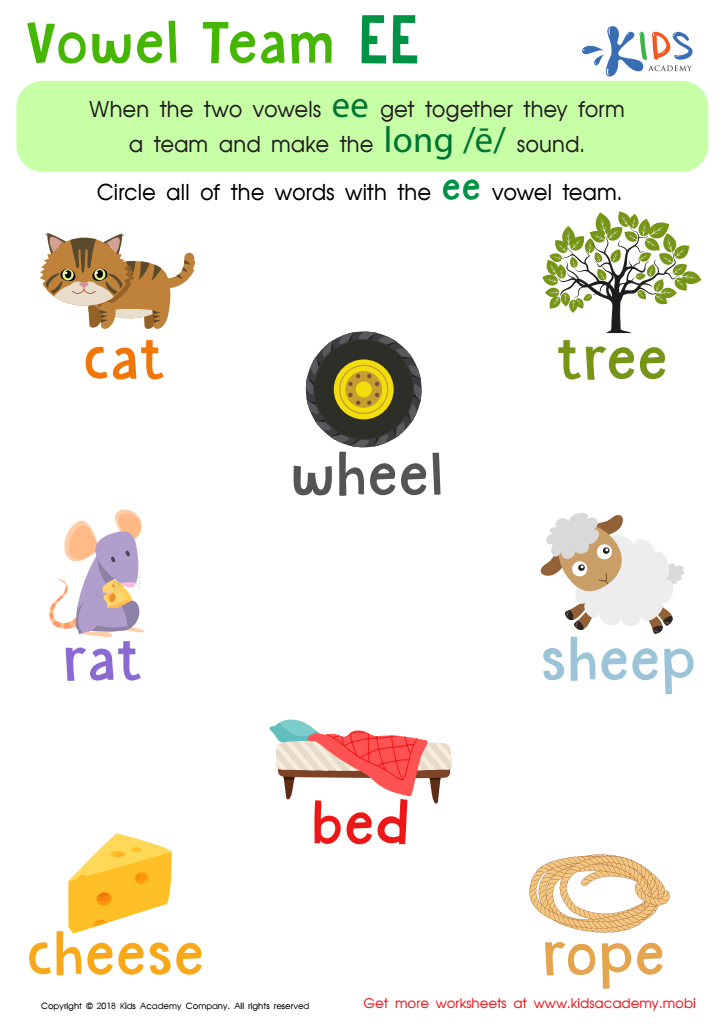
Reading: Vowel Team EE Worksheet
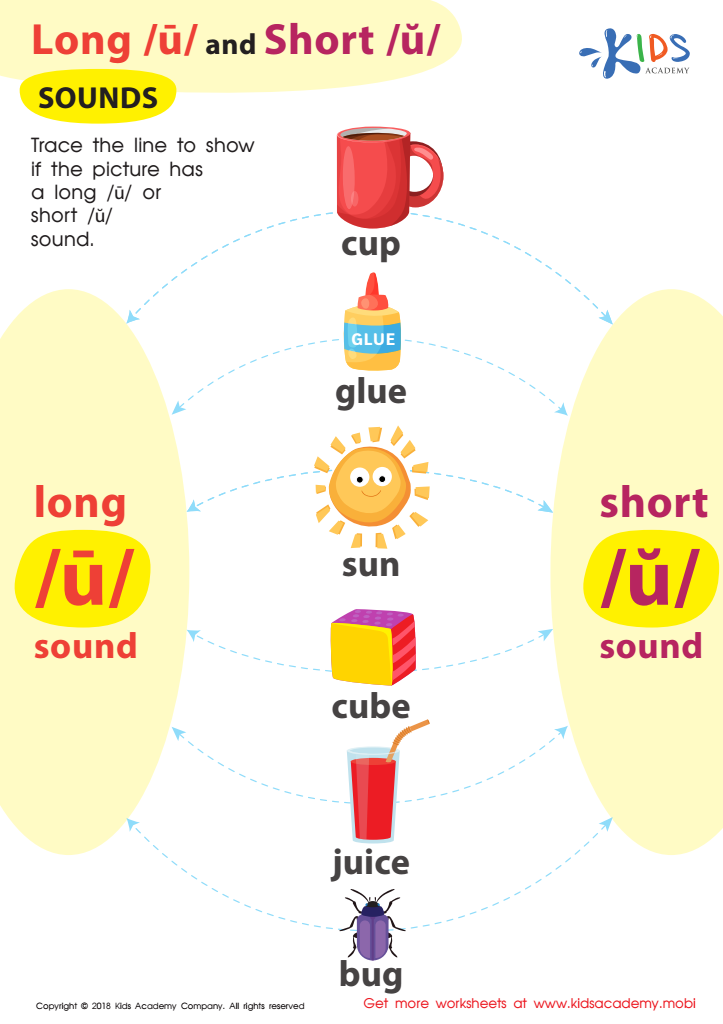
Reading: Long U and Short U Sounds Worksheet
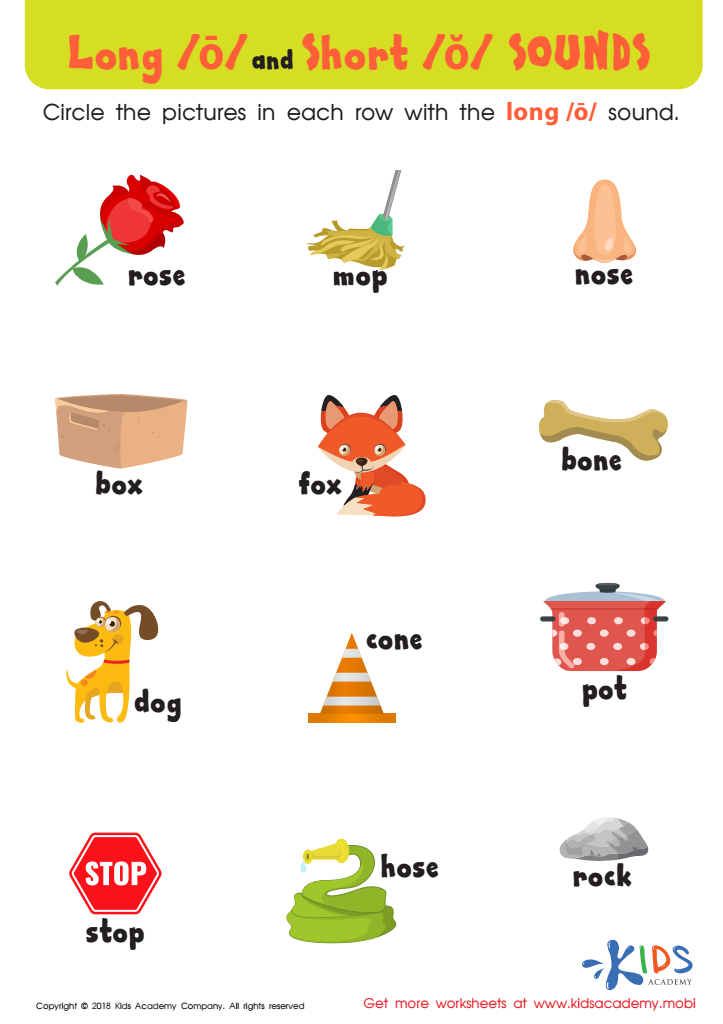
Reading: Long O and Short O Sounds Worksheet
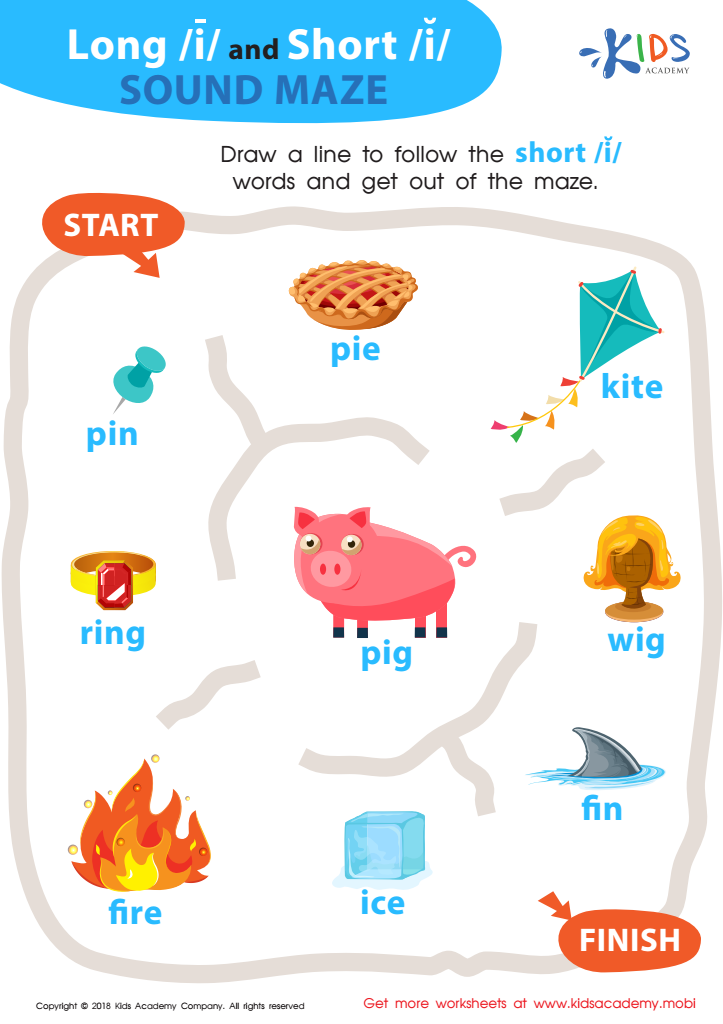
Reading: Long I and Short I Sound Maze Worksheet
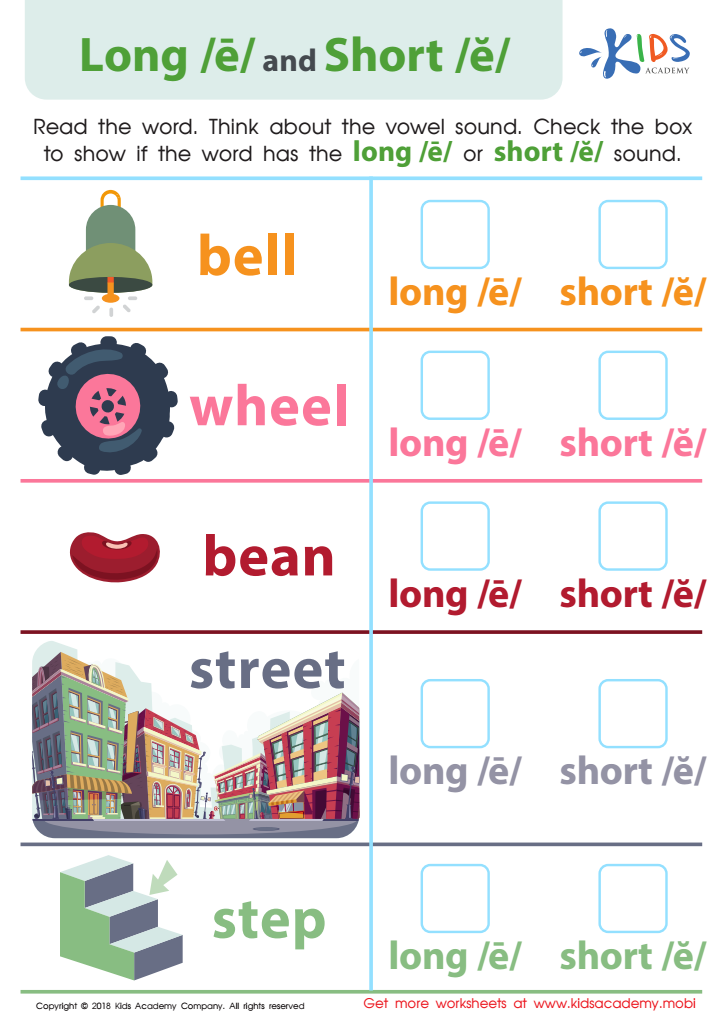
Reading: Long E and Short E Worksheet
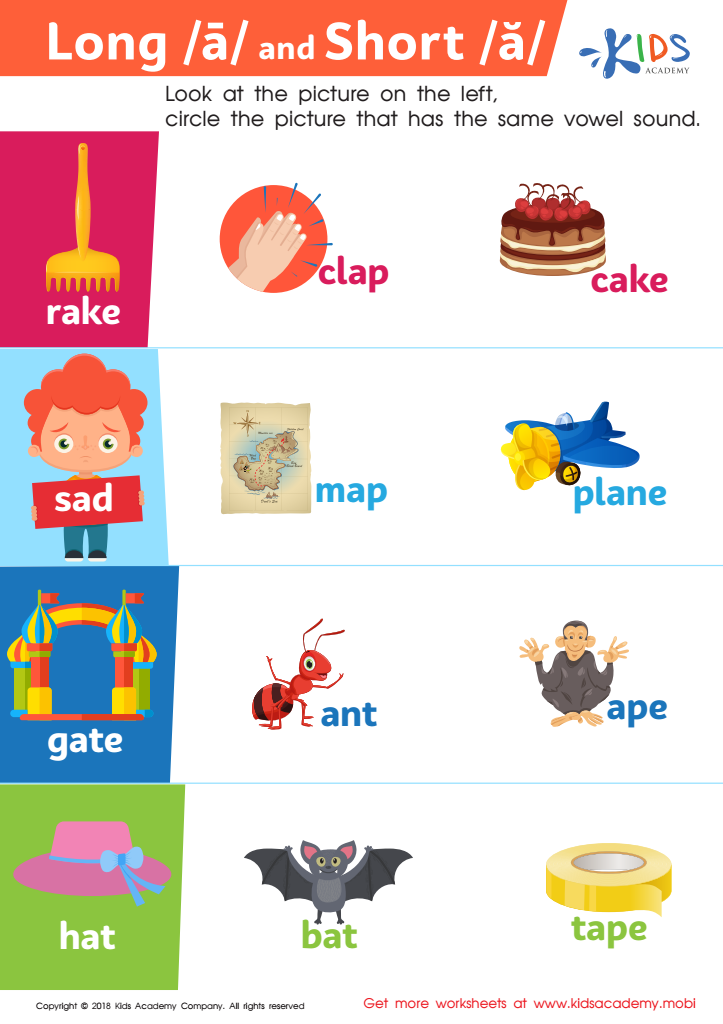
Reading: Long a and Short a Worksheet
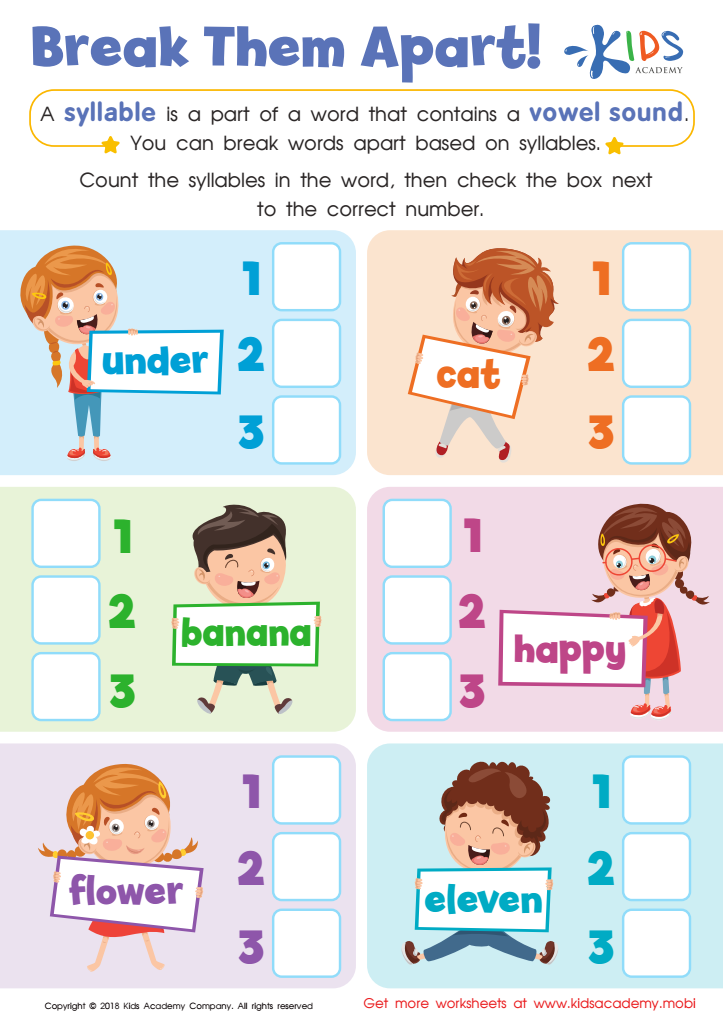
Reading: Break Them Apart Worksheet
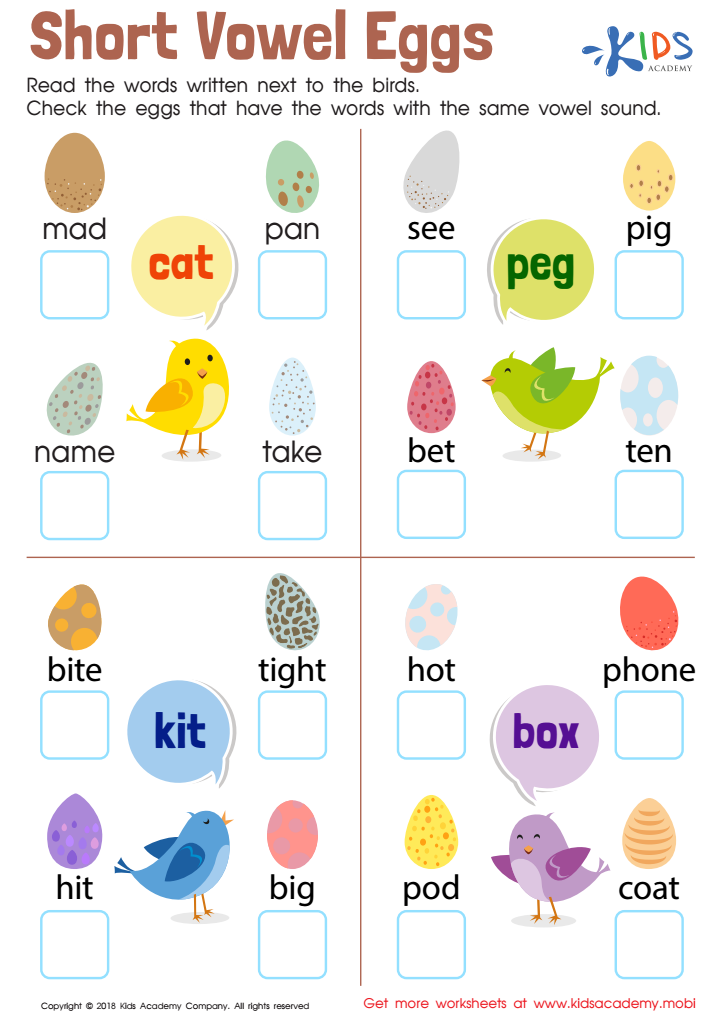
Short Vowel Eggs Worksheet
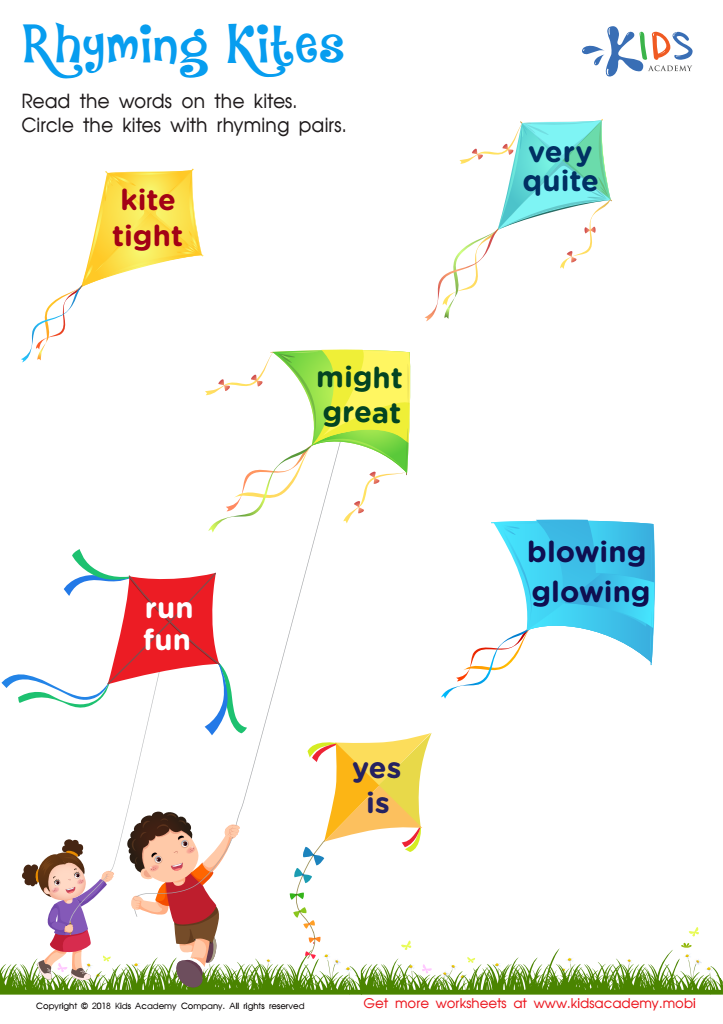
Rhyming Kites Worksheet
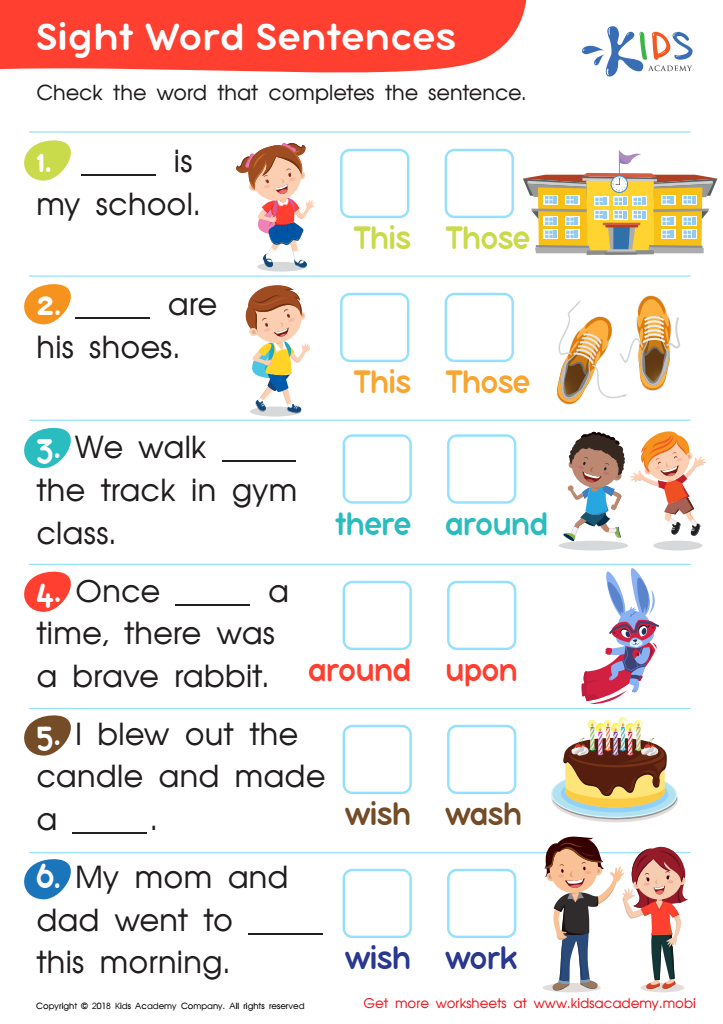
Sight Word Sentences Worksheet
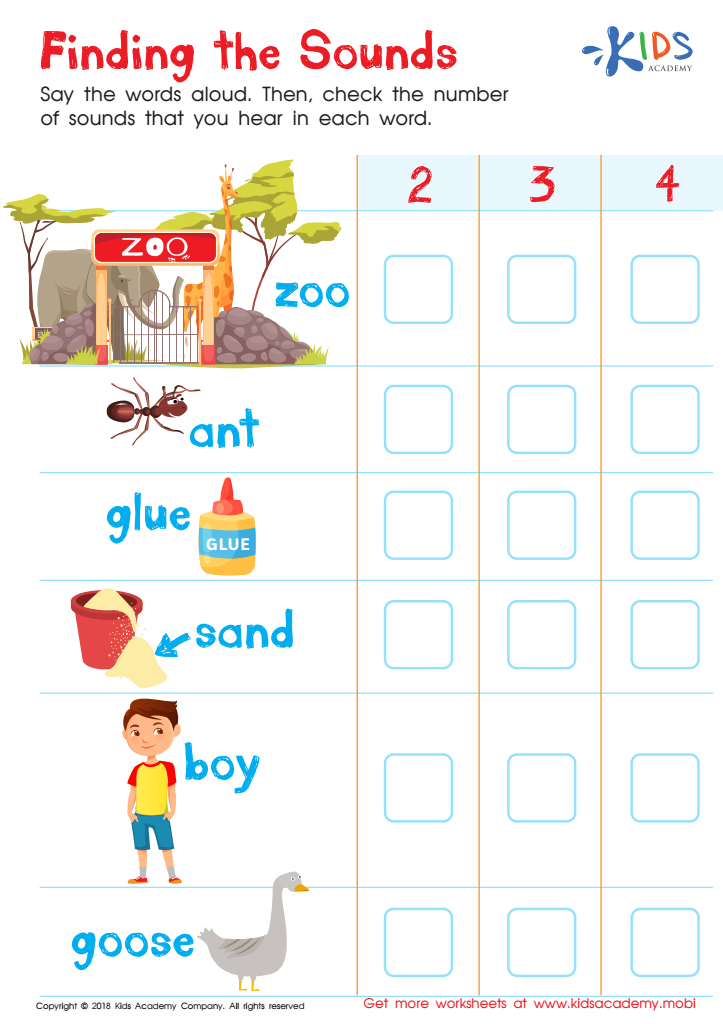
Finding the Sounds Worksheet








Phonics is a vital component of literacy development for children aged 7 to 9, and it's crucial for both parents and teachers to place emphasis on it. At this age, children are transitioning from learning to read to reading to learn. Phonics equips them with the essential skills to decode and sound out words, which fosters their confidence and fluency in reading. This skill set allows them to navigate increasingly complex texts in various subjects, promoting comprehension and critical thinking.
Furthermore, a solid foundation in phonics can have a ripple effect on a child's overall academic performance and self-esteem. Children who struggle with reading may become disengaged, leading to a lack of motivation and diminished classroom participation. By correctly implementing phonics instruction, teachers and parents can help alleviate these challenges and create a positive learning environment.
Additionally, with the integration of digital literacy in contemporary education, a strong grasp of phonics enhances children's ability to tackle online content confidently. Ultimately, prioritizing phonics development creates lifelong readers and learners, setting the stage for future academic success. Therefore, parental support and effective teaching strategies in phonics instruction are essential for nurturing motivated, capable readers during these formative years.







