Space Worksheets for Ages 7-9 - Page 2
39 filtered results
-
From - To
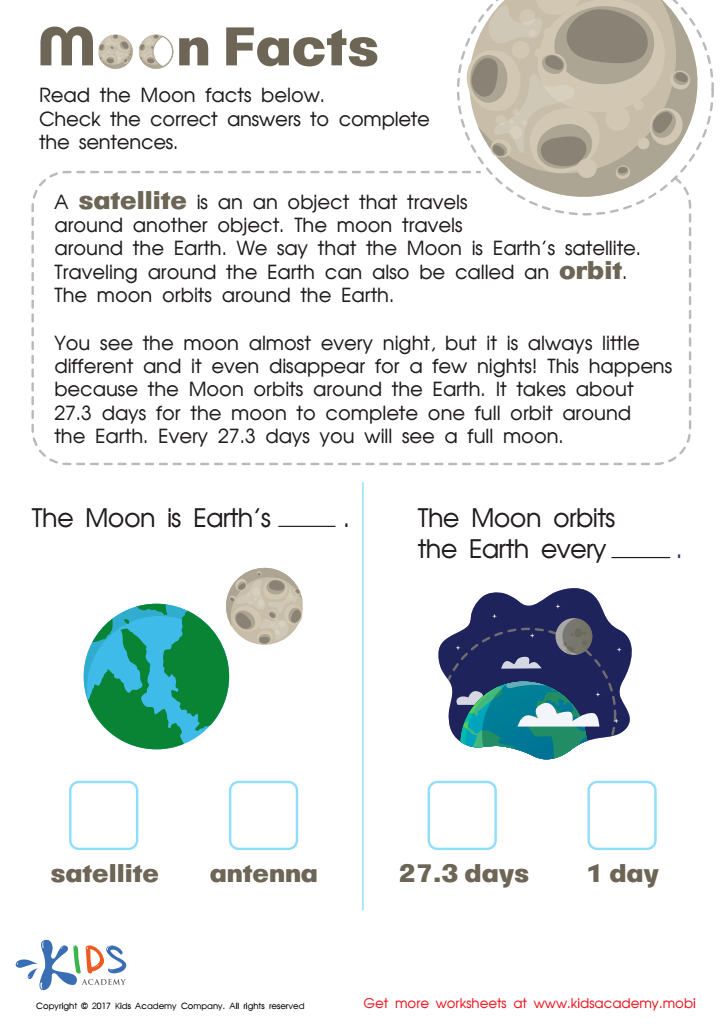
Moon Facts Worksheet
 Assign to My Students
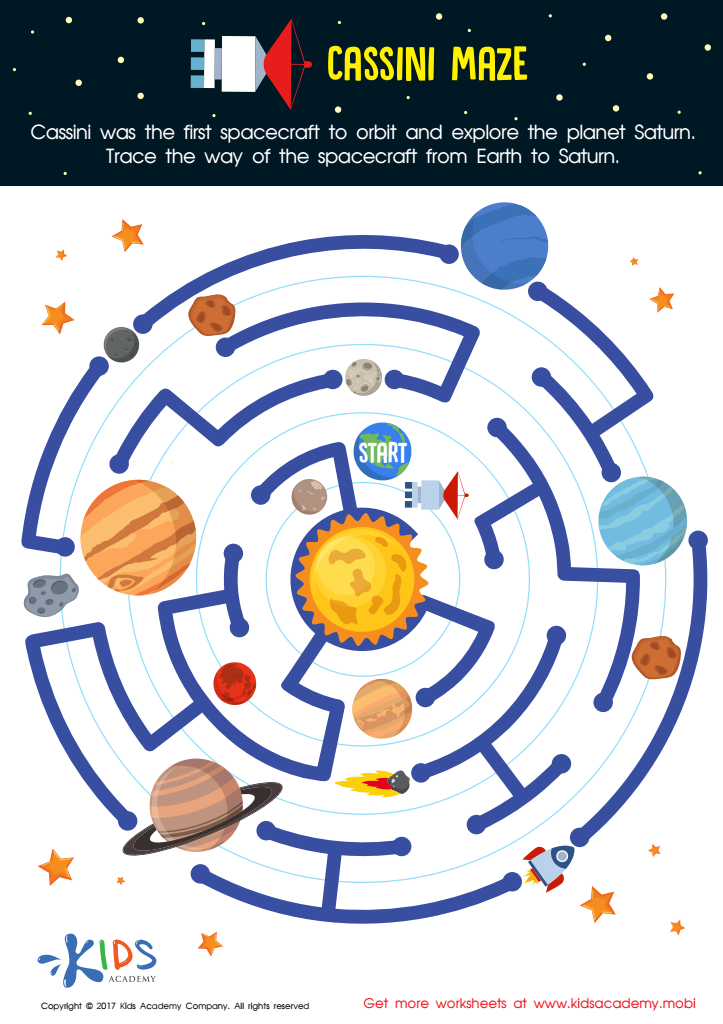
Cassini Printable Worksheet
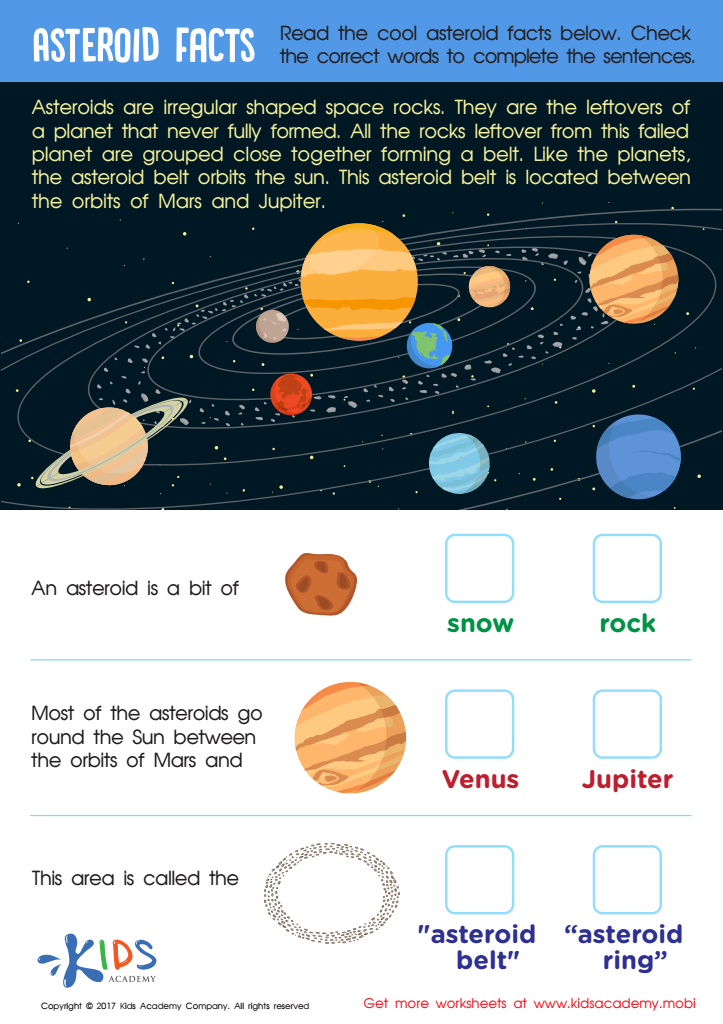
Asteroid Facts Worksheet
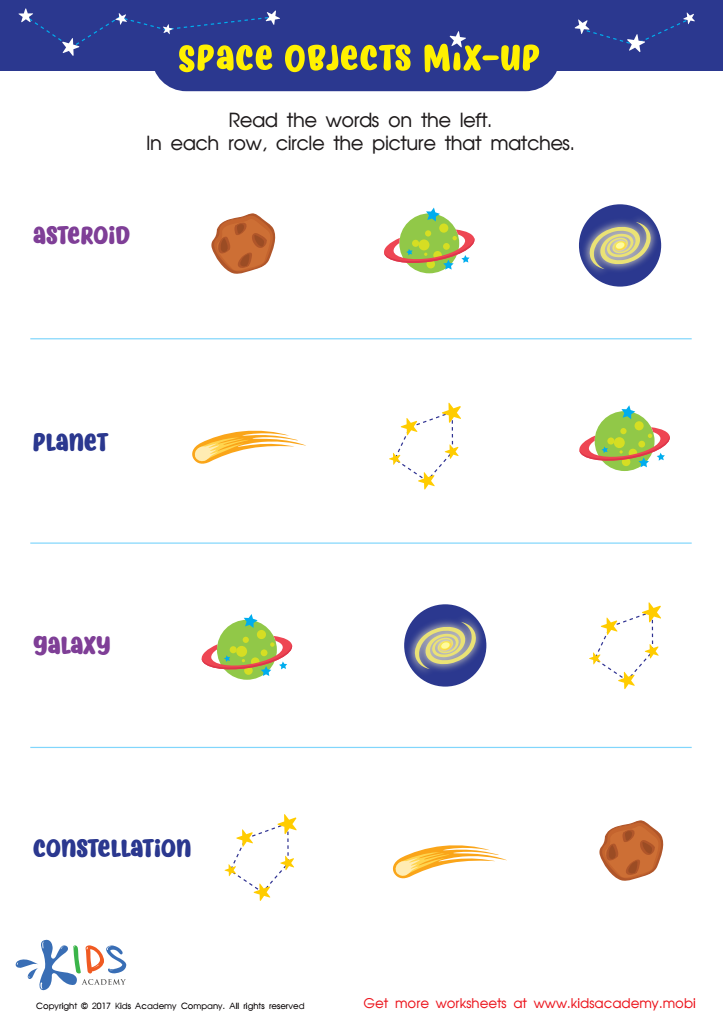
Science: Space Objects Worksheet
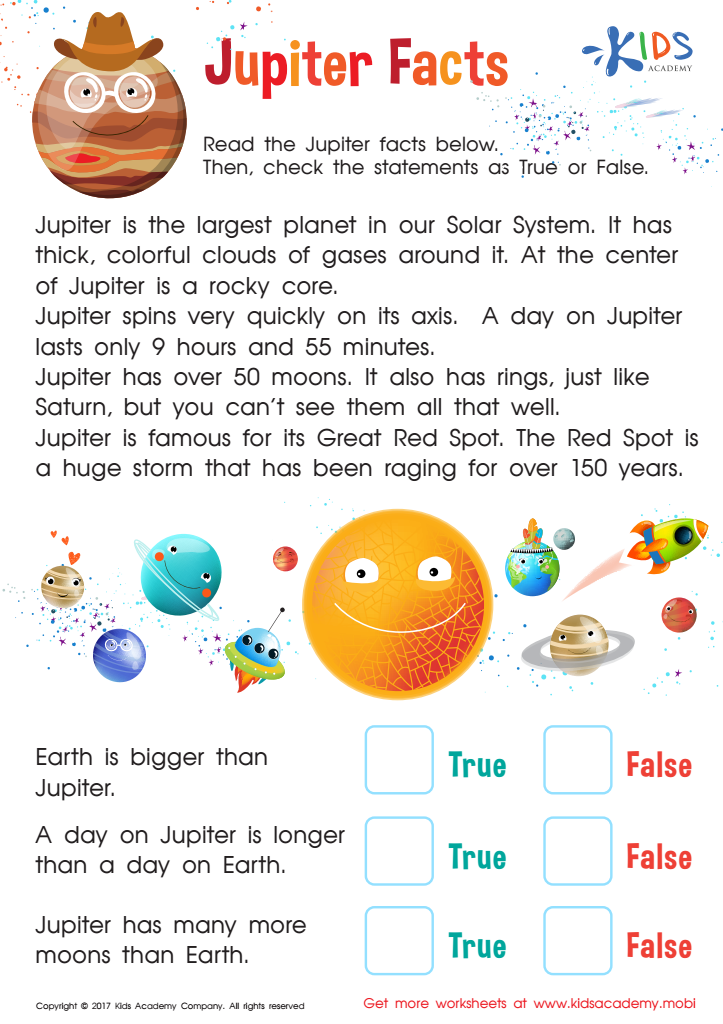
Jupiter Facts Worksheet
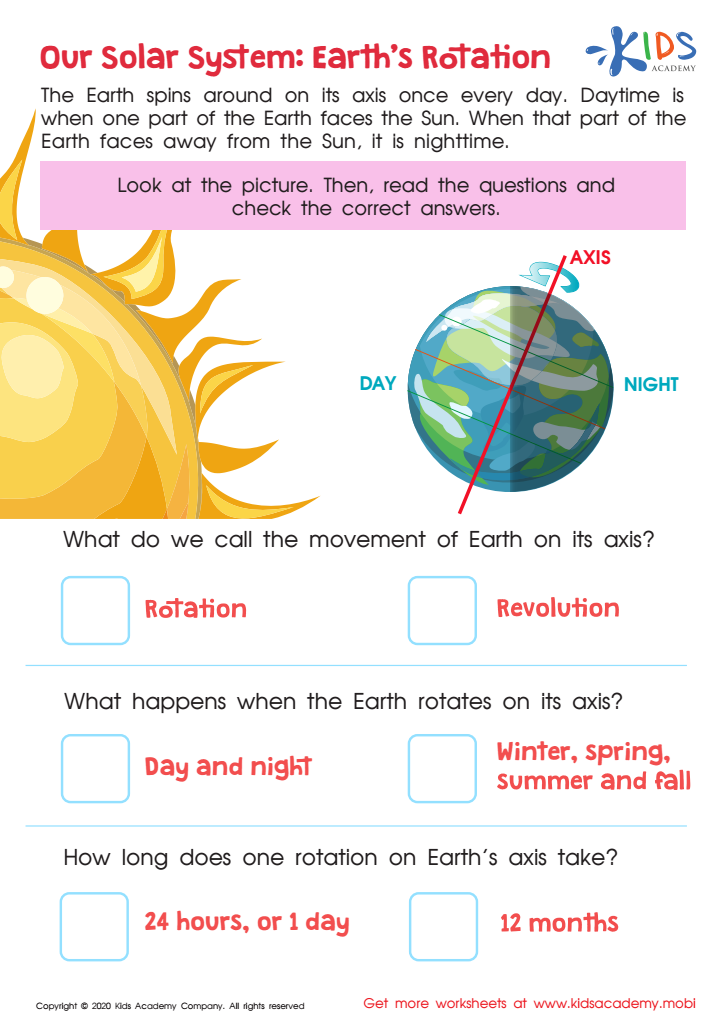
Our Solar System: Earth's Rotation Printable
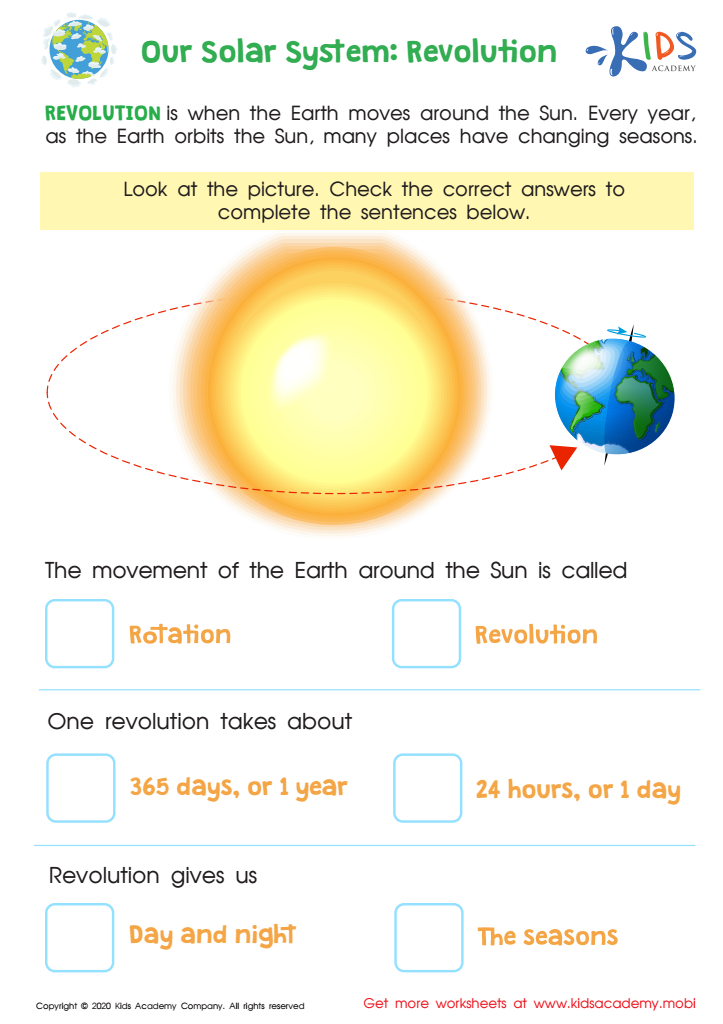
Our Solar System: Revolution Printable
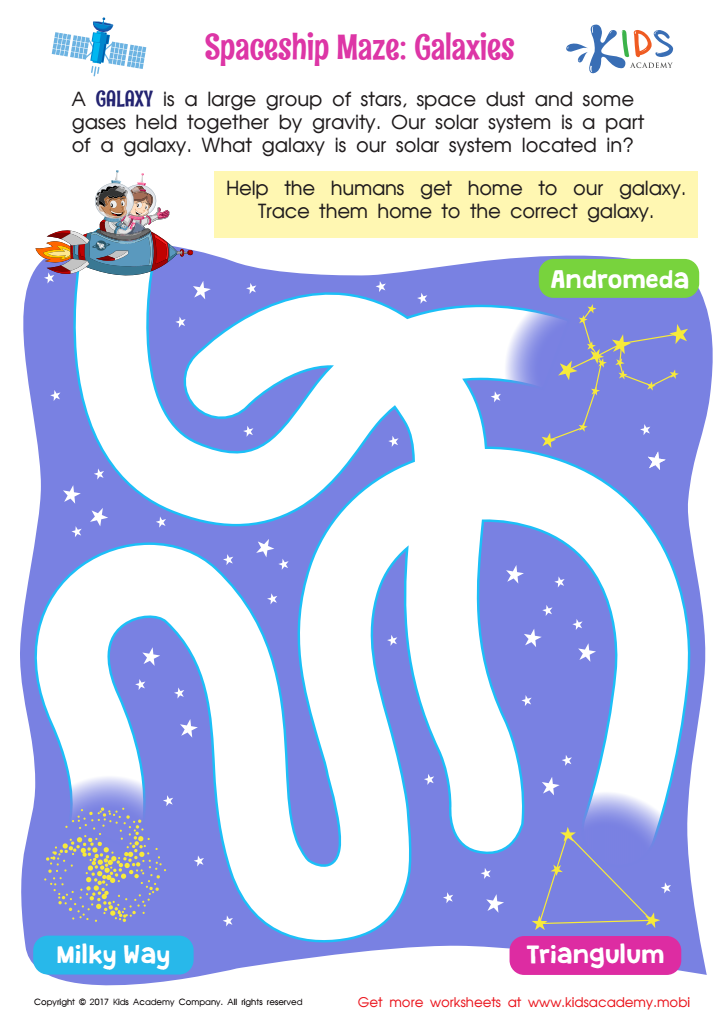
Spaceship Maze: Galaxies Worksheet
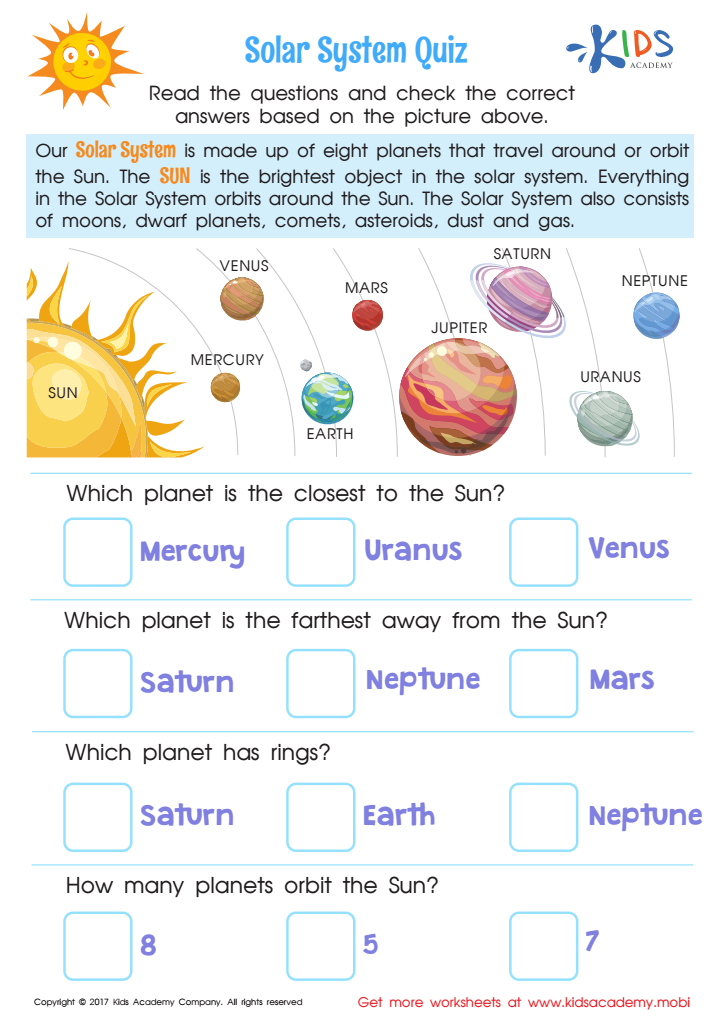
Solar System Quiz Printable
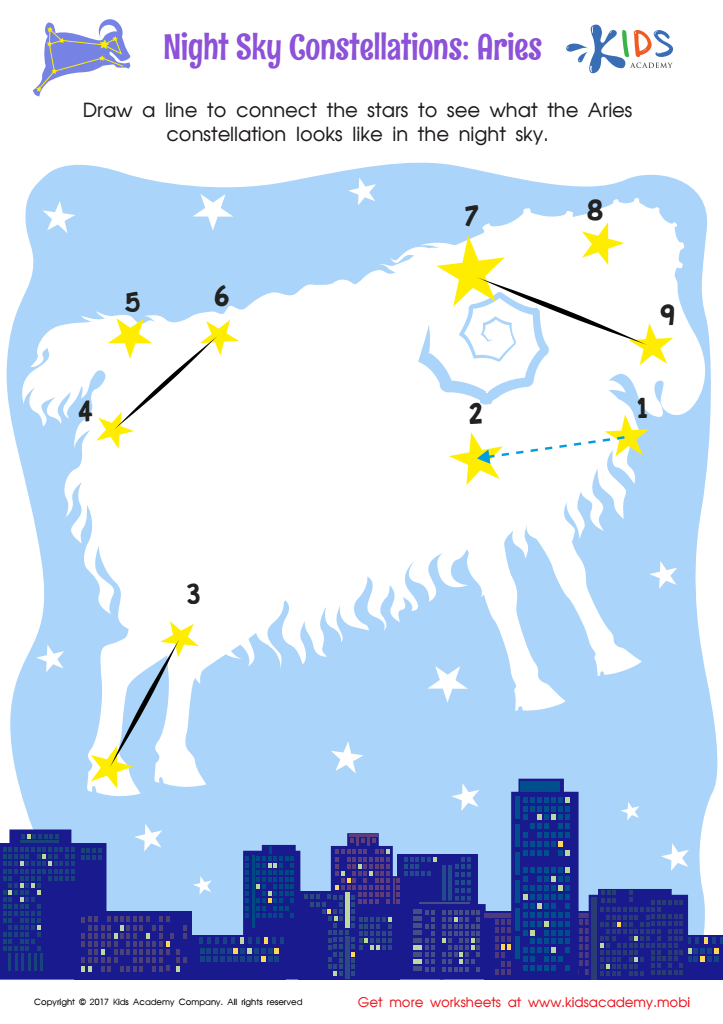
Night Sky Constellations: Aries Worksheet
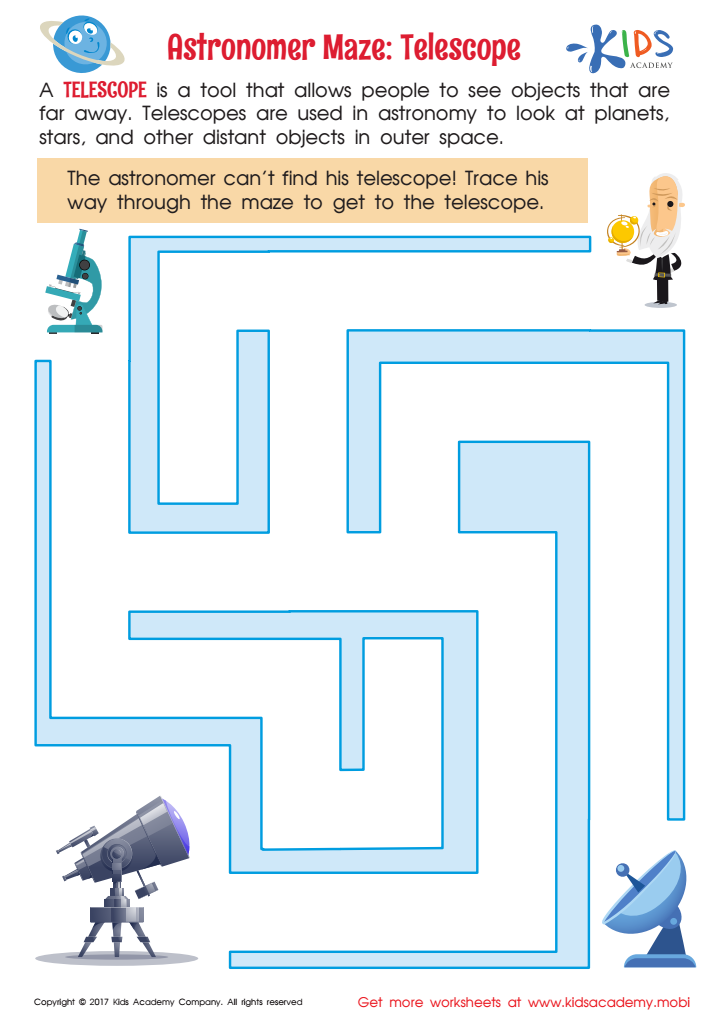
Astronomer Maze: Telescope Worksheet
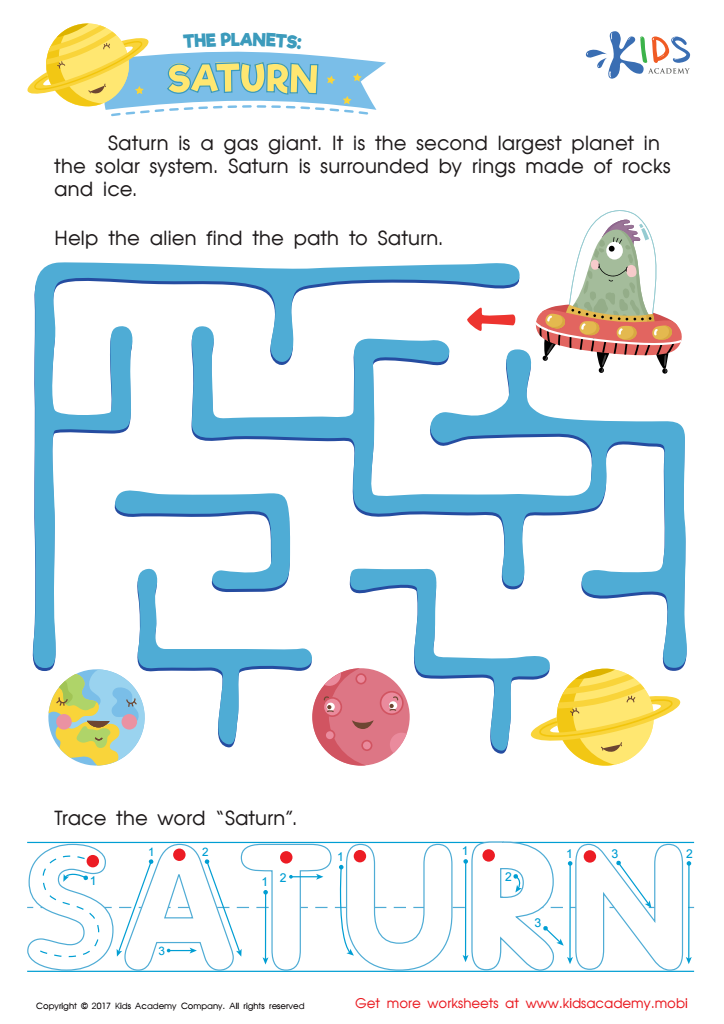
The Planets: Saturn Printable
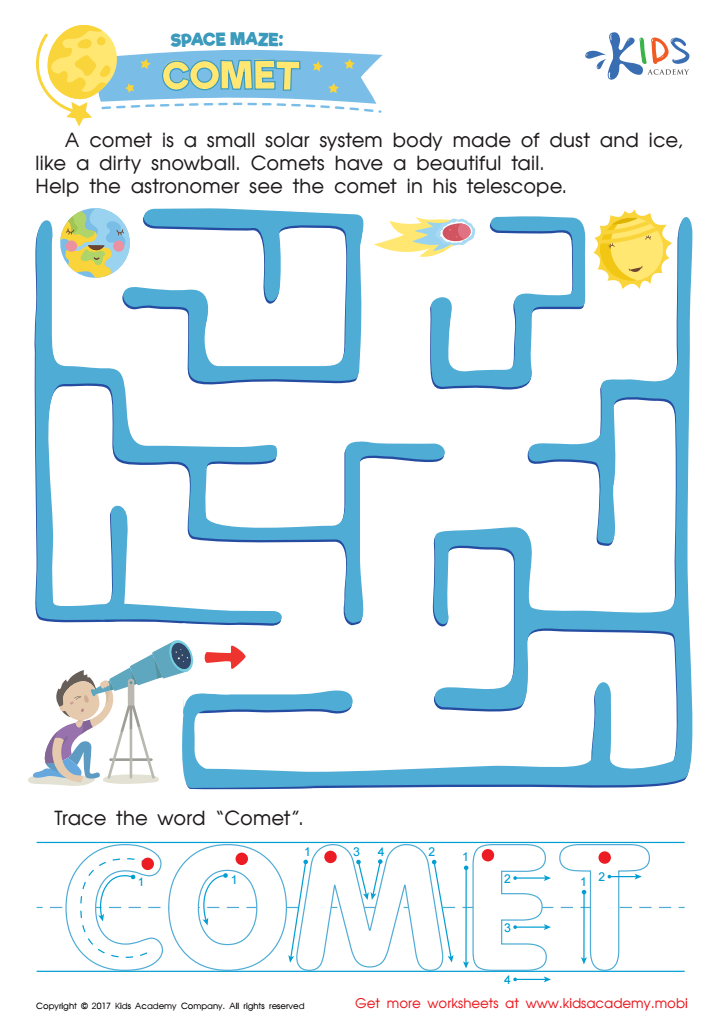






Parents and teachers should care about space for ages 7-9 because this pivotal time in a child's development is marked by curiosity and exploration. At this young age, children naturally ask questions about the world around them and seek to understand their universe. Engaging children in discussions about space can inspire their imagination and foster a love of science, technology, engineering, and mathematics (STEM).
Learning about space promotes critical thinking and problem-solving skills. Kids are captivated by content about planets, stars, and galaxies, enabling educational opportunities that spark discussions and hands-on activities. Simple experiments, like building model rockets or learning about gravity, can make complex concepts tangible and fun.
Furthermore, space education can instill a sense of wonder about our planet and beyond, helping children develop a lifelong appreciation for exploration and discovery. It also encourages teamwork, as group projects allow children to collaborate and share ideas. Understanding our universe can ignite their passion for potential careers in aerospace, research, or technology. By investing time in space education, parents and teachers help cultivate tomorrow's innovators and explorers, nurturing their curiosity while broadening their worldview. Space is where imagination meets education!







