Normal 2D Shapes Worksheets for Ages 3-8 - Page 2
33 filtered results
-
From - To
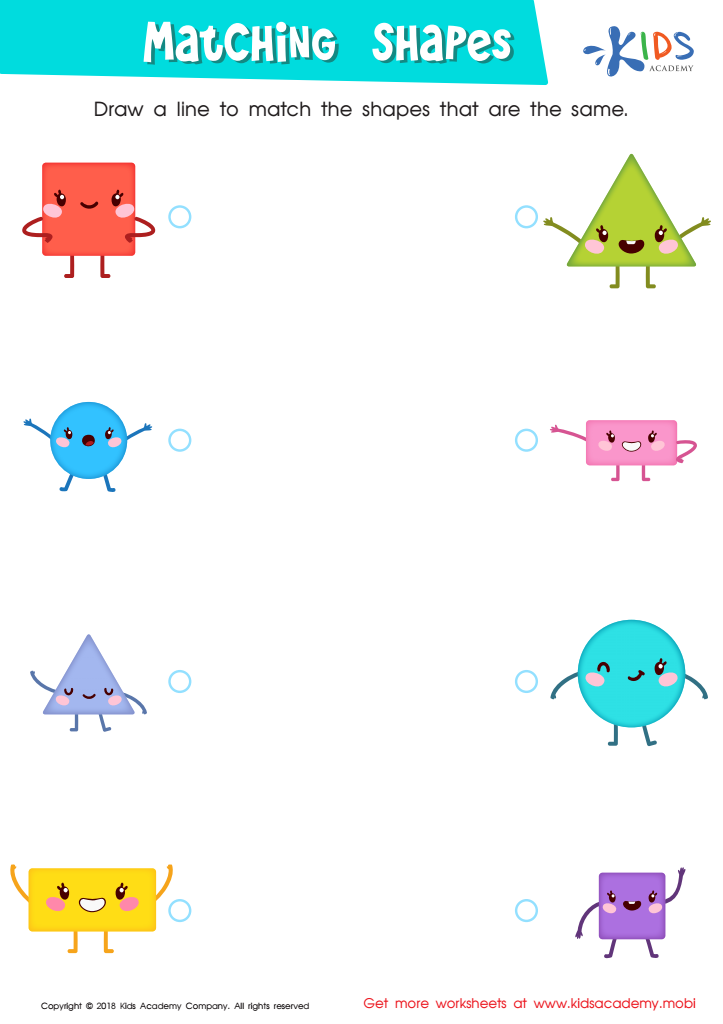
Matching Shapes Worksheet
 Assign to My Students


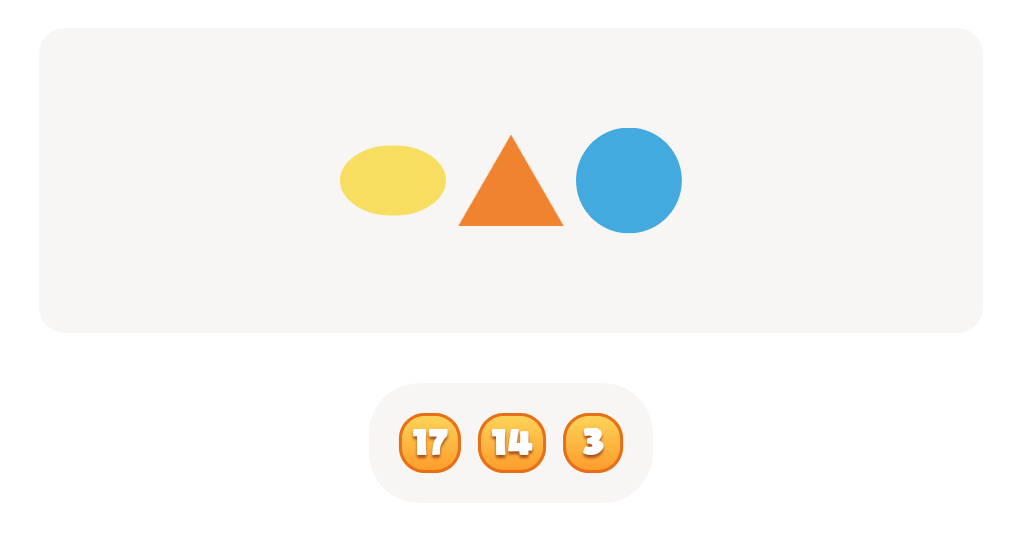
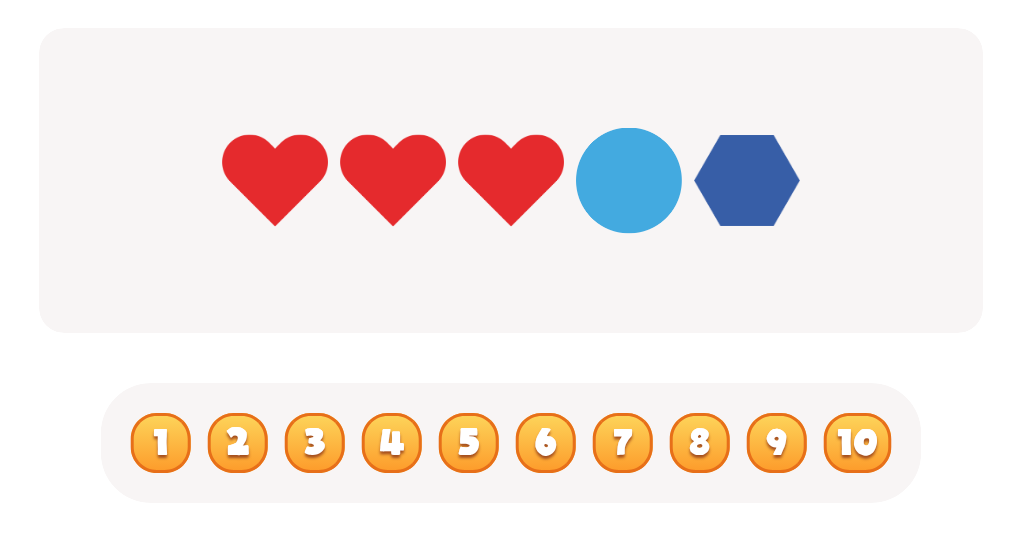
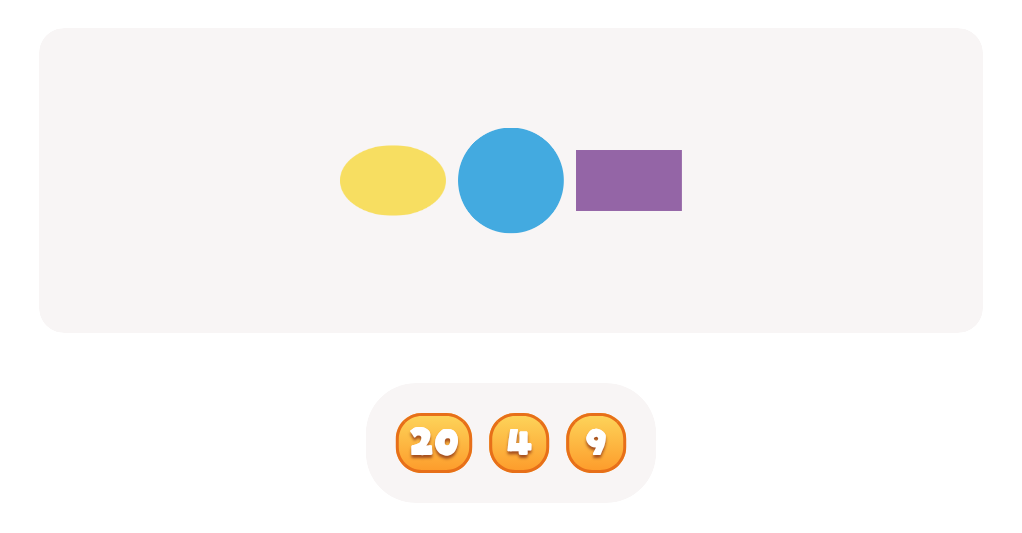
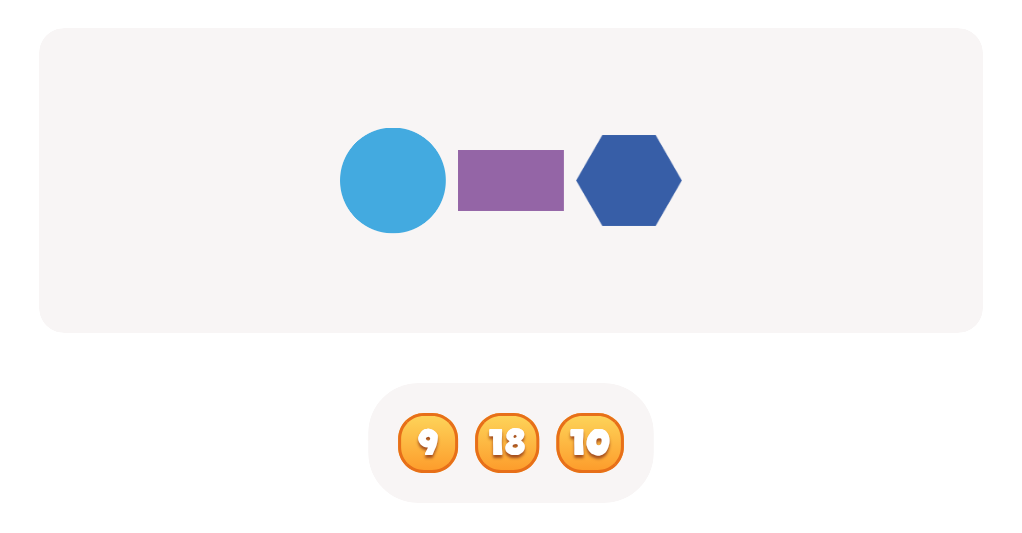
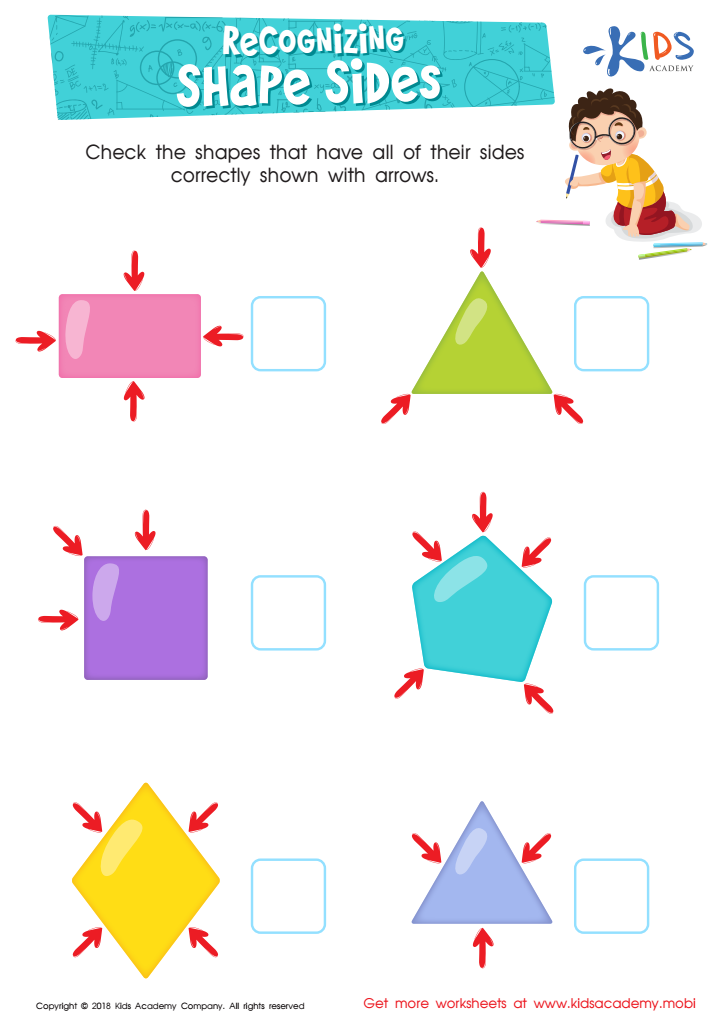
Recognizing Shape Sides Worksheet
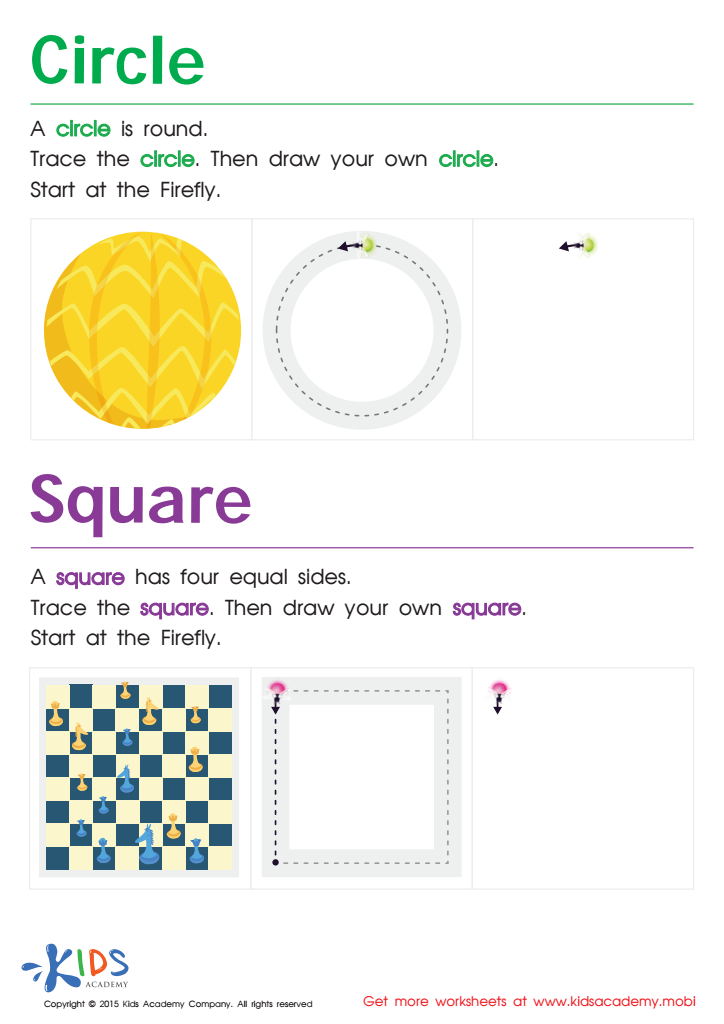
Trace And Draw a Circle And a Square Worksheet
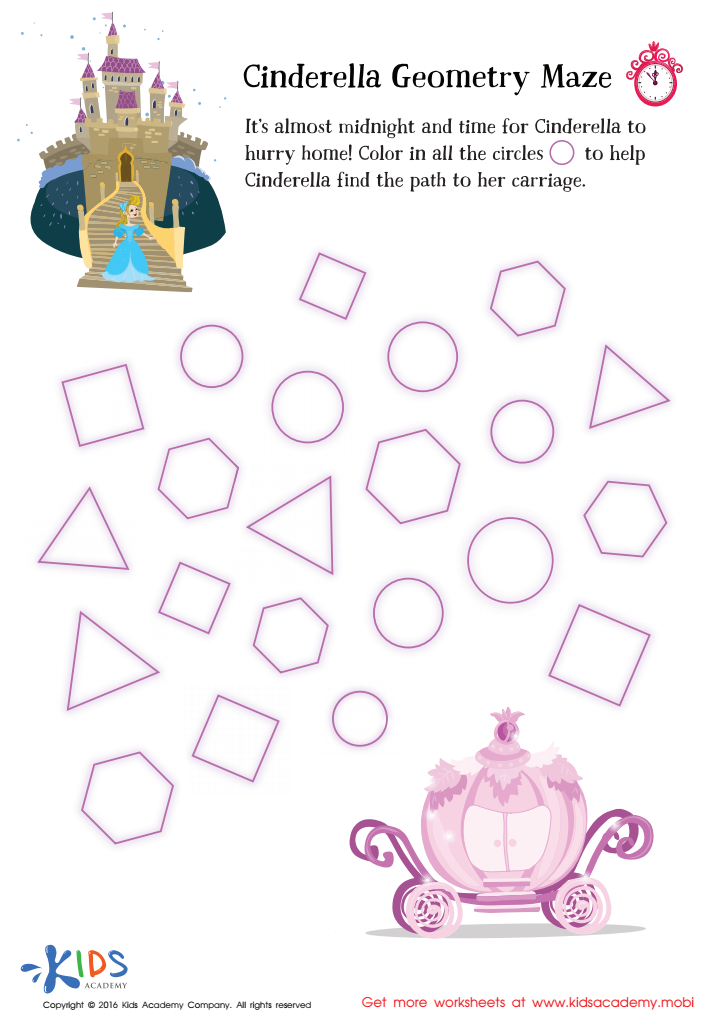
Cinderella Geometry Maze Worksheet
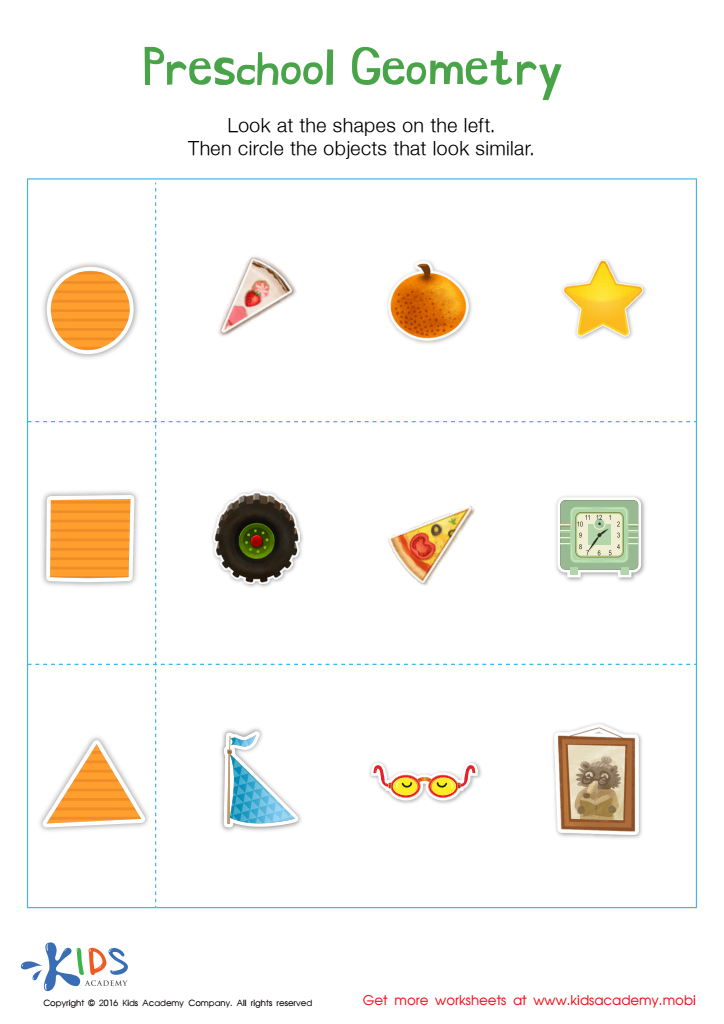
Preschool Geometry Match Up Worksheet
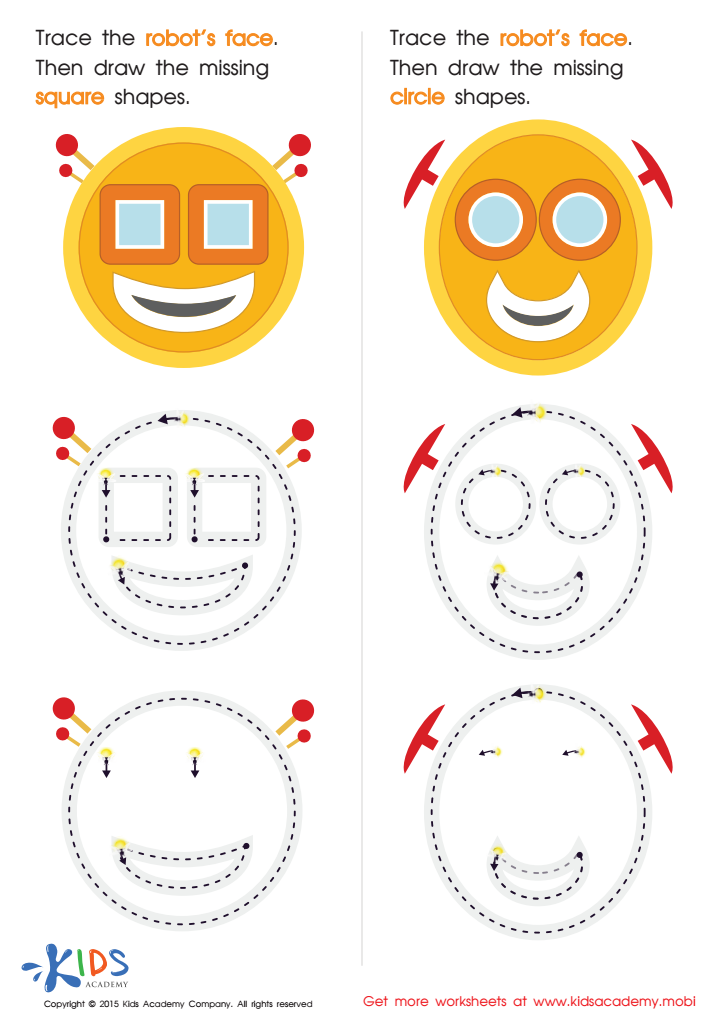
Practicing to Draw Circles And Squares Printable
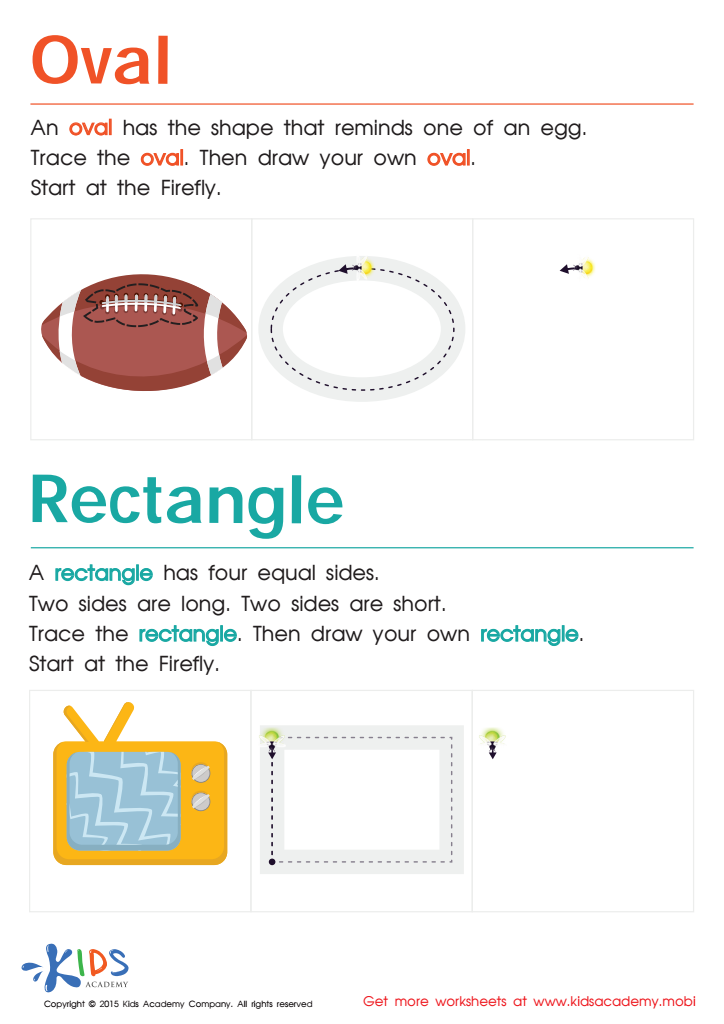
Easy Drawing of Ovals And Rectangles Worksheet
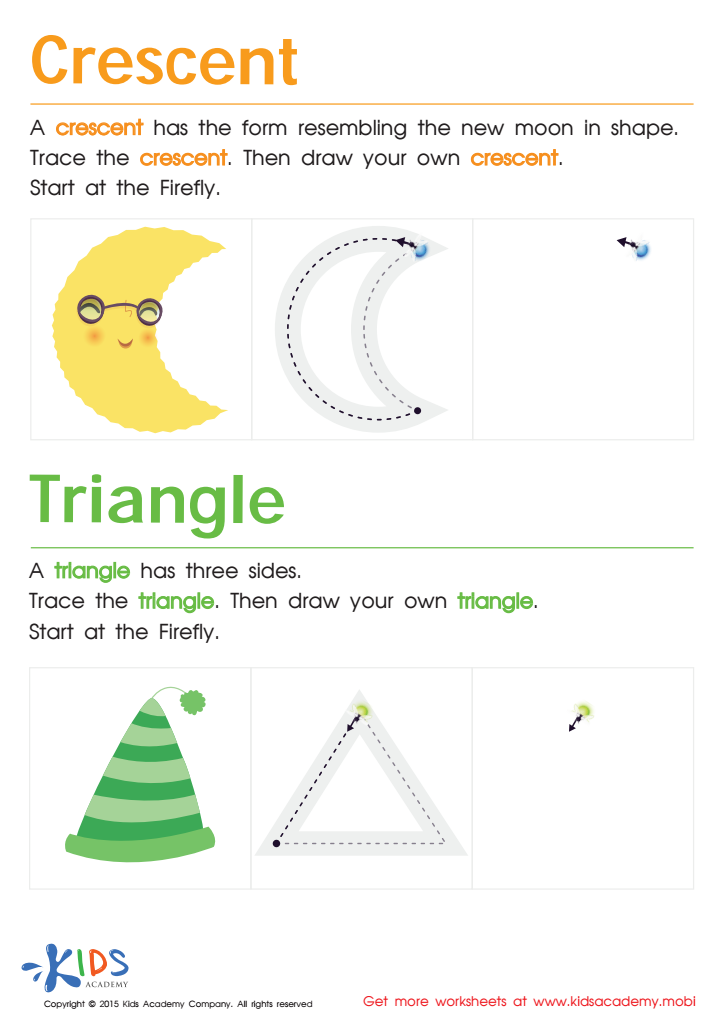
Learning to Draw Crescents And Triangles Worksheet
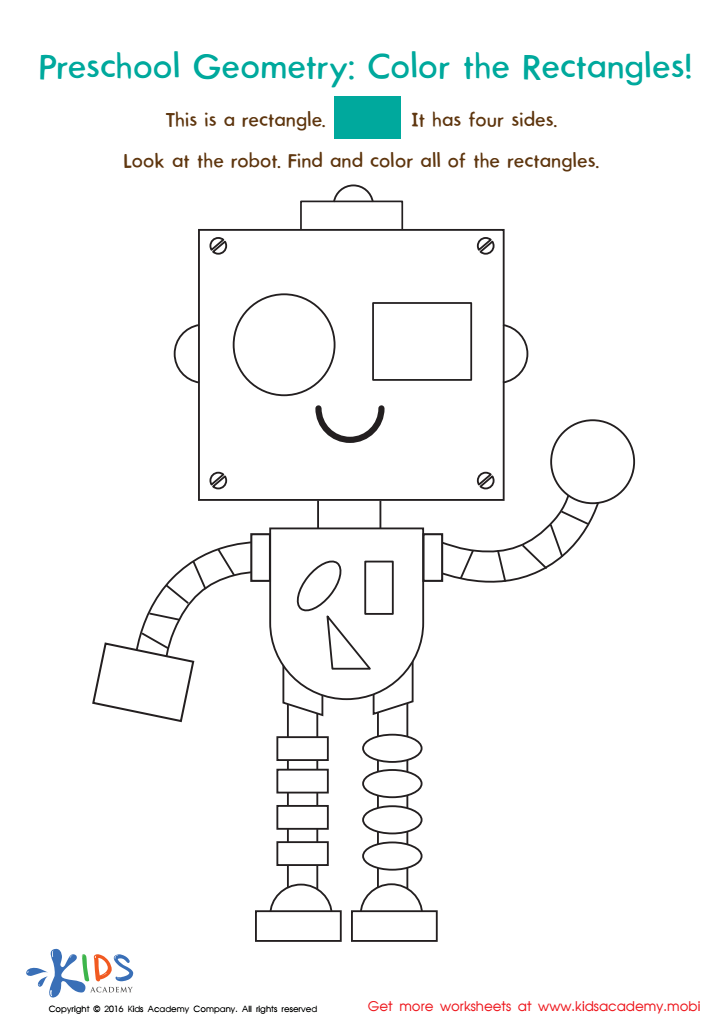
Geometry Worksheet








Understanding normal 2D shapes is crucial for children aged 3-8 as it forms the foundation of their spatial awareness and cognitive development. At this stage, children are naturally curious, and introducing shapes can foster their observational skills and creativity. Recognizing and naming common shapes—like circles, squares, triangles, and rectangles—helps children categorize the world around them.
Parents and teachers should care about shapes because they enhance problem-solving and critical thinking skills. Activities involving shapes can improve fine motor skills through drawing, cutting, and constructing, making learning both fun and practical. Furthermore, recognizing shapes aids in mathematics, paving the way for more complex concepts, like geometry, later on.
Shapes also play a significant role in language development. Discussing and describing shapes encourages vocabulary expansion and communication skills. Additionally, incorporating shapes into everyday activities, such as cooking or play, makes learning contextual, engaging, and relatable.
In summary, highlighting normal 2D shapes at an early age not only enriches children’s learning experiences but lays the groundwork for future academic success and real-world problem-solving skills. It's an essential building block in their holistic development.