Normal Math Worksheets for Ages 3-8 - Page 16
545 filtered results
-
From - To
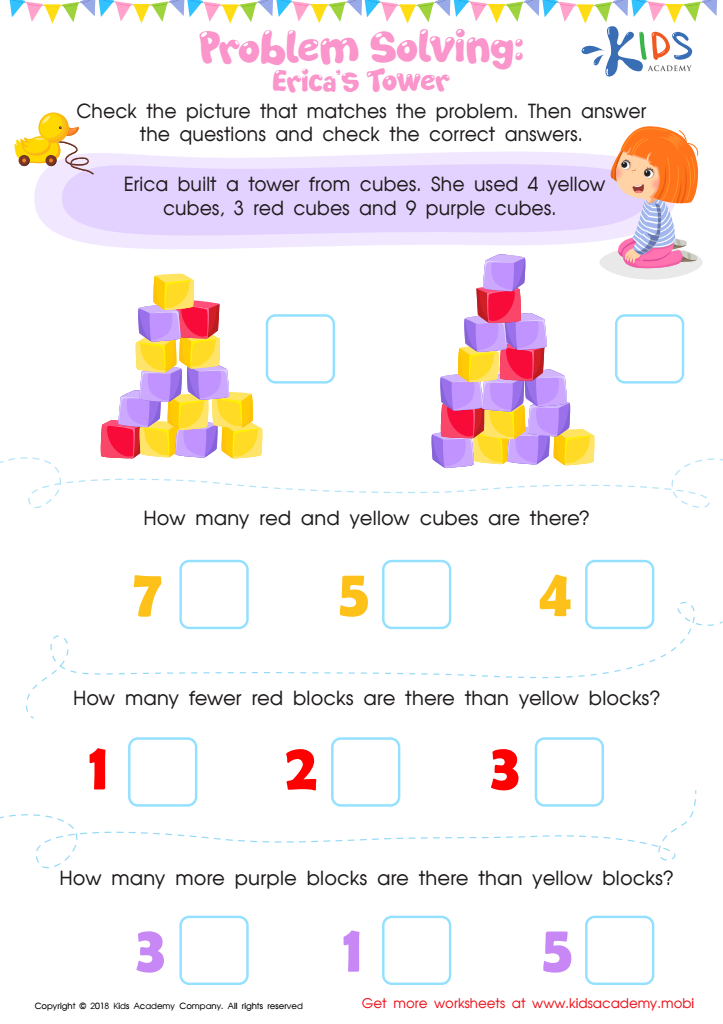
Problem Solving: Erica's Tower Worksheet
 Assign to My Students
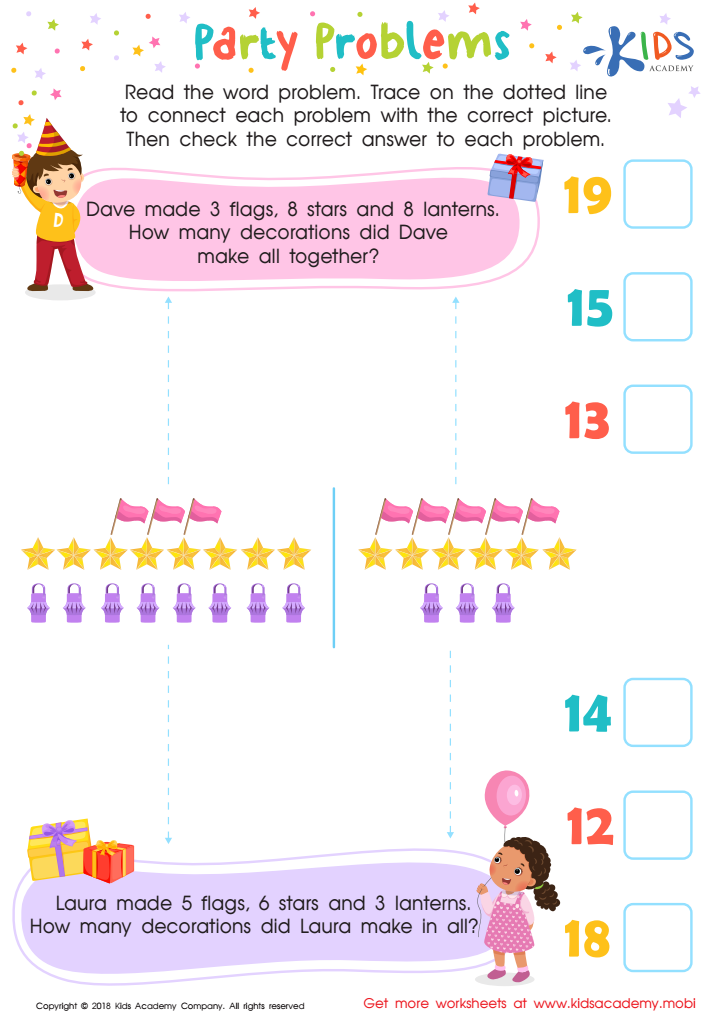
Party Problems Worksheet
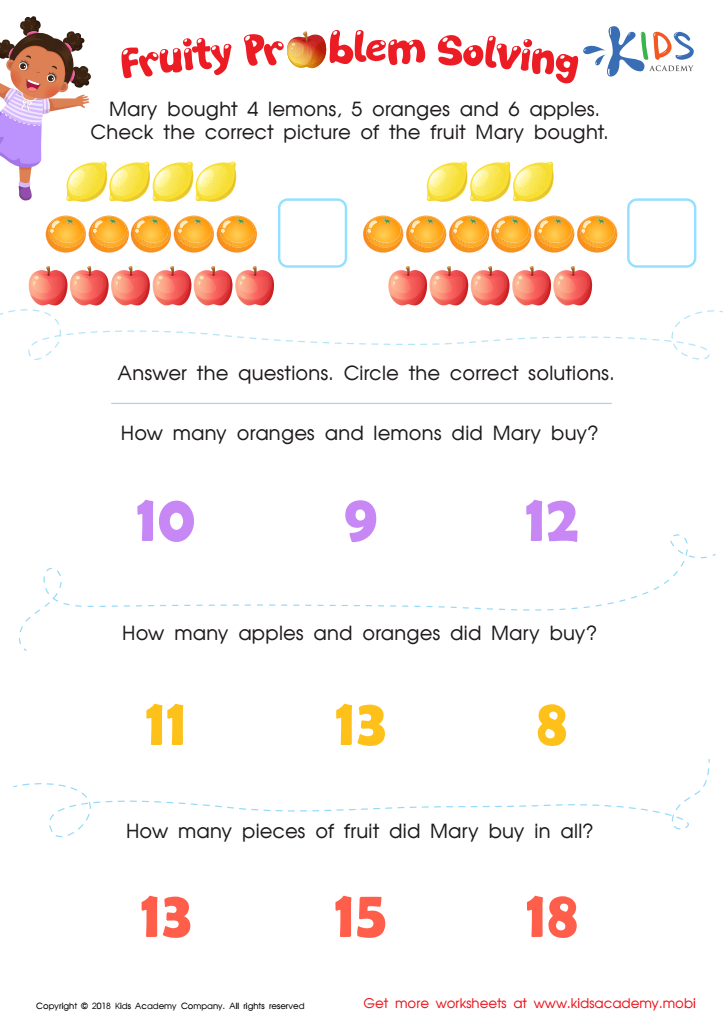
Fruity Problem Solving Worksheet
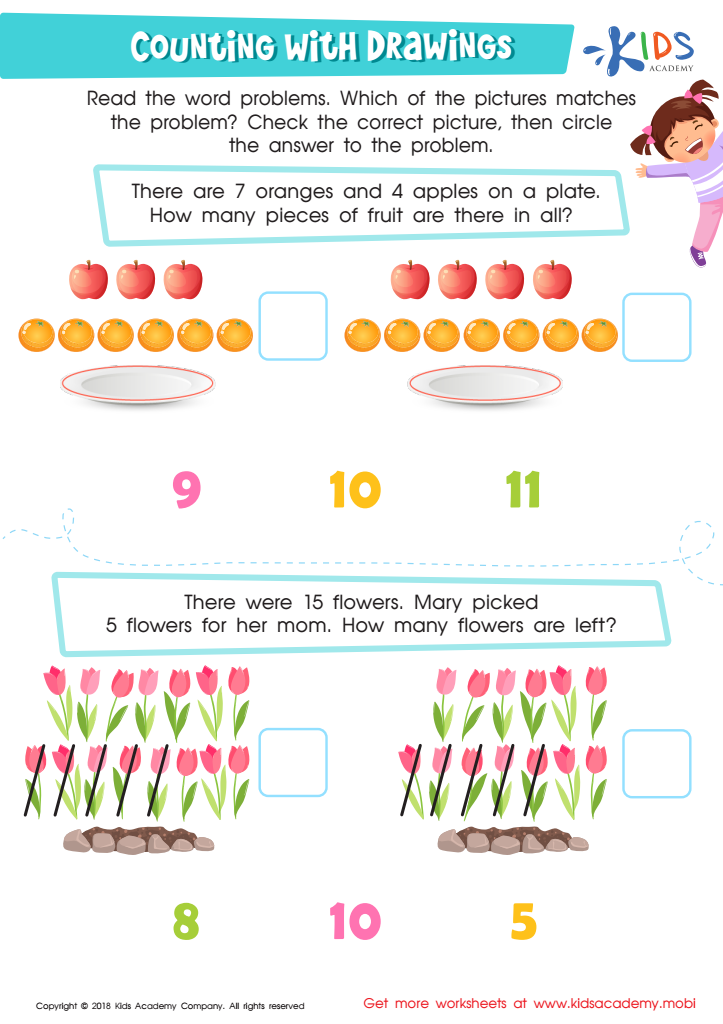
Counting with Drawings: Fruits & Chocolates Worksheet
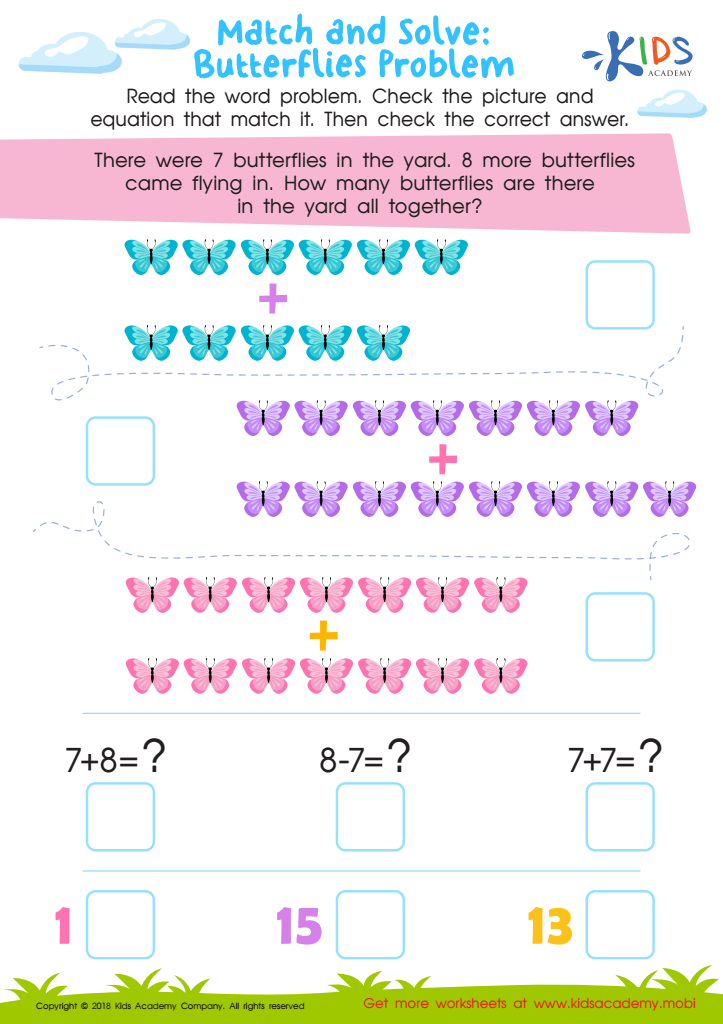
Match and Solve: Butterfly Problem Worksheet
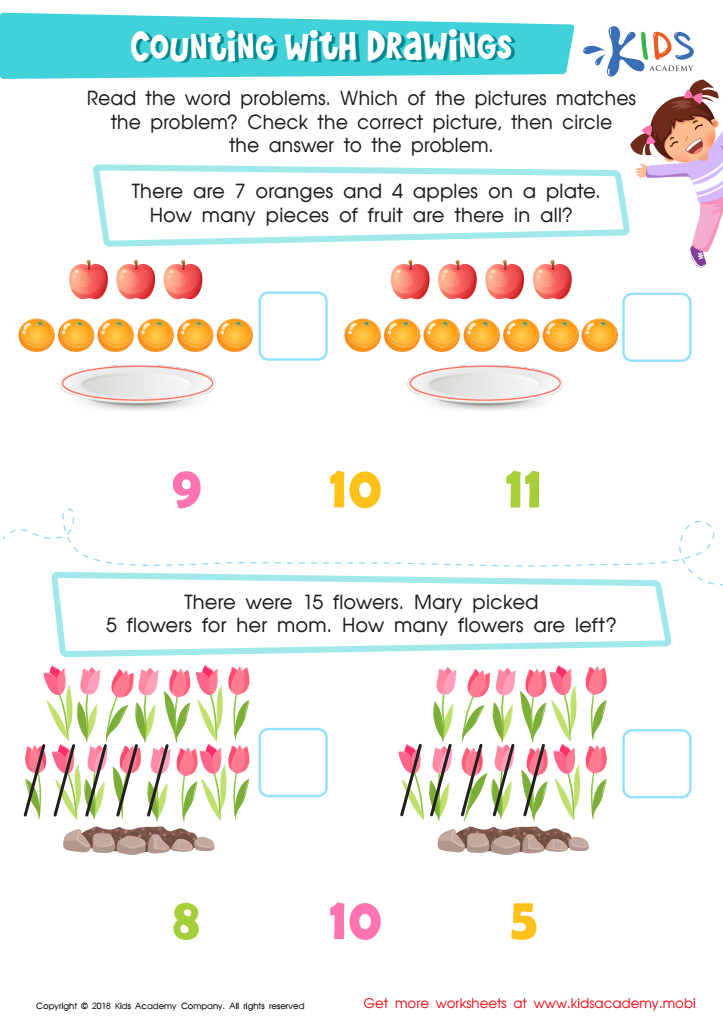
Counting with Drawings:Fruits & Flowers Worksheet
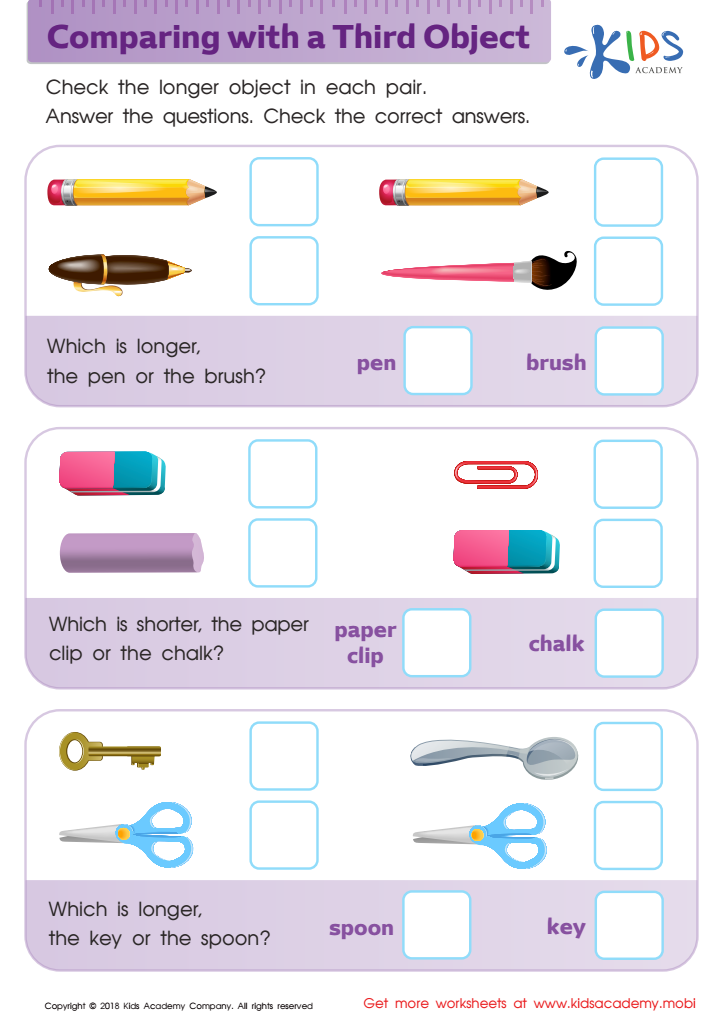
Comparing with a Third Object Worksheet
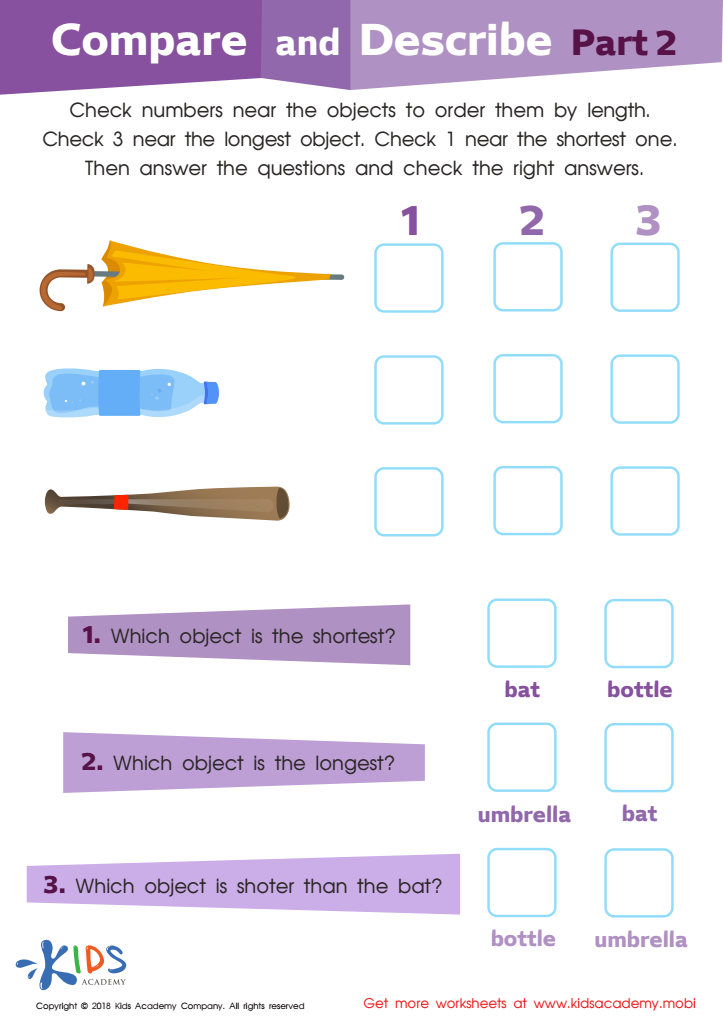
Compare and Describe: Part 2 Worksheet
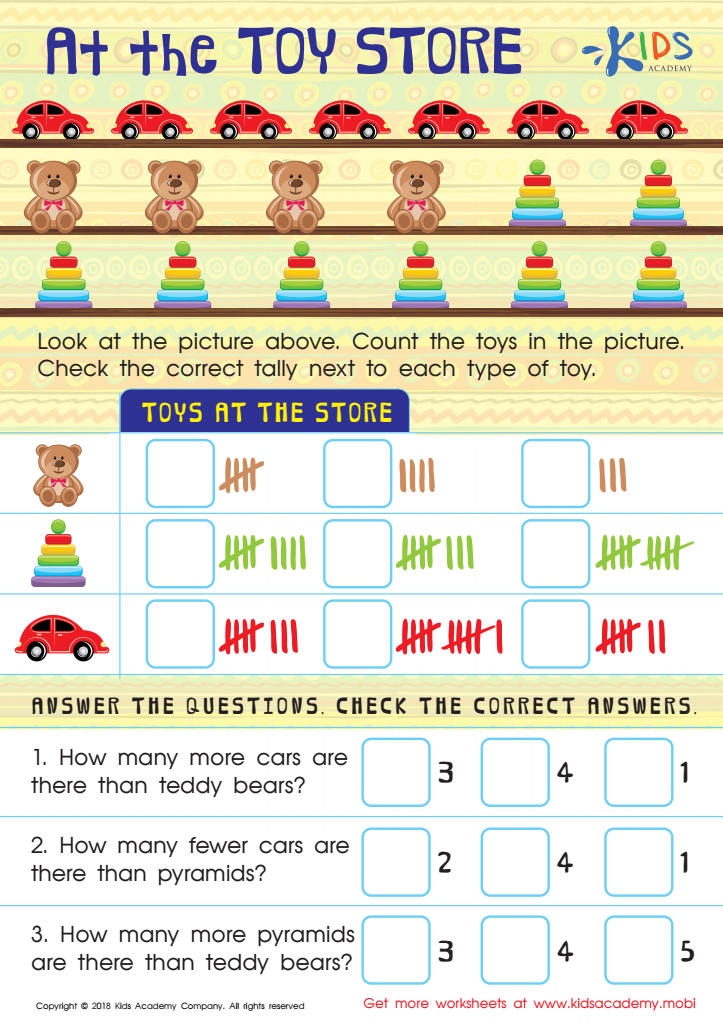
Tally Chart: At the Toy Store Worksheet
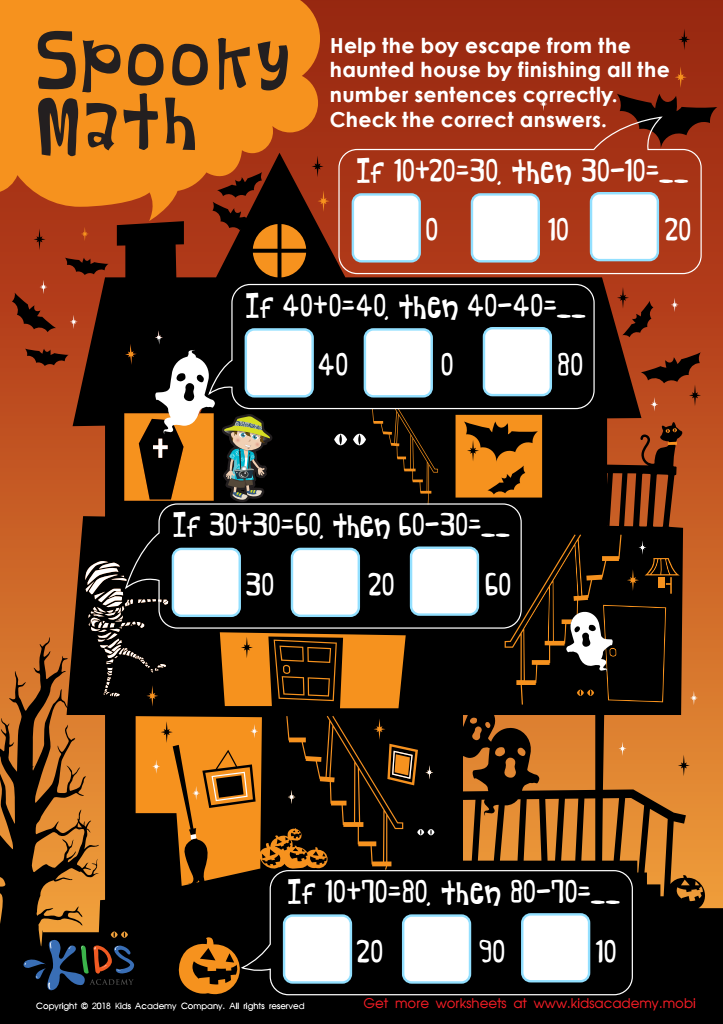
Subtract Tens: Spooky Math Worksheet
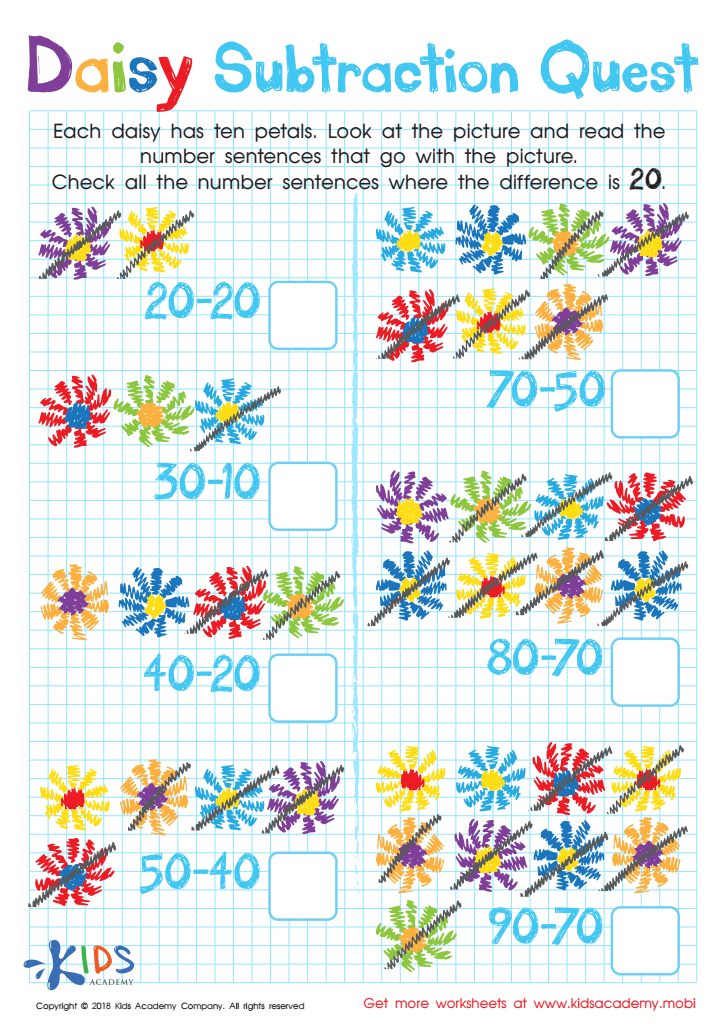
Daisy Subtraction Quest Worksheet
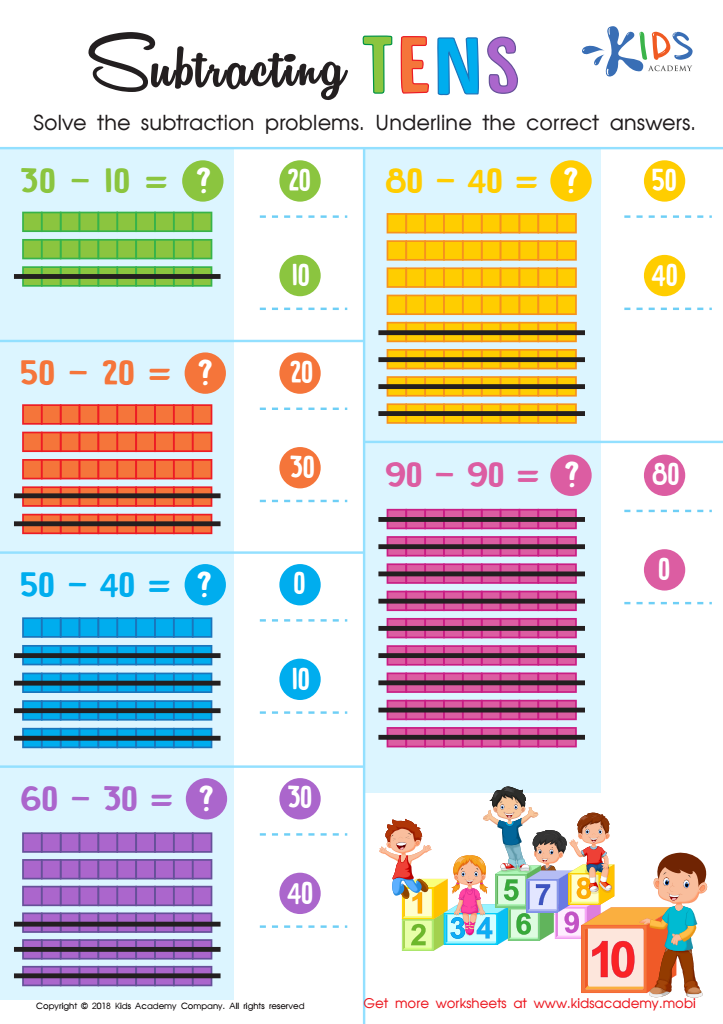
Subtracting Tens Worksheet
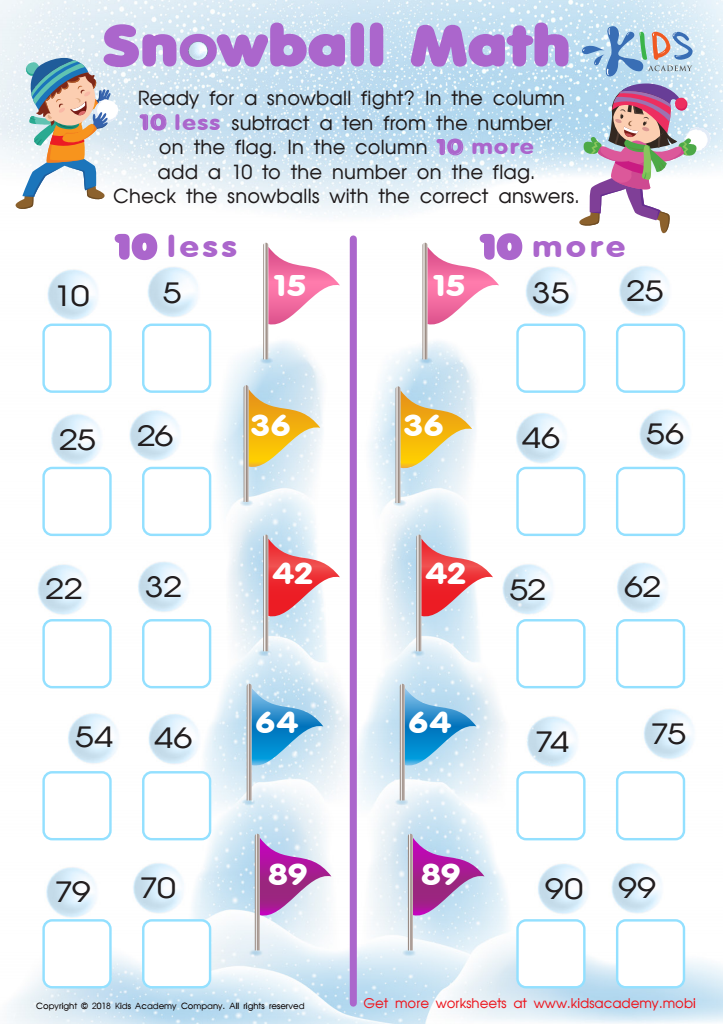
Snowball Math Worksheet
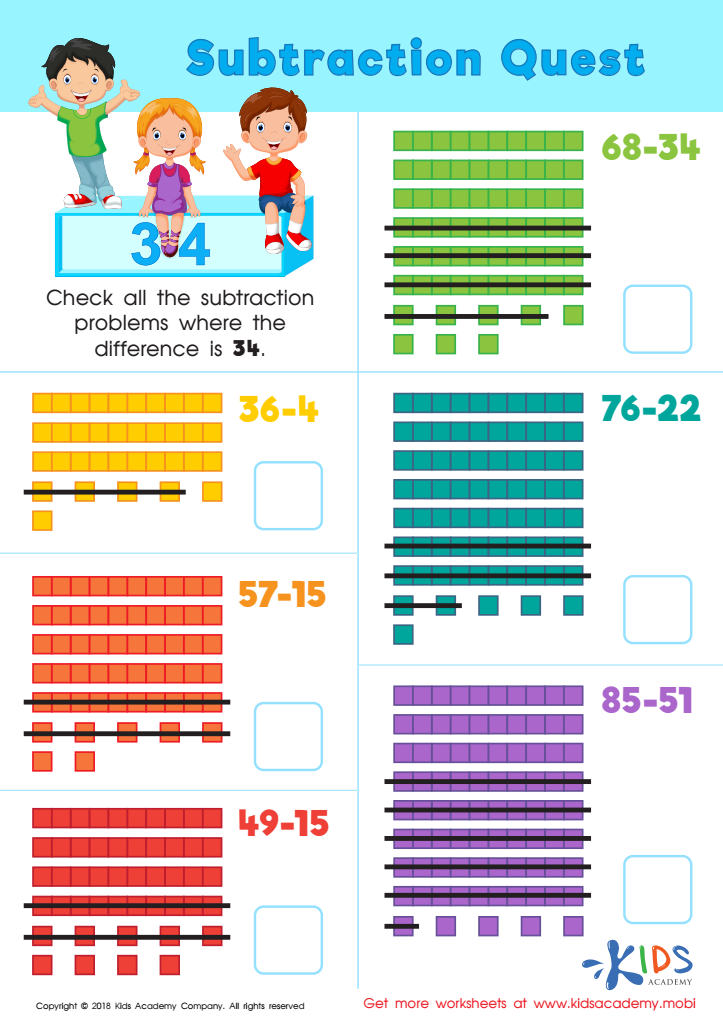
Subtraction Quest Worksheet
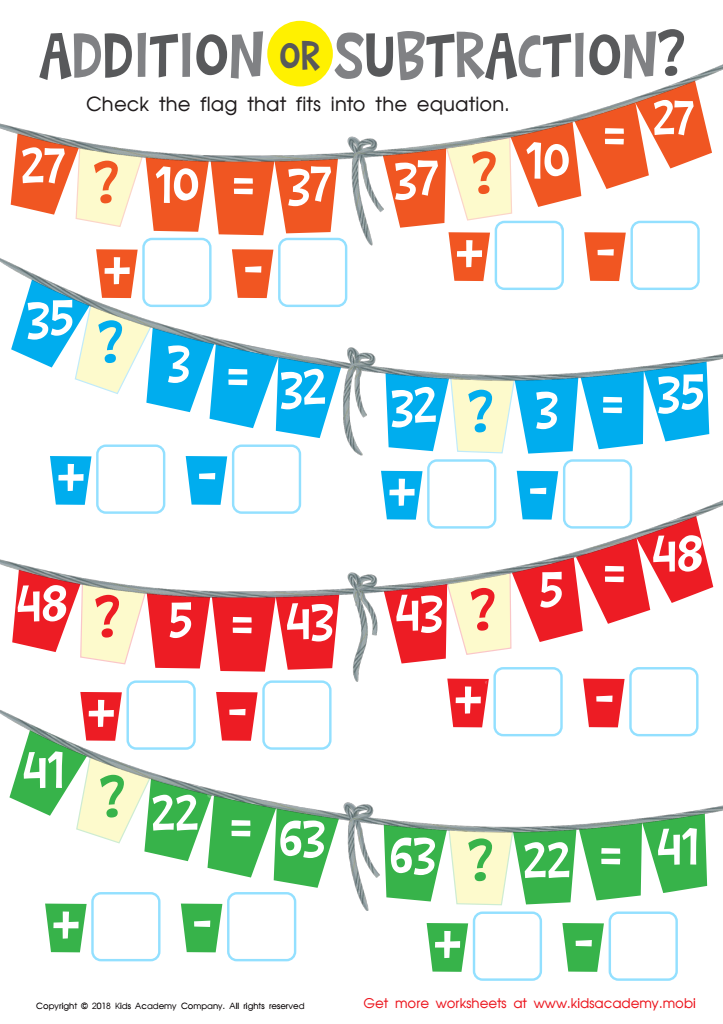
Addition or Subtraction? Worksheet
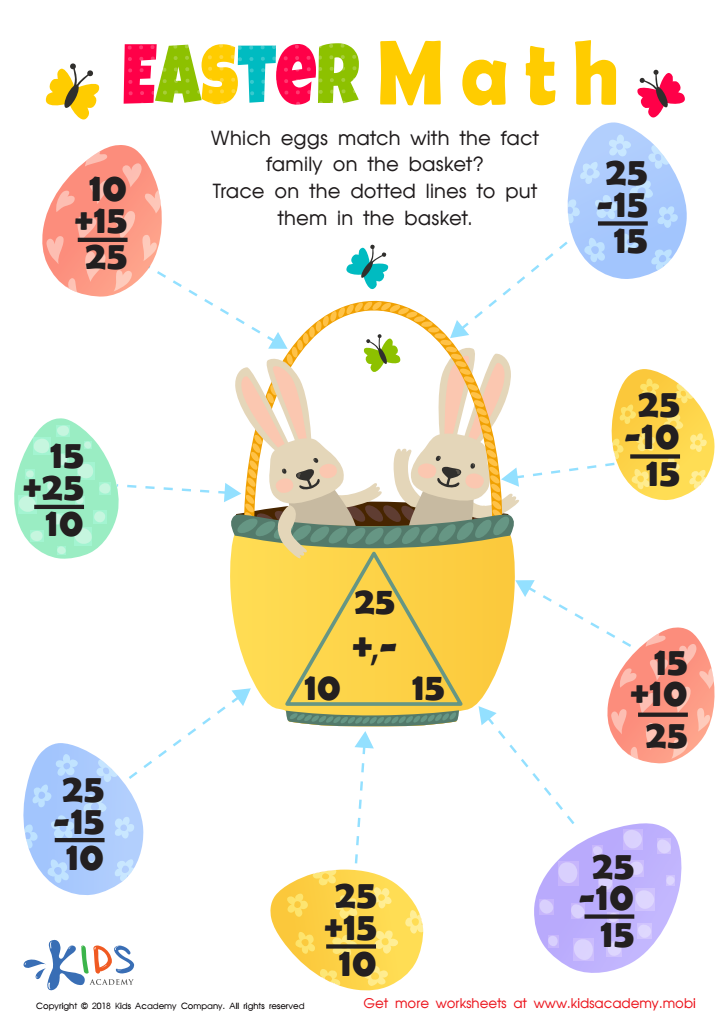
Fact Families: Easter Math Worksheet
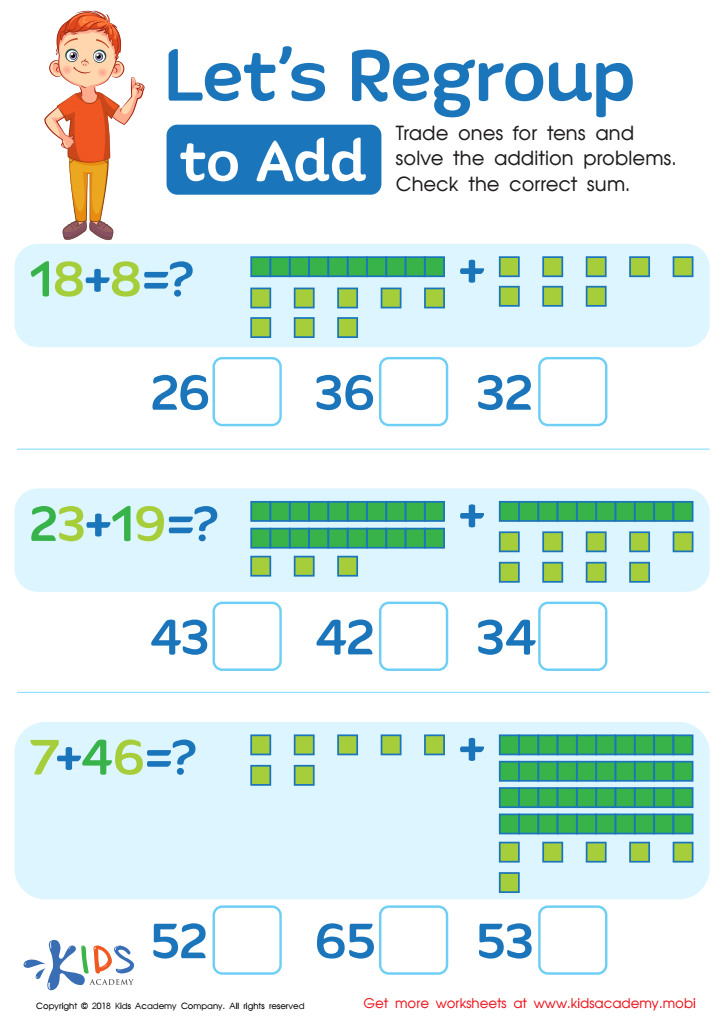
Let's Regroup to Add Worksheet
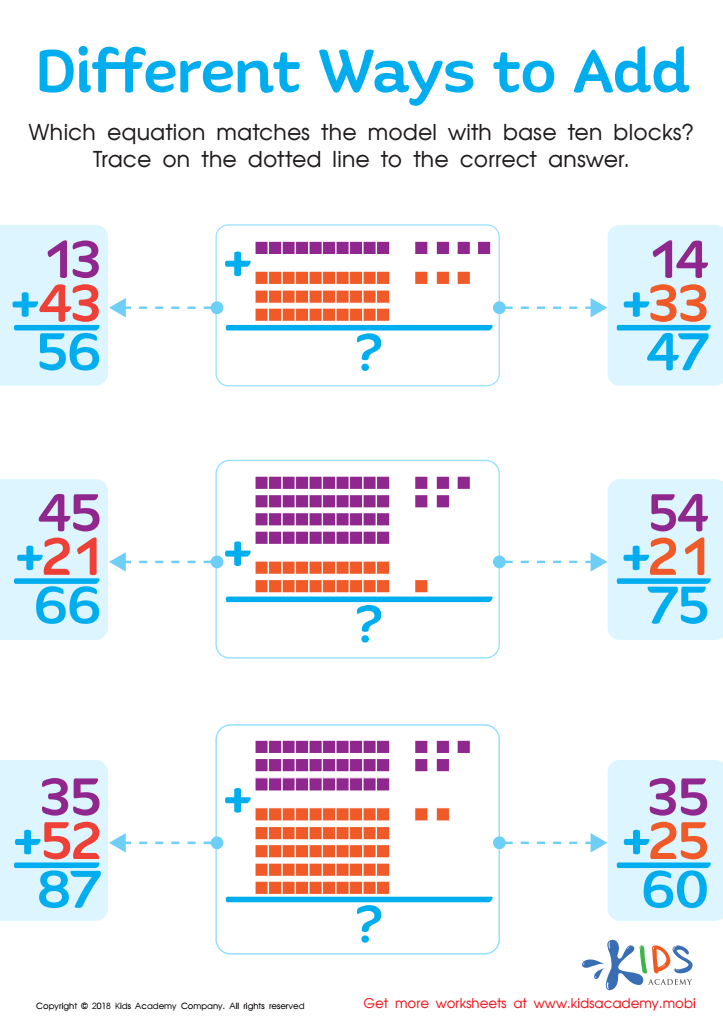
Different Ways to Add Worksheet
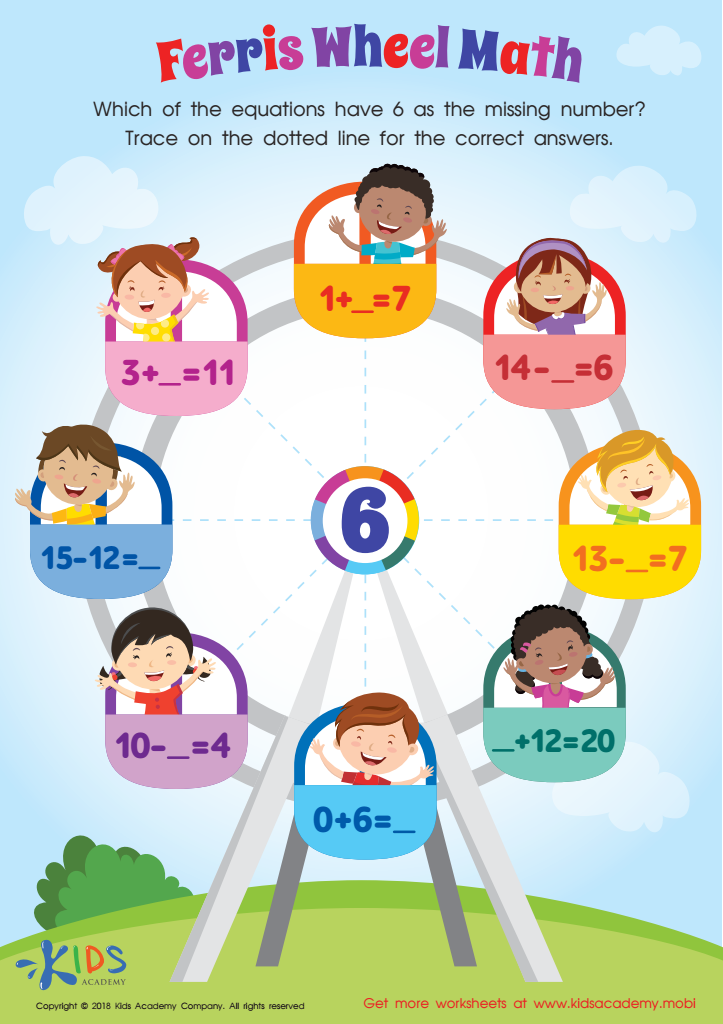
Missing Number: Ferris Wheel Math Worksheet
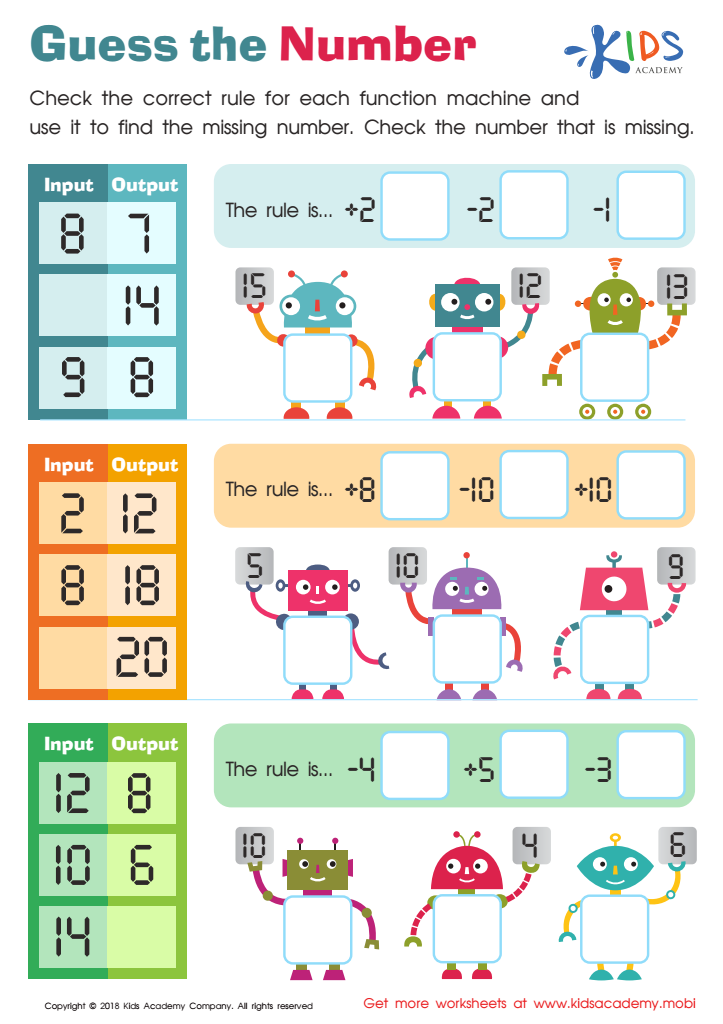
Guess the Number Worksheet
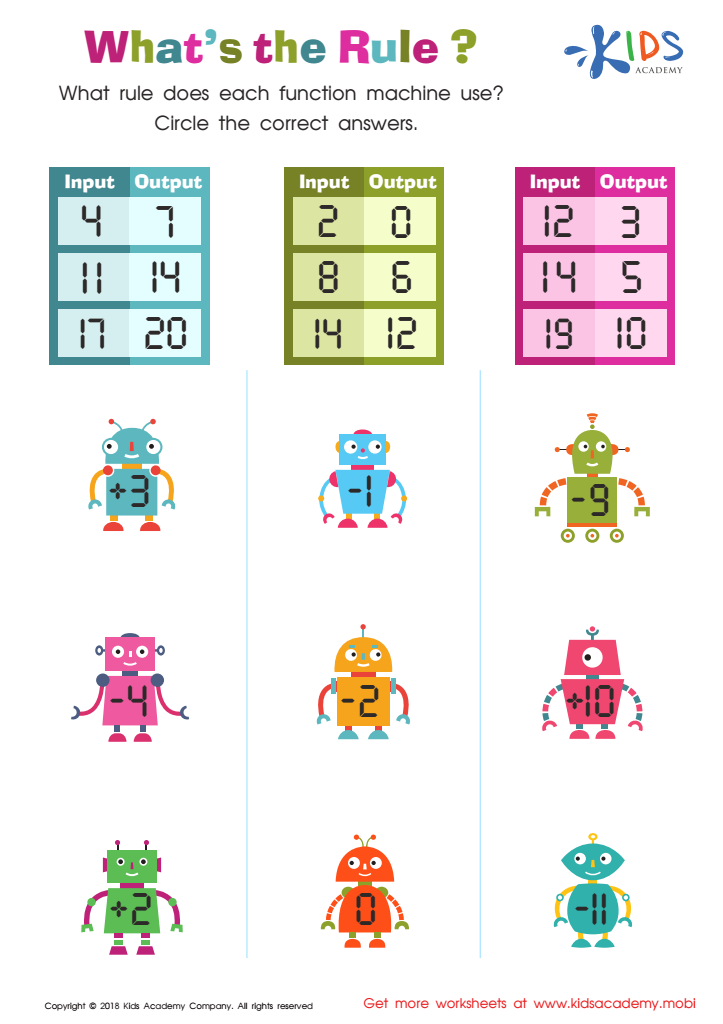
What's the Rule Worksheet
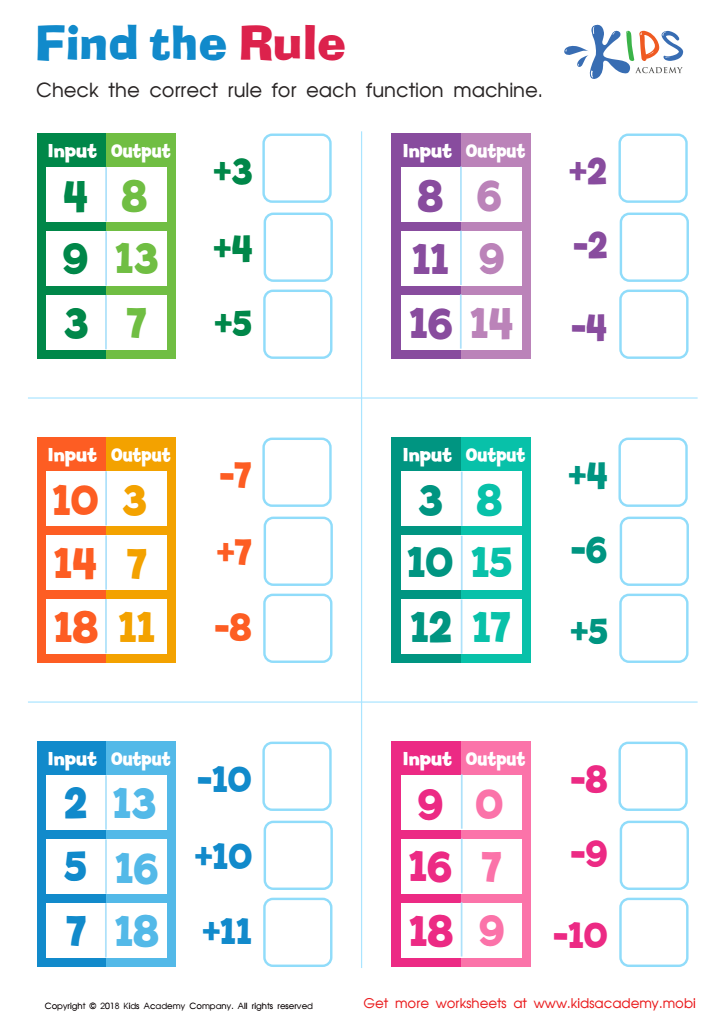
Find the Rule Worksheet
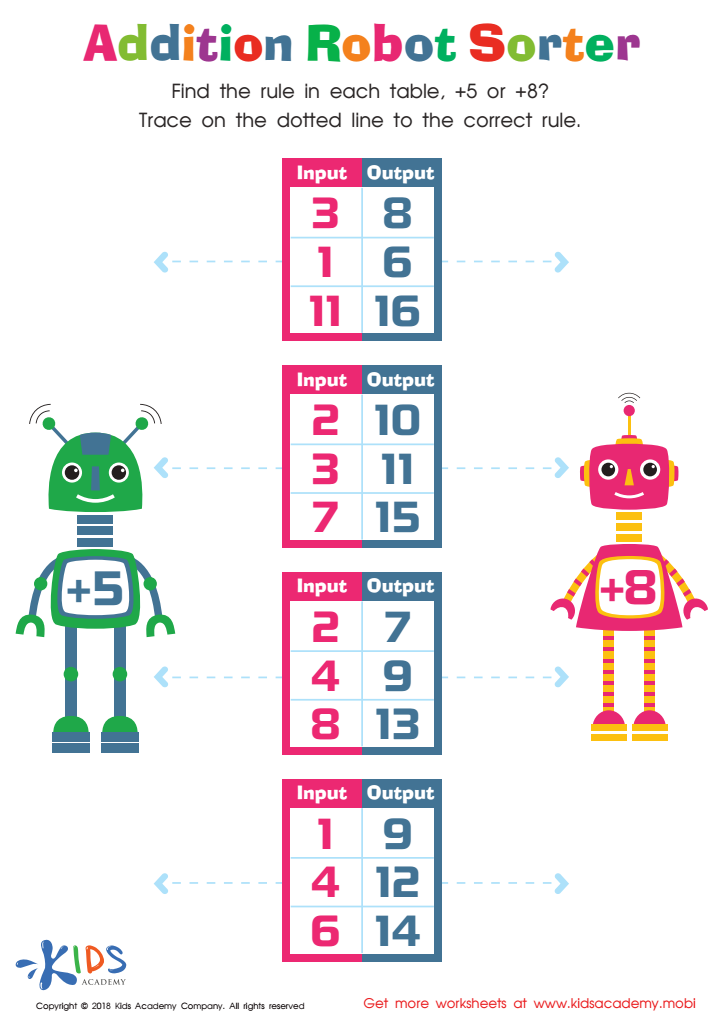
Addition Robot Sorter Worksheet
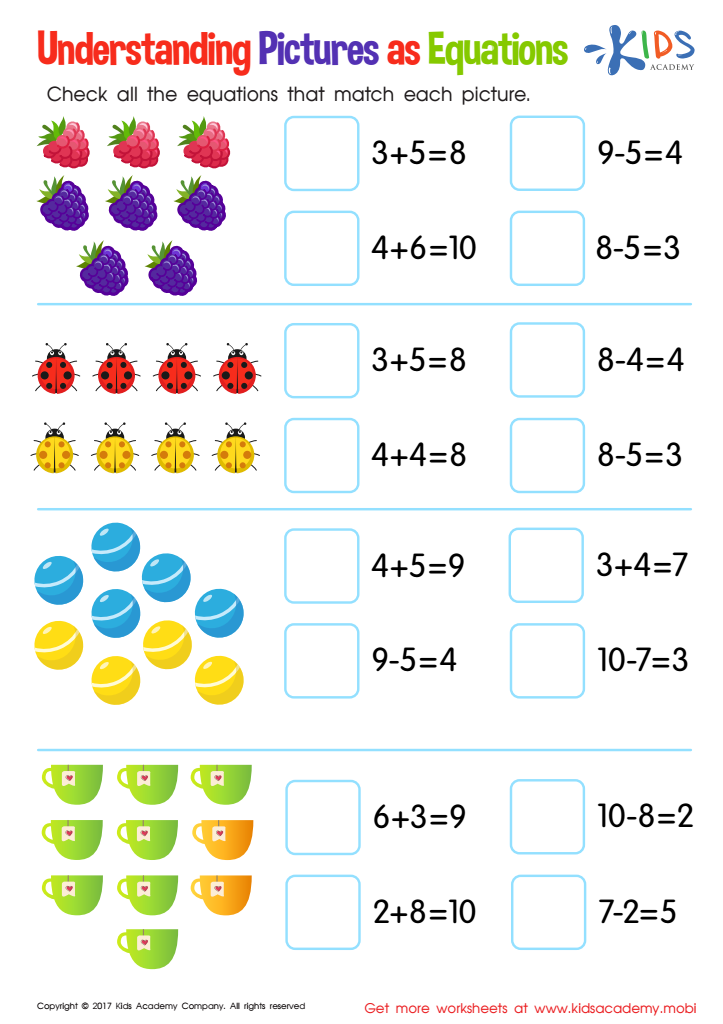
Understanding Pictures as Equations Worksheet








Normal Math for ages 3-8 is crucial as it lays the groundwork for numeracy skills, essential for daily life and future academic success. During these early years, children’s brains are highly receptive, making it the optimal time to introduce fundamental math concepts like counting, shapes, simple addition, and subtraction.
For parents and teachers, engaging with Normal Math helps children develop problem-solving skills, logical reasoning, and the ability to analyze patterns—all critical competencies that extend beyond mathematics. Encouraging math-related activities, whether through play, storytelling, or structured exercises, can make math enjoyable and reduce anxiety around the subject later in life.
Early exposure to math also builds confidence. When children see they can solve problems, they approach learning with a more positive mindset. Additionally, math proficiency is linked to success in other subjects, such as science and reading, because many skills overlap.
Lastly, fostering an interest in math early on can close achievement gaps. Data shows that early math skills predict later academic careers more strongly than early reading skills. Therefore, by emphasizing Normal Math, parents and teachers can ensure a stronger educational foundation, fostering a lifelong love and understanding of numbers and logical thinking.








