Normal Measurement Worksheets for Ages 3-9 - Page 2
36 filtered results
-
From - To
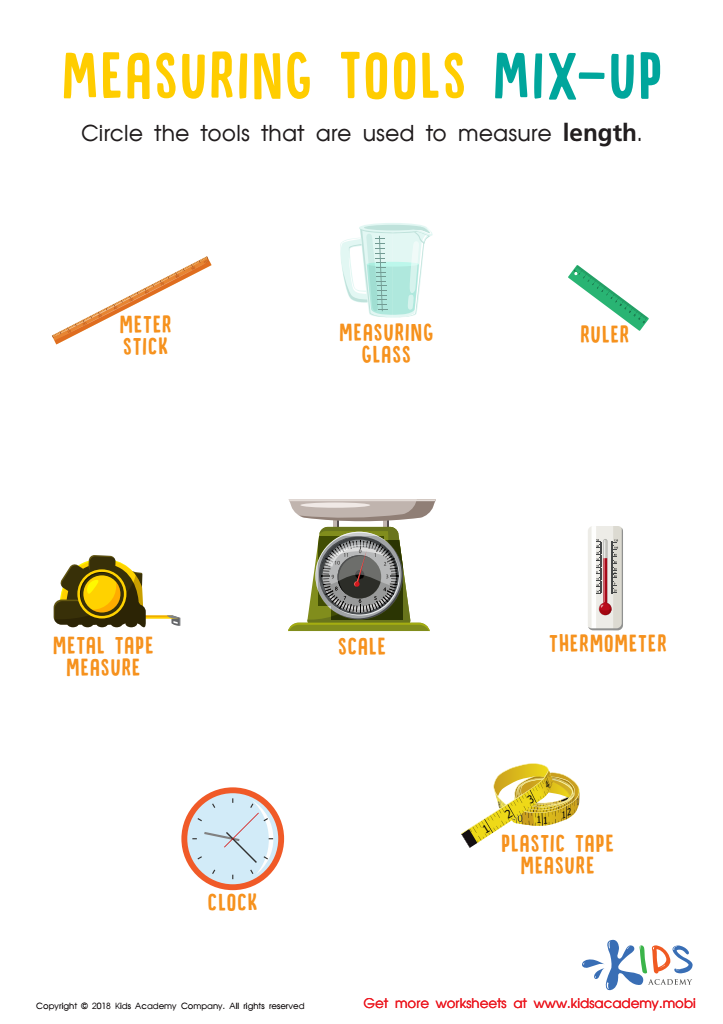
Measuring Tools Mix–up Worksheet
 Assign to My Students
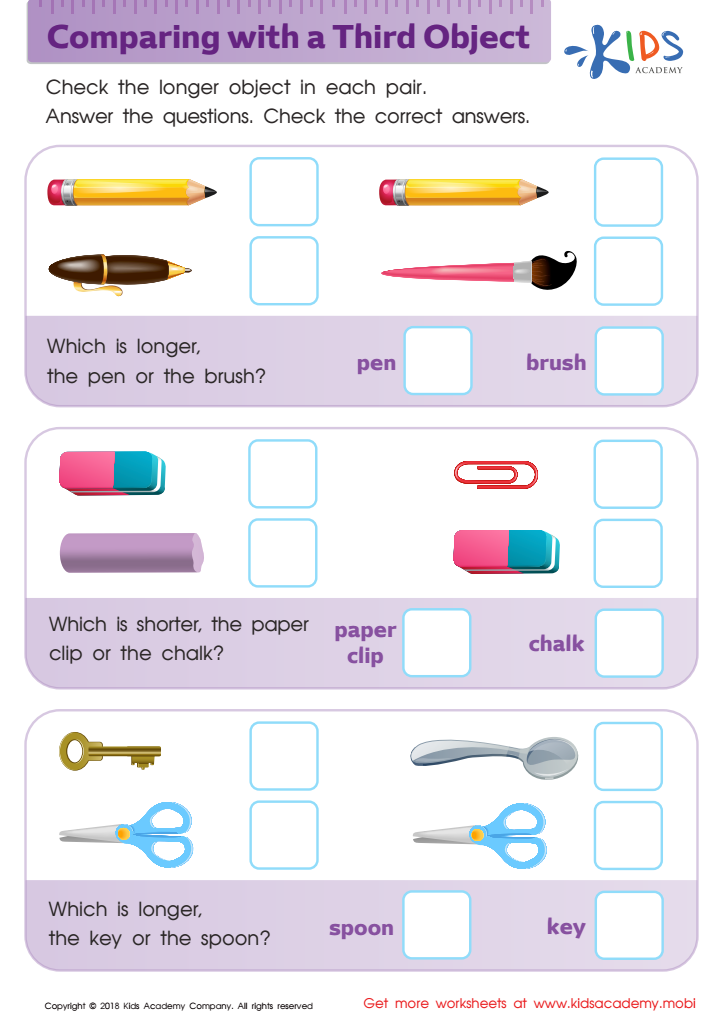
Comparing with a Third Object Worksheet
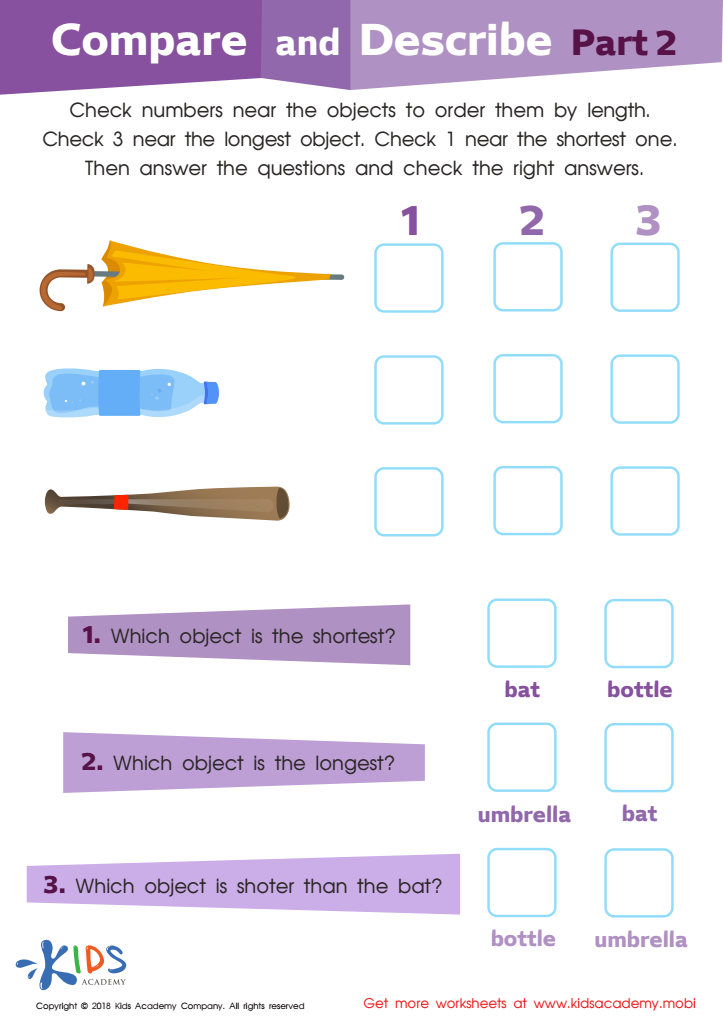
Compare and Describe: Part 2 Worksheet
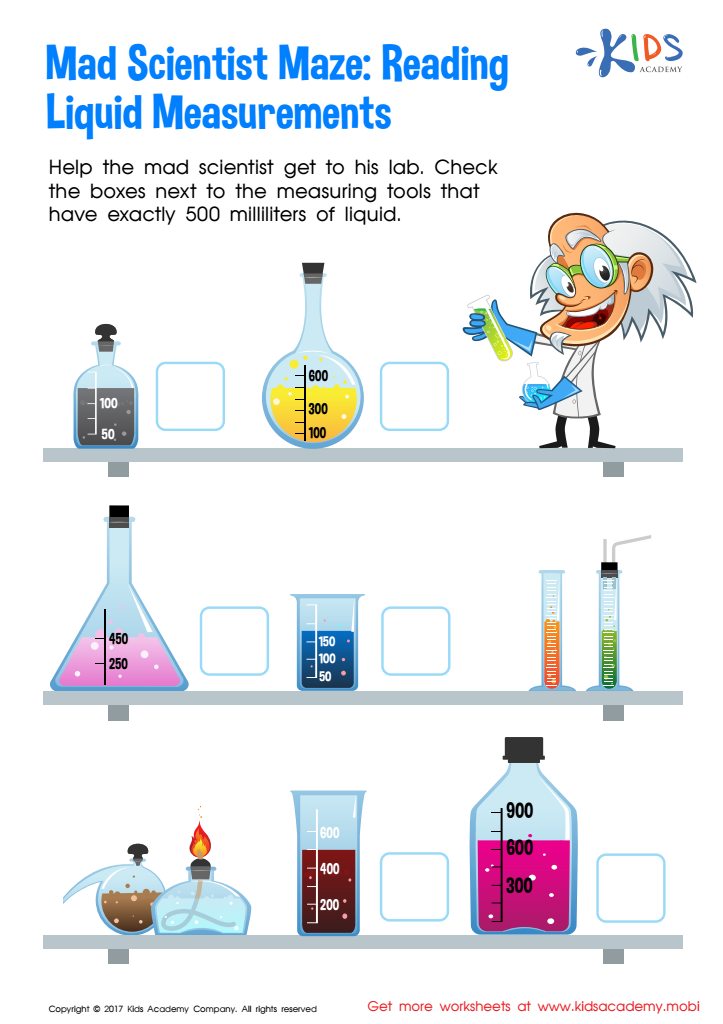
Reading Liquid Measurement Worksheet
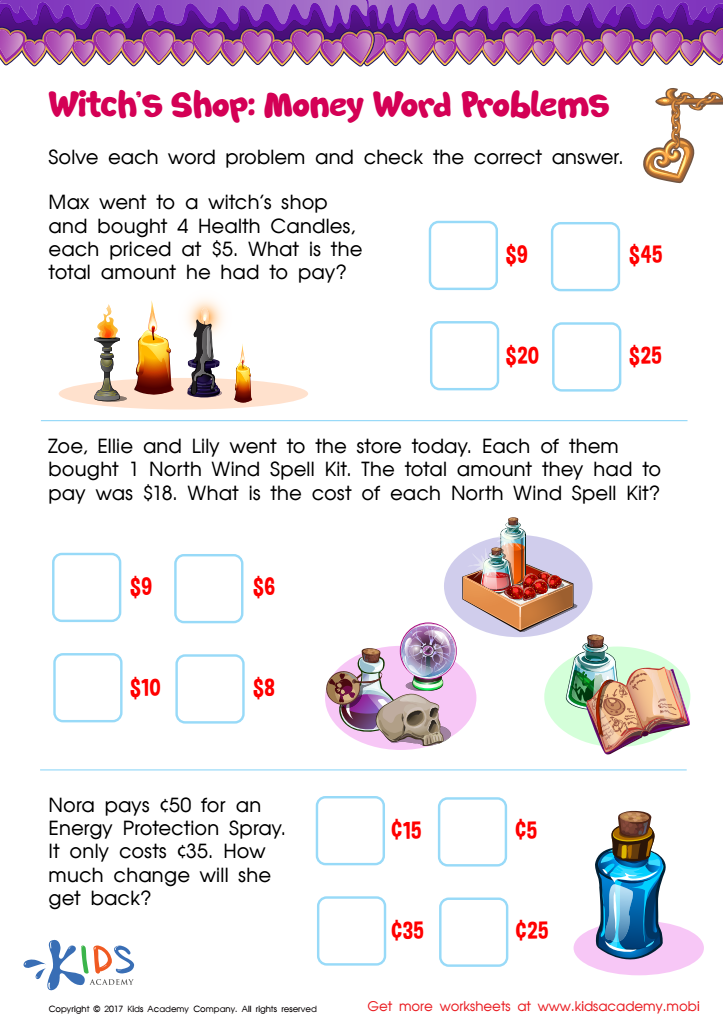
Money Word Problems Printable
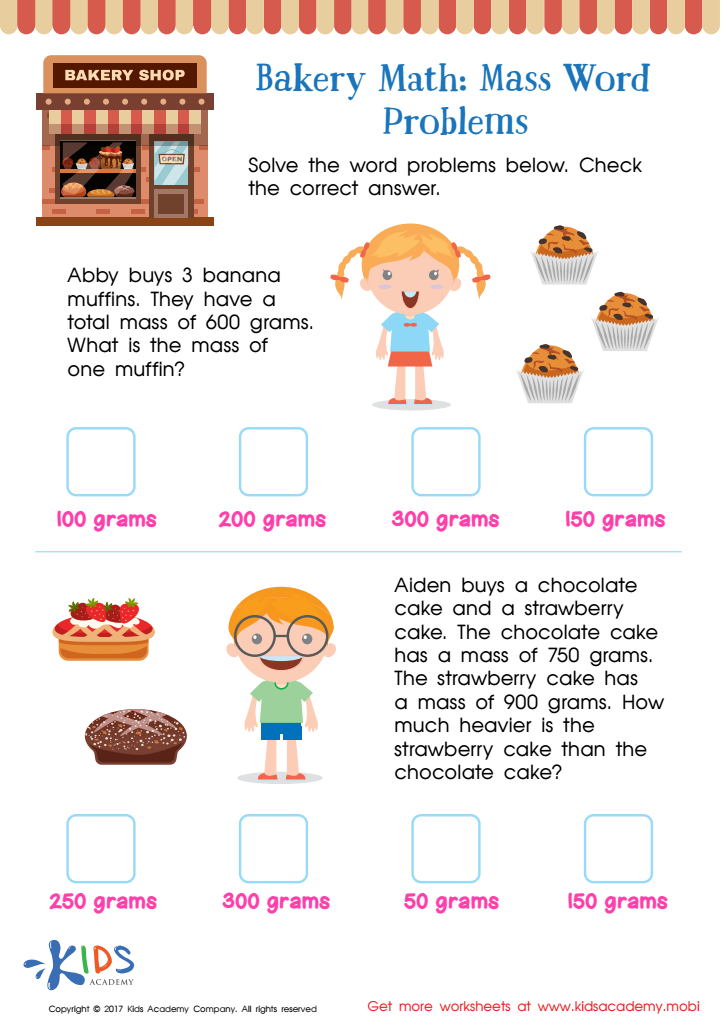
Mass Word Problems Worksheet
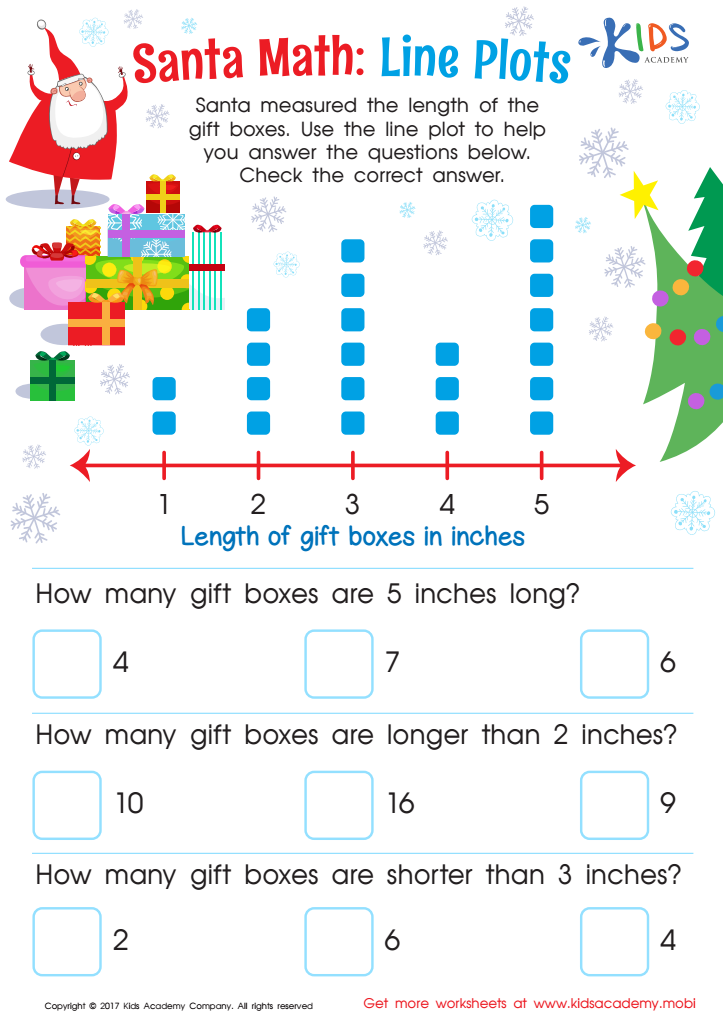
Line Plot Worksheet
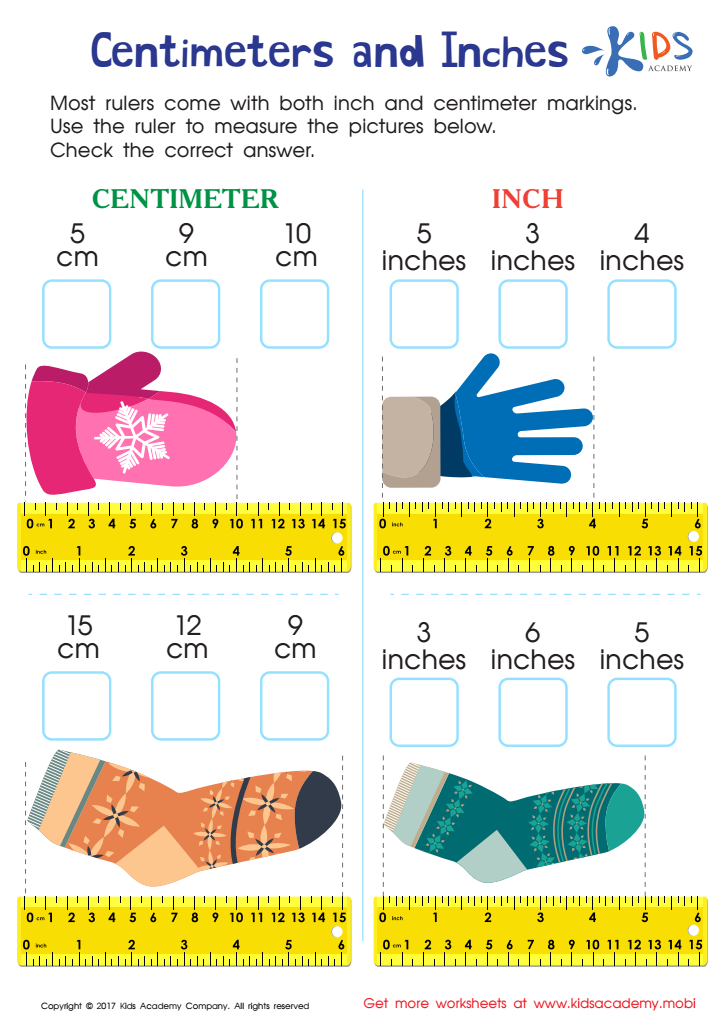
Centimeters and Inches Worksheet
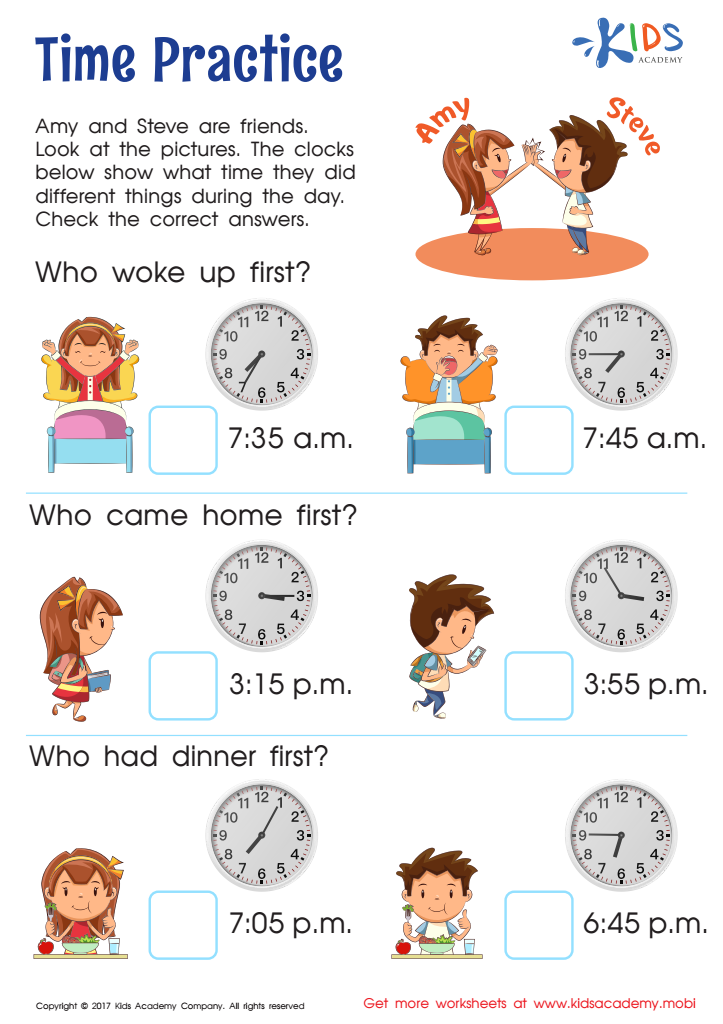
Time Practice Worksheet
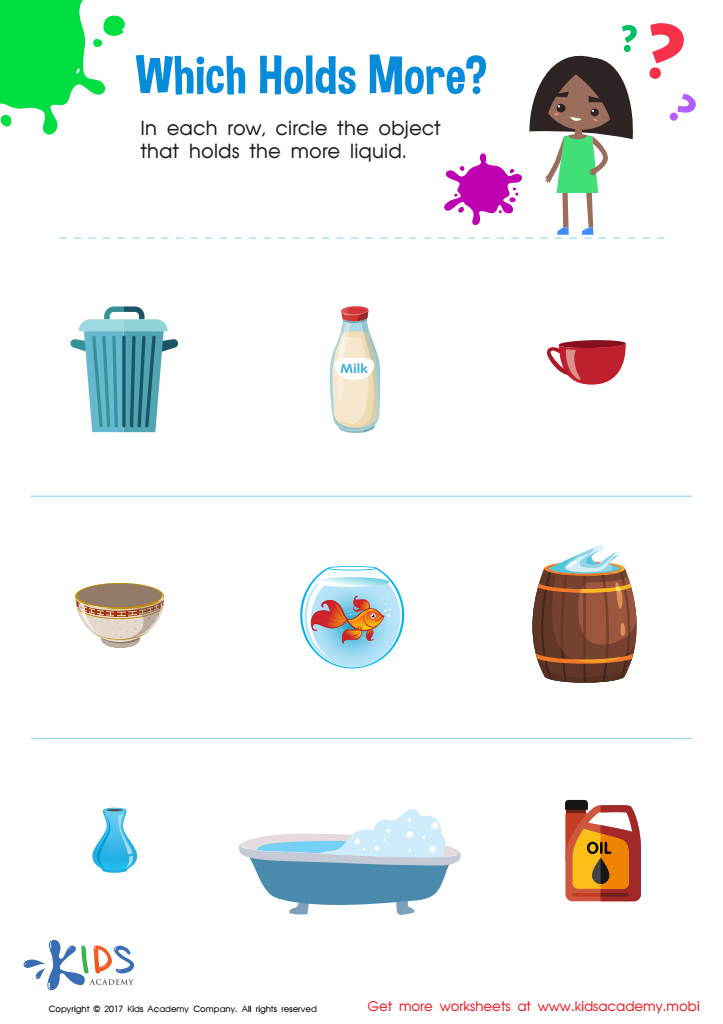
Which Holds More: Capacity Worksheet
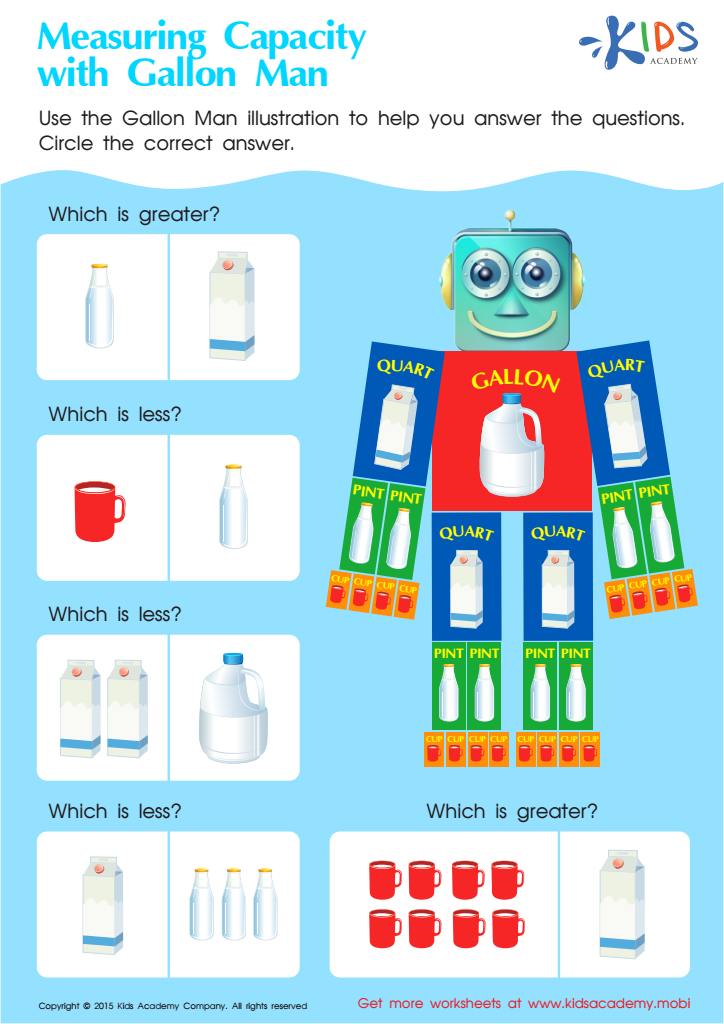
Measurement: Measuring Capacity with Gallon Man Worksheet
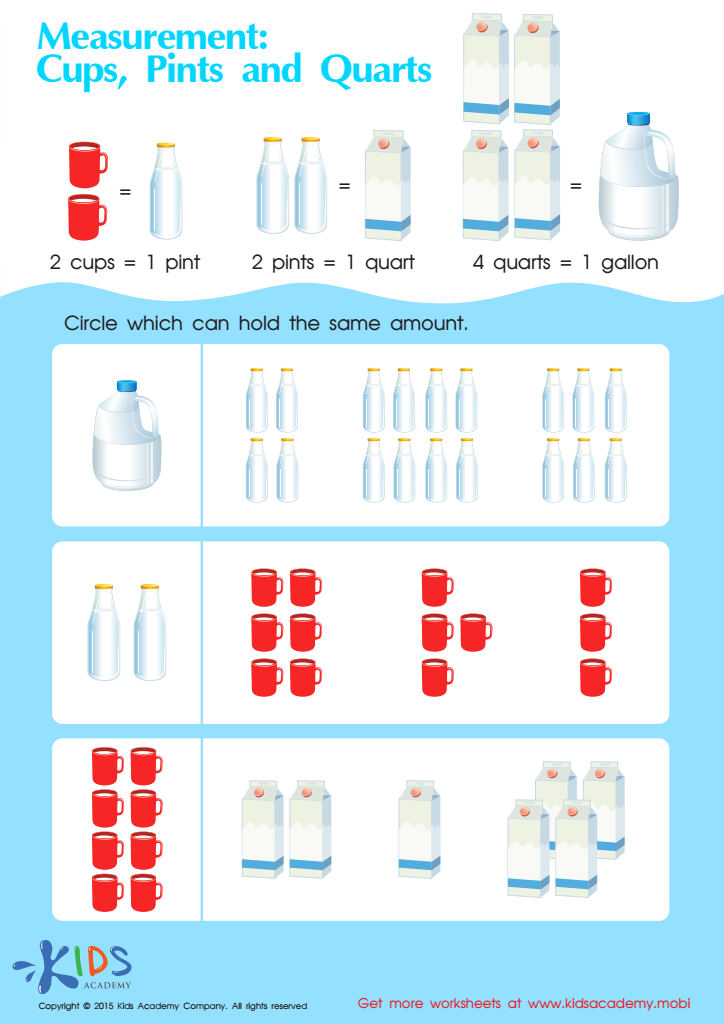
Cups, Pints and Quarts 2 Worksheet








Normal measurement for ages 3-9 is vital for both parents and teachers, as it encompasses the physical, social, and emotional development of children during these formative years. Understanding developmental milestones helps in identifying whether a child is growing and progressing typically for their age, which is crucial for effective learning and self-esteem.
Parents and teachers should care about these measurements because they provide a benchmark for growth and development, serving as indicators of potential health issues or learning difficulties. For instance, deviations from typical growth patterns can signal underlying problems, allowing for early intervention and support. When children meet developmental milestones, it fosters confidence and promotes a positive self-image, essential for a thriving academic and social life.
Additionally, normal measurements guide educational planning. Teachers can tailor instruction to accommodate varying developmental levels within the classroom, ensuring that each child gets the necessary support. This understanding accommodates diverse learning styles, enhancing classroom engagement and success.
In summary, normal measurement is a crucial component of early childhood development that shapes educational approaches and supports optimal growth, making it essential for both parents and teachers to monitor and engage with these assessments actively.








